

Get more content that can help you
Content
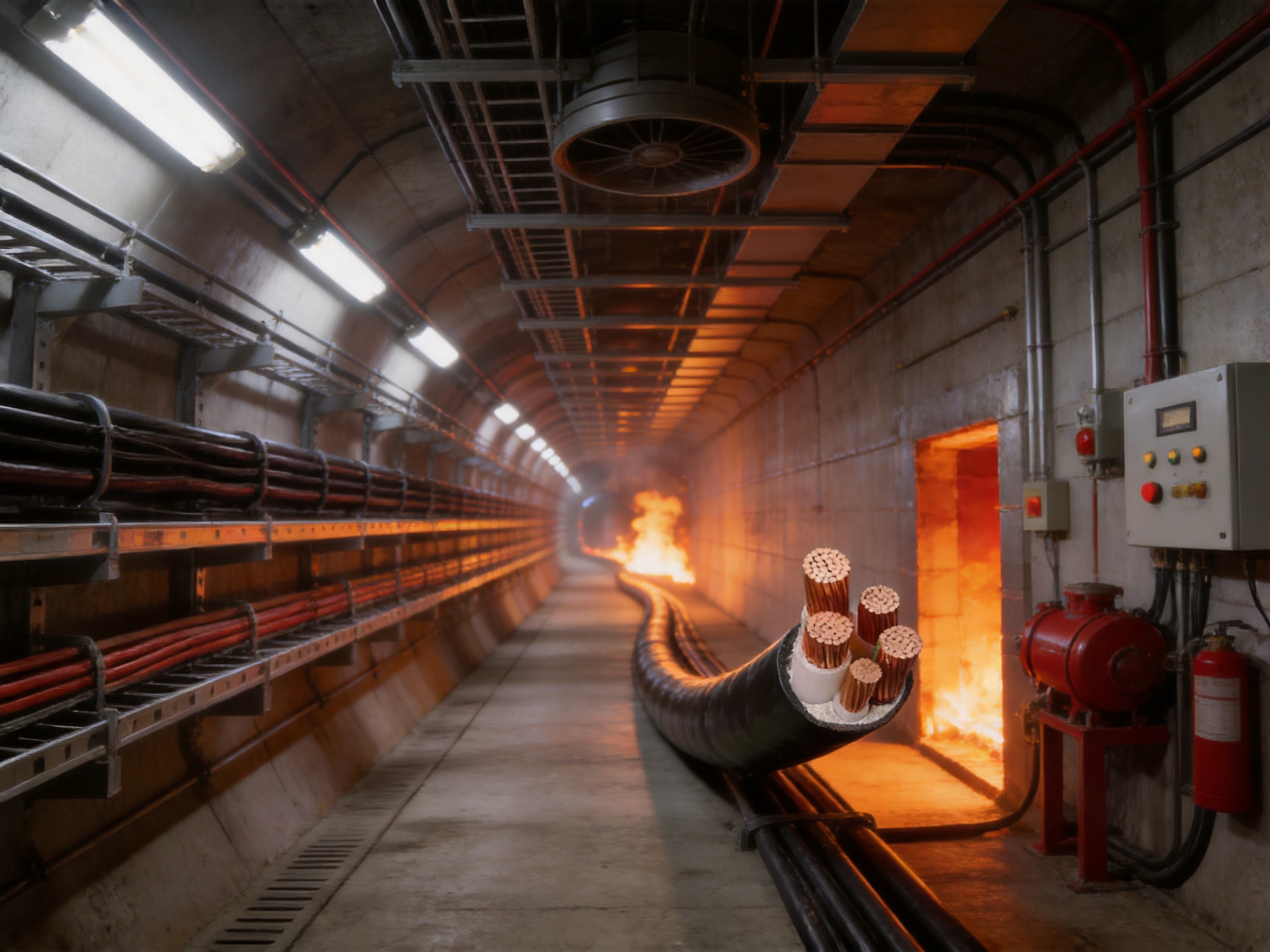
Modern electrical infrastructure increasingly requires cables that do more than transmit power under normal conditions. In tunnels, underground passages, transportation facilities, industrial plants, commercial buildings, and critical public-service installations, a power cable may need to continue operating during a fire while also resisting crushing, impact, moisture, rodents, flame spread, and the release of hazardous combustion products. The WDZB1N-YJY23 environmental protection and safety XLPE insulated and sheathed power cable is designed for these demanding conditions.
This cable combines four major protection functions in one construction: fire resistance, top-tier flame retardancy, low-smoke and halogen-free performance, and mechanical protection through double-layer steel tape armor. It is intended for circuits where power continuity is essential, especially circuits serving fire pumps, emergency lighting, smoke extraction equipment, alarm systems, evacuation facilities, communication equipment, and other life-safety installations.
Unlike an ordinary low-voltage power cable, this product is engineered for hazardous scenarios in which fire and physical damage may occur at the same time. A conventional cable may provide reliable power during normal operation but fail rapidly when exposed to flame, impact, soil pressure, or collapsing materials. The WDZB1N-YJY23 design addresses these combined risks through specialized materials, layered construction, and strict performance requirements.
Electrical cables are often installed in environments where they are difficult to inspect or replace. Once a cable is buried underground, placed inside a tunnel, routed beneath a floor, or installed behind a wall, its long-term reliability depends heavily on the original design and installation quality. Damage may remain invisible until a fault occurs.
During a fire, the electrical system must often continue supplying power to the very equipment responsible for protecting people and property. Fire pumps require electricity to maintain water pressure. Smoke-control fans need power to remove dangerous gases. Emergency lighting must remain available when normal lighting fails. Fire alarms, control panels, evacuation systems, and communication equipment must continue operating so that occupants and emergency responders can act effectively.
A cable that burns through at the beginning of an emergency can disable several safety systems at once. The result may be a loss of lighting, ventilation, alarms, and fire suppression precisely when those systems are most needed. Fire-resistant cables are therefore not simply premium alternatives to standard cables; they are essential components of an integrated fire-protection strategy.
Physical damage creates another major risk. Directly buried cables can be exposed to soil pressure, construction activity, vehicle loading, vibration, water movement, and pests. In underground passages and tunnels, cables may also encounter falling materials, accidental impact, and restricted installation spaces. A cable with fire resistance but insufficient mechanical protection may survive a flame test yet fail during actual installation or a structural incident.
The WDZB1N-YJY23 configuration is intended to address these risks together. The “N” designation indicates fire-resistant performance in the stated product classification, “WD” indicates environmental protection characteristics such as low smoke and halogen-free combustion behavior, “B1” identifies a high flame-retardancy or combustion-performance level, and “23” represents the use of steel tape armor for enhanced mechanical protection. Exact marking interpretation should always be confirmed against the applicable project specification and testing documentation.
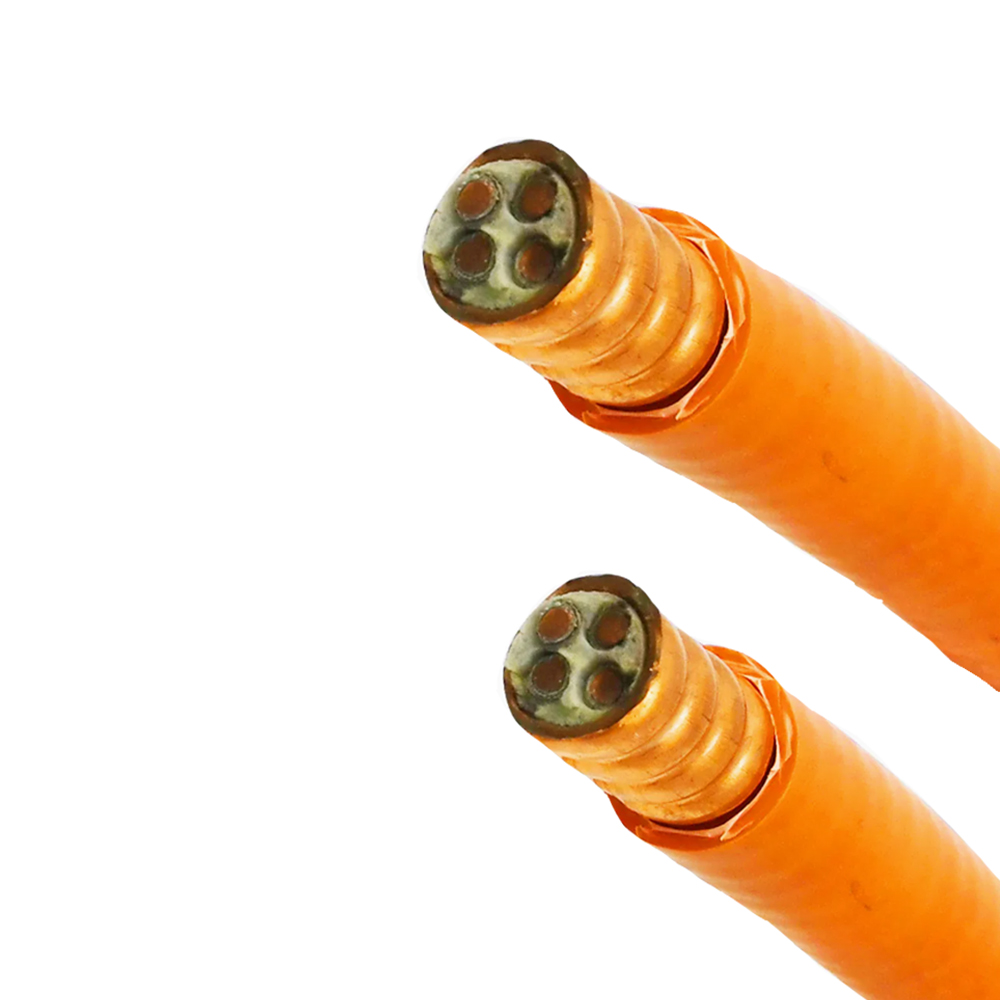
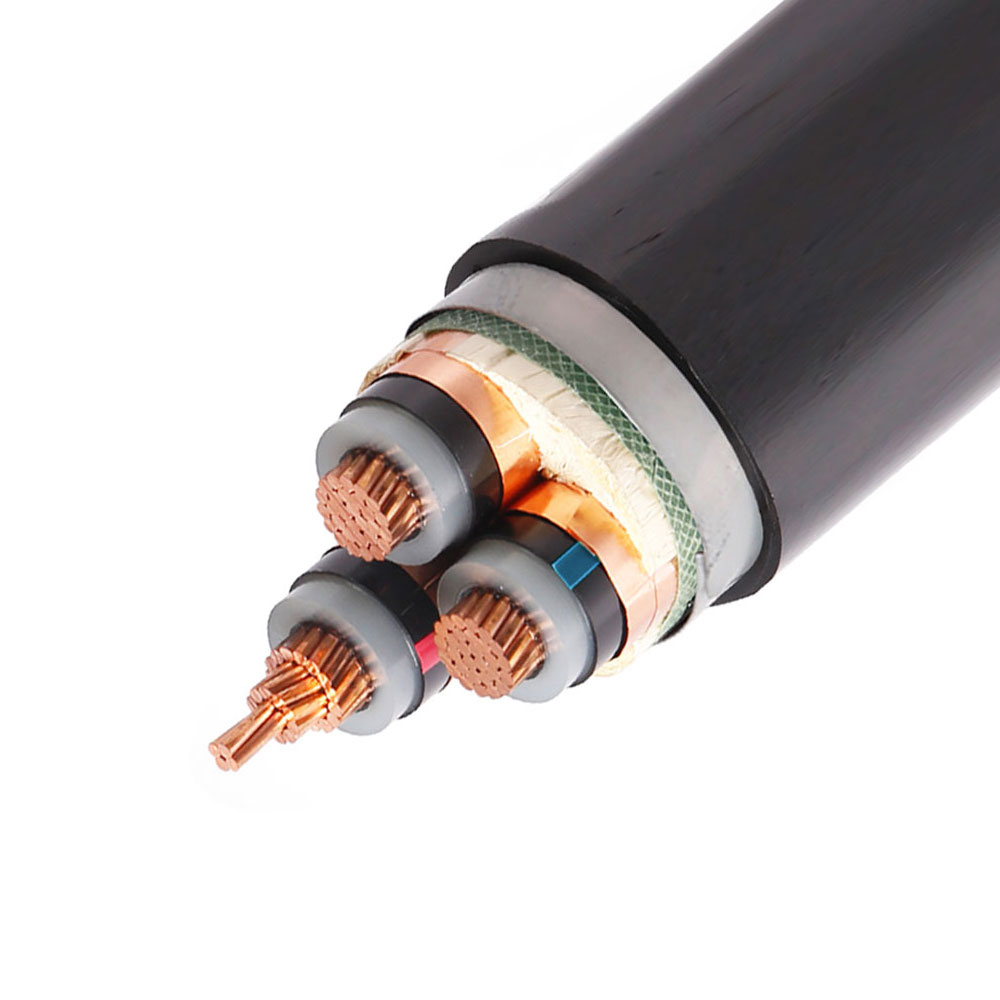
The central feature of the product is its fire-resistant construction. The copper conductor is specially stranded and covered with a double layer of mica tape or an equivalent mineral-insulated fire-resistant layer. Mica is valued for its excellent resistance to high temperatures and its ability to maintain electrical insulation under severe thermal stress.
When exposed to a fire, the fire-resistant layer helps prevent the conductor from losing its insulation immediately. This allows current to continue flowing for a specified period, provided that the cable is correctly selected, installed, supported, terminated, and protected in accordance with the applicable requirements.
The product information identifies compliance with GB/T 19216.21, associated with IEC 60331-1 testing principles, and describes a common continuous power-supply rating of 90 or 180 minutes under a flame temperature of approximately 950°C, depending on the specified classification. A project engineer should verify the exact fire-resistance class, test duration, test configuration, and certificate before approving the cable for a particular application.
Fire resistance is different from flame retardancy. Fire resistance means that the cable can maintain circuit integrity for a specified duration under defined fire conditions. Flame retardancy refers primarily to the cable’s ability to resist flame propagation. A cable can have one characteristic without fully providing the other. This product combines both functions in an integrated design.
The B1 combustion-performance grade represents a demanding level of flame-retardant performance. The cable is designed to reduce the likelihood that flames will travel along its length or contribute significantly to the development of a larger fire.
High flame retardancy is especially important in cable trays, shafts, vertical risers, tunnels, and other installations where cables are arranged in long continuous runs. If one cable ignites and flames spread rapidly along the installation, a localized incident can become a major infrastructure fire. Reducing flame propagation gives occupants more time to evacuate and gives emergency personnel more time to control the incident.
The stated B1 requirements involve a complete group of tests rather than a single flame exposure test. These may include combustion heat release, heat release rate, flame spread, smoke density, and smoke toxicity. The actual evaluation should be based on official test reports and the applicable edition of GB 31247 or the project’s required standard.
Compared with ordinary PVC-sheathed cables, a high-performance B1 cable can offer a safer response in crowded or enclosed spaces. However, its performance still depends on correct routing, spacing, support, termination, and installation conditions. No cable should be treated as a substitute for a complete fire-safety design.
During a building fire, smoke can be more dangerous than flames. Dense smoke reduces visibility, obstructs evacuation, causes panic, and makes rescue work more difficult. Halogen-containing cable materials may also release corrosive and toxic gases when burned. These gases can damage electronic equipment, irritate the respiratory system, and create additional hazards in enclosed areas.
The WDZB1N-YJY23 cable uses halogen-free polyolefin materials for the inner sheath and, where specified, the outer sheath. Its low-smoke and halogen-free characteristics are designed to limit the formation of dense smoke and toxic halogen acid gases during combustion.
The stated performance includes a pH value of at least 4.3 and conductivity of no more than 10 μS/mm for combustion products, together with smoke-density and light-transmittance requirements associated with the B1 grade. These values are important because they provide measurable criteria for evaluating the corrosive and obscuring effects of cable combustion.
Low-smoke, halogen-free construction is particularly valuable in subway systems, underground passages, hospitals, shopping centers, airports, public buildings, data rooms, and industrial control areas. In these locations, people may be unable to evacuate quickly, and sensitive equipment may need to remain functional after exposure to smoke and corrosive gases.
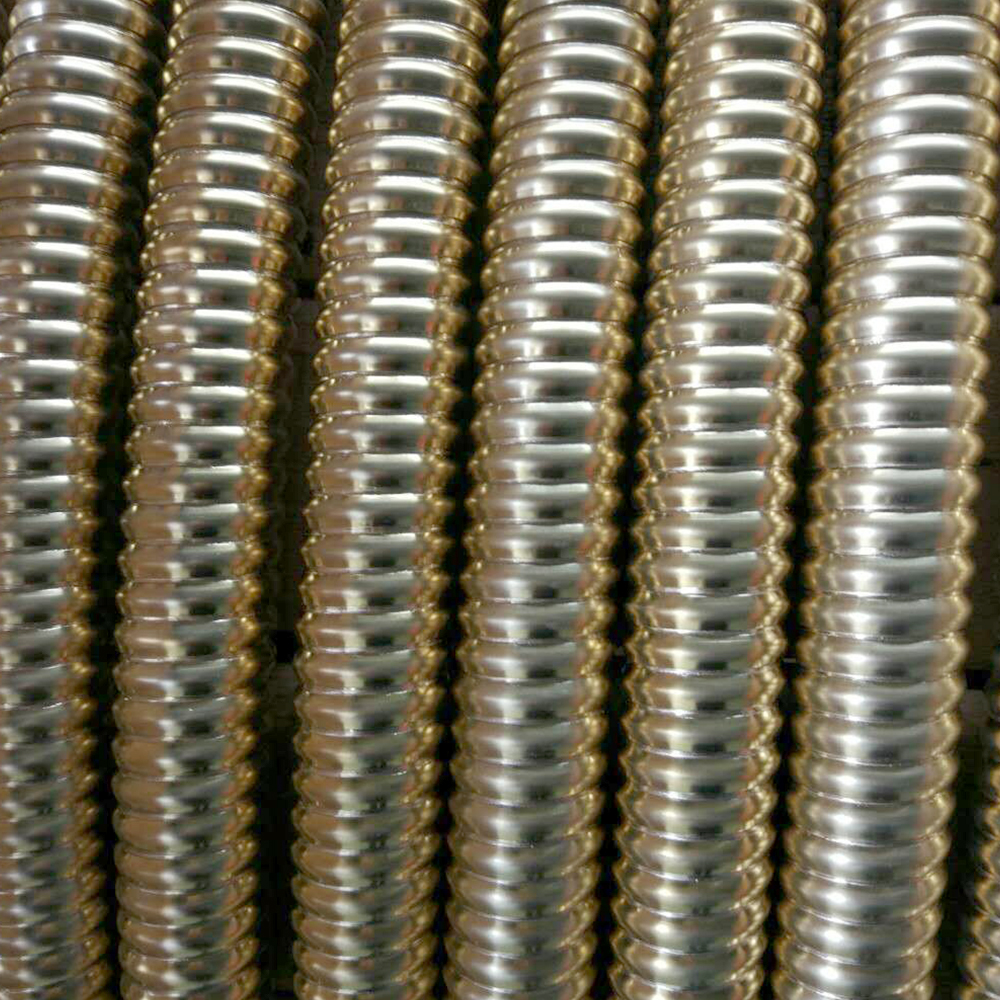
The “23” construction includes a double layer of galvanized steel tape armor. This armor provides a significant improvement in resistance to crushing, impact, soil pressure, and damage caused by rodents or pests. It is especially suitable for direct burial and underground installations where cables are exposed to mechanical stress after installation.
Steel tape armor also helps protect the inner cable components during handling and construction. It can reduce the risk of damage caused by accidental contact with tools, rough trench surfaces, or other materials. Nevertheless, armor is not a reason to disregard minimum bending radius, pulling tension, trench design, bedding, backfill, or cable-support requirements.
In comparison with an unarmored fire-resistant cable, the armored design offers broader protection when the installation environment is uncertain or physically demanding. In comparison with some heavier mechanical protection systems, steel tape armor may provide a practical balance between protection, construction complexity, and cost. The correct choice depends on the expected forces, grounding system, route, and local regulations.
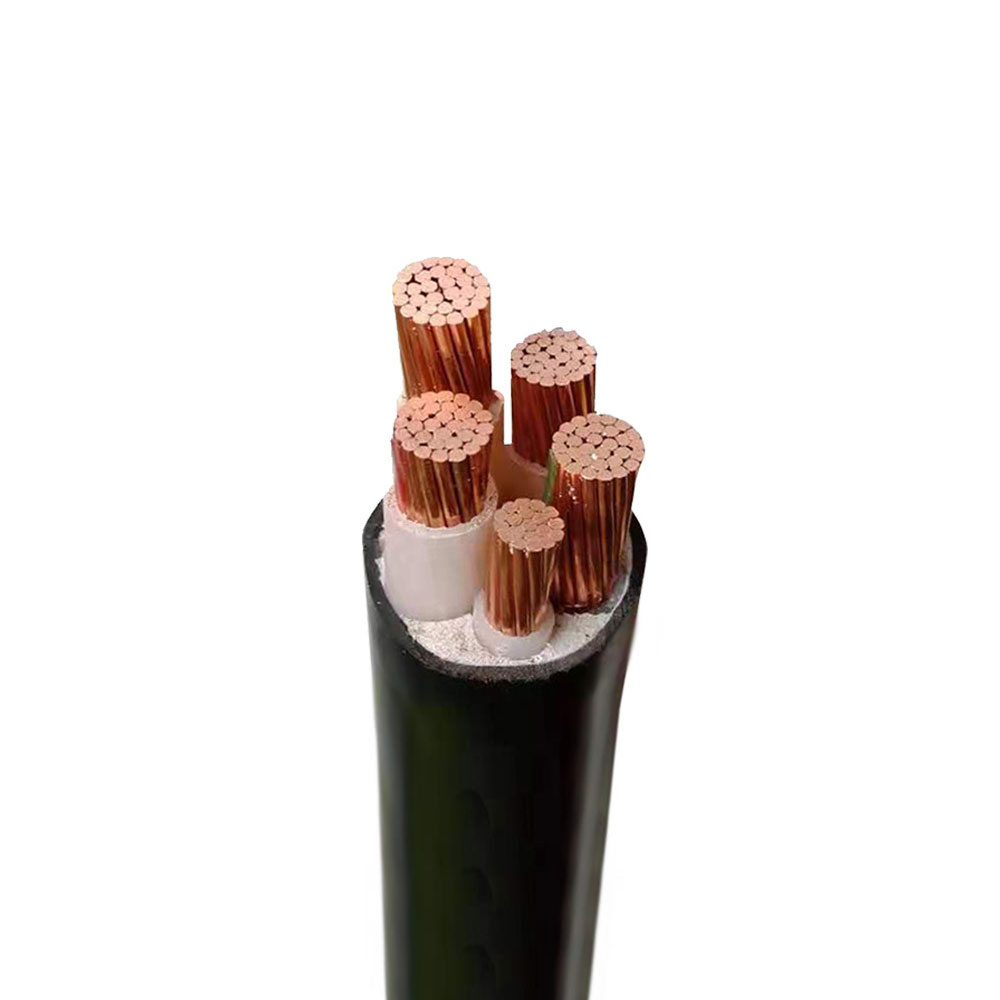
WDZB1N--YJY23 Environmental protection and safety XLPE Insulated and Sheathed Power Cable
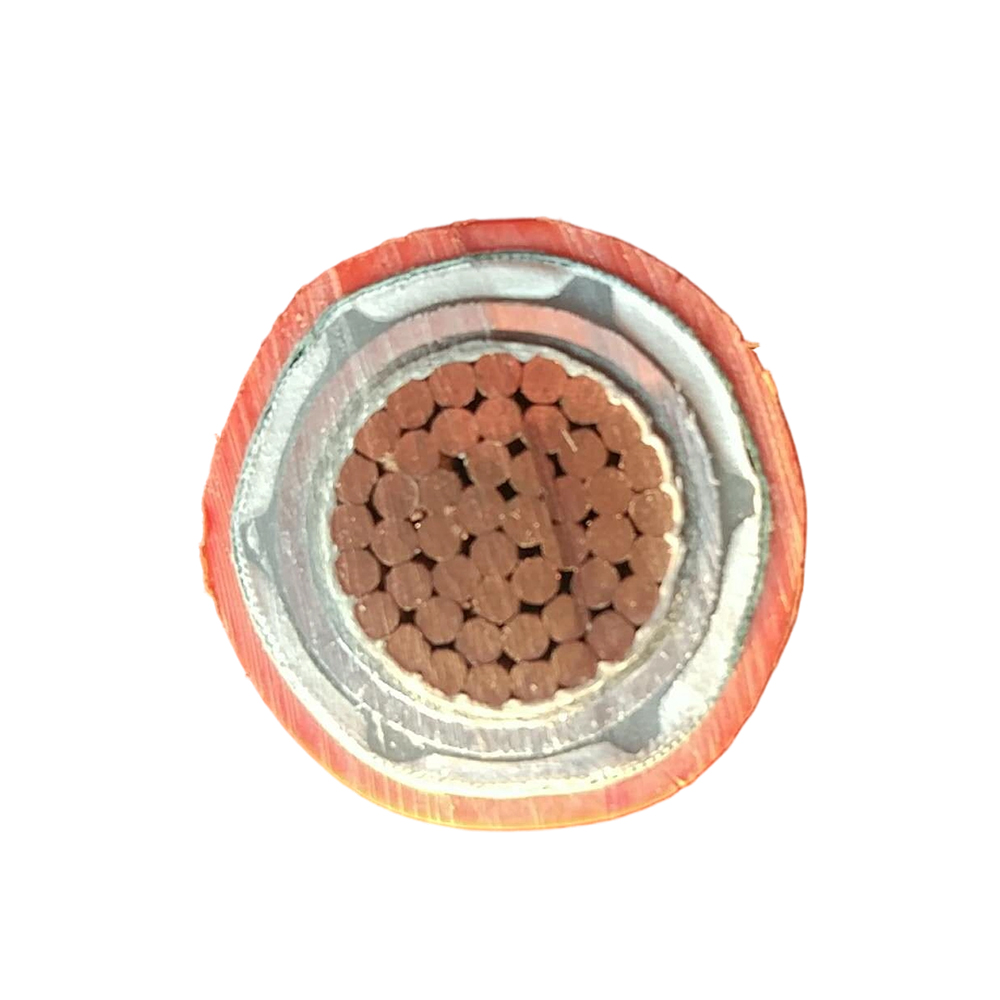
The conductor is made from copper and is specially stranded to achieve reliable electrical performance and practical flexibility. Copper provides high conductivity, good termination characteristics, and proven compatibility with low-voltage power systems.
Stranding distributes bending stress among multiple wires rather than concentrating it in one solid conductor. This is helpful during cable routing, especially when large cross-sectional conductors are installed around equipment, through cable trenches, or into distribution cabinets.
Conductor quality is fundamental to cable performance. A high-purity copper conductor reduces resistive losses and helps maintain stable operating temperature. The supplier’s standard product assurance includes full-core and full-length specifications for pure copper products, together with test reports and warranty support for standard cable models.
The fire-resistant layer is placed around the conductor before the main insulation system. Double-layer mica tape or an equivalent mineral-insulated material creates a thermal barrier that helps maintain insulation integrity during fire exposure.
The quality of this layer depends on the material itself, the overlap ratio, tension control, continuity, and production consistency. Small gaps, excessive tension, poor overlap, or mechanical damage can reduce fire performance. For this reason, the process used to apply the fire-resistant layer is as important as the nominal material specification.
A cable containing a fire-resistant material is not automatically a certified fire-resistant cable. Fire performance must be verified through the complete finished-cable test, because the conductor, fire barrier, insulation, sheath, armor, and manufacturing process all influence the final result.
Cross-linked polyethylene, commonly known as XLPE, forms the primary electrical insulation system. XLPE is widely used in low-voltage power cables because it combines good dielectric strength, moisture resistance, chemical stability, and a long-term operating temperature of approximately 90°C under the stated product conditions.
The short-circuit temperature is identified as approximately 250°C for a duration of five seconds. This rating indicates the thermal limit of the insulation system during a properly cleared short-circuit event. It is not a permission to operate continuously at that temperature, and the actual allowable short-circuit current depends on conductor size, initial temperature, fault duration, and installation conditions.
XLPE also supports a compact and reliable cable construction. Its thermal capability is higher than that of many traditional thermoplastic insulation materials. However, the presence of a fire-resistant layer and armor can influence heat dissipation, so the complete cable should be rated rather than relying only on the basic XLPE temperature value.
The inner sheath provides separation and protection between the insulated cores and the armor. The specified polyolefin material is halogen-free and supports the product’s low-smoke and environmental-safety objectives.
A properly designed inner sheath helps maintain the geometry of the cable, protects the insulation from contact with the armor, and provides a stable base for the outer protective layers. Its extrusion quality, thickness uniformity, surface finish, and adhesion should be controlled during manufacturing.
Two layers of galvanized steel tape are applied around the inner cable assembly. Galvanization helps improve corrosion resistance during storage, handling, and service, although the suitability of the armor for a particular wet or chemically aggressive environment must still be reviewed.
The armor provides radial compression resistance and protects against external mechanical damage. It may also affect the cable’s electrical bonding and earthing arrangements. The project design must specify how the armor is terminated, bonded, grounded, and connected to the overall protective system.
The outer sheath is specified as polyethylene or halogen-free polyolefin according to the required design. The sheath protects the armor from environmental exposure and provides the external surface required for installation.
Polyethylene can offer strong moisture resistance and good durability in many outdoor or buried applications. Halogen-free polyolefin can support low-smoke and low-corrosivity objectives. The appropriate selection depends on fire regulations, sunlight exposure, soil chemistry, temperature, water conditions, and mechanical requirements.
| Item | Stated Product Feature | Engineering Significance |
|---|---|---|
| Product type | WDZB1N-YJY23 environmental protection and safety XLPE insulated and sheathed power cable | Combines low-smoke, halogen-free, fire-resistant, flame-retardant, and armored construction |
| Conductor | Specially stranded copper | Provides high conductivity and practical installation flexibility |
| Fire-resistant layer | Double-layer mica tape or equivalent mineral-insulated layer | Helps maintain circuit integrity during defined fire exposure |
| Insulation | XLPE | Long-term operating temperature of approximately 90°C |
| Inner sheath | Halogen-free polyolefin | Protects insulated cores and supports low-smoke performance |
| Armor | Double-layer galvanized steel tape | Resists crushing, impact, soil pressure, and pest damage |
| Outer sheath | PE or halogen-free polyolefin | Provides external environmental and installation protection |
| Rated voltage | 0.6/1 kV mainstream rating | Suitable for many low-voltage power-distribution applications |
| Long-term conductor temperature | Approximately 90°C | Requires complete-cable ampacity review and correction factors |
| Short-circuit temperature | Approximately 250°C for five seconds | Supports short-circuit withstand calculations when properly coordinated |
| Fire-resistance performance | Testing associated with GB/T 19216.21 and IEC 60331-1 principles | Supports continuous power supply for specified fire durations |
| Combustion performance | B1 grade requirements | Limits flame spread and evaluates heat release and smoke behavior |
| Halogen-free performance | pH at least 4.3; conductivity no more than 10 μS/mm | Reduces corrosive combustion products |
| Minimum bending radius | Typically 12D–15D or greater for multi-core designs | Requires careful routing and professional installation |
Standard unarmored power cables may be adequate for ordinary indoor distribution, but they are not intended to withstand direct burial pressure, rodent damage, heavy impact, or serious fire exposure. The armored construction of this product creates an additional barrier against external damage.
When a project involves underground routes, tunnels, utility corridors, or areas with high mechanical risk, the use of a mechanically protected cable can reduce dependence on separate conduits or additional protective structures. This may simplify some installation arrangements, although a full cost comparison must include trench work, conduits, cable supports, jointing, inspection, and maintenance.
A flame-retardant cable is designed to resist flame propagation, but it may not maintain electrical continuity during a prolonged fire. The WDZB1N-YJY23 design adds a fire-resistant barrier so that critical circuits can continue operating for a specified period.
This distinction is important for emergency systems. A cable used for a fire pump or smoke extraction fan cannot be selected only because it does not spread flame. It must also meet the required circuit-integrity duration under the specified test conditions.
Halogen-containing materials can produce corrosive gases and dense smoke during combustion. The halogen-free, low-smoke construction of this cable is intended to improve visibility and reduce corrosive damage in a fire.
This advantage is particularly relevant where evacuation routes are enclosed or where high-value control equipment is installed. Lower smoke and corrosivity can help preserve visibility, reduce respiratory hazards, and protect switchgear, sensors, control systems, and electronic communication equipment.
The product is designed for applications in which failure has consequences beyond the loss of ordinary power. Fire-protection systems, emergency facilities, tunnel services, and underground safety circuits require a higher level of reliability than convenience outlets or nonessential loads.
The combination of electrical insulation, fire resistance, flame retardancy, low-smoke behavior, and armor allows engineers to address several failure modes through one cable design. This integrated approach can be more effective than combining a basic cable with separate protective measures that may be incorrectly installed or poorly maintained.
The product’s advanced protection comes with trade-offs. The cable has a large outer diameter, higher mass, and greater rigidity than many standard cables. It requires careful planning for transportation, pulling, bending, termination, and support.
The minimum bending radius is identified as approximately 12D to 15D or more for multi-core constructions, depending on the exact design. “D” refers to the overall cable diameter. For example, a cable with a 50-millimeter diameter may require a minimum bending radius of 600 to 750 millimeters or more. The manufacturer’s specific data sheet should always take priority.
The additional fire-resistant layer and steel armor can reduce heat dissipation. Consequently, the current-carrying capacity may be lower than that of a non-fire-resistant cable with the same conductor cross-section. The supplied information recommends applying a correction factor commonly in the range of 0.70 to 0.85, subject to the actual installation conditions and engineering calculation.
It is unsafe to select the conductor size based only on the nominal 90°C XLPE operating temperature. Engineers should consider ambient temperature, soil thermal resistivity, burial depth, grouping, spacing, ventilation, enclosure conditions, armor losses, harmonic currents, emergency overload requirements, and voltage drop.
The product is also more expensive than ordinary power cable. Mica tape, specialized polyolefins, steel armor, precision extrusion, and fire-performance testing increase the manufacturing cost. However, the initial price should be evaluated against the consequences of failure, the cost of additional conduits, the importance of service continuity, and the requirements of the applicable fire-safety regulations.
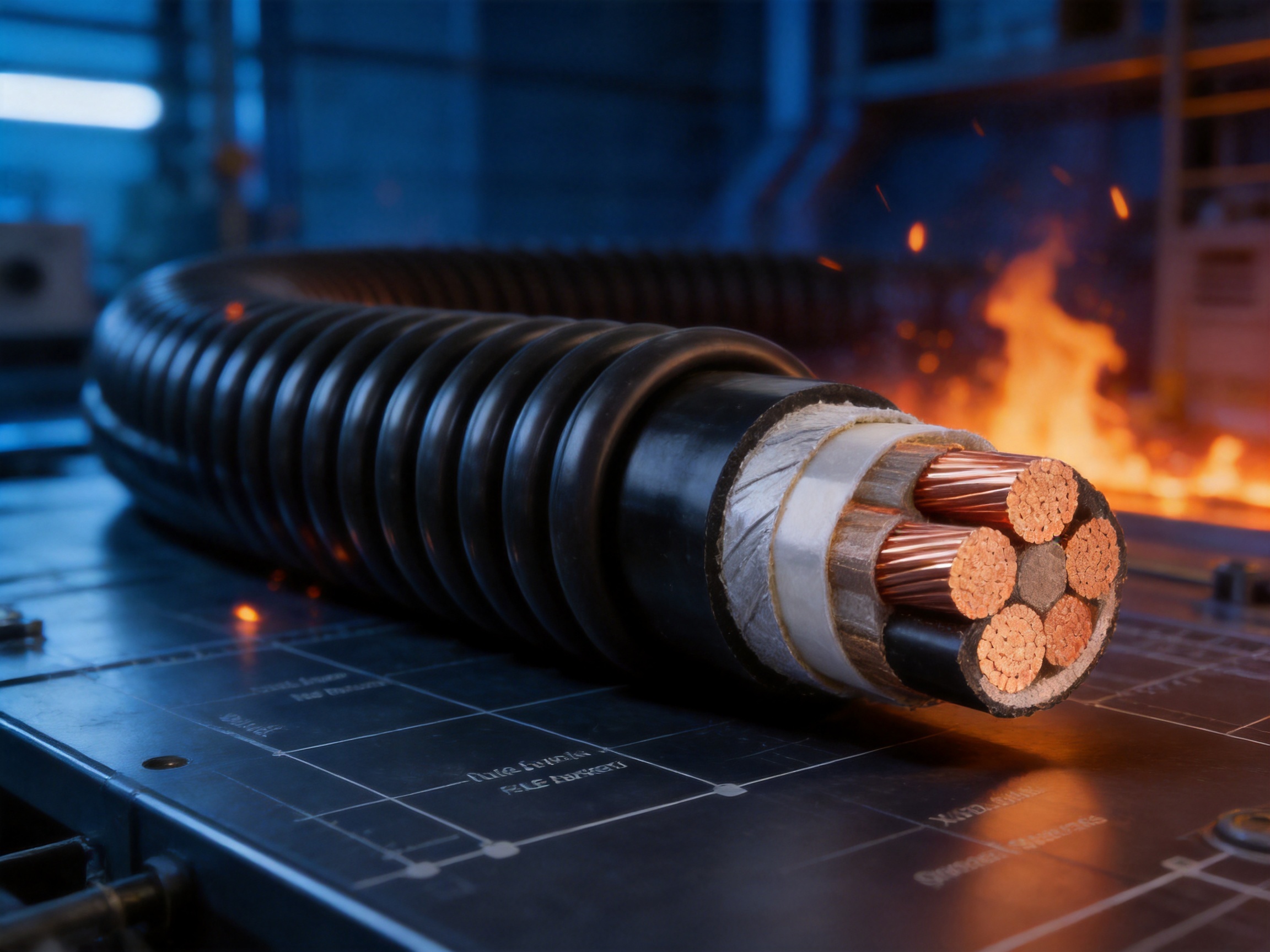
Anhui Zhishang Cable Technology Co., Ltd. integrates cable research and development, manufacturing, and sales. This structure allows technical personnel to participate in product selection, process development, production coordination, and customer support rather than treating each stage as an isolated activity.
The company operates from a modern production base of approximately 5,000 square meters and employs more than 50 people, including quality engineers and research-and-development technicians with more than ten years of industry experience. This combination of production capacity and technical personnel supports both standard cable supply and customized cable development.
The manufacturing facility includes ten automated production lines and has a stated monthly output of up to ten million meters. Automation can improve process repeatability by controlling conductor stranding, insulation extrusion, sheath thickness, line speed, temperature, and take-up tension.
For a complex fire-resistant armored cable, process control is particularly important. The mica or mineral-insulated layer must be applied consistently. XLPE insulation must be extruded with stable thickness and concentricity. Sheath materials must be processed at controlled temperatures. Armor must be applied with appropriate overlap and tension. Automated production helps reduce variation between batches when supported by effective inspection and maintenance programs.
The company emphasizes full-core, full-length, pure copper specifications for standard cable models, together with product test reports and warranty support. Full-length quality assurance is important because a cable is a continuous product. A defect in any section can affect the reliability of the complete circuit.
Quality control should cover incoming materials, conductor resistance, dimensional measurements, insulation integrity, sheath thickness, concentricity, armor application, marking, spark testing, voltage testing, and finished-cable inspection. Fire performance and combustion classification require specialized testing and should be supported by the relevant official documentation.
Customers purchasing the WDZB1N-YJY23 cable for critical projects should request the applicable technical data sheet, routine test report, type-test evidence, fire-resistance classification, combustion-performance documentation, and material information. The documents should correspond to the exact product construction, conductor size, voltage rating, and requested standard.
The company supports OEM and ODM development based on customer drawings or samples. This is useful when a project requires a particular conductor arrangement, sheath color, marking system, core identification method, voltage rating, armor structure, packaging format, or test standard.
Technical engineers can provide product-selection guidance and tailor-made cable design solutions according to project requirements. For a high-performance cable, customization should be based on documented engineering needs rather than simply reducing material quantities. Any change to the fire barrier, insulation, sheath, armor, or conductor can affect electrical, mechanical, and fire performance.
Standard products may be stocked for fast shipment, while customized products typically require approximately seven to twenty days of lead time, depending on construction, quantity, testing, and production scheduling. The actual lead time should be confirmed before purchase, especially for major infrastructure projects with fixed installation windows.
Reliable supply is an important part of cable performance. Delayed delivery can lead to rushed installation, substitution with unapproved materials, or incomplete testing. A supplier that can coordinate technical clarification, production, documentation, and delivery helps reduce these project risks.
Underground passages combine several hazards: restricted access, poor ventilation, fire propagation, difficult evacuation, mechanical impact, water exposure, and limited maintenance access. The WDZB1N-YJY23 cable is suited to critical circuits in these environments when its dimensions and ratings are compatible with the installation.
Potential loads include tunnel emergency lighting, fire pumps, smoke extraction systems, ventilation controls, emergency communication equipment, alarm systems, drainage equipment, and control panels. The cable route should be separated from ordinary power circuits where required, and fire-resistant supports should be used to ensure that the cable remains in place during a fire.
Fire pumps, sprinkler control equipment, fire alarm systems, smoke-control fans, fire shutters, emergency lighting, and evacuation signaling systems often require power continuity. The cable can be used for these circuits when the relevant fire-resistance duration and electrical ratings have been verified.
Critical fire-protection circuits should be designed with suitable redundancy, selective protection, emergency power sources, and protected distribution routes. A fire-resistant cable is one part of the system and cannot compensate for an undersized generator, inadequate switchgear, poor cable support, or incorrect circuit coordination.
Industrial facilities may contain high temperatures, moving machinery, combustible materials, chemical exposure, heavy equipment, and complex electrical routes. Armored construction can help protect cables from mechanical hazards, while low-smoke and halogen-free materials can reduce secondary risks in enclosed control areas.
Before use in a chemical or high-temperature environment, the compatibility of the outer sheath with oils, solvents, acids, alkalis, ultraviolet radiation, and continuous ambient temperature must be confirmed. A general PE or polyolefin sheath may not be suitable for every industrial chemical condition.
Airports, hospitals, shopping centers, high-rise buildings, railway facilities, stations, and public assembly venues often contain large numbers of occupants and complicated evacuation routes. Low smoke, low corrosivity, and reduced flame spread are valuable characteristics in these locations.
The cable can support important distribution circuits, emergency systems, and building-services equipment. Project designers should coordinate its use with fire compartments, cable shafts, risers, trays, penetrations, and emergency power architecture.
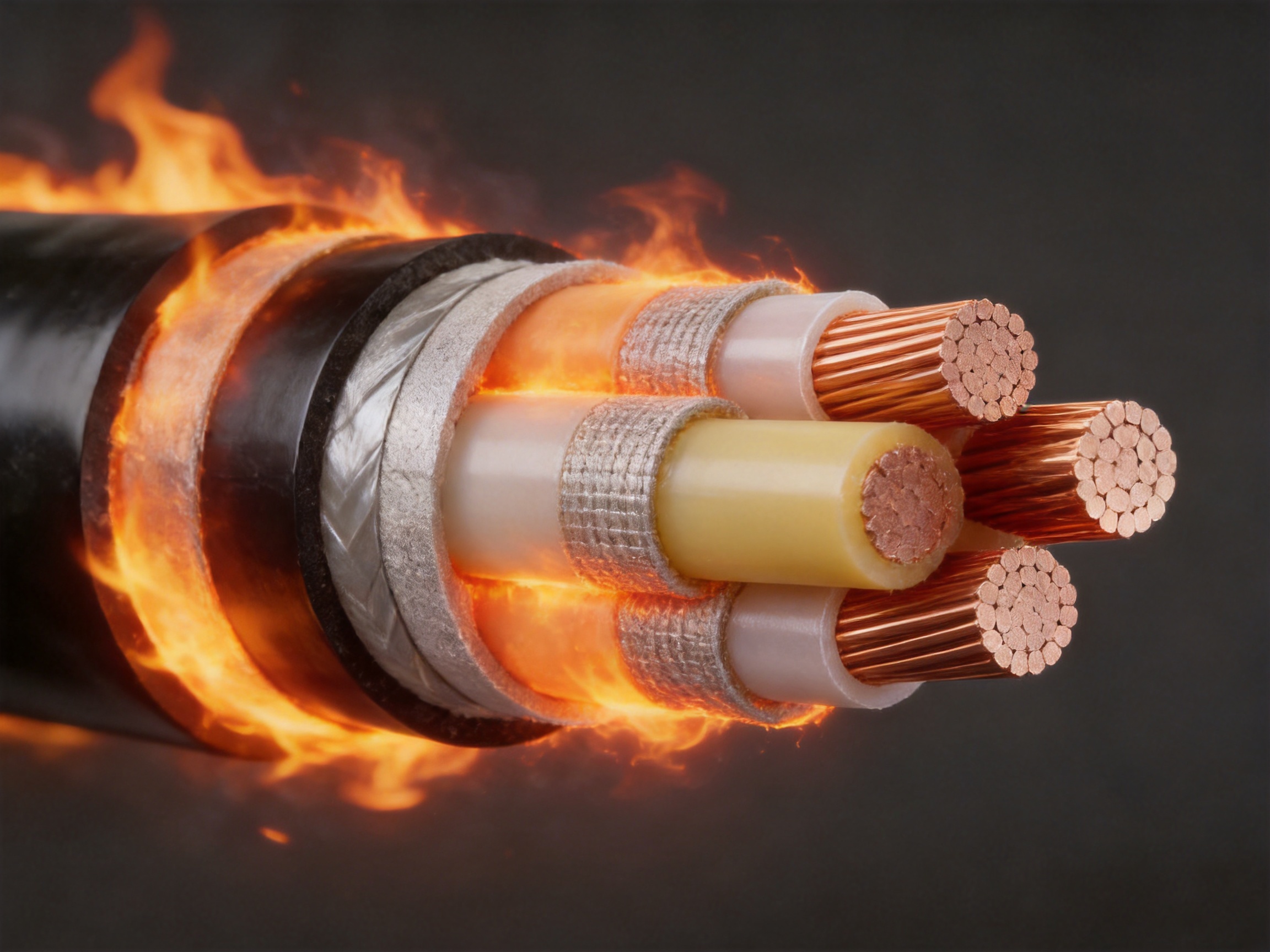
Before ordering, confirm conductor material, number of cores, cross-sectional area, voltage rating, fire-resistance duration, B1 classification, sheath material, armor design, outer diameter, weight, bending radius, and delivery length. The designation alone should not be treated as a complete technical specification.
Confirm whether the project requires copper or another conductor material, whether a neutral or protective conductor is included, and whether the armor must be used as a protective earth or bonded separately. Also verify the required national, international, or client-specific standards.
Current-carrying capacity should be calculated using the actual installation arrangement. The design should account for the thermal effect of fire-resistant layers, steel armor, grouping, ambient conditions, soil thermal resistivity, burial depth, and enclosure ventilation.
The commonly referenced 0.70–0.85 correction range is only a general indication. It must not replace a formal calculation using the cable manufacturer’s ampacity tables and the governing electrical code. If the cable is installed in a group, the combined effect may require an additional reduction.
The cable should never be bent below the specified minimum radius. Sharp bends can damage the fire-resistant layer, deform insulation, stress the armor, or create long-term reliability problems that are not visible from the outside.
During pulling, use suitable rollers, guides, swivels, pulling socks, and tension-monitoring equipment. Avoid dragging the cable over sharp edges or allowing it to twist. The pulling tension and sidewall pressure should remain within the manufacturer’s limits.
In a fire, ordinary plastic ties or weak supports may melt or fail, allowing cables to fall and become disconnected. Critical circuits should use supports, cleats, trays, or brackets that maintain circuit integrity for the required duration.
Support spacing should be selected according to cable mass, route orientation, fault forces, fire exposure, and project standards. Vertical runs require special attention because the weight of armored cable can create substantial load on terminations and intermediate supports.
Armored cable glands and terminations must be selected for the cable diameter, armor type, sheath material, environmental conditions, and electrical system. The armor should be bonded and grounded according to the project’s earthing design.
Termination workmanship is essential. Poorly prepared ends can allow moisture ingress, reduce insulation clearance, damage the fire-resistant layer, or create excessive contact resistance. Qualified installers should use approved accessories and follow documented procedures.
Where the cable passes through fire-rated walls, floors, shafts, or compartments, the penetration should be sealed with a compatible firestop system. The firestop must be suitable for the cable’s diameter, armor, sheath, movement, and required fire-resistance period.
An unsealed penetration can allow smoke and flames to pass between compartments, undermining the purpose of the cable and the building’s fire strategy. Inspection records should document the location and rating of each penetration seal.
Inspection should begin when the cable arrives at the project site. Check the drum, label, product marking, length, construction, test documents, and visible condition. Look for crushed sections, sheath cuts, exposed armor, water damage, or signs of improper handling.
Before installation, store cable drums on firm ground and protect them from standing water, impact, and unauthorized movement. Cable ends should remain sealed. Drums should be rolled only in the marked direction and lifted using suitable equipment.
After installation, inspect routing, supports, bending radii, terminations, armor bonding, firestop seals, and identification. Electrical testing should be performed according to the applicable standards and project procedures. Depending on the installation, testing may include conductor continuity, insulation resistance, sheath integrity, phase identification, and protective-earth continuity.
Maintenance should include visual inspection of accessible sections, termination temperature checks where appropriate, support condition, water ingress, corrosion, and signs of mechanical damage. Buried cable routes should be recorded accurately so that future excavation does not damage the circuit.
International buyers should provide a detailed technical inquiry rather than requesting only a general “fire-resistant cable.” The inquiry should state conductor size, number of cores, rated voltage, fire-resistance duration, flame-retardant class, smoke and halogen requirements, armor requirements, sheath material, installation method, ambient conditions, delivery length, and required documentation.
Buyers should also clarify whether the cable must comply with national standards, IEC standards, project-owner standards, or a combination of requirements. Test methods and classifications are not always directly interchangeable, so a certificate issued for one standard may not automatically demonstrate compliance with another.
For major projects, a preproduction sample, construction drawing, material declaration, routine test plan, and inspection-and-test plan can reduce uncertainty. Technical approval should be completed before mass production when the cable is intended for safety-critical circuits.
Anhui Zhishang Cable Technology Co., Ltd. serves customers in the United States, Canada, Australia, Japan, and parts of Eurasia. Its experience in international supply, OEM/ODM support, production coordination, and documentation can assist customers that require project-specific cable solutions.
Its primary purpose is to provide reliable low-voltage power transmission for critical circuits that may need to continue operating during a fire and remain protected from significant mechanical damage. It is intended for demanding applications such as underground passages, tunnels, fire-protection systems, and direct-burial routes.
It can be used for suitable low-voltage distribution applications, but its advanced construction may be unnecessary for ordinary circuits. The product is most valuable where fire continuity, low smoke, halogen-free combustion, and mechanical protection justify the additional cost and installation effort.
No. B1 indicates a high combustion-performance or flame-retardant classification under the applicable testing system. It does not mean that the cable is noncombustible or immune to fire. The cable must be selected according to the required fire-resistance duration and installation conditions.
Fire resistance concerns the ability to maintain circuit integrity for a defined period under specified fire exposure. Flame retardancy concerns the ability to resist flame spread and limit the cable’s contribution to fire development. The product is designed to provide both characteristics.
Mica or an equivalent mineral-insulated material provides a high-temperature barrier around the conductor. It helps preserve electrical insulation during fire exposure and supports the cable’s circuit-integrity performance when manufactured and installed correctly.
The armored construction is intended to support direct-burial and underground applications, but the complete installation must still be designed correctly. Trench depth, bedding, backfill, drainage, warning tape, mechanical protection, moisture conditions, soil chemistry, cable spacing, and local regulations must be considered.
The fire-resistant layer and steel armor can reduce heat dissipation. The cable may therefore operate at a lower permissible current than a standard XLPE cable with the same conductor cross-section. Ampacity must be calculated using the manufacturer’s data and applicable correction factors.
The stated minimum is typically approximately 12D to 15D or greater for multi-core designs, where D is the overall cable diameter. The exact value depends on the construction and should be confirmed in the product’s technical documentation. During installation, a larger radius is preferable whenever space allows.
This depends on the electrical system, cable construction, applicable code, and project design. Armor bonding and grounding must be specifically engineered. It should not automatically be assumed that the armor has sufficient fault-current capacity to replace a separate protective conductor.
Request the product data sheet, dimensional information, conductor resistance, routine test report, applicable type-test evidence, fire-resistance classification, combustion-performance documentation, low-smoke and halogen-free test results, material information, packaging details, and warranty terms. The documents should match the exact ordered construction.
Yes. The company supports OEM and ODM development based on customer drawings, samples, or defined technical requirements. Customization may include conductor arrangement, core count, sheath material, marking, construction, dimensions, and testing requirements, subject to technical review.
Standard products may be available from stock for fast shipment. Customized products typically require approximately seven to twenty days, depending on specification, order quantity, testing, and production scheduling. The confirmed lead time should be obtained before placing an order.
The WDZB1N-YJY23 environmental protection and safety XLPE insulated and sheathed power cable is designed for applications where ordinary power cable protection is not sufficient. Its combination of fire resistance, B1 flame-retardant performance, low-smoke and halogen-free materials, XLPE insulation, and double-layer galvanized steel tape armor provides a comprehensive response to the hazards found in underground and critical infrastructure environments.
The product’s principal advantage over conventional cables is not one isolated material feature. Its value comes from the integration of electrical performance, fire continuity, reduced smoke and corrosivity, flame-spread control, and mechanical protection. This makes it suitable for lifeline circuits serving emergency and fire-protection equipment.
Its advanced construction also requires responsible engineering. Large diameter, high weight, limited flexibility, reduced thermal dissipation, and higher cost must be considered during design. Correct ampacity calculations, bending control, pulling procedures, fire-rated supports, armor bonding, terminations, penetration sealing, and documentation are essential to achieving the intended performance.
With integrated research and development, automated production lines, experienced technical personnel, OEM/ODM capabilities, full-length quality assurance, and international supply experience, Anhui Zhishang Cable Technology Co., Ltd. provides a manufacturing platform suited to both standard and customized cable requirements. For projects where power continuity and physical protection are critical, this cable offers a technically focused solution that can strengthen the reliability and safety of the overall electrical system.
GB/T 19216.21, Fire-Resistant Cable Test Requirements and Associated Circuit-Integrity Evaluation.
IEC 60331-1, Tests for Electric Cables Under Fire Conditions—Circuit Integrity.
GB 31247, Classification and Test Requirements for Combustion Performance of Cables and Optical Cables.
International Electrotechnical Commission, Low-Voltage Power Cable Design and Installation Principles.
Manufacturer technical information for WDZB1N-YJY23 environmental protection and safety XLPE insulated and sheathed power cable.
Manufacturer quality-assurance information concerning copper conductors, automated production, testing, OEM/ODM development, and customized cable solutions.

We firmly believe that good cables are not only a competition of materials, but also a reflection of craftsmanship, quality, and responsibility.

Links
Product
Send Inquiry
No. 29 Sankeshu Road, Xuanzhou District, Xuancheng City, Anhui Province, China
+86-18621104555/+86-563-2622999
 Electrical Cable Manufacturer
OEM/ODM Wire and Cable Solutions
 English
 Español
 عربى
 русский