
Get more content that can help you
Content
In high-temperature industrial environments, a control cable is more than a simple transmission component. It is a reliability barrier between stable operation and unexpected shutdown, between accurate signal control and electromagnetic disturbance, and between long-term productivity and repeated maintenance. The KGGP bending-resistant high-temperature resistant control cable is designed for demanding applications where heat, mechanical movement, corrosion, electromagnetic interference, and safety requirements must be addressed at the same time.
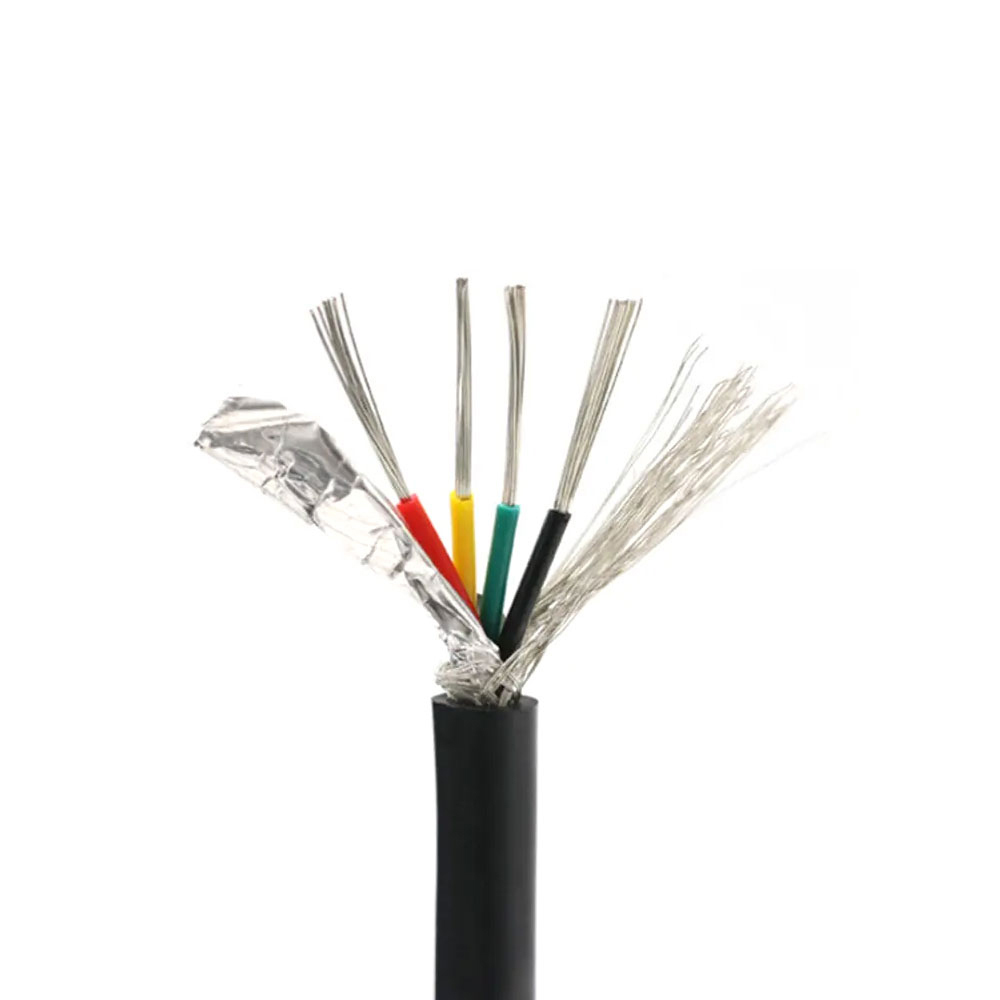
This cable combines silver-plated or nickel-plated stranded copper conductors, glass fiber and silicone rubber composite insulation, tinned copper braided shielding, and a glass fiber plus silicone rubber composite sheath. The result is a high-temperature shielded control cable suitable for metallurgical furnaces, glass manufacturing equipment, ceramic sintering furnaces, boiler areas in power plants, high-temperature chemical reaction devices, and other harsh industrial locations where conventional control cables may age, crack, oxidize, or lose transmission stability.
Unlike standard PVC control cables or ordinary rubber control cables, this product is built for extreme thermal exposure and dynamic wiring conditions. It supports fixed installation temperature conditions from -60℃ to +500℃ and flexible installation conditions from -60℃ to +180℃. Its structure also provides strong bending resistance, oil resistance, ozone resistance, UV resistance, flame retardancy, low smoke performance, and halogen-free safety characteristics. These features make it especially suitable for plants that cannot afford signal instability, premature insulation failure, or frequent cable replacement.
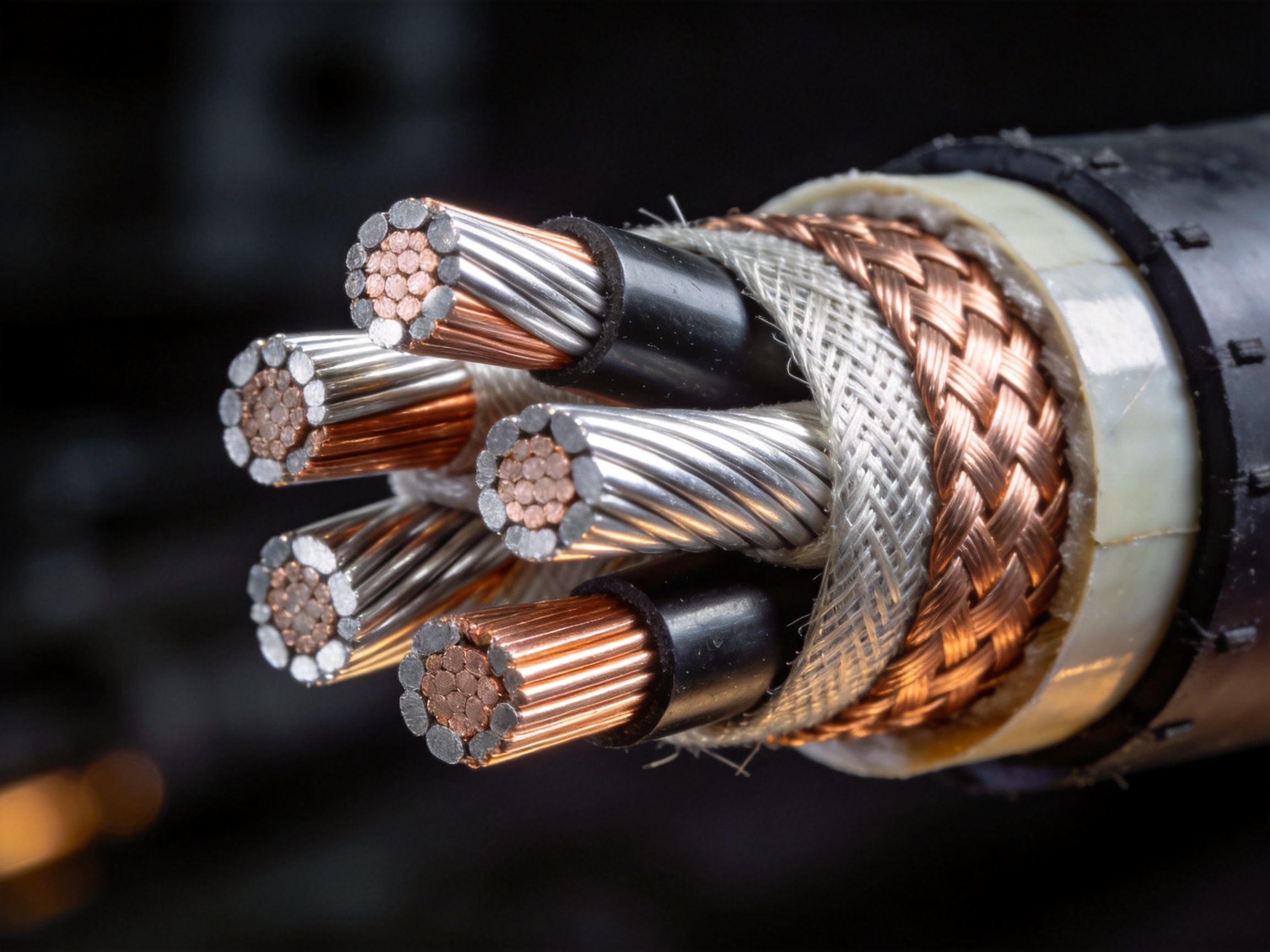
The KGGP high-temperature resistant control cable is an ultra-high-temperature shielded control cable engineered for control, monitoring, signal transmission, and low-voltage power support in severe industrial environments. Its conductor is made of stranded silver-plated or nickel-plated copper, selected to reduce oxidation under heat exposure and to maintain reliable electrical conductivity during long service periods. The insulation and sheath use a composite structure of glass fiber braid and silicone rubber, delivering high thermal endurance and flexibility while resisting mechanical fatigue.
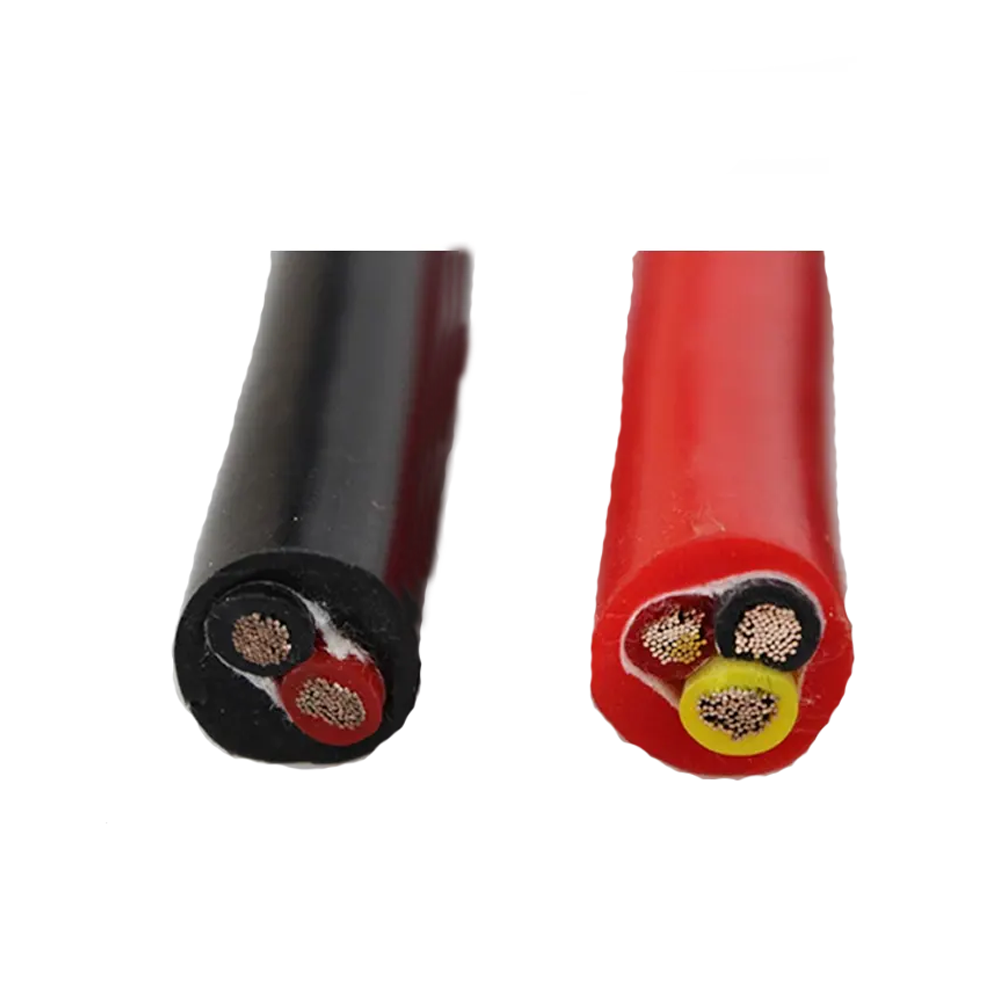
The cable is available in cross-section ranges from 0.75 mm² to 6.0 mm² and in core configurations from 2 cores to 37 cores. Its rated voltage is 450/750V, with an AC test voltage of 2.5kV for one minute. The overall tinned copper braided shielding, with coverage of at least 85%, helps suppress electromagnetic interference and improve transmission stability in environments containing motors, inverters, power electronics, furnace equipment, and heavy-duty industrial drives.
Because industrial control systems frequently operate near high-current equipment, unstable electromagnetic environments are common. Without reliable shielding, control signals can be distorted, causing sensor errors, actuator misoperation, or unstable communication between control cabinets and field equipment. The braided shield in this cable provides an effective barrier against external electromagnetic noise while also contributing to mechanical protection and structural integrity.
Another defining feature is its bending resistance. Many high-temperature cables perform well in static installations but become vulnerable when routed through moving assemblies, vibrating equipment, or areas requiring frequent maintenance access. The silicone rubber component provides flexibility, while the glass fiber reinforcement helps maintain dimensional stability under heat. This combination improves fatigue resistance and extends service life in both fixed and semi-dynamic wiring scenarios.
Item |
Specification |
Product Type |
High-temperature resistant shielded control cable |
Conductor |
Stranded silver-plated or nickel-plated copper conductor |
Cross-Section Range |
0.75 mm² to 6.0 mm² |
Number of Cores |
2 cores to 37 cores |
Rated Voltage |
450/750V |
Test Voltage |
2.5kV AC for 1 minute |
Insulation Material |
Glass fiber braid plus silicone rubber composite insulation |
Insulation Thickness |
0.6 mm to 1.2 mm |
Shielding Structure |
Tinned copper braided overall shield, coverage at least 85% |
Sheath Material |
Glass fiber braid plus silicone rubber composite sheath |
Sheath Thickness |
1.0 mm to 1.8 mm |
Temperature Range |
-60℃ to +500℃ for fixed installation; -60℃ to +180℃ for flexible installation |
Minimum Bending Radius |
At least 10 times cable outer diameter for fixed installation; at least 15 times cable outer diameter for flexible installation |
Insulation Resistance |
At least 500 MΩ·km |
Flame Performance |
Complies with GB/T 19666 flame-retardant requirements; low smoke zero halogen design |
Corrosion Resistance |
Resistant to acids, alkalis, oils, and most organic solvents |
Shielding Effectiveness |
Shielding attenuation factor not more than 0.6 at 1MHz |
Capacitance |
Not more than 150 nF/km |
In industrial control systems, cables are often installed in locations where access is limited after commissioning. They may run through cable trays near furnaces, along equipment frames exposed to radiant heat, beside hydraulic systems, or through control cabinets containing power conversion devices. Once a cable begins to fail, troubleshooting can become difficult because symptoms may appear as intermittent signal loss, random alarms, inaccurate measurement values, or unexplained machine stoppages.
A low-grade cable may pass a basic electrical test at room temperature but fail after thermal aging. Insulation may harden, crack, shrink, or lose dielectric strength. Conductors may oxidize, increasing resistance and causing unstable performance. Shielding may become loose or ineffective, allowing interference to enter sensitive control circuits. In severe cases, cable failure can cause short circuits, equipment damage, or safety hazards.
The KGGP cable addresses these challenges through a multilayer design. Its high-grade conductor plating helps resist oxidation. Its composite insulation improves thermal stability. Its braided shielding improves electromagnetic compatibility. Its sheath is formulated for harsh industrial exposure. Together, these elements reduce failure probability and support long-term reliability in applications where ordinary cables are not sufficient.
For operators of metallurgical plants, glass factories, ceramic production lines, chemical facilities, and power generation equipment, cable replacement is not merely a maintenance cost. It can require shutdown scheduling, labor allocation, safety preparation, and production loss. Therefore, choosing a cable with stronger heat resistance and bending endurance is a practical investment in operational continuity.
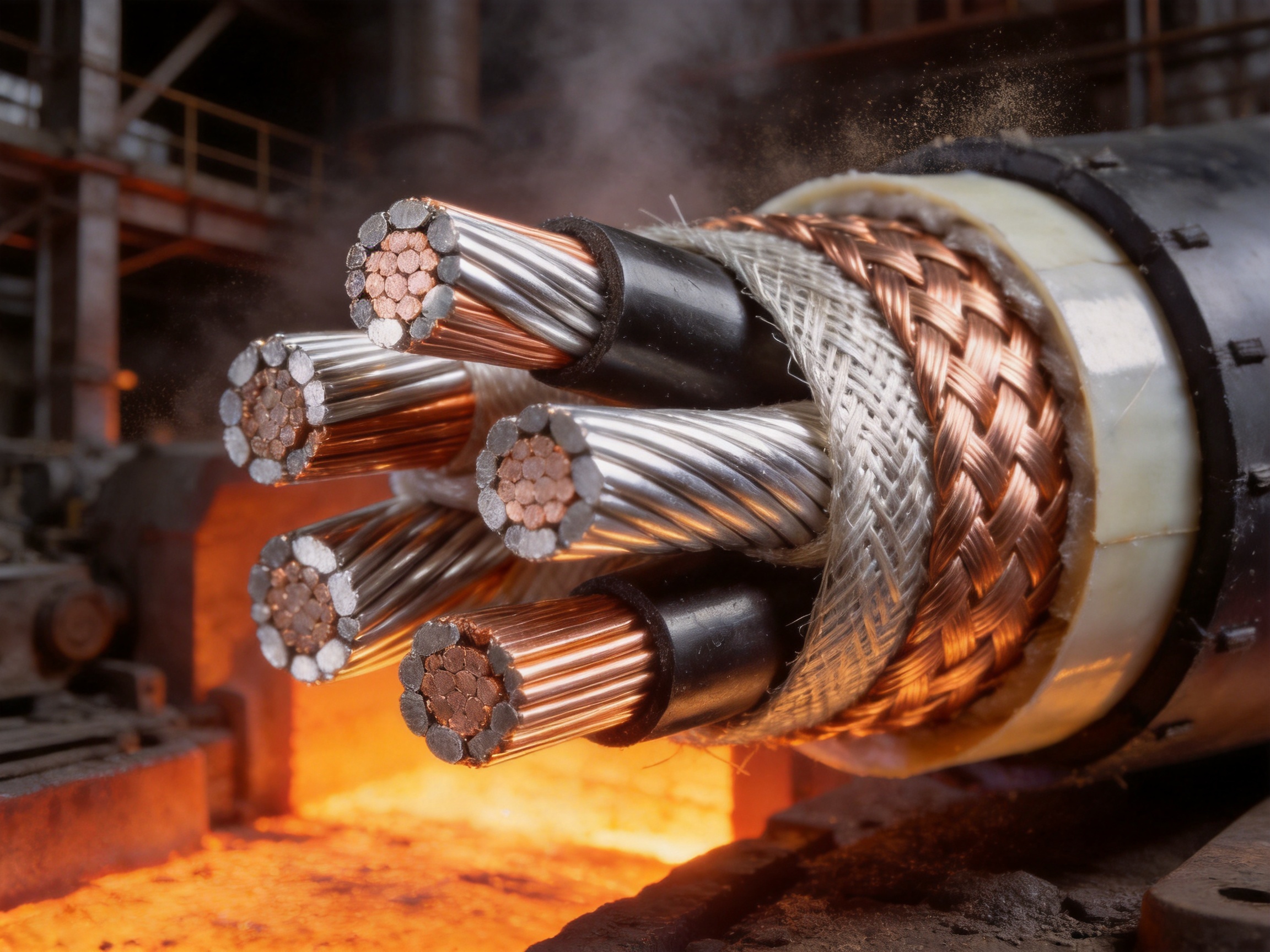
The most important advantage of this cable is its ability to withstand extreme thermal environments. The glass fiber plus silicone rubber composite structure is designed to resist high temperatures far beyond the limits of ordinary PVC or standard rubber cables. In fixed installation, the specified temperature range reaches up to +500℃, while flexible installation can operate up to +180℃. This wide thermal envelope allows the cable to serve in areas exposed to radiant heat, hot air, process equipment, boiler zones, and furnace-related installations.
High-temperature resistance is not only about preventing melting. It also involves maintaining insulation performance, mechanical strength, flexibility, and electrical stability over time. When insulation ages too quickly, it can lose elasticity and crack under vibration or bending. When sheath materials cannot tolerate heat, the outer layer may become brittle or charred, exposing internal structures to further damage. The composite design of this cable improves resistance to thermal aging and helps maintain functional integrity during long-term exposure.
The use of silver-plated or nickel-plated copper conductors is especially valuable in high-temperature environments. Bare copper can oxidize when exposed to elevated temperatures, and oxidation can increase electrical resistance. Plating provides a protective surface that helps preserve conductor performance. Nickel plating is particularly known for high-temperature oxidation resistance, while silver plating supports excellent conductivity and stable contact behavior.
Compared with standard control cables, this high-temperature structure offers a significant competitive advantage. Conventional PVC control cables may be limited to much lower temperatures and can release harmful smoke or corrosive gases during fire conditions. Ordinary silicone cables may provide flexibility but may not offer the same reinforced glass fiber composite structure. The KGGP design combines thermal protection, electrical stability, and mechanical support in one integrated cable solution.
Modern industrial facilities contain many sources of electromagnetic interference. Variable frequency drives, high-power motors, welding equipment, switching power supplies, relay systems, and high-current bus circuits can generate interference that affects nearby control lines. In applications involving sensors, temperature instruments, control valves, limit switches, and monitoring circuits, noise immunity is essential.
This cable uses tinned copper braided overall shielding with coverage of at least 85%. The braided shield creates a conductive layer around the cores, reducing the impact of external electromagnetic fields and helping prevent signal disturbance. Tinned copper also provides corrosion resistance and stable shielding performance under demanding environmental conditions.
The specified shielding attenuation factor of not more than 0.6 at 1MHz reflects the cable’s ability to suppress interference in industrial frequency ranges relevant to control and signal applications. This improves the reliability of transmitted control commands and measurement data. In environments with high electrical noise, the shielded design can reduce false signals, communication errors, and unstable control responses.
Compared with unshielded high-temperature cables, this product is more suitable for installations near motors, inverters, control cabinets, and power equipment. Compared with cables using low-density shielding, the high braid coverage provides better all-around protection. For production lines where accuracy and stability are critical, shielding is not optional; it is part of the cable’s core safety and performance function.
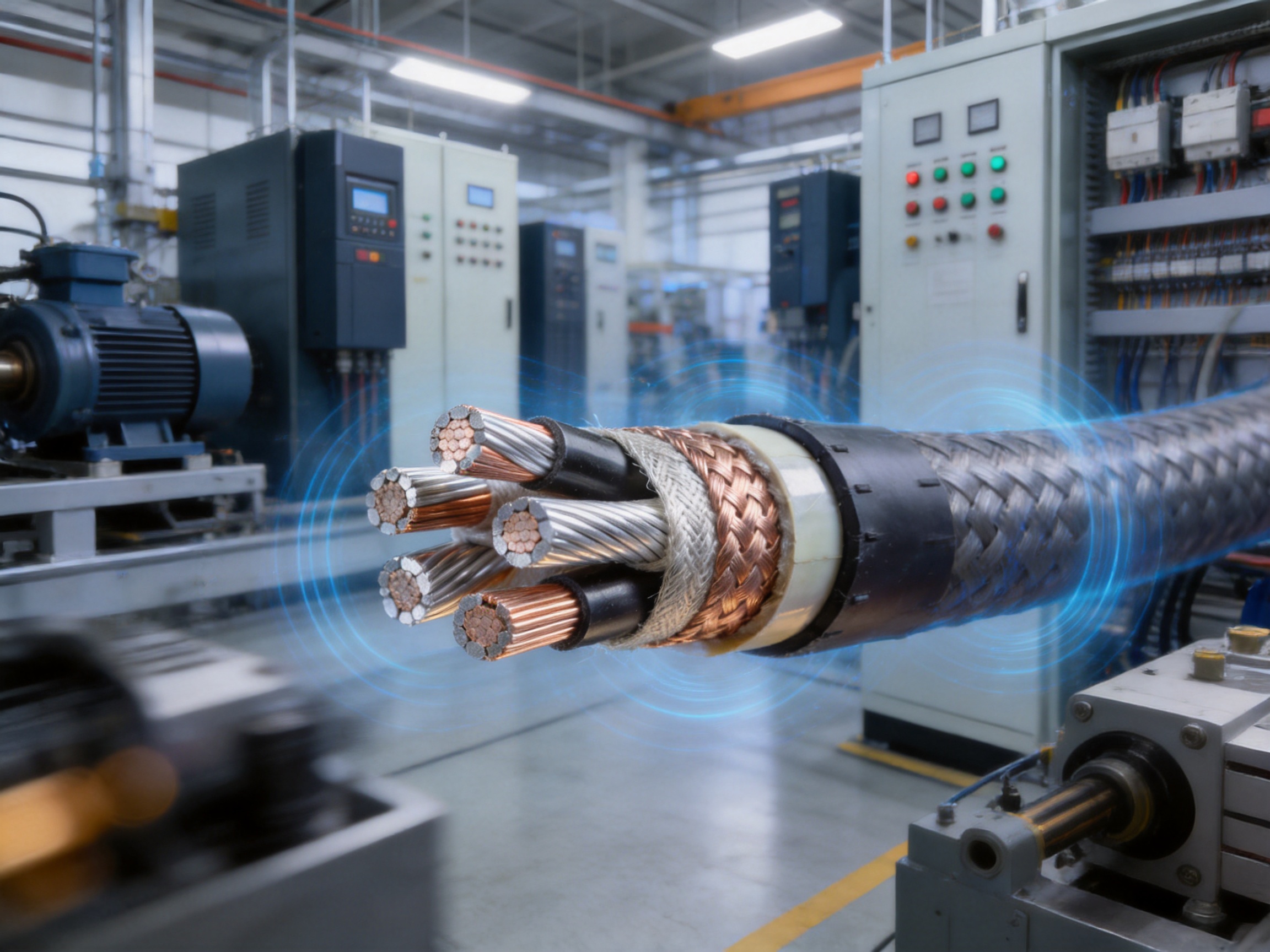
High-temperature applications do not always involve static wiring. Many industrial systems include moving trolleys, inspection platforms, sliding furnace doors, robotic auxiliary equipment, vibration-prone machinery, and movable control assemblies. In such cases, cables must endure repeated bending, torsion, and mechanical stress while exposed to heat. A cable that is thermally resistant but mechanically stiff may still fail prematurely.
The silicone rubber component in this cable provides flexibility across a wide temperature range, including low-temperature conditions down to -60℃. This is important for plants operating in variable climates or outdoor installations where cold startup conditions may occur. The glass fiber reinforcement contributes thermal endurance and structural protection, while the stranded conductor design improves bending performance compared with solid conductors.
The recommended minimum bending radius is at least 10 times the cable outer diameter for fixed installation and at least 15 times the cable outer diameter for flexible installation. These requirements help prevent excessive mechanical strain on the conductor, insulation, shield, and sheath. When installed according to proper bending radius guidelines, the cable can maintain its service life and resist mechanical fatigue.
Compared with conventional high-temperature cables that emphasize only heat resistance, this product provides a more balanced design for real industrial routing conditions. It is suitable for dynamic wiring scenarios where flexibility matters, and it reduces the risk of cracking, conductor breakage, and shield damage caused by repeated movement or vibration.
Industrial environments rarely present only one type of stress. A cable may face heat, oil mist, chemical vapor, outdoor sunlight, ozone from electrical equipment, and mechanical abrasion at the same time. The KGGP cable is designed with broad environmental resistance, including resistance to acids, alkalis, oils, and most organic solvents. It also offers resistance to ozone and ultraviolet radiation, making it suitable for harsh industrial facilities and certain outdoor or semi-outdoor environments.
In chemical and metallurgical industries, cable sheaths are often exposed to oils, cooling fluids, chemical residues, and cleaning agents. If sheath materials swell, soften, or crack, the cable loses its first line of defense. Corrosion resistance helps preserve the sheath and insulation system, reducing the chance of moisture ingress, electrical leakage, or mechanical failure.
Ozone resistance is also important near electrical discharge equipment, motors, and high-voltage apparatus. Ozone can accelerate the aging of many elastomeric materials, leading to cracking and surface degradation. UV resistance helps prevent sunlight-related aging when cables are installed near windows, outdoors, or in exposed plant areas.
This environmental durability gives the cable an advantage over products intended only for clean, dry, indoor conditions. It expands the range of applications and reduces the need for additional protective conduits in some installations, although project engineers should always evaluate mechanical protection requirements based on site conditions.
Fire safety is a major concern in industrial plants. Cable materials can influence smoke density, toxic gas emission, corrosive gas release, and flame spread. This product adopts a halogen-free, low-smoke, flame-retardant design that minimizes harmful gas release during fire conditions. It complies with GB/T 19666 flame-retardant requirements, supporting higher safety standards for industrial facilities.
Low smoke zero halogen materials are especially valuable in enclosed equipment rooms, control rooms, power plant areas, underground or semi-enclosed passages, and industrial workshops where evacuation and equipment protection are important. Halogen-containing materials can release corrosive and toxic gases during combustion, potentially damaging electronic equipment and endangering personnel. By reducing halogen content and smoke generation, the cable contributes to safer plant design.
Flame retardancy does not make a cable fireproof, but it can reduce flame propagation and improve emergency response conditions. In complex cable tray systems, flame spread control is critical because cables often run in bundles. Selecting flame-retardant cables helps reduce the chance that a localized incident will spread rapidly through cable routes.
Reliability is the combined result of material selection, structural design, manufacturing consistency, and testing. The KGGP high-temperature resistant control cable is built to resist thermal aging, mechanical fatigue, oxidation, interference, and environmental corrosion. These characteristics allow it to deliver stable performance over long service periods in demanding installations.
The specified insulation resistance of at least 500 MΩ·km indicates strong dielectric performance. The 2.5kV AC test voltage for one minute helps verify insulation integrity before delivery. The rated voltage of 450/750V makes it suitable for industrial control systems requiring dependable low-voltage transmission.
Long-term reliability is particularly important in high-temperature zones because failures often occur gradually. An operator may first notice unstable readings, then intermittent alarms, then control system faults. By the time the root cause is identified as cable deterioration, production may already be affected. A cable designed with high resistance to aging and fatigue reduces these risks and provides a more predictable maintenance schedule.
When selecting cables for high-temperature industrial applications, buyers often compare several options: standard PVC control cable, ordinary rubber control cable, silicone rubber cable, fluoroplastic insulated cable, and glass fiber insulated cable. Each has its own strengths, but the KGGP composite shielded control cable offers a balanced combination of heat resistance, flexibility, shielding, and environmental endurance.
Standard PVC control cables are widely used because they are economical and easy to install. However, they are not suitable for extreme heat. PVC can harden, deform, or release corrosive smoke under fire conditions. For furnace areas and boiler zones, PVC cables are usually not sufficient.
Ordinary rubber cables may offer better flexibility than PVC, but their thermal stability depends heavily on the rubber formulation. Many cannot handle long-term high-temperature exposure and may age quickly under oil, ozone, or UV stress. In contrast, the silicone rubber and glass fiber composite structure offers a stronger performance margin.
Basic silicone rubber cables are flexible and heat resistant, but not all are reinforced for ultra-high-temperature fixed installations or equipped with dense braided shielding. Some may lack sufficient mechanical protection or electromagnetic compatibility. The KGGP structure addresses both heat and signal stability through insulation, sheath, and shielding integration.
Fluoroplastic cables can provide excellent chemical and temperature resistance, but some types may be less flexible or more difficult to route in bending applications. Depending on the project, fluoroplastic cables may also have different cost-performance considerations. The KGGP cable provides a strong alternative where high flexibility, bending resistance, shielding, and composite thermal endurance are required.
Pure glass fiber cables may withstand high temperatures, but they may lack the elasticity and installation convenience of silicone rubber composite designs. By combining glass fiber with silicone rubber, the KGGP cable improves handling and bending performance while maintaining strong thermal characteristics.
Metallurgical plants are among the most demanding environments for control cables. Furnaces, continuous casting lines, heating zones, rolling mills, and auxiliary equipment generate intense heat, vibration, dust, and electromagnetic interference. Control cables may connect temperature sensors, position switches, valve actuators, control panels, and monitoring systems. Failure in these circuits can disrupt production, reduce safety, or damage equipment.
The KGGP cable is well suited to metallurgical furnace areas because of its high temperature endurance, oxidation-resistant plated conductors, and strong shielding. Its ability to resist bending and vibration is also valuable near moving equipment or maintenance zones. In high-current metallurgical facilities, electromagnetic noise is common, making braided shielding especially important.
By using this cable in furnace control circuits, plants can reduce the risk of signal loss caused by thermal degradation. The flame-retardant and low-smoke design also supports safer operation in areas with significant electrical infrastructure.
Glass production involves continuous high-temperature processes, including melting, forming, annealing, and cutting. Equipment operates for long periods, often around radiant heat and hot surfaces. Control systems must remain stable because temperature and process timing directly affect glass quality.
The KGGP cable can be used in control circuits around glass furnaces, temperature monitoring systems, conveyor controls, furnace door mechanisms, and auxiliary automation equipment. Its heat-resistant insulation and sheath help withstand thermal exposure, while its flexible structure supports installation around complex equipment layouts.
Glass manufacturing environments may also contain dust, vibration, and electrical interference from motors and drives. The cable’s braided shield and durable sheath improve reliability in these conditions. Compared with lower-grade cables, it reduces replacement frequency and helps maintain continuous production stability.
Ceramic sintering processes require accurate temperature control and stable furnace operation. Control cables may be routed near heating chambers, kiln cars, air circulation systems, and control panels. High ambient temperatures and repeated heating cycles can accelerate cable aging.
The KGGP cable’s glass fiber plus silicone rubber composite structure is suitable for ceramic kiln and sintering furnace environments. It helps prevent insulation cracking caused by heat exposure and supports stable control signal transmission. The wide core range from 2 to 37 cores allows engineers to select configurations for multiple control points, reducing installation complexity.
Because ceramic facilities may require both fixed and semi-flexible wiring, the cable’s bending resistance is a practical advantage. It helps maintain performance during maintenance operations, equipment adjustment, and vibration exposure.
Power plant boiler areas involve elevated temperatures, vibration, steam-related environments, and dense electrical systems. Control cables may serve valves, sensors, burners, dampers, monitoring instruments, and control cabinets. Reliability is critical because cable faults can affect safety systems and operational efficiency.
The KGGP cable is suitable for boiler-related control circuits where heat resistance, flame retardancy, and low-smoke performance are required. Its corrosion resistance supports use in areas where oil, chemicals, or moisture may be present. The tinned copper braided shield helps maintain signal stability near power equipment and motor control systems.
Power plants often prioritize long service life and predictable maintenance. A cable with strong thermal aging resistance and mechanical fatigue resistance helps reduce unplanned repair work and improves plant reliability.
Chemical plants can expose cables to heat, corrosive vapors, oils, solvents, and mechanical stress. Control circuits may connect reactors, pumps, valves, temperature instruments, pressure sensors, mixing systems, and safety interlocks. Cable failure in these systems can affect process control and safety.
The KGGP cable provides resistance to acids, alkalis, oils, and most organic solvents, making it suitable for many chemical industry applications. Its halogen-free, low-smoke flame-retardant design is also beneficial in facilities where fire safety and emission reduction are important.
Because chemical process areas may have both high temperatures and corrosive atmospheres, ordinary cables may degrade quickly. The composite sheath provides a stronger barrier against environmental attack, while the plated conductors and stable insulation system preserve electrical performance.
Anhui Zhishang Cable Technology Co., Ltd. is located in Xuanzhou District, Xuancheng City, Anhui Province, China, a key node city in the Yangtze River Delta region. The company integrates research and development, production, and sales of wire and cable products. Its modern production base covers approximately 5,000 square meters and is supported by a team of more than 50 employees, including quality engineers and R&D technicians with over 10 years of industry experience.
The company follows the business philosophy of quality orientation, integrity foundation, and stability priority. This philosophy is reflected in the design and production of high-performance cable products such as the KGGP high-temperature resistant control cable. In demanding industrial markets, cable quality depends not only on raw materials but also on process control, production discipline, testing, and engineering support. The company’s manufacturing system is designed to support stable quality from material selection to final delivery.
The production facility is equipped with 10 automated production lines and has a monthly output capacity of up to 10 million meters. Automated production improves dimensional consistency, conductor processing accuracy, insulation uniformity, and sheath quality. For high-temperature control cables, uniform insulation thickness and controlled braiding quality are essential because they directly influence voltage endurance, insulation resistance, shielding effectiveness, and service life.
The company also supports OEM and ODM development based on customer drawings or samples. This capability is especially important for industrial projects where cable requirements may vary by temperature, bending radius, core count, shielding method, sheath thickness, flame performance, or environmental resistance. Technical engineers can provide product selection guidance and tailor-made cable design solutions according to project needs.
High-quality cable production begins with conductor processing. For the KGGP cable, stranded silver-plated or nickel-plated copper conductors are used to provide both flexibility and oxidation resistance. Stranding must be carefully controlled to ensure conductor roundness, mechanical strength, and electrical performance. Poor stranding can create uneven stress distribution, increase conductor resistance, or reduce bending life.
After conductor preparation, insulation application is critical. The glass fiber braid plus silicone rubber composite insulation must provide thermal resistance, dielectric strength, and mechanical stability. Uniform insulation thickness from 0.6 mm to 1.2 mm helps ensure stable voltage endurance and reduces the risk of weak points. The composite structure requires careful material handling and process control to achieve consistent bonding, coverage, and flexibility.
Core assembly must maintain proper lay length and core arrangement, especially for multi-core cables ranging from 2 cores to 37 cores. A well-controlled cabling process helps reduce internal stress and supports bending performance. For control cables, stable core geometry also contributes to consistent capacitance and signal behavior.
The tinned copper braided shield is another important manufacturing step. Shield coverage must reach at least 85%, requiring precise braiding equipment and quality inspection. Too little coverage can reduce shielding effectiveness, while uneven braid tension can affect flexibility and mechanical durability. A properly manufactured braid provides electromagnetic protection while allowing the cable to bend without shield breakage.
The sheath application completes the external protection system. The glass fiber braid plus silicone rubber composite sheath, with thickness from 1.0 mm to 1.8 mm, provides heat resistance, corrosion resistance, flame performance, and mechanical protection. Sheath uniformity is essential to prevent local weak areas that could crack or wear prematurely.
For industrial cables, quality assurance must be measurable. The company provides quality assurance through full-core, full-length, pure copper specifications, product test reports, and warranty support for standard cable models. This gives buyers confidence that the cable received matches the specified structure and performance requirements.
Testing for this type of cable may include conductor resistance verification, insulation resistance testing, voltage withstand testing, dimensional inspection, shield coverage inspection, sheath appearance inspection, and flame-retardant performance evaluation according to applicable standards. The specified 2.5kV AC one-minute test helps identify insulation defects before installation. Insulation resistance of at least 500 MΩ·km confirms strong dielectric performance under standard testing conditions.
For high-temperature applications, material verification and process consistency are especially important. If insulation or sheath materials are not correctly formulated or processed, the cable may appear normal at delivery but fail after exposure to heat. A responsible manufacturer controls raw materials, production parameters, and final inspection to reduce this risk.
The company follows national standards, relevant international standards, and industry benchmarks to customize cable products that meet defined requirements for quality, technology, and service. This standards-based approach is valuable for industrial customers who need compliance, documentation, and traceability for engineering projects.
Industrial cable selection is rarely one-size-fits-all. Projects may require specific conductor sizes, core counts, shielding structures, sheath materials, temperature ratings, flame performance, or installation dimensions. Anhui Zhishang Cable Technology Co., Ltd. supports customized development according to customer drawings, samples, and project requirements. Its experienced R&D and technical teams can assist with cable selection and design optimization.
For example, a metallurgical plant may need a multi-core shielded cable with high heat resistance and strong bending endurance near a furnace door. A power plant may need a flame-retardant, low-smoke, shielded control cable for boiler instrumentation. A chemical facility may emphasize corrosion resistance and stable signal transmission near reaction equipment. In each case, the engineering team can help match the cable structure to the operating environment.
Customization also helps balance performance and cost. Over-specifying a cable can increase project expense, while under-specifying it can lead to premature failure. Technical guidance helps customers choose the appropriate cross-section, number of cores, shielding coverage, sheath thickness, and installation recommendations.
Standard products are stocked for fast shipment, while customized products typically require 7 to 20 days of lead time. This combination of inventory support and customized production enables the company to serve both urgent maintenance needs and planned engineering projects.
Even the best cable must be installed correctly to achieve its expected service life. For the KGGP high-temperature resistant control cable, installers should observe the recommended bending radius: at least 10 times the cable outer diameter for fixed installation and at least 15 times the cable outer diameter for flexible installation. Excessive bending can damage insulation, disturb shielding, or increase conductor stress.
During installation, the cable should be protected from sharp edges, excessive pulling force, crushing, and direct mechanical impact. In high-temperature zones, routing should avoid direct contact with extremely hot surfaces unless the installation design specifically accounts for contact temperature. Radiant heat, ambient heat, and surface contact temperature should be evaluated separately.
Shield grounding should be designed according to the control system’s electromagnetic compatibility requirements. In many industrial control circuits, proper grounding of the braided shield is essential to achieving effective interference suppression. Incorrect grounding may reduce shielding effectiveness or create ground loop issues. Project engineers should follow applicable electrical design practices and site standards.
When the cable is used in chemical or oil-exposed environments, compatibility with specific chemicals should be reviewed. Although the cable resists acids, alkalis, oils, and most organic solvents, unusually aggressive chemicals or continuous immersion conditions may require additional evaluation.
Initial purchase price is only one part of cable cost. In high-temperature industrial environments, the more important cost is often the full life-cycle cost, including installation, downtime, inspection, replacement labor, production interruption, and safety risk. A low-cost cable that fails early can become far more expensive than a higher-performance cable selected correctly from the beginning.
The KGGP cable provides value by extending service life in harsh conditions, reducing maintenance frequency, improving signal stability, and supporting safer operation. Its combination of heat resistance, shielding, flexibility, corrosion resistance, and flame-retardant low-smoke construction helps reduce hidden costs associated with cable failure.
For continuous production industries such as metallurgy, glass manufacturing, ceramic processing, chemical production, and power generation, downtime can be extremely costly. A reliable cable supports process continuity and reduces the probability of unplanned shutdowns caused by control circuit faults. This makes the cable a strategic component in plant reliability management.
The company emphasizes green manufacturing and responsible production practices. This aligns with the cable’s low smoke zero halogen safety design and the broader industrial trend toward safer, cleaner, and more sustainable materials. In modern projects, cable selection increasingly considers not only electrical and mechanical performance but also fire safety, environmental impact, and long-term responsibility.
Halogen-free and low-smoke designs help reduce harmful emissions under fire conditions. Longer cable service life also supports sustainability by reducing replacement frequency and material waste. Stable manufacturing processes further reduce defects and improve resource efficiency.
Through continuous innovation and technological advantages, the company has expanded into international markets, with products sold in the United States, Canada, Australia, Japan, and parts of Eurasia. This market expansion reflects the growing demand for reliable industrial cable solutions and the company’s ability to meet varied project requirements.
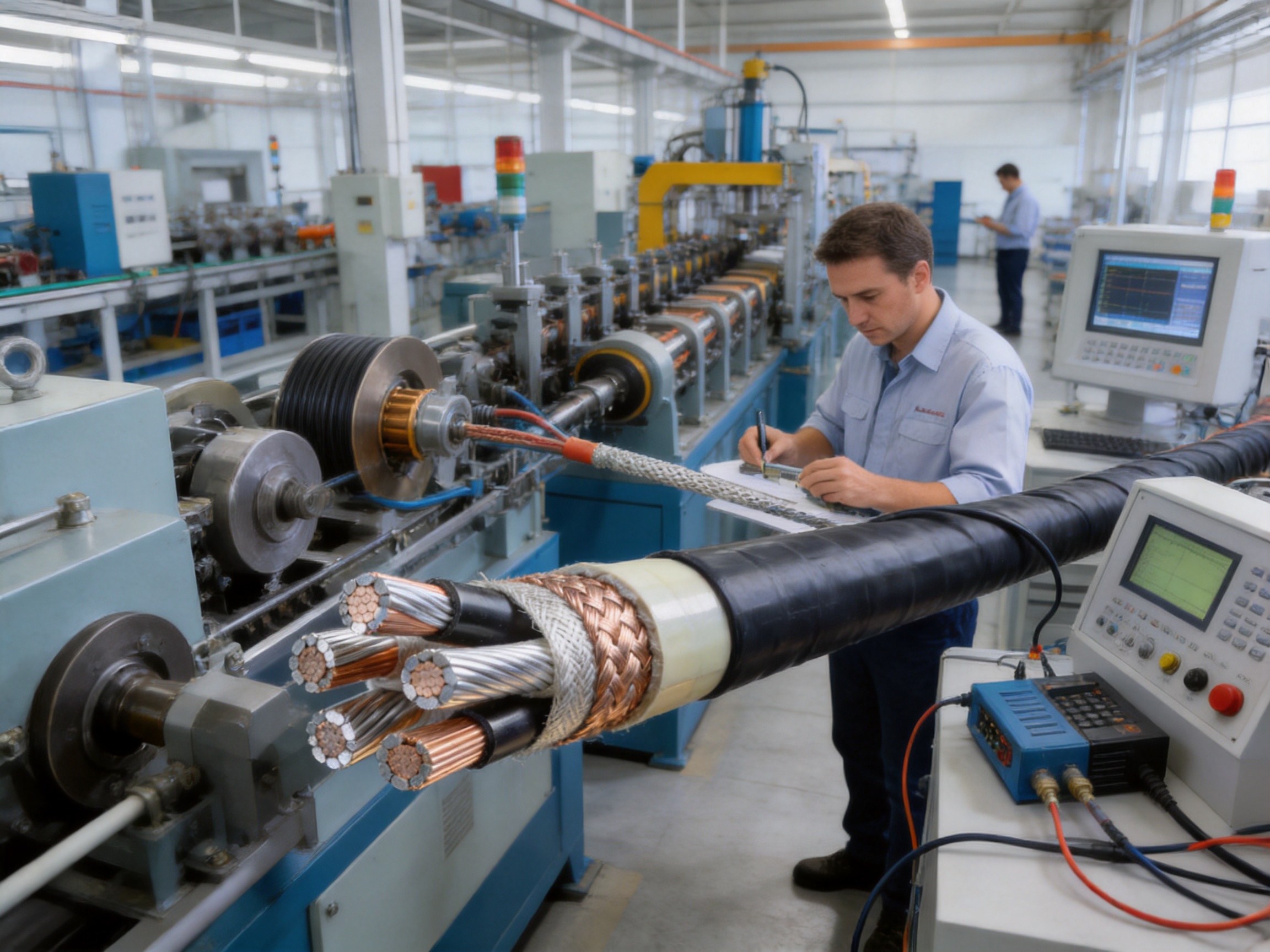
It is designed for control, monitoring, signal transmission, and low-voltage power support in harsh industrial environments with high temperature, electromagnetic interference, mechanical bending, and chemical exposure.
The cable uses glass fiber braid plus silicone rubber composite insulation and sheath, combined with silver-plated or nickel-plated copper conductors. This structure improves resistance to heat, thermal aging, and conductor oxidation.
The specified range is -60℃ to +500℃ for fixed installation and -60℃ to +180℃ for flexible installation. Actual application should consider installation method, exposure time, ambient temperature, surface contact conditions, and engineering safety margins.
Plated conductors help reduce oxidation under high-temperature conditions. Nickel plating provides strong high-temperature oxidation resistance, while silver plating offers excellent conductivity and stable electrical performance.
It uses an overall tinned copper braided shield with coverage of at least 85%. This shield helps suppress external electromagnetic noise and supports stable signal and power transmission in industrial environments.
Yes. The silicone rubber component and stranded conductor structure provide flexibility and bending resistance. The recommended bending radius is at least 10 times the cable outer diameter for fixed installation and at least 15 times for flexible installation.
It is suitable for metallurgical furnaces, glass manufacturing equipment, ceramic sintering furnaces, boiler areas of power plants, high-temperature chemical reaction devices, and other severe industrial environments.
Yes. It complies with GB/T 19666 flame-retardant requirements and uses a low smoke zero halogen design to reduce toxic and corrosive gas emissions during fire conditions.
The cable is available from 2 cores to 37 cores, with conductor cross-sections from 0.75 mm² to 6.0 mm².
Yes. The manufacturer supports OEM and ODM development based on customer drawings, samples, and project requirements. Customization can include conductor size, core count, shielding design, sheath requirements, and performance specifications.
Ordinary PVC control cables are not suitable for extreme heat and may release harmful smoke or corrosive gases during fire conditions. This high-temperature cable offers stronger heat resistance, shielding, flexibility, corrosion resistance, and low-smoke halogen-free safety.
The manufacturer operates a modern production base of approximately 5,000 square meters, 10 automated production lines, and a technical team with extensive industry experience. It provides test reports, quality assurance, pure copper specifications, and customized engineering support.
The KGGP bending-resistant high-temperature resistant control cable is engineered for demanding industrial environments where ordinary control cables cannot provide reliable service. Its combination of plated stranded copper conductors, glass fiber plus silicone rubber composite insulation, tinned copper braided shielding, and composite protective sheath enables strong performance in heat, interference, bending, corrosion, and flame-risk conditions.
Its advantages over common competitor products are clear. Compared with PVC cables, it offers far superior heat resistance and fire safety. Compared with ordinary rubber cables, it provides better thermal aging resistance and environmental durability. Compared with basic silicone cables, it adds reinforced composite construction and strong shielding. Compared with many specialized cables that focus on only one performance area, it delivers a balanced solution for real industrial conditions.
Backed by Anhui Zhishang Cable Technology Co., Ltd.’s automated manufacturing lines, experienced R&D and quality teams, customization capability, and standards-based production approach, the cable is positioned as a reliable solution for metallurgical, glass, ceramic, power, chemical, and other high-temperature industrial sectors. For companies seeking stable control transmission, reduced downtime, longer service life, and safer cable performance, this high-temperature shielded control cable provides strong technical and economic value.
GB/T 19666, General Rules for Flame Retardant and Fire Resistant Wires and Cables.
IEC 60228, Conductors of Insulated Cables.
IEC 60332, Tests on Electric and Optical Fibre Cables under Fire Conditions.
IEC 60754, Test on Gases Evolved during Combustion of Materials from Cables.
IEC 61034, Measurement of Smoke Density of Cables Burning under Defined Conditions.
IEC 60502, Power Cables with Extruded Insulation and Their Accessories for Rated Voltages.
Industrial Cable Engineering Handbook, Materials, Shielding, and Installation Practices.
High-Temperature Wire and Cable Design Guide, Thermal Aging and Insulation Performance Principles.

We firmly believe that good cables are not only a competition of materials, but also a reflection of craftsmanship, quality, and responsibility.

Links
Product
Send Inquiry
No. 29 Sankeshu Road, Xuanzhou District, Xuancheng City, Anhui Province, China
+86-18621104555/+86-563-2622999
 Electrical Cable Manufacturer
OEM/ODM Wire and Cable Solutions
Electrical Cable Manufacturer
OEM/ODM Wire and Cable Solutions
 English
 Español
 عربى
عربى
 русский