

Get more content that can help you
Content
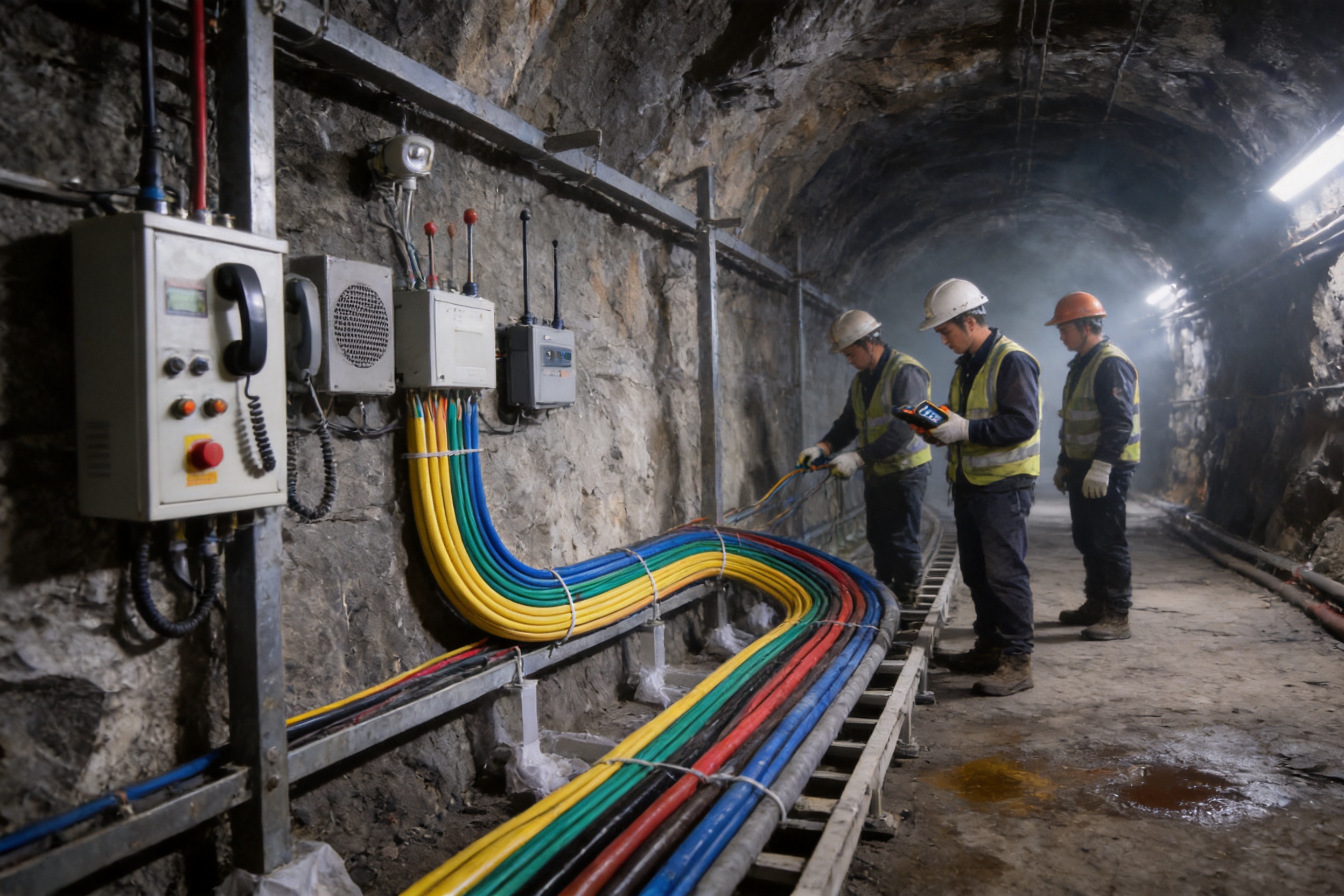
Reliable communication is essential in underground mining. Voice calls, broadcasting, signaling, monitoring, and low-speed data transmission all depend on cable systems that can operate in confined spaces, humid conditions, and environments where fire safety is especially important. A communication cable used underground must provide more than electrical continuity. It must also offer flexibility, mechanical durability, flame retardancy, moisture resistance, stable transmission, and dependable service over its operating life.
MHYBV flexible combination mining cable is designed for these requirements. It is a polyvinyl chloride insulated and sheathed mining communication cable that uses multi-stranded tin-plated copper conductors, flexible core arrangements, and a flame-retardant outer sheath. Its construction is intended primarily for fixed underground installation and selected light mobile applications, including tunnel communication lines, shaft signaling, broadcasting systems, fixed monitoring equipment, and low-speed data circuits.
The cable combines a practical electrical design with a comparatively simple structure. This gives it an important advantage in projects where dependable communication is required but the mechanical demands do not justify the weight, complexity, or cost of heavily armored cable. At the same time, its mining-oriented flame-retardant sheath and impact performance provide a higher level of environmental suitability than many general-purpose communication cables.
This article examines the construction, performance, applications, manufacturing processes, quality controls, customization capabilities, and competitive advantages of MHYBV flexible mining communication cable. It also explains how a specialized cable manufacturer can support customers through engineering development, controlled production, testing, documentation, and delivery management.
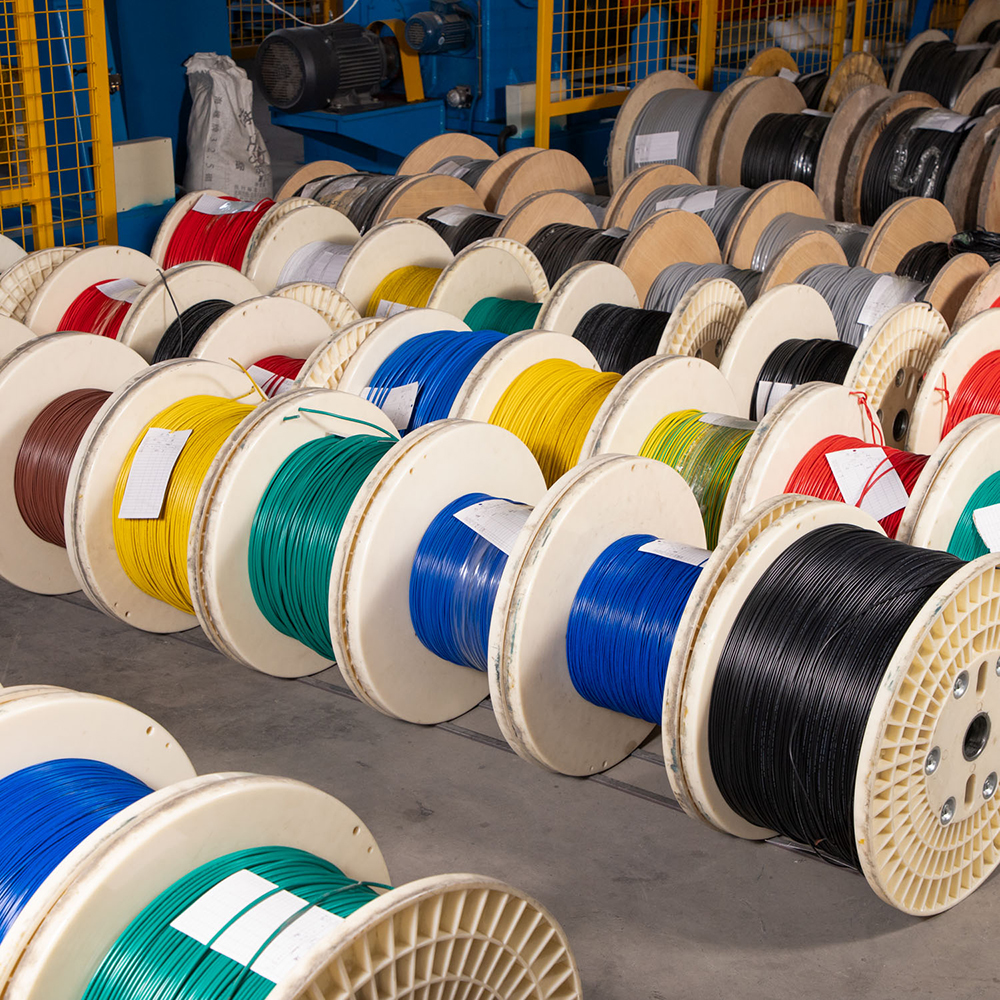
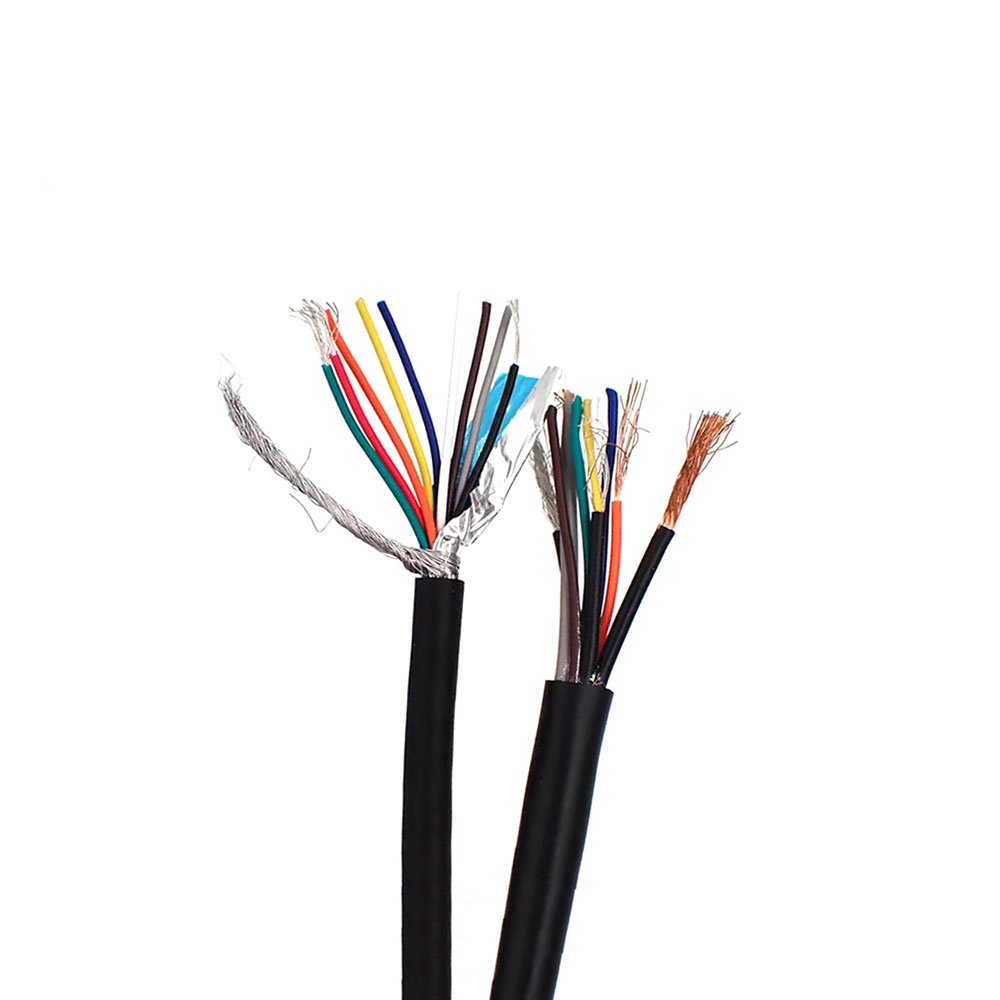
MHYBV Flexible chip combination Mining Cable
Underground mining operations rely on communication systems to coordinate personnel, manage equipment, distribute instructions, and support emergency response. A communication failure can interrupt production, delay maintenance, or make it more difficult to respond quickly to abnormal conditions. For this reason, cable selection should be based on the complete underground environment rather than on conductor size alone.
Mining communication cable is commonly installed in tunnels, shafts, roadways, equipment areas, control points, and fixed monitoring locations. These routes may include bends, uneven surfaces, limited working space, vibration, occasional impact, moisture, oil contamination, and contact with dust or corrosive gases. The cable must therefore be sufficiently flexible for installation while retaining its shape, insulation integrity, and sheath protection.
Fire safety is another central consideration. A cable used in a coal mine or similar underground environment should limit the risk associated with ignition and flame propagation. A flame-retardant sheath helps the cable meet the required mining safety objectives when it is tested according to the applicable standard. The final project design must still consider installation method, separation from heat sources, circuit protection, and the regulations applicable in the destination market.
Communication cable also needs appropriate transmission characteristics. Voice, broadcast, signaling, and low-speed data circuits may not require the bandwidth of a modern high-speed network, but they still require stable attenuation, adequate insulation resistance, and controlled capacitance. These characteristics help reduce signal loss and improve communication reliability across the installed route.
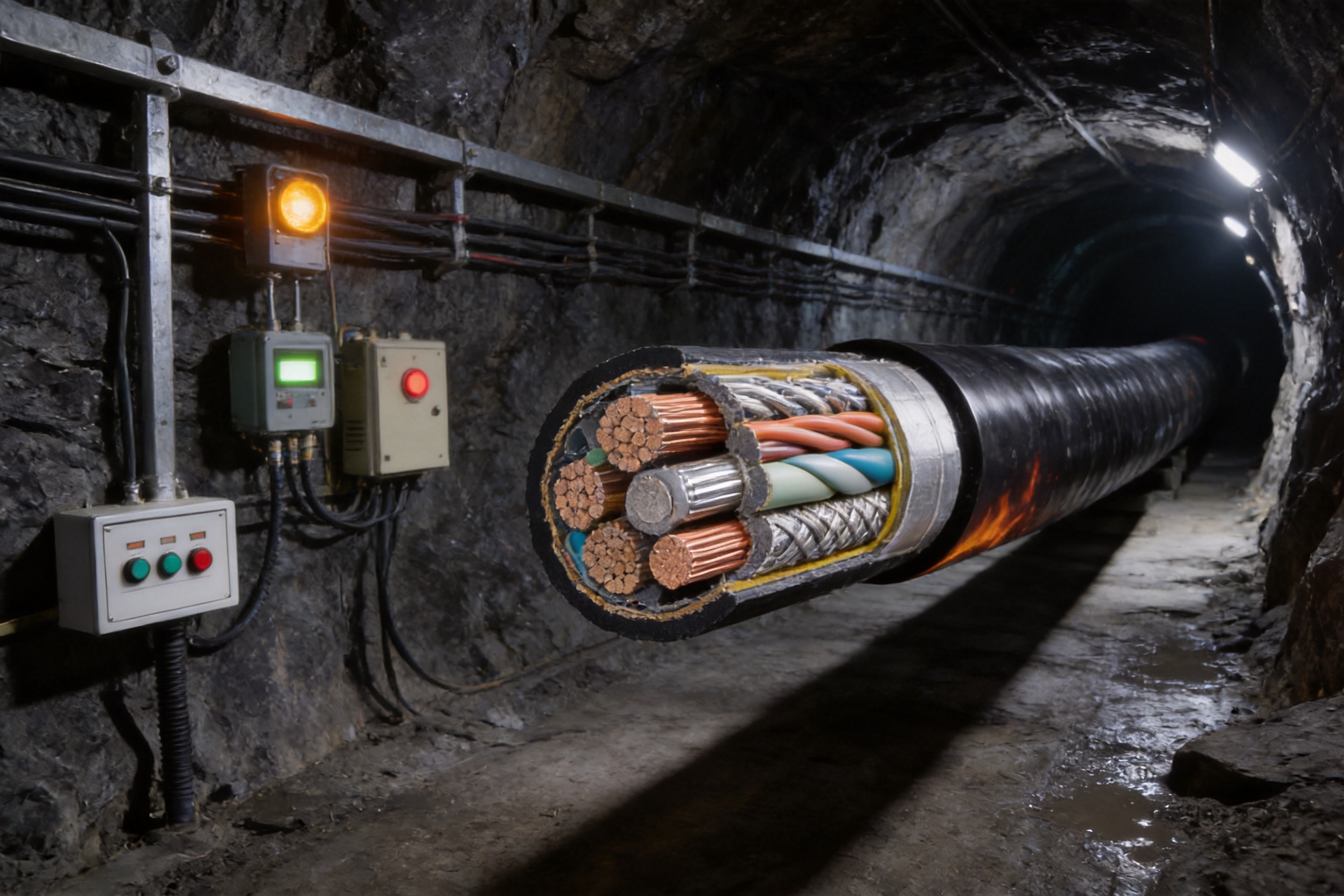
MHYBV is a mining polyvinyl chloride insulated communication cable. The insulation and sheath are based on PVC materials, with the outer sheath formulated for flame-retardant mining applications. The conductor consists of multi-stranded tin-plated copper wire. This construction provides a balance between conductivity, corrosion resistance, flexibility, mechanical strength, and production economy.
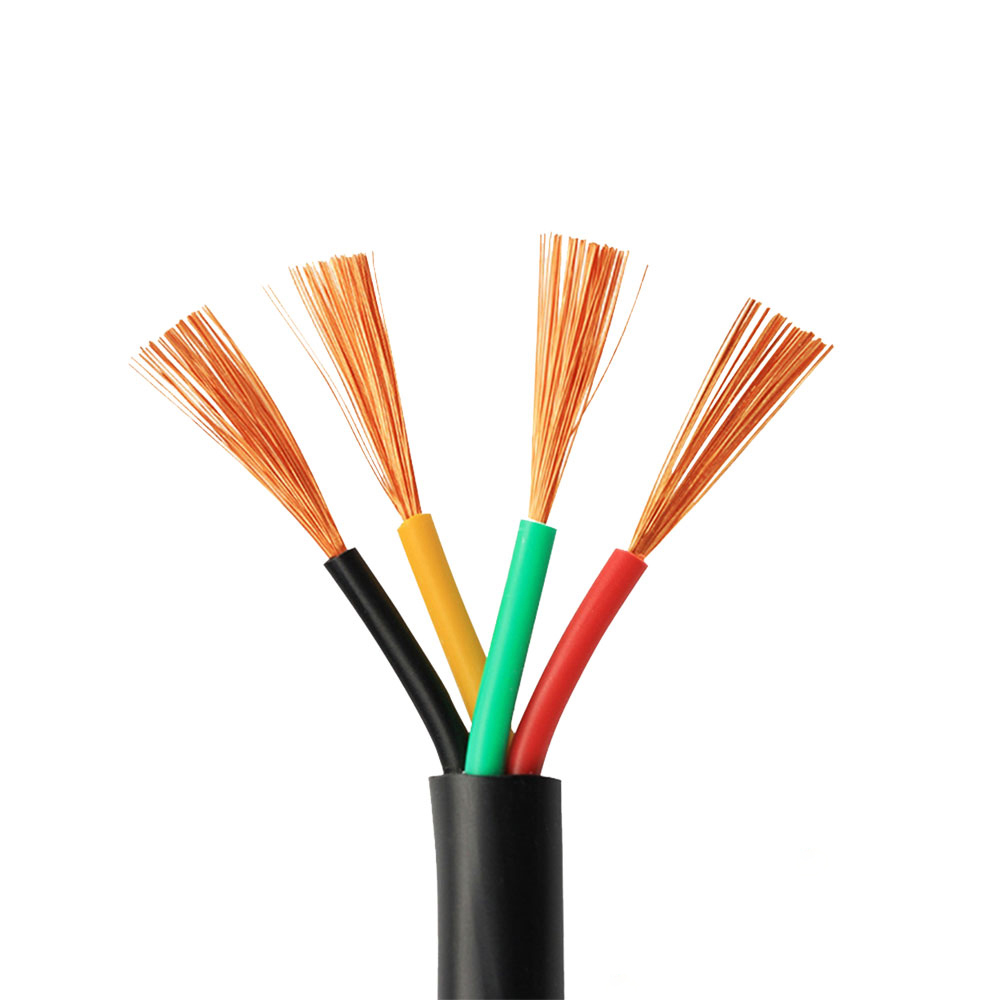
The product supports one to thirty cores. Depending on the application, the cores may be arranged in parallel or in twisted-pair structures. This flexibility in core combination enables the cable to be adapted to different communication, signaling, and control requirements. A customer may specify the required number of cores, cross-sectional area, identification method, sheath color, printing, and supplied length within the available manufacturing range.
The standard single-core cross-sectional range is 0.5 mm² to 2.5 mm², and the rated voltage is 300/500 V. Although the primary purpose of the product is communication and low-level signaling, this voltage rating provides a useful insulation design margin for the intended cable construction. The test voltage is 2,000 V AC for one minute, supporting verification of insulation integrity during production inspection.
The minimum bending radius is specified as six times the cable outer diameter for fixed installation and ten times the cable outer diameter for mobile installation. These values help installers plan routing and avoid excessive bending stress. Actual field installation should also account for pulling tension, support spacing, temperature, terminations, and the manufacturer’s handling instructions.
The long-term operating temperature range is specified as -40°C to +65°C. A short-term overload temperature of +85°C for two hours is also provided in the product specifications. These values give the cable a broad operating range for general underground environments, but they should not be interpreted as permission to exceed the limits of connected equipment, terminals, glands, or installation accessories.
The conductor uses multi-stranded copper rather than a single solid wire. Stranding divides the conductor into multiple smaller wires, allowing the cable to bend more easily and reducing the risk of fatigue during routing. This is particularly useful when cable is installed around tunnel structures, equipment supports, junction boxes, or monitoring devices.
Tin plating provides an additional protective layer over the copper strands. In humid, contaminated, or mildly corrosive environments, tin-plated copper can offer better surface corrosion resistance than unplated copper. It also supports consistent termination performance when suitable connectors, lugs, or terminal blocks are selected.
The conductor is identified as a Class 6 conductor in the product information. This indicates a fine-stranded and flexible construction. The conductor tensile strength is specified as at least 150 N/mm², supporting the cable’s ability to withstand normal handling and installation forces when the cable is correctly pulled and supported.
Each conductor is insulated with polyvinyl chloride. PVC is widely used in industrial cable manufacturing because it offers a practical combination of electrical insulation, processability, mechanical performance, and cost control. Properly formulated PVC insulation can maintain stable electrical properties over the specified temperature range and provide effective separation between conductors.
The product specifications include an insulation resistance of at least 800 MΩ·km at 20°C. High insulation resistance reduces leakage current and helps preserve the separation between circuits. This is particularly important where multiple communication or signaling circuits share one cable assembly.
During manufacturing, insulation extrusion must be controlled carefully. Concentricity, wall thickness, surface condition, color consistency, and the absence of pinholes or inclusions all influence final cable quality. Automated extrusion lines can help maintain stable dimensions, while online inspection and sampling tests provide additional process control.
MHYBV supports parallel or twisted-pair core structures. Parallel arrangements can be suitable for straightforward multi-core communication and signaling circuits where easy identification and termination are important. Twisted-pair structures can help control electromagnetic coupling and improve signal stability in applications where paired conductors are required.
The choice between parallel and twisted construction should be based on the connected system, transmission distance, installation environment, and equipment interface. A technical review before production helps determine the best combination of core count, conductor size, lay arrangement, shielding approach, and marking scheme.
The product information identifies braided shielding as a feature supporting resistance to electromagnetic interference. A braid made from conductive material surrounds the insulated core assembly and helps reduce the effect of external electrical noise. It can also help limit the radiation of unwanted interference from the cable into nearby circuits.
Shielding effectiveness depends on braid coverage, material, grounding method, termination quality, cable routing, and the frequency of the interference source. A cable shield cannot compensate for poor installation practices. The shield should be connected according to the system design, and the installation should avoid unnecessary parallel routing with high-power cables where practical.
The outer sheath uses flame-retardant PVC intended for mining applications. The sheath protects the inner structure from abrasion, moisture, oil exposure, handling damage, and contact with surrounding surfaces. Its flame-retardant formulation is designed to pass the specified mining flame-retardancy test.
The sheath is available in black or gray as standard colors. Custom printing can be arranged for identification, model information, length marking, customer references, or installation management. Clear and durable marking helps maintenance teams identify cable routes and reduce the risk of incorrect connection during future expansion or repair.
The specified sheath tear strength is at least 8 N/mm. This property is relevant when the cable is handled, pulled, bent, or exposed to localized mechanical stress. The sheath also passes the stated oil resistance test based on IRM 902 at 70°C for 24 hours, with a specified change limit. These characteristics make the cable suitable for general underground conditions where occasional oil contact may occur.
The following table summarizes the principal product data supplied for MHYBV flexible mining communication cable. Project engineers should verify the final approved specification, applicable standard, and local certification requirements before placing the cable into service.
| Item | Specification |
| Product model | MHYBV |
| Product type | Mining PVC insulated and flame-retardant PVC sheathed communication cable |
| Number of cores | 1 to 30 cores |
| Core arrangement | Parallel or twisted-pair structure |
| Conductor | Multi-stranded tin-plated copper, Class 6 conductor |
| Single-core cross-section | 0.5 mm² to 2.5 mm² |
| Rated voltage | 300/500 V |
| Test voltage | 2,000 V AC for one minute |
| Minimum bending radius for fixed installation | 6 times cable outer diameter |
| Minimum bending radius for mobile installation | 10 times cable outer diameter |
| Long-term operating temperature | -40°C to +65°C |
| Short-term overload temperature | +85°C for two hours |
| Insulation material | Polyvinyl chloride |
| Sheath material | Flame-retardant polyvinyl chloride |
| Attenuation | Not more than 2.0 dB/100 m at 1 kHz |
| Insulation resistance | At least 800 MΩ·km at 20°C |
| Capacitance unbalance | Not more than 300 pF/km |
| Mechanical impact resistance | Passes the stated 10 J MT 818.1 impact test |
| Conductor tensile strength | At least 150 N/mm² |
| Sheath tear strength | At least 8 N/mm |
| Oil resistance | Passes the stated IRM 902 oil test |
| Flame retardancy | Passes the stated mining flame-retardant test |
| Standard sheath colors | Black or gray |
For a communication cable, transmission performance is determined by more than conductor resistance. Attenuation, capacitance balance, insulation resistance, shielding, pair geometry, termination, and installation length all affect the quality of the delivered signal. MHYBV is designed for voice, broadcasting, signaling, monitoring, and low-speed data communication rather than high-bandwidth data-center networking.
The specified attenuation is not more than 2.0 dB per 100 meters at 1 kHz. Lower attenuation generally means that more of the transmitted signal reaches the receiving equipment. The actual system performance will depend on the communication device, line length, connectors, environmental noise, and any intermediate equipment installed along the route.
Capacitance unbalance is specified at not more than 300 pF/km. Controlling capacitance unbalance helps maintain more consistent electrical behavior among circuits and can reduce unwanted differences between conductors. This is beneficial for communication and monitoring systems in which stable signal characteristics are required across several circuits.
Insulation resistance of at least 800 MΩ·km at 20°C provides a strong basic indicator of insulation condition. Insulation resistance can change with temperature, humidity, contamination, and cable age. For that reason, installation testing and periodic maintenance testing should be performed using procedures suitable for the complete system.
The braid shield provides an additional layer of protection against electromagnetic interference. In an underground mine, communication cables may share an area with motors, power cables, variable-frequency drives, switching devices, and electrical machinery. Careful cable routing and correct shield termination can significantly improve the reliability of communication circuits.
Flame retardancy is one of the most important differentiators between mining cable and ordinary indoor communication cable. The flame-retardant PVC sheath is intended to limit flame spread and support compliance with mining safety expectations. The product information states that the cable passes the MT 818.1-1999 mining flame-retardant test.
Flame performance should always be evaluated as part of a complete installation. Cable spacing, support systems, jointing, termination, nearby combustible materials, ventilation, and protective equipment all influence fire risk. A flame-retardant cable improves the safety margin, but it does not eliminate the need for correct engineering and inspection.
Underground routes may be exposed to condensation, wash water, damp surfaces, hydraulic fluids, lubricants, and other contaminants. The PVC sheath is intended for dry or mildly humid environments and provides resistance to ordinary moisture exposure. The specified oil test also demonstrates resistance to a defined oil-contact condition.
However, the product is not recommended for long-term immersion or highly corrosive conditions. Where continuous water immersion, chemical exposure, or aggressive mine drainage is expected, a different cable construction may be required. The project team should review the environmental conditions before selecting the final cable.
The cable is specified to pass a 10 J impact test according to the stated mining standard. This supports its use in environments where occasional mechanical contact may occur during installation or normal operation. The impact rating does not mean that the cable can be dragged over sharp edges, crushed by heavy machinery, or left unsupported across traffic routes.
Proper supports, protective conduits, cable trays, hangers, and routing practices remain necessary. The cable should be protected from repeated abrasion, excessive pulling tension, sharp bending, and direct contact with moving machinery.
The specified long-term operating range of -40°C to +65°C provides suitability for many general underground and industrial environments. Temperature affects PVC flexibility, electrical resistance, and mechanical behavior. Installers should avoid bending the cable at temperatures below the material’s recommended handling limit unless the cable has been conditioned appropriately.
The short-term overload value of +85°C for two hours provides a defined temporary operating allowance. It should not be treated as a continuous rating. Heat generated by adjacent power cables, enclosed equipment, sunlight at surface locations, or abnormal current conditions should be considered during system design.
General-purpose communication cable may be designed for offices, buildings, consumer equipment, or dry indoor spaces. Such cable may not have the flame-retardant characteristics, impact performance, oil resistance, or temperature range needed in an underground mine. MHYBV is specifically configured around mining communication requirements, making it a more appropriate choice for many underground fixed installations.
The mining-oriented sheath, specified impact performance, and resistance to moisture and oil provide additional protection compared with a basic indoor communication cable. Its conductor and core construction also support routing through confined spaces where repeated bending and installation adjustment may be required.
Armored cables provide valuable protection where severe crushing, penetration, or mechanical abuse is expected. However, armor adds weight, diameter, stiffness, and installation complexity. For communication routes with lower mechanical stress, a flexible PVC-sheathed cable can be more efficient.
MHYBV offers a lighter and more economical option where the project does not require the full mechanical protection of armor. Lower weight can simplify transportation, pulling, support installation, and maintenance. Smaller cable dimensions may also make it easier to route through existing tunnels or cable pathways.
The ability to produce parallel or twisted-pair structures helps the cable serve different communication and signaling arrangements. Flexible Class 6 conductors can reduce installation effort and make it easier to complete connections in restricted spaces. This is especially useful when cable routes include multiple bends or when the final termination location is difficult to access.
The simple PVC-based construction supports cost control without removing the features most important to general underground communication. For projects requiring numerous cable runs, cost per meter, handling time, and replacement availability can have a substantial effect on the total installed cost.
Standard products can be stocked for faster shipment, while customized products can be scheduled according to core count, conductor area, printing, length, and other project requirements. This combination of standardization and customization helps customers avoid purchasing a cable that is either over-specified or unsuitable for the intended route.
The primary competitive strength of MHYBV is balance. It is not presented as a substitute for every armored, rubber-sheathed, high-voltage, or water-blocked mining cable. Instead, it is positioned as a practical communication cable for fixed installation and light mobile applications where flexibility, signal stability, flame retardancy, and economical construction are all important.
Telephone systems remain important in many mines, particularly for communication between control rooms, working faces, maintenance areas, shaft stations, and underground offices. MHYBV can be used for fixed telephone communication lines where the conductor configuration and transmission requirements match the system design.
Underground broadcasting systems distribute instructions, warnings, production information, and emergency messages. The cable’s multi-core options, stable low-frequency transmission characteristics, and flame-retardant sheath make it suitable for fixed broadcast connections in tunnels and associated underground facilities.
Shafts often require dependable signaling between different levels, operating areas, and control points. The cable may be used for fixed signal transmission where the route is supported and protected from excessive mechanical stress. Installation design should account for vertical pulling forces, support spacing, cable weight, and movement caused by equipment or ventilation.
Fixed monitoring equipment may measure environmental conditions, equipment status, access conditions, or other operational parameters. MHYBV can connect sensors, monitoring units, and local control equipment when the signal type and electrical requirements are compatible with the cable’s transmission characteristics.
The cable is suitable for selected low-speed data communication applications. Engineers should confirm the required data rate, distance, protocol, impedance, noise environment, and termination arrangement before approval. It should not automatically be substituted for a purpose-designed high-frequency industrial Ethernet, fiber-optic, or high-speed data cable.
Although the product is designed for mining use, its characteristics may also be useful in other industrial locations where a flame-retardant, flexible, multi-core communication cable is required. Possible environments include utility tunnels, industrial service areas, equipment rooms, underground infrastructure, and controlled plant installations.
The performance of a finished cable depends on the quality of raw materials, equipment condition, process settings, operator skill, inspection procedures, and traceability. A modern cable manufacturer should manage the complete production chain rather than relying only on final inspection.
Production begins with a technical review of the customer’s requirements. The review may include core count, conductor cross-section, core arrangement, insulation color, shielding, sheath color, marking, finished length, packaging, operating environment, and applicable standard.
For customized products, drawings or samples can be evaluated by technical engineers. This process helps identify conflicts between the requested construction and the intended application. It also allows the manufacturer to confirm bending requirements, transmission expectations, delivery lengths, and testing documentation before materials are purchased.
High-quality copper wire is selected according to the required conductor size and plating condition. Stranding machines combine individual wires into flexible conductor units. Tension, pitch, lay direction, strand diameter, and surface condition are controlled during this stage.
The objective is to achieve consistent conductor resistance, flexibility, tensile performance, and roundness. Poor tension control may create loose strands, uneven diameter, or localized stress. Automated equipment and regular sampling help reduce these risks.
PVC insulation is applied using extrusion equipment. The material is heated, plasticized, and formed around the conductor through a controlled die. Extrusion temperature, line speed, cooling water conditions, die alignment, and material feeding must be maintained within the process window.
Online dimensional checks can monitor insulation diameter and wall thickness. Samples may be tested for insulation resistance, tensile strength, elongation, aging performance, and spark defects. These controls help ensure that the insulation is continuous and that the final core dimensions remain compatible with the designed cable structure.
After insulation, the cores are assembled into the required parallel or twisted arrangement. For twisted structures, the lay length and twist consistency affect capacitance, signal balance, and flexibility. For multi-core products, correct identification and sequence are essential to prevent installation errors.
Where shielding is required, the assembled core group passes through the shielding process. Braid coverage, braid tension, overlap, and continuity are controlled to maintain consistent electromagnetic protection. The shield must remain undamaged during subsequent sheathing operations.
The flame-retardant PVC sheath is extruded over the assembled core and shield structure. The sheath must provide the specified protection without deforming the underlying cores or leaving voids and surface defects. Diameter, roundness, color, marking clarity, and surface finish are checked during production.
Sheath printing can include model information, voltage rating, manufacturer identification, meter marks, customer codes, or other agreed details. Permanent and legible marking supports cable identification during installation, operation, and maintenance.
Final inspection may include visual examination, dimensional measurement, conductor resistance, insulation resistance, voltage testing, attenuation, capacitance balance, bending assessment, tensile verification, sheath tear testing, oil resistance, impact testing, and flame-retardancy verification according to the approved specification.
The exact tests performed depend on the order, standard, certification requirements, and product configuration. Test results should be documented and linked to the production batch. This improves traceability and gives customers evidence that the delivered cable was manufactured under controlled conditions.
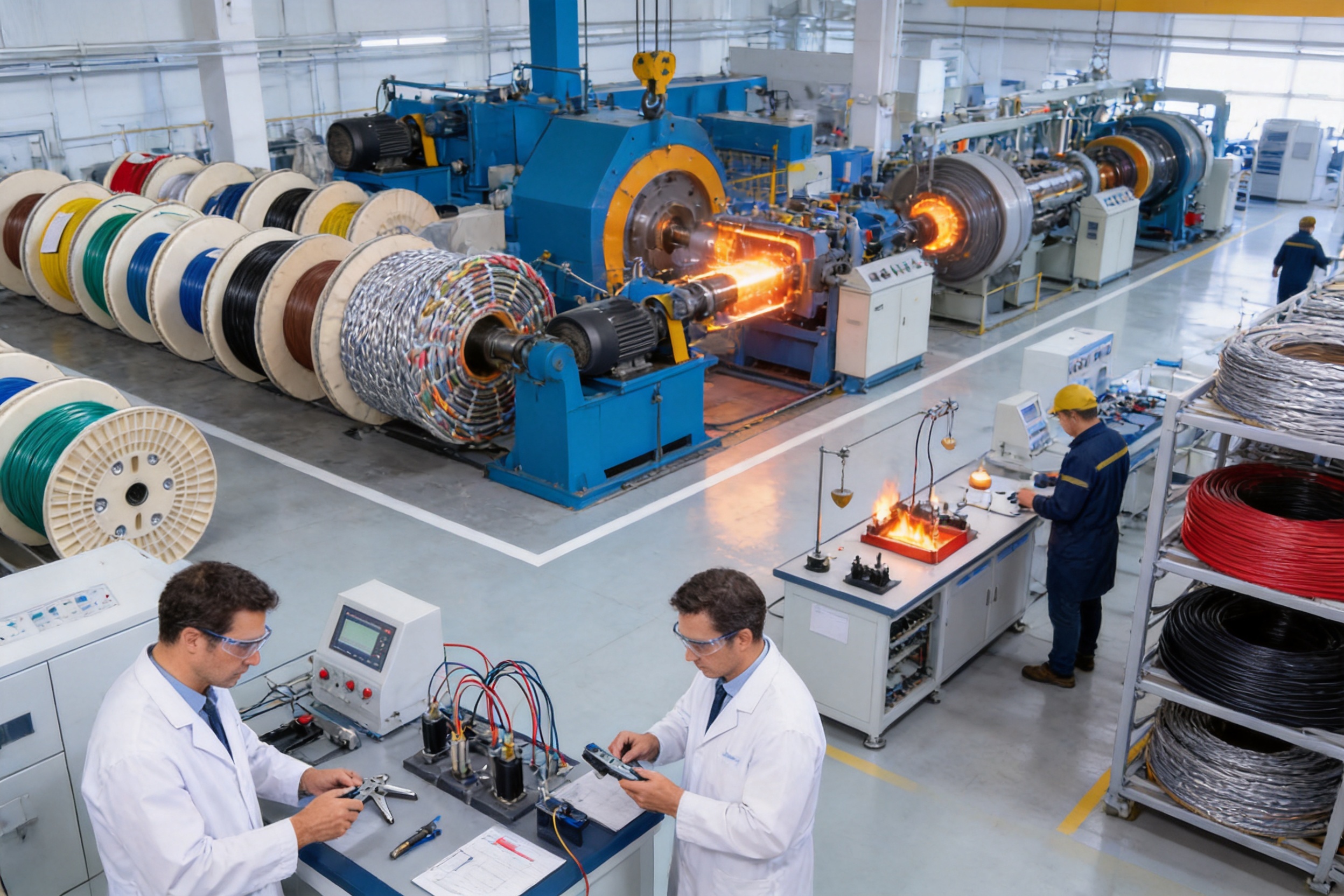
The manufacturer associated with this product integrates research and development, production, and sales. Its production base covers approximately 5,000 square meters and includes ten automated production lines. Reported monthly output can reach up to ten million meters, providing capacity for both standard cable orders and larger project requirements.
A production system of this scale can offer several advantages. Automated lines improve process repeatability, support consistent dimensions, and reduce dependence on manual handling for routine operations. Production capacity also helps the supplier coordinate multiple product categories, including power cables, control cables, communication cables, automotive cables, mining cables, flat cables, wire harnesses, and specialty cables.
The company employs more than fifty people, including quality engineers and research and development technicians with more than ten years of industry experience. Experienced personnel can contribute to conductor selection, insulation design, shielding arrangements, sheath formulation, process adjustment, testing, and application support.
The supplier emphasizes full-core, full-length, pure-copper specifications for standard products. It also provides product test reports and warranty support for standard cable models. These measures are valuable for industrial customers that require documentation, repeatability, and confidence in long-term supply.
Standard models may be stocked for fast shipment. Customized products generally require a lead time of seven to twenty days, depending on construction complexity, production scheduling, material availability, testing requirements, and order quantity. Customers should confirm the actual delivery schedule at the quotation and order stages.
Technical engineers can support OEM and ODM development based on drawings or samples. This is especially useful when a mining contractor or equipment manufacturer needs a cable with a particular core arrangement, printing format, finished length, color, or interface requirement.
Engineering support can also help customers choose between parallel and twisted structures, confirm the required conductor cross-section, evaluate shielding needs, and determine whether MHYBV is appropriate for the environmental conditions. A well-defined technical specification reduces the possibility of redesign, field replacement, or communication failure.
The company’s stated operating philosophy emphasizes quality, integrity, and stability. These principles are relevant to cable procurement because cable is often installed in locations where replacement is expensive and access is difficult. A low purchase price has limited value if inconsistent dimensions, poor marking, or unstable electrical performance causes installation delays.
Quality orientation should be visible through controlled raw-material purchasing, equipment maintenance, process records, inspection procedures, product traceability, and responsive technical service. These practices help create a dependable supply relationship rather than a transaction based only on price.
The supplier reports sales to the United States, Canada, Australia, Japan, and parts of Eurasia. International supply experience can help a manufacturer understand different packaging expectations, documentation requirements, labeling practices, and customer approval procedures.
Export experience does not replace the customer’s responsibility to verify local regulations and certifications. However, it can make communication and project coordination more efficient, particularly when the customer needs customized marking, technical files, inspection records, or production samples.
Before installation, inspect the cable drum or coil for damage, moisture ingress, broken sheath, crushed sections, or missing identification. The cable should be stored in a clean, dry location and protected from direct impact. Ends should remain sealed until the cable is ready for termination.
During unwinding, avoid dragging the cable over sharp surfaces. Use suitable rollers or guides when pulling long lengths. Do not exceed the recommended pulling tension, and avoid twisting the cable around the drum axis. The cable should be supported at suitable intervals so that its weight does not create excessive stress on a single termination.
For fixed installation, maintain a minimum bending radius of six times the cable outer diameter. For mobile installation, use a minimum radius of ten times the outer diameter. These values should be treated as minimum limits, not preferred design targets. Larger radii generally reduce mechanical stress and make future maintenance easier.
Keep communication cables separated from high-power cables where practical. If crossing is unavoidable, a suitable crossing angle can reduce the length of parallel exposure. Shield continuity and grounding should follow the system design. Improper shield termination can reduce interference protection or create unwanted ground-current paths.
After installation, test continuity, insulation resistance, shield continuity, polarity or pair identification, and communication performance. Test records should identify the cable route, drum number or batch, installed length, test instrument, test voltage, date, and responsible technician.
Regular inspection helps identify sheath damage, unsupported sections, excessive bending, water accumulation, oil contamination, loose supports, and unauthorized modifications. Any damaged section should be evaluated promptly. Repairs or joints should use components and procedures compatible with the cable’s insulation, sheath, voltage rating, and environmental requirements.
Communication quality may deteriorate before a visible cable failure occurs. Symptoms such as intermittent voice, noise, signal dropouts, unstable monitoring data, or increased transmission error can indicate damaged insulation, poor termination, shield problems, moisture ingress, or external interference.
Maintenance teams should compare current test results with baseline results recorded after installation. A gradual decline in insulation resistance or increased attenuation may indicate aging or environmental damage. The correct response depends on the severity, route conditions, and importance of the circuit.
MHYBV is intended for dry or mildly humid environments and is not recommended for long-term immersion or highly corrosive conditions. Where site conditions change, the original cable selection should be reviewed. A cable suitable during initial development may become unsuitable if the route later experiences continuous water, chemical exposure, high mechanical impact, or significant heat.
One to thirty cores can be produced within the stated product range. The single-core cross-sectional area can be selected from 0.5 mm² to 2.5 mm², subject to the final construction and production confirmation. Customers can also discuss parallel or twisted-pair arrangements according to the communication system.
Other customization possibilities include cable length, sheath color, marking content, meter printing, packaging, core identification, and project-specific documentation. Black and gray are identified as typical sheath colors, while other colors may require technical and production confirmation.
Customization should begin with a written specification. The document should define rated voltage, temperature range, standard, conductor material, conductor class, core arrangement, shielding, sheath material, color, outer diameter tolerance, bending radius, test requirements, packaging, and inspection documents.
Providing drawings, samples, or photographs of the installation environment can help the engineering team understand the application. Early technical communication is particularly important when the cable is being integrated into equipment, prefabricated assemblies, shaft systems, or monitoring networks.
Project engineers should begin by identifying the communication function. Is the cable intended for voice, broadcasting, signaling, fixed monitoring, low-speed data, or a combination of these functions? The answer determines the required number of cores, pair arrangement, conductor area, shielding, and transmission characteristics.
The second step is environmental evaluation. Consider humidity, immersion risk, oil exposure, corrosive gases, temperature, ultraviolet exposure at surface sections, vibration, impact, abrasion, crushing, and movement. MHYBV is well suited to fixed routes and light mobile applications in dry or mildly humid conditions, but a more specialized cable may be necessary for severe exposure.
The third step is mechanical assessment. If the cable will be placed near heavy machinery, exposed to crushing, or installed in an area with repeated movement, the customer should determine whether armor, reinforced construction, rubber insulation, or another protective design is required. The lighter construction of MHYBV is advantageous when mechanical stress is controlled, not when severe abuse is expected.
The fourth step is regulatory review. Mining cable requirements can vary by country, mine type, voltage system, and application. Customers should confirm whether additional approvals, markings, third-party testing, or national certifications are required for the destination market.
Finally, evaluate the supplier’s ability to provide consistent production, technical support, testing records, customization, packaging, and delivery. Cable procurement should consider the total installed and maintained cost rather than only the price per meter.
A cable’s published specification describes the intended product, but manufacturing capability determines whether the specification is achieved consistently. Reliable conductor stranding, extrusion control, shield application, sheath formation, and final testing all require appropriate equipment and trained personnel.
A supplier with automated production lines can maintain repeatable process conditions across large orders. A supplier with experienced R&D and quality teams can investigate nonconformities, improve designs, and support application-specific requests. A supplier with integrated sales, engineering, and production functions can reduce communication gaps between the customer’s technical department and the factory.
Documentation is equally important. Test reports, batch records, inspection certificates, packing lists, and warranty information support project acceptance and future maintenance. When the cable is installed underground, retrieving product information years later can be difficult. Durable sheath printing and complete documentation therefore provide practical long-term value.
MHYBV is mainly used for fixed communication and signaling applications in underground coal mines and similar industrial environments. Typical uses include telephone communication, broadcasting systems, tunnel communication, shaft signal transmission, fixed monitoring equipment, and low-speed data communication.
It can be used for light mobile applications when the movement is limited and the installation is designed correctly. The specified minimum bending radius for mobile installation is ten times the cable outer diameter. For continuous flexing, drag-chain service, severe vibration, or repeated mechanical movement, a purpose-designed flexible or mining trailing cable should be evaluated.
The conductor is multi-stranded tin-plated copper. The insulation is polyvinyl chloride, and the outer sheath is flame-retardant polyvinyl chloride intended for mining applications. The cable may include braided shielding according to the approved construction.
The stated range is one to thirty cores. The core arrangement may be parallel or twisted-pair, depending on the communication system and customer requirements.
The stated single-core cross-sectional range is 0.5 mm² to 2.5 mm². The final conductor size should be selected according to signal requirements, installation distance, termination equipment, mechanical conditions, and the approved product design.
Yes. The sheath is specified as flame-retardant PVC, and the product information states that it passes the MT 818.1-1999 mining flame-retardant test. Customers should confirm the required certification and test documentation for their specific market and mine application.
No. The product is intended for dry or mildly humid conditions and is not recommended for long-term immersion. If continuous immersion, water pressure, or water penetration is expected, a water-resistant or water-blocked cable should be considered.
The rated voltage is 300/500 V. The cable also has a stated test voltage of 2,000 V AC for one minute. The connected equipment and installation system must remain within their own ratings.
The minimum bending radius is six times the cable outer diameter for fixed installation and ten times the outer diameter for mobile installation. Larger bending radii are generally preferable where space permits.
The product information identifies braided shielding as a feature that helps resist electromagnetic interference. Shielding performance depends on braid coverage, grounding, termination, routing, and the surrounding electrical environment.
Black or gray are typical sheath colors. Custom printing markings and lengths can be discussed during technical confirmation. The final marking should be defined before production so that it can be included in the manufacturing and inspection documents.
Yes. The supplier supports OEM and ODM development based on customer drawings or samples. Customization may involve core count, conductor area, arrangement, sheath marking, length, color, packaging, and project documentation.
Standard products may be stocked for fast shipment. Customized products typically require seven to twenty days of lead time, although the actual schedule depends on construction, quantity, materials, testing, and production capacity. A confirmed delivery date should be obtained with the quotation or purchase order.
Not in every application. MHYBV is a lighter and more economical option for fixed installation and light mobile use where mechanical stress is controlled. If severe crushing, penetration, dragging, or heavy equipment contact is expected, armored or otherwise reinforced cable may be more suitable.
Customers may request the approved technical specification, product drawing, test report, inspection record, packing information, warranty terms, and applicable conformity documents. The exact document package should match the project’s quality plan and regulatory requirements.
MHYBV flexible mining communication cable is designed as a practical solution for underground voice communication, broadcasting, signaling, monitoring, and low-speed data applications. Its multi-stranded tin-plated copper conductors provide flexibility and corrosion resistance, while PVC insulation and flame-retardant PVC sheathing offer stable electrical separation and environmental protection.
The cable’s main advantages include flexible core combinations, braided shielding, controlled transmission performance, mining-oriented flame retardancy, resistance to general moisture and oil exposure, impact performance, and a lighter construction than many armored alternatives. These features make it suitable for fixed underground routes and selected light mobile applications where severe mechanical abuse is not expected.
The supplier strengthens the product offering through integrated research and development, automated manufacturing, experienced engineering and quality teams, large production capacity, OEM and ODM support, product testing, standard inventory, and international supply experience. Together, these capabilities help customers obtain a cable that is not only technically suitable but also supported by repeatable manufacturing and responsive project service.
Before purchase, users should confirm the communication requirements, installation environment, mechanical exposure, applicable standards, required documentation, and final cable configuration. When these factors are reviewed carefully, MHYBV can provide an economical, flexible, and dependable communication link for a wide range of underground mining and industrial applications.
1. Product technical information for MHYBV flexible mining communication cable, including construction, dimensions, electrical characteristics, environmental performance, and application guidance.
2. MT 818.1, Mining Cables and Related Mining Cable Test Requirements.
3. General principles of PVC insulated and sheathed cable manufacturing, including conductor stranding, insulation extrusion, shielding, sheath extrusion, and routine inspection.
4. Industrial cable installation and maintenance practices for underground communication, signaling, monitoring, and control systems.
5. Principles of electromagnetic compatibility, cable shielding, grounding, separation, and interference reduction in industrial environments.
6. Quality-control practices for wire and cable production, including raw-material inspection, process monitoring, electrical testing, mechanical testing, and product traceability.

We firmly believe that good cables are not only a competition of materials, but also a reflection of craftsmanship, quality, and responsibility.

Links
Product
Send Inquiry
No. 29 Sankeshu Road, Xuanzhou District, Xuancheng City, Anhui Province, China
+86-18621104555/+86-563-2622999
 Electrical Cable Manufacturer
OEM/ODM Wire and Cable Solutions
 English
 Español
 عربى
 русский