
Get more content that can help you
Content
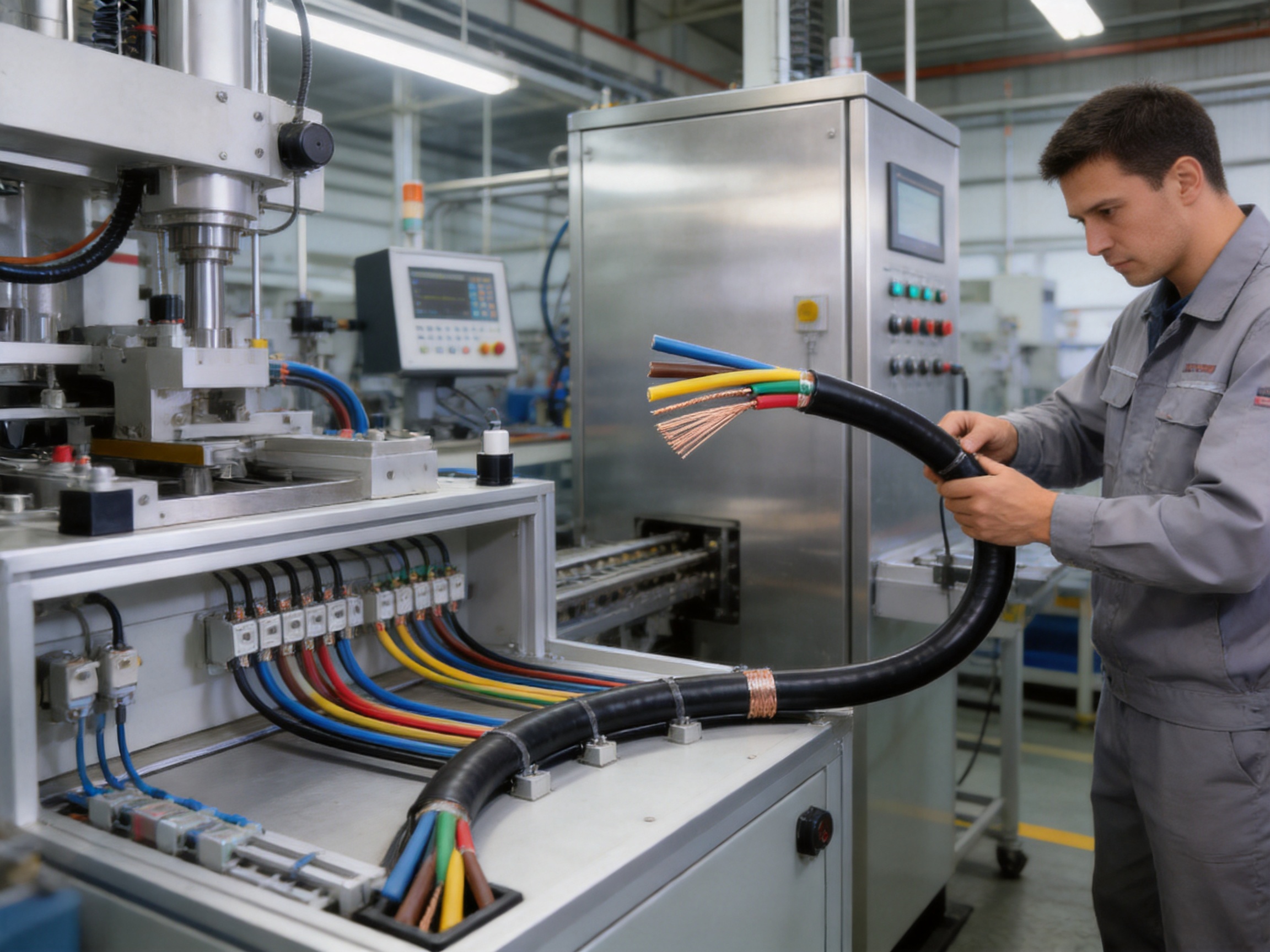
Modern industrial systems depend on control cables that can transmit power and signals reliably while adapting to movement, vibration, repeated bending, and changing installation conditions. In automated production lines, testing equipment, mobile machinery, instrumentation systems, and equipment assemblies, a cable is often required to perform more than a basic electrical connection. It must be flexible enough to route through confined spaces, strong enough to tolerate daily handling, stable enough to maintain insulation performance, and practical enough to replace without unnecessary downtime.
KVVR flexible control cable is designed for these requirements. It uses fine-stranded annealed copper conductors with polyvinyl chloride insulation and a PVC outer sheath. This construction creates a practical balance between flexibility, electrical performance, environmental adaptability, and cost. With a rated voltage of 450/750V, a broad selection of conductor cross-sections, and core configurations from 2 to 37 cores, the cable can be selected for numerous conventional control, signal, and low-power transmission applications.
The cable is especially suitable when equipment connections require frequent bending but do not demand the specialized construction of high-end drag-chain cable, robotic cable, or severe outdoor cable. Its fine-stranded conductor design makes routing easier than with ordinary rigid control cable, while the PVC insulation and sheath provide a familiar, economical solution for indoor and mild industrial environments.
This article examines the construction, electrical characteristics, flexibility, manufacturing quality, applications, installation practices, maintenance advantages, and customization capabilities associated with KVVR control cable. It also explains how an experienced cable manufacturer can improve product consistency through material control, automated production, process inspection, and final testing.
KVVR Easy to maintain Control Cable
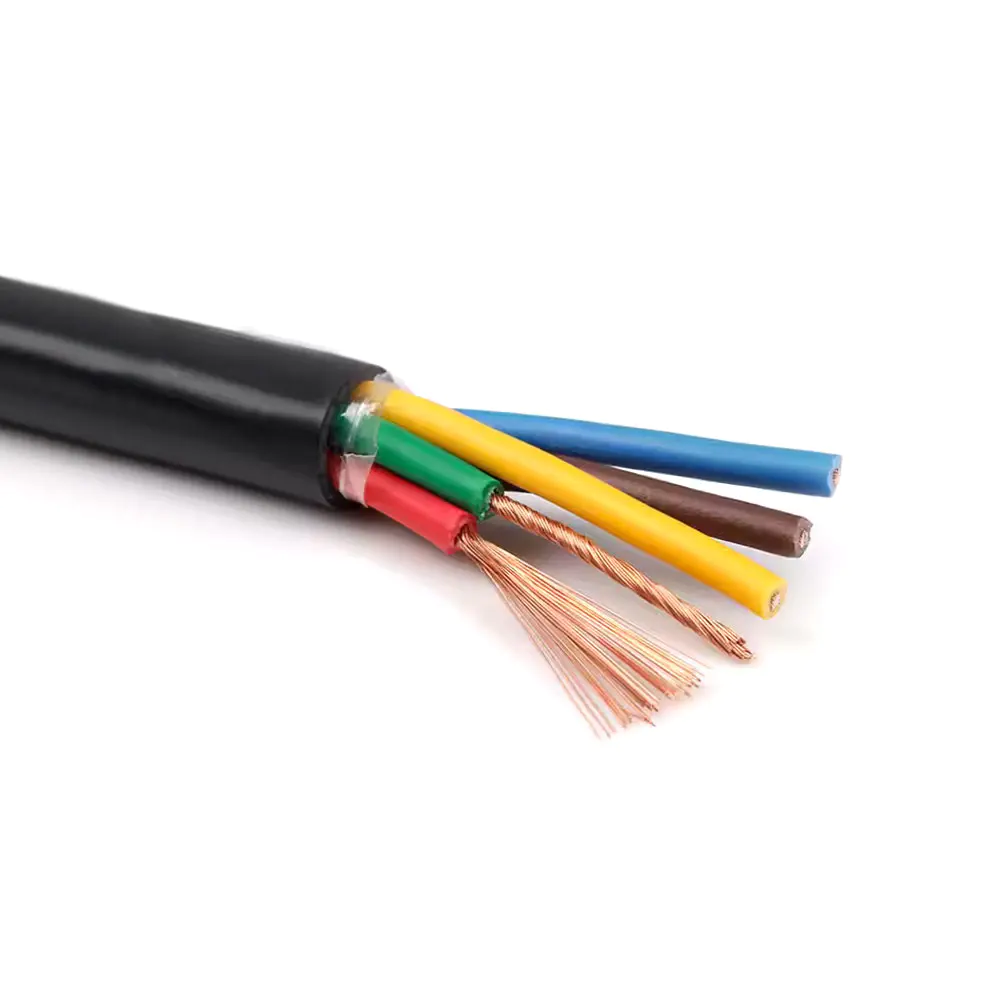
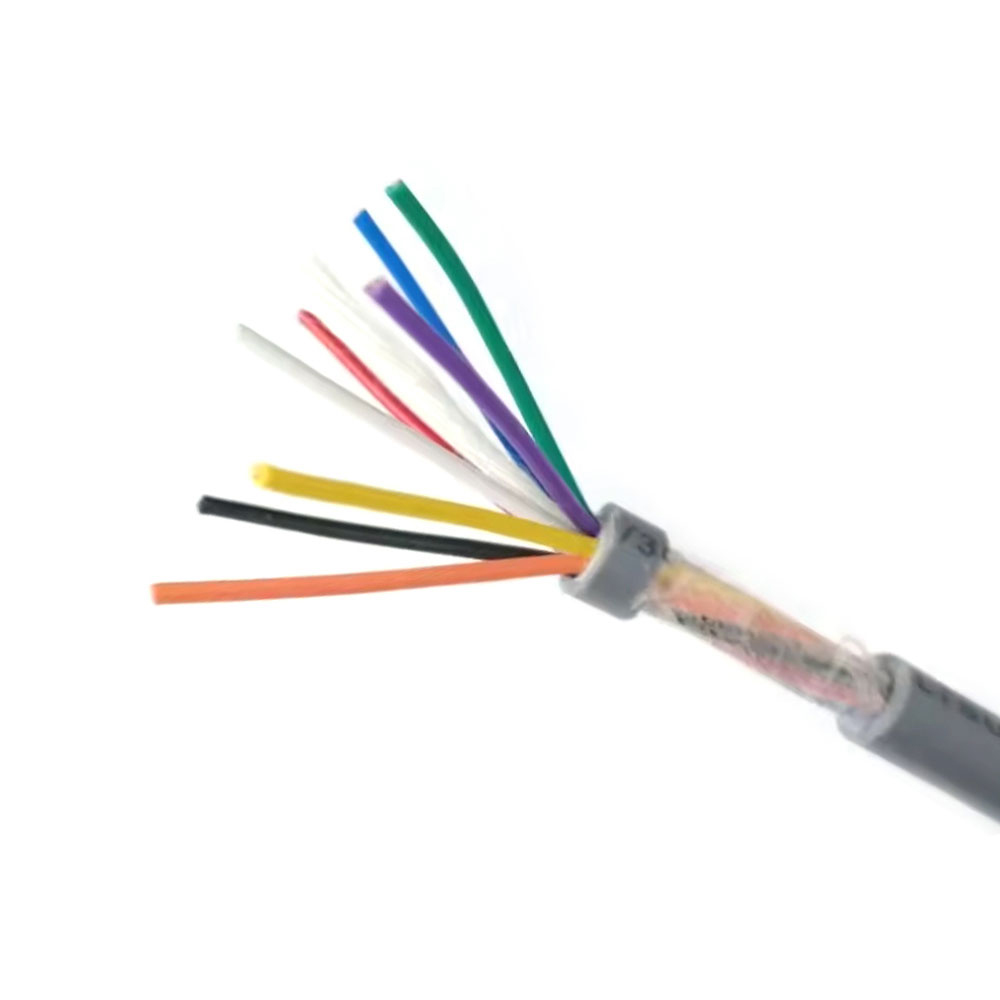
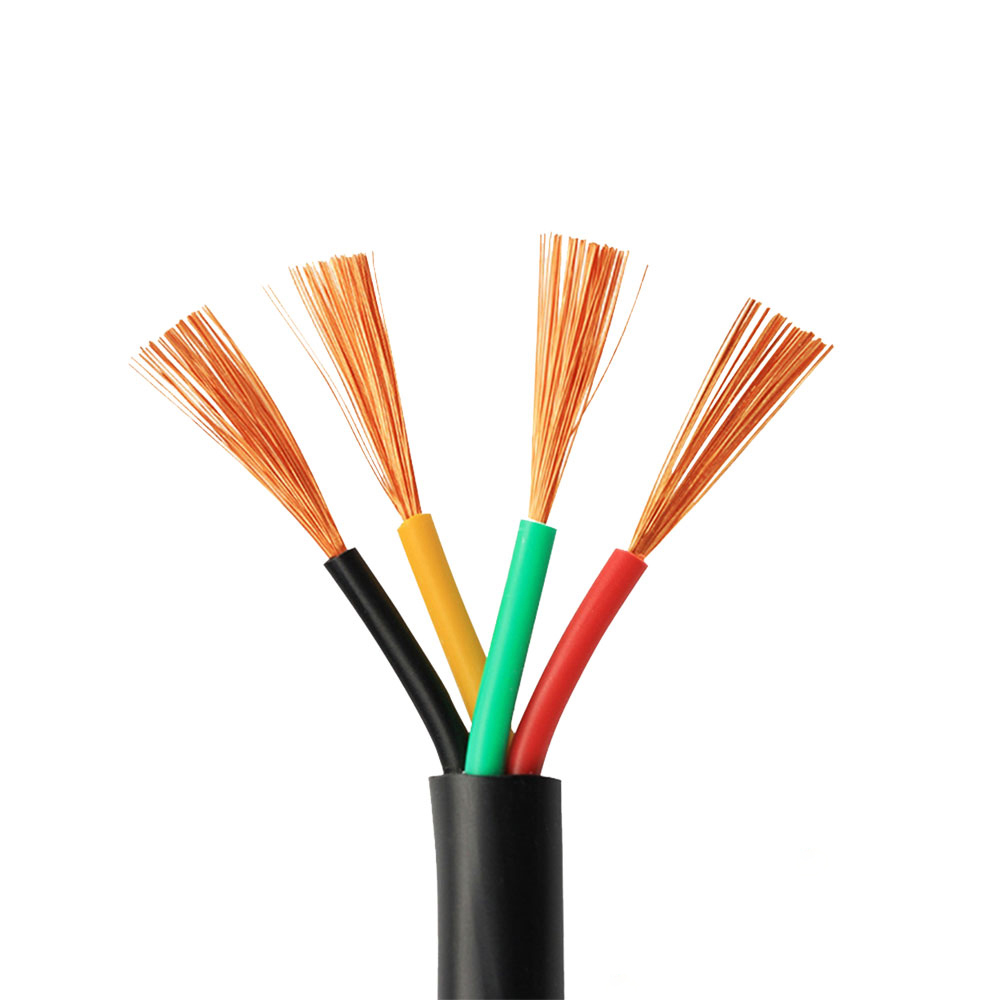
KVVR is a flexible control cable built around stranded annealed copper conductors. The conductors use a fine-stranding structure rather than a single solid wire or a relatively coarse stranded construction. Each conductor contains multiple small copper wires assembled to improve flexibility and reduce the force required to bend the cable during installation or equipment operation.
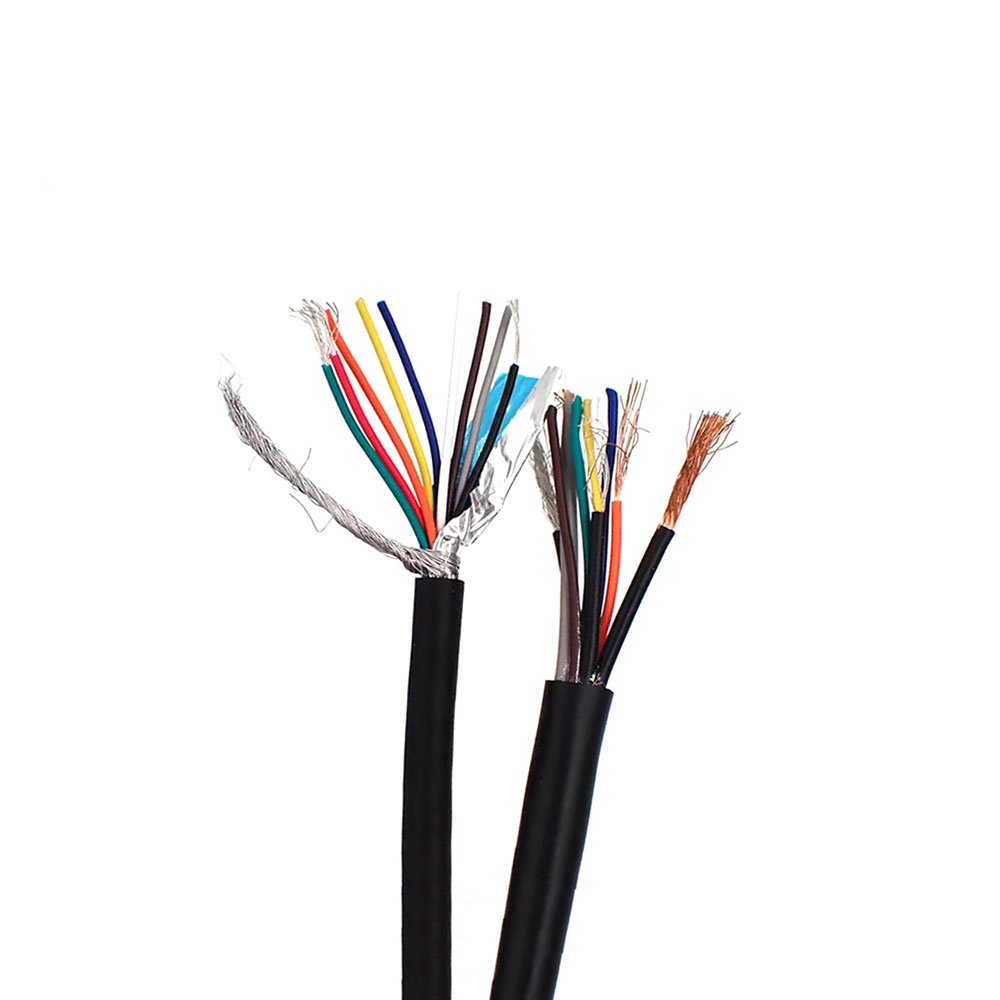
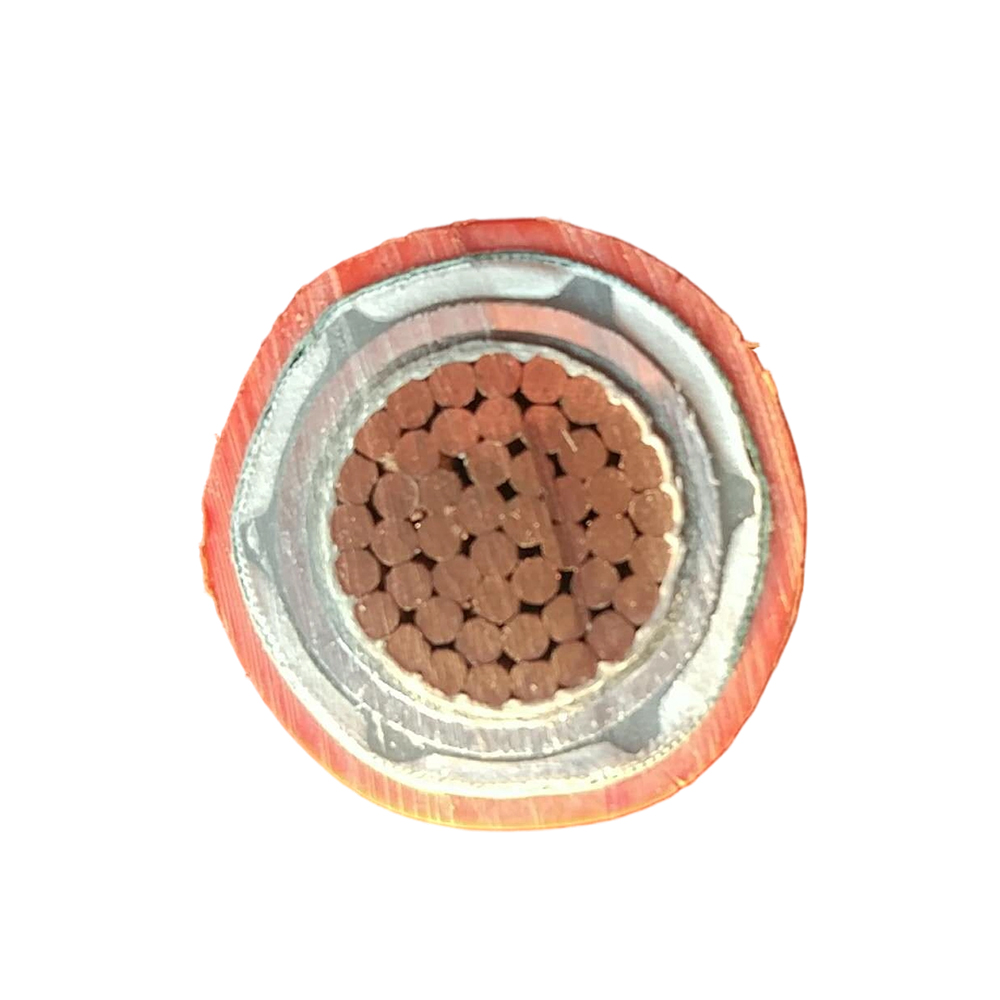
The conductor is covered with PVC insulation. The insulation separates individual cores electrically and helps prevent leakage, short circuits, and accidental contact between conductors. The insulated cores are then assembled into a multicore cable structure and protected by a PVC outer sheath. The sheath provides mechanical protection against ordinary abrasion, handling, moisture exposure, and installation friction.
This structure is intentionally practical. It does not attempt to combine every specialized cable feature into one product. Instead, it focuses on the requirements commonly encountered in general industrial control environments: reliable voltage insulation, manageable flexibility, reasonable bending endurance, straightforward installation, broad specification availability, and economical production.
The cable is available with conductor cross-sections from 0.5 mm² to 6.0 mm². Its core count can range from 2 cores to 37 cores. This range allows the same general product family to serve relatively simple two-core connections as well as multi-signal equipment assemblies requiring many independent conductors in one jacket.
The rated voltage is 450/750V, and the specified test voltage is 3.0kV AC for one minute. These values indicate that the cable is designed for a substantial range of conventional control and auxiliary power circuits when correctly selected and installed according to the system requirements.
The most important design advantage of KVVR is its fine-stranded conductor construction. A solid conductor has limited ability to tolerate repeated bending because the entire metallic section must deform as one body. A coarse stranded conductor improves flexibility, but the larger individual strands can still create greater bending resistance than a fine-stranded design.
Fine-stranded copper distributes bending movement across many small wires. During installation, the conductor can curve more smoothly around equipment, terminal boxes, control cabinets, and routing channels. This is particularly useful when the cable must be connected to movable components or when the available installation space is narrow and changes direction several times.
Fine stranding also improves handling during maintenance. Technicians can reposition a cable, remove a control cabinet cover, or disconnect a movable assembly without applying excessive force to the complete cable. Reduced stiffness can make the difference between a clean installation and a cable that is sharply forced into an unsuitable bend.
According to the supplied product information, KVVR offers bending endurance of at least 10,000 cycles for flexible installation. Actual service life depends on bending radius, travel distance, speed, temperature, installation method, and mechanical loading. Nevertheless, the stated endurance demonstrates that the cable is intended for repeated movement and is more suitable for flexible connections than standard fixed-installation control cable.
It is important to distinguish this flexibility from the requirements of specialized continuous-flex applications. If a cable is installed in a high-speed drag chain, robotic axis, torsion system, or outdoor moving application, the user should confirm whether additional features are required. For indoor mobile equipment, movable component connections, testing equipment, and general automation wiring, the fine-stranded KVVR design provides a strong combination of practicality and performance.
PVC remains widely used in industrial cable production because it provides an economical combination of electrical insulation, mechanical protection, processing stability, and resistance to ordinary environmental conditions. In KVVR cable, PVC is used for both the core insulation and the outer sheath.
The insulation thickness is specified from 0.6 mm to 1.2 mm, depending on the conductor size and cable construction. This insulation protects each core from adjacent conductors and supports the cable’s rated voltage performance. Proper extrusion control is essential because uneven insulation can reduce electrical reliability, complicate stripping, or create differences in the finished cable diameter.
The PVC outer sheath has a specified thickness of 1.0 mm to 1.8 mm. The sheath surrounds the assembled cores and provides protection against ordinary abrasion, contact with installation surfaces, moisture, and handling damage. It also helps maintain the shape of the finished cable and makes multicore routing more organized.
The sheath is suited to indoor and mild industrial environments. It offers useful resistance to moisture and wear, but the cable should not automatically be treated as a specialized oil-resistant, chemical-resistant, ultraviolet-resistant, or outdoor cable unless the specific construction has been confirmed. Correct product selection is essential when the cable will be exposed to severe oils, solvents, direct sunlight, extreme cold, or continuous water immersion.
The operating temperature range is specified as -15°C to +70°C for fixed installation and -5°C to +70°C for flexible installation. The long-term allowable operating temperature is 70°C. These values provide a practical operating window for many indoor industrial installations, production areas, control panels, testing rooms, and equipment assemblies.
At low temperatures, PVC becomes less flexible. For that reason, the minimum temperature for flexible installation is higher than the fixed-installation minimum. Installation teams should avoid forcing or sharply bending the cable when it is below the recommended flexible-installation temperature. Allowing the cable to reach a suitable temperature before routing can help prevent sheath cracking or excessive mechanical stress.
Although flexibility is a central feature, KVVR is also designed to provide stable electrical performance. The copper conductor offers good conductivity and is suitable for control circuits, auxiliary power connections, instrumentation wiring, and equipment interconnections within the cable’s rated specification.
The 450/750V rated voltage gives designers a broad working range for conventional low-voltage industrial circuits. The cable should still be selected according to the actual system voltage, current, installation environment, temperature, grouping conditions, and applicable electrical regulations. The rated voltage alone does not determine whether a cable is suitable for every power or control application.
The specified test voltage is 3.0kV AC for one minute. A withstand test at this level helps verify the integrity of the insulation system and identifies defects such as pinholes, insufficient insulation, contamination, or damage introduced during production. Consistent high-voltage testing is an important part of quality assurance for multicore control cable.
The insulation resistance is specified at not less than 0.5 MΩ·km at 20°C. Insulation resistance can vary with temperature, humidity, material formulation, cable length, and test method. Testing at a defined temperature provides a consistent basis for evaluating production quality and identifying abnormal insulation behavior.
The product information also specifies capacitance of no more than 220 nF/km. Capacitance can influence signal behavior, especially in long multicore cable runs and circuits involving electronic control equipment. Keeping capacitance within a controlled range helps engineers evaluate transmission characteristics more accurately during system design.
During a short circuit, the conductor temperature is specified not to exceed 160°C for a maximum duration of five seconds. This value must be considered together with the conductor cross-section, protective device, fault current, installation conditions, and relevant standards. It is not a substitute for proper short-circuit protection, but it provides a reference for the thermal capability of the conductor under the stated conditions.
The cable is designed to withstand long-term working voltage without breakdown when properly used. Reliable performance depends on correct stripping, termination, bending, support, routing, and protection from mechanical damage. A cable can only deliver its designed electrical life when installation practices preserve the insulation and sheath.
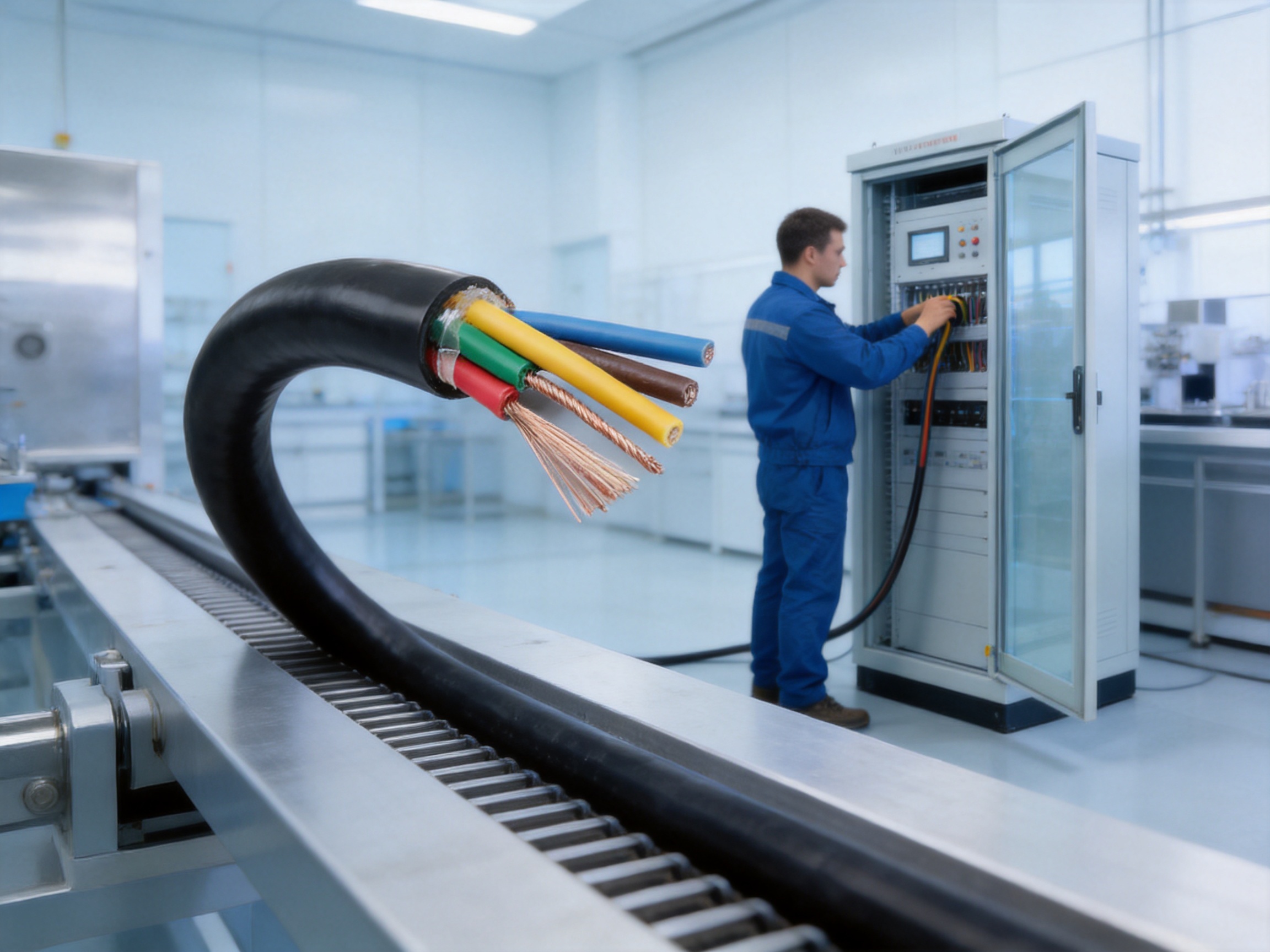
One of the clearest advantages of KVVR is its easier handling compared with conventional rigid control cable. Rigid or less flexible cables may be appropriate for permanent straight runs, but they can be difficult to route in equipment that moves or requires frequent access. Excessive stiffness can increase installation time and place stress on terminals, glands, and connection points.
The fine-stranded KVVR conductor bends with less resistance, allowing installers to create cleaner routing paths. This is helpful in control cabinets where several cables must enter from different directions, as well as in machinery where the cable must follow a moving component. Easier routing can reduce the risk of sharp bends, crushed sections, and excessive pulling force during installation.
KVVR also provides a more practical replacement option for applications that need flexibility but do not require premium specialized cable. High-performance robotic or continuous-flex cables may include advanced insulation compounds, shielding systems, torsion-resistant designs, special jackets, and extremely high cycle ratings. Those products can be appropriate in demanding applications, but they may add cost and may not be necessary for ordinary indoor equipment connections.
By using fine-stranded copper and standard PVC materials, KVVR delivers useful flexibility without making the product unnecessarily complex. This cost-conscious construction can help equipment manufacturers and maintenance teams control material budgets while still improving cable handling compared with ordinary fixed-installation products.
The product also offers broad selection. A range from 0.5 mm² to 6.0 mm² supports different current and connection requirements, while 2 to 37 cores allows cable selection according to the number of circuits. Instead of using many separate single-core wires for every signal, a multicore cable can simplify routing and improve the organization of equipment wiring.
Another advantage is ease of maintenance. The cable’s lightweight and flexible structure can make inspection, disconnection, replacement, and repositioning more manageable. In production environments, faster maintenance can reduce equipment downtime and make troubleshooting more efficient. The benefit is especially relevant when cables are installed inside compact machinery or connected to panels that require regular access.
KVVR control cable is suitable for many industrial automation applications. Automated production lines often include sensors, switches, actuators, control panels, indicators, and auxiliary devices connected across relatively short distances. These systems may require cables to pass through moving guards, hinged covers, adjustable fixtures, or compact machine structures.
The cable can be used for connections between control cabinets and equipment modules, provided the voltage, current, environmental conditions, and movement profile are within the product’s design range. Its multiple cores can carry separate control circuits in one organized cable assembly, reducing visual clutter and simplifying cable identification.
Testing equipment is another suitable application. Test benches frequently require instruments and fixtures to be repositioned or adjusted. Repeated handling can place more stress on cables than a permanent fixed installation. A fine-stranded flexible cable can make test equipment easier to configure while supporting stable electrical connections.
Instrumentation systems may use multicore cables for connection between sensors, measurement devices, relay assemblies, and control units. The suitable conductor size and core count depend on the signal type, current level, voltage, electromagnetic environment, and required signal integrity. Where sensitive signals are involved, designers should evaluate whether shielding or a different cable construction is required.
Movable component connections are also an important application. Examples include equipment doors, sliding mechanisms, adjustable assemblies, mobile fixtures, and machine sections that move through a limited range. The cable should be installed with a controlled bend radius and adequate strain relief so that movement is distributed along the cable rather than concentrated at one terminal.
KVVR can also support internal wiring for electrical equipment, control devices, distribution assemblies, and general industrial machinery. In each case, the installer should verify conductor sizing, terminal compatibility, temperature rise, cable grouping, and applicable local requirements before installation.
The performance of a flexible control cable depends not only on its design but also on the consistency of its manufacturing process. Fine-stranded conductors, thin insulation layers, multicore assembly, and outer sheath extrusion must all be controlled carefully. Small variations in material, tension, temperature, or line speed can affect the finished cable.
An advanced cable manufacturing process begins with incoming material inspection. Copper rods or copper conductors should be checked for conformity, surface condition, dimensions, and electrical properties. PVC compounds should be evaluated according to the specified formulation, color, processing behavior, mechanical properties, and insulation requirements. Material traceability helps manufacturers identify the source of any abnormal result and maintain consistent production records.
During conductor stranding, individual copper wires are assembled into a uniform fine-stranded conductor. Strand tension must be controlled so that the conductor remains compact without becoming excessively rigid or uneven. Poor tension control can lead to loose strands, irregular diameters, surface damage, or inconsistent resistance. Controlled stranding helps ensure that the conductor performs consistently during bending and termination.
The insulation extrusion stage applies PVC around each conductor. The extrusion temperature, pressure, die condition, cooling process, and line speed all influence insulation thickness and surface quality. Online diameter monitoring can identify deviations while production is still underway. Spark testing can help detect insulation defects by applying a controlled electrical test to the extruded insulation.
After insulation, the cores are identified by color or another approved marking method. Clear identification is important for installation and maintenance, especially in cables containing many cores. Core assembly must maintain the intended arrangement and lay characteristics. Excessive assembly tension can reduce flexibility, while inadequate control can produce an unstable or irregular cable structure.
The outer sheath extrusion stage places PVC around the assembled cores. The sheath must be continuous, smooth, and free from cracks, voids, lumps, embedded contamination, or exposed core insulation. Sheath thickness is controlled according to the product specification. A stable extrusion process helps produce a cable that is easier to strip, route, coil, and terminate.
Modern production lines can include automated drawing, stranding, insulation extrusion, assembly, sheathing, take-up, and measurement equipment. Automation improves repeatability by reducing unnecessary manual variation and maintaining stable operating parameters. It also allows production data to be recorded for process review and traceability.
The manufacturer described in the supplied information operates a modern production base of approximately 5,000 square meters and has 10 automated production lines. Its reported monthly production capacity can reach 10 million meters. This production scale supports both standard cable availability and the ability to organize larger project orders according to customer schedules.
Production capacity alone does not guarantee quality. It must be supported by trained personnel, engineering supervision, laboratory testing, process documentation, and final inspection. The company maintains a team of more than 50 employees, including quality engineers and research and development technicians with more than 10 years of industry experience. This combination of equipment and technical personnel supports a structured approach to cable manufacturing.
Quality testing should occur throughout production rather than only at the end. Incoming material checks verify that copper and PVC compounds meet the required conditions. Online inspections monitor conductor diameter, insulation thickness, sheath dimensions, and surface condition. Finished-product tests confirm that the completed cable satisfies the intended electrical and mechanical requirements.
Electrical tests may include conductor resistance measurement, insulation resistance testing, and high-voltage withstand testing. These tests help identify defects that may not be visible from the cable surface. For a multicore cable, each core and the relationship between cores must be evaluated according to the applicable test procedure.
Dimensional inspection verifies conductor cross-section, insulation thickness, sheath thickness, overall diameter, and core count. Dimensional consistency is important for terminal selection, cable gland compatibility, bending behavior, and installation planning. A cable with uncontrolled dimensions may be difficult to terminate or may not fit the intended equipment entry system.
Mechanical checks can include tensile strength, elongation, bending performance, and sheath integrity. The supplied specification lists tensile strength of at least 10 N/mm². Bending endurance of at least 10,000 cycles is identified for flexible installation. These values provide reference points for evaluating the cable’s mechanical suitability.
Temperature-related evaluation is also important. PVC materials must remain functional within the stated operating range. The fixed-installation range is -15°C to +70°C, while the flexible-installation range is -5°C to +70°C. Production and inspection teams should ensure that the material formulation and extrusion process support these requirements.
The product information states that the cable complies with the non-flame-retardant requirements of GB/T 19666. This classification should be understood accurately. It indicates compliance with the stated non-flame-retardant requirement and should not be interpreted as automatic compliance with every flame-retardant, low-smoke, halogen-free, fire-resistant, or building-code requirement. Where a project has special fire performance requirements, the appropriate cable construction and certification should be selected.
Test reports and production records can provide buyers with additional confidence. For standard cable models, the company provides product test reports and warranty support according to the supplied company information. Buyers may request documentation relevant to conductor material, voltage testing, insulation resistance, dimensions, and applicable standards.
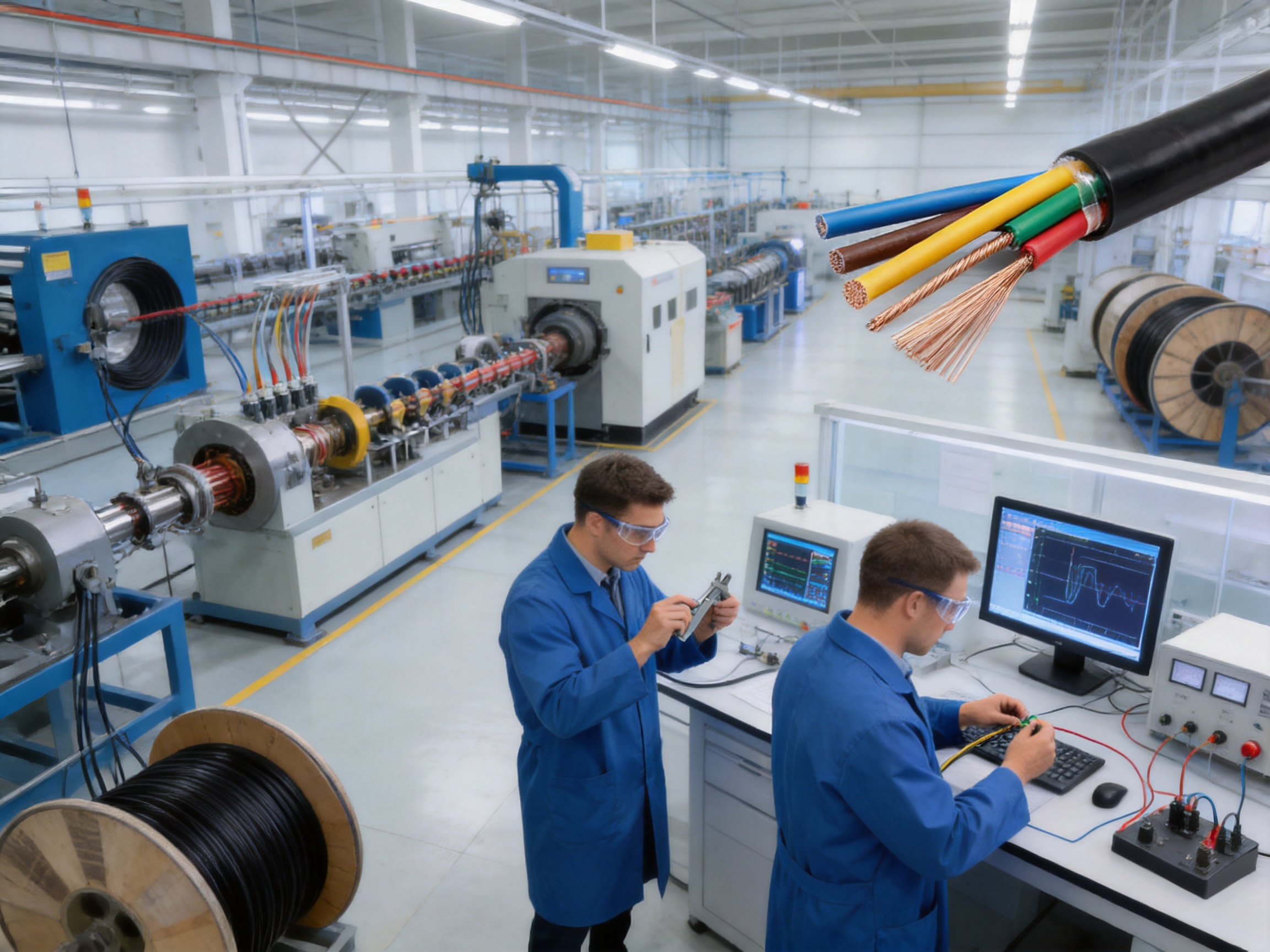
Industrial cable requirements are often different from one project to another. One customer may need a high core count in a compact diameter, while another may prioritize a specific conductor size, sheath color, identification method, packaging format, or delivery schedule. A manufacturer with engineering and production capability can adapt the cable design or manufacturing arrangement to defined project requirements.
The company supports OEM and ODM development based on customer drawings or samples. This capability is valuable when an equipment manufacturer already has a wiring layout, assembly drawing, existing sample, or internal specification. Engineers can review the required conductor configuration, insulation system, sheath design, dimensions, temperature conditions, movement pattern, and termination requirements.
Customization may involve selecting the number of cores, conductor cross-section, insulation color, sheath color, marking method, cable length, packaging, or product labeling. In some applications, the customer may require a special outer diameter to fit a cable gland or a defined minimum bending radius to match the equipment design.
Engineering review is particularly important for flexible cable. A product that works well in a short manual movement may not be suitable for continuous high-speed travel. The manufacturer and customer should discuss the movement frequency, travel length, bend radius, acceleration, torsion, installation orientation, temperature, and environmental exposure before confirming a specification.
Customized development can also support equipment standardization. Once a cable specification is approved, the customer can use the same product configuration across multiple equipment models or production lines. Standardization simplifies purchasing, spare-parts management, maintenance training, and replacement procedures.
The company typically indicates lead times of 7 to 20 days for customized products, while standard products may be stocked for faster shipment. Actual timing depends on specification complexity, production scheduling, raw material availability, order quantity, testing requirements, packaging, and shipping arrangements. Clear technical confirmation before production helps prevent delays and reduces the risk of producing a cable that does not match the customer’s installation requirements.
Correct installation is essential to obtain the full benefit of flexible KVVR cable. The cable should be selected according to the intended voltage, conductor current, core count, environmental conditions, and movement profile. If the cable will be exposed to oil, chemicals, outdoor sunlight, extreme vibration, continuous torsion, or severe mechanical stress, the application should be reviewed before selection.
The specified minimum bending radius is at least six times the cable outer diameter for fixed installation and at least eight times the cable outer diameter for flexible installation. The cable should not be bent below these limits. A tighter bend can place excessive stress on the copper strands, insulation, and sheath, potentially reducing service life.
During installation, avoid pulling the cable by the sheath unless the cable and pulling method are specifically designed for that force. Pulling tension should be controlled, and the cable should not be dragged across sharp edges. If the cable enters a cabinet or machine through a gland, the gland must provide appropriate strain relief without crushing the sheath.
Flexible cable should be routed without forced twisting. If a moving connection rotates or bends repeatedly, the cable arrangement should allow the natural direction of movement. Twisting a cable around its axis can create stress that is not reflected by a simple bending-radius measurement.
When routing multiple cables together, consider heat accumulation, movement interference, and available space. Cable ties should not be tightened so firmly that they deform the sheath or restrict the movement of the conductors. In moving installations, guides, supports, and separation devices may be required to prevent rubbing or entanglement.
Terminations should be prepared with suitable stripping tools. Excessive cutting force can nick fine copper strands or damage insulation. Terminals must match the conductor cross-section and should be tightened according to the equipment manufacturer’s torque requirements. A properly prepared termination reduces contact resistance and helps prevent local heating.
Before energizing the circuit, inspect the cable for visible damage, confirm core identification, verify terminal tightness, and perform the required electrical tests. For maintenance work, isolate the circuit and follow the applicable safety procedures. Cable flexibility does not eliminate the hazards associated with electrical energy.
Easy maintenance is one of the practical strengths of KVVR cable. Its lightweight construction and flexible conductors allow technicians to inspect cable routes, reposition equipment, and replace damaged sections with less physical effort. This can be particularly valuable in compact panels, automated machines, and test systems where access is limited.
Routine inspection should look for sheath abrasion, cuts, flattening, discoloration, exposed insulation, loose terminals, excessive bending, and contact with hot surfaces. A cable may continue to conduct electricity even after mechanical damage has begun, so visual inspection remains important.
In moving applications, maintenance teams should observe the cable during normal equipment operation. The cable should bend smoothly without sharp kinks, rubbing, catching, or pulling at the terminals. If the cable develops a fixed crease or begins to twist repeatedly in one location, the routing arrangement should be corrected before failure occurs.
Electrical inspection can include insulation resistance testing, continuity testing, and verification of terminal connections. Test values should be compared with previous records where possible. A gradual reduction in insulation resistance may indicate moisture entry, mechanical damage, contamination, or material aging.
The stated bending endurance of at least 10,000 cycles provides a useful reference, but it should not be treated as an unconditional service-life guarantee. Cycle performance is influenced by the actual bending radius, movement amplitude, speed, temperature, cable support, and load. Correct installation remains the most effective way to preserve service life.
When replacement is necessary, using the same conductor size, core count, voltage rating, temperature range, and cable construction can reduce compatibility risks. The replacement cable should also fit the existing glands, terminals, guides, and routing space. Keeping product records and spare cable in suitable storage conditions can shorten downtime during repairs.
Efficient cable design can contribute to responsible industrial production by avoiding unnecessary material complexity. KVVR uses common PVC insulation and sheath materials that are widely processed and familiar to cable manufacturers. Its practical construction can provide the required function without automatically requiring more expensive specialty compounds.
The company emphasizes green manufacturing and responsible production practices. Continuous improvement in extrusion control, material utilization, production planning, and testing can help reduce waste and improve resource efficiency. Stable production also reduces the quantity of rejected cable and supports more predictable use of copper and polymer materials.
Environmental suitability must still be evaluated for each application. PVC cable may not be appropriate where a project requires low smoke, zero halogen, extreme chemical resistance, or special fire survival performance. In those cases, an alternative insulation and sheath system may be necessary. Responsible product selection means matching the cable to the actual environment rather than assuming that one design is suitable for every condition.
Storage also affects product quality. Cable should be kept in a dry, clean location protected from direct sunlight, excessive heat, sharp objects, and chemical contamination. Reels should be stored securely, and cable ends should remain sealed where possible. Avoiding unnecessary long-term exposure to severe conditions helps preserve the insulation and sheath before installation.
A cable’s specification is only valuable when the manufacturer can produce it consistently. Reliable supply requires more than a catalog description. It depends on copper procurement, PVC formulation control, equipment condition, skilled operation, inspection discipline, engineering support, and after-sales response.
An integrated manufacturer that combines research and development, production, sales, and technical service can respond more effectively to project requirements. The company described in the supplied information has experience serving industrial automation, weak-current engineering, intelligent manufacturing, appliance equipment, power engineering, and related fields.
Its business philosophy emphasizes quality orientation, integrity, stability, and responsibility. These principles are relevant to control cable because customers often depend on consistent dimensions and electrical performance across repeated orders. A cable that changes unexpectedly between batches can create problems with terminals, routing, inventory, and equipment qualification.
The company’s quality engineers and experienced research and development technicians can support product selection and design discussions. This technical involvement is useful when the customer is uncertain about core count, cross-section, flexible installation conditions, cable diameter, temperature range, or the suitability of a standard product for a particular machine.
International market experience also encourages attention to documentation, packaging, communication, and shipment coordination. The company reports sales to the United States, Canada, Australia, Japan, and parts of Eurasia. Different markets may apply different requirements, so customers should confirm the standards, declarations, test reports, and labeling needed for the destination and application.
Standard product inventory can support fast shipment for urgent maintenance or routine equipment orders. Customized products can be scheduled according to the approved technical specification. This combination of stocked standard products and flexible project manufacturing helps customers balance delivery speed and application-specific requirements.
Before ordering KVVR control cable, users should define the number of circuits required. The available range of 2 to 37 cores allows the cable to support both simple and complex connections, but the final core count should include spare circuits where future expansion or maintenance flexibility is important.
The required conductor cross-section should be selected according to current, voltage drop, installation temperature, grouping, duty cycle, terminal capacity, and applicable electrical rules. Available cross-sections range from 0.5 mm² to 6.0 mm². A larger conductor is not automatically better if it creates installation difficulties or does not fit the specified terminals.
The user should identify whether the cable will be fixed or flexible. The minimum temperature and bending radius differ between these installation conditions. If the cable moves, the movement pattern should be described clearly. A simple bend through a limited angle has different requirements from continuous travel, torsion, or robotic motion.
Environmental conditions should be reviewed carefully. Indoor and mild industrial environments are generally appropriate for the stated PVC construction. Exposure to oil, coolant, solvents, sunlight, water, dust, vibration, heat, or corrosive chemicals may require additional evaluation or a different product family.
Buyers should also confirm the required testing and documentation. Depending on the project, this may include conductor resistance, insulation resistance, high-voltage test results, dimensional records, material information, conformity documentation, warranty terms, and batch traceability.
Finally, the cable should be evaluated as part of the complete connection system. Terminals, glands, guides, control cabinets, moving mechanisms, protective conduits, and maintenance procedures all influence performance. A properly selected cable can still fail prematurely if the surrounding installation is unsuitable.
KVVR control cable is used for control, signal, auxiliary power, instrumentation, and equipment interconnections in indoor and mild industrial environments. Typical applications include mobile equipment connections, movable machine components, automated production lines, testing equipment, instruments, control panels, and general industrial machinery.
KVVR uses fine-stranded annealed copper conductors that provide improved flexibility and bending performance. This makes it easier to route and more suitable for movable connections than many conventional rigid or less flexible control cables.
The supplied specification lists a rated voltage of 450/750V. The cable should still be selected according to the complete electrical design, including current, temperature, installation method, protective devices, and applicable regulations.
The listed range is 2 to 37 cores, with conductor cross-sections from 0.5 mm² to 6.0 mm². Availability may depend on the specific construction, order quantity, and customization requirements.
Yes, it is suitable for flexible connections and movable equipment within the stated installation conditions. The supplied information identifies bending endurance of at least 10,000 cycles for flexible installation. The cable must be installed with the correct bending radius and should not be used for severe continuous-flex or torsional applications without technical confirmation.
The stated minimum bending radius is at least six times the cable outer diameter for fixed installation and at least eight times the cable outer diameter for flexible installation. The cable should not be forced below these limits.
The specified range is -15°C to +70°C for fixed installation and -5°C to +70°C for flexible installation. The long-term allowable operating temperature is 70°C.
The standard construction is intended mainly for indoor and mild industrial environments. Outdoor use should be evaluated separately because direct sunlight, ultraviolet exposure, rain, low temperatures, and other environmental factors may require a different sheath or additional protection.
The supplied information states that it complies with GB/T 19666 non-flame-retardant requirements. This should not be interpreted as automatic compliance with specialized flame-retardant, low-smoke, halogen-free, or fire-resistant requirements. Projects with special fire-performance specifications should request the appropriate product and documentation.
OEM and ODM development is supported based on customer drawings or samples. Customization may involve core count, conductor size, identification, colors, dimensions, packaging, labeling, and other defined requirements. Customized orders should be technically reviewed before production.
The supplied company information indicates a typical customized-product lead time of 7 to 20 days. Actual delivery depends on the specification, quantity, materials, production schedule, testing, and shipping arrangements. Standard products may be available from stock for faster shipment.
Customers should provide the required core count, conductor cross-section, rated voltage, cable length, installation type, movement conditions, temperature range, environment, sheath color, identification requirements, quantity, packaging, destination, and applicable standards. Drawings, samples, or photographs of the installation can also help engineers recommend a suitable construction.
KVVR flexible control cable offers a practical solution for industrial connections that require reliable electrical insulation, manageable flexibility, broad specification choices, and easy maintenance. Its fine-stranded annealed copper conductors support repeated bending and convenient routing, while PVC insulation and a PVC sheath provide an economical and familiar construction for indoor and mild industrial environments.
With a 450/750V rated voltage, 3.0kV AC test voltage, 0.5 mm² to 6.0 mm² conductor range, 2 to 37 cores, and a stated bending endurance of at least 10,000 cycles, the cable can serve many control, instrumentation, testing, automation, and equipment connection requirements. Its advantages are strongest where flexibility and practical maintenance are important but highly specialized robotic or severe-environment cable is not necessary.
Consistent manufacturing is central to the product’s value. Controlled copper stranding, PVC extrusion, core assembly, sheath application, automated production, electrical testing, dimensional inspection, and experienced technical supervision all contribute to a dependable finished cable. The manufacturing capabilities described for Anhui Zhishang Cable Technology Co., Ltd., including automated production lines, engineering personnel, customized development, standard inventory, and international supply experience, support customers seeking both standard and project-specific cable solutions.
Proper selection and installation remain essential. Engineers should consider bending radius, temperature, environment, movement pattern, current, voltage, core count, termination, and applicable standards before placing an order. When these factors are matched correctly, KVVR control cable can provide a flexible, cost-effective, and serviceable connection solution for a wide range of industrial systems.
1. Product technical information for KVVR flexible control cable, including construction, dimensions, electrical characteristics, temperature ratings, and bending performance.
2. GB/T 19666, General Rules for Flame Retardant and Fire Resistant Electric Wires and Cables.
3. General engineering practices for low-voltage control-cable selection, installation, bending-radius control, and maintenance.
4. Manufacturer-provided information concerning automated production, quality control, OEM/ODM development, product testing, inventory, and customized cable lead times.
5. Industrial cable application principles for automation equipment, instrumentation systems, testing equipment, control cabinets, and movable machinery.

We firmly believe that good cables are not only a competition of materials, but also a reflection of craftsmanship, quality, and responsibility.

Links
Product
Send Inquiry
No. 29 Sankeshu Road, Xuanzhou District, Xuancheng City, Anhui Province, China
+86-18621104555/+86-563-2622999
 Electrical Cable Manufacturer
OEM/ODM Wire and Cable Solutions
 English
 Español
 عربى
 русский