
Get more content that can help you
Content
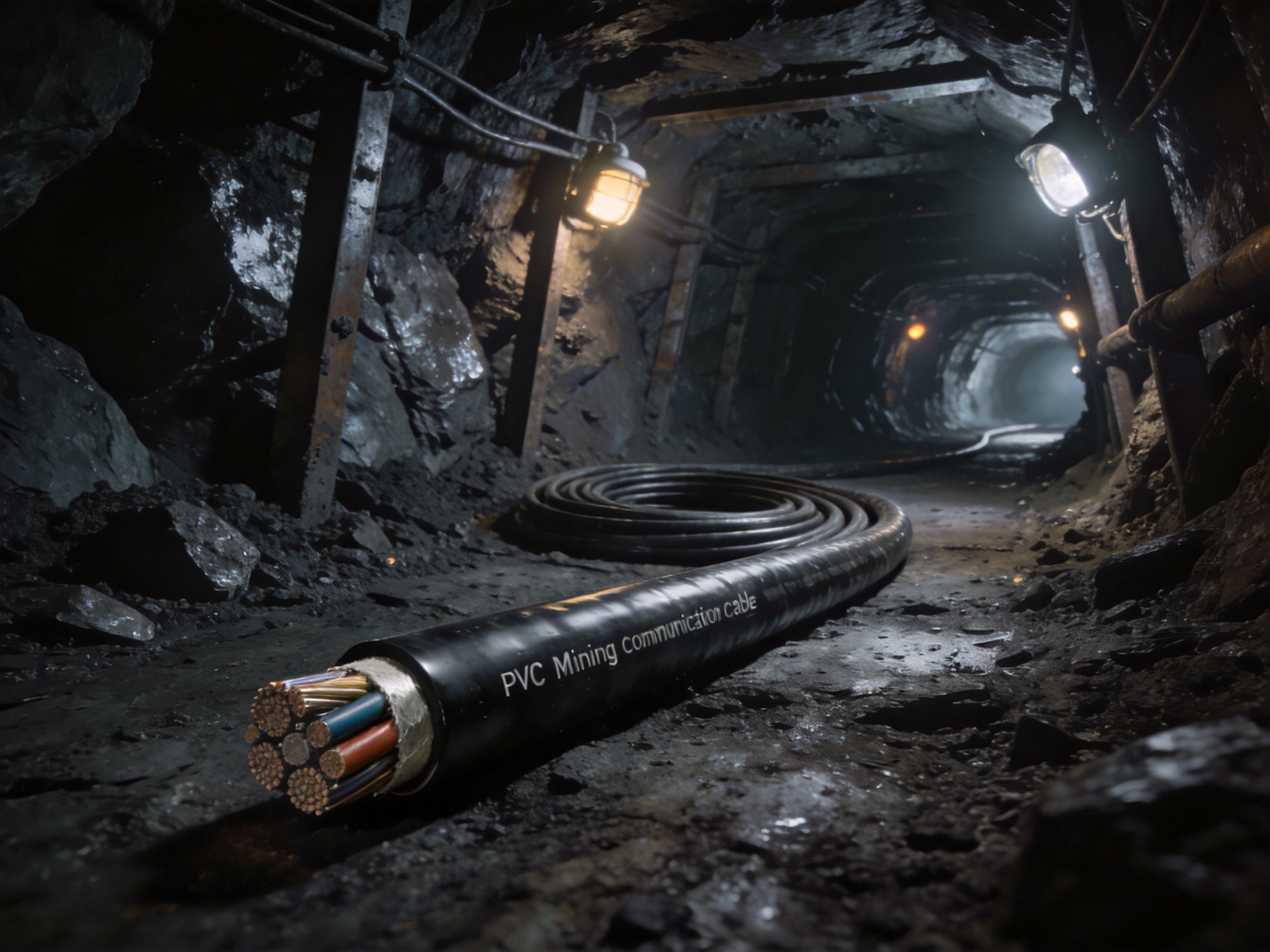
In underground coal mining, communication is not a convenience; it is a safety-critical infrastructure. Mine operators depend on telephone systems, monitoring networks, dispatch communication, signaling devices, and automation control systems to coordinate production and protect personnel. These systems require a cable that can transmit signals steadily while withstanding moisture, dust, vibration, impact, compression, and the demanding conditions of mine tunnels. The MHYV Stable Transmission Mining Communication Cable is designed specifically for this environment, combining stable electrical performance with mining-grade mechanical protection and flame-retardant characteristics.
Unlike ordinary communication cables used in offices, buildings, or general industrial environments, mining communication cables must operate in confined, humid, dusty, and mechanically stressful spaces. Cable routes may pass through tunnels, shafts, equipment areas, fixed supports, and hanging installation points. During operation, the cable may encounter compression, accidental impact, pulling force during installation, temperature fluctuation, and coal dust contamination. A product intended for these conditions must be engineered from conductor to sheath with safety, stability, and service life in mind.
The MHYV cable addresses these requirements through a structure based on stranded tinned copper conductors, polyethylene insulation, paired construction, shielding with aluminum-polyester composite tape and tinned copper drain wire, non-hygroscopic filling, and a flame-retardant PVC sheath. This combination supports long-distance communication, reduces signal attenuation, improves resistance to environmental interference, and provides a practical balance between performance, installation convenience, and cost control.
Anhui Zhishang Cable Technology Co., Ltd. manufactures this type of cable with a focus on stable quality, practical engineering performance, and customization capability. With a modern production base of approximately 5,000 square meters, 10 automated production lines, and a team of experienced technical and quality personnel, the company supports both standard cable supply and OEM/ODM cable development according to customer drawings, samples, and project requirements.
MHYV is a mining communication cable developed for coal mine underground communication systems. It is suitable for telephone communication, monitoring signal transmission, dispatch communication, and mine automation control networks. The cable is designed to provide intrinsically safe signal transmission support in underground applications where flame retardancy, impact resistance, moisture resistance, stable insulation, and mechanical reliability are essential.
The product uses stranded tinned copper conductors to support reliable conductivity and improved resistance to oxidation compared with bare copper in humid underground environments. Polyethylene insulation helps reduce signal attenuation and provides high insulation resistance. The twisted pair structure improves transmission balance and helps reduce crosstalk between circuits. The aluminum-polyester composite tape shield and tinned copper drain wire provide electromagnetic protection for signal integrity. The PVC sheath offers flame-retardant performance, moisture resistance, and protection against mild corrosion from underground dust and humidity.
The cable is available with a cross-section range from 0.5 mm² to 1.5 mm² and can be produced from 1 pair to 50 pairs, depending on project communication capacity requirements. With a rated voltage of 300/300V and a test voltage of 2kV AC for 1 minute, it is built for low-voltage communication applications rather than power transmission. Its characteristic impedance of 100 Ω ±15 Ω, working capacitance of no more than 55 nF/km, and attenuation of no more than 1.5 dB/100m at 1 MHz demonstrate its suitability for stable signal transmission in mining communication networks.
The first advantage of the MHYV mining communication cable is its application-specific design. Ordinary communication cables may perform well in dry indoor wiring systems, but they are not necessarily suitable for coal mine tunnels. Underground cable systems must account for fire safety, high humidity, coal dust, physical impact, and installation constraints. MHYV is designed for these realities, offering a dedicated solution rather than a general-purpose compromise.
The second advantage is stable long-distance signal transmission. Polyethylene insulation and optimized conductor parameters reduce signal attenuation and help maintain communication clarity over extended installation distances. This is particularly important for mine telephone systems, monitoring systems, and dispatch networks, where delayed, weakened, or distorted signals may affect operational coordination. The low working capacitance and controlled characteristic impedance help maintain transmission quality across kilometer-level communication routes.
The third advantage is enhanced mechanical protection. Mine tunnels are complex working environments where cables may be exposed to pressure, impact, vibration, and contact with equipment or support structures. The MHYV cable is designed with crush resistance and impact resistance, supporting use in fixed or hanging installations. Its compression strength of at least 1500 N/100mm helps improve resistance to mechanical stress during underground service.
The fourth advantage is environmental adaptability. Coal mine underground spaces often contain moisture, dust, and corrosive particles. The PVC sheath provides resistance to moisture and mild corrosion, while the non-hygroscopic polyester fiber filling helps avoid water absorption inside the cable structure. These features support stable operation in humid and dusty areas, reducing the risk of performance degradation caused by environmental exposure.
The fifth advantage is cost-effective deployment. Although mining-grade communication cables require stronger performance than ordinary cables, they must also be practical for large-scale installation. MHYV is designed with a compact and relatively lightweight structure that supports hanging or fixed laying methods. This simplifies installation, shortens construction cycles, and reduces labor intensity during mine communication system deployment or maintenance.
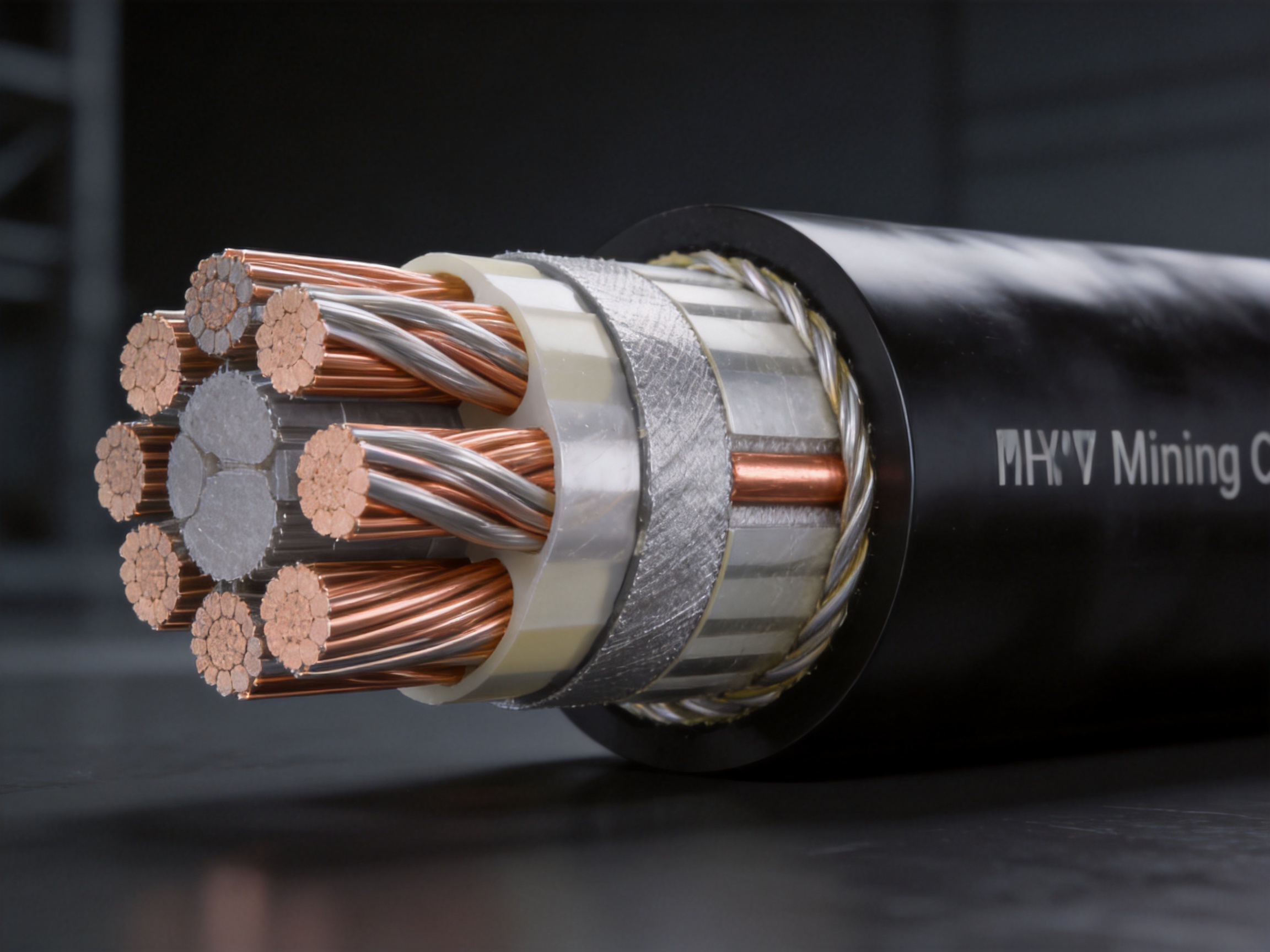
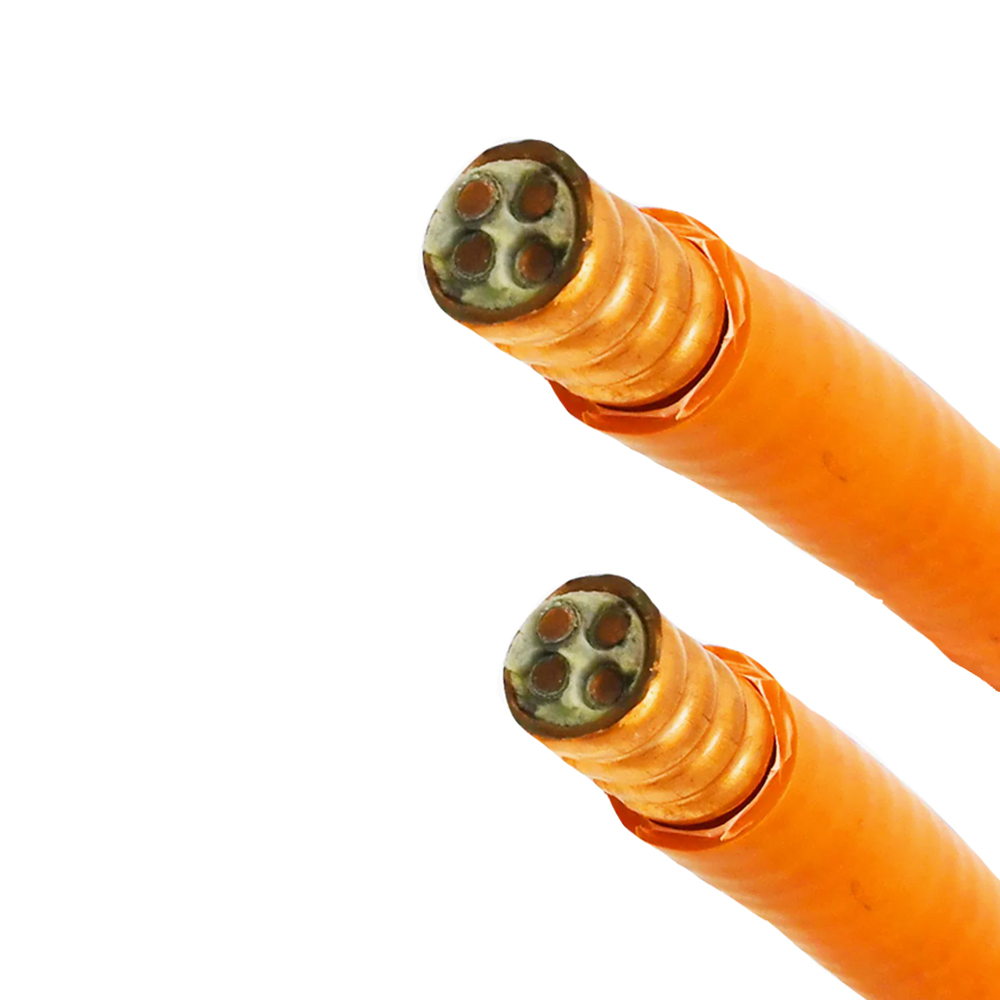
The performance of a mining communication cable depends on how each layer contributes to signal transmission, safety, and durability. In the MHYV cable, the conductor, insulation, shielding, filling, and sheath are not isolated components; they work together as a complete engineering system. A stable conductor supports electrical continuity, insulation maintains dielectric strength and signal clarity, shielding suppresses interference, filling improves structural stability, and the sheath provides environmental and mechanical protection.
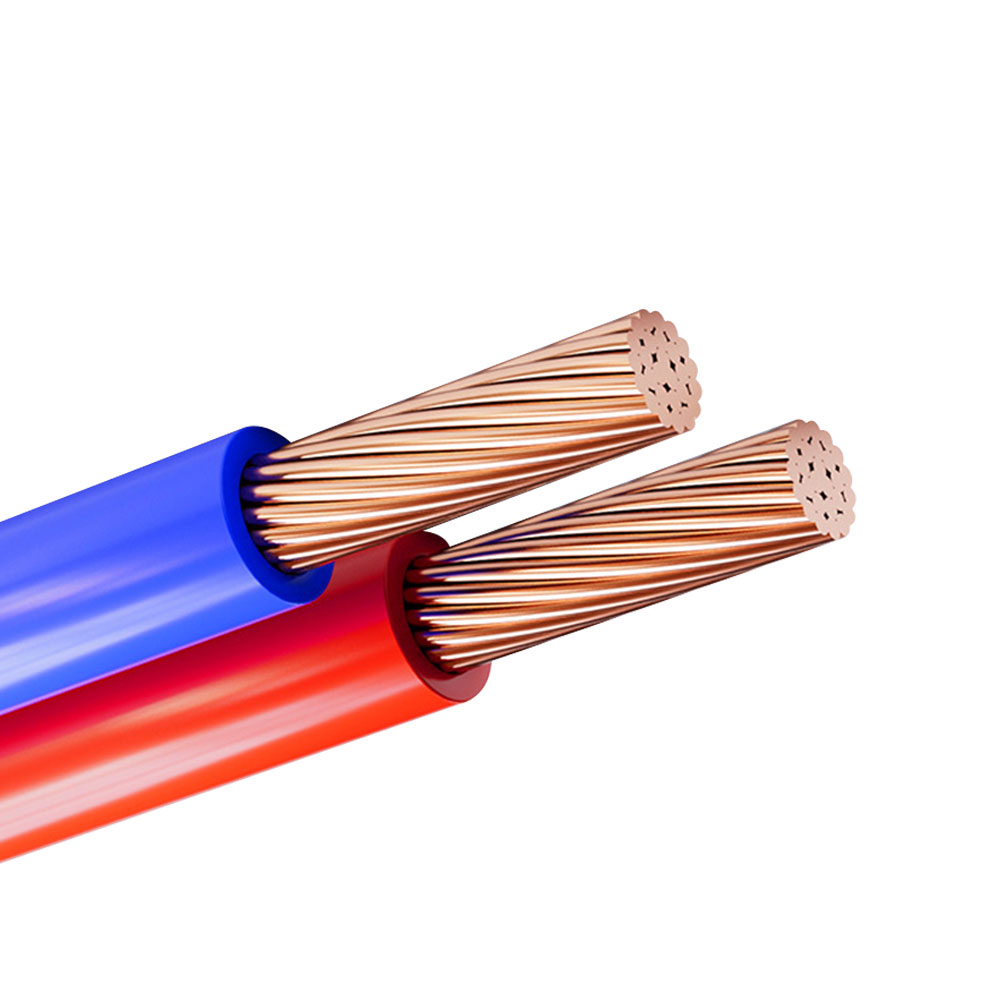
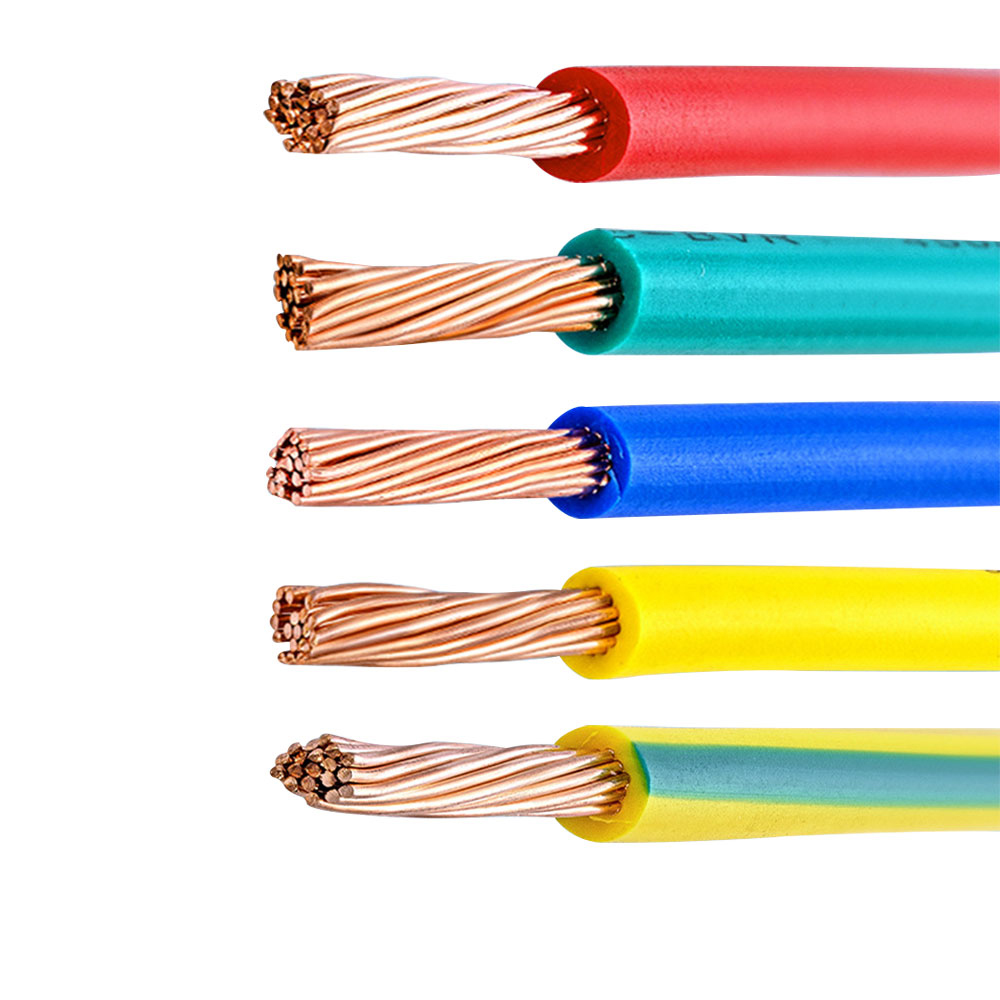
The conductor is the foundation of cable performance. MHYV uses stranded tinned copper conductors, which combine conductivity with flexibility and corrosion resistance. Tinned copper is especially valuable in humid or chemically challenging environments because the tin layer helps reduce oxidation. In mining tunnels where moisture and coal dust are common, this additional protection contributes to long-term reliability.
The stranded structure offers better flexibility than a solid conductor. This helps during installation, especially when cables must be routed through bends, supports, trays, and hanging points. Stranding also improves resistance to fatigue caused by minor movement or vibration. For a communication cable installed in underground tunnels, these characteristics support both initial installation convenience and long-term operating stability.
Polyethylene insulation is used because of its favorable electrical properties. It provides high insulation resistance, low dielectric loss, and consistent transmission performance. For communication cables, insulation quality has a direct effect on attenuation, capacitance, impedance stability, and signal clarity. The specified insulation resistance of at least 5000 MΩ·km at 20℃ indicates strong resistance to leakage current and supports reliable operation.
The insulation thickness ranges from 0.3 mm to 0.6 mm, depending on the cable configuration. This range provides adequate electrical separation while keeping the cable compact. In communication circuits, excessive capacitance may weaken signal transmission, while inadequate insulation may increase failure risks. The insulation design of MHYV balances these requirements for underground signal applications.
The cable can be produced with 1 pair to 50 pairs in a twisted pair structure. Twisting is an important method for reducing electromagnetic interference and maintaining balance between conductors. When two insulated conductors are twisted together, external interference affects both conductors more evenly, which helps reduce noise in differential signal transmission. This is especially valuable in underground systems where electrical equipment, monitoring devices, and power circuits may operate nearby.
The availability of multiple pair counts allows the cable to meet different project requirements. A small mine monitoring branch may require only a few pairs, while a larger communication trunk line may need dozens of pairs. The ability to supply configurations up to 50 pairs provides design flexibility for engineering contractors and mine operators.
The shielding structure consists of aluminum-polyester composite tape and a tinned copper drain wire per pair. This structure helps protect signal circuits from external electromagnetic interference and provides a path for grounding induced noise. In underground mines, interference may come from motors, control equipment, power cables, communication devices, and switching operations. Shielding helps maintain signal quality and reduces the risk of data errors or voice distortion.
Compared with unshielded general communication cables, the shielded design of MHYV provides stronger stability in electrically noisy environments. This is one of the reasons it is suitable for monitoring systems and dispatch communication systems where signal reliability matters. The aluminum-polyester tape also contributes to structural uniformity and compactness.
The filling material is non-hygroscopic polyester fiber. Its function is to stabilize the internal cable structure, support roundness, and reduce the possibility of internal gaps that may affect mechanical performance. Because the material is non-hygroscopic, it does not readily absorb moisture. This feature is important in underground mines, where humidity may be high and cables may be exposed to damp tunnel conditions for long periods.
The outer sheath is made of PVC with flame-retardant performance that complies with MT 818 flame-retardant requirements. In coal mine environments, flame retardancy is a core safety requirement. A cable sheath must resist flame propagation and support safer operation in hazardous underground spaces. The PVC sheath also provides abrasion resistance, moisture resistance, and mild corrosion resistance, making it suitable for coal dust and humid working conditions.
The sheath thickness ranges from 1.2 mm to 2.5 mm, depending on the cable size and pair count. A proper sheath thickness enhances protection without making the cable unnecessarily heavy or difficult to install. This balance supports both durability and construction efficiency.
Item |
Specification |
Product Type |
MHYV Mining Communication Cable |
Conductor |
Stranded tinned copper conductor |
Cross-Section Range |
0.5 mm² to 1.5 mm² |
Number of Pairs |
1 pair to 50 pairs, twisted pair structure |
Rated Voltage |
300/300V |
Test Voltage |
2kV AC for 1 minute |
Insulation Material |
Polyethylene, PE |
Shielding Structure |
Aluminum-polyester composite tape shield with tinned copper drain wire per pair |
Filling Material |
Non-hygroscopic polyester fiber |
Sheath Material |
Polyvinyl chloride, PVC |
Temperature Range |
-20℃ to +60℃ for fixed installation |
Minimum Bending Radius |
At least 10 times the cable outer diameter |
Insulation Resistance |
At least 5000 MΩ·km at 20℃ |
Characteristic Impedance |
100 Ω ±15 Ω |
Working Capacitance |
No more than 55 nF/km |
Attenuation |
No more than 1.5 dB/100m at 1 MHz |
Flame-Retardant Performance |
Complies with MT 818 flame-retardant requirements |
Compression Strength |
At least 1500 N/100mm |
Communication stability is the primary reason to select a dedicated mining communication cable. In an underground coal mine, a weak or unstable signal may affect voice communication, alarm transmission, monitoring feedback, and equipment coordination. MHYV is built to reduce signal attenuation and improve transmission reliability through optimized insulation, twisted pair construction, shielding, and impedance control.
The cable’s characteristic impedance of 100 Ω ±15 Ω supports compatibility with many communication and signal transmission systems. Controlled impedance helps reduce reflections and transmission distortion, especially over longer cable runs. The working capacitance of no more than 55 nF/km also supports stable signal behavior by limiting capacitive loading on communication circuits.
The attenuation value of no more than 1.5 dB/100m at 1 MHz indicates that the cable is designed to preserve signal strength over distance. In underground applications where cable routes may extend across long tunnels or between multiple system nodes, reduced attenuation is essential. This allows mine communication systems to maintain clear and uninterrupted signals over kilometer-level distances when properly designed and installed.
Shielding further improves signal stability by reducing the effect of external electromagnetic interference. Mines often contain motors, drives, lighting systems, power cables, and automated equipment. These devices may create electromagnetic noise that affects unshielded communication circuits. The aluminum-polyester composite tape and drain wire structure provides a practical shielded design for improved communication reliability.
Mining cables must survive more than electrical tests. They must also endure the physical realities of underground installation and operation. Cables may be pulled during laying, pressed against supports, exposed to falling debris, or affected by machinery movement. MHYV is designed with impact resistance, compression resistance, and a durable sheath to support service in these challenging conditions.
The cable’s compression strength of at least 1500 N/100mm helps protect internal conductors and insulation from crushing force. This is important in tunnels where cables may be installed along walls, suspended from supports, or routed through narrow spaces. Enhanced mechanical protection reduces the likelihood of conductor deformation, insulation damage, and signal failure caused by physical stress.
Impact resistance is also a key product feature. Underground cables may be struck during maintenance, construction, equipment movement, or accidental contact. A cable that passes mining impact tests offers greater confidence in service continuity. While no cable should be treated carelessly, mining-grade mechanical design provides an additional safety margin compared with standard communication cable.
The minimum bending radius of at least 10 times the cable outer diameter gives installers a clear guideline for routing. Observing this requirement helps prevent excessive stress on insulation and shielding. Proper installation according to bending radius recommendations supports long-term signal stability and mechanical service life.
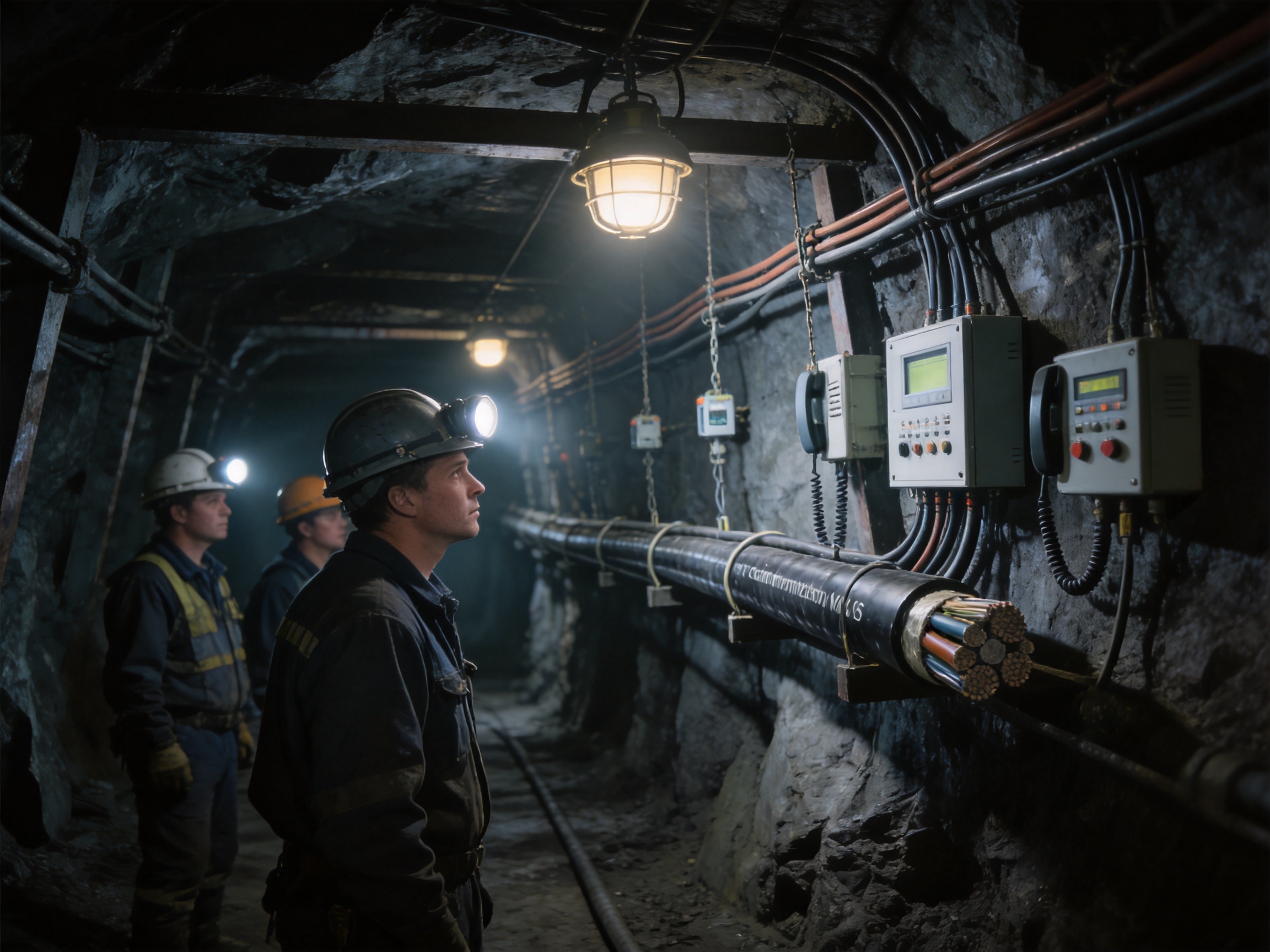
Fire safety is especially important in coal mine environments. Flame spread in underground spaces can threaten personnel, equipment, ventilation systems, and production continuity. For this reason, mining cables must meet strict flame-retardant requirements. The MHYV cable is designed to comply with MT 818 flame-retardant requirements, making it suitable for coal mine communication applications where safety standards are critical.
The flame-retardant PVC sheath helps reduce the risk of cable-related flame propagation. This is a significant advantage over ordinary communication cables that may not meet mining industry flame-retardant requirements. In addition to flame resistance, the sheath provides a protective barrier against coal dust, humidity, abrasion, and mild corrosive conditions. This combination supports both safety and durability.
Safety-oriented design also includes reliable insulation performance. High insulation resistance helps prevent leakage and reduces the risk of signal instability caused by moisture or insulation degradation. The cable’s voltage endurance, with no breakdown under long-term working voltage, further supports stable and safe operation in low-voltage communication systems.
Coal mine tunnels often contain high humidity, dust, and temperature variation. These conditions can shorten the life of ordinary cables. Moisture may penetrate weak sheaths, dust may accumulate on surfaces, and mechanical stress may accelerate aging. MHYV is designed to adapt to this environment through material selection and structural protection.
The PVC sheath resists moisture and mild corrosion, while the non-hygroscopic filling helps avoid internal moisture absorption. The tinned copper conductor helps resist oxidation, which is beneficial in damp environments. Together, these features reduce the probability of signal deterioration caused by environmental exposure.
The operating temperature range for fixed installation is -20℃ to +60℃. This range covers many underground coal mine conditions and supports stable performance in normal fixed applications. When selecting cable for a project, engineers should evaluate the actual tunnel temperature, installation method, equipment proximity, and long-term operating conditions to ensure suitable performance.
MHYV mining communication cable is suitable for underground telephone communication systems. Mine telephone systems remain important for dispatch, emergency coordination, maintenance communication, and routine production management. A stable cable connection helps ensure that voice communication remains clear and reliable across the mine.
The cable is also suitable for monitoring systems. Underground monitoring networks may collect signals from sensors related to gas concentration, temperature, equipment status, ventilation, water levels, and safety alarms. Signal interruption or distortion can reduce the effectiveness of monitoring systems. A shielded, stable, mining-grade communication cable supports accurate signal transmission between field devices and control centers.
Dispatch communication is another major application. Mine dispatch systems coordinate workers, equipment, transport, and production operations. Reliable cable infrastructure helps avoid communication gaps, improves operational response, and supports safer decision-making.
Mine automation control systems can also use MHYV for low-voltage signal transmission. As mining operations increasingly adopt automation and intelligent monitoring, cable performance becomes more important. Automation systems require stable signal paths, predictable electrical parameters, and resistance to environmental interference. MHYV provides a practical cable option for these needs.
The MHYV Stable Transmission Mining Communication Cable competes strongly against ordinary communication cables and lower-grade alternatives because it is designed around the actual operating conditions of underground coal mines. Its advantages are not limited to one specification; they are the result of a complete structure that supports signal quality, mechanical protection, flame retardancy, environmental resistance, and installation efficiency.
Compared with non-mining communication cables, MHYV offers better suitability for flame-retardant underground applications. Compared with unshielded cables, it provides improved interference resistance. Compared with heavy and difficult-to-install cable structures, it offers a compact and lightweight design that supports faster deployment. Compared with cables that use less suitable materials, it benefits from tinned copper conductors, PE insulation, and moisture-resistant PVC sheath construction.
Its broad configuration range also improves competitiveness. The ability to provide 1 pair to 50 pairs and conductor cross-sections from 0.5 mm² to 1.5 mm² allows project designers to match cable selection with system capacity. This avoids over-design and helps control cost while still meeting technical requirements.
Another competitive advantage is its balance of performance and cost. Mining communication systems may require long cable runs, multiple branches, and ongoing maintenance. A cable that is too expensive may increase project budget pressure, while a low-quality cable may cause hidden maintenance costs and safety concerns. MHYV is positioned as a cost-effective mining communication cable that supports reliable service and efficient installation.
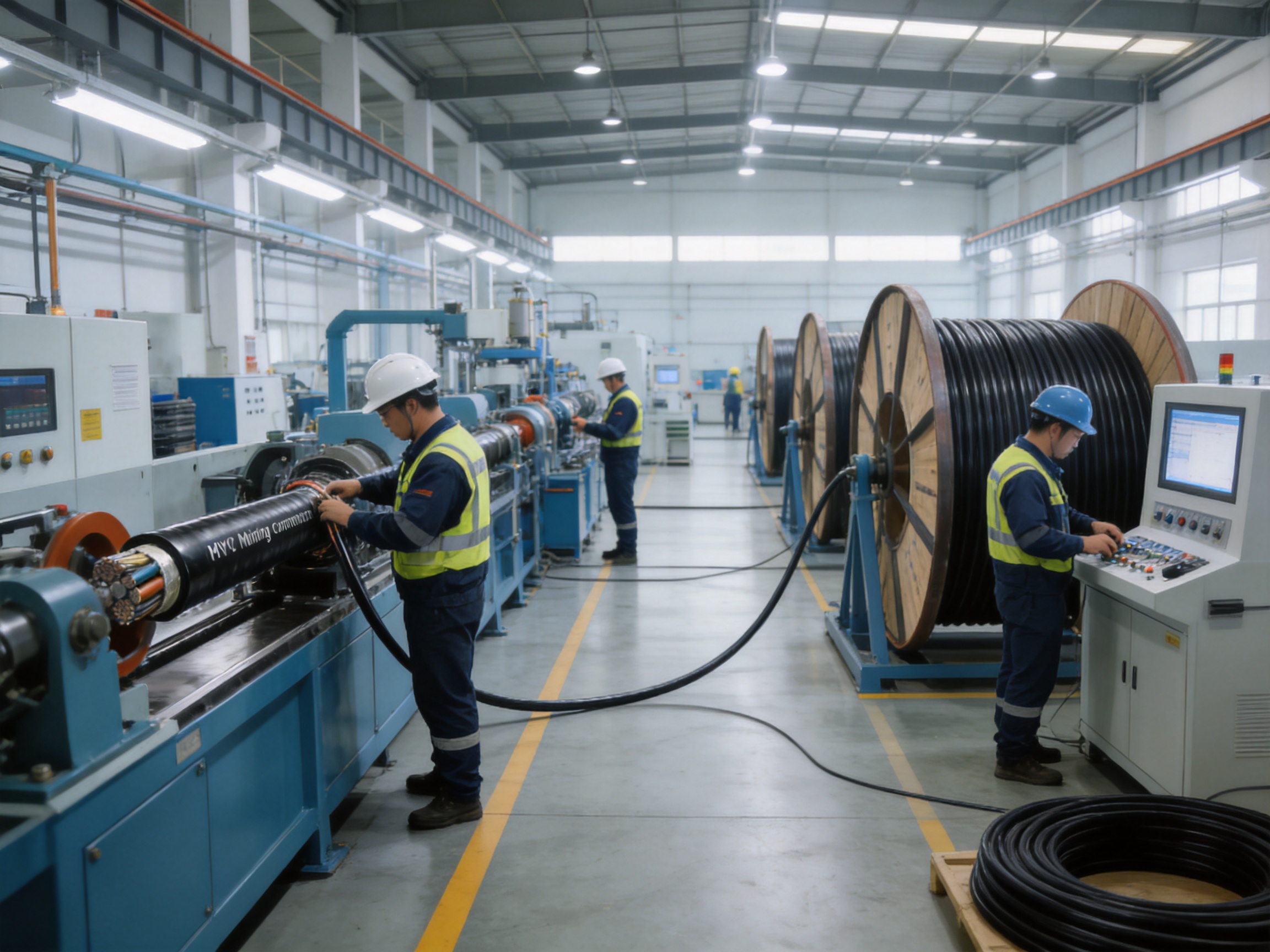
Anhui Zhishang Cable Technology Co., Ltd. is located in Xuanzhou District, Xuancheng City, Anhui Province, China, an important node city in the Yangtze River Delta region. The company integrates research and development, production, and sales of wire and cable products. Its production base covers approximately 5,000 square meters and is equipped with 10 automated production lines, supporting a monthly output of up to 10 million meters.
The company’s business philosophy is based on quality orientation, integrity foundation, and stability priority. This philosophy aligns closely with the requirements of mining communication cables, where stable performance and trustworthy quality are essential. A mining cable must not only meet a specification sheet; it must perform reliably in real engineering conditions.
The company has a team of more than 50 employees, including quality engineers and R&D technicians with over 10 years of industry experience. This technical foundation allows the company to provide product selection guidance, customized cable design, and OEM/ODM development based on customer drawings or samples. For mining projects with unique tunnel layouts, system requirements, or installation constraints, this customization capability is valuable.
The company follows national standards, relevant international standards, and industry benchmarks to manufacture cable products according to defined quality, technology, and service requirements. For standard cable models, the company provides quality assurance through full-core, full-length, pure copper specifications, product test reports, and warranty support. Standard products are stocked for fast shipment, while customized products typically require 7 to 20 days of lead time.
A reliable mining communication cable depends on consistent production control. Manufacturing quality begins with raw material selection. Conductors must meet electrical and mechanical requirements, insulation materials must provide stable dielectric performance, shielding materials must be applied uniformly, and sheath materials must satisfy flame-retardant and mechanical protection requirements. The use of automated production lines helps improve consistency and reduce variation between batches.
During conductor processing, stranded tinned copper wires are prepared to achieve the required cross-section and flexibility. Proper stranding ensures stable conductor geometry and supports predictable resistance. If conductor quality is inconsistent, signal transmission may be affected. Therefore, conductor preparation is a key process for cable reliability.
During insulation extrusion, polyethylene must be applied evenly around each conductor. Uniform insulation thickness supports stable capacitance, impedance, and voltage endurance. The specified insulation thickness range of 0.3 mm to 0.6 mm must be controlled carefully according to cable size and design. Advanced extrusion control helps reduce eccentricity, voids, surface defects, and weak points.
Twisting is another important process. Pair twisting must be controlled to achieve proper balance and reduce crosstalk. In multi-pair cables, stable lay length and structural consistency help maintain transmission performance. Poor twisting control can lead to impedance variation, capacitance unbalance, and signal interference. The MHYV cable’s capacitance unbalance requirement of no more than 80 pF/100m at 1 kHz reflects the importance of precision in this stage.
Shielding requires accurate application of aluminum-polyester composite tape and correct placement of the tinned copper drain wire. A continuous and well-positioned shield supports electromagnetic protection. The drain wire must maintain reliable contact with the shielding layer to provide an effective grounding path. This process affects the cable’s ability to resist interference in underground environments.
Filling and cabling processes create the final internal structure. Non-hygroscopic polyester fiber is used to stabilize the cable core and improve roundness. A stable core allows the outer sheath to be extruded evenly and helps the cable maintain mechanical integrity. Proper cabling also reduces internal stress and supports a manageable bending radius.
Sheath extrusion is the final protective manufacturing stage. The PVC sheath must be uniform, smooth, and sufficiently thick according to the cable design. Sheath quality directly affects flame retardancy, moisture resistance, abrasion resistance, and mechanical protection. A defective sheath can expose the cable to environmental damage, so sheath inspection is essential.
Quality control includes electrical testing, dimensional inspection, appearance inspection, and performance verification according to relevant requirements. Test voltage, insulation resistance, conductor continuity, impedance, capacitance, attenuation, and flame-retardant performance may be evaluated according to project and product standards. Product test reports provide customers with documentation and confidence in delivered cable quality.
Correct installation is essential for achieving the expected performance of MHYV mining communication cable. Even a high-quality cable can fail prematurely if it is bent too sharply, pulled beyond reasonable limits, crushed during installation, or connected without proper shielding grounding. Installers should follow project specifications, mine safety regulations, and cable manufacturer guidance.
The minimum bending radius should be at least 10 times the cable outer diameter. Maintaining this radius helps protect the conductor, insulation, shielding, and sheath. Sharp bends may damage internal structure and increase signal attenuation. During routing, the cable should be supported evenly and protected from sharp edges or excessive pressure points.
For shielded communication systems, grounding practices are important. The tinned copper drain wire should be connected according to the system design to help the shielding layer function properly. Incorrect grounding may reduce shielding effectiveness or create unwanted noise paths. Engineering teams should confirm grounding strategy before installation.
During installation in humid or dusty areas, cable ends should be protected from moisture ingress before termination. Termination boxes, connectors, and joints should be selected for mining environments and properly sealed. A strong cable can still be compromised by poor jointing or exposed cable ends.
Routine maintenance should include visual inspection, checking for sheath damage, verifying cable supports, and testing communication performance where necessary. If a cable route is located near moving equipment or high-impact areas, additional mechanical protection may be considered. Preventive maintenance helps extend service life and reduces unexpected communication interruptions.
Mining communication systems vary widely from project to project. Some projects need compact cables for branch communication, while others require multi-pair cables for trunk lines. Some systems require specific conductor sizes, sheath thicknesses, lengths, markings, packaging, or testing documentation. Anhui Zhishang Cable Technology Co., Ltd. supports customization based on customer drawings, samples, and engineering requirements.
The company’s R&D and technical teams can provide product selection guidance and tailor-made cable design solutions. This is valuable for contractors, distributors, equipment manufacturers, and mine operators who need cables that match specific system requirements. OEM/ODM support enables customers to develop cable products suited to their market or project needs.
Standard products are available for fast shipment, which is useful for urgent maintenance and routine procurement. Customized products typically require 7 to 20 days of lead time, depending on complexity and production schedule. This balance between stock availability and customization capability helps customers manage both urgent demand and specialized project planning.
Although the MHYV cable is a dedicated mining communication product, the company’s broader cable expertise strengthens its ability to manufacture it reliably. Anhui Zhishang Cable Technology Co., Ltd. produces and supplies many categories of wires and cables, including low-voltage wiring cable, flexible cable, power cable, automotive cable, communication cable, flat cable, control cable, computer cable, specialty cable, bus cable, aerial insulated cable, mining cable, and fluoroplastic cable.
This broad product range indicates manufacturing experience across different electrical, mechanical, and environmental requirements. Power cables require current-carrying capability and insulation reliability. Control cables require signal accuracy and flexibility. Computer and communication cables require transmission stability. Mining cables require safety, flame retardancy, and mechanical strength. The integration of these experiences supports stronger product development and manufacturing control for MHYV mining communication cable.
The company also emphasizes green manufacturing and responsible production practices. As cable manufacturing develops, customers increasingly value not only product performance but also responsible production, stable supply, and long-term cooperation. Continuous innovation and technical improvement have helped the company expand into international markets, with products sold in the United States, Canada, Australia, Japan, and parts of Eurasia.
When selecting MHYV mining communication cable, buyers should first confirm the application. The cable is designed for low-voltage mining communication, monitoring, signaling, dispatch, and automation control systems. It is not a substitute for power cable. The rated voltage of 300/300V should be considered when matching it with the system design.
Second, buyers should confirm the required number of pairs. A 1-pair cable may be sufficient for a simple signal circuit, while a multi-pair cable may be needed for integrated communication networks. Planning pair count carefully helps reserve system capacity while avoiding unnecessary cost.
Third, conductor cross-section should be selected according to signal transmission distance, system current requirements, voltage drop considerations, and installation conditions. Available cross-sections range from 0.5 mm² to 1.5 mm². Engineering evaluation is recommended for long-distance routes or special signal systems.
Fourth, buyers should confirm shielding and grounding requirements. The MHYV cable includes aluminum-polyester composite tape shielding and drain wire per pair, but the final shielding effectiveness depends on proper installation and system grounding design. For interference-heavy areas, shielding design should be coordinated with the complete communication system.
Fifth, environmental conditions should be reviewed. Although the cable is moisture-resistant and suitable for humid, dusty mine tunnels, installation conditions such as water immersion, extreme mechanical hazards, chemical exposure, or unusual temperature ranges may require additional protection or customized design.
MHYV mining communication cable is mainly used for underground coal mine telephone communication systems, monitoring systems, signal transmission, dispatch communication, and mine automation control systems. It is designed for stable low-voltage signal transmission in mining environments.
MHYV is designed specifically for coal mine underground conditions. It offers flame-retardant performance, moisture resistance, impact resistance, compression resistance, shielding against interference, and stable signal transmission. Ordinary communication cables may not meet mining flame-retardant and mechanical protection requirements.
The cable uses stranded tinned copper conductors. This structure provides good conductivity, flexibility, and improved resistance to oxidation in humid underground environments.
The insulation material is polyethylene, also known as PE. PE insulation provides high insulation resistance, low signal loss, and stable electrical performance for communication applications.
Yes. The cable uses aluminum-polyester composite tape shielding with a tinned copper drain wire per pair. This structure helps reduce electromagnetic interference and improves signal reliability.
The cable can be produced from 1 pair to 50 pairs in a twisted pair structure. This allows it to meet different communication capacity requirements in mine projects.
The cable is suitable for fixed installation in a temperature range from -20℃ to +60℃.
The minimum bending radius is at least 10 times the cable outer diameter. Following this requirement helps prevent internal damage and supports long-term transmission stability.
Yes. Anhui Zhishang Cable Technology Co., Ltd. supports OEM/ODM customization based on customer drawings, samples, and project requirements. Options may include conductor size, pair count, length, marking, packaging, and technical documentation.
The company has a modern production base of approximately 5,000 square meters, 10 automated production lines, experienced quality engineers and R&D technicians, monthly production capacity of up to 10 million meters, and a quality philosophy focused on stability, integrity, and reliable performance.
The MHYV Stable Transmission Mining Communication Cable is a dedicated solution for underground coal mine communication networks. It combines stranded tinned copper conductors, polyethylene insulation, twisted pair construction, aluminum-polyester shielding, non-hygroscopic filling, and flame-retardant PVC sheath protection. This structure supports stable signal transmission, long-distance communication reliability, mechanical durability, moisture resistance, and safer operation in demanding underground environments.
Its advantages over ordinary communication cables are clear. It is not merely a cable for carrying signals; it is an engineered product for coal mine environments where signal stability, fire safety, installation efficiency, and mechanical resistance must work together. With specifications such as 100 Ω ±15 Ω characteristic impedance, no more than 55 nF/km working capacitance, no more than 1.5 dB/100m attenuation at 1 MHz, and compliance with MT 818 flame-retardant requirements, it provides a strong technical foundation for mining communication systems.
Backed by the manufacturing capability of Anhui Zhishang Cable Technology Co., Ltd., the product benefits from automated production, experienced technical support, quality testing, customization capability, and stable supply. For mine operators, contractors, system integrators, and cable distributors seeking a practical, reliable, and cost-effective mining communication cable, MHYV is a strong choice for underground telephone systems, monitoring networks, dispatch communication, signal transmission, and automation control applications.
1. MT 818, Flame-Retardant Cable Requirements for Coal Mine Applications.
2. IEC 60228, Conductors of Insulated Cables.
3. IEC 60332, Tests on Electric and Optical Fibre Cables Under Fire Conditions.
4. IEC 60502, Power Cables with Extruded Insulation and Their Accessories for Rated Voltages.
5. Engineering Practice Guide for Underground Mine Communication and Monitoring Systems.
6. Cable Design Handbook for Low-Voltage Signal and Communication Applications.

We firmly believe that good cables are not only a competition of materials, but also a reflection of craftsmanship, quality, and responsibility.

Links
Product
Send Inquiry
No. 29 Sankeshu Road, Xuanzhou District, Xuancheng City, Anhui Province, China
+86-18621104555/+86-563-2622999
 Electrical Cable Manufacturer
OEM/ODM Wire and Cable Solutions
Electrical Cable Manufacturer
OEM/ODM Wire and Cable Solutions
 English
 Español
 عربى
عربى
 русский