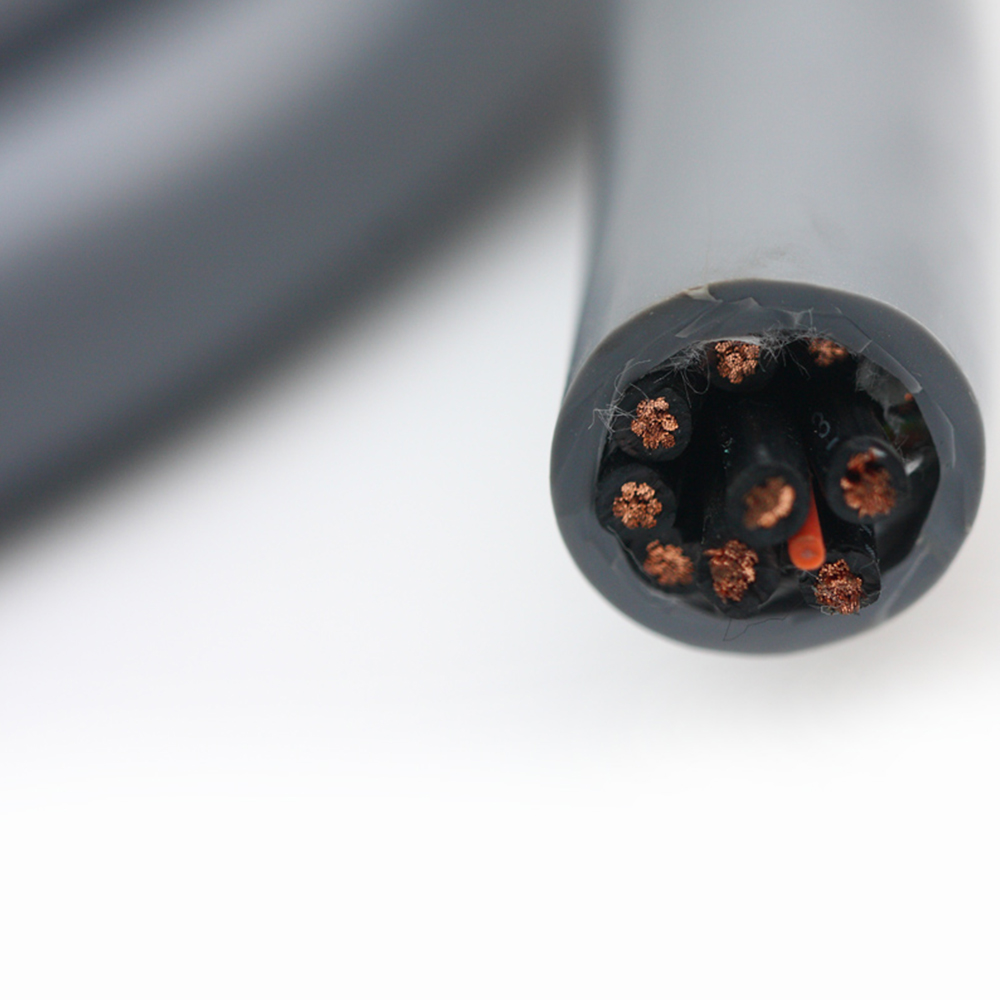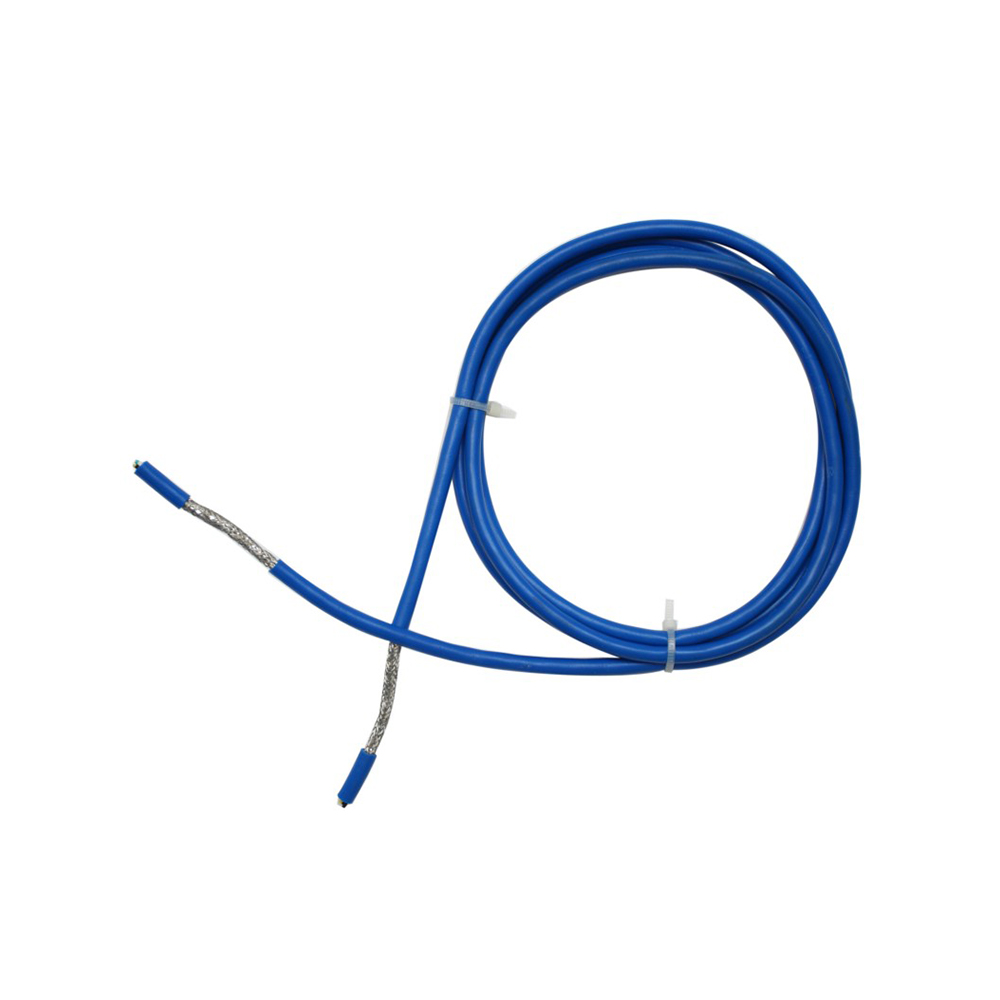

Get more content that can help you
Content
Modern industrial motion systems demand cables that do far more than simply transmit power. In an automated production line, a motor connection cable must carry high current, survive repeated bending, resist oil and chemicals, suppress electromagnetic interference, remain stable under inverter-generated pulses, and support reliable operation in compact machine spaces. The SC 733 C PUR Motor Connection Cable with TPE core wires is designed for precisely this environment. Built for inverter-driven DNC motors and compliant with the UL 20235 standard, it combines a rugged polyurethane outer sheath, thermoplastic elastomer insulation, fine-stranded copper conductors, and a dual shielding system to deliver dependable performance in high-dynamic industrial applications.
This cable is positioned for users who require a stable motor power link between frequency converter outputs and precision motor systems. It is particularly suitable for servo drives, variable frequency motor systems, electric spindles, CNC machine tools, machining centers, robotic axes, and demanding industrial automation equipment. In these environments, ordinary power cables often fail to provide the right combination of flexibility, shielding effectiveness, low capacitance, and environmental resistance. The SC 733 C series addresses these requirements through a purpose-built structure optimized for high-frequency inverter environments.
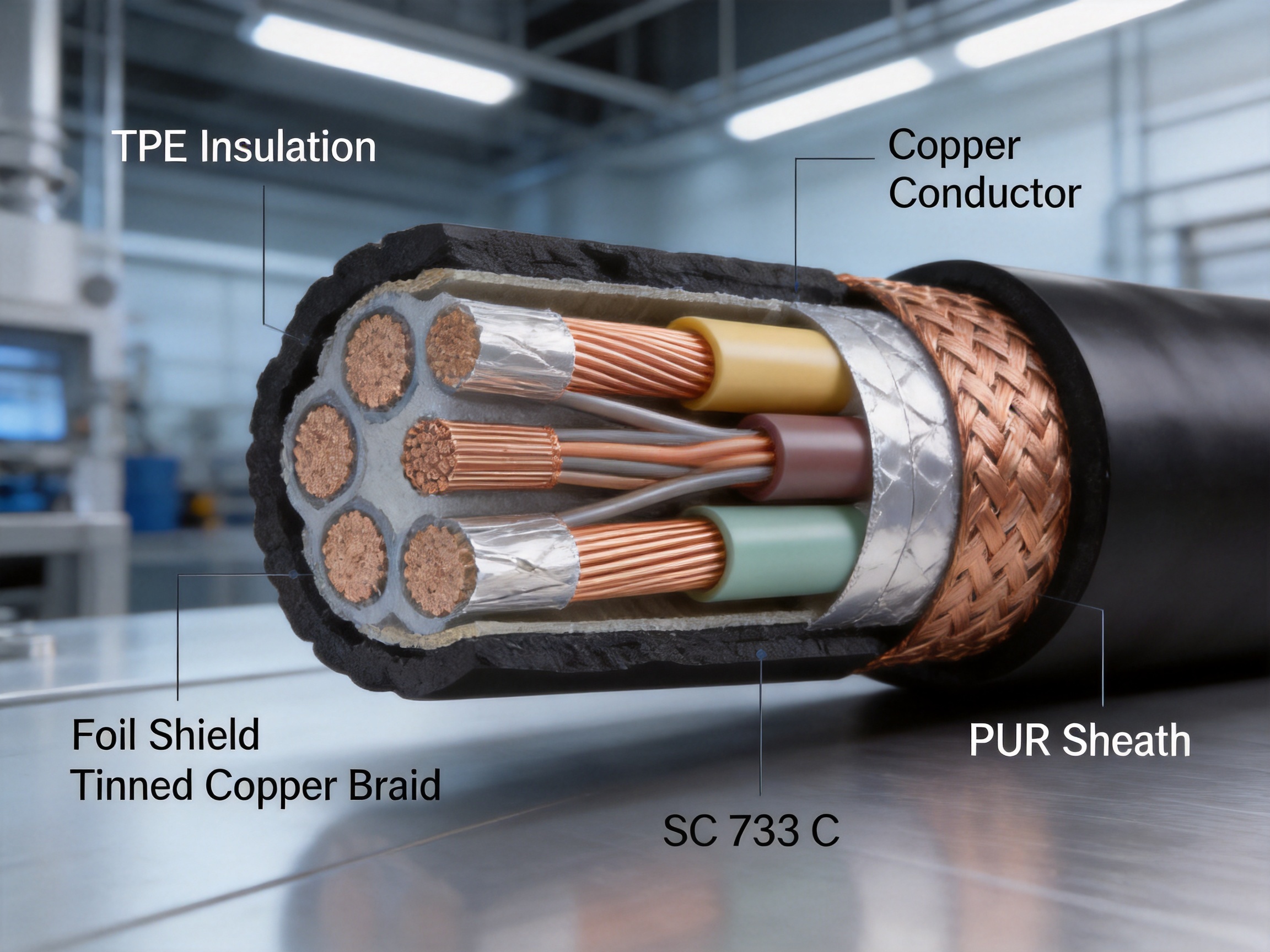
The value of this cable lies not only in one single specification, but in the integration of multiple design features. TPE core insulation contributes electrical stability and heat resistance. A low-capacitance symmetrical core arrangement helps reduce parasitic capacitance, signal attenuation, and reflection. Double-layer shielding, consisting of aluminum foil and tinned copper braid, reduces the effects of high-frequency harmonics and electromagnetic interference. The PUR sheath offers abrasion resistance, oil resistance, hydrolysis resistance, and mechanical durability. Together, these features make the cable suitable for high-speed, high-precision, and high-reliability motion systems.
Anhui Zhishang Cable Technology Co., Ltd. manufactures this product as part of its broader commitment to advanced wire and cable solutions. Located in Xuancheng City, Anhui Province, China, the company integrates research and development, production, and sales. Its production base covers approximately 5,000 square meters and is equipped with automated production lines capable of supporting large-volume manufacturing as well as customized OEM and ODM projects. With experienced quality engineers and R&D technicians, the company focuses on dependable materials, stable production processes, and practical engineering support for customers in automation, power engineering, weak current engineering, intelligent manufacturing, and equipment manufacturing.
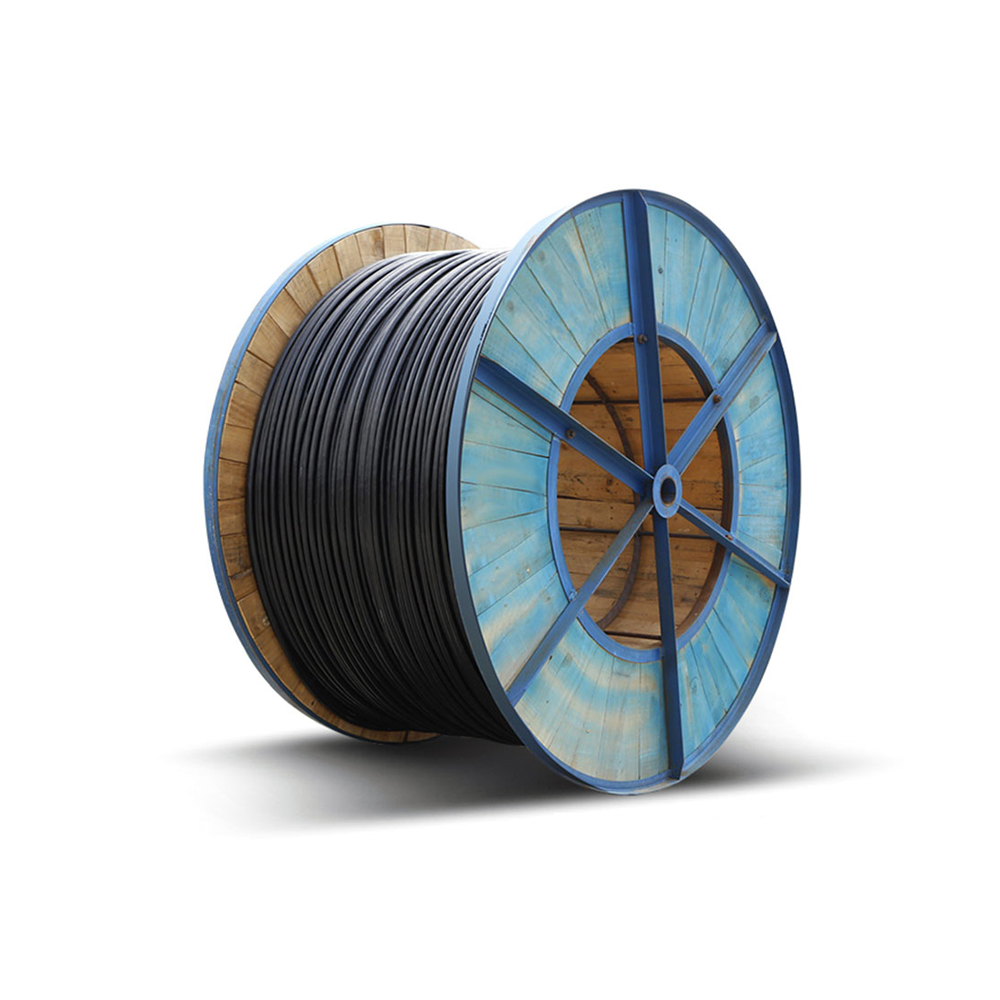
SC 733 C PUR Motor Connection Cable, TPE Core Wires (UL20235, for DNC Motors with Frequency Converters)
The SC 733 C PUR Motor Connection Cable is a specialized motor power cable for inverter-driven DNC motors. It is designed to transmit power from variable frequency drives, frequency converters, or inverter outputs to motor terminals while reducing the negative effects associated with high-frequency switching. Unlike basic unshielded power cables, this product is engineered for applications in which voltage pulses, harmonic interference, rapid acceleration, deceleration, vibration, and mechanical movement are common.
Inverter-driven motors generate electrical conditions that can be difficult for standard cables. Fast switching edges from modern power electronics can create high-frequency electromagnetic noise. Long cable runs may increase capacitive effects. Poorly shielded cables can radiate interference into nearby signal lines, sensors, encoders, controllers, and communication systems. In addition, high-dynamic machine structures place repeated mechanical stress on cables, especially in drag chains, robotic arms, gantries, and moving machine heads. The SC 733 C cable is designed to manage both electrical and mechanical challenges at the same time.
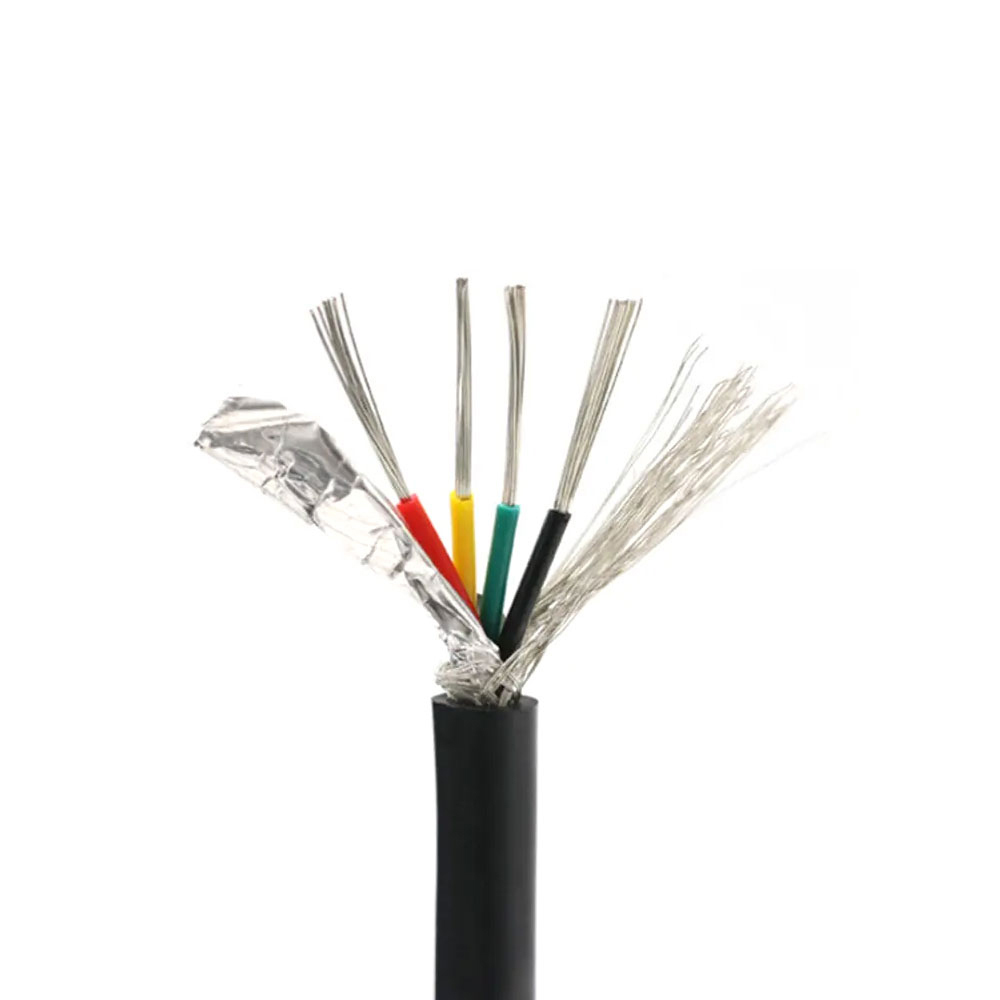
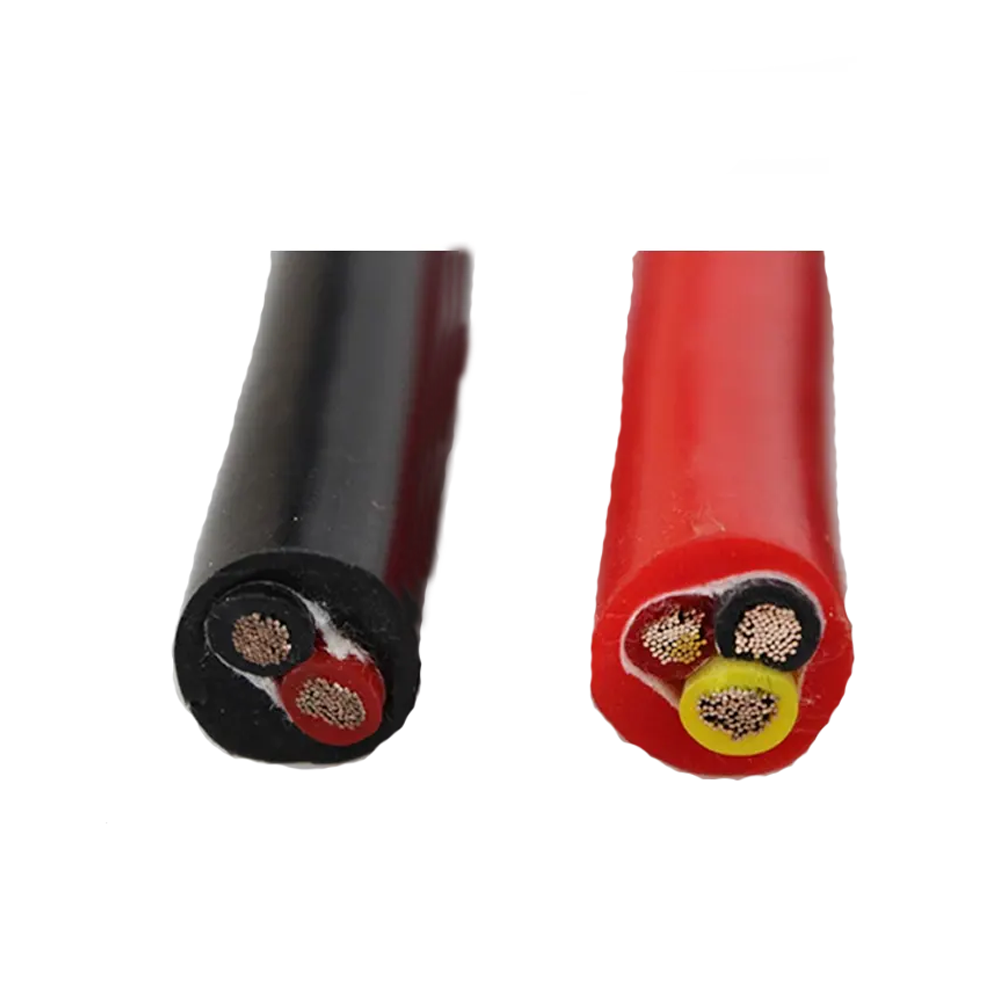
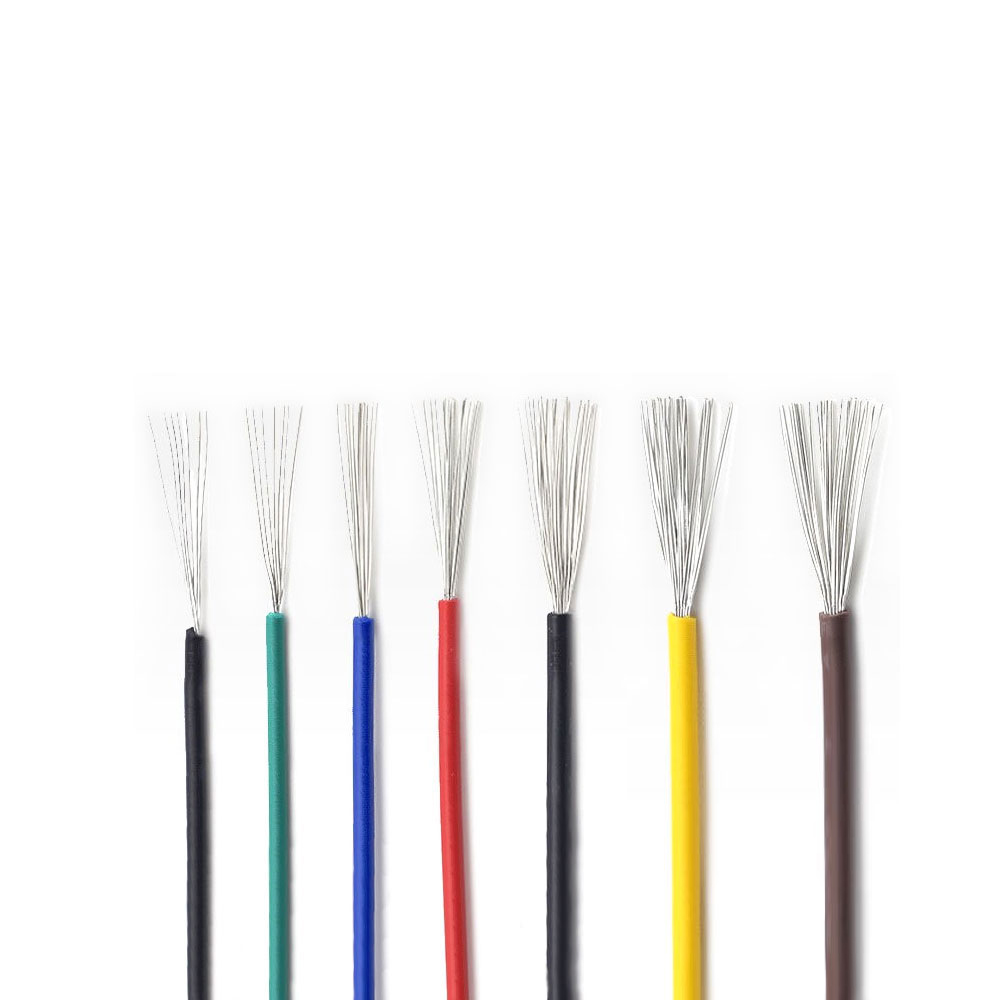
The cable uses multi-stranded fine copper conductors to provide flexibility and stable current transmission. Fine stranding helps the conductor bend repeatedly without premature fatigue, making it more suitable for mobile industrial use than rigid conductor designs. The insulation is made of thermoplastic elastomer, a material selected for its combination of electrical reliability, thermal stability, and flexibility. The core structure is available in three-core configurations for power transmission or four-core configurations including a ground wire. This allows users to choose a layout that matches the design of their motor system and grounding requirements.
The outer sheath is made of wear-resistant polyurethane. PUR is widely used in demanding industrial cables because it delivers high abrasion resistance, oil resistance, tear resistance, and mechanical resilience. Compared with many common PVC sheaths, PUR is better suited for oily workshops, moving machinery, high-friction installations, and environments where coolant, lubricants, and industrial fluids may be present. For motor connection applications, this translates into longer service life and fewer cable-related maintenance interruptions.
The rated voltage of 600/1000 V supports a wide range of industrial motor power applications. The cable operates in fixed installations from -40°C to +90°C and in mobile use from -25°C to +90°C. This wide temperature range allows it to function in factories with large seasonal temperature variations, equipment located near heat sources, and cold-start industrial environments. The recommended bending radius for mobile installation is at least eight times the cable outer diameter, helping maintain conductor integrity and shielding performance during repeated movement.
One of the defining advantages of this cable is its suitability for high-frequency inverter environments. Frequency converters improve motor control by adjusting output frequency and voltage, enabling variable speed operation, energy savings, and precise process control. However, this technology also introduces electrical challenges. The fast switching of power semiconductor devices can generate steep voltage rise times and high-frequency components. These high-frequency components may produce electromagnetic interference, leakage currents, and stress on cable insulation if the cable is not properly designed.
The SC 733 C cable addresses these issues with a low-capacitance symmetrical core structure. In a cable, capacitance exists between conductors and between conductors and shielding. Excessive capacitance can contribute to unwanted current paths, high-frequency losses, and possible signal distortion. By optimizing insulation and arranging cores symmetrically, the cable helps reduce parasitic capacitance. This is particularly valuable for inverter output circuits, where high-frequency energy can interact with cable geometry and insulation properties.
The TPE insulation plays an important role in maintaining electrical stability. Thermoplastic elastomer insulation provides good dielectric properties, flexibility, and resistance to thermal aging. In motor connection cables, insulation must withstand electrical stress while remaining flexible enough for moving equipment. TPE offers a strong balance between insulation reliability and mechanical adaptability. This gives the cable an advantage over lower-grade insulation systems that may become brittle, deform under heat, or fail to maintain stable electrical characteristics under dynamic conditions.
The double-layer shielding system further enhances performance. The inner aluminum foil shield provides continuous coverage around the core assembly, supporting broad-area electromagnetic screening. The outer tinned copper braided shield adds mechanical strength, low-resistance grounding capability, and effective attenuation of electromagnetic noise. With shielding coverage of at least 90%, the cable is designed to reduce the radiation of inverter-related interference and protect adjacent circuits from noise coupling. This is especially important in machines where power cables, encoder cables, sensor wires, communication lines, and control cables are routed through limited space.
In comparison with competitors that use only single-layer shielding or loose braid coverage, the dual shield design provides a more robust barrier against both radiated and conducted interference. It also helps improve system compliance with electromagnetic compatibility requirements when cables are installed correctly and shielding is grounded according to the drive manufacturer’s instructions. In precision machining, robotics, and automated inspection equipment, reduced interference can contribute to smoother operation, fewer control errors, and improved production stability.
Motor cables in modern automation rarely remain static. They may be routed through cable carriers, attached to moving gantries, connected to tool heads, or installed in robotic axes that perform thousands of movements per day. A cable that performs well electrically but cracks, twists, or fatigues mechanically will still become a failure point. The SC 733 C cable is designed for high-dynamic applications where repeated bending, torsion, abrasion, and vibration are expected.
The fine-stranded copper conductor supports repeated flexing. Fine strands distribute bending stress more evenly than solid or coarse-stranded conductors. This reduces the risk of conductor breakage during continuous movement. In high-cycle machinery, conductor fatigue can lead to intermittent faults that are difficult to diagnose. By selecting a conductor structure suitable for flexible applications, the cable improves the stability of moving motor connections.
The PUR sheath adds another layer of mechanical protection. Polyurethane is known for its resistance to abrasion and cutting compared with many general-purpose sheath materials. In drag chains, cables may rub against separators, chain links, neighboring cables, and machine surfaces. A weaker sheath may wear through, exposing shielding or insulation and creating safety risks. The PUR sheath helps protect the internal structure from external mechanical damage, contributing to longer cable life.
The cable is also described as twist-resistant and capable of withstanding drag chain cycling of at least five million cycles under suitable operating conditions. This makes it well suited for high-dynamic applications such as robots, CNC machining centers, automated handling systems, and electric spindle drives. The recommended mobile bending radius of at least eight times the outer diameter should be observed to preserve performance. Proper installation, including avoiding over-tensioning and maintaining correct cable carrier layout, further supports long service life.
Compared with standard motor power cables, the SC 733 C product offers a better balance between flexibility and shielding. Some highly shielded cables become too stiff for dynamic use, while some flexible cables lack sufficient electromagnetic protection. This product combines high flexibility with robust shielding and a durable sheath, making it practical for machines that demand both motion capability and electrical noise suppression.
Industrial facilities expose cables to a wide range of environmental stresses. Machine tools often use cutting oils, coolants, lubricants, and cleaning agents. Automated production lines may include humidity, dust, vibration, and heat. Motors and drives may be installed near moving mechanical parts, metal chips, coolant spray, or enclosed cable channels with limited ventilation. A cable selected for these conditions must be able to resist material degradation over time.
The PUR sheath of the SC 733 C cable is a major advantage in these environments. It is oil-resistant, chemical-resistant, and hydrolysis-resistant, supporting use in oily and humid industrial settings. Oil resistance is particularly important for CNC equipment and automated machining processes, where cable exposure to mineral oil and lubricating oil is common. A sheath that swells, softens, or cracks after oil exposure can quickly compromise cable reliability. The PUR sheath helps maintain mechanical integrity even in the presence of industrial fluids.
Hydrolysis resistance is another important feature for humid environments or equipment exposed to water-based coolants. Some materials degrade when exposed to moisture and elevated temperatures over time. A hydrolysis-resistant sheath helps extend cable service life in wet or damp conditions. This can be valuable in factories with washdown procedures, coolant mist, condensation, or fluctuating humidity.
The cable also provides stable performance across a broad temperature range. For fixed installation, it is rated from -40°C to +90°C. For mobile use, it is rated from -25°C to +90°C. This flexibility allows designers to use the cable in cold warehouses, unheated workshops, export machinery shipped to different climates, and equipment operating near warm motors or drives. Temperature stability helps reduce the risk of insulation hardening, sheath cracking, or electrical property drift.
Flame-retardant compliance under UL-related requirements further supports industrial safety. Motor power cables are often routed near electrical panels, drives, and other power distribution components. Fire safety is therefore a key design consideration. While cable selection alone cannot replace proper system design, protective devices, and installation standards, flame-retardant cable construction contributes to safer machine wiring practices.
The following table summarizes key technical features of the SC 733 C PUR Motor Connection Cable with TPE core wires. Exact dimensions, conductor cross-sections, and final configuration should be selected according to project current requirements, cable routing, drive specifications, and motor terminal design.
| Item | Specification | Engineering Benefit |
|---|---|---|
| Model | SC 733 C | Specialized motor connection cable for inverter-driven DNC motor systems |
| Conductor | Multi-stranded fine copper wires compliant with UL 20235 requirements | Supports flexible movement and stable current transmission |
| Insulation | TPE thermoplastic elastomer core insulation | Provides electrical stability, flexibility, and heat resistance |
| Core Structure | 3 power cores or 4 cores including ground wire, with symmetrical arrangement | Reduces parasitic capacitance and supports balanced inverter output transmission |
| Shielding | Inner aluminum foil shield plus outer tinned copper braided shield, coverage at least 90% | Suppresses high-frequency harmonics and electromagnetic interference |
| Outer Sheath | Wear-resistant PUR polyurethane sheath with flame-retardant characteristics | Improves abrasion resistance, oil resistance, and durability in harsh environments |
| Rated Voltage | 600/1000 V | Suitable for a wide range of industrial motor power connections |
| Temperature Range | Fixed: -40°C to +90°C; mobile: -25°C to +90°C | Maintains reliable performance in cold, warm, and variable-temperature conditions |
| Bending Radius | Mobile installation at least 8 times cable outer diameter | Supports repeated movement when installed according to recommended conditions |
| Oil Resistance | Compliant with UL AWM-related oil resistance expectations | Suitable for mineral oil, lubricating oil, and typical industrial fluid exposure |
| Special Design | Low-capacitance symmetrical structure for high-frequency inverter environments | Minimizes high-frequency attenuation, reflection, and unwanted electrical effects |
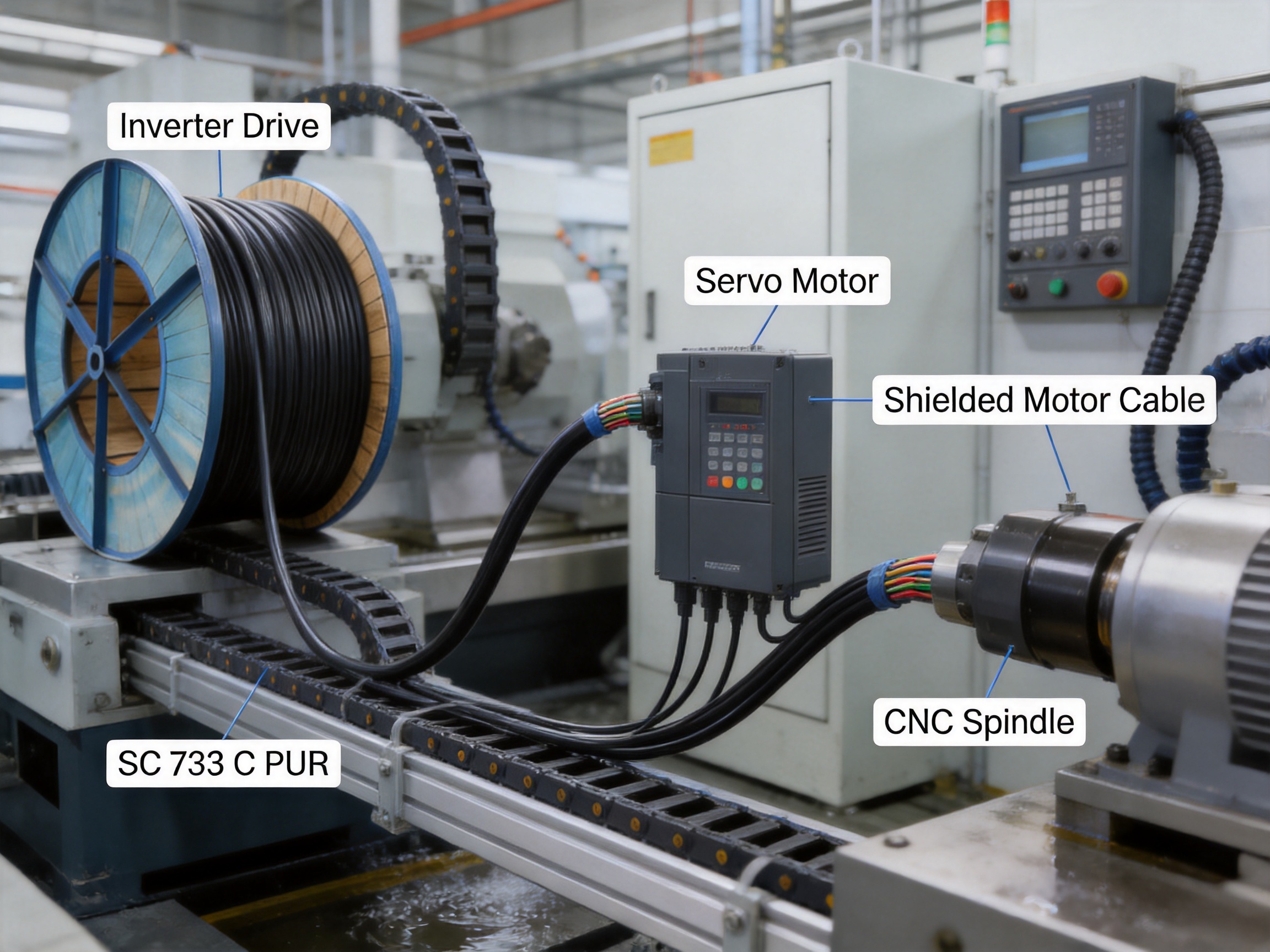
The SC 733 C cable provides several advantages over ordinary motor power cables and many competing flexible motor cables. These advantages are most visible in demanding installations where electrical noise, mechanical movement, and environmental stress occur at the same time. A standard cable may satisfy basic voltage and current requirements, but it may not control high-frequency interference, survive continuous bending, or resist industrial oils for the expected service life of the machine.
First, the cable’s dual shielding structure provides a higher level of electromagnetic protection. Competitor products may use only braided shielding, only foil shielding, or lower braid coverage. Single-layer shields can be suitable for simple installations, but inverter-driven motor systems often benefit from stronger shielding. The combination of foil and braid creates a more comprehensive barrier. Foil provides continuous coverage, while braid provides durable grounding and mechanical strength. This helps reduce electromagnetic emissions and improve compatibility with sensitive machine control systems.
Second, the low-capacitance symmetrical core design gives the cable an advantage in high-frequency drive circuits. Inverter output cables can act as part of the electrical system rather than passive conductors. Cable capacitance, impedance, and geometry influence system behavior. By reducing parasitic capacitance and improving structural symmetry, the cable helps limit signal attenuation and reflection effects. This can be valuable in applications with longer cable runs, high switching frequencies, or sensitive equipment nearby.
Third, the TPE insulation system gives the cable superior adaptability compared with basic PVC-insulated motor cables. PVC may be acceptable for many stationary applications, but it is often less suitable for high-dynamic motion and harsh temperature variation. TPE provides a flexible and stable insulation layer that supports repeated bending and good electrical performance. It also helps the cable maintain performance under thermal stress.
Fourth, the PUR sheath provides a clear advantage in harsh manufacturing environments. Many general-purpose cables use PVC outer jackets because of cost and availability, but PVC is typically less abrasion-resistant and less resistant to certain oils and chemicals than PUR. In machine tools and automation equipment, sheath durability directly affects service life. A worn or cracked sheath can lead to shielding damage, insulation exposure, safety hazards, and downtime. The PUR sheath gives the SC 733 C series a practical long-term benefit.
Fifth, the product is designed for high flexibility and dynamic operation. Competing cables that prioritize shielding or voltage rating may become too rigid for drag chain use. Others that prioritize flexibility may compromise shielding or environmental resistance. The SC 733 C cable is designed as a balanced solution. Its conductor, insulation, shield, and sheath are selected to work together in moving motor applications, not merely to satisfy a single laboratory parameter.
Finally, the product is supported by a manufacturer with integrated R&D and production capability. Anhui Zhishang Cable Technology Co., Ltd. can support selection guidance, customization based on drawings or samples, and production according to defined project needs. For customers building specialized machinery, the ability to adjust cable specifications, confirm structure, and receive technical support can be as important as the cable itself. This gives the product a competitive advantage in OEM and project-based industrial markets.
The primary application of this cable is the power connection between inverter outputs and DNC motors. DNC motor systems are used in advanced industrial equipment that requires reliable control, accurate positioning, and stable performance under variable speed conditions. The cable serves as the critical link between the drive and the motor, carrying power while resisting interference generated by the inverter.
High-speed CNC machine tool spindles are another important application. CNC spindles operate at high rotational speeds and often use frequency converters to control speed, torque, and process quality. The surrounding environment may include metal chips, cutting fluids, moving axes, and high electrical noise. A motor connection cable for this setting must resist oil, abrasion, and high-frequency interference. The SC 733 C cable is well matched to these requirements because of its PUR sheath, shielding structure, and low-capacitance design.
Variable frequency servo systems can also benefit from this cable. Servo systems are often installed near encoders, feedback cables, sensors, and communication modules. Poorly shielded motor power cables can introduce interference that affects control accuracy. By reducing electromagnetic emissions, the SC 733 C cable helps protect nearby low-voltage signal circuits and contributes to stable servo performance.
Electric spindle drives and high-precision machining centers require cables that can handle rapid machine movement and continuous duty operation. Cable failure in these systems can cause expensive downtime, part defects, and maintenance costs. A high-flex cable with strong environmental resistance helps reduce the risk of unexpected failures. The cable’s ability to withstand dynamic bending and industrial fluids makes it suitable for equipment with moving spindles, rotating heads, or tool-changing mechanisms.
Robotic applications are also relevant, particularly when cable routing involves repeated bending or torsion. Although exact robotic routing requirements must always be confirmed, the cable’s high flexibility, twist resistance, and durable sheath make it a strong candidate for robotic motor connections and automated handling systems. In such installations, proper cable guidance, strain relief, and bending radius control are essential for maximizing service life.
The cable is also suitable for industrial applications requiring high-frequency interference resistance and chemical corrosion resistance. This includes packaging equipment, automated assembly systems, textile machinery, printing machinery, materials handling equipment, and specialized production lines where motor drives and sensitive controls operate in close proximity. In each case, the product’s combined electrical and mechanical features support system reliability.
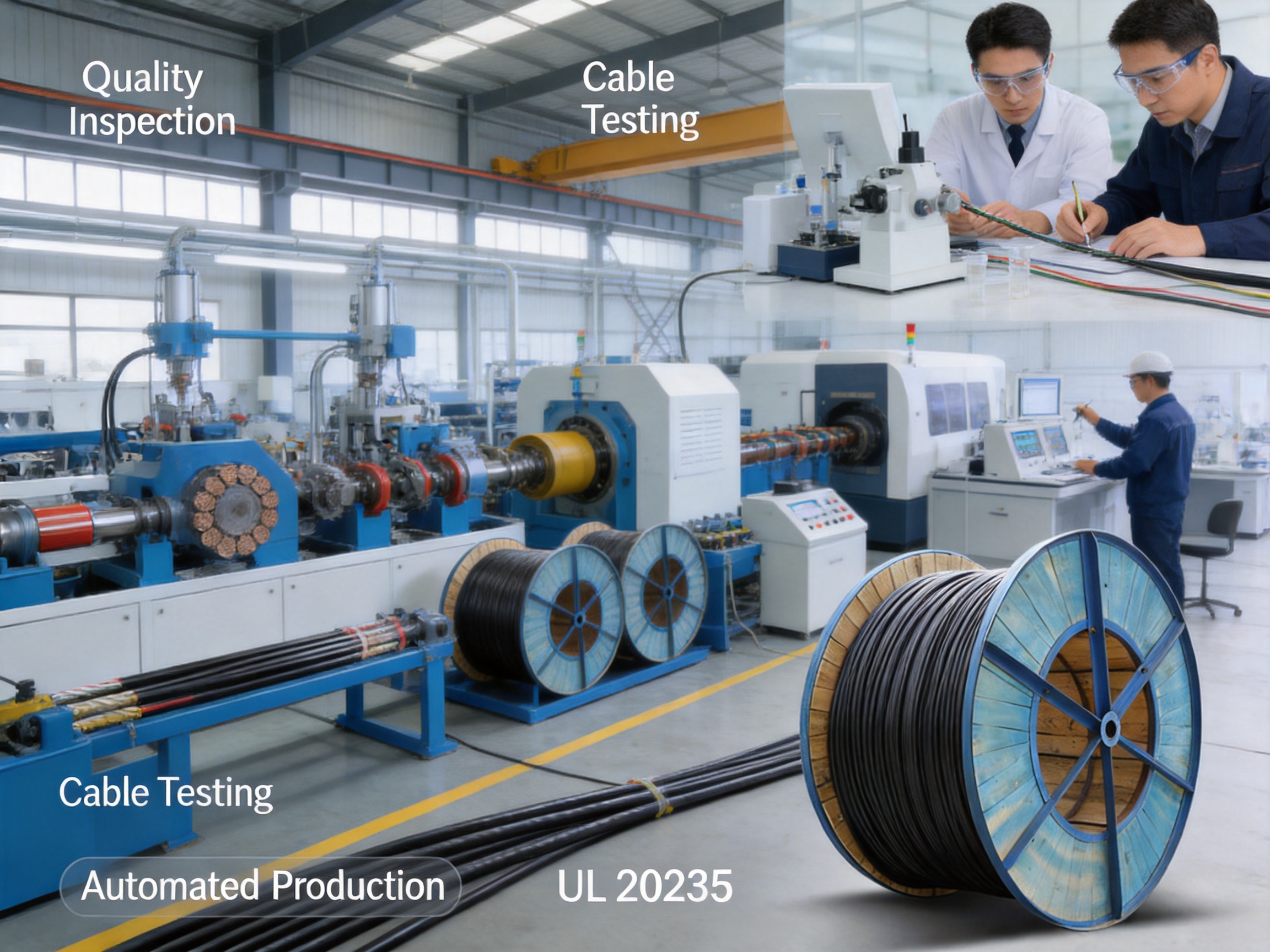
A cable’s performance depends not only on material selection but also on manufacturing consistency. Anhui Zhishang Cable Technology Co., Ltd. operates a modern production base of approximately 5,000 square meters and integrates research, production, and sales. The company has more than 50 employees, including quality engineers and R&D technicians with more than 10 years of industry experience. This combination of practical production capability and engineering knowledge supports stable cable quality.
The company’s production facilities include 10 automated production lines, with monthly output capacity reaching up to 10 million meters. Automated production improves consistency in conductor processing, insulation extrusion, shielding application, sheath extrusion, and final cable handling. In cable manufacturing, small variations in extrusion thickness, conductor concentricity, braid coverage, or sheath quality can affect long-term performance. Automated processes help reduce variation and improve repeatability across production batches.
Material control is central to product quality. The SC 733 C cable uses pure copper conductors, TPE insulation, tinned copper braid, aluminum foil shielding, and PUR sheath material. Each material contributes to a specific performance requirement. Pure copper supports conductivity and flexibility. TPE supports insulation stability. Tinned copper improves shield durability and solderability while resisting oxidation better than bare copper in many conditions. PUR protects against abrasion and oils. A manufacturer must control material selection carefully to ensure the finished cable meets its intended purpose.
Process control is equally important. Fine-stranded conductor processing must maintain strand integrity and conductor flexibility. Insulation extrusion must produce a uniform layer with stable thickness and good adhesion characteristics. Core assembly must preserve symmetrical structure. Shielding must achieve high coverage and reliable contact. Sheath extrusion must protect the cable without compromising flexibility. Final inspection must confirm that the product meets defined electrical and mechanical requirements.
The company emphasizes full-core, full-length, pure copper specifications, product test reports, and warranty support for standard cable models. These practices are meaningful for industrial buyers because cable shortcuts are not always visible from the outside. Undersized conductors, mixed materials, poor shielding coverage, or inconsistent insulation can cause failures later in operation. By focusing on transparent specifications and testing, the company supports customer confidence.
R&D capability also strengthens the product offering. Industrial cable requirements vary widely by machine design, voltage, current, movement speed, environment, installation space, and regulatory target market. Anhui Zhishang Cable Technology Co., Ltd. supports OEM and ODM development based on customer drawings or samples. Technical engineers can provide product selection guidance and customized cable design solutions according to project needs. This allows machinery manufacturers to optimize cable selection rather than relying on one-size-fits-all products.
The company follows the business philosophy of quality orientation, integrity foundation, and stability priority. In the cable industry, this philosophy is particularly relevant because cable products are often embedded deep inside machinery or infrastructure. Once installed, replacing a failed cable can require production stoppage, disassembly, troubleshooting, and retesting. A stable cable supplier reduces hidden operational risk for equipment builders and end users.
Quality orientation means that the product is designed and manufactured with practical service conditions in mind. The SC 733 C cable is not merely a catalog item; it is a response to the real challenges of inverter-driven motor connections. Its features address the electrical behavior of frequency converters, the mechanical stress of moving machine parts, and the environmental exposure found in industrial workshops.
Integrity foundation means providing clear specifications and suitable product recommendations. Overstating cable capability can create risk for customers. For example, a cable used in mobile conditions must be installed within the recommended bending radius and environmental limits. A professional manufacturer helps customers understand these requirements rather than treating every cable as universally suitable. Proper guidance improves safety, performance, and service life.
Stability priority reflects the importance of repeatable production and long-term supply. Industrial equipment manufacturers often need consistent cable performance across many machines and production batches. If cable dimensions, flexibility, sheath quality, or shielding performance vary significantly, machine assembly and field reliability can be affected. A stable manufacturing process supports predictable results.
The company also emphasizes green manufacturing and responsible production practices. While cable performance remains the primary concern for industrial users, responsible manufacturing is increasingly important in global supply chains. Customers exporting equipment to international markets often need suppliers who understand quality documentation, material consistency, and compliance expectations.
Even the best motor connection cable must be installed correctly to deliver its full performance. For the SC 733 C cable, users should observe the recommended mobile bending radius of at least eight times the cable outer diameter. Excessive bending can damage conductors, insulation, or shielding, especially in moving applications. Cable carrier design should allow smooth rolling movement without compression, twisting, or forced bending beyond the recommended limit.
Shield termination is critical in inverter applications. The double-layer shield should be connected according to the drive and motor manufacturer’s grounding instructions. In many industrial systems, 360-degree shield termination at the drive end and motor end is preferred for high-frequency noise control. Pigtail grounding may reduce shielding effectiveness at high frequencies because it introduces impedance. Correct grounding practice helps the cable suppress electromagnetic interference as intended.
Cables should be routed separately from sensitive signal and communication cables where possible. Although the SC 733 C shield reduces interference, good wiring layout remains important. Maintaining separation between power cables and encoder, sensor, or network cables reduces coupling risk. If crossing is necessary, crossing at a right angle is generally better than running cables in parallel over long distances.
In drag chains, cables should be arranged without twisting and should have sufficient space to move freely. Mixing cables of very different diameters, stiffness levels, or weights in the same compartment can create uneven stress. The cable should not be tied tightly inside the moving section of the carrier. Proper strain relief should be applied at fixed ends without crushing the cable.
Environmental exposure should also be considered. Although the PUR sheath provides oil and chemical resistance, users should verify compatibility with specific chemicals, cleaning agents, coolants, or process fluids in the application. Industrial fluids vary widely in formulation. For severe chemical exposure, sample testing or material compatibility review is recommended.
Thermal conditions should remain within the specified operating range. Cable heating depends on current load, ambient temperature, installation method, grouping with other cables, and ventilation. Users should select conductor cross-section according to current requirements and applicable standards. Overloading a cable can shorten insulation life and create safety hazards.
At first glance, a specialized PUR motor connection cable may appear more costly than a general-purpose power cable. However, industrial cable value should be evaluated according to total cost of ownership rather than purchase price alone. Cable failure can cause machine downtime, troubleshooting labor, replacement parts, production loss, and potential damage to connected equipment. In high-value automation systems, one unplanned stoppage may cost far more than the difference between an ordinary cable and a properly engineered cable.
The SC 733 C cable helps reduce total cost of ownership through longer service life, improved interference resistance, and reduced maintenance risk. Its PUR sheath withstands abrasion and oil exposure better than many standard sheaths, reducing the likelihood of physical degradation. Its flexible conductor design supports moving applications, reducing conductor fatigue. Its shielding helps prevent noise-related faults that may otherwise appear as intermittent drive errors, sensor problems, or communication instability.
Reliable cable performance also improves machine reputation for equipment manufacturers. OEMs that export CNC machines, automation systems, or drive equipment need components that perform consistently in different markets and climates. A cable that can handle wide temperature ranges, harsh workshops, and high-frequency drives supports customer satisfaction and reduces after-sales service pressure.
For end users, the benefit is operational continuity. A motor connection cable is often not visible during daily production, but it becomes critical when it fails. Selecting a cable designed for the actual application conditions helps protect production schedules. When machines run longer between maintenance events, users gain better productivity and lower downtime costs.
Industrial cable projects often require more than standard inventory. A machine builder may need a specific conductor size, shield configuration, sheath color, marking style, length, packaging method, or certification documentation. Anhui Zhishang Cable Technology Co., Ltd. supports customization through its R&D and production teams. Customers can provide drawings, samples, technical requirements, or application descriptions, and the company can assist in developing suitable cable solutions.
Standard products are available for fast shipment, while customized products typically require 7 to 20 days of lead time depending on complexity and production schedule. This balance of stock availability and customization capability is useful for both maintenance buyers and OEM production planners. Standard models can support urgent needs, while custom designs can be developed for dedicated equipment platforms.
Technical support can include product selection guidance, cable structure recommendations, and adaptation to project requirements. For example, if a customer is designing a high-speed spindle system, engineers may review voltage, current, movement conditions, environmental exposure, cable length, and electromagnetic compatibility concerns. This allows the cable selection to match the real system rather than relying only on generic descriptions.
Customization also supports global market requirements. The company’s products are sold in the United States, Canada, Australia, Japan, and parts of Eurasia. International customers often need stable documentation, consistent quality, and cable structures suited to destination market expectations. The company’s experience in export markets supports communication and technical coordination for overseas customers.
The main purpose of this cable is to provide a reliable power connection between inverter outputs and DNC motors or similar industrial motor systems. It is designed to carry motor power while resisting high-frequency interference, mechanical movement, oil exposure, abrasion, and temperature variation.
TPE insulation is used because it provides a strong combination of electrical stability, flexibility, and heat resistance. In inverter-driven motor applications, insulation must withstand electrical stress while remaining flexible for dynamic movement. TPE helps the cable maintain stable performance under demanding industrial conditions.
The cable uses double-layer shielding with inner aluminum foil and outer tinned copper braid. The foil provides broad coverage, while the braid adds mechanical strength and effective grounding capability. With coverage of at least 90%, the shield helps suppress high-frequency harmonics and electromagnetic interference generated by frequency converters.
Compared with many ordinary PVC motor cables, this cable offers better abrasion resistance, oil resistance, flexibility, and electromagnetic shielding. Its PUR sheath is more suitable for harsh industrial environments, while its low-capacitance symmetrical structure and dual shielding make it better suited for inverter-driven motor systems.
Yes, the cable is designed for high-dynamic applications and can be used in drag chain systems when installed correctly. The recommended mobile bending radius is at least eight times the cable outer diameter. Proper cable carrier layout, strain relief, and avoidance of twisting are important for achieving long service life.
For fixed installation, the cable supports temperatures from -40°C to +90°C. For mobile use, it supports temperatures from -25°C to +90°C. This wide range makes it suitable for many industrial environments with cold starts, heat exposure, or seasonal temperature changes.
Yes, the cable is designed with oil resistance suitable for industrial environments involving mineral oil and lubricating oil. Its PUR sheath helps protect the cable in machine tools, CNC systems, and other equipment where oil or coolant exposure may occur.
The cable is suitable for inverter-driven DNC motors, CNC machine tool spindles, variable frequency servo systems, electric spindle drives, high-precision machining centers, robotic systems, automated production lines, and industrial equipment requiring high-frequency interference resistance and chemical resistance.
A low-capacitance symmetrical structure reduces parasitic capacitance and helps minimize high-frequency attenuation and reflection. In inverter output circuits, this can improve electrical behavior and reduce unwanted effects associated with high-frequency switching.
Yes, Anhui Zhishang Cable Technology Co., Ltd. supports OEM and ODM customization based on customer drawings, samples, or project requirements. Customized products may include adjusted structures, lengths, conductor sizes, markings, or other specifications depending on application needs.
The SC 733 C PUR Motor Connection Cable with TPE core wires is a purpose-built solution for inverter-driven motor systems operating in demanding industrial environments. Its value comes from the integration of high-frequency interference suppression, low-capacitance symmetrical design, flexible fine-stranded conductors, TPE insulation, double-layer shielding, and a rugged PUR sheath. These features allow it to perform reliably in applications where ordinary motor cables may struggle.
For machine builders, automation integrators, and industrial end users, the cable offers clear advantages: improved electromagnetic compatibility, better resistance to oil and abrasion, strong dynamic flexibility, wide temperature adaptability, and suitability for high-frequency drive systems. These benefits can reduce downtime, improve machine reliability, and support long-term operational stability.
The product is further strengthened by the manufacturing capabilities of Anhui Zhishang Cable Technology Co., Ltd. With integrated R&D, automated production lines, experienced engineers, quality-focused processes, and customization support, the company provides not only a cable product but also a practical engineering solution for industrial power transmission needs. In applications where motor performance, machine uptime, and environmental durability matter, this cable represents a dependable and competitive choice.
1. UL 20235, Appliance Wiring Material and Industrial Cable Requirements.
2. IEC 60228, Conductors of Insulated Cables.
3. IEC 61800 Series, Adjustable Speed Electrical Power Drive Systems.
4. IEC 60332 Series, Tests on Electric and Optical Fibre Cables Under Fire Conditions.
5. IEC 61000 Series, Electromagnetic Compatibility Standards.
6. VDE and EN Guidance Documents for Flexible Cables in Industrial Automation Applications.
7. Technical literature on polyurethane cable sheaths, thermoplastic elastomer insulation, and shielded motor cable design for variable frequency drive systems.

We firmly believe that good cables are not only a competition of materials, but also a reflection of craftsmanship, quality, and responsibility.

Links
Product
Send Inquiry
No. 29 Sankeshu Road, Xuanzhou District, Xuancheng City, Anhui Province, China
+86-18621104555/+86-563-2622999
 Electrical Cable Manufacturer
OEM/ODM Wire and Cable Solutions
Electrical Cable Manufacturer
OEM/ODM Wire and Cable Solutions
 English
 Español
 عربى
عربى
 русский