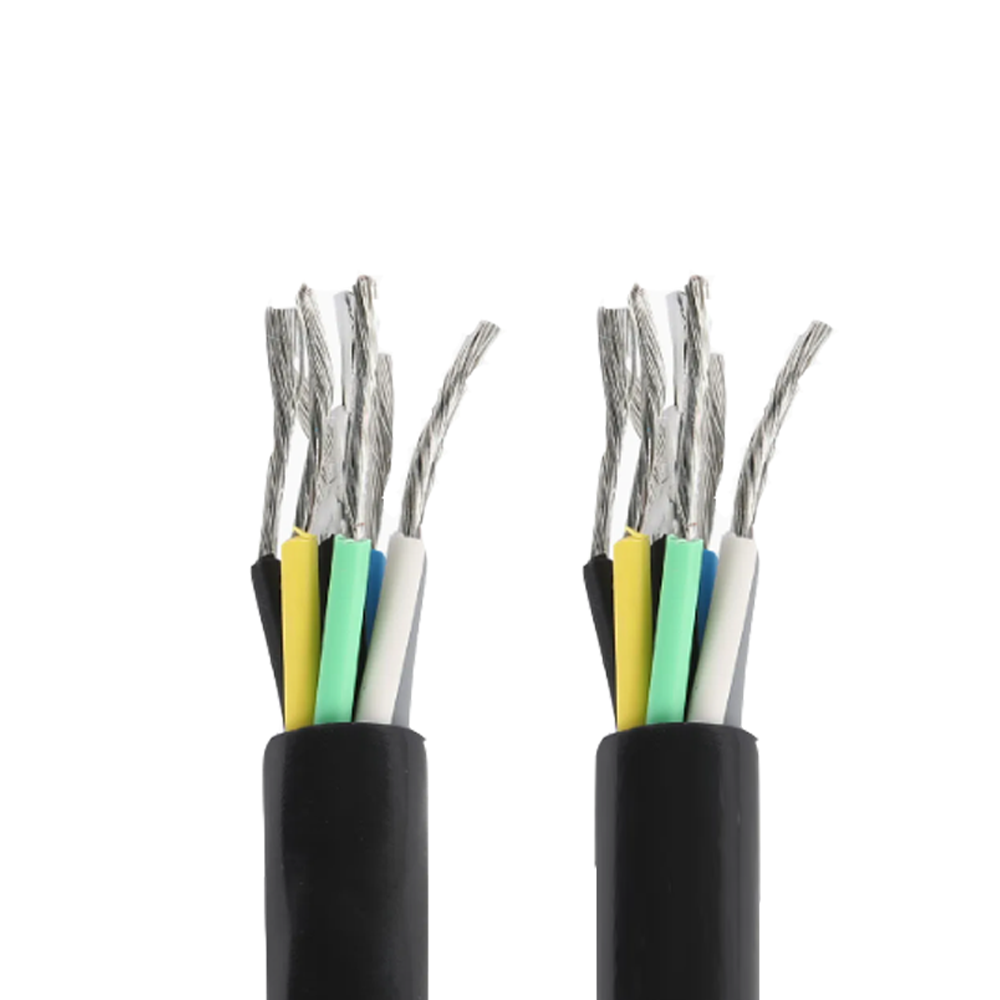

Get more content that can help you
Content
Modern underground mining depends on reliable signals. Monitoring systems, dispatch communication lines, sensor networks, automation controls, fan-room communication circuits, and underground substation supervision all require stable low-frequency voice and data transmission. In these environments, cable performance is not a minor detail; it is a core safety and productivity factor. The MHYVP suppressing electromagnetic interference mining cable is designed for this demanding role. It combines high-density polyethylene insulation, a flame-retardant PVC sheath, an aluminum-plastic composite tape shield, and a tin-plated copper drain wire to create a robust shielded communication cable for fixed installation in coal mine environments.
The cable is developed for underground applications where electrical noise, humidity, corrosive gases, mechanical stress, and flame-retardant requirements coexist. Compared with ordinary unshielded mining communication cables, MHYVP offers stronger electromagnetic interference suppression, more stable signal transmission, improved grounding continuity, and better suitability for monitoring and automation systems. Compared with many conventional shielded products, it provides a practical balance of shielding effectiveness, installation convenience, customization flexibility, and cost efficiency.
Anhui Zhishang Cable Technology Co., Ltd. manufactures this product with an integrated approach that combines cable design, material selection, production control, quality inspection, and customer-specific engineering support. With a modern production base of approximately 5,000 square meters, 10 automated production lines, experienced quality engineers, and R&D technicians with more than 10 years of industry experience, the company is positioned to support both standard and customized cable requirements. Its production philosophy emphasizes full-core conductors, full-length compliance, pure copper specifications, product test reports, and stable warranty support for standard cable models.
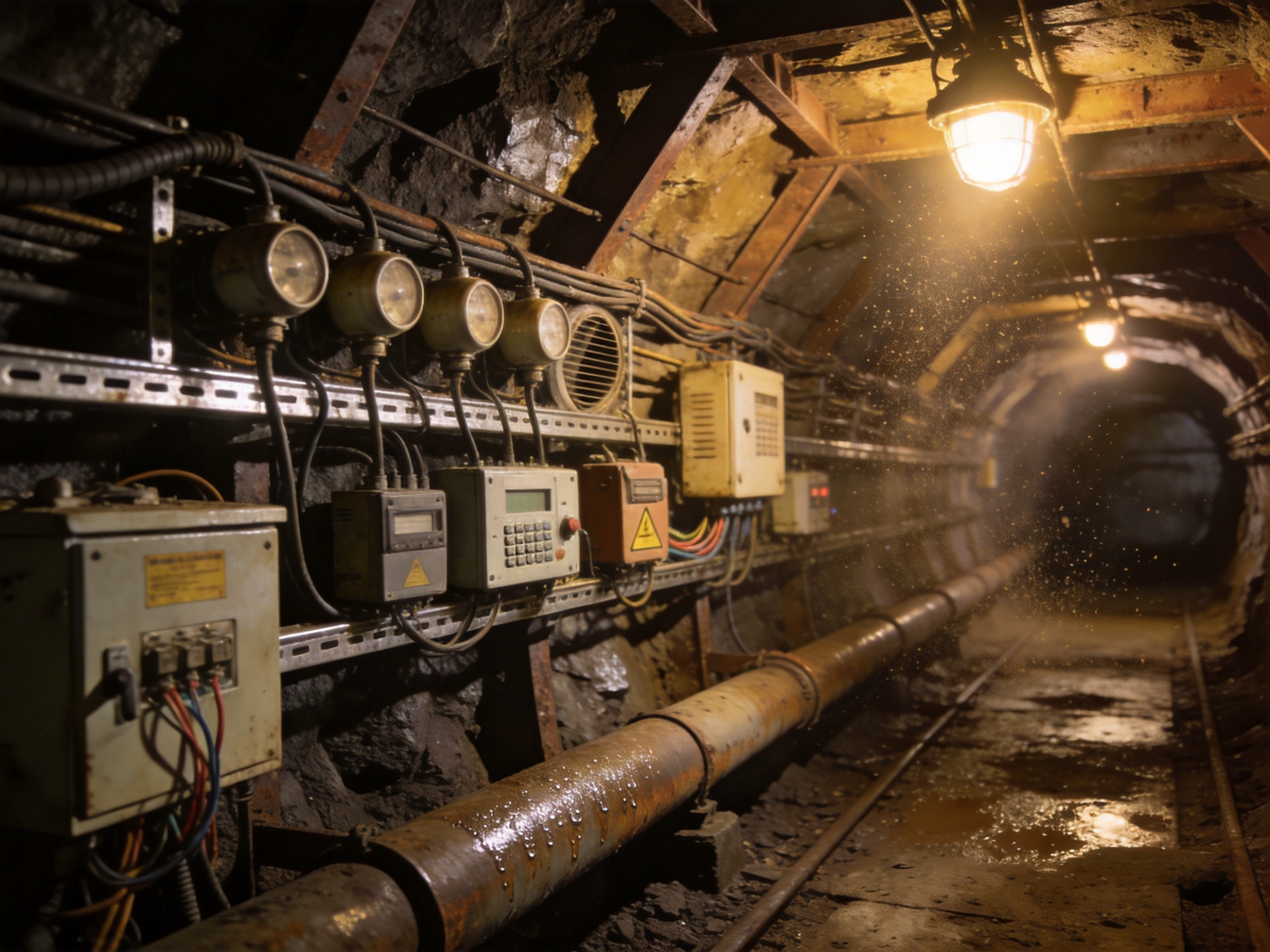
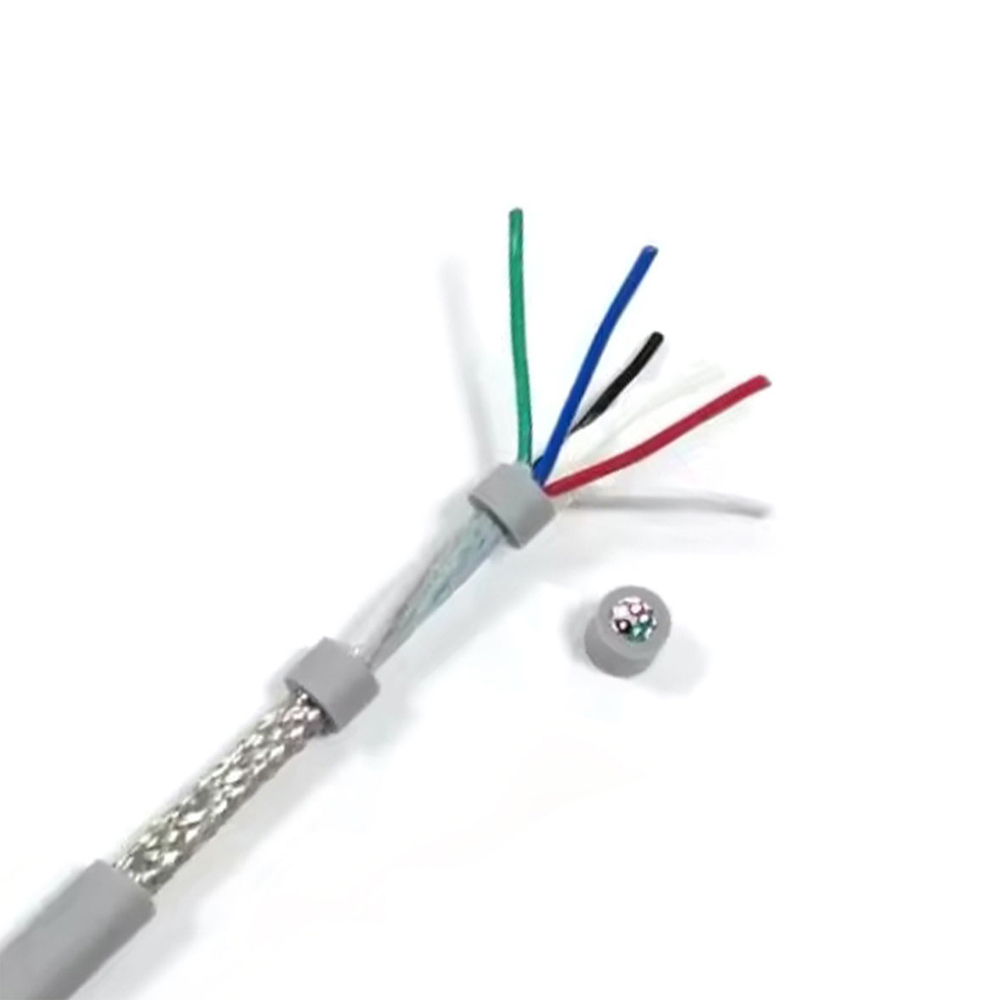
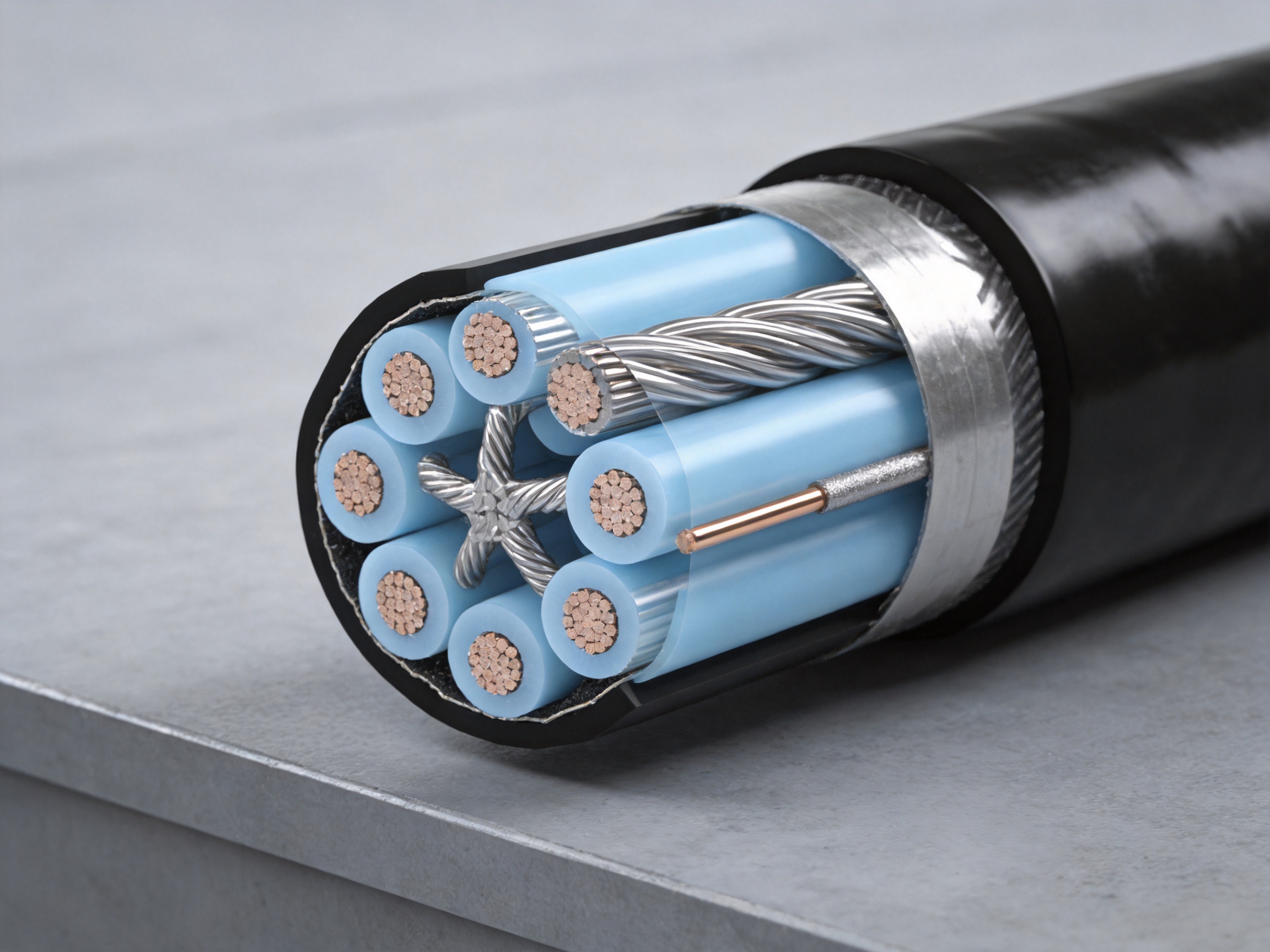
MHYVP is a mining shielded communication cable based on the MHYV structure, but with an added shielding system. The key upgrade is the use of an aluminum-plastic composite tape shield and a tin-plated copper drain wire. This shielding system is designed to reduce electromagnetic interference and maintain signal clarity in harsh electrical environments. The drain wire improves grounding continuity and helps the shield perform consistently along the cable length.
The insulation material is high-density polyethylene, commonly known as HDPE. HDPE provides good electrical insulation performance, low dielectric loss, and stable characteristics for low-frequency voice and data transmission. This makes it suitable for monitoring signals, sensor lines, and communication dispatch systems commonly used in coal mining operations.
The outer sheath is flame-retardant polyvinyl chloride, or PVC. In underground mining, flame-retardant behavior is essential because a cable must not become a rapid path for flame spread. The sheath is also designed for moisture resistance and corrosion resistance, helping the cable operate in humid tunnels, roadways, chambers, and other mine spaces where water vapor and corrosive gases may be present.
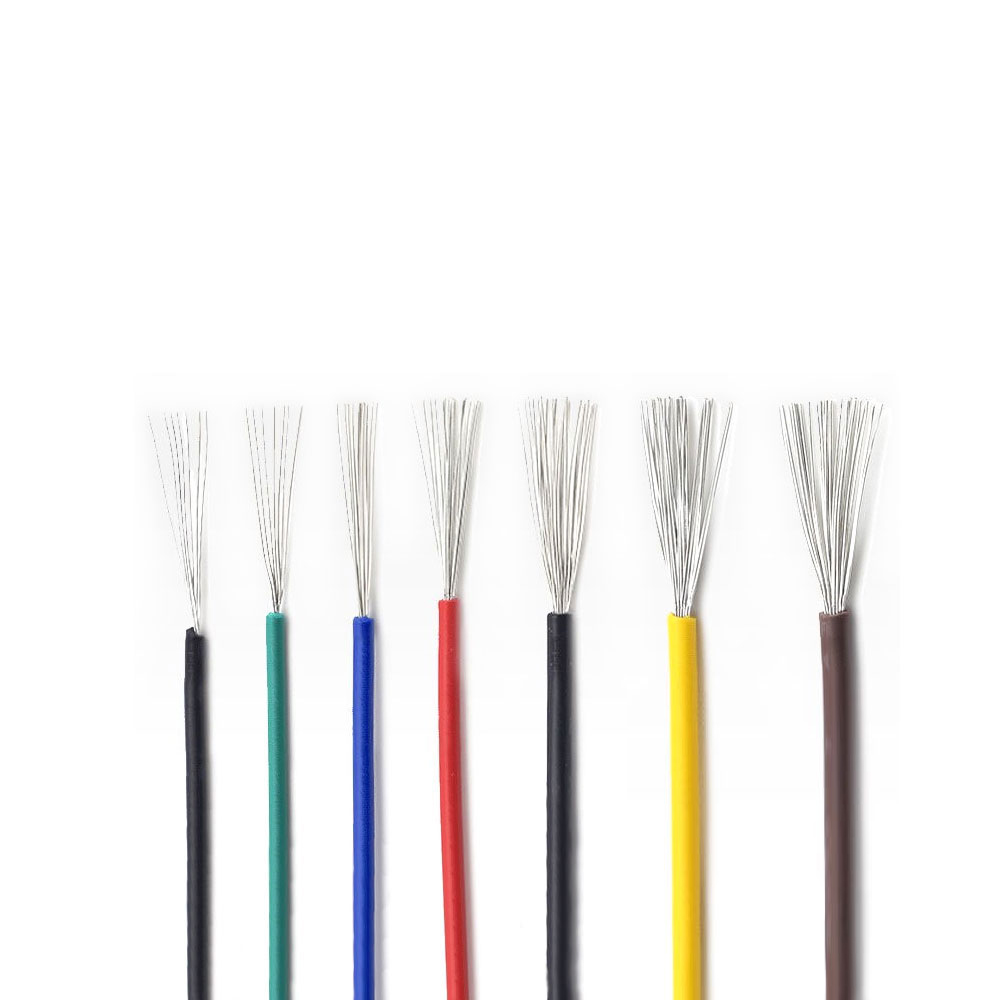
The cable supports 1 to 50 cores and can be supplied in twisted pair or star quad structures according to system requirements. The conductor is a tin-plated copper multi-stranded conductor, classified as a Class 6 conductor. Tin plating helps improve resistance to oxidation and supports reliable contact performance, while the multi-stranded structure improves flexibility compared with solid conductors.
In practical terms, MHYVP is intended for fixed wiring in underground monitoring systems, communication dispatch lines, automation control signal connections, underground substation monitoring, fan room communication, and sensor signal transmission. It is especially valuable where signal lines are installed near power equipment, motors, frequency conversion devices, relay systems, or other sources of electromagnetic noise.
Electromagnetic interference, often called EMI, refers to unwanted electrical noise that can disturb signal transmission. In an underground mine, EMI can be generated by motors, transformers, switchgear, variable-frequency drives, power distribution systems, communication devices, grounding loops, and even long parallel cable routes. When a communication or sensor cable lacks effective shielding, interference may appear as signal distortion, false data, unstable monitoring readings, audio noise, communication dropouts, or delayed control response.
For general industrial use, such disturbances may cause inconvenience or productivity loss. In underground mining, the consequences can be more serious. Monitoring systems may be responsible for gas detection, ventilation status, equipment operation, environmental measurements, emergency communication, and control feedback. A weak or distorted signal can reduce the accuracy of these systems. Therefore, anti-interference performance is not only a technical advantage but also a contribution to safer mine operation.
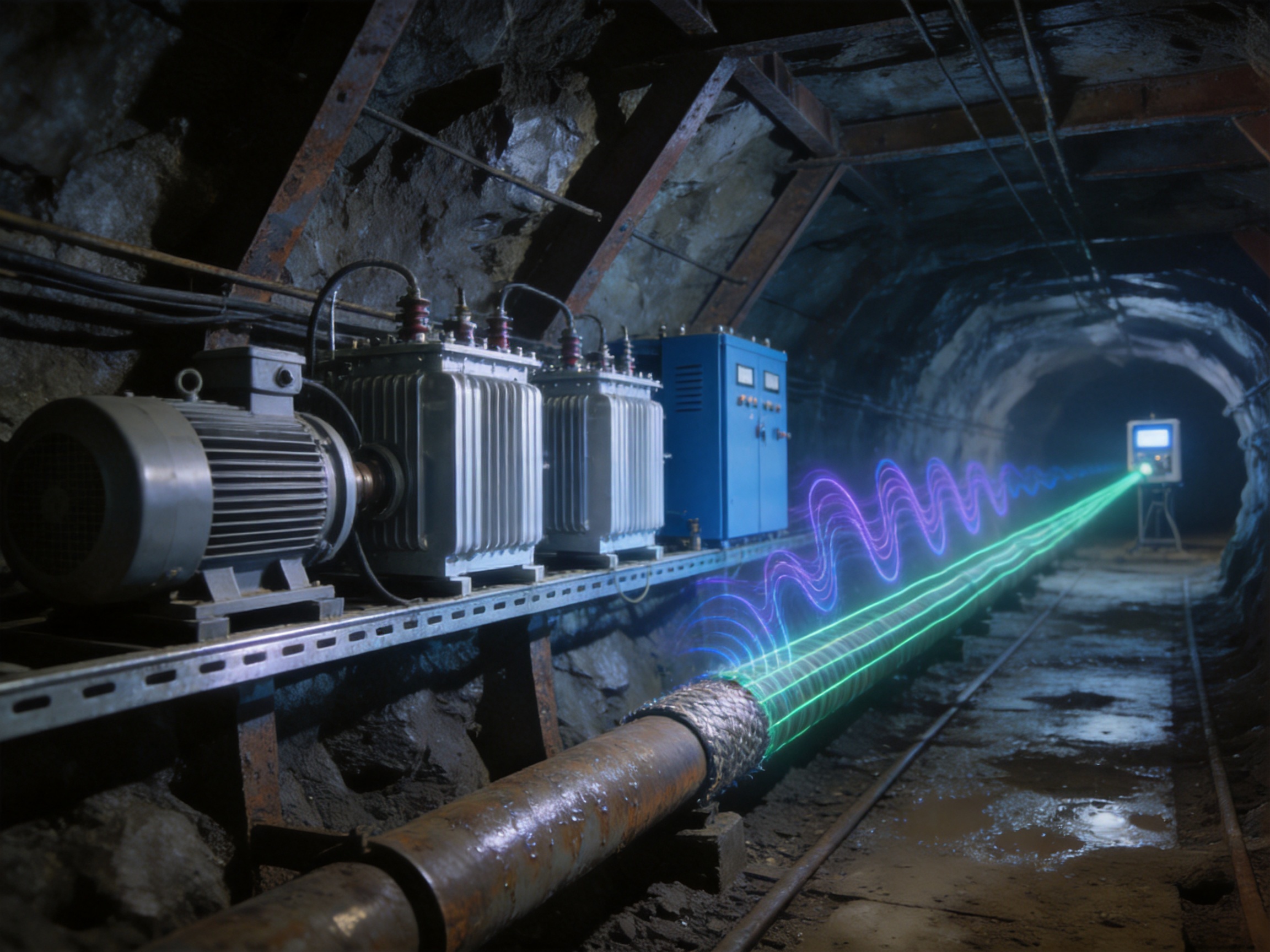
The MHYVP cable addresses this challenge through its shielding structure. The aluminum-plastic composite tape provides continuous coverage around the insulated cores, reducing the penetration of external electromagnetic fields. The tin-plated copper drain wire creates a stable grounding path, allowing induced interference energy to be directed away from the signal conductors. This design supports consistent shield performance and reduces the likelihood of signal instability.
Some applications may also require enhanced shielding, such as optional copper mesh braided shielding. The standard aluminum-plastic tape and drain wire structure offers a strong balance of coverage, weight, flexibility, and cost. Optional copper braid can further improve shielding effectiveness, mechanical strength, and durability in especially complex electromagnetic environments. This flexibility allows the cable design to be adapted according to project risk, signal sensitivity, cable route, and installation budget.
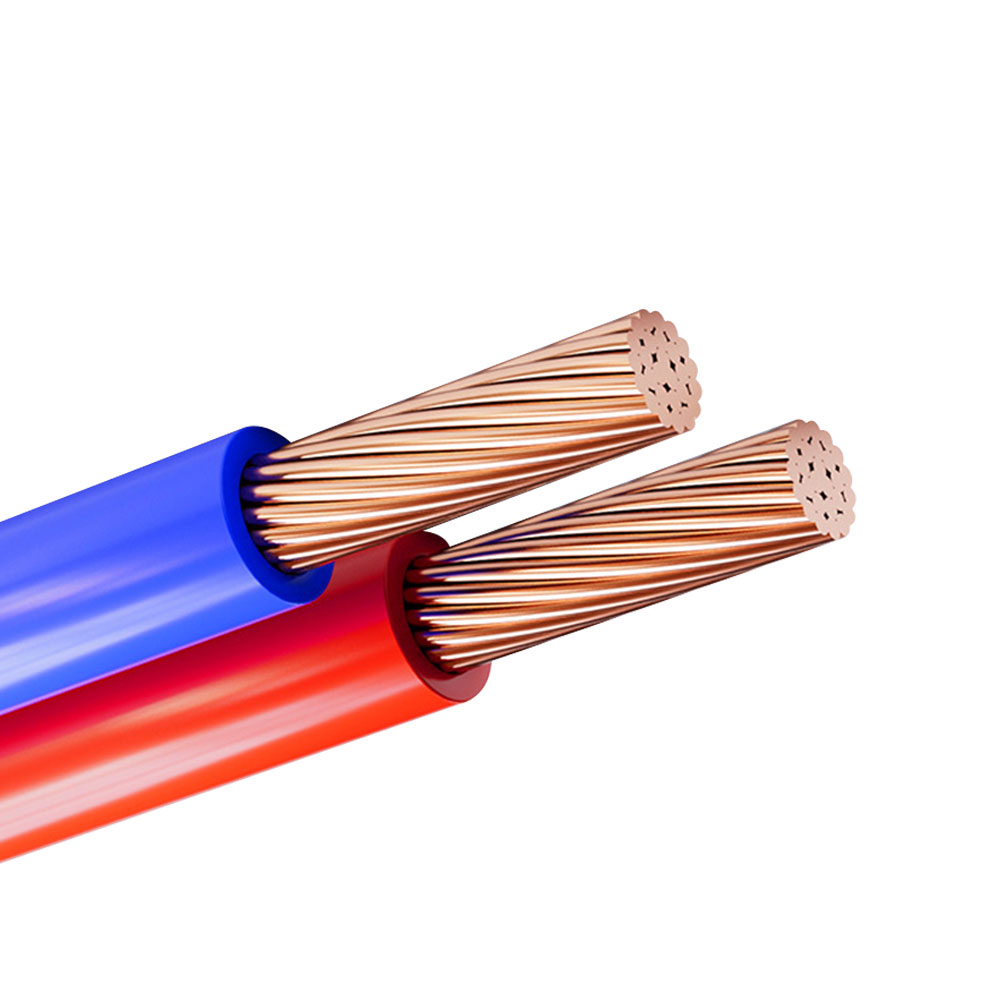
The conductor is the electrical foundation of any cable. MHYVP uses tin-plated copper multi-stranded conductors. Copper offers high electrical conductivity and stable signal transmission. Tin plating improves corrosion resistance and helps protect the conductor surface from oxidation, which is particularly valuable in humid or chemically aggressive underground conditions.
The multi-stranded Class 6 construction provides better flexibility than a single solid conductor. Although MHYVP is mainly recommended for fixed installation, flexibility still matters during cable laying, bending around trays, routing through equipment rooms, and connecting to terminals. A more flexible conductor can reduce installation stress and improve handling efficiency.
Compared with lower-cost conductors made from copper-clad aluminum, copper-clad steel, or inferior mixed materials, a full copper conductor offers more stable resistance, better signal integrity, and longer service reliability. Anhui Zhishang Cable Technology Co., Ltd. emphasizes pure copper specifications and full-core quality assurance, helping buyers avoid hidden performance risks associated with undersized or nonstandard conductor materials.
High-density polyethylene insulation provides excellent electrical characteristics for communication cables. It has low dielectric loss and good insulation resistance, making it suitable for low-frequency signal transmission such as voice, data, and sensor signals. The listed insulation resistance is at least 1500 MΩ·km at 20℃, supporting reliable circuit separation and reduced leakage risk.
In mining communication, stable insulation is important because the cable may run across long distances. Small insulation weaknesses can accumulate into signal loss, imbalance, or system instability. HDPE helps maintain consistent performance and supports attenuation not exceeding 1.0 dB per 100 meters at 1 kHz under specified conditions.
Compared with ordinary low-grade insulation compounds, HDPE provides better electrical consistency and mechanical toughness. This contributes to a longer cable service life and more predictable communication performance. For users managing large mine systems, predictable performance reduces troubleshooting costs and supports easier maintenance planning.
The shielding layer is a defining feature of MHYVP. The aluminum-plastic composite tape is wrapped around the cable core to create a barrier against electromagnetic interference. Aluminum provides conductive shielding performance, while the plastic layer improves structural stability and helps protect the shield during manufacturing and installation.
A tape shield offers high coverage because it can surround the cable core continuously. This is an advantage when compared with sparse shielding structures that leave openings and allow more interference penetration. High coverage is especially useful for low-level communication signals, where even small interference can disturb system performance.
The shielding effectiveness is listed as at least 60 dB across 30 MHz to 100 MHz. This level provides strong practical protection in many industrial and mining scenarios. It helps reduce induced noise from nearby power cables and electrical equipment, improving the clarity of transmitted signals.
A shielding layer performs best when it is properly grounded. The tin-plated copper drain wire is integrated with the shielding structure to provide a low-resistance grounding path. This makes installation easier because the drain wire can be connected to grounding terminals more conveniently than trying to terminate the tape shield alone.
Good ground continuity reduces the possibility of floating shields, ineffective shielding, or inconsistent interference suppression. It also supports more stable long-distance signal transmission. For mine maintenance teams, the drain wire improves practicality because grounding inspection and termination are easier to perform.
Compared with cable designs that use shielding without a practical drain wire, MHYVP provides a more complete anti-interference system. This is especially important in underground networks with many branch points, junction boxes, monitoring devices, and control cabinets.
The outer sheath is flame-retardant PVC. In underground coal mine applications, flame retardancy is a mandatory safety consideration. The sheath is designed to meet mining flame-retardant requirements and passes the MT 818.1-1999 mining flame-retardant test. This gives project owners and installers confidence that the cable has been designed for underground safety expectations.
The sheath also provides moisture resistance and corrosion resistance. Underground mines often contain water vapor, dust, acidic or alkaline gases, and mechanical abrasion risks. A durable sheath helps protect the inner insulation and shielding layers from environmental damage.
The sheath is commonly available in black or gray, and customized flame-retardant enhanced options can be supported. This allows users to select sheath appearance and performance according to installation standards, project specifications, and identification practices.
The following table summarizes the key technical specifications of the MHYVP suppressing electromagnetic interference mining cable. Values may be adapted according to customer requirements, cable structure, core count, and applicable project standards.
Item |
Specification |
Practical Meaning |
Product Model |
MHYVP |
Shielded mining communication cable for anti-interference signal transmission |
Number of Cores |
1 to 50 cores |
Supports simple point-to-point circuits and multi-signal monitoring networks |
Core Structure |
Twisted pair or star quad |
Improves communication stability and adapts to different signal systems |
Conductor |
Tin-plated copper, multi-stranded, Class 6 |
Provides conductivity, flexibility, and oxidation resistance |
Single Core Cross-Section |
0.5 mm² to 1.5 mm² |
Covers common signal and low-power communication requirements |
Rated Voltage |
300/500 V |
Suitable for mining communication and control signal circuits |
Test Voltage |
2000 V AC for 1 minute |
Verifies insulation strength and production quality |
Fixed Installation Bending Radius |
8 × cable outer diameter |
Supports safe routing without excessive mechanical stress |
Mobile Installation Bending Radius |
12 × cable outer diameter |
Provides additional protection when movement or handling is expected |
Long-Term Operating Temperature |
-40℃ to +65℃ |
Adapts to cold storage, underground humidity, and warm equipment areas |
Short-Term Overload Temperature |
+85℃ for 2 hours |
Provides temporary thermal tolerance under abnormal conditions |
Insulation Material |
High-density polyethylene |
Supports low dielectric loss and stable signal transmission |
Shielding Structure |
Aluminum-plastic composite tape plus tin-plated copper drain wire |
Suppresses electromagnetic interference and improves grounding continuity |
Sheath Material |
Flame-retardant PVC |
Improves underground safety, moisture resistance, and corrosion resistance |
Transmission Performance |
Attenuation ≤ 1.0 dB/100 m at 1 kHz |
Supports reliable low-frequency voice and data signals |
Shielding Effectiveness |
≥ 60 dB from 30 MHz to 100 MHz |
Helps protect signals from electrical noise |
Insulation Resistance |
≥ 1500 MΩ·km at 20℃ |
Indicates strong insulation quality and reduced leakage risk |
Capacitance Unbalance |
≤ 150 pF/km |
Supports balanced signal behavior and reduced distortion |
Mechanical Impact Resistance |
Passes MT 818.1 impact test, 12 J |
Provides mechanical durability for mining installation conditions |
Flame Retardancy |
Passes MT 818.1-1999 mining flame-retardant test |
Meets important underground mining safety expectations |
Sheath Color |
Black or gray |
Supports common identification and project preferences |
The main advantage of MHYVP over unshielded mining communication cable is electromagnetic interference suppression. In many underground installations, signal cables are not isolated from power equipment. They may run near distribution cabinets, motors, lighting circuits, pumps, or control panels. Without shielding, these environments can introduce signal noise.
MHYVP uses aluminum-plastic composite tape shielding and a drain wire to reduce this risk. The result is clearer signal transmission and better communication stability. For monitoring systems, this can mean fewer false readings and more dependable sensor data. For dispatch communication, it can mean improved voice clarity and reduced background noise. For automation control systems, it can mean more stable command and feedback signals.
Compared with lower-grade shielded cables that may use inconsistent shielding materials, poor overlap, or weak grounding design, MHYVP provides a more reliable structure. The drain wire is especially important because it makes shield termination more practical and helps maintain effective grounding.
Not every communication cable is suitable for underground coal mines. A cable used in this environment must consider flame retardancy, mechanical impact, environmental corrosion, and safe installation practices. MHYVP is designed with a flame-retardant PVC sheath and tested according to mining flame-retardant requirements. It also passes the MT 818.1 impact test at 12 J, supporting its suitability for tough underground conditions.
Compared with general industrial communication cable, MHYVP provides a more appropriate safety profile for underground mine use. General cables may perform well in workshops or buildings but may lack mining flame-retardant behavior, sheath durability, or specification compatibility with mine engineering practices.
The combination of HDPE insulation, shielded structure, and controlled capacitance unbalance supports stable signal behavior. For low-frequency voice and data transmission, attenuation and insulation consistency are important. MHYVP is designed for attenuation not exceeding 1.0 dB per 100 meters at 1 kHz, which supports reliable transmission over practical cable routes.
Compared with cables using lower-quality insulation or inconsistent twisting, MHYVP offers better transmission stability. This is especially valuable in mines where troubleshooting cable faults can be costly, time-consuming, and disruptive to production.
MHYVP is particularly suitable for fixed installation in roadways, chambers, underground substations, fan rooms, and control-system routes. Its moderate structural strength supports installation durability while maintaining reasonable handling convenience. The minimum bending radius of 8 times the cable outer diameter for fixed installation gives installers clear guidance to avoid overstressing the cable.
Compared with overly rigid shielded cables, MHYVP is easier to route and terminate. Compared with very soft cables not designed for mine use, it provides stronger environmental and flame-retardant suitability. This balance makes it practical for long-term mine infrastructure installation.
Project budgets matter. A cable must provide appropriate performance without unnecessary overspecification. MHYVP offers cost advantages among shielded mining communication cables because the aluminum-plastic tape shield provides high coverage and effective interference suppression without the higher cost and weight of full copper braid in every case.
For many mining communication systems, the standard tape shield plus drain wire structure is sufficient. Where stronger shielding is required, optional copper mesh braided shielding can be added. This modular approach allows buyers to match cable structure to actual interference conditions, avoiding both underperformance and excessive cost.
Monitoring systems are among the most important applications for MHYVP. Underground coal mines rely on sensors and monitoring instruments to track environmental and equipment conditions. These systems may include gas monitoring, ventilation monitoring, equipment status feedback, temperature observation, and safety alarms. Signal accuracy and continuity are essential.
MHYVP helps protect monitoring signals from electromagnetic interference. Its shielding structure reduces unwanted noise, while HDPE insulation supports stable electrical behavior. The flame-retardant sheath and mechanical impact resistance make it suitable for the mine environment.
Sensors often output low-level signals that are more vulnerable to interference than high-power circuits. A weak sensor signal can be distorted by external electromagnetic fields, leading to inaccurate readings. By using shielded MHYVP cable, engineers can improve signal integrity between sensors and monitoring devices.
The available core count range from 1 to 50 cores allows multiple sensor lines to be integrated into one cable route where appropriate. Twisted pair and star quad structures also help support balanced signal performance. Color-coded grouping can be customized to simplify installation and maintenance.
Underground communication dispatch systems must support clear voice and reliable control communication. Electrical noise can cause audio interference or unstable communication. MHYVP reduces this risk through its shielding system. The cable is suitable for fixed communication wiring in roadways, equipment chambers, control rooms, and fan rooms.
Because the cable is designed for low-frequency voice and data transmission, it provides dependable performance for traditional mine communication applications as well as integrated monitoring and dispatch systems.
Underground substations are electrically noisy environments. Transformers, switchgear, protection devices, and power cables can generate significant electromagnetic fields. Signal cables installed in or near substations require strong anti-interference measures.
MHYVP is a strong choice for substation monitoring because its shielding layer reduces interference, and the drain wire supports effective grounding. The flame-retardant sheath and mechanical resistance further support safe installation in this important area.
Ventilation is critical in mines. Fan rooms may contain motors and control equipment that produce electromagnetic noise. Communication and control cables in these areas must remain stable even when equipment starts, stops, or changes load. MHYVP can help ensure that communication and control signals remain dependable in fan room applications.
Modern mines increasingly use automation systems to improve safety, efficiency, and equipment management. Automation systems depend on signal cables for feedback, command transmission, and device communication. MHYVP supports these applications by combining stable electrical performance with mine-specific durability.
A cable’s quality is determined not only by its listed materials but also by how those materials are processed, inspected, and controlled. Anhui Zhishang Cable Technology Co., Ltd. integrates R&D, production, and sales of wires and cables. The company is located in Xuanzhou District, Xuancheng City, Anhui Province, China, a key node city in the Yangtze River Delta region. This location supports manufacturing logistics, industrial collaboration, and access to a developed supply chain.
The company operates a modern production base of approximately 5,000 square meters and has more than 50 employees, including quality engineers and R&D technicians with over 10 years of industry experience. It is equipped with 10 automated production lines and has monthly output capacity of up to 10 million meters. These strengths allow the company to support both large-volume production and customized cable projects.
High-quality cable production begins with raw materials. For MHYVP, important materials include tin-plated copper conductor wire, HDPE insulation compound, aluminum-plastic composite shielding tape, tin-plated copper drain wire, and flame-retardant PVC sheath compound. Each material affects the final cable’s performance.
The company’s quality-oriented approach emphasizes pure copper specifications, full-core construction, and stable material sourcing. Incoming material inspection helps confirm conductor quality, insulation material consistency, sheath compound performance, and shielding material suitability. This reduces production variation and supports long-term cable reliability.
Multi-stranded conductor processing requires control of wire diameter, strand count, lay length, surface condition, and overall conductor resistance. If the conductor is undersized or uneven, the cable may show higher resistance, unstable transmission, or reduced mechanical durability. Tin-plated copper strands must also be handled carefully to avoid surface damage.
Automated production equipment helps maintain conductor consistency. Experienced technicians monitor process parameters to ensure that the conductor meets the required Class 6 flexibility and electrical performance. This is one reason the cable can maintain stable signal transmission in practical mine systems.
HDPE insulation extrusion is a critical process. The insulation must be uniform around the conductor, without voids, thin spots, contamination, or eccentricity. Poor insulation extrusion can lead to reduced insulation resistance, signal imbalance, or early failure.
Advanced extrusion control helps maintain consistent insulation thickness and concentricity. Temperature control, extrusion speed, cooling conditions, and online monitoring all influence final quality. Anhui Zhishang Cable Technology Co., Ltd. uses its production and quality experience to control these factors and provide reliable insulation performance.
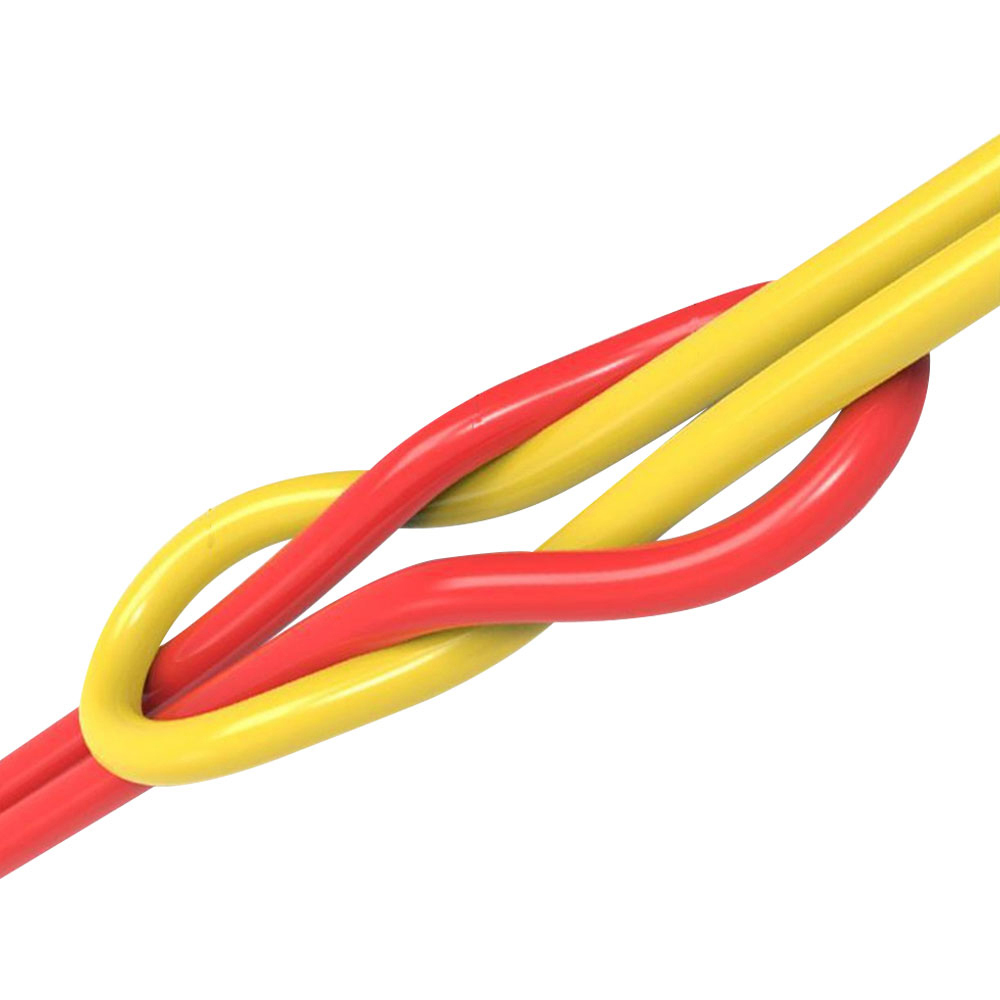
For communication cables, pair twisting and core formation are essential to signal behavior. Twisted pair structures help reduce interference pickup and improve balance. Star quad structures can be used for specific communication requirements. The twisting process must be controlled to maintain consistent pitch and avoid conductor damage.
Color-coded grouping can be customized to make installation and maintenance easier. Clear identification reduces wiring errors and supports faster commissioning, especially in multi-core cables with many signal circuits.
The aluminum-plastic composite tape must be applied with proper overlap, tension, and coverage. If the tape is loose, broken, poorly overlapped, or uneven, shielding effectiveness may decline. The drain wire must remain in good contact with the shielding layer to support grounding continuity.
Manufacturing control during shielding application is one of the main differences between a dependable shielded cable and an ordinary product. Proper shield construction ensures that the cable’s anti-interference capability is not only theoretical but practical in real installations.
The flame-retardant PVC sheath protects the internal cable structure. During sheath extrusion, thickness, surface smoothness, concentricity, and adhesion must be controlled. The sheath must be strong enough to resist environmental damage while remaining practical for installation.
Sheath color is typically black or gray, and flame-retardant enhanced options can be customized. The company’s production flexibility allows it to adapt sheath properties to project requirements while maintaining quality control.
Testing is essential for mining cable reliability. MHYVP specifications include a 2000 V AC test for 1 minute, insulation resistance testing, attenuation control, shielding effectiveness expectations, capacitance unbalance requirements, mechanical impact testing, and flame-retardant verification according to mining standards.
Anhui Zhishang Cable Technology Co., Ltd. provides product test reports and quality assurance support for standard cable models. The company’s business philosophy of “Quality Orientation, Integrity Foundation, Stability Priority” is reflected in its focus on full-length compliance, stable production, and reliable delivery.
Mining projects are not always identical. Cable routes, signal systems, electromagnetic conditions, environmental risks, and installation standards vary from mine to mine. For this reason, customization is an important advantage. MHYVP can support core count customization, color-coded grouping, optional enhanced shielding, sheath color selection, and flame-retardant enhanced sheath options.
Anhui Zhishang Cable Technology Co., Ltd. supports OEM and ODM development based on customer drawings or samples. Its technical engineers can provide product selection guidance and tailor-made cable design solutions according to project needs. This is particularly valuable when customers are uncertain whether standard MHYVP is sufficient or whether enhanced shielding, special core arrangement, or adjusted sheath performance is required.
For example, a mine with long cable runs near high-power equipment may request optional copper mesh braided shielding in addition to the standard aluminum-plastic tape. A monitoring system with many sensor points may require customized core counts and color identification. A project in a particularly humid or corrosive area may choose enhanced sheath properties. Engineering support helps match the cable structure to real operating conditions.
Even a high-quality cable must be installed correctly to perform well. For MHYVP, installers should observe the minimum bending radius. For fixed installation, the bending radius should be at least 8 times the cable outer diameter. For mobile installation or situations involving movement during installation, the bending radius should be at least 12 times the cable outer diameter. Excessive bending can damage insulation, shielding, or conductor structure.
The drain wire should be properly grounded according to the mine’s electrical engineering practices. Poor grounding can reduce shielding effectiveness. In many cases, grounding should be designed to avoid unwanted ground loops while still providing effective shield drainage. Professional electrical engineers should determine the grounding scheme based on system layout and safety standards.
Cable routes should avoid unnecessary mechanical impact, sharp edges, crushing forces, and high-temperature equipment surfaces. Although MHYVP has mechanical impact resistance and a durable sheath, proper installation protection extends service life. Cable trays, clamps, and protective conduits should be selected according to mine conditions.
During termination, the shielding layer and drain wire should be handled carefully. The shield should not be cut back excessively, and the drain wire should remain continuous to the grounding point. Terminals should be clean, tight, and protected against moisture. For multi-core cables, color-coded grouping should be checked against wiring diagrams to avoid cross-connection errors.
Periodic inspection is also recommended. Maintenance teams can check sheath condition, grounding continuity, terminal tightness, and signal stability. If a cable is damaged by impact, crushing, water ingress, or heat, it should be repaired or replaced according to safety procedures.
MHYVP occupies a practical position between basic unshielded communication cable and higher-cost specialty shielded cable. It provides effective shielding through aluminum-plastic composite tape and drain wire, making it suitable for strong electromagnetic interference environments. At the same time, it avoids unnecessary cost for applications that do not require heavy copper braid as standard.
Compared with unshielded MHYV-type cables, MHYVP offers superior interference suppression and more stable signal transmission. Compared with general industrial shielded communication cables, it offers mine-oriented flame retardancy, mechanical impact suitability, and environmental durability. Compared with high-end fully braided specialty cables, it offers a cost-effective structure that can be upgraded when required.
The company’s manufacturing strengths add further competitive value. With automated production lines, experienced technical staff, R&D support, monthly capacity up to 10 million meters, and the ability to deliver standard products quickly, Anhui Zhishang Cable Technology Co., Ltd. can support both urgent procurement and project-based customization. Customized products typically require 7 to 20 days of lead time, depending on specifications and production planning.
The company also emphasizes green manufacturing and responsible production practices. Through continuous innovation and technical improvement, it has expanded into international markets, with products sold in the United States, Canada, Australia, Japan, and parts of Eurasia. This international experience supports communication with global customers and helps the company understand diverse engineering expectations.
For mine operators, the main benefit of MHYVP is dependable signal transmission in a harsh environment. Stable monitoring and communication cables reduce the risk of false alarms, missing data, unclear voice communication, and system downtime. This supports safer production and more efficient maintenance.
For engineering contractors, the cable offers clear specifications, flexible core count options, and practical installation behavior. The drain wire simplifies grounding, while color-coded grouping can reduce wiring errors. The flame-retardant sheath and mining test performance help satisfy project safety requirements.
For procurement teams, the cable provides a balanced cost-performance solution. It delivers shielded performance without automatically requiring the highest-cost shielding structure. The availability of customization also reduces the need to compromise between standard products and project-specific requirements.
For system integrators, MHYVP supports multiple low-frequency signal applications, including voice, data, sensor feedback, and automation control signals. Its stable electrical characteristics help improve system performance and reduce commissioning problems caused by interference.
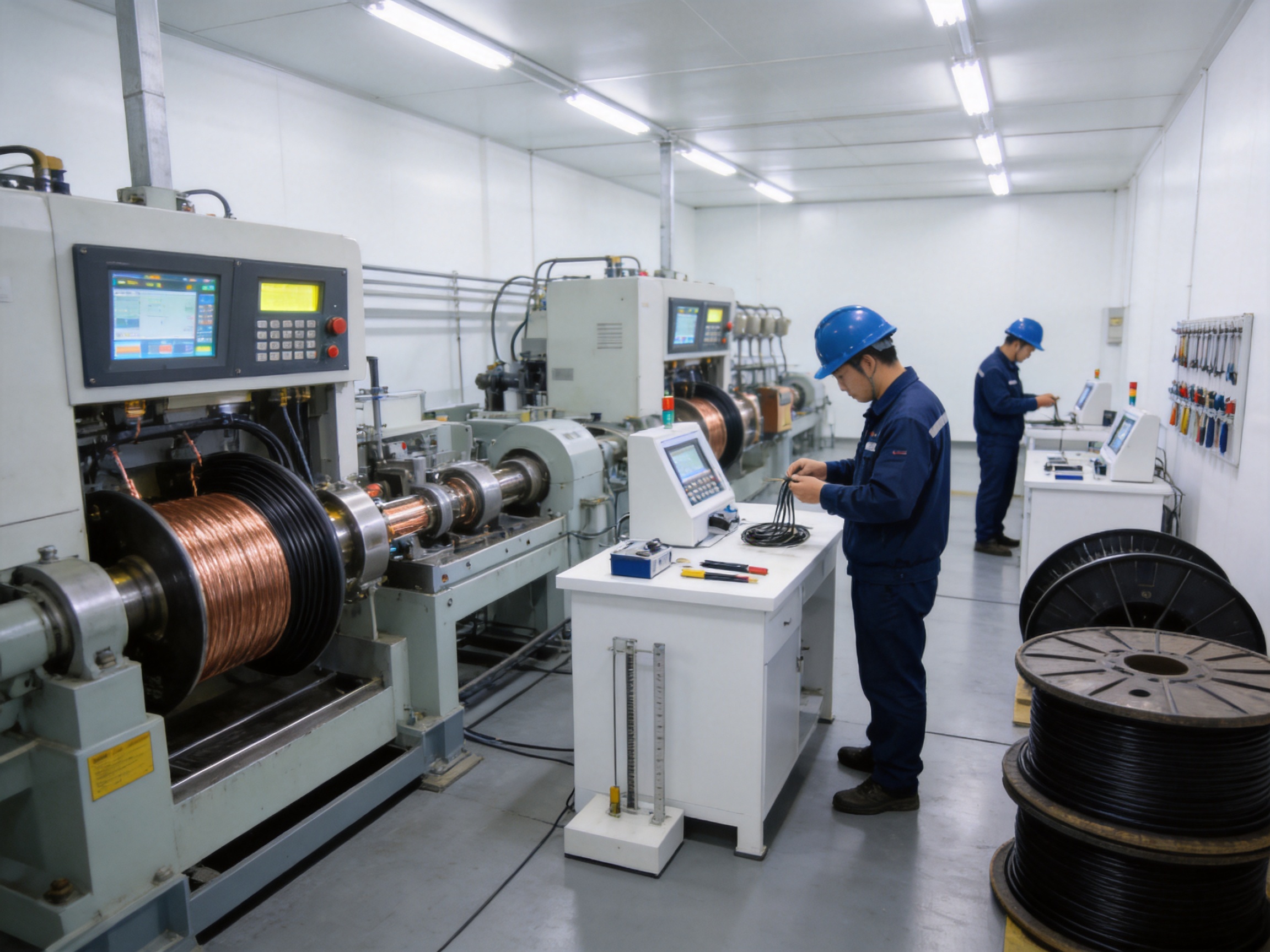
The reliability of a mining communication cable should be evaluated across its entire service life, not only at the time of purchase. A cable may look similar to competing products from the outside, but internal material quality, conductor purity, insulation uniformity, shielding continuity, sheath formulation, and production control determine long-term performance.
Anhui Zhishang Cable Technology Co., Ltd. follows national standards, relevant international standards, and industry benchmarks to customize products that meet defined requirements for quality, technology, and service. Its philosophy of quality, integrity, and stability is important because cable buyers often need dependable long-term partners rather than one-time suppliers.
The company provides selection guidance and engineering support, helping customers avoid unsuitable cable choices. For example, selecting an unshielded cable in a high-interference mine area may reduce initial cost but increase long-term risk. Selecting an unnecessarily heavy shielded cable may increase cost and complicate installation. Proper guidance helps customers choose the best balance.
The company’s production capacity also supports delivery reliability. Standard products are stocked for fast shipment, while customized products usually require 7 to 20 days. This helps customers plan procurement schedules and reduce project delays.
MHYVP is mainly used for underground coal mine communication, monitoring, sensor signal transmission, dispatch lines, and automation control signal connections. Its main purpose is to provide stable signal transmission while suppressing electromagnetic interference.
MHYVP is based on the MHYV structure but adds an aluminum-plastic composite tape shield and a tin-plated copper drain wire. This shielding system improves anti-interference performance and grounding continuity, making MHYVP more suitable for electrically noisy underground environments.
The drain wire provides a convenient and reliable grounding path for the shielding layer. Proper grounding allows interference energy to be directed away from the signal conductors, improving shielding effectiveness and signal stability.
The cable uses high-density polyethylene insulation. HDPE offers low dielectric loss, high insulation resistance, and stable performance for low-frequency voice and data transmission.
Yes. The outer sheath is flame-retardant PVC and the cable is designed to pass the MT 818.1-1999 mining flame-retardant test. This makes it suitable for underground mining environments where flame retardancy is essential.
Yes. Core count, color-coded grouping, sheath color, flame-retardant enhanced sheath options, and optional copper mesh braided shielding can be customized according to project requirements. OEM and ODM development based on drawings or samples is also supported.
MHYVP can be supplied with 1 to 50 cores, using twisted pair or star quad structures according to the communication or monitoring system design.
The rated voltage is 300/500 V, which is suitable for mining communication and control signal circuits.
It is typically installed in underground roadways, chambers, substations, fan rooms, monitoring system routes, communication dispatch lines, and automation control system signal connections.
The aluminum-plastic composite tape shield provides effective shielding coverage at a reasonable cost. Optional copper braid can be added only when necessary. This allows customers to balance performance and budget according to actual mine conditions.
MHYVP suppressing electromagnetic interference mining cable is a specialized communication cable designed for the realities of underground coal mine environments. Its structure combines tin-plated copper conductors, HDPE insulation, aluminum-plastic composite tape shielding, a tin-plated copper drain wire, and a flame-retardant PVC sheath. Together, these elements provide stable signal transmission, strong electromagnetic interference suppression, good grounding continuity, moisture and corrosion resistance, mechanical durability, and mining-oriented flame-retardant performance.
Its advantages over conventional cables are clear. Compared with unshielded mining communication cables, it provides much better anti-interference protection. Compared with general industrial communication cables, it offers mine-specific safety and environmental suitability. Compared with heavier premium shielded solutions, it provides a cost-effective structure that can be upgraded through optional copper mesh braided shielding when required.
Behind the product, Anhui Zhishang Cable Technology Co., Ltd. contributes manufacturing strength through automated production lines, experienced technical personnel, quality inspection, R&D customization, OEM and ODM support, and stable supply capability. The company’s modern production base, monthly output capacity, and commitment to quality assurance help ensure that customers receive not only a cable product but also an integrated cable solution.
For underground monitoring systems, sensor networks, communication dispatch lines, substation monitoring, fan room communication, and automation control signal connections, MHYVP is a dependable choice. It supports safer, clearer, and more stable communication in environments where electrical interference and mining safety requirements cannot be ignored.
1. MT 818.1-1999, Flame-Retardant Cables for Coal Mines: General Requirements and Test Methods.
2. IEC 60228, Conductors of Insulated Cables.
3. IEC 60332, Tests on Electric and Optical Fibre Cables under Fire Conditions.
4. IEC 61156, Multicore and Symmetrical Pair/Quad Cables for Digital Communications.
5. Engineering Guidelines for Electromagnetic Compatibility in Industrial Communication Systems.
6. Technical Practices for Grounding and Shielding of Signal Cables in Industrial Automation.

We firmly believe that good cables are not only a competition of materials, but also a reflection of craftsmanship, quality, and responsibility.

Links
Product
Send Inquiry
No. 29 Sankeshu Road, Xuanzhou District, Xuancheng City, Anhui Province, China
+86-18621104555/+86-563-2622999
 Electrical Cable Manufacturer
OEM/ODM Wire and Cable Solutions
Electrical Cable Manufacturer
OEM/ODM Wire and Cable Solutions
 English
 Español
 عربى
عربى
 русский