
Get more content that can help you
Content
In modern power distribution, the most demanding cable applications are no longer defined only by voltage rating or conductor size. Critical projects increasingly require cables that can maintain circuit integrity during fire, reduce toxic smoke, resist flame propagation, tolerate mechanical pressure, and survive underground or tunnel environments where impact, compression, moisture, pests, and heat may occur at the same time. WDZB1N-YJY23 Environmental Protection and Safety XLPE Insulated and Sheathed Power Cable is engineered for these high-risk conditions. It combines fire resistance, B1-grade flame retardancy, low-smoke halogen-free environmental performance, and steel tape armor into one integrated power cable structure.
This product is designed for “lifeline” circuits: the power routes that must keep operating during emergencies. Such circuits may feed fire pumps, smoke exhaust systems, emergency lighting, fire elevators, evacuation communication equipment, alarm power supplies, tunnel safety systems, and critical control rooms. In these scenarios, cable failure is not merely a maintenance issue; it can directly affect evacuation, rescue operations, property protection, and life safety. The WDZB1N-YJY23 structure addresses this responsibility with a layered protection concept that is stronger than ordinary XLPE power cables, conventional flame-retardant cables, and many standard armored cables.
WDZB1N--YJY23 Environmental protection and safety XLPE Insulated and Sheathed Power Cable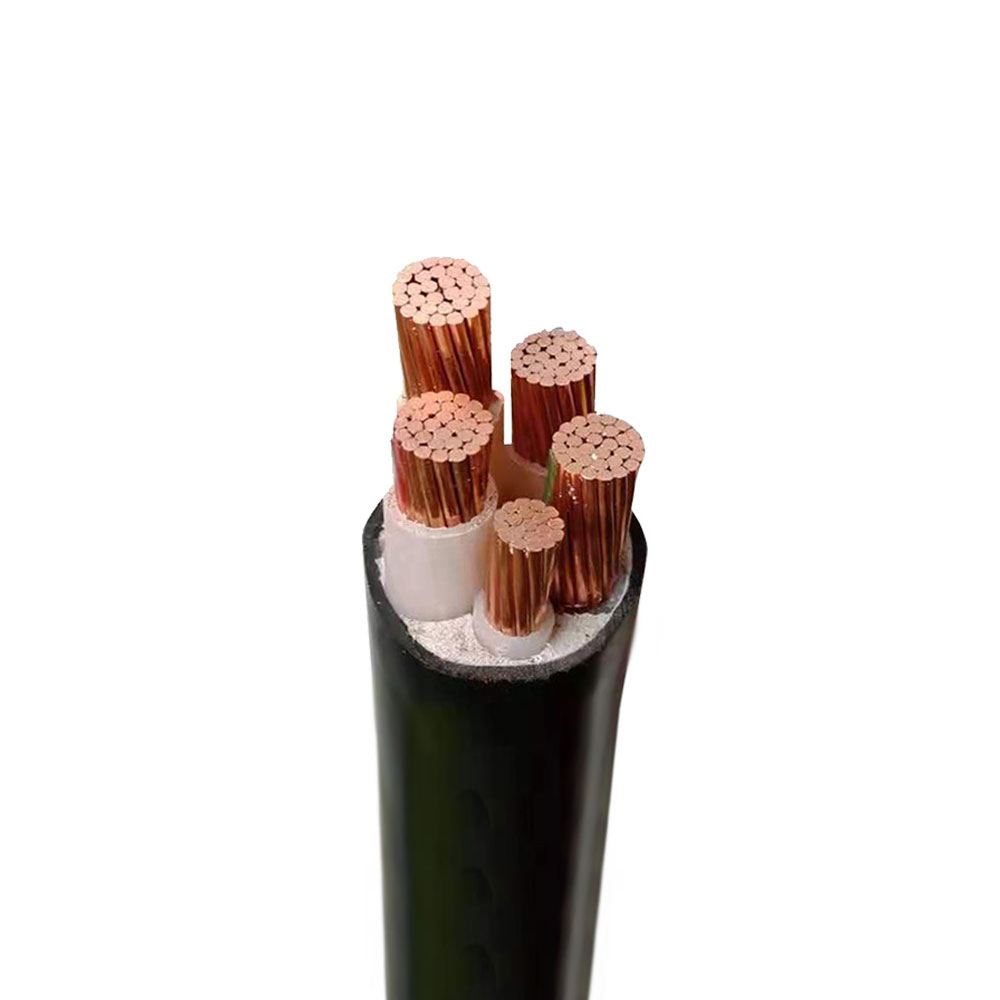
WDZB1N-YJY23 belongs to the family of XLPE insulated and sheathed power cables, with a mainstream rated voltage of 0.6/1 kV. Its design is based on copper conductors, a mineral or mica-based fire-resistant barrier, cross-linked polyethylene insulation, halogen-free inner sheathing, galvanized double steel tape armor, and a robust outer sheath. Each layer has a defined safety purpose. The conductor provides stable electrical transmission. The fire-resistant layer supports circuit integrity under flame. XLPE insulation offers excellent dielectric strength and a 90°C long-term operating temperature. The halogen-free sheath reduces toxic emissions. The steel tape armor improves compressive strength and resistance to direct burial damage.
The cable model name reflects this integrated design. “WD” indicates low-smoke halogen-free environmental safety. “ZB1” indicates a high flame-retardant combustion performance level, aligned with B1-grade requirements. “N” indicates fire resistance, meaning that the cable is designed to continue supplying power for a defined period while exposed to fire. “YJY” refers to XLPE insulation and polyethylene or polyolefin sheathing. “23” represents steel tape armored construction with an outer protective sheath. Together, these features create a cable intended not for ordinary power routes, but for projects where fire exposure and mechanical hazards may occur simultaneously.
Compared with standard power cable, this product’s value lies in its multi-hazard resistance. Many ordinary XLPE cables can transmit power efficiently under normal conditions, but they may lose insulation integrity rapidly in fire. Many flame-retardant cables can slow flame spread, but they may not maintain circuit operation when directly exposed to flame. Some armored cables resist soil pressure but may produce dense smoke or acidic gases during combustion. WDZB1N-YJY23 is positioned above these single-function solutions by combining fire endurance, flame propagation control, environmental safety, and physical protection in a single cable.
The most important advantage of WDZB1N-YJY23 is its quadruple protection concept. The first layer of protection is fire resistance. In the event of fire, the cable’s fire-resistant layer helps the conductor and insulation system maintain circuit integrity. This is essential for emergency power supply because safety equipment must continue to operate even when the surrounding environment is burning. When a cable powers a smoke extraction fan, fire pump, emergency lighting line, or alarm control device, even a short interruption can significantly reduce the effectiveness of emergency response.
The second layer is B1-grade flame retardancy. Fire-resistant performance and flame-retardant performance are different. Fire resistance focuses on continued operation under flame exposure, while flame retardancy focuses on preventing the cable itself from becoming a path for flame spread. In buildings, tunnels, underground passages, industrial corridors, and utility trenches, cables are often installed in groups. If cable materials allow rapid flame propagation, the cable route can become a channel that carries fire to other zones. B1-grade combustion performance reduces this risk by limiting heat release, flame spread, smoke generation, and related combustion hazards.
The third layer is environmental and evacuation safety. The “WD” low-smoke halogen-free characteristic is crucial during a fire. Traditional halogenated materials may release corrosive and toxic gases when burned, including acidic gases that can injure people, damage equipment, and reduce visibility. Low-smoke halogen-free polyolefin materials are selected to reduce smoke density and eliminate toxic halogen acid gas emissions. During evacuation and firefighting, clearer visibility and lower toxicity can be as important as flame control. This makes the cable particularly suitable for public buildings, underground facilities, transportation systems, and densely occupied structures.
The fourth layer is mechanical protection from the “23” steel tape armor. Directly buried cables, tunnel cables, and underground power cables can face soil pressure, construction impact, rodent damage, moisture stress, and accidental compression. The double-layer galvanized steel tape armor gives the cable high compressive strength and resistance to physical damage. This mechanical protection is especially valuable in environments where fire safety cables must also survive harsh installation conditions. Without armor, even a high-grade fire-resistant cable may be damaged before it is ever required to perform in an emergency.
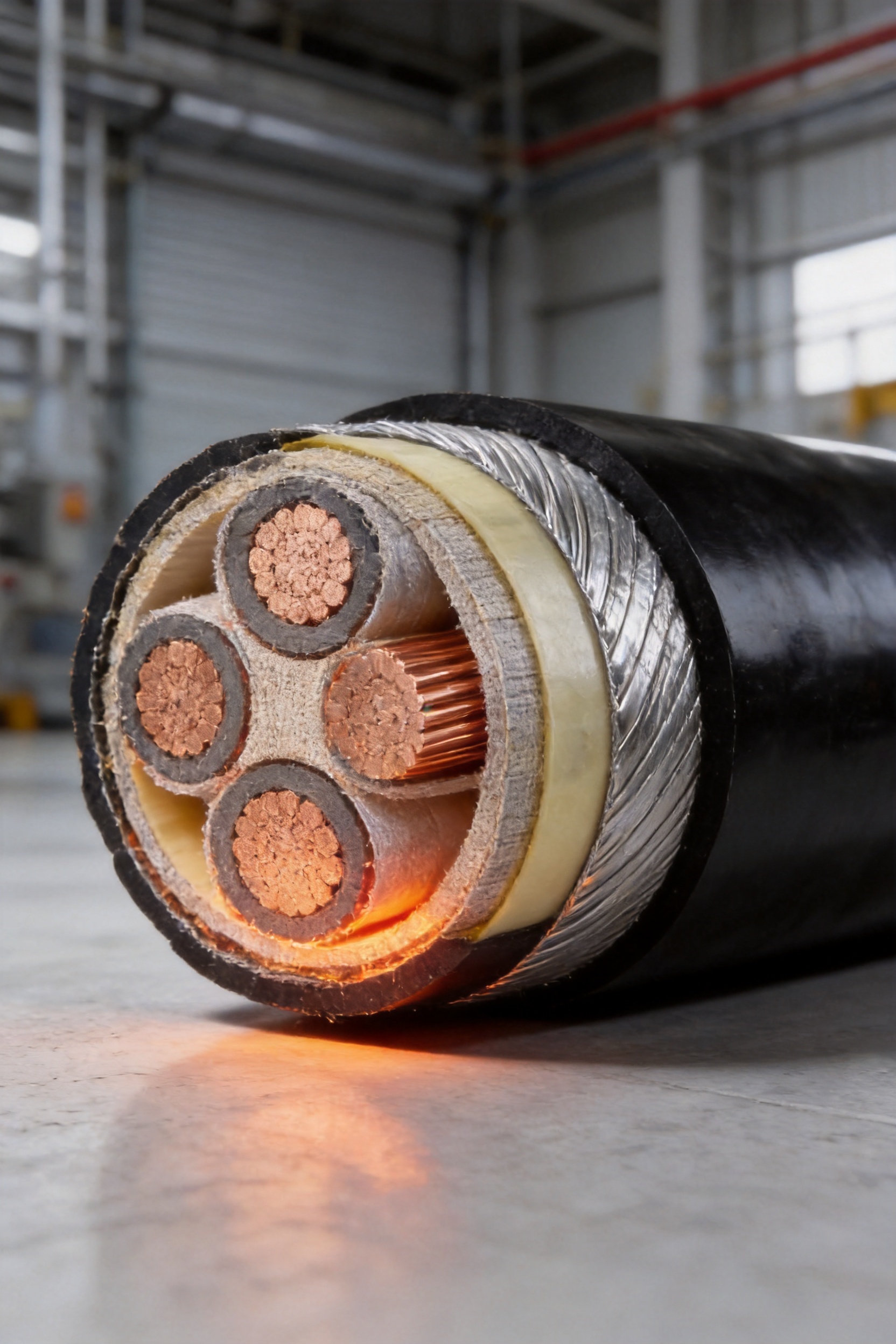
The conductor is made of copper and is specially stranded to support stable conductivity and suitable installation performance for heavy-duty power distribution. Copper offers high electrical conductivity, good thermal stability, and reliable long-term service. For fire-resistant cables, conductor quality is especially important because the cable must maintain power transmission when exposed to elevated temperatures. A precisely manufactured conductor reduces resistance imbalance, heat concentration, and local stress points. Full-core and full-length copper specifications are important quality commitments for projects that require dependable current-carrying capacity.
A fire-resistant layer, typically formed with double-layer mica tape or an equivalent mineral-insulated barrier, is applied over the conductor. Mica has excellent high-temperature resistance and electrical insulation properties. During fire exposure, this layer helps preserve circuit continuity by resisting thermal breakdown and maintaining separation between conductive parts. The wrapping process is technically demanding. The tape must be applied with controlled overlap, uniform tension, and stable positioning. Gaps, wrinkles, or inconsistent wrapping can reduce fire resistance. Therefore, manufacturing discipline in this stage directly determines the cable’s real emergency performance.
The insulation layer uses cross-linked polyethylene, commonly known as XLPE. XLPE is widely used in modern power cable because it provides excellent dielectric strength, heat resistance, and aging resistance. Its long-term operating temperature is 90°C, and its short-circuit temperature can reach 250°C for five seconds. Cross-linking improves the thermal deformation resistance of polyethylene, allowing the insulation to maintain stable electrical properties under elevated operating temperatures. In this product, XLPE works together with the fire-resistant barrier to provide both normal operating efficiency and emergency resilience.
The inner sheath is made from halogen-free polyolefin material. This layer protects the insulated cores, contributes to the low-smoke halogen-free performance, and provides a stable bedding layer beneath the armor. The selection of polyolefin material is significant because it supports environmental safety while maintaining mechanical flexibility and processing stability. For a cable with fire-resistant tape and armor, the inner sheath also helps reduce abrasion between internal cable elements and the metallic armor layer during installation and service.
The armor layer is composed of double-layer galvanized steel tape. Galvanization improves corrosion resistance, while the double tape arrangement enhances compressive strength and mechanical protection. This structure is particularly suitable for direct burial and underground installation. It resists soil pressure, accidental impact, and damage from rodents and pests. Compared with non-armored fire-resistant cable, WDZB1N-YJY23 provides a higher level of confidence where cable routes pass through utility trenches, underground passages, tunnels, industrial zones, and locations exposed to construction disturbance.
The outer sheath is made from polyethylene or halogen-free polyolefin, depending on project requirements. Polyethylene offers good moisture resistance, mechanical toughness, and environmental durability. Halogen-free polyolefin emphasizes combustion safety and low-smoke performance. The outer sheath protects the cable against environmental exposure, abrasion, and installation stress. For safety-critical projects, sheath quality is not a cosmetic detail; it is a major factor in service life, insulation protection, and fire performance consistency.
Item |
WDZB1N-YJY23 Specification and Performance |
Project Benefit |
Conductor |
Copper, specially stranded, covered with double-layer mica tape or equivalent mineral-insulated fire-resistant layer |
Stable conductivity and improved circuit integrity during fire exposure |
Insulation |
Cross-linked polyethylene, rated for 90°C long-term operation |
High dielectric strength, thermal stability, and reliable power transmission |
Inner Sheath |
Halogen-free polyolefin |
Reduced toxic emissions and improved internal protection |
Armor Layer |
Double-layer galvanized steel tape |
High compressive strength for direct burial and underground environments |
Outer Sheath |
Polyethylene or halogen-free polyolefin |
Durability, moisture resistance, and enhanced safety performance |
Rated Voltage |
0.6/1 kV mainstream application |
Suitable for common low-voltage power distribution and critical circuits |
Short-Circuit Temperature |
250°C for 5 seconds |
Improved emergency tolerance under fault conditions |
Fire Resistance |
Complies with GB/T 19216.21 and IEC 60331-1 type testing requirements, with common continuous power supply ratings under flame exposure |
Supports lifeline circuit operation during fire |
Combustion Performance |
B1 grade according to GB 31247 requirements |
Controls flame propagation, heat release, smoke density, and toxicity risks |
Minimum Bending Radius |
Very large, typically multi-core cables require 12D to 15D depending on structure |
Requires professional installation planning for safe routing |
When compared with ordinary YJV or YJY power cables, WDZB1N-YJY23 offers a significantly higher safety level. Standard XLPE insulated cables may perform well in normal electrical service, but they are not designed to maintain power supply during direct flame exposure. If used for critical fire protection circuits, they may fail at precisely the moment when the emergency system is needed most. WDZB1N-YJY23 adds a dedicated fire-resistant barrier, low-smoke halogen-free materials, and armored protection, transforming the cable from a normal power transmission component into a safety infrastructure product.
When compared with ordinary flame-retardant cables, this product provides the additional benefit of fire resistance. Flame-retardant cable can help prevent spread of flame along the cable, but it may not guarantee circuit continuity under fire conditions. In many critical projects, preventing flame spread is not enough. Emergency power circuits must continue working for a defined time under high temperature. The “N” fire-resistant feature of WDZB1N-YJY23 gives it a decisive advantage in circuits where uninterrupted function is required during emergency response.
When compared with ordinary fire-resistant cables without B1-grade combustion performance, WDZB1N-YJY23 provides broader fire safety. A fire-resistant cable may keep the circuit alive, but if its outer materials create dense smoke, high heat release, or toxic gas, it can still endanger evacuation and rescue operations. B1-grade low-smoke halogen-free design reduces these secondary fire hazards. This makes the cable more suitable for public infrastructure and regulated safety projects where both circuit integrity and human safety must be considered.
When compared with non-armored low-smoke fire-resistant cables, WDZB1N-YJY23 delivers superior mechanical protection. Underground and direct-burial applications expose cables to pressures and physical threats that a non-armored cable may not withstand. Damage during installation, soil settlement, sharp stones, pest activity, or accidental excavation can compromise insulation and reduce service life. The double galvanized steel tape armor helps the cable survive these conditions. This advantage is especially important in tunnels, buried routes, utility corridors, and industrial facilities.
When compared with lower-grade products, the most important difference is not only the material list but the manufacturing consistency. Fire-resistant cable performance depends on stable conductor stranding, accurate mica tape wrapping, controlled insulation extrusion, proper sheath compounding, armor uniformity, and rigorous inspection. A cable that looks similar externally may perform very differently under flame testing or mechanical stress if process control is weak. Anhui Zhishang Cable Technology Co., Ltd. emphasizes advanced production equipment, experienced technical personnel, product test reports, and quality assurance practices to support reliable delivery.
Anhui Zhishang Cable Technology Co., Ltd. is located in Xuanzhou District, Xuancheng City, Anhui Province, China, a key node city in the Yangtze River Delta region. The company integrates research and development, production, and sales of wire and cable products. Its modern production base covers approximately 5,000 square meters and is equipped with automated production lines designed to improve consistency, efficiency, and quality control. The company’s team includes quality engineers and R&D technicians with more than 10 years of industry experience, allowing it to support both standard cable production and customized project requirements.
The manufacturing of WDZB1N-YJY23 requires more than routine cable extrusion. The conductor must be produced with reliable stranding precision to ensure electrical performance and dimensional consistency. The fire-resistant layer must be applied with proper overlap and uniform tension. XLPE insulation must be extruded evenly to maintain dielectric strength and avoid weak spots. The halogen-free sheath materials must be processed under controlled conditions to maintain physical properties and combustion performance. The steel tape armor must be applied securely without damaging the inner sheath. Finally, the outer sheath must provide continuous protection without defects.
The company operates 10 automated production lines and can achieve monthly output of up to 10 million meters across its product range. Automation is especially valuable for safety cables because it reduces variability in dimensions, extrusion thickness, wrapping tension, and surface quality. While human expertise remains essential, automated equipment supports repeatability, which is vital when cables must comply with demanding fire and safety requirements. For customers, this means more stable batch quality and better confidence in large-volume project supply.
Quality assurance is based on a practical philosophy: good cable is not only a competition of materials, but also a reflection of craftsmanship, process stability, and responsibility. For standard cable models, the company supports full-core, full-length, pure copper specifications, product test reports, and warranty support. These commitments are meaningful for engineering projects because cable failures can be expensive to locate and repair after installation. Ensuring correct conductor material, length accuracy, insulation quality, and compliance documentation helps reduce project risk from procurement to final operation.
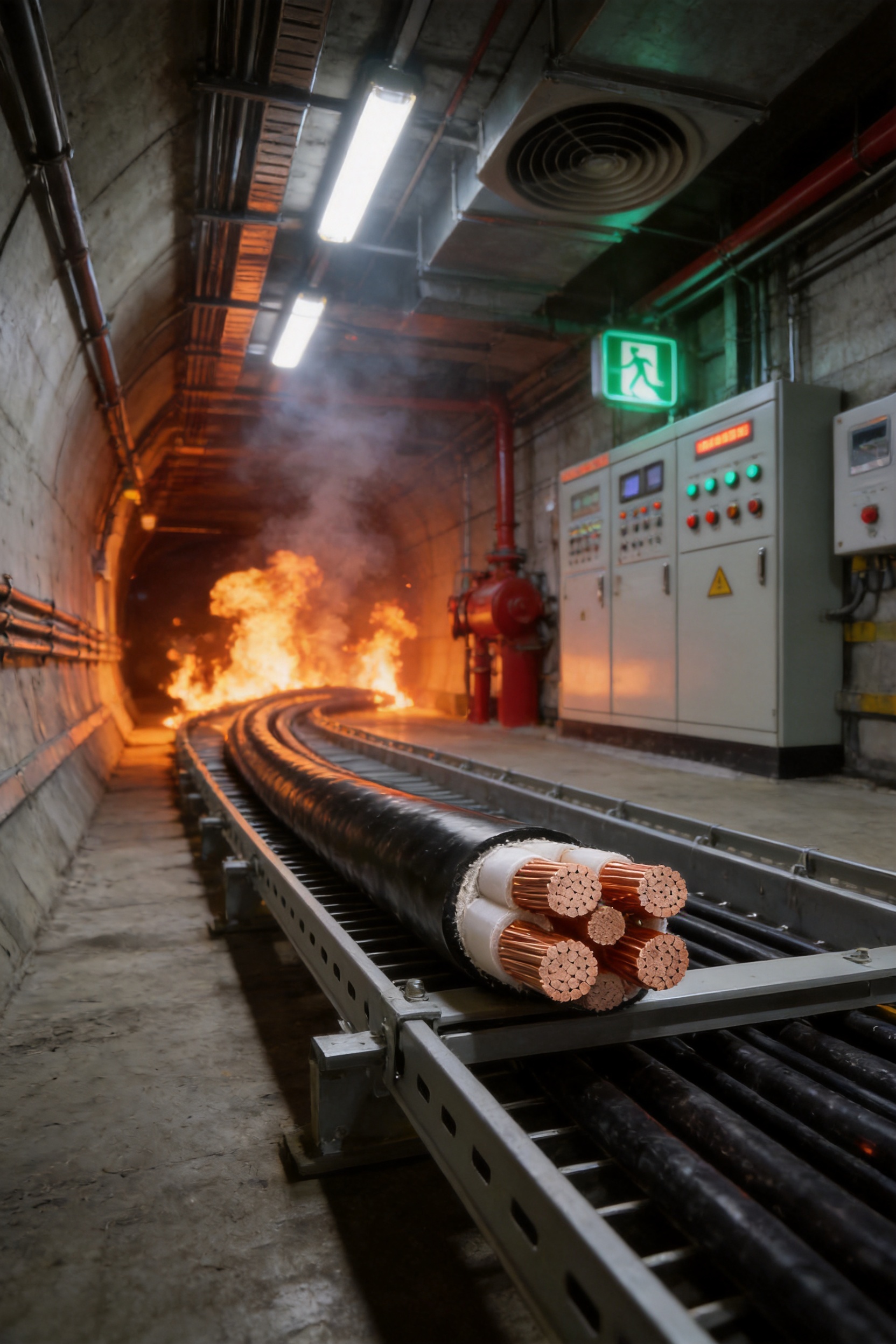
The selection of mica tape or equivalent mineral-insulated fire-resistant layers is one of the defining technical decisions in WDZB1N-YJY23. In a fire, ordinary polymer materials soften, melt, carbonize, or lose dielectric strength. A mineral fire-resistant layer can help preserve an insulating barrier around the conductor even at very high temperatures. The quality of this layer depends on the material itself and the precision of application. Double-layer wrapping improves coverage and reduces the risk of gaps that could compromise circuit integrity.
Halogen-free polyolefin materials are selected to reduce danger during combustion. In underground passages, tunnels, basements, hospitals, data centers, commercial complexes, and transport hubs, smoke and toxic gas can be more dangerous than flame. Dense smoke reduces visibility and causes panic, while acidic gases can injure lungs and corrode sensitive equipment. The cable’s low-smoke halogen-free performance, including pH and conductivity characteristics of combustion gases, supports safer evacuation and reduced secondary damage. This is a major advantage over cable products that use conventional halogenated sheath materials.
XLPE insulation remains a strong choice because it balances electrical performance, thermal endurance, and long-term reliability. The 90°C long-term operating temperature allows efficient operation in many power distribution applications. Its 250°C short-circuit tolerance for five seconds supports resilience during fault events. However, because WDZB1N-YJY23 includes a fire-resistant layer and armor, designers must account for thermal dissipation differences. The cable’s current-carrying capacity may require correction, commonly using a factor such as 0.7 to 0.85 depending on installation conditions and engineering calculations. Proper selection is essential for safe, long-term operation.
Galvanized steel tape armor provides a practical balance of strength, processability, and protection. Steel tape armor is well suited for cables that may be directly buried or installed in underground environments where compression and impact are concerns. The double-layer arrangement increases resistance to pressure and mechanical damage. Compared with lighter mechanical protection methods, steel tape armor gives the cable a more robust structure. Compared with some alternative heavy armor designs, it can remain practical for 0.6/1 kV power distribution routes where cost, safety, and installation feasibility must be balanced.
WDZB1N-YJY23 is especially suitable for critical fire protection power circuits in buildings and infrastructure. Typical applications include fire pump power supply lines, emergency lighting feeders, smoke exhaust fan circuits, sprinkler system control power, fire alarm system power, emergency command center power, fire elevator circuits, underground station safety systems, and other loads that must remain energized during a fire. These applications are often subject to strict design codes because cable failure can disable life safety systems.
In underground passages and tunnels, the cable’s combination of fire resistance, B1 flame retardancy, low-smoke halogen-free performance, and steel tape armor is highly valuable. Tunnels present unique risks: limited ventilation, restricted evacuation paths, high smoke accumulation, and difficult firefighting access. A cable used in these locations must avoid accelerating fire spread, minimize toxic smoke, continue powering safety equipment, and withstand mechanical stress from installation and environmental conditions. WDZB1N-YJY23 is engineered precisely for such overlapping hazards.
In direct burial applications, the steel tape armor provides essential mechanical strength. Soil pressure, settlement, rocks, pests, and construction activity can damage unarmored cables. If the cable also feeds critical fire protection equipment, mechanical failure may remain hidden until the emergency system is required. Using an armored fire-resistant cable reduces this hidden risk. The product is suitable for buried routes connecting pump rooms, emergency power distribution panels, outdoor fire protection facilities, tunnel equipment rooms, and building service areas.
In large public buildings, the cable supports both compliance and practical safety. Airports, railway stations, hospitals, commercial centers, schools, exhibition halls, and high-rise buildings often require cable systems with low smoke, flame retardancy, and fire-resistant performance. These locations have high occupancy and complex evacuation requirements. A cable that reduces smoke toxicity and maintains emergency power improves the overall resilience of the building’s fire protection design. For project owners, the product helps reduce operational risk and supports a higher standard of safety infrastructure.
Industrial facilities can also benefit from the product. Manufacturing plants, chemical auxiliary areas, intelligent manufacturing workshops, power engineering installations, and automation systems may include cable routes exposed to mechanical hazards and fire risks. While not every industrial circuit requires this high level of cable protection, critical safety circuits and emergency power feeders often do. The cable’s robust construction helps protect essential loads in harsh environments where ordinary power cable may not provide adequate assurance.
Although WDZB1N-YJY23 offers exceptional performance, correct engineering selection remains essential. The fire-resistant layer and steel tape armor increase the cable’s outer diameter, weight, rigidity, and thermal resistance. This means the cable is more difficult to bend and install than standard power cable. Designers should confirm route space, bending radius, pulling force, tray or trench dimensions, termination methods, and installation equipment before procurement. Professional installation teams are recommended, especially for large cross-sections or multi-core structures.
Current-carrying capacity must be calculated with care. The fire-resistant layer and armor affect heat dissipation, and the actual ampacity may be lower than that of a non-fire-resistant, non-armored cable with the same conductor cross-section. Engineering correction factors are necessary, typically depending on installation method, ambient temperature, grouping, soil thermal resistivity, duct conditions, and cable arrangement. Using a simple comparison based only on conductor size can lead to overheating or shortened service life. A reliable supplier should provide technical guidance for selection.
Installation bending radius is another important factor. The cable is relatively rigid because of the fire-resistant layer and double steel tape armor. Multi-core cables may require a minimum bending radius of 12D to 15D, depending on the final structure. Sharp bending can damage internal layers, deform armor, or reduce insulation reliability. Cable drums should be handled properly, pulling should be controlled, and cable routes should be designed with smooth bends. The installation team should avoid dragging the cable over sharp surfaces that could damage the sheath.
Terminations and joints must also be selected carefully. Fire-resistant cables can lose system integrity if accessories are not compatible or properly installed. Cable glands, lugs, sealing systems, and junction boxes should match the cable’s diameter, armor structure, voltage rating, and environmental requirements. In fire protection circuits, the weakest point is often not the cable body but the joint or termination. Therefore, the complete circuit should be designed as a fire-resistant system rather than treating the cable alone as the only safety element.
Safety cable production requires a combination of material knowledge, process control, and testing discipline. Anhui Zhishang Cable Technology Co., Ltd. has developed its capabilities around integrated cable solutions for industrial automation, weak current engineering, intelligent manufacturing, appliance equipment, power engineering, and related fields. This broad experience supports the company’s ability to understand project requirements beyond a single product specification. Customers often need cable selection guidance, customized design, documentation, and timely delivery, not only a catalog item.
The company’s R&D team supports OEM and ODM development based on customer drawings or samples. This capability is valuable because safety projects can vary in conductor size, core number, sheath material, installation environment, and performance requirements. A standard model may meet many applications, but some projects require tailored solutions. Technical engineers can assist with cable design, material selection, structural optimization, and production feasibility. For international customers, this flexibility helps align cable supply with project documentation and engineering expectations.
The company emphasizes national standards, relevant international standards, and industry benchmarks. This is important for WDZB1N-YJY23 because fire resistance and combustion performance must be verified against recognized test methods. Standards such as GB/T 19216.21, IEC 60331-1, and GB 31247 provide structured ways to evaluate circuit integrity, flame behavior, heat release, smoke density, and toxicity. A responsible manufacturer understands that safety claims must be supported by material selection, process records, and testing rather than marketing language alone.
Production capacity also matters for large projects. With automated production lines and monthly output capacity reaching up to 10 million meters across its cable range, the company can support both stocked standard products and customized lead times. Standard products can be arranged for fast shipment, while customized products typically require 7 to 20 days depending on specification complexity. Reliable lead time is essential for construction schedules, especially when cable installation is on the critical path of project completion.
The “environmental protection and safety” concept of WDZB1N-YJY23 is not limited to low-smoke halogen-free combustion performance. It also reflects a broader approach to responsible cable selection. A cable that lasts longer, resists damage, and reduces fire hazards contributes to lower lifecycle risk. Replacing failed buried cables can be costly, disruptive, and resource-intensive. Selecting a robust armored fire-resistant cable at the design stage can reduce maintenance interventions and improve long-term infrastructure reliability.
Green manufacturing and responsible production practices are increasingly important in the cable industry. Anhui Zhishang Cable Technology Co., Ltd. emphasizes continuous innovation and environmental responsibility while expanding into international markets. Its products are sold in the United States, Canada, Australia, Japan, and parts of Eurasia. For international buyers, this demonstrates a willingness to serve diverse technical requirements and market expectations. The company’s philosophy of quality orientation, integrity foundation, and stability priority supports long-term cooperation rather than one-time transactions.
From a cost perspective, WDZB1N-YJY23 is a high-performance product with a higher price than ordinary cable. The materials are more complex, including mica tape or mineral fire-resistant barriers, specialized halogen-free compounds, XLPE insulation, and galvanized steel tape armor. The manufacturing process is also more demanding. However, evaluating this cable only by purchase price would be incomplete. For critical circuits, the cost of failure can be far greater than the cost difference between ordinary cable and a properly engineered safety cable.
In risk-sensitive projects, value should be measured by reliability, compliance support, emergency performance, installation protection, and lifecycle safety. WDZB1N-YJY23 is not designed to be the cheapest cable for ordinary circuits. It is designed to be the right cable for circuits where failure is unacceptable. This distinction is important for engineers, procurement teams, and project owners. The product’s premium construction is justified when it protects emergency power continuity, reduces fire propagation, and improves evacuation safety.
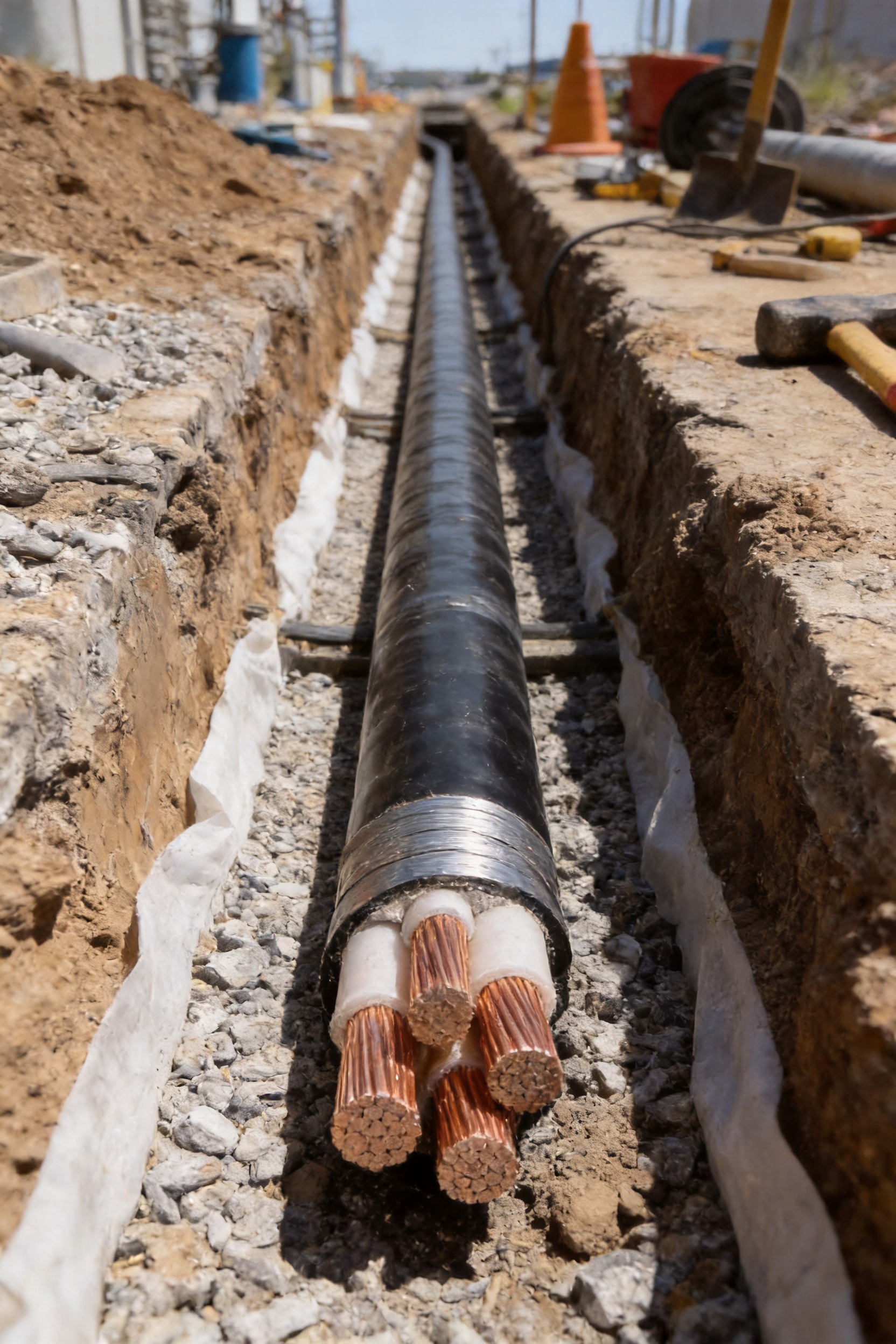
When specifying WDZB1N-YJY23, buyers should provide clear project information, including rated voltage, conductor cross-section, number of cores, installation method, fire resistance duration requirement, flame-retardant grade requirement, sheath material preference, route environment, and required documentation. If the cable will be directly buried, details such as soil conditions, burial depth, mechanical protection measures, and expected ambient temperature are useful. If installed in tunnels or underground passages, information about ventilation, grouping, tray layout, and emergency circuit function should be included.
Buyers should also confirm whether the project requires specific test reports, factory inspection records, third-party testing, packaging requirements, drum lengths, marking language, or export documentation. For international projects, communication about applicable standards is essential. The same cable structure may need to be described differently depending on local regulation, engineering consultants, or tender documents. Early technical discussion can reduce misunderstanding and help ensure that supplied cable matches the intended application.
Because this cable is heavy and rigid, logistics and site handling should not be overlooked. Cable drums must be suitable for the cable diameter and weight. Storage areas should be dry, stable, and protected from mechanical damage. During installation, the cable should be pulled using appropriate equipment, rollers, and guidance systems. The pulling direction should follow the drum rotation mark, and the cable should not be twisted or kinked. Good installation practice is part of total cable reliability.
WDZB1N-YJY23 is designed for critical power circuits that must remain operational during fire and also require strong mechanical protection. It is commonly used for lifeline circuits such as fire pumps, smoke exhaust systems, emergency lighting, fire elevators, alarm systems, underground facilities, and tunnel safety equipment.
Ordinary XLPE power cable mainly focuses on normal power transmission. WDZB1N-YJY23 adds a fire-resistant layer, B1-grade flame-retardant performance, low-smoke halogen-free materials, and galvanized steel tape armor. These features allow it to address fire exposure, flame spread, toxic smoke, and mechanical damage at the same time.
No. Flame retardancy means the cable helps limit flame propagation and reduces combustion hazards. Fire resistance means the cable can maintain circuit integrity for a defined period under flame exposure. WDZB1N-YJY23 combines both properties, making it suitable for more demanding safety applications.
During a fire, toxic smoke and corrosive gases can endanger people and damage equipment. Low-smoke halogen-free materials reduce smoke density and avoid toxic halogen acid gas emissions. This improves evacuation visibility, supports rescue operations, and reduces secondary damage to electrical and electronic systems.
The double-layer galvanized steel tape armor provides high compressive strength and mechanical protection. It helps the cable resist soil pressure, impact, pest damage, and external mechanical stress. This makes the product suitable for direct burial, tunnels, underground passages, and other harsh environments.
The cable is more difficult to install than ordinary power cable because it has a larger outer diameter, heavier weight, and greater rigidity. Professional installation planning is recommended. The bending radius, pulling force, routing space, and termination accessories should be confirmed before installation.
Yes. The fire-resistant layer and armor can reduce heat dissipation compared with non-fire-resistant cables of the same conductor cross-section. Engineering correction factors should be applied during design. Depending on conditions, the current-carrying capacity may require a correction factor such as 0.7 to 0.85.
Relevant references include GB/T 19216.21 and IEC 60331-1 for fire resistance testing, and GB 31247 for combustion performance rating such as B1 grade. Actual project requirements should be confirmed according to local regulations, tender specifications, and engineering design documents.
Yes. Anhui Zhishang Cable Technology Co., Ltd. supports OEM and ODM development based on customer drawings, samples, or project requirements. Customization may include conductor size, core configuration, sheath material, performance requirements, packaging, marking, and documentation.
WDZB1N-YJY23 is intended for critical circuits where failure could affect life safety and emergency response. Although the initial cost is higher, it provides fire endurance, flame control, low-smoke environmental safety, and mechanical protection. For lifeline circuits, reliability and safety value are more important than the lowest purchase price.
WDZB1N-YJY23 Environmental Protection and Safety XLPE Insulated and Sheathed Power Cable is a premium solution for critical low-voltage power distribution systems. Its value comes from the integration of four essential protections: fire resistance, B1-grade flame retardancy, low-smoke halogen-free safety, and steel tape armored mechanical strength. This combination makes it suitable for demanding environments where ordinary power cables, standard flame-retardant cables, or non-armored fire-resistant cables may not provide adequate protection.
The cable is particularly relevant for lifeline circuits in fire protection systems, underground routes, tunnels, direct-burial applications, large public buildings, and industrial safety systems. It helps maintain emergency power, reduce flame spread, minimize toxic smoke, and resist mechanical damage. At the same time, its installation and design require professional attention because of its larger diameter, higher weight, rigidity, and ampacity correction requirements.
Supported by the manufacturing capabilities of Anhui Zhishang Cable Technology Co., Ltd., including automated production lines, experienced engineers, R&D support, quality assurance practices, and customization capabilities, WDZB1N-YJY23 offers more than a product specification. It represents a complete safety-oriented cable solution for projects that demand reliability under extreme conditions. For engineers, contractors, and project owners seeking dependable cable performance in hazardous environments, this product provides a strong balance of technical protection, compliance support, and long-term value.
GB/T 19216.21, Tests for Electric Cables Under Fire Conditions: Circuit Integrity Test Methods.
IEC 60331-1, Tests for Electric Cables Under Fire Conditions: Circuit Integrity.
GB 31247, Classification for Burning Behavior of Electric Wires and Cables.
IEC 60502-1, Power Cables with Extruded Insulation and Their Accessories for Rated Voltages from 1 kV to 3 kV.
General Engineering Practice for Low-Smoke Halogen-Free Flame-Retardant and Fire-Resistant Power Cable Selection.

We firmly believe that good cables are not only a competition of materials, but also a reflection of craftsmanship, quality, and responsibility.

Links
Product
Send Inquiry
No. 29 Sankeshu Road, Xuanzhou District, Xuancheng City, Anhui Province, China
+86-18621104555/+86-563-2622999
 Electrical Cable Manufacturer
OEM/ODM Wire and Cable Solutions
Electrical Cable Manufacturer
OEM/ODM Wire and Cable Solutions
 English
 Español
 عربى
عربى
 русский