
Get more content that can help you
Content
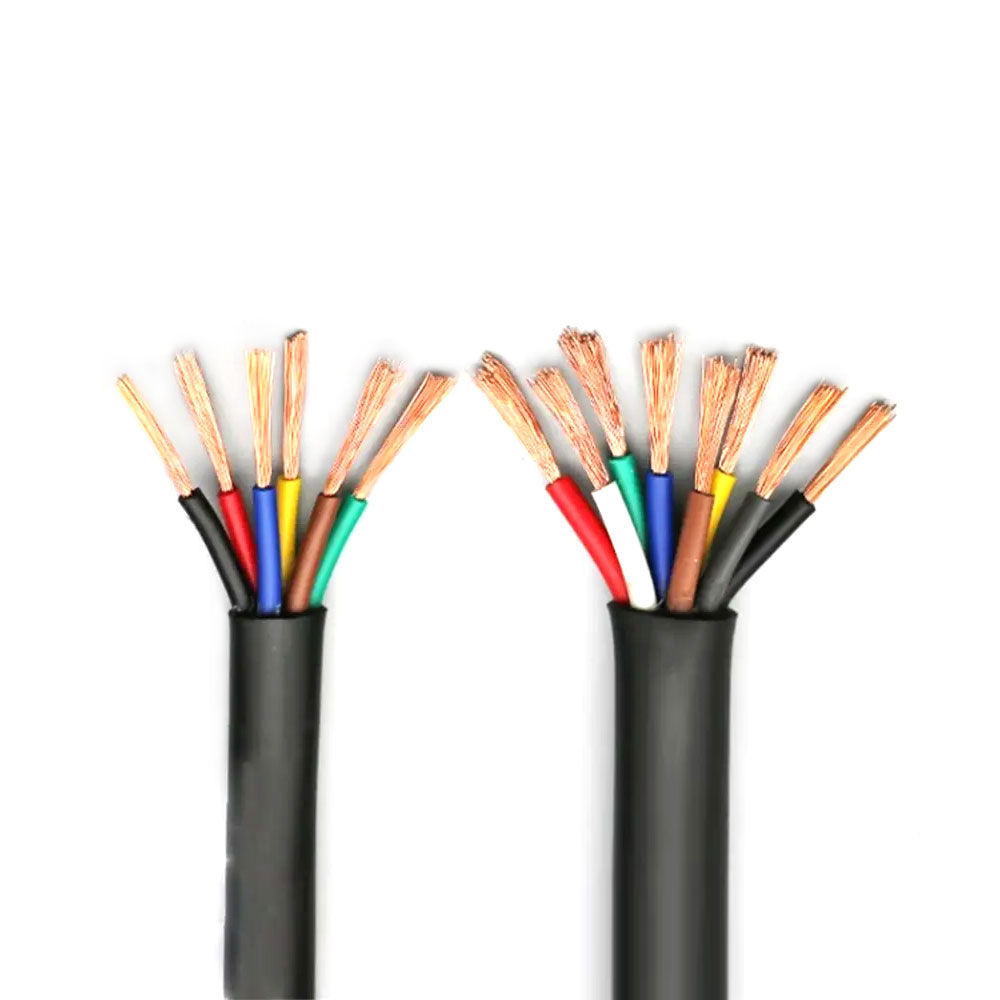
VV32 PVC insulated and sheathed power cable is a low-voltage armored power cable designed for fixed power transmission in environments where axial tensile strength, mechanical protection, and long-term installation stability are critical. With copper conductors, PVC insulation, PVC inner sheath, fine round steel wire armor, and PVC outer sheath, the cable provides a practical balance of electrical performance, mechanical durability, installation reliability, and cost control for power distribution projects.
In many industrial, construction, mining, tunnel, shaft, and outdoor utility applications, a cable is not required merely to conduct electricity. It must also survive the physical stresses created by vertical routing, elevation differences, pulling force during installation, vibration, rodents, moisture, and external mechanical impact. VV32 cable is developed for these conditions. Its key feature is the “32” structure, in which “3” represents fine round steel wire armor and “2” represents a PVC outer sheath. This steel wire armor differentiates VV32 from steel tape armored products such as VV22 and gives it a significant advantage in applications involving tensile force.
Unlike standard non-armored PVC power cables, VV32 is not limited to protected indoor raceways or light-duty fixed installation routes. The steel wire armor helps distribute external pulling forces along the cable length, reducing the risk of conductor damage, insulation deformation, or cable breakage caused by self-weight in vertical installations. This makes VV32 a preferred choice for shafts, high-rise building risers, slopes, mines, cable tunnels, utility corridors, suspended routes, and other installations where the cable may be exposed to continuous or intermittent axial stress.
At the same time, VV32 remains a practical and economical solution. It retains the mature, stable, and widely used PVC insulation and sheathing system of the VV series. PVC provides good general electrical insulation, moisture resistance, processability, and outer protection under normal low-voltage power distribution conditions. For projects that do not require halogen-free, low-smoke, or high-temperature cable structures, VV32 offers a dependable and cost-effective armored power cable option.
VV32 PVC Insulated and Sheathed Power Cable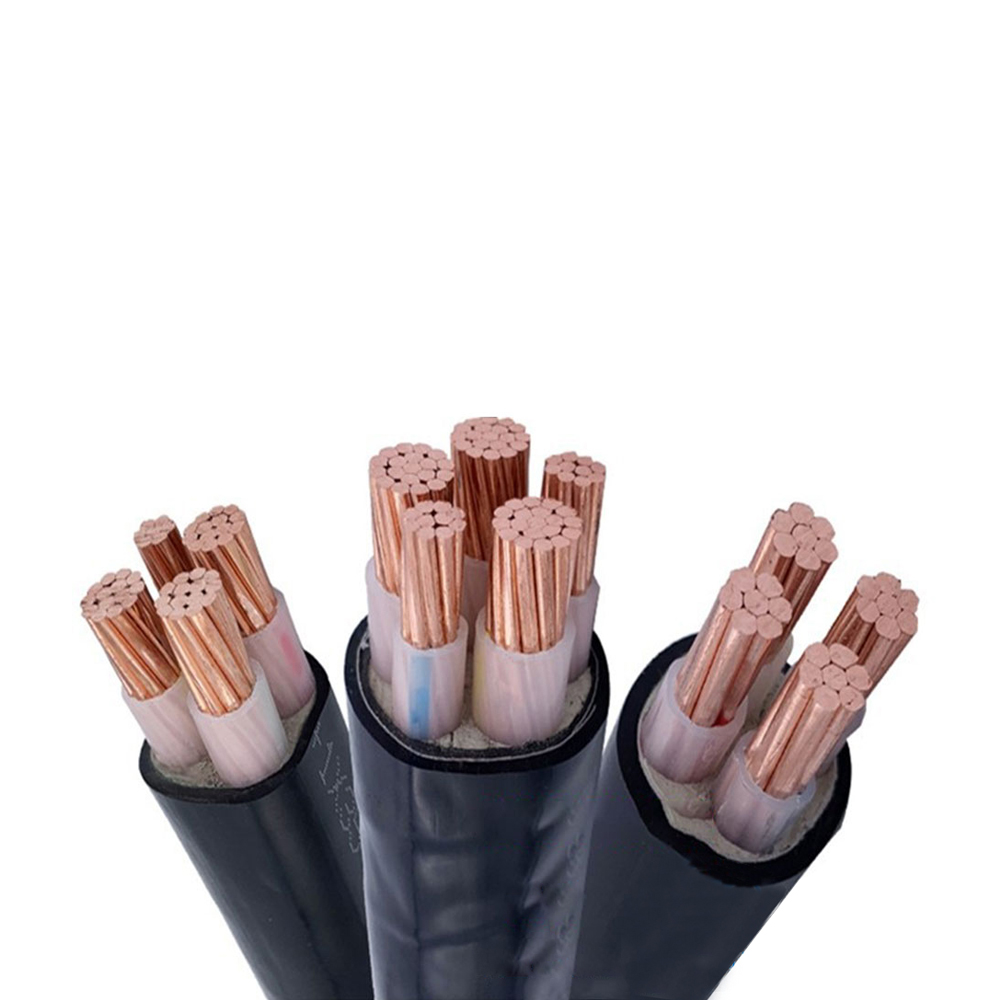
VV32 PVC insulated and sheathed power cable is generally rated at 0.6/1 kV and is suitable for fixed installation in power networks, industrial facilities, civil construction systems, and infrastructure projects. Its copper conductor provides excellent electrical conductivity and stable current carrying performance. The PVC insulation ensures electrical separation between cores and supports normal long-term operation at conductor temperatures up to 70°C. The PVC inner sheath provides bedding and protection beneath the armor layer, while the fine round steel wire armor gives the cable its defining tensile strength. The PVC outer sheath protects the armor from corrosion and environmental exposure.
The cable can be manufactured in a wide cross-sectional range, typically from 1.5 mm² to 800 mm², depending on design requirements and applicable standards. Multi-core configurations can be selected according to the power system, equipment connection, and installation environment. Because steel wire armor increases cable stiffness, the minimum bending radius is relatively large, often not less than 15 times the overall cable diameter for multi-core structures. This must be considered during installation planning, especially in shafts, risers, tunnel corners, cable trays, and tight route transitions.
The standard VV32 type is not inherently flame-retardant and contains halogens because it uses PVC materials. For ordinary fixed power transmission projects without special flame-retardant or halogen-free requirements, this structure is effective and economical. Where flame-retardant performance is required, a flame-retardant version such as ZR-VV32 should be selected. Where low-smoke halogen-free characteristics are required, other specialized cable types should be considered. A professional cable selection process should always evaluate voltage, current, environment, mechanical stress, fire safety requirements, laying method, and applicable regulatory standards.
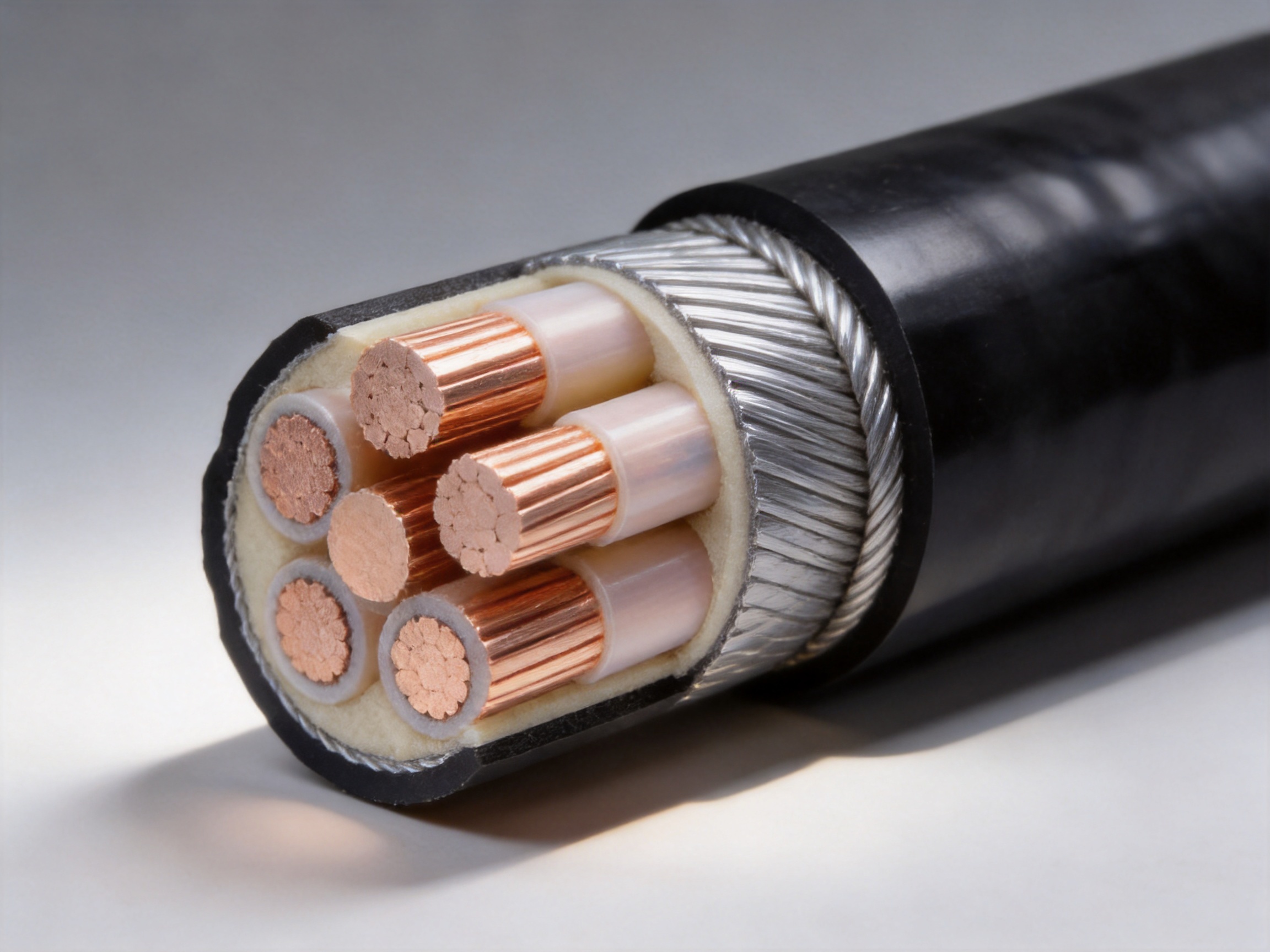
The performance of VV32 cable comes from the coordination of each layer. The conductor, insulation, inner sheath, armor, and outer sheath each serve a specific function, and their combined structure allows the cable to provide both power transmission and mechanical protection.
The conductor is the core electrical pathway of the cable. Copper is widely used because of its excellent conductivity, stable electrical performance, good ductility, and proven reliability in power distribution systems. A properly manufactured copper conductor reduces electrical resistance, supports efficient current transmission, and helps control operating temperature under rated load conditions.
For power engineering projects, conductor quality is not a minor detail. Variations in conductor purity, cross-sectional consistency, strand compaction, or surface condition can influence resistance, heat generation, voltage drop, and long-term safety. High-quality manufacturing focuses on full-core, full-length copper conductor performance and dimensional accuracy, helping ensure that the cable meets design expectations throughout its service life.
Polyvinyl chloride insulation provides the electrical barrier around each conductor. It is widely used in low-voltage power cables because it offers reliable insulation performance, good processing stability, and favorable cost efficiency. In VV32 cable, PVC insulation supports long-term conductor operation at up to 70°C and short-circuit temperature resistance up to 160°C under specified conditions.
PVC insulation also contributes to moisture resistance and mechanical protection at the core level. During manufacturing, insulation thickness, concentricity, surface smoothness, and adhesion must be controlled carefully. Uniform insulation reduces the possibility of weak spots and helps the cable pass voltage withstand testing, including typical 3.5 kV for 5 minutes tests used for this class of cable.
The inner sheath serves as a protective bedding layer between the insulated cores and the steel wire armor. It helps preserve the shape of the cable core assembly, protects insulation from direct contact with the armor, and provides a smoother base for armoring. Without a properly formed inner sheath, the armor could cause localized pressure, abrasion, or deformation during manufacturing, installation, or service.
A well-extruded inner sheath improves the structural integrity of the cable. It also contributes to moisture resistance and helps maintain the relative position of the insulated cores. For armored cables installed in demanding environments, this intermediate layer plays an important role in maintaining reliability over time.
The steel wire armor is the defining feature of VV32 cable. It provides high tensile strength and moderate radial compression resistance. Compared with steel tape armor, round steel wire armor is more effective at handling axial pulling force. This makes it especially valuable for vertical installation, inclined routing, suspended installation, and power supply systems where the cable must support its own weight over long distances.
In a vertical shaft or high-rise riser, the weight of a cable can create continuous downward force. Over time, this force may stress the conductor and insulation if the cable lacks adequate tensile reinforcement. Steel wire armor distributes the force across the armor layer, reducing stress on the electrical core. This is the fundamental reason VV32 is preferred over VV22 in installations involving elevation differences and long-term tension.
The armor also offers useful protection against impact, squeezing, and rodent damage. While VV22 steel tape armor may provide stronger radial compression resistance in some buried applications, VV32 provides a better balance when axial tension is the dominant mechanical concern. In dynamic environments with minor movement or vibration, steel wire armor can also provide a degree of adaptability that helps protect the cable from mechanical fatigue.
The PVC outer sheath protects the steel wire armor and the inner cable structure from moisture, corrosion, abrasion, and general environmental exposure. Since steel can corrode if left unprotected, outer sheath integrity is essential. The sheath also provides a smooth external surface for installation and reduces direct contact between the armor and surrounding soil, concrete, cable tray surfaces, or tunnel supports.
Outer sheath quality is especially important for outdoor and underground applications. Defects such as cracks, thin spots, bubbles, or poor extrusion uniformity can compromise long-term protection. Advanced extrusion control and inspection procedures are therefore essential in producing reliable armored power cables.
Item |
Specification |
Engineering Significance |
Product Type |
VV32 PVC insulated and sheathed power cable |
Designed for fixed low-voltage power transmission with steel wire armor protection. |
Conductor |
Copper, typical cross-sectional range from 1.5 mm² to 800 mm² |
Provides stable conductivity, low resistance, and reliable current transmission. |
Insulation |
Polyvinyl chloride, PVC |
Ensures electrical insulation and supports long-term operation at rated temperature. |
Inner Sheath |
Polyvinyl chloride, PVC |
Protects insulated cores and provides bedding for the armor layer. |
Armor Layer |
Fine round steel wire armor |
Provides high tensile strength, torsion resistance, and mechanical protection. |
Outer Sheath |
Polyvinyl chloride, PVC |
Protects armor from corrosion, moisture, abrasion, and environmental damage. |
Rated Voltage |
0.6/1 kV |
Suitable for common low-voltage power distribution systems. |
Maximum Long-Term Conductor Temperature |
70°C |
Defines normal thermal operating limit for the PVC insulated structure. |
Maximum Short-Circuit Temperature |
160°C |
Defines short-duration thermal withstand capacity under fault conditions. |
Installation Temperature |
Not lower than 0°C |
Helps prevent insulation and sheath cracking during installation. |
Minimum Bending Radius |
Typically not less than 15 times the cable diameter for multi-core cables |
Important for route planning because steel wire armor increases stiffness. |
Test Voltage |
3.5 kV for 5 minutes |
Verifies insulation integrity and manufacturing quality. |
Flame Retardancy |
Standard type is not flame-retardant; ZR-VV32 should be selected when needed |
Ensures correct product selection for fire safety requirements. |
Non-armored PVC power cable can be suitable for protected fixed installations where mechanical damage risk is low. However, it is vulnerable in environments involving external impact, pulling force, rodents, buried laying, or vertical suspension. VV32 provides a much higher level of mechanical security because of its steel wire armor.
In power systems where downtime is costly, mechanical protection can be as important as electrical performance. A cable that is electrically adequate but mechanically weak may fail prematurely if exposed to stress beyond its design range. VV32 reduces this risk by adding a robust armor layer that protects the internal conductors and insulation from many common external hazards.
VV22 and VV32 are both armored PVC power cables, but they are optimized for different mechanical challenges. VV22 typically uses steel tape armor, which provides strong radial compression resistance and is useful for direct burial or environments where crushing forces are the primary concern. VV32, by contrast, uses fine round steel wire armor, making it much better for axial tensile force.
This distinction is critical. In vertical installations, long suspended routes, shafts, mines, high-rise buildings, and areas with significant elevation differences, the cable may be pulled by its own weight or by external mechanical forces. Steel tape armor is not as effective in distributing axial load along the cable length. Steel wire armor is specifically better suited for this purpose. As a result, VV32 is the more appropriate choice when tensile strength is a major selection criterion.
VV32 also offers good torsion resistance and dynamic adaptability. In applications where minor vibration, movement, or displacement may occur, the round wire armor can provide protective flexibility. This makes it useful for powering conveyors, lifting devices, and installations in tunnels or industrial sites where cables may be exposed to moderate mechanical activity.
Some applications require low-smoke halogen-free cable, flame-retardant cable, fire-resistant cable, or high-temperature cable. However, many ordinary low-voltage power distribution projects do not require these advanced material systems. In such cases, selecting an unnecessarily specialized cable may increase project cost without delivering proportional value.
VV32 offers a practical middle ground. It provides strong mechanical protection and tensile performance while using mature PVC insulation and sheathing. For projects where the operating temperature is within 70°C, where halogen-free performance is not mandatory, and where standard flame-retardant behavior is not required, VV32 can deliver dependable performance at a competitive cost.
Vertical installation is one of the strongest reasons to select VV32. Cables installed in shafts, tall structures, mines, or risers can experience continuous axial tension. Without armor designed for tensile loading, the cable may gradually deform, stretch, or suffer internal damage. VV32’s fine steel wire armor helps the cable withstand such stress and maintain long-term structural integrity.
Suspended power supply lines in industrial facilities also benefit from the steel wire armored structure. When cables cross open areas, run along long supports, or connect equipment at different elevations, tensile strength becomes essential. VV32 is designed to handle this challenge more effectively than non-armored cable and more appropriately than steel tape armored cable.
In high-rise buildings, cables often travel vertically between floors through riser shafts. The cable’s own weight can create considerable stress, especially for large cross-sectional conductors or long continuous lengths. VV32 is suitable for these routes because the steel wire armor provides tensile reinforcement. It can help maintain stability and reduce risk during long-term operation.
For building power distribution systems, reliability is essential. Cable replacement in riser shafts can be difficult, disruptive, and expensive. Choosing a cable with sufficient tensile and mechanical strength at the beginning of a project improves operational security and reduces maintenance risk.
Mining environments often involve vertical or inclined cable routes, mechanical stress, moisture, vibration, and possible rodent or pest damage. VV32’s armored structure makes it suitable for fixed power supply in many mining-related installations where strong tensile performance is required. Its steel wire armor provides resistance against pulling forces and external damage, while the PVC sheath gives general environmental protection.
Because mining environments may have specific safety and flame-retardant requirements, project engineers should confirm whether standard VV32 is sufficient or whether a flame-retardant or mining-specific cable version is required. Nevertheless, the steel wire armored principle remains highly relevant for shaft and elevation-difference applications.
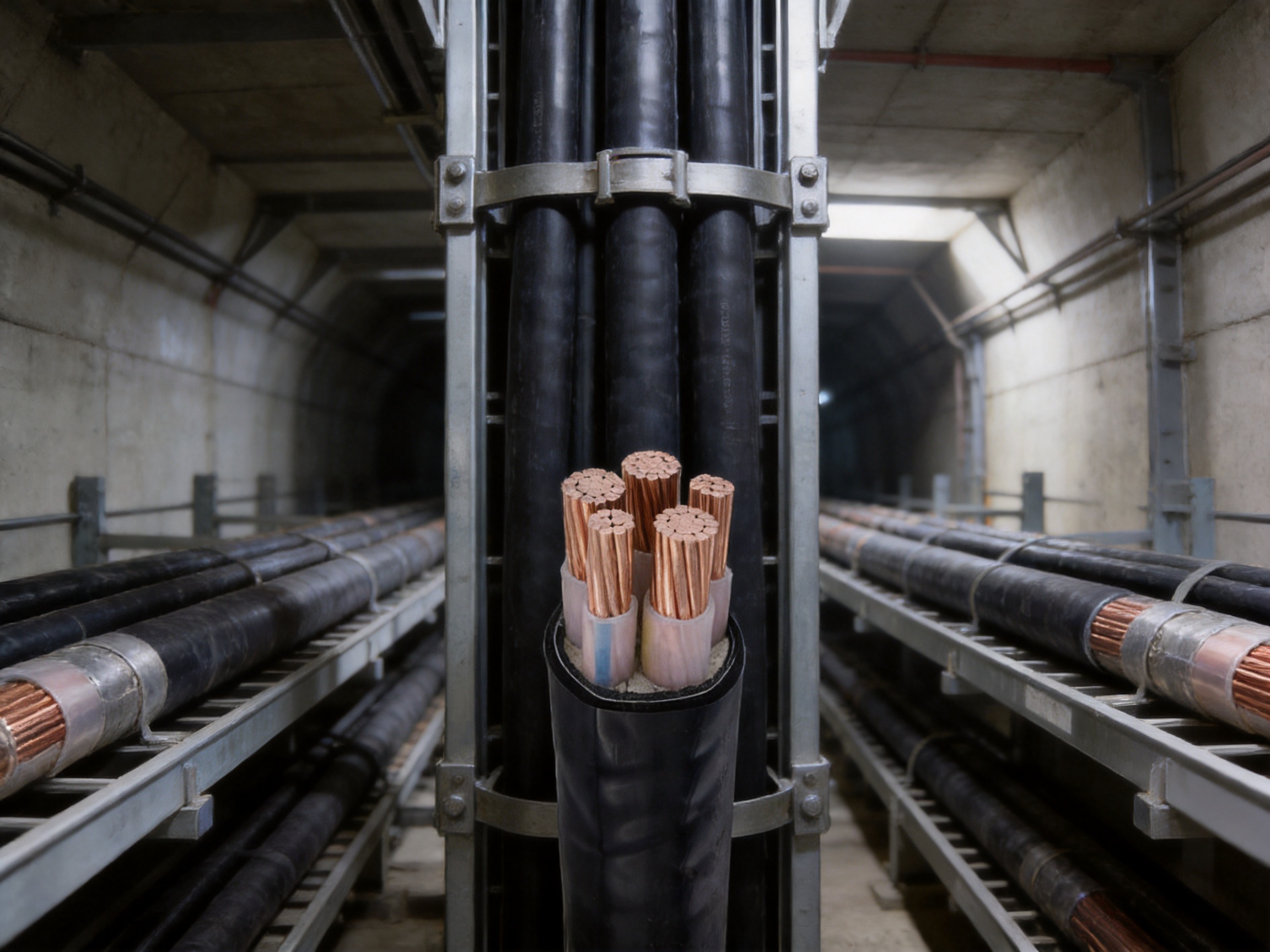
Tunnels and underground utility corridors often contain long cable runs, limited maintenance access, humidity, and the possibility of mechanical contact during installation or later construction work. VV32 provides a durable cable option for such environments. The armor protects the cable from impact and external pressure, while the outer sheath helps reduce corrosion risk.
Where cables are routed along trays or supports in tunnels, they may experience pulling during installation and minor vibration during service. VV32’s combination of tensile strength and moderate flexibility provides value in these conditions. It is particularly useful when cable routes include long straight sections, changes in elevation, or exposed areas that require enhanced mechanical protection.
VV32 can be used in outdoor and buried applications where tensile protection and resistance to external damage are important. The steel wire armor helps protect the cable from rodents and mechanical hazards, while the PVC sheath acts as the first line of defense against moisture and soil contact. In general outdoor use, the cable can provide stable performance when properly selected and installed.
For direct burial projects, engineers must evaluate soil conditions, corrosion risk, external pressure, burial depth, route protection, and drainage. In situations where radial compression is the primary concern, steel tape armor may sometimes be considered. However, where the route also involves pulling force, slopes, elevation changes, or installation tension, VV32 provides a valuable advantage.
Although VV32 is primarily a fixed installation cable, its steel wire armor can provide better adaptability in environments with minor movement or vibration than many rigid protection structures. It can be used to supply power to equipment such as conveyors and lifting devices when the installation design is appropriate and the cable is not subjected to repeated flexing beyond its intended scope.
It is important to distinguish between minor displacement and continuous flexible movement. VV32 is not a replacement for specialized flexible cable in dynamic machinery that requires frequent bending, torsion, or drag-chain operation. However, for fixed or semi-fixed power supply routes near equipment that may vibrate or shift slightly, VV32 provides an effective balance of protection and strength.
A cable’s published structure is only one part of its value. Real performance depends on manufacturing discipline, material control, process accuracy, and inspection. Anhui Zhishang Cable Technology Co., Ltd. integrates research and development, production, and sales of wire and cable products from its production base in Xuancheng City, Anhui Province, China. The company focuses on stable, reliable cable solutions for industrial automation, weak current engineering, intelligent manufacturing, appliance equipment, power engineering, and related fields.
The production base covers approximately 5,000 square meters and is equipped with 10 automated production lines. This production capacity supports monthly output of up to 10 million meters. Automated production helps improve dimensional consistency, extrusion stability, conductor processing accuracy, and delivery efficiency. For armored products such as VV32, automation and process control are especially important because conductor preparation, insulation extrusion, cabling, inner sheathing, armoring, and outer sheathing must work together as a complete system.
Reliable cable production begins with material selection. Copper conductor material, PVC insulation compound, PVC sheath compound, and steel wire armor material must meet the intended electrical and mechanical requirements. Incoming inspection reduces the risk of defects entering production. This may include checking conductor quality, material certificates, appearance, dimensions, tensile properties, and compatibility with processing requirements.
For VV32 cable, steel wire quality is especially important. The armor must provide tensile strength while maintaining appropriate ductility and corrosion resistance. If the steel wire is too weak, uneven, poorly treated, or inconsistently applied, the cable may not deliver the expected mechanical protection. A controlled supply chain and material verification process therefore contribute directly to the final cable’s reliability.
Conductor processing requires precise control of strand formation, compaction, diameter, surface condition, and resistance. High-quality copper conductors help minimize power loss and reduce heat generation. Consistent conductor geometry also supports uniform insulation extrusion, which is essential for electrical safety.
In power cables with large cross-sectional areas, conductor uniformity becomes even more important. Uneven strands or dimensional variations can lead to insulation eccentricity, local electrical stress, or mechanical imbalance. A disciplined manufacturing process ensures that the conductor provides a stable foundation for the remaining cable layers.
PVC insulation extrusion must be controlled for thickness, concentricity, temperature, surface smoothness, and bonding quality. The insulation layer must be thick enough and uniform enough to withstand the required voltage test and long-term operating conditions. Poor extrusion may create voids, thin spots, impurities, or surface defects that compromise cable safety.
Advanced production lines improve extrusion consistency by controlling material feeding, temperature zones, line speed, cooling, and dimensional monitoring. This contributes to stable electrical performance and helps ensure that each cable length meets required specifications.
For multi-core VV32 cable, insulated cores must be assembled correctly before sheathing and armoring. The cabling process affects cable roundness, flexibility, internal stress distribution, and installation behavior. Proper core arrangement helps maintain uniform mechanical performance and reduces the risk of deformation during armoring.
Filler materials, wrapping tapes, and core arrangement may be used depending on cable design. The goal is to create a stable and compact cable core that can support inner sheath extrusion and armor application. If the core assembly is loose or uneven, the finished cable may have poor roundness, inconsistent armor coverage, or reduced mechanical reliability.
The inner sheath is not simply an intermediate layer. It is a mechanical bedding layer that protects insulation from steel wire armor. Its extrusion quality affects the smoothness, roundness, and durability of the armored cable. A properly formed inner sheath helps distribute pressure and prevents the armor from directly damaging the insulated cores.
Manufacturing control must ensure that the inner sheath has adequate thickness and uniform coverage. The surface should be smooth and compatible with the armor application process. This is especially important for VV32 cable because the steel wire armor must sit evenly around the cable circumference.
The armoring process is the core manufacturing step for VV32 cable. Fine round steel wires must be applied around the cable in a controlled pattern with correct tension, coverage, lay direction, and uniformity. The purpose is to create a strong tensile reinforcement layer without damaging the inner sheath or creating excessive stiffness.
Armoring defects can reduce cable performance. Gaps, uneven tension, wire overlap, broken wires, or inconsistent lay can cause weak points. Professional armoring equipment and experienced technicians help ensure that the steel wire armor performs as intended. The finished armor layer should provide strong axial load distribution and protect the cable from external mechanical damage.
The outer PVC sheath seals and protects the armor layer. Its extrusion must cover the armor fully, fill surface irregularities appropriately, and provide a smooth protective exterior. Since the armor is metallic, sheath integrity is crucial for corrosion resistance and long-term service life.
Outer sheath production must control thickness, concentricity, surface finish, cooling, and marking. Clear cable marking supports identification, traceability, installation, and maintenance. A stable outer sheath also improves handling during transportation and installation.
Quality assurance is essential for power cables because failures can cause downtime, equipment damage, electrical hazards, and costly repairs. Anhui Zhishang Cable Technology Co., Ltd. emphasizes quality orientation and stable production practices. The company provides product test reports and warranty support for standard cable models, helping customers verify that delivered products align with project requirements.
Electrical testing verifies conductor resistance, insulation integrity, and voltage withstand capability. For VV32 cable, a typical test voltage is 3.5 kV for 5 minutes. Passing this test indicates that the insulation system is free from major defects and can withstand specified electrical stress under test conditions.
Conductor resistance testing is also important because excessive resistance indicates insufficient conductor cross-section, poor material quality, or manufacturing defects. Correct conductor resistance supports efficient power transmission and helps manage operating temperature.
Dimensional inspection checks conductor size, insulation thickness, sheath thickness, overall diameter, and armor coverage. These dimensions influence electrical safety, mechanical protection, current carrying capacity, and installation compatibility. For example, insufficient insulation thickness can reduce voltage withstand capability, while insufficient sheath thickness can reduce environmental protection.
Accurate dimensions also help installers plan bending radius, tray space, conduit sizing, cable clamps, glands, and termination accessories. Consistency across production batches improves project efficiency and reduces unexpected installation problems.
Because VV32 is selected primarily for its mechanical strength, mechanical inspection is particularly important. Armor uniformity, tensile behavior, sheath toughness, and bending performance must align with expected use conditions. The steel wire armor should provide meaningful axial reinforcement without damaging the cable core.
Mechanical reliability is not only about surviving installation. It also affects long-term operation. A cable installed in a vertical shaft may carry axial stress for years. Uniform armor and proper sheath protection help the cable maintain performance throughout its service life.
Surface appearance can reveal manufacturing or handling problems. Cracks, scratches, bubbles, dents, uneven sheath, exposed armor, or unclear markings should be identified before shipment. Good packaging protects the cable during transportation and storage, reducing the risk of deformation or sheath damage.
For large projects, traceability is also important. Clear product identification, batch information, and documentation help customers manage installation, acceptance inspection, and future maintenance records.
Correct installation is essential to realizing the full performance of VV32 cable. Even a high-quality cable can be damaged if it is bent too sharply, pulled incorrectly, installed below the recommended temperature, or exposed to unsuitable operating conditions.
VV32 cable has a relatively large bending radius because of its steel wire armor. For multi-core structures, the minimum bending radius is typically not less than 15 times the overall cable diameter. Installers should avoid sharp bends, forced turns, and excessive twisting. Cable route design should include sufficient space at corners, riser entries, tray transitions, and equipment terminations.
Ignoring bending radius requirements can cause armor deformation, insulation stress, sheath cracking, or conductor damage. These problems may not be visible immediately but can reduce service life and increase failure risk.
Although VV32 is designed for tensile strength, installation pulling force still must be controlled. Pulling should be applied according to engineering guidelines, using appropriate cable grips, rollers, winches, and lubrication when necessary. Excessive pulling force can damage the conductor, insulation, armor, or sheath.
In vertical installations, cable supports should be planned carefully. The armor helps withstand axial stress, but proper clamping and support spacing are still required to prevent localized pressure and long-term mechanical strain at termination points.
The recommended installation temperature for VV32 cable is not lower than 0°C. PVC materials become less flexible at low temperatures, increasing the risk of cracking during bending or pulling. If installation must occur in cold environments, cables should be stored properly and warmed where feasible before laying, and bending stress should be minimized.
Armored cable requires suitable glands, clamps, grounding arrangements, and termination methods. The steel wire armor should be properly bonded or grounded according to electrical safety requirements and project standards. Poor termination can compromise both mechanical protection and electrical safety.
Correct accessories also prevent moisture ingress at cable ends. Since the armor is metallic, preventing water entry is essential to reducing corrosion risk. End sealing, gland selection, and installation workmanship should be treated as part of the cable system, not as afterthoughts.
Standard VV32 cable is not flame-retardant and contains halogens. This is acceptable in many general industrial and outdoor applications, but it may not be suitable for buildings, tunnels, underground spaces, public facilities, or critical infrastructure where strict fire performance is required. If flame retardancy is required, ZR-VV32 should be selected. If low-smoke halogen-free performance is required, a different cable type should be considered.
Responsible cable selection means acknowledging both strengths and limitations. VV32 is excellent for tensile armored power distribution within its intended rating and environment, but it should not be applied where its material system does not meet mandatory safety requirements.
Power cable procurement often focuses on price, delivery time, and specification sheets. However, long-term project success depends on deeper manufacturing capability. A supplier’s process control, engineering support, testing discipline, customization ability, and production capacity all influence final value.
Anhui Zhishang Cable Technology Co., Ltd. has more than 50 employees, including quality engineers and R&D technicians with over 10 years of industry experience. This technical background supports product selection guidance, OEM and ODM development, and cable design based on customer drawings or samples. For projects involving VV32 cable, engineering support can help determine conductor size, core configuration, armor requirements, sheath characteristics, laying method, and documentation needs.
The company follows national standards, relevant international standards, and industry benchmarks to customize cable products that meet defined requirements for quality, technology, and service. For export and international projects, cable consistency, documentation, and compliance awareness are especially important. Products are supplied to markets including the United States, Canada, Australia, Japan, and parts of Eurasia, reflecting the company’s growing international service capability.
Not every project can use a standard cable without adjustment. Some customers require special conductor configurations, sheath colors, markings, packaging, lengths, or performance variations. OEM and ODM capability allows the manufacturer to respond to project-specific needs. This is especially useful for engineering contractors, equipment manufacturers, distributors, and system integrators.
For VV32 cable, customization may involve conductor cross-section, number of cores, drum length, sheath marking, flame-retardant version, or documentation package. Experienced engineers can evaluate whether a requested design is technically appropriate and manufacturable.
Project schedules often require predictable delivery. Standard products may be stocked for fast shipment, while customized products typically require 7 to 20 days of lead time depending on complexity and production planning. A production base with automated lines and substantial monthly output capacity improves the ability to support both regular orders and project-based demand.
Reliable lead time is not only a logistics advantage. It also reduces installation delays, labor rescheduling, and project management uncertainty. For construction, industrial expansion, and infrastructure projects, stable delivery is a major component of supplier value.
The company’s business philosophy emphasizes quality orientation, integrity foundation, and stability priority. This philosophy is well aligned with power cable manufacturing because cables are long-life infrastructure products. A cable installed behind walls, underground, in tunnels, or in shafts is expected to operate safely for many years. Short-term savings from poor materials or weak process control can lead to much higher costs later.
A good cable is not only a combination of copper, PVC, and steel. It is the result of material discipline, manufacturing craftsmanship, process inspection, testing, documentation, and responsibility. VV32 cable demonstrates this principle clearly because its electrical and mechanical properties must function together under real installation stress.
Cable Type |
Main Strength |
Limitation Compared With VV32 |
Best Use Case |
Non-armored PVC power cable |
Lower cost and easier handling |
Weak mechanical protection and poor tensile resistance |
Protected indoor fixed routes with low mechanical risk |
VV22 steel tape armored cable |
Good radial compression resistance |
Less suitable for significant axial tension or vertical suspension |
Buried or fixed routes where crushing force is the main concern |
VV32 steel wire armored cable |
High tensile strength, good impact protection, rodent resistance |
Standard type is not flame-retardant and has larger bending radius |
Vertical, suspended, shaft, tunnel, outdoor, and elevation-difference routes |
Flame-retardant armored cable |
Improved flame spread control |
Higher cost than standard VV32 |
Applications requiring flame-retardant performance |
Low-smoke halogen-free cable |
Reduced smoke and halogen gas in fire conditions |
Different material system and usually higher cost |
Public buildings, transportation, enclosed spaces, and strict fire safety projects |
VV32 offers strong economic value because it provides enhanced mechanical performance without moving into a much more expensive specialty cable category. For many low-voltage power distribution projects, the main challenge is not extreme temperature or low-smoke fire performance, but physical durability during installation and operation. VV32 directly addresses this need through its steel wire armor.
The cable can reduce the risk of failure in demanding mechanical environments. This can lower maintenance costs, replacement costs, and downtime. In vertical shafts or buried routes, cable replacement can be extremely difficult. Selecting an armored cable with appropriate tensile strength at the beginning of the project can be far more economical than repairing a failure later.
Its wide conductor range also supports flexible project design. Small cross-section sizes can be used for lower-load circuits, while large cross-section cables can support heavier power distribution requirements. This range allows engineers to maintain structural consistency across a project while selecting the correct electrical capacity for each circuit.
Modern cable manufacturing increasingly requires attention to responsible production practices. Anhui Zhishang Cable Technology Co., Ltd. emphasizes green manufacturing and responsible production. In cable production, this can include process efficiency, material utilization, waste reduction, quality consistency, and efforts to reduce unnecessary rework and scrap.
Durable cable design is also a form of resource responsibility. A cable that lasts longer and performs reliably reduces replacement frequency, waste generation, and maintenance intervention. VV32’s armor structure supports longer service life in mechanically challenging environments when the cable is correctly selected and installed.
At the same time, PVC is a halogen-containing material, so project designers should evaluate environmental and fire safety requirements carefully. Where halogen-free performance is mandatory, another cable structure should be selected. Responsible product recommendation means matching the cable to the application rather than presenting one product as suitable for all situations.
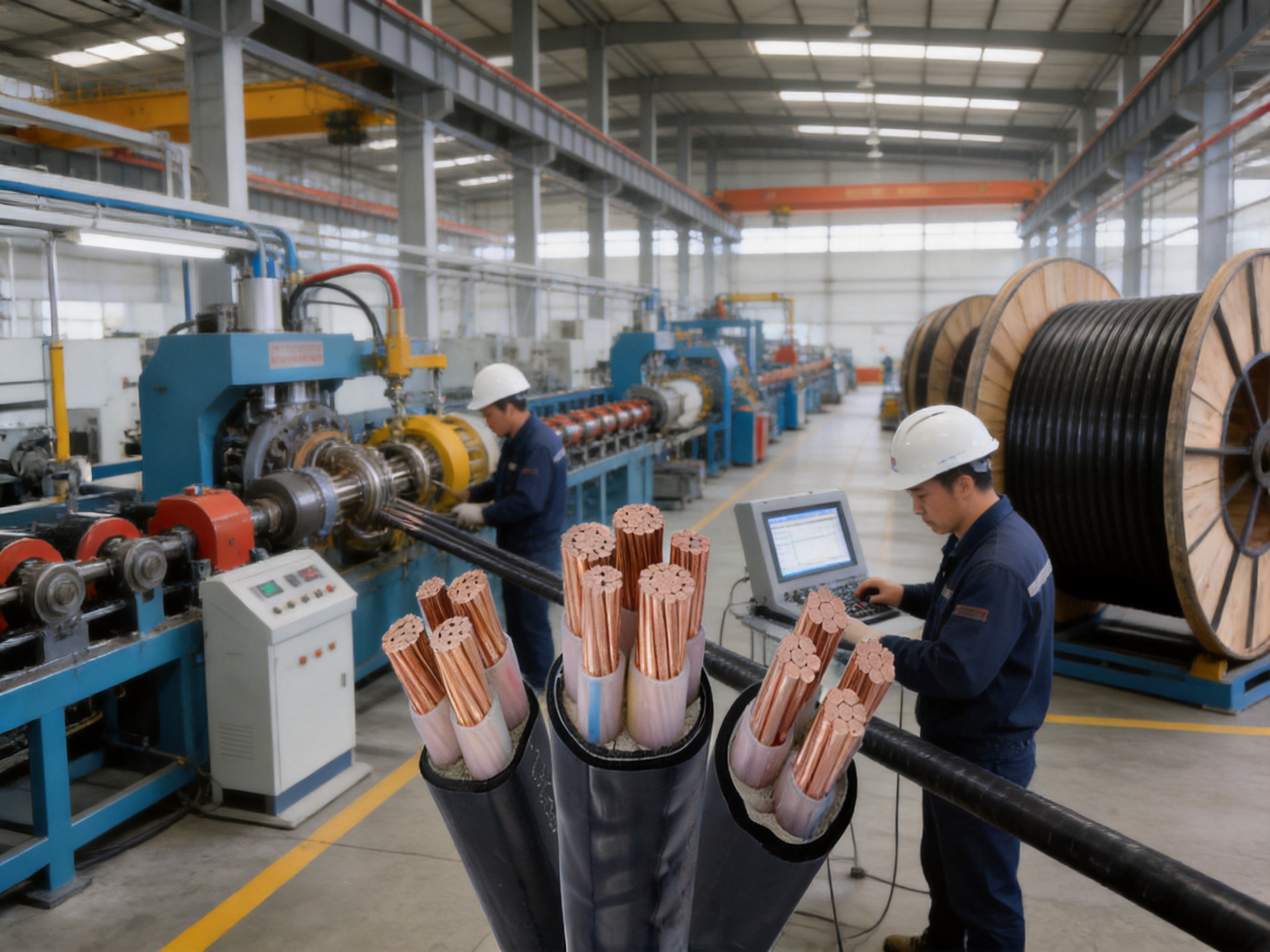
VV32 refers to a PVC insulated and PVC sheathed power cable with fine round steel wire armor. In the designation, the “V” generally indicates PVC insulation and PVC sheath, while “32” indicates steel wire armor with a PVC outer sheath. The steel wire armor is the key feature that gives the cable high tensile strength.
The main advantage is high axial tensile strength. The steel wire armor allows the cable to withstand pulling forces and self-weight in vertical or suspended installations. This makes it suitable for shafts, high-rise building risers, mines, tunnels, slopes, and long-distance routes with elevation differences.
VV22 usually uses steel tape armor, which is better for radial compression resistance. VV32 uses fine round steel wire armor, which is better for axial tensile resistance. If the cable is mainly exposed to crushing force, VV22 may be suitable. If the cable must withstand vertical tension, suspension, or pulling force, VV32 is usually the better choice.
The standard VV32 cable is not flame-retardant. If flame-retardant performance is required, a flame-retardant version such as ZR-VV32 should be selected. If low-smoke halogen-free performance is required, a different cable type using appropriate materials should be considered.
Yes, VV32 can be used in many underground applications when the installation conditions are suitable. Its steel wire armor provides mechanical and rodent protection, while the PVC sheath protects the armor from moisture and corrosion. However, soil conditions, burial depth, drainage, corrosion risk, and external pressure should be evaluated during design.
VV32 is mainly a fixed installation cable. It can tolerate minor movement or vibration in some installations, but it is not a specialized flexible cable for continuous bending, drag chains, or frequent torsion. For dynamic machinery, a dedicated flexible cable should be selected.
The typical rated voltage is 0.6/1 kV, making it suitable for common low-voltage power distribution systems in industrial, commercial, infrastructure, and construction applications.
The maximum allowable long-term conductor operating temperature is 70°C for the standard PVC insulated structure. The maximum short-circuit temperature is typically 160°C under specified short-duration conditions.
Important considerations include maintaining the minimum bending radius, controlling pulling force, installing at temperatures not lower than 0°C, using proper armored cable glands and supports, grounding the armor where required, and selecting the correct flame-retardant or halogen-free version if the project requires it.
Armored cable quality depends on conductor processing, insulation extrusion, core assembly, armoring accuracy, sheath extrusion, testing, and documentation. A manufacturer with automated production lines, experienced engineers, quality inspection, OEM and ODM capability, and stable delivery capacity can provide more reliable products and better project support.
VV32 PVC insulated and sheathed power cable is a practical, durable, and cost-effective low-voltage power cable for fixed installations requiring high tensile strength. Its fine round steel wire armor gives it a clear advantage over non-armored cables and makes it more suitable than steel tape armored cables in vertical, suspended, and elevation-difference applications. It provides good protection against pulling force, impact, compression to a moderate degree, rodents, pests, moisture, and general environmental stress.
The cable is especially valuable in shafts, mines, high-rise buildings, tunnels, underground utility corridors, outdoor routes, and industrial installations where mechanical reliability is essential. Its copper conductor, PVC insulation, PVC sheathing, and steel wire armor create a balanced structure for 0.6/1 kV power distribution. While standard VV32 is not flame-retardant and is not halogen-free, it remains an excellent choice for applications where these special fire performance requirements are not mandatory.
Manufacturing quality is central to VV32 performance. Anhui Zhishang Cable Technology Co., Ltd. supports this product with modern production facilities, automated production lines, experienced engineers, R&D capability, quality assurance, product testing, OEM and ODM services, and international market experience. For customers seeking a reliable armored power cable solution, VV32 provides a strong combination of tensile performance, mechanical protection, stable electrical characteristics, and economic value.
When correctly selected, manufactured, tested, and installed, VV32 cable is more than a power transmission component. It is a mechanical and electrical protection system designed to support safe, stable, and long-term operation in demanding fixed installation environments.
1. International Electrotechnical Commission. IEC 60502-1: Power Cables With Extruded Insulation and Their Accessories for Rated Voltages From 1 kV up to 30 kV.
2. International Electrotechnical Commission. IEC 60228: Conductors of Insulated Cables.
3. International Electrotechnical Commission. IEC 60332 Series: Tests on Electric and Optical Fibre Cables Under Fire Conditions.
4. National Standardization Guidance for Low-Voltage PVC Insulated Power Cables and Armored Cable Construction.
5. Cable Engineering Handbook: Design, Installation, Testing, and Maintenance of Power Cable Systems.
6. Industrial Power Distribution Practice: Selection Criteria for Armored Low-Voltage Cables in Fixed Installations.

We firmly believe that good cables are not only a competition of materials, but also a reflection of craftsmanship, quality, and responsibility.

Links
Product
Send Inquiry
No. 29 Sankeshu Road, Xuanzhou District, Xuancheng City, Anhui Province, China
+86-18621104555/+86-563-2622999
 Electrical Cable Manufacturer
OEM/ODM Wire and Cable Solutions
Electrical Cable Manufacturer
OEM/ODM Wire and Cable Solutions
 English
 Español
 عربى
عربى
 русский