Get more content that can help you
Content
In modern electronic equipment, the cable is no longer a passive accessory hidden inside a housing. It is a critical performance component that determines whether power, data, and control signals can move safely, consistently, and without interference. The UL2517 multiple shielding UL-certified cable is designed for this reality. It combines fine-stranded copper conductors, reliable polymer insulation, layered shielding, controlled electrical characteristics, and compliance with recognized North American safety expectations to support demanding internal wiring and high-speed communication applications.
This cable is suitable for equipment manufacturers, wiring harness producers, electronics assemblers, appliance manufacturers, automation integrators, repair specialists, and export-oriented businesses that need a dependable certified cable for internal connections. It is especially valuable when a project requires both flexible routing and stable signal integrity, such as consumer electronics, office equipment, small household appliances, automotive electronic accessories, low-voltage control circuits, USB-style data links, and other compact devices requiring organized power and data transmission.
The product is built around a practical engineering philosophy: use proven materials, precise conductor construction, stable insulation, and shielding layers that protect the signal path from electromagnetic interference. Compared with ordinary unshielded hook-up wires or low-cost cables with inconsistent structures, the UL2517 multiple shielding cable offers stronger resistance to noise, better routing flexibility, more reliable termination performance, and certification support for products entering the United States and Canadian markets.
Anhui Zhishang Cable Technology Co., Ltd. manufactures this product with an integrated approach covering research and development, material selection, extrusion, stranding, shielding, cabling, testing, and delivery. Located in Xuancheng City, Anhui Province, China, the company operates modern production facilities of approximately 5,000 square meters, supported by automated production lines and experienced engineers. Its focus on stable quality, customization, and fast response makes it a strong partner for customers requiring OEM and ODM wire and cable solutions.
UL2517 Multiple shielding UL-Certified Cable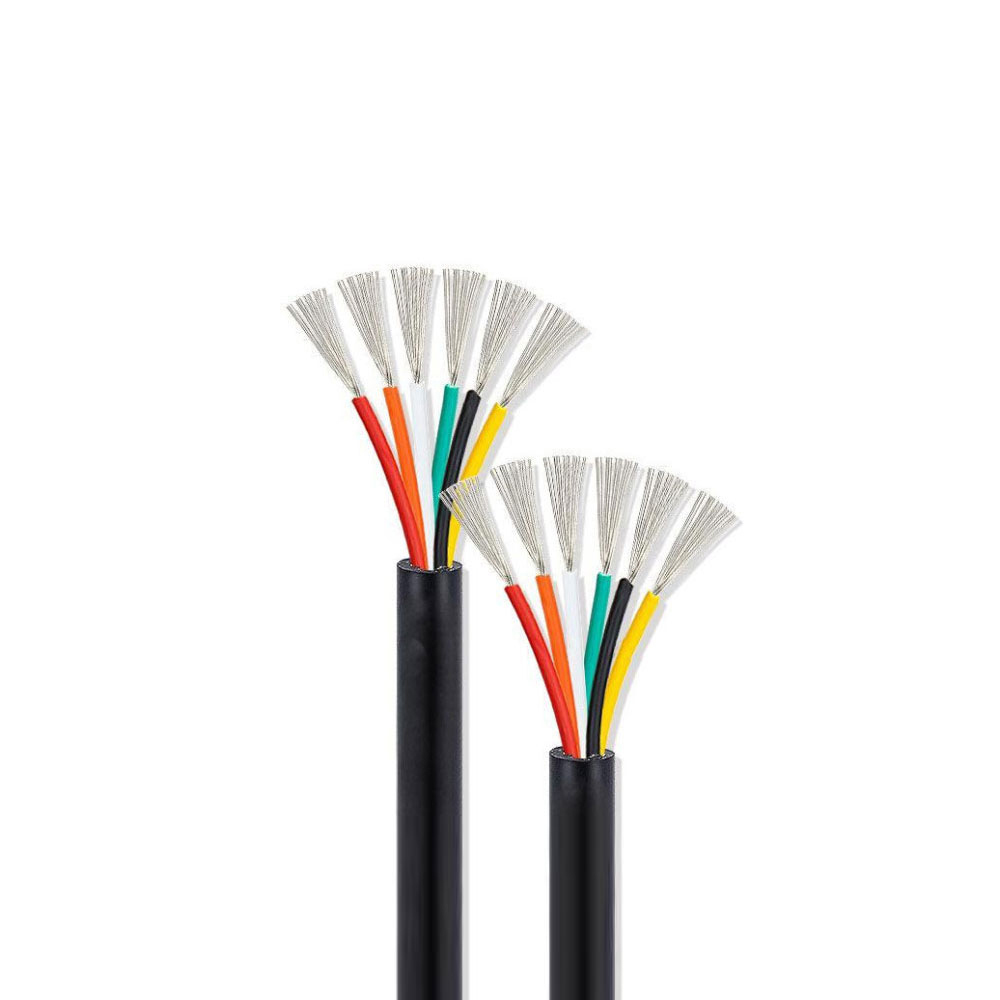
The UL2517 multiple shielding UL-certified cable is designed to meet the needs of internal electronic wiring and high-speed data transmission environments where signal stability and safety compliance are both important. According to project requirements, it can be supplied in configurations suitable for low-voltage electronic wiring, shielded communication lines, USB-related internal connections, power and ground routing, and compact cable assemblies.
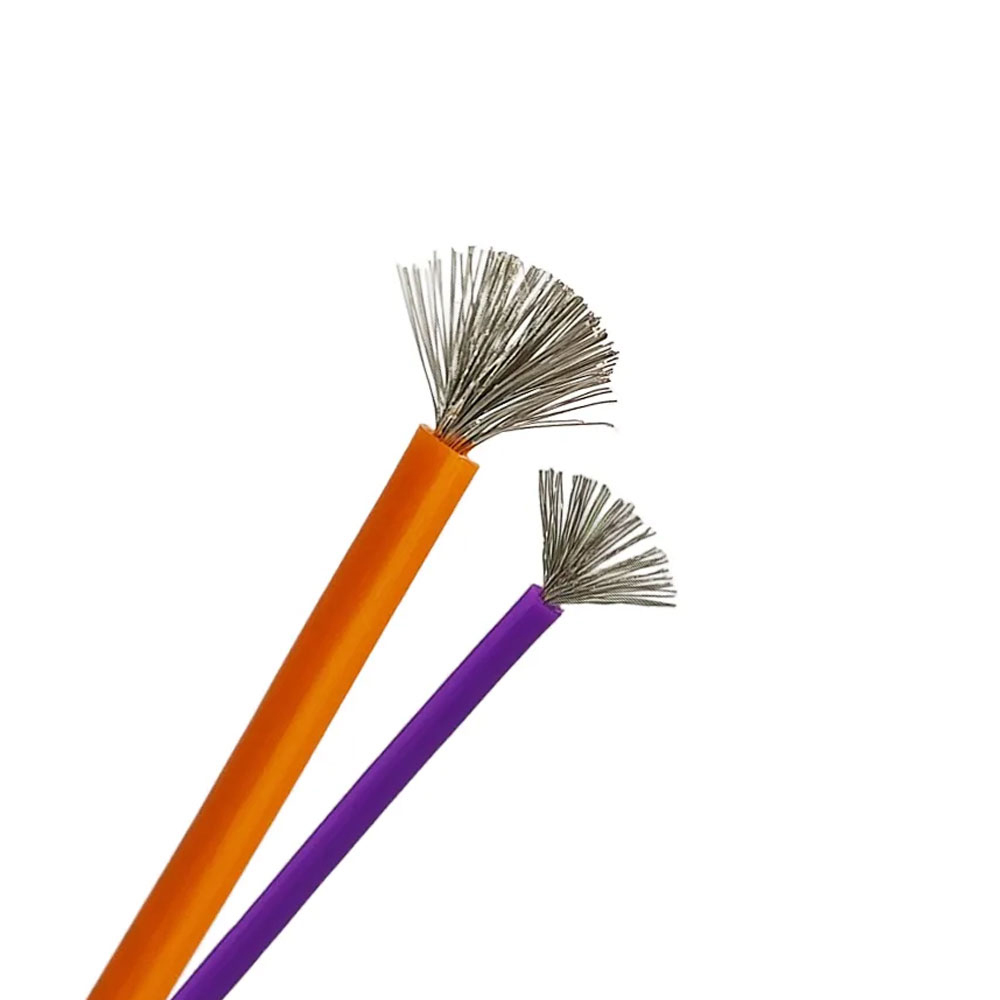
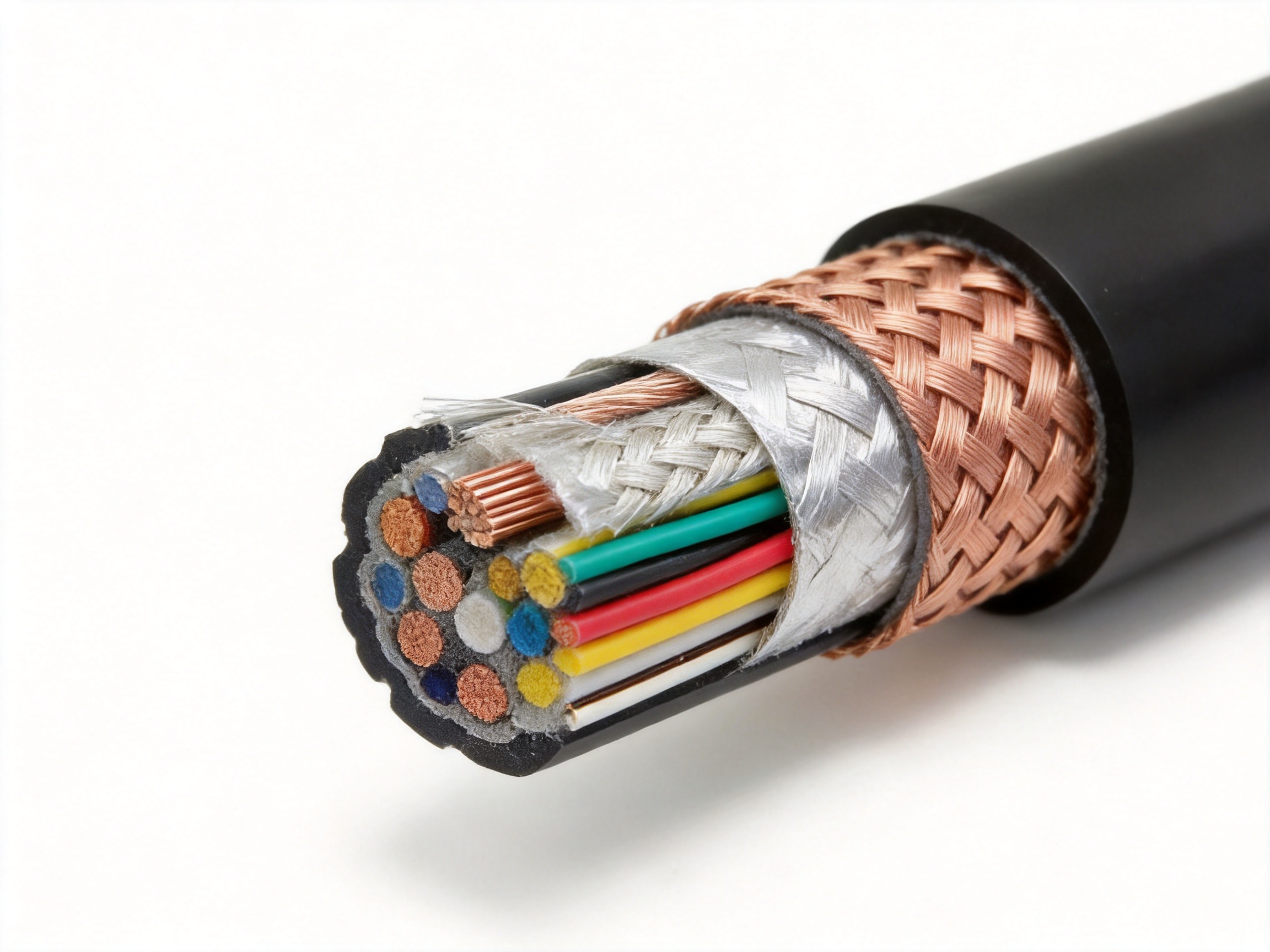
Core characteristics include a fine-stranded soft copper conductor, PVC or other suitable insulation and sheath materials, optional tinned annealed copper conductors, flame-retardant construction, and multi-layer shielding. In applications requiring high-speed data transfer, the cable may include differential pairs with controlled impedance, independent aluminum foil shielding for high-speed signal pairs, and an overall braided copper mesh shield. This combination supports stable data transmission while reducing external electromagnetic interference and internal crosstalk.
The cable is developed in accordance with the UL 758 Appliance Wiring Material framework and can support UL and cUL certification requirements depending on the exact configuration and customer specification. For many exporters, this is a major advantage. When internal wiring components already follow recognized UL-style requirements, product certification and market access procedures can become more efficient, reducing engineering uncertainty and documentation delays.
The product can be used in North American electronic products, consumer devices, small household appliances, office machines, vehicle accessories, control circuits, repair applications, and customized electronic assemblies. Its flexibility and standardized color options support fast installation, easy circuit identification, and simplified maintenance. For customers who need common AWG sizes, stable supply and stocking programs can support just-in-time delivery and reduce inventory pressure.
The cable is characterized by a combination of mechanical flexibility, electrical stability, shielding effectiveness, flame-retardant performance, and certification readiness. Its conductor is typically made from fine-stranded soft copper or tinned annealed copper. Fine stranding improves flexibility and fatigue resistance, allowing the cable to bend around compact structures, pass through confined equipment spaces, and connect to terminals without excessive mechanical stress.
Insulation can be polyvinyl chloride, high-density polyethylene, foamed polyethylene, or another suitable material depending on the target electrical performance. PVC provides good general-purpose insulation, processability, flame-retardant compatibility, and cost effectiveness. High-density or foamed polyethylene may be used where controlled impedance and high-frequency signal transmission are important. In SuperSpeed-style differential pair applications, insulation consistency is essential for maintaining differential impedance near 90 ohms within the required tolerance.
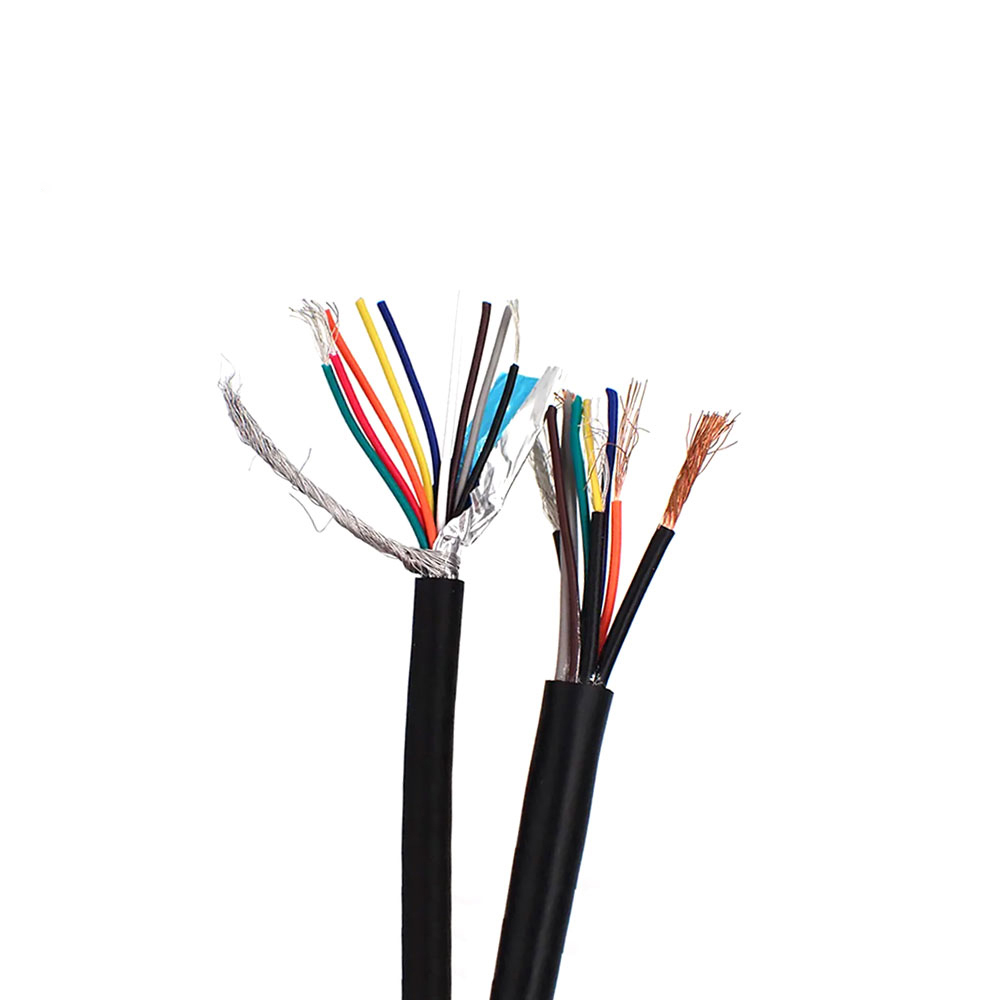
Shielding is one of the product’s defining features. A typical high-speed configuration may use independent aluminum foil shielding around individual differential pairs and an overall copper braid shield around the cable core. This multi-layer structure helps isolate sensitive signal pairs, reduce crosstalk, and protect the cable from external electromagnetic noise generated by motors, switching power supplies, wireless modules, displays, transformers, and densely packed printed circuit boards.
The cable can support low-voltage power and ground lines, such as VBUS and GND conductors in USB-related designs, while maintaining strict conductor resistance requirements to support stable current delivery. For data applications, it can support USB 2.0 speeds up to 480 Mbps and USB 3.0 SuperSpeed transmission up to 5 Gbps in suitable configurations, with recommended lengths generally controlled to preserve signal integrity.
| Feature | Typical Specification or Description | Practical Benefit |
|---|---|---|
| Conductor | Fine-stranded soft copper or tinned annealed copper | Flexible routing, stable conductivity, improved termination reliability |
| Insulation | PVC, high-density polyethylene, or foamed polyethylene depending on configuration | Electrical stability, flame-retardant support, impedance control when required |
| Shielding | Independent aluminum foil shielding plus overall copper braid in multi-shielded designs | Reduced electromagnetic interference and improved signal integrity |
| Rated Voltage | Typical internal wiring configurations may support 300 V; data-specific low-voltage configurations may use 30 V DC | Allows selection according to the application and certification requirement |
| Temperature Rating | Common long-term operating range from 60°C to 80°C depending on construction | Suitable for many electronic equipment interiors |
| Flame Performance | Designed to meet UL VW-1 vertical flame test requirements where specified | Supports safer use in electronic and appliance assemblies |
| Certification Basis | UL 758 AWM framework, with UL and cUL support according to product configuration | Helps customers enter North American markets with more confidence |
| Data Capability | USB 2.0 and USB 3.0 style transmission possible in suitable shielded configurations | Supports high-speed internal data links in compact devices |
Electronic products are increasingly compact, powerful, and densely integrated. A single device may contain switching regulators, wireless modules, displays, sensors, motors, processors, audio circuits, charging circuits, and high-speed connectors within a limited space. Each component can create or receive electromagnetic noise. When a cable passes through this environment, unprotected conductors may pick up interference or radiate noise to nearby circuits. This can lead to data errors, unstable device operation, abnormal display behavior, audio noise, poor charging performance, or intermittent faults that are difficult to diagnose.
Multiple shielding solves this problem at more than one level. Independent foil shielding around high-speed differential pairs helps contain each pair’s electromagnetic field and prevents nearby pairs from disturbing each other. This is particularly important in USB 3.0-style structures, where transmit and receive pairs operate at high frequencies and require controlled impedance. Overall braided shielding adds mechanical strength and provides broader electromagnetic protection for the entire cable core. When connected properly to ground, the braid offers a low-resistance path for interference energy and improves system-level electromagnetic compatibility.
Compared with a single foil shield, a combined foil-and-braid design offers better overall protection. Foil provides high coverage and excellent protection against high-frequency interference, while braid provides durability, flexibility, and improved low-frequency shielding effectiveness. Compared with unshielded cable, the improvement is even more significant. Unshielded cable may be acceptable for simple low-speed connections, but it is often insufficient for compact electronic equipment where high-speed data and power circuits operate side by side.
For manufacturers, better shielding means fewer field complaints, fewer intermittent failures, and less time spent debugging electromagnetic compatibility problems. It also supports more consistent production quality because the cable’s electrical behavior remains stable across batches when the structure is manufactured with controlled processes.
The UL2517 multiple shielding cable offers several practical advantages compared with ordinary electronic wires, uncertified internal cables, or low-cost shielded alternatives.
One of the most important advantages is compliance support. Many low-cost cables may look similar externally, but they do not necessarily follow recognized safety and material standards. A cable designed under the UL 758 AWM framework and supported by UL and cUL certification can simplify selection for equipment exported to North America. This is valuable for appliance manufacturers, electronics brands, assembly factories, and engineering teams that must document component compliance during product development.
Competing cables may use only an overall foil shield or may have shielding coverage that changes from batch to batch. The UL2517 multiple shielding design can incorporate independent pair shielding and overall braid shielding, giving better protection for high-speed lines and reducing crosstalk. In high-speed applications, this helps maintain eye pattern performance, reduce bit errors, and preserve differential impedance consistency.
Rigid or coarse-stranded conductors can be difficult to install in compact equipment. They may create stress at solder joints, terminals, or connectors. Fine-stranded soft copper conductors provide a more flexible cable body, allowing tighter routing and easier assembly. This improves production efficiency and reduces the risk of conductor fatigue during repeated handling.
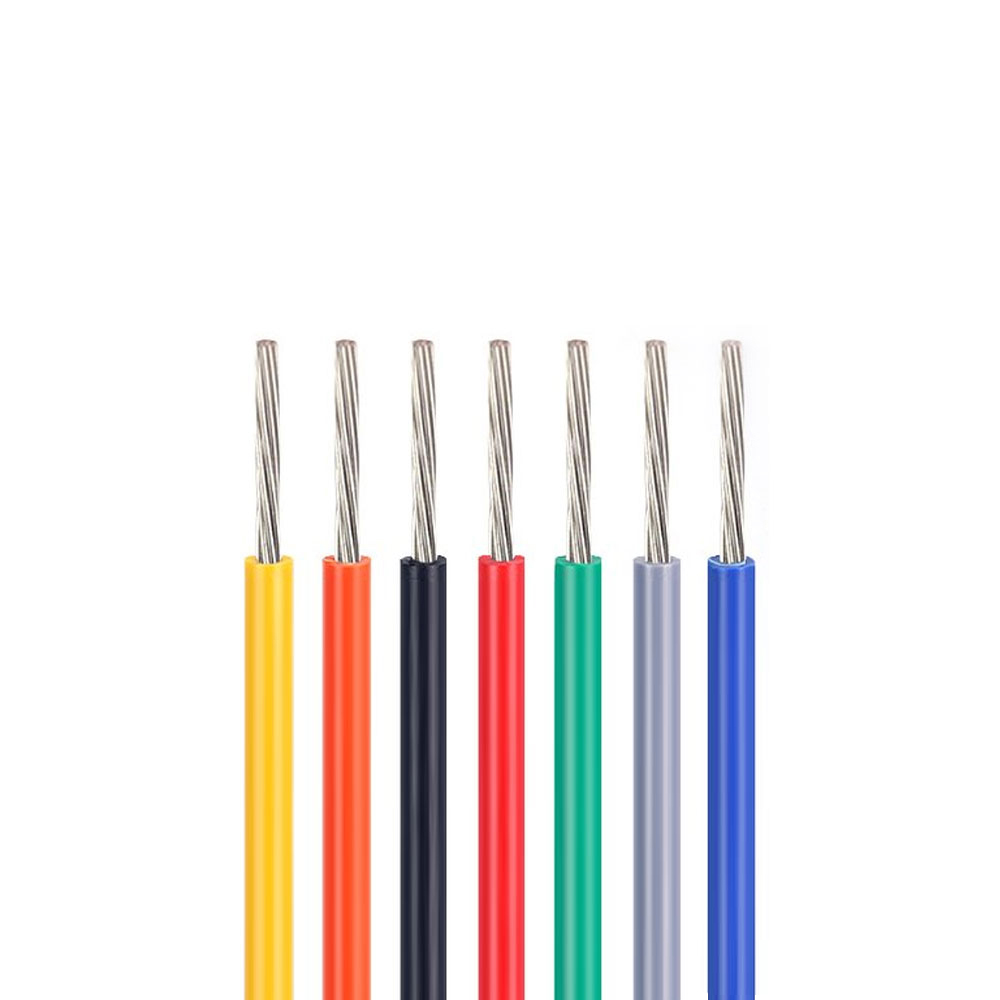
Uniform insulation thickness contributes to voltage resistance, mechanical reliability, and electrical consistency. Standard color options also simplify circuit identification. In production, color-coded wires reduce assembly errors. In maintenance and repair, they help technicians identify circuits quickly and diagnose faults efficiently.
The cable is designed to balance performance and economy. It gives customers a certified, flexible, shielded internal wiring option without forcing unnecessary overdesign. For many products, this balance is more valuable than using expensive specialty cables with features not required by the application. A cost-effective cable with stable quality can improve total project economics by reducing rework, certification risk, warranty issues, and procurement uncertainty.
The product can be designed to match common AWG sizes, standard terminal systems, and connector requirements used in North American electronic products. This makes it easier for customers to integrate the cable into existing harness designs without additional compatibility processing. For OEM and ODM projects, conductor size, insulation diameter, sheath color, shielding structure, and cable length can be adapted to assembly requirements.
The UL2517 multiple shielding cable is suitable for a wide range of internal and low-voltage applications. It can be used wherever flexible routing, certified construction, and stable electrical performance are important.
In televisions, audio systems, gaming consoles, set-top boxes, monitors, and peripheral devices, internal cables must connect printed circuit boards, displays, control modules, ports, speakers, and power circuits. These products often include high-speed digital signals and switching power circuits in close proximity. A multiple shielding cable helps protect signal quality and improves device stability.
Coffee makers, toasters, blenders, air purifiers, kitchen appliances, beauty devices, and smart home products often require internal control wiring. Although these devices may appear simple, they increasingly include sensors, displays, microcontrollers, wireless communication, and compact power supplies. Certified internal wiring supports safer assembly and helps manufacturers meet export requirements.
Printers, scanners, computer power supplies, document equipment, and communication peripherals require reliable low-voltage internal wiring. Cables must tolerate repeated production handling, fit into tight spaces, and maintain stable electrical contact over long service life. Flexible fine-stranded conductors and consistent insulation make the UL2517 cable suitable for these environments.
Car chargers, navigation devices, dash cameras, vehicle entertainment accessories, diagnostic tools, and internal accessory modules often experience vibration, temperature variation, and electromagnetic noise from vehicle electrical systems. Shielded flexible cable helps maintain stable power and signal paths inside these accessories.
For USB-style internal links, data cables, computer peripherals, and compact communication devices, impedance control and shielding are critical. Differential pair structures with independent shielding can support high-speed transmission while reducing interference between transmit and receive channels.
For repair workshops and replacement part suppliers serving North American electronics, standardized certified wires are practical. They allow technicians to replace damaged internal wiring with components that match safety and performance expectations, reducing the risk of unreliable repairs.
Reliable cable performance begins with the conductor. Copper purity, strand diameter, stranding consistency, and surface treatment all influence conductivity, flexibility, and long-term stability. Tinned annealed copper is useful in many electronic applications because the tin layer improves solderability and helps protect the copper surface from oxidation. Fine stranding distributes bending stress across many small wires, making the conductor more suitable for flexible internal routing.
Insulation performance depends on material selection and extrusion control. Uneven insulation can create weak points, affect impedance, and reduce voltage resistance. A high-quality extrusion process maintains concentricity, smooth surface finish, and controlled wall thickness. For signal cables, insulation uniformity is directly related to impedance stability. For power and control wires, it contributes to safety and durability.
Shielding performance depends on coverage, contact continuity, and structural precision. Aluminum foil shielding should wrap the signal pair consistently without gaps. Braided copper shielding should maintain the specified coverage, commonly 65 percent or higher depending on design. The braid angle, strand count, and tension affect both flexibility and shielding effectiveness. Proper process control prevents loose shields, broken strands, or inconsistent coverage.
Sheath quality is also important. The outer sheath protects the cable core during installation and service. PVC and flame-retardant polyolefin materials can provide mechanical protection, flame performance, and process efficiency. The sheath must be flexible enough for assembly while strong enough to resist abrasion, compression, and handling damage.
When these elements work together, the cable delivers stable DC resistance, reliable voltage resistance, controlled impedance where required, and strong resistance to electromagnetic disturbance. This is the difference between a cable that simply connects two points and a cable that actively supports the performance of the entire device.
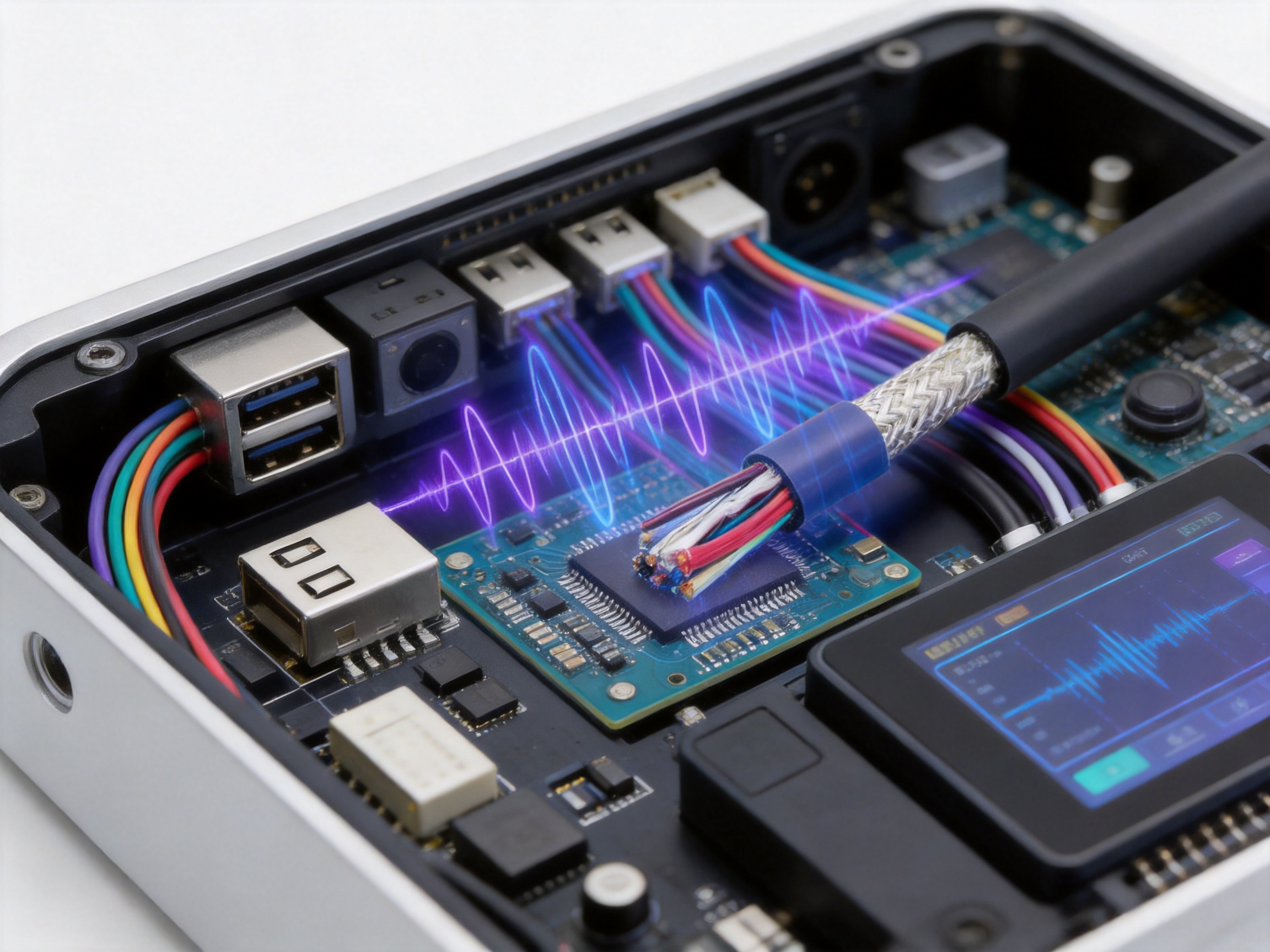
Anhui Zhishang Cable Technology Co., Ltd. supports production through modern facilities, automated production lines, and an experienced technical team. The manufacturing process for a multiple shielding certified cable involves several controlled stages, each of which influences final quality.
Production begins with the selection of copper conductors, insulation compounds, shielding materials, sheath materials, and auxiliary components. Incoming materials are checked against specification requirements. Copper conductors must meet resistance and surface quality requirements. Polymer materials must match insulation, flame-retardant, temperature, and processing needs. Shielding foil and braid wires must provide the required coverage and mechanical properties.
Fine copper strands are twisted into conductors with controlled lay length and tension. Proper stranding improves flexibility, prevents loose wires, and supports stable electrical performance. For tinned annealed copper conductors, surface quality is monitored to ensure good solderability and corrosion resistance. Consistent conductor diameter is essential for downstream extrusion and termination.
Insulation is applied through extrusion equipment. Process parameters such as temperature, pressure, line speed, cooling, and centering are controlled to achieve uniform insulation thickness. For communication and high-speed data configurations, extrusion precision is especially important because it affects capacitance, propagation delay, and differential impedance.
When the cable includes differential pairs, insulated conductors are twisted together with controlled pitch. The twist pitch must be stable to reduce electromagnetic radiation and maintain balanced signal transmission. In USB-style designs, different pairs may require different structural controls to achieve the required impedance and delay characteristics.
High-speed pairs may receive independent aluminum foil shielding. The foil wrapping process must maintain overlap and continuity. This step protects each pair from external noise and from interference generated by neighboring pairs. Independent shielding is one of the major factors that separates this cable from ordinary multi-core products.
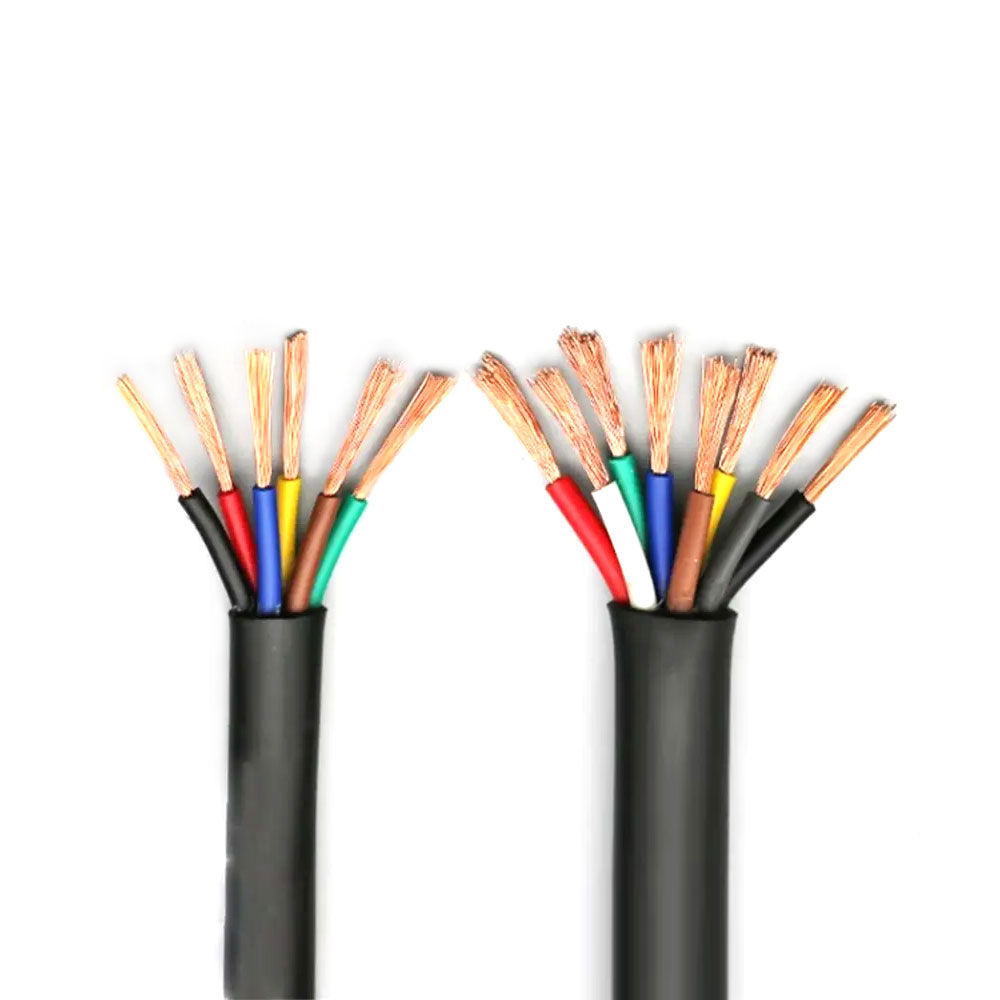
Individual cores and shielded pairs are assembled into the cable core. Fillers, drain wires, tapes, and structural elements may be added depending on design. The overall braided shield is then applied with controlled coverage. Braid quality is checked to ensure electrical continuity and mechanical integrity.
The outer jacket is extruded over the assembled cable. The sheath must be smooth, uniform, and properly bonded to the structure without crushing the internal pairs. Sheath color, printing, marking, and surface finish can be customized according to customer requirements.
Finished cable may undergo conductor resistance testing, voltage withstand testing, insulation resistance testing, continuity testing, dimensional inspection, shield continuity testing, flame-related verification where required, and impedance or data performance testing for high-speed configurations. Product test reports can be provided for standard cable models, supporting customer quality documentation.
A cable’s quality depends not only on its design but also on the manufacturer’s ability to reproduce that design consistently. Anhui Zhishang Cable Technology Co., Ltd. integrates research, production, and sales, giving customers a direct manufacturing partner rather than only a trading channel. This integration improves communication, speeds up problem solving, and supports customized development.
The company’s production base covers approximately 5,000 square meters and is equipped with 10 automated production lines. Monthly output can reach up to 10 million meters, allowing the company to support both regular production and larger project demands. For standard products, stock availability can support fast shipment. For customized products, typical lead time is generally 7 to 20 days depending on specification, volume, and material requirements.
The engineering and quality teams include technicians with more than 10 years of industry experience. This experience is important for product selection, cable design, process optimization, and troubleshooting. Customers can provide drawings, samples, or application requirements, and the technical team can help convert those requirements into practical cable specifications.
The company follows the business philosophy of quality orientation, integrity foundation, and stability priority. This philosophy is reflected in its emphasis on full-core, full-length, pure copper specifications, product test reports, warranty support for standard models, and responsible manufacturing practices. In cable production, stability is a major competitive advantage. Customers need every delivery to match the previous delivery, because even small changes in conductor size, insulation thickness, shield coverage, or material hardness can affect assembly and product performance.
Green manufacturing and responsible production practices are also part of the company’s development direction. By improving process control, reducing waste, and maintaining reliable product quality, the company supports customers who value long-term supply chain stability and responsible sourcing.
Many cable projects cannot be solved by a one-size-fits-all product. Equipment designers may need a specific conductor size, shielding structure, jacket material, outer diameter, color, printing, impedance value, flame rating, temperature rating, connector compatibility, or packaging method. This is where OEM and ODM capability becomes important.
The UL2517 multiple shielding cable can be customized according to customer drawings, samples, or engineering requirements. Common customization directions include AWG size selection, conductor stranding, tinned or bare copper options, insulation color, sheath color, shielding coverage, foil structure, braid density, cable diameter, rated voltage, temperature class, flame-retardant performance, and data transmission requirements.
For customers developing electronic equipment for North America, the manufacturer can help select a cable structure that supports certification goals and practical assembly needs. For high-speed data applications, the technical team can focus on impedance, pair balance, shielding continuity, and recommended length. For appliance and control wiring applications, the focus may be flame performance, voltage resistance, flexibility, and color identification.
Customization also includes supply-chain support. Customers may require stable batch production, scheduled delivery, labeling, reel packaging, cut-length service, or coordination with harness assembly partners. A manufacturer with automated lines and experienced engineering support can help reduce project risk from design through mass production.
Quality assurance for certified cable requires more than final inspection. It begins with process design and continues through material management, production monitoring, in-process inspection, final testing, documentation, and after-sales support. The purpose is not only to find defects but to prevent them.
For the UL2517 multiple shielding cable, important quality controls may include copper conductor resistance checks, conductor diameter verification, insulation thickness measurement, spark testing during extrusion, pair twist monitoring, shielding coverage inspection, sheath appearance inspection, printing verification, finished diameter measurement, continuity testing, voltage withstand testing, and packaging inspection.
In high-speed configurations, additional testing may include impedance measurement, attenuation assessment, skew control, and data transmission verification. These tests help ensure that the cable can support the required signal performance in real applications. For customers, such testing reduces the risk of discovering signal problems only after the cable has been assembled into finished equipment.
Batch consistency is a major quality indicator. A good cable should not only pass a sample test; it should maintain stable results across production lots. Automated production lines help achieve this by improving process repeatability. Experienced operators and engineers further support stability by adjusting process parameters when materials, climate, or production conditions change.
When selecting this cable, engineers should consider the exact application environment. The same product family may include different constructions for general internal wiring, shielded low-voltage control, and high-speed communication. Therefore, voltage rating, conductor size, temperature requirement, shielding structure, impedance, data rate, length, bending radius, flame performance, and certification requirements should be defined before final specification.
For power lines, conductor resistance is critical. If the conductor is too small, voltage drop may affect device operation, especially where current delivery is important. For data lines, geometry and shielding are critical. Differential pairs must maintain balance and impedance. For mechanical routing, flexibility and outer diameter are important. A cable that is too stiff may slow assembly or stress connectors.
Grounding strategy also matters. Shielding is most effective when it is properly terminated. Poor grounding can reduce shielding performance or introduce unwanted noise paths. Engineers should coordinate cable shield design with connector design, printed circuit board grounding, and system-level electromagnetic compatibility requirements.
Environmental factors should also be considered. If the cable will be used near heat sources, moving parts, sharp edges, oils, or strong electromagnetic fields, material and structure should be selected accordingly. For ordinary internal electronic equipment, PVC-insulated and PVC-sheathed constructions may be suitable. For more demanding environments, alternative materials may be recommended.
For manufacturers selling into the United States and Canada, component compliance is a practical business issue. Internal wiring that supports UL and cUL expectations can help customers move through product evaluation more smoothly. The UL 758 AWM framework is widely recognized for appliance wiring materials, and selecting a certified cable can reduce uncertainty during product design.
This value extends beyond formal certification. North American customers often expect clear documentation, consistent marking, traceable materials, stable specifications, and dependable supply. A cable manufacturer that understands these expectations can help reduce communication barriers and support long-term cooperation.
The cable’s common AWG availability from fine sizes to larger internal wiring sizes gives customers flexibility across multiple product lines. For example, smaller AWG sizes may be used for signal lines, while larger sizes may be used for power or ground. Standard color options support assembly instructions, wiring diagrams, and quality inspection procedures.
For repair and replacement markets, standardized certified cable also provides confidence. Technicians can select replacement wires that align with original equipment requirements rather than relying on uncertain generic wires. This improves repair quality and reduces safety concerns.
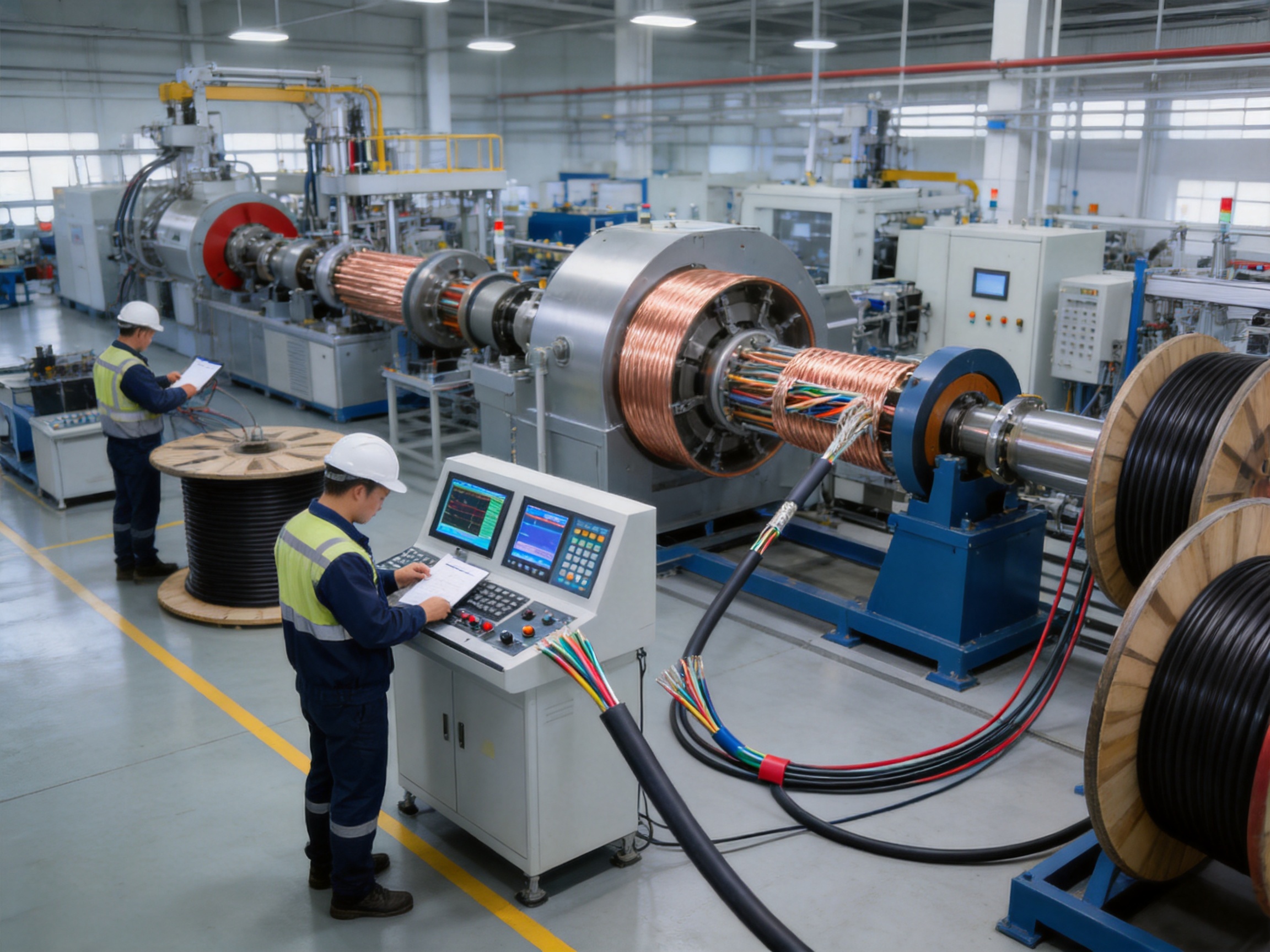
Engineers often compare multiple cable options before final selection. Ordinary single-core hook-up wire may be inexpensive and easy to source, but it does not provide shielding and may not be suitable for noise-sensitive circuits. Simple multi-core cable can organize several conductors in one jacket, but without differential structure and shielding, it may not support high-speed transmission reliably. Single-shielded cable offers improvement but may still allow crosstalk between internal pairs. Specialty high-end cable can deliver strong performance but may exceed the budget or flexibility requirements of ordinary electronic products.
The UL2517 multiple shielding cable occupies a practical middle-to-high performance position. It offers certified construction, flexible conductors, customizable designs, and shielding suitable for demanding internal applications while remaining cost-effective for mass production. This makes it especially attractive for manufacturers who need reliable performance without unnecessary complexity.
Compared with competitors that focus only on low price, this product provides better process control, documentation support, and engineering customization. Compared with suppliers that offer only standard catalog products, the manufacturer can adapt construction according to drawings or samples. Compared with manufacturers with limited capacity, the company’s automated lines and monthly output capability support stable delivery for growing projects.
Procurement teams evaluate more than unit price. They must consider quality stability, lead time, supplier responsiveness, certification support, customization capability, packaging, and long-term supply risk. A low-price cable that causes production delays, certification issues, or field failures can become expensive very quickly.
The UL2517 multiple shielding cable offers procurement value through stable production capacity, common specification availability, JIT delivery support, and customization services. Standard products can be stocked for fast shipment, while customized products are typically produced within a practical lead time window. This helps customers balance inventory control with production continuity.
Direct communication with a manufacturing company also improves project efficiency. When specifications need adjustment, engineers can discuss conductor size, shielding, material, and testing requirements directly with the technical team. This reduces the risk of misunderstandings and shortens development cycles.
Responsible manufacturing is increasingly important in the wire and cable industry. Material efficiency, process stability, waste reduction, and durable product design all contribute to sustainability. A cable that performs reliably for its intended service life reduces replacement, repair, and product waste.
The manufacturer emphasizes green manufacturing and responsible production practices. In practical terms, this means improving production efficiency, controlling scrap, maintaining consistent quality, and selecting materials according to defined requirements. Automated production and experienced process control help reduce variation and waste. Reliable cables also support safer and longer-lasting electronic products.
It is designed for reliable internal wiring and high-speed communication applications where flexibility, electrical stability, shielding performance, and certification support are important. It can be used in consumer electronics, office equipment, small appliances, automotive accessories, and customized electronic assemblies.
Multiple shielding helps reduce electromagnetic interference and crosstalk. Independent foil shielding can protect high-speed differential pairs, while an overall braided shield improves general electromagnetic protection and mechanical durability.
Yes, suitable configurations can support USB 2.0 and USB 3.0-style internal connections, including differential pairs, controlled impedance, and layered shielding. Final performance depends on the exact structure, cable length, connector design, and system layout.
The cable typically uses fine-stranded soft copper or tinned annealed copper. Fine stranding improves flexibility, while tinning can improve solderability and oxidation resistance.
Certification support helps equipment manufacturers select internal wiring materials that align with recognized North American safety expectations. This can simplify product evaluation and reduce compliance uncertainty for the United States and Canadian markets.
Yes. Customization can include conductor size, insulation material, sheath material, color, shielding structure, braid coverage, impedance, voltage rating, temperature rating, printing, packaging, and other project-specific requirements.
Ordinary unshielded wire may be acceptable for simple low-speed connections, but it provides limited protection against electromagnetic interference. The multiple shielding cable offers stronger signal protection, better stability in dense electronic environments, and greater suitability for high-speed or noise-sensitive circuits.
Common industries include consumer electronics, appliance manufacturing, office equipment, automotive electronics accessories, communication equipment, computer peripherals, industrial control, and electronic repair services.
Engineers should confirm conductor size, voltage rating, temperature requirement, shielding structure, impedance requirement, data rate, cable length, flame rating, color identification, connector compatibility, and certification needs.
The manufacturer operates modern facilities with automated production lines, experienced engineering and quality teams, material inspection, controlled extrusion, precise shielding processes, finished product testing, and OEM or ODM development capability.
The UL2517 multiple shielding UL-certified cable is a practical solution for modern electronic products that require dependable internal wiring, strong signal protection, flexible installation, and North American certification support. Its fine-stranded copper conductors, uniform insulation, layered shielding, flame-retardant capability, and customizable construction make it more reliable than ordinary low-cost wiring options.
For engineers, the cable provides a stable platform for power, control, and data connections. For procurement teams, it offers a balance of performance, cost, lead time, and supplier reliability. For manufacturers exporting to the United States and Canada, its UL and cUL certification support can reduce compliance risk and improve customer confidence.
Behind the product is a manufacturing partner with modern production capacity, experienced technical support, OEM and ODM customization capability, and a commitment to stable quality. As electronic devices become smaller, faster, and more sensitive to interference, selecting the right cable becomes increasingly important. The UL2517 multiple shielding cable meets this need by combining certified safety, signal integrity, flexible structure, and dependable production strength.
UL 758, Appliance Wiring Material Standard.
UL VW-1 Vertical Flame Test Requirements for Wire and Cable.
USB 2.0 Specification, Electrical and Cable Assembly Requirements.
USB 3.0 Specification, SuperSpeed Cable and Connector Electrical Characteristics.
IEC 60228, Conductors of Insulated Cables.
IPC/WHMA-A-620, Requirements and Acceptance for Cable and Wire Harness Assemblies.
General Principles of Electromagnetic Compatibility Design for Electronic Equipment.

We firmly believe that good cables are not only a competition of materials, but also a reflection of craftsmanship, quality, and responsibility.

Links
Product
Send Inquiry
No. 29 Sankeshu Road, Xuanzhou District, Xuancheng City, Anhui Province, China
+86-18621104555/+86-563-2622999
 Electrical Cable Manufacturer
OEM/ODM Wire and Cable Solutions
Electrical Cable Manufacturer
OEM/ODM Wire and Cable Solutions
 English
 Español
 عربى
عربى
 русский