
Get more content that can help you
Content
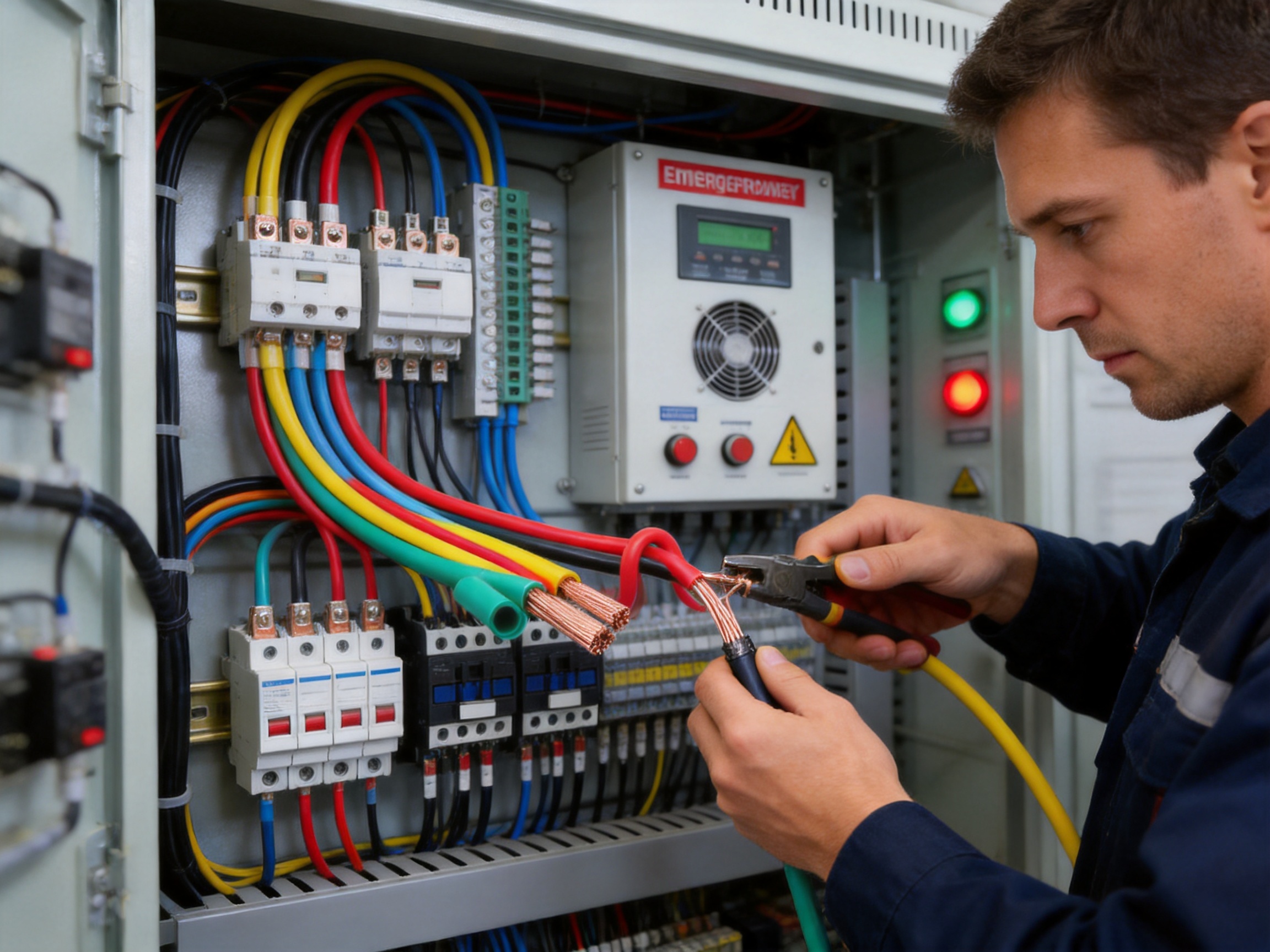
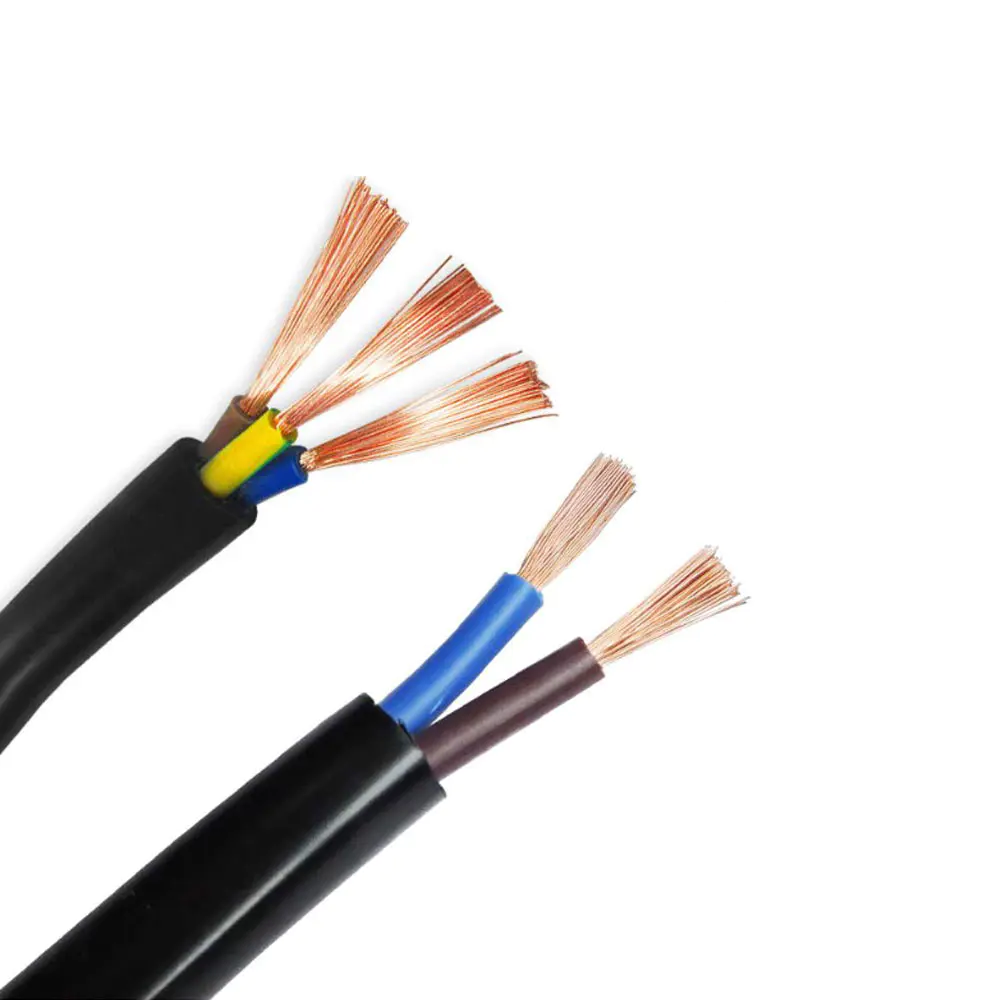
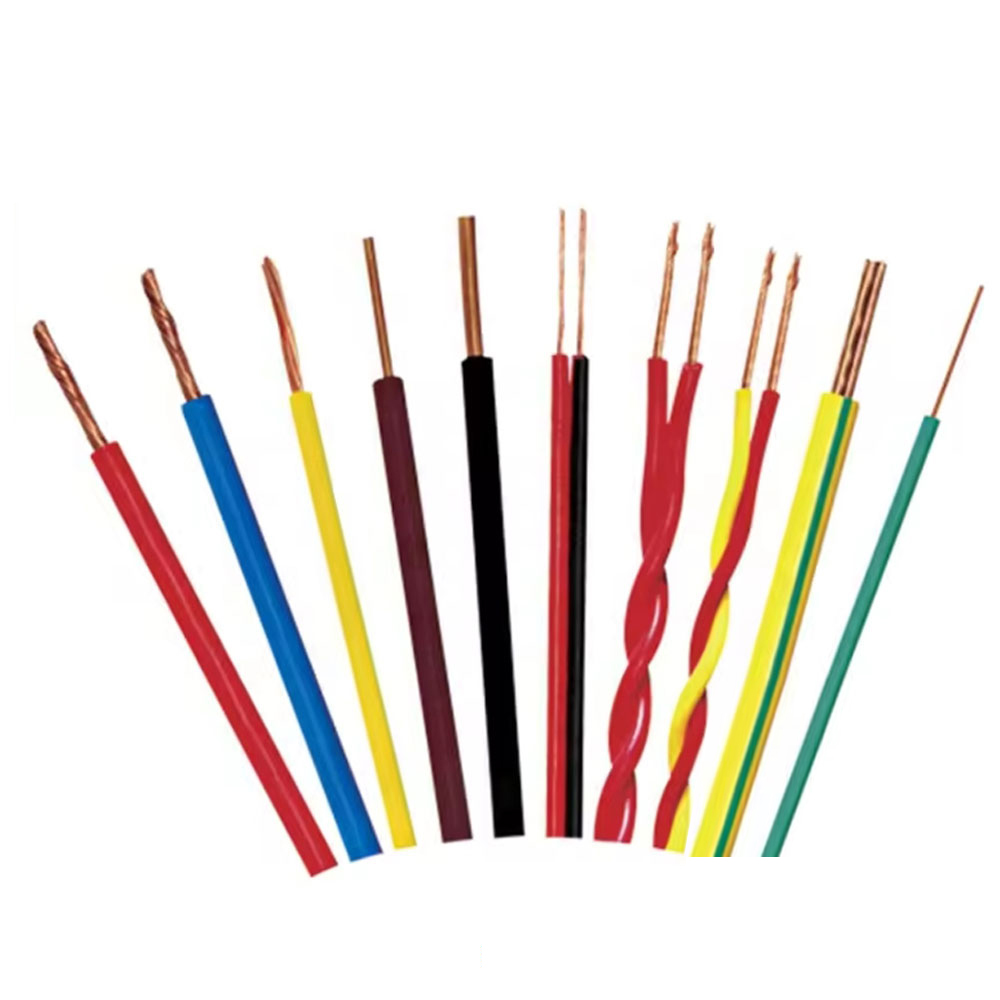
RV/NH-RV single-core building wire is designed for electrical connections that require a combination of flexibility, dependable conductivity, compact installation, and, in the NH-RV version, enhanced fire resistance. It is used across household appliances, lighting equipment, instruments, control cabinets, emergency systems, and firefighting installations. By combining a finely stranded copper conductor with a flexible PVC-based insulation system, this cable provides a practical solution for routing through narrow spaces and around complex installation paths.
Unlike rigid solid-core building conductors, RV wire can be bent, shaped, and connected with comparatively low installation effort. This makes it valuable in applications where cables must move slightly during assembly, fit into confined equipment compartments, or connect components that cannot be aligned along a straight route. NH-RV extends this concept by adding fire-resistant performance for circuits that must continue operating during the early stages of a fire or remain available to critical emergency equipment.
Manufactured by Anhui Zhishang Cable Technology Co., Ltd., the product is supported by an integrated research, production, and sales operation. The company operates a modern production base of approximately 5,000 square meters, uses 10 automated production lines, and has a reported monthly output of up to 10 million meters. Its production and technical teams support standard products as well as OEM and ODM cable development based on customer drawings, samples, or defined technical requirements.
This article examines the construction, performance, applications, manufacturing strengths, quality considerations, installation characteristics, and purchasing value of RV/NH-RV single-core building wire.
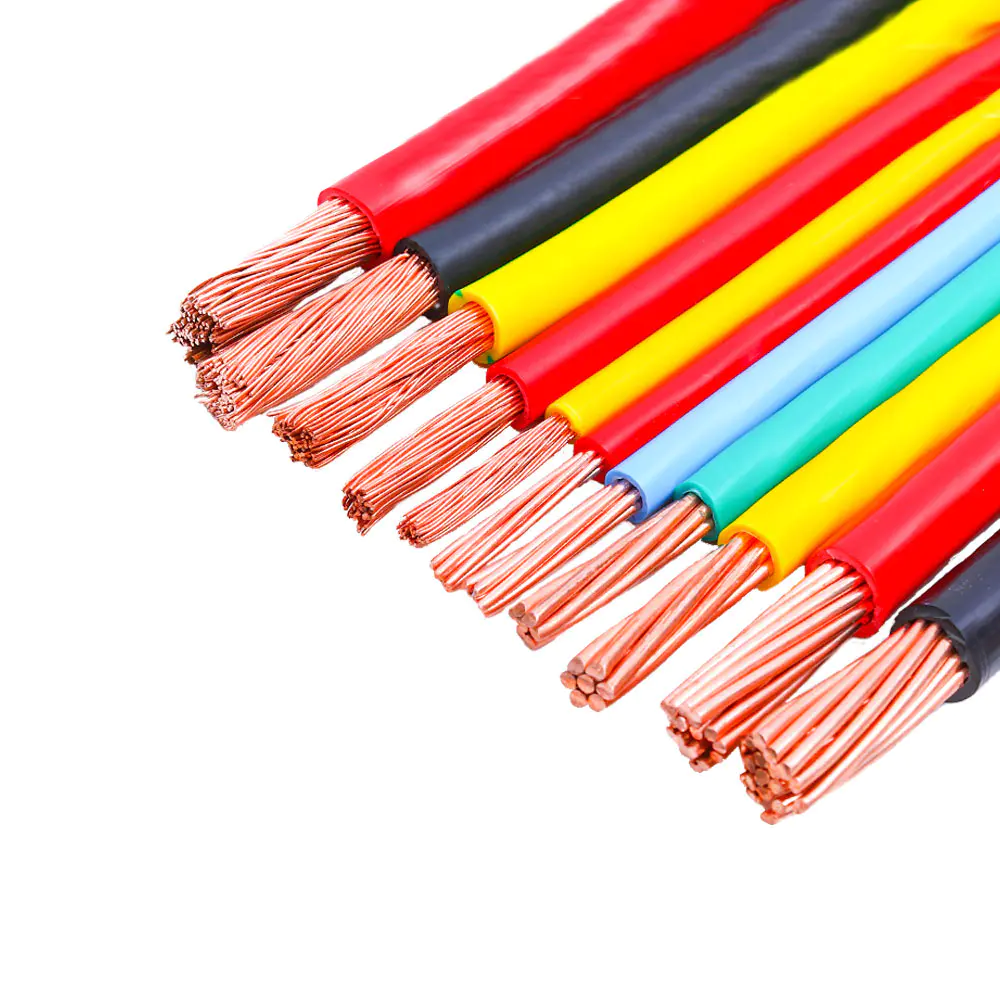
RV/NH-RV Single Core Building Wire
RV is a flexible single-core insulated wire generally used for internal electrical connections and low-voltage wiring. The conductor consists of multiple fine copper strands twisted together to produce a softer and more manageable structure than a single solid conductor. The insulation is typically polyvinyl chloride, commonly known as PVC, selected for its balance of electrical insulation, mechanical flexibility, processability, and cost efficiency.
NH-RV follows the same general flexible single-core structure but incorporates a fire-resistant PVC insulation system. The additional fire-resistant performance is intended for applications where electrical continuity and circuit availability are important during a fire event. Typical uses include power connections for fire fans, smoke exhaust valves, emergency evacuation systems, medical emergency circuits, and movable firefighting equipment.
The product is therefore not limited to one type of building installation. It can serve as an internal equipment wire, a control cabinet lead, an appliance connection conductor, or a flexible supply wire for safety-related systems. The correct selection depends on the voltage level, conductor cross-sectional area, installation method, operating temperature, fire-performance requirement, movement frequency, and applicable project standard.
Although RV and NH-RV share a common flexible design philosophy, they should not be treated as identical products. RV is selected for ordinary flexible low-voltage wiring where standard flame-retardant and insulation performance are sufficient. NH-RV is selected when the circuit requires added fire resistance in addition to flexibility. Project engineers should verify the required test standard and installation conditions before substituting one type for the other.
The conductor is manufactured from copper strands arranged into a compact, flexible bundle. Fine stranding reduces the bending stiffness associated with larger individual wires. When the cable is routed around a corner or placed inside an electrical enclosure, the strands can move slightly in relation to one another, allowing the complete conductor to follow the installation path more easily.
Copper provides strong electrical conductivity and is suitable for applications requiring reliable current transmission. A tightly stranded conductor also supports consistent terminal connection. When correctly stripped and crimped or clamped, the conductor presents a stable contact area and helps reduce the risk of loose connections, localized heating, and intermittent operation.
The available cross-sectional area range is stated as 0.75 mm² to 400 mm². This broad range allows the product family to address small appliance leads, control wiring, lighting circuits, and larger low-voltage power connections. The final conductor size must be selected according to the expected current, allowable voltage drop, ambient temperature, installation method, grouping conditions, and relevant electrical code.
PVC insulation surrounds the conductor and provides electrical separation from adjacent conductors, equipment frames, cable channels, and other conductive surfaces. Its flexibility makes the wire suitable for routes involving bends and confined spaces. PVC is also widely used in building wire because it can be processed efficiently and can provide a cost-effective combination of insulation, mechanical protection, and general chemical resistance.
For the fire-resistant version, the insulation system includes a special fire-resistant layer or fire-resistant PVC formulation. This construction is intended to maintain circuit performance under specified fire conditions. NH-RV is therefore appropriate for safety-related equipment in which the loss of power during a fire could interfere with smoke control, emergency response, evacuation, or other protective functions.
The single-core design offers installation flexibility in equipment wiring, control cabinets, and electrical assemblies. Several single-core wires can be routed separately, identified by color, and terminated at different points. This can be useful where conductors must be distributed through terminal blocks, relays, circuit breakers, contactors, sensors, or appliance control boards.
Single-core wiring also allows the installer to select an appropriate combination of conductor sizes and insulation colors for a particular circuit. In a control cabinet, for example, power, control, grounding, and signal circuits can be organized as separate conductors. Proper identification and routing remain essential because flexible construction does not eliminate the need for orderly installation and circuit protection.
The supplied product information includes a rated voltage of 300/500 V for the RV/NH-RV description and a separate technical table showing 450/750 V. These values may correspond to different product configurations, standard designations, or catalog conditions. Purchasers should confirm the exact rated voltage printed on the selected product specification, quotation, test report, and marking before placing an order.
The listed test voltage is 2,500 V. This value represents an insulation withstand test condition and should not be confused with the normal operating voltage. Electrical testing must be performed using suitable procedures and equipment by qualified personnel, particularly when testing installed circuits connected to sensitive electronic devices.
Parameter |
Stated Value or Description |
Product type |
RV/NH-RV flexible single-core building wire |
Number of conductors |
Single core |
Conductor material |
Multi-strand ultra-fine soft copper |
Cross-sectional area |
0.75 mm² to 400 mm² |
Insulation material |
Flexible PVC; fire-resistant PVC option for NH-RV |
Rated voltage |
300/500 V or 450/750 V, depending on the specified product configuration |
Test voltage |
2,500 V |
Standard operating temperature |
Typically up to 70°C |
Fixed installation temperature range |
–10°C to +70°C |
Flexible installation temperature range |
–5°C to +70°C |
Minimum bending radius |
4 times the cable outer diameter for fixed installation; 6 times for flexible installation in the supplied table |
Flame performance |
Passes the stated GB/T 18380 flame-retardancy test |
Fire-resistant option |
NH-RV construction with fire-resistant performance according to the specified test requirement |
Certifications stated in the product information |
CCC and RoHS; NH-RV additionally associated with GB/T 19666 |
Some marketing information describes a minimum bending radius of up to three times the wire diameter, while the supplied technical table lists four times the outer diameter for fixed installation and six times for flexible installation. The applicable value should be confirmed from the final datasheet for the exact conductor size and installation condition. In all cases, the cable should not be forced into a radius tighter than the manufacturer’s approved limit.
The stated radiation resistance is 8×10⁷ cJ/kg, and chemical resistance is referenced to a chemical resistance table. These values and descriptions should be evaluated in the context of the actual project environment. Where the cable will be exposed to oils, solvents, acids, alkalis, ultraviolet radiation, high humidity, or unusual heat, the purchaser should request the appropriate compatibility information before approval.
Flexibility is one of the most important advantages of RV/NH-RV wire. In a typical equipment assembly, conductors must pass around terminal blocks, enter cable ducts, avoid mechanical obstructions, and reach components installed at different depths. A flexible wire can follow these paths without the extensive pre-forming required by a rigid conductor.
For appliance manufacturers, this can reduce assembly time. Workers can route the wire directly through the required path, leave the appropriate service loop, and terminate the conductor without repeatedly repositioning a stiff cable. Faster routing is especially valuable in high-volume production, where small improvements in handling time can influence total manufacturing cost.
Flexibility is also useful during maintenance. Service technicians may need to remove a cover, withdraw a control assembly, or access a terminal located behind other components. A flexible conductor is less likely to resist movement or place excessive mechanical stress on a terminal when the assembly is opened for inspection.
The multi-strand structure also supports applications involving frequent repositioning, provided the movement is within the product’s intended operating conditions. The product information states that the wire passes 50,000 bending tests. This provides an indication of fatigue resistance, but actual service life depends on bending radius, movement speed, travel distance, temperature, vibration, clamping method, and exposure to chemicals.
Flexibility should not be confused with unlimited torsional or drag-chain performance. If a cable must operate continuously in a high-speed robotic chain, festoon system, elevator application, or repeated torsional movement, a specially designed continuous-flex cable may be more appropriate. RV/NH-RV wire is best selected for flexible equipment wiring and frequent but controlled bending within the stated conditions.
NH-RV is intended for applications where a circuit may need to remain available during a fire. The product information states that the fire-resistant type meets a 750°C/90-minute fire-resistance test and additionally complies with the applicable GB/T 19666 fire-resistance requirement. The exact test arrangement, circuit configuration, support method, and pass criteria should be reviewed in the relevant test report.
Fire resistance is different from ordinary flame retardancy. Flame-retardant insulation is designed to resist flame propagation or limit the spread of fire under a specified test. Fire-resistant cable construction is intended to continue performing under defined fire exposure for a specified duration. A project may require one characteristic, the other, or both.
NH-RV can be considered for fire fans, smoke exhaust valves, emergency evacuation equipment, emergency circuits in medical facilities, and mobile firefighting equipment. These systems may be exposed to high temperatures or may be required to operate when other building services have already been affected. Maintaining power to critical equipment can support smoke management, evacuation, and emergency response.
Correct system design remains essential. A fire-resistant wire cannot compensate for improper circuit protection, unsuitable cable supports, poor terminations, damaged insulation, or an installation method that does not match the test conditions. The complete circuit should be evaluated, including terminals, junction boxes, connectors, support systems, protective devices, and the equipment connected to the cable.
For safety-critical projects, customers should request documentation that identifies the tested product construction, conductor size, voltage rating, fire test standard, test duration, and manufacturing traceability. This documentation helps engineers verify that the proposed product corresponds to the specification rather than relying only on a general product name.
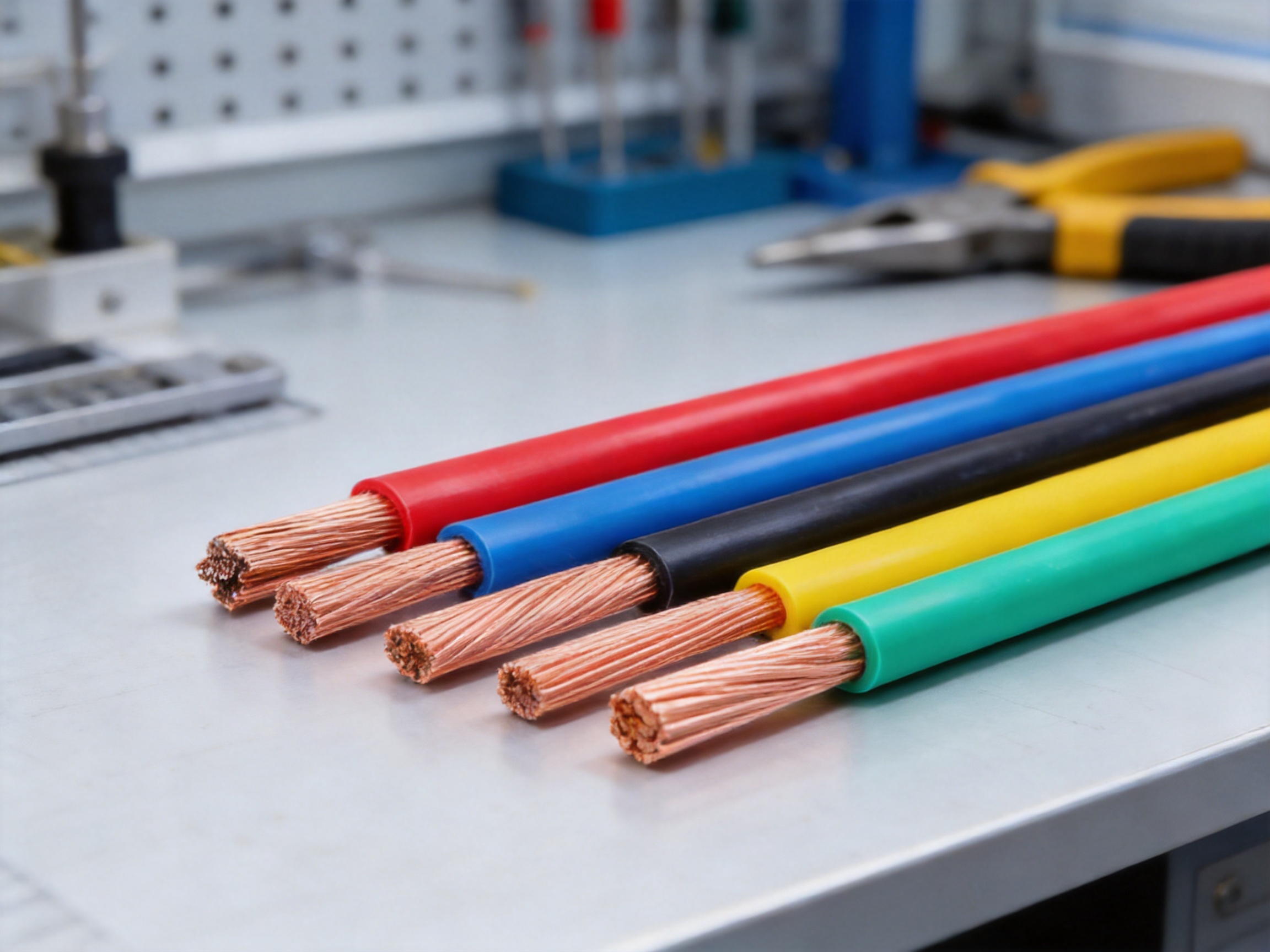
RV wire is widely suitable for internal wiring and power connections in household appliances. Air conditioners, washing machines, refrigerators, ovens, water heaters, fans, and other equipment often contain compact compartments in which conductors must be routed around motors, control boards, sensors, switches, and protective devices.
The wire’s flexibility allows appliance designers to use short, direct routes while keeping the wiring organized. It can be connected to terminal blocks, relays, contactors, circuit boards, heating elements, motors, and control components. Its relatively compact profile can also help manufacturers use available internal space efficiently.
Appliances are often assembled in large quantities, so consistency is important. A conductor that has stable dimensions, uniform insulation, predictable stripping behavior, and reliable terminal compatibility can reduce assembly variation. Zhishang’s stated full-core and full-length pure-copper specifications support the objective of maintaining consistent conductor quality throughout the supplied length.
For appliance applications, selection must account for current load and temperature. Conductors located near heating elements or motors may experience higher ambient temperatures than those installed in a cool control compartment. The designer should consider the cable’s operating temperature, conductor size, insulation clearance, bundling, and the equipment manufacturer’s internal wiring requirements.
Control cabinets require many individual connections in a limited space. Flexible single-core wire can be used between terminal blocks, breakers, contactors, relays, programmable controllers, power supplies, and field connection points. Its ability to bend around duct corners helps technicians create clean wiring layouts without excessive force on terminals.
In low-voltage control cabinets, wire color, numbering, routing, and separation are important. Power conductors should be arranged to minimize interference with sensitive signal circuits. Conductors should be secured to prevent movement at terminals, and stripped ends should be free from damaged strands. Appropriate ferrules or terminal accessories may be used where required by the equipment design.
RV/NH-RV wire can support industrial automation and intelligent manufacturing equipment when its electrical and environmental ratings match the application. Typical uses may include internal machine wiring, sensor supply circuits, actuator connections, control power, panel interconnections, and auxiliary equipment wiring.
Where the cabinet forms part of a fire safety system, NH-RV may offer an additional safety advantage. It can be used for specified emergency circuits when the project requires both a flexible conductor and fire-resistant capability. The designer must still verify whether the system requires a particular circuit integrity classification or a different cable construction.
RV wire is appropriate for many lighting fixture leads and internal connections. Lighting equipment frequently includes narrow channels, movable covers, adjustable components, and compact terminal spaces. A flexible conductor can simplify the connection of lamps, drivers, switches, sensors, and control modules.
Instruments and meters may also require flexible lead wires to connect internal terminals or movable assemblies. The conductor size can be selected according to the instrument’s power and signal requirements. In low-power measurement applications, installation practices should prevent excessive mechanical stress and should maintain adequate separation from power circuits that could introduce electrical noise.
For lighting installations, the insulation color and marking should be compatible with the project wiring scheme. Installers should also avoid placing the wire directly against sharp metal edges or hot surfaces. Where the cable passes through a metal panel, a suitable grommet or protective bushing should be used to prevent abrasion.
NH-RV is particularly relevant to equipment that supports emergency operation. Fire fans and smoke exhaust valves may need power during a fire to control smoke movement and assist evacuation. Emergency evacuation systems may require dependable circuit operation for alarms, signs, communication devices, or other safety functions. Medical facilities may also need emergency circuits that support critical equipment during abnormal conditions.
Mobile firefighting equipment creates a further requirement for flexibility. Cables may be repositioned, moved around equipment, or connected to devices that are not permanently fixed. The flexible conductor helps reduce installation difficulty and can accommodate controlled movement when properly supported.
In these applications, the cable should be installed so that its fire-resistant properties are not undermined. Excessive compression, sharp bends, unsupported spans, unsuitable clips, unauthorized joints, or exposure to incompatible substances can damage the insulation system. Fire-resistant cable should be treated as part of a complete emergency power design rather than as an isolated component.
Project authorities may require documentation beyond ordinary product certification. The procurement file may include certificates, type-test reports, batch records, inspection reports, conductor resistance data, insulation test data, and evidence of compliance with the designated fire standard. Zhishang states that product test reports and warranty support are available for standard cable models, subject to the relevant order and product configuration.
Rigid conductors can be suitable for fixed straight routes, but they may require careful bending and pre-forming when installed in crowded enclosures. RV/NH-RV wire can generally be routed with less effort. This is advantageous for equipment manufacturers, panel builders, and maintenance technicians who must work around existing components.
The multi-strand conductor can conform more readily to a terminal entry point when correctly prepared. It is suitable for crimped terminals, ferrules, and compatible clamping systems. The installer must ensure that all strands are captured and that the terminal is tightened according to the equipment manufacturer’s instructions.
Flexible conductors can be arranged closely within wiring ducts and equipment compartments while maintaining an organized path. This can help designers use smaller internal spaces without forcing rigid cables into sharp or mechanically stressed routes.
The ability to route the wire without extensive pre-forming can improve production efficiency. This is particularly important for appliance manufacturers and control-panel assemblers that repeat similar wiring operations across many units.
Where ordinary RV wire provides the required performance, it offers an economical flexible wiring solution. Where the project additionally requires circuit operation under specified fire exposure, NH-RV provides a fire-resistant option within the same general product family. This allows a project team to select the appropriate performance level without changing entirely to a different wiring concept.
Anhui Zhishang Cable Technology Co., Ltd. integrates research and development, manufacturing, and sales. This structure can support faster communication between customers, technical personnel, production teams, and quality staff. When a customer provides a drawing or sample, the company can evaluate the required conductor construction, insulation characteristics, size, color, marking, packaging, and testing requirements as part of an integrated development process.
The company reports a production base of approximately 5,000 square meters and more than 50 employees. Its workforce includes quality engineers and research and development technicians with more than 10 years of industry experience. Experienced technical personnel can contribute to conductor selection, extrusion process control, dimensional inspection, product testing, and application support.
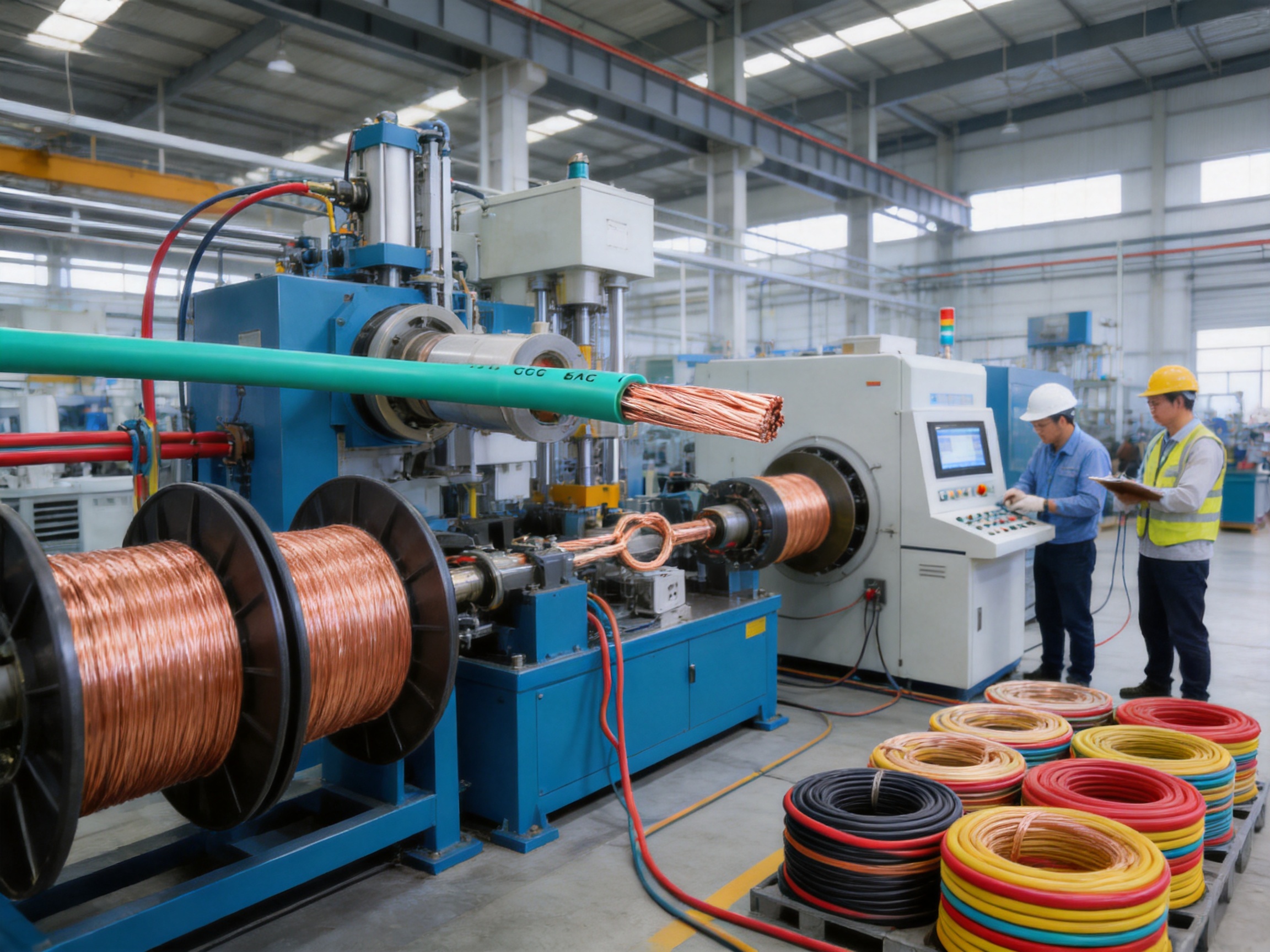
Ten automated production lines are reported to support a monthly capacity of up to 10 million meters. Automation can help improve production consistency by controlling process speed, conductor feeding, insulation extrusion, cooling, take-up, and length measurement. High capacity is also valuable for customers that require repeat orders, scheduled deliveries, or large quantities for standardized equipment programs.
Production scale alone does not guarantee product quality, so process control remains important. A robust cable manufacturing process normally includes incoming material inspection, conductor stranding control, insulation extrusion monitoring, dimensional checks, spark testing, electrical performance testing, visual inspection, length verification, and packaging inspection. These controls help identify defects before products are shipped.
The company emphasizes full-core, full-length, pure-copper specifications for standard cable models. This positioning is important because conductor consistency affects resistance, temperature rise, voltage drop, crimping behavior, and long-term connection reliability. Customers should confirm the applicable conductor standard, resistance requirement, copper purity specification, and inspection method in the technical documents for each order.
Standard products are reported to be stocked for fast shipment, while customized products typically require 7 to 20 days of lead time. Stock availability can benefit customers managing maintenance inventory or urgent production schedules. Customized lead times depend on the product design, conductor size, insulation material, color, printing, packaging, order quantity, testing requirements, and production planning.
The company also states that its products are sold in markets including the United States, Canada, Australia, Japan, and parts of Eurasia. International supply requires attention to documentation, labeling, packaging, applicable standards, customs requirements, and customer-specific approvals. Export customers should confirm the exact certification and test documents required in the destination market.
The product information identifies CCC and RoHS compliance, with NH-RV additionally associated with the GB/T 19666 fire-resistance standard. CCC certification is relevant to applicable products placed on the Chinese market, while RoHS addresses restrictions on certain hazardous substances. GB/T 19666 relates to fire-resistant and flame-retardant cable performance requirements under specified conditions.
Certification should always be checked against the exact model, conductor size, rated voltage, insulation type, and manufacturing location. A certificate for one cable construction may not automatically apply to every size or variant. Buyers should request current certificates and test reports that correspond to the ordered product.
Important quality records may include conductor resistance, insulation thickness, overall diameter, insulation resistance, withstand voltage, spark-test results, flame-retardancy performance, fire-resistance results for NH-RV, and visual inspection records. For repeated supply programs, batch traceability can help connect the delivered cable to its raw materials, production line, inspection records, and shipping documents.
Packaging is also part of quality assurance. Cable should be protected against moisture, abrasion, crushing, contamination, and excessive sunlight during transport and storage. Reels, coils, labels, and outer packaging should identify the product model, conductor area, length, voltage rating, production batch, and any required handling information.
Before installation, verify the product type, cross-sectional area, rated voltage, insulation material, temperature rating, fire-performance requirement, and intended application. Confirm whether RV or NH-RV is required. For emergency circuits, check the project specification and fire-protection authority requirements rather than assuming that any flexible PVC wire is suitable.
Do not bend the wire more tightly than the specified minimum radius. The supplied information gives four times the cable outer diameter for fixed installation and six times for flexible installation in the technical table. Other product descriptions refer to a bending radius as low as three times the wire diameter. Because these values differ by stated condition, the final approved datasheet should be used for the exact product.
Use suitable tools to strip the insulation without nicking or cutting the copper strands. Do not pull the wire over sharp edges, drag it across rough surfaces, or expose it to excessive heat during installation. Where the wire enters a metal enclosure, use a protective bushing or grommet when required.
All strands should be captured by the terminal or ferrule. Loose strands can reduce contact quality and may create short-circuit risks. Terminals should be selected for the conductor size and tightened to the recommended torque. Over-tightening can damage the conductor, while under-tightening can result in high contact resistance and overheating.
Current-carrying capacity depends on conductor area, ambient temperature, installation method, grouping, insulation temperature, and local regulations. The cable should not be loaded solely on the basis of its cross-sectional area without a proper calculation. Protective devices must be coordinated with the conductor and the equipment load.
Where the wire is subject to movement, provide suitable strain relief and avoid transferring mechanical force directly to terminals. Repeated movement should remain within the bending and fatigue conditions for which the selected cable was evaluated. If the application requires continuous high-speed movement, seek a cable specifically designed for that duty.
Product selection should begin with the electrical requirement. Determine the operating voltage, expected continuous current, starting current where motors are involved, allowable voltage drop, circuit length, and protective-device rating. These factors guide the conductor cross-sectional area.
Next, evaluate the mechanical environment. Identify whether the wire will be fixed, routed through a cabinet, connected to a movable assembly, exposed to vibration, or bent repeatedly. Record the smallest installation radius and the frequency of movement. The cable should have sufficient flexibility and fatigue resistance for the actual service conditions.
Environmental conditions should also be documented. Consider ambient temperature, proximity to heat sources, humidity, water, oil, cleaning agents, solvents, ultraviolet exposure, dust, and corrosive substances. If the environment is unusual, request chemical resistance data and technical confirmation from the supplier.
For safety systems, identify whether the requirement is ordinary flame retardancy, fire resistance, low smoke, halogen limitation, circuit integrity, or a combination of these properties. NH-RV should be selected when its fire-resistant characteristics align with the required standard and duration. The cable must also be installed using compatible supports and accessories.
Finally, confirm supply details. Verify the available stock, minimum order quantity, packaging length, color, marking, delivery time, certification, inspection documents, warranty terms, and customization capability. Zhishang reports support for OEM and ODM projects based on customer drawings or samples, which can be useful for equipment manufacturers seeking a defined cable construction.
Different equipment manufacturers may require different conductor sizes, insulation colors, printing formats, packaging methods, or cable lengths. A flexible cable supplier with research and development capability can help convert those requirements into a repeatable production specification.
OEM and ODM support may include evaluation of customer drawings, review of samples, selection of conductor construction, insulation formulation, nominal dimensions, marking content, coil or reel configuration, and inspection requirements. The technical team can also help assess whether an ordinary RV design or an NH-RV fire-resistant design is more appropriate for the intended application.
Customization should be controlled through written technical documents. These documents should identify the conductor material, strand arrangement, cross-sectional area, insulation material, voltage rating, temperature range, color, surface marking, test requirements, packaging, and acceptance criteria. Clear documentation reduces misunderstandings between the buyer and manufacturer and supports consistent repeat production.
Customized products typically require additional lead time compared with stocked standard products. The stated typical lead time is 7 to 20 days, although the actual schedule will depend on order quantity, raw-material availability, production planning, testing, and approval procedures. Customers should confirm the delivery schedule before committing the cable to a time-sensitive project.
RV/NH-RV wire offers a balance between performance and cost. Ultra-fine stranded copper provides flexibility without requiring a highly specialized cable construction for every application. PVC insulation is widely available and can be manufactured efficiently. These features help make the product an economical option among flexible low-voltage wires.
Initial purchase price is only one part of total value. A wire that is easier to route may reduce assembly labor. Consistent conductor dimensions may reduce terminal rework. Reliable insulation may reduce service failures. Stocked standard products may shorten procurement cycles. For emergency systems, the cost of selecting an appropriate fire-resistant cable can be justified by the importance of maintaining circuit availability.
Product value also depends on correct application. An inexpensive cable that is undersized, installed with excessive bending, exposed to incompatible chemicals, or used in a fire-rated circuit without the required certification may create higher costs later. Engineering review, documented selection, proper installation, and quality inspection are essential to achieving the expected service life.
The RV/NH-RV product family combines several useful characteristics in one platform: flexible copper construction, compact single-core format, broad conductor size availability, PVC insulation, optional fire resistance, and suitability for both equipment wiring and building-related low-voltage applications.
Its main competitive advantages are practical rather than cosmetic. Fine-stranded copper improves handling. Flexible insulation supports complex routing. The NH-RV option addresses fire-related circuit requirements. The broad size range enables one supplier to support small control wires and larger power conductors. Standard product inventory can help with delivery, while OEM and ODM capabilities support customized equipment programs.
Zhishang’s integrated manufacturing model adds further value for customers that need technical communication, production capacity, quality documentation, and delivery coordination from one supplier. Automated production lines, experienced technical personnel, reported high monthly capacity, and standard-product inventory provide a foundation for repeat supply.
For customers comparing suppliers, the most important evaluation criteria should include the exact cable construction, test documentation, material consistency, production traceability, technical support, delivery reliability, and ability to meet the required standard. The product should be selected based on verified performance rather than general claims alone.
RV is a flexible single-core insulated wire using a multi-strand copper conductor and flexible PVC insulation. It is commonly used for internal appliance wiring, instrument connections, lighting leads, control cabinets, and other low-voltage electrical connections.
NH-RV adds fire-resistant performance to the flexible single-core construction. It is intended for electrical connections that may require continued operation during a specified fire exposure, such as fire fans, smoke exhaust valves, emergency systems, and mobile firefighting equipment.
RV can support flexible equipment wiring and controlled repeated bending within its specified conditions. However, continuous high-speed movement, torsion, or drag-chain operation may require a cable specifically engineered for those duties. The movement profile should be reviewed before selection.
The supplied product information lists sizes from 0.75 mm² to 400 mm². Availability may vary by product type, voltage rating, color, order quantity, and production schedule. The final size should be selected according to current, voltage drop, temperature, installation method, and applicable code.
The product description states 300/500 V, while the technical table lists 450/750 V. These values may apply to different configurations or standard designations. Buyers should confirm the rated voltage for the exact model shown on the quotation, datasheet, cable marking, and certificate.
The standard temperature rating is typically up to 70°C. The supplied table lists –10°C to +70°C for fixed installation and –5°C to +70°C for flexible installation. Actual use should follow the final product specification and the surrounding environmental conditions.
The supplied technical table lists four times the cable outer diameter for fixed installation and six times for flexible installation. Other product information refers to a minimum radius of up to three times the wire diameter. Because the stated values vary by condition, use the approved datasheet for the exact product and avoid tight bends.
No. NH-RV should be used only where its documented performance matches the project requirement. Some projects may require different fire duration, circuit integrity, smoke emission, halogen, mechanical, or installation characteristics. The complete specification and relevant test report must be reviewed.
The product information identifies CCC and RoHS compliance, with NH-RV additionally associated with GB/T 19666 fire-resistance requirements. Certification should be verified against the exact model, conductor size, voltage rating, and production configuration.
Yes. The manufacturer states that it supports OEM and ODM development based on customer drawings or samples. Possible customization areas may include conductor size, insulation color, marking, packaging, length, and other defined technical requirements.
The stated typical lead time for customized products is 7 to 20 days. The actual time depends on the design, quantity, raw materials, testing requirements, production schedule, and customer approval process.
A buyer should request the applicable datasheet, product certificate, test report, conductor and insulation specifications, rated voltage, temperature range, bending requirements, fire-performance documentation where applicable, inspection records, packaging information, and warranty terms.
RV/NH-RV single-core building wire provides a flexible and economical solution for low-voltage electrical connections. Its multi-strand soft copper conductor supports easy routing, compact installation, reliable terminal preparation, and controlled repeated bending. Flexible PVC insulation provides practical electrical and mechanical protection, while the NH-RV option adds fire-resistant capability for emergency and firefighting applications.
The product can be used in household appliances, lighting equipment, instruments, control cabinets, industrial automation equipment, emergency circuits, fire fans, smoke exhaust valves, medical systems, and mobile firefighting equipment. Its broad conductor size range and single-core format allow engineers to select a configuration suited to a wide variety of wiring tasks.
Anhui Zhishang Cable Technology Co., Ltd. supports the product with integrated research, manufacturing, sales, OEM/ODM development, automated production lines, experienced technical staff, standard inventory, and reported large-scale monthly capacity. These strengths can help customers manage product consistency, technical communication, customization, and delivery requirements.
The best results depend on correct product selection and installation. Engineers should verify the exact rated voltage, cross-sectional area, fire-performance requirement, bending radius, temperature range, certification, and environmental compatibility. When these factors are properly controlled, RV/NH-RV wire can provide a dependable combination of flexibility, electrical performance, installation efficiency, and application-specific safety.
1. GB/T 5023, Polyvinyl Chloride Insulated Cables of Rated Voltages Up to and Including 450/750 V.
2. JB/T 8734, Cables and Wires with Rated Voltages Up to and Including 450/750 V.
3. GB/T 19666, General Rules for Flame Retardant and Fire-Resistant Cables and Wires.
4. GB/T 18380, Tests on Electric and Optical Fibre Cables under Fire Conditions.
5. Product technical information for RV/NH-RV single-core flexible building wire.
6. Manufacturer-provided information concerning conductor construction, production capacity, quality assurance, certifications, and customization support.
7. General principles of low-voltage electrical wiring design, conductor selection, terminal preparation, and cable installation practice.

We firmly believe that good cables are not only a competition of materials, but also a reflection of craftsmanship, quality, and responsibility.

Links
Product
Send Inquiry
No. 29 Sankeshu Road, Xuanzhou District, Xuancheng City, Anhui Province, China
+86-18621104555/+86-563-2622999
 Electrical Cable Manufacturer
OEM/ODM Wire and Cable Solutions
 English
 Español
 عربى
 русский