Get more content that can help you
Content
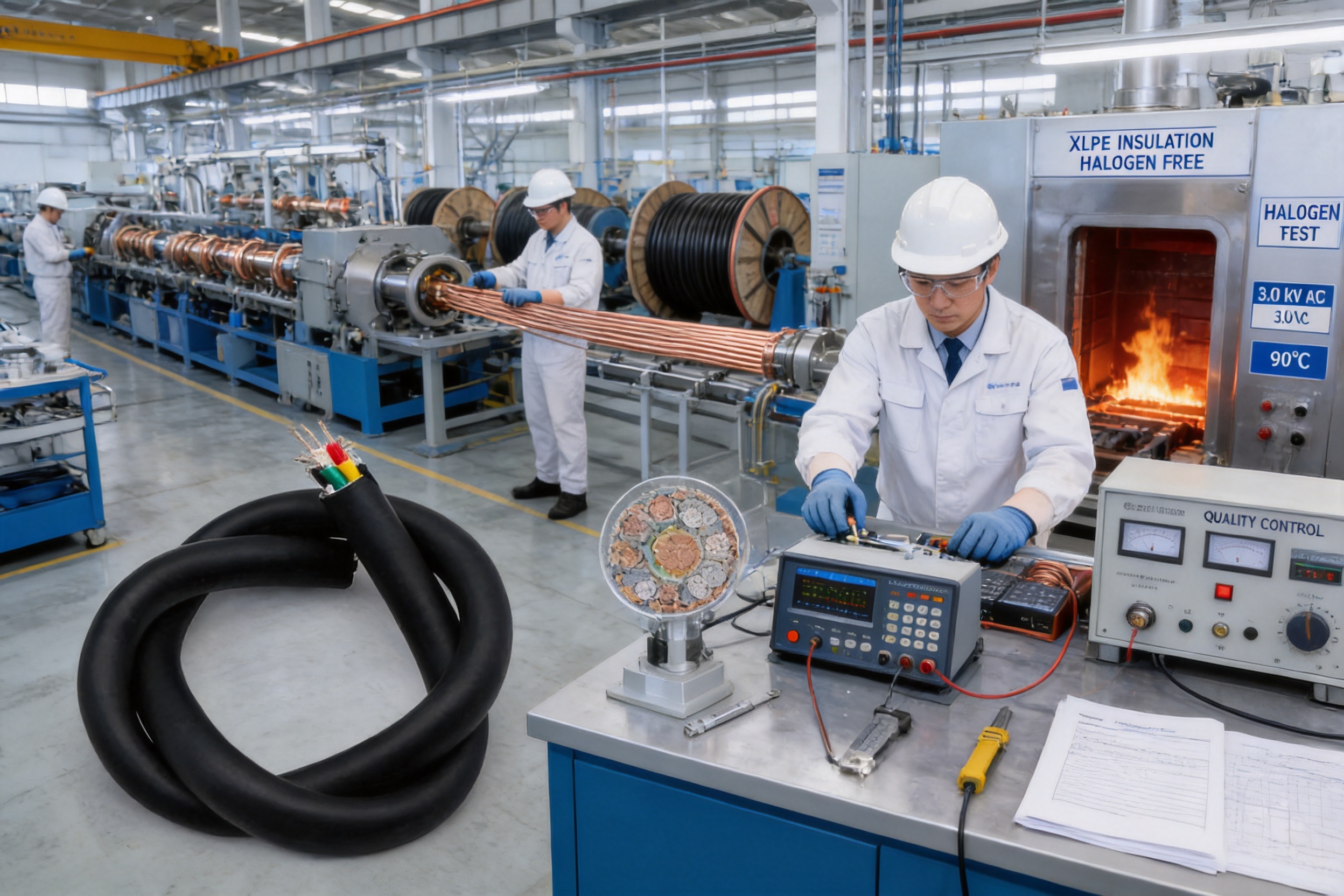
Modern buildings and industrial facilities depend on control cables to transmit reliable signals between automation systems, sensors, actuators, protection devices, monitoring equipment, and control panels. Although control cables generally operate at lower power levels than power cables, their role is essential. A failure in a control circuit can interrupt production, disable an emergency system, compromise building automation, or create unsafe operating conditions. For this reason, cable selection must consider more than conductor size and rated voltage. Fire behavior, smoke generation, insulation stability, environmental performance, temperature resistance, mechanical flexibility, and manufacturing consistency are all important.
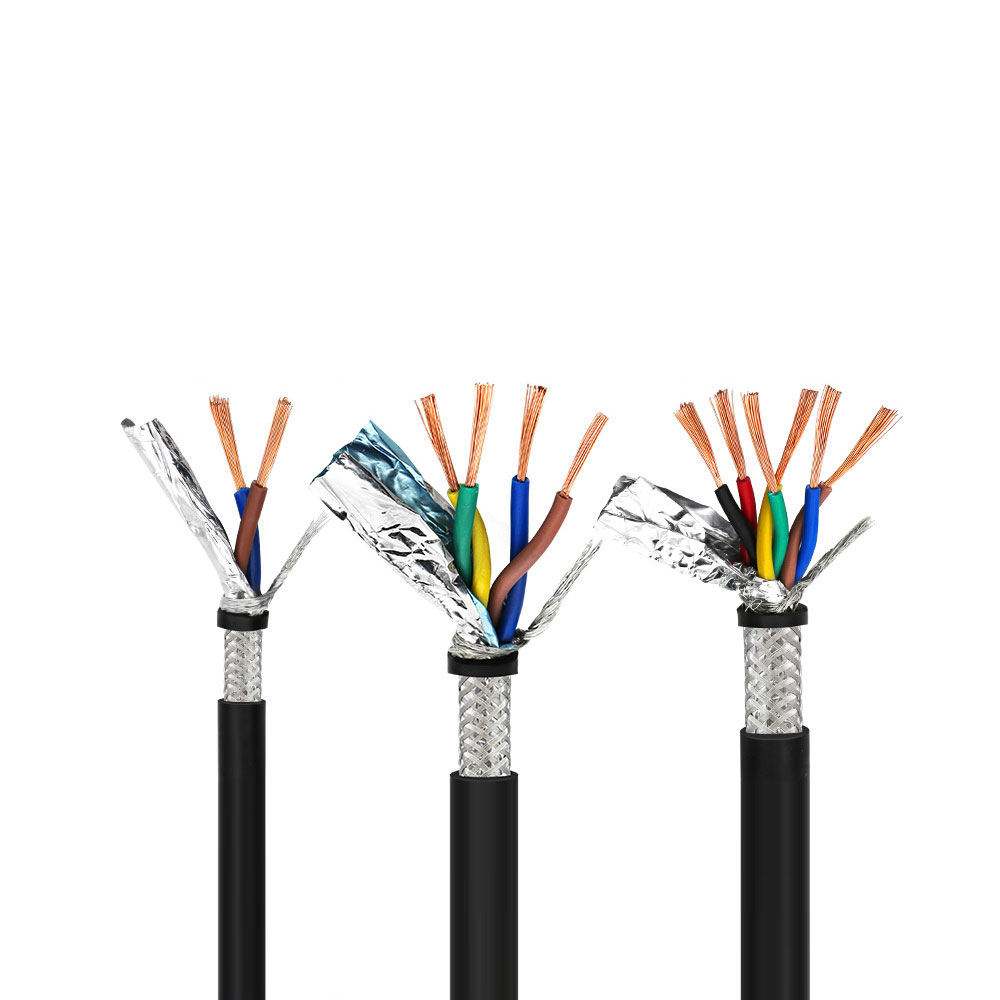
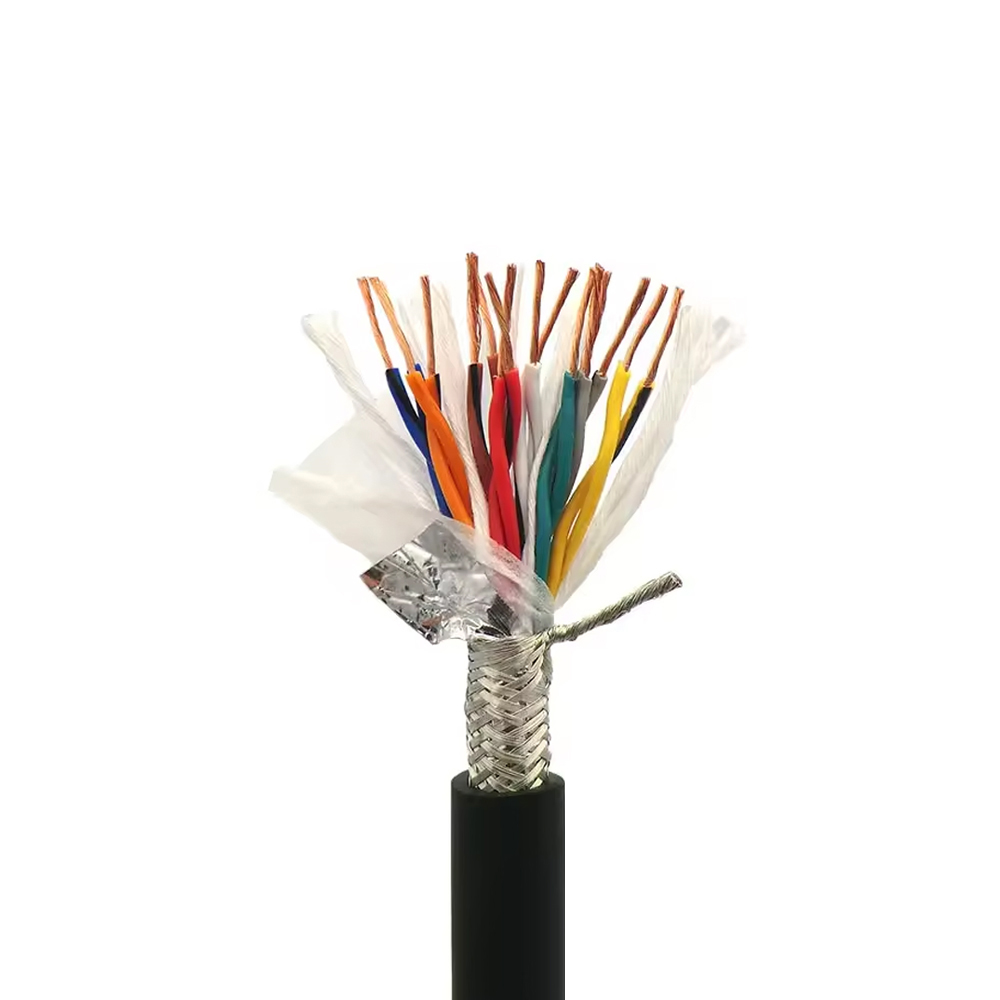
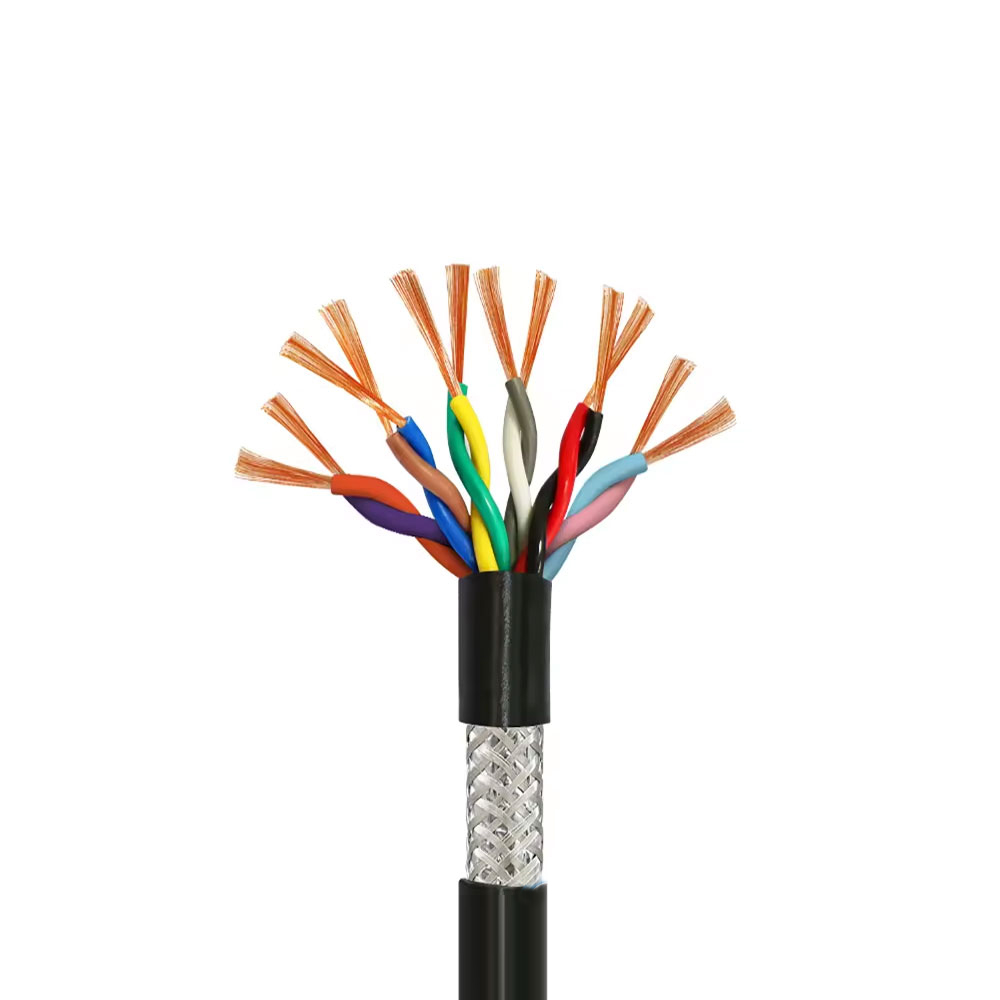
WDZ(A/B/C)-KYJY is a halogen-free, low-smoke, flame-retardant control cable designed for applications where electrical reliability and fire safety must be addressed together. It uses cross-linked polyethylene insulation and a halogen-free low-smoke polyolefin sheath. The product is available in three flame-retardant classes—A, B, and C—allowing users to select a configuration appropriate for project-specific fire protection requirements.
With a rated voltage of 450/750V, a long-term allowable conductor temperature of 90°C, a broad selection of conductor cross-sections, and configurations from 2 to 61 cores, this cable can serve a wide range of control, instrumentation, building automation, security, and industrial communication applications. Its low-smoke and halogen-free construction is particularly valuable in crowded or enclosed spaces where smoke visibility and corrosive combustion gases can significantly increase the consequences of a fire.
This article examines the product’s construction, electrical and thermal performance, fire-safety advantages, installation characteristics, application range, quality controls, and manufacturing strengths. It also explains how a professional cable manufacturer can support custom development, stable supply, and project-specific engineering requirements.
Control cables connect the functional components of a system. They may carry signals from temperature sensors, pressure transmitters, limit switches, emergency-stop devices, relays, control cabinets, access-control equipment, fire alarm interfaces, ventilation systems, and industrial machines. In a building, they can form part of a complete automation network that coordinates lighting, HVAC equipment, elevators, access systems, pumps, and fire protection equipment.
Because control cables are often installed in groups, cable trays, conduits, shafts, ceilings, raised floors, and equipment rooms, their behavior during a fire is important. A cable that produces dense smoke can reduce visibility and make evacuation more difficult. A cable containing halogenated materials may release acidic and corrosive gases when exposed to fire. These gases can damage metal equipment, circuit boards, control cabinets, and sensitive electronic devices even after the immediate flame event has ended.
The selection of a control cable should therefore reflect the complete operating environment. In a hospital, for example, the cable should support reliable electrical operation while minimizing smoke and corrosive gases. In a subway or tunnel, the cable must be compatible with enclosed environments and strict fire-safety planning. In a data center, low-smoke performance helps protect both personnel and expensive electronic infrastructure. In an industrial plant, temperature resistance and insulation stability can contribute to longer service life and fewer unplanned shutdowns.
WDZ(A/B/C)-KYJY addresses these requirements through a combination of cross-linked polyethylene insulation, halogen-free low-smoke materials, selectable flame-retardant grades, copper conductors, and a controlled manufacturing process.
WDZ(A/B/C)-KYJY is a low-smoke, halogen-free, flame-retardant control cable with cross-linked polyethylene insulation. The “WDZ” designation identifies the low-smoke and halogen-free design concept, while the A, B, and C classifications indicate different flame-retardant performance levels. The “KYJY” structure represents a control cable using copper conductors and cross-linked polyethylene insulation.
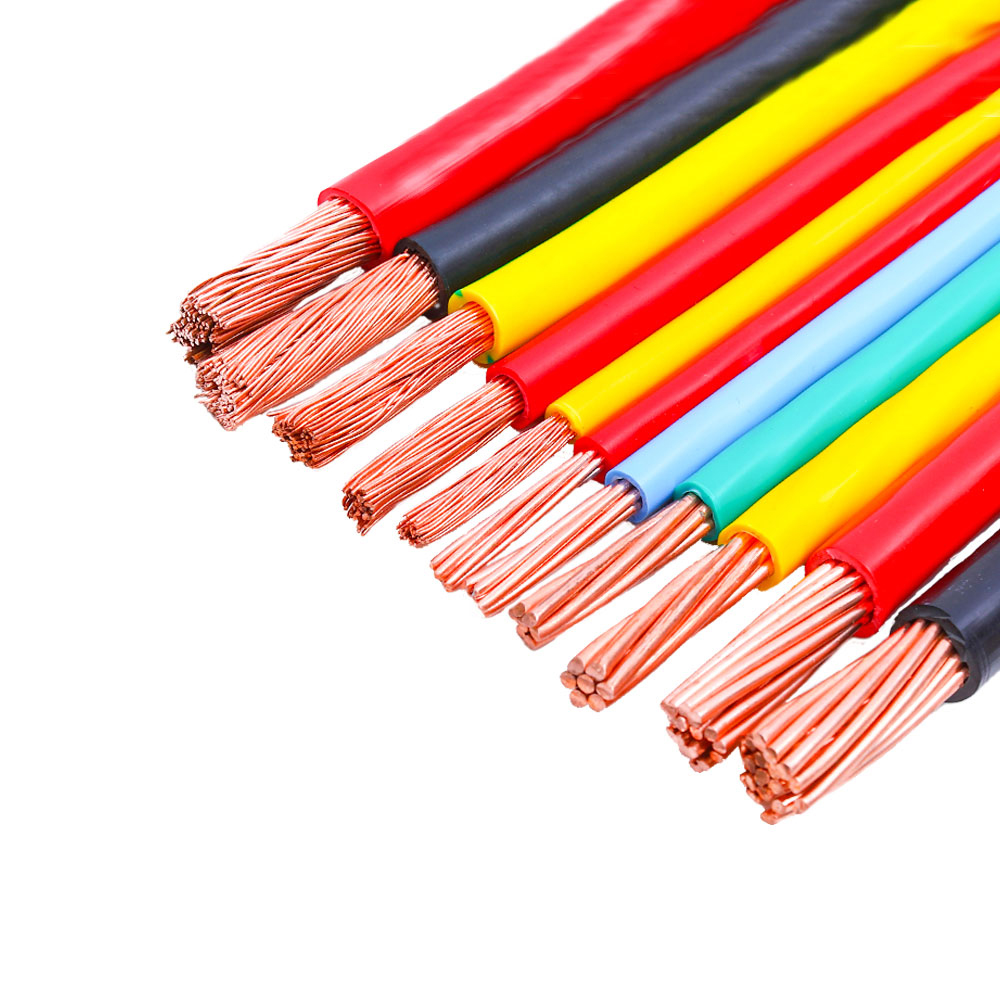
The cable is available with solid or stranded annealed copper conductors. Depending on the required flexibility, installation method, conductor size, and project specification, users can select an appropriate conductor construction. Cross-sectional areas range from 0.5 mm² to 10.0 mm², while the number of cores can range from 2 to 61 cores.
The cable has a rated voltage of 450/750V and is tested at 3.0kV AC for one minute. The cross-linked polyethylene insulation supports a long-term operating temperature of 90°C, while the halogen-free low-smoke polyolefin sheath protects the cable against common environmental influences such as moisture and ultraviolet exposure.
Item | Specification |
Product type | Halogen-free, low-smoke, flame-retardant control cable |
Conductor | Solid or stranded annealed copper conductor |
Cross-section range | 0.5 mm² to 10.0 mm² |
Number of cores | 2 cores to 61 cores |
Rated voltage | 450/750V |
Test voltage | 3.0kV AC for 1 minute |
Insulation | Halogen-free low-smoke cross-linked polyethylene |
Sheath | Halogen-free low-smoke polyolefin |
Long-term operating temperature | 90°C |
Fixed installation temperature range | -20°C to +90°C |
Flexible installation temperature range | -10°C to +90°C |
Flame-retardant options | Class A, Class B, and Class C |
Minimum bending radius | At least 6 times the outer diameter for fixed installation; at least 10 times the outer diameter for flexible installation |
The most important distinguishing feature of WDZ(A/B/C)-KYJY is its halogen-free, low-smoke design. Conventional cable materials may produce significant smoke and acidic gases when they burn. In contrast, halogen-free cable materials are formulated to minimize halogen content and reduce the formation of corrosive combustion products.
The product specification identifies a chlorine and bromine content of no more than 0.5%. During combustion testing, the smoke performance is specified with light transmittance of at least 80% under flaming and non-flaming conditions. The combustion gas acidity requirement is a pH value of at least 4.3, with conductivity no higher than 10 μS/mm. These characteristics are intended to reduce the harmful effects associated with dense smoke and acidic gases.
Low smoke is especially important in areas where people may need to evacuate quickly. Dense smoke can obstruct signs, stairways, corridors, platforms, and emergency exits. It can also interfere with visibility for rescue teams and complicate the operation of emergency equipment. A low-smoke cable does not eliminate all fire risks, but it can help reduce the smoke burden created by the cable installation.
The halogen-free feature also helps limit secondary damage. Corrosive gases can attack copper conductors, electrical contacts, control boards, server components, and metal structures. In a data center, communication room, hospital, or control center, the protection of electronic equipment may be almost as important as the protection of the building structure. Low-smoke, halogen-free materials are therefore an important part of a comprehensive fire-safety strategy.
It is important to understand that cable flame-retardant performance depends on the complete installation, including cable spacing, tray arrangement, penetration seals, routing, and the total quantity of combustible material. WDZ(A/B/C)-KYJY should be selected and installed according to the applicable project design requirements and local regulations.
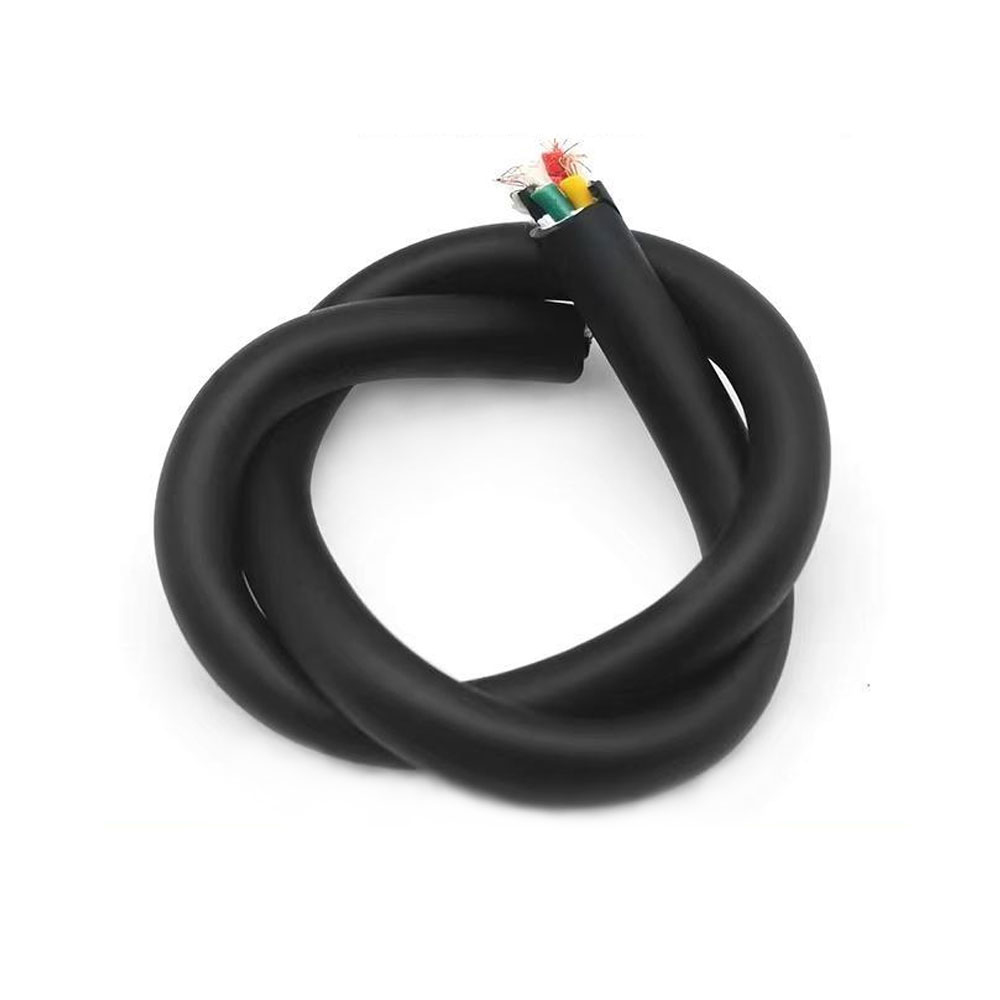
WDZ(A/B/C)-KYJY Good temperature resistance Control Cable
Different projects have different fire-protection requirements. A small indoor control circuit may not require the same flame-retardant classification as a large cable bundle in a vertical shaft or a densely occupied transportation facility. Providing A, B, and C options gives designers and contractors a practical way to match product selection with the fire-risk assessment of the installation.
Class A is intended for applications requiring the highest level among the three available flame-retardant options. It is suitable for projects where cable grouping, vertical routing, high occupancy, or emergency-service requirements justify a more demanding fire-performance selection. Typical examples may include major public buildings, transportation infrastructure, critical control centers, and installations where continuity of essential systems is a high priority.
Class B provides an intermediate flame-retardant option for many commercial, industrial, and infrastructure projects. It can be considered where the project requires controlled flame spread and low-smoke, halogen-free materials but does not require the highest available classification for every cable route.
Class C is a practical choice for applications with moderate flame-retardant requirements. It retains the low-smoke and halogen-free design advantages while offering a cost-conscious solution for suitable indoor control installations, equipment connections, and building automation systems.
The correct grade should not be selected solely by price. The cable route, installation density, building occupancy, emergency strategy, applicable codes, and customer specifications should all be considered. A professional supplier can help users review these factors and identify the most suitable flame-retardant class.
Cross-linked polyethylene is used as the primary insulation material because it offers strong electrical performance and improved thermal capability compared with many ordinary thermoplastic insulation materials. WDZ(A/B/C)-KYJY supports a long-term allowable conductor temperature of 90°C. This provides additional operating margin in warm equipment rooms, cable trays, plant areas, and control cabinets.
The 90°C rating can be valuable in several ways. First, it allows the cable to operate reliably in locations where ambient temperature is elevated. Second, it can help accommodate moderate current-related heating without immediately approaching the insulation limit. Third, it supports a wider design margin when cables are installed near motors, process equipment, lighting systems, or other heat sources.
The product is specified for fixed installation from -20°C to +90°C and for flexible installation from -10°C to +90°C. These ranges provide practical adaptability for indoor building systems and industrial equipment connections. Installation conditions should still be evaluated carefully, especially where the cable may be exposed to very low temperatures, repeated movement, direct heat radiation, chemicals, or outdoor weather.
Under short-circuit conditions, the conductor temperature is specified not to exceed 250°C for a maximum duration of five seconds. Actual short-circuit withstand depends on conductor size, fault current, protective-device response time, installation conditions, and the coordination of the electrical system. The specification provides an important design reference, but final short-circuit calculations should be completed by the project’s electrical engineer.
Control systems require stable signal transmission and dependable insulation. WDZ(A/B/C)-KYJY uses annealed copper conductors, which offer good conductivity, practical termination performance, and compatibility with common control-panel and equipment connection methods. Solid conductors may be preferred for fixed wiring where dimensional stability is important, while stranded conductors can provide improved handling and flexibility.
The insulation resistance is specified at not less than 1500 MΩ·km at 20°C. High insulation resistance helps reduce leakage current and supports separation between adjacent cores, earth, and surrounding conductive structures. This is important in multi-core control circuits where low-level signals and control commands may share a common cable route.
The cable is tested at 3.0kV AC for one minute. This test helps verify the integrity of the insulation system under a controlled electrical stress. In addition, the cable is designed for reliable operation under its rated working voltage without breakdown during normal long-term service.
The XLPE insulation is also designed to resist partial discharge and maintain low dielectric loss. These properties contribute to stable electrical performance over time. While control cables do not always carry high power, their insulation system must remain dependable through temperature changes, installation stress, moisture exposure, and years of operation.
Control cable installation can involve crowded trays, narrow conduits, cabinet entries, equipment junctions, and routes with multiple changes in direction. The product’s available stranded conductor constructions support practical installation requirements where a degree of flexibility is necessary.
For fixed installation, the minimum bending radius is specified as at least six times the cable outer diameter. For flexible installation, the minimum bending radius is at least ten times the cable outer diameter. These values should be respected during pulling, routing, termination, and equipment connection. Excessive bending can place stress on the conductor, insulation, filler, and sheath, potentially affecting long-term reliability.
Although the cable can be used in flexible installation conditions, it should not automatically be treated as a continuous-flex cable for robotic drag-chain applications. Continuous movement, torsion, high-frequency bending, and repeated flexing require a cable specifically designed and tested for those duties. Proper application matching helps ensure that the product performs as intended.
The polyolefin sheath provides a protective external layer around the insulated cores. It helps protect the cable during normal handling and installation while contributing to the low-smoke and halogen-free performance of the complete cable structure. The sheath is also described as resistant to moisture and ultraviolet radiation, which expands the product’s environmental adaptability for suitable indoor and semi-exposed locations.
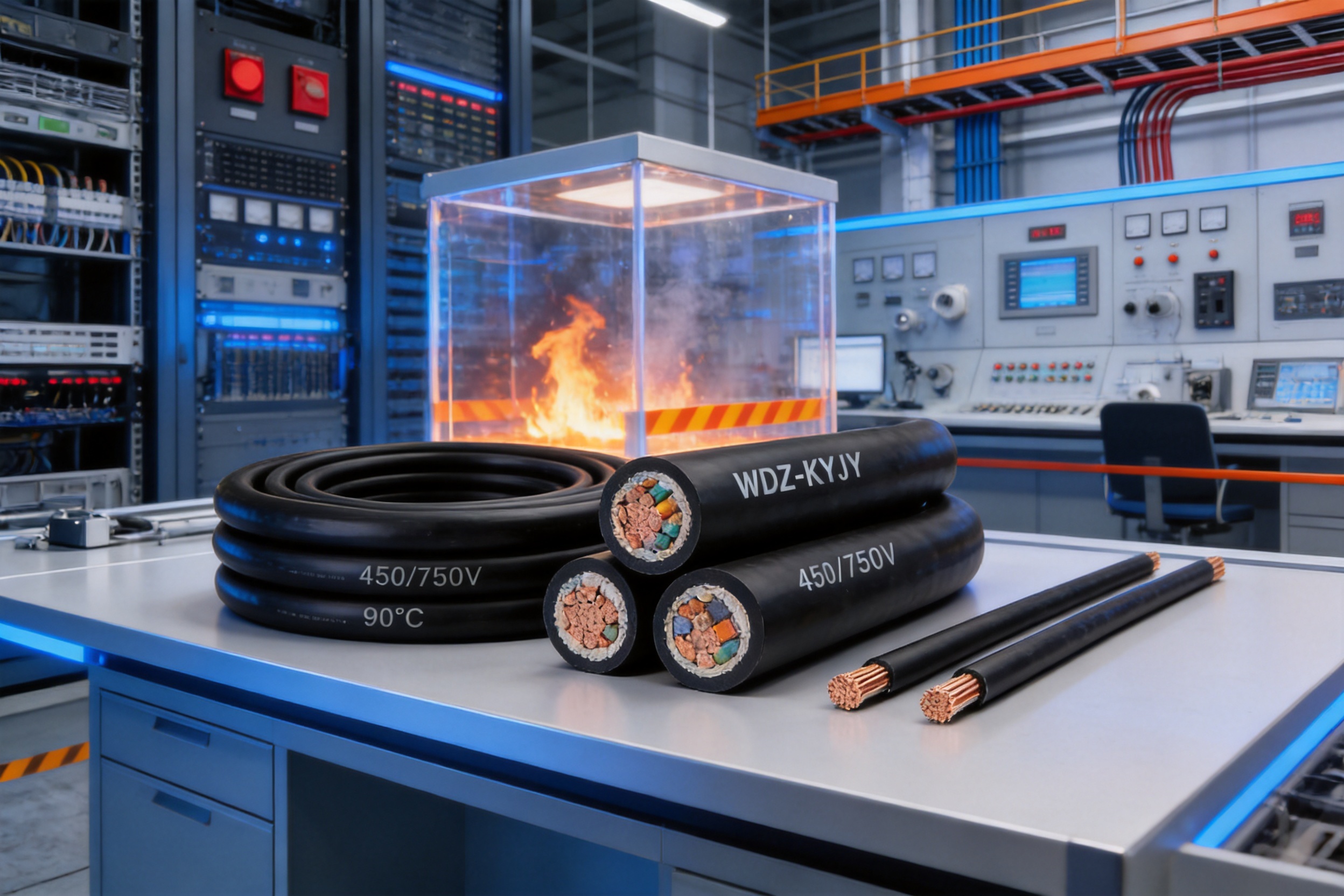
WDZ(A/B/C)-KYJY offers several advantages over conventional control cables that rely on ordinary insulation and sheath materials.
The low-smoke, halogen-free construction reduces smoke and corrosive gas concerns during combustion. This is a major advantage in public buildings, transport facilities, hospitals, schools, tunnels, and enclosed technical rooms.
The 90°C long-term operating temperature provides a higher thermal capability than many ordinary cables with lower temperature ratings. This can help designers manage warm environments and improve operating margin.
The availability of A, B, and C flame-retardant classes allows users to avoid a one-size-fits-all approach. The selected grade can be matched to the location’s fire-risk level and project specifications.
With sizes from 0.5 mm² to 10.0 mm² and core counts from 2 to 61, the product can serve small sensor circuits, multi-point control systems, building automation panels, and complex industrial control wiring.
The product’s fire behavior and electrical stability make it suitable for integration with fire protection, security, emergency control, building automation, and monitoring systems. It can support the wider goal of improving system-level safety rather than functioning only as a basic signal cable.
Halogen-free materials support cleaner combustion behavior and reduce the release of substances that may create long-term damage to equipment and indoor environments. These characteristics are increasingly relevant to green building projects and environmentally responsible procurement.
Hospitals contain large numbers of occupants, sensitive electronic equipment, medical systems, and emergency power and control networks. Control cables may be used for ventilation, access control, nurse-call systems, fire protection interfaces, pumps, alarms, and building management. Low-smoke, halogen-free performance is valuable because evacuation and equipment protection are both important.
Schools, government buildings, shopping centers, and cultural facilities often have high occupancy and complex building automation requirements. WDZ(A/B/C)-KYJY can be used for control circuits associated with lighting, HVAC, security, public address systems, elevators, and monitoring equipment, subject to the project’s design and code requirements.
Subways and tunnels are enclosed environments where smoke management and emergency response are particularly challenging. Control cables may be installed for ventilation, signaling interfaces, pumps, access systems, lighting, monitoring, and emergency equipment. The low-smoke and halogen-free design is well suited to projects that place strong emphasis on fire safety and visibility during evacuation.
Data centers require dependable control and monitoring systems for cooling, fire protection, power distribution, access control, environmental monitoring, and backup equipment. Low-smoke materials can help protect electronic equipment and reduce the potential impact of corrosive gases during a fire event.
Industrial plants use control cables to connect sensors, valves, relays, motor-control equipment, process instruments, and programmable control systems. The product’s thermal performance, multiple core configurations, and copper conductor construction provide practical options for machinery and process-control wiring.
High-rise buildings commonly contain long vertical cable routes, densely populated areas, electrical rooms, mechanical floors, and integrated building-management systems. Low-smoke, halogen-free control cables can support the fire-protection objectives of these complex structures.
Product performance depends not only on material selection but also on manufacturing discipline. A reliable control cable requires consistent conductor preparation, accurate insulation extrusion, controlled core assembly, precise sheath application, and complete electrical and physical testing.
The manufacturing process begins with high-quality annealed copper conductors. Copper rod is processed into the required conductor structure, with attention to diameter, surface quality, resistance, elongation, and consistency. For stranded conductors, the individual wires are assembled with controlled lay length and tension. Consistent stranding helps maintain dimensional stability and supports predictable cable flexibility.
Conductor resistance is an important quality indicator. Excessive resistance can increase voltage drop and heat generation, while inconsistent conductor dimensions may create difficulties during termination. Production controls therefore focus on maintaining stable conductor size and electrical characteristics throughout the manufacturing batch.
The cross-linked polyethylene insulation is applied through precision extrusion. During this stage, material temperature, extrusion pressure, line speed, concentricity, surface finish, and insulation thickness must be controlled. Uneven insulation can reduce electrical performance and create weak points, while excessive thickness can increase cable diameter and reduce installation efficiency.
After extrusion, the insulation undergoes the required cross-linking process. Cross-linking changes the polymer structure and improves its thermal and mechanical stability. Proper process control is essential because insufficient or uneven cross-linking can affect the cable’s ability to maintain its rated performance at elevated temperature.
After insulation, the individual cores are identified and assembled into the required configuration. Clear and durable core identification helps installers reduce wiring errors, especially in high-core-count cables. The cores are arranged with controlled tension and lay geometry to maintain a stable circular structure and prevent unnecessary internal stress.
For multi-core products, assembly quality is particularly important. Poor alignment, excessive compression, or irregular core tension can affect the cable’s outer diameter, bending behavior, and sheath uniformity. Proper assembly supports consistent performance from one production length to another.
The halogen-free low-smoke polyolefin sheath is applied after core assembly. The sheath must cover the cable evenly and provide sufficient mechanical protection without damaging the insulated cores. Process parameters are monitored to maintain the specified sheath thickness and a smooth, defect-free surface.
Because halogen-free materials can have different processing characteristics from conventional PVC materials, production equipment and process parameters must be appropriately managed. Stable temperature control, material drying where required, extrusion pressure management, and careful cooling all contribute to consistent sheath quality.
Quality assurance should continue throughout production rather than relying only on final inspection. Online diameter monitoring, spark testing, dimensional checks, conductor resistance testing, insulation resistance measurement, voltage testing, and visual inspection can identify defects at an early stage.
Finished-product testing may include electrical resistance, insulation resistance, high-voltage withstand, dimensional verification, sheath integrity, flame-retardant performance, smoke density, combustion gas acidity, and halogen-content evaluation. The exact test program depends on the product specification, customer requirements, and applicable standards.
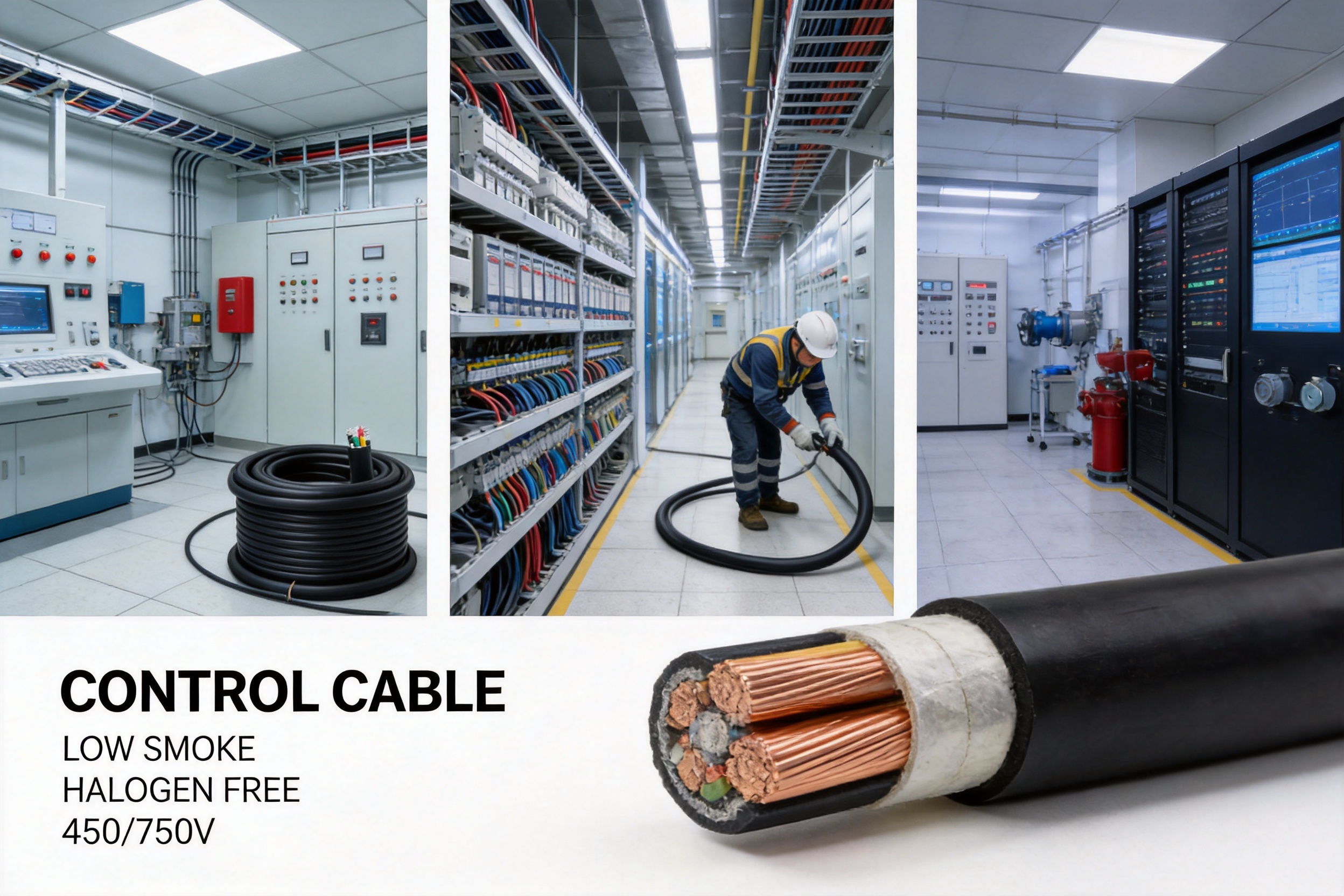
The supplier behind this product integrates research and development, production, and sales. Its manufacturing base covers approximately 5,000 square meters and includes 10 automated production lines. Reported monthly capacity reaches up to 10 million meters, allowing the company to support both standard product orders and larger project requirements.
A production organization of this scale can provide several practical benefits. Automated lines help improve repeatability, reduce manual variation, and maintain stable production speed. A dedicated technical team can support material selection, structure design, and product optimization. Quality engineers can help coordinate incoming-material inspection, process controls, and finished-product verification.
The company employs more than 50 people, including research and development technicians and quality engineers with more than 10 years of industry experience. This combination of production capacity and technical experience is important for cable projects that require more than a catalog product. Customers may need a particular core arrangement, conductor construction, sheath color, identification method, packaging format, or documentation package.
The manufacturer supports OEM and ODM development based on customer drawings or samples. This capability is useful when a standard cable does not fully match the installation requirements. Engineers can assist with conductor cross-section selection, core count, insulation and sheath configuration, temperature requirements, bending conditions, flame-retardant class, and production quantity.
For standard cable models, the company offers full-core and full-length pure copper specifications, product test reports, and warranty support. Standard products may be stocked for faster shipment, while customized products generally require a lead time of approximately 7 to 20 days, depending on the product structure, order volume, material availability, and testing requirements.
Control cable requirements vary considerably between industries. A building automation contractor may require a multi-core cable with a compact diameter. An industrial equipment manufacturer may need a flexible stranded conductor construction. A transportation project may require a specific flame-retardant grade and documentation package. A panel builder may request customized identification, cutting lengths, or packaging.
A capable research and development team can translate these requirements into a manufacturable cable design. The development process may include reviewing operating voltage, maximum current, core count, conductor size, installation temperature, movement frequency, bending radius, environmental exposure, fire-performance requirements, and compatibility with terminal blocks or connectors.
Prototype production and sample evaluation can help confirm whether a proposed design is suitable before mass production. Dimensional checks, electrical tests, thermal evaluations, bending assessments, and flame-performance testing may be included according to the project’s needs.
Customization should not compromise quality control. A modified cable structure still requires controlled raw materials, approved process parameters, traceable production records, and appropriate testing. This is one reason experienced cable manufacturers are valuable partners for OEM and project-based procurement.
Before installation, the cable should be checked for visible damage, moisture ingress, sheath defects, and correct product identification. The selected cable type, flame-retardant class, core count, cross-section, and length should be compared with the project drawings and purchase specifications.
During pulling, the cable should not be dragged across sharp edges or subjected to excessive tensile force. Pulling equipment should be selected according to the cable size and route length. The cable should not be forced below its specified minimum bending radius, particularly near cabinets, junction boxes, cable entries, and changes in direction.
For fixed installation, a bending radius of at least six times the cable outer diameter should be maintained. For flexible installation, the minimum recommended radius is at least ten times the outer diameter. If the cable will move continuously or experience repeated torsion, a specialized continuous-flex cable should be considered instead.
Cables should be supported at suitable intervals and protected from crushing, sharp vibration, excessive heat, oil, solvents, and incompatible chemicals. In cable trays, excessive stacking should be avoided because it may affect heat dissipation and flame behavior. Separation from high-power cables may also be appropriate to reduce electromagnetic interference, depending on the signal type and system design.
At termination points, installers should use compatible glands, terminals, ferrules, and accessories. Excessive stripping force or sharp tools can damage the insulation. Core identification should be preserved, and unused cores should be handled according to the project’s electrical and safety requirements.
Where the cable passes through walls, floors, fire compartments, or equipment barriers, appropriate fire-stopping and sealing methods should be used. The cable itself is only one part of the overall fire-protection system. Penetrations must be treated so that the building’s fire compartments remain effective.
When selecting WDZ(A/B/C)-KYJY, project engineers should first identify the control function. This may include sensors, relays, actuators, alarm circuits, building automation, security systems, fire protection interfaces, or industrial equipment control.
The required number of cores should then be determined based on the circuit diagram and any spare-core policy. Selecting additional cores may simplify future expansion or maintenance, provided that the cable diameter and installation space remain acceptable.
Conductor cross-section should be selected according to current, voltage drop, mechanical requirements, terminal compatibility, and applicable regulations. Although many control circuits use relatively small conductors, long cable runs or higher-current actuators may require a larger cross-section.
The flame-retardant class should be selected according to the fire-risk evaluation and customer specification. Class A, B, and C options allow the selection to be aligned with different project conditions. The most appropriate class is determined by the complete installation context rather than by core size alone.
Finally, the installation environment should be evaluated. Fixed and flexible applications have different temperature and bending requirements. Indoor, semi-exposed, humid, high-temperature, chemically active, or mechanically demanding locations may require additional product confirmation before ordering.
Technical support can reduce the risk of selecting an unsuitable cable. A knowledgeable supplier can help review drawings, interpret cable markings, confirm core arrangements, recommend conductor constructions, and provide relevant test documentation.
Manufacturer support is also valuable when customers need consistent repeat orders. Once the cable structure, material specifications, packaging, and test requirements have been approved, production records can help maintain consistency between batches. This is especially important for industrial equipment manufacturers and construction projects that require cables at different stages of development or installation.
Stable delivery is another important consideration. A manufacturer with multiple automated production lines and substantial monthly capacity can better support project schedules, provided that raw materials and production planning are properly managed. Standard products held in stock may support faster shipment, while customized orders can be scheduled with a defined production lead time.
Documentation is equally important. Product datasheets, test reports, inspection records, packing lists, and warranty information help contractors, engineers, and end users verify that the supplied cable matches the approved specification.
WDZ(A/B/C)-KYJY is a halogen-free, low-smoke, flame-retardant control cable with cross-linked polyethylene insulation and a halogen-free low-smoke polyolefin sheath. It is designed for control, monitoring, automation, security, and related electrical systems.
The A, B, and C designations identify different flame-retardant performance classes. Class A provides the highest level among the three options, while Classes B and C offer alternative levels for projects with different fire-protection requirements. The correct grade should be selected according to the installation design and applicable regulations.
The cable has a long-term allowable operating temperature of 90°C. It is specified for fixed installation from -20°C to +90°C and flexible installation from -10°C to +90°C. The actual environment should be checked to confirm suitability.
The rated voltage is 450/750V. The product is also tested at 3.0kV AC for one minute as part of its electrical performance verification.
Available conductor cross-sections range from 0.5 mm² to 10.0 mm². The cable can use solid or stranded annealed copper conductors, depending on the application and required flexibility.
The available range is from 2 cores to 61 cores. The appropriate core count depends on the control circuit design, signal quantity, equipment connections, and any required spare cores.
Halogen-free materials help reduce the release of corrosive halogen acid gases during combustion. This can help protect people, electronic equipment, control systems, and building infrastructure in the event of a fire.
No. Low-smoke, halogen-free construction helps reduce smoke and corrosive gas generation, but it does not eliminate all fire risks. Correct cable routing, installation density, fire stopping, protection devices, and building fire-safety measures remain essential.
The product is available for flexible installation within the stated temperature and bending-radius limits. However, continuous-flex, drag-chain, and repeated-torsion applications require confirmation from the manufacturer and may require a specialized cable design.
For fixed installation, the minimum bending radius is at least six times the cable outer diameter. For flexible installation, it is at least ten times the cable outer diameter.
Its low-smoke, halogen-free, and flame-retardant characteristics make it suitable for consideration in hospitals, schools, and other public buildings. Final selection must comply with the project’s fire-safety design, local regulations, and customer specifications.
Yes. The manufacturer supports OEM and ODM development based on customer drawings or samples. Customization may include conductor construction, core count, cross-section, sheath requirements, identification, packaging, and other approved design parameters.
Relevant tests may include conductor resistance, insulation resistance, high-voltage withstand, dimensional inspection, sheath integrity, flame-retardant performance, smoke density, combustion gas acidity, and halogen-content evaluation. The exact test program depends on the product specification and customer requirements.
Customized products typically require approximately 7 to 20 days, depending on the structure, order quantity, material availability, testing requirements, and production schedule. Standard products may be available for faster shipment when stocked.
Buyers should provide the required core count, conductor cross-section, conductor type, rated voltage, flame-retardant class, installation environment, cable length, packaging requirements, applicable standards, and delivery schedule. Providing drawings or samples can improve the accuracy of technical confirmation and quotation.
WDZ(A/B/C)-KYJY is designed for projects that require dependable control-circuit performance together with improved fire safety and environmental characteristics. Its halogen-free, low-smoke construction helps reduce smoke and corrosive gas concerns. Its cross-linked polyethylene insulation supports long-term operation at 90°C, while the copper conductor structure provides stable electrical performance and practical termination.
The availability of Class A, Class B, and Class C flame-retardant options allows engineers to match product selection with different project requirements. A broad range of cross-sections and core counts supports applications from small control circuits to complex automation systems. The cable is suitable for consideration in hospitals, schools, high-rise buildings, subways, tunnels, data centers, industrial facilities, and other locations where safety and reliability are important.
Product quality also depends on manufacturing capability. Controlled conductor preparation, precision XLPE extrusion, stable cross-linking, accurate core assembly, halogen-free sheath extrusion, online monitoring, and finished-product testing all contribute to consistent performance. The supplier’s production facilities, automated lines, technical team, OEM/ODM capability, and project support services provide additional value for customers seeking standard or customized cable solutions.
For the best result, cable selection should be based on the complete installation environment rather than a single specification. When the required electrical, thermal, fire, mechanical, and environmental conditions are reviewed together, WDZ(A/B/C)-KYJY can provide a practical and high-reliability control cable solution for modern safety-sensitive systems.
1. Product technical information for WDZ(A/B/C)-KYJY halogen-free, low-smoke control cable.
2. General principles for the design and installation of low-voltage control and instrumentation cable systems.
3. Technical guidance on halogen-free, low-smoke cable materials and combustion behavior.
4. General practices for electrical cable insulation resistance, voltage withstand, and conductor resistance testing.
5. Engineering guidance for cable bending radius, cable tray installation, fire stopping, and control-panel termination.
6. General fire-safety design principles for hospitals, schools, transportation facilities, tunnels, data centers, and high-rise buildings.

We firmly believe that good cables are not only a competition of materials, but also a reflection of craftsmanship, quality, and responsibility.

Links
Product
Send Inquiry
No. 29 Sankeshu Road, Xuanzhou District, Xuancheng City, Anhui Province, China
+86-18621104555/+86-563-2622999
 Electrical Cable Manufacturer
OEM/ODM Wire and Cable Solutions
 English
 Español
 عربى
 русский