
Get more content that can help you
Content
Modern power distribution systems require cables that can carry high electrical loads safely, withstand demanding operating environments, and remain reliable throughout decades of service. As electrical networks become more compact, industrial facilities increase production capacity, and infrastructure projects demand greater energy efficiency, cable selection has become a critical engineering decision. The cable must offer more than basic conductivity. It must provide thermal stability, mechanical strength, dependable insulation, installation flexibility, and long-term resistance to environmental stresses.
YJV heat-resistant XLPE insulated and sheathed power cable is designed to meet these requirements. It combines a stranded copper conductor, cross-linked polyethylene insulation, and a protective PVC sheath to create a robust power transmission product for fixed installation. The cable is suitable for low-voltage, medium-voltage, and selected higher-voltage applications, depending on its design, rated voltage, insulation system, and applicable standards.
Compared with conventional PVC-insulated VV power cable, YJV cable provides a higher continuous operating temperature, greater current-carrying capacity for the same conductor cross-section, lower dielectric loss, and a more compact structure. These advantages can reduce the amount of cable required, save installation space, and improve the efficiency of power distribution systems.
Anhui Zhishang Cable Technology Co., Ltd. manufactures and supplies YJV cable as part of a broader portfolio of electrical wires and cables. The company integrates research and development, production, quality control, and technical service. Its manufacturing capabilities include automated production lines, copper conductor processing, insulation extrusion, sheath production, testing, and customized cable development based on customer drawings or samples.
This article examines the construction, electrical performance, technical advantages, manufacturing process, applications, installation requirements, customization capabilities, and quality strengths of YJV heat-resistant XLPE insulated and sheathed power cable.
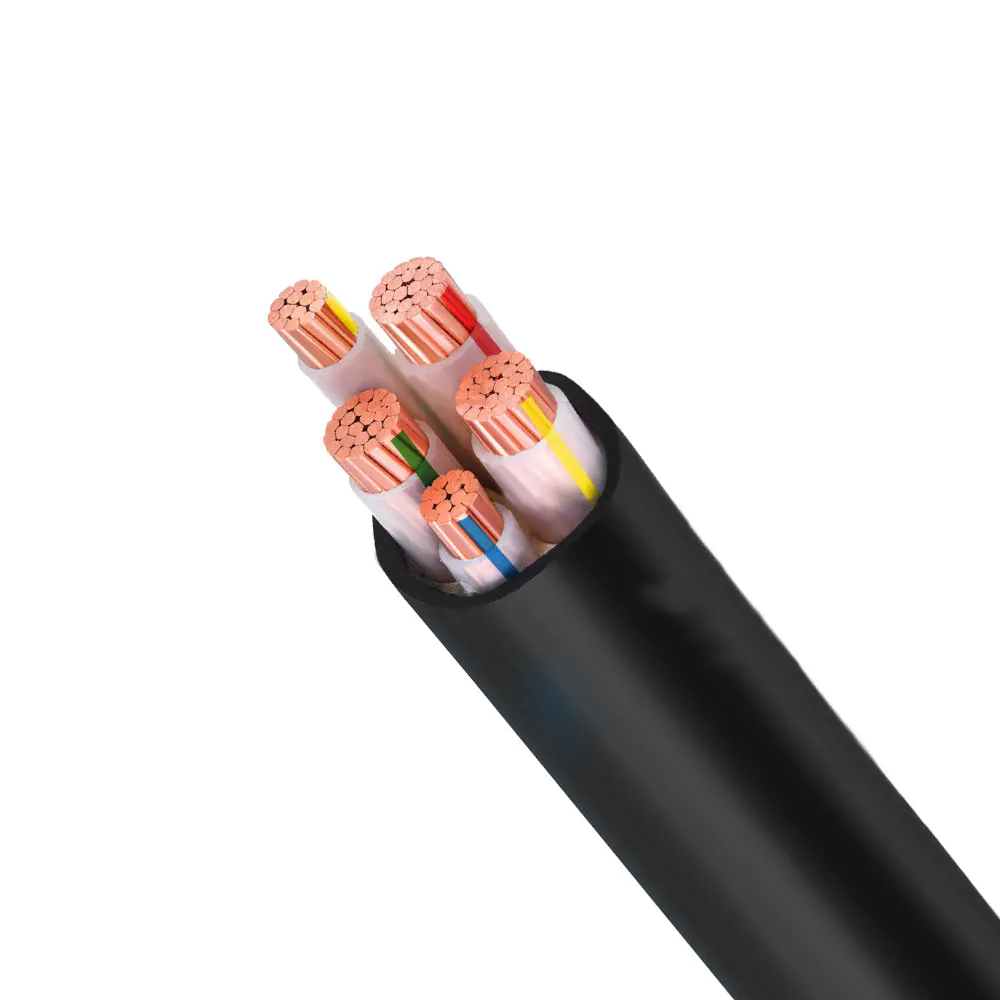
YJV Heat resistance XLPE Insulated and Sheathed Power Cable
YJV is a commonly used designation for a power cable with copper conductor, XLPE insulation, and PVC sheath. In general cable terminology, the letter “Y” is associated with cross-linked polyethylene insulation, while “J” commonly identifies the copper conductor and “V” indicates a PVC sheath. Exact naming conventions may vary according to national standards, project specifications, and cable construction.
The principal insulation material is cross-linked polyethylene. Unlike ordinary thermoplastic polyethylene or PVC insulation, XLPE has a cross-linked molecular structure. This structure improves its thermal stability, mechanical integrity, electrical insulation performance, and resistance to deformation under heat.
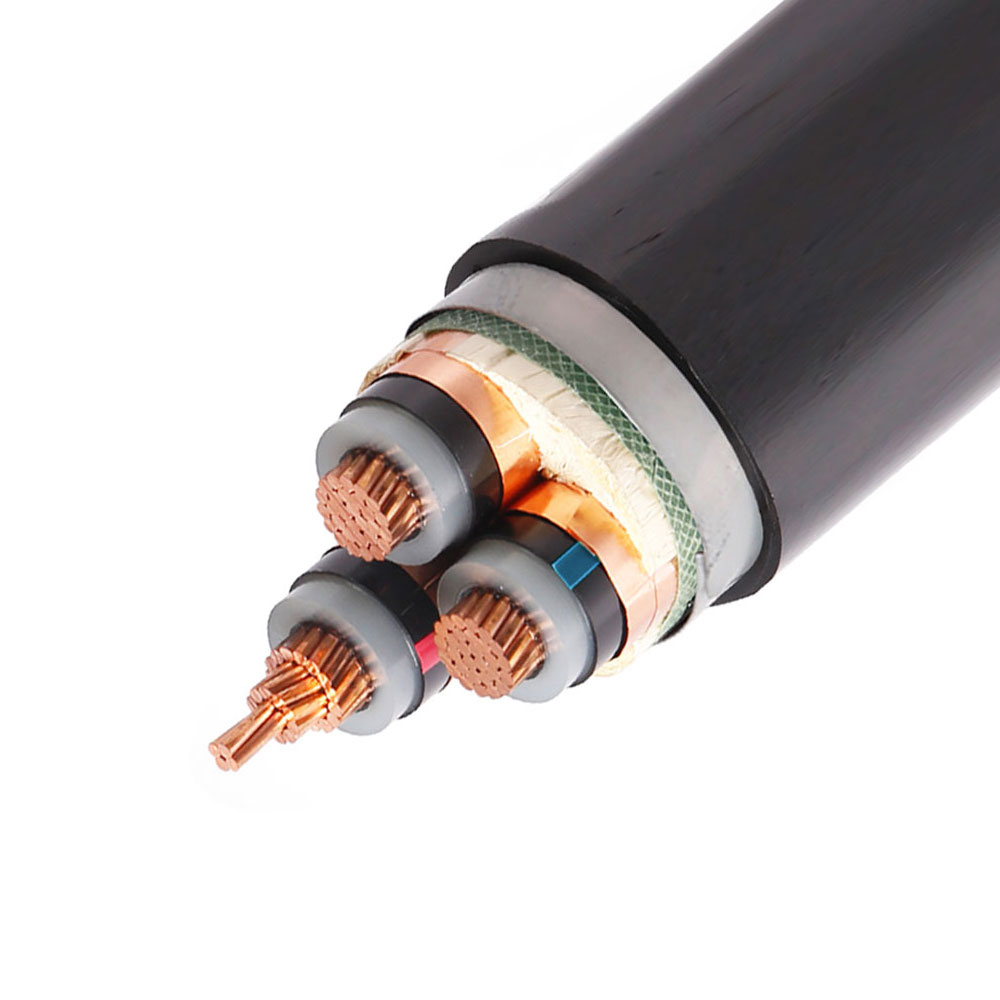
The standard structure of the product generally includes the following components:
1. A multi-stranded copper conductor that carries electrical current.
2. A conductor screen or semiconductive layer when required for medium-voltage construction.
3. XLPE insulation that electrically separates the conductor from other conductive components.
4. An insulation screen or other field-control layer in medium- and high-voltage designs.
5. Fillers, binders, inner covering, armor, or other structural components when specified.
6. A PVC outer sheath that provides mechanical and environmental protection.
The exact design depends on the rated voltage, number of cores, conductor size, installation method, mechanical requirements, fire performance, and environmental conditions. A basic low-voltage YJV cable may have a comparatively simple construction, while medium-voltage versions require carefully controlled semiconductive screens and insulation dimensions.
One of the most important advantages of XLPE insulation is its typical long-term conductor operating temperature of 90°C. This is higher than the commonly used continuous operating temperature of many PVC-insulated cable systems. The higher thermal rating allows the cable to operate with a greater current load under equivalent installation conditions.
Temperature rating does not mean that a cable can be operated at any current without limitation. Current-carrying capacity is also affected by ambient temperature, installation method, spacing between cables, soil thermal resistivity, conduit conditions, grouping, ventilation, and allowable voltage drop. However, when other conditions are comparable, the 90°C rating gives YJV cable a valuable thermal design advantage.
The higher temperature rating is particularly useful in industrial distribution systems, commercial buildings, utility networks, substations, renewable energy installations, and equipment connections where load demand may vary significantly. It also provides additional thermal margin during peak demand or temporary overload conditions, provided that the cable system has been correctly selected and protected.
Under short-circuit conditions, a conductor can experience a rapid increase in temperature. YJV cable is generally designed to withstand conductor temperatures of up to approximately 250°C for a maximum duration of five seconds, depending on the applicable standard and cable construction.
This short-circuit rating is important because protective devices do not always interrupt a fault instantaneously. The cable must tolerate the thermal and electrodynamic stresses that occur between the beginning of a fault and the operation of the circuit breaker, fuse, or other protective equipment.
Correct short-circuit selection requires coordination between conductor size, fault current, clearing time, installation conditions, and protection settings. The cable’s short-circuit capability should therefore be verified during system design rather than assumed solely from the nominal conductor cross-sectional area.
YJV cable can carry more current than a comparable PVC-insulated cable with the same conductor cross-sectional area when installed under similar conditions. The primary reason is the higher permissible operating temperature of XLPE insulation.
For a new project, this may allow the designer to choose a smaller conductor for a specified load, although voltage drop, fault current, installation conditions, and future expansion must still be considered. In other projects, the designer may retain the same conductor size and obtain greater thermal capacity or additional operating margin.
Higher ampacity can produce several practical benefits. It may reduce the number of parallel cables, lower tray and conduit congestion, simplify termination arrangements, and reduce the space required in electrical rooms. In large installations, these benefits can influence civil construction, ventilation, cable support design, and overall project cost.
XLPE insulation has favorable electrical characteristics, including a high insulation resistance, low dielectric loss, and low leakage current. These properties support efficient power transmission and stable insulation performance over a wide range of operating conditions.
Low dielectric loss is especially valuable in medium-voltage and higher-voltage systems, where the cable insulation is subjected to stronger electric fields and the cumulative effect of dielectric losses becomes more significant. Properly manufactured XLPE insulation also provides excellent resistance to electrical stress when the conductor screen, insulation, and insulation screen are produced with suitable materials and dimensional accuracy.
For medium-voltage cable, production cleanliness and process control are essential. Contamination, voids, uneven insulation thickness, or imperfections in semiconductive screens can negatively affect service performance. For this reason, the manufacturing process must be managed carefully from material preparation through extrusion, cooling, testing, and final inspection.
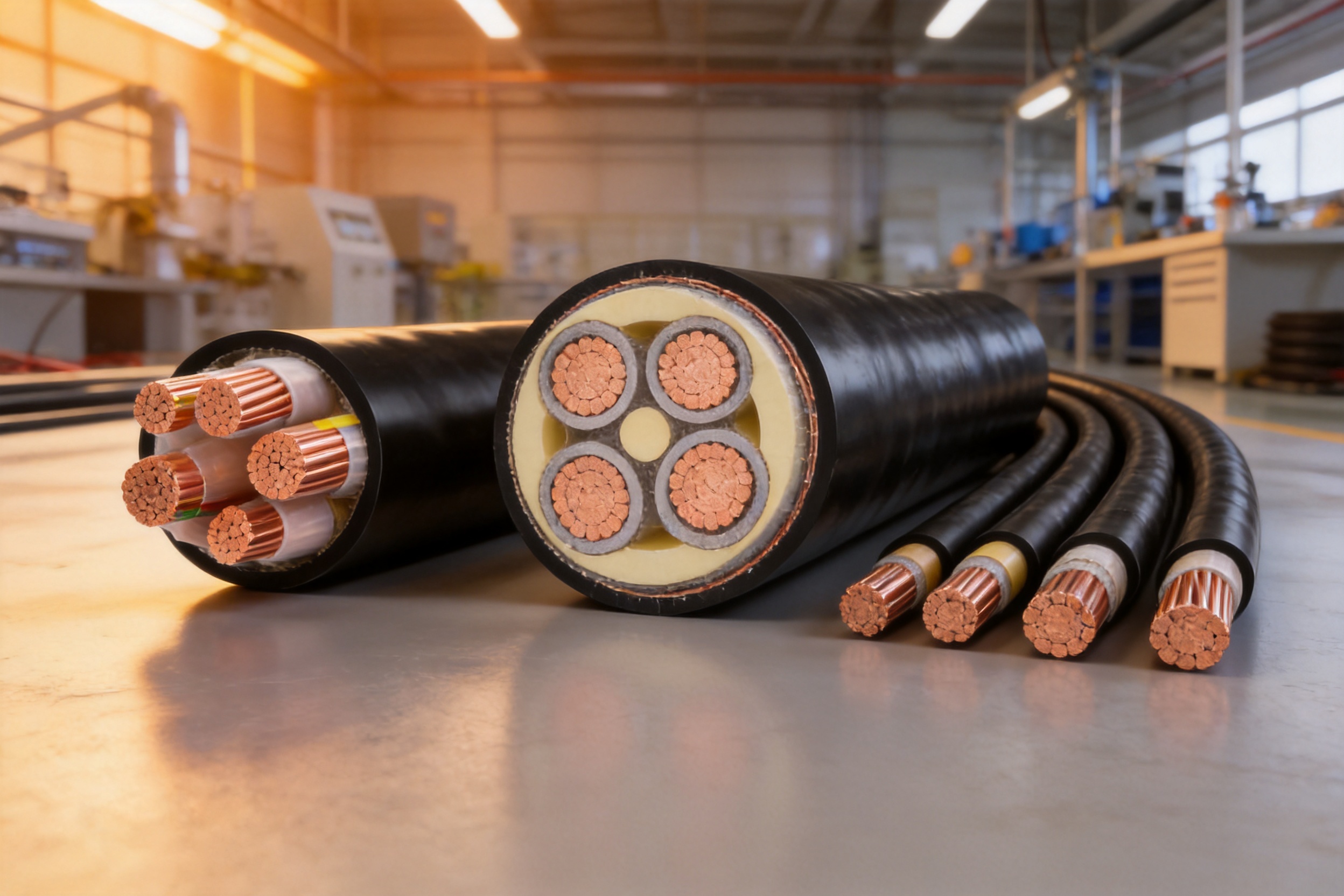
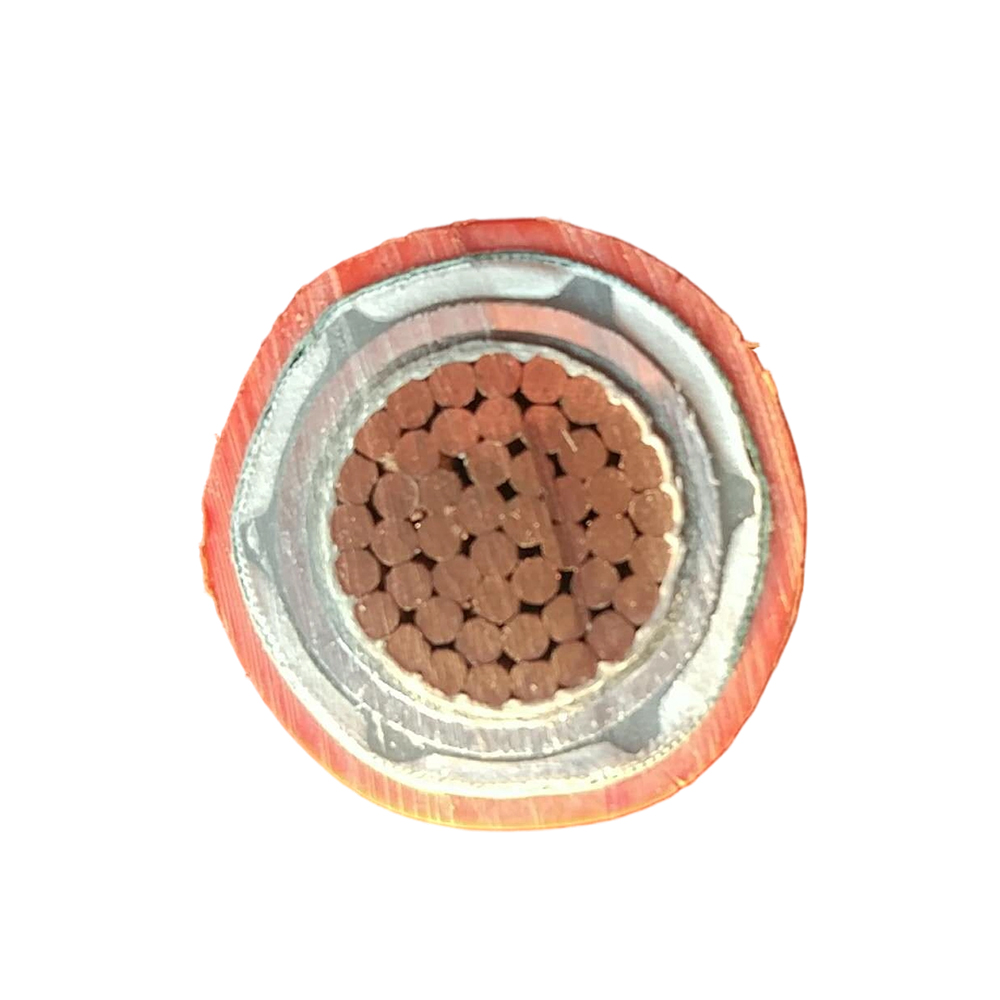
The conductor is made from copper, a material known for high electrical conductivity, good thermal performance, reliable termination characteristics, and strong mechanical stability. Multi-stranded construction provides greater flexibility than a solid conductor of the same cross-sectional area and makes the cable easier to handle during installation.
Stranded conductors are formed from multiple copper wires that are twisted together in a controlled configuration. This construction improves bending behavior while maintaining the required electrical cross-sectional area. Conductor compaction may also be used to reduce voids between individual wires and create a more compact cable profile.
Conductor quality directly influences cable performance. The copper must have stable conductivity, consistent diameter, clean surfaces, and suitable mechanical properties. Conductor resistance testing helps confirm that the completed cable meets the required electrical specifications.
XLPE insulation is the central performance component of YJV cable. Cross-linking transforms the polymer from a material that can soften significantly under heat into a more thermally stable insulating system. This gives the cable improved resistance to thermal deformation and supports higher operating temperatures.
XLPE also offers high insulation resistance and favorable dielectric strength. Its stable electrical characteristics help limit leakage current and support dependable operation in power distribution systems. The material is suitable for both low-voltage and medium-voltage cable designs when applied with the appropriate manufacturing process.
XLPE insulation has good resistance to moisture under normal operating conditions, although the complete cable design must be selected according to the actual environment. Where water penetration, longitudinal water movement, severe humidity, or permanent immersion is expected, additional water-blocking or specialized sheath measures may be required.
The PVC outer sheath provides a protective barrier around the cable. It helps protect the internal components from abrasion, general mechanical contact, dust, and many common acidic or alkaline environments. PVC is also suitable for a wide range of indoor and outdoor fixed-installation applications.
The sheath color and formulation can be selected according to project requirements. Standard PVC sheaths are available for general applications, while modified sheath compounds may be specified for flame retardance, oil resistance, ultraviolet exposure, low-temperature performance, or other environmental needs.
Although the standard YJV sheath offers useful chemical resistance, no cable should be exposed to chemicals beyond the limits of its specified compound. Strong solvents, hydrocarbons, continuous immersion, severe ultraviolet exposure, or unusual temperature conditions may require an alternative sheath material or additional protection.
Because XLPE supports higher operating temperatures and high electrical performance, YJV cable can provide a favorable balance between current capacity and physical size. Compared with a PVC cable carrying the same load, the YJV design may have a smaller outer diameter or require fewer parallel runs.
A compact cable structure saves installation space in cable trays, shafts, trenches, conduits, and electrical rooms. It can also make routing easier in retrofit projects where the available space has already been restricted by existing services.
Reduced size does not eliminate the need for proper bending-radius control. The cable must still be installed in accordance with its specified minimum bending radius, pulling tension, sidewall pressure, and support requirements.
Item |
Typical YJV Cable Characteristic |
Product type |
XLPE insulated and PVC sheathed power cable |
Conductor material |
Copper |
Conductor construction |
Multi-stranded round conductor |
Typical cross-sectional range |
1.5 mm² to 2500 mm² or larger, subject to design |
Common rated voltage levels |
0.6/1 kV, 8.7/10 kV, 26/35 kV, and other project-specific levels |
Long-term conductor operating temperature |
90°C |
Maximum short-circuit conductor temperature |
Approximately 250°C for up to five seconds, subject to standard |
Minimum installation temperature |
Normally not below 0°C; preheating may be required below this level |
Minimum bending radius |
Single-core: at least 20 times cable outer diameter; multi-core: at least 15 times cable outer diameter |
Insulation performance |
High insulation resistance and low leakage current |
Dielectric performance |
Low dielectric loss and low capacitance |
The values above are typical reference characteristics. The final technical data must be confirmed against the product standard, voltage class, conductor size, number of cores, sheath compound, installation method, and customer specification.
The most direct comparison is the continuous operating temperature. XLPE-insulated YJV cable is typically rated at 90°C, while conventional PVC-insulated cable is often designed for a lower continuous conductor temperature. This difference gives YJV cable an advantage in high-load applications and areas with limited heat dissipation.
When conductor size and installation conditions are similar, the higher XLPE temperature rating can increase allowable current. This can make YJV cable more suitable for high-density distribution systems, motor feeders, industrial equipment, transformers, and main power supply routes.
Cross-linked insulation maintains its shape and electrical properties more effectively under heat than ordinary thermoplastic insulation. This is beneficial where cables experience repeated load cycles, high ambient temperatures, or temporary overloads within approved limits.
The ability to transmit more current within a given conductor area can result in a more compact cable system. Smaller outer diameter may simplify cable routing, reduce tray width, and make termination work more manageable.
In medium-voltage and high-voltage applications, XLPE generally offers lower dielectric loss than many traditional insulation systems. This can contribute to more efficient power transmission and stable operation over long cable routes.
When properly selected, manufactured, installed, and operated, YJV cable can have a design service life that typically exceeds 30 years. Actual service life depends on temperature, loading, moisture, mechanical stress, chemical exposure, installation quality, and maintenance conditions.
YJV technology can be adapted into flame-retardant, fire-resistant, low-smoke, halogen-free, armored, water-resistant, and other specialized cable designs. This makes the basic product platform suitable for many safety, environmental, and project-specific requirements.
The performance of a power cable depends not only on material selection but also on manufacturing discipline. A high-quality YJV cable requires controlled conductor production, consistent insulation extrusion, accurate dimensional control, reliable sheathing, and comprehensive testing.
Production begins with copper rod or approved copper wire material. The copper is drawn to the required diameter and inspected for surface quality, dimensional consistency, and electrical resistance. Drawing equipment must be properly adjusted to avoid excessive variation or surface damage.
Individual wires are then stranded to form the conductor. Stranding pitch, lay direction, tension, and compaction are controlled to achieve the required flexibility and conductor geometry. For large conductors, carefully managed stranding is especially important because uneven tension can create dimensional instability or installation difficulties.
XLPE insulation compounds and PVC sheath materials must be verified before production. Material inspection may include identification, batch traceability, appearance, moisture control, and compliance with the approved technical specification.
Clean material handling is particularly important for medium-voltage cable. Dust, foreign particles, moisture, or unapproved material mixing can compromise insulation quality. The production environment, storage conditions, and feeding system should therefore be managed to protect material integrity.
During insulation extrusion, the XLPE compound is heated, plasticized, and applied evenly around the conductor. Extrusion temperature, pressure, line speed, conductor preheating, and cooling conditions must be controlled to produce a smooth and concentric insulation layer.
For medium-voltage construction, conductor screening, insulation extrusion, and insulation screening may be performed through a carefully controlled process. The objective is to reduce interfaces and maintain consistent electrical field distribution.
Insulation thickness is monitored through dimensional inspection and process controls. Uneven thickness can create electrical stress concentration, so concentricity and surface quality are important indicators of process stability.
The XLPE insulation must achieve the required cross-linked structure. The cross-linking process may use a controlled continuous vulcanization or other approved production method. Temperature, pressure, line speed, and cooling conditions are adjusted according to cable size and insulation design.
After cross-linking, the cable is cooled under controlled conditions. Sudden or uneven cooling can affect dimensions and residual stress. A stable cooling process helps maintain insulation geometry and product consistency.
For multi-core cable, insulated cores are assembled together with suitable fillers and binders. The assembly must maintain a stable circular configuration and provide adequate support for the subsequent sheath application.
Core identification is also important. Color coding, numbering, or other identification methods help installers connect the cable correctly and reduce the risk of wiring errors during termination.
The PVC sheath is extruded over the completed core assembly. Sheath thickness, surface smoothness, diameter, color, and adhesion are controlled during production. The sheath must fully cover the internal components without excessive thin areas, bubbles, tears, or surface defects.
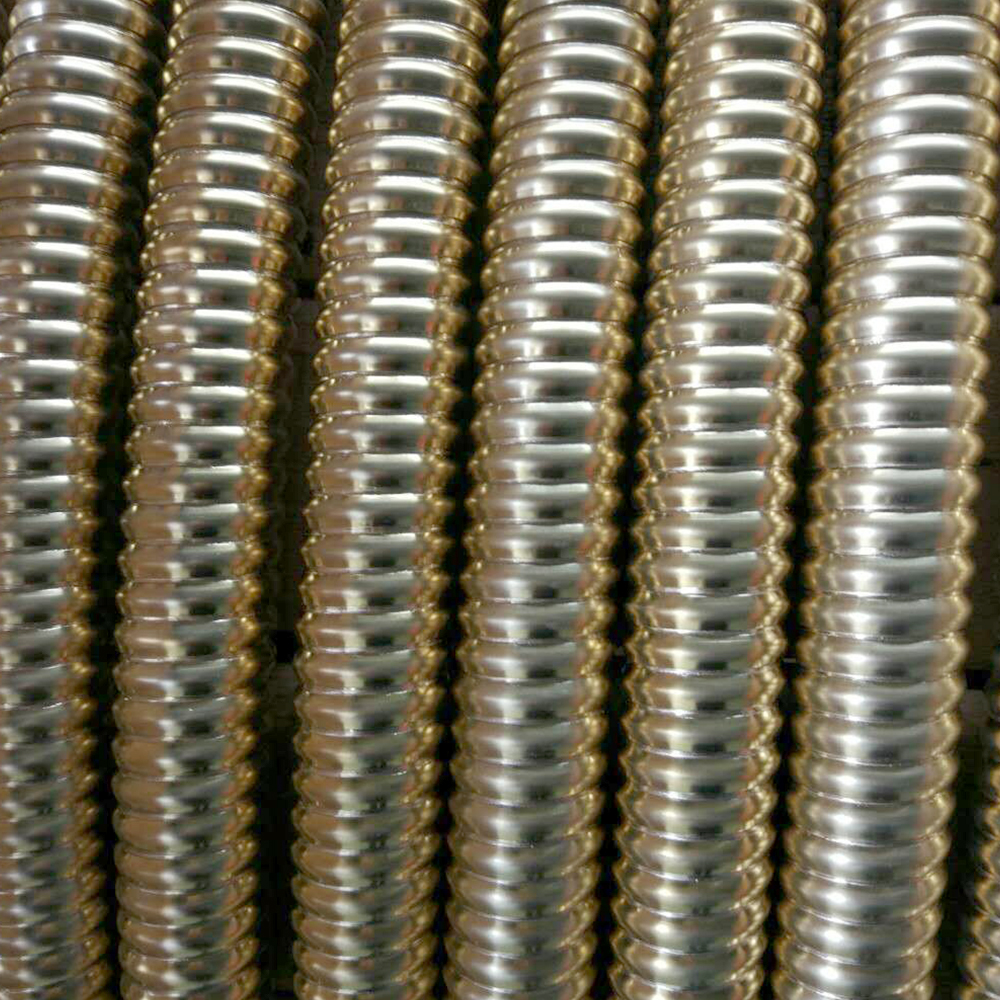
Depending on the product design, an armor layer or additional protective component may be applied before the final sheath. Armored versions are suitable where the cable may experience significant mechanical impact, crushing forces, or direct burial conditions.
Automated production lines may use online monitoring systems to track diameter, eccentricity, temperature, line speed, and other process parameters. Online control enables operators to identify deviations quickly and reduce the amount of nonconforming product.
Final inspection generally includes visual examination, dimensional measurement, conductor resistance testing, insulation resistance testing, withstand voltage testing, and other tests required by the applicable standard or customer specification.
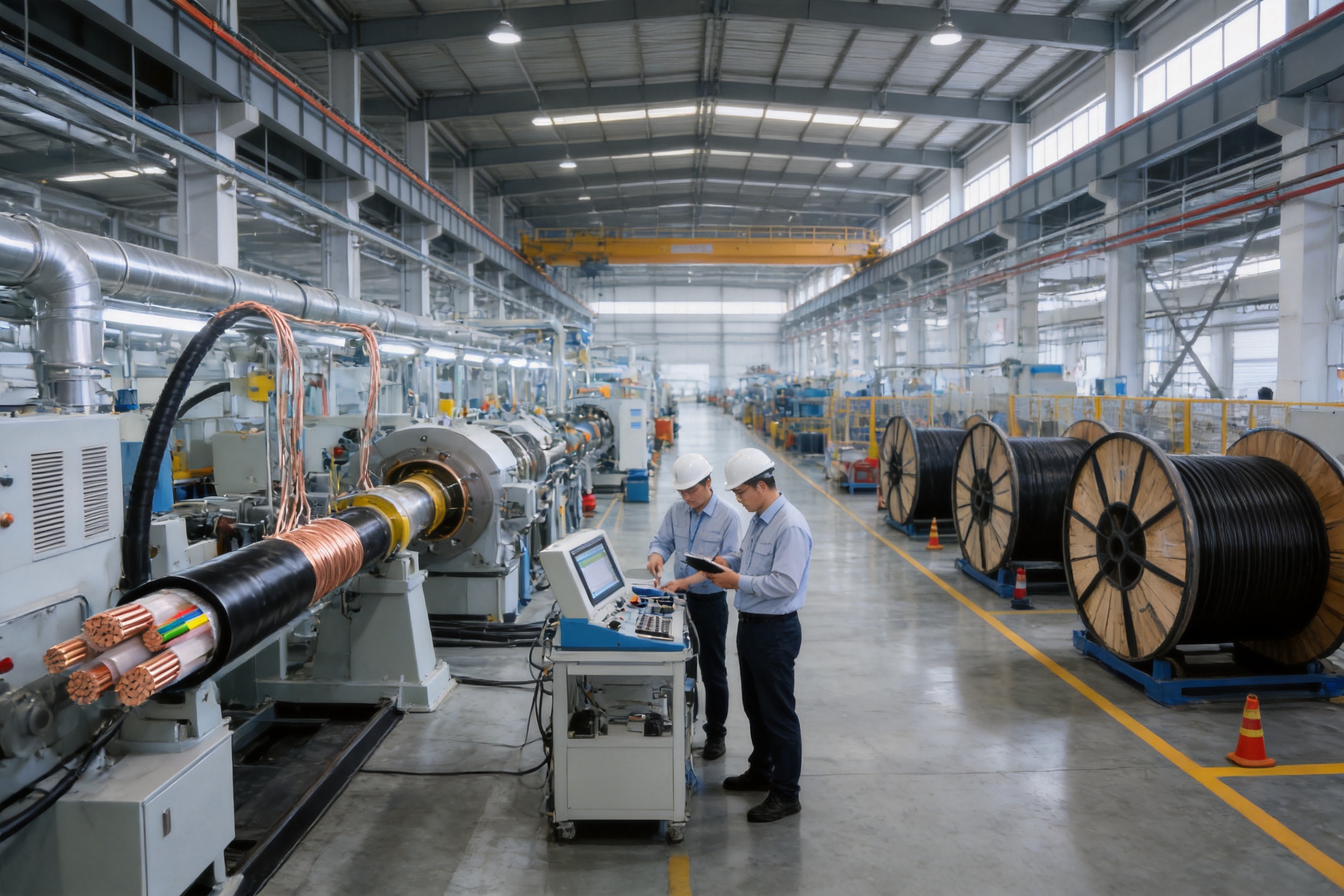
Anhui Zhishang Cable Technology Co., Ltd. is located in Xuanzhou District, Xuancheng City, Anhui Province, China. The company integrates research and development, production, sales, and technical support for wires and cables.
The company operates a modern production base of approximately 5,000 square meters and has more than 50 employees. Its team includes quality engineers and research and development technicians with more than 10 years of industry experience. This combination of production capacity and technical experience supports both standard cable manufacturing and customized cable development.
The company operates more than 10 automated production lines, with monthly output reaching up to 10 million meters. Automated equipment can improve production consistency, reduce manual variation, and support stable delivery for repeat orders.
Automation is especially valuable in cable manufacturing because product quality depends on consistent process conditions. Conductor geometry, extrusion speed, insulation thickness, sheath diameter, and line tension must remain within defined limits throughout production. Properly managed automation helps create repeatable results across different batches.
Zhishang emphasizes full-core and full-length production, pure copper specifications, product test reports, and warranty support for standard cable models. These practices help customers verify product identity, material composition, production consistency, and compliance with agreed requirements.
Full-length manufacturing and inspection are important for power cable because defects may not be limited to a single short section. Traceability, process records, sampling, and final testing provide a stronger quality assurance system than relying solely on visual inspection.
The company supports OEM and ODM cable development based on customer drawings, samples, technical specifications, or project requirements. This capability is useful when a customer needs a specific conductor structure, sheath material, voltage level, color, marking, packaging format, or special performance feature.
Customized development generally begins with technical clarification. The engineering team reviews the operating environment, voltage, current, installation method, temperature range, mechanical requirements, regulatory expectations, and delivery schedule. A suitable construction is then proposed for customer approval before mass production.
Standard products may be stocked for fast shipment, while customized products generally require approximately 7 to 20 days of lead time, depending on construction, order quantity, material availability, testing requirements, and production scheduling.
Shorter delivery cycles can benefit contractors, distributors, original equipment manufacturers, and maintenance teams that need to respond quickly to project schedules. Delivery timing should always be confirmed for the specific specification and quantity.
Zhishang has expanded into international markets, with products sold in the United States, Canada, Australia, Japan, and parts of Eurasia. International supply requires attention to documentation, packaging, product marking, standards, customs requirements, and communication across different technical environments.
The company follows national standards, relevant international standards, and industry benchmarks when developing cable products. Customers should identify their required standard at the quotation stage so that conductor dimensions, voltage designation, testing, color identification, and documentation can be aligned correctly.
YJV cable is widely suitable for factories, workshops, warehouses, processing plants, and industrial utility systems. It can be used for incoming power feeders, distribution panels, motor control centers, transformer connections, and fixed equipment supply.
Industrial environments often involve high loads, continuous operation, temperature fluctuations, and complex cable routing. The thermal performance and compact structure of YJV cable can simplify distribution design while maintaining appropriate electrical margins.
In commercial buildings, office complexes, hospitals, shopping centers, and residential developments, YJV cable can be used in main feeders, risers, electrical rooms, and fixed distribution circuits. The final selection should consider fire performance, smoke requirements, installation route, emergency power systems, and local building regulations.
Where evacuation safety is a major concern, a flame-retardant, low-smoke, halogen-free, or fire-resistant derivative may be more appropriate than standard PVC-sheathed construction.
Transportation facilities, water treatment plants, municipal buildings, telecommunications support facilities, and utility installations may require reliable fixed power cables. YJV cable is suitable for many of these applications when its voltage, environmental, mechanical, and fire performance ratings match the project conditions.
Solar farms, energy storage facilities, wind power infrastructure, and conventional power distribution projects require cables capable of handling continuous current and varying load conditions. YJV cable can be used in selected fixed distribution sections, although specialized photovoltaic, storage, or wind turbine cables may be required for exposed or moving portions of the system.
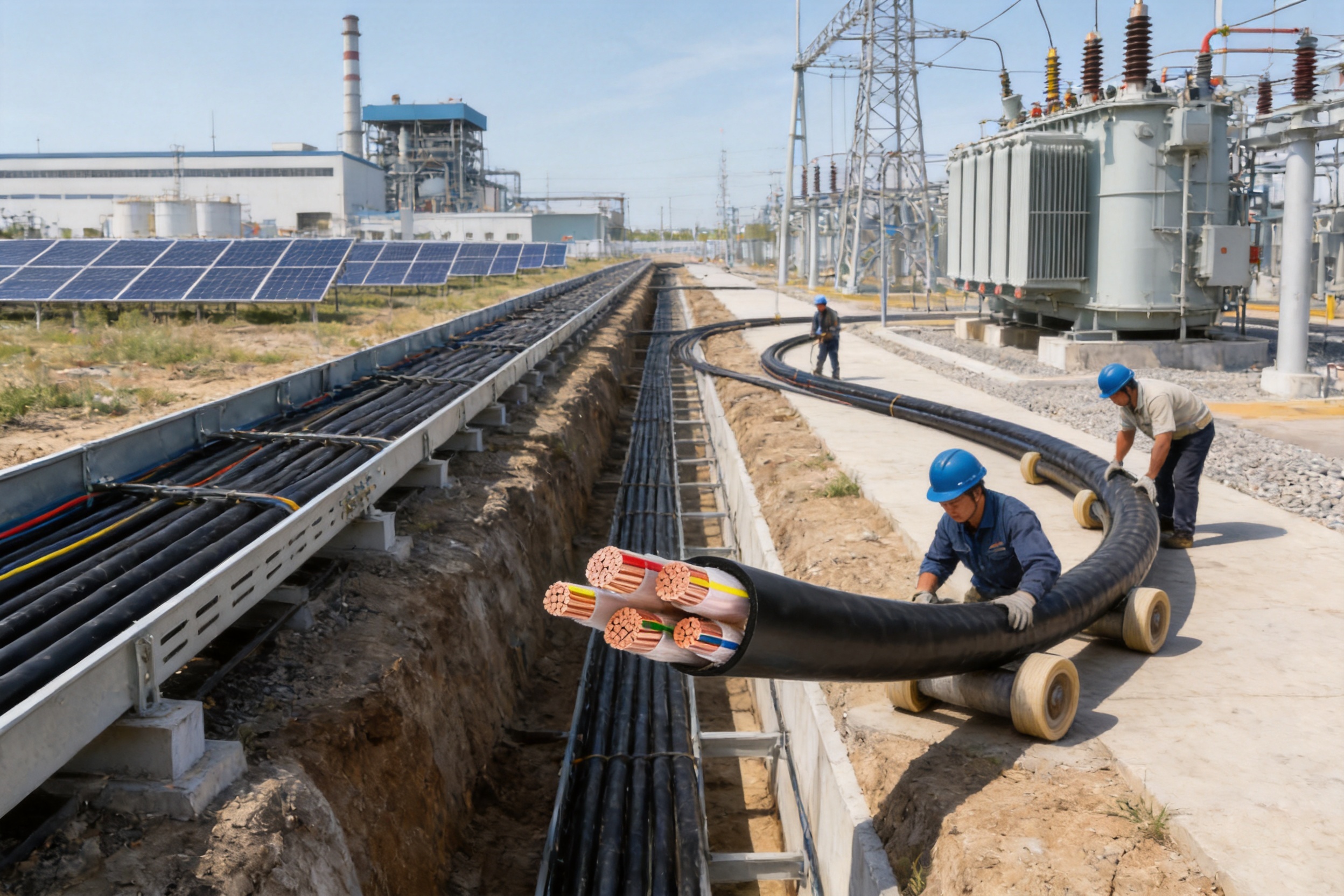
The cable can be installed in cable trenches, ducts, conduits, trays, and other fixed routes. Direct burial or areas with significant mechanical risk may require armored construction, moisture protection, or additional civil protection.
The ambient temperature during installation should generally not be lower than 0°C. At lower temperatures, PVC and other cable materials may become less flexible, increasing the risk of sheath cracking or damage during bending and pulling. If installation below 0°C is unavoidable, the cable may require controlled preheating and careful handling.
The minimum bending radius must be respected. A typical reference value is at least 20 times the cable outer diameter for single-core cable and at least 15 times the cable outer diameter for multi-core cable. The actual requirement should be confirmed from the technical data for the specific cable construction.
Sharp bending can damage the sheath, deform insulation, disturb screens, or place excessive stress on conductor strands. Rollers, guides, and properly positioned supports should be used during installation to maintain a smooth cable path.
Installation teams should control pulling tension and sidewall pressure, particularly when placing large-diameter cables around bends. Excessive pulling force can stretch or damage the cable, while high sidewall pressure can deform the sheath and internal components.
Pulling equipment must be selected according to cable weight, route length, number of bends, friction, and installation method. Cable drums should rotate in the correct direction and be supported securely to prevent uncontrolled movement.
Terminations and joints should be completed by trained personnel using accessories compatible with the cable voltage class, conductor size, insulation system, and screen design. Poor termination workmanship can cause overheating, partial discharge, moisture ingress, or insulation failure even when the cable itself is manufactured correctly.
For medium-voltage cable, stress control components and screen continuity are particularly important. The termination system should be installed according to the accessory manufacturer’s instructions and tested before energization.
Current-carrying capacity must be calculated according to the actual installation conditions. Several cables installed together may have reduced heat dissipation, requiring a derating factor. Ambient temperature, soil thermal resistivity, tray arrangement, conduit fill, ventilation, and solar exposure should be considered.
Customers should provide complete technical information before requesting a quotation. Important selection parameters include rated voltage, conductor material, conductor cross-sectional area, number of cores, operating current, short-circuit current, installation method, route length, ambient temperature, mechanical risk, fire requirements, and applicable standard.
For high-current systems, voltage drop and thermal capacity should both be calculated. For long cable routes, capacitance and charging current may also become relevant, particularly in medium-voltage applications.
The choice between standard and specialized construction depends on the environment. A standard YJV cable may be suitable for general fixed installation. Armored cable may be better for direct burial or mechanical exposure. Flame-retardant or fire-resistant cable may be required in public buildings and emergency systems. Halogen-free low-smoke cable may be preferred where smoke toxicity and corrosive gas emissions must be minimized.
Customers should also confirm conductor identification, sheath marking, drum length, packaging, test documentation, inspection requirements, and delivery schedule. Clear technical communication at the beginning of the order reduces the risk of misunderstanding and helps the manufacturer prepare the correct production plan.
Although cable selection is often based on initial purchase price, lifecycle value is equally important. A cable that operates efficiently, remains stable under load, and requires fewer replacements may deliver a lower total cost over its service life.
YJV cable contributes to lifecycle value through its thermal performance, long design life, mechanical durability, and broad application range. Its compact structure may also reduce the amount of supporting infrastructure required, including tray capacity, conduit size, and installation labor.
Responsible manufacturing is another part of lifecycle performance. Zhishang emphasizes green manufacturing and responsible production practices. Efficient equipment, process control, material management, and quality assurance can help reduce waste and improve resource utilization.
Copper conductors also have strong recycling value at the end of a cable’s service life. Proper cable recovery and recycling can support resource efficiency, although disposal and recycling must follow applicable environmental regulations.
For professional cable procurement, product quality should be supported by technical documentation. Depending on the project, documentation may include product specifications, conductor resistance results, insulation test results, voltage withstand results, dimensional data, material information, inspection records, certificates, and warranty terms.
Zhishang provides technical support for product selection and customized cable development. Its engineers can review customer drawings or samples and recommend a construction suitable for the intended application.
Technical support is particularly useful when customers are replacing an existing cable, adapting a cable to a new machine, developing an export product, or selecting an alternative to a competing specification. The correct solution should be based on performance requirements rather than nominal product name alone.
YJV generally refers to a copper-conductor power cable with XLPE insulation and a PVC outer sheath. The exact construction and designation may vary according to the applicable national or international standard.
The typical long-term conductor operating temperature is 90°C. The actual allowable temperature depends on the cable design, installation conditions, loading, and applicable standard.
YJV cable generally provides a higher operating temperature, greater current-carrying capacity for comparable conductor size, lower dielectric loss, and better thermal stability than conventional PVC-insulated VV cable. However, the best choice depends on the application, budget, fire requirements, installation environment, and required standard.
YJV cable can be used in many outdoor fixed installations when the sheath, voltage rating, ultraviolet exposure, moisture conditions, and mechanical protection are suitable. Direct burial, permanent immersion, or severe environmental exposure may require armored, water-resistant, or specialized cable construction.
Installation below 0°C is generally not recommended without preparation. Preheating and special handling may be necessary to prevent damage to the sheath and insulation during bending and pulling.
A common reference is at least 20 times the outer diameter for single-core cable and at least 15 times the outer diameter for multi-core cable. The exact value must be confirmed in the product specification for the selected cable.
Yes. YJV cable can be manufactured for medium-voltage applications, including common levels such as 8.7/10 kV and other project-specific ratings. Medium-voltage versions require appropriate conductor screens, XLPE insulation thickness, insulation screens, testing, and compatible accessories.
Customization may include conductor size, number of cores, voltage class, sheath compound, armor, flame performance, color, marking, packaging, and other construction details. Anhui Zhishang Cable Technology Co., Ltd. supports OEM and ODM development based on customer drawings, samples, and technical requirements.
Typical tests may include conductor resistance, insulation resistance, withstand voltage, dimensional inspection, visual inspection, and other routine or type tests required by the applicable standard. The exact test program depends on cable voltage, construction, customer specification, and regulatory requirements.
When correctly selected, installed, and operated, the designed service life typically exceeds 30 years. Actual life depends on loading, temperature, moisture, mechanical stress, chemicals, installation quality, and maintenance.
Standard YJV cable may not meet every fire safety requirement. Projects involving emergency power, evacuation routes, public buildings, or critical circuits may require flame-retardant, fire-resistant, low-smoke, halogen-free, or other specialized cable types.
An inquiry should include rated voltage, conductor material, conductor size, core number, current, installation method, route length, environmental conditions, fire requirements, required standard, quantity, testing documents, and delivery requirements.
YJV heat-resistant XLPE insulated and sheathed power cable provides a reliable solution for modern fixed power distribution. Its 90°C continuous operating temperature, strong short-circuit capability, high current-carrying capacity, low dielectric loss, mechanical durability, and compact structure give it important advantages over conventional PVC power cable in many applications.
The cable combines the conductivity of a stranded copper conductor, the thermal and electrical performance of XLPE insulation, and the environmental protection of a PVC sheath. Its construction can be adapted for low-voltage, medium-voltage, armored, flame-retardant, fire-resistant, low-smoke, halogen-free, and other specialized requirements.
Anhui Zhishang Cable Technology Co., Ltd. strengthens this product offering through integrated research and development, automated production, experienced technical personnel, full-length quality assurance, customized OEM and ODM services, and international market experience. With more than 10 production lines, a monthly output of up to 10 million meters, and a modern production base of approximately 5,000 square meters, the company is positioned to support both standard product orders and project-specific cable requirements.
For engineers, contractors, distributors, and equipment manufacturers, the correct YJV cable should be selected by evaluating the complete operating environment rather than focusing only on conductor size or purchase price. When the voltage rating, current capacity, installation method, fire performance, mechanical protection, and testing requirements are properly matched, YJV cable can provide efficient and dependable power transmission for many years.
1. International Electrotechnical Commission, Power Cables with Extruded Insulation and Their Accessories: General Design and Testing Principles.
2. International Electrotechnical Commission, Electric Cables: Calculation of the Current-Carrying Capacity.
3. International Electrotechnical Commission, Conductors of Insulated Cables.
4. National standards for XLPE-insulated and PVC-sheathed power cables.
5. National standards for low-voltage and medium-voltage cable testing.
6. Engineering guidance on cable installation, minimum bending radius, pulling tension, and thermal derating.
7. Manufacturer technical information for copper conductor, XLPE insulation, PVC sheath, and specialized power cable constructions.
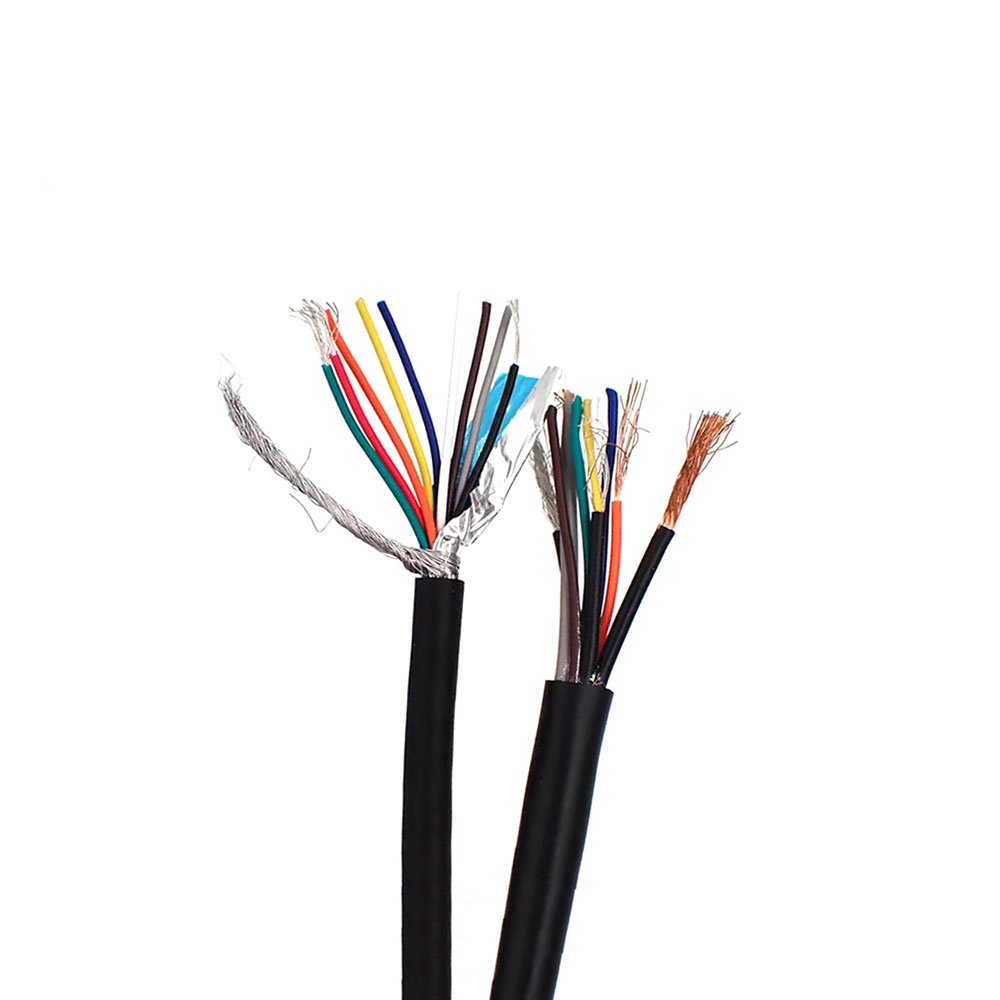
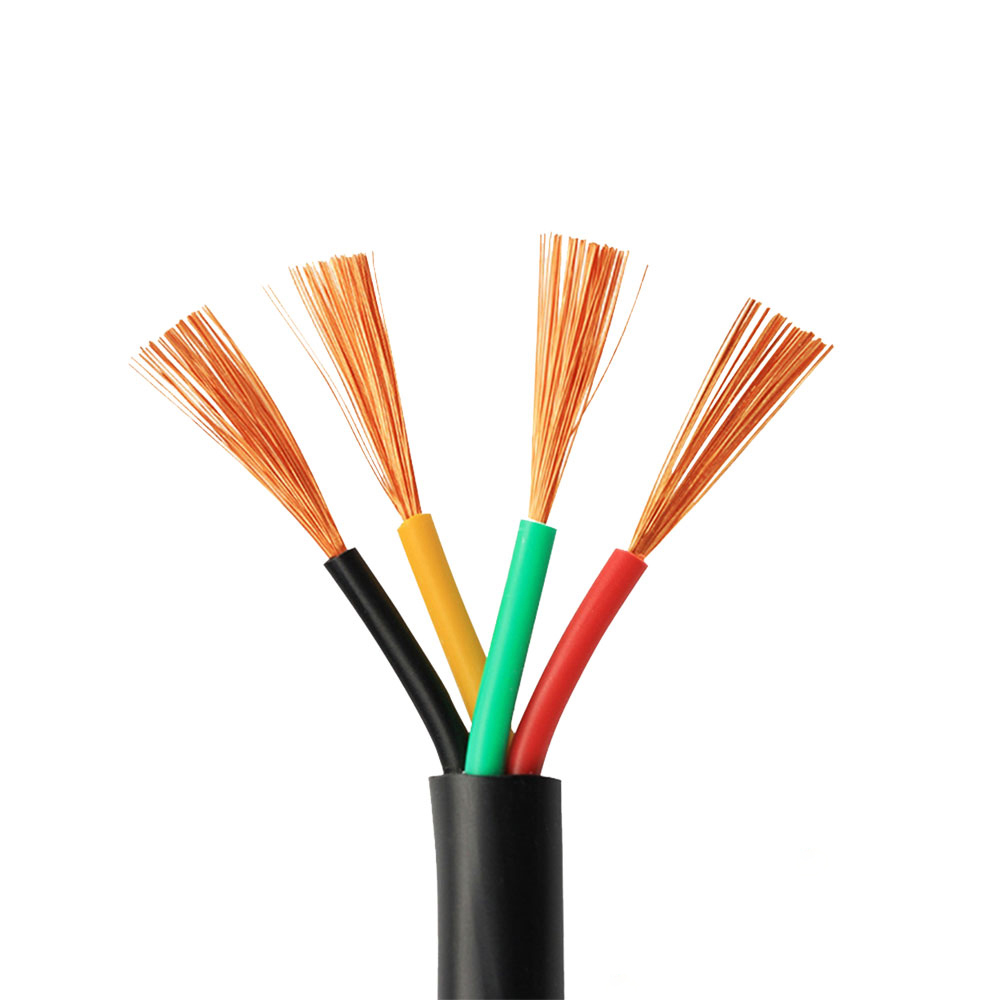

We firmly believe that good cables are not only a competition of materials, but also a reflection of craftsmanship, quality, and responsibility.

Links
Product
Send Inquiry
No. 29 Sankeshu Road, Xuanzhou District, Xuancheng City, Anhui Province, China
+86-18621104555/+86-563-2622999
 Electrical Cable Manufacturer
OEM/ODM Wire and Cable Solutions
 English
 Español
 عربى
 русский