
Get more content that can help you
Content
Modern power distribution systems must deliver electricity safely and continuously while resisting the physical conditions surrounding the installation. Underground cables may be exposed to soil pressure, stones, accidental impact during construction, moisture, rodents, and long-term environmental stress. In these applications, electrical performance alone is not sufficient. The cable must also possess a reliable mechanical structure that protects the insulation and conductor throughout its service life.
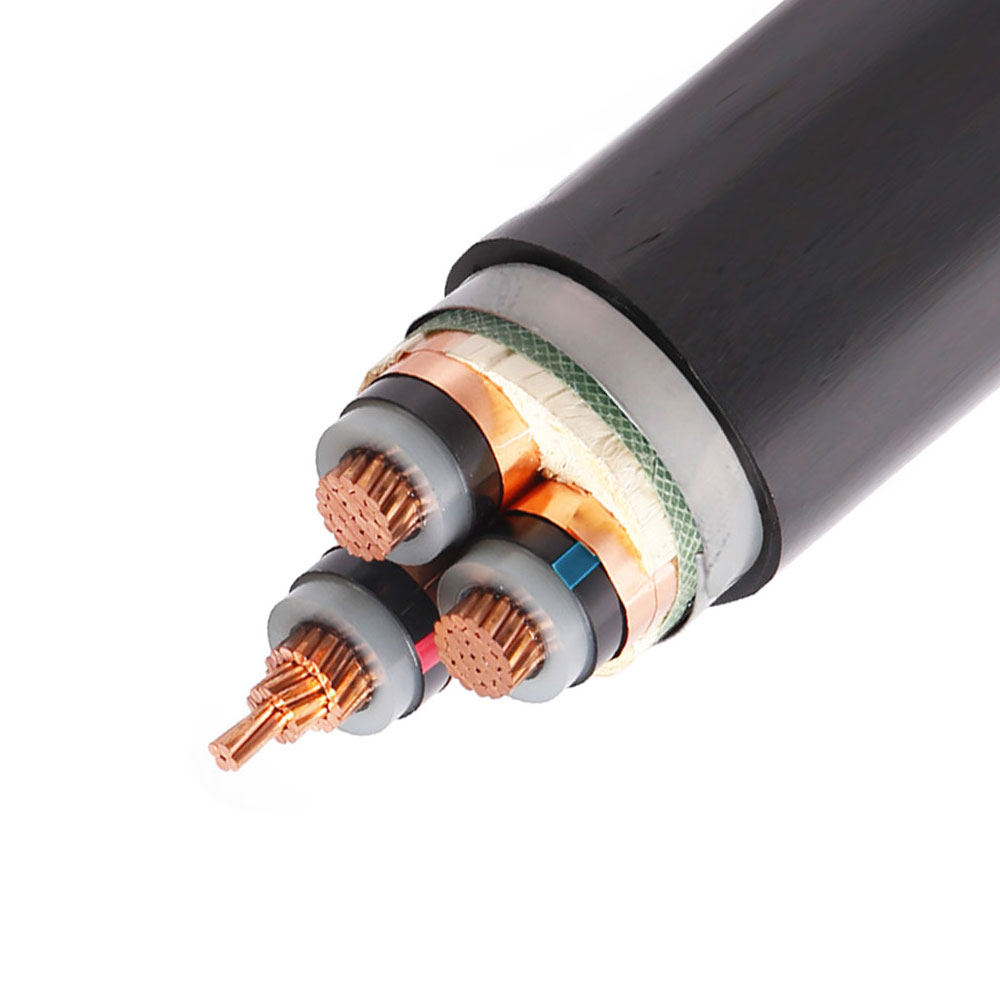
YJV22 steel tape armored XLPE insulated and sheathed power cable is designed for this type of demanding fixed installation. It combines a copper conductor, cross-linked polyethylene insulation, PVC inner and outer sheaths, and a double-layer galvanized steel tape armor. Its principal advantage is strong radial mechanical protection. Unlike an unarmored power cable, the armored structure is able to withstand substantial compression and impact, making the cable suitable for direct burial and other installations where external mechanical forces are expected.
The cable also inherits the electrical advantages associated with YJV construction. XLPE insulation supports a long-term conductor operating temperature of up to 90°C, provides good electrical stability, and enables a high current-carrying capacity when the cable is correctly selected and installed. The PVC outer sheath protects the armor against corrosion and provides an additional barrier against the surrounding environment.
For projects that require a practical balance of electrical performance, underground protection, manufacturing consistency, and cost-effective construction, YJV22 represents a widely applicable power cable solution. Its performance is especially valuable in fixed installations where compression resistance is more important than high tensile strength or specialized low-smoke, halogen-free performance.
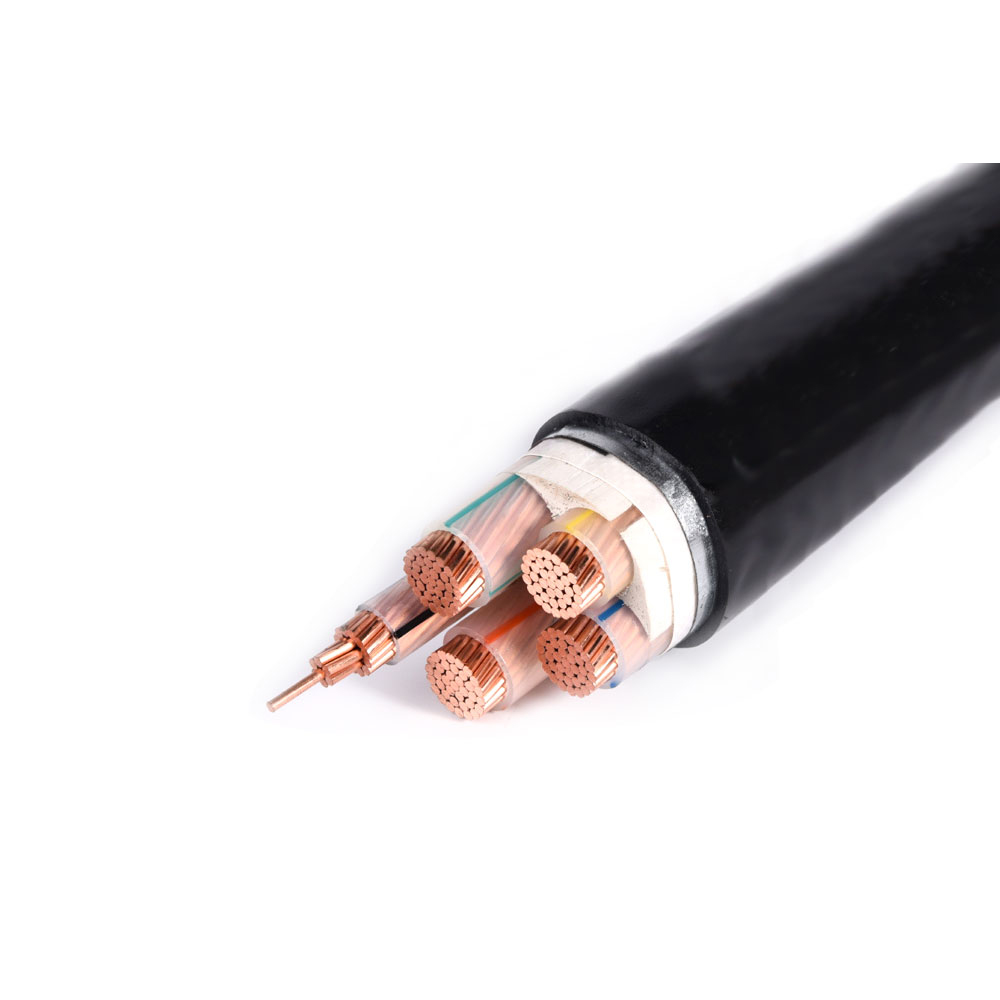
YJV22 Mechanical protection XLPE Insulated and Sheathed Power Cable
YJV22 is a designation commonly used for a steel tape armored XLPE insulated and PVC sheathed power cable. The “YJ” portion identifies cross-linked polyethylene insulation, while the “V” indicates PVC sheath materials. The “22” designation refers to a cable construction using steel tape armor with a PVC outer sheath.
The cable is normally manufactured with a copper conductor, although conductor arrangements and technical specifications may be customized according to voltage level, cross-sectional area, installation conditions, and project requirements. Common conductor sizes for low-voltage versions range from 1.5 mm² to 1000 mm². Higher-voltage versions may use different conductor designs, insulation thicknesses, screening systems, and testing requirements.
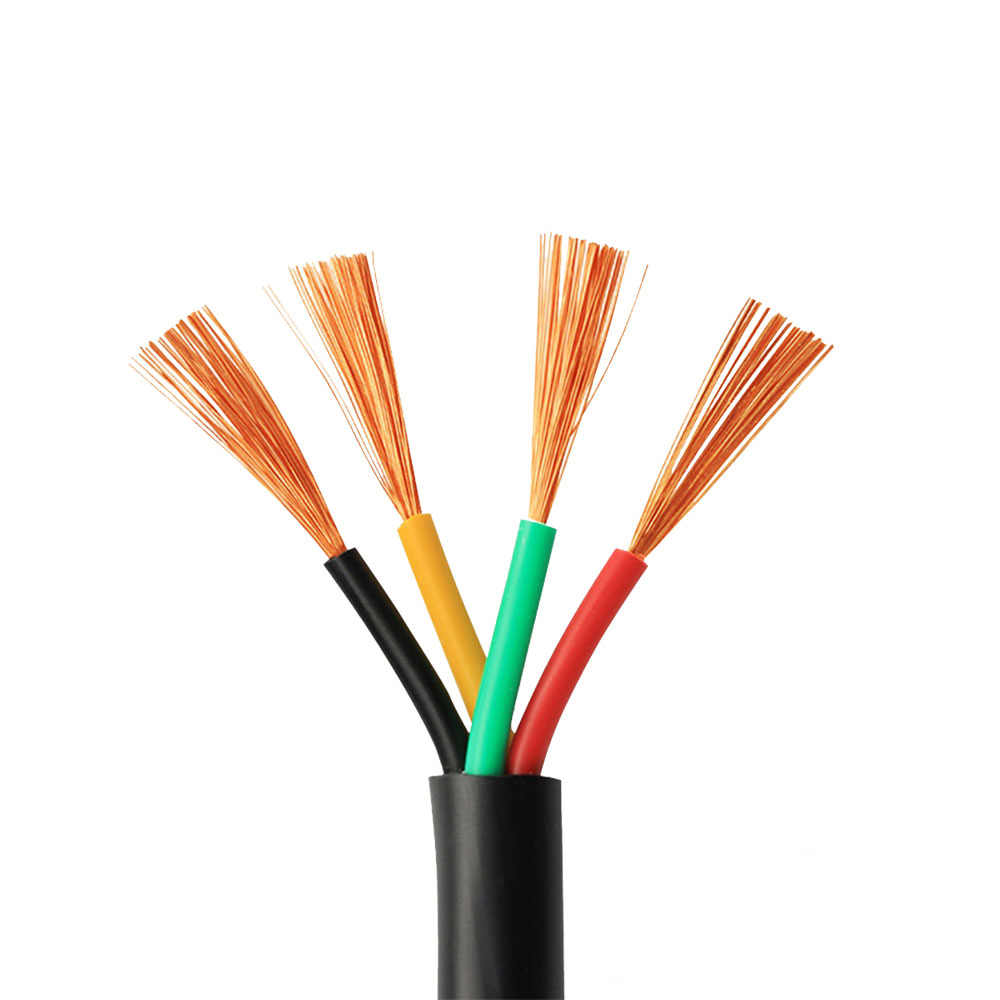
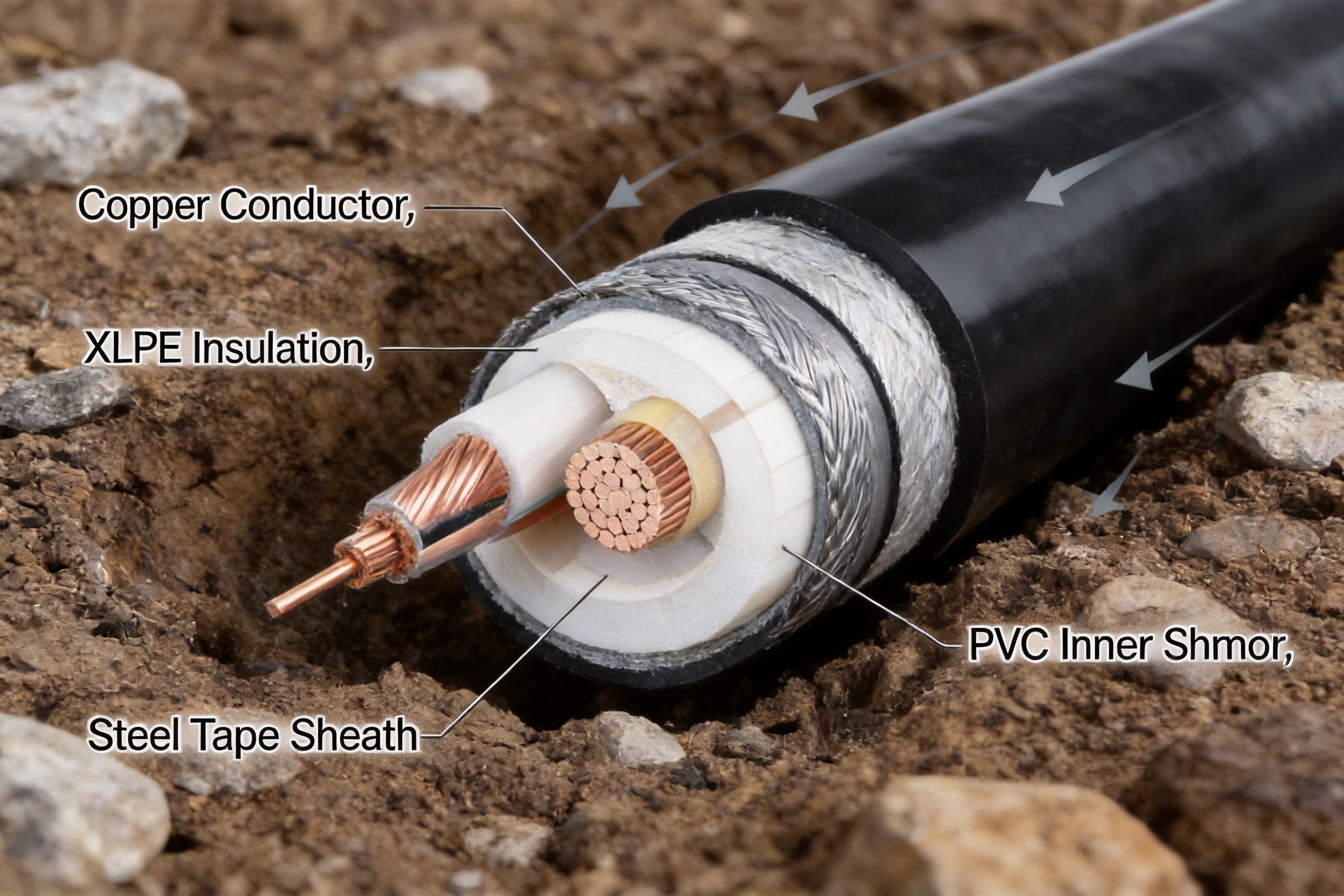
At the center of the cable is the conductor, which carries electrical current. Around the conductor is XLPE insulation, which electrically separates the conductor from other cores and from the surrounding protective layers. Depending on the number of cores, the cable may contain two, three, four, or five insulated conductors, as well as other configurations used in distribution systems.
The insulated cores are assembled and covered by an inner PVC sheath. This inner sheath helps maintain the cable structure and separates the insulated cores from the armor. A double-layer galvanized steel tape is then applied around the cable. The steel tape is wrapped with controlled spacing and forms a protective armor layer with high resistance to radial compression and impact.
Finally, a PVC outer sheath is extruded over the armor. This sheath protects the steel tape from direct contact with moisture, soil, chemicals, and other external influences. It also creates a continuous external surface that supports handling, transportation, installation, and long-term service.
Component | Typical Material or Specification | Primary Function |
Conductor | Copper, generally classed as T or with the material designation omitted | Carries electrical current and provides a low-resistance conductive path |
Insulation | Cross-linked polyethylene, XLPE | Provides electrical insulation and supports a long-term conductor temperature of up to 90°C |
Inner sheath | Polyvinyl chloride, PVC | Holds the cable cores together and separates them from the armor |
Armor | Double-layer galvanized steel tape with spaced wrapping | Provides strong radial protection against compression and impact |
Outer sheath | Polyvinyl chloride, PVC | Protects the armor against corrosion and external environmental exposure |
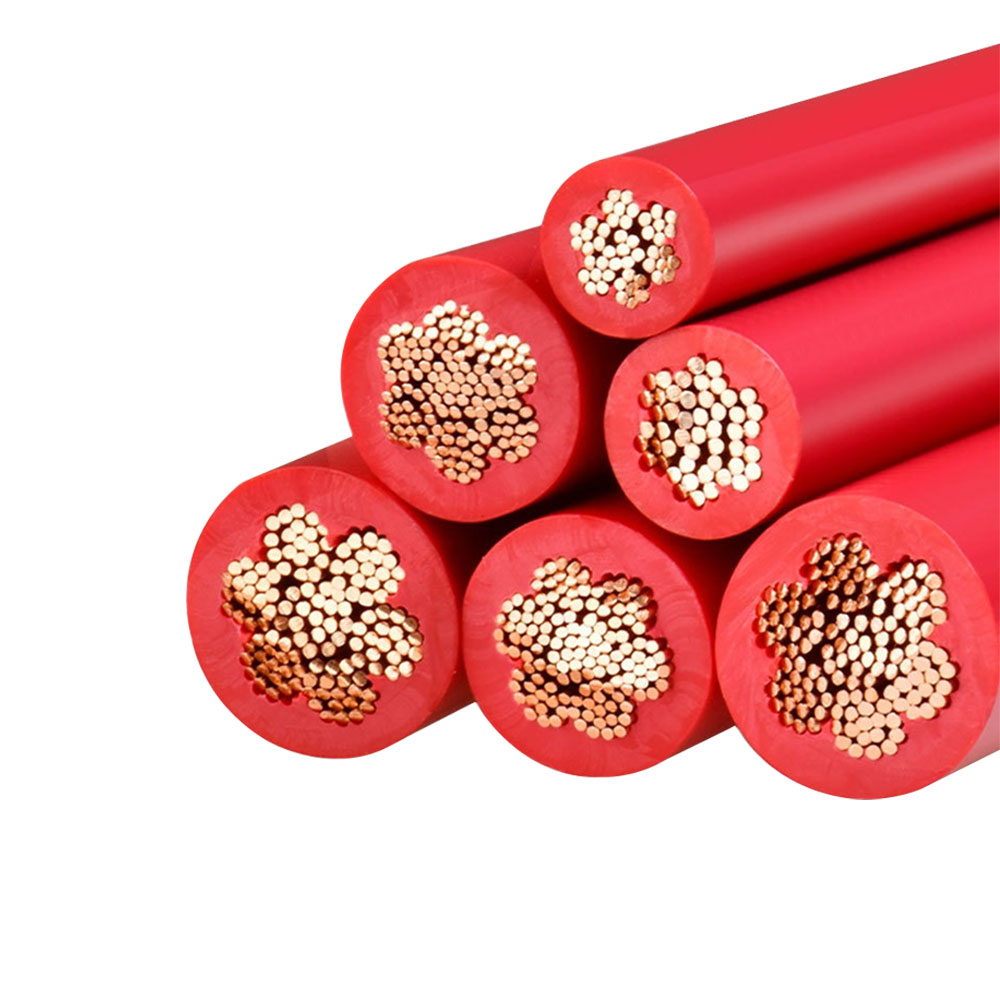
The copper conductor provides high electrical conductivity and stable performance in power transmission and distribution applications. Copper is widely selected for power cables because it offers a favorable balance of conductivity, mechanical flexibility, connection reliability, and resistance to joint-related problems. Conductor cross-sectional area is selected according to the expected load current, allowable voltage drop, installation method, ambient conditions, short-circuit requirements, and applicable standards.
For projects with special requirements, conductor construction may be adjusted. The manufacturer can evaluate conductor size, stranding arrangement, compacting, insulation thickness, and cable core configuration based on drawings, samples, technical schedules, or project specifications. Correct conductor selection is essential because a cable that is mechanically suitable may still be inappropriate if its current rating or voltage-drop performance is insufficient.
Cross-linked polyethylene is one of the most important performance features of YJV22 cable. Compared with conventional thermoplastic insulation, XLPE can support a higher long-term conductor operating temperature. Under the specified conditions, the maximum continuous conductor temperature is generally 90°C. This thermal capability can support a higher current-carrying capacity than cables using lower-temperature insulation systems, although the actual ampacity remains dependent on installation conditions and applicable standards.
XLPE also provides good dielectric performance and low dielectric loss. This is beneficial in power distribution systems where electrical efficiency, insulation stability, and long service life are important. The insulation must be applied evenly and without defects, because irregular thickness, contamination, voids, or damage can reduce electrical reliability.
The inner sheath supports the cable assembly and provides a protective separation between the insulated cores and steel armor. It helps maintain the intended geometry of the cable during armor application and subsequent handling. A properly controlled inner sheath also reduces the possibility of mechanical interaction between the insulation and armor.
The steel tape armor is the defining feature of YJV22. The use of two layers of galvanized steel tape creates a protective barrier capable of resisting strong radial forces. During direct burial, soil and backfill can exert continuous pressure on a cable. Stones, compacted earth, and accidental construction contact may also produce localized mechanical stress. The armor helps distribute these forces around the cable and reduces the risk that external pressure will reach the insulation and conductor.
Galvanization provides additional protection against corrosion. The armor is not intended to function as a substitute for correct water sealing, drainage, installation depth, or environmental design, but the galvanized surface and PVC outer sheath together provide a practical protective system for many underground applications.
The outer sheath forms the first external barrier around the armored construction. It protects the steel tape from direct environmental exposure, assists with corrosion resistance, and improves the cable’s handling characteristics. PVC is widely used because it offers practical mechanical properties, manufacturing familiarity, and cost efficiency.
However, standard PVC produces halogen acid gases and dense smoke when burned. For installations where fire performance, low smoke, or halogen-free characteristics are mandatory, a different cable construction should be specified. The standard YJV22 design should therefore be selected only after the project’s fire and environmental requirements have been reviewed.
The most important reason to choose YJV22 instead of an unarmored YJV cable is mechanical protection. The steel tape armor is specifically designed to improve resistance to compression and impact. This makes the cable suitable for fixed routes where it may be installed underground or exposed to external mechanical pressure.
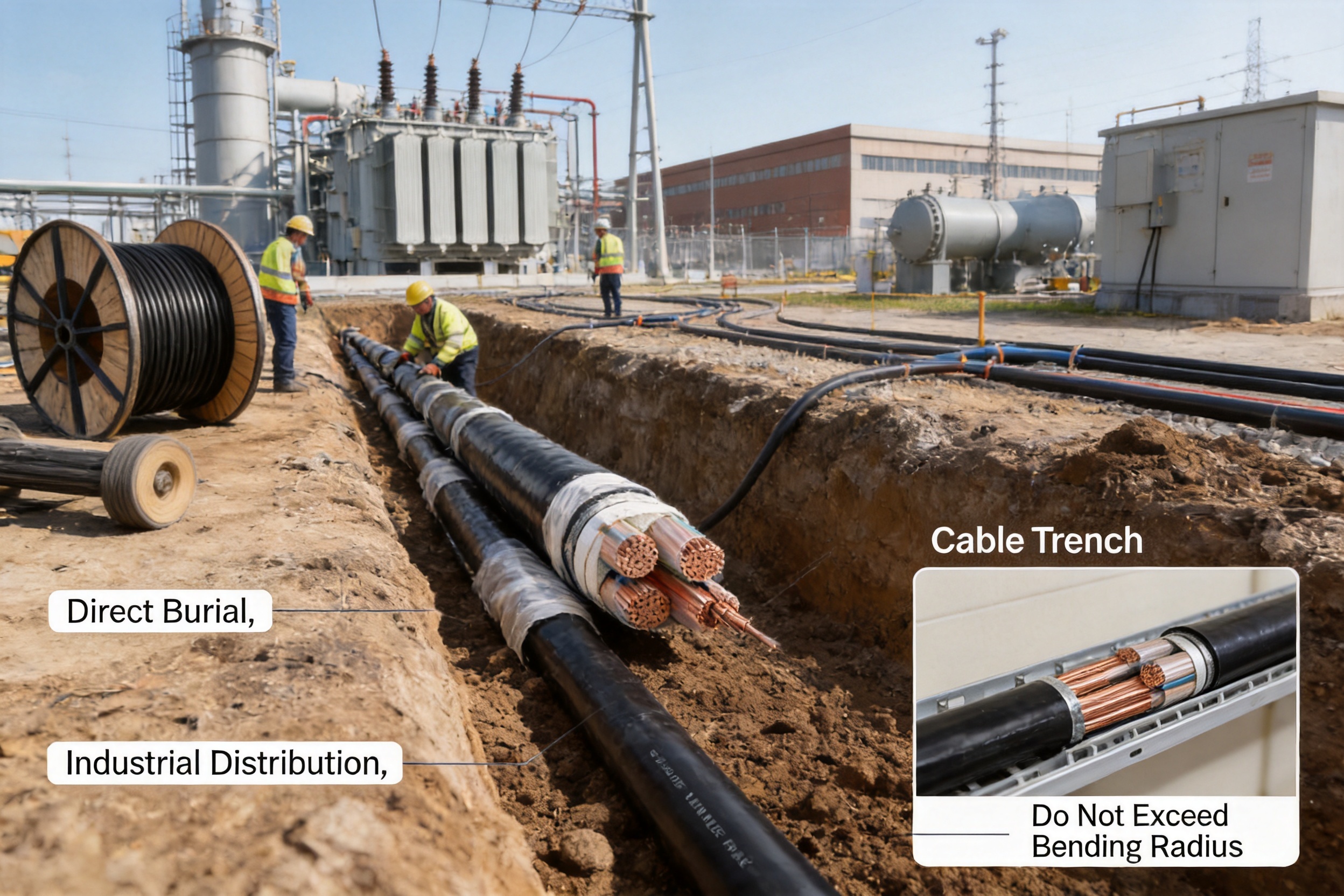
Direct burial is one of the most common applications. A buried cable is not simply placed in an empty space. It may experience the weight of backfill, compaction forces, ground movement, pressure from stones, and occasional contact with excavation equipment. Even when the installer follows good practice, underground conditions can vary along the route. The armored construction provides an additional level of protection that is not available from an unarmored cable with the same electrical design.
YJV22 can also be considered for cable trenches, buried distribution networks, industrial plants, utility routes, building services, and fixed power connections where accidental impact is possible. The cable is particularly useful when the installation design does not include a fully enclosed conduit or a separate rigid mechanical protection system.
Rodent resistance is another practical benefit. Rodents and pests may damage exposed or inadequately protected cable sheaths. The steel tape creates a physical barrier that is substantially more difficult to penetrate than a polymer sheath alone. It should not be described as an absolute guarantee against every form of biological damage, but it provides a strong deterrent and is an important advantage in underground and industrial environments.
Mechanical protection is only valuable when combined with dependable electrical performance. YJV22 uses XLPE insulation, which supports a continuous conductor operating temperature of up to 90°C. This provides a useful thermal margin for many low-voltage and medium-voltage applications.
When a cable carries current, conductor losses generate heat. The cable’s ability to dissipate this heat depends on conductor size, insulation properties, number of cores, installation depth, soil thermal resistivity, spacing between cables, ambient temperature, and whether the cable is installed in air, duct, tray, or direct burial. The 90°C insulation rating is therefore a material capability rather than a universal ampacity value.
Under short-circuit conditions, the maximum conductor temperature is commonly specified as up to 250°C for a duration of five seconds. This rating supports short-duration fault withstand calculations, but the cable system must still be protected by correctly selected circuit breakers, fuses, grounding arrangements, and other protective devices. Short-circuit performance depends on conductor area, fault duration, conductor material, installation configuration, and the applicable design standard.
XLPE also offers low dielectric loss and good electrical stability. These characteristics are beneficial in systems that require reliable insulation over a long service period. Proper manufacturing control is essential because electrical performance depends not only on the nominal material but also on cleanliness, extrusion consistency, concentricity, dimensional accuracy, and the absence of defects.
Characteristic | Typical Value or Description |
Conductor material | Copper |
Common low-voltage conductor range | Approximately 1.5 mm² to 1000 mm² |
Insulation material | Cross-linked polyethylene, XLPE |
Continuous conductor temperature | Up to +90°C under specified operating conditions |
Short-circuit temperature | Up to +250°C for five seconds, subject to the applicable design standard |
Common low-voltage rating | 0.6/1 kV |
Other possible voltage levels | 8.7/15 kV, 26/35 kV, and other designs subject to specification |
Installation temperature | Generally not below 0°C |
Multi-core minimum bending radius | At least 12 times the cable outer diameter, subject to the final design and standard |
Armor function | High resistance to radial compression and mechanical impact |
Standard flame performance | Standard construction does not automatically meet special flame-retardant requirements |
Typical 0.6/1 kV test voltage | 3.5 kV for five minutes at power frequency, subject to applicable requirements |
An unarmored YJV cable may be suitable for protected routes, enclosed ducts, cable trays, or installations where mechanical damage is unlikely. However, direct burial introduces additional risks. YJV22 provides a more robust solution because its steel tape armor resists radial compression and impact. This can reduce the need for separate mechanical protection measures in suitable applications and can simplify the design of underground cable routes.
Construction sites are dynamic environments. Excavation, backfilling, compaction, material movement, and later landscaping can expose buried cables to accidental forces. The armor does not make the cable indestructible, and safe clearance and route marking remain necessary, but it creates a stronger protective barrier than a polymer sheath alone.
Where cable routes pass through soil, agricultural land, industrial yards, or facilities with known pest activity, steel armor offers a practical advantage. Rodents may be capable of damaging PVC or other polymeric sheaths, while the steel tape is significantly more resistant to penetration.
The combination of an inner sheath, steel armor, and outer PVC sheath provides a stable multilayer construction. Each layer performs a different task, and together they help preserve the electrical insulation against external mechanical stress. This layered design is particularly appropriate for fixed infrastructure intended to remain in service for many years.
YJV22 is based on widely recognized materials and manufacturing processes. Copper, XLPE, PVC, and galvanized steel tape are familiar cable materials with established supply chains. This can make the cable more practical to source and maintain than highly specialized constructions. For projects that require mechanical protection but do not require fire-resistant, low-smoke, halogen-free, or high-tensile cable, YJV22 can provide an efficient balance of performance and cost.
Good engineering requires understanding both the strengths and limitations of a cable. YJV22 is highly resistant to radial compression, but its steel tape armor does not provide the same axial tensile performance as a wire-armored design. It should not be selected for vertical installations involving large elevation drops or routes where the cable must support significant suspended weight.
For vertical shafts, steep slopes, suspended installations, or applications involving high pulling tension, a cable with suitable wire armor or another engineered support system may be more appropriate. The installation method must be evaluated before ordering the cable. Pulling tension, sidewall pressure, bending radius, support spacing, and termination arrangement should be reviewed by qualified personnel.
YJV22 is also heavier and stiffer than unarmored YJV. The increased weight affects transportation, drum selection, handling equipment, pulling forces, and labor requirements. The cable generally requires a larger minimum bending radius. For multi-core cables, a minimum bending radius of at least 12 times the outer diameter is commonly specified, but the final value should be confirmed from the product datasheet and relevant standard.
The standard PVC sheath contains halogens. In a fire, PVC may generate toxic halogen acid gases and dense smoke. This is an important limitation in enclosed public spaces, transportation facilities, hospitals, tunnels, high-rise buildings, data centers, and other locations where smoke toxicity and visibility are major concerns. For such applications, the project may require flame-retardant, low-smoke, halogen-free, or fire-resistant alternatives.
Standard YJV22 also does not automatically meet special flame-retardant requirements. If flame retardancy is required, a suitable flame-retardant version, such as a ZC-YJV22 configuration where applicable, should be specified. Fire performance must be verified according to the required test standard rather than assumed from the presence of armor.
YJV22 is suitable for fixed power installations where underground placement or external mechanical protection is required. Typical application areas include industrial distribution systems, commercial facilities, infrastructure projects, factory power networks, utility connections, building electrical systems, and outdoor equipment supplied by buried cable.
In industrial plants, the cable can be used between transformers, distribution panels, motor control centers, switchboards, and fixed production equipment. Its armor helps protect routes that pass through service yards, plant floors, cable trenches, or areas where mechanical contact may occur.
In commercial and municipal construction, YJV22 can be used for underground feeders, site distribution systems, lighting power supplies, pump stations, and fixed connections between buildings. It is especially suitable when the route is buried and the project specification does not require a halogen-free sheath.
In infrastructure projects, the cable can support power distribution for water treatment facilities, transportation support equipment, telecommunications auxiliary systems, public utility installations, and remote electrical equipment. The correct application depends on voltage, current, environment, fire requirements, and installation method.
YJV22 may also be used in mining-related and heavy industrial environments when its voltage rating, sheath performance, mechanical design, and applicable safety requirements are confirmed. Mining installations can involve exceptional mechanical, fire, moisture, and flexibility demands, so a standard YJV22 cable should not be treated as universally suitable for every mining application.
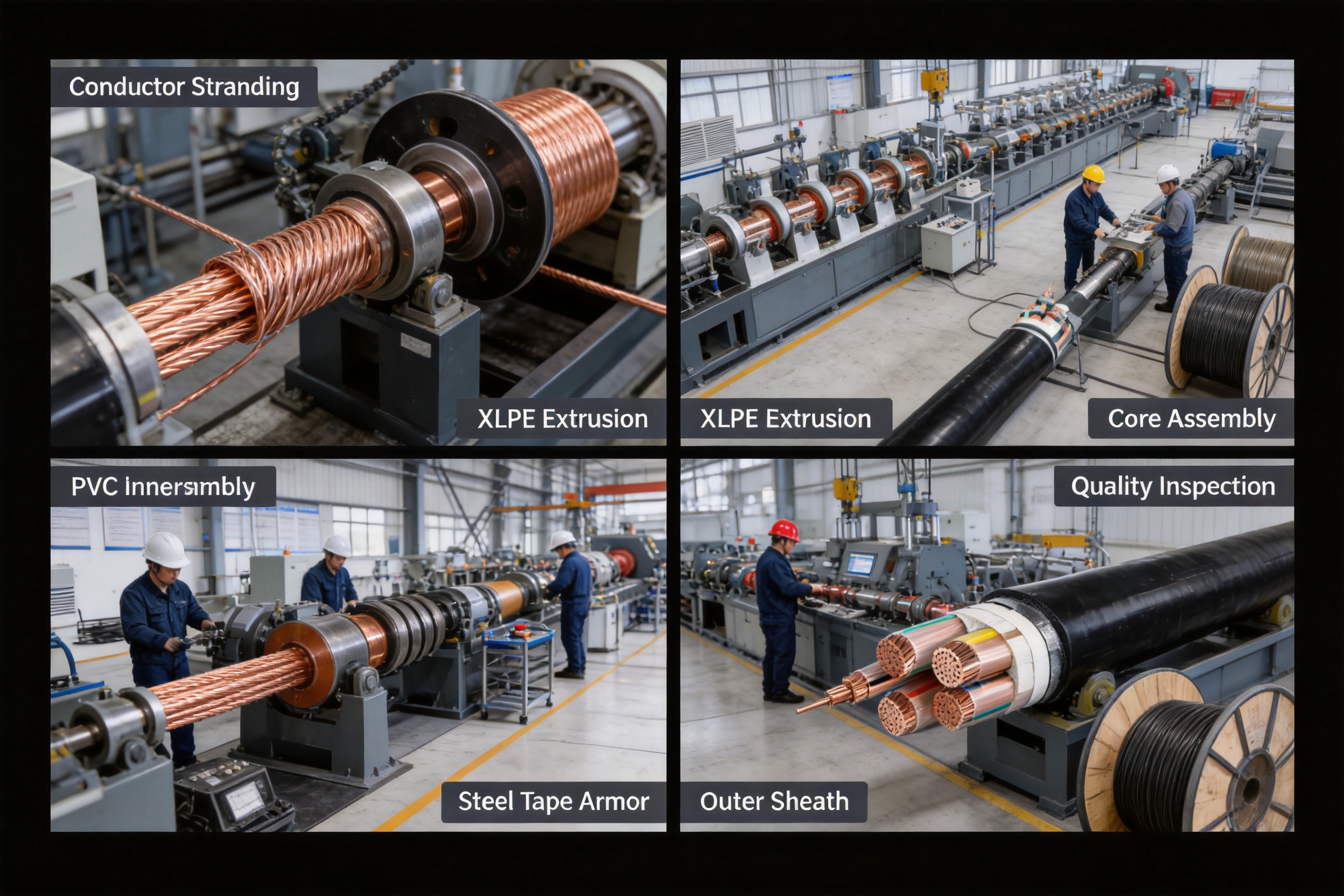
The performance of an armored power cable depends on the quality of every production stage. A high-quality design can fail to deliver its intended performance if conductor resistance, insulation thickness, armor tension, sheath dimensions, or testing procedures are not properly controlled. An experienced cable manufacturer therefore treats production as an integrated process rather than a sequence of unrelated operations.
Production begins with the selection and inspection of raw materials. Copper rods, XLPE insulation compounds, PVC compounds, galvanized steel tape, colorants, fillers, and auxiliary materials must be checked against the required technical specification. Material identification, appearance, dimensional accuracy, electrical properties, and supplier documentation are important elements of incoming quality control.
Copper must be protected from contamination and handled to prevent surface damage. Insulation and sheath compounds must be stored under controlled conditions to reduce the risk of moisture absorption, contamination, or material mix-up. Steel tape must meet the required width, thickness, coating condition, and mechanical properties so that armor application remains stable and uniform.
Where required by conductor design, copper rod is drawn through a series of dies to reduce its diameter and achieve the specified wire size. Drawing parameters influence surface quality, dimensional consistency, elongation, and electrical resistance. Lubrication, die condition, line speed, and cooling must be controlled carefully.
Individual copper wires are then stranded to create the conductor. Stranding improves flexibility and supports uniform handling during insulation extrusion. For larger cross-sectional areas, compacted or specially arranged conductors may be used to control the final cable diameter. The conductor is inspected for lay length, roundness, surface condition, resistance, and dimensional consistency.
Insulation extrusion is a critical process because it directly affects dielectric performance and thermal capability. The conductor passes through an extrusion crosshead, where XLPE compound is applied evenly around the conductor. Temperature, pressure, line speed, centering, and material cleanliness are controlled throughout production.
The insulation must have consistent thickness and concentricity. Online dimensional monitoring can identify deviations during production, allowing operators to correct the process before a large quantity of material is produced. After extrusion, the XLPE is cross-linked through a controlled curing process. Correct cross-linking is necessary to achieve the expected thermal and mechanical characteristics.
Manufacturing teams also pay attention to contamination control. Foreign particles, moisture, and material degradation can become potential electrical defects. Clean material handling, closed feeding systems, equipment maintenance, and appropriate process conditions all contribute to stable insulation quality.
For multi-core cable, each insulated core must be clearly identified. Color coding, numbering, printing, or other identification methods may be selected according to customer requirements and applicable standards. The cores are then assembled with controlled lay and tension.
Core assembly affects the cable’s roundness, flexibility, final diameter, and armor application. Excessive or inconsistent tension can create unwanted stress in the insulation. A controlled assembly process helps ensure that the finished cable remains dimensionally stable and can be installed according to the specified bending radius.
The inner PVC sheath is applied over the assembled cores. Its thickness and concentricity are controlled to create a stable foundation for the steel tape armor. The inner sheath also prevents direct contact between the insulated cores and metallic armor.
Process control at this stage includes compound temperature, extrusion pressure, line speed, cooling conditions, surface appearance, and dimensional measurement. The sheath must be continuous and free from visible defects such as bubbles, cracks, exposed core materials, or irregular surfaces.
The armor process distinguishes YJV22 from unarmored cable. Two layers of galvanized steel tape are applied around the inner-sheathed cable using controlled wrapping equipment. The tape overlap, spacing, tension, alignment, and direction are monitored to create consistent mechanical coverage.
Armor tension must be sufficient to maintain a stable structure but controlled carefully to avoid damaging the inner sheath. Excessive tension can deform the cable, while insufficient tension may cause loose wrapping or inconsistent protection. The steel tape edges must also be managed to prevent sharp projections or damage to adjacent layers.
The use of double-layer steel tape creates a protective structure with high resistance to radial compression. Properly applied armor also improves the cable’s resistance to localized impact and contributes to the cable’s rodent-resistant characteristics. At the same time, the armor adds weight and stiffness, which must be considered during subsequent outer sheath extrusion and final installation.
The final PVC outer sheath is extruded over the armor. This layer protects the galvanized steel tape from the surrounding environment and creates the finished cable surface. The extrusion process must provide complete coverage without pinholes, exposed armor, excessive eccentricity, or surface damage.
The sheath color, printing, marking, meter identification, and customer-specific information can be controlled during this stage. Continuous marking helps with identification, length management, installation planning, and future maintenance. Depending on the customer’s requirements, the cable may be produced with customized printing, packaging, drum dimensions, and labeling.
Testing is performed at different stages of manufacture. Conductor resistance, dimensional measurements, insulation integrity, sheath appearance, armor coverage, and finished cable characteristics may be evaluated. For 0.6/1 kV designs, a power-frequency withstand test of 3.5 kV for five minutes is commonly specified, subject to the applicable standard and product design.
Final inspection may include checking cable length, outer diameter, conductor size, marking, drum condition, sheath continuity, and documentation. Test reports and inspection records support product traceability and provide project users with evidence that the cable has been manufactured according to the agreed requirements.
An experienced manufacturer can add value beyond the basic cable construction by combining engineering support, controlled production, testing, and delivery management. Anhui Zhishang Cable Technology Co., Ltd. integrates research and development, production, and sales in one organization. Its production base covers approximately 5,000 square meters and includes 10 automated production lines.
The company reports a monthly production capacity of up to 10 million meters. This capacity supports both standard product supply and larger project orders. Production scale can be important for customers who require consistent cable construction across multiple batches, coordinated delivery schedules, and reliable replenishment for ongoing projects.
A production team of more than 50 employees includes quality engineers and research and development technicians with more than 10 years of industry experience. Experienced technical personnel can assist with conductor selection, voltage level, sheath materials, cable dimensions, installation requirements, and project-specific documentation.
The company supports OEM and ODM development based on customer drawings or samples. This is valuable when a customer requires a special conductor arrangement, customized marking, nonstandard packaging, specific color identification, adjusted sheath characteristics, or a cable adapted to a particular installation environment. Customization should be based on a documented technical specification so that electrical, mechanical, thermal, and compliance requirements are clearly defined.
For standard cable models, the company emphasizes full-core, full-length, pure copper specifications, product test reports, and warranty support. Standard products may be stocked for fast shipment, while customized products typically require a lead time of approximately 7 to 20 days, depending on design complexity, material availability, production scheduling, and order quantity.
These manufacturing strengths can provide advantages over suppliers that only trade standard cable products without direct production control. Integrated production allows closer coordination between technical design, material selection, quality inspection, and delivery. It also gives customers a clearer route for resolving technical questions and adapting the product to project requirements.
Quality assurance for YJV22 cable should include more than a visual check of the finished sheath. The cable’s performance is determined by conductor resistance, insulation quality, dimensional accuracy, armor application, sheath integrity, and electrical testing. A structured quality system should connect incoming material inspection, process monitoring, laboratory testing, final inspection, packaging, and after-sales support.
Technical documentation is also important. Customers may require product specifications, test reports, packing lists, certificates, inspection records, installation guidance, and warranty terms. Clear documents help contractors, consultants, distributors, and end users verify that the delivered product matches the approved design.
Project support begins with correct product selection. Customers should provide the rated voltage, number of cores, conductor material, cross-sectional area, installation method, ambient conditions, route length, required drum length, bending constraints, fire-performance requirements, and applicable standards. If the cable is to be installed vertically, on a steep slope, in a chemically aggressive environment, or in an area with special fire regulations, these conditions must be disclosed before quotation.
The manufacturer can then recommend a suitable construction or identify where YJV22 may not be the correct choice. This consultative approach helps prevent problems caused by selecting a cable solely by conductor size or nominal voltage.
Before installation, inspect the cable drum, end seals, sheath surface, markings, and packing condition. Confirm the cable type, voltage rating, conductor size, core configuration, and length. Cable ends should remain sealed until termination to reduce the risk of moisture entering the insulation system.
Armored cable is heavier than unarmored cable, so the drum must be lifted and moved with appropriate equipment. Drums should be kept upright unless the packaging instructions permit another position. Rolling direction should follow the arrow marked on the drum. Improper handling can damage the outer sheath, deform the cable, or loosen the cable layers.
Pulling tension must be controlled during installation. The cable should not be dragged over sharp surfaces, pulled around corners below its minimum bending radius, or subjected to uncontrolled sidewall pressure. Rollers, guides, winches, and approved pulling accessories should be selected according to the cable’s weight and diameter.
The minimum bending radius should be confirmed from the final technical datasheet. For multi-core YJV22 cable, a value of at least 12 times the cable outer diameter is commonly used. The required radius may be greater during pulling than during final installation. Sudden bending, twisting, or flattening should be avoided.
Installation should generally not be performed below 0°C unless the cable manufacturer provides an approved low-temperature installation procedure. PVC and other polymeric layers can become less flexible in cold conditions. Bending or pulling a cold cable may increase the possibility of sheath cracking or other mechanical damage.
For direct burial, the trench should be prepared with suitable depth, stable bedding, and protection from sharp stones. The cable route should be planned to avoid unnecessary crossings and excessive tension. Backfill should be placed carefully, and warning tape, marker systems, protective slabs, or other project-specific measures may be required.
The steel armor improves resistance to soil pressure, but it does not eliminate the need for good civil construction practice. Cable routes should be recorded accurately so that future excavation work does not damage the installation. Where multiple cables are installed together, spacing and grouping must be considered during ampacity calculations.
Terminations should be performed by trained personnel using accessories compatible with the cable’s conductor size, insulation system, voltage rating, and armor construction. The armor may require bonding or grounding according to the electrical system design and local regulations. The termination must preserve the cable’s environmental sealing and mechanical integrity.
At medium-voltage levels, additional requirements may apply, including stress control, screens, semiconductive layers, and specialized termination kits. The final cable design and accessories should always be reviewed together rather than treated as separate components.
Selection begins with the electrical load. Determine the system voltage, normal operating current, expected overload conditions, short-circuit current, fault duration, voltage-drop limit, and protective-device characteristics. Conductor cross-sectional area should then be calculated using the applicable electrical code or engineering standard.
The number of cores must match the distribution arrangement. Common low-voltage configurations may include single-core, two-core, three-core, four-core, or five-core designs. The neutral and protective conductor requirements should be considered at the design stage.
Installation conditions are equally important. Direct burial, ducts, trays, tunnels, buildings, and outdoor routes have different thermal and mechanical characteristics. Soil thermal resistivity, burial depth, ambient temperature, grouping, solar exposure, ventilation, and proximity to other circuits can all influence cable ampacity.
The project should also evaluate whether steel tape armor is sufficient for the mechanical conditions. If the cable will be pulled under high tension, installed vertically, or suspended across a large elevation difference, another armored construction may be needed. If frequent flexing is expected, a flexible cable designed for repeated movement should be considered instead.
Fire and smoke requirements must be reviewed before ordering. Standard YJV22 uses PVC inner and outer sheaths and therefore contains halogens. If the installation requires low smoke, halogen-free, flame retardant, or fire-resistant performance, the cable must be specified accordingly. Armor alone does not provide these fire characteristics.
Cable Construction | Principal Strength | Typical Limitation or Consideration | Suitable Application Direction |
Unarmored YJV | Lower weight, smaller bending radius, easier handling | Less protection against external compression and impact | Protected indoor routes, trays, ducts, and installations with low mechanical risk |
YJV22 steel tape armored cable | Strong radial compression and impact resistance | Heavier, stiffer, and not intended for high axial tension | Direct burial and fixed routes requiring mechanical protection |
Wire-armored power cable | Higher resistance to axial tension in suitable designs | May be heavier, more complex, or less economical for ordinary buried routes | Vertical, suspended, steep, or mechanically demanding installations when specified |
Flame-retardant armored cable | Improved flame-spread performance compared with standard construction | May require different materials, testing, and cost | Projects with defined flame-retardant requirements |
Low-smoke, halogen-free cable | Reduced halogen emissions and smoke characteristics during fire | Different material system and potentially different mechanical properties | Public buildings, enclosed facilities, transportation, and sensitive environments |
YJV22 should therefore not be described as universally superior to every other cable type. Its advantage is application-specific. It is stronger than unarmored YJV against radial compression and impact, while it is less suitable than certain wire-armored cables for high axial tension. It is more economical and familiar than some specialized fire-performance cables, but it does not provide the same low-smoke or halogen-free characteristics.
For cable buyers, manufacturing integration can reduce uncertainty. When a supplier controls or directly manages research, production, testing, and sales, technical communication can be more efficient. Questions about material selection, cable dimensions, delivery schedules, and customized construction can be addressed by teams familiar with the production process.
An integrated manufacturer can also improve batch consistency. This is especially important for projects requiring multiple drums produced at different times. Consistent conductor resistance, insulation thickness, outer diameter, marking, and armor application make installation and termination more predictable.
Production capacity is another consideration. A supplier with automated production lines and substantial monthly output may be better positioned to support large orders, staged deliveries, and repeat purchasing. Capacity alone does not replace quality control, but it can provide scheduling flexibility when supported by appropriate inspection and documentation.
Research and development capability supports product adaptation. Customers may need a specific voltage class, conductor arrangement, core identification method, sheath color, drum length, marking system, or packaging specification. OEM and ODM support allows the cable to be aligned more closely with the project rather than forcing every application into one standard configuration.
Environmental responsibility is also becoming more important in industrial procurement. The company emphasizes green manufacturing and responsible production practices while serving customers in international markets, including the United States, Canada, Australia, Japan, and parts of Eurasia. Buyers should still verify the exact compliance documentation required for each destination, but a manufacturer familiar with international customers is better prepared to discuss standards, labeling, documentation, and shipment requirements.
YJV22 cable should be manufactured and tested according to the standard specified in the purchase contract or project design. Depending on the market and voltage level, this may involve national standards, international standards, utility specifications, or customer-specific requirements. The cable designation alone does not identify every performance characteristic.
Purchasers should request the applicable product datasheet and confirm conductor class, insulation material, sheath material, voltage rating, temperature limits, armor construction, test voltage, flame performance, dimensions, and delivery length. If CE, RoHS, or other declarations are required, the documentation should be reviewed for relevance to the exact cable model and destination market.
Factory test reports should identify the product, production batch, test date, test methods, measured results, and acceptance criteria. For project orders, customers may also request routine tests, sample tests, type-test evidence, inspection plans, or third-party verification. Documentation requirements should be agreed before production starts.
YJV22 is intended for long-term fixed installation and can provide a long service life when correctly selected, manufactured, installed, and protected by suitable electrical equipment. XLPE insulation supports stable thermal and dielectric performance, while the armored structure reduces mechanical damage risk.
Routine maintenance for buried cable is usually focused on accessible termination points, route records, protective equipment, and surrounding construction activity. Terminations should be inspected for overheating, moisture ingress, corrosion, loose connections, or signs of mechanical stress. Any excavation near a cable route should be controlled through accurate drawings and permit procedures.
Testing may be required after installation, before energization, during commissioning, or following a suspected fault. The test method must be appropriate for the cable’s insulation system and voltage level. Improper testing can damage insulation or produce misleading results, so testing should be conducted by qualified technicians using calibrated equipment.
If the outer sheath is damaged, repairs should be evaluated promptly. A small defect may allow moisture or corrosive substances to reach the armor over time. Repair methods should be compatible with the cable construction and environmental conditions. Severe damage may require replacement of the affected section rather than a superficial patch.
YJV22 generally identifies a power cable with XLPE insulation, PVC sheathing, and double-layer steel tape armor under commonly used cable designation systems. The exact meaning and construction should be confirmed against the manufacturer’s datasheet and applicable standard.
Its main advantage is strong resistance to radial compression and mechanical impact. This makes it suitable for direct burial and fixed routes where the cable may be exposed to soil pressure, stones, construction contact, or other external mechanical forces.
Yes, it is commonly used for direct burial when the voltage rating, sheath design, environmental conditions, burial method, and project standards are suitable. Proper trench preparation, bedding, backfilling, route marking, and installation protection are still required.
It is not the preferred choice for vertical installations involving large elevation drops or significant axial tension. Steel tape armor is primarily designed for radial compression and impact resistance. A cable with suitable wire armor or a separate support system may be more appropriate for high-tension vertical routes.
The long-term allowable conductor operating temperature is generally up to 90°C for the XLPE insulation system. Actual cable ampacity must be calculated according to conductor size, installation method, ambient conditions, grouping, and the applicable standard.
The maximum conductor short-circuit temperature is commonly specified as up to 250°C for five seconds. The actual short-circuit rating must be verified using the approved cable design and fault calculations.
Standard YJV22 does not automatically meet special flame-retardant requirements. Where flame-retardant performance is required, a suitable flame-retardant version should be selected and verified through the relevant test standard.
Yes. Standard YJV22 uses PVC inner and outer sheaths, and PVC contains halogens. When burned, it can produce halogen acid gases and dense smoke. Low-smoke, halogen-free alternatives should be considered for applications with strict fire and smoke requirements.
For multi-core cables, a minimum bending radius of at least 12 times the cable outer diameter is commonly specified. The exact value depends on the final cable construction, voltage level, installation stage, and manufacturer’s instructions.
Common low-voltage designs may range from approximately 1.5 mm² to 1000 mm². The available range depends on the number of cores, voltage class, conductor construction, production capability, and customer requirements.
Yes. Customization may include conductor size, core configuration, voltage rating, identification, sheath color, printing, drum length, packaging, and other documented requirements. Technical drawings or samples can support OEM and ODM development.
Standard products may be available from stock for fast shipment. Customized products typically require approximately 7 to 20 days, although the actual lead time depends on specifications, quantity, raw material availability, production scheduling, inspection, and shipping arrangements.
Buyers should compare more than price. Important factors include raw material quality, conductor resistance, XLPE extrusion control, armor consistency, testing capability, production capacity, technical support, documentation, customization experience, warranty terms, delivery reliability, and compliance with the required standards.
YJV22 steel tape armored XLPE power cable is a practical solution for fixed power distribution where mechanical protection is a central requirement. Its copper conductor provides reliable current transmission, XLPE insulation supports a 90°C continuous conductor temperature and good dielectric performance, and the double-layer galvanized steel tape offers strong resistance to radial compression and impact. The PVC inner and outer sheaths complete a familiar and cost-effective cable structure.
Compared with unarmored YJV, YJV22 provides better protection for direct burial, underground routes, industrial areas, and installations where rodents or construction-related impact may present a risk. Its limitations are equally important: it is heavier and less flexible, requires a larger bending radius, has limited axial tensile strength, and uses halogen-containing PVC materials. It should not be selected for high-tension vertical applications or projects requiring low-smoke, halogen-free, or specialized fire performance unless the design has been modified accordingly.
The value of the product also depends on manufacturing discipline. Controlled conductor production, clean XLPE extrusion, accurate core assembly, stable inner sheath application, carefully tensioned double-layer armor, consistent outer sheath extrusion, and complete testing all contribute to dependable field performance. A manufacturer with integrated R&D, production, quality management, and sales support can further assist with product selection, OEM and ODM customization, documentation, and delivery planning.
With a production base of approximately 5,000 square meters, 10 automated production lines, monthly capacity of up to 10 million meters, and an experienced technical and quality team, Anhui Zhishang Cable Technology Co., Ltd. is positioned to supply standard and customized cable solutions for industrial, commercial, infrastructure, and power engineering applications. The correct result, however, always begins with a complete technical evaluation of voltage, current, environment, mechanical stress, installation method, fire requirements, and applicable standards.
IEC 60502-1, Power Cables with Extruded Insulation and Their Accessories for Rated Voltages from 1 kV up to 3 kV.
IEC 60228, Conductors of Insulated Cables.
IEC 60332 Series, Tests on Electric and Optical Fibre Cables Under Fire Conditions.
IEC 60754 Series, Test on Gases Evolved During Combustion of Materials from Cables.
IEC 61034 Series, Measurement of Smoke Density of Cables Burning Under Defined Conditions.
National and regional electrical installation codes applicable to underground power cable systems.
Manufacturer technical specifications for YJV22 XLPE insulated and steel tape armored power cables.
Project-specific cable installation, testing, grounding, and commissioning procedures.

We firmly believe that good cables are not only a competition of materials, but also a reflection of craftsmanship, quality, and responsibility.

Links
Product
Send Inquiry
No. 29 Sankeshu Road, Xuanzhou District, Xuancheng City, Anhui Province, China
+86-18621104555/+86-563-2622999
 Electrical Cable Manufacturer
OEM/ODM Wire and Cable Solutions
Electrical Cable Manufacturer
OEM/ODM Wire and Cable Solutions
 English
 Español
 عربى
عربى
 русский