Get more content that can help you
Content
Modern industrial equipment requires cable systems that can withstand much more than ordinary electrical stress. Construction machinery, robotic equipment, automated production lines, mobile platforms, agricultural machinery, and special vehicles often expose cables to oil, vibration, repeated bending, abrasion, temperature changes, and mechanical impact. In these environments, a cable must provide reliable electrical transmission while maintaining its physical integrity over a long service life.
UL20886 is a high-performance cable designed for applications where electrical reliability, flexibility, flame resistance, and mechanical protection must work together. Its construction combines a multi-strand fine-stranded tin-plated copper conductor, cross-linked polyolefin insulation, and a thermoplastic polyurethane outer sheath. This composite structure gives the cable a practical balance between conductivity, high-temperature performance, flexibility, oil resistance, wear resistance, and tear resistance.
With a rated voltage of 600 V, a long-term operating temperature of 125°C, and UL and cUL certification support, the cable is suitable for demanding North American industrial applications. It is particularly useful for dynamic wiring, equipment connections, machine interiors, and power or signal transmission near moving or oil-exposed components.
The product is manufactured by Anhui Zhishang Cable Technology Co., Ltd., a Chinese cable manufacturer integrating research and development, production, quality control, and sales. The company operates a modern production facility of approximately 5,000 square meters, uses 10 automated production lines, and has a monthly production capacity of up to 10 million meters. Its technical team supports standard products as well as OEM and ODM cable development based on drawings, samples, and application requirements.
Cable failure can cause much more than a simple loss of electrical continuity. In industrial equipment, a damaged cable may interrupt production, create a safety risk, cause incorrect sensor signals, damage control systems, or require expensive emergency maintenance. For mobile equipment, cable failure may also occur in locations that are difficult to access, increasing repair time and operating costs.
Traditional general-purpose cables may perform adequately in clean, stationary, indoor installations. However, they may not be suitable for applications involving continuous movement, contact with hydraulic oil, repeated vibration, sharp edges, or elevated temperatures. A cable that lacks sufficient flexibility may crack during repeated bending. A cable with weak abrasion resistance may become damaged when it contacts machine components. An insulation material with limited thermal performance may age prematurely near heat sources.
UL20886 addresses these challenges through a layered construction. The conductor is designed to maintain stable current transmission. The insulation provides electrical separation and high dielectric strength. The TPU sheath supplies external protection against mechanical and environmental stress. Together, these elements create a cable solution designed for industrial reliability rather than basic electrical connection alone.
UL20886 is an UL-certified cable intended for power, signal, equipment, and internal wiring applications. Its fine-stranded conductor gives it the flexibility required for moving installations, while tin plating improves resistance to oxidation and corrosion. Cross-linked polyolefin insulation supports high-temperature operation and electrical performance. The thermoplastic polyurethane sheath provides a durable external barrier against oil, abrasion, tearing, and repeated mechanical contact.
The cable is rated for long-term operation at temperatures up to 125°C. It passes the UL VW-1 vertical flame test and is manufactured to support UL 758 appliance wiring material requirements. The product information also identifies compliance with UL 1581 and CSA C22.2 No. 210.02 for applicable constructions. Final ratings should always be confirmed against the specific production specification, conductor size, and certification file selected for a project.
| Item | UL20886 Product Information |
|---|---|
| Product category | UL-certified specialty cable |
| Rated voltage | 600 V |
| Conductor | Multi-strand fine-stranded tin-plated copper |
| Insulation | Cross-linked polyolefin |
| Outer sheath | Thermoplastic polyurethane |
| Long-term operating temperature | Up to 125°C |
| Flame performance | UL VW-1 vertical flame test |
| Certification support | UL and cUL certification |
| Primary applications | Construction machinery, robotics, automation, special vehicles, and dynamic equipment |
| Customization | Conductor specifications, sheath color, printing, and selected construction options |
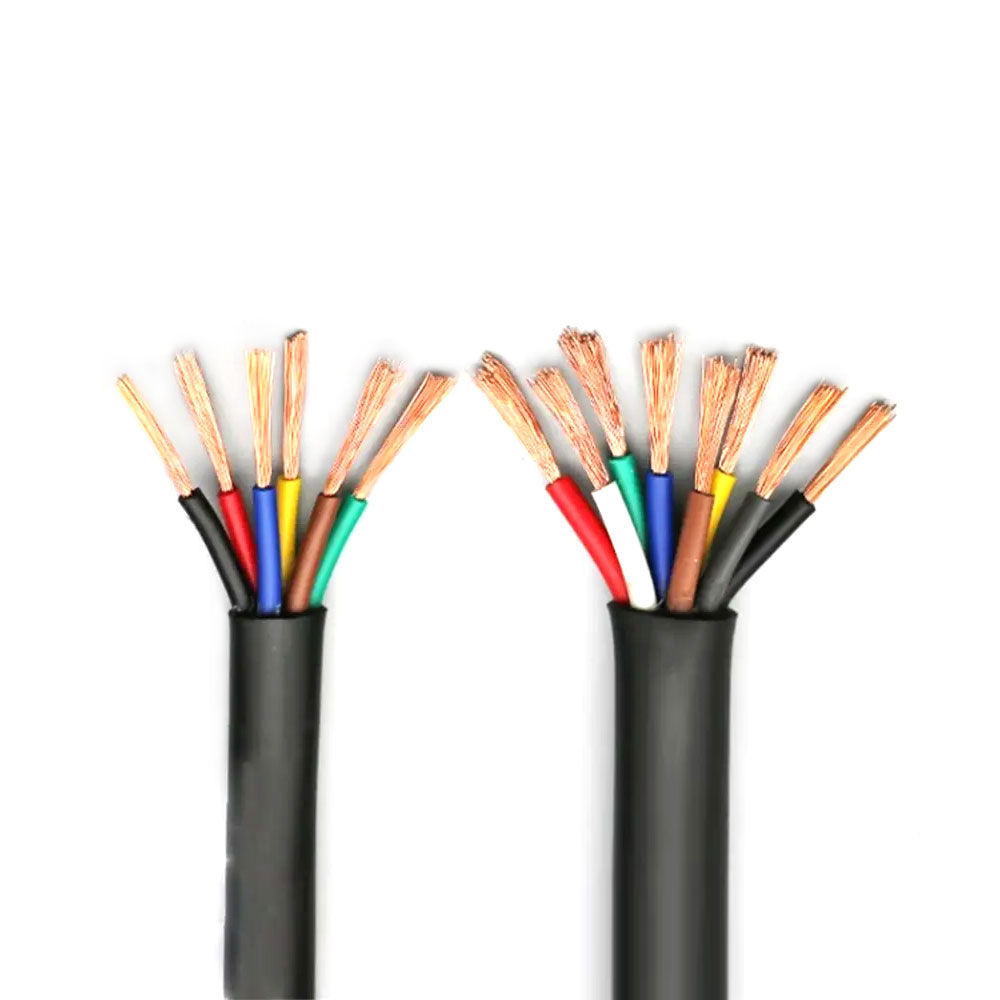
UL20886 Excellent electrical performance UL-Certified Cable
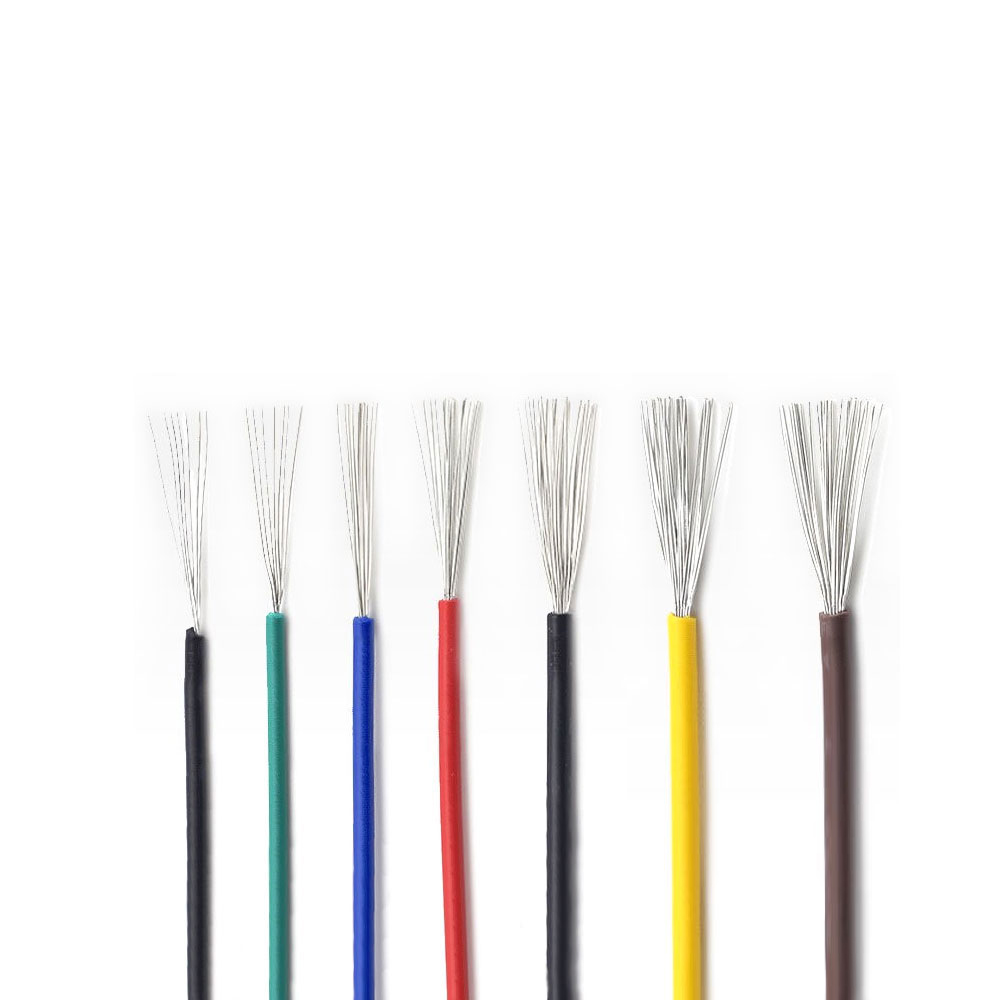
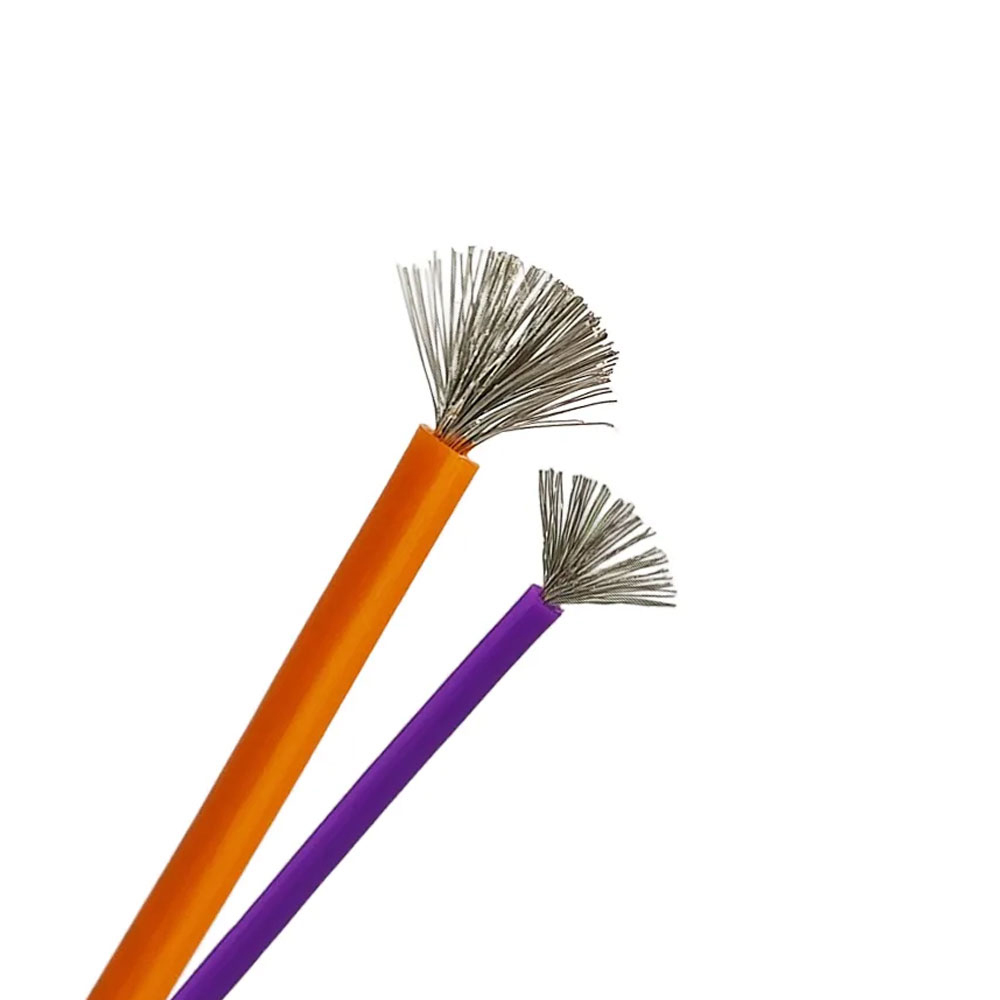
The conductor is made from multiple fine strands of copper. Compared with a solid conductor or a conductor made from fewer, larger strands, a fine-stranded construction bends more easily and distributes mechanical stress across numerous individual wires. This characteristic is important in robotic joints, sliding systems, mobile platforms, and equipment sections that experience repeated movement.
Copper provides high electrical conductivity, helping the cable transmit power or electrical signals efficiently. The tin plating adds another layer of protection. Bare copper can gradually oxidize when exposed to moisture, chemicals, or unfavorable environmental conditions. Tin-plated copper offers improved corrosion resistance and helps maintain contact reliability over time, particularly when cable ends are exposed during termination or when the cable operates in a humid or contaminated environment.
The conductor construction is also consistent with the stated use of stranded copper conductors meeting DIN VDE 0295 and IEC 60228 Class 5 requirements for applicable designs. Class 5 stranded conductors are commonly selected where flexibility is more important than the rigidity associated with fixed-installation conductors. The exact conductor class, cross-sectional area, resistance, and current capacity should be selected according to the final cable design and application load.
Cross-linked polyolefin, commonly abbreviated as XLPO, is used as the primary insulation material. The cross-linked structure helps the insulation retain its physical and electrical properties under elevated temperatures. It also provides strong dielectric performance, which is essential for maintaining separation between conductors and reducing the possibility of electrical leakage or breakdown.
XLPO insulation is well suited to applications that require high-temperature aging resistance. In equipment near motors, hydraulic systems, power electronics, heating components, or enclosed machine spaces, cable temperatures may rise above normal ambient conditions. Insulation that softens, cracks, or loses dielectric strength too quickly can reduce operational safety. XLPO helps the cable remain stable under these conditions when used within its specified temperature and installation limits.
The insulation also supports clean and dependable signal transmission. For control, sensor, and communication circuits, electrical stability is important because signal distortion or intermittent insulation failure can result in incorrect machine behavior. Although the cable’s suitability for a particular signal frequency or protocol must be confirmed separately, the strong dielectric characteristics of XLPO make it a suitable material for many power and signal wiring designs.
The outer sheath is made from thermoplastic polyurethane, or TPU. TPU is valued for its combination of flexibility and mechanical durability. It can protect the inner cable structure while allowing the cable to bend and move. This is particularly important in applications where the cable must repeatedly change position without becoming excessively rigid.
TPU is also known for oil resistance, wear resistance, and tear resistance. Construction machinery and industrial automation systems often operate near lubricants, hydraulic fluids, cutting fluids, and other substances that can affect conventional cable jackets. A suitable TPU sheath helps reduce the risk of swelling, softening, surface cracking, and abrasion caused by contact with these substances.
The sheath provides mechanical protection against rubbing and contact with equipment components. In mobile systems, a cable may pass through cable tracks, guides, brackets, or machine frames. Repeated contact can gradually wear a weak jacket. A durable TPU surface helps extend the useful life of the cable and reduces the likelihood that the insulation will be exposed.
The combination of XLPO insulation and TPU sheathing is one of the main advantages of UL20886. The two materials perform different but complementary functions. XLPO focuses on electrical insulation and high-temperature stability, while TPU focuses on external mechanical and environmental protection.
A single material rarely provides every desired property at the highest level. A very soft material may be flexible but vulnerable to abrasion. A highly rigid material may resist mechanical damage but perform poorly in dynamic applications. A material with excellent heat resistance may not offer sufficient oil resistance. The composite design allows the cable to balance these requirements more effectively than a basic single-layer construction.
Electrical performance is the foundation of any power or control cable. UL20886 is designed around a conductor and insulation system that supports reliable electrical transmission in industrial equipment. The tin-plated copper conductor offers efficient conductivity, while the XLPO insulation supports dielectric strength and high-temperature stability.
The stated rated voltage is 600 V. This rating places the product in a range suitable for many industrial equipment circuits, machinery power connections, internal wiring systems, and control applications. The appropriate voltage rating must be evaluated together with conductor size, installation method, ambient temperature, bundling, current load, and applicable local electrical codes.
The supplied technical information also includes a 4,000 V test voltage for a related or configurable cable construction. Test voltage is a manufacturing and verification parameter rather than the normal operating voltage. It indicates the level used during electrical testing to evaluate insulation integrity. Purchasers should request the test report and final data sheet for the exact UL20886 construction being ordered.
Stable insulation is especially important for equipment that combines power conductors with control or communication circuits. In such systems, insulation failure can produce unwanted coupling, short circuits, or intermittent faults. A carefully controlled insulation layer helps maintain separation and supports predictable system operation.
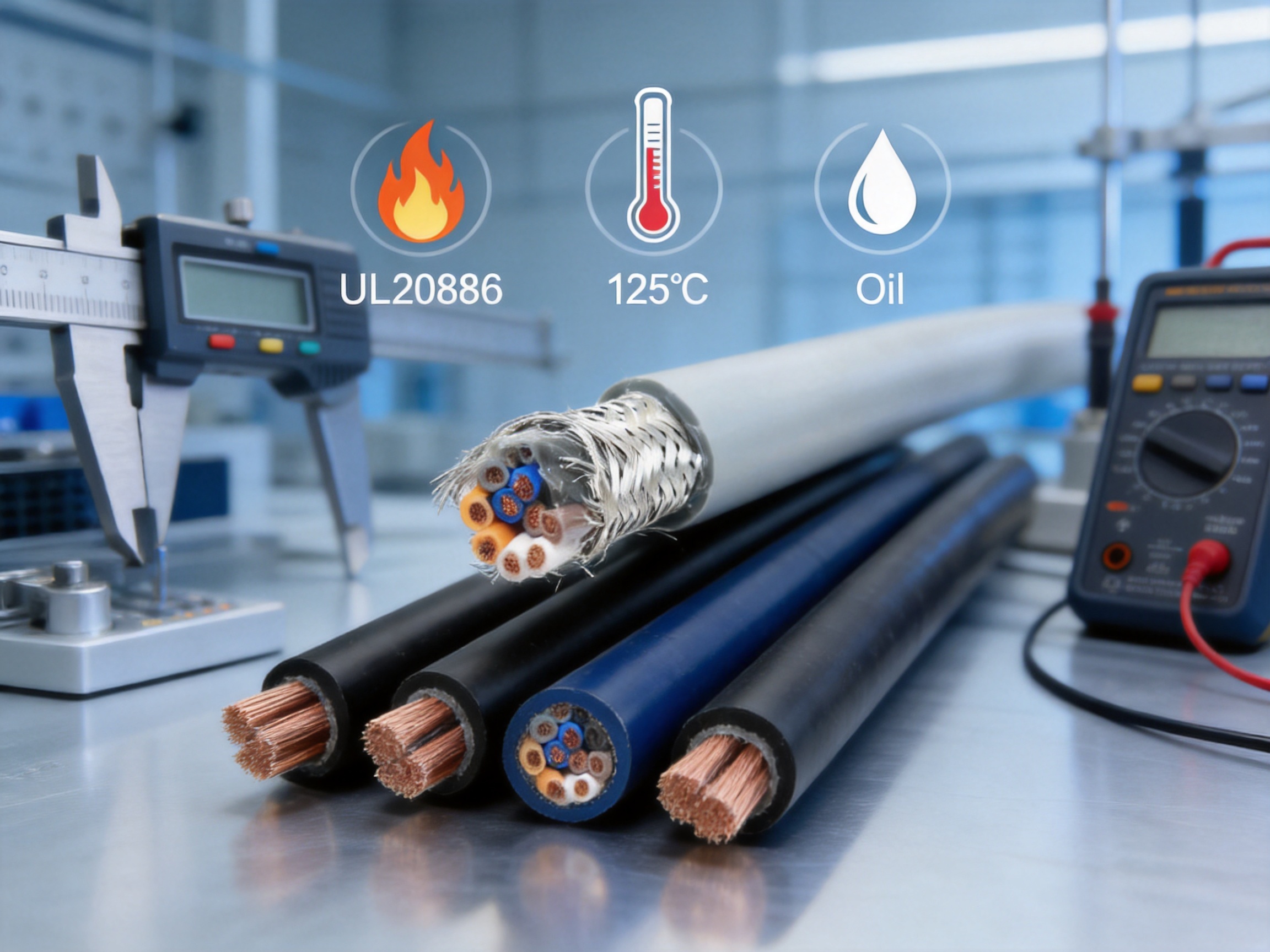
UL20886 has a stated long-term operating temperature of 125°C. This makes it suitable for environments where ordinary low-temperature PVC cables may age too quickly. Elevated temperature can accelerate insulation oxidation, soften certain jacket materials, reduce flexibility, and increase the risk of cracking during movement. A high-temperature insulation system helps maintain service reliability when the cable is correctly installed and operated within its rating.
Temperature performance should not be considered in isolation. The actual cable temperature depends on ambient conditions, current load, conductor size, installation density, heat dissipation, proximity to hot components, and duration of operation. A cable rated for 125°C does not mean that every installation can operate continuously at that temperature without further engineering review.
The product is also described as passing the UL VW-1 vertical flame test. Flame performance is an important consideration in electrical equipment because it can help limit flame propagation after exposure to an ignition source. VW-1 performance supports the use of the cable in equipment where recognized flame-retardant behavior is required.
Flame testing does not make a cable fireproof. It is one part of a broader safety design that includes correct overcurrent protection, appropriate routing, secure termination, adequate spacing, and compliance with the applicable electrical installation standard. Users should review the certification markings and test documentation for the exact product configuration.
Many cable failures are caused not by electrical overload but by mechanical fatigue. Repeated bending, twisting, vibration, pulling, crushing, and abrasion can progressively damage a conductor or jacket. Dynamic cable applications therefore require more than a flexible conductor. They require a complete construction designed to tolerate movement.
UL20886 uses fine-stranded copper to improve flexibility and a TPU sheath to provide mechanical protection. This combination is appropriate for equipment where cables move with machine joints, sliders, arms, covers, or mobile assemblies. The cable can support connections that must move repeatedly while continuing to provide electrical continuity.
The specified bending information for applicable constructions identifies a minimum bending radius of 10 times the cable outer diameter for mobile installation and 4 times the cable outer diameter for fixed installation. These values illustrate an important installation principle: a cable normally requires more space to bend safely during movement than it does when installed in a stationary position.
Installers should avoid sharp bends, sudden changes in direction, excessive tension, and twisting around the cable axis. The cable should be supported in a way that allows natural movement. In drag chains or flexible guides, the cable should be selected for the actual cycle rate, travel length, acceleration, and bend radius of the machine. A durable cable can still fail prematurely if it is forced into an unsuitable routing arrangement.
TPU’s resistance to wear and tearing is valuable in applications where the cable surface repeatedly contacts brackets, guides, machine frames, or moving mechanisms. Surface damage can begin as a small abrasion and later develop into a cut that exposes the insulation or conductor. A tough outer sheath helps delay this progression.
In construction machinery, cables may be installed near hydraulic lines, metal structures, and moving mechanical parts. In robotics, cable bundles may pass through compact joints or end-effectors. In automated equipment, moving platforms can pull cables through long travel paths. In each case, outer-jacket durability contributes to reduced downtime and lower maintenance requirements.
Oil resistance is a major selling point for UL20886. Hydraulic systems, machine tools, industrial vehicles, and agricultural equipment commonly operate in environments where cable surfaces may contact oil or lubricants. A sheath that is not resistant to these substances may become soft, swollen, brittle, or slippery, reducing its ability to protect the cable.
The TPU sheath is designed to provide improved resistance to oil exposure while maintaining flexibility. This makes the product an attractive alternative to general-purpose cables intended only for dry indoor environments. However, oil resistance can vary depending on the specific chemical, concentration, temperature, exposure time, and cleaning process. For critical installations, the user should provide the manufacturer with the relevant fluid information before final selection.
UL20886 offers several advantages over ordinary PVC-insulated or basic flexible cables when used in demanding industrial conditions. The comparison is not intended to suggest that conventional cables are unsuitable for every application. General-purpose products remain economical and effective in many stationary and protected installations. The advantage of UL20886 becomes more apparent when the cable must withstand heat, movement, oil, and physical wear simultaneously.
| Performance Requirement | Basic General-Purpose Cable | UL20886 Design Advantage |
|---|---|---|
| Repeated bending | May have limited flexibility or fatigue resistance | Fine-stranded conductor and flexible TPU sheath support dynamic use |
| Oil exposure | Resistance depends strongly on jacket material | TPU sheath is designed for improved oil resistance |
| High-temperature operation | May have lower continuous temperature capability | XLPO insulation supports long-term operation up to 125°C |
| Surface abrasion | Ordinary jackets may wear rapidly in moving equipment | TPU provides enhanced wear and tear resistance |
| Corrosion protection | Bare copper may be more vulnerable in harsh environments | Tin-plated copper improves corrosion resistance |
| North American market access | May require additional certification review | UL and cUL certification support simplifies specification for applicable markets |
| Customization | Often limited to standard sizes | Conductor, color, printing, and construction options can be discussed |
Another advantage is the product’s ability to reduce the number of compromises required during cable selection. A user may otherwise need to combine a heat-resistant inner cable with an additional protective conduit, or select a very rigid jacket to gain abrasion resistance. UL20886 integrates electrical insulation and mechanical protection into a single cable structure, potentially simplifying routing and assembly.
Certification is also important for equipment manufacturers supplying North American customers. UL and cUL recognition can help support approval procedures, component documentation, and purchasing requirements. Certification does not remove the need to verify the exact construction and intended use, but it provides a recognized basis for product evaluation.
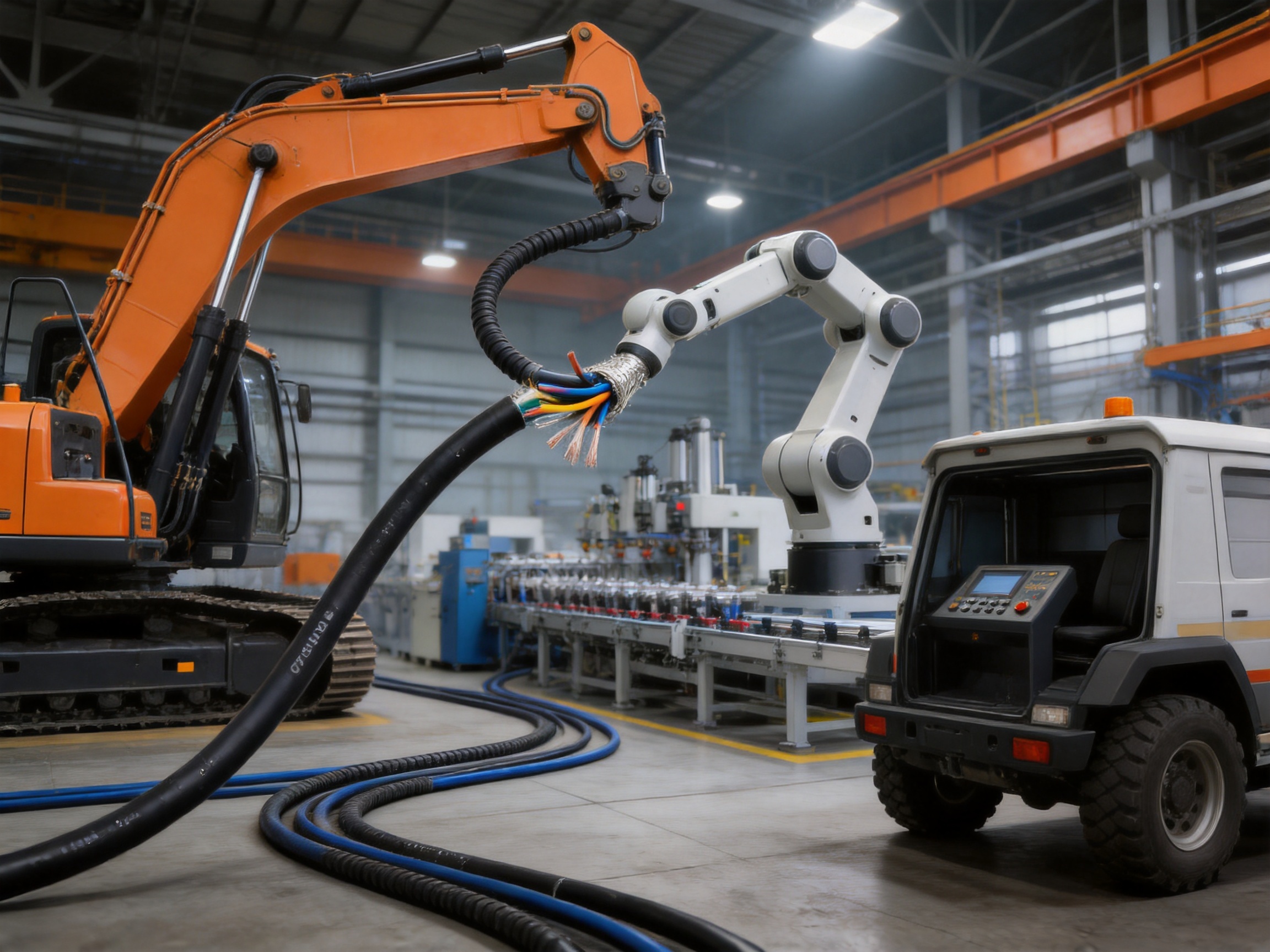
Excavators, cranes, loaders, drilling equipment, and other construction machines combine vibration, movement, hydraulic systems, outdoor exposure, and mechanical impact. Cable routes near hydraulic assemblies may encounter oil and elevated temperatures. Cable sections installed along moving arms or equipment frames may experience continuous bending and abrasion.
UL20886 can be used for selected power, control, sensor, and signal wiring applications within these machines. Its TPU sheath helps protect the cable against wear and oil exposure, while the fine-stranded conductor supports movement. Tin plating is beneficial in outdoor or humid conditions where corrosion resistance is an important consideration.
Robotic systems place special demands on cables. Robot joints may rotate or bend repeatedly, and the cable must follow a controlled path without excessive stress. End-effectors may also expose cables to tool vibration, impact, oil mist, dust, and frequent maintenance activity.
UL20886 is suitable for consideration in robot power and signal connections where its electrical characteristics and dynamic performance match the application. The final design should consider the robot’s axis movement, bend radius, torsion, cycle frequency, acceleration, and cable management system. A cable intended for simple bending may not automatically be suitable for continuous torsional movement.
Conveyor sliders, mobile platforms, packaging machines, automated inspection systems, and transfer mechanisms often use moving cables. The cable may travel along a track or move with a machine carriage. Frequent starts and stops can create tension and bending cycles that are not present in fixed wiring.
The product’s flexibility and abrasion resistance can help support these moving connections. Its flame performance and temperature capability are also useful in enclosed production equipment where heat and electrical safety must be carefully managed.
Engineering vehicles, agricultural machinery, utility vehicles, and special-purpose mobile equipment may experience vibration, dust, moisture, oil, and wide temperature changes. Internal cabin wiring and external equipment connections need to withstand the operating environment while remaining serviceable during maintenance.
UL20886 can be considered for oil-exposed internal lines, control systems, auxiliary equipment, and selected power connections. The product should be evaluated against the vehicle manufacturer’s voltage, temperature, flame, chemical, and vibration requirements before approval.
Maintenance teams often need to replace damaged cables without redesigning an entire machine. A certified, flexible, and mechanically durable cable can be a practical replacement for worn wiring in equipment operating in North America. Custom printing and color options may also help maintenance personnel identify circuits and simplify future servicing.
When replacing an existing cable, engineers should compare conductor area, voltage rating, temperature rating, insulation system, jacket compatibility, bend radius, termination method, and certification requirements. Substituting a cable only by matching its outer diameter may produce an unsafe or unreliable result.
The performance of a specialty cable depends not only on its material selection but also on manufacturing consistency. Conductor stranding, tin plating, insulation extrusion, sheath application, dimensional control, printing, electrical testing, and packaging must be carefully coordinated. Small variations in concentricity, wall thickness, strand formation, or surface quality can affect the final product.
Anhui Zhishang Cable Technology Co., Ltd. integrates research and development, production, and sales within one organization. This structure allows customer requirements to be communicated directly between technical, production, and commercial teams. It also supports faster feedback when a customer needs a special conductor, modified sheath color, different printing, or application-specific construction.
The company operates a production base of approximately 5,000 square meters and has more than 50 employees, including quality engineers and research and development technicians with more than 10 years of industry experience. The stated manufacturing system includes 10 automated production lines and a monthly capacity of up to 10 million meters.
Automated production lines help improve repeatability in cable manufacturing. Controlled pay-off, stranding, extrusion, cooling, take-up, and winding processes can reduce variation between production batches. Automation also supports more stable line speed and dimensional control, which is important for consistent insulation thickness and sheath geometry.
Automation does not replace engineering judgment or quality inspection. Instead, it provides a controlled foundation for production while trained personnel manage process parameters, material selection, equipment maintenance, and final verification. For cable buyers, the combination of automated equipment and experienced technical staff can improve confidence in repeat orders.
A high-performance cable requires compatible materials at every layer. The conductor must meet the specified metal and stranding requirements. The insulation compound must be processed within the correct temperature range. The TPU sheath must be extruded with suitable pressure, temperature, and cooling control to achieve a uniform surface and stable dimensions.
Process control is particularly important for a composite XLPO and TPU structure. The insulation must provide adequate coverage around the conductor, and the sheath must protect the insulated core without creating defects or excessive deformation. Concentricity and surface smoothness help reduce weak points and support consistent stripping and termination during assembly.
Quality assurance for UL20886 should include verification of conductor continuity, insulation integrity, dimensional characteristics, visual appearance, and relevant flame performance. Depending on the product configuration, additional evaluations may include tensile and elongation testing, aging tests, oil resistance, abrasion resistance, cold bending, spark testing, and high-voltage testing.
The company states that it provides full-core, full-length, pure copper specifications, product test reports, and warranty support for standard cable models. Buyers should request the applicable inspection report, certification information, and technical data sheet for each purchase order. For custom designs, the acceptance criteria should be confirmed before production begins.
Quality engineers play an important role in reviewing raw materials, monitoring production parameters, inspecting finished cable, and maintaining traceability. Traceability is especially valuable for industrial customers who need to identify production batches, investigate field issues, or maintain documentation for equipment certification.
Industrial customers often require more than a standard catalog cable. They may need a specific conductor size, number of cores, sheath color, identification marking, packaging format, electrical performance, or mechanical dimension. A manufacturer with in-house technical resources can help convert these requirements into a practical cable specification.
Zhishang supports OEM and ODM development based on customer drawings or samples. Its technical engineers provide product selection guidance and tailor-made cable design solutions according to project needs. This approach can be valuable for equipment manufacturers that are standardizing cable assemblies across several machine models.
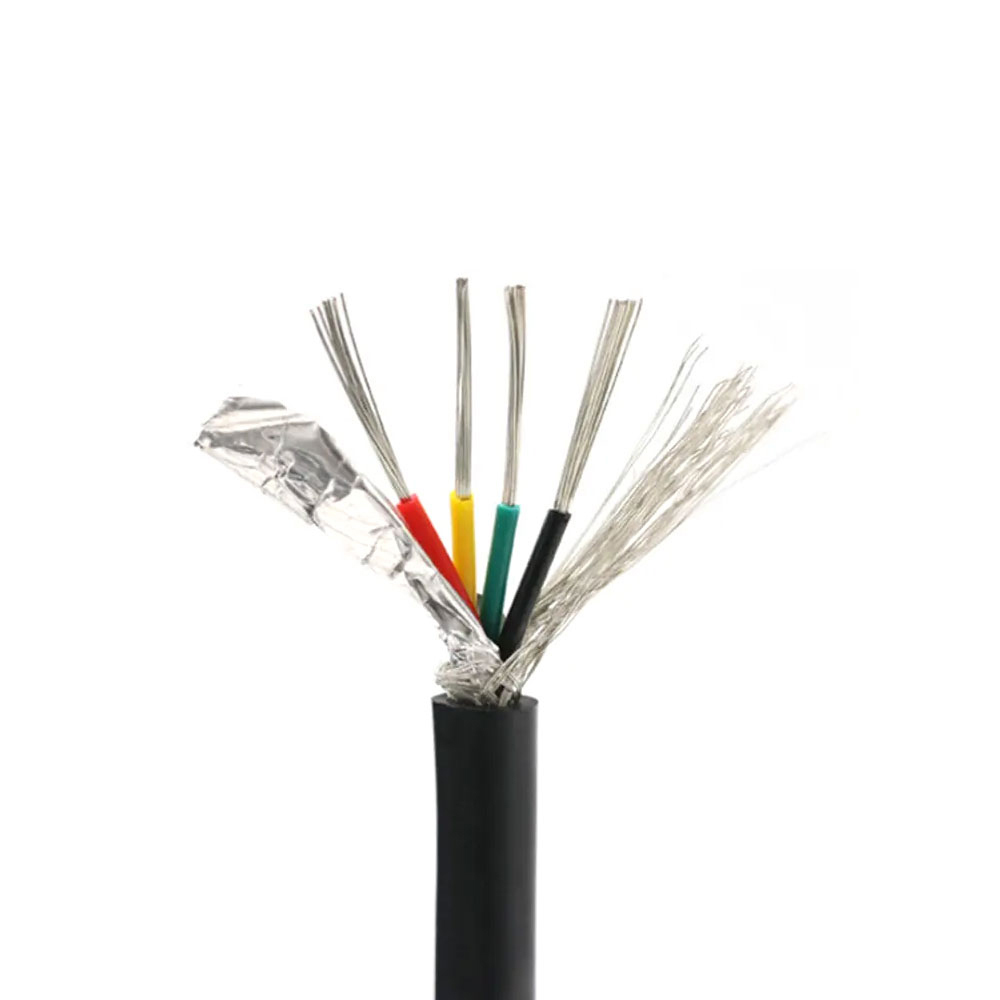
Customization may include conductor specifications, sheath colors, surface printing, core identification, packaging length, and selected structural options. The supplied technical information also mentions green/yellow dual-color ground identification for applicable designs, as well as options involving bare copper or tinned copper mesh braiding with a stated optional density above 80 percent. These features should be confirmed according to the required cable construction rather than assumed to be included in every UL20886 version.
Custom cable development normally begins with a technical review. The customer provides information such as voltage, current, temperature, movement, installation location, chemicals, bending radius, number of cores, shielding requirements, and certification target. The manufacturer then evaluates the conductor, insulation, sheath, shielding, filler, separator, and overall diameter.
After the construction is approved, the manufacturer may produce a sample or trial batch. The sample can be checked for dimensions, flexibility, stripping performance, connector compatibility, electrical properties, and machine behavior. Once the design is validated, mass production can proceed under the agreed specification.
Delivery speed can influence production planning and maintenance schedules. The company states that standard products may be stocked for fast shipment, while customized products typically require 7 to 20 days of lead time. Actual delivery depends on specification, order quantity, raw material availability, testing requirements, packaging, and shipping arrangements.
For equipment manufacturers, stable lead times help reduce the risk of assembly delays. For distributors and maintenance suppliers, stocked standard products can support faster response to replacement requirements. Buyers should confirm the current inventory position and production schedule before placing time-sensitive orders.
Project support also includes technical communication. Cable specifications can involve terminology that differs between regions or industries. A supplier that can review drawings, samples, and application conditions may help prevent errors in conductor selection, jacket material, or certification assumptions.
Correct installation is essential for achieving the expected service life of UL20886. Before installation, the cable should be inspected for damage, deformation, contamination, or incorrect labeling. Reels and coils should be handled carefully to prevent crushing or sharp bending.
For mobile installations, the routing system should support the cable without causing excessive tension. The cable should not be stretched tightly between fixed and moving points. A suitable service loop may be required to accommodate movement. When a drag chain is used, the cable should be positioned according to the chain manufacturer’s guidance, with adequate internal space and separation from incompatible cables.
The minimum bending radius should be respected during both installation and operation. The stated values of 10 times the outer diameter for mobile installation and 4 times the outer diameter for fixed installation should be treated as reference limits for the applicable design. If the machine produces torsion, rapid cycling, or compound bending, a larger radius or a specialized dynamic cable construction may be necessary.
Terminations should be performed with tools and connectors suitable for the conductor size and plating. Excessive stripping force can damage insulation or strands. The cable should be secured near connectors to prevent pulling force from reaching the contact point. Where the cable enters a housing or gland, the entry system should be compatible with the TPU sheath and should provide appropriate strain relief.
During installation near hydraulic or chemical systems, the cable should be routed away from direct spray whenever possible. Protective guides may be used where the cable could contact sharp metal edges. The cable should not be installed in a way that allows it to rub continuously against an unprotected surface.
UL20886 should be selected according to the actual application rather than by product name alone. The following information should be reviewed before ordering:
First, identify the number of conductors and the required conductor cross-sectional area. Current capacity depends on conductor size, ambient temperature, installation method, grouping, and duty cycle. Next, confirm the operating voltage and whether the circuit carries power, control signals, sensor signals, or communication data.
Then determine whether the installation is fixed or mobile. For mobile applications, describe the direction and frequency of movement, travel distance, bending radius, torsion, acceleration, and expected number of cycles. A cable for occasional movement may not be equivalent to a cable for continuous robotic operation.
Environmental conditions should also be documented. Include oil type, hydraulic fluid, cleaning agents, water exposure, dust, outdoor sunlight, vibration, temperature extremes, and possible contact with hot surfaces. These details help the manufacturer confirm whether the standard TPU sheath is suitable or whether a modified construction is required.
Finally, confirm certification and documentation requirements. Ask for the applicable UL file or recognition information, cUL documentation, product test report, dimensional drawing, conductor resistance data, packaging details, and marking requirements. Certification should always correspond to the exact cable construction and intended application.
The supplied product materials describe UL20886 as a 600 V cable with XLPO insulation, TPU sheathing, and a 125°C long-term temperature rating. They also include technical parameters referring to a 1000 V rated voltage, 4000 V test voltage, PVC insulation and sheath, a 90°C temperature range, optional copper braiding, and mobile and fixed installation values.
These details may represent a related cable construction, an alternative configurable design, or a broader technical data set used by the manufacturer. They should not automatically be treated as simultaneous ratings for one finished product. The purchaser should request a controlled product data sheet that clearly identifies the insulation material, sheath material, voltage rating, temperature rating, conductor construction, shielding, and applicable standards for the specific order.
This verification step is a strength rather than a limitation. Industrial cable selection should always be based on a controlled specification. A professional manufacturer can clarify which characteristics belong to the standard UL20886 version and which belong to optional or related constructions. This prevents incorrect substitutions and helps ensure that certification, performance, and application requirements remain aligned.
Cable sustainability involves more than material selection. It includes manufacturing efficiency, product life, maintenance frequency, packaging, waste reduction, and the ability to provide the correct cable for the intended service conditions. A cable that lasts longer in a demanding application may reduce replacement waste and unplanned maintenance.
The company emphasizes green manufacturing and responsible production practices. Its stated business philosophy focuses on quality, integrity, and stability. These principles are relevant to cable production because consistent quality reduces scrap, rework, premature failure, and unnecessary transportation associated with replacement products.
The company also identifies CE and RoHS standards within its broader wire and cable solution offering. The specific environmental compliance status of UL20886 should be confirmed through the product declaration and test documentation for the selected formulation. Buyers with environmental procurement requirements can request material declarations and compliance records as part of the purchasing process.
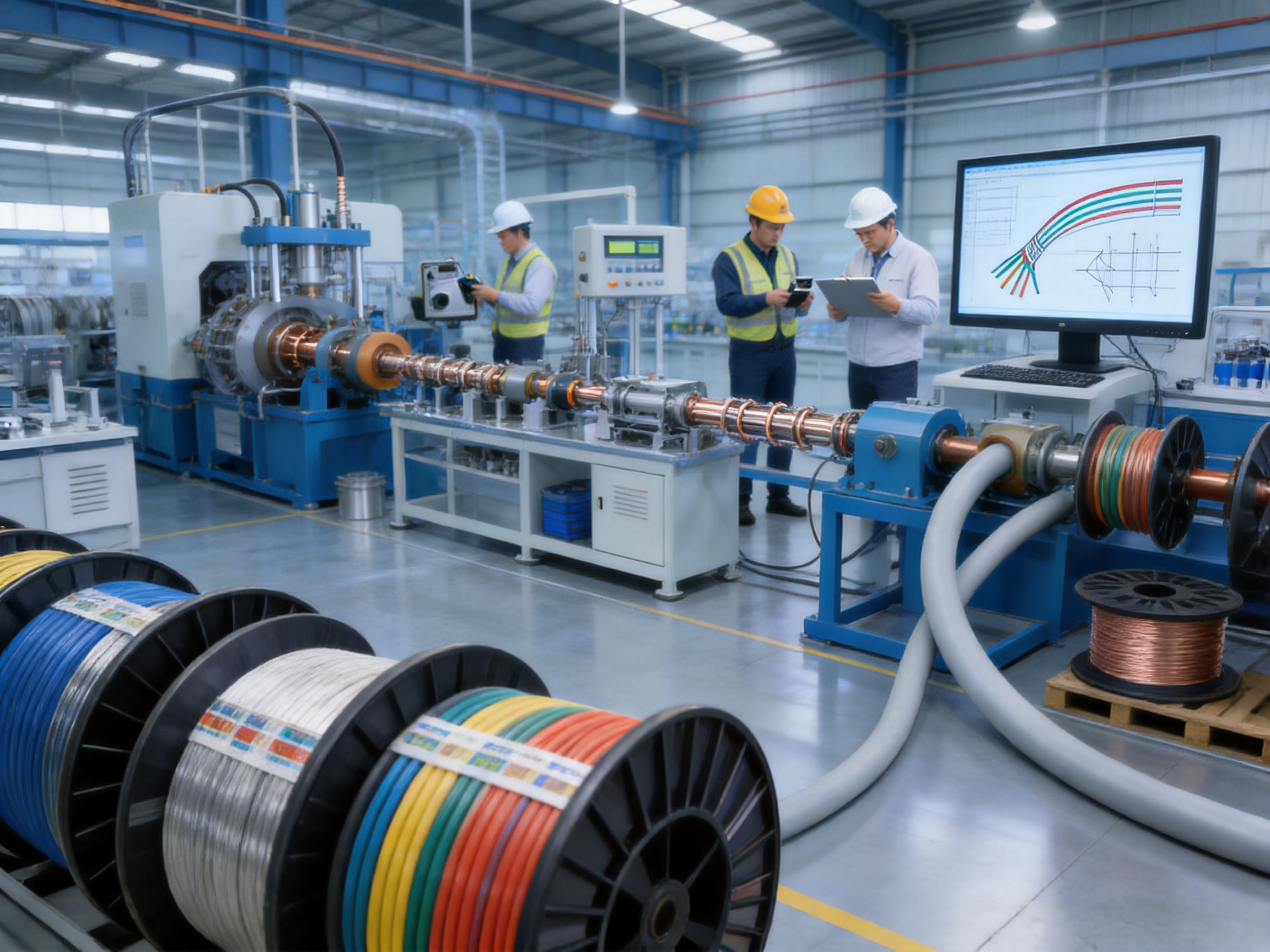
An integrated manufacturer can offer advantages across the entire product lifecycle. During the design stage, engineers can assist with material and construction selection. During production, manufacturing teams can control extrusion, stranding, printing, and testing. During delivery, sales and logistics teams can coordinate standard stock or custom schedules. After delivery, technical personnel can support product questions and replacement requirements.
For OEM customers, this reduces the need to coordinate separate suppliers for conductors, insulation, sheathing, printing, and finished cable. It can also simplify communication when a design must be modified. Instead of treating each component independently, the manufacturer can evaluate the complete cable structure.
Zhishang’s experience in industrial automation, weak-current engineering, intelligent manufacturing, appliance equipment, power engineering, and related fields supports a broad understanding of cable applications. Its products are stated to be sold in the United States, Canada, Australia, Japan, and parts of Eurasia. This international market experience can help customers discuss certification, documentation, packaging, and export requirements more efficiently.
Equipment manufacturers can use UL20886 to improve the durability and maintainability of their products. The cable’s oil-resistant TPU jacket is suitable for machinery exposed to industrial fluids. Its high-temperature XLPO insulation supports use near warm components. Its fine-stranded conductor helps simplify routing through moving machine sections.
The UL and cUL certification support can also help manufacturers prepare technical files for customers in the United States and Canada. A recognized cable component may reduce the amount of additional product evaluation required during equipment approval, although the complete machine must still comply with its applicable standards.
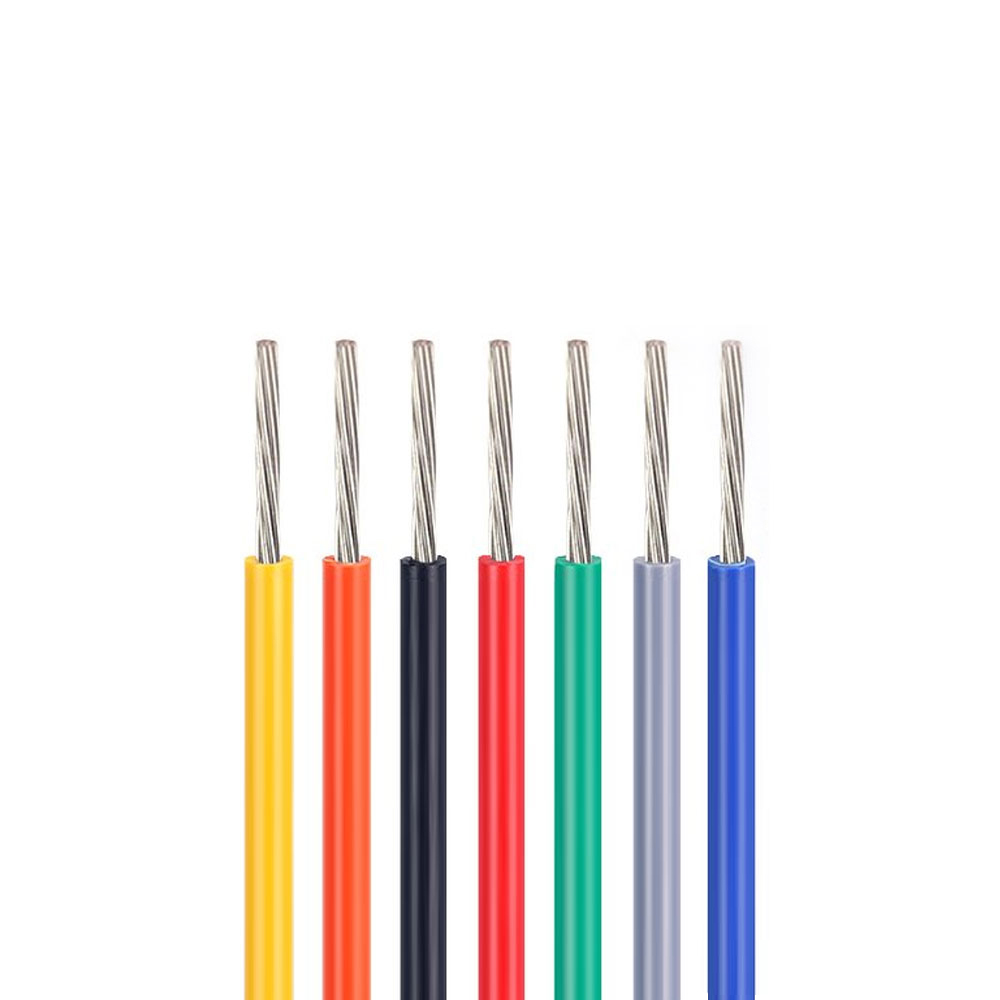
Customization provides another benefit. Manufacturers can specify sheath colors, surface printing, conductor configurations, and selected structural features to support internal standards or assembly procedures. Clear printing can help identify cable type, voltage, circuit function, or batch information, subject to the approved marking specification.
Distributors can position UL20886 as a specialty product for customers who need more than an ordinary flexible cable. Its combination of UL and cUL certification support, oil resistance, wear resistance, and high-temperature performance gives it a clear value proposition in industrial markets.
Maintenance suppliers can use it for selected repair and replacement applications in construction machinery, robotics, automated equipment, and special vehicles. The product may help reduce repeat failures where the original cable was damaged by abrasion, oil, heat, or repeated movement.
Before recommending the cable as a replacement, distributors should collect the original cable’s specifications and the equipment operating conditions. A professional replacement decision must consider electrical, mechanical, environmental, and certification factors together.
The purchase price of a cable is only one part of its total cost. A low-cost cable that fails repeatedly may create higher expenses through machine downtime, labor, replacement parts, emergency shipping, and lost production. A more durable cable may provide better value if it reduces the frequency of maintenance and improves equipment availability.
UL20886 is designed to support this total-cost perspective. Its composite structure addresses several common causes of cable degradation at the same time. Tin-plated copper helps resist corrosion. XLPO supports high-temperature electrical stability. TPU protects against oil, abrasion, and tearing. Fine stranding supports flexibility in moving applications.
Actual service life depends on the installation and operating environment. No cable can compensate for incorrect bending, excessive pulling, unsuitable connectors, or exposure beyond its material rating. However, selecting a cable designed for the real conditions is an important first step toward reliable operation.
UL20886 is mainly used for industrial power, control, signal, and equipment wiring where the cable may encounter heat, oil, abrasion, vibration, or repeated movement. Typical applications include construction machinery, industrial robots, automated production equipment, special vehicles, and industrial repair projects.
The primary product information identifies a rated voltage of 600 V. Because the supplied technical material also includes a 1000 V specification for a related or optional construction, purchasers should confirm the voltage rating on the final product data sheet and certification documentation for the exact version ordered.
The main UL20886 construction uses multi-strand fine-stranded tin-plated copper conductors, XLPO insulation, and a TPU outer sheath. These materials are selected to balance conductivity, corrosion resistance, dielectric strength, flexibility, temperature resistance, oil resistance, and mechanical durability.
It can be considered for moving equipment because its fine-stranded conductor and flexible TPU sheath support dynamic wiring. The application must still be reviewed for bending radius, travel length, movement frequency, torsion, acceleration, and cable management method. Continuous robotic torsion may require additional application testing.
The TPU sheath is designed to provide oil resistance and is intended for applications near hydraulic systems, lubricants, and industrial machinery. Oil resistance depends on the specific fluid, temperature, concentration, and exposure period. Chemical compatibility should be confirmed for critical applications.
The main product description states a long-term operating temperature of up to 125°C. Installation conditions, current load, ambient temperature, and proximity to heat sources must be evaluated together. The product data sheet for the selected construction should be used for final engineering approval.
Yes. The product information states that the cable passes the UL VW-1 vertical flame test. The exact flame marking and certification details should be verified against the applicable UL documentation for the ordered construction.
The cable is described as compliant with UL 758 and supported by UL and cUL certification. The broader technical information also refers to UL 1581 and CSA C22.2 No. 210.02 for applicable constructions. Certification should be checked against the specific cable design, size, and marking.
Yes. The manufacturer states that it supports customization of conductor specifications, sheath colors, and printing. Customers can also discuss core identification, shielding, packaging, and other construction requirements depending on the project.
Yes. The company supports OEM and ODM development based on customer drawings or samples. Its technical engineers can review application requirements and provide a tailor-made cable design solution.
A quotation request should include conductor size, number of cores, voltage, temperature range, fixed or mobile installation, minimum bending radius, movement cycle, oil or chemical exposure, sheath color, printing, shielding requirements, order quantity, packaging length, and certification needs.
The company states that customized products typically require 7 to 20 days of lead time. The actual schedule depends on the construction, order quantity, raw materials, testing, and production plan. Standard stocked products may be available for faster shipment.
UL20886 may be used for selected signal or control connections, but communication suitability depends on conductor arrangement, impedance, shielding, capacitance, frequency, and protocol requirements. Customers should provide the communication specification before selecting the product for high-speed or controlled-impedance systems.
The supplied technical parameters identify 10 times the outer diameter for mobile installation and 4 times the outer diameter for fixed installation for applicable constructions. These should be treated as minimum reference values. A larger radius may be required for high-cycle movement or torsional applications.
Anhui Zhishang Cable Technology Co., Ltd. is located in Xuanzhou District, Xuancheng City, Anhui Province, China. The company operates a production facility of approximately 5,000 square meters and serves domestic and international industrial customers.
UL20886 is a specialty cable designed for industrial environments where electrical performance must be combined with mechanical and environmental durability. Its fine-stranded tin-plated copper conductor supports flexible installation and corrosion resistance. XLPO insulation provides high-temperature stability and strong dielectric performance. The TPU sheath adds oil resistance, abrasion resistance, tear resistance, and practical flexibility.
With a stated 600 V rating, long-term operation up to 125°C, UL VW-1 flame performance, and UL and cUL certification support, the cable is well positioned for North American industrial applications. It can be considered for construction machinery, robotics, automated equipment, mobile platforms, special vehicles, and high-wear repair projects.
The product’s value is strengthened by the manufacturer’s integrated capabilities. Research and development, automated production, quality engineering, customization, testing, inventory support, and international sales are combined within one organization. A production base of approximately 5,000 square meters, 10 automated production lines, and monthly output of up to 10 million meters provide a foundation for both standard supply and customized projects.
For the best result, users should confirm the exact cable construction, certification, voltage, temperature, bending, chemical, and shielding requirements before ordering. When properly specified and installed, UL20886 can provide a durable and dependable wiring solution for demanding industrial equipment.
1. UL 758, Appliance Wiring Material, Underwriters Laboratories.
2. UL 1581, Reference Standard for Electrical Wires, Cables, and Flexible Cords.
3. CSA C22.2 No. 210.02, Appliance Wiring Material Products.
4. IEC 60228, Conductors of Insulated Cables.
5. DIN VDE 0295, Conductors for Insulated Cables and Flexible Cords.
6. UL VW-1 Vertical Flame Test Requirements.
7. Product technical information supplied for UL20886 cable.
8. Manufacturer-provided information regarding production capability, customization, quality assurance, and application support.

We firmly believe that good cables are not only a competition of materials, but also a reflection of craftsmanship, quality, and responsibility.

Links
Product
Send Inquiry
No. 29 Sankeshu Road, Xuanzhou District, Xuancheng City, Anhui Province, China
+86-18621104555/+86-563-2622999
 Electrical Cable Manufacturer
OEM/ODM Wire and Cable Solutions
Electrical Cable Manufacturer
OEM/ODM Wire and Cable Solutions
 English
 Español
 عربى
عربى
 русский