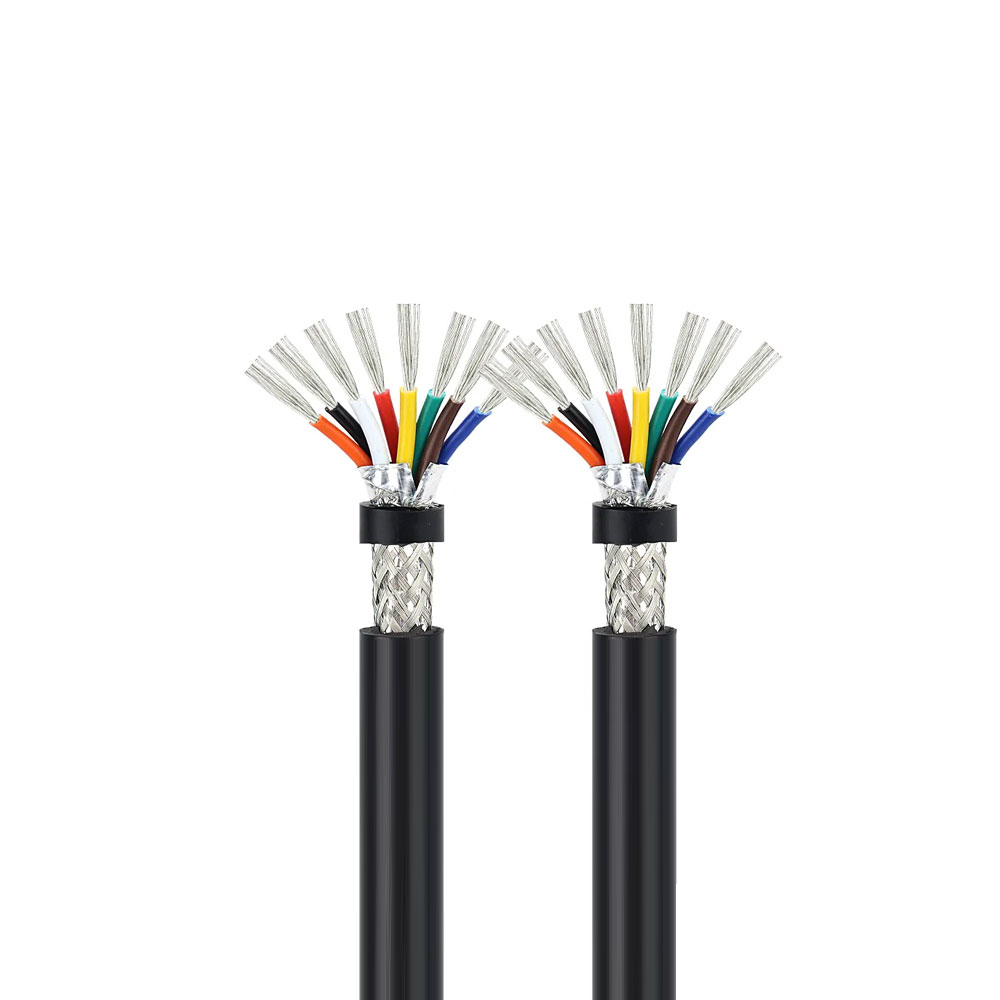

Get more content that can help you
Content
Modern industrial systems increasingly operate in environments where ordinary cable materials are unable to provide dependable service. High-temperature processing equipment, chemical reaction systems, aerospace structures, nuclear instrumentation, steelmaking facilities, and high-frequency communication devices all place demanding requirements on electrical cables. In these applications, a cable may be exposed simultaneously to intense heat, corrosive chemicals, mechanical vibration, repeated bending, electromagnetic interference, radiation, oil, solvents, and restricted installation space.
The AFT250 fluoroplastic cable is designed for precisely these challenging conditions. It combines modified PFA/PTFE composite insulation, fine-stranded plated conductors, flexible construction, strong chemical resistance, high electrical reliability, and optional advanced shielding. Its long-term operating temperature range extends from -65°C to +250°C, while its short-term temperature withstand capability reaches +300°C for up to four hours. This performance profile allows it to serve as both a power and signal transmission solution in applications where conventional PVC, standard PE, or ordinary rubber-insulated cables may deteriorate prematurely.
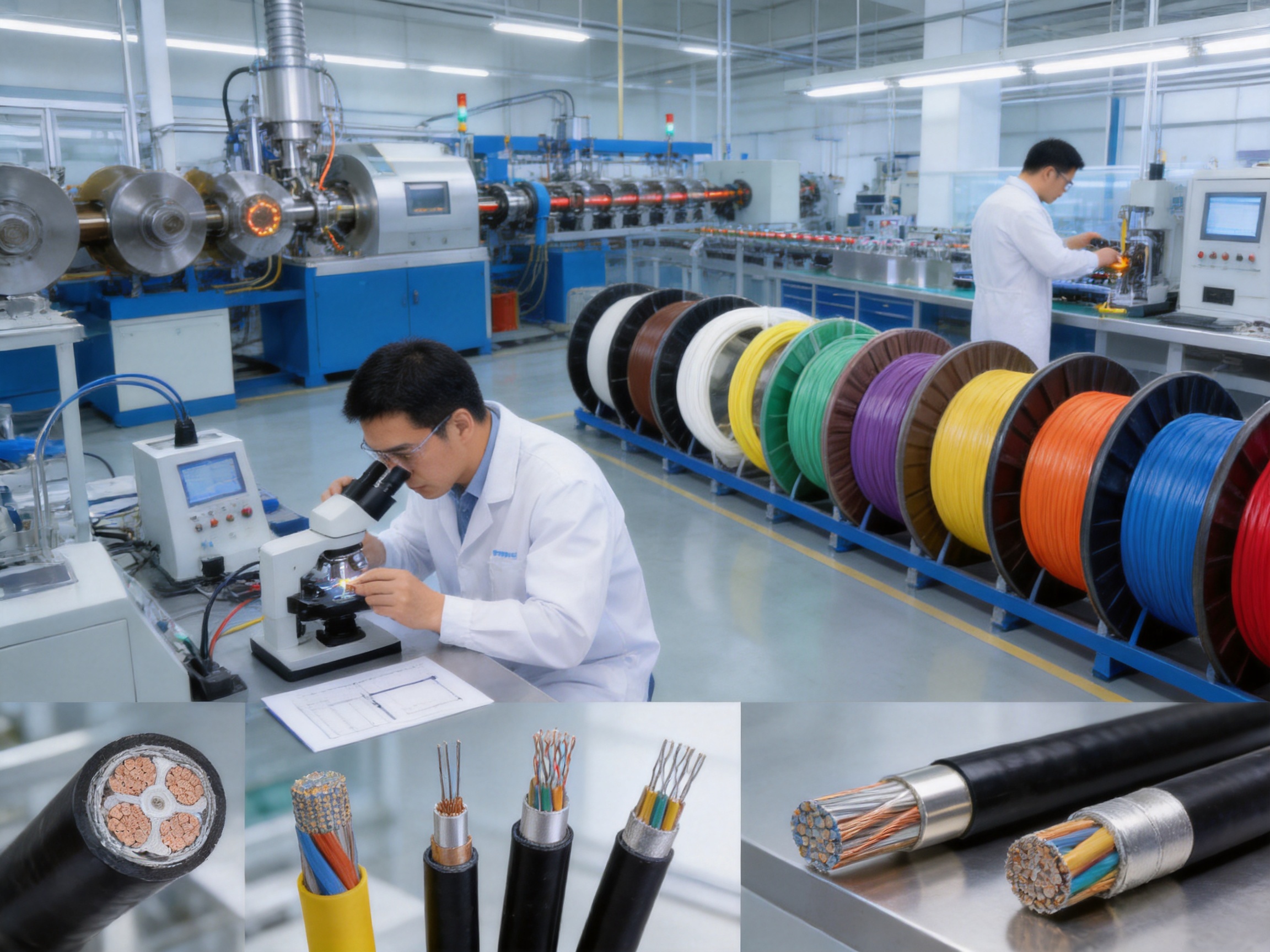
The cable is manufactured by Anhui Zhishang Cable Technology Co., Ltd., a Chinese cable manufacturer integrating research and development, production, testing, customization, and sales. The company operates a modern production base of approximately 5,000 square meters and maintains ten automated production lines. Its production capacity can reach up to 10 million meters per month, supporting both standard products and customized cable projects.
More than a high-temperature wire, the AFT250 is an engineered cable system intended to maintain stable electrical and mechanical performance throughout its service life. Its design addresses the combined challenges of temperature, chemical exposure, flexibility, electrical insulation, fire safety, electromagnetic compatibility, and installation efficiency.
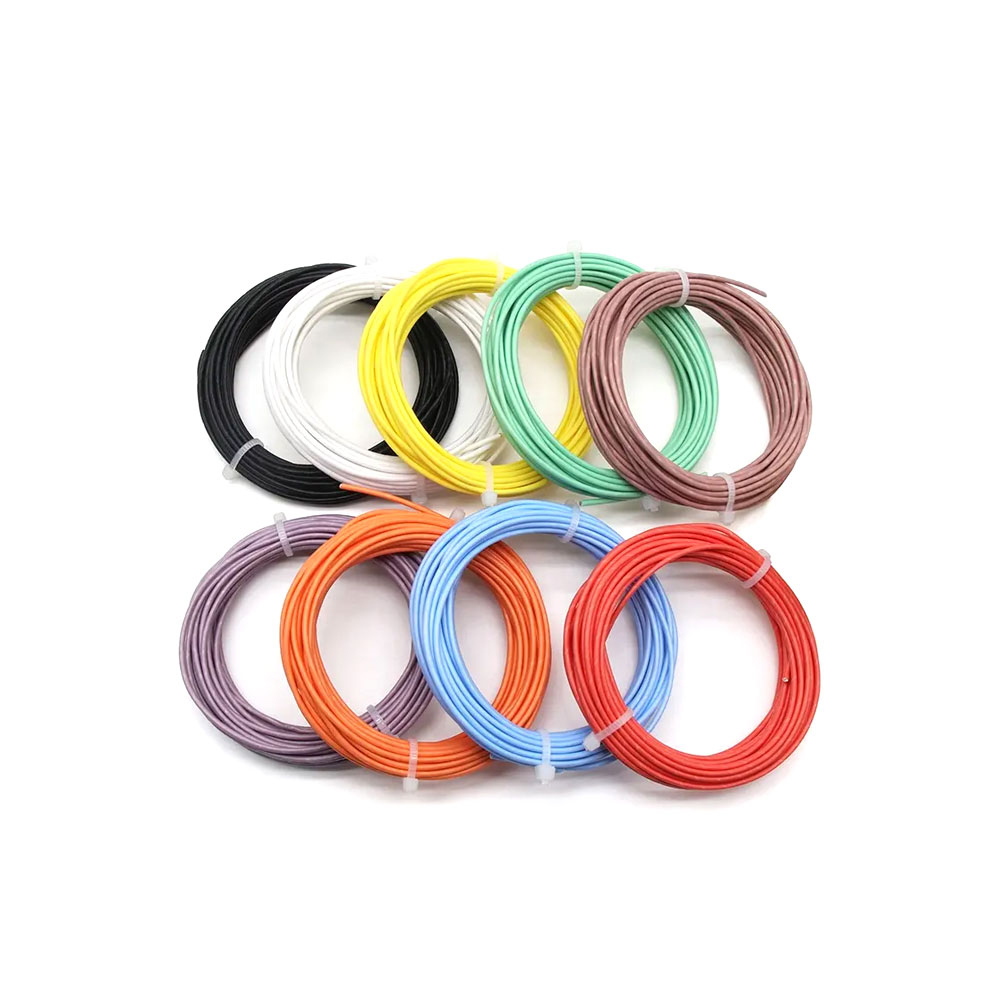
AFT250 Strong chemical resistance Fluoroplastic Cable
Cable insulation must perform several functions at the same time. It must isolate conductors electrically, protect them from moisture and chemicals, withstand mechanical handling, preserve flexibility, prevent flame propagation, and maintain dimensional stability over a wide temperature range. A material that performs well in one area may be weak in another. For example, a cable with good flexibility at room temperature may harden or crack when exposed to heat. A cable with high heat resistance may become difficult to strip or install. A chemically resistant material may require special processing to achieve reliable adhesion and uniform wall thickness.
Fluoroplastic materials are widely used when conventional insulation materials cannot provide sufficient environmental resistance. PTFE and PFA have excellent resistance to acids, alkalis, solvents, oils, fuels, and many industrial chemicals. They also offer low dielectric loss, strong insulation resistance, and high thermal stability. These characteristics make fluoroplastic insulation suitable for high-frequency signals, instrumentation, control systems, and power circuits.
The AFT250 uses a modified PFA/PTFE composite insulation system. This construction is intended to combine the thermal endurance and chemical stability associated with fluoropolymers with a practical balance of flexibility, mechanical strength, and manufacturing consistency. The result is a thin-wall cable that can maintain high performance without requiring an unnecessarily large outer diameter.
In a severe industrial environment, a cable failure can have consequences far beyond the cost of replacement. A damaged cable may interrupt production, create a safety hazard, cause inaccurate sensor readings, or compromise a control system. In aerospace and nuclear applications, access for repair may be limited or costly. In drag-chain installations, repeated movement can cause conductor fatigue and insulation wear. Selecting a cable designed for the full range of environmental conditions is therefore an important part of system reliability engineering.
The insulation system is the central feature of the AFT250. Modified PFA/PTFE composite insulation provides a high level of resistance to thermal aging, chemical attack, electrical stress, and environmental contamination. The long-term operating temperature range is specified as -65°C to +250°C. For temporary thermal events, the cable can withstand temperatures up to +300°C for four hours.
Uniform insulation thickness is another important construction feature. A consistent wall reduces variations in dielectric performance and helps maintain stable voltage withstand characteristics along the full cable length. Uniform insulation also supports clean, non-stick stripping during termination. This is particularly useful during assembly, where difficult stripping can damage conductor strands or leave insulation residue on the contact area.
The thin-wall approach reduces the external dimensions of the cable while preserving the desired thermal and electrical properties. Smaller diameter is valuable in control cabinets, aircraft harnesses, robotic systems, instrumentation panels, and other areas where space and weight are restricted. It can also simplify routing through conduits, cable glands, connectors, and compact equipment housings.
AFT250 conductors are available in silver-plated copper, nickel-plated copper, or bare copper configurations. Fine-stranded construction improves flexibility compared with solid conductors or coarse-stranded conductors. It also helps distribute mechanical stress across many individual strands during bending and movement.
Silver-plated conductors are suitable for applications requiring high conductivity and stable performance at elevated temperatures. Silver plating can support low-resistance electrical transmission and reliable high-frequency signal behavior. Nickel-plated conductors provide strong thermal endurance and are often selected for applications where the conductor surface must remain stable under severe heat exposure. Bare copper is available when project requirements prioritize conventional conductivity and cost considerations.
Conductor selection can therefore be matched to the electrical, thermal, chemical, and economic requirements of the installation. The available cross-section range extends from 0.14 mm² to 150 mm², allowing the cable family to cover small signal circuits, control wiring, instrumentation, and higher-current power applications.
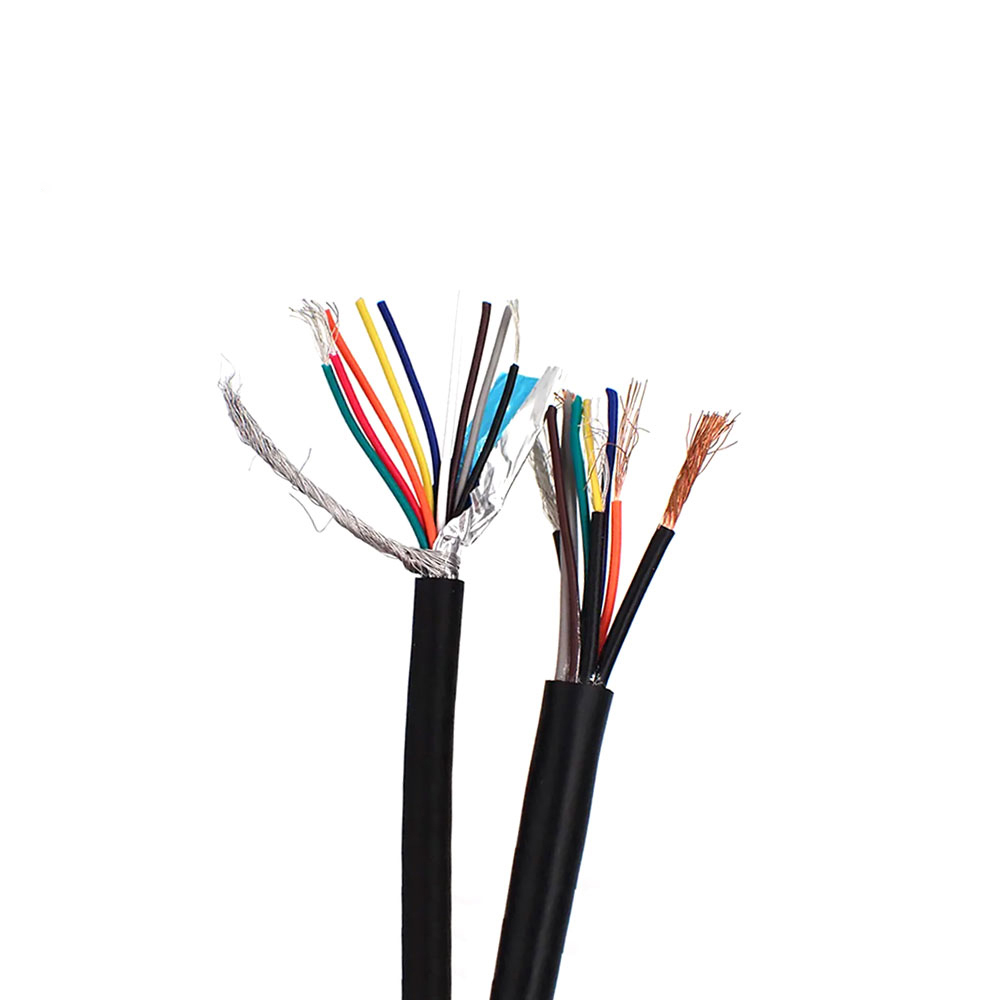
The AFT250 is available as a single-core cable or as a multi-core cable with one to sixty cores. Single-core versions can be used for internal equipment wiring, high-temperature power connections, and individual signal circuits. Multi-core versions can simplify the installation of control, sensor, instrumentation, and communication systems by combining multiple circuits within one organized cable assembly.
Core count, conductor size, shielding, jacket configuration, color coding, and termination can be adapted according to the application. This flexibility is especially beneficial for original equipment manufacturers and engineering contractors developing equipment for different industries.
Thermal performance is one of the main reasons to select AFT250 instead of a general-purpose cable. The cable is rated for long-term operation from -65°C to +250°C, covering severe cold environments as well as continuous high-temperature service. This range supports applications in heated machinery, high-temperature cabins, industrial ovens, metallurgical equipment, and specialized process systems.
Temperature capability should not be considered only as a maximum number. A practical high-temperature cable must maintain insulation integrity, electrical resistance, flexibility, dimensional stability, and mechanical strength during thermal cycling. Equipment may repeatedly transition between ambient temperature and elevated temperature, creating expansion and contraction stresses. The AFT250 design is intended to remain stable under these operating conditions when correctly selected and installed.
The short-term withstand rating of up to +300°C for four hours provides an additional margin for temporary temperature excursions, maintenance conditions, process variations, and emergency thermal events. This rating does not mean that continuous operation at +300°C is recommended. Instead, it gives system designers additional protection against occasional temperature peaks.
The cable has also been specified to pass a 2,000-hour thermal aging test in a 250°C environment. Long-duration thermal aging evaluation is important because insulation may slowly lose flexibility or mechanical strength even when it does not fail immediately. A successful aging test provides valuable evidence that the material system is suitable for extended service in demanding applications.
Many common PVC-insulated cables are designed for ordinary industrial or building applications and may have operating limits well below those required by high-temperature equipment. When exposed to excessive heat, PVC can soften, deform, lose insulation resistance, or release smoke and corrosive gases during combustion. Standard elastomeric cables may offer better flexibility but may not provide the same combination of chemical resistance and continuous high-temperature capability.
The AFT250 offers a more suitable solution where heat is a permanent design condition rather than an occasional abnormal event. Its fluoroplastic insulation reduces the need to over-size or excessively protect the cable, potentially simplifying routing and improving equipment compactness.
Chemical exposure can damage cable insulation in several ways. Some substances cause swelling, softening, cracking, embrittlement, or loss of dielectric strength. Others may slowly permeate the insulation and attack the conductor or shielding layer. Industrial fluids can also combine with heat and mechanical stress to accelerate degradation.
The AFT250 is designed to resist strong acids, alkalis, solvents, oils, aviation fuel, lubricants, and hydraulic oil. This makes it suitable for chemical processing equipment, aerospace systems, industrial machinery, oil and fluid handling equipment, and other environments where cable surfaces may contact aggressive substances.
Fluoroplastic insulation has a naturally low tendency to react with a broad range of chemicals. Its non-stick surface also helps reduce the adhesion of contaminants, residues, and process materials. This can be useful in equipment that must be cleaned regularly or exposed to chemical vapors.
Chemical resistance depends on concentration, exposure time, temperature, pressure, mechanical stress, and the exact chemical composition. For this reason, application-specific evaluation remains important. The cable should be checked against the actual chemical resistance requirements of the installation, particularly where concentrated chemicals, high pressure, or continuous immersion is involved.
In chemical reaction equipment, cables may be installed near heated vessels, pumps, valves, sensors, and control instruments. A cable with inadequate chemical resistance can become brittle or swollen, eventually creating a risk of insulation breakdown. The AFT250 provides a strong material option for wiring exposed to process chemicals and elevated temperatures.
In aerospace systems, aviation fuel, hydraulic fluids, lubricants, vibration, and restricted routing space can occur together. A thin-wall fluoroplastic cable can help reduce harness size while resisting the fluids commonly found around aircraft equipment.
In steel and metal processing, cable surfaces may be exposed to oils, dust, heat, radiant energy, and mechanical abrasion. The combination of thermal and chemical resistance allows the AFT250 to support instrumentation and control circuits in harsh production areas.
Reliable electrical performance is essential for both power and signal cables. The AFT250 is available with rated voltages of 600 V and 1,000 V, depending on the construction and application requirements. Its test voltage is specified as 4,000 V AC for one minute, supporting quality verification of insulation integrity.
High insulation resistance helps reduce leakage current and supports dependable operation in control and measurement circuits. Strong voltage withstand capability provides an additional level of protection against electrical stress during testing and service.
For high-frequency and sensitive signal applications, conductor surface quality and cable geometry are important. Silver-plated or nickel-plated conductors can provide stable conductive interfaces and low resistance. The uniform insulation structure helps maintain predictable electrical characteristics along the cable length.
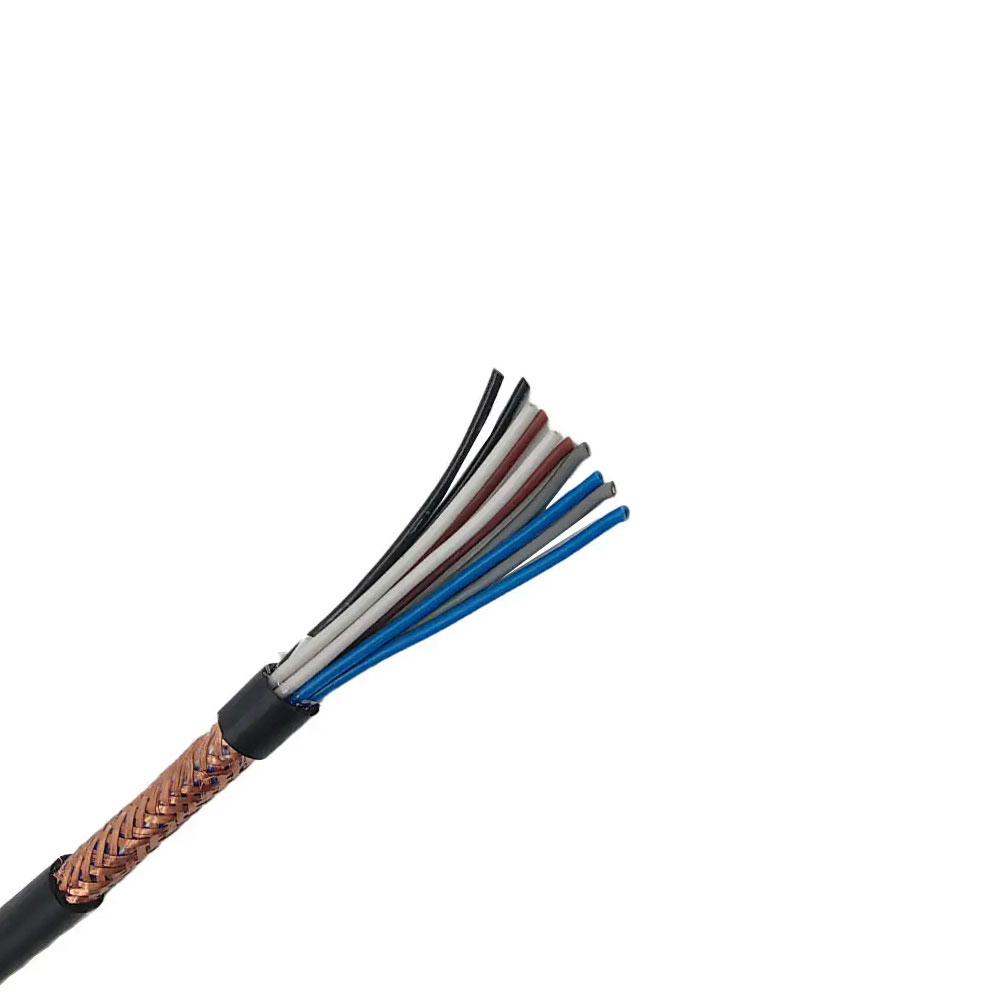
Electromagnetic interference can affect sensors, communication equipment, automation systems, and measurement devices. To address this concern, the AFT250 can be supplied with copper braid shielding, aluminum foil shielding, or a composite shielding structure. The specified shielding effectiveness exceeds 95 dB at 1 GHz, subject to the selected construction and correct termination.
Shielding performance is influenced not only by the shield material but also by coverage, grounding, connector design, transfer impedance, cable routing, and installation quality. A well-designed shielded cable should be integrated into the complete electromagnetic compatibility strategy of the equipment.
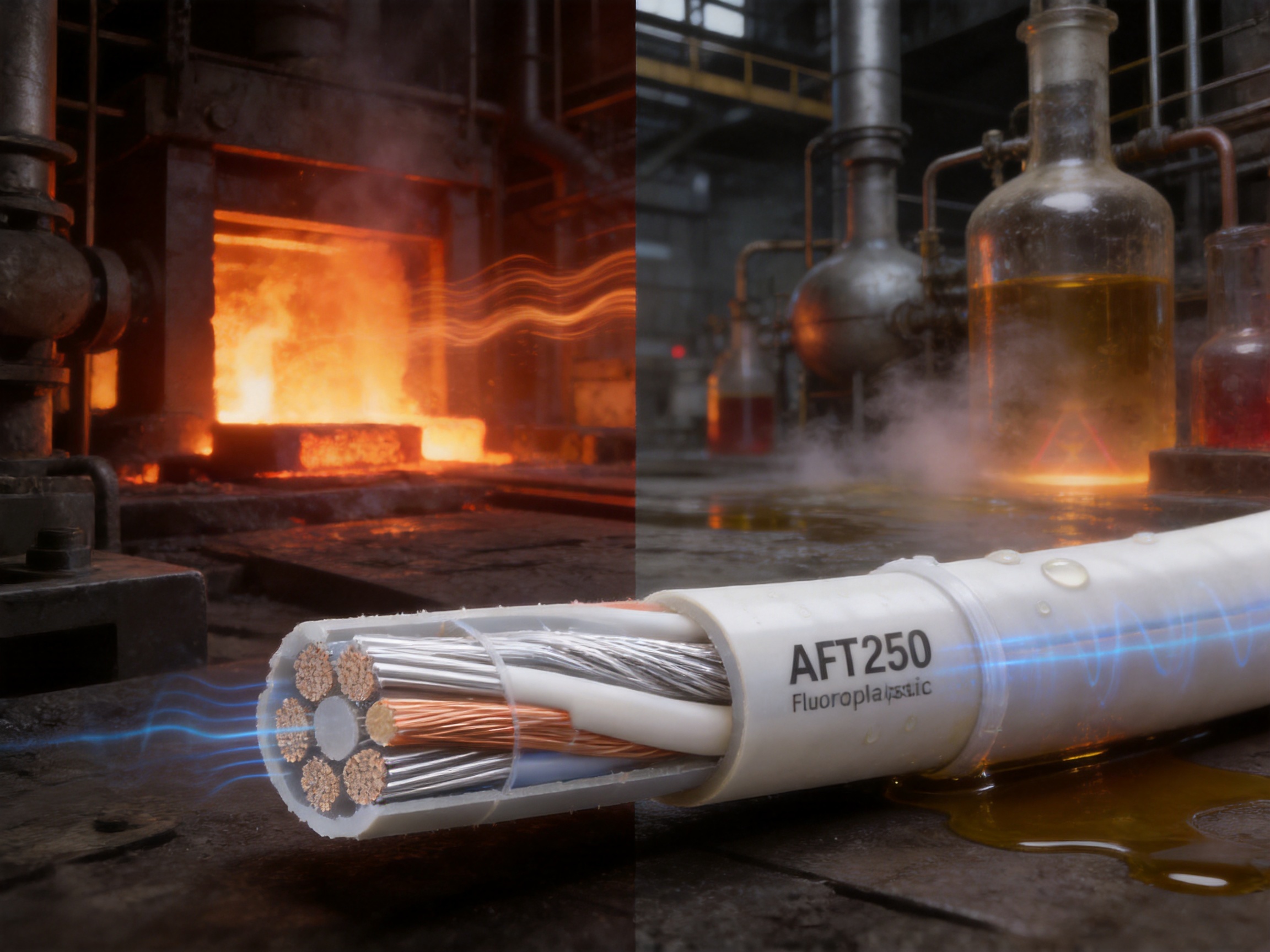
High-temperature cables are sometimes associated with stiffness or difficult handling. The AFT250 addresses this concern through fine-stranded conductors and a flexible insulation construction. Its flexibility allows the cable to bend around equipment, pass through compact routing paths, and simplify installation in complex spaces.
For fixed installation, the minimum bending radius is specified as five times the cable outer diameter. For dynamic drag-chain installation, the minimum bending radius is specified as twelve times the cable outer diameter. These values should be respected during installation to prevent excessive stress on the conductor and insulation.
The cable may be used in fixed wiring or high-flexibility mobile applications, including drag-chain systems. In dynamic applications, the actual service life will depend on travel distance, bending frequency, acceleration, torsion, temperature, cable arrangement, and the quality of the drag-chain system. Correct installation remains essential even when the cable is designed for movement.
Mechanical strength and wear resistance help the cable withstand handling, routing, vibration, and contact with adjacent components. The uniform surface and strong fluoroplastic insulation can also improve resistance to abrasion compared with more fragile thin-wall materials.
The lightweight thin-wall construction is a major advantage in applications where every millimeter or gram matters. Aircraft harnesses, robotic arms, compact automation equipment, medical or laboratory systems, and densely packed control cabinets can benefit from reduced cable diameter.
A smaller cable may allow tighter routing channels, lower bend-space requirements, and more efficient use of cable trays. Lower weight can be especially valuable in moving assemblies, suspended harnesses, and aerospace structures. In multi-core applications, the cumulative reduction in cable size can simplify the overall system design.
Thin-wall construction must be carefully controlled because reducing insulation thickness can increase the importance of dimensional accuracy, surface quality, and process consistency. The manufacturer’s emphasis on uniform insulation thickness and automated production supports the repeatability required for this type of cable.
Fire performance is a critical consideration in enclosed equipment, transportation systems, industrial plants, and public facilities. Burning cable materials can contribute to flame spread, smoke generation, toxic gas release, and corrosion of nearby equipment.
The AFT250 is inherently flame-retardant and designed to meet low-smoke, zero-halogen requirements. It is specified to meet UL 94 V-0 and to pass the IEC 60332-3 Category A bundle burn test. These characteristics help limit flame propagation when cables are installed individually or in groups.
The product is also specified to comply with IEC 60331-2, including an 850°C flame exposure for three hours, and BS 6387 CWZ rating requirements involving 950°C exposure for 180 minutes. Fire-resistance performance should always be evaluated according to the exact construction, installation method, and certification documentation supplied for the project.
Low-smoke and halogen-free characteristics are particularly valuable in confined areas. In the event of a fire, reduced smoke can help preserve visibility for evacuation and emergency response. Halogen-free materials can reduce the formation of corrosive gases that may damage electronic equipment, metal structures, and control systems.
These features give the AFT250 an advantage over many general-purpose cable types that may not be designed for demanding fire safety environments. The result is a cable that supports both operational reliability and broader safety objectives.
The AFT250 is specified with radiation resistance of at least 2 × 10⁸ cJ/kg. This characteristic makes it relevant to selected nuclear power instrumentation, radiation-exposed equipment, aerospace systems, and other specialized applications.
Radiation can gradually alter polymer structures, causing embrittlement, discoloration, loss of flexibility, and reduced electrical performance. A radiation-resistant insulation system helps extend service life where exposure is part of the operating environment.
Radiation resistance should be assessed together with temperature, dose rate, chemical exposure, mechanical movement, and required service duration. Project engineers should confirm that the selected cable construction meets the actual radiation spectrum and total dose expected in the installation.
The combination of radiation resistance, thermal aging capability, chemical stability, and mechanical strength gives the AFT250 a broader environmental performance profile than cables designed for only one severe condition.
Anhui Zhishang Cable Technology Co., Ltd. integrates product research and development, manufacturing, quality control, and sales. This integrated structure allows technical requirements to be reviewed before production and supports faster communication between engineering, production, and customers.
The company maintains a team of more than fifty employees, including quality engineers and research and development technicians with more than ten years of industry experience. Experienced personnel are important when producing specialized cables because fluoroplastic processing, conductor plating, insulation extrusion, shielding, and testing require careful control of materials and process parameters.
The company supports OEM and ODM development based on customer drawings, samples, technical specifications, and application requirements. This allows customers to request modifications such as conductor material, conductor cross-section, number of cores, shielding construction, color identification, outer dimensions, packaging, and termination details.
The production base covers approximately 5,000 square meters and includes ten automated production lines. Automation can improve production consistency by controlling extrusion speed, conductor alignment, insulation dimensions, cooling conditions, and winding tension.
For a cable with thin-wall fluoroplastic insulation, process accuracy is particularly important. Variations in insulation thickness can affect electrical performance, stripping behavior, flexibility, and finished dimensions. Automated equipment, combined with skilled process supervision, helps reduce variation between production batches.
The stated monthly output can reach 10 million meters. This capacity supports large-volume procurement while also allowing the company to handle a wide range of standard and customized cable products. Stocked standard models can be shipped quickly, while customized products generally require a lead time of seven to twenty days, depending on specifications and order quantity.
Quality assurance for cable products involves more than checking appearance. Important inspections may include conductor resistance, insulation resistance, voltage withstand, dimensional accuracy, tensile performance, elongation, aging behavior, flame performance, shielding continuity, and finished cable length.
The AFT250 product specifications include a 4,000 V AC test voltage for one minute, high-temperature aging evaluation, flame-retardant performance, shielding effectiveness, and fire-resistance requirements. These technical indicators provide a framework for product selection and project acceptance.
The company also offers full-core, full-length, pure-copper specifications, product test reports, and warranty support for standard cable models. Documentation is valuable for industrial customers because it supports incoming inspection, traceability, maintenance planning, and compliance records.
Customers should request the applicable technical datasheet, test report, material declaration, and compliance documentation for the exact construction ordered. Cable performance can vary according to conductor size, core count, shield type, jacket design, and other configuration details.
Compared with standard PVC cable, AFT250 offers substantially higher continuous temperature capability, stronger chemical resistance, and improved low-smoke, halogen-free performance. PVC cable may remain a practical choice for ordinary indoor wiring and cost-sensitive applications, but it is generally not the preferred material for continuous exposure to 250°C or aggressive chemicals.
Compared with ordinary rubber-insulated cable, AFT250 can provide better resistance to solvents, fuels, oils, and high temperatures. Rubber cable may offer excellent flexibility, but its suitability depends on the specific compound and environmental conditions.
Compared with conventional PTFE cable, the modified PFA/PTFE composite construction is intended to provide a balanced combination of heat resistance, chemical resistance, flexibility, mechanical strength, and processability. The actual advantage depends on the design and grade, but a composite approach can help address limitations that may arise when one fluoropolymer is used alone.
Compared with unshielded cable, the optional copper braid, aluminum foil, or composite shield provides a practical solution for systems exposed to electromagnetic interference. This is important in high-frequency communication equipment, industrial automation, variable-speed drives, instrumentation, and aerospace electronics.
| Performance Requirement | AFT250 Solution | Typical Application Benefit |
|---|---|---|
| Continuous high-temperature operation | -65°C to +250°C | Reliable wiring near ovens, engines, furnaces, and high-temperature process equipment |
| Short-term thermal exposure | Up to +300°C for four hours | Additional margin during temporary heat events and process fluctuations |
| Chemical resistance | Resistance to acids, alkalis, solvents, oils, fuels, and hydraulic fluids | Suitable for chemical, aerospace, metallurgical, and fluid-handling environments |
| Electrical voltage rating | 600 V or 1,000 V | Supports control, instrumentation, and power circuits |
| Test voltage | 4,000 V AC for one minute | Verification of insulation integrity during production inspection |
| Shielding | Copper braid, aluminum foil, or composite shield | Improved electromagnetic compatibility and signal stability |
| Shielding effectiveness | More than 95 dB at 1 GHz | Protection for high-frequency and interference-sensitive systems |
| Flame performance | UL 94 V-0 and IEC 60332-3 Category A | Reduced flame propagation in cable bundles |
| Fire resistance | IEC 60331-2 and BS 6387 CWZ requirements | Support for circuit integrity during severe fire conditions |
| Radiation resistance | At least 2 × 10⁸ cJ/kg | Use in selected radiation-exposed instrumentation and control systems |
| Installation flexibility | Fine-stranded conductors and flexible fluoroplastic construction | Routing through compact or moving equipment |
Steel plants and metal processing facilities combine heat, vibration, dust, oil, mechanical impact, and electromagnetic noise. Cables may be routed near furnaces, rolling mills, casting equipment, motors, sensors, and control systems. AFT250 can be used for instrumentation, power connections, control wiring, and signal circuits where high-temperature and chemical resistance are necessary.
Chemical reactors, pumps, valves, heaters, and monitoring instruments may be exposed to corrosive gases, liquids, solvents, and elevated temperatures. The AFT250’s fluoroplastic insulation provides a strong protective barrier for electrical conductors in these environments. Shielded versions can support stable instrumentation signals near motors and switching equipment.
Aerospace wiring must often satisfy demanding requirements for low weight, small diameter, temperature stability, chemical resistance, vibration tolerance, and electromagnetic compatibility. The thin-wall AFT250 construction can reduce harness size and weight while supporting wiring in high-temperature cabins, equipment compartments, and specialized aircraft systems.
Nuclear power facilities require dependable instrumentation and control wiring. Depending on the specific installation, cables may be exposed to heat, radiation, moisture, chemicals, and fire-related hazards. The AFT250’s radiation resistance, fire performance, high-temperature capability, and low-smoke, halogen-free construction make it suitable for evaluation in selected nuclear instrumentation and control applications.
Microwave and high-frequency equipment can be sensitive to electromagnetic interference and signal losses. Silver-plated or nickel-plated conductors, controlled insulation, and optional shielding can help provide stable signal transmission. The selected cable construction should be matched to impedance, frequency, attenuation, grounding, and connector requirements.
Automated machinery frequently uses moving cable carriers, robotic equipment, linear actuators, and high-speed production systems. AFT250 can be specified for fixed or dynamic installation, including drag-chain systems. Fine-stranded conductors and flexible construction help support repeated movement, while the high-temperature rating allows use near heated machinery.
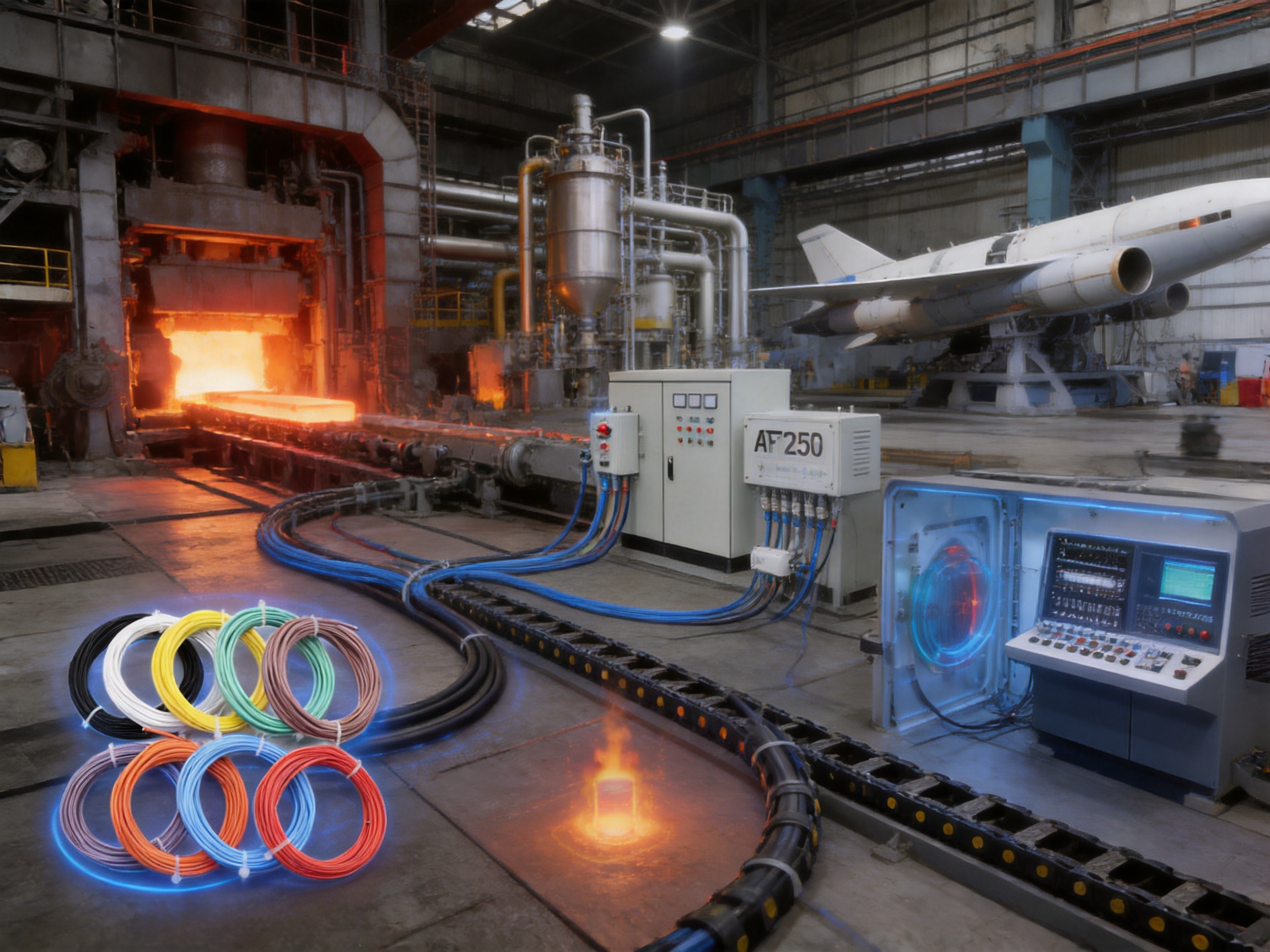
Correct product selection begins with a complete assessment of the installation environment. Engineers should identify the continuous operating temperature, maximum temporary temperature, minimum ambient temperature, chemical exposure, radiation level, voltage, current, frequency, bending pattern, movement speed, vibration, fire requirements, and expected service life.
The conductor cross-section should be selected according to current-carrying capacity, allowable voltage drop, installation temperature, grouping, and local electrical requirements. A 0.14 mm² conductor may be appropriate for some signal circuits, while larger sizes up to 150 mm² may be required for power transmission. The final selection should be confirmed using the applicable electrical design calculations.
When selecting a shielded version, the engineering team should determine whether copper braid, aluminum foil, or composite shielding is more suitable. Foil shielding can provide broad coverage and may be effective for high-frequency interference. Copper braid can provide mechanical strength, grounding capability, and flexibility. Composite structures can combine the advantages of multiple shield types.
The shield must be terminated correctly. A poorly connected shield may reduce overall performance even when the cable itself has excellent shielding effectiveness. Grounding strategy, connector design, cable separation, and routing should be considered together.
During installation, the specified minimum bending radius must be respected. Fixed installations should use a bending radius of at least five times the cable outer diameter. Dynamic drag-chain installations should use at least twelve times the cable outer diameter. The cable should not be twisted, crushed, sharply folded, or forced into a smaller radius during assembly.
For dynamic systems, cables should be arranged so that they can move freely inside the drag chain without excessive lateral pressure. The chain should be selected according to cable weight, diameter, travel length, speed, and acceleration. Where torsion is present, a cable construction specifically designed for torsional movement may be required.
Stripping and termination should be performed with tools suitable for fluoroplastic insulation. The non-stick surface and uniform wall are intended to facilitate stripping, but excessive cutting force can still nick conductor strands or damage insulation. Terminals, connectors, crimp barrels, and gland systems should be compatible with the conductor plating and the temperature of the application.
Industrial cable requirements are rarely identical from one project to another. An equipment manufacturer may need a specific number of cores, conductor size, color sequence, shielding type, jacket diameter, printing format, bend radius, or termination arrangement. The AFT250 platform supports customization for these requirements.
OEM and ODM customers can provide drawings, samples, cable schedules, or performance specifications. The technical team can then evaluate the conductor material, insulation structure, shielding, core arrangement, and manufacturing process. This approach allows the cable to be integrated into the customer’s equipment rather than forcing the equipment design to accommodate a generic product.
Customization may include single-core or multi-core construction from one to sixty cores, cross-sections from 0.14 mm² to 150 mm², silver-plated, nickel-plated, or bare copper conductors, and copper braid, aluminum foil, or composite shields. The rated voltage can be selected at 600 V or 1,000 V according to the intended system.
Customers should provide as much application information as possible. Important information includes temperature profile, chemical names and concentrations, movement cycle, cable length, installation method, voltage, current, signal frequency, shielding requirements, fire standards, radiation exposure, connector type, and expected delivery schedule.
Industrial customers increasingly require cable products that support environmental and occupational safety objectives. The AFT250’s low-smoke and zero-halogen characteristics can reduce concerns related to smoke and corrosive combustion gases. Flame-retardant construction helps limit the spread of fire through cable routes.
The company also emphasizes green manufacturing and responsible production practices. Compliance documentation such as RoHS declarations and other applicable material information can help customers evaluate environmental requirements for their products and facilities.
Environmental responsibility extends beyond material selection. Efficient manufacturing, reduced scrap, consistent process control, appropriate packaging, and reliable service life can all contribute to lower lifecycle impact. A cable that lasts longer in a demanding application may reduce the frequency of replacement, shutdowns, and waste generation.
For international customers, product quality is only one part of the purchasing decision. Stable delivery, technical communication, documentation, customization capability, and after-sales support are also important. Anhui Zhishang Cable Technology Co., Ltd. combines manufacturing with technical consultation and project support.
Standard cable models may be stocked for faster shipment, helping customers reduce procurement delays. Customized products generally require seven to twenty days of lead time, depending on the technical configuration and order quantity. Production capacity of up to 10 million meters per month provides support for both routine orders and larger projects.
The company serves customers in the United States, Canada, Australia, Japan, and parts of Eurasia. Its experience with international markets supports communication regarding product specifications, compliance expectations, packaging, and delivery arrangements.
Quality engineers and research and development technicians can help customers select a suitable construction rather than relying only on a general catalog description. This is valuable when several requirements must be balanced, such as high temperature, small diameter, dynamic movement, shielding, and fire performance.
The long-term operating temperature range is -65°C to +250°C. The cable can withstand up to +300°C for a short-term period of four hours, provided that the application is consistent with the specified product construction and installation conditions.
Yes. The cable is designed to resist strong acids, alkalis, solvents, oils, aviation fuel, lubricants, and hydraulic oil. The exact application should still be reviewed because chemical concentration, temperature, exposure time, and mechanical stress influence resistance.
Yes. Fine-stranded conductors and flexible construction allow use in fixed installations and selected high-flexibility mobile applications, including drag-chain systems. A minimum bending radius of twelve times the cable outer diameter is specified for dynamic drag-chain installation.
The available options include silver-plated copper, nickel-plated copper, and bare copper. Multi-stranded fine-wire construction is used to improve flexibility. The best conductor option depends on temperature, frequency, conductivity, chemical exposure, and project cost requirements.
AFT250 is available in single-core and multi-core designs. Multi-core versions can be configured from one to sixty cores, subject to the selected conductor size, insulation structure, shielding, and finished cable dimensions.
The specified cross-section range is 0.14 mm² to 150 mm². Smaller sizes are suitable for signal and instrumentation circuits, while larger sizes can be used for power transmission and higher-current applications.
Yes. Optional shielding includes copper braid, aluminum foil, and composite shielding structures. The stated shielding effectiveness is greater than 95 dB at 1 GHz for suitable shielded constructions and correct installation.
The cable is designed to be flame-retardant, low-smoke, and zero-halogen. Its stated fire-related performance includes UL 94 V-0, IEC 60332-3 Category A bundle burn performance, IEC 60331-2, and BS 6387 CWZ requirements, subject to the exact product configuration and applicable test documentation.
The listed rated voltage options are 600 V and 1,000 V. A test voltage of 4,000 V AC for one minute is specified for insulation verification. The correct rating must be selected according to the electrical system and project standards.
Yes. Customization can be based on customer drawings, samples, or technical specifications. Possible options include core count, conductor material, cross-section, shielding structure, outer dimensions, color identification, packaging, and termination requirements.
For fixed installation, the specified minimum bending radius is five times the cable outer diameter. For dynamic drag-chain installation, the specified minimum is twelve times the cable outer diameter.
The product specification lists radiation resistance of at least 2 × 10⁸ cJ/kg. Engineers should compare this value with the expected radiation type, dose, dose rate, temperature, and service duration of the actual installation.
Customers should provide the required core count, conductor cross-section, conductor material, rated voltage, cable length, temperature range, chemical exposure, movement conditions, shielding requirements, fire standards, packaging, delivery destination, and any special certification or testing requirements.
The AFT250 fluoroplastic cable is developed for electrical systems operating beyond the practical limits of ordinary cable materials. Its long-term temperature range of -65°C to +250°C, short-term +300°C withstand capability, strong chemical resistance, fine-stranded conductors, flexible construction, optional shielding, radiation resistance, and fire-safety characteristics make it suitable for a wide range of severe industrial applications.
Its advantages are not limited to thermal endurance. The thin-wall design helps reduce size and weight, the uniform insulation supports consistent electrical performance and easier stripping, and the available conductor and shielding options enable application-specific configuration. These characteristics provide a competitive alternative to standard PVC, rubber, and general-purpose fluoroplastic cables when systems require a combination of high temperature, chemical stability, flexibility, and electromagnetic protection.
The manufacturing strengths of Anhui Zhishang Cable Technology Co., Ltd. further support the product. Integrated research and development, experienced technical personnel, automated production lines, a modern manufacturing base, large production capacity, product testing, OEM/ODM support, and international market experience allow the company to serve both standard procurement and customized cable projects.
For engineers and purchasing teams, the most important step is to match the cable construction to the complete operating environment. When properly specified, installed, shielded, terminated, and maintained, AFT250 can provide stable power and signal transmission in high-temperature, corrosive, vibrating, radiation-exposed, and electromagnetic-interference-sensitive systems.
1. Product technical information for AFT250 high-temperature fluoroplastic cable, including conductor, insulation, temperature, voltage, shielding, fire, and radiation specifications.
2. IEC 60331-2, Tests for electric cables under fire conditions—Circuit integrity.
3. IEC 60332-3, Tests on electric and optical fibre cables under fire conditions—Vertical flame spread of vertically-mounted bunched wires or cables.
4. UL 94, Standard for Tests for Flammability of Plastic Materials for Parts in Devices and Appliances.
5. BS 6387, Specification for performance requirements for cables required to maintain circuit integrity under fire conditions.
6. General engineering principles for fluoropolymer-insulated cables, high-temperature electrical insulation, chemical resistance, and electromagnetic shielding.

We firmly believe that good cables are not only a competition of materials, but also a reflection of craftsmanship, quality, and responsibility.

Links
Product
Send Inquiry
No. 29 Sankeshu Road, Xuanzhou District, Xuancheng City, Anhui Province, China
+86-18621104555/+86-563-2622999
 Electrical Cable Manufacturer
OEM/ODM Wire and Cable Solutions
Electrical Cable Manufacturer
OEM/ODM Wire and Cable Solutions
 English
 Español
 عربى
عربى
 русский