

Get more content that can help you
Content
Modern electrical infrastructure increasingly depends on cable systems that can continue operating under extreme conditions. In ordinary installations, a cable is expected to transmit electrical power safely, efficiently, and reliably during normal operation. In critical facilities, however, the cable must do much more. It may need to keep emergency lighting energized during a fire, preserve power to fire pumps, support smoke-control systems, maintain communication between safety devices, and remain functional despite heat, flame, water, vibration, mechanical impact, or electrical overload.
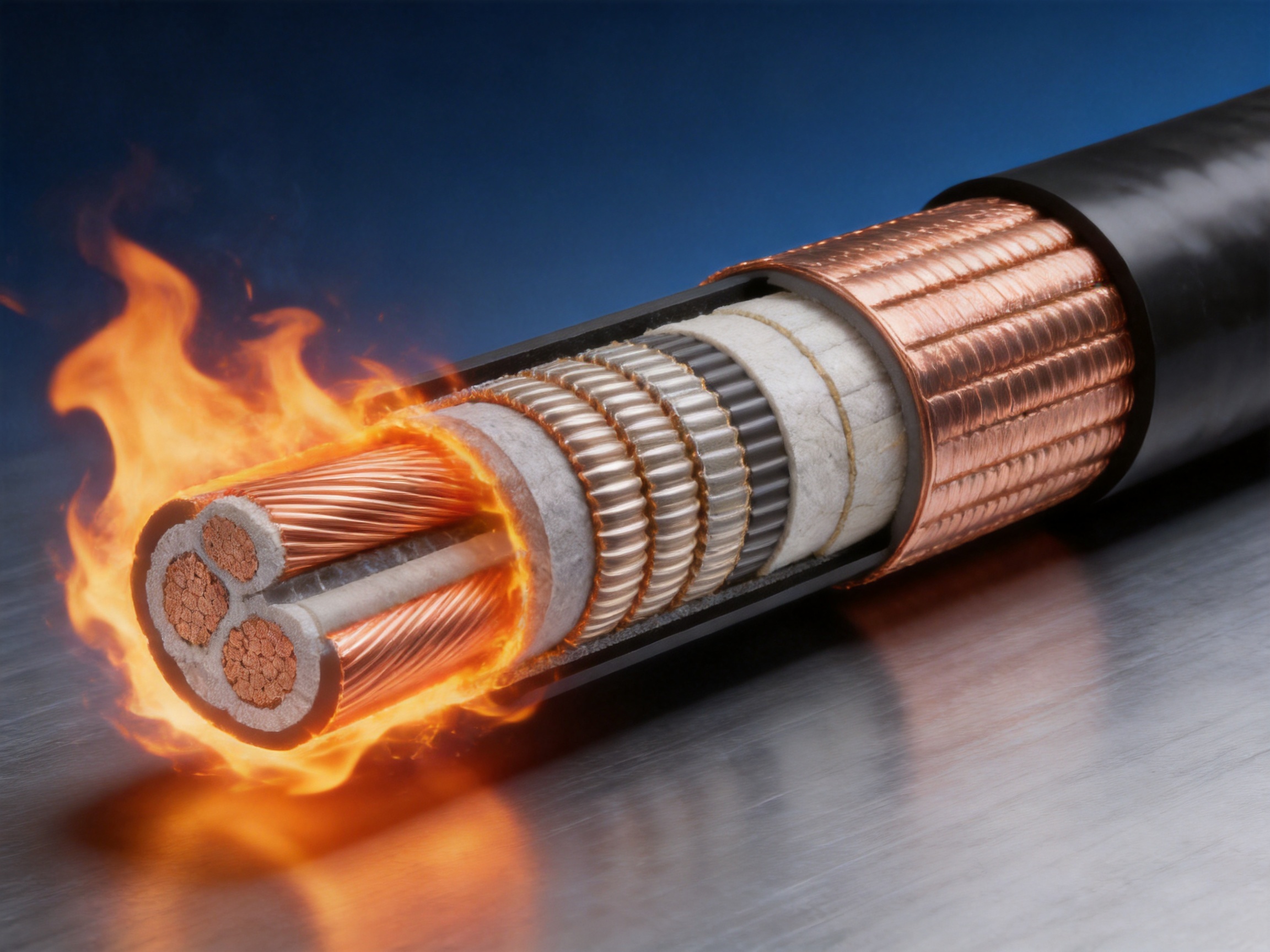
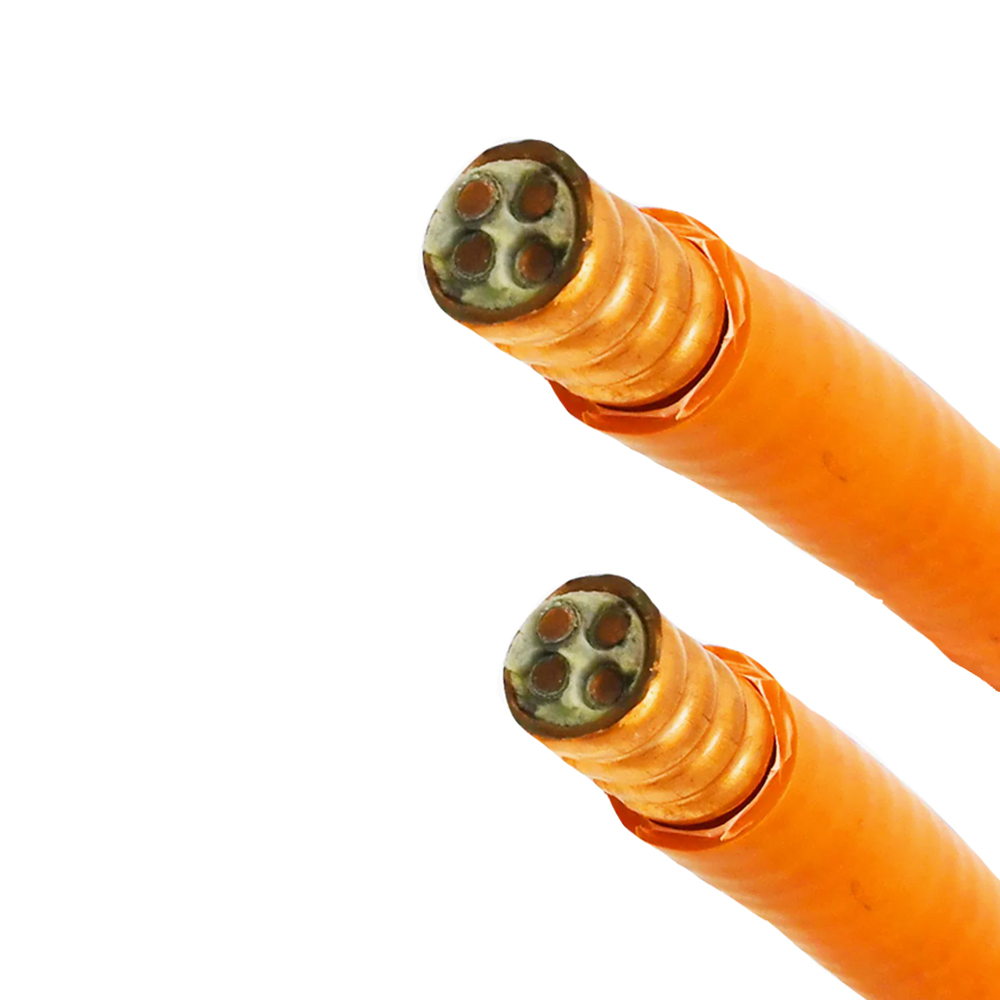
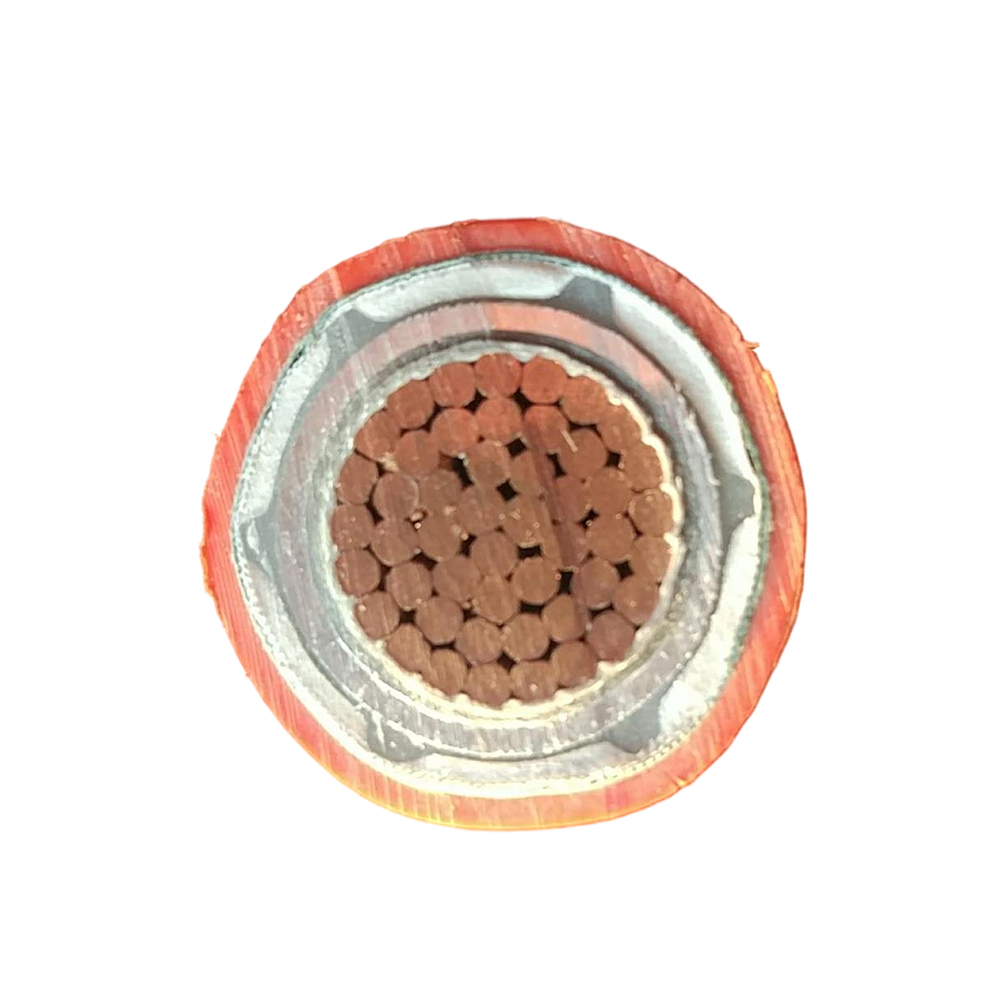
YTTW flexible mineral-insulated fire-resistant cable is designed for these demanding environments. Its construction combines a stranded annealed copper conductor, inorganic phlogopite mica insulation, and a continuously welded corrugated copper sheath. Depending on the installation environment, an additional halogen-free, low-smoke, flame-retardant polyolefin outer layer can be applied. This structure gives the cable a combination of fire resistance, flexibility, waterproofing, grounding performance, mechanical protection, and long service life.
Compared with conventional rigid mineral-insulated cables, the YTTW design offers a major installation advantage: it can be bent and routed in a manner similar to ordinary flexible cables. This makes it suitable for complex building layouts, equipment connections, cable trays, concealed routes, direct burial applications, and selected underwater or damp environments when the appropriate outer protection is used.
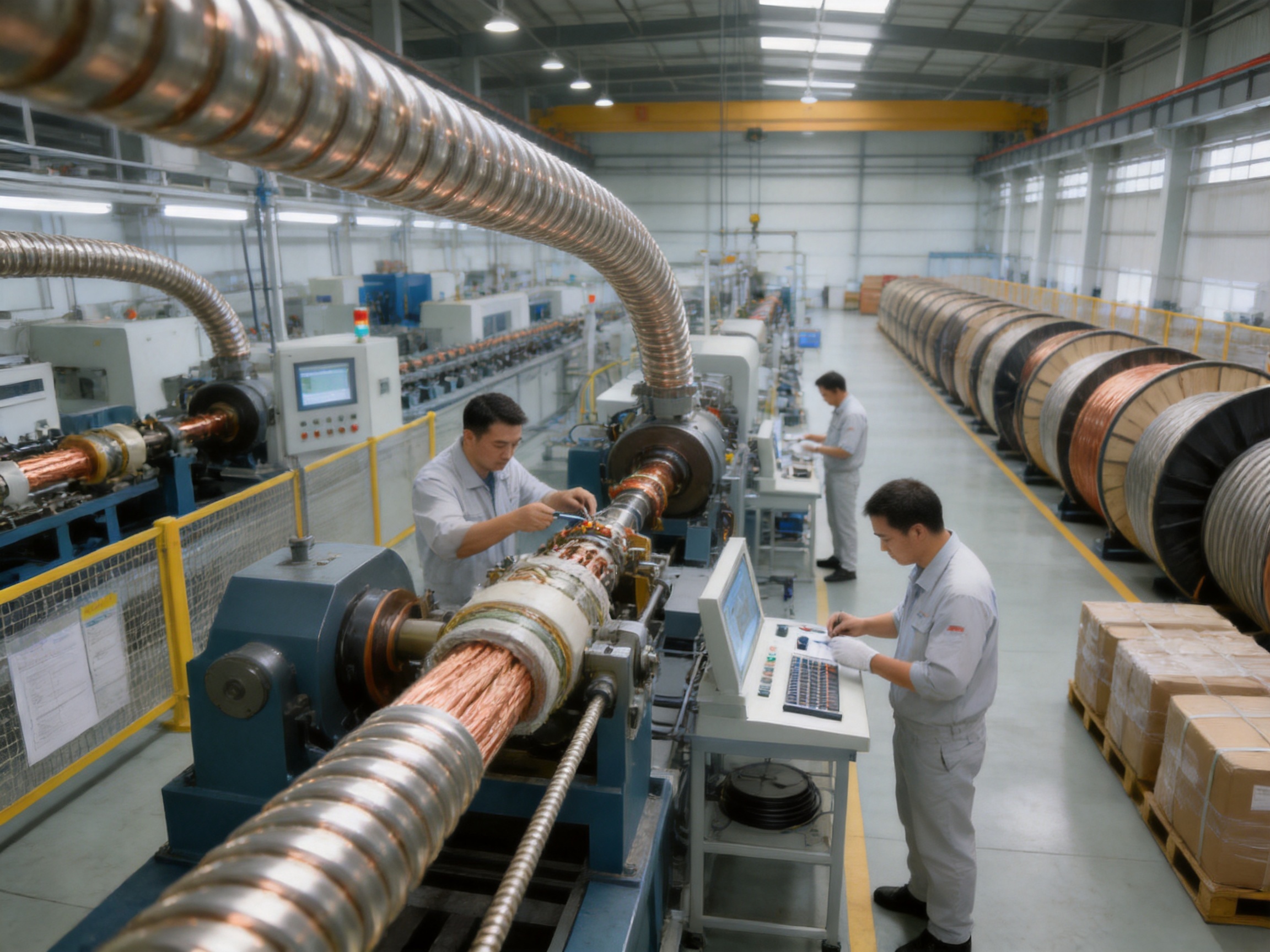
Manufactured by Anhui Zhishang Cable Technology Co., Ltd., the cable reflects the company’s broader capabilities in research, production, testing, customization, and international supply. The manufacturer operates a modern production base of approximately 5,000 square meters, uses 10 automated production lines, and maintains a team that includes experienced quality engineers and research and development technicians. With a stated monthly output of up to 10 million meters, the company is positioned to support both standard orders and customized cable projects.
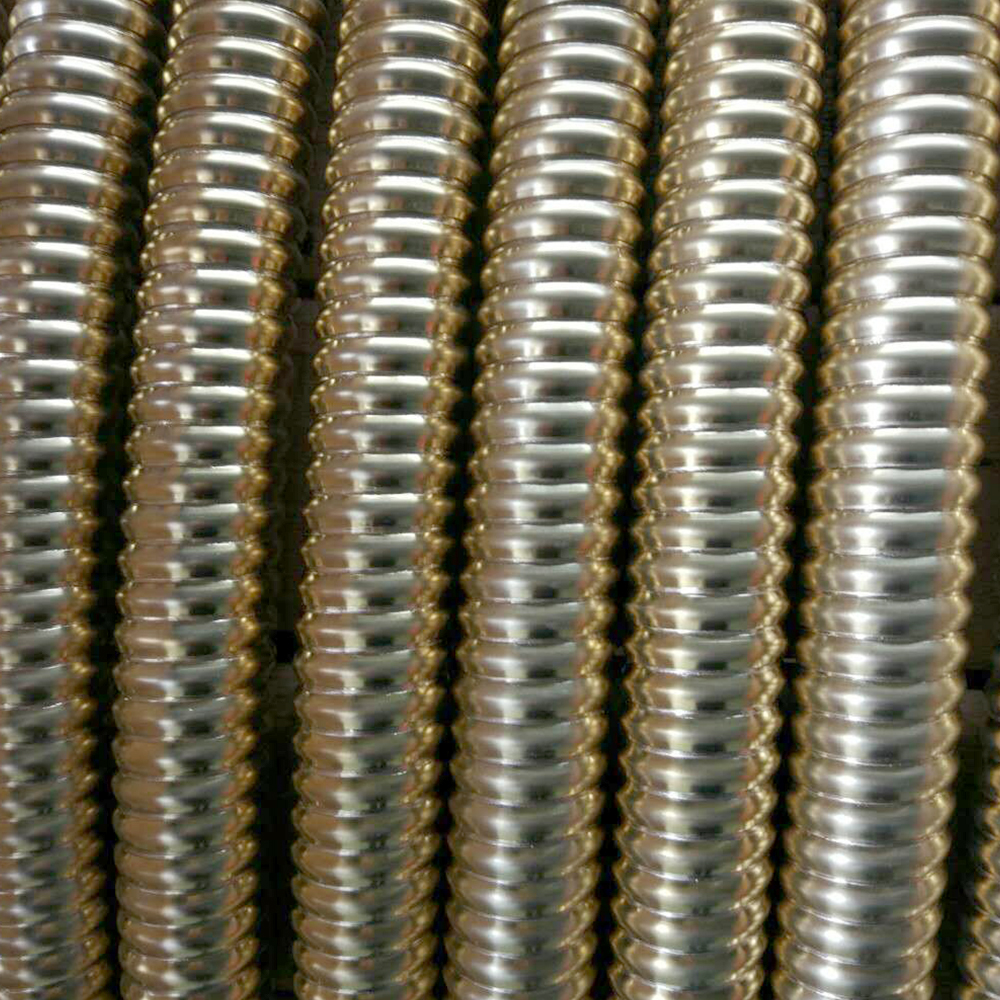
YTTW Smokeless and non-toxic Flexible Mineral-Insulated Fire-Resistant Cable
Fire-resistant cables are not simply upgraded versions of ordinary power cables. They are safety components intended to preserve essential electrical circuits when the surrounding environment has become dangerous. During a building fire, a cable may be exposed to direct flame, radiant heat, smoke, falling materials, water from fire suppression systems, mechanical shock, and sudden temperature changes. If the cable fails too early, the consequences can extend beyond the loss of ordinary power.
Critical systems often depend on continuous electrical supply. These systems may include fire alarms, emergency evacuation lighting, fire pumps, smoke extraction fans, emergency elevators, public-address systems, security controls, industrial shutdown systems, data-center safety equipment, and medical-support equipment. A cable that maintains circuit integrity for a specified period can help these systems continue operating while people evacuate and emergency personnel respond.
Many conventional cables use polymeric insulation and sheaths. These materials can provide excellent electrical performance in ordinary conditions, but their behavior in a fire depends on their formulation, thickness, installation method, and exposure conditions. Some polymers can soften, burn, produce smoke, or release corrosive gases when exposed to high temperatures. Even when flame-retardant additives are used, the cable must still be selected and installed according to the required fire-resistance rating and applicable standards.
YTTW cable approaches the problem through a mineral-insulated core and a metallic sheath. The primary insulating material is inorganic mica rather than a conventional combustible polymer. The copper sheath forms a continuous protective barrier around the insulated conductors. As a result, the cable is designed to provide a low-smoke, halogen-free, non-toxic solution while retaining the flexibility required by modern construction and industrial installations.
The conductor is made from multi-stranded annealed copper wire in Class 2 or Class 5 constructions. Copper is selected because of its high electrical conductivity, stable thermal performance, and compatibility with established termination and grounding practices. The stranded design improves flexibility compared with a solid conductor, which is particularly important when the cable must follow bends, pass through crowded routes, or connect to moving or difficult-to-access equipment.
The stated single-core cross-sectional range is from 1.0 mm² to 400 mm². This broad range allows the product family to serve small control or auxiliary power circuits as well as larger distribution circuits. The final conductor size should be selected according to load current, voltage drop, installation method, ambient temperature, grouping conditions, short-circuit requirements, and the applicable electrical code.
The insulation layer uses double-layer or multi-layer phlogopite mica tape wrapped around the conductor. This is the core of the cable’s fire-resistant function. Mica is an inorganic mineral with strong thermal stability and electrical insulation properties. When properly applied, the mica layers help maintain insulation integrity at temperatures that would damage many ordinary organic insulating materials.
The winding process is important. Mica tape must be applied with consistent overlap, controlled tension, and stable alignment. Gaps, excessive tension, uneven winding, or damage during processing could reduce dielectric reliability. For this reason, the quality of the insulating layer depends not only on the material itself but also on production control, process monitoring, and inspection.
The multi-layer design provides additional protection against localized damage. During fire exposure, vibration, or mechanical impact, the mica system works together with the copper sheath to preserve separation between the conductor and the surrounding environment. The result is a cable core intended to maintain circuit integrity during severe thermal stress.
The cable sheath is formed by continuously longitudinally wrapping copper, followed by argon arc welding and corrugation. This is one of the defining features of the YTTW construction. The copper tube acts as a mechanical barrier, a waterproofing layer, a fire barrier, and a grounding path.
A smooth, rigid metallic sheath can make a cable difficult to route. The corrugated form introduces controlled flexibility without abandoning the protection associated with a continuous copper enclosure. The corrugations allow the cable to bend repeatedly within the specified bending radius and make installation easier in corners, risers, equipment rooms, and cable trays.
Argon arc welding helps create a sealed sheath structure. A continuous, properly formed sheath can restrict the entry of moisture, liquids, gases, and flames. It also protects the mica-insulated core from external mechanical damage. The quality of the weld, the consistency of the copper strip, and the precision of the corrugation process are therefore essential to the product’s long-term reliability.
Where the installation environment requires additional corrosion resistance, electrical insulation, or protection from abrasion, an outer layer can be extruded over the copper sheath. The supplied product information identifies this layer as a halogen-free, low-smoke, flame-retardant polyolefin sheath, such as the YTTWY configuration.
This optional layer allows the cable to be adapted to different site conditions. The exposed copper-sheathed version can provide a high-temperature and mechanically robust solution where the metal sheath is suitable for the environment. The outer-sheathed version can be preferred where additional insulation, color identification, chemical protection, or contact protection is required.
| Component | Typical Material or Form | Primary Function | Engineering Benefit |
|---|---|---|---|
| Conductor | Stranded annealed copper, Class 2 or Class 5 | Conducts electrical current | High conductivity and improved flexibility |
| Fire-resistant insulation | Double-layer or multi-layer phlogopite mica tape | Maintains electrical separation under fire exposure | High thermal stability and inorganic composition |
| Metallic sheath | Longitudinally wrapped, argon arc-welded corrugated copper | Provides mechanical protection, sealing, fire separation, and grounding | Water resistance, impact resistance, and flexible routing |
| Optional outer layer | Halogen-free, low-smoke, flame-retardant polyolefin | Adds environmental and insulation protection | Improved corrosion resistance and installation safety |
The principal purpose of the YTTW cable is to maintain electrical service during a fire. According to the supplied product specifications, the cable is designed to withstand flame exposure from approximately 950°C to 1000°C for 180 minutes while maintaining circuit integrity under rated voltage, mechanical impact, and vibration. The product information also states that power can be maintained for more than 180 minutes under intense fire conditions.
These characteristics are associated with the cable’s mineral insulation and metal sheath. The mica insulation resists thermal breakdown, while the copper sheath provides physical containment and helps protect the insulated core. Together, these layers are intended to prevent premature short circuits, open circuits, and insulation collapse during a specified fire-resistance test.
The product information identifies compliance with GB/T 19216.21 and the corresponding IEC 60331 fire-resistance framework. Project engineers should verify the exact test classification, installation configuration, cable size, support system, test voltage, and certification documents before approving the cable for a particular project. Fire performance is influenced not only by the cable but also by brackets, cleats, trays, joints, terminations, and the way the complete circuit is installed.
The copper sheath itself is non-combustible. This helps the overall cable achieve Class A flame-retardant performance according to the supplied information. Unlike a conventional cable sheath that may contribute fuel to a fire, the metallic sheath does not propagate flames. If the optional outer protective layer is used, its halogen-free, low-smoke, flame-retardant formulation is intended to reduce the risk of flame spread and harmful emissions.
Smoke can be as dangerous as flame. In enclosed spaces, dense smoke reduces visibility, obstructs evacuation, damages sensitive equipment, and complicates firefighting. Toxic or corrosive gases can create additional hazards for occupants and emergency responders. This is especially important in tunnels, hospitals, transportation facilities, public buildings, underground stations, data centers, and industrial plants.
The YTTW insulation is inorganic mica, and the copper sheath does not generate smoke or toxic gases in the manner associated with burning polymeric materials. When the optional outer layer is used, it is specified as halogen-free and low-smoke. This construction is intended to minimize smoke and corrosive emissions during a fire, supporting safer evacuation and reducing the potential for secondary damage to electrical and electronic equipment.
“Low smoke” and “halogen-free” should not be interpreted as a guarantee that no emissions will occur under every possible condition. The complete cable system must be evaluated according to the relevant test standards and the precise materials used in the finished cable. Nevertheless, the use of inorganic insulation and a copper sheath gives this product a clear advantage in applications where smoke, toxicity, and corrosive gas control are major concerns.
Traditional rigid mineral-insulated cables, including BTTZ-type products, can provide strong fire performance because they also use mineral insulation and a metal sheath. Their principal limitation is often installation. A rigid sheath and solid conductor can make the cable difficult to straighten, bend, terminate, and route around obstacles. Special tools and highly experienced installers may be needed to prepare the cable correctly.
YTTW is designed to address this practical challenge. Its multi-stranded copper conductor and corrugated copper sheath create a more flexible structure. The stated minimum bending radius is at least 2D for single-core cable, where D is the cable diameter, and at least 6D for multi-core stranded cable. These values should always be confirmed against the final technical datasheet and installation instructions, but they indicate significantly improved routing flexibility.
Because the cable can be bent and laid similarly to ordinary flexible cables, installation teams can work more efficiently in complex spaces. The product can follow architectural curves, pass through crowded service shafts, and connect to equipment without extensive straightening. This can reduce installation time, minimize the need for specialized forming operations, and lower the risk of accidental damage caused by excessive manipulation.
Termination is another important distinction. The product information specifies the use of specialized stripping tools and dedicated terminals. Compared with rigid mineral-insulated cable systems that may require extensive end preparation and sealing, the YTTW approach is intended to simplify connection and improve installation efficiency. Proper tools and trained personnel remain necessary, but the process is designed to be more accessible and repeatable.
| Comparison Point | YTTW Flexible Mineral-Insulated Cable | Conventional Rigid Mineral-Insulated Cable |
|---|---|---|
| Conductor structure | Multi-stranded annealed copper | Often more rigid conductor construction |
| Sheath design | Corrugated copper sheath | Typically smooth and rigid metallic sheath |
| Routing | Suitable for complex bends and crowded routes | Requires careful straightening and forming |
| Installation tools | Specialized stripping tools and terminals | May require more extensive preparation and sealing procedures |
| Fire protection | Mineral mica insulation and copper barrier | Mineral insulation and metallic barrier, subject to product design |
| Grounding | Copper sheath can serve as a grounding conductor | Metallic sheath may also provide grounding, subject to system design |
| Project adaptability | Suitable for exposed, concealed, tray, burial, and selected underwater applications | Application depends strongly on rigidity, sealing, and installation method |
The stated rated voltage is 0.6/1 kV, making the cable suitable for many low-voltage power distribution and safety-system applications. The maximum long-term operating temperature is identified as up to 90°C when an outer protective layer is applied, or up to 250°C when only the copper sheath is exposed. These values must be considered together with conductor size, ambient temperature, installation grouping, thermal dissipation, and the requirements of the governing standard.
The copper conductor provides efficient current transmission, while the inorganic insulation and metallic sheath support operation in elevated-temperature environments. The cable also has a high overload capacity. According to the supplied information, it can withstand short-term overload conditions up to 1080°C. Such a statement relates to exceptional short-duration thermal exposure and should not be used as a substitute for a properly calculated continuous ampacity or emergency operating procedure.
Engineers should distinguish between conductor operating temperature, fire exposure temperature, sheath temperature, and short-circuit temperature. These are different design parameters. A cable may survive a short period of external flame exposure while still requiring correct current sizing during normal service. Proper selection remains essential for voltage drop, thermal aging, protection coordination, and fault performance.
The copper sheath provides a robust barrier against external mechanical forces. It protects the mica insulation from abrasion, crushing, and accidental impact during installation and operation. This is valuable in industrial plants, workshops, infrastructure projects, transport facilities, and other areas where cables may be exposed to tools, equipment movement, vibration, or maintenance activity.
The fire-resistance description includes mechanical impact and vibration as part of the circuit-integrity performance. This is significant because fire testing that excludes mechanical disturbance may not represent actual emergency conditions. In a building fire, falling objects, structural movement, firefighting operations, and thermal expansion can all affect cable routes and supports.
The cable should still be supported with suitable cleats, brackets, trays, or other approved systems. A strong sheath cannot compensate for inadequate support spacing or incorrect installation. The cable route must be designed to prevent excessive tensile stress, crushing, sharp bending, and contact with incompatible materials.
The sealed copper sheath is designed to provide radial waterproofing and moisture resistance. This makes the product suitable for damp locations and allows short-term operation even when submerged, according to the supplied information. For direct burial, underground service routes, or underwater use, the complete design should include an appropriate outer sheath, jointing system, termination method, and mechanical protection.
Water resistance is particularly important after a fire because sprinkler systems, fire hoses, and water used by emergency crews can saturate cable routes. A fire-resistant cable that fails immediately after water exposure may not provide the expected safety function. The copper sheath helps preserve the barrier between the environment and the insulated conductor.
However, waterproofing should always be evaluated as a system property. The cable body, joints, glands, terminals, bends, and end seals must all be suitable for the intended water exposure. The cable manufacturer’s installation instructions should be followed for sealing and termination, especially in submerged or buried applications.
The copper sheath can serve as a grounding conductor, creating an integrated protective-earth path. This is one of the product’s significant comprehensive performance features. A continuous metallic sheath can help improve fault protection and reduce the number of separate conductors required in certain system designs.
When the sheath is correctly bonded and connected at the termination points, it can support fast fault-current discharge and improve the sensitivity of protective devices. The product information describes this as achieving 100% grounding protection sensitivity. In practical engineering, the final protection performance depends on sheath continuity, impedance, bonding design, protective-device settings, fault-current calculations, and local electrical regulations.
The grounding arrangement should be specified during design rather than decided informally during installation. Engineers need to determine whether the copper sheath is being used as a protective conductor, a bonding path, a screen, or a combination of functions. Terminals and glands must be compatible with the sheath, and continuity should be verified through inspection and electrical testing.
YTTW cable can be installed in exposed routes where the copper sheath provides a durable visible barrier. It can also be concealed in walls, floors, shafts, and other protected building spaces. Its flexible form makes it easier to route around structural features and coordinate with other building services.
In exposed installations, the designer should consider appearance, support spacing, accessibility, corrosion conditions, and the possibility of accidental impact. In concealed installations, the cable should be protected from sharp edges, excessive compression, incompatible construction materials, and unauthorized drilling or fastening.
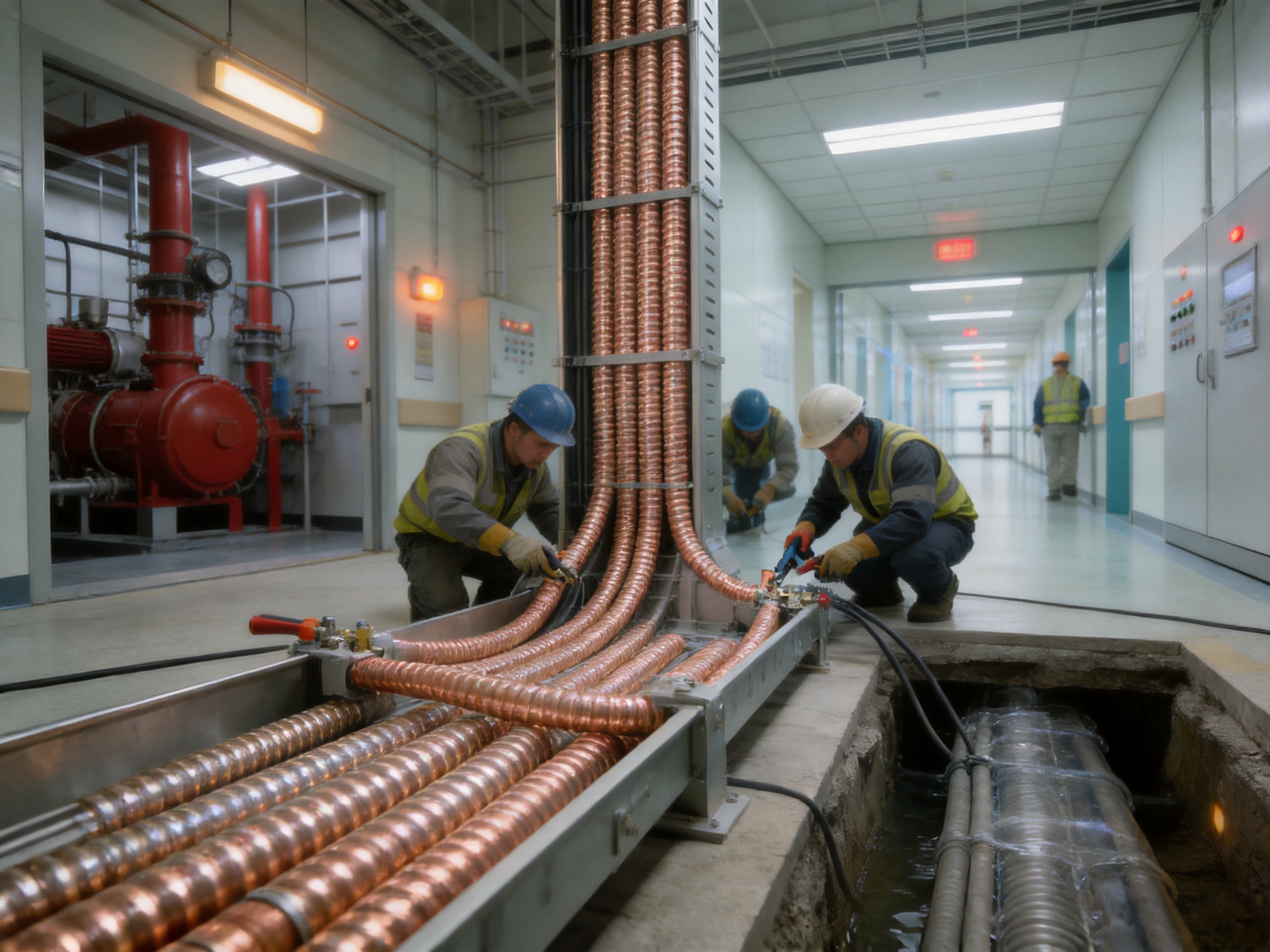
The cable is suitable for tray installation, where its flexibility can simplify alignment and reduce the amount of space required for routing. Corrugated copper sheathing allows the cable to follow tray changes and vertical transitions more conveniently than a rigid cable. Correct cleats and supports should be selected to prevent movement during short-circuit events and to maintain the specified bending radius.
When several cables are installed together, the designer must consider heat dissipation and grouping. Fire resistance does not eliminate the need for ampacity calculations. Tray fill, ventilation, ambient temperature, and proximity to heat-generating equipment can affect long-term operating conditions.
The cable can be used for direct burial or underwater applications when the appropriate outer sheath and system accessories are selected. Such installations require careful attention to soil chemistry, water pressure, mechanical protection, rodent exposure, excavation conditions, joint reliability, and future maintenance access.
The optional halogen-free polyolefin layer can provide additional corrosion and insulation protection. In aggressive environments, the project team should confirm chemical compatibility and the required water-resistance rating. Buried and underwater cable systems should be tested before commissioning, and their routes should be documented for future work.
Installation efficiency is one of the most practical advantages of this product. Specialized stripping tools and terminals are used to prepare the cable and complete the connection. A controlled termination process helps preserve the copper sheath, avoid damage to the mica insulation, and maintain grounding continuity.
Installers should receive clear instructions on sheath preparation, conductor identification, sealing, terminal tightening, bending near the termination, and testing. Poorly prepared ends can compromise an otherwise high-performance cable. For critical projects, inspection records and sample termination checks can help verify that the installation team has followed the required procedures.
YTTW cable is constructed primarily from inorganic materials: copper and mica. These materials are resistant to aging, corrosion, and radiation under suitable conditions. The supplied information states that the expected service life can exceed one hundred years. The actual service life of any installed cable depends on temperature, moisture, chemicals, mechanical loading, electrical stress, installation quality, and maintenance conditions, but the inorganic construction offers strong long-term potential.
Many polymeric materials gradually change under ultraviolet radiation, heat, oxygen, chemical exposure, and repeated thermal cycling. The use of a copper sheath and mineral insulation reduces dependence on organic materials for the primary electrical barrier. This can be particularly valuable in infrastructure expected to remain operational for decades, such as tunnels, hospitals, power stations, transportation networks, and major commercial buildings.
Radiation resistance is another stated advantage. In industrial, energy, research, or specialized infrastructure environments, radiation can degrade certain organic materials over time. The inorganic mica and copper structure is intended to provide greater resistance in such conditions. Site-specific radiation levels should be evaluated before selection, and the complete cable system should be reviewed for any organic accessories or outer coatings that may have different limitations.
The cable’s long-term reliability also reduces the potential need for replacement in difficult-to-access locations. Replacing a cable in a tunnel, underground plant, high-rise shaft, hospital, or industrial production line can cause major disruption. A durable fire-resistant cable can therefore contribute not only to safety but also to lifecycle cost control and maintenance planning.
Anhui Zhishang Cable Technology Co., Ltd. integrates research and development, manufacturing, and sales. The company is located in Xuanzhou District, Xuancheng City, Anhui Province, a strategic area within the Yangtze River Delta region. Its location supports access to industrial supply chains, transportation networks, engineering customers, and export channels.
The company operates a modern production base of approximately 5,000 square meters and employs more than 50 people. Its team includes quality engineers and research and development technicians with more than ten years of industry experience. Such personnel are important for mineral-insulated cable production because performance depends on the interaction of material selection, conductor stranding, mica winding, sheath forming, welding, corrugation, extrusion, termination, and testing.
The manufacturer reports more than 10 automated production lines and a monthly output capacity of up to 10 million meters. Automation can improve production consistency by controlling line speed, tension, dimensions, extrusion conditions, and other process parameters. It also helps support repeat orders, project schedules, and large-volume procurement requirements.
Production capacity alone does not guarantee cable quality. The meaningful advantage is the ability to combine automated production with process discipline, inspection, traceability, and technical support. For a fire-resistant cable, customers should expect control over conductor resistance, insulation quality, sheath continuity, dimensions, bending performance, voltage withstand, flame behavior, and finished-product appearance.
The company emphasizes full-core, full-length, pure-copper specifications for standard cable models. Full-length quality assurance is important because a cable is a continuous product. A defect located far from either end can remain hidden unless the production and testing system is designed to detect it.
Quality management should cover incoming materials, conductor processing, mica tape application, copper sheath forming, argon arc welding, corrugation, optional outer-sheath extrusion, marking, packaging, and final testing. Each stage influences the next. For example, inconsistent conductor stranding can affect flexibility; uneven mica overlap can affect dielectric performance; and imperfect sheath welding can compromise water resistance.
Product test reports and warranty support are available for standard cable models according to the company’s supplied information. Project buyers should request the applicable technical datasheets, inspection reports, compliance documents, and installation instructions before placing an order. For customized cable, the documentation should reflect the exact structure, materials, dimensions, performance requirements, and testing scope.
Zhishang supports OEM and ODM development based on customer drawings or samples. This capability is valuable when a project requires a non-standard conductor size, special sheath, particular outer diameter, specific marking, custom packaging, special current capacity, or integration with an existing equipment system.
Customization should begin with a technical review. The customer and manufacturer need to define voltage rating, conductor material, cross-sectional area, number of cores, insulation structure, sheath material, outer layer, bending radius, temperature requirements, fire-resistance duration, water exposure, chemical environment, installation method, and applicable standards.
A well-managed customization process normally includes design confirmation, prototype or sample production, testing, drawing approval, production scheduling, and final inspection. The manufacturer’s experienced R&D and quality personnel can help translate a project requirement into a manufacturable cable design while identifying potential conflicts between flexibility, diameter, current capacity, fire performance, and cost.
Production begins with the preparation of high-quality annealed copper. The copper is drawn or processed to the required dimensions and then stranded into the specified Class 2 or Class 5 construction. Conductor resistance, diameter, surface condition, strand arrangement, and flexibility should be controlled at this stage.
Annealing is important because it improves the ductility of copper. A properly annealed conductor can withstand bending and forming without excessive cracking or work hardening. Consistent stranding also supports stable electrical performance and predictable cable geometry.
The prepared conductor passes through a controlled mica-wrapping process. Double-layer or multi-layer phlogopite mica tape is applied with designed overlap and tension. The objective is to produce a stable, continuous insulation system without exposed conductor areas, excessive wrinkles, loose sections, or damaged tape.
Process monitoring may include tape tension, overlap ratio, line speed, visual inspection, and dimensional checks. Since the mica layer is central to fire performance, it should be protected from contamination and mechanical damage throughout subsequent production stages.
Copper strip is continuously formed around the insulated core in a longitudinal configuration. The seam is joined through argon arc welding. This process must produce a strong and continuous connection along the cable length. Welding parameters, alignment, shielding gas conditions, and surface cleanliness all influence the quality of the seam.
After welding, the copper sheath is corrugated. Corrugation must be controlled so that the cable achieves the intended balance between flexibility and mechanical strength. Excessive forming can damage the sheath or affect dimensions, while insufficient corrugation can limit flexibility.
When the project requires an outer protective layer, halogen-free, low-smoke, flame-retardant polyolefin is extruded over the copper sheath. The extrusion line controls material temperature, pressure, line speed, cooling, thickness, and surface finish. The finished outer layer should be uniform and securely bonded or fitted according to the product design.
Color, marking, diameter, thickness, and surface quality are checked to ensure that the cable can be identified and installed correctly. The outer sheath also protects the copper from certain environmental conditions and can reduce the risk of accidental contact with the metallic layer.
Final inspection should confirm that the finished cable conforms to the approved design. Typical checks may include conductor resistance, insulation resistance, voltage withstand, sheath continuity, dimensional measurement, bending evaluation, visual inspection, and verification of markings. Fire-resistance testing is normally performed according to the relevant standard and test plan, often on representative samples or production batches as required.
For project-specific orders, additional testing may be arranged. This can include water-resistance testing, mechanical impact testing, thermal exposure, smoke and halogen evaluation, short-circuit assessment, or special compatibility checks. The precise testing program should be agreed before production so that the customer understands what the certificate or report demonstrates.
Fire pumps, fire alarm panels, emergency lighting, smoke-control fans, fire shutters, and evacuation systems may require cable circuits that remain functional during a fire. YTTW cable is suitable for these applications because it combines fire resistance with flexible installation and a low-smoke construction.
Fire-protection cable routes should be planned independently from ordinary power routes where possible. The designer should consider route separation, support systems, accessibility, circuit redundancy, emergency power sources, and the protection of joints and terminations. Cable performance is strongest when integrated into a complete fire-engineered system.
High-rise buildings contain long vertical risers, crowded service shafts, emergency stairways, basement pump rooms, and complex equipment floors. A cable failure at one point can affect many levels of a building. The flexible structure of YTTW cable makes it suitable for risers, emergency distribution, fire-control equipment, and critical service circuits.
Public buildings such as airports, railway stations, schools, shopping centers, theaters, and exhibition halls may contain large numbers of occupants who are unfamiliar with the layout. Low smoke and halogen-free characteristics can help improve evacuation conditions by reducing visibility loss and harmful emissions during a fire.
Hospitals require reliable power for life-support systems, operating rooms, emergency departments, fire protection, medical gas controls, elevators, communications, and security. Many areas also contain sensitive electronic devices and vulnerable occupants. A fire-resistant, low-smoke cable can support the reliability and safety requirements of these environments.
Healthcare projects may also require careful control of electromagnetic compatibility, grounding, infection-control construction, maintenance access, and electrical continuity. The cable should be incorporated into the hospital’s emergency-power and life-safety design rather than selected in isolation.
Tunnels and underground stations create challenging conditions for cable systems. Ventilation may be limited, evacuation routes may be long, and access for maintenance can be difficult. Fire, smoke, water, vibration, and mechanical impact are all credible hazards. YTTW cable’s sealed copper sheath and mineral-insulated core are well suited to these demanding conditions.
For transportation projects, cable selection should also consider rolling stock or stationary infrastructure requirements, vibration profiles, drainage, fire-control strategy, and local railway or transit standards. The flexible structure can simplify installation around tunnel services, equipment cabinets, pumps, sensors, and emergency systems.
Industrial plants may contain high temperatures, oils, chemicals, vibration, heavy machinery, and complex power distribution. Critical production systems may need to remain available long enough for controlled shutdown or emergency intervention. The cable’s mechanical sheath, grounding capability, and high-temperature performance can provide advantages in these environments.
In power engineering projects, YTTW cable can be applied to low-voltage distribution, emergency power, auxiliary systems, control circuits, and critical loads. The final selection should account for short-circuit levels, fault-clearing time, cable installation method, and compatibility with switchgear and protective devices.
The most important advantage of YTTW cable is not one isolated feature but the combination of several properties in one product. It provides fire resistance through mica insulation, mechanical protection through copper, flexibility through stranded conductors and corrugation, grounding through the metallic sheath, and optional environmental protection through a halogen-free outer layer.
Conventional flame-retardant cables may stop flame propagation but may not maintain circuit integrity for a long period under direct fire exposure. Ordinary low-smoke cables may reduce emissions but may not provide a continuous metallic barrier. Rigid mineral-insulated cables may offer strong fire performance but can require more difficult installation. YTTW is intended to balance these requirements in a more practical form.
| Performance Requirement | YTTW Design Response | Value to the Project |
|---|---|---|
| Maintaining power during fire | Mica insulation and copper sheath | Supports life-safety and emergency circuits |
| Limiting flame spread | Non-combustible copper sheath and flame-resistant construction | Reduces contribution to fire propagation |
| Reducing smoke and toxic gas | Inorganic insulation and optional halogen-free outer sheath | Improves conditions for evacuation and firefighting |
| Routing through complex spaces | Stranded conductor and corrugated sheath | Reduces installation difficulty and labor demand |
| Moisture protection | Sealed copper sheath | Supports damp, buried, and selected submerged applications |
| Grounding | Continuous copper sheath | Can simplify protective bonding and improve fault protection |
| Long service life | Copper and inorganic mica construction | Supports reduced replacement and maintenance requirements |
| Project customization | OEM and ODM development support | Allows adaptation to drawings, samples, and defined specifications |
Although the product offers a broad range of capabilities, the correct configuration must be selected for the actual project. The first consideration is the number of cores and conductor cross-sectional area. Single-core cable may be used for larger power circuits and has a different bending requirement from multi-core stranded cable. The current load, voltage drop, short-circuit level, and route length must be calculated.
The second consideration is whether the copper sheath should remain exposed or receive an outer protective layer. An exposed sheath may be suitable where high-temperature capability and metallic protection are priorities. An outer-sheathed configuration may be preferred where additional electrical insulation, corrosion resistance, abrasion protection, or visual identification is needed.
The installation environment must also be defined. Indoor dry locations, outdoor areas, coastal regions, chemical plants, underground ducts, direct burial routes, tunnels, and submerged sections can impose different requirements. The cable, terminals, glands, supports, joints, and protective coatings should be selected as a coordinated system.
Finally, the required fire performance must be documented. Buyers should confirm the applicable standard, test duration, flame temperature, mechanical impact conditions, voltage, circuit arrangement, and certificate scope. A generic reference to “fire-resistant” is not enough for a major safety project.
Procurement teams should review the manufacturer’s technical documentation before accepting a cable for a critical installation. Important documents may include product specifications, dimensional drawings, material declarations, test reports, quality certificates, fire-resistance evidence, inspection records, packaging requirements, and installation instructions.
The cable may be manufactured according to national standards, international standards, or project-specific requirements. The customer should identify whether the project requires GB, IEC, CE-related documentation, RoHS material compliance, or another regional approval. Standards should be confirmed for the exact cable construction rather than assumed from a similar product family.
Sample approval can be useful for customized orders. A customer may inspect the conductor, mica insulation, copper sheath, outer layer, markings, diameter, flexibility, and termination method before mass production. For large projects, a pre-production meeting can define acceptance criteria and clarify responsibilities for testing, packaging, shipping, and field installation.
Zhishang provides standard cable models for fast shipment where stock is available, while customized products typically require a lead time of approximately 7 to 20 days according to the supplied company information. Actual delivery depends on specification, order quantity, testing requirements, raw-material availability, and shipping arrangements.
Fire-resistant cable selection should consider more than initial purchase price. A cable that is easier to install can reduce labor, specialized tooling, and rework. A cable with a long service life can reduce replacement materials and operational disruption. A cable that supports reliable emergency operation can also reduce the potential cost of equipment damage and business interruption.
The YTTW construction uses copper and inorganic mica for its primary electrical and fire-resistant functions. Copper is a valuable recyclable material, and the reduced dependence on combustible insulation in the core supports the product’s low-smoke and halogen-free objectives. Where an outer layer is required, the use of halogen-free polyolefin can support safer fire behavior than halogen-containing alternatives.
The manufacturer also emphasizes green manufacturing and responsible production practices. Continuous improvement in automated production, process efficiency, material control, and quality management can help reduce waste and improve consistency. Customers seeking environmental documentation should request the applicable declarations and verify the materials and certifications for the specific model ordered.
Before installation, the cable should be inspected for damage, moisture ingress, sheath deformation, missing markings, and packaging problems. The cable should be stored in a clean, dry area and protected from excessive mechanical stress. Reels should be lifted and rotated correctly to avoid impact and uncontrolled payout.
During routing, the cable should not be dragged over sharp edges or pulled beyond the manufacturer’s recommended tensile limit. Bends should respect the specified minimum radius. Although the corrugated sheath improves flexibility, repeated bending at the same point, twisting, crushing, or abrupt reverse bending can still damage the cable.
Supports should be selected for the cable weight and the expected fault forces. Vertical routes require adequate load-bearing arrangements. Horizontal routes should prevent excessive sag and movement. Fire-resistant circuit supports should themselves be appropriate for the required fire duration; a high-performance cable cannot maintain circuit integrity if the support system collapses prematurely.
Terminations should be completed with the specified stripping tools and dedicated terminals. The installer should avoid cutting or crushing the mica insulation and should ensure that the copper sheath is correctly connected to the grounding system. After termination, continuity, insulation resistance, voltage withstand, and other required tests should be performed before energization.
Joints and transitions require special attention. If a route includes a change from exposed copper sheath to an outer-sheathed section, the transition must be protected and sealed correctly. Underground or underwater joints should use accessories rated for the environmental conditions. All completed circuits should be documented with route drawings, test results, termination records, and inspection photographs where required.
A cable supplier becomes more valuable when it can support the entire project process rather than only provide a catalog item. Anhui Zhishang Cable Technology Co., Ltd. combines product development, manufacturing, sales, technical guidance, and OEM/ODM services. This structure can help customers move from a preliminary requirement to a finalized cable design.
The company’s team of R&D technicians and quality engineers brings practical industry experience to product development and production control. Customers can submit drawings, samples, performance targets, or application details for review. The manufacturer can then help determine conductor construction, insulation arrangement, sheath design, outer protection, dimensional limits, and testing requirements.
The combination of automated lines and experienced personnel is particularly relevant to fire-resistant cable. Automation supports repeatability, while technical personnel are needed to interpret standards, identify process risks, investigate nonconformities, and adapt products to unusual applications. A strong manufacturing partner should be able to provide both production capacity and engineering communication.
Zhishang has expanded its products into international markets, including the United States, Canada, Australia, Japan, and parts of Eurasia. International supply requires attention to documentation, packaging, dimensional consistency, customer communication, and regional expectations. Customers should still confirm the exact approvals required for their country and project, but the company’s export experience can support smoother cooperation.
YTTW cable is designed to transmit power while maintaining circuit integrity during severe fire exposure. It uses phlogopite mica insulation and a sealed corrugated copper sheath to provide fire resistance, mechanical protection, moisture resistance, grounding capability, and low-smoke performance.
The supplied product information states that the cable can maintain circuit integrity for more than 180 minutes under intense fire conditions. It is described as complying with the GB/T 19216.21 and IEC 60331 fire-resistance framework. The precise performance should be confirmed through the test report for the exact product configuration.
Yes. The multi-stranded copper conductor and corrugated copper sheath allow the cable to be bent and routed more easily than many rigid mineral-insulated cables. The stated minimum bending radius is at least 2D for single-core cable and at least 6D for multi-core stranded cable, subject to confirmation in the project datasheet.
The main difference is installation flexibility. YTTW uses a stranded conductor and corrugated sheath, making it easier to route through complex spaces. It also uses specialized stripping tools and terminals intended to simplify connection. Both product categories can provide mineral-insulated fire protection, but the final comparison must be based on the exact designs, ratings, certificates, and installation requirements.
The mica insulation is inorganic, and the copper sheath does not produce smoke or toxic gases in the same way as burning polymeric materials. If an outer layer is used, it is specified as halogen-free and low-smoke. The finished product should be evaluated against the relevant smoke, halogen, and toxicity test requirements for the project.
The copper sheath can serve as a grounding conductor or protective bonding path when the system is designed and terminated correctly. Grounding continuity, impedance, protective-device coordination, and local code requirements must be verified by the electrical designer and installer.
The sealed copper sheath provides moisture resistance and allows short-term operation when submerged according to the supplied information. For underwater installation, the complete system must include suitable outer protection, joints, glands, terminations, and mechanical support. The project should confirm the required water pressure, duration, and environmental rating.
The stated single-core cross-sectional range is 1.0 mm² to 400 mm². Availability of specific sizes, core arrangements, sheath dimensions, and outer-sheath options should be confirmed with the manufacturer for the required project configuration.
The stated rated voltage is 0.6/1 kV. Correct selection still requires calculation of load current, voltage drop, fault current, installation conditions, and the requirements of the governing standard.
The maximum long-term operating temperature is identified as up to 90°C with an outer protective layer and up to 250°C when the cable is used with only the copper sheath exposed. These values should be applied according to the exact product datasheet and installation conditions.
Yes. The manufacturer supports OEM and ODM development based on customer drawings or samples. Customization may include conductor size, number of cores, sheath configuration, outer layer, marking, packaging, dimensions, and special testing requirements.
Applications include fire-protection systems, high-rise buildings, hospitals, public facilities, tunnels, transportation infrastructure, industrial plants, power engineering, emergency power systems, and other critical lifeline projects where high fire safety and reliable operation are required.
The company’s supplied information indicates that customized products typically require approximately 7 to 20 days of lead time. Actual delivery depends on the technical specification, order quantity, testing program, raw materials, and logistics requirements.
A buyer should provide voltage rating, conductor size, number of cores, expected current, cable length, installation method, bending requirements, fire-resistance duration, temperature, water or chemical exposure, outer-sheath preference, applicable standards, testing requirements, packaging needs, and delivery destination.
YTTW flexible mineral-insulated fire-resistant cable is designed for electrical systems where ordinary cable performance is not sufficient. Its stranded copper conductor provides flexibility and conductivity. Phlogopite mica insulation supports circuit integrity under extreme heat. The continuously welded corrugated copper sheath creates a sealed barrier for mechanical protection, waterproofing, fire separation, and grounding. An optional halogen-free, low-smoke polyolefin layer can add environmental and insulation protection.
The product’s most notable competitive advantage is its balance between mineral-insulated fire performance and practical installation. Compared with rigid mineral-insulated cable, it is easier to bend, route, strip, and terminate. Compared with conventional polymeric flame-retardant cables, it offers a stronger inorganic and metallic protection concept for critical circuits. Its comprehensive performance makes it appropriate for fire-protection systems, emergency power, hospitals, high-rise buildings, tunnels, transportation facilities, industrial plants, and other major infrastructure projects.
Anhui Zhishang Cable Technology Co., Ltd. supports this product with integrated R&D, production, quality control, customization, and supply capabilities. Its modern manufacturing base, automated production lines, experienced technical team, full-length quality emphasis, OEM/ODM support, and international market experience provide a foundation for standard and project-specific cable supply.
For any critical application, the cable should be selected through a complete engineering review. The designer must verify the relevant standards, fire test evidence, electrical rating, installation system, grounding method, accessories, and environmental conditions. When properly specified, manufactured, installed, and tested, YTTW cable can provide a durable and flexible solution for maintaining essential power and safety functions when they are needed most.
1. GB/T 19216.21, Tests for Electric Cables Under Fire Conditions—Circuit Integrity.
2. IEC 60331, Tests for Electric Cables Under Fire Conditions—Circuit Integrity.
3. General engineering principles for low-voltage power cable selection, installation, grounding, and protective-device coordination.
4. Manufacturer-provided technical information for YTTW flexible mineral-insulated fire-resistant cable.
5. Manufacturer-provided information on cable construction, production capacity, quality assurance, OEM/ODM development, and project customization.
6. General fire-safety engineering practices for emergency power, fire-protection systems, public buildings, tunnels, hospitals, and critical infrastructure.
7. General material guidance concerning copper conductors, phlogopite mica insulation, corrugated metallic sheaths, and halogen-free low-smoke polyolefin compounds.
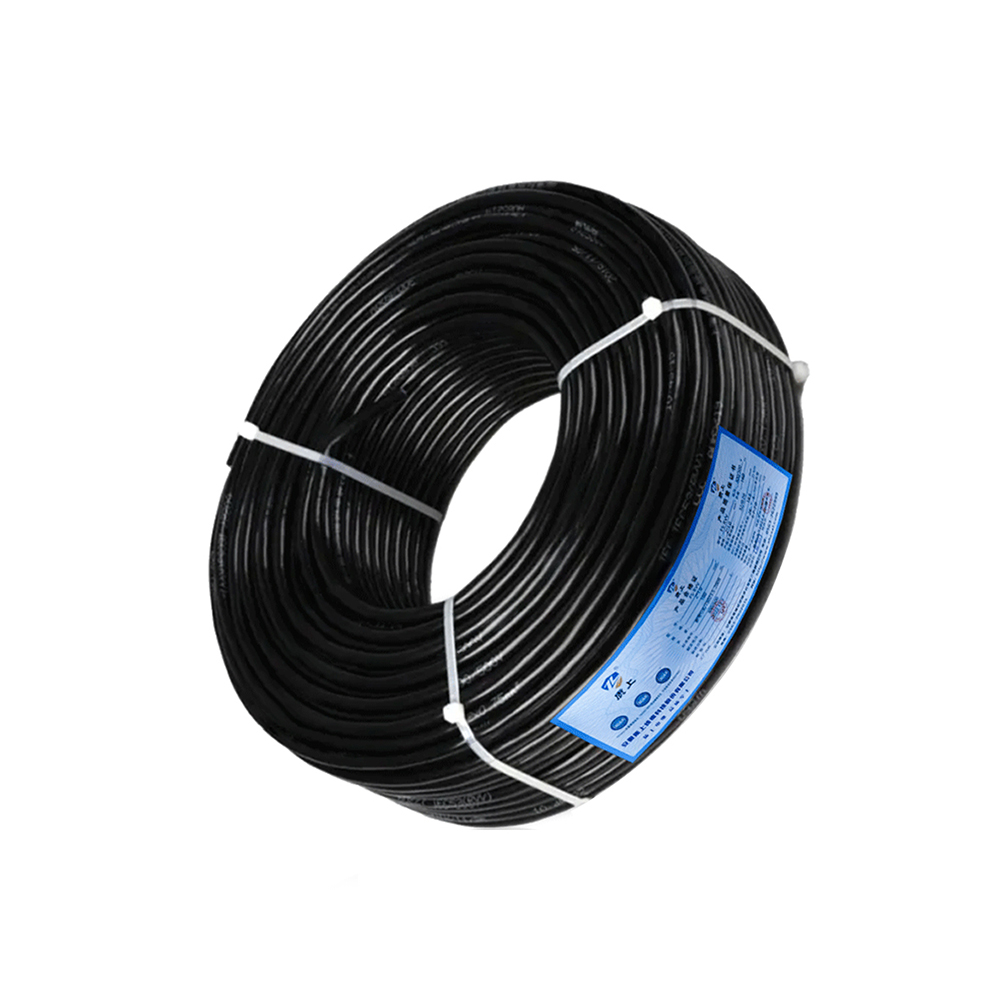

We firmly believe that good cables are not only a competition of materials, but also a reflection of craftsmanship, quality, and responsibility.

Links
Product
Send Inquiry
No. 29 Sankeshu Road, Xuanzhou District, Xuancheng City, Anhui Province, China
+86-18621104555/+86-563-2622999
 Electrical Cable Manufacturer
OEM/ODM Wire and Cable Solutions
Electrical Cable Manufacturer
OEM/ODM Wire and Cable Solutions
 English
 Español
 عربى
عربى
 русский