
Get more content that can help you
Content
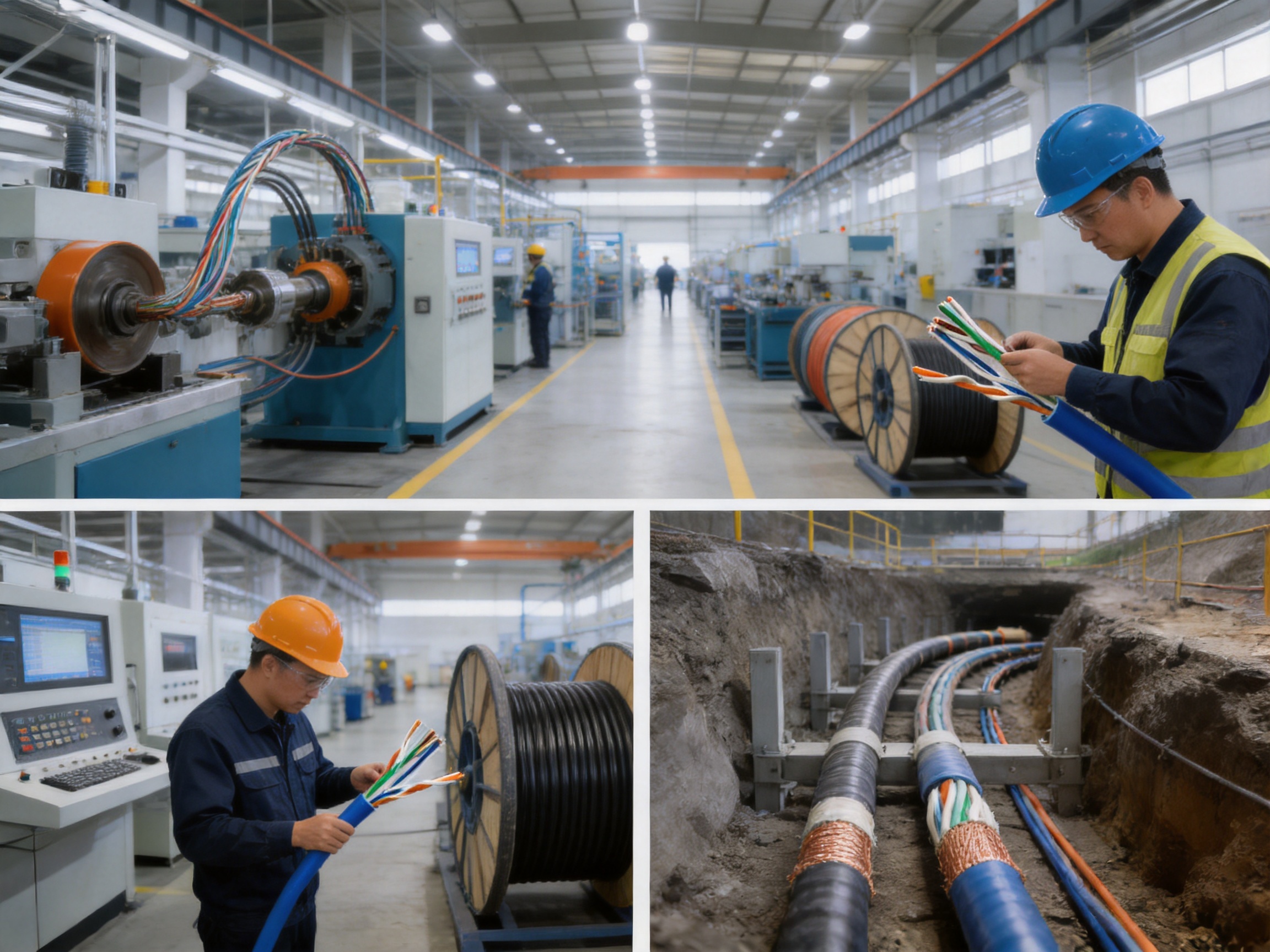
Reliable communication is fundamental to safe and efficient underground mining. Mobile monitoring equipment, inspection robots, portable instruments, moving sensors, and underground communication systems must continue transmitting signals while exposed to vibration, bending, moisture, dust, oil, mechanical movement, and difficult installation conditions. A cable designed only for fixed indoor wiring may perform adequately in a control room but fail prematurely when repeatedly dragged, flexed, coiled, or routed around mobile mining equipment.
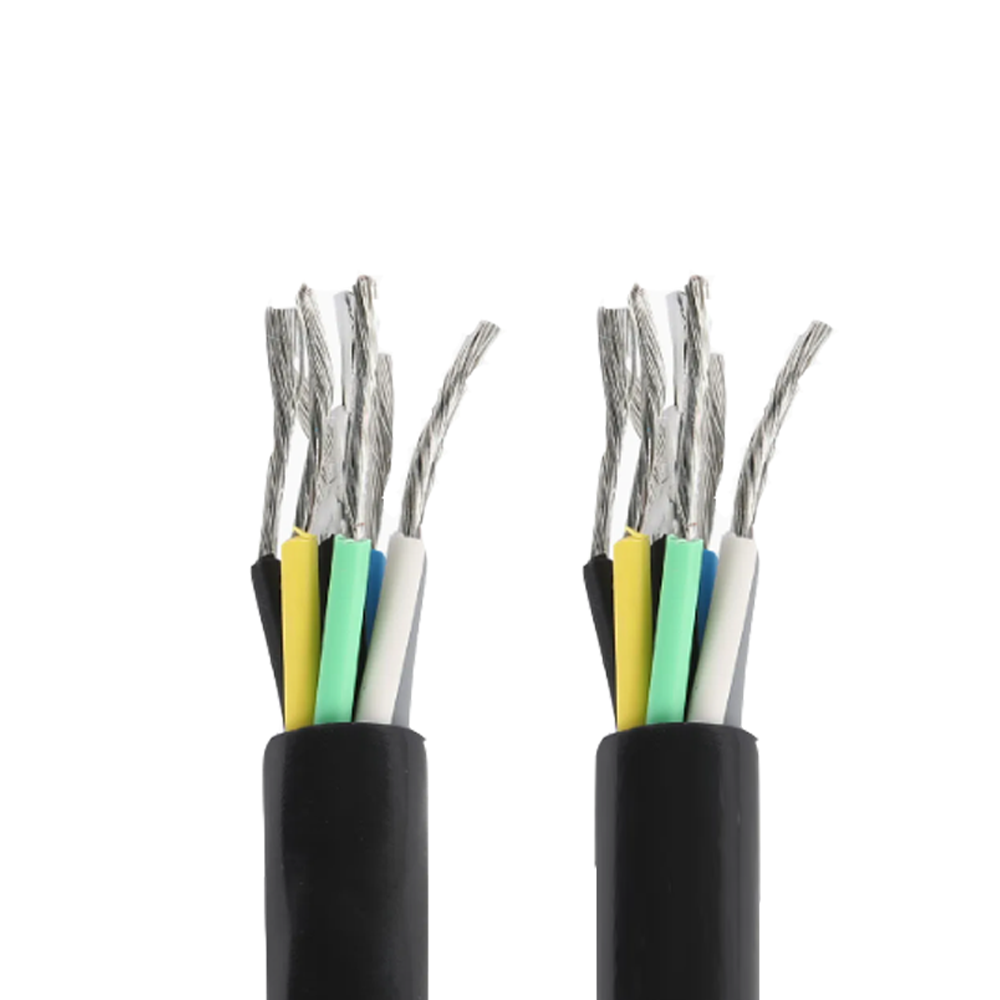
MHYVR is a flexible mining communication cable developed for these demanding conditions. It combines ultra-fine multi-stranded tin-plated copper conductors, high-density polyethylene insulation, and a flame-retardant flexible polyvinyl chloride sheath. The resulting construction provides a practical balance of flexibility, transmission stability, flame-retardant safety, environmental resistance, and installation convenience.
Compared with conventional mining communication cables that use less flexible conductors or standard sheath materials, MHYVR is designed specifically for applications involving frequent movement. Its Class 7 ultra-fine multi-stranded conductor structure allows the cable to bend repeatedly without the rapid fatigue commonly associated with rigid or semi-flexible conductors. The use of tin-plated copper also improves conductor protection in humid and corrosive underground environments.
This article examines the construction, performance, manufacturing process, application value, and technical advantages of MHYVR mining communication cable. It also explains how Anhui Zhishang Cable Technology Co., Ltd. supports product quality through automated production, engineering expertise, testing, OEM/ODM development, and an integrated manufacturing approach.
MHYVR Stable transmission performance Mining Cable
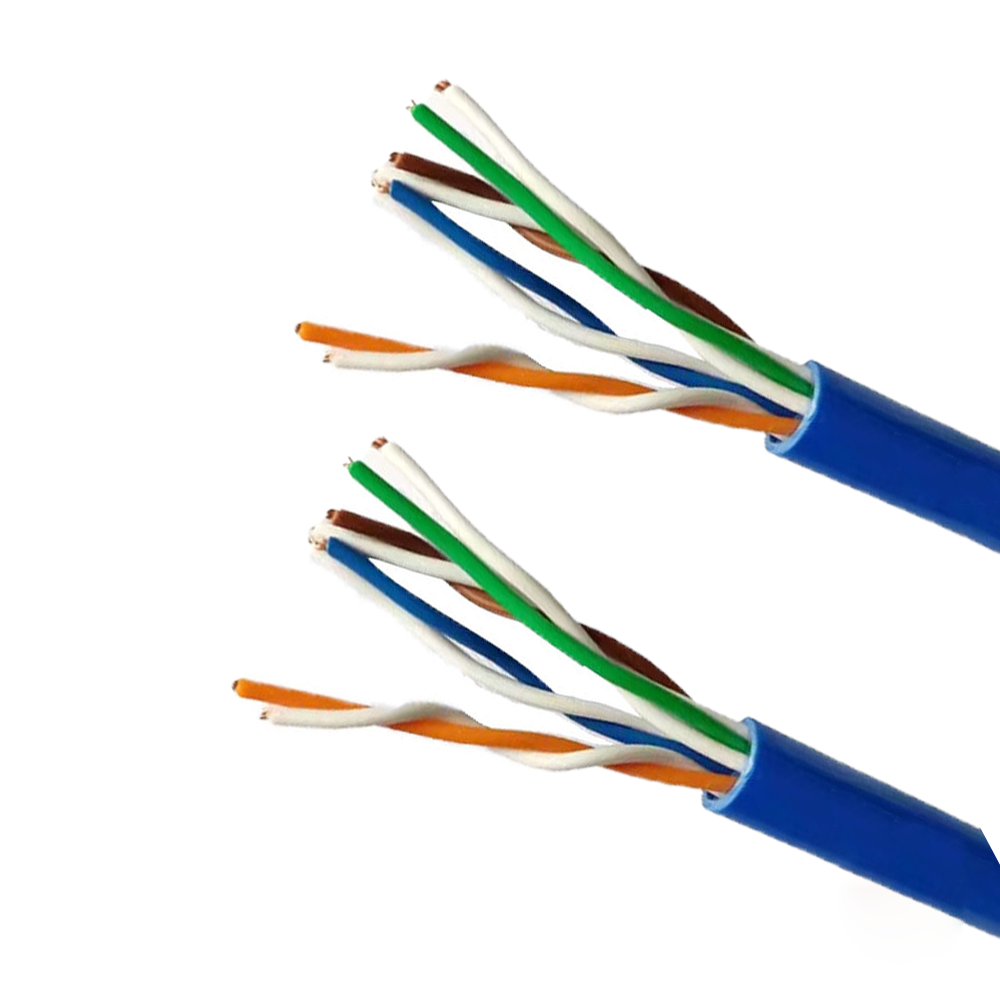
MHYVR is a flexible communication cable intended primarily for mobile equipment and signal transmission systems in underground coal mines and related mining environments. The cable is based on the structural concept of MHYV mining communication cable but incorporates finer, more flexible conductors and a tougher flexible sheath.
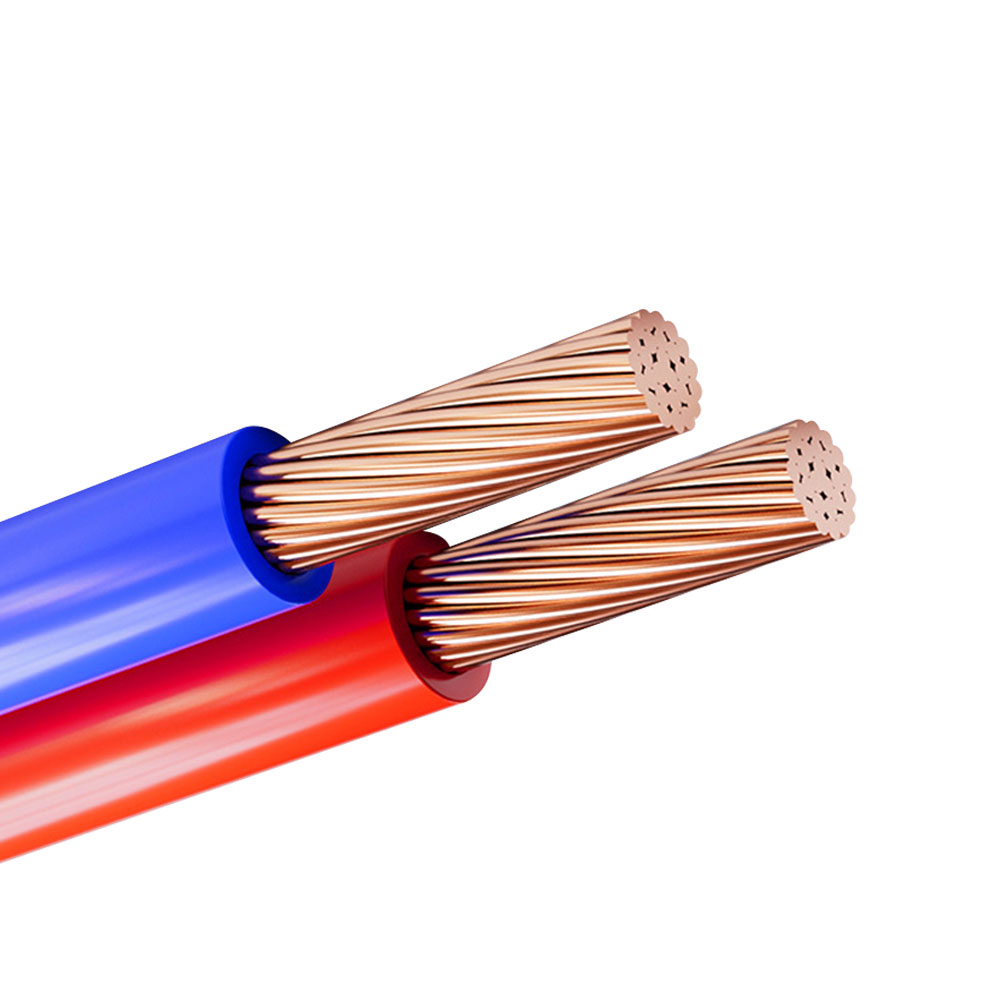
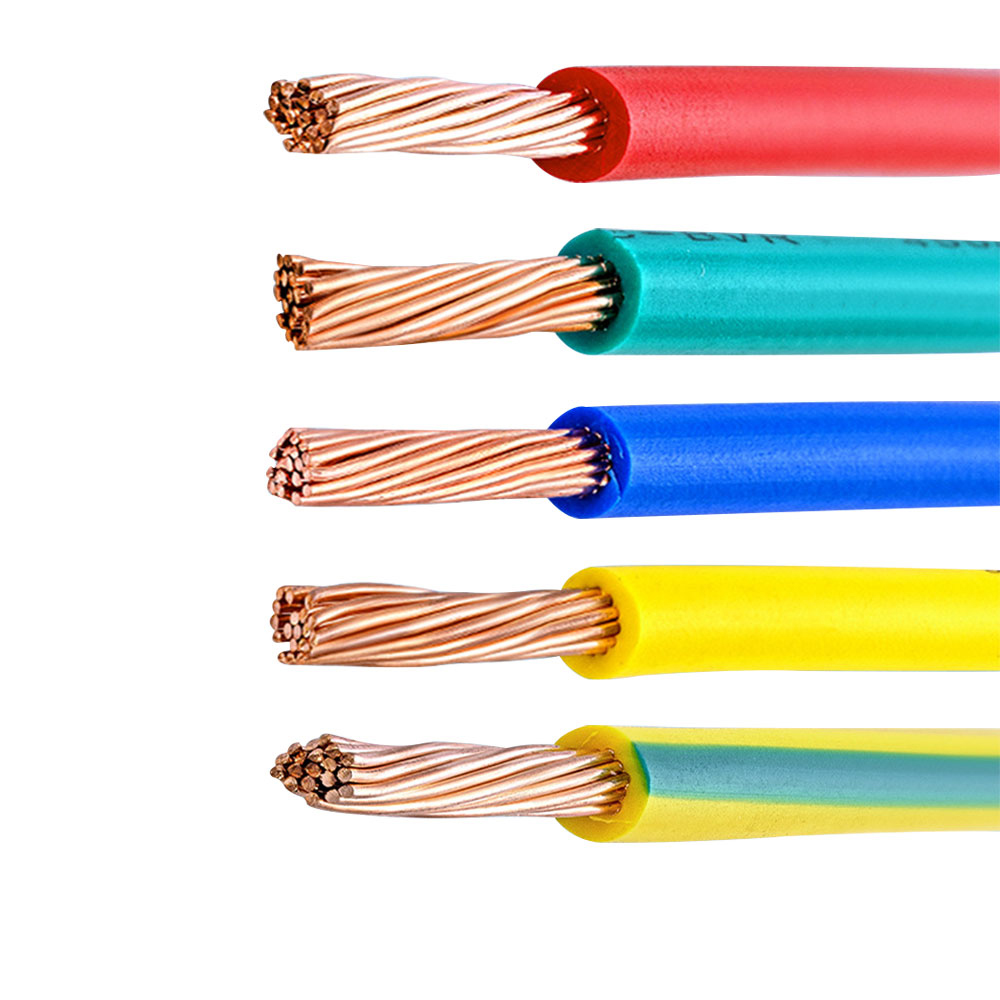
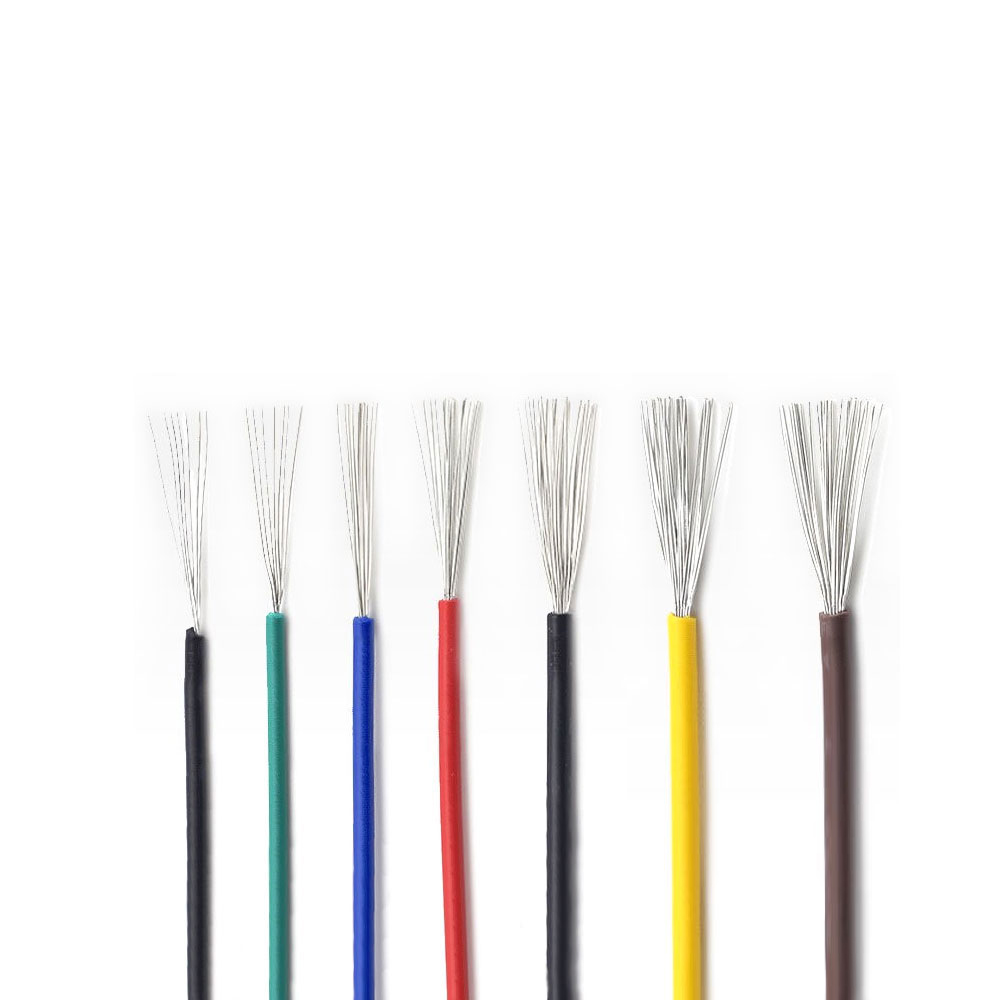
The conductor uses Class 7 ultra-fine multi-stranded tin-plated copper wire. A Class 7 conductor is composed of many fine individual wires, giving it a much smaller bending stiffness than a solid conductor or a cable made with fewer and thicker strands. This design is particularly valuable where the cable must follow the movement of a machine, pass through a flexible energy chain, be repeatedly coiled, or be handled during inspection and maintenance.
High-density polyethylene is used as the primary insulation material. HDPE offers stable dielectric characteristics, good insulation resistance, and reliable low-frequency signal performance. It also provides a consistent insulating layer around each conductor, helping maintain predictable electrical properties during long-term operation.
The outer sheath is made from flame-retardant flexible PVC. The sheath is designed to protect the internal cores against abrasion, moisture, oil exposure, handling stress, and ordinary mechanical contact. Its flexible formulation supports repeated bending while its flame-retardant characteristics are intended to meet the safety expectations associated with underground coal mine applications.
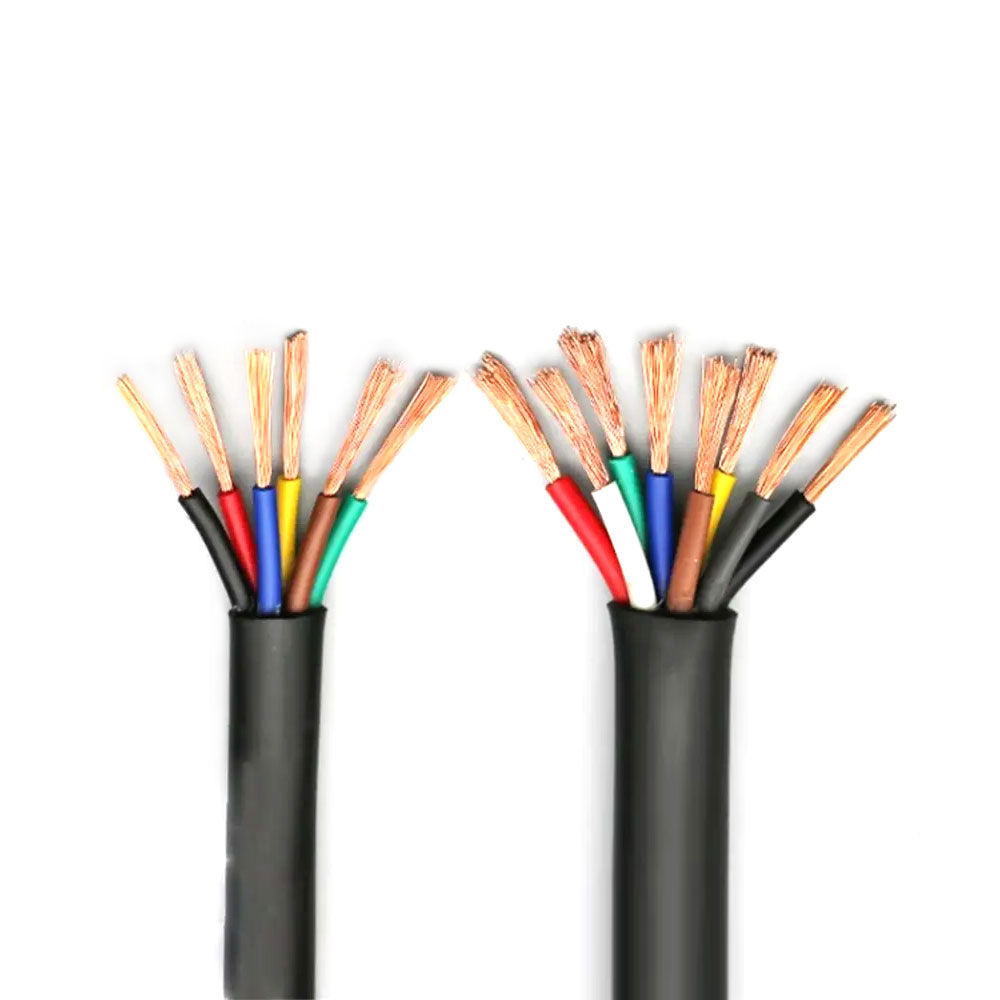
Depending on system requirements, MHYVR can be manufactured with twisted pair or star quad core arrangements. An optional tin-plated copper wire braid shield can also be added when electromagnetic interference suppression is necessary. The shield has a specified coverage of at least 85 percent, providing a practical solution for environments containing motors, switching equipment, power cables, and other sources of electrical noise.
The central performance advantage of MHYVR is its conductor construction. Fine copper strands distribute bending stress across many individual wires rather than concentrating it in a single rigid conductor. When the cable is bent, each strand moves slightly in relation to the others, allowing the complete conductor to flex with reduced resistance.
Tin plating adds an additional protective layer to the copper surface. Underground mines can contain moisture, condensation, dust, salts, chemicals, and other contaminants. Tin-plated copper helps reduce surface oxidation and supports stable contact performance over the service life of the cable. It is also useful when the cable is terminated, stored, handled, or installed in environments where humidity cannot be completely controlled.
The conductor is available in single-core cross-sections from 0.5 mm² to 1.0 mm². This range is suitable for many communication, instrumentation, control, and low-power signal applications. The number of cores can be customized from 1 to 30 cores, with pair or star quad configurations selected according to the transmission system.
Insulation must perform two functions simultaneously: it must prevent electrical leakage and it must maintain consistent signal characteristics. HDPE is well suited to these requirements because of its high insulation resistance and stable dielectric properties.
For MHYVR, the specified insulation resistance is at least 1200 MΩ·km at 20°C. This value indicates a high level of resistance to leakage along the cable length under the stated test condition. High insulation resistance helps preserve circuit integrity, particularly in long cable runs and humid locations where poor insulation can lead to signal degradation or intermittent faults.
HDPE insulation also contributes to the cable’s low-frequency transmission performance. The specified attenuation is no more than 1.2 dB per 100 meters at 1 kHz. While actual system performance depends on cable length, termination, installation conditions, and connected equipment, stable insulation properties provide a reliable basis for communication and monitoring circuits.
The sheath is the cable’s first line of defense against the surrounding environment. MHYVR uses flexible flame-retardant PVC to combine mechanical adaptability with safety performance. The material is intended to resist ordinary abrasion and handling damage while remaining flexible enough for mobile installation.
Mining cables may be routed across uneven surfaces, around equipment frames, through cable supports, or along moving machinery. A sheath that is too rigid may develop cracks during repeated bending, while a sheath that is too soft may offer insufficient mechanical protection. MHYVR uses a toughened flexible sheath formulation to provide a balanced solution.
The sheath is also designed for improved resistance to oil and moisture. These properties are important for underground equipment that may operate near hydraulic systems, lubricants, wet rock surfaces, drainage areas, or maintenance zones. The standard sheath colors are blue or orange, helping operators identify the cable quickly and distinguish it from power wiring or other communication circuits.
The following table summarizes the principal specifications of the MHYVR mining communication cable. Actual product selection should be confirmed against the required core arrangement, installation method, environmental conditions, and applicable project standards.
| Product Model | MHYVR |
| Product Type | Flexible mining communication cable |
| Number of Cores | 1 to 30 cores |
| Core Arrangement | Twisted pair or star quad |
| Conductor | Tin-plated copper, Class 7 ultra-fine multi-stranded |
| Single-Core Cross-Section | 0.5 mm² to 1.0 mm² |
| Rated Voltage | 300/300 V |
| Test Voltage | 1500 V AC for 1 minute |
| Insulation Material | High-density polyethylene |
| Sheath Material | Flame-retardant flexible PVC |
| Optional Shield | Tin-plated copper wire braid, coverage at least 85% |
| Attenuation | ≤ 1.2 dB/100 m at 1 kHz |
| Insulation Resistance | ≥ 1200 MΩ·km at 20°C |
| Capacitance Unbalance | ≤ 200 pF/km |
| Fixed Installation Bending Radius | 6 × cable outer diameter |
| Mobile Installation Bending Radius | 8 × cable outer diameter |
| Long-Term Operating Temperature | -40°C to +65°C |
| Short-Term Overload Temperature | +85°C for 2 hours |
| Flexural Fatigue Resistance | At least 1 million bending cycles at an 80 mm curvature radius |
| Sheath Tear Strength | ≥ 10 N/mm |
| Flame Retardancy | Passes MT 818.1-1999 mining flame-retardant test |
| Standard Sheath Colors | Blue or orange |
Many general-purpose communication cables are suitable for fixed installation but are not optimized for continuous movement. Their conductors may contain fewer, thicker strands, and their sheaths may become stiff at low temperatures or after long-term exposure to mechanical stress. MHYVR addresses this limitation with a fine-stranded Class 7 conductor and a flexible PVC sheath.
The specified flexural fatigue resistance is at least 1 million bending cycles at a curvature radius of 80 mm. The actual service life will depend on bending radius, speed, tension, torsion, temperature, support conditions, and installation quality. Nevertheless, the specification demonstrates that the product is intended for repeated movement rather than occasional repositioning only.
According to the supplied product information, the ultra-fine multi-stranded structure can increase bending life by approximately 50 percent compared with standard models. This improvement can reduce the frequency of cable replacement in applications where mechanical movement is a primary cause of failure.
Communication cables in mines must deliver consistent signals despite long routing distances and challenging environments. MHYVR uses HDPE insulation and controlled core arrangements to support stable electrical characteristics. Twisted pair and star quad structures help organize the conductors and can reduce unwanted coupling between circuits.
The optional braided shield provides additional protection when the cable must operate near variable-frequency drives, motors, switching devices, power conductors, or other sources of electromagnetic interference. With a specified coverage of at least 85 percent, the shield can improve resistance to external noise when correctly grounded and installed.
Low attenuation, high insulation resistance, and controlled capacitance unbalance are important for maintaining signal quality. The specified capacitance unbalance of no more than 200 pF/km helps limit unequal electrical loading within the communication circuit. These characteristics make MHYVR suitable for low-frequency communication and monitoring signals where stable transmission is more important than high-bandwidth data rates.
Flame retardancy is a central requirement for cables used in underground coal mine environments. A cable sheath should not contribute unnecessarily to flame propagation if exposed to an ignition source. MHYVR uses flame-retardant PVC and is specified to pass the MT 818.1-1999 mining flame-retardant test.
Safety performance always depends on the complete installation, including cable routing, protection, termination, grounding, equipment compatibility, and compliance with local regulations. However, selecting a cable designed for mining service provides a stronger foundation than using an unqualified commercial communication cable.
The blue or orange sheath also improves visual identification. Clear cable identification can assist maintenance teams, reduce accidental interference with power wiring, and make inspection work more efficient in areas where lighting and access are limited.
Underground mining conditions are often humid, dusty, and mechanically demanding. Water may enter cable routes through seepage or condensation. Oil and grease may be present around moving machinery. Temperature may vary considerably between different sections of a mine or between operating and idle conditions.
MHYVR is specified for long-term operation from -40°C to +65°C, with short-term exposure up to +85°C for two hours. This range provides flexibility for many underground and industrial applications, although project engineers should verify ambient temperature, conductor heating, ventilation, and local installation requirements before final selection.
The flexible PVC sheath is designed to resist moisture and oil exposure, while the tin-plated conductor provides additional protection against surface oxidation. Together, these materials help preserve mechanical and electrical performance in damp operating areas.
Mining communication systems are frequently modified as working faces advance, equipment is relocated, and temporary monitoring points are added. A cable that is easy to carry, deploy, coil, and retract can reduce installation time and physical effort.
MHYVR is designed with a relatively simple communication cable structure. It does not require the heavy construction normally associated with high-current power cables, yet it provides the flexibility required for mobile signal connections. This makes it practical for portable instruments, sensor networks, inspection equipment, and temporary communication routes.
Purchase price is only one part of cable cost. Repeated failures create additional expenses through equipment downtime, troubleshooting, replacement labor, transport, and lost production time. A cable that lasts longer under repeated movement can provide better total cost performance even when its initial price is not the lowest available.
MHYVR is positioned as an economical option among non-shielded flexible mining communication cables. For projects that do not require a shield, the standard construction can provide a cost-effective solution. Where interference is a concern, the shielded version allows users to upgrade protection without changing to an entirely different cable family.
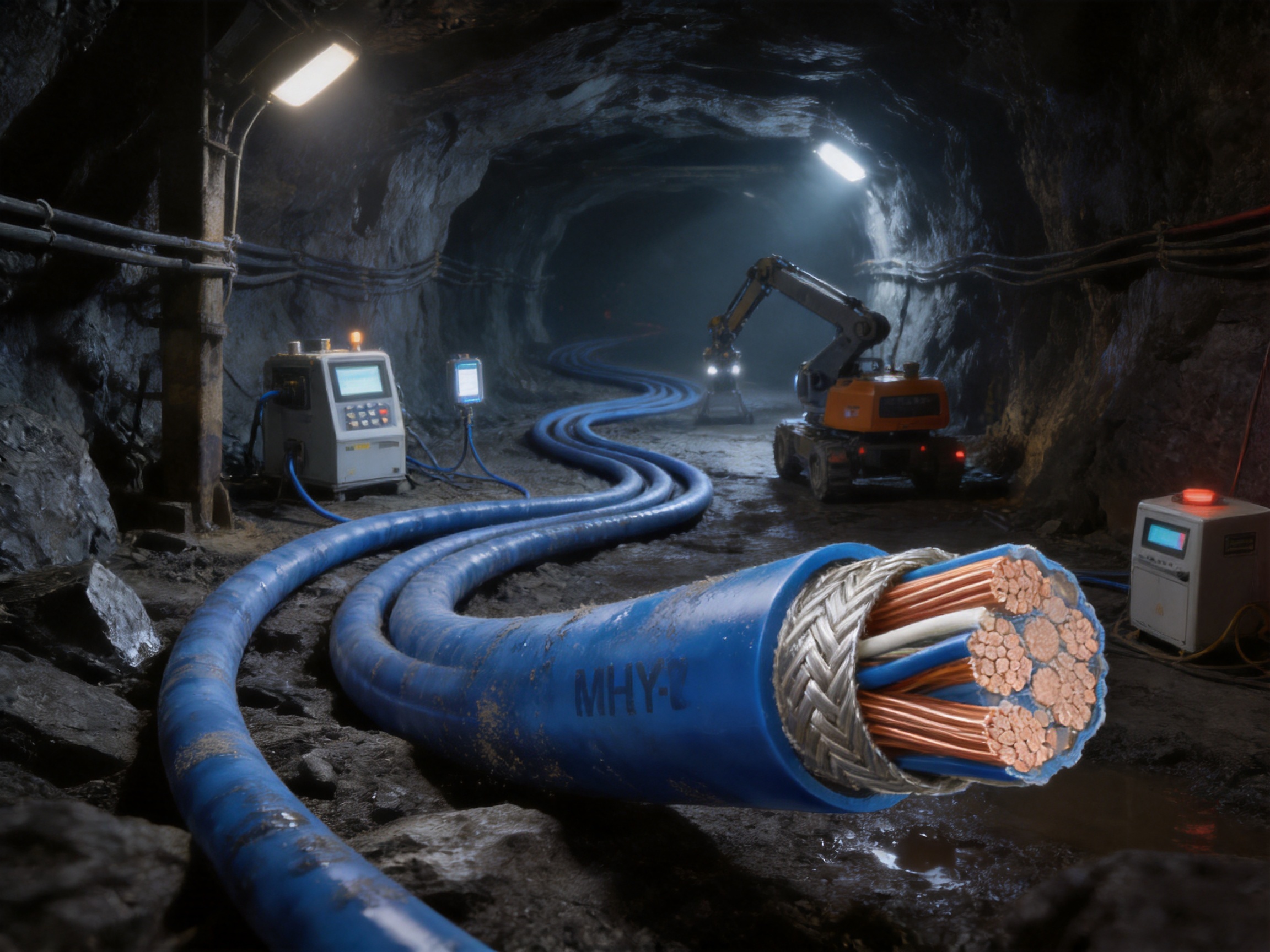
Mobile communication equipment may be moved between work areas, connected to temporary network points, or mounted on vehicles and machinery. The cable must tolerate repeated coiling, bending, and repositioning without rapid conductor fatigue. MHYVR is suitable for signal connections between such equipment and fixed communication or control systems.
Portable gas monitors, environmental instruments, diagnostic devices, and inspection systems often require cables that can be carried through narrow passages and connected in changing locations. The cable’s light weight and flexible construction simplify deployment, while the HDPE insulation supports stable low-frequency transmission.
Inspection robots may operate in areas that are difficult or unsafe for personnel. A communication cable connected to a robot can experience continuous movement, changes in direction, vibration, and contact with rough surfaces. MHYVR can be used for signal transmission between the robot and its control or monitoring station, provided that the cable’s mechanical loads remain within the design limits.
Mining faces and production areas may use sensors to monitor equipment status, environmental conditions, vibration, temperature, or process parameters. Some sensors are fixed, while others move with machinery or are periodically relocated. MHYVR supports flexible connections for these moving sensor applications and can be manufactured with the core count required by the monitoring system.
Mining operations frequently change. A cable route that is correct today may need to be extended, shortened, moved, or recovered later. MHYVR is suitable for temporary and semi-permanent communication routes where the cable must be installed and removed repeatedly.
It can also be considered for industrial automation, machinery communication, equipment interconnection, and other low-voltage signal applications that require a flexible flame-retardant cable. Suitability should always be confirmed against the voltage, data rate, environmental exposure, mechanical load, and regulatory requirements of the specific project.
MHYVR is available as a non-shielded cable for applications where the electromagnetic environment is relatively clean. This configuration offers a simple structure, lower weight, and economical installation. It is appropriate for many communication and monitoring circuits routed away from high-power equipment.
When the cable must be installed near motors, inverters, switching systems, transformers, or power cables, electromagnetic interference may cause unwanted noise or signal instability. In these situations, an optional tin-plated copper braid shield can be specified. The braid provides a conductive barrier around the insulated cores and is designed with at least 85 percent coverage.
Shield performance depends on more than coverage alone. Correct grounding, connector design, bonding continuity, cable routing, and separation from high-voltage conductors are equally important. The shield should be connected according to the system grounding plan and applicable electrical safety procedures. Improperly terminated shields may provide limited benefit or create undesirable ground-current paths.
The choice between shielded and non-shielded construction should therefore be based on an assessment of the electromagnetic environment. Selecting a shielded cable for every application may increase cost and weight unnecessarily, while selecting a non-shielded cable in a high-noise environment may lead to avoidable communication problems.
Manufacturing quality begins with material control. Copper conductors, tin plating, HDPE insulation compounds, PVC sheath compounds, shielding wires, fillers, and packaging materials must be checked before entering production. Consistent raw materials help stabilize conductor resistance, insulation thickness, sheath performance, flexibility, and flame-retardant behavior.
For a flexible mining cable, copper strand diameter and strand consistency are especially important. Ultra-fine wires must be controlled carefully because variations can affect stranding quality and fatigue performance. Tin-plated copper should be examined for surface uniformity, adhesion, and cleanliness. Insulation and sheath compounds should be verified against the specified processing and performance requirements.
The manufacturing process begins with copper preparation and fine wire drawing. Copper rod is reduced through controlled dies to produce the required fine wire diameter. Drawing conditions must be managed to avoid excessive work hardening, surface damage, or dimensional variation.
After drawing and tin plating, the fine wires are stranded together to form the Class 7 conductor. Stranding equipment controls lay length, tension, compactness, and roundness. Excessive tension can reduce flexibility, while insufficient control may create loose strands, uneven diameter, or poor dimensional stability.
For MHYVR, the purpose of the stranding process is not simply to create a conductor with the required cross-sectional area. It is also to provide a uniform and flexible structure that can withstand repeated bending. The conductor must remain stable during insulation extrusion, core assembly, cable twisting, and final handling.
HDPE insulation is applied through an extrusion process. The extrusion line must control temperature, pressure, concentricity, surface finish, and insulation thickness. A stable insulating layer helps ensure that the conductor remains centered and that the finished cable meets electrical requirements.
Online diameter monitoring and spark testing can help identify defects during production. Spark testing is used to detect pinholes or other insulation discontinuities. Sections that fail inspection can be removed or reprocessed according to the manufacturer’s quality procedures.
After extrusion, insulated cores may undergo dimensional measurement, insulation resistance testing, and visual inspection. These checks help confirm that the cores are ready for pairing, quad formation, or final assembly.
Communication performance can be influenced by the geometric relationship between conductors. Twisted pair construction helps maintain a consistent spacing and reduces the likelihood of excessive coupling. Star quad construction arranges four conductors in a balanced configuration for communication circuits that require specific electrical characteristics.
During pairing or quad assembly, the production line controls the twist length and tension. Inconsistent twist can contribute to capacitance unbalance, impedance variation, or increased signal coupling. Careful process control is therefore important for stable transmission performance.
For shielded versions, the assembled cores are surrounded by a tin-plated copper wire braid. The braiding process must achieve the specified coverage while preserving cable flexibility. Braid tension, angle, wire diameter, and overlap influence shield continuity and mechanical behavior.
A braid that is too tight may restrict bending, while a braid that is too loose may reduce coverage or move excessively during sheath extrusion. The target of at least 85 percent coverage provides a defined manufacturing benchmark. Finished shield continuity and visual condition should be checked before the outer sheath is applied.
Flame-retardant flexible PVC is extruded over the assembled cores or shield. The extrusion process must provide consistent thickness, smooth surface quality, strong adhesion where required, and proper dimensional control.
The sheath compound is selected to balance flexibility, tear strength, oil resistance, moisture resistance, abrasion resistance, and flame-retardant behavior. The specified sheath tear strength is at least 10 N/mm. This property is important when the cable is pulled through supports, handled during installation, or exposed to localized cuts and mechanical contact.
Color control is also part of the sheath process. Blue or orange outer jackets make the product easier to identify in complex mine cable systems. Consistent color helps maintenance personnel distinguish communication cables from control, instrumentation, and power cables.
Finished cable undergoes electrical, dimensional, mechanical, and appearance inspections. Typical checks include conductor continuity, insulation resistance, withstand voltage, capacitance characteristics, attenuation, sheath dimensions, bending behavior, and visual quality.
The specified test voltage is 1500 V AC for one minute. This test is used to evaluate insulation integrity under the stated condition. Testing procedures should be performed by trained personnel with suitable equipment and appropriate safety controls.
Flame-retardant performance is evaluated according to the applicable mining test requirement. Production records, material batches, process parameters, test results, and packaging information can be maintained to improve traceability and support customer quality documentation.
Anhui Zhishang Cable Technology Co., Ltd. integrates research and development, production, and sales within one organization. This integrated structure allows product requirements to move directly between technical, manufacturing, and customer service teams.
The company operates a modern production base of approximately 5,000 square meters and has more than 50 employees, including quality engineers and research and development technicians. Its technical personnel include professionals with more than 10 years of industry experience. This combination of practical manufacturing knowledge and engineering capability supports the development of cables for specific equipment and project requirements.
The production facility includes 10 automated production lines, with a reported monthly output of up to 10 million meters. Automation can improve repeatability in wire drawing, stranding, insulation extrusion, sheath extrusion, measuring, and packaging. High production capacity also helps the company maintain supply continuity for standard products and larger project orders.
Manufacturing scale is valuable, but scale alone does not guarantee quality. The company emphasizes full-core and full-length pure copper specifications, product test reports, and warranty support for standard cable models. These measures are intended to give customers greater confidence that the delivered cable corresponds to the agreed construction and performance requirements.
Standard products may be stocked for fast shipment, while customized products typically require a lead time of 7 to 20 days. This combination of stock availability and custom manufacturing helps customers balance urgent replacement needs with specialized project requirements.
The company also supports OEM and ODM development based on customer drawings, samples, or defined technical requirements. Engineers can assist with conductor size, number of cores, pair or quad arrangement, shielding, sheath color, cable length, marking, packaging, and waterproof termination treatment.
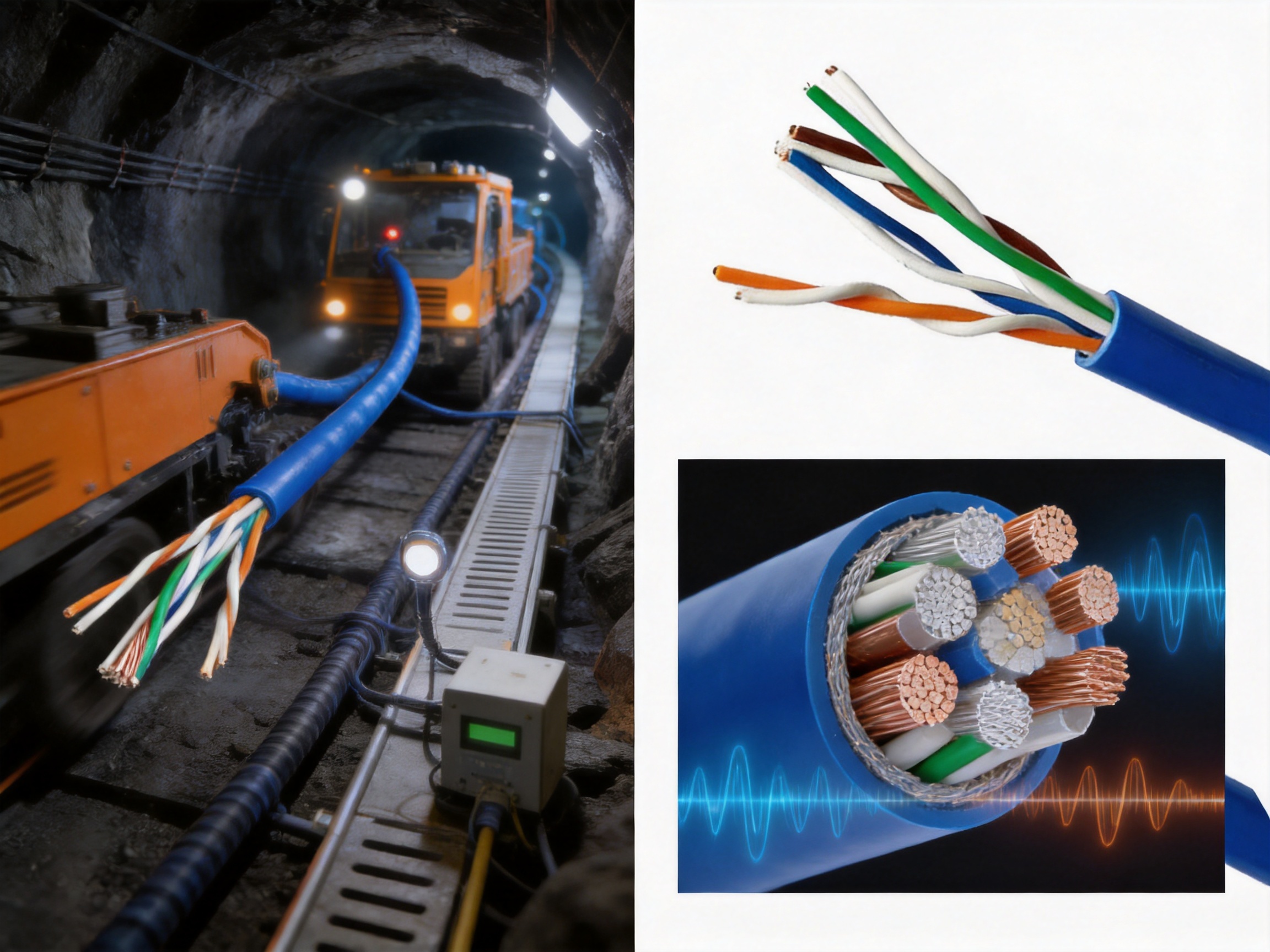
MHYVR can be produced with 1 to 30 cores. Twisted pair and star quad structures are available for different communication architectures. Customers should provide the number of signal channels, conductor cross-section, system voltage, transmission frequency, and termination method when requesting a design.
The optional tin-plated copper braid shield is suitable for installations where noise suppression is important. Customers can specify whether shielding is required for the complete cable, selected pairs, or a particular system configuration, subject to engineering review and manufacturing feasibility.
Cable length can be customized according to installation requirements. Short lengths may be supplied for equipment connections, while longer continuous lengths can reduce the number of joints in extended routes. Packaging should be selected to prevent excessive bending, crushing, moisture exposure, and deformation during transportation.
Waterproof termination treatment is available for applications where cable ends may be exposed to moisture or temporary immersion. The cable itself should not be treated as permanently submersible unless the complete product and termination system have been specifically designed and tested for that service. Waterproofing requirements should be defined before production.
Blue and orange are the typical sheath colors. Other identification requirements, including printed markings, meter marks, batch codes, customer references, and packaging labels, may be discussed during the technical quotation process.
Proper installation is essential for obtaining the expected performance of a flexible mining communication cable. Even a highly flexible cable can be damaged by excessive pulling tension, sharp edges, crushing, twisting, or bending below its minimum radius.
For fixed installation, the recommended minimum bending radius is 6 times the cable outer diameter. For mobile installation, the recommended minimum bending radius is 8 times the cable outer diameter. These values should be treated as minimum guidance rather than targets for routine operation. Where space allows, a larger bending radius will generally reduce mechanical stress.
During installation, the cable should not be dragged over sharp rock edges, unprotected metal corners, or abrasive surfaces. Cable supports should be sized correctly and should not compress the sheath. Fasteners should hold the cable securely without producing concentrated pressure points.
In mobile applications, the cable path should be checked for excessive torsion and uncontrolled loops. Repeated twisting can be more damaging than simple bending. If the cable is used in a moving chain or guided system, the chain radius, travel speed, acceleration, and cable arrangement should be reviewed to ensure compatibility.
Cables should be separated from high-power conductors when possible. If parallel routing is unavoidable, appropriate spacing, crossing angles, shielding, grounding, and system-level filtering should be considered. The shield should be terminated according to the electrical design rather than left disconnected without technical justification.
Before commissioning, installers should check continuity, insulation resistance, termination quality, identification, and routing condition. Any cable with visible cuts, severe flattening, exposed conductor, or sheath damage should be removed from service or evaluated by qualified personnel.
Regular inspection can identify problems before they cause communication failure. Maintenance teams should look for sheath cuts, abrasion, swelling, flattening, discoloration, exposed braid, loose supports, damaged connectors, and areas where the cable is rubbing against moving equipment.
Inspection frequency should reflect the application. A stationary cable in a protected route may require less frequent examination than a cable connected to a moving robot or mining machine. High-cycle applications should be inspected during planned equipment maintenance and after unusual events such as a jam, collision, flooding, or excessive pulling force.
Moisture should be prevented from entering cable ends. Even when the cable sheath is moisture-resistant, poorly sealed terminations can allow water to migrate into the conductor and insulation system. Where the application requires it, waterproof termination treatment should be specified and installed according to the supplier’s instructions.
Communication faults should be investigated systematically. Possible causes include connector damage, grounding problems, electromagnetic interference, excessive cable length, insulation deterioration, mechanical fatigue, incorrect core identification, or a fault in the connected equipment. Replacing the cable without identifying the failure mechanism may lead to repeated problems.
Maintaining records of cable location, installation date, operating conditions, inspection findings, and replacement history can help determine the practical service life of the cable. These records are also useful when selecting between standard and shielded designs for future installations.
Mining cable selection often involves more than choosing a model number. The correct product depends on the equipment movement, installation route, temperature, moisture, oil exposure, electrical noise, core configuration, and local safety requirements. Technical support can help prevent the common mistake of selecting a cable based only on conductor size or rated voltage.
Zhishang provides product selection guidance and tailor-made cable design solutions. Customers can submit drawings, samples, cable schedules, or application descriptions for engineering evaluation. This is useful when an existing cable must be matched, when a machine manufacturer requires a special connection, or when a project needs a combination of flexibility, shielding, and waterproof termination.
The company’s OEM/ODM capability also supports private-label supply, customized packaging, special lengths, and project-specific production. A direct connection between research and development and manufacturing can shorten communication cycles and reduce misunderstandings during product development.
International customers may also benefit from documentation support, including technical specifications, test reports, product labels, packing information, and shipment coordination. Requirements vary by country and project, so certification and compliance documentation should be confirmed before purchase.
MHYVR is mainly used for mobile communication and signal transmission in underground coal mines. Typical applications include mobile mining equipment, portable monitoring instruments, inspection robots, moving sensors, and communication connections that require repeated bending.
MHYVR uses finer Class 7 multi-stranded tin-plated copper conductors and a flexible, toughened PVC sheath. This construction gives it greater flexibility and bending resistance than a conventional cable designed primarily for less demanding movement conditions.
Yes. MHYVR can be used for fixed installation, with a recommended minimum bending radius of 6 times the cable outer diameter. Its flexible construction is especially valuable when future relocation, maintenance access, or occasional movement is expected.
The recommended minimum bending radius for mobile installation is 8 times the cable outer diameter. A larger radius is preferable when practical, particularly for high-cycle applications or routes involving continuous motion.
The standard product may be supplied without shielding for economical use in relatively quiet electromagnetic environments. An optional tin-plated copper wire braid shield with coverage of at least 85 percent is available when additional interference suppression is required.
The cable can be manufactured with twisted pair or star quad structures. The number of cores can generally range from 1 to 30, and the single-core cross-section can be selected from approximately 0.5 mm² to 1.0 mm² according to the application.
The insulation is high-density polyethylene, selected for stable dielectric properties and high insulation resistance. The outer sheath is flame-retardant flexible PVC, selected for flexibility, mechanical protection, moisture resistance, and oil resistance.
The specified rated voltage is 300/300 V. The cable should be used only within the electrical and environmental limits confirmed for the specific installation and applicable regulations.
The long-term operating temperature range is -40°C to +65°C. Short-term overload operation is specified at +85°C for up to two hours. Actual temperature suitability should consider ambient conditions, conductor loading, ventilation, and installation method.
The flexible PVC sheath is designed to resist moisture, and tin-plated conductors provide improved protection against surface oxidation. However, water protection depends heavily on the cable ends, connectors, joints, and routing. Waterproof termination should be specified when the application requires it.
The supplied specification states that MHYVR passes the MT 818.1-1999 mining flame-retardant test. Customers should request current test documentation and confirm the exact regulatory requirements of the destination country or mining project.
The stated flexural fatigue resistance is at least 1 million bending cycles at a curvature radius of 80 mm. Actual performance depends on speed, tension, torsion, temperature, support, surface contact, and other installation conditions.
Yes. Customization may include core count, cross-sectional area, pair or star quad configuration, shield, cable length, sheath color, printed identification, packaging, and waterproof termination treatment. OEM and ODM development can also be based on drawings or samples.
Useful information includes application type, fixed or mobile installation, number of cores, conductor size, approximate cable length, operating temperature, moisture or oil exposure, electromagnetic environment, bending radius, movement speed, shielding requirement, termination type, and applicable standards.
A specialized mining cable is designed with the environmental, mechanical, and safety challenges of mining in mind. MHYVR combines flexible conductors, a flame-retardant sheath, stable insulation properties, optional shielding, and a construction intended for repeated movement. These features can improve reliability and reduce replacement-related downtime.
MHYVR is a practical solution for underground communication and signal circuits that must remain flexible, stable, and safe during repeated movement. Its ultra-fine multi-stranded tin-plated copper conductors provide a clear advantage over less flexible conductor constructions. HDPE insulation supports high insulation resistance and stable low-frequency transmission, while the flame-retardant flexible PVC sheath provides protection against common underground environmental stresses.
The cable’s 300/300 V rating, 1500 V AC test voltage, low attenuation, controlled capacitance unbalance, optional 85 percent coverage braid shield, and stated million-cycle flexural performance make it suitable for a broad range of mobile mining communication applications. The choice of core count, pair or star quad arrangement, shield, color, length, and termination treatment allows the cable to be adapted to different equipment and project requirements.
Anhui Zhishang Cable Technology Co., Ltd. strengthens this product offering through integrated research and development, automated production, experienced technical personnel, quality inspection, OEM/ODM services, and flexible delivery options. Its production capacity and customization capability enable the company to support both standard replacement requirements and specialized cable development.
For underground mobile equipment, inspection robots, portable monitoring instruments, moving sensors, and similar applications, the correct cable can have a direct effect on communication reliability and maintenance cost. MHYVR provides a balanced combination of flexibility, electrical stability, environmental adaptability, flame-retardant safety, and economic practicality for demanding mining environments.
1. Product technical specification for MHYVR flexible mining communication cable, supplied manufacturer documentation.
2. MT 818.1-1999, mining flame-retardant cable testing reference.
3. General principles for electrical cable insulation resistance, withstand voltage, and continuity testing.
4. Technical guidance for flexible cable installation, minimum bending radius, and repeated-motion applications.
5. Manufacturer information concerning production capability, OEM/ODM development, quality assurance, and customized cable solutions.

We firmly believe that good cables are not only a competition of materials, but also a reflection of craftsmanship, quality, and responsibility.

Links
Product
Send Inquiry
No. 29 Sankeshu Road, Xuanzhou District, Xuancheng City, Anhui Province, China
+86-18621104555/+86-563-2622999
 Electrical Cable Manufacturer
OEM/ODM Wire and Cable Solutions
Electrical Cable Manufacturer
OEM/ODM Wire and Cable Solutions
 English
 Español
 عربى
عربى
 русский