

Get more content that can help you
Content
Modern buildings, industrial facilities, transportation infrastructure, and public spaces depend on electrical systems that must remain safe and functional under demanding conditions. A cable installed in a critical circuit is expected to provide reliable power transmission during normal operation, resist mechanical and environmental stress, limit electromagnetic interference, and help preserve circuit integrity during a fire. These requirements become even more important in data centers, hospitals, laboratories, tunnels, underground utility corridors, intelligent buildings, and densely occupied public facilities.
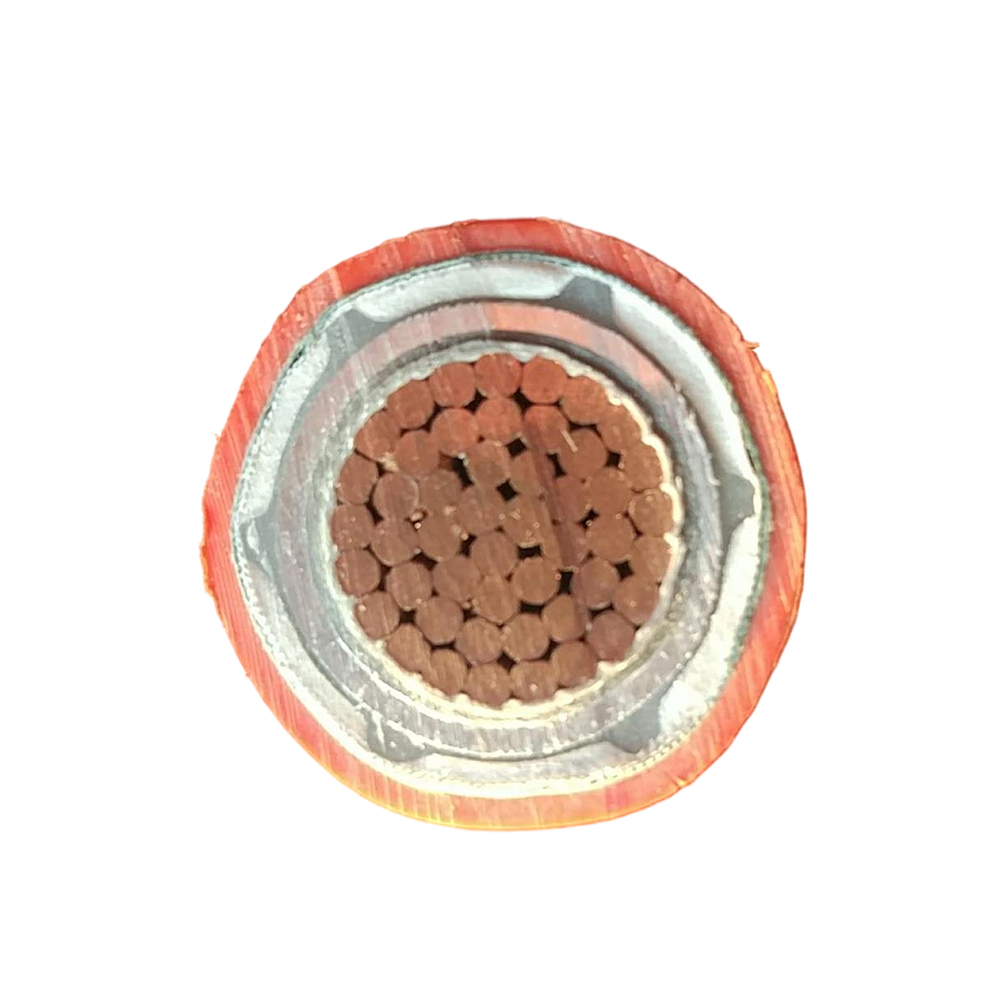
WDZ(A/B/C/D)N-RYJYP is designed as a fire-resistant, shielded, halogen-free, low-smoke building wire for applications where electrical continuity, signal stability, and fire safety must be considered together. Its construction combines a fine-stranded copper conductor, irradiated cross-linked polyethylene insulation, a fire-resistant layer, electromagnetic shielding, and an irradiated cross-linked or halogen-free low-smoke protective sheath. This integrated design allows the cable to address several common weaknesses found in conventional building wires, including limited fire endurance, poor shielding performance, excessive smoke generation, and reduced flexibility during installation.
The product family covers flame-retardant grades A, B, C, and D, allowing project designers to select a suitable performance level according to the fire-risk classification of a building or installation area. The N designation identifies the fire-resistant structure, while the RYJYP construction indicates a flexible irradiated cross-linked cable with insulation, sheathing, and shielding characteristics. Depending on the specific design, the cable may be supplied with copper braid shielding, copper tape shielding, aluminum-polyester composite tape, a drain wire, or a combination of shielding layers.
In addition to its technical construction, the product benefits from the manufacturing capabilities of Anhui Zhishang Cable Technology Co., Ltd. The company integrates research and development, production, quality control, and sales in one organization. Its manufacturing base covers approximately 5,000 square meters and includes ten automated production lines. With a monthly output of up to 10 million meters, the company can support both standard product supply and customized OEM or ODM cable development.
This article explains the product structure, performance, application value, manufacturing process, quality advantages, selection considerations, and project suitability of WDZ(A/B/C/D)N-RYJYP. It also compares the product’s integrated approach with more basic cable constructions and provides practical answers to common technical and purchasing questions.
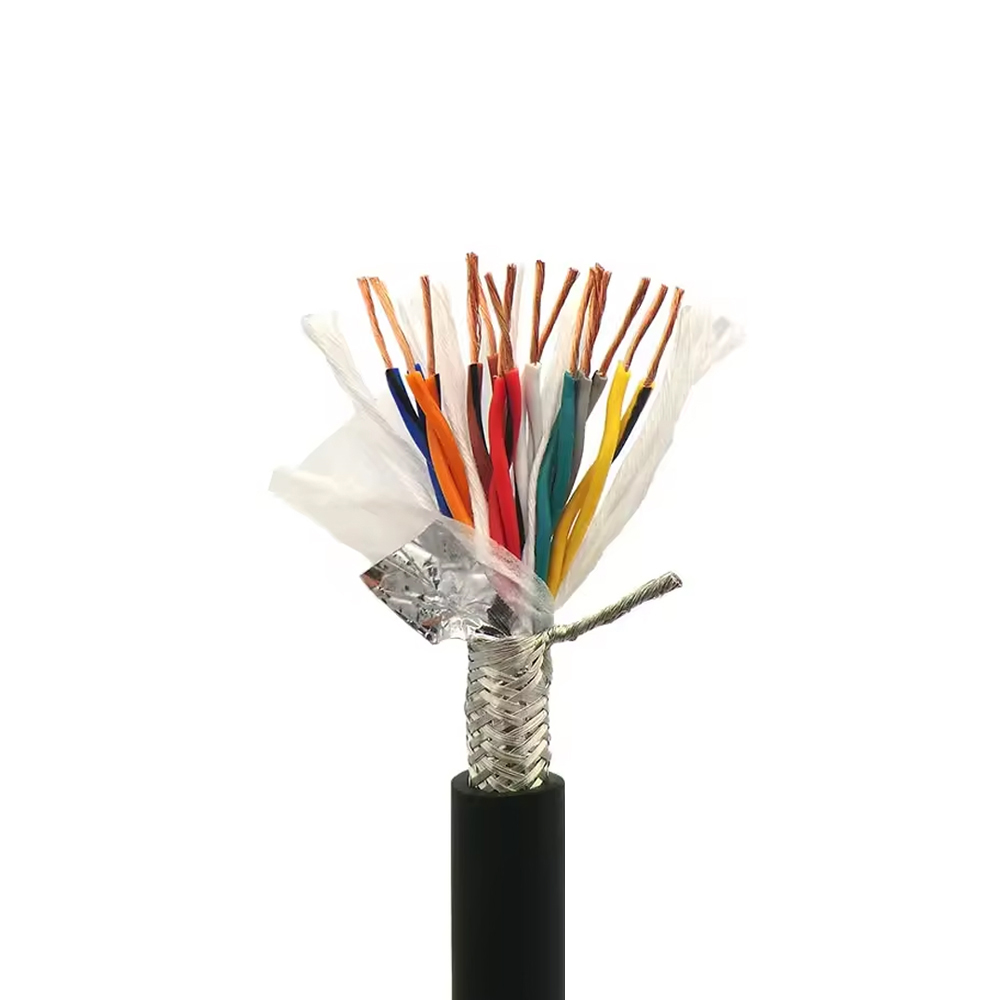
WDZ(A/B/C/D)N-RYJYP Good insulation Building Wire
The designation WDZ(A/B/C/D)N-RYJYP contains important information about the cable’s intended performance. WDZ generally identifies a halogen-free, low-smoke, flame-retardant cable structure. The letters A, B, C, and D represent different flame-retardant grades, with Grade A representing the highest level within this classification and Grade D representing the basic level. The N designation indicates fire-resistant performance. RYJYP refers to a flexible cable construction using irradiated cross-linked polyethylene insulation and sheathing, together with a shielding layer.
The product is therefore not simply a conventional building wire. It is a multi-functional cable designed to combine power transmission, fire resistance, electromagnetic compatibility, environmental safety, and installation flexibility. This combination is particularly valuable when a project cannot treat power reliability and fire safety as separate design issues.
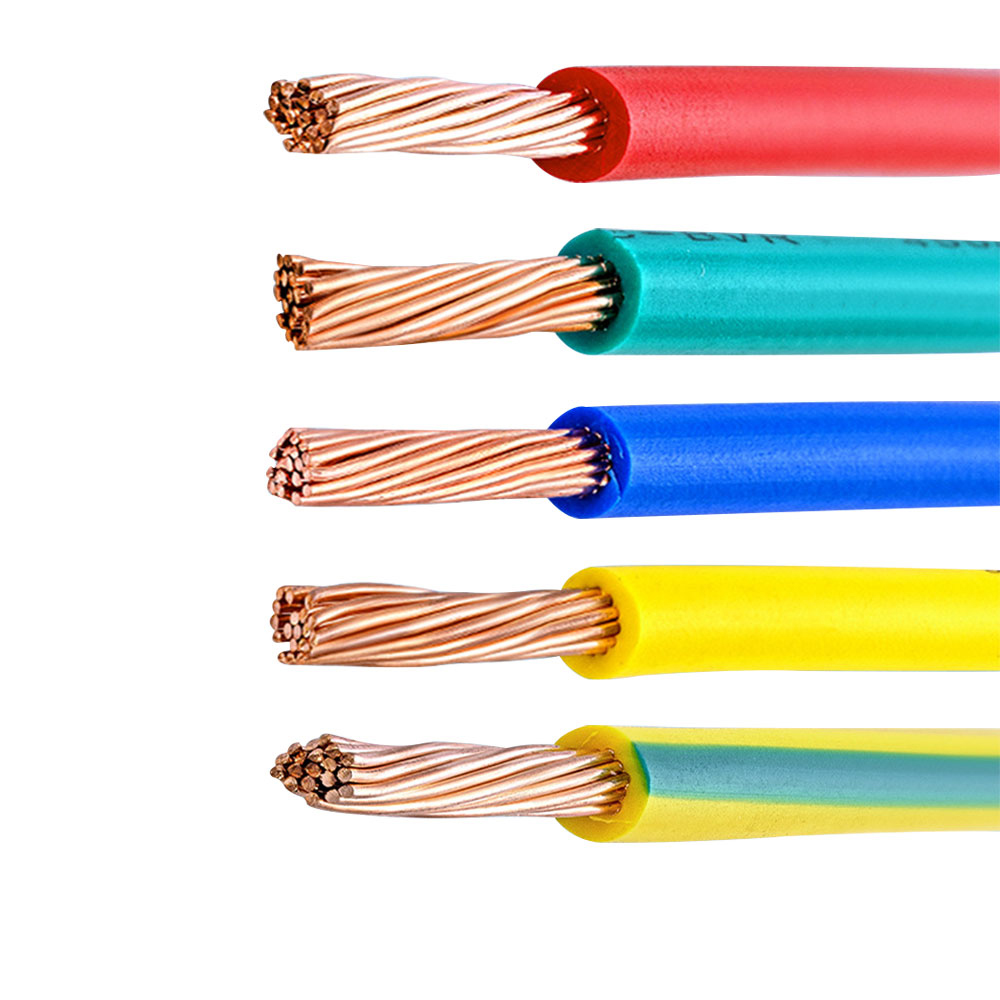
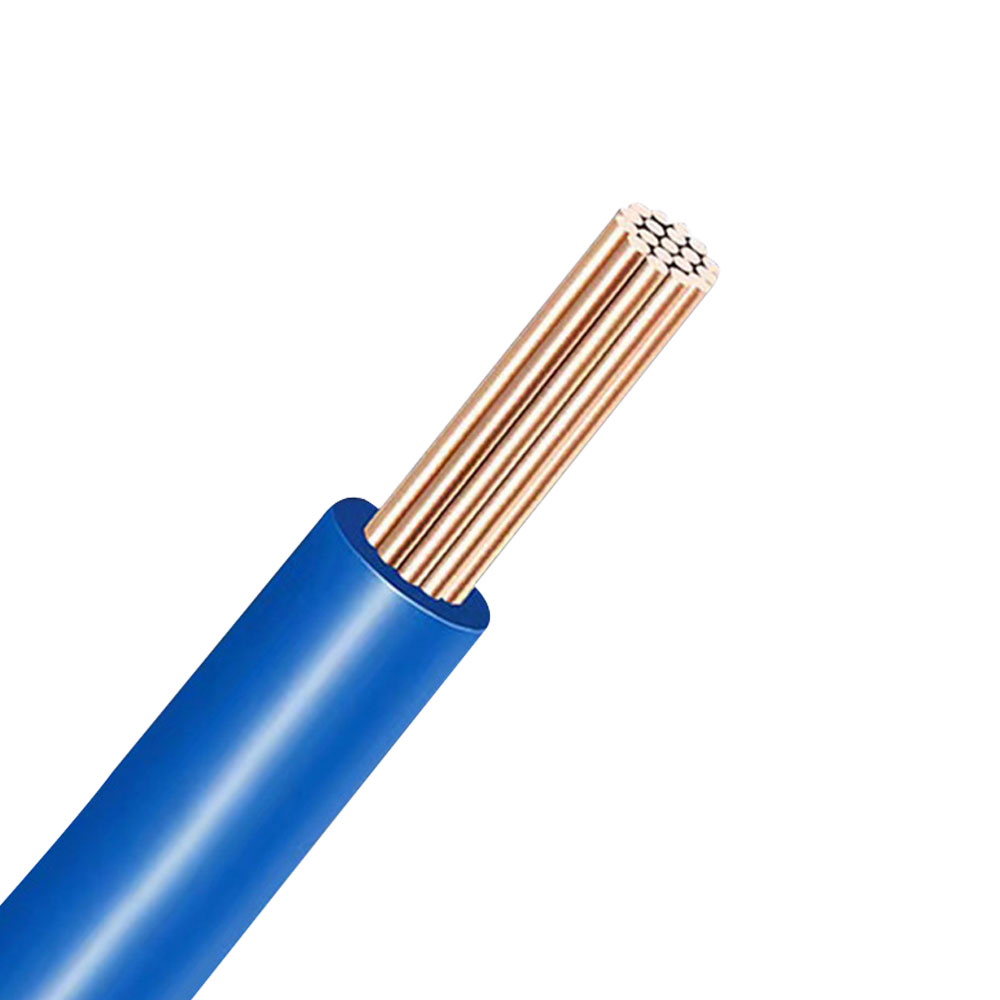
The conductor is made from annealed copper and may use Class 5 flexible construction. The conductor consists of multiple fine or ultra-fine copper strands, allowing the cable to bend more easily than a solid conductor or a rigid stranded conductor. The cross-sectional range described for common signaling and control applications is approximately 0.5 mm² to 6 mm², while the final conductor size should be selected according to current, voltage drop, installation method, ambient temperature, and project specifications.
The primary insulation is irradiated cross-linked polyethylene, commonly known as XLPE. Cross-linking improves dimensional stability, heat resistance, electrical reliability, and resistance to deformation under long-term operating conditions. Irradiation cross-linking is a controlled manufacturing method that changes the molecular structure of the polymer without relying solely on conventional chemical cross-linking agents. When properly produced and tested, the resulting insulation can maintain stable performance over an extended service period.
A fire-resistant layer may be formed using double-layer mica tape wrapped around the conductor or insulation. Some configurations may use ceramicized silicone rubber or another approved fire-resistant compound. This layer is intended to help maintain insulation integrity when the cable is exposed to elevated temperatures and direct flame. The exact fire-resistant construction should be confirmed in the technical datasheet for the selected model and conductor size.
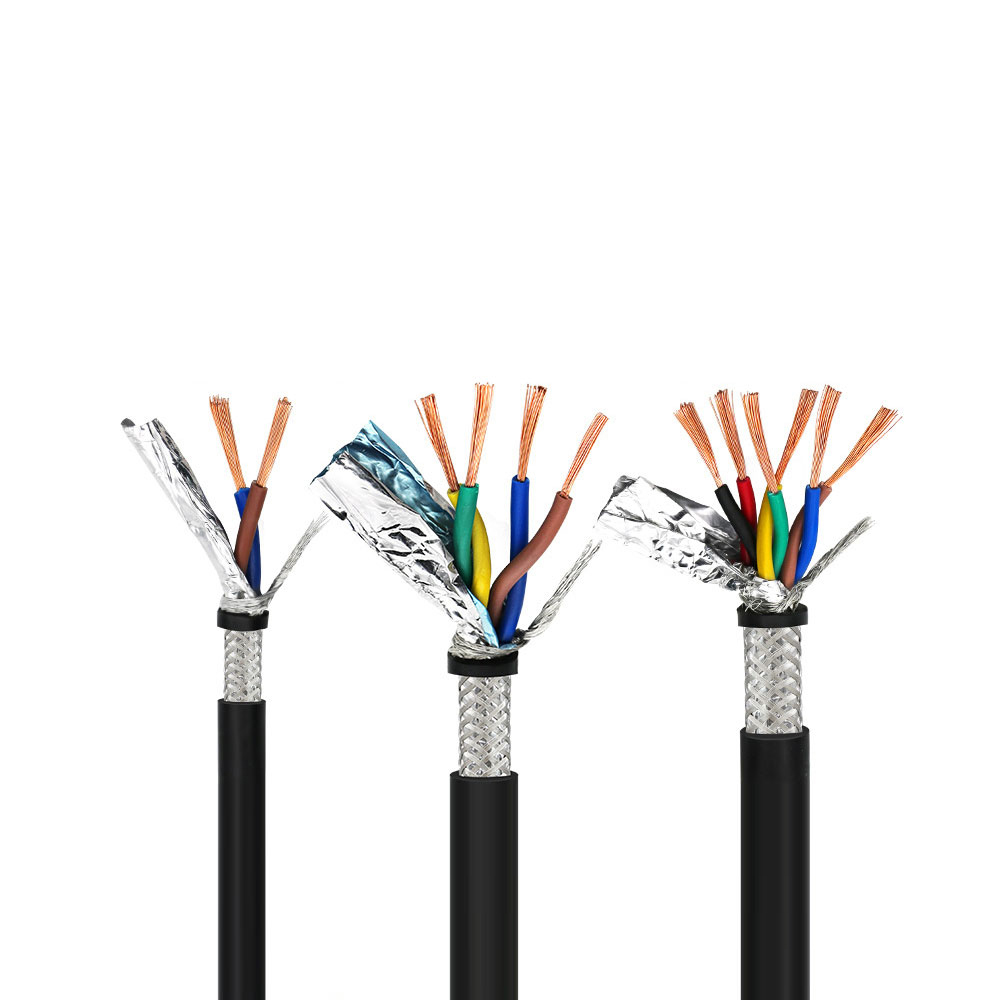
The shielding system can include braided copper mesh, copper tape, aluminum-polyester composite tape with a drain wire, or a combined arrangement. Shielding helps reduce the impact of external electromagnetic interference and limits the radiation of electrical noise from the cable. It is useful in installations located near variable-frequency drives, industrial automation equipment, substations, communication systems, and sensitive electronic instruments.
The outer sheath provides mechanical and environmental protection. Depending on the specified product configuration, it may be made from irradiated cross-linked polyethylene or a halogen-free, low-smoke, flame-retardant polyolefin compound. The sheath is designed to resist ordinary installation stress and provide improved resistance to moisture, ultraviolet exposure, and environmental aging compared with less specialized materials.
Product information identifies a rated-voltage range that may include 0.6/1 kV for power cable configurations. Other detailed construction information identifies 300/300 V or 300/500 V versions for smaller signaling and control applications. These values should not be treated as interchangeable. They represent different design variants, insulation thicknesses, conductor sizes, and intended uses. Before ordering or installing the cable, the purchaser should confirm the exact rated voltage on the product datasheet, marking, test report, and purchase specification.
The long-term allowable operating temperature is generally identified as 90°C. The cable is also described as meeting a 750°C/90-minute fire-resistance test for applicable configurations, with performance related to GB/T 19666, GB/T 19216.21, IEC 60331, or associated project requirements. Fire-resistance performance depends on the complete cable design, installation method, support system, fire exposure, and test configuration. Engineers should therefore select a model whose certified construction matches the intended application.
Halogen-free and low-smoke characteristics are important in enclosed or occupied environments. During combustion, halogen-containing cable materials can produce corrosive gases and dense smoke. A halogen-free, low-smoke construction is intended to reduce these hazards and improve visibility and evacuation conditions. The supplied product information also identifies low-toxicity performance and references GA 306, GB/T 17650, and GB/T 17651-related requirements. Specific declarations should be verified against the applicable test report and project standard.
| Feature | Typical Product Description | Project Value |
|---|---|---|
| Conductor | Class 5 annealed, fine-stranded copper | Improves flexibility, conductivity, and installation convenience |
| Insulation | Irradiated cross-linked polyethylene | Supports heat resistance, electrical stability, and dimensional integrity |
| Fire-resistant layer | Double mica tape or ceramicized silicone rubber, depending on model | Helps maintain circuit integrity during fire exposure |
| Shielding | Copper braid, copper tape, aluminum-polyester tape with drain wire, or combination | Reduces electromagnetic interference and improves signal stability |
| Sheath | Irradiated XLPE or halogen-free low-smoke flame-retardant polyolefin | Provides mechanical, environmental, and fire-safety protection |
| Flame-retardant grades | Grades A, B, C, and D | Allows selection according to project fire-risk requirements |
| Operating temperature | Typically up to 90°C for long-term operation | Supports use in demanding electrical environments |
| Fire resistance | Applicable designs may meet 750°C/90-minute or related test requirements | Helps preserve power or control functions during a fire |
| Environmental profile | Halogen-free, low-smoke, low-toxicity construction | Reduces smoke and corrosive gas risks in occupied spaces |
Many basic building wires are designed primarily for ordinary power transmission. They may have a conductor and a standard polymer insulation layer, but they do not necessarily include a fire barrier, electromagnetic shield, or low-smoke sheath. In a simple residential circuit, this construction may be adequate when permitted by local codes. In a critical facility, however, the cable may need to satisfy several requirements simultaneously.
A fire-resistant cable must continue to provide a functioning electrical path for a defined period while exposed to fire. A shielded cable must control electromagnetic coupling and interference. A low-smoke, halogen-free cable must reduce the release of corrosive or highly opaque combustion products. A flexible cable must tolerate routing around equipment, through panels, and along complicated pathways. Combining these characteristics in one product can simplify system design and reduce the need to use separate cable types for different performance objectives.
The fire-resistant layer is one of the product’s most important differentiators. Mica tape can form a heat-resistant barrier around the conductor and insulation. When exposed to fire, it helps protect the conductor from direct thermal damage and supports the retention of electrical insulation. Ceramicized silicone rubber, when used in an approved construction, can form a heat-resistant ceramic-like protective layer during extreme heating.
Maintaining circuit integrity is essential for emergency lighting, fire alarm support systems, evacuation indicators, smoke-control equipment, security systems, emergency communication, and selected power circuits. If a cable fails immediately after a fire begins, connected equipment may stop operating before occupants can evacuate or before emergency responders can complete their work. A fire-resistant cable does not prevent a fire, but it can help critical circuits remain functional for the period specified by its certification and installation design.
The stated 750°C/90-minute performance is especially relevant to projects that require extended circuit operation under fire conditions. However, the test rating should be interpreted correctly. It does not mean that every cable installation will automatically remain functional for 90 minutes in every fire. Cable spacing, support brackets, bends, joints, terminations, conduit systems, ambient conditions, and mechanical impact can all influence field performance. The cable and its supporting installation system should be designed as one fire-resistance assembly where required.
Electrical equipment increasingly operates in environments with high levels of electromagnetic activity. Variable-frequency drives, switching power supplies, servo motors, inverters, relay systems, high-current busbars, and digital control networks can all generate electromagnetic fields or conducted noise. If a nearby power or control cable is not properly designed, interference can affect sensitive instruments, communication systems, sensors, or control signals.
The shielding layer in WDZ(A/B/C/D)N-RYJYP provides a conductive barrier around the insulated cores. Copper braid offers flexibility and broad mechanical coverage, while copper tape can provide continuous or nearly continuous coverage when installed correctly. Aluminum-polyester composite tape can be combined with a drain wire to provide a practical shielding path for certain signal and control configurations. The choice of shield depends on frequency range, mechanical movement, grounding method, required coverage, cost, and project standards.
Shielding effectiveness also depends on termination. A cable with a high-quality shield can lose much of its performance if the shield is left unconnected, connected with excessive pigtail length, or terminated inconsistently at equipment ends. In high-interference environments, the grounding and bonding design should be reviewed by qualified electrical engineers. The product’s low transfer impedance and high shielding attenuation characteristics are valuable, but they must be supported by correct installation practice.
Fire safety is not limited to flame spread. Smoke density, gas toxicity, and corrosiveness can have a major effect on people, electronic equipment, and emergency response. Halogen-containing cable materials may generate hydrogen halides and dense smoke during combustion. These byproducts can irritate the respiratory system, reduce visibility, and corrode metal or electronic components.
The halogen-free, low-smoke structure of this cable is intended to reduce secondary hazards in enclosed spaces. This is particularly important in hospitals, schools, airports, shopping centers, theaters, data centers, laboratories, tunnels, and high-rise buildings. In a fire, improved visibility can support evacuation, while lower corrosive gas emission can reduce damage to equipment that may be needed for emergency response.
Low-smoke performance should be considered together with flame-retardant and fire-resistant performance. A cable may have low smoke but still not be suitable for a circuit that must continue operating during a fire. Conversely, a fire-resistant cable should also be selected with a sheath material appropriate for the environmental and occupancy conditions. The product family is valuable because it addresses these characteristics as part of a coordinated design rather than treating them as unrelated options.
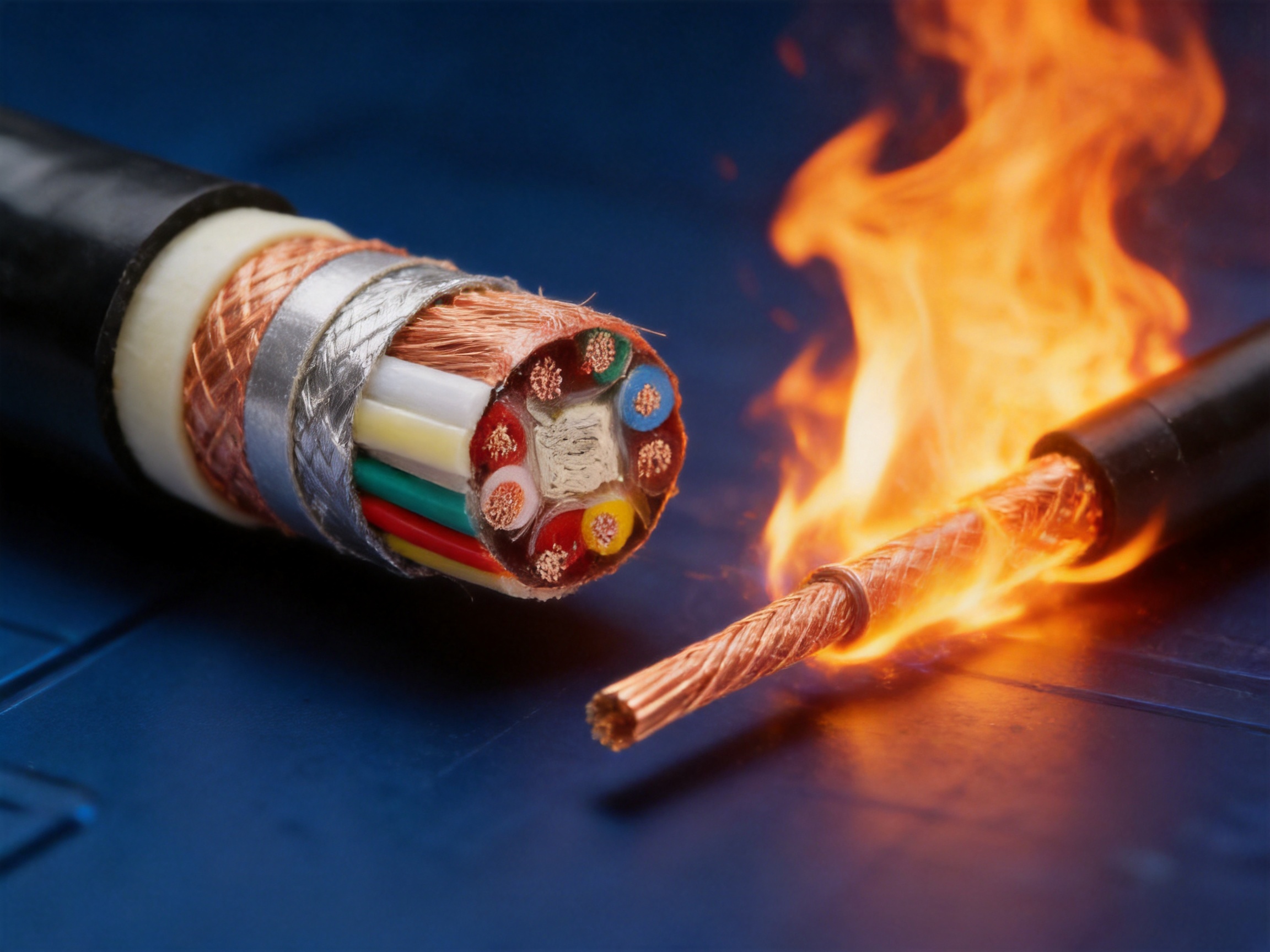
The main competitive advantage of WDZ(A/B/C/D)N-RYJYP is its combination of functions. Conventional building wire often focuses on basic conductivity and insulation. A general-purpose flexible cable may provide easy installation but lack a fire barrier. A standard shielded cable may control interference but use a sheath that produces more smoke or corrosive gases in a fire. A basic fire-resistant cable may not provide sufficient shielding for industrial automation or sensitive equipment.
The product provides conductor protection, insulation protection, fire protection, electromagnetic protection, and outer environmental protection in a coordinated structure. This can reduce the number of compromises required during cable selection. Instead of choosing a basic power wire for conductivity, adding a separate shielding method, and relying on additional fire-protection measures, the project can specify an integrated cable where appropriate.
An integrated design may also simplify installation planning. Electrical contractors can work with a defined cable construction rather than combining different cable types in the same critical pathway. This may reduce confusion during procurement, labeling, routing, and maintenance. It can also assist design teams that need to standardize cable specifications across multiple zones of a building or industrial site.
Some fire-resistant cables use rigid or relatively stiff constructions because of heavy armor, thick insulation, or inflexible protective layers. These designs can be effective in fixed installations but difficult to route through narrow spaces, crowded cable trays, control cabinets, and equipment connections. The use of fine-stranded copper and flexible insulation and sheath materials gives WDZ(A/B/C/D)N-RYJYP a practical advantage in installations involving bends and confined spaces.
Flexibility does not eliminate installation rules. The stated minimum bending radius is approximately 10 to 15 times the cable diameter, depending on the construction. Installers should avoid sharp bends, twisting, excessive pulling tension, crushing, and repeated movement beyond the product’s intended application. The cable should be supported properly, especially where fire-resistant performance depends on stable positioning and secure support.
Compared with unshielded building wires, the shielded construction is better suited to circuits routed near electrical noise sources. This includes frequency converters, motor control centers, substations, industrial robots, automation cabinets, power electronics, and high-current feeders. The shield can help reduce interference coupling and improve the reliability of connected equipment.
For control and instrumentation applications, stable signal transmission is often as important as simple continuity. Incorrect sensor readings, communication errors, nuisance alarms, and unstable control loops can result from electromagnetic interference. The cable’s shielding options allow the design to be adapted to different interference environments, subject to correct grounding and termination.
In a densely occupied place, fire safety is not measured only by whether a cable resists flame spread. The amount and toxicity of smoke can affect evacuation time and emergency operations. The halogen-free, low-smoke construction offers a stronger safety profile than many conventional PVC-based alternatives in applications where smoke and corrosive gases are a major concern.
The product is therefore suitable for projects that place high importance on life safety, equipment protection, and business continuity. Hospitals, data centers, laboratories, shopping centers, cinemas, and stadiums may require cable systems that continue to operate during an emergency without creating unnecessary secondary hazards.
The availability of Grades A through D provides design flexibility. Not every circuit requires the highest flame-retardant grade, and not every area has the same fire load, cable grouping, occupancy level, or regulatory requirement. By offering multiple grades, the cable family can support a more targeted specification approach.
Grade A is identified as the highest flame-retardant level in the supplied product information. Grades B, C, and D provide alternatives for areas with different performance requirements. Selection should be based on the applicable national standard, building code, cable grouping arrangement, fire-risk assessment, and owner specification. Grade selection should never be made solely on price, because an unsuitable grade can create approval and safety problems later in the project.
Data centers require reliable power distribution, stable control signals, and protection against electromagnetic disturbances. Server rooms may contain high-density power equipment, uninterruptible power supplies, battery systems, variable-speed cooling equipment, and extensive communication infrastructure. A shielded, low-smoke, fire-resistant cable can support selected power, control, monitoring, and emergency circuits in this environment.
For server power supply circuits, the exact voltage rating, conductor cross-section, current-carrying capacity, and installation method must be confirmed. For monitoring and control circuits, the shield type and grounding arrangement are equally important. Fire-resistant cabling may be specified for emergency power, fire safety support, smoke-control equipment, and other circuits that must remain functional during a defined emergency period.
Hospitals include many areas where electrical continuity is closely linked to patient safety. Intensive care units, operating rooms, diagnostic areas, emergency departments, and medical equipment rooms may contain sensitive devices and critical life-support systems. Low smoke and low toxicity are particularly valuable in occupied medical environments, where evacuation may be difficult and electronic equipment must remain protected.
The cable can be considered for selected medical power distribution, emergency lighting, equipment control, monitoring, and auxiliary circuits. Medical installations are subject to strict local regulations, grounding requirements, separation rules, and approval procedures. The cable should be incorporated into a complete design reviewed by qualified electrical and healthcare-infrastructure specialists.
Laboratories often combine sensitive measurement instruments with motors, pumps, heaters, switching equipment, and computer-controlled systems. Electromagnetic interference can affect test accuracy, data collection, and process control. The shielded construction can help protect precision circuits when the cable is correctly routed and grounded.
Fire resistance is also important in laboratories because some areas contain flammable chemicals, high-temperature equipment, or processes that require continued operation of ventilation, alarms, and monitoring systems. The halogen-free sheath can help reduce corrosive smoke risks to sensitive instruments in the event of fire.
Tunnels and underground corridors are enclosed environments with limited evacuation routes and restricted access for emergency responders. Lighting, ventilation, pumps, communications, monitoring systems, and emergency indicators may need to continue working during a fire or other incident.
The product’s fire-resistant construction can support critical tunnel lighting, emergency power, control circuits, and monitoring systems. Its weather-resistant sheath is also useful in damp or variable underground conditions, although the project must evaluate water exposure, drainage, chemical contact, mechanical impact, and support design. Cable joints and terminations should receive the same level of attention as the cable itself.
Intelligent buildings use interconnected systems for lighting control, HVAC management, security, access control, energy monitoring, fire alarms, and automation. These systems may operate close to power equipment and communication networks, increasing the importance of electromagnetic compatibility.
A shielded, flexible, low-smoke cable can help support dependable control and power distribution in intelligent building projects. In green building projects, halogen-free materials and low-smoke performance may contribute to environmental and occupant-safety goals. The cable can be considered for core equipment power supply, emergency systems, building automation, and selected low-voltage control circuits.
Shopping centers, cinemas, stadiums, exhibition halls, and transportation facilities may contain large numbers of occupants and complex emergency systems. Emergency lighting, exit indicators, public-address systems, security equipment, smoke-control systems, and selected fire-protection circuits require dependable cabling.
The combination of fire resistance and low-smoke performance makes the product suitable for consideration in these environments. The correct flame-retardant grade should be selected according to the cable grouping, route design, occupancy conditions, and local fire code.
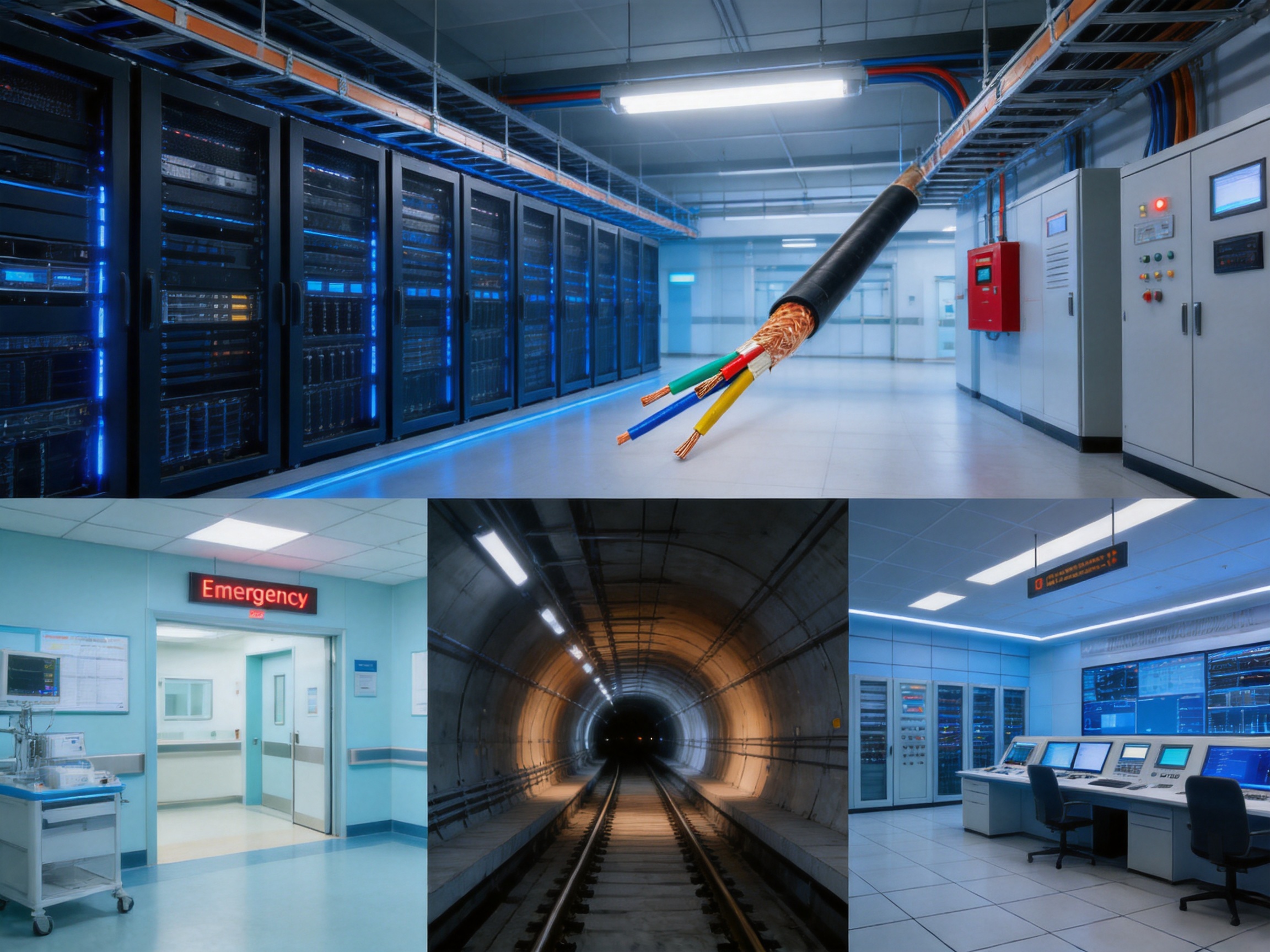
Product performance depends not only on the material specification but also on manufacturing consistency. A cable can meet its design objective only when conductor stranding, insulation thickness, cross-linking, shielding coverage, sheath extrusion, dimensional control, and testing are all properly managed. Anhui Zhishang Cable Technology Co., Ltd. combines production, research and development, and quality management within an integrated manufacturing operation.
The company operates more than 5,000 square meters of modern production facilities and has ten automated production lines. Automation can improve process repeatability by controlling line speed, extrusion conditions, take-up tension, conductor alignment, and other important parameters. It also supports stable production volumes for customers requiring large quantities or repeated deliveries.
With a stated monthly output of up to 10 million meters, the company can serve both project orders and regular distribution demand. Production capacity is particularly important for large building and infrastructure projects, where delays in cable delivery can affect the installation sequence, commissioning schedule, and overall construction program.
Capacity alone is not a substitute for quality. The value of automated production lies in combining equipment capability with qualified materials, trained operators, process instructions, inspection records, and final testing. A reliable cable manufacturer must maintain control from incoming raw materials through finished-product release.
The manufacturing process begins with the selection and preparation of copper conductor material. For flexible cable, fine copper wires are drawn to controlled diameters and then stranded together in a defined arrangement. Proper stranding helps achieve the required cross-sectional area, flexibility, conductivity, and dimensional stability.
Conductor resistance is an important quality indicator. Excessive resistance can lead to voltage drop, heat generation, and reduced energy efficiency. The conductor must also be free from significant surface defects that could damage the insulation during extrusion. Consistent stranding geometry supports even insulation coverage and reduces the risk of localized electrical stress.
For a custom cable manufacturer, conductor design can be adjusted according to the customer’s current requirements, bending needs, installation space, and equipment connection method. The company’s technical team can support product development based on drawings, samples, or defined performance requirements.
XLPE insulation is applied through controlled extrusion around the conductor or conductor assembly. Important parameters include material cleanliness, extrusion temperature, pressure, line speed, concentricity, and insulation thickness. Uneven insulation can create weak points, reduce dielectric strength, or affect the final cable diameter.
After extrusion, the irradiated cross-linking process must be controlled so that the material reaches the intended degree of cross-linking. Insufficient cross-linking may reduce heat and mechanical performance, while inconsistent processing can lead to variation between production batches. Dimensional and electrical checks help confirm that the insulation meets the required design specifications.
Where the design includes mica tape, the tape must be applied with suitable overlap, tension, alignment, and coverage. Gaps or excessive mechanical damage can reduce fire-resistance performance. The wrapping process must also preserve the flexibility required for installation.
For ceramicized silicone rubber or other fire-resistant compounds, the formulation and extrusion process must be matched to the required thermal and electrical performance. The fire-resistant layer must remain compatible with the conductor, insulation, shield, and sheath. The complete construction—not one material in isolation—is what determines the cable’s behavior during a fire-resistance test.
Shielding requires accurate coverage and stable contact around the insulated core or core assembly. Copper braid machines must maintain the correct braid angle, coverage, tension, and overlap. Tape shielding requires controlled wrapping and suitable longitudinal or helical application. If a drain wire is specified, it must remain properly positioned to enable reliable termination.
Shield continuity and shielding effectiveness are checked through electrical and dimensional methods appropriate to the cable design. The manufacturer can select a shielding arrangement according to the project’s electromagnetic environment, flexibility requirements, grounding strategy, and cost objectives.
The outer sheath is applied after the insulation, fire-resistant layer, and shield have been assembled. Sheath extrusion must provide uniform coverage without damaging the underlying layers. Surface smoothness, diameter, concentricity, marking clarity, and resistance to ordinary mechanical stress are important indicators of production quality.
The sheath compound is selected according to the required environmental and fire-safety performance. Irradiated XLPE can provide weather and heat resistance, while halogen-free low-smoke polyolefin compounds support low-emission fire behavior. The final product should be identified with clear markings for model, voltage, conductor size, manufacturer, and applicable certification or batch information.
Quality assurance may include conductor resistance testing, insulation resistance testing, voltage testing, dimensional inspection, sheath inspection, flame-retardant testing, fire-resistance testing, smoke-density testing, halogen-content assessment, mechanical testing, and aging evaluation. The exact tests depend on the cable model and the applicable standard.
The company provides product test reports and warranty support for standard cable models. Full-core, full-length, and pure-copper specifications are also identified as part of its quality-assurance approach. For customized products, the technical requirements should be documented before production so that both the manufacturer and purchaser have a clear basis for inspection and acceptance.
Electrical projects often require cable dimensions or performance combinations that are not available as standard catalog items. A customer may need a specific conductor size, insulation thickness, shield type, sheath color, marking format, fire-resistance duration, rated voltage, packaging length, or connector compatibility.
Anhui Zhishang Cable Technology Co., Ltd. supports OEM and ODM development based on customer drawings or samples. This capability allows the manufacturer to move beyond simple product supply and participate in cable design. Technical engineers can provide product-selection guidance and develop cable solutions according to project requirements.
Customization may involve the number of cores, conductor cross-sectional area, conductor flexibility class, shield material, shield coverage, drain-wire arrangement, fire-resistant layer, sheath compound, rated voltage, operating temperature, bending radius, color, printing, packaging, and delivery length.
For control and instrumentation applications, the customer may also specify pair construction, individual pair shielding, overall shielding, twist length, capacitance, impedance, or signal-transmission requirements. For power applications, current capacity, voltage drop, short-circuit performance, installation temperature, and route conditions are normally more important.
Before a customized cable enters production, the manufacturer and customer should confirm the technical drawing, bill of materials, applicable standards, inspection plan, sample-approval procedure, and delivery schedule. This reduces the risk of misunderstandings and ensures that the finished product is evaluated against a defined specification.
Standard products may be stocked for fast shipment, while customized products typically require approximately 7 to 20 days of lead time, depending on construction, quantity, raw-material availability, testing requirements, and production scheduling. Customers should confirm the actual lead time for each order rather than relying on a general estimate.
For large projects, staged delivery can help coordinate cable installation with construction progress. A manufacturer with significant production capacity can support phased orders, replacement lengths, and repeat production, provided that the cable design and quality requirements remain consistent from one batch to the next.
Correct installation is essential to realizing the product’s advantages. Even a high-performance cable can be damaged by excessive pulling force, improper bending, poor termination, sharp edges, unsupported weight, water ingress, or unsuitable fire-stopping materials.
The product family includes configurations associated with different rated-voltage ranges. A 0.6/1 kV power cable should not be substituted for a 300/300 V or 300/500 V control cable without engineering approval, and the reverse is also unacceptable. The cable marking, datasheet, conductor size, insulation system, and test report must correspond to the circuit design.
The stated minimum bending radius is approximately 10 to 15 times the cable diameter, depending on the model. The larger value should be used when the construction or installation condition is uncertain. Bending below the recommended radius can damage the mica layer, deform the shield, reduce insulation thickness, or create stress in the sheath.
The shield should be terminated according to the electromagnetic compatibility design. Copper braid should not be excessively unraveled, and tape shields should be connected using a method that preserves continuity. Drain wires should be secured and insulated where required. Grounding arrangements may differ for power, control, instrumentation, and communication circuits, so the installation should follow the approved electrical design.
Where the cable passes through fire-rated walls, floors, panels, or partitions, the penetration must be sealed using a compatible and approved fire-stopping system. The fire performance of the cable does not automatically make an unsealed penetration fire-safe. Cable trays, brackets, cleats, joints, and terminations should also comply with the project’s fire-resistance requirements.
The cable should be checked for compatibility with conduit lubricants, sealants, adhesives, oils, chemicals, cleaning agents, and other materials used at the installation site. Outdoor or underground installations should be evaluated for ultraviolet radiation, moisture, flooding, rodents, abrasion, and temperature variation. Additional mechanical protection may be needed in areas exposed to impact or crushing.
Before energization, installers should inspect the cable route, sheath condition, bend points, shield connections, terminations, support spacing, fire-stopping, and identification. Electrical tests should be completed according to the project commissioning plan. Any cable showing damage, abnormal resistance, insulation failure, or shield discontinuity should be isolated and investigated before operation.
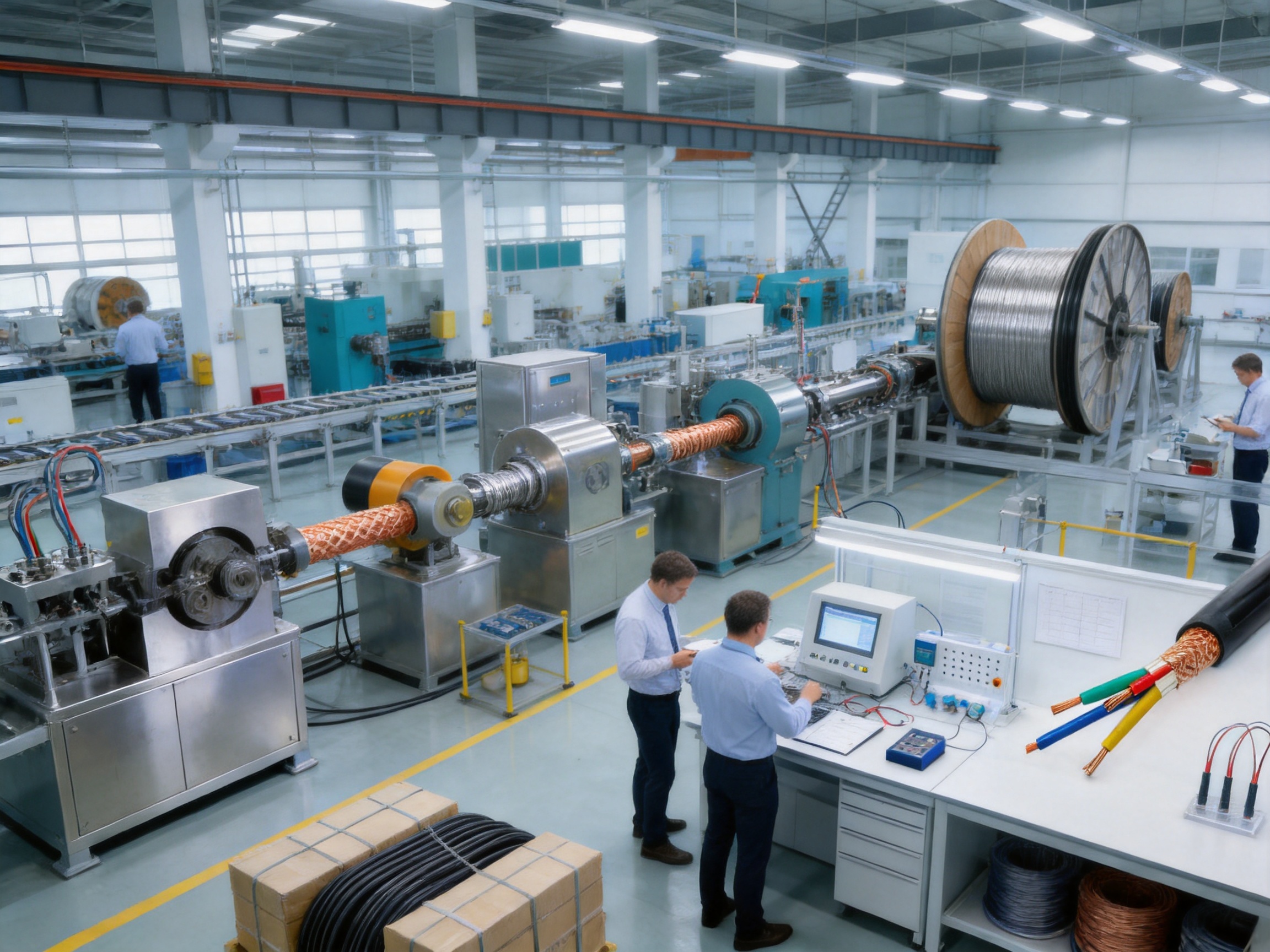
Choosing the correct WDZ(A/B/C/D)N-RYJYP configuration requires more than selecting a product name. The cable should be matched to the electrical load, fire-risk level, installation environment, electromagnetic conditions, and applicable regulatory framework.
| Selection Question | Why It Matters | Information to Confirm |
|---|---|---|
| What is the circuit voltage? | Prevents the use of an unsuitable insulation system | Rated voltage, operating voltage, transient conditions, and test voltage |
| What current must the cable carry? | Determines conductor size and allowable temperature | Load current, duty cycle, grouping, ambient temperature, and voltage drop |
| Must the circuit operate during fire? | Determines whether fire-resistant construction is required | Required fire duration, test method, emergency function, and installation assembly |
| What is the fire-risk classification? | Determines the appropriate flame-retardant grade | Grade A, B, C, or D requirement and local code |
| Is electromagnetic interference present? | Determines shield type and grounding approach | Noise sources, frequency range, shield coverage, and termination method |
| Is flexibility important? | Influences conductor class and cable diameter | Routing space, bend frequency, equipment connection, and minimum radius |
| Will the cable be outdoors or underground? | Determines environmental protection requirements | UV exposure, water, chemicals, soil conditions, temperature, and impact |
| What documentation is required? | Supports approval, inspection, and traceability | Test reports, certificates, drawings, inspection records, and warranty terms |
Grade A should be considered for areas with especially demanding fire-safety requirements or extensive cable grouping. Grades B, C, and D may be suitable for applications with different risk profiles. The decision should be based on the applicable standard rather than on a general assumption that the highest grade is always necessary or that the lowest grade is sufficient.
Copper braid is commonly selected where flexibility and mechanical coverage are important. Copper tape may provide effective coverage in fixed installations. Aluminum-polyester tape with a drain wire may be appropriate for certain control and signal applications. A combined shield can be considered when both broad coverage and low transfer impedance are required.
Shield selection should account for the operating frequency. A design that performs well against low-frequency magnetic fields may not be optimized for high-frequency noise, and vice versa. Cable routing, parallel distance from power cables, grounding, and enclosure design also affect the final electromagnetic performance.
For power circuits, conductor size must be calculated using load current, installation conditions, conductor temperature, ambient temperature, grouping, voltage drop, short-circuit withstand, and local code. For control circuits, the designer may prioritize flexibility, voltage drop, loop resistance, signal integrity, and terminal compatibility.
The commonly described 0.5 mm² to 6 mm² range is useful for many signaling and control applications, but it does not define every available product configuration. Larger or smaller sizes may require a separate technical confirmation. The manufacturer can assist with custom conductor arrangements when the standard range does not meet the project requirement.
Compliance documentation is an important part of cable procurement. The supplied product information identifies compliance with GB/T 19666 and GB 31247 and indicates CCC certification. It also references fire-resistance testing under GB/T 19216.21 or IEC 60331, bundled flame testing under GB/T 18380, and halogen-free and low-smoke testing associated with GB/T 17650 and GB/T 17651.
These standards address different aspects of cable performance. Flame-retardant tests examine how a cable behaves when exposed to flame, often under grouped or bundled conditions. Fire-resistance tests examine whether a circuit can continue to function for a defined period under specified conditions. Halogen and smoke tests evaluate combustion byproducts and smoke characteristics. No single test represents every aspect of cable safety.
Customers should request the documentation relevant to the exact model, conductor size, voltage rating, shield structure, and flame-retardant grade being purchased. A certificate for one construction should not automatically be applied to a different construction. Traceability between the order, production batch, test report, and cable marking is valuable for large infrastructure projects.
For project approval, the purchaser may request a product datasheet, construction drawing, technical specification, conductor-resistance data, insulation and sheath material information, fire-resistance test report, flame-retardant test report, halogen-free and smoke test results, certification documents, packing information, and installation recommendations.
For customized cables, the documentation should also include the approved drawing, change-control records, sample approval, inspection plan, and any customer-specific test requirements. These records help ensure that production remains aligned with the approved design.
Anhui Zhishang Cable Technology Co., Ltd. is based in Xuanzhou District, Xuancheng City, Anhui Province, China. The company integrates research and development, manufacturing, sales, and technical support. Its stated business philosophy emphasizes quality orientation, integrity, stability, and responsible production.
The company’s team includes quality engineers and research and development technicians with more than ten years of industry experience. This experience supports practical product selection and customization. Customers can provide drawings, samples, or performance requirements, allowing the technical team to help develop a suitable cable structure.
The company serves applications including industrial automation, weak-current engineering, intelligent manufacturing, appliance equipment, power engineering, building systems, and other industrial fields. Its product range covers low-voltage wiring cable, flexible cable, power cable, automotive cable, communication cable, flat cable, control cable, computer cable, specialty cable, bus cable, aerial insulated cable, mining cable, and fluoroplastic cable.
This broad product range can be valuable to project customers seeking a single technical partner for multiple cable categories. A supplier familiar with power, control, communication, and specialty cable requirements may be better positioned to coordinate cable selection across a complete system.
The company also emphasizes green manufacturing and international market development. Its products are sold in markets including the United States, Canada, Australia, Japan, and parts of Eurasia. For export projects, customers should confirm the required market approvals, labeling, packaging, conductor standards, and documentation before placing an order.
The purchase price of a cable is only one component of total project cost. Designers should also consider installation labor, route congestion, additional shielding measures, fire-protection treatment, replacement risk, commissioning delays, maintenance, and the consequences of circuit failure.
An integrated fire-resistant and shielded cable may provide value by reducing the need for separate protective measures. Its flexibility can help installers complete complex routing with fewer difficulties. Its low-smoke construction may support compliance in buildings where conventional materials would require additional review. Its shielding can reduce troubleshooting associated with electromagnetic interference.
The best economic result depends on correct specification. Using a higher-performance cable where it is not required may increase initial cost without a meaningful system benefit. Using an under-specified cable in a critical circuit may create much greater costs through failure, rework, non-compliance, or safety risk. The manufacturer’s technical support can help customers select a suitable balance between performance and budget.
Ordinary unshielded building wire may be adequate for standard power circuits in low-interference environments. However, it generally does not provide the same electromagnetic protection as WDZ(A/B/C/D)N-RYJYP. It may also lack a dedicated fire-resistant layer and may use a sheath with higher smoke or halogen emissions.
The shielded fire-resistant product is more appropriate when the circuit is near strong interference sources, serves sensitive equipment, or must remain operational during a fire. It is a more specialized option and should be selected when the project requirements justify its additional construction.
A standard flexible cable can be easier to handle and route, but flexibility alone does not guarantee fire resistance, low smoke, or electromagnetic compatibility. WDZ(A/B/C/D)N-RYJYP combines flexible conductor construction with additional protective layers, giving it a broader performance profile.
PVC cable is widely used because of its cost, availability, and familiar processing characteristics. In a fire, however, halogen-containing materials can produce corrosive gases and dense smoke. A halogen-free, low-smoke cable may offer greater value in enclosed, occupied, or equipment-intensive locations where fire byproducts are a major concern.
An unshielded fire-resistant cable may preserve circuit function during fire but provide limited protection against electromagnetic interference. Where fire resistance and signal integrity are both important, the shielded construction offers a more complete solution. The final choice should consider whether the shield is needed for the particular circuit and whether the installation design supports effective shield termination.
| Circuit Function | Potential Application | Important Selection Factors |
|---|---|---|
| Emergency power | Emergency lighting, exit indicators, fire-support equipment | Fire duration, rated voltage, conductor size, fire-stopping, support system |
| Critical equipment power | Data center equipment, hospital systems, laboratory instruments | Load current, voltage drop, continuity, low-smoke requirement |
| Industrial control | Automation cabinets, secondary circuits, motor-control environments | Shielding, grounding, flexibility, interference level |
| Monitoring and instrumentation | Sensors, alarms, precision measurement systems | Signal stability, shield coverage, capacitance, drain-wire termination |
| Tunnel infrastructure | Lighting, ventilation controls, pumps, communications support | Fire resistance, moisture, mechanical protection, route accessibility |
| Intelligent building systems | Building automation, security, energy monitoring | EMC performance, low smoke, routing separation, installation flexibility |
| Public venue safety systems | Emergency indicators, public-address support, security circuits | Occupancy, evacuation requirements, flame-retardant grade, documentation |
WDZ identifies a halogen-free, low-smoke, flame-retardant cable structure. A, B, C, and D indicate different flame-retardant grades. N identifies fire-resistant performance. RYJYP refers to a flexible irradiated cross-linked cable construction with XLPE insulation and sheathing characteristics and a shielding layer.
Applicable configurations are identified with rated voltages including 0.6/1 kV. Other versions are described for 300/300 V or 300/500 V control and signaling applications. The purchaser must confirm the exact model, voltage rating, conductor size, and test documentation before using the cable for power transmission.
They represent different flame-retardant performance levels, with Grade A identified as the highest level and Grade D as the basic level within the stated classification. The required grade depends on cable grouping, building fire risk, local regulations, and the project specification.
Applicable fire-resistant constructions are described as meeting a 750°C/90-minute fire-resistance test or related IEC 60331 and GB/T 19216.21 requirements. Actual circuit performance also depends on installation, supports, joints, terminations, fire-stopping, and exposure conditions. The exact certified duration should be confirmed for the selected model.
Potential shielding structures include copper wire braid, copper tape, aluminum-polyester composite tape with a drain wire, or a combination of layers. The appropriate option depends on the electromagnetic environment, flexibility requirements, frequency range, grounding method, and project standard.
Yes. The product uses a multi-strand fine-stranded or Class 5 annealed copper conductor, which supports flexible routing. However, installers must observe the specified minimum bending radius, generally approximately 10 to 15 times the cable diameter depending on the construction.
The stated long-term operating temperature is generally 90°C. The allowable temperature for a particular circuit also depends on conductor size, installation method, ambient temperature, grouping, overload conditions, and the applicable technical specification.
The irradiated cross-linked sheath is described as resistant to ultraviolet exposure and moisture, making applicable configurations suitable for selected outdoor and harsh environments. Outdoor installation must still consider direct sunlight, water, chemicals, mechanical impact, temperature variation, and local environmental conditions.
Yes. The company supports OEM and ODM development based on customer drawings or samples. Possible customization parameters include conductor size, number of cores, insulation, fire-resistant layer, shielding, sheath, voltage rating, color, marking, packaging, and other defined technical requirements.
Standard products may be available from stock for faster shipment. Customized products typically require approximately 7 to 20 days, depending on construction complexity, quantity, raw materials, testing, and production scheduling. The confirmed lead time should be obtained with the quotation or purchase order.
The supplied information identifies GB/T 19666, GB 31247, CCC certification, IEC 60331, GB/T 19216.21, GB/T 18380, GB/T 17650, and GB/T 17651-related requirements. Customers should request documentation for the exact cable configuration being purchased.
Grounding depends on the circuit type, frequency range, equipment design, and electromagnetic compatibility strategy. The shield should be terminated according to the approved engineering design. Improper grounding, long pigtails, or incomplete shield continuity can reduce the cable’s interference-control performance.
It can be considered for selected power, control, monitoring, and emergency circuits in hospitals and data centers because it combines fire resistance, shielding, low smoke, and flexible construction. Final acceptance depends on the project code, owner specification, voltage, circuit function, certification, and installation design.
WDZ(A/B/C/D)N-RYJYP is designed for electrical systems that require more than ordinary conductivity. Its fine-stranded copper conductor supports flexible installation, while irradiated cross-linked polyethylene provides stable insulation and sheath performance. The fire-resistant layer helps preserve circuit integrity during fire exposure, and the shielding structure supports electromagnetic interference control. Halogen-free, low-smoke materials further improve its suitability for occupied buildings, enclosed infrastructure, and equipment-intensive facilities.
The product’s availability in multiple flame-retardant grades allows designers to match cable performance to different risk levels. Its potential applications include data centers, hospitals, laboratories, tunnels, underground utility corridors, intelligent buildings, shopping centers, cinemas, stadiums, industrial automation systems, and other critical installations.
Anhui Zhishang Cable Technology Co., Ltd. strengthens the product offering through integrated research and development, automated production, experienced technical personnel, quality-engineering support, OEM/ODM capability, standard product inventory, and large monthly production capacity. The company’s ability to customize conductor structures, insulation systems, shielding layers, fire-resistant constructions, and sheath materials makes it suitable for projects with defined technical requirements.
For the best result, purchasers should treat cable selection as part of a complete system design. The exact voltage rating, conductor size, fire-resistance duration, flame-retardant grade, shield type, environmental exposure, bending radius, installation support, and certification documents must all be confirmed before ordering. When appropriately selected and installed, WDZ(A/B/C/D)N-RYJYP can provide a dependable and comprehensive cable solution for critical power, control, and safety-related circuits.
1. GB/T 19666, General Rules for Flame-Retardant and Fire-Resistant Wires and Cables.
2. GB 31247, Classification and Test Methods for the Burning Behavior of Wires and Cables.
3. GB/T 19216.21, Tests for Electric Cables Under Fire Conditions—Circuit Integrity—Part 21: Procedures and Results for Cables of Rated Voltage up to and Including 0.6/1 kV.
4. IEC 60331, Tests for Electric Cables Under Fire Conditions—Circuit Integrity.
5. GB/T 18380, Tests on Electric and Optical Fibre Cables Under Fire Conditions.
6. GB/T 17650, Test on Gases Evolved During Combustion of Materials from Cables.
7. GB/T 17651, Measurement of Smoke Density of Cables Burning Under Defined Conditions.
8. GA 306, Technical Requirements and Test Methods for Cable Combustion Smoke Toxicity.
9. Product technical information for WDZ(A/B/C/D)N-RYJYP flexible fire-resistant shielded building wire.
10. Manufacturer-provided information concerning cable construction, production capacity, customization, quality assurance, and application guidance.
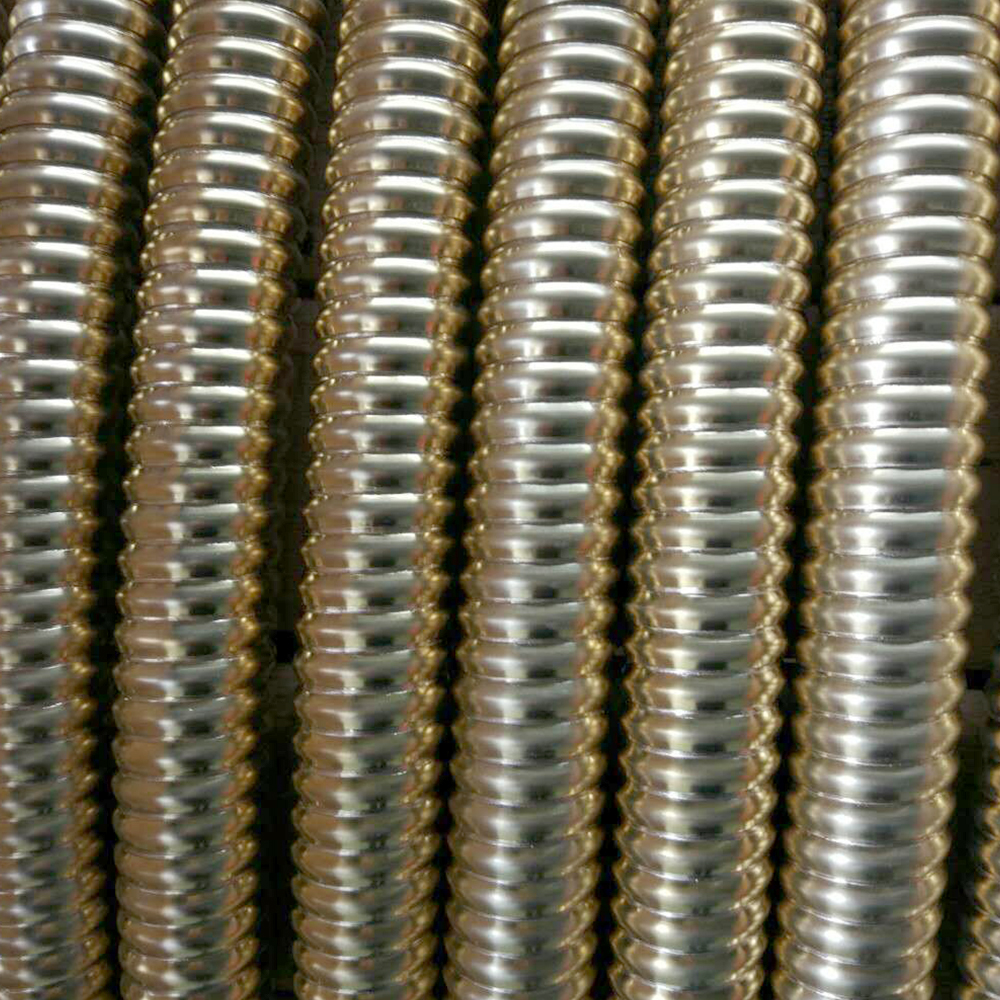

We firmly believe that good cables are not only a competition of materials, but also a reflection of craftsmanship, quality, and responsibility.

Links
Product
Send Inquiry
No. 29 Sankeshu Road, Xuanzhou District, Xuancheng City, Anhui Province, China
+86-18621104555/+86-563-2622999
 Electrical Cable Manufacturer
OEM/ODM Wire and Cable Solutions
Electrical Cable Manufacturer
OEM/ODM Wire and Cable Solutions
 English
 Español
 عربى
عربى
 русский