Get more content that can help you
Content
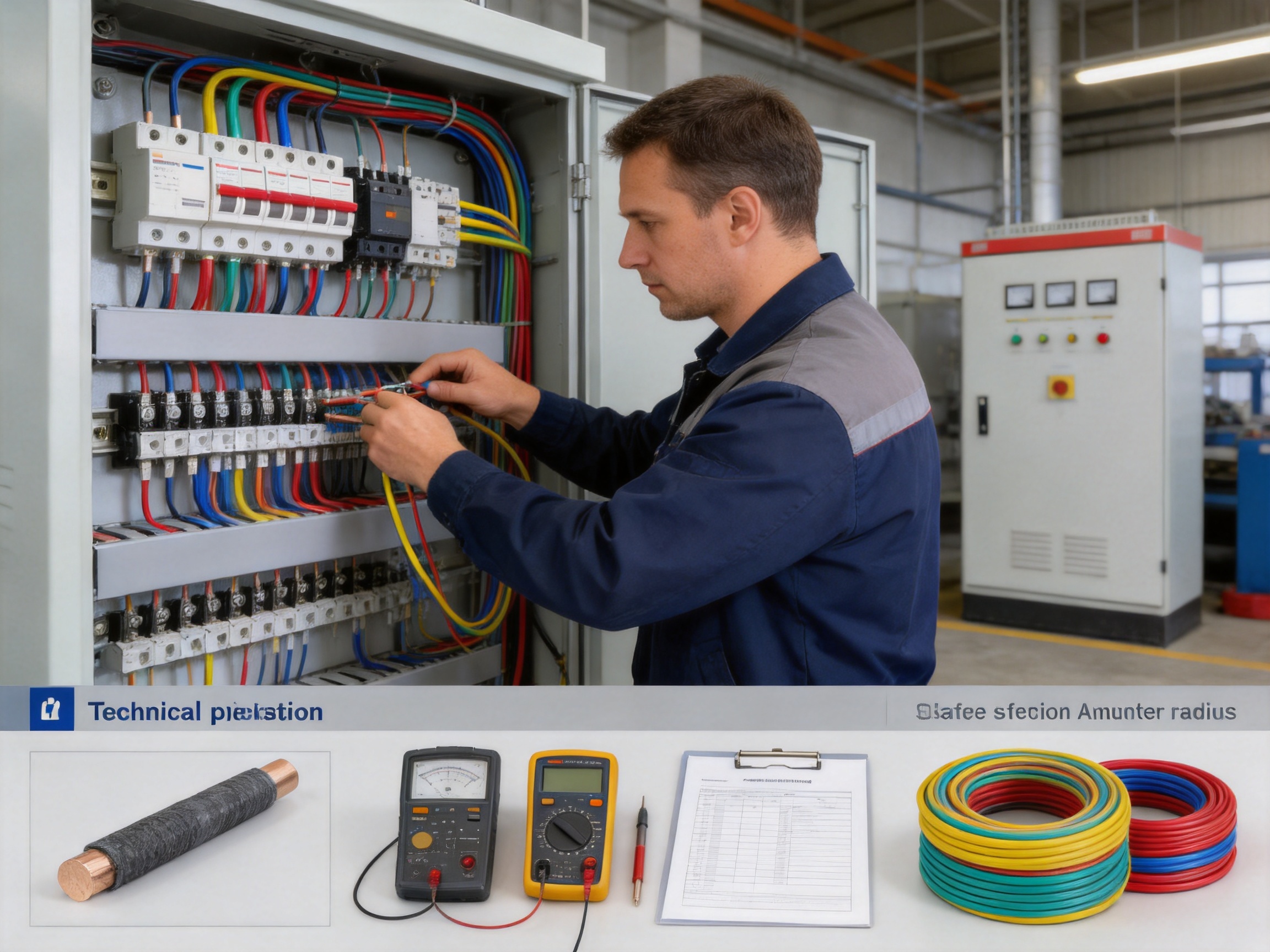
H07V-U is a single-core PVC-insulated copper cable designed for fixed electrical installations, building wiring, distribution equipment, and internal connections in electrical cabinets. With its harmonized European designation, familiar construction, broad cross-sectional range, and compatibility with common European installation practices, it is a practical solution for contractors, panel builders, equipment manufacturers, distributors, and engineering companies sourcing dependable low-voltage cable.
The cable is identified by the harmonized naming system commonly used for European wires and cables. “H” indicates a harmonized standard designation, “07” refers to a nominal voltage class of 450/750 V, “V” identifies PVC insulation, and “U” indicates a solid single-core conductor construction. The product is intended primarily for fixed installation rather than repeated flexing or continuous movement.
Manufactured by Anhui Zhishang Cable Technology Co., Ltd., the cable is positioned as a cost-effective alternative to higher-priced European-standard installation wires while maintaining the essential features required for routine building, industrial, and control-panel applications. The supplier combines copper conductor processing, PVC insulation extrusion, testing, inventory management, and OEM/ODM support to serve both standard-product and customized-project requirements.
Correctly interpreting a cable designation is important when selecting wire for an engineering project. The H07V-U designation communicates several basic technical characteristics in a compact format.
The initial letter “H” indicates that the cable belongs to a harmonized European designation system. Harmonized cable types are widely recognized in European electrical work and are often specified by contractors, distributors, panel builders, and equipment manufacturers that require familiar product classifications.
A harmonized designation can simplify procurement because buyers do not need to describe every construction feature from the beginning. Instead, the designation provides a starting point for evaluating the conductor, insulation, voltage class, and intended installation method. However, the exact technical standard, national approval, marking requirement, and application suitability should always be confirmed against the project specification and local regulations.
The “07” portion traditionally refers to a rated voltage of 450/750 V. This voltage class makes the cable suitable for many fixed low-voltage wiring applications, including distribution circuits, electrical cabinets, equipment connections, lighting circuits, socket circuits, and internal building wiring.
The supplied product information also includes a table listing 300/500 V. Because these voltage values are not identical, purchasers should confirm the final marking, applicable standard, and certificate before placing a project order. The product designation, datasheet, cable printing, test report, and certification documents should all state the same voltage class. This confirmation is especially important for public infrastructure, export projects, regulated installations, and applications where the cable is subject to third-party inspection.
The letter “V” identifies polyvinyl chloride insulation. PVC is widely used in general-purpose electrical cable because it offers a balanced combination of electrical insulation, mechanical protection, processability, and cost efficiency. It can resist moisture and weak chemical exposure in conventional indoor industrial and building environments, while its stable extrusion characteristics support consistent production at high volume.
PVC insulation is available in different formulations. The final temperature range, flame behavior, flexibility, oil resistance, cold resistance, and chemical resistance depend on the compound selected and the applicable standard. For that reason, users should evaluate the actual operating environment rather than relying only on the basic cable designation.
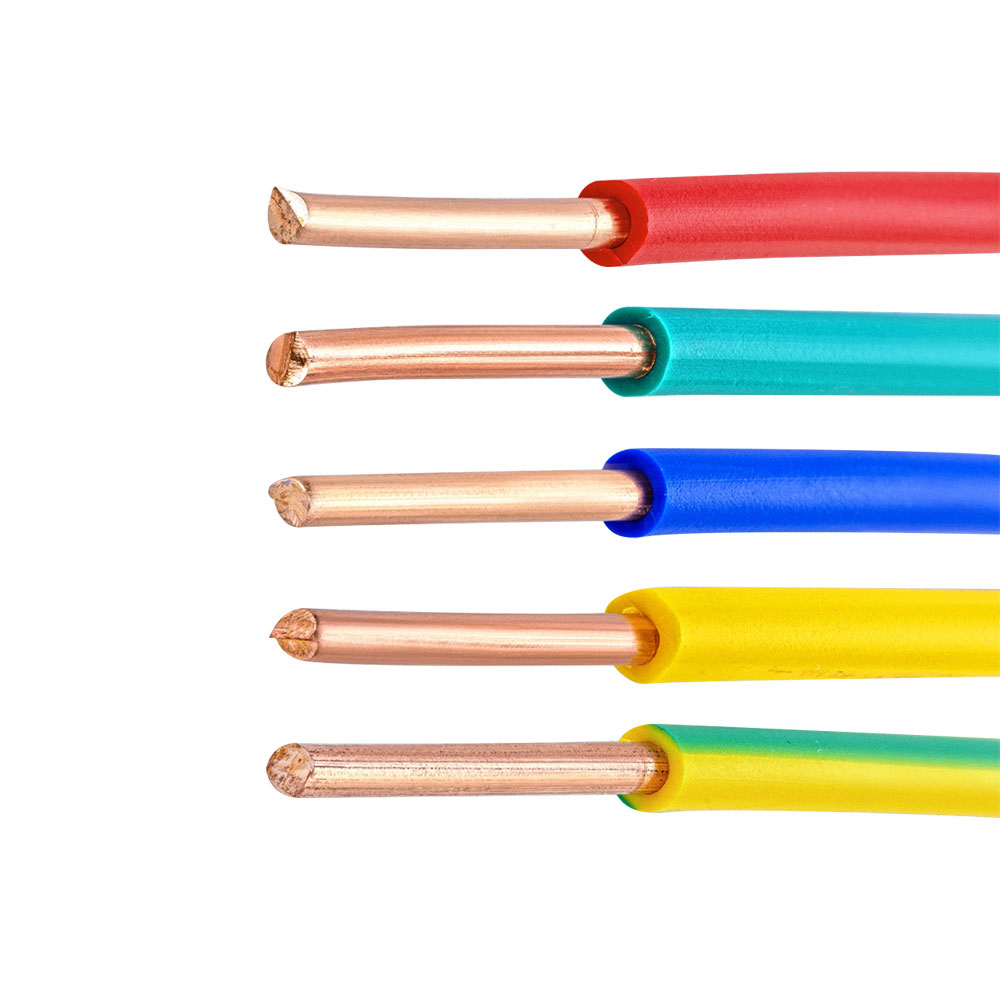
The “U” designation indicates a solid single-core conductor. A solid conductor has a relatively simple structure and is well suited to fixed installation. It can provide stable dimensional control, predictable termination behavior, and efficient use of conductor material.
For building distribution lines and panel wiring, a single-core cable can be routed individually through conduit, trunking, cable channels, terminal blocks, and electrical cabinets. Its straightforward construction also makes identification, stripping, termination, and inspection convenient during installation.
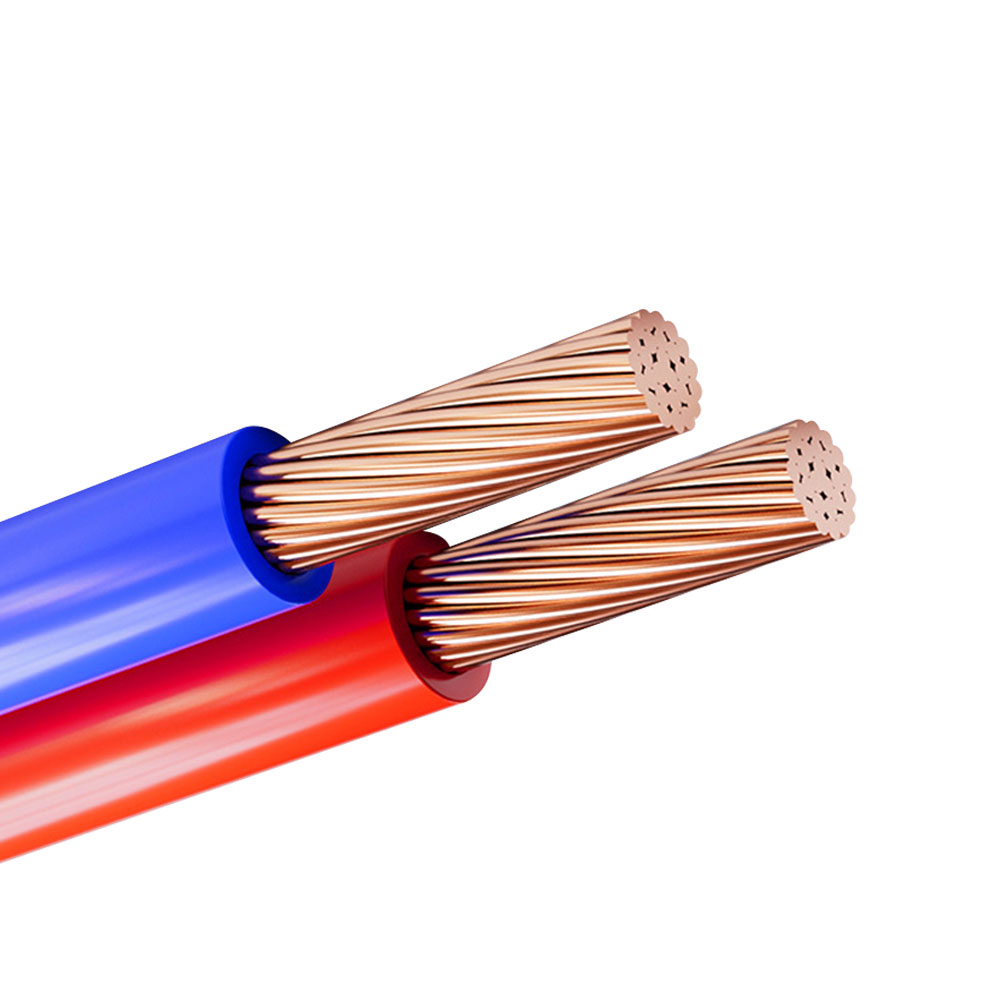
H07V-U consists primarily of a copper conductor surrounded by PVC insulation. Depending on the ordered construction and cross-sectional area, the conductor may be supplied as a solid copper conductor or, where technically specified, a multi-strand copper conductor. Since the “U” designation is normally associated with a solid conductor, the exact conductor construction should be confirmed before purchase if a flexible or stranded version is required.
| Technical Item | Provided Product Information |
| Product Type | H07V-U single-core PVC-insulated cable |
| Number of Conductors | Single core |
| Conductor Material | Copper |
| Nominal Voltage Designation | 450/750 V according to H07V-U identification |
| Additional Listed Voltage | 300/500 V in the supplied technical table; confirm before ordering |
| Insulation Material | Polyvinyl chloride, PVC |
| Cross-Sectional Range | 1.5 mm² to 400 mm² |
| Long-Term Operating Temperature | 70°C for the stated cable characteristic |
| Listed Fixed-Installation Temperature | -30°C to +80°C |
| Listed Movable-Installation Temperature | -5°C to +70°C; repeated movement suitability requires confirmation |
| Test Voltage | 4,000 V, listed with DIN VDE 0281 Part 2 and HD 21.2 |
| Minimum Bending Radius | 12.5 × D as listed for fixed and movable installation |
| Flame Performance | Listed compliance with IEC 60332-1-2 and EN 60332-1-2 |
| Additional Flame References | UL VW-1 and CSA FT1 are listed; confirm applicable construction and test report |
| Insulation Resistance | 10 MΩ × km as provided |
| Compliance References | VDE 0281, HD 21, CE, and RoHS are listed in the product materials |
The table summarizes the information supplied for this product. Some values require technical confirmation because cable performance can vary according to conductor class, cross-sectional area, insulation compound, production version, and target market. A professional procurement process should request the current datasheet, declaration of conformity, test report, construction drawing, and product marking sample.
H07V-U offers several practical advantages when compared with non-harmonized or less clearly specified general-purpose wires. These advantages do not mean it is suitable for every installation. Instead, they make it an efficient choice when the project requires a recognized European-style single-core cable for fixed low-voltage wiring.
A major advantage is the familiarity of the designation. Contractors and engineering teams can quickly understand that the cable is a single-core PVC-insulated product associated with a 450/750 V harmonized cable category. This reduces ambiguity during procurement and helps align the cable with European electrical documentation.
Non-standard products may require detailed review of conductor class, insulation thickness, voltage rating, flame performance, and applicable test methods before they can be approved. A recognized cable designation creates a more efficient starting point for technical evaluation.
The single-core structure is suitable for routing through conduits, cable channels, panel wiring ducts, and distribution equipment. It can be cut to project length and terminated with common European electrical accessories, provided the accessory is selected for the conductor size and construction.
For electrical cabinets, the cable can be used for incoming and outgoing circuits, internal power connections, terminal-block wiring, and connections between protective devices. For buildings, it can support lighting, socket, and fixed equipment circuits when the conductor size, installation method, current-carrying capacity, and local code requirements are satisfied.
The product uses a conventional copper-and-PVC structure rather than a more complex multi-layer construction. This helps control material cost and simplifies manufacturing. For many fixed wiring projects, customers do not require special low-smoke, halogen-free, high-temperature, oil-resistant, or continuous-flexing properties. In such cases, a standard PVC-insulated cable can deliver appropriate performance without the additional cost of specialized materials.
Cost efficiency also comes from production scale. A supplier with multiple automated production lines can organize standard sizes into repeatable manufacturing schedules, reduce setup losses, maintain more consistent output, and support stable delivery. These benefits are valuable to distributors and contractors managing multiple projects at the same time.
The listed range of 1.5 mm² to 400 mm² gives the product family considerable coverage. Smaller sizes are commonly associated with lighting, socket, control, and cabinet applications, while larger sizes may be considered for feeders, distribution equipment, industrial power connections, and infrastructure projects.
The required cross-section should never be selected only by nominal voltage. Current, ambient temperature, installation method, grouping, conductor material, permissible voltage drop, short-circuit conditions, and protective-device coordination must also be considered. Nevertheless, a broad size range allows customers to source related cable sizes from one manufacturing partner.
For engineering projects serving European markets, product familiarity can simplify communication between the manufacturer, importer, consultant, installer, and end user. A cable that is described using harmonized terminology is easier to compare with project schedules, bills of materials, and cable lists.
The supplier states that the product supports CE and RoHS-related procurement requirements. CE marking is not itself a universal quality mark and does not replace application-specific approval. Buyers should obtain the relevant declaration and verify that the product falls within the scope of the applicable European legislation. RoHS documentation should likewise match the exact material and product version.
Anhui Zhishang Cable Technology Co., Ltd. integrates research and development, production, and sales. According to the provided company information, the company operates a modern production base of approximately 5,000 square meters and has more than 50 employees, including quality engineers and research and development technicians with more than ten years of industry experience.
The company reports more than ten automated production lines and a monthly output capacity of up to ten million meters. This manufacturing scale is important for customers that require repeat orders, standard stock, multiple sizes, or coordinated delivery across several cable categories.
Copper conductor quality is fundamental to cable performance. The conductor must meet requirements for electrical resistance, cross-sectional area, surface condition, dimensional consistency, and mechanical integrity. A controlled conductor preparation process helps reduce variation before insulation is applied.
For larger sizes, conductor handling and dimensional control become increasingly important. The conductor must remain properly centered during insulation extrusion, and the finished cable must be wound, packed, and transported without avoidable deformation. Production personnel and quality engineers must coordinate conductor preparation with the selected insulation thickness and final cable diameter.
Insulation extrusion is the process in which heated PVC compound is formed around the copper conductor. A stable extrusion process supports consistent insulation thickness, smooth surface appearance, concentricity, and dimensional accuracy.
Temperature, pressure, line speed, compound feeding, cooling, and die alignment influence the final result. If the process is not properly controlled, the insulation may become uneven, develop surface defects, contain voids, or fail to maintain the intended electrical properties. Automated production equipment can improve repeatability, while process inspection helps identify abnormalities before the product is released.
For a single-core wire, conductor centering is particularly important. An off-center conductor may create uneven insulation thickness and affect stripping, bending, electrical performance, or compliance with dimensional requirements. Production control should therefore include checks of outer diameter, insulation thickness, conductor resistance, and finished appearance.
Reliable cable manufacturing requires more than visual inspection. Electrical and physical tests should be selected according to the applicable standard and product specification. Typical verification may include conductor resistance, high-voltage withstand, insulation resistance, dimensional checks, insulation integrity, marking legibility, and flame-performance testing where required.
The supplied product information lists a 4,000 V test voltage and an insulation resistance value of 10 MΩ × km. These values should be interpreted together with the relevant standard, test duration, test temperature, sample length, and production specification. A test result without its method and conditions may not provide enough information for an engineering approval.
The supplier states that it can provide product test reports for standard cable models. Customers should request batch-specific reports when the project requires traceability. A good quality system should connect the test result with the production date, batch number, cable size, conductor material, insulation compound, and shipping records.
Automation can offer several advantages in cable production. It may improve line speed, reduce manual variation, stabilize conductor feeding, support more accurate diameter control, and make repeated production orders easier to manage. Automation does not eliminate the need for skilled personnel, but it allows engineers and operators to focus on process parameters, inspection, maintenance, and problem prevention.
For international customers, consistency between batches is often as important as the performance of a single sample. A cable that meets the specification once but varies significantly between production runs can create installation problems and procurement risk. Repeatable automated processing, combined with incoming-material controls and final inspection, supports more dependable supply.
The company reports that its technical team supports OEM and ODM development based on customer drawings or samples. This is useful when a customer needs modified conductor construction, special identification, alternative packaging, customized printing, a particular delivery length, or integration with a broader wire harness or equipment project.
Technical support can also assist with product selection. Different projects may need different insulation materials, voltage classes, flexibility levels, flame-performance categories, or environmental resistance. An experienced cable manufacturer can help determine whether standard H07V-U is appropriate or whether another cable type should be selected.
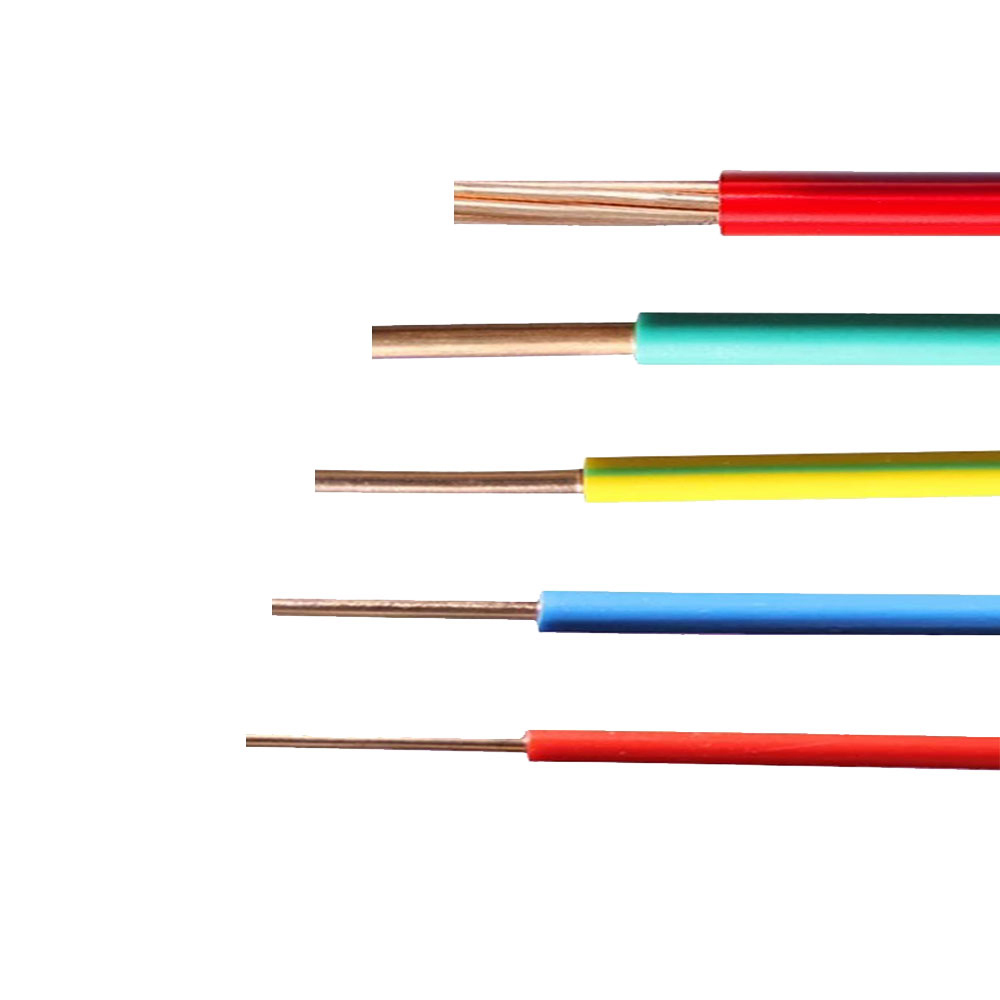
H07V-U High compatibility CE-Certified Cable
H07V-U can be considered for fixed power distribution circuits in residential buildings, subject to local electrical regulations and the design requirements of the installation. Typical uses may include lighting circuits, socket circuits, connections within distribution boards, and fixed connections to approved equipment.
The single-core format allows individual conductors to be identified by color and routed through suitable conduit or trunking. This can make circuit organization straightforward during installation and maintenance. The installer must ensure that the insulation color, conductor size, protective device, and installation method comply with the applicable national rules.
Commercial premises often require extensive internal distribution systems with many lighting, socket, control, and equipment circuits. A standard European-style cable can simplify purchasing and help contractors maintain consistent materials across multiple areas of a project.
In offices, retail premises, schools, hotels, and similar facilities, the cable may be used inside distribution boards, equipment rooms, cable channels, and fixed wiring routes. Where higher fire-performance requirements, smoke limitations, or special building regulations apply, the project designer should verify whether standard PVC insulation is sufficient.
Electrical control cabinets require organized, dependable internal wiring. H07V-U can be used for fixed circuit connections, incoming and outgoing lines, terminal blocks, protective devices, contactors, and other components where the conductor size and flexibility are suitable.
Cabinet builders should consider wire routing, bending radius, terminal compatibility, heat accumulation, current load, and the need for repeated maintenance. The listed minimum bending radius of 12.5 times the cable outer diameter should be respected unless the applicable standard or manufacturer specification provides a different value.
Distribution boxes and panel assemblies often use individual insulated conductors because they allow circuits to be separated, labeled, and terminated conveniently. The cable can support connections between incoming feeders, breakers, busbars, terminal blocks, and outgoing circuits when the design complies with the panel manufacturer’s requirements.
For larger cross-sections, suitable lugs, glands, clamps, bending space, and termination tools are essential. The cable should not be forced into a bend that is tighter than the specified minimum radius, and the conductor should not be damaged during stripping or crimping.
Fixed equipment such as pumps, fans, air-conditioning units, processing machines, and building-service systems may require low-voltage power connections. H07V-U may be appropriate for the fixed wiring portion of such systems when protected from mechanical damage and installed in an approved route.
It is not automatically suitable for equipment sections exposed to vibration, repeated movement, drag-chain operation, flexing, oil, high heat, ultraviolet radiation, or aggressive chemicals. In these conditions, a flexible, oil-resistant, heat-resistant, outdoor, or specialty cable may be more appropriate.
The product information identifies fixed internal wiring for small substations and charging piles as possible application areas. In these projects, the cable selection must be integrated with the complete electrical design. Charging installations can involve continuous load, thermal accumulation, specific protective requirements, residual-current protection, and local regulations.
H07V-U may serve as internal fixed wiring in suitable equipment, but the final application should be approved by the system designer. The cable should not be assumed to be an outdoor charging cable, a flexible charging lead, or a complete charging-station connection cable without additional documentation.
Building renovation and equipment replacement projects often benefit from standard cable sizes that are easy to source and familiar to installers. H07V-U can be used as a replacement wire for suitable fixed wiring circuits when the existing installation is evaluated and the new cable meets the current code requirements.
Renovation work should include inspection of conduit condition, terminal capacity, insulation damage, circuit loading, grounding, and protective devices. Replacing a wire without checking the rest of the circuit may not resolve the underlying safety issue.
Although H07V-U is a practical cable for fixed installation, correct handling is necessary to protect its electrical and mechanical performance.
The cross-sectional area should be selected based on design current, installation method, ambient conditions, conductor grouping, voltage drop, fault conditions, and protective-device coordination. The same nominal size may have different permissible current values under different installation conditions.
For large projects, the engineering team should prepare a cable schedule that identifies circuit function, conductor size, length, routing method, termination type, and required test documentation. This reduces the chance of substituting an unsuitable size during construction.
The supplied information lists a minimum bending radius of 12.5 times the cable outer diameter for both fixed and movable installation. This figure should be treated as a design reference and verified against the final product datasheet. Excessive bending can damage insulation, stress the conductor, complicate termination, or reduce service life.
The cable should be uncoiled carefully. Pulling it from a coil without controlling the direction can produce twists, kinks, or unnecessary mechanical stress. For larger sizes, suitable cable rollers, supports, and handling equipment should be used.
Stripping tools should be appropriate for the conductor and insulation dimensions. The copper conductor should not be nicked, cut, flattened, or contaminated during preparation. Terminals and lugs must be selected for the actual conductor size and construction.
Where screw terminals are used, tightening torque should follow the equipment manufacturer’s instructions. Where crimped lugs are used, the correct die and crimping procedure are essential. A poorly prepared termination can create resistance heating even when the cable itself meets its specification.
PVC insulation can perform well in conventional indoor environments, but the cable should be protected from conditions beyond its rated capability. Direct sunlight, outdoor exposure, oil, solvents, severe cold, high heat, abrasive surfaces, and continuous water immersion may require an alternative cable construction or additional protective measures.
Where the cable is installed in a location with unusual environmental risks, the project team should review the complete technical documentation. The basic H07V-U designation should not be interpreted as proof of resistance to every industrial or outdoor condition.
International buyers often evaluate cable suppliers through a combination of sample testing, document review, factory communication, and delivery performance. A reliable supply program should include clear specifications before production begins.
Copper and PVC materials should be controlled from incoming inspection through finished-product release. Traceability helps the manufacturer identify the material batch, production line, date, operator, and test records associated with a cable order.
For repeat customers, consistent material control can help maintain color, diameter, insulation properties, conductor resistance, and packaging standards. If a project requires a specific copper purity, conductor class, PVC grade, or restricted-substance statement, those requirements should be included in the purchase specification.
Electrical testing confirms that the cable can withstand the specified service conditions. Conductor resistance provides information about the electrical quality of the copper path. Insulation resistance evaluates the effectiveness of the insulating layer. High-voltage testing helps identify insulation weaknesses that may not be visible during visual inspection.
The exact test method should correspond to the applicable standard. Customers should review the test voltage, test duration, sample length, temperature, acceptance criteria, and whether the report represents a type test, routine test, or batch test.
Visual inspection can identify surface damage, uneven insulation, color variation, poor marking, contamination, and packaging problems. Dimensional inspection can verify outer diameter and insulation thickness. Mechanical checks may include conductor flexibility, tensile performance, elongation, or other tests specified by the selected standard.
These checks are especially important when cables are installed in large quantities. Small dimensional differences can influence terminal fit, stripping length, cable-channel capacity, and installation productivity.
The supplied materials reference CE, RoHS, VDE 0281, HD 21, DIN VDE 0281 Part 2, IEC 60332-1-2, and EN 60332-1-2, as well as UL VW-1 and CSA FT1. These references should not automatically be treated as interchangeable approvals. Each standard or marking may apply to a specific construction, market, test, or product version.
Before export, the buyer should request the applicable declaration of conformity, test reports, technical datasheet, cable marking information, packaging details, and any required national certification. The manufacturer can then confirm which documents correspond to the exact ordered size and insulation formulation.
The company states that standard cable products are stocked for fast shipment and that customized products generally require seven to twenty days of lead time. These capabilities can be valuable to customers with urgent maintenance needs, phased construction schedules, or recurring distribution requirements.
Stocked standard sizes can reduce project delays caused by long manufacturing cycles. Distributors may also use standard inventory to respond quickly to customer orders. For stock products, buyers should confirm available color, cross-section, packaging length, batch date, and documentation before shipment.
OEM and ODM support allows the manufacturer to work from drawings, samples, cable schedules, or written specifications. Customization may include conductor construction, insulation color, printing, packing length, labeling, reel size, carton design, and documentation format.
Customization should begin with a written technical review. The manufacturer and buyer should agree on the required standard, voltage rating, conductor class, insulation thickness, operating temperature, flame performance, electrical tests, tolerances, and acceptance criteria. A pre-production sample can help prevent misunderstandings.
Because the company produces several categories of cable, including power cable, control cable, communication cable, automotive cable, flat cable, specialty cable, bus cable, aerial insulated cable, mining cable, fluoroplastic cable, wire harnesses, and battery boxes, customers can potentially coordinate multiple product requirements through one supplier.
This integrated approach may simplify communication, packaging coordination, technical support, and quality follow-up. It can be particularly useful for equipment manufacturers that need several cable types within one product family or project.
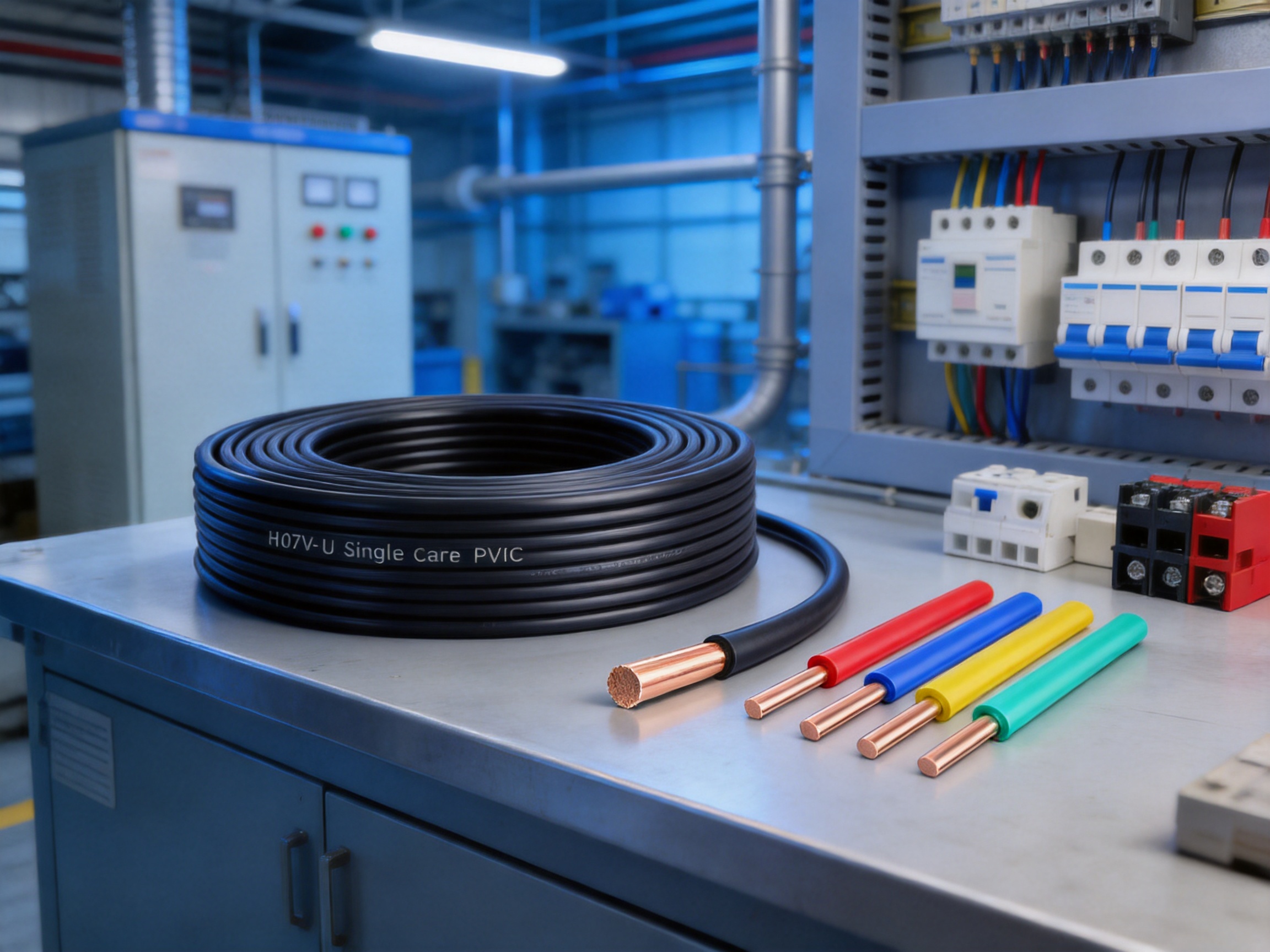
Choosing a cable is not only a matter of comparing nominal price. The supplier’s process control, technical response, documentation, delivery reliability, and ability to maintain consistent quality can affect the total cost of ownership.
A lower-priced cable may create additional costs if it arrives with incomplete documents, inconsistent dimensions, inadequate packaging, unclear marking, or variable electrical performance. Conversely, a manufacturer with organized production and quality support can reduce installation problems, replacement work, and procurement uncertainty.
Anhui Zhishang Cable Technology Co., Ltd. presents itself as a manufacturer rather than only a trading company. Its reported production base, automated lines, engineering team, quality personnel, and monthly output capacity provide a foundation for direct technical communication and repeat-order support.
The company’s stated business philosophy emphasizes quality orientation, integrity, and stability. These principles are relevant to cable purchasing because electrical products must maintain performance throughout production, shipping, installation, and service. A stable supplier relationship also allows product specifications to be refined over time based on installation feedback.
Flexible multi-strand cable is generally easier to route through tight spaces and is more suitable for movement. H07V-U, with its single-core fixed-installation design, can be more economical and structurally simple for stationary wiring. It may also provide stable termination in fixed distribution equipment.
However, H07V-U should not replace a properly rated flexible cable in drag chains, robotic systems, portable equipment, continuously moving machinery, or applications subject to repeated vibration. Selecting a solid conductor for a moving application can result in conductor fatigue and premature failure.
Halogen-free cables are often selected where smoke generation, corrosive gas release, or fire safety requirements are especially demanding. Standard PVC cable can be more cost-effective for conventional applications, but it may not provide the same fire-smoke characteristics as a halogen-free construction.
Hospitals, transport facilities, tunnels, high-rise buildings, public venues, and enclosed infrastructure may have special cable requirements. The project designer should determine whether PVC is acceptable before approving H07V-U.
Rubber-insulated cables can offer advantages in flexibility, temperature performance, impact resistance, or outdoor service, depending on the formulation. H07V-U generally provides a more economical solution for protected indoor fixed wiring where these specialized properties are not needed.
Armored cables include additional mechanical protection and are often used for installations exposed to impact, burial, or demanding routing conditions. H07V-U is a single insulated wire and normally requires an appropriate conduit, trunking, cabinet, or enclosure for mechanical protection.
Before ordering H07V-U, the buyer should confirm the following points with the supplier and project engineer:
1. Required voltage designation and applicable harmonized standard.
2. Conductor construction, including solid or stranded form.
3. Copper material, conductor class, and maximum electrical resistance.
4. Required cross-sectional area and tolerance.
5. Insulation color and surface marking.
6. Operating temperature and installation temperature range.
7. Required flame-performance test and market-specific approval.
8. Minimum bending radius and installation method.
9. Resistance to oil, chemicals, ultraviolet exposure, moisture, or vibration if relevant.
10. Cable length per coil, reel, drum, or carton.
11. Required batch test reports and conformity documents.
12. Delivery schedule, stock availability, and customized lead time.
13. Packaging, labeling, barcode, and export requirements.
14. Inspection procedure and acceptance criteria.
15. Warranty terms and technical support after delivery.
This checklist helps ensure that the ordered product is the correct version rather than simply a cable with a similar commercial name.
Electrical installation should be performed by qualified personnel in accordance with applicable laws, standards, and equipment instructions. The cable must be de-energized during installation, and the completed circuit should be tested before being placed into service.
Installers should verify conductor identification, termination tightness, insulation condition, circuit continuity, insulation resistance, protective-conductor continuity, and polarity where applicable. Larger installations may also require phase identification, earth-fault testing, voltage-drop verification, and thermal assessment under operating load.
H07V-U should be installed in a way that prevents sharp-edge abrasion, excessive compression, moisture accumulation, and contact with incompatible materials. Cable ducts should not be overcrowded, and conductors should have enough space for heat dissipation and maintenance.
Where several current-carrying conductors are grouped together, derating may be necessary. Ambient temperature and enclosure temperature can also affect allowable current. The cable’s nominal temperature rating should be considered together with the installation environment, not used as a substitute for electrical design calculations.
The company is located in Xuanzhou District, Xuancheng City, Anhui Province, China, within the Yangtze River Delta region. Its location supports access to regional industrial resources, transportation networks, manufacturing services, and export logistics.
For overseas customers, the purchasing process can include specification review, sample confirmation, quotation, production scheduling, inspection, document preparation, packaging, and shipment coordination. Clear communication is particularly important when a cable designation has different interpretations in different markets.
Customers should provide the destination country, applicable standard, end-use application, required approval, cable size, quantity, package length, and delivery destination. This information allows the manufacturer to recommend the correct product configuration and prepare relevant documents.
The company reports that its products are sold to markets including the United States, Canada, Australia, Japan, and parts of Eurasia. Export experience can help the supplier understand different packaging, labeling, document, and communication requirements, although each shipment must still be reviewed against the rules of its destination market.
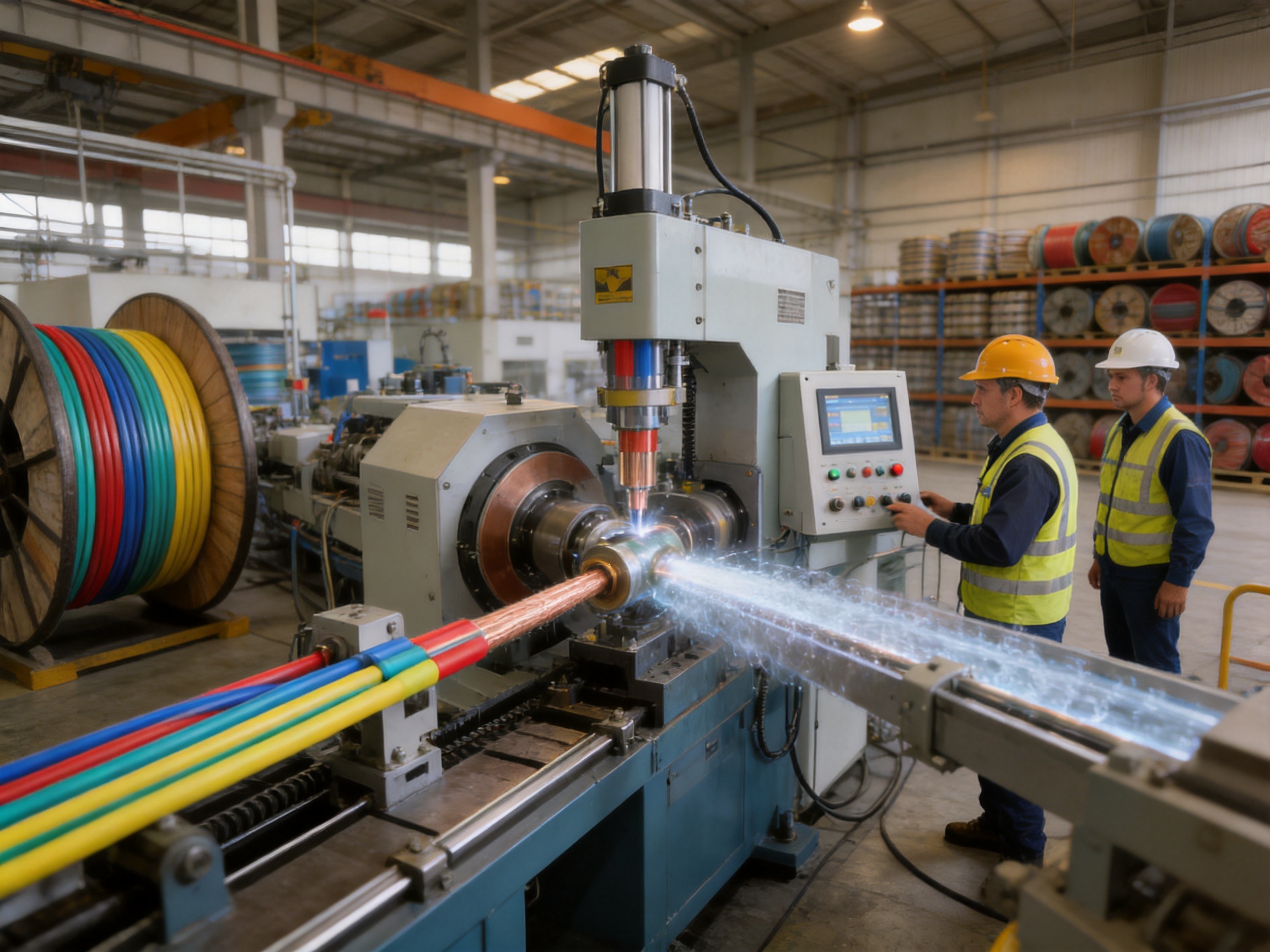
H07V-U is primarily used for fixed low-voltage electrical wiring. Typical applications include building distribution circuits, lighting and socket circuits, electrical control cabinets, distribution boxes, panel assemblies, and fixed equipment connections.
It should not be assumed to be suitable for unprotected outdoor installation. Standard PVC-insulated H07V-U is generally intended for protected fixed wiring. Outdoor exposure, ultraviolet radiation, moisture, temperature extremes, and mechanical damage may require additional protection or a different cable type.
H07V-U is generally associated with a solid single-core conductor and fixed installation. It is not the preferred choice for repeated movement, drag chains, portable devices, or continuously flexing machinery. If flexibility is required, the buyer should request a suitable stranded cable with the correct designation.
The “07” designation traditionally indicates 450/750 V. The supplied product information also lists 300/500 V in one technical table. Buyers should confirm the final rated voltage on the product marking, datasheet, certificate, and test report before ordering.
The provided product information lists cross-sectional areas from 1.5 mm² to 400 mm². Actual availability may vary by conductor construction, color, production schedule, and market. Standard sizes may be stocked, while special configurations may require a production lead time.
The cable uses PVC insulation. PVC provides economical general-purpose insulation for many indoor fixed installations, but the precise environmental and fire-performance characteristics depend on the selected compound and applicable standard.
Yes, it can be considered for fixed internal connections in control cabinets, distribution boxes, and panel assemblies when the conductor size, terminal system, bending radius, temperature, and local code requirements are appropriate.
The supplied product information identifies CE and RoHS compliance. Buyers should request the current declaration of conformity and RoHS documentation for the exact product version, size, and destination market. Documentation should be reviewed before project approval.
The company provides a range of wire and cable products and reports OEM/ODM support based on customer drawings or samples. It may assist with customized construction, marking, packaging, specifications, and integrated cable requirements.
The company information states that customized products typically require seven to twenty days of lead time. Actual timing depends on the technical specification, quantity, material availability, production schedule, testing, packaging, and shipping requirements.
The buyer can request a technical datasheet, construction drawing, sample, product marking photograph, declaration of conformity, batch test report, packing list, and inspection record. For important projects, third-party inspection or sample testing may also be considered.
The product information identifies fixed internal wiring for charging piles as an application. It should be used only where the equipment designer confirms that its voltage, current, temperature, insulation, flame, and mechanical requirements are satisfied. It should not automatically be treated as an outdoor charging lead or flexible charging cable.
H07V-U is a practical single-core PVC-insulated cable for fixed low-voltage wiring. Its familiar European-style designation, copper conductor, broad size range, simple construction, and compatibility with common installation methods make it suitable for many residential, commercial, industrial, and equipment-wiring projects.
Its main competitive strengths include cost-effective construction, compatibility with European procurement terminology, suitability for fixed installation, standard-size availability, and support from a manufacturer with automated production capacity, engineering personnel, quality resources, and OEM/ODM capabilities.
Anhui Zhishang Cable Technology Co., Ltd. combines cable research and development, manufacturing, sales, testing, and customized service. Its reported 5,000-square-meter production base, more than ten automated production lines, monthly output of up to ten million meters, and experienced technical team provide a foundation for stable supply and project support.
At the same time, responsible selection requires verification. The supplied materials contain both 450/750 V and 300/500 V references, and the product title identifies H07V-U while some image filenames refer to H05V-U. Buyers should therefore confirm the exact product designation, voltage class, conductor construction, test standard, certification documents, and cable marking before production or installation.
When the technical details are aligned with the project requirements, H07V-U can provide an economical and dependable wiring solution for fixed electrical systems, control cabinets, distribution equipment, building circuits, and other protected low-voltage applications.
1. Harmonized European cable designation principles for low-voltage wires and cables.
2. DIN VDE 0281, Polyvinyl Chloride Insulated Cables of Rated Voltages up to and Including 450/750 V.
3. HD 21, Polyvinyl Chloride Insulated Cables of Rated Voltages up to and Including 450/750 V.
4. IEC 60332-1-2, Tests on Electric and Optical Fibre Cables Under Fire Conditions.
5. EN 60332-1-2, Tests on Electric and Optical Fibre Cables Under Fire Conditions.
6. European Low Voltage electrical equipment conformity principles.
7. European Restriction of Hazardous Substances requirements for electrical and electronic products.
8. Manufacturer-provided product characteristics, technical table, application information, and company profile for H07V-U cable.
9. Manufacturer-provided information concerning production capacity, automated production lines, OEM/ODM support, quality assurance, and delivery capabilities.

We firmly believe that good cables are not only a competition of materials, but also a reflection of craftsmanship, quality, and responsibility.

Links
Product
Send Inquiry
No. 29 Sankeshu Road, Xuanzhou District, Xuancheng City, Anhui Province, China
+86-18621104555/+86-563-2622999
 Electrical Cable Manufacturer
OEM/ODM Wire and Cable Solutions
Electrical Cable Manufacturer
OEM/ODM Wire and Cable Solutions
 English
 Español
 عربى
عربى
 русский