
Get more content that can help you
Content
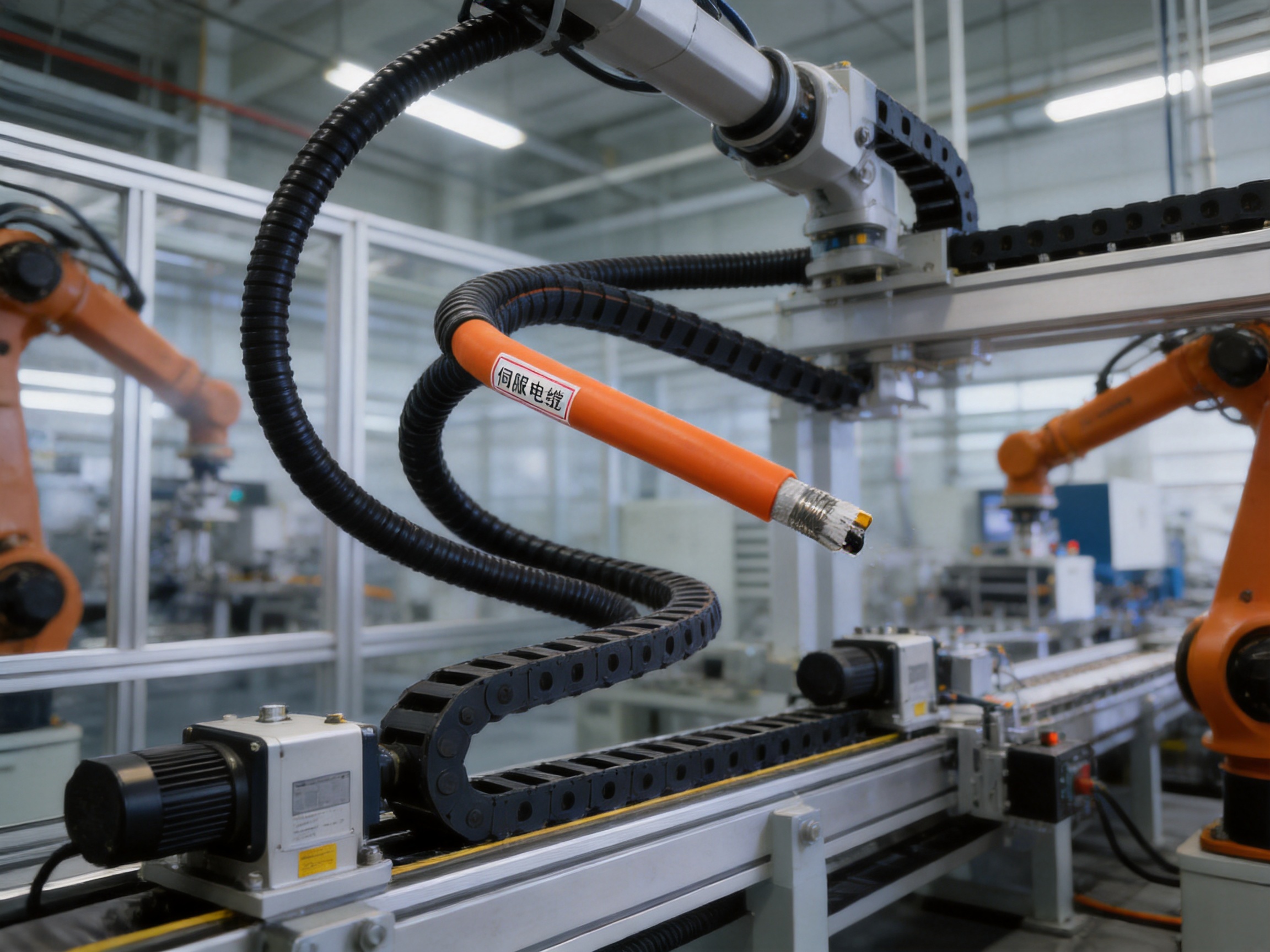
Modern automation depends on motion that is faster, more accurate, and more reliable than ever before. In this environment, a motor connection cable is not simply an accessory between a drive and a servo motor; it is a critical component that carries power, preserves signal integrity, resists mechanical stress, and helps determine whether a production line can operate continuously without unplanned interruption. The SC 711/713/720/723 C PUR Motor Connection Cable is designed for demanding industrial motor, servo motor, inverter, robot, and drive applications where repeated bending, torsion, oil exposure, chemical contact, electromagnetic interference, and confined installation spaces are common operating realities.
This product belongs to the servo cable category and is engineered as a high-flexibility PUR motor connection cable for industrial systems that require stable electrical performance under continuous movement. With a rated voltage of Uo/U 0.6/1 kV, a test voltage of 4000 V, a robust polyurethane outer sheath, fine-stranded copper conductors, and high-coverage shielding, it is suitable for servo motors, stepper motors, inverter-to-motor links, robotic joint motors, automated handling equipment, and drive units in intelligent manufacturing systems. Its construction helps solve many of the practical problems found in conventional motor cables, especially premature sheath damage, signal interference, reduced bending life, and limited resistance to oils or coolants.
For buyers, engineers, machine builders, and maintenance teams, the value of a cable is measured not only by its initial specification sheet, but also by its behavior after thousands or millions of motion cycles. A cable that looks adequate during installation may fail in operation if it cannot tolerate repeated flexing, torsional stress, vibration, or contamination. The SC 711/713/720/723 C PUR Motor Connection Cable addresses these concerns through a balanced design that combines electrical performance, mechanical endurance, environmental resistance, and practical installation features. It is manufactured by Anhui Zhishang Cable Technology Co., Ltd., a cable producer integrating research and development, manufacturing, quality control, and customized cable solutions for industrial applications.
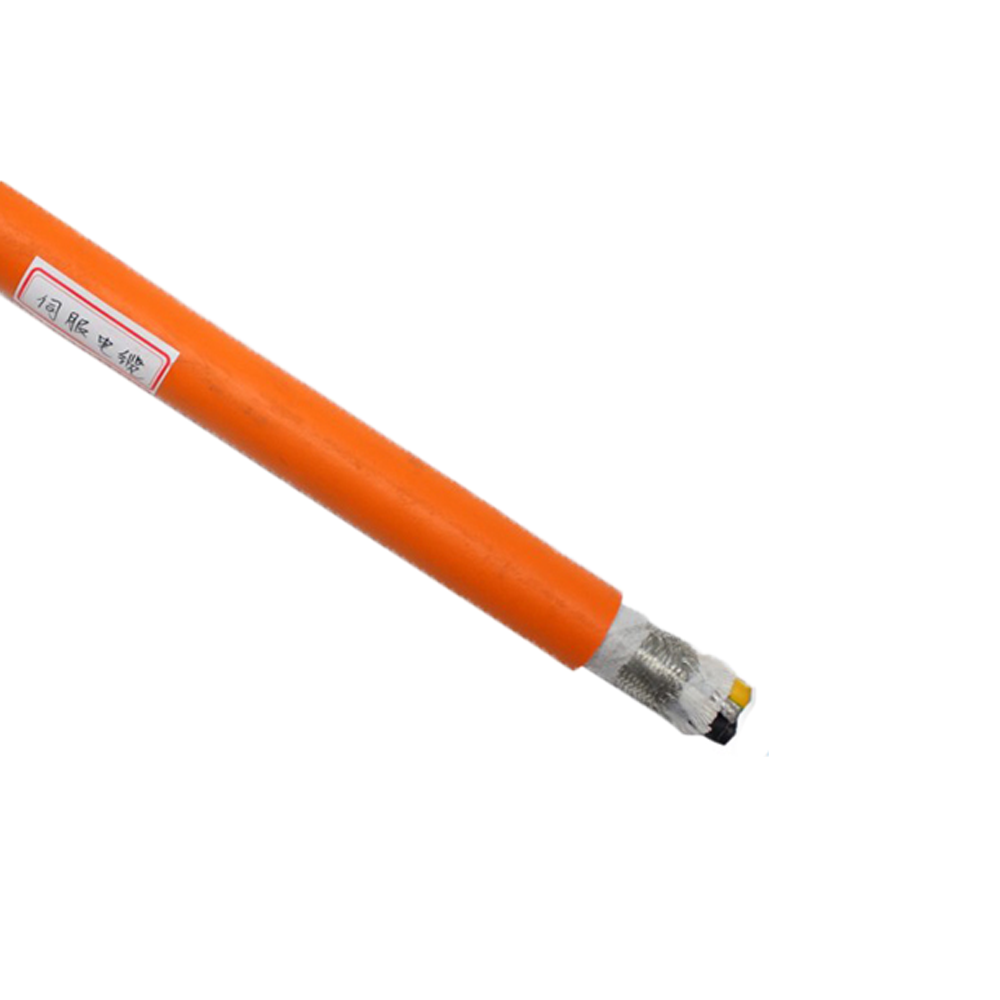
SC 711/713/720/723 C PUR Motor Connection Cable
The main purpose of the SC 711/713/720/723 C PUR Motor Connection Cable is to provide dependable power transmission between drives and motors in demanding motion-control environments. Servo systems require power cables that can support high acceleration, rapid reversing, frequent start-stop cycles, and continuous movement in cable carriers or robotic assemblies. These applications place far more stress on a cable than a fixed wiring installation. A cable in a dynamic system is repeatedly bent, twisted, pulled, and exposed to abrasion while also carrying energy to motors that may be operating near sensitive control circuits.
Traditional power cables are often optimized for static or low-motion installations. They may perform well when routed in a cable tray or conduit, but their conductor stranding, insulation structure, sheath material, and shielding design may not be suitable for high-frequency motion. When such cables are used in servo systems, common failure modes include conductor fatigue, insulation cracking, shield breakage, sheath abrasion, and intermittent electrical faults. These failures can be difficult to diagnose because they may occur only while the machine is moving, resulting in drive alarms, motor instability, reduced positioning accuracy, or unexpected stoppages.
The SC 711/713/720/723 C PUR series is built to overcome these problems. Its fine-stranded conductors improve flexibility and reduce mechanical stress during bending. Its optimized cable structure supports lower bending radii, including fixed installation at 4 times the cable diameter, flexible moving installation at 6 times the cable diameter, and continuous movement at 10 times the cable diameter. This allows machine designers to route cables through compact mechanical spaces while maintaining the required bending safety margin. The result is improved reliability in dynamic wiring zones such as drag chains, robotic wrists, moving gantries, automated storage equipment, and packaging machinery.
Another important design focus is torsion resistance. In many modern machines, cables do not only bend in one plane; they also rotate, twist, and follow complex motion paths. Robot joint motors and multi-axis handling systems can subject cables to repeated angular displacement. If the cable structure is not designed for torsion, internal conductors and shields may loosen, deform, or break. The optimized stranding and flexible PUR sheath of this motor connection cable help maintain structural integrity under combined bending and torsional movement, improving service life in applications where ordinary flexible cables may be insufficient.
The cable combines a voltage rating suitable for industrial power circuits with mechanical properties required for moving systems. Its rated voltage of Uo/U 0.6/1 kV allows it to be used in motor power transmission applications where stable insulation performance is essential. A 4000 V test voltage provides additional assurance that the cable has been manufactured and inspected to support safe operation under specified conditions. The flexible design helps reduce installation difficulty while preserving the strength needed for industrial service.
Its PUR sheath is one of the most important performance features. Polyurethane is widely recognized in industrial cable engineering for its abrasion resistance, tear resistance, cut resistance, and resistance to oils and many chemicals. Compared with common PVC sheaths, a properly formulated PUR sheath can provide much better mechanical durability in moving applications. This is especially valuable in factories where cables may contact machine frames, cable carrier surfaces, metal chips, coolants, lubricants, hydraulic fluids, and cleaning agents. The sheath helps protect the internal cable structure from mechanical and chemical degradation.
The cable also incorporates full shielding for interference resistance. In servo systems, electromagnetic interference can cause unstable control behavior, encoder errors, abnormal drive feedback, or communication disturbance. Motor cables are often located near control cables, sensor cables, and communication lines; therefore, controlling electromagnetic emissions and external interference is critical. High-coverage braided shielding helps suppress electromagnetic interference and supports stable motor operation. This feature is particularly useful in inverter-to-motor connections, where high-frequency switching noise may be present.
Temperature performance is also important. The cable is specified for fixed installation from −40°C to +70°C and flexible moving installation from +5°C to +70°C. This range supports use in workshops, automation plants, cold environments where static routing is required, and general industrial settings with moderate temperature variation. Its radiation resistance of 5×10⁷ cJ/kg further extends suitability for selected industrial environments where resistance to radiation exposure is relevant. In addition, the sheath offers excellent oil resistance and good chemical resistance to acids, alkalis, solvents, hydraulic oils, and similar substances.
Technical Item |
Specification |
Application Value |
Product type |
High-flexibility PUR motor connection cable |
Suitable for servo motors, drive systems, robots, and automated equipment |
Rated voltage |
Uo/U 0.6/1 kV |
Supports industrial motor power transmission requirements |
Test voltage |
4000 V |
Provides confidence in insulation strength and production quality |
Minimum bending radius for fixed installation |
4×D |
Allows compact routing in static cable paths |
Minimum bending radius for flexible moving installation |
6×D |
Supports movement in dynamic wiring zones |
Minimum bending radius for continuous movement |
10×D |
Improves service life in cable carriers and repetitive motion systems |
Operating temperature for fixed installation |
−40°C to +70°C |
Suitable for broad industrial temperature conditions in static use |
Operating temperature for moving installation |
+5°C to +70°C |
Designed for reliable dynamic operation in standard industrial environments |
Outer sheath |
PUR/TMPU |
Provides abrasion, tear, cut, oil, and chemical resistance |
Shielding |
High-coverage braided shielding |
Suppresses electromagnetic interference and supports stable motor control |
Oil resistance |
Excellent; PUR/TMPU compliant with DIN VDE 0282 and HD 22.1 |
Appropriate for workshops with lubricants, oils, and coolants |
Chemical resistance |
Good resistance to acids, alkalis, solvents, hydraulic oils, and similar substances |
Extends cable reliability in harsh industrial environments |
One of the strongest advantages of this cable is its high mechanical strength. In many industrial sites, cables are dragged through carriers, clamped into moving assemblies, routed near sharp machine edges, or exposed to repeated contact with equipment surfaces. A cable with a soft or low-grade sheath may wear through quickly, exposing the inner structure and creating safety or reliability risks. The PUR sheath used for the SC 711/713/720/723 C PUR Motor Connection Cable is designed to resist abrasion, tearing, and cutting, making it a superior choice compared with standard PVC-sheathed motor cables in high-dynamic applications.
Another advantage is flexibility. Flexibility is not only about how easily a cable can be bent by hand. In cable engineering, true flexibility depends on conductor stranding, insulation selection, core arrangement, shielding behavior, filler design, sheath adhesion, and overall torsional balance. The fine-stranded conductors and optimized stranding structure used in this product help reduce internal stress during motion. This allows the cable to maintain better electrical continuity and longer mechanical life than less flexible products that may experience conductor breakage after repeated bending.
Compared with many general-purpose power cables, the product offers better interference control. Servo drives, frequency converters, and high-speed automation equipment can generate electromagnetic noise. Without proper shielding, this noise may spread into adjacent wiring or interfere with feedback and control systems. Full shielding with high-coverage braided construction helps control these effects. This is a key advantage in precision automation because even small interference problems can result in positioning errors, inconsistent torque response, or nuisance alarms.
Environmental resistance is another significant differentiator. Many industrial cables fail not because of electrical overload, but because of gradual environmental degradation. Oil can soften certain jacket materials. Chemicals can cause swelling, cracking, or loss of mechanical strength. Moisture can contribute to hydrolysis and microbial effects in unsuitable materials. The PUR sheath of this cable provides strong resistance to oil, chemicals, hydrolysis, and microbial growth, allowing it to maintain stable performance in machine shops, metalworking equipment, automated assembly lines, and areas where fluids are present.
The cable is also designed for longer service life. In industrial automation, cable replacement cost is not limited to the price of the cable itself. Downtime, labor, troubleshooting, lost production, and revalidation can cost far more than the component. A long-life cable reduces these hidden costs. By combining bending cycle resistance, wear resistance, shielding durability, and environmental protection, this product helps reduce maintenance frequency and supports higher machine availability. This gives it a practical advantage over lower-cost cables that may require frequent replacement.
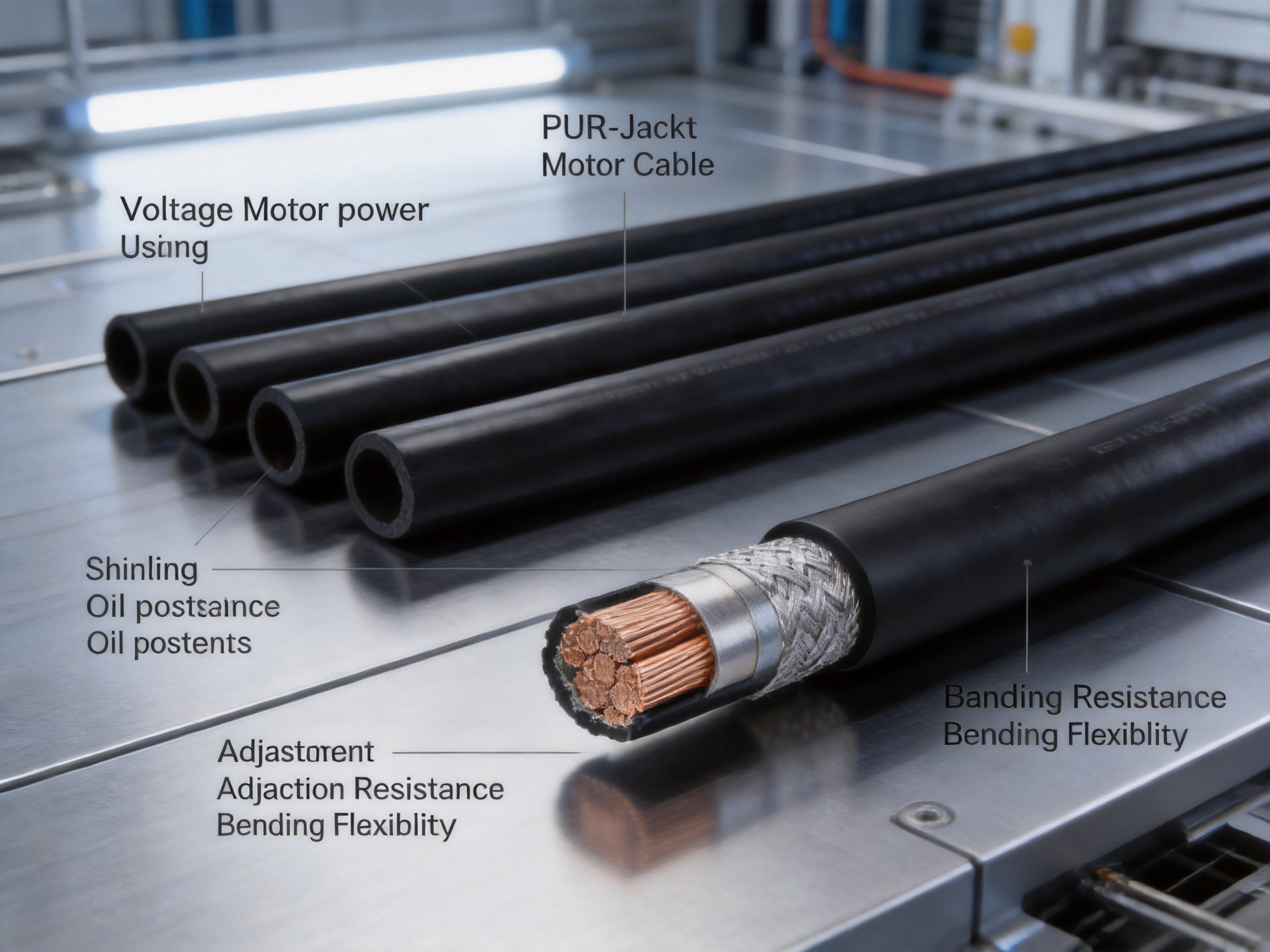
Polyurethane is a preferred sheath material for many high-performance industrial cables because it combines flexibility with toughness. In servo applications, the sheath is the first line of defense against the surrounding environment. It must protect the inner insulation and conductors while allowing the cable to move freely. A sheath that is too stiff increases bending stress. A sheath that is too weak may tear, abrade, or deform. PUR provides a strong balance, offering high elasticity, wear resistance, and mechanical resilience.
Compared with PVC, PUR generally offers superior abrasion resistance and better resistance to oils and many industrial chemicals. PVC cables may be suitable for many fixed installations, but in cable carriers, robotic systems, and oily machining environments, they can wear or degrade more quickly. Rubber-sheathed cables may provide flexibility, but they may not always offer the same combination of cut resistance, abrasion resistance, and compactness required by modern automated equipment. PUR therefore gives machine designers a practical way to increase durability without sacrificing movement performance.
In addition to abrasion and oil resistance, PUR helps the cable maintain a clean and stable outer profile over time. This is important in cable carriers where the cable surface repeatedly slides against carrier links and neighboring cables. Excessive friction, swelling, or deformation can increase pulling forces and accelerate wear. A durable PUR jacket helps reduce these effects when the cable is correctly installed according to bending radius, carrier fill, and separation guidelines. As a result, the cable can deliver predictable performance in motion-intensive applications.
The PUR/TMPU sheath also helps support use in harsh industrial surroundings where hydraulic oils, coolants, light chemical exposure, or cleaning agents may be present. While no cable should be selected without considering the exact chemical concentration, exposure time, and temperature, the chemical resistance of this product gives it a wider application range than many ordinary cables. This makes it suitable for automation equipment serving metal processing, packaging, logistics, robotics, material handling, and intelligent manufacturing environments.
Motor connection cables must carry electrical power while maintaining insulation safety and limiting electromagnetic disturbance. In servo and inverter systems, fast switching frequencies can create high-frequency noise. If not controlled, this noise may enter sensitive circuits or create unwanted emissions. The high-coverage braided shielding used in the SC 711/713/720/723 C PUR Motor Connection Cable plays an important role in improving electromagnetic compatibility. It helps contain interference generated by motor power transmission and reduces the impact of external noise on cable performance.
Stable motor control depends on the quality of the entire electrical path. A poorly shielded or mechanically unstable cable may produce intermittent faults that are difficult to trace. For example, if a shield deteriorates due to repeated bending, the system may initially operate normally but later experience communication issues, drive errors, or unstable motor response. A cable designed for flexible shield endurance reduces this risk. The braided shield structure also provides mechanical flexibility compared with rigid shielding methods, making it suitable for dynamic applications.
The 0.6/1 kV voltage rating supports broad industrial power use. The 4000 V test voltage indicates that the cable insulation has been designed and tested for reliable dielectric strength. In practical terms, this helps protect equipment and personnel when the cable is used within its specified conditions. For system designers, this rating simplifies selection for many motor power circuits where a robust industrial-grade cable is required.
Core identification is another practical feature. Clear identification helps installers connect the cable correctly, reduces wiring errors, and supports future maintenance. In complex machinery, where many cables may be routed through the same enclosure or carrier system, easy identification is valuable. It can reduce commissioning time and help maintenance engineers perform inspections, replacements, or troubleshooting more efficiently. This is especially important in production environments where downtime must be minimized.
Servo motors are used wherever precise motion control is required. They can be found in CNC machines, industrial robots, automated packaging equipment, printing machines, assembly lines, pick-and-place systems, material handling machinery, and intelligent production cells. In these applications, the cable must support not only power transmission but also mechanical motion. The SC 711/713/720/723 C PUR Motor Connection Cable is specifically suited for such applications because it combines flexibility, shielding, and environmental resistance.
In inverter-to-motor connections, the cable helps link variable frequency drives or servo drives to motor terminals. These connections often carry pulsed power that can create electromagnetic noise. A shielded motor cable helps improve electromagnetic compatibility and protects nearby equipment. This is especially important in control cabinets and machines where power cables and signal cables are located close together. Proper grounding and installation of the shield are essential to achieve the best performance.
Robotic joint motors place particularly severe demands on cables. A robot arm may move through multiple axes, twisting and bending its internal cabling thousands of times per shift. A conventional cable may fatigue quickly under these conditions. The optimized design of this product for torsion and bending makes it suitable for robotic motor connections where cables must move smoothly without internal damage. Its PUR sheath also helps resist abrasion as the cable moves inside guiding structures or protective sleeves.
Material handling systems, such as automated conveyors, shuttle systems, gantry loaders, and warehouse automation machines, also benefit from high-flexibility motor cables. These systems often operate for long hours and may include moving carriages, lifting mechanisms, and drive modules. Cable failure in such systems can stop an entire production or logistics process. By using a cable with a high bending life and strong environmental resistance, equipment manufacturers and operators can improve system uptime.
Automation equipment used in wet, oily, or chemically exposed environments requires careful cable selection. In machining centers, cables may be exposed to cutting oil, mist, metal particles, and coolant splash. In packaging and processing equipment, cleaning agents or moisture may be present. The oil and chemical resistance of the PUR sheath helps the cable remain durable under these conditions. This makes it a strong choice for factories seeking long-term reliability rather than short-term cost savings.
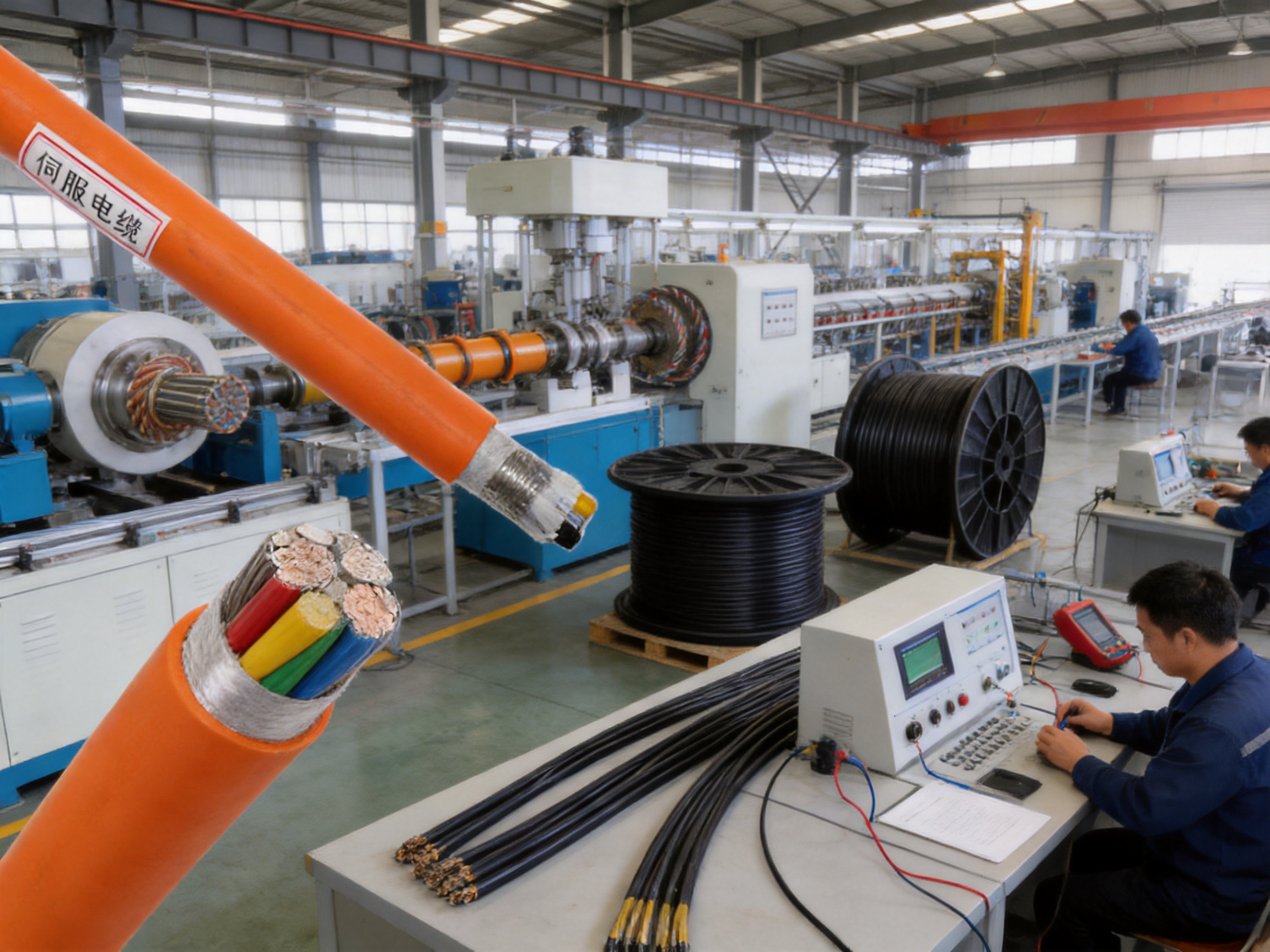
A high-performance cable depends on both design and manufacturing discipline. Anhui Zhishang Cable Technology Co., Ltd. is located in Xuanzhou District, Xuancheng City, Anhui Province, China, a key node city in the Yangtze River Delta region. The company integrates research and development, production, and sales of wires and cables. Its modern production base covers approximately 5,000 square meters and is equipped with 10 automated production lines. With a monthly output capacity of up to 10 million meters, the company can support both standard product demand and customized cable orders.
The company’s manufacturing philosophy emphasizes quality orientation, integrity, and stability. In cable production, stability is especially important because small process variations can affect conductor resistance, insulation thickness, shielding coverage, sheath concentricity, flexibility, and long-term performance. A cable may look simple from the outside, but its reliability depends on consistent control of each production stage. From copper conductor preparation to extrusion, stranding, shielding, sheathing, marking, testing, and packaging, every step must be executed with precision.
The company’s team includes quality engineers and research and development technicians with more than 10 years of industry experience. This technical experience supports material selection, structural optimization, quality inspection, and project-specific cable design. For specialized applications, the engineering team can provide product selection guidance and tailor-made cable design solutions according to customer drawings, samples, electrical requirements, mechanical conditions, and environmental factors. This OEM and ODM capability is important for machine builders who need cables that fit defined installation spaces or unique performance requirements.
Advanced manufacturing capability is reflected not only in production capacity but also in process control. Automated production lines improve consistency by reducing manual variation. Proper conductor stranding ensures flexibility and conductivity. Controlled extrusion helps maintain insulation and sheath thickness. Accurate shielding processes help achieve the coverage needed for electromagnetic protection. Consistent cable diameter and surface quality help ensure easier installation in cable carriers and machine assemblies. These process strengths contribute directly to the performance of products such as the SC 711/713/720/723 C PUR Motor Connection Cable.
The company also provides quality assurance for standard cable models, including full-core, full-length, pure copper specifications, product test reports, and warranty support. Full-core and full-length quality control are important because cable performance must remain consistent throughout the entire reel or delivery length. Product test reports help customers verify that purchased cables meet defined requirements. Warranty support gives buyers additional confidence, particularly when purchasing for industrial projects where reliability expectations are high.
Standard products are stocked for fast shipment, while customized products typically require 7 to 20 days of lead time depending on specifications and order details. This combination of inventory support and customization flexibility is valuable for international buyers, equipment manufacturers, and maintenance teams. Standard cable availability helps urgent projects move quickly, while customization capability allows customers to solve special wiring challenges. The company’s products are sold in the United States, Canada, Australia, Japan, and parts of Eurasia, demonstrating its ability to support international cable requirements.
Good cable performance begins with materials. Conductors must provide reliable conductivity and flexibility. Insulation must maintain electrical separation under operating voltage and mechanical stress. Shielding materials must offer conductivity, coverage, and motion endurance. The outer sheath must resist the surrounding environment while supporting repeated movement. For a PUR motor connection cable, the choice and processing of polyurethane are especially important because the sheath determines much of the cable’s abrasion, oil, chemical, and mechanical resistance.
Craftsmanship is also essential. Even high-quality materials can perform poorly if processed incorrectly. If conductor stranding is uneven, bending stress may concentrate in certain areas. If insulation thickness varies, electrical safety margins may be reduced. If shielding coverage is inconsistent, electromagnetic performance may decline. If the outer sheath is not properly extruded, the cable may have dimensional irregularities or weak points. The company’s production experience and automated lines help reduce these risks by supporting repeatable manufacturing conditions.
Quality control should include dimensional inspection, conductor resistance checks, voltage testing, surface inspection, shielding evaluation, and verification of packaging and labeling. For motor connection cables used in dynamic environments, the buyer should also consider mechanical suitability, including bending radius, torsion performance, installation conditions, and cable carrier compatibility. The SC 711/713/720/723 C PUR Motor Connection Cable is designed with these real-world factors in mind, making it a practical choice for industrial users who require more than a basic electrical cable.
The company’s green manufacturing and responsible production practices also reflect a broader commitment to long-term development. As global industries focus increasingly on sustainability, cable manufacturers must consider material efficiency, process optimization, waste reduction, and reliable product life. A cable with longer service life can contribute indirectly to sustainability by reducing replacement frequency, waste generation, and downtime-related energy losses. Durable design is therefore not only an economic advantage, but also a responsible engineering choice.
Even the best cable must be installed correctly to achieve its expected service life. The specified bending radii should always be respected: 4×D for fixed installation, 6×D for flexible moving installation, and 10×D for continuous movement. Bending the cable tighter than recommended can increase mechanical stress and reduce operating life. In cable carriers, the cable should be laid without twisting and should be allowed to move freely within the carrier cavity. Overfilling the carrier or clamping the cable too tightly can restrict movement and accelerate wear.
When the cable is used in moving installations, attention should be paid to routing, strain relief, carrier length, acceleration, travel speed, and the presence of other cables or hoses. Cables with different diameters or stiffness should be separated where possible to prevent uneven pressure. The cable should not be forced into sharp corners or compressed under heavy components. In robot applications, torsion limits and routing geometry should be evaluated carefully to ensure that the cable is not exposed to excessive twisting beyond design assumptions.
For electromagnetic compatibility, shielding must be connected correctly. A shielded cable cannot deliver its full benefit if the shield is left ungrounded, poorly terminated, or connected through long pigtails that reduce high-frequency effectiveness. In many drive systems, 360-degree shield termination at the drive and motor ends is preferred, subject to equipment manufacturer instructions and applicable electrical standards. Proper separation between power cables and sensitive signal cables also improves system reliability.
Temperature and chemical exposure should be considered before installation. The cable supports fixed installation from −40°C to +70°C and moving installation from +5°C to +70°C. If the environment includes unusual chemicals, high concentrations, continuous immersion, or elevated temperatures, compatibility should be confirmed before use. Similarly, while the cable provides excellent oil resistance, actual performance may depend on oil type, temperature, exposure duration, and mechanical conditions.
Maintenance teams should periodically inspect moving cable systems for visible wear, improper routing, carrier damage, loose clamps, abnormal noise, or excessive pulling force. Early detection of installation problems can prevent cable damage. Because this cable is designed for long service life, proper installation and maintenance allow users to gain the full benefit of its high-flexibility construction and PUR sheath protection.
When purchasing cable, it is tempting to compare only the unit price per meter. However, in industrial automation, the lowest initial price does not always lead to the lowest total cost. A cable that fails early can cause production stoppages, emergency maintenance, machine downtime, replacement labor, and possible product loss. These costs can greatly exceed the price difference between a conventional cable and a high-performance PUR motor connection cable.
The SC 711/713/720/723 C PUR Motor Connection Cable supports lower total cost of ownership in several ways. Its high bending life reduces replacement frequency in moving systems. Its abrasion-resistant sheath reduces the risk of external damage. Its oil and chemical resistance helps prevent environmental degradation. Its shielding helps reduce interference-related troubleshooting. Its clear core identification helps shorten installation and maintenance time. Together, these features contribute to more stable machine operation and fewer unexpected interruptions.
For machine builders, using a reliable cable can also improve the reputation of the equipment. End users judge machines by uptime, maintenance requirements, and long-term performance. A cable failure may be blamed on the whole machine, even if the mechanical system is otherwise well designed. Selecting a durable motor connection cable helps machine builders deliver equipment that performs reliably in real production environments. This can strengthen customer satisfaction and reduce after-sales service pressure.
For maintenance departments, standardized use of high-quality motor cables can simplify spare parts management. Instead of stocking many low-grade cables for frequent replacement, facilities can use robust cables designed for critical motion applications. The availability of standard products and customized cable options from Anhui Zhishang Cable Technology Co., Ltd. supports both planned maintenance and special project requirements. This flexibility is valuable for factories with mixed machinery, legacy equipment, and new automation lines.
The industrial cable market includes a wide range of products, from simple fixed-installation wires to specialized high-flex servo cables. The SC 711/713/720/723 C PUR Motor Connection Cable is positioned toward the high-performance end of this spectrum. Its competitive strengths are most visible in applications where ordinary cables are exposed to dynamic motion, oil, abrasion, and electromagnetic interference. In these conditions, a low-cost general-purpose cable may become a weak point in the system.
Compared with many conventional motor cables, this product offers a stronger combination of mechanical durability and electrical stability. The PUR sheath provides better protection against wear and environmental damage. Fine-stranded conductors and optimized structure support flexibility and bending life. Full shielding helps maintain electromagnetic compatibility. The defined bending radius values provide engineers with practical installation guidance. The wide fixed-installation temperature range supports use in diverse industrial locations.
Another competitive advantage comes from the manufacturer’s ability to provide integrated cable solutions. Customers are not limited to choosing from a narrow catalog; they can consult technical engineers, provide drawings or samples, and develop OEM or ODM cable designs according to project needs. This is especially important in modern automation, where equipment designs are increasingly compact and specialized. A cable supplier with engineering capability can help optimize conductor size, sheath material, shielding method, core identification, cable diameter, and packaging format.
The company’s production capacity and automated manufacturing lines also strengthen competitiveness. A monthly output capacity of up to 10 million meters supports large-volume projects and repeat orders. The 5,000-square-meter production base provides a foundation for stable manufacturing. Experienced quality and research personnel help maintain technical standards. International market experience demonstrates the company’s ability to serve customers beyond the domestic market. These strengths make the cable attractive not only as a single product, but as part of a broader industrial wiring solution.
It is used for motor power connections in industrial automation, including servo motors, stepper motors, inverter-to-motor connections, robot joint motors, drive units, material handling systems, and automated equipment requiring flexible and durable motor cables.
PUR provides excellent abrasion resistance, tear resistance, cut resistance, oil resistance, and chemical resistance. It is more suitable than many common sheath materials for high-dynamic applications such as cable carriers, robots, and moving machine assemblies.
The cable uses high-coverage braided shielding to suppress electromagnetic interference. This helps improve motor control stability and reduces the risk of noise affecting nearby signal, control, or communication cables.
The rated voltage is Uo/U 0.6/1 kV, making it suitable for many industrial motor power transmission applications.
The test voltage is 4000 V, which helps verify insulation strength and supports reliable operation when the cable is used within its specified conditions.
The minimum bending radius is 4×D for fixed installation, 6×D for flexible moving installation, and 10×D for continuous movement. Following these values is important for preserving cable life and mechanical performance.
Yes. Its flexible conductor structure, optimized cable design, and durable PUR sheath make it suitable for dynamic use in cable carriers, provided that installation conditions such as bending radius, carrier fill, and strain relief are correctly managed.
Yes. The PUR/TMPU sheath offers excellent oil resistance and is compliant with DIN VDE 0282 and HD 22.1 requirements related to oil-resistant cable materials. It is suitable for many environments with lubricants, coolants, and hydraulic oils.
The cable provides good resistance to acids, alkalis, solvents, hydraulic oils, and similar substances. However, for special chemical exposure, users should confirm compatibility based on chemical type, concentration, exposure duration, and temperature.
For fixed installation, the operating temperature range is −40°C to +70°C. For flexible moving installation, the operating temperature range is +5°C to +70°C.
It offers higher flexibility, stronger mechanical resistance, better oil and chemical resistance, full shielding for interference control, and longer service life in high-dynamic applications. Standard motor cables are often not designed for repeated bending, torsion, and harsh industrial exposure.
Yes. Anhui Zhishang Cable Technology Co., Ltd. supports OEM and ODM development based on customer drawings, samples, and project requirements. Technical engineers can provide selection guidance and tailor-made cable design solutions.
Standard products are stocked for fast shipment. Customized products typically require 7 to 20 days of lead time depending on design complexity, order quantity, and production scheduling.
The SC 711/713/720/723 C PUR Motor Connection Cable is a high-flexibility servo cable engineered for demanding industrial motor applications. It addresses the key challenges found in modern automation: repeated bending, torsional movement, abrasion, oil exposure, chemical contact, electromagnetic interference, and compact installation requirements. With a rated voltage of Uo/U 0.6/1 kV, a 4000 V test voltage, a durable PUR/TMPU sheath, high-coverage braided shielding, and defined bending-radius performance, it offers a dependable solution for servo motors, stepper motors, inverter connections, robots, and automated drive systems.
Its advantages over conventional motor cables are clear. It provides stronger mechanical protection, better flexibility, more reliable shielding, greater environmental resistance, and longer service life. These benefits reduce maintenance frequency, minimize downtime, and improve total cost of ownership. In high-value production environments, where cable failure can stop entire machines or production lines, the use of a durable motor connection cable is a strategic engineering decision.
The product is further strengthened by the manufacturing capabilities of Anhui Zhishang Cable Technology Co., Ltd. With a modern production base, automated production lines, experienced engineers, monthly output capacity of up to 10 million meters, quality assurance practices, OEM and ODM support, and international market experience, the company is well positioned to provide reliable wire and cable solutions for industrial customers. Its focus on quality, craftsmanship, stability, and customer-specific engineering gives buyers confidence that the cable is not merely manufactured, but carefully developed for real operating conditions.
For machine builders, automation integrators, maintenance teams, and industrial buyers seeking a motor connection cable that can withstand dynamic motion and harsh environments, the SC 711/713/720/723 C PUR Motor Connection Cable offers a balanced and dependable choice. It combines robust materials, precise manufacturing, practical installation features, and long-term durability. In a market where uptime, accuracy, and reliability are critical, this cable provides the performance foundation required by modern servo drive systems.
DIN VDE 0282, Rubber Insulated Cables of Rated Voltages up to and Including 450/750 V, with Requirements Relevant to Oil-Resistant Flexible Cable Materials.
HD 22.1, Harmonized Standard for Rubber Insulated Cables and Related Flexible Cable Construction Requirements.
IEC 60228, Conductors of Insulated Cables, International Electrotechnical Commission.
IEC 60332, Tests on Electric and Optical Fibre Cables Under Fire Conditions, International Electrotechnical Commission.
IEC 60502, Power Cables with Extruded Insulation and Their Accessories for Rated Voltages from 1 kV, International Electrotechnical Commission.
Industrial Servo Drive Installation and Electromagnetic Compatibility Guidelines, Motion Control Engineering Reference Materials.
Polyurethane Cable Jacket Performance in Dynamic Industrial Applications, Cable Materials Engineering Handbook.

We firmly believe that good cables are not only a competition of materials, but also a reflection of craftsmanship, quality, and responsibility.

Links
Product
Send Inquiry
No. 29 Sankeshu Road, Xuanzhou District, Xuancheng City, Anhui Province, China
+86-18621104555/+86-563-2622999
 Electrical Cable Manufacturer
OEM/ODM Wire and Cable Solutions
Electrical Cable Manufacturer
OEM/ODM Wire and Cable Solutions
 English
 Español
 عربى
عربى
 русский