Get more content that can help you
Content
In modern electrical engineering, the performance of a power cable is no longer judged only by conductivity, voltage rating, or service life. Fire behavior, smoke emission, corrosion risk, environmental responsibility, and system reliability have become equally important criteria, especially in public buildings, transportation hubs, industrial plants, data centers, hospitals, commercial complexes, and other environments where people, equipment, and continuity of operation must be protected. The WDZ(A/B/C)-YJY XLPE insulated and sheathed power cable is designed precisely for these demanding applications. It combines the proven electrical advantages of XLPE insulation with a low-smoke, halogen-free, flame-retardant polyolefin sheath, creating a safer and cleaner-burning power cable solution for critical infrastructure.
Unlike ordinary PVC-sheathed YJV cables or conventional flame-retardant ZR-YJV cables, WDZ(A/B/C)-YJY is engineered to reduce the secondary hazards of fire. When exposed to flame, traditional PVC materials may release dense smoke and corrosive halogen acid gases such as hydrogen chloride, which can endanger evacuation, damage electrical and electronic equipment, and intensify rescue difficulty. By contrast, WDZ(A/B/C)-YJY uses halogen-free sheath materials and low-smoke formulations, helping maintain visibility and reducing toxic and corrosive gas emissions during combustion. This “clean burning” characteristic is the core value of the product and the main reason it is increasingly specified in high-safety electrical projects.
Anhui Zhishang Cable Technology Co., Ltd. manufactures this cable with a strong focus on stable quality, process control, and application-oriented customization. Located in Xuanzhou District, Xuancheng City, Anhui Province, China, the company integrates research and development, production, and sales of wire and cable products. With modern production facilities of approximately 5,000 square meters, 10 automated production lines, and monthly output capacity of up to 10 million meters, the company supports both standard supply and OEM/ODM development for customers requiring tailored electrical cable solutions.
WDZ(A/B/C)-YJY XLPE Insulated and Sheathed Power Cable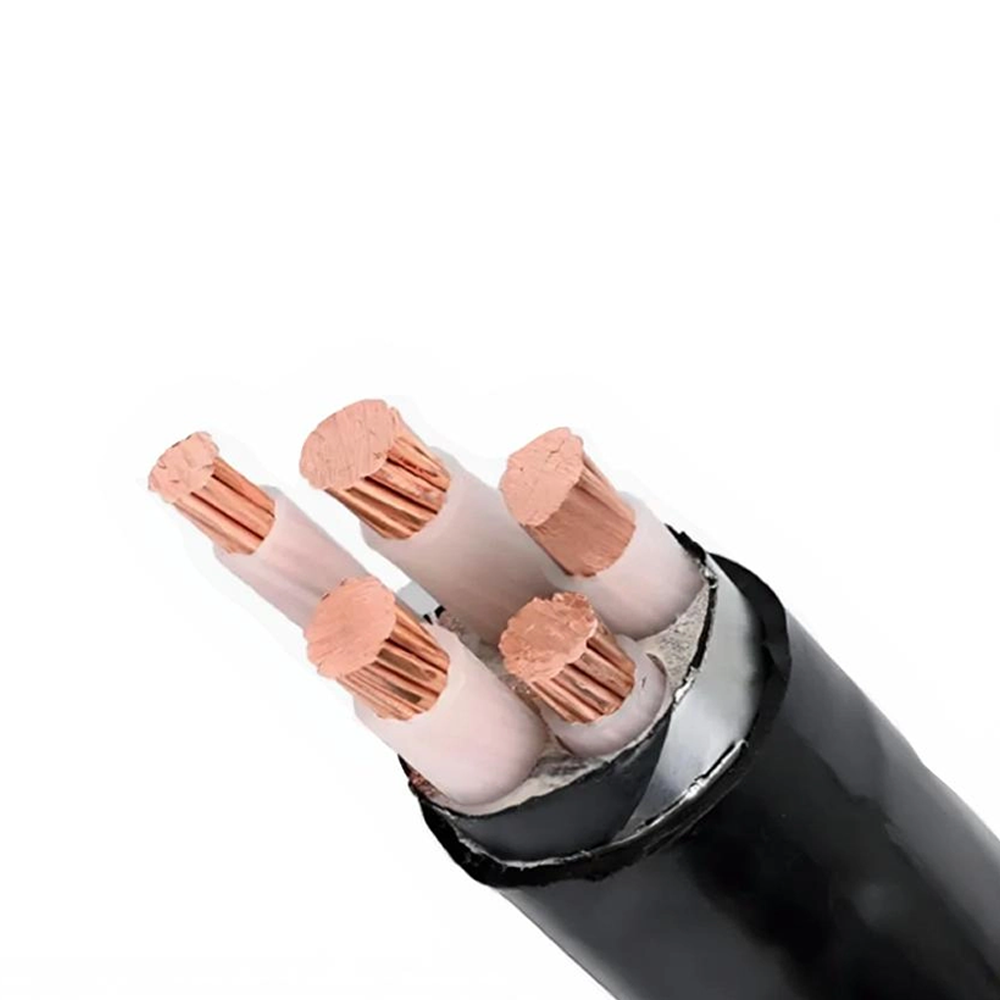
WDZ(A/B/C)-YJY is an XLPE insulated and polyolefin sheathed power cable. In its model designation, “WDZ” represents low-smoke, halogen-free, flame-retardant performance. The letters A, B, and C refer to different flame-retardant classes, typically corresponding to bunched cable flame propagation tests under recognized standards such as IEC 60332-3. “YJ” indicates cross-linked polyethylene insulation, while “Y” indicates a polyolefin sheath. The cable is commonly supplied for 0.6/1 kV low-voltage power distribution, and it can also be designed for other voltage grades such as 8.7/15 kV depending on project requirements.
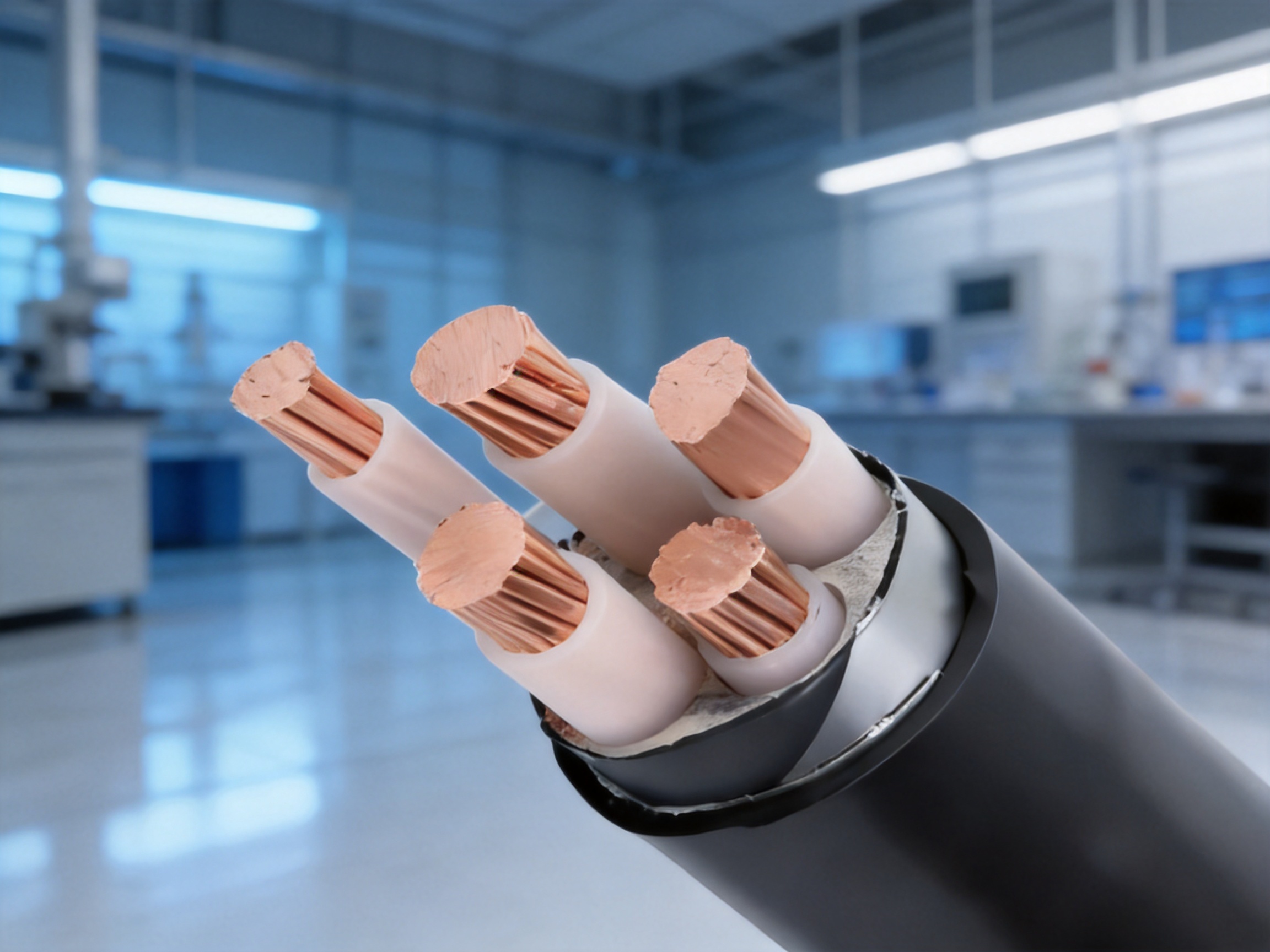
The cable generally uses a copper conductor, XLPE insulation, and a halogen-free polyolefin sheath. The copper conductor provides excellent electrical conductivity and mechanical reliability. The XLPE insulation gives the cable a long-term allowable conductor operating temperature of 90°C and a maximum short-circuit temperature of 250°C for up to 5 seconds. The outer sheath provides flame retardancy, low smoke emission, and halogen-free combustion performance, making the cable suitable for installations where fire safety and environmental protection are mandatory.
WDZ(A/B/C)-YJY is widely used in power distribution systems for buildings, industrial facilities, infrastructure projects, electrical rooms, vertical shafts, tunnels, transportation stations, public venues, data centers, and other locations requiring enhanced fire safety. It is especially appropriate for crowded or enclosed spaces where smoke density and gas toxicity during fire can directly affect evacuation and rescue operations.
Item |
Typical Specification |
Engineering Significance |
Conductor |
Copper, with cross-sectional range commonly from 1.5 mm² to 1000 mm² for 0.6/1 kV grade |
Provides high conductivity, stable current transmission, and reliable mechanical strength |
Insulation |
Cross-linked polyethylene, commonly known as XLPE |
Supports long-term operation at 90°C and improves thermal aging resistance |
Sheath |
Low-smoke halogen-free polyolefin material |
Reduces smoke density and corrosive gas emission during combustion |
Rated Voltage |
0.6/1 kV as the most common grade; medium-voltage options can be developed according to requirements |
Suitable for low-voltage power distribution and certain customized power engineering applications |
Long-Term Operating Temperature |
Maximum conductor temperature of +90°C |
Allows high current-carrying capacity and reliable continuous service |
Short-Circuit Temperature |
Maximum conductor temperature of +250°C for 5 seconds |
Improves safety margin during short-duration fault conditions |
Installation Temperature |
Recommended not below 0°C |
Helps prevent sheath damage and installation stress in cold environments |
Minimum Bending Radius |
Single-core cable generally not less than 20D; multi-core cable generally not less than 15D |
Ensures insulation and sheath integrity during laying and routing |
Flame Retardancy |
Class A, B, or C bunched flame-retardant performance according to project requirements |
Limits flame spread along grouped cable installations |
Halogen-Free Performance |
Combustion gas pH value typically ≥ 4.3 and conductivity ≤ 10 μS/mm |
Indicates low corrosivity of combustion gases |
Low Smoke Performance |
Light transmittance typically ≥ 60% |
Improves visibility for evacuation and firefighting |
The greatest competitive advantage of WDZ(A/B/C)-YJY cable is not only that it can transmit power efficiently, but that it is designed to behave more safely when fire occurs. In many electrical fires, the danger does not come only from flame. Dense smoke can block evacuation routes, toxic gases can cause injury, and corrosive acidic gases can damage control systems, communication equipment, metallic structures, and sensitive electronics. These secondary hazards are especially severe in underground spaces, high-rise buildings, rail transit facilities, airports, hospitals, and data centers.
Conventional PVC-sheathed power cables are economical and widely used, but PVC contains chlorine. During combustion, PVC can release hydrogen chloride gas, which forms corrosive hydrochloric acid when it meets moisture. The smoke generated by PVC combustion can also be dense and dark, greatly reducing visibility. Even when a cable has a flame-retardant PVC sheath, its combustion by-products may still create significant smoke and corrosion risks. Therefore, ordinary YJV and ZR-YJV cables may be acceptable for many general installations, but they are not always the best choice for critical public or enclosed environments.
WDZ(A/B/C)-YJY addresses this issue through halogen-free polyolefin sheath technology. The cable does not release corrosive halogen acid gases such as HCl during combustion. Its low-smoke performance helps maintain a higher level of light transmittance, making evacuation routes more visible. Its flame-retardant design helps slow the spread of flame along cable bundles, which is crucial because cables are often installed in trays, shafts, tunnels, and risers where fire can otherwise propagate rapidly. This combination of halogen-free, low-smoke, and flame-retardant properties is what makes WDZ(A/B/C)-YJY fundamentally different from ordinary power cables.
While the fire safety characteristics of WDZ(A/B/C)-YJY are central to its value, the cable also retains the major electrical and thermal advantages of XLPE-insulated power cables. XLPE, or cross-linked polyethylene, is widely recognized for its excellent dielectric properties, heat resistance, and aging stability. Through the cross-linking process, polyethylene molecules form a three-dimensional network structure that improves thermal deformation resistance and allows the insulation to withstand higher operating temperatures than ordinary thermoplastic materials.
The long-term allowable conductor operating temperature of WDZ(A/B/C)-YJY is 90°C. This gives the cable a high current-carrying capacity compared with many lower-temperature insulation systems. In properly designed electrical systems, higher allowable operating temperature can contribute to more efficient cable sizing, better thermal margin, and reliable long-term service. During short-circuit events, the cable can withstand conductor temperatures up to 250°C for a short duration of 5 seconds, provided that the protection system operates correctly. This short-circuit tolerance improves resilience under fault conditions.
XLPE insulation also offers good resistance to moisture, chemical aging, and electrical stress when produced under controlled conditions. It is suitable for many fixed power distribution installations and can provide a long service life when selected, installed, and maintained correctly. Compared with cables that use lower-performance insulation, an XLPE insulated cable can better maintain insulation integrity under thermal load, reducing the risk of premature deterioration.
When compared with ordinary YJV cable, WDZ(A/B/C)-YJY offers a decisive improvement in fire safety. Ordinary YJV uses XLPE insulation but generally has a PVC sheath. It can provide good electrical performance, but it does not offer the same low-smoke and halogen-free combustion characteristics. In a fire, the PVC sheath may release dense smoke and corrosive gases. WDZ(A/B/C)-YJY, with its halogen-free polyolefin sheath, significantly reduces these risks.
When compared with ZR-YJV flame-retardant cable, WDZ(A/B/C)-YJY also has a clear distinction. ZR-YJV is designed to resist flame propagation, but it usually still relies on PVC sheath materials. Flame retardancy alone does not necessarily mean low smoke or halogen-free combustion. WDZ(A/B/C)-YJY combines flame retardancy with low-smoke and halogen-free performance, making it a more comprehensive safety solution for crowded or mission-critical environments.
When compared with lower-cost general-purpose cables, WDZ(A/B/C)-YJY may require a higher initial investment, but its value should be evaluated over the full life cycle of the building or facility. In projects where fire safety codes, insurance requirements, environmental regulations, or equipment protection standards are strict, the cost of choosing a safer cable can be far lower than the potential cost of smoke damage, evacuation difficulty, equipment corrosion, downtime, or compliance failure.
When compared with some specialty fire-resistant cables, WDZ(A/B/C)-YJY is best understood as a low-smoke, halogen-free, flame-retardant power cable rather than a circuit-integrity fire-resistant cable. If a project requires the cable to maintain power transmission during a defined fire exposure period, a dedicated fire-resistant cable may be necessary. However, for applications where the primary requirement is limiting flame spread and reducing combustion hazards, WDZ(A/B/C)-YJY provides a highly practical and cost-effective high-safety option.
WDZ(A/B/C)-YJY is suitable for public spaces and critical facilities with explicit requirements for fire safety and environmental protection. In commercial buildings, it can be used for main power distribution, feeder lines, and fixed wiring systems where cable bundles are routed through risers, cable trays, or electrical rooms. In hospitals, low-smoke halogen-free cables are valuable because patients, medical staff, and sensitive equipment must be protected during emergency events. Reduced smoke and corrosive gas emissions can help preserve visibility and reduce damage to electronic medical systems.
In data centers and communication facilities, the cable’s halogen-free combustion behavior is especially beneficial. Electronic servers, control cabinets, communication racks, and precision equipment can be severely damaged by corrosive gases even if direct flame does not reach them. A low-smoke halogen-free cable can reduce the risk of secondary corrosion, helping protect valuable assets and improve post-incident recovery conditions.
In rail transit stations, airports, tunnels, and underground commercial spaces, evacuation visibility is a major safety concern. Dense smoke can create panic, delay rescue, and cause injury. WDZ(A/B/C)-YJY contributes to safer evacuation by producing lower smoke density and maintaining higher light transmittance during combustion. Its bunched flame-retardant performance is also important because cable systems in these environments are often installed in concentrated groups.
In industrial automation and intelligent manufacturing, electrical reliability and safety are both essential. Cable trays may carry large numbers of power and control cables through production areas, equipment rooms, and automated lines. Using low-smoke halogen-free power cables can improve the overall safety grade of the facility while supporting stable current transmission to equipment and systems.
The performance of WDZ(A/B/C)-YJY depends on the proper combination of conductor, insulation, and sheath materials. The conductor is typically high-quality copper, chosen for its excellent conductivity and dependable mechanical characteristics. Copper conductors help reduce electrical resistance, limit heating under load, and ensure stable power delivery. Depending on cable size and application, conductors may be solid or stranded, and larger cross-sections are generally stranded for improved flexibility and installation handling.
The XLPE insulation is a key contributor to long service life. Cross-linking enhances the molecular structure of polyethylene, improving its heat resistance and dimensional stability. A well-manufactured XLPE insulation layer should have uniform thickness, smooth surface quality, low impurity content, and consistent dielectric properties. These characteristics are essential for preventing weak points that could lead to partial discharge, insulation breakdown, or accelerated aging.
The polyolefin sheath is the defining safety material of WDZ(A/B/C)-YJY. Compared with PVC, halogen-free polyolefin materials are formulated to reduce smoke and corrosive gas emission. They may include flame-retardant additives that promote char formation, dilute combustible gases, or suppress flame spread. The formulation must balance flame retardancy, extrusion performance, mechanical strength, flexibility, and environmental performance. Although polyolefin sheaths may have slightly lower wear resistance, oil resistance, or weather resistance than some PVC sheaths, their combustion safety advantages make them preferable in many regulated or high-risk environments.
Anhui Zhishang Cable Technology Co., Ltd. places strong emphasis on manufacturing control because cable quality is determined not only by raw materials but also by process stability. From conductor preparation to final inspection, each stage must be managed carefully to ensure that the finished WDZ(A/B/C)-YJY cable meets electrical, mechanical, and fire-performance requirements.
The production process begins with conductor manufacturing. Copper materials are drawn to the required diameter and then stranded according to the specified conductor class and cross-sectional area. Stranding must be uniform to ensure stable geometry, consistent resistance, and smooth downstream extrusion. Poor conductor roundness or uneven stranding can affect insulation thickness and cable appearance, so conductor quality is a fundamental control point.
After conductor preparation, XLPE insulation is extruded around the conductor. The extrusion process requires precise control of temperature, pressure, line speed, and material flow. Insulation eccentricity must be minimized so that the cable maintains consistent dielectric strength around the conductor. Modern automated extrusion lines help improve dimensional accuracy and production consistency. In XLPE processing, cross-linking conditions must also be controlled to achieve the required thermal and mechanical performance.
For multi-core cables, insulated cores are assembled according to the designed structure. Core identification, lay length, filling, and wrapping are controlled to create a stable cable core. Proper cabling prevents internal gaps, uneven stress, and deformation during bending or installation. For larger power cables, correct assembly also contributes to better mechanical stability and easier handling.
The halogen-free polyolefin sheath is then extruded over the cable core. This stage is especially important because low-smoke halogen-free materials can have different processing characteristics from PVC. They often require careful temperature control to avoid material degradation while ensuring smooth surface quality and adequate adhesion. The sheath thickness must be controlled to meet mechanical protection and fire-performance requirements. Surface defects, pores, or uneven thickness can reduce durability and affect compliance.
Finally, the cable undergoes routine and type-related testing. Electrical tests may include conductor resistance, voltage withstand, insulation resistance, and dimensional checks. Mechanical and material tests may include tensile strength, elongation, thermal aging, and sheath integrity. Fire-performance verification may include flame-retardant tests, smoke density tests, halogen acid gas assessment, pH value, and conductivity tests according to applicable standards. Through systematic inspection, the manufacturer ensures that the cable delivered to customers is not only visually acceptable but technically reliable.
Anhui Zhishang Cable Technology Co., Ltd. operates as an integrated wire and cable manufacturer with capabilities in research and development, production, and sales. The company is located in Xuancheng City, Anhui Province, a key node city in the Yangtze River Delta region. This location supports efficient supply chain coordination and market access for customers in China and abroad.
The company’s modern production base covers approximately 5,000 square meters and is equipped with 10 automated production lines. With monthly output capacity of up to 10 million meters, the company is able to support both regular product supply and customized production requirements. For standard cable models, stock availability can support fast shipment, while customized cables are typically produced within 7 to 20 days depending on specification complexity and order volume.
The company has a team of more than 50 employees, including quality engineers and research and development technicians with more than 10 years of industry experience. This technical background enables the company to provide product selection guidance, cable design support, and OEM/ODM development based on customer drawings or samples. For customers involved in industrial automation, weak current engineering, intelligent manufacturing, appliance equipment, power engineering, and infrastructure construction, this engineering support can reduce selection risk and improve project compatibility.
The company follows national standards, relevant international standards, and industry benchmarks. It emphasizes full-core, full-length, pure copper specifications, product test reports, and warranty support for standard cable models. This quality-oriented approach reflects the company’s business philosophy: quality orientation, integrity foundation, and stability priority. For WDZ(A/B/C)-YJY cable, these principles are particularly important because safety performance must be consistent, verifiable, and reliable over the cable’s service life.
For a low-smoke halogen-free flame-retardant power cable, quality assurance must cover more than ordinary electrical testing. A cable may pass basic voltage tests but still fail to meet required fire-safety behavior if the sheath material formulation, extrusion process, or flame-retardant level is not properly controlled. Therefore, WDZ(A/B/C)-YJY production requires a comprehensive testing philosophy that evaluates electrical reliability, dimensional consistency, mechanical durability, and combustion performance.
Conductor resistance testing confirms that the copper conductor meets conductivity requirements. Excessive resistance can cause overheating, voltage drop, energy loss, and reduced current-carrying capacity. Dimensional checks verify conductor size, insulation thickness, sheath thickness, and overall cable diameter. These measurements are critical because electrical and mechanical performance are both affected by geometry.
Voltage withstand tests help identify insulation defects. Insulation resistance tests provide additional information about dielectric quality. For XLPE insulated cables, thermal aging and hot-set related evaluations may be used to confirm that cross-linking and material performance are adequate. Sheath tensile strength and elongation tests assess whether the outer covering can withstand installation and service stresses.
Fire performance testing is the central safety verification for WDZ(A/B/C)-YJY. Bunched flame tests evaluate whether flame spread remains within specified limits when multiple cables are installed together. Low-smoke testing measures light transmittance during combustion, with values such as 60% or higher indicating improved visibility compared with dense-smoke materials. Halogen-free and low-corrosivity testing assesses pH value and conductivity of combustion gases, helping determine whether the cable releases highly acidic or corrosive gases.
By combining routine testing with material and flame-performance verification, Anhui Zhishang Cable Technology Co., Ltd. supports customers who require dependable documentation for engineering acceptance, compliance review, and quality traceability.
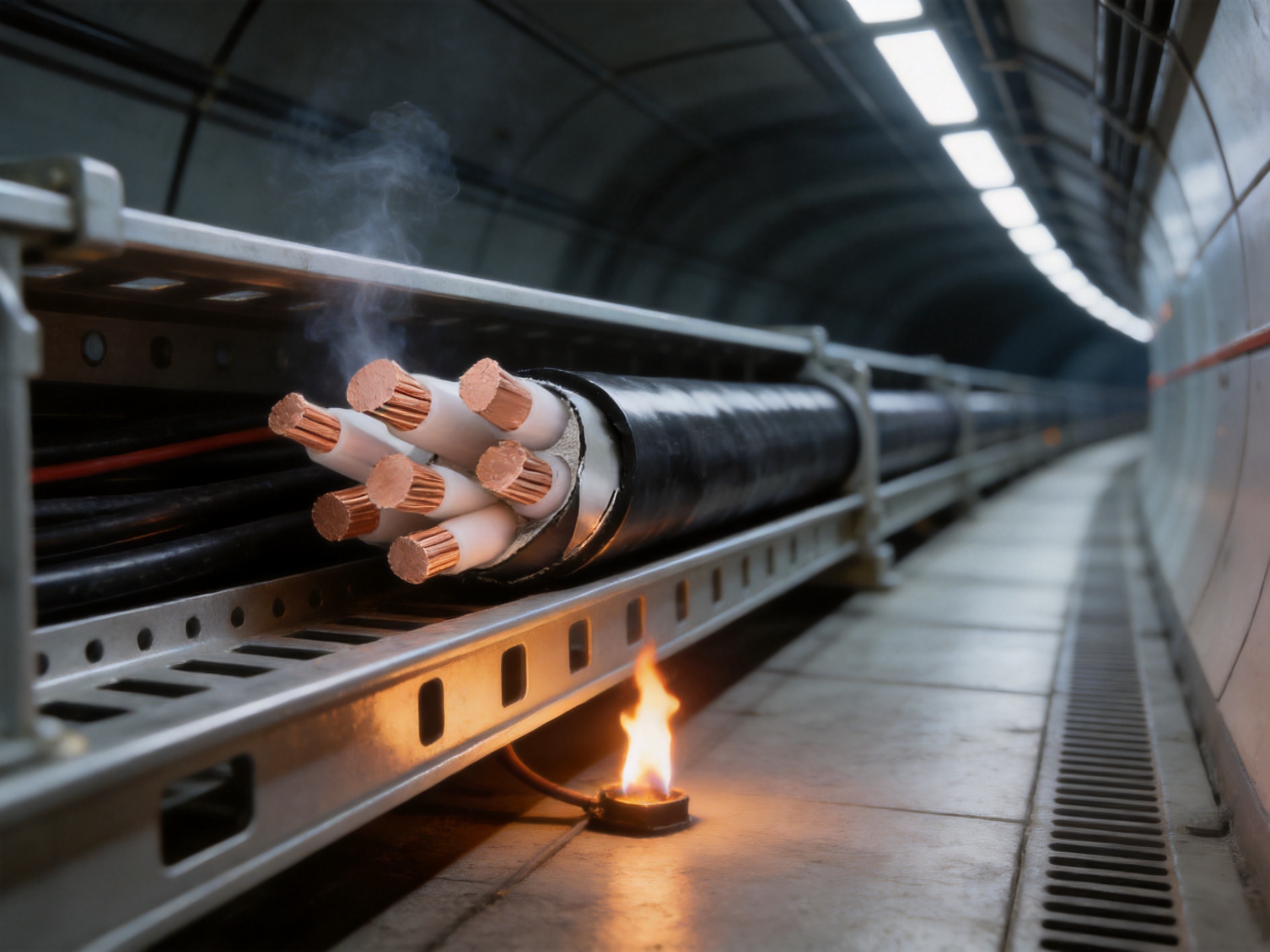
Selecting WDZ(A/B/C)-YJY cable requires consideration of voltage grade, conductor cross-section, number of cores, installation method, ambient temperature, load current, short-circuit capacity, fire-retardant class, and project standards. Although the cable offers strong safety advantages, proper engineering selection remains essential for reliable performance.
The rated voltage must match the power distribution system. For many building and industrial applications, 0.6/1 kV is the most common choice. The conductor cross-section should be calculated according to load current, voltage drop, short-circuit thermal stability, installation conditions, and correction factors. Cable trays, ducts, direct burial, conduit systems, and air installation can all affect heat dissipation and current-carrying capacity.
The flame-retardant class should be chosen according to the project risk level and cable installation density. Class A is generally more stringent than Class B or Class C in bunched flame testing. In high-rise buildings, underground spaces, transportation hubs, or critical facilities with dense cable routing, a higher flame-retardant class may be specified. In less demanding environments, Class B or Class C may meet the required safety and cost balance.
The installation environment should also be reviewed. Polyolefin sheaths offer excellent low-smoke and halogen-free behavior, but they may have limitations in wear resistance, oil resistance, and weather resistance compared with some PVC sheaths. If the cable is exposed to oil, strong abrasion, ultraviolet radiation, chemical contaminants, or harsh outdoor conditions, additional protective measures such as conduit, tray cover, armor, special sheath formulation, or alternative cable construction may be considered.
Installation temperature should not be below 0°C unless specific low-temperature installation measures or materials are confirmed. Minimum bending radius must be respected, generally not less than 20 times the cable diameter for single-core cable and 15 times for multi-core cable. Excessive bending can damage insulation, deform the conductor, or create long-term mechanical stress.
Environmental responsibility is increasingly important in cable selection. Low-smoke halogen-free cables support greener and safer building practices by reducing hazardous combustion by-products. Although no cable should be considered harmless in a severe fire, reducing halogen acid gases and smoke density can significantly improve the overall safety profile of an electrical installation.
For building owners and operators, choosing WDZ(A/B/C)-YJY can contribute to risk reduction. Lower smoke emission can support evacuation and rescue. Lower gas corrosivity can reduce damage to equipment and infrastructure. Flame-retardant performance can limit fire propagation along cable routes. These benefits can improve resilience and help meet regulatory or insurance expectations.
For contractors and engineering designers, specifying low-smoke halogen-free cable can simplify compliance in projects where fire safety standards are strict. It also demonstrates a proactive approach to life safety and asset protection. For end users, the cable provides peace of mind because the electrical distribution system is built with materials designed for safer behavior under abnormal fire conditions.
A balanced evaluation of WDZ(A/B/C)-YJY should also recognize its limitations. First, the cost is generally higher than ordinary YJV or ZR-YJV cables. This is due to the use of halogen-free flame-retardant sheath materials, stricter processing requirements, and specialized performance testing. However, in safety-critical applications, the higher upfront cost is often justified by compliance needs and risk reduction.
Second, polyolefin sheaths may have slightly lower wear resistance, oil resistance, and weather resistance compared with PVC sheaths in certain environments. This does not reduce their suitability for indoor public spaces, cable trays, shafts, and many protected installations, but it does mean that harsh mechanical or chemical environments should be evaluated carefully. If necessary, additional mechanical protection or customized sheath solutions can be considered.
Third, WDZ(A/B/C)-YJY is flame-retardant and low-smoke halogen-free, but it should not automatically be confused with fire-resistant cable. Flame-retardant cable helps prevent flame spread; fire-resistant cable is designed to maintain circuit integrity during fire for a specified time. Projects involving emergency power, fire pumps, smoke control systems, or life-safety circuits may require dedicated fire-resistant constructions depending on regulations.
Understanding these limitations ensures that the cable is used in the correct application. When applied properly, WDZ(A/B/C)-YJY provides an excellent balance of electrical performance, fire safety, environmental protection, and long-term reliability.
Customers choosing WDZ(A/B/C)-YJY from Anhui Zhishang Cable Technology Co., Ltd. gain access not only to a high-safety cable product but also to a manufacturing partner capable of technical support, customization, and stable supply. The company’s experience in electrical cable manufacturing allows it to understand the practical needs of engineering projects, from standard distribution cable supply to customized cable development.
The company’s R&D and technical personnel can provide guidance on conductor size, voltage grade, core configuration, flame-retardant class, sheath requirements, and application suitability. This is especially useful for customers comparing ordinary YJV, ZR-YJV, and WDZ(A/B/C)-YJY cables. By evaluating fire safety requirements, installation conditions, and budget considerations, the company can help customers select a cable that meets both technical and commercial objectives.
With automated production lines and a modern manufacturing base, the company is able to maintain consistency across production batches. This matters greatly for large projects where cables may be installed across multiple buildings, floors, or systems. Consistent conductor quality, insulation thickness, sheath performance, and test documentation help ensure smooth installation and acceptance.
The company’s OEM/ODM capabilities are also valuable for overseas customers and project contractors. Cable specifications may vary by market, standard, installation practice, and project documentation. Anhui Zhishang Cable Technology Co., Ltd. can develop cable products according to customer drawings or samples, supporting customized requirements while maintaining quality control. Its products have been sold in markets including the United States, Canada, Australia, Japan, and parts of Eurasia, reflecting its expanding international service capability.
Proper installation is essential to realize the full performance of WDZ(A/B/C)-YJY cable. Before installation, cable drums should be inspected for damage, and cable markings should be checked against project specifications. The cable should be stored in a dry, clean area and protected from impact, excessive sunlight, and chemical exposure. During transportation and handling, drums should be rolled only in the indicated direction and lifted with suitable equipment.
During laying, pulling tension should be controlled to avoid conductor stretching or insulation damage. The cable should not be dragged over sharp edges or rough surfaces that could damage the sheath. Rollers, guides, and protective sleeves should be used where necessary. The minimum bending radius must be observed, particularly in cable trays, turning points, risers, and equipment entries.
For grouped cable installations, spacing and ventilation should be designed to manage heat dissipation. Cable grouping can reduce current-carrying capacity, so derating factors should be applied according to applicable standards. In vertical shafts or long runs, proper supports should be used to prevent excessive mechanical stress. Terminations should be made with compatible accessories, and the sheath should be stripped carefully to avoid nicking the insulation.
After installation, electrical testing should be performed before energizing. This may include continuity checks, insulation resistance tests, phase identification, and voltage withstand tests where required. Proper installation records and test reports can support long-term maintenance and future troubleshooting.
Modern buildings contain far more electrical and electronic systems than buildings of previous generations. Power distribution, lighting, communication networks, security systems, automation controls, elevators, HVAC equipment, data systems, and emergency systems all depend on reliable cabling. As cable density increases, fire safety becomes more important. A single cable route may contain many circuits, and flame spread along cable bundles can intensify fire development if materials are not properly selected.
WDZ(A/B/C)-YJY helps address this challenge by reducing flame propagation and lowering smoke and corrosive gas emissions. In high-rise buildings, where evacuation time can be long, smoke control is critical. In underground structures, where natural ventilation is limited, low smoke emission is even more important. In hospitals and care facilities, occupants may not be able to evacuate quickly, increasing the importance of safer materials. In data centers, corrosive smoke can damage equipment far beyond the immediate fire area. For these reasons, low-smoke halogen-free cables are becoming a preferred option in many advanced building specifications.
The cable also supports broader sustainability goals. By reducing halogen-related combustion hazards, it aligns with the movement toward safer materials in construction and electrical engineering. Although sustainability includes many factors, material safety during fire is an important part of responsible infrastructure design.
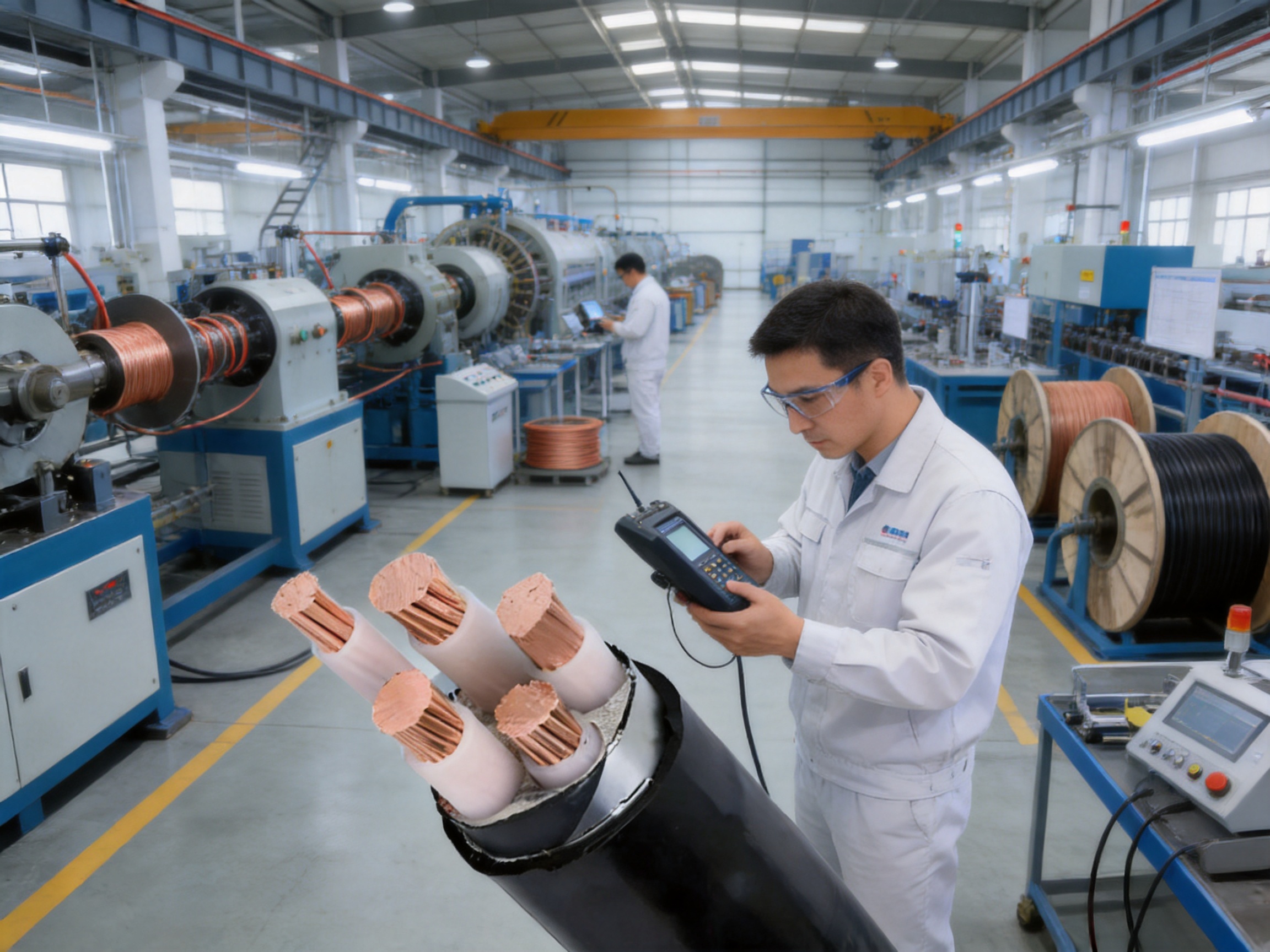
WDZ(A/B/C)-YJY is a low-smoke, halogen-free, flame-retardant power cable with XLPE insulation and a polyolefin sheath. It is designed for power distribution systems that require strong electrical performance and improved fire safety.
The A, B, and C classifications refer to different levels of bunched flame-retardant performance. Class A is generally more stringent, while Class B and Class C may be selected according to project requirements, installation density, and fire safety standards.
Ordinary YJV cable usually has XLPE insulation and a PVC sheath. WDZ(A/B/C)-YJY also uses XLPE insulation but replaces the PVC sheath with a low-smoke halogen-free polyolefin sheath. This reduces smoke density and corrosive halogen acid gas emission during combustion.
No. ZR-YJV is flame-retardant, but it commonly uses PVC sheath material. WDZ(A/B/C)-YJY combines flame retardancy with low-smoke and halogen-free combustion behavior, making it more suitable for crowded, enclosed, or critical facilities.
The long-term allowable conductor operating temperature is 90°C. This is one of the advantages of XLPE insulation and supports reliable power transmission under appropriate design conditions.
The maximum conductor temperature during a short circuit is typically 250°C for up to 5 seconds, assuming the protection system operates correctly and the cable has been properly selected.
It is suitable for public buildings, hospitals, data centers, transportation hubs, tunnels, commercial complexes, industrial facilities, electrical rooms, cable shafts, and other environments requiring low smoke, halogen-free, and flame-retardant cable performance.
No cable can be considered completely smoke-free under combustion. “Low smoke” means the cable emits significantly less smoke than ordinary PVC-sheathed cables and maintains higher light transmittance during fire conditions.
Yes. Halogen-free combustion reduces corrosive acid gas emission, which helps protect sensitive electrical and electronic equipment from secondary corrosion damage during a fire.
It is a flame-retardant, low-smoke, halogen-free cable, but it is not automatically a fire-resistant circuit-integrity cable. If a project requires power supply continuity during fire, a dedicated fire-resistant cable should be specified.
The main limitations are higher cost compared with ordinary YJV or ZR-YJV cables and potentially lower wear, oil, or weather resistance compared with certain PVC sheaths. Installation environment and protection measures should be considered.
Yes. Anhui Zhishang Cable Technology Co., Ltd. supports OEM/ODM customization based on customer drawings, samples, project standards, and application requirements.
WDZ(A/B/C)-YJY XLPE insulated and sheathed power cable is a high-safety electrical cable solution designed for modern infrastructure where fire behavior, environmental responsibility, and power reliability are all important. Its low-smoke, halogen-free, flame-retardant polyolefin sheath gives it a clear advantage over ordinary YJV and conventional ZR-YJV cables in crowded, enclosed, or critical environments. Its XLPE insulation provides 90°C long-term operating capability, strong dielectric performance, and reliable thermal resistance.
The product’s most important value lies in its “clean burning” characteristic. During fire, it helps reduce dense smoke, corrosive halogen acid gas, and flame spread along cable bundles. These qualities can improve evacuation visibility, reduce harm to personnel, protect sensitive equipment, and support compliance with higher fire-safety requirements.
Anhui Zhishang Cable Technology Co., Ltd. strengthens the value of the product through advanced manufacturing processes, automated production lines, quality testing, experienced technical personnel, and customization capability. With a modern production base, stable monthly output capacity, and support for OEM/ODM projects, the company is positioned to serve customers seeking reliable wire and cable solutions for industrial, commercial, infrastructure, and international applications.
For projects where safety cannot be treated as an afterthought, WDZ(A/B/C)-YJY is a practical and forward-looking choice. It combines the electrical strengths of XLPE power cable with the fire-safety advantages of low-smoke halogen-free materials, offering a dependable solution for safer, cleaner, and more resilient electrical installations.
International Electrotechnical Commission. IEC 60332-3: Tests on Electric and Optical Fibre Cables Under Fire Conditions, Test for Vertical Flame Spread of Vertically-Mounted Bunched Wires or Cables.
International Electrotechnical Commission. IEC 60754: Test on Gases Evolved During Combustion of Materials from Cables.
International Electrotechnical Commission. IEC 61034: Measurement of Smoke Density of Cables Burning Under Defined Conditions.
International Electrotechnical Commission. IEC 60502: Power Cables with Extruded Insulation and Their Accessories for Rated Voltages from 1 kV up to 30 kV.
National and industry practices for XLPE insulated low-voltage power cables, low-smoke halogen-free cable materials, and flame-retardant cable installation engineering.

We firmly believe that good cables are not only a competition of materials, but also a reflection of craftsmanship, quality, and responsibility.

Links
Product
Send Inquiry
No. 29 Sankeshu Road, Xuanzhou District, Xuancheng City, Anhui Province, China
+86-18621104555/+86-563-2622999
 Electrical Cable Manufacturer
OEM/ODM Wire and Cable Solutions
Electrical Cable Manufacturer
OEM/ODM Wire and Cable Solutions
 English
 Español
 عربى
عربى
 русский