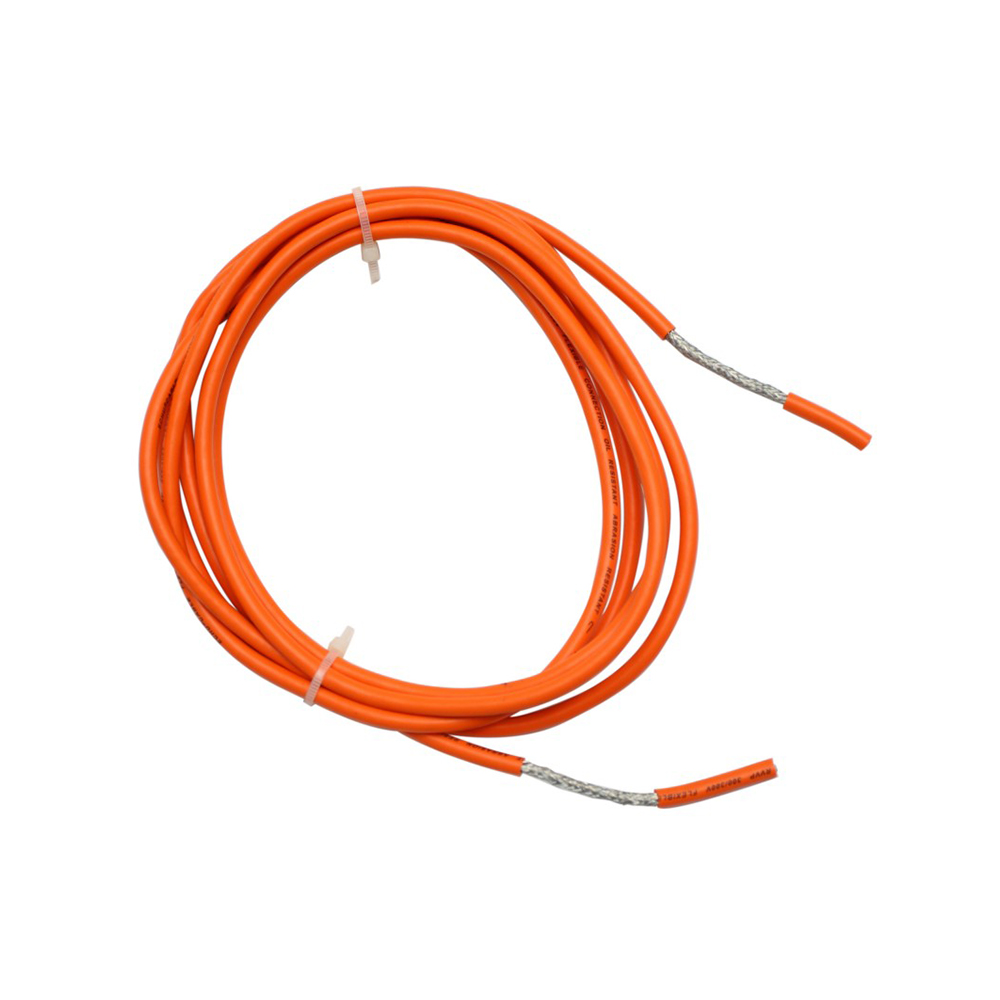

Get more content that can help you
Content
Photovoltaic power generation has become one of the most important pillars of modern renewable energy infrastructure, and every component in a solar installation must support reliable performance over decades of outdoor service. Among these components, the DC photovoltaic cable is often underestimated, yet it plays a decisive role in electrical safety, power transmission efficiency, installation reliability, and long-term system durability. PV1-F excellent weather resistance photovoltaic cable is designed for the demanding DC side of solar photovoltaic systems, including module interconnection, string wiring, inverter DC input, combiner boxes, DC busbars, and outdoor photovoltaic circuits exposed to sunlight, heat, humidity, ozone, and chemical stress.
This cable uses tin-plated multi-stranded copper conductors with cross-linked low-smoke zero-halogen polyolefin insulation and sheath. The construction is engineered to provide high-temperature endurance, UV resistance, ozone resistance, flame retardancy, chemical corrosion resistance, flexibility, and long outdoor service life. Compared with ordinary power cables or low-cost solar cables with limited aging resistance, PV1-F photovoltaic cable is built specifically for high DC voltage, continuous outdoor exposure, thermal cycling, and installation environments where failure can cause energy loss, maintenance cost, downtime, or safety risks.
Anhui Zhishang Cable Technology Co., Ltd. manufactures wire and cable products for industrial automation, power engineering, weak current engineering, intelligent manufacturing, electrical equipment, and customized applications. With a modern production base of approximately 5,000 square meters, 10 automated production lines, monthly capacity of up to 10 million meters, and an experienced engineering and quality team, the company combines material selection, process control, testing, and OEM/ODM flexibility to deliver stable cable solutions for domestic and international customers.
PV1-F Excellent weather resistance Photovoltaic Cable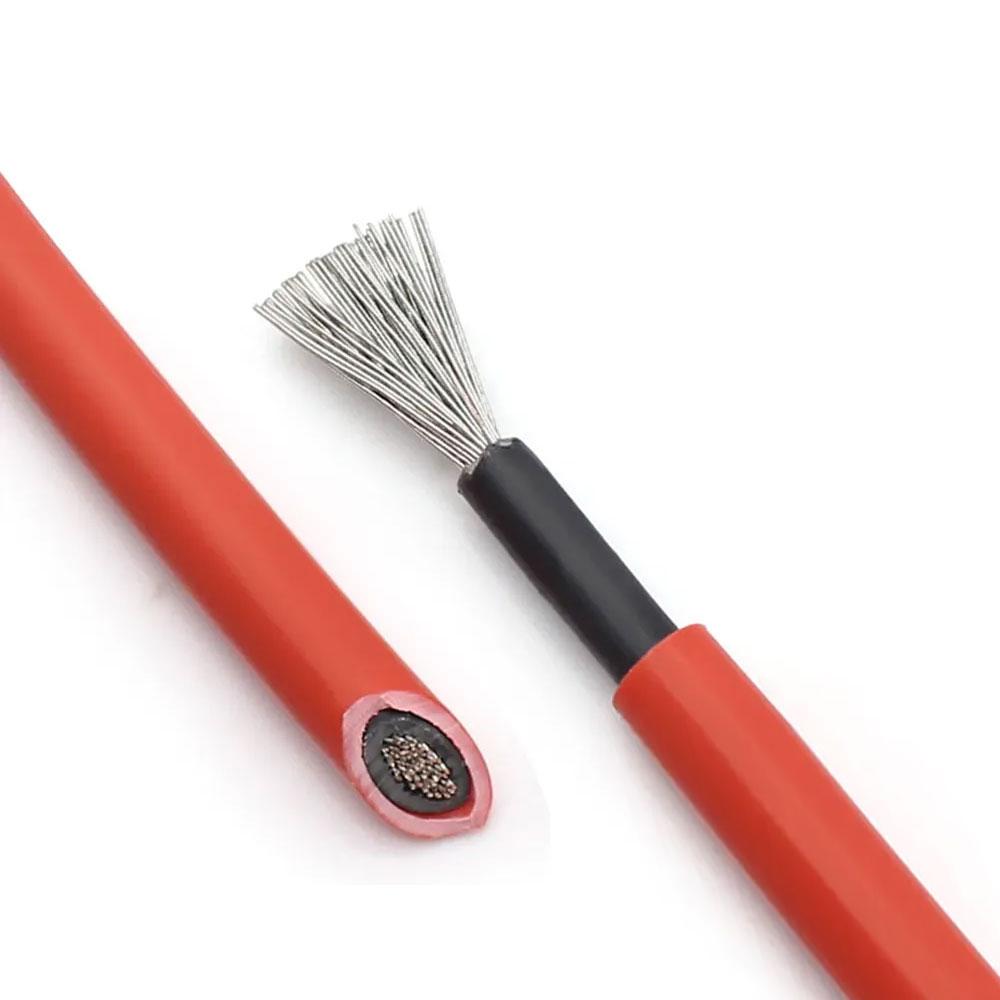
A photovoltaic power plant is expected to operate for 20 to 30 years, often in harsh outdoor environments. During this period, DC cables may be exposed to ultraviolet radiation, high surface temperatures near solar panels, temperature swings between day and night, water vapor, salt spray, dust, ozone, mechanical bending, and possible contact with oils, alkaline substances, or cleaning chemicals. If the cable jacket cracks, insulation resistance decreases, or conductor oxidation accelerates, the consequences can include leakage current, arc faults, reduced power output, fire hazards, and costly field replacement.
Unlike many indoor electrical cables, photovoltaic cables must withstand continuous solar radiation and thermal aging while carrying DC current. DC circuits can be especially challenging because the arc extinguishing characteristics differ from AC systems. For that reason, the cable must maintain insulation integrity, mechanical strength, and flame-retardant properties throughout its service life. A cable selected only by conductor size or rated voltage may not be suitable if it lacks proper UV resistance, thermal endurance, or halogen-free safety performance.
PV1-F photovoltaic cable addresses these requirements through a specialized material system and cable structure. The use of cross-linked low-smoke zero-halogen polyolefin provides improved thermal stability and environmental endurance compared with many conventional PVC or non-cross-linked materials. The tin-plated copper conductor helps prevent oxidation, which is especially important for outdoor installations where moisture and long-term temperature exposure can accelerate conductor surface degradation. Flexible Class 5 or Class 6 stranded construction also supports easier installation in conduits, cable trays, module frames, and complex rooftop or ground-mounted array layouts.
PV1-F excellent weather resistance photovoltaic cable is a dedicated DC cable for solar photovoltaic power generation systems. It is suitable for series and parallel connections of photovoltaic modules, DC input wiring to inverters, DC collector circuits, photovoltaic power station busbars, and other outdoor DC circuits. The product is designed for DC 1.8 kV conductor-to-ground rated voltage and is tested at 6.5 kV AC for 5 minutes, reflecting its capability for demanding high-voltage photovoltaic applications.
The cable’s insulation and sheath are both made from cross-linked low-smoke zero-halogen polyolefin, often abbreviated as XLPO. This dual-layer material structure provides strong protection against heat, ultraviolet radiation, ozone, humidity, and chemical exposure. The long-term operating temperature reaches +120°C, while short-term overload temperature resistance reaches +150°C for 1000 hours. These values are especially valuable in photovoltaic arrays because cable temperatures can rise significantly under direct sunlight, near hot module surfaces, or in bundled installations with limited ventilation.
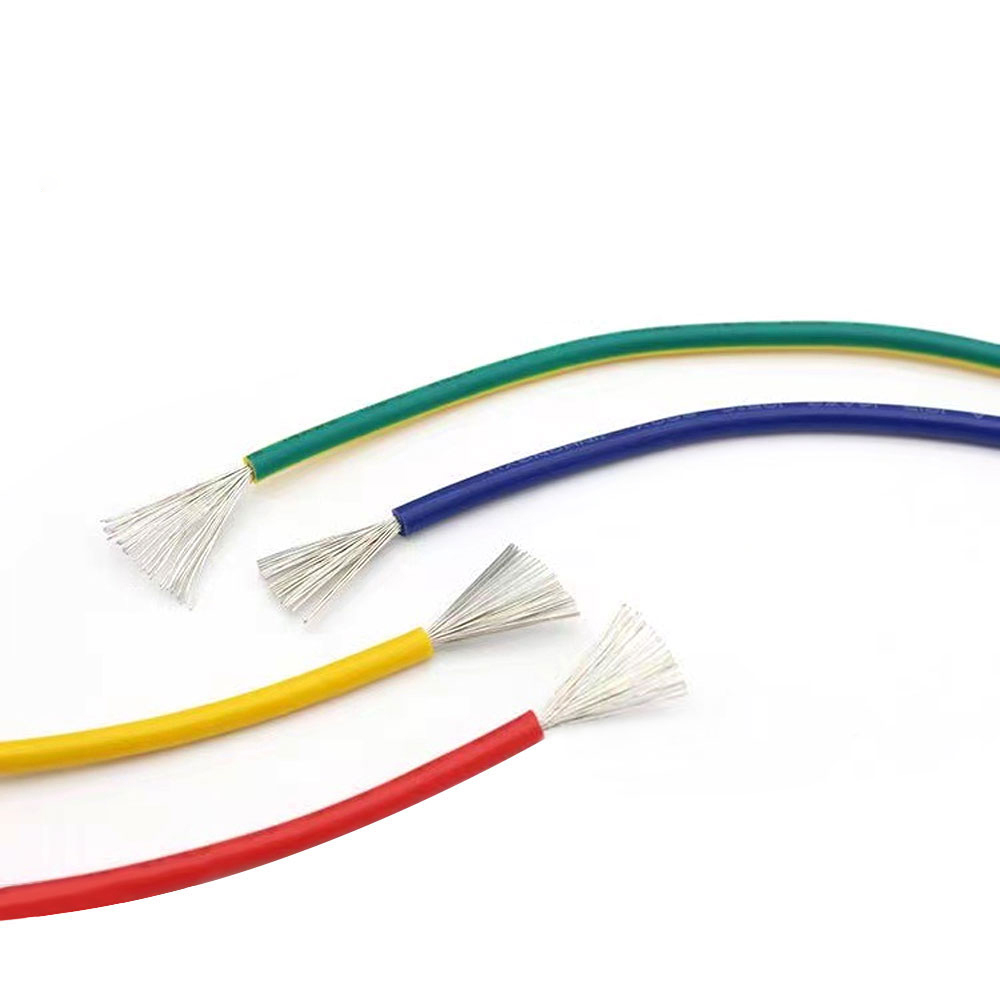
The product is available in cross-sections from 1.5 mm² to 35 mm², covering a wide range of residential, commercial, industrial, and utility-scale photovoltaic system needs. Standard colors are red and black for easy polarity identification, while other colors can be provided according to project requirements. Minimum bending radius is 4 times the cable outer diameter for fixed installation and 5 times the cable outer diameter for mobile installation, supporting practical routing and field installation flexibility.
Item |
PV1-F Photovoltaic Cable Specification |
Conductor |
Tin-plated copper conductor, multi-stranded, Class 5 or Class 6 |
Cross-Section Range |
1.5 mm² to 35 mm² |
Rated Voltage |
DC 1.8 kV, conductor to ground |
Test Voltage |
6.5 kV AC for 5 minutes |
Insulation Material |
Cross-linked low-smoke zero-halogen polyolefin |
Sheath Material |
Cross-linked low-smoke zero-halogen polyolefin |
Long-Term Operating Temperature |
+120°C |
Short-Term Overload Temperature |
+150°C for 1000 hours |
Minimum Installation Temperature |
-40°C |
Flame Retardancy |
Passes IEC 60332-1 single vertical flame test |
Moisture Resistance |
Passes damp heat testing at 90% RH and +85°C for 1000 hours |
Service Life |
At least 25 years in outdoor environments |
Certification Standards |
TÜV 2 PfG 1169/08.2007 and IEC 62930 |
The most important advantage of PV1-F photovoltaic cable is that it is not a general-purpose wire adapted for solar use; it is designed from the beginning for photovoltaic DC conditions. Solar arrays generate direct current, often at high voltages and under continuous outdoor exposure. The cable must resist electrical stress, environmental stress, and installation stress at the same time. A conventional cable may perform acceptably indoors or in protected power distribution environments, but it may not provide sufficient UV stability, ozone resistance, or long-term insulation performance in an open photovoltaic field.
PV1-F cable supports DC 1.8 kV conductor-to-ground applications, making it suitable for modern photovoltaic systems that require higher voltage efficiency and reduced transmission loss. The 6.5 kV AC test voltage provides an added level of confidence for insulation quality. For photovoltaic power plants, this means stronger protection against insulation breakdown, lower risk of leakage current, and improved safety over time.
Compared with competitor products that are only designed for lower-voltage or less demanding environments, this cable provides a stronger margin for high-voltage DC installation. Its material system is also matched to outdoor aging conditions, rather than relying on ordinary jacket compounds that may become brittle under ultraviolet light. The result is a cable suitable for long-term photovoltaic operation, from small rooftop systems to larger ground-mounted solar projects.
Weather resistance is one of the defining performance requirements for photovoltaic cables. A solar power cable may spend its entire service life on rooftops, in open fields, near coastal areas, or in desert-like environments. It may experience heavy sunlight, high humidity, rain, snow, salt mist, wind-driven dust, and repeated thermal expansion and contraction. If the outer sheath loses flexibility or cracks, moisture can penetrate, insulation can deteriorate, and the conductor can corrode.
PV1-F photovoltaic cable is engineered for excellent outdoor weather resistance. It passes rigorous climate aging tests and is suitable for environments with alternating high and low temperatures, humidity, and salt spray exposure. The cable also offers strong UV resistance and ozone resistance, two properties that are essential for outdoor cable longevity. Ozone can attack certain polymer materials and cause cracking, while ultraviolet radiation can break down molecular structures in lower-grade plastics. Cross-linked low-smoke zero-halogen polyolefin helps maintain mechanical and electrical stability over extended exposure.
The product’s claimed outdoor service life of at least 25 years directly supports the economic expectations of photovoltaic power generation. Solar modules are typically selected for decades of performance, and the cable system should not become the weak link that requires premature replacement. By choosing a cable with proven weather resistance, system owners reduce maintenance risk and protect long-term energy yield.
Solar photovoltaic installations often expose cables to high temperatures. Module backsheets can become hot under sunlight, rooftops can radiate additional heat, and cable bundles may have limited airflow. In some cases, localized hot spots may occur near panels or connectors. A cable with insufficient thermal performance may suffer insulation hardening, deformation, reduced dielectric strength, or accelerated aging.
PV1-F photovoltaic cable supports long-term operation at +120°C and short-term overload resistance at +150°C for 1000 hours. This is a significant advantage over common cable materials that are rated for lower continuous temperatures. High-temperature resistance allows the cable to remain stable in real photovoltaic operating conditions, rather than only in ideal laboratory conditions.
Thermal endurance also contributes to electrical safety. When insulation materials age prematurely due to heat, microcracks and reduced insulation resistance may develop. Over time, this can increase the risk of DC arc faults or leakage current. By using cross-linked XLPO materials and controlled manufacturing processes, PV1-F cable provides reliable performance under the elevated temperatures typical of solar applications.
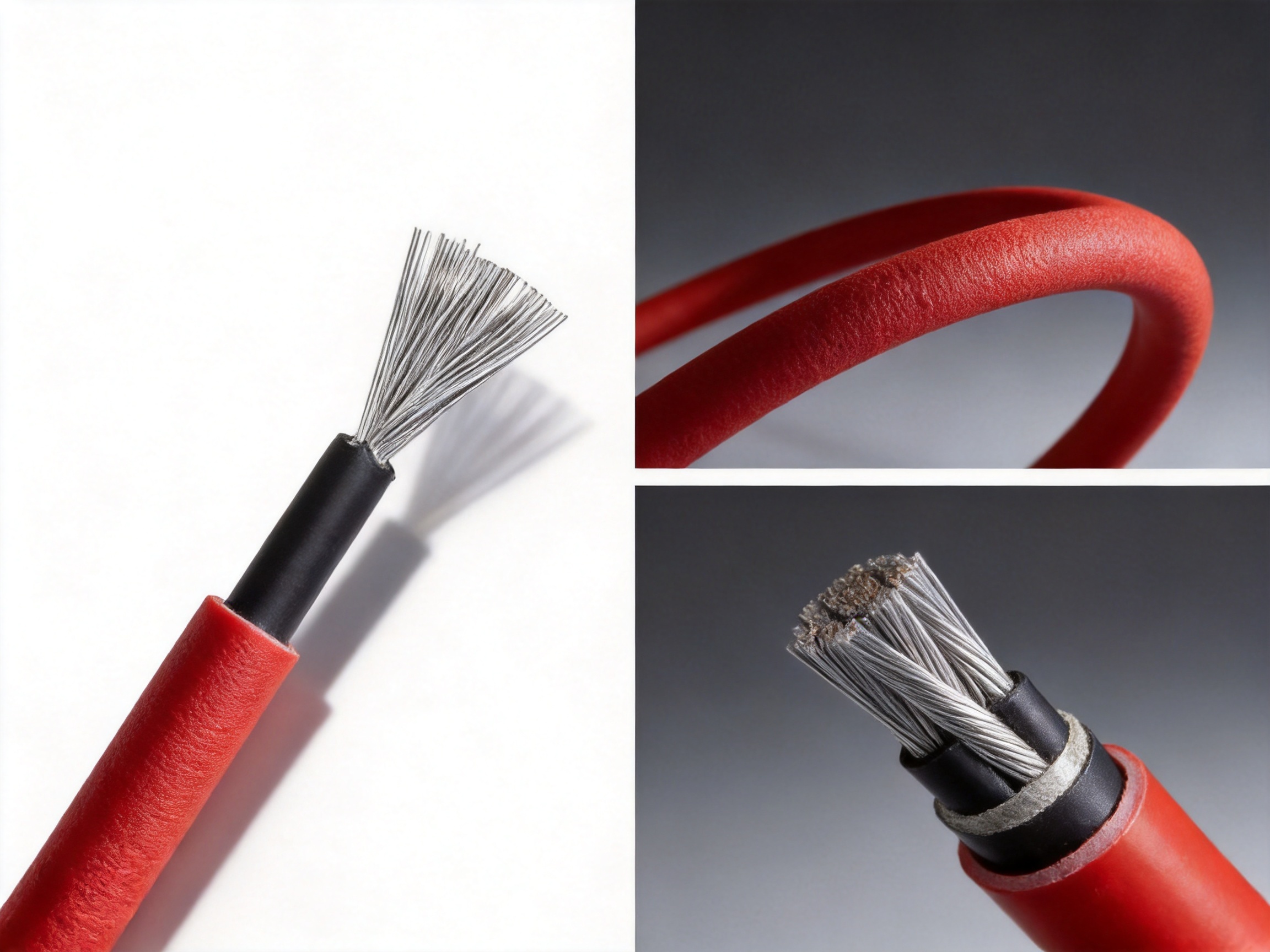
Fire safety is a critical consideration in photovoltaic systems installed on rooftops, factories, public buildings, warehouses, agricultural facilities, and power plants. In the event of fire, traditional halogen-containing cable materials can release corrosive and toxic gases. These gases may endanger personnel, damage electrical equipment, and complicate firefighting operations. Low-smoke zero-halogen materials help reduce smoke density, toxicity, and corrosive emissions.
PV1-F photovoltaic cable uses low-smoke zero-halogen polyolefin for both insulation and sheath. This material choice supports safer evacuation and reduced secondary damage in fire conditions. The cable passes IEC 60332-1 single vertical flame testing, indicating its ability to resist flame propagation under specified test conditions. For solar projects installed on buildings, especially where people or sensitive equipment are present, this safety characteristic provides a meaningful advantage.
Compared with cheaper cables that use ordinary PVC or halogenated compounds, the low-smoke zero-halogen design demonstrates a stronger safety philosophy. The purpose is not only to carry electricity but also to reduce hazard severity under abnormal conditions. This is especially important for customers who value compliance, building safety, environmental responsibility, and long-term risk control.
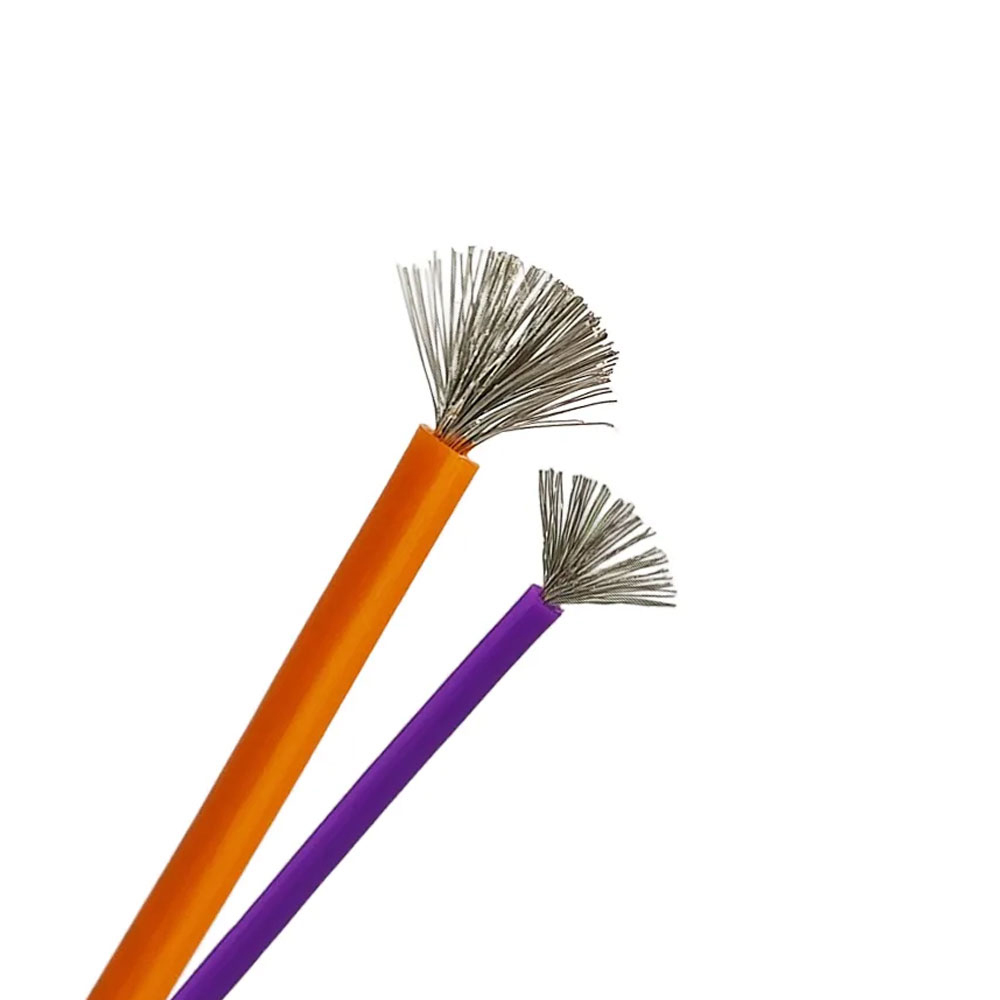
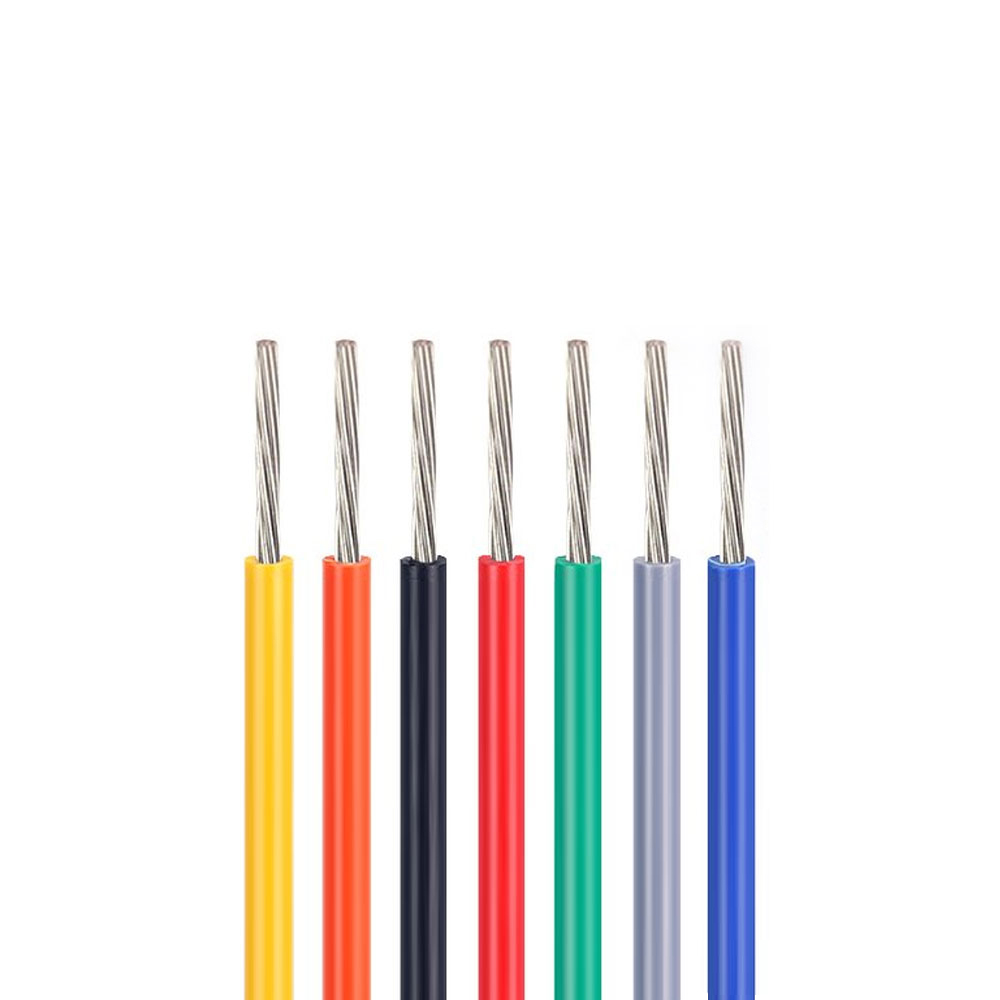
The conductor is the electrical heart of any cable. PV1-F photovoltaic cable uses tin-plated copper conductors, multi-stranded in Class 5 or Class 6 construction. Copper provides excellent electrical conductivity, while tin plating helps protect the conductor surface from oxidation. This is valuable in photovoltaic applications because outdoor temperature variation and moisture exposure can accelerate corrosion in unprotected metal surfaces, particularly at connection points.
Tin-plated copper improves solderability and contact stability, supporting long-term electrical performance. Lower conductor oxidation helps maintain stable resistance, reducing unnecessary power loss over time. In large photovoltaic systems, even small increases in resistance across many meters of cable can affect energy efficiency and heat generation. By using high-quality tin-plated conductors, the cable contributes to a more reliable DC wiring network.
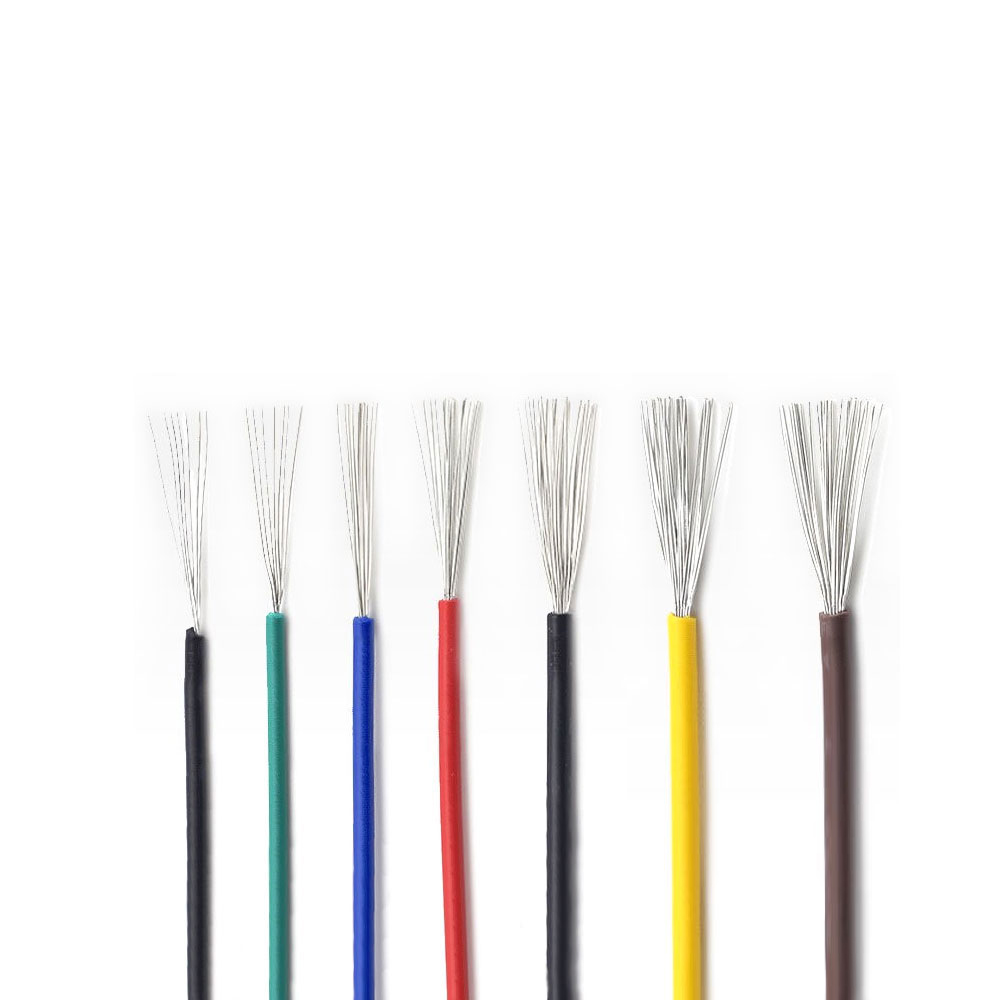
The multi-stranded structure also improves flexibility. Compared with a rigid solid conductor, Class 5 or Class 6 stranded copper can be routed more easily through conduits, around module frames, along trays, and within combiner box arrangements. This reduces installation labor and helps prevent damage caused by forced bending.
Photovoltaic installation sites are rarely simple. Cables may need to pass through tight spaces, align with module rows, enter junction boxes, follow cable trays, or be bundled neatly for long runs. A cable that is too stiff can slow installation, increase connector stress, and create routing difficulties. Flexibility is therefore not merely a convenience; it affects installation quality and long-term mechanical reliability.
PV1-F photovoltaic cable is designed with flexible conductor and insulation structure. Its minimum bending radius is 4 times the cable outer diameter for fixed installations and 5 times for mobile installations. This provides installers with practical routing flexibility while maintaining the structural integrity of the cable. Easy bending and handling reduce the likelihood of kinks, sheath damage, or poor cable management.
Compared with lower-grade products that may become stiff in cold weather or after aging, this cable supports installation down to -40°C. This is especially useful for projects in cold regions or installations performed during winter. The cable’s flexibility supports efficient labor deployment, cleaner routing, and reduced risk of mechanical stress at connection points.
Photovoltaic environments may expose cables to more than sunlight. Agricultural solar projects can involve fertilizers, alkaline dust, pesticides, and moisture. Industrial rooftops may expose cables to oils, cleaning agents, or airborne chemicals. Coastal solar farms may face salt spray, while desert installations may experience abrasive dust and high thermal cycling. A photovoltaic cable must therefore provide broad environmental resistance.
PV1-F photovoltaic cable offers resistance to chemical corrosion, moisture, acid, alkali, and oil exposure. It passes damp heat testing at 90% relative humidity and +85°C for 1000 hours, supporting confidence in humid and tropical environments. Acid and alkali resistance, oil immersion resistance, and chemical reagent performance further expand the cable’s application range.
These properties give the cable an advantage over basic products that only meet minimal electrical requirements. In real-world projects, environmental stress is often the cause of premature cable degradation. By improving resistance to multiple external factors, PV1-F cable helps maintain insulation performance and sheath durability over time.
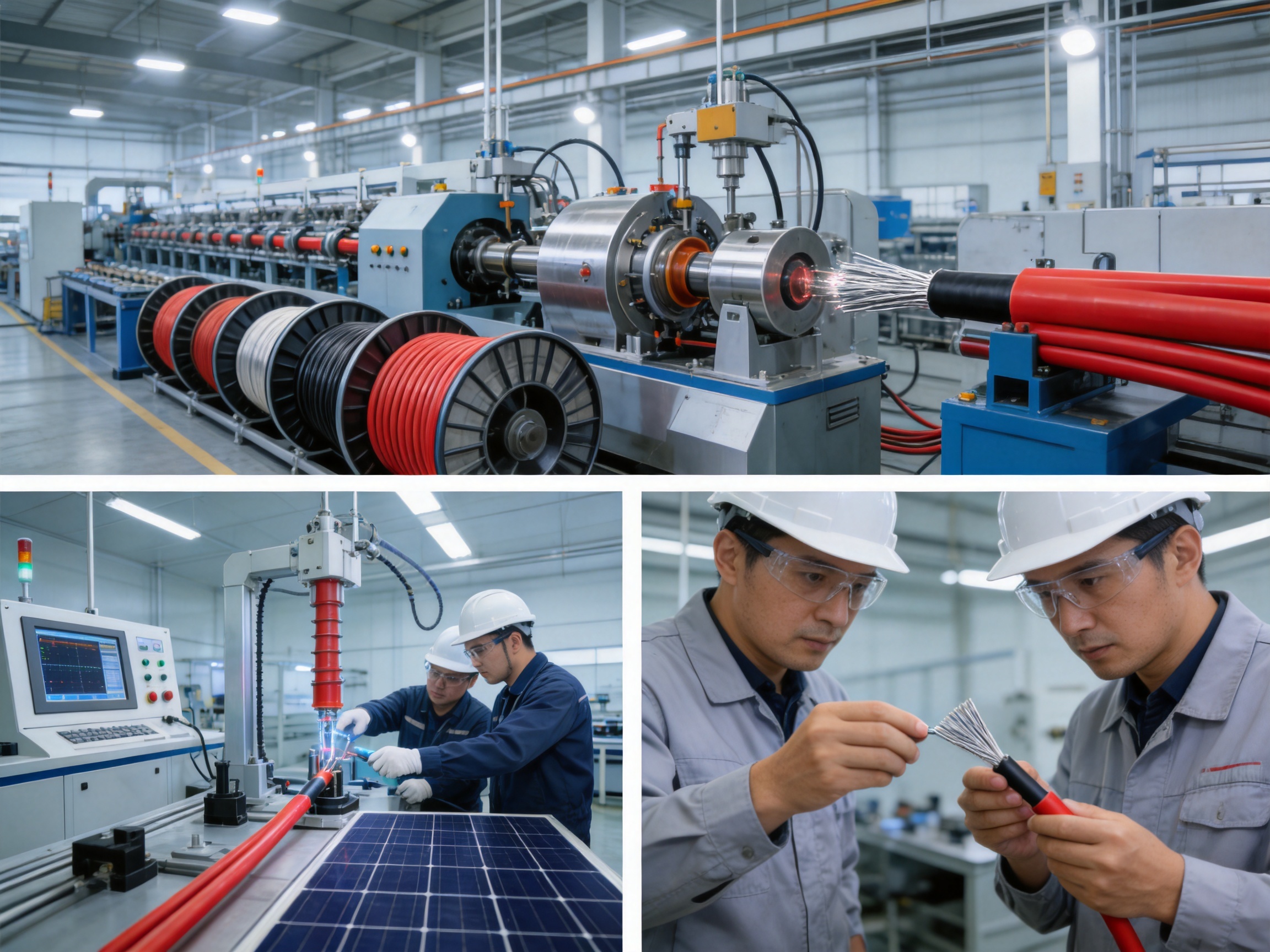
The performance of a photovoltaic cable depends not only on raw materials but also on how consistently those materials are processed. Anhui Zhishang Cable Technology Co., Ltd. integrates research and development, production, and sales, providing stable cable solutions for power engineering, automation, intelligent manufacturing, appliance equipment, and customized projects. The company operates a modern production base of approximately 5,000 square meters and maintains 10 automated production lines, with monthly output reaching up to 10 million meters.
Automated production supports consistent conductor stranding, insulation extrusion, sheath extrusion, dimension control, and product marking. For PV1-F photovoltaic cable, accurate control of insulation thickness and sheath thickness is especially important. If insulation is too thin, electrical safety margins may decrease; if it is too thick or inconsistent, flexibility and installation efficiency may be affected. Stable extrusion technology helps ensure that each meter of cable meets defined requirements.
The company’s team includes quality engineers and research technicians with more than 10 years of industry experience. This technical foundation allows the company to provide product selection guidance, design support, sample-based customization, drawing-based development, and OEM/ODM cable solutions. For photovoltaic projects with specific requirements for conductor size, color, packaging, marking, or performance documentation, this engineering capability creates practical value.
A high-quality photovoltaic cable begins with careful raw material selection. Conductors must be made from copper with reliable purity and conductivity. Tin plating must be uniform to protect against oxidation. Insulation and sheath compounds must meet performance requirements for cross-linking, low smoke, zero halogen, UV resistance, thermal stability, and mechanical strength. Material traceability and incoming inspection are therefore essential.
During conductor production, copper wires are drawn, tin-plated, and stranded into flexible Class 5 or Class 6 structures. Stranding must be uniform so that the conductor maintains stable resistance and flexibility. Uneven stranding can affect roundness, extrusion quality, and bending behavior. Proper conductor tension control reduces internal stress and improves cable consistency.
During insulation extrusion, the XLPO compound is applied around the conductor with controlled temperature, pressure, concentricity, and thickness. Cross-linking gives the material improved heat resistance and mechanical stability. After insulation, the sheath extrusion process adds an additional protective layer against outdoor exposure, mechanical abrasion, and environmental chemicals. Both insulation and sheath thickness are adjusted according to conductor cross-section, typically with insulation thickness from 0.7 mm to 1.2 mm and sheath thickness from 0.5 mm to 1.0 mm.
Quality control continues through electrical testing, dimensional inspection, surface inspection, spark testing, tensile and elongation evaluation, aging tests, flame tests, and packaging verification. The company emphasizes full-core, full-length, pure copper specifications, product test reports, and warranty support for standard cable models. These controls help customers reduce procurement risk and ensure that delivered cable matches project expectations.
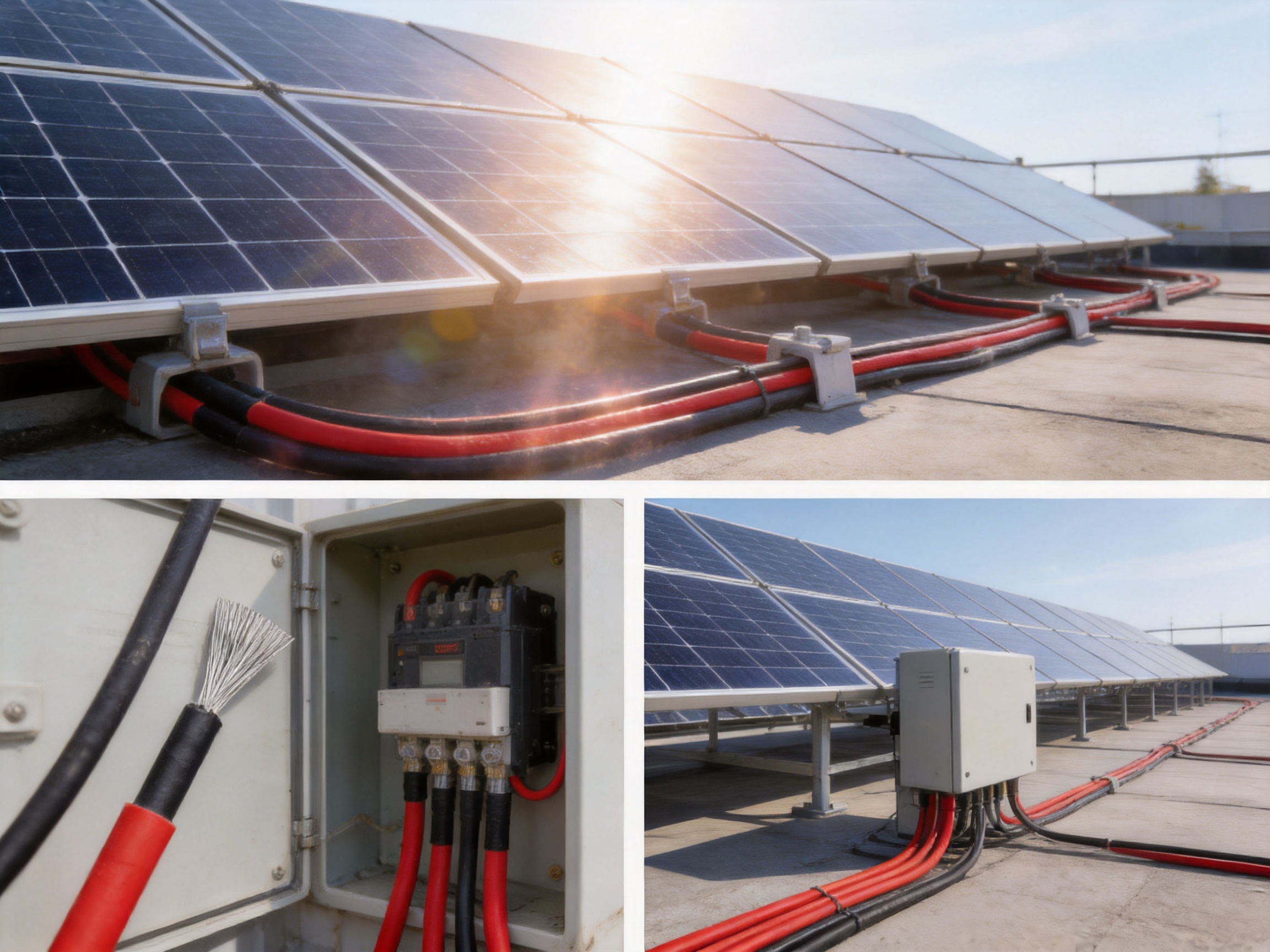
One common mistake in photovoltaic projects is selecting ordinary power cable as a substitute for dedicated photovoltaic cable. At first glance, a general power cable may appear similar because it has copper conductors, insulation, and sheath. However, solar DC environments impose unique stress conditions that ordinary cables may not tolerate for decades. The difference becomes clear over time as sunlight, ozone, heat, and moisture degrade unsuitable materials.
Ordinary PVC cables may be less expensive initially, but PVC generally has lower heat resistance and may release halogen-containing gases in fire conditions. Non-cross-linked materials may soften or age faster under high temperature. Cables without UV-resistant jackets can crack or become brittle when exposed to sunlight. Conductors without tin plating may oxidize more easily in humid outdoor conditions. These weaknesses can lead to increased maintenance costs, energy loss, safety concerns, and shortened system life.
PV1-F photovoltaic cable offers a more complete solution. It is rated for high DC voltage, designed for outdoor exposure, built with XLPO insulation and sheath, and uses tin-plated copper conductors. It provides low-smoke zero-halogen safety, high-temperature resistance, UV and ozone resistance, chemical resistance, moisture resistance, and flexibility. Although the initial purchase price may be higher than a basic cable, the life-cycle value is stronger because it supports long service life and reduces the risk of premature replacement.
PV1-F photovoltaic cable is suitable for a wide range of solar power applications. In residential rooftop systems, it connects photovoltaic modules and routes DC current to inverters. The red and black standard colors simplify polarity identification, reducing installation errors. Low-smoke zero-halogen materials are particularly relevant for building-mounted systems where fire safety is a priority.
In commercial and industrial photovoltaic installations, PV1-F cable can be used across large roof surfaces, cable trays, conduits, and inverter rooms. These environments often involve long cable runs, exposure to heat from roofing materials, and the need for organized cable management. The cable’s flexibility and UV resistance support efficient installation and durable operation.
In utility-scale solar power plants, PV1-F cable is used for module string wiring, DC combiner circuits, inverter input connections, and DC busbar wiring. Large projects demand consistent product quality because small defects multiplied across thousands of meters can create major operational risks. The cable’s high DC voltage rating, moisture resistance, weather endurance, and long outdoor service life make it appropriate for demanding power plant environments.
The cable is also useful in special photovoltaic applications such as agricultural photovoltaic projects, floating or near-water solar installations with appropriate engineering evaluation, carport solar structures, remote off-grid systems, and hybrid renewable energy projects. In each case, the cable supports safe and efficient DC transmission under outdoor conditions.
Even the best photovoltaic cable must be installed correctly to achieve its full service life. Installers should avoid sharp edges, excessive tension, over-bending, crushing, and unsupported long spans. Cable routing should minimize direct abrasion against metal frames or rough surfaces. Where required, protective conduits, cable clips, trays, or ties should be used according to project design and local electrical codes.
The minimum bending radius should be respected: 4 times the cable outer diameter for fixed installation and 5 times for mobile installation. During cold-weather installation, the cable’s minimum installation temperature of -40°C provides strong flexibility, but proper handling is still important. Cables should be unrolled smoothly rather than pulled from the side of a coil, reducing twisting and mechanical stress.
Connector compatibility is another important factor. Photovoltaic cables should be matched with suitable PV connectors, crimping tools, and installation procedures. Poor crimping can create high-resistance points, overheating, and arc risks. Tin-plated copper conductors provide a reliable foundation, but connection quality must be controlled in the field.
Polarity should be clearly managed. The standard red and black cable colors help identify positive and negative circuits, but installers should still verify polarity with proper instruments. Cable labels, string diagrams, and combiner box documentation should be maintained for operation and maintenance teams.
Photovoltaic cable reliability depends on repeatable testing. PV1-F cable is designed to meet TÜV 2 PfG 1169/08.2007 and IEC 62930 requirements, which are widely recognized standards for photovoltaic cable performance. The product also references tests related to flame retardancy, ozone resistance, damp heat resistance, chemical resistance, oil resistance, torsion resistance, and thermal behavior.
Testing is not only a certification requirement; it is a way to protect customer investment. Electrical testing verifies insulation integrity. High-voltage testing checks resistance to breakdown. Flame tests evaluate fire propagation behavior. Aging tests simulate long-term exposure to heat and environmental stress. Moisture and chemical tests assess performance in realistic outdoor conditions.
Anhui Zhishang Cable Technology Co., Ltd. supports quality assurance through product test reports, process inspection, full-length and full-core verification, and warranty support for standard models. This approach is important for contractors, distributors, and EPC companies that must deliver projects on schedule while meeting technical requirements. Reliable documentation also helps customers manage inspections, approvals, and after-sales service.
Solar projects often have different requirements depending on system voltage, cable routing, installation method, climate, local standards, and customer preferences. Some customers may require special colors, specific packaging lengths, customized markings, conductor size selection, or documentation aligned with project specifications. Others may need cable development based on drawings, samples, or integrated wiring solutions.
The company provides OEM and ODM support through its experienced R&D and engineering team. Technical engineers can help customers select appropriate conductor cross-sections, evaluate application conditions, and develop tailored cable solutions. This capability is especially useful for distributors serving multiple markets, solar EPC contractors managing large projects, and equipment manufacturers integrating photovoltaic cable into complete system packages.
Standard products are available for fast shipment, while customized products typically require 7 to 20 days of lead time depending on complexity and order requirements. This balance between stock availability and customization flexibility allows customers to manage both urgent procurement and specialized project planning.
Photovoltaic systems are built to generate clean energy, and the components used in these systems should support responsible environmental goals. PV1-F photovoltaic cable contributes to sustainability in several ways. First, its long service life reduces the need for premature replacement, lowering material waste and maintenance-related emissions. Second, low-smoke zero-halogen materials reduce hazardous emissions under fire conditions compared with halogenated alternatives. Third, efficient copper conductors help minimize electrical losses in DC wiring.
The manufacturer also emphasizes green manufacturing and responsible production practices. By improving process stability, reducing defects, and supporting durable product design, the company contributes to resource efficiency. In renewable energy infrastructure, durability is a key environmental advantage because products that last longer require fewer replacements and reduce the total environmental burden over the system life cycle.
Photovoltaic growth is global. Solar projects are expanding across North America, Europe, Asia, Australia, and many emerging renewable energy markets. Cable suppliers must therefore understand different project expectations, climate conditions, documentation requirements, and quality standards. Anhui Zhishang Cable Technology Co., Ltd. has expanded into international markets, with products sold in the United States, Canada, Australia, Japan, and parts of Eurasia.
For international buyers, the company’s combination of manufacturing capacity, engineering support, quality inspection, and OEM/ODM customization is valuable. Distributors need stable supply. EPC contractors need cables that meet technical specifications and arrive on schedule. Equipment manufacturers need consistent dimensions, marking, and performance. PV1-F photovoltaic cable is positioned to meet these needs through specialized product design and organized production capability.
In competitive global markets, customers increasingly look beyond price alone. They consider conductor quality, material certification, aging resistance, warranty support, production capacity, delivery reliability, and technical service. This is where a dedicated manufacturer with automated production lines and experienced engineers can provide a measurable advantage.
The true cost of a photovoltaic cable is not limited to the purchase price. Total cost of ownership includes installation labor, electrical losses, inspection costs, maintenance, downtime, replacement, safety risk, and project reputation. A low-cost cable that fails early can become far more expensive than a high-quality cable selected at the beginning.
PV1-F photovoltaic cable supports lower total cost of ownership through long outdoor service life, high-temperature resistance, flexible installation, oxidation-resistant tin-plated conductors, and stable insulation performance. Its red and black color options reduce polarity confusion, while its flexibility can reduce installation time. Its weather resistance reduces the probability of sheath cracking and insulation deterioration. Its low-smoke zero-halogen construction reduces safety risks in fire situations.
For solar investors and system owners, cable reliability helps protect energy production. For installers, flexible and well-manufactured cable reduces labor difficulty. For EPC companies, compliant and documented products reduce approval and warranty risk. For distributors, stable quality strengthens customer trust and repeat business. These advantages combine to make PV1-F cable a practical investment in system reliability.
When selecting PV1-F photovoltaic cable, engineers should consider system voltage, current, conductor cross-section, allowable voltage drop, installation method, ambient temperature, cable grouping, route length, connector compatibility, and local standards. Cross-sections from 1.5 mm² to 35 mm² provide options for different string currents and DC circuit designs. Larger conductor sizes may be necessary for long runs or higher current circuits to reduce voltage drop and heat generation.
Environmental conditions should also be evaluated. In high-temperature regions, the +120°C long-term operating rating provides confidence. In coastal or humid areas, moisture and chemical resistance become especially important. In building-mounted systems, low-smoke zero-halogen flame safety may be a key requirement. In cold regions, the -40°C installation capability supports practical handling.
Buyers should request relevant test reports, product specifications, packaging information, and marking details. They should confirm conductor material, insulation and sheath material, rated voltage, applicable standards, color, length, and warranty support. For customized requirements, early communication with the manufacturer helps ensure correct production planning and delivery schedule.
PV1-F photovoltaic cable is used for the DC side wiring of solar photovoltaic power generation systems. Typical applications include series and parallel module connections, DC input connections to inverters, combiner box wiring, DC busbars, and outdoor photovoltaic circuits.
A dedicated photovoltaic cable is designed for high DC voltage, outdoor sunlight, ozone, moisture, heat, and long-term weather exposure. Ordinary power cables may not have sufficient UV resistance, high-temperature endurance, or low-smoke zero-halogen safety for solar applications.
The cable uses tin-plated copper conductors and cross-linked low-smoke zero-halogen polyolefin insulation and sheath. This construction provides UV resistance, ozone resistance, moisture resistance, chemical resistance, and high-temperature performance, supporting long outdoor service life.
The cable is rated at DC 1.8 kV conductor to ground and is tested at 6.5 kV AC for 5 minutes, making it suitable for demanding photovoltaic DC applications.
Red and black colors help installers identify polarity in DC photovoltaic circuits. Clear polarity identification reduces installation errors and supports safer system commissioning and maintenance.
Tin plating helps protect copper from oxidation, improves contact reliability, and supports stable long-term conductivity in outdoor environments where humidity and temperature variation may be present.
Yes. The cable passes IEC 60332-1 single vertical flame testing. It also uses low-smoke zero-halogen materials, which help reduce toxic and corrosive gas emissions in fire conditions.
Yes. The minimum installation temperature is -40°C, which supports installation in cold climates. However, installers should still follow proper handling practices and respect the specified bending radius.
Yes. Anhui Zhishang Cable Technology Co., Ltd. supports OEM and ODM services based on customer drawings, samples, color requirements, markings, packaging lengths, and project-specific cable needs.
The cable is designed according to TÜV 2 PfG 1169/08.2007 and IEC 62930, with additional performance references including flame retardancy, ozone resistance, damp heat, chemical resistance, oil resistance, and thermal aging tests.
PV1-F excellent weather resistance photovoltaic cable is a specialized DC cable solution for solar photovoltaic systems that require long-term reliability, outdoor durability, electrical safety, and installation efficiency. Its cross-linked low-smoke zero-halogen polyolefin insulation and sheath provide strong protection against heat, UV radiation, ozone, moisture, chemicals, and flame propagation. Its tin-plated flexible copper conductor supports stable conductivity, oxidation resistance, and easier installation. With a DC 1.8 kV rating, 6.5 kV AC test voltage, +120°C long-term operating temperature, -40°C installation capability, and at least 25 years of outdoor service life, the cable is well matched to the needs of modern solar projects.
Compared with ordinary power cables and lower-cost alternatives, PV1-F photovoltaic cable offers a more complete balance of safety, durability, and life-cycle value. It helps reduce failure risk, maintenance cost, installation difficulty, and long-term energy loss. For rooftop systems, commercial installations, industrial solar arrays, and utility-scale power plants, cable quality directly influences system reliability.
Behind the product, Anhui Zhishang Cable Technology Co., Ltd. provides modern manufacturing capacity, automated production lines, experienced engineering support, quality assurance, and OEM/ODM customization. The company’s focus on quality orientation, stable production, and integrated cable solutions makes it a strong partner for photovoltaic cable procurement and customized wire and cable projects. In a solar industry built for decades of clean energy generation, selecting a reliable photovoltaic cable is not a minor detail; it is a strategic decision for safety, performance, and long-term return.
International Electrotechnical Commission. IEC 62930: Electric Cables for Photovoltaic Systems with a Voltage Rating of 1.5 kV DC.
TÜV Rheinland. 2 PfG 1169/08.2007: Requirements for Cables for Use in Photovoltaic Systems.
International Electrotechnical Commission. IEC 60332-1: Tests on Electric and Optical Fibre Cables under Fire Conditions.
International Electrotechnical Commission. IEC 60811: Electric and Optical Fibre Cables, Test Methods for Non-Metallic Materials.
International Electrotechnical Commission. IEC 60068-2-78: Environmental Testing, Damp Heat, Steady State.
Solar Energy Industry Technical Literature. Best Practices for DC Cable Selection, Installation, and Maintenance in Photovoltaic Power Systems.

We firmly believe that good cables are not only a competition of materials, but also a reflection of craftsmanship, quality, and responsibility.

Links
Product
Send Inquiry
No. 29 Sankeshu Road, Xuanzhou District, Xuancheng City, Anhui Province, China
+86-18621104555/+86-563-2622999
 Electrical Cable Manufacturer
OEM/ODM Wire and Cable Solutions
Electrical Cable Manufacturer
OEM/ODM Wire and Cable Solutions
 English
 Español
 عربى
عربى
 русский