
Get more content that can help you
Content
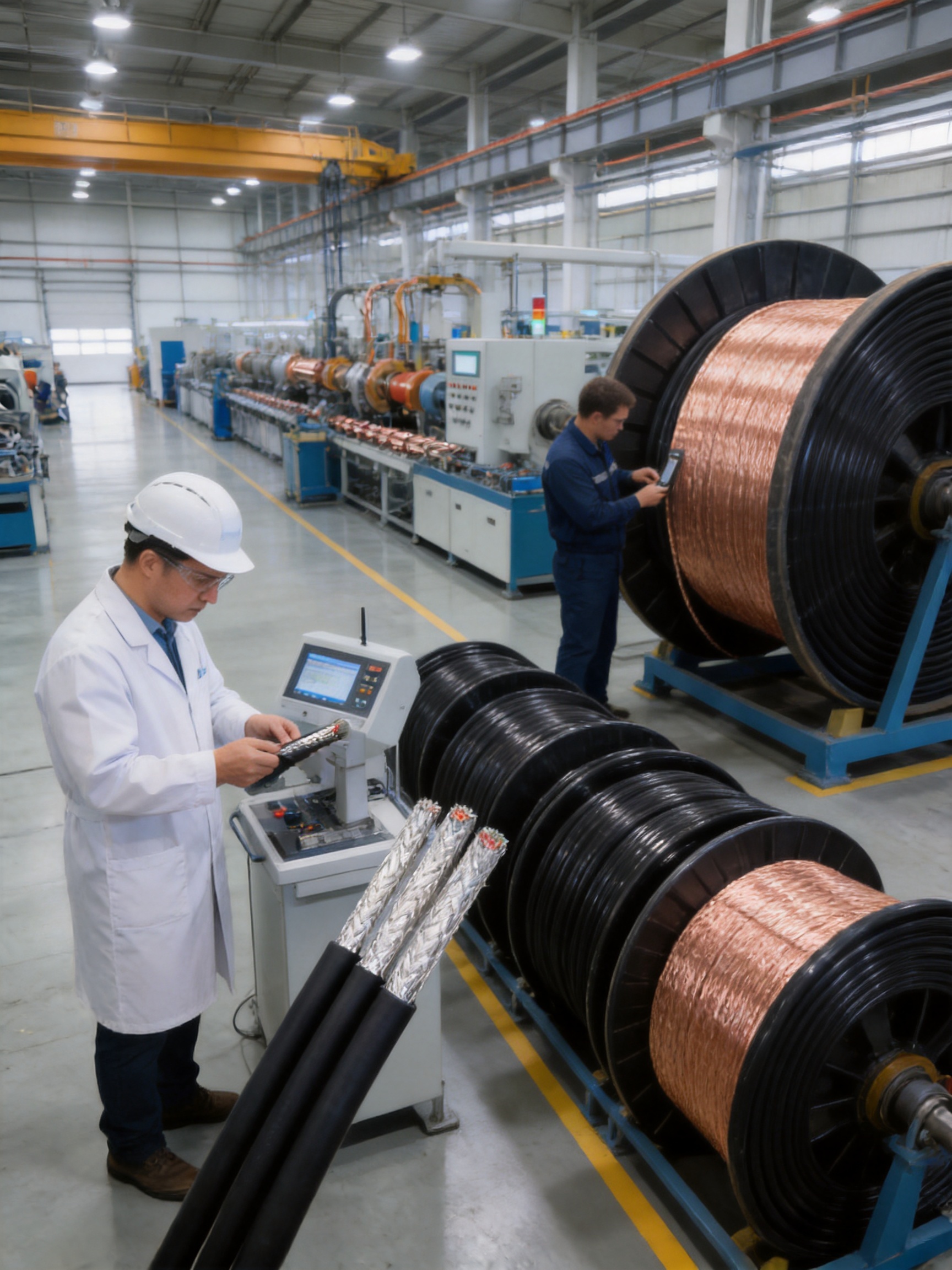
Modern industrial systems depend on control cables that can transmit electrical signals reliably while tolerating heat, movement, electromagnetic interference, and demanding installation conditions. In automated production lines, testing equipment, mobile machinery, and instrument connections, the cable is not merely a passive accessory. It is a critical component that supports accurate communication between sensors, controllers, actuators, motors, and monitoring systems.
KYJVRP is a flexible shielded control cable developed for applications that require a combination of temperature resistance, mechanical flexibility, electrical stability, and electromagnetic protection. Its construction integrates stranded annealed copper conductors, cross-linked polyethylene insulation, copper braid shielding, and a protective PVC sheath. This structure allows the cable to serve in control circuits where ordinary PVC flexible cables may be limited by heat, interference, or repeated movement.
With a rated voltage of 450/750V, a long-term allowable operating temperature of 90°C, and a fine-stranded conductor design, KYJVRP offers a balanced solution for industrial control wiring. It is suitable for fixed and flexible installations, with bending endurance of at least 10,000 cycles under the specified flexible installation conditions. Its copper braid shield provides electromagnetic protection, while its XLPE insulation contributes to high insulation resistance, low dielectric loss, and long-term operational reliability.
This article examines the structure, advantages, manufacturing strengths, application value, technical parameters, installation considerations, and customization capabilities associated with KYJVRP control cable.
Control cables are used to connect electrical control devices and transfer signals, commands, and low- or medium-power electrical energy within industrial systems. They are commonly found between programmable controllers, control panels, sensors, instrumentation, relays, valves, variable-frequency equipment, machine tools, and automated production equipment.
Unlike ordinary power cables, control cables often operate in environments where signal accuracy is essential. A small amount of electromagnetic interference can affect sensor readings, communication stability, switching accuracy, or control response. Mechanical movement can also create stress at connection points and within the cable core. Repeated bending, vibration, and routing through confined spaces may eventually damage a cable that is not designed for flexible service.
Temperature is another important consideration. Equipment installed near heaters, processing lines, motors, test chambers, or high-temperature machinery may expose the cable to temperatures above the practical limit of conventional PVC insulation. Under elevated temperatures, inferior insulation can soften, age prematurely, or lose its electrical properties.
KYJVRP addresses these challenges through a combination of fine-stranded copper conductors, XLPE insulation, copper braid shielding, and a durable PVC sheath. These design features allow the cable to support stable signal transmission while maintaining flexibility and protection in demanding industrial environments.
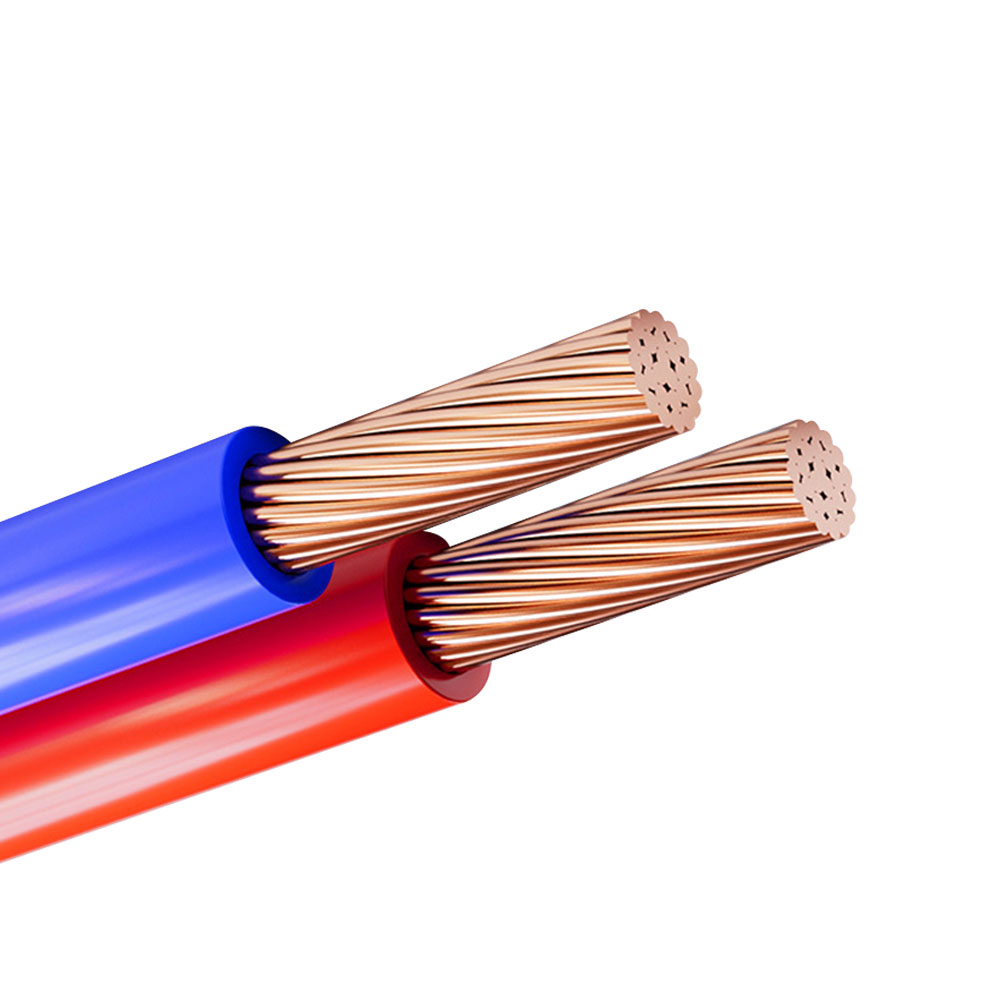
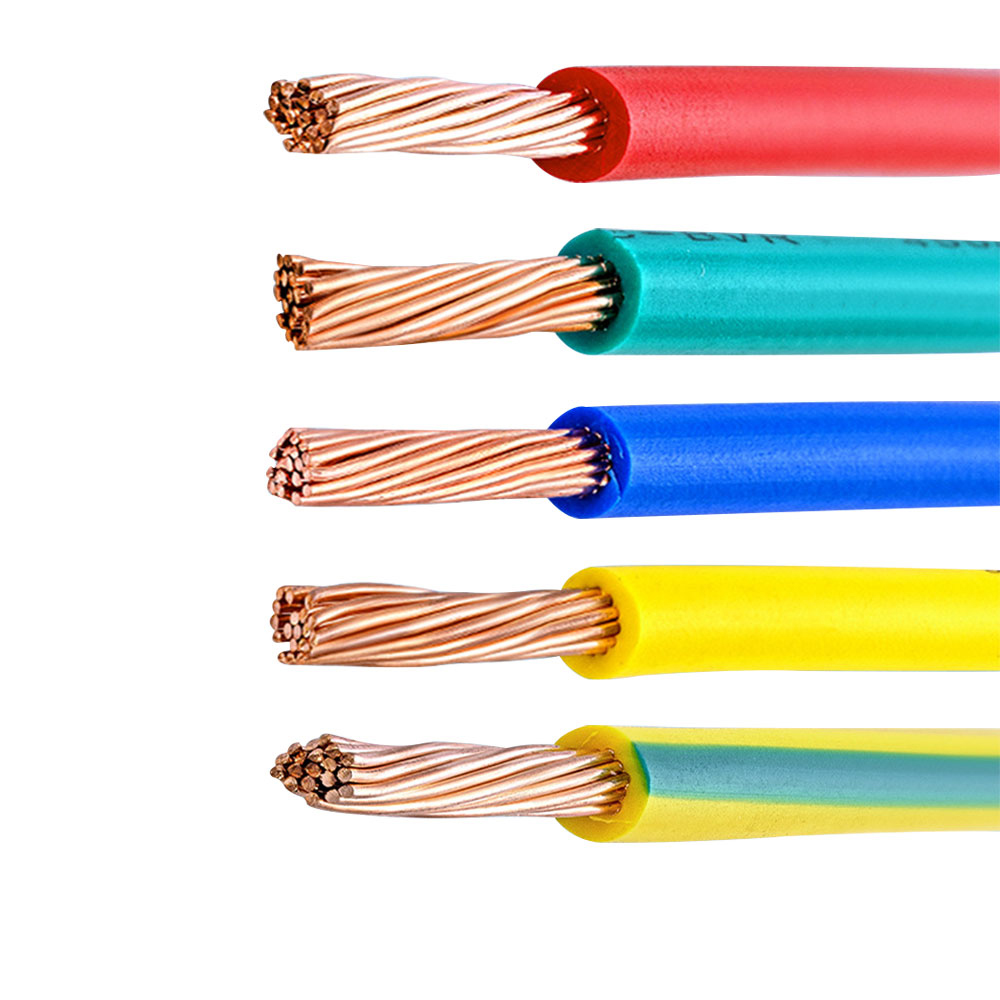
The conductor of KYJVRP is made from stranded annealed copper. Rather than relying on a relatively rigid single conductor or coarse-stranded construction, the cable uses fine stranding to improve flexibility. Multiple small copper wires distribute bending stress more effectively than a solid conductor. This is particularly valuable when the cable is routed through moving equipment, articulated mechanisms, instrument panels, or narrow installation channels.
Copper provides high electrical conductivity and supports efficient transmission of control signals and operating current. Annealing improves the softness and ductility of the copper, making the conductor more suitable for repeated bending and termination. The available cross-section range extends from 0.5 mm² to 6.0 mm², while the number of cores can range from 2 to 37 cores. This range enables users to select a construction appropriate for compact control circuits, multi-signal systems, or more complex equipment connections.
Fine-stranded conductors also simplify installation. They can be routed around moderate changes in direction without excessive force, reducing the risk of damage during assembly. When properly terminated, the conductor provides a dependable electrical path and helps maintain consistent performance throughout the service life of the cable.
Each conductor is insulated with cross-linked polyethylene, commonly known as XLPE. XLPE is selected for its combination of thermal performance, insulation resistance, mechanical stability, and electrical reliability. KYJVRP supports a long-term allowable conductor operating temperature of 90°C, which is higher than the typical long-term temperature rating associated with many ordinary PVC flexible cables.
The insulation thickness ranges from 0.6 mm to 1.2 mm, depending on the selected cable structure and conductor size. XLPE insulation also provides high insulation resistance, specified at not less than 1000 MΩ·km at 20°C. This characteristic helps limit leakage current and supports reliable separation between conductors and between the conductors and shield.
Another important benefit of XLPE is its resistance to partial discharge and low dielectric loss. In control and instrumentation systems, electrical stability is important even when the cable is exposed to changing temperatures, long operating periods, or repeated voltage stress. Stable insulation properties help reduce the possibility of signal degradation and support dependable operation over time.
KYJVRP uses a copper braid shield with coverage of at least 80 percent. The braided structure surrounds the insulated cores and provides a conductive barrier against electromagnetic interference. Interference may originate from motors, variable-frequency drives, switching power supplies, relays, transformers, welding equipment, or other industrial electrical devices.
The shield helps reduce the coupling of external electromagnetic energy into the control conductors. It can also help contain unwanted electrical noise generated within the cable. The specified shielding attenuation factor is no greater than 0.8 at 1 MHz, demonstrating the cable’s suitability for applications requiring enhanced anti-interference capability.
A copper braid is especially useful where the cable must remain flexible. Compared with a rigid metallic conduit or a continuous metal layer that may be less tolerant of repeated movement, the braid can accommodate bending while maintaining electrical continuity when properly designed and installed. The shield must be connected according to the grounding requirements of the control system. Correct termination is essential to obtain the intended interference protection.
The outer sheath is made from polyvinyl chloride. It protects the internal structure from moisture, abrasion, handling damage, and normal industrial exposure. The sheath thickness ranges from 1.0 mm to 1.8 mm, depending on the cable specification.
PVC provides a practical balance between mechanical protection, flexibility, processing efficiency, and cost. KYJVRP is intended primarily for indoor or mild industrial environments where moderate resistance to moisture and wear is required. For projects involving severe chemical exposure, continuous outdoor weathering, oil immersion, extreme cold, or special fire and smoke requirements, the sheath construction should be reviewed and customized as necessary.
The sheath also supports the cable’s overall dimensional stability. It holds the cores and shield in a controlled arrangement, reduces the risk of external abrasion, and provides a clear outer surface for product marking, routing, and identification.
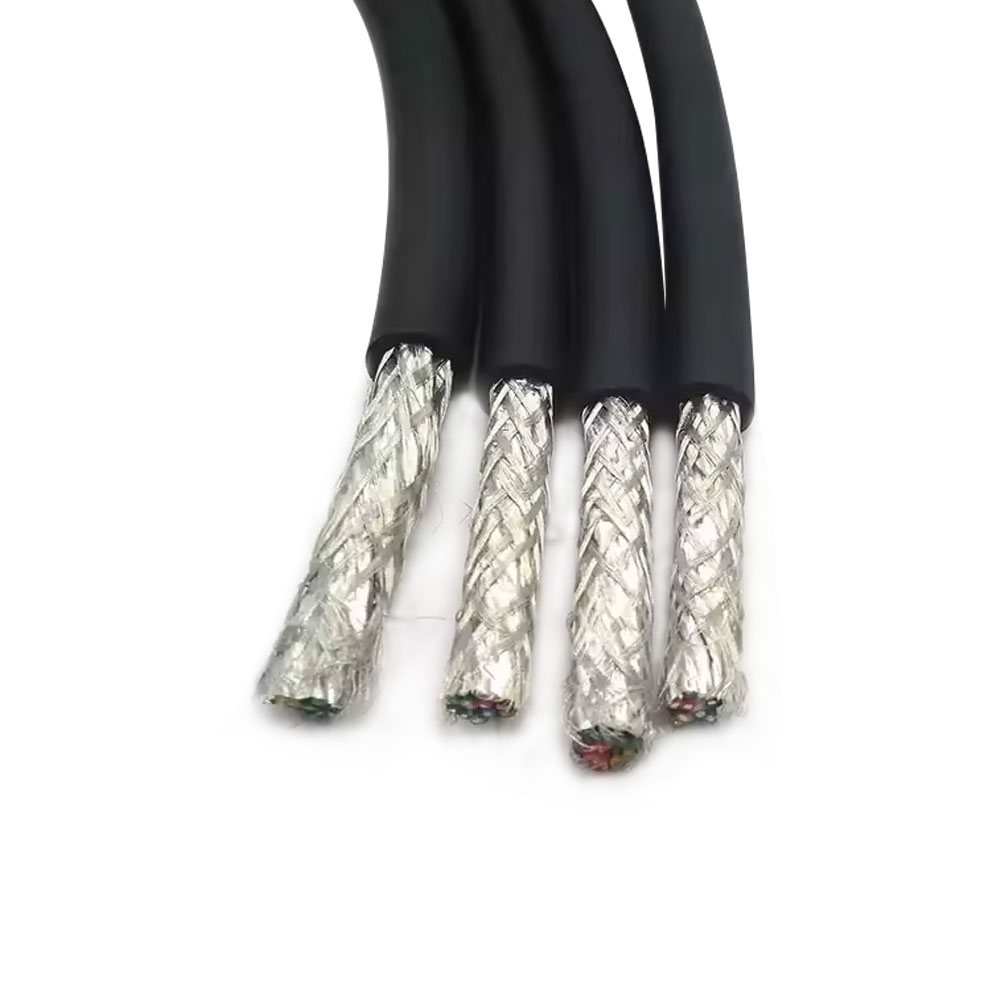
KYJVRP Stable electrical performance Control Cable
One of the most important advantages of KYJVRP is its 90°C long-term operating temperature. Industrial equipment can generate substantial heat, and cable routes may pass close to heating systems, motors, processing equipment, or enclosed electrical cabinets. A cable with insufficient thermal capacity may experience accelerated insulation aging and reduced service reliability.
XLPE insulation allows KYJVRP to operate at a higher temperature than many standard PVC flexible control cables. This does not mean that the cable can be exposed indefinitely to every source of high heat. The actual installation must consider ambient temperature, conductor loading, ventilation, cable grouping, and proximity to heat sources. Nevertheless, the 90°C rating provides a useful operating margin for high-temperature mobile and fixed applications.
The short-circuit temperature is specified at a maximum conductor temperature of 250°C for a maximum duration of five seconds. This characteristic supports the cable’s ability to withstand short-duration thermal stress under defined fault conditions, provided the protection system clears the fault within the specified time.
Industrial control systems often contain devices that produce electromagnetic noise. Switching operations, pulse-width modulation, motor starting, variable-speed drives, and high-current equipment can interfere with sensitive control and measurement circuits. If the cable is not adequately protected, interference may cause false signals, unstable readings, communication errors, or unexpected equipment responses.
The copper braid shield of KYJVRP provides a continuous conductive layer around the insulated cores. With coverage of at least 80 percent, the shield offers a practical level of protection for many industrial control and instrumentation applications. Its specified shielding attenuation performance at 1 MHz further supports its use where signal integrity is important.
Shielding effectiveness depends not only on cable construction but also on installation. The shield should be terminated with suitable connectors, clamps, or grounding arrangements. Long unshielded pigtails should be avoided where high-frequency interference is a concern. Cable routing should also maintain reasonable separation from high-power conductors and strong noise sources.
KYJVRP is designed with fine-stranded conductors to support flexible installation. The cable can be used for movable component connections, mobile equipment, automated machinery, testing apparatus, and other systems in which the cable experiences repeated movement.
The specified bending endurance is at least 10,000 cycles for flexible installation. This performance is useful for equipment that moves repeatedly within a defined travel path. The result of any bending test depends on the test radius, movement speed, travel distance, tension, temperature, and installation method. Therefore, the cable should be used within the stated minimum bending radius and application conditions.
For fixed installation, the minimum bending radius is at least eight times the cable outer diameter. For flexible installation, the minimum bending radius is at least twelve times the cable outer diameter. Maintaining these values helps prevent excessive stress on the conductor, insulation, braid, and sheath.
Electrical stability is a central design objective of KYJVRP. The cable combines high insulation resistance, XLPE insulation, copper conductors, and controlled construction dimensions. The insulation resistance is specified at not less than 1000 MΩ·km at 20°C, while the test voltage is 3.0 kV AC for one minute.
The cable is also specified to withstand long-term working voltage without breakdown under normal operating conditions. Its capacitance is no greater than 170 nF/km, helping users evaluate its suitability for control and signal circuits where capacitive effects may influence system behavior.
Stable electrical performance is particularly important in long cable runs and multi-core systems. Consistent insulation and shielding help prevent unwanted leakage, crosstalk, and signal disturbance. The actual system result will also depend on conductor sizing, grounding design, terminal quality, controller configuration, and environmental conditions.
Some high-temperature shielded cables use specialized materials or highly complex structures that can increase procurement and installation costs. KYJVRP is positioned as a cost-effective flexible solution that combines a 90°C temperature rating, braided copper shielding, and fine-stranded conductors without unnecessary over-specification for ordinary industrial control applications.
The use of XLPE insulation provides enhanced thermal performance, while the PVC sheath offers practical mechanical protection and efficient manufacturing. This material combination can help users balance performance and project budget. For equipment manufacturers, system integrators, and maintenance departments, a cable that meets actual requirements without excessive design complexity can simplify inventory management and product standardization.
Traditional flexible control cables often use PVC insulation and may be suitable for general indoor applications at moderate temperatures. However, their operating limits may become restrictive when they are installed near heat-producing equipment or used in repeated movement applications. Their anti-interference performance may also be limited if no shield is provided.
KYJVRP offers several meaningful improvements over an unshielded or standard PVC flexible cable. XLPE insulation provides a 90°C long-term operating temperature, while the copper braid provides electromagnetic protection. Fine-stranded conductors help accommodate movement, and the multi-core configuration supports complex control circuits.
Compared with a rigid cable, KYJVRP is easier to route through moving equipment and compact machine structures. Compared with an unshielded cable, it provides better protection in electrically noisy environments. Compared with a basic low-temperature flexible cable, it offers a stronger thermal margin. These advantages make it suitable for applications that require more than basic electrical connection.
Performance Item |
KYJVRP Control Cable |
Value to the User |
Insulation |
Cross-linked polyethylene |
Improved thermal and electrical stability |
Long-term operating temperature |
90°C |
Suitable for higher-temperature control environments |
Conductor |
Fine-stranded annealed copper |
Good conductivity and flexibility |
Shield |
Copper braid, coverage at least 80% |
Improved resistance to electromagnetic interference |
Rated voltage |
450/750V |
Suitable for a broad range of control wiring systems |
Core range |
2 to 37 cores |
Supports simple and multi-signal circuits |
Cross-section range |
0.5 mm² to 6.0 mm² |
Allows selection according to current and installation needs |
Flexible bending endurance |
At least 10,000 cycles |
Supports repeated movement within defined conditions |
Outer sheath |
PVC |
Provides practical moisture and wear resistance |
The comparison should not be interpreted as a replacement for application engineering. A cable must always be selected according to voltage, current, temperature, movement, chemical exposure, fire requirements, bending radius, installation method, and applicable standards. KYJVRP is particularly valuable when the project requires a combination of flexible construction, high-temperature operation, and shielded signal transmission.
Automated production lines use sensors, actuators, motor controls, switches, and programmable control equipment. Cables may run through moving sections of machines or along production areas containing motors and switching devices. KYJVRP can connect control components while providing flexibility and interference protection.
The cable is suitable for movable component connections, control cabinets, machine interfaces, and instrument circuits. Its multi-core construction can reduce the need for multiple separate cables where several signals must travel between the same equipment sections.
Some mobile machines operate near ovens, heaters, thermal processing systems, or high-temperature work areas. In these conditions, the combination of XLPE insulation and fine-stranded conductors is valuable. The cable can tolerate long-term operating temperatures up to 90°C when installed and loaded according to its design conditions.
Examples may include moving test fixtures, thermal processing equipment, hot-area inspection mechanisms, and mobile machine components. The actual ambient temperature should be assessed carefully because the conductor temperature depends on both surrounding heat and current-related heating.
Testing equipment often requires reliable signal transmission from sensors and measurement devices. Test systems may also include power converters, motors, relays, and other equipment that generates electromagnetic noise. A shielded control cable can help reduce unwanted interference and contribute to more stable measurements.
Fine-stranded construction makes the cable suitable for instruments that are repositioned, adjusted, or opened for maintenance. Its 450/750V rating also provides a broad electrical margin for many control and auxiliary circuits, subject to system design requirements.
Instrumentation systems may include temperature sensors, pressure devices, switches, controllers, and monitoring modules. Stable electrical properties and shielding are important where weak signals must be transmitted over a distance or through a busy industrial environment.
KYJVRP can be selected for instrument connections that require greater operating temperature capability than basic flexible cables. For highly specialized low-level signals, users should confirm capacitance, grounding, pair configuration, impedance, and other signal-specific requirements before final selection.
Intelligent manufacturing systems rely on data exchange between machines, controllers, and monitoring platforms. Although not every data communication application is suitable for a general control cable, KYJVRP can be used in appropriate control, switching, and auxiliary circuits within intelligent equipment.
The cable’s shield can help improve the electrical environment around control wiring, while its flexibility supports compact machine design. Equipment manufacturers can specify core count, conductor cross-section, sheath construction, and optional performance modifications according to the system layout.
Anhui Zhishang Cable Technology Co., Ltd. integrates product research and development, manufacturing, and sales. This integrated structure allows technical requirements to be reviewed from multiple perspectives, including material selection, production feasibility, quality control, application needs, and delivery planning.
For KYJVRP, integrated product management supports the coordination of conductor stranding, XLPE insulation extrusion, shielding, sheathing, testing, and final inspection. It also allows customer feedback and project requirements to be incorporated into future product improvements.
The company operates a modern production base of approximately 5,000 square meters and has more than 50 employees. Its workforce includes quality engineers and research and development technicians with more than ten years of industry experience. The production operation includes 10 automated production lines and a stated monthly output capacity of up to 10 million meters.
Automation contributes to process consistency and production efficiency. In cable manufacturing, controlled production parameters are important because conductor resistance, insulation thickness, concentricity, shield coverage, sheath thickness, and finished diameter all influence product performance. Automated equipment can help maintain repeatable conditions when combined with suitable process monitoring and inspection.
The manufacturing process begins with the preparation and stranding of annealed copper conductors. Fine stranding must be controlled to achieve the intended flexibility, conductor cross-section, dimensional stability, and electrical resistance. Proper material control helps ensure that the conductor remains continuous and suitable for subsequent insulation processing.
Conductor quality affects every later stage. A conductor with inconsistent stranding or surface defects may create problems during insulation extrusion or bending. Process controls therefore support not only conductivity but also the mechanical reliability of the completed cable.
XLPE insulation is applied through an extrusion process that must maintain controlled thickness, surface quality, and adhesion around the conductor. The specified insulation thickness ranges from 0.6 mm to 1.2 mm according to the product structure. Uniform insulation helps maintain consistent dielectric performance and reduces the possibility of weak points.
After extrusion, insulation quality may be evaluated through dimensional inspection, spark testing, insulation resistance testing, and other appropriate procedures. The objective is to ensure that each insulated core provides reliable separation and maintains the required electrical characteristics.
After the individual cores are insulated, they are assembled according to the selected core count and structure. The copper braid shield is then applied around the insulated core assembly. Maintaining consistent braid coverage is important because the shield must provide a reasonably continuous conductive barrier while retaining the flexibility expected of the cable.
The stated braid coverage is at least 80 percent. The shielding process must also avoid excessive gaps, uneven tension, damage to the insulated cores, or unnecessary stiffness. A controlled shielding process supports both electrical performance and bending endurance.
The PVC outer sheath is applied over the shield to protect the internal components. The sheath thickness ranges from 1.0 mm to 1.8 mm, depending on the cable specification. Extrusion conditions must be controlled to achieve a smooth surface, consistent thickness, and adequate mechanical protection.
After sheathing, the finished cable may be inspected for diameter, appearance, marking, length, electrical performance, and mechanical characteristics. Proper packaging and storage are also important, particularly for cables intended for flexible installation. Avoiding excessive compression, sharp bends, moisture exposure, and uncontrolled temperature during storage helps preserve product condition before installation.
The company emphasizes full-core, full-length, pure copper specifications, product test reports, and warranty support for standard cable models. Testing requirements for KYJVRP may include conductor continuity, conductor resistance, insulation resistance, high-voltage testing, dimensional inspection, shielding checks, and appearance inspection.
The product specifications include a 3.0 kV AC test voltage for one minute, insulation resistance of at least 1000 MΩ·km at 20°C, capacitance of no more than 170 nF/km, and defined thermal and mechanical performance. These parameters provide measurable criteria for evaluating the completed cable.
The stated thermal deformation performance includes passing a 150°C, four-hour thermal deformation test. The tensile strength is specified at not less than 12 N/mm². The product is also listed as complying with GB/T 19666 non-flame-retardant requirements. Project-specific requirements should be reviewed separately when flame-retardant, low-smoke, halogen-free, or other special classifications are required.
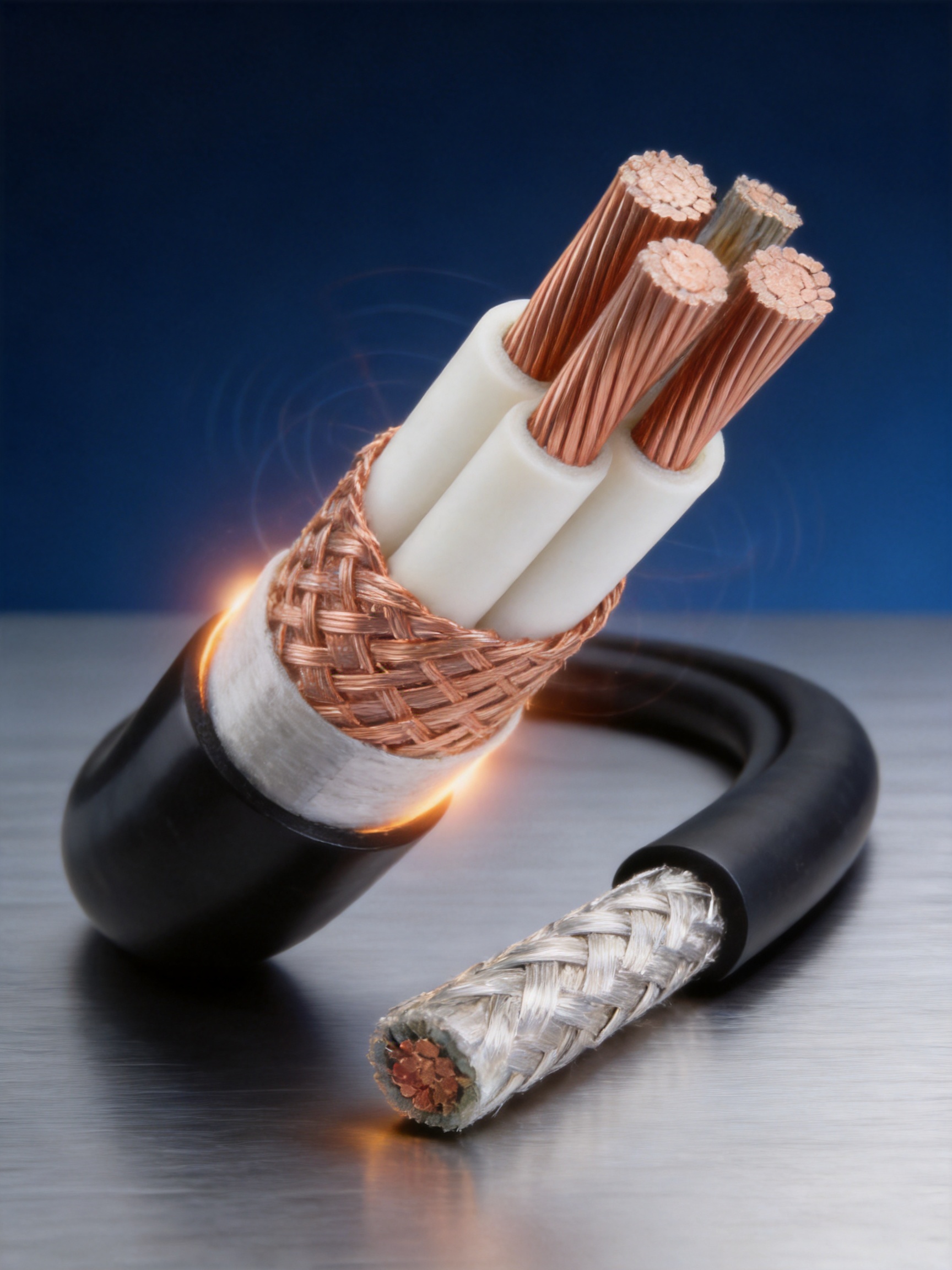
Industrial cable requirements vary widely from one machine and project to another. The correct core count, cross-section, insulation structure, sheath material, shield design, color arrangement, marking, packaging, and delivery length may depend on the equipment design and installation environment.
Anhui Zhishang Cable Technology Co., Ltd. supports OEM and ODM development based on customer drawings or samples. Its technical engineers can provide product selection guidance and customized cable design solutions according to project needs. This capability is useful for equipment manufacturers that require a cable to match a defined harness layout or machine architecture.
Potential customization options may include structural extensions for flame retardancy and halogen-free performance. Other discussions may address core identification, special dimensions, packaging, labeling, production length, and project-specific testing. Every customization should be evaluated against the required standards and verified through technical documentation before mass production.
Customization can also help simplify equipment assembly. A cable manufactured with the required number of cores and suitable dimensions can reduce unnecessary routing, minimize connection points, and improve installation efficiency. For OEM projects, stable dimensions and repeatable production are particularly important because the cable may be integrated into a larger standardized product.
Before installation, users should confirm the required voltage, current, conductor cross-section, core count, signal type, ambient temperature, and system grounding arrangement. The 450/750V rating provides a broad operating range, but the final selection must consider the actual circuit and applicable electrical regulations.
The conductor size should be chosen according to current, voltage drop, installation method, ambient temperature, grouping, and permissible temperature rise. For signal circuits, users should also evaluate capacitance, noise sensitivity, and the required shield termination method.
KYJVRP should not be bent below eight times the cable outer diameter during fixed installation or below twelve times the cable outer diameter during flexible installation. Sharp bends can damage the conductor, insulation, shield, or sheath. The cable should be routed with smooth curves and should not be forced into a tight corner during assembly.
For repeated movement, the cable should follow a controlled path. It should not be twisted around its own axis, dragged across sharp edges, or subjected to unsupported tensile loading. Cable carriers, guides, strain reliefs, or suitable clamps may be used when appropriate for the equipment design.
The cable’s flexible construction and bending endurance support mobile applications, but flexibility does not eliminate the need for correct mechanical design. The moving length should be sufficient to prevent stretching at the ends of travel. Terminations should include suitable strain relief, and the cable should not carry the weight of connected equipment unless specifically designed for that purpose.
Repeated movement should be evaluated under the real operating conditions, including speed, stroke, frequency, temperature, and installation radius. The stated endurance of at least 10,000 cycles is a product specification under defined flexible installation conditions and should not be treated as an unlimited movement guarantee.
The copper braid shield must be connected according to the control system’s grounding strategy. In many applications, shield termination is selected to reduce common-mode interference and prevent ground-loop problems. The correct approach depends on the equipment, frequency range, electrical architecture, and relevant standards.
Shield continuity should be maintained through connectors and junction points where possible. Excessively long exposed shield pigtails can reduce high-frequency performance. Installers should follow the equipment manufacturer’s instructions and verify the grounding arrangement during commissioning.
KYJVRP is suitable for indoor or mild industrial environments with moderate moisture and wear exposure. It should be protected from continuous immersion, severe chemical attack, prolonged outdoor weathering, excessive oil exposure, and conditions outside the specified temperature range unless a customized version has been approved.
Where the cable passes through metal panels or machine frames, suitable bushings or edge protection should be used. Cable surfaces should not be exposed to sharp edges, welding spatter, uncontrolled abrasion, or direct contact with heated surfaces that could exceed the product rating.
Project engineers can use the following questions when evaluating KYJVRP for a new installation:
What is the required number of signal and control circuits? KYJVRP is available from 2 cores to 37 cores, allowing selection for both simple and complex wiring arrangements.
What conductor cross-section is required? Options from 0.5 mm² to 6.0 mm² can accommodate different current, voltage-drop, and mechanical requirements.
Will the cable be fixed or flexible? The installation method determines the minimum bending radius and influences the expected mechanical service life.
Is electromagnetic interference a concern? If the cable passes near motors, inverters, switching devices, or sensitive measurement circuits, the copper braid shield can provide useful protection.
Will the cable operate in an elevated-temperature area? The 90°C long-term operating temperature should be compared with the actual ambient temperature, conductor load, and equipment heat profile.
Are special fire, smoke, or environmental properties required? The standard construction is PVC-sheathed and listed as meeting GB/T 19666 non-flame-retardant requirements. Flame-retardant, halogen-free, or other specialized versions should be discussed before ordering.
How will the cable be terminated? Shield termination, connector compatibility, conductor identification, bending space, and strain relief should be included in the design from the beginning.
Does the project require standard stock or a custom design? Standard models may support faster shipment, while customized products typically require a lead time of approximately 7 to 20 days according to project requirements.
A cable supplier’s value is determined not only by the technical characteristics of a product but also by the ability to provide consistent supply, technical communication, documentation, and after-sales support. Anhui Zhishang Cable Technology Co., Ltd. provides standard cable models with stock support for fast shipment and offers customized products with a typical lead time of 7 to 20 days.
For industrial equipment manufacturers, predictable delivery is important because cable shortages can delay machine assembly and commissioning. A production base with automated lines and a stated monthly output capacity of up to 10 million meters provides the foundation for handling both standard demand and larger project requirements.
The company’s technical team supports product selection and customized design. This can help customers define a suitable combination of conductor size, core count, shielding, insulation, sheath, and optional performance characteristics before placing an order. Technical clarification at the beginning of a project can reduce the risk of mismatched specifications and installation problems.
Product test reports and warranty support for standard models further assist users with quality documentation and project approval. For applications requiring formal compliance records, customers should request the relevant test documents, product drawings, inspection criteria, and applicable declarations before final acceptance.
Cable selection should consider the complete service lifecycle rather than only the initial purchase price. A cable that is easier to install, more resistant to heat, and less vulnerable to electromagnetic disturbance may reduce maintenance interruptions and replacement frequency when correctly applied.
KYJVRP’s flexible construction can simplify routing and reduce installation effort in moving equipment. Its copper braid shielding can help reduce signal-related troubleshooting in electrically noisy environments. Its XLPE insulation provides a thermal margin that may support more reliable service near heat-generating equipment.
At the same time, responsible selection requires users to avoid overloading the cable or installing it in environments beyond its design scope. Correct sizing, routing, grounding, and protection are essential to achieving the expected service life. End-of-life handling should follow applicable local regulations for copper, PVC, XLPE, and other cable materials.
The company also emphasizes green manufacturing and responsible production practices. Continuous process improvement, efficient production, controlled material use, and appropriate quality management can contribute to more sustainable cable manufacturing. Customers with specific environmental requirements should confirm the material declaration and compliance documentation for the selected product configuration.
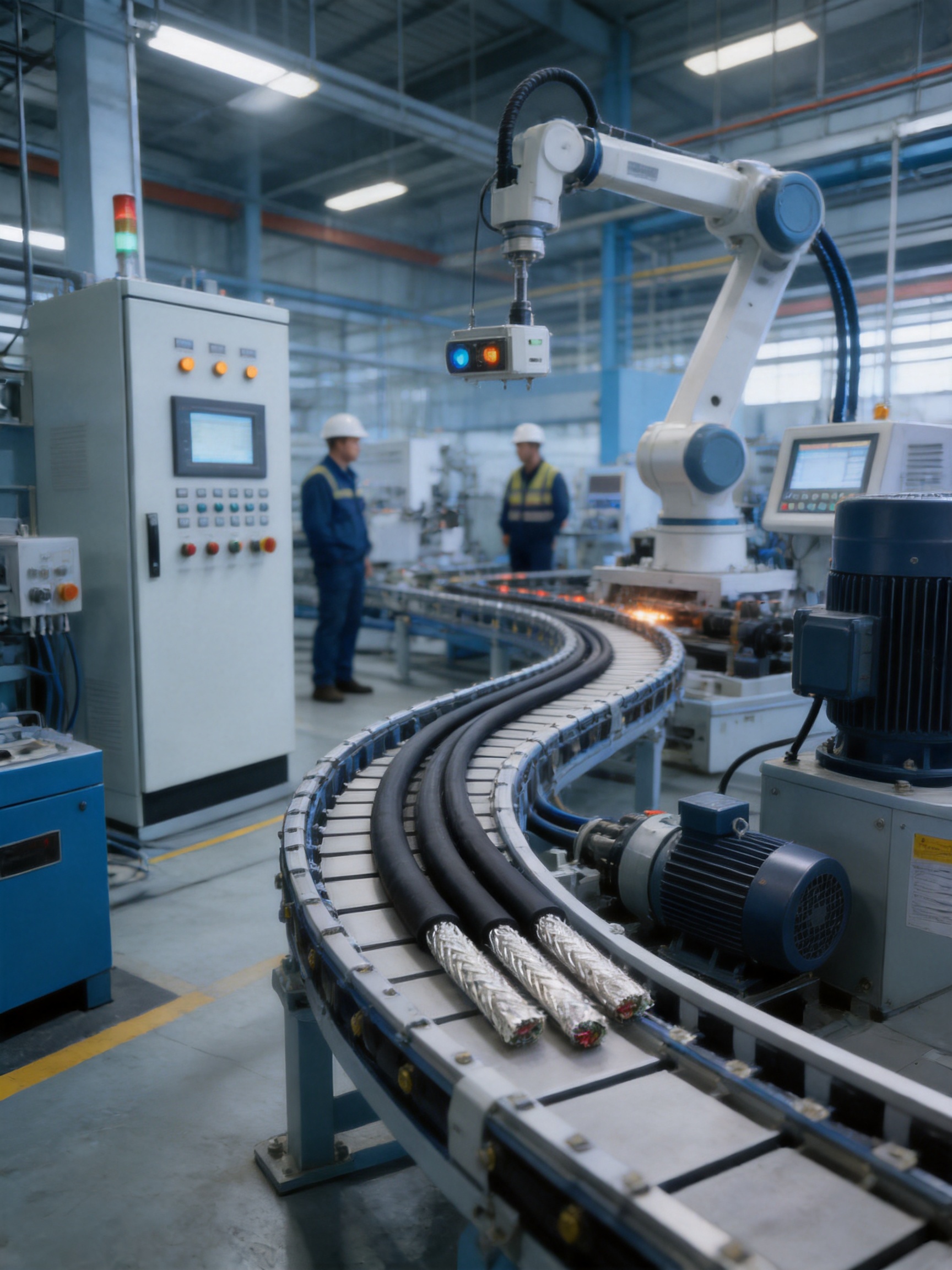
KYJVRP is used for control, instrumentation, and auxiliary electrical connections in automated production lines, testing equipment, mobile machinery, instrument systems, and other industrial applications that require flexibility, shielding, and higher temperature resistance.
The rated voltage is 450/750V. The cable should be selected and installed according to the actual circuit voltage, applicable regulations, conductor loading, insulation coordination, and equipment requirements.
The long-term allowable operating temperature is 90°C. The specified temperature range is -15°C to +90°C for fixed installation and -5°C to +90°C for flexible installation. Actual performance also depends on ambient conditions, current loading, heat dissipation, and movement.
XLPE insulation provides good thermal resistance, high insulation resistance, stable electrical performance, and resistance to partial discharge and low dielectric loss. It allows the cable to operate at a higher long-term temperature than many ordinary PVC flexible cables.
Yes. KYJVRP uses a copper braid shield with coverage of at least 80 percent. The shielding structure is designed to suppress electromagnetic interference and support stable signal transmission in sensitive control systems.
The cable uses fine-stranded annealed copper conductors for improved flexibility. Its stated flexible installation bending endurance is at least 10,000 cycles under defined test conditions. The minimum bending radius is at least twelve times the cable outer diameter for flexible installation.
The standard range includes 2 to 37 cores and conductor cross-sections from 0.5 mm² to 6.0 mm². The exact combination should be confirmed according to the product specification and project requirements.
The standard cable is intended mainly for indoor or mild industrial environments. Outdoor use, continuous sunlight exposure, immersion, severe chemicals, or extreme weather should be reviewed with the supplier. A customized sheath or special construction may be required.
The listed standard construction complies with GB/T 19666 non-flame-retardant requirements. Flame-retardant and halogen-free structural extensions are available for discussion, but they should be confirmed as specific customized product requirements rather than assumed for the standard model.
The shield should be terminated according to the grounding design of the control system and the equipment manufacturer’s instructions. The correct method depends on the system architecture, interference frequency, connector design, and grounding objectives.
Yes. OEM and ODM development can be supported based on customer drawings, samples, or defined project requirements. Potential customization may include core configuration, conductor size, sheath and insulation structure, flame-retardant or halogen-free options, identification, packaging, and testing.
Standard products may be stocked for fast shipment. Customized products typically require approximately 7 to 20 days of lead time, depending on design confirmation, material availability, production scheduling, testing, and order quantity.
Customers may request a product data sheet, dimensional drawing, test report, material information, applicable compliance documents, inspection criteria, packaging details, and warranty terms. For customized products, the approved technical specification should be confirmed before production.
KYJVRP is a flexible shielded control cable designed for industrial applications where ordinary control wiring may not provide sufficient thermal margin, mechanical flexibility, or electromagnetic protection. Its fine-stranded annealed copper conductors support flexible routing, while XLPE insulation provides a 90°C long-term operating temperature and stable electrical performance.
The copper braid shield, with coverage of at least 80 percent, helps suppress electromagnetic interference in automated and electrically complex environments. The PVC sheath provides practical protection against moisture and wear for indoor and mild industrial applications. With 450/750V rated voltage, 2 to 37 cores, conductor sizes from 0.5 mm² to 6.0 mm², and flexible bending endurance of at least 10,000 cycles, the cable can be adapted to a wide range of control and instrument connection requirements.
Its value is strengthened by the manufacturing capabilities of Anhui Zhishang Cable Technology Co., Ltd. The company combines research and development, production, sales, automated production lines, experienced technical personnel, testing support, OEM/ODM services, and standard product supply. These capabilities help customers obtain not only a cable but also a coordinated solution for product selection, customization, documentation, and delivery.
For high-temperature mobile equipment, automated production systems, testing equipment, and shielded instrument connections, KYJVRP provides a balanced combination of performance, flexibility, interference protection, and cost control. Correct installation, proper grounding, suitable bending radius, and application-specific technical confirmation remain essential to achieving its intended service life and electrical reliability.
1. Anhui Zhishang Cable Technology Co., Ltd. KYJVRP Stable Electrical Performance Control Cable Product Specification.
2. GB/T 19666. General Rules for Flame Retardant and Fire Resistant Wire and Cable.
3. General principles for the selection, installation, and testing of low-voltage control cables in industrial electrical systems.
4. Technical guidance on XLPE-insulated cable construction, insulation resistance, thermal performance, and dielectric behavior.
5. Industrial cable engineering practices for electromagnetic shielding, grounding, flexible routing, and bending-radius control.

We firmly believe that good cables are not only a competition of materials, but also a reflection of craftsmanship, quality, and responsibility.

Links
Product
Send Inquiry
No. 29 Sankeshu Road, Xuanzhou District, Xuancheng City, Anhui Province, China
+86-18621104555/+86-563-2622999
 Electrical Cable Manufacturer
OEM/ODM Wire and Cable Solutions
Electrical Cable Manufacturer
OEM/ODM Wire and Cable Solutions
 English
 Español
 عربى
عربى
 русский