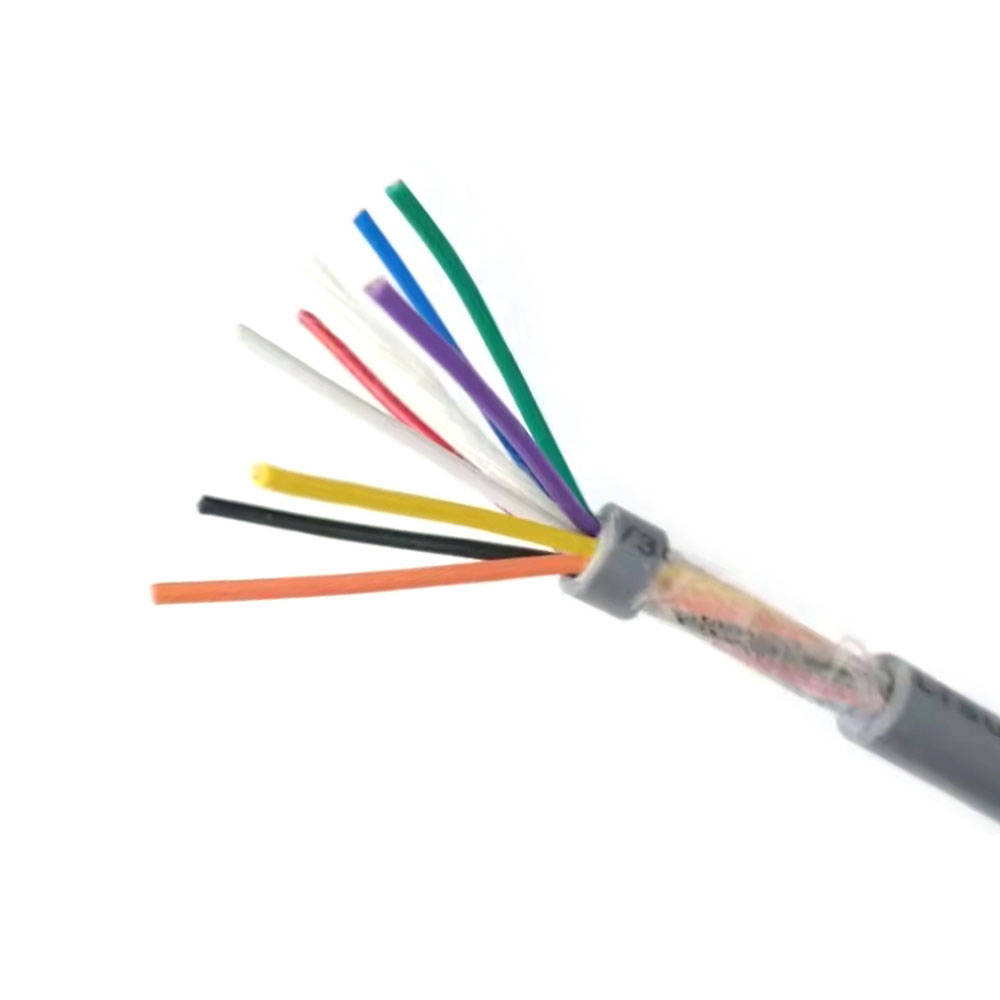

Get more content that can help you
Content
Underground mining is one of the most demanding environments for communication cables. Equipment is constantly moving, electromagnetic interference is severe, moisture and oil exposure are common, and safety requirements are far stricter than those in ordinary industrial sites. The MHYVRP shielded flexible mining communication cable is designed for precisely these conditions. It combines flexible construction, stable signal transmission, flame-retardant protection, and strong shielding performance in a structure suitable for mobile monitoring equipment, portable communication devices, inspection robots, movable sensors, and dynamic underground installations.
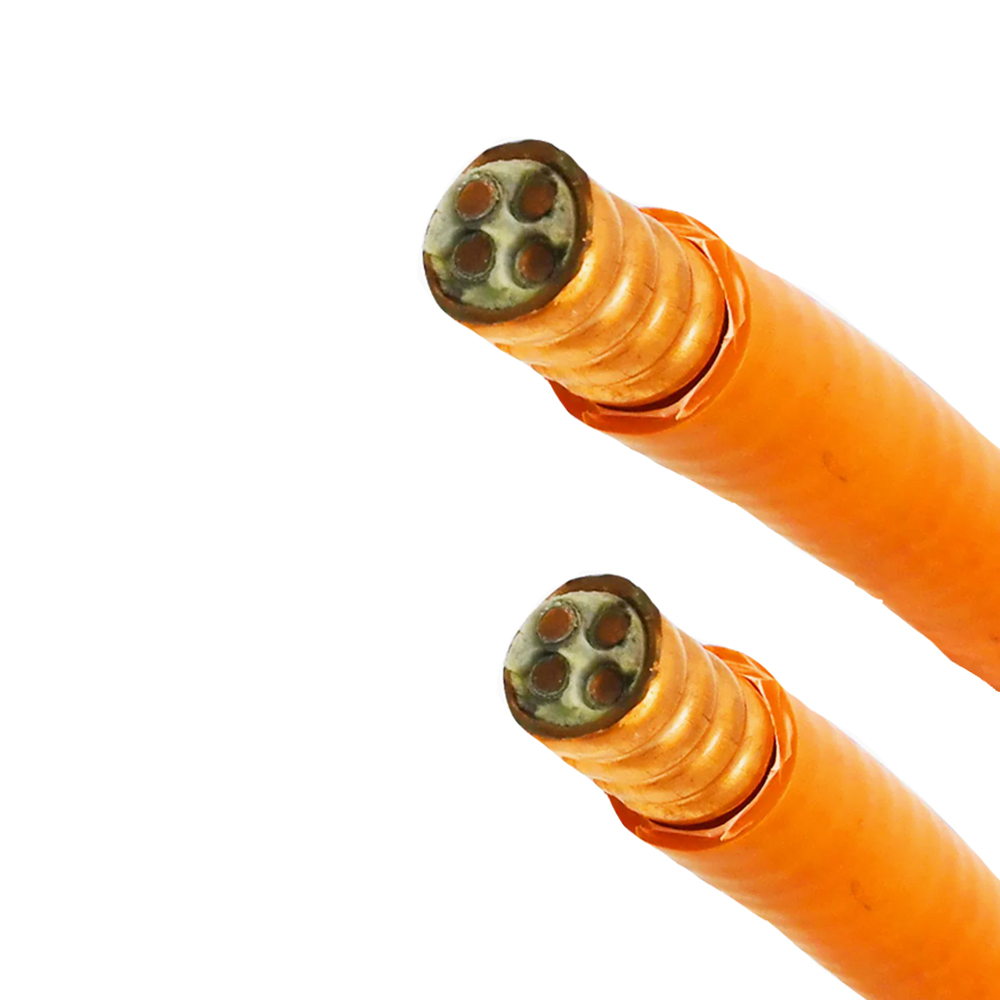
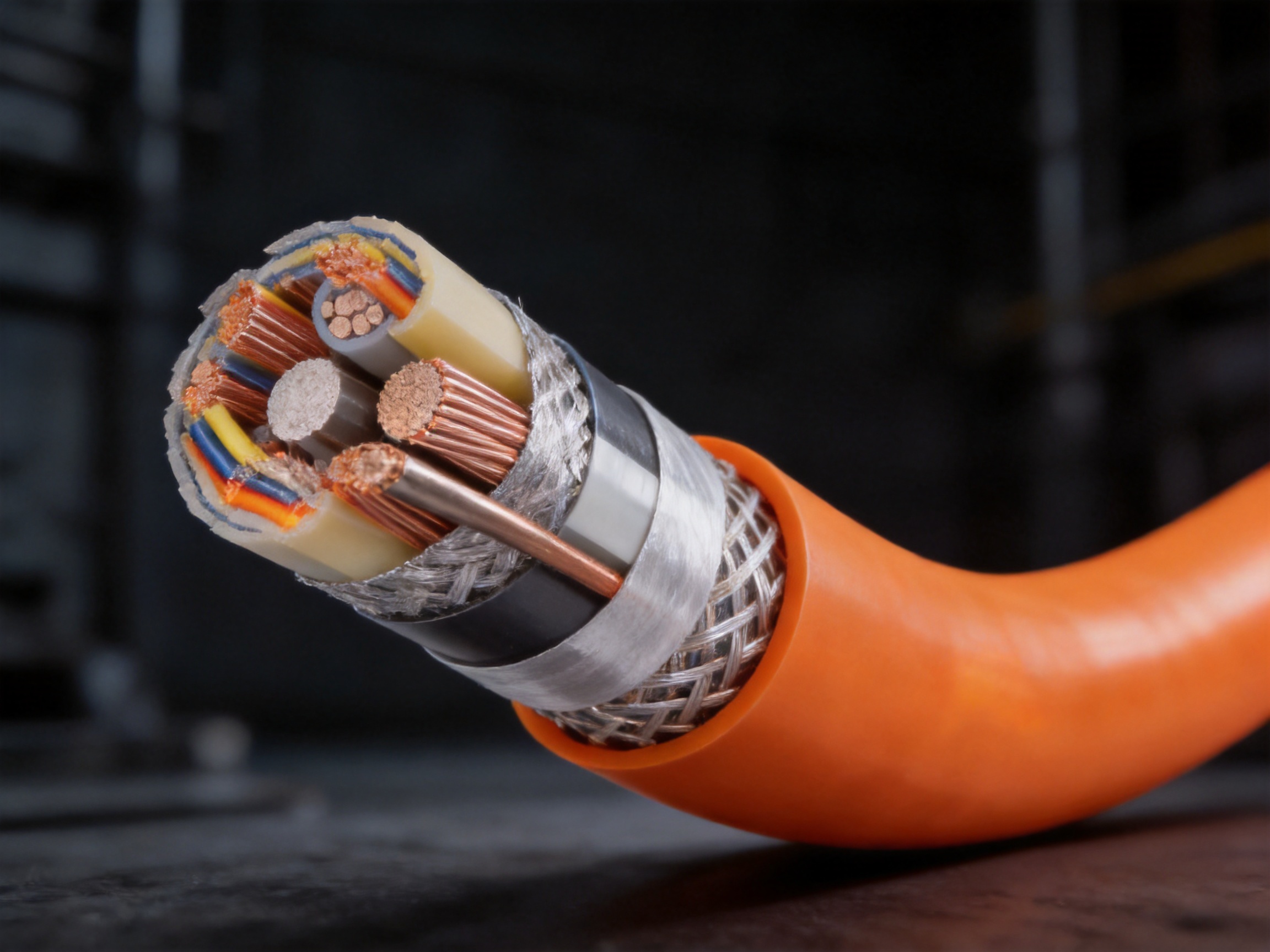
This cable belongs to the mining cable category and is intended for communication and signal transmission in coal mine environments where both flexibility and anti-interference performance are required. Compared with ordinary fixed communication cables, MHYVRP provides improved bending resistance, enhanced electromagnetic compatibility, safer flame-retardant construction, and better adaptability to mobile use. Its structure includes ultra-fine multi-stranded tinned copper conductors, high-density polyethylene insulation, an aluminum-plastic composite tape shield, a tinned copper drain wire, and a flame-retardant flexible PVC sheath. Each layer contributes to a specific performance objective: conductivity, insulation stability, interference suppression, grounding reliability, mechanical protection, and underground safety.
For mining operators, cable failure is not simply a maintenance problem. A damaged communication cable can interrupt monitoring systems, weaken safety supervision, disrupt automation, and increase downtime. The value of MHYVRP lies in its ability to maintain reliable signal transmission while enduring repeated bending, dragging, vibration, and underground environmental stress. For cable buyers, engineers, and project contractors, it offers a practical balance between performance, safety, customization, and manufacturability.
MHYVRP Strong anti-interference ability Mining Cable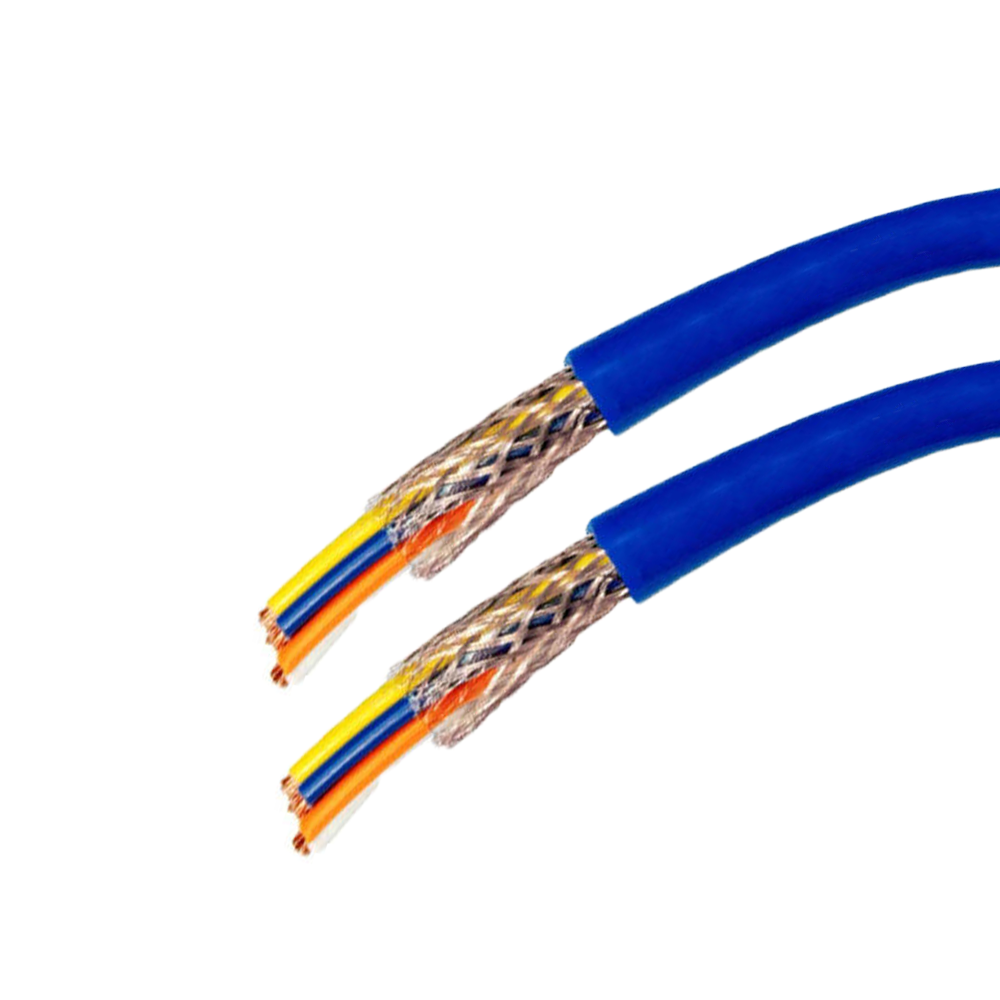
MHYVRP is a mining shielded communication flexible cable developed for underground applications that demand both high flexibility and strong anti-interference capability. The model combines the flexible characteristics of MHYVR-type mining communication cable with the shielding advantages commonly associated with shielded mining communication cable designs. It is especially suitable for dynamic environments such as coal mining faces, mobile inspection systems, sensor networks, and portable communication links.
The cable uses Class 7 ultra-fine multi-stranded tinned copper conductors. This conductor structure is important because underground mobile equipment often requires cables to bend repeatedly during operation. A rigid conductor may crack, fatigue, or develop high resistance after continuous movement, but fine-strand conductors distribute mechanical stress more effectively. Tinning improves corrosion resistance and supports long-term electrical stability in humid or chemically challenging environments.
The insulation is made from high-density polyethylene, commonly known as HDPE. HDPE provides excellent dielectric performance, low signal transmission loss, and stable insulation resistance. In communication cables, insulation quality directly affects attenuation, capacitance balance, and signal integrity. The use of HDPE helps MHYVRP maintain stable communication performance over the required transmission distance.
The shielding system consists of an aluminum-plastic composite tape shield and a tinned copper drain wire. This design helps resist electromagnetic interference from mining machinery, variable-frequency drives, power cables, motors, transformers, and other electrical equipment operating underground. The shield coverage is specified at not less than 90%, while the drain wire provides a defined grounding path with drain wire grounding resistance not exceeding 0.1 ohm per meter. In practical use, this helps reduce noise coupling and improves the quality of monitoring and communication signals.
The outer sheath is made of flame-retardant flexible polyvinyl chloride. The sheath is designed to resist flame spread, provide mechanical protection, and remain flexible during mobile installation. It also offers resistance to oil, moisture, and corrosion, making the cable suitable for harsh underground conditions. The typical sheath colors are orange or blue, supporting easy identification and safety management in mining sites.
Mining cables operate in conditions far more complex than ordinary building or office communication cables. Underground coal mines present multiple risk factors, including confined spaces, combustible dust, humidity, abrasion, vibration, mechanical dragging, electrical noise, and strict regulatory requirements. In these environments, cable design must consider electrical reliability, mechanical endurance, fire safety, ease of installation, and service life at the same time.
A cable used for surface communication wiring may perform well in a clean and stable environment, but it may fail quickly when dragged across rough ground, bent around mobile equipment, or exposed to underground moisture. In addition, underground electrical systems often generate strong electromagnetic interference. If a cable lacks effective shielding, signal quality may degrade, resulting in inaccurate monitoring data, unstable communication, or system alarms.
MHYVRP addresses these problems through a layered design philosophy. The conductor layer supports flexibility and conductivity. The insulation layer protects signal transmission. The shielding layer suppresses interference. The drain wire improves grounding reliability. The sheath layer provides flame-retardant and environmental protection. The complete cable structure is therefore not merely a collection of materials, but an engineered system developed for underground communication reliability.
In mining operations, stable communication is closely related to safety. Monitoring equipment may transmit data about gas concentration, temperature, equipment status, personnel location, ventilation conditions, and emergency signals. A cable with poor signal integrity can compromise these systems. By providing low attenuation, strong shielding effectiveness, high insulation resistance, and good bending endurance, MHYVRP supports safer and more stable underground operation.
The conductor is the electrical foundation of the cable. MHYVRP uses Class 7 ultra-fine multi-stranded tinned copper conductors. Compared with ordinary solid or coarse-stranded conductors, this structure offers significantly better flexibility. When a cable bends, each fine strand can move slightly relative to the others, reducing the concentration of mechanical stress. This helps delay fatigue and extends service life in mobile applications.
Tinned copper also provides practical advantages in underground environments. Tin plating helps reduce oxidation and corrosion on the conductor surface. This is particularly useful in humid spaces or where chemical exposure may occur. Better corrosion resistance contributes to stable contact performance and long-term electrical reliability. For mining communication systems, where signal consistency is essential, conductor stability is a major advantage.
High-density polyethylene insulation is selected for its excellent dielectric properties. In signal cables, insulation is not only a protective layer; it is a key factor influencing transmission characteristics. HDPE helps reduce signal attenuation and supports high insulation resistance. The product specification indicates insulation resistance of at least 1500 MΩ·km at 20℃, a value that supports stable signal integrity.
HDPE also contributes to capacitance control. Low capacitance unbalance helps reduce signal distortion, especially in multi-core, twisted-pair, or star-quad structures. The specified capacitance unbalance is not more than 120 pF/km. This makes the cable suitable for monitoring and communication circuits where balanced transmission and signal clarity are important.
The shielding layer is one of the most important distinguishing features of MHYVRP. The cable uses an aluminum-plastic composite tape shield with coverage of not less than 90%. This shield acts as a barrier against external electromagnetic fields. Underground mines contain many sources of interference, including motor drives, switching devices, power cables, lighting systems, pumps, and control equipment. Without proper shielding, these interference sources may induce noise into communication lines.
The aluminum-plastic composite tape provides broad shielding coverage while keeping the cable relatively light and flexible. It is especially suitable for flexible communication cables because it can provide effective coverage without excessively increasing cable stiffness. The specified shielding effectiveness is at least 70 dB in the frequency range of 30 MHz to 100 MHz, supporting stable signal transmission in interference-heavy environments.
The tinned copper drain wire is an essential part of the shielding system. It provides a reliable electrical path for grounding the shield. A shield that is not properly grounded may not provide its intended anti-interference effect. The drain wire grounding resistance of MHYVRP is specified at not more than 0.1 Ω/m, helping ensure efficient grounding and practical field installation.
In maintenance and termination work, the drain wire also improves convenience. Technicians can connect the drain wire to grounding points without needing to disturb the entire shield structure. This makes installation and repair more efficient, which is valuable in underground environments where working time and access are limited.
The outer sheath is made of flame-retardant flexible PVC. For coal mines, flame retardancy is not optional; it is a central safety requirement. The cable is designed to pass the MT 818.1-1999 mining flame-retardant test. This helps reduce the risk of flame spread in the event of electrical faults or external fire exposure.
The sheath also provides mechanical protection, oil resistance, moisture resistance, and corrosion resistance. A flexible sheath supports mobile use and makes the cable easier to route around equipment. The specified sheath tear strength is at least 12 N/mm, indicating good resistance to tearing during handling, dragging, and installation.
The following table summarizes the key technical data of the MHYVRP shielded flexible mining communication cable. Actual project configurations may be customized according to core count, conductor cross-section, shielding structure, sheath color, waterproof termination requirements, and site-specific operating conditions.
Item |
Specification |
Product Model |
MHYVRP |
Product Type |
Shielded Flexible Mining Communication Cable |
Number of Cores |
1 to 24 cores, twisted pair or star quad structure |
Conductor |
Tinned copper conductor, Class 7 ultra-fine multi-stranded |
Single Core Cross-Section |
0.5 mm² to 1.0 mm² |
Rated Voltage |
300/300V |
Test Voltage |
1500V AC for 1 minute |
Minimum Bending Radius for Fixed Installation |
8 × cable outer diameter |
Minimum Bending Radius for Mobile Installation |
10 × cable outer diameter |
Long-Term Operating Temperature |
-40℃ to +65℃ |
Short-Term Overload Temperature |
+85℃ for 2 hours |
Insulation Material |
High-density polyethylene |
Shielding Structure |
Aluminum-plastic composite tape shield plus tinned copper drain wire |
Sheath Material |
Flame-retardant flexible polyvinyl chloride |
Transmission Performance |
Attenuation ≤ 1.0 dB/100 m at 1 kHz |
Shielding Effectiveness |
≥ 70 dB from 30 MHz to 100 MHz |
Insulation Resistance |
≥ 1500 MΩ·km at 20℃ |
Capacitance Unbalance |
≤ 120 pF/km |
Flexural Fatigue Resistance |
≥ 800,000 bending cycles at curvature radius 100 mm |
Shielding Layer Coverage |
≥ 90% |
Drain Wire Ground Resistance |
≤ 0.1 Ω/m |
Sheath Tear Strength |
≥ 12 N/mm |
Flame Retardancy |
Passes MT 818.1-1999 mining flame-retardant test |
Typical Sheath Color |
Orange or blue |
One of the main advantages of MHYVRP is its strong anti-interference ability. Underground mines are electrically noisy environments. Motors, power transmission lines, control cabinets, transformers, drilling equipment, pumps, and frequency conversion systems can generate electromagnetic interference. If a communication cable lacks adequate shielding, the interference can enter the signal path and cause errors, unstable readings, poor voice quality, or interrupted data transmission.
The aluminum-plastic composite tape shield and tinned copper drain wire in MHYVRP help suppress external electromagnetic interference. With shielding coverage of at least 90% and shielding effectiveness of at least 70 dB in the specified frequency range, the cable offers a stronger defense than unshielded flexible mining communication cables. This is particularly valuable for monitoring systems that require stable low-level signal transmission.
Compared with ordinary flexible cables that focus mainly on mechanical movement, MHYVRP combines flexibility with shielding. Compared with shielded cables that are too stiff for frequent movement, it maintains a flexible structure suitable for mobile underground equipment. This balance is one of its most important competitive advantages.
Mining communication cables are often installed on movable equipment, portable devices, inspection robots, and sensor systems near mining faces. These applications require repeated bending and sometimes twisting. A cable with poor flexibility may crack, break internally, or lose signal continuity after extended use.
MHYVRP uses Class 7 ultra-fine multi-stranded conductors and a soft cable structure. The cable is specified for at least 800,000 bending cycles at a curvature radius of 100 mm. Its bending lifespan is approximately 40% higher than ordinary shielded cables. For users, this can mean fewer replacements, reduced downtime, and better long-term cost performance.
In mobile installation, the minimum bending radius is 10 times the cable outer diameter. In fixed installation, it is 8 times the cable outer diameter. These values help guide proper field installation and prevent excessive bending stress. When used according to these recommendations, the cable can deliver reliable performance in demanding dynamic applications.
Safety is a defining requirement for underground coal mine cables. The flame-retardant flexible PVC sheath is designed to meet mining fire safety expectations and pass the MT 818.1-1999 mining flame-retardant test. This helps reduce the risk of flame propagation and supports compliance with underground safety management requirements.
Compared with general industrial communication cables, MHYVRP is more suitable for coal mine environments because it is designed around mining-specific safety concerns. Flame retardancy, sheath durability, clear color identification, and stable grounding all contribute to safer field operation.
Underground mining environments can include moisture, oil contamination, mineral dust, corrosive substances, and mechanical wear. The flame-retardant flexible PVC sheath provides oil resistance, moisture resistance, and corrosion resistance. This makes MHYVRP more reliable than cables with ordinary sheathing compounds that may harden, crack, swell, or degrade in harsh conditions.
The tinned copper conductor and tinned copper drain wire also support environmental durability. Tin plating helps protect copper surfaces from oxidation, maintaining electrical performance over time. For underground systems where maintenance access can be difficult, this added durability improves reliability.
The cable’s HDPE insulation provides excellent dielectric properties, helping reduce signal loss and maintain transmission stability. The specified attenuation is not more than 1.0 dB/100 m at 1 kHz. In communication and monitoring systems, low attenuation supports clearer signal transmission and better system responsiveness.
In addition, insulation resistance of at least 1500 MΩ·km and capacitance unbalance not greater than 120 pF/km contribute to stable electrical behavior. These characteristics help distinguish MHYVRP from lower-grade communication cables that may use less stable insulation materials or less controlled production processes.
MHYVRP is lightweight and flexible enough for equipment dragging, temporary wiring, portable communication, movable sensors, and inspection devices. In mining operations, installation conditions often change as the working face advances. A cable that is difficult to bend or route can increase labor time and raise the risk of improper installation.
The flexible structure and identifiable sheath colors make MHYVRP convenient for field teams. Orange or blue sheath options support visibility and cable management. Customization options, including core count, shielding structure, and waterproof termination treatment, further improve project adaptability.
MHYVRP is suitable for underground coal mine mobile monitoring equipment, portable communication devices, inspection robots, movable sensors, and other dynamic underground applications. It is especially suitable for systems that require both anti-interference performance and high flexibility.
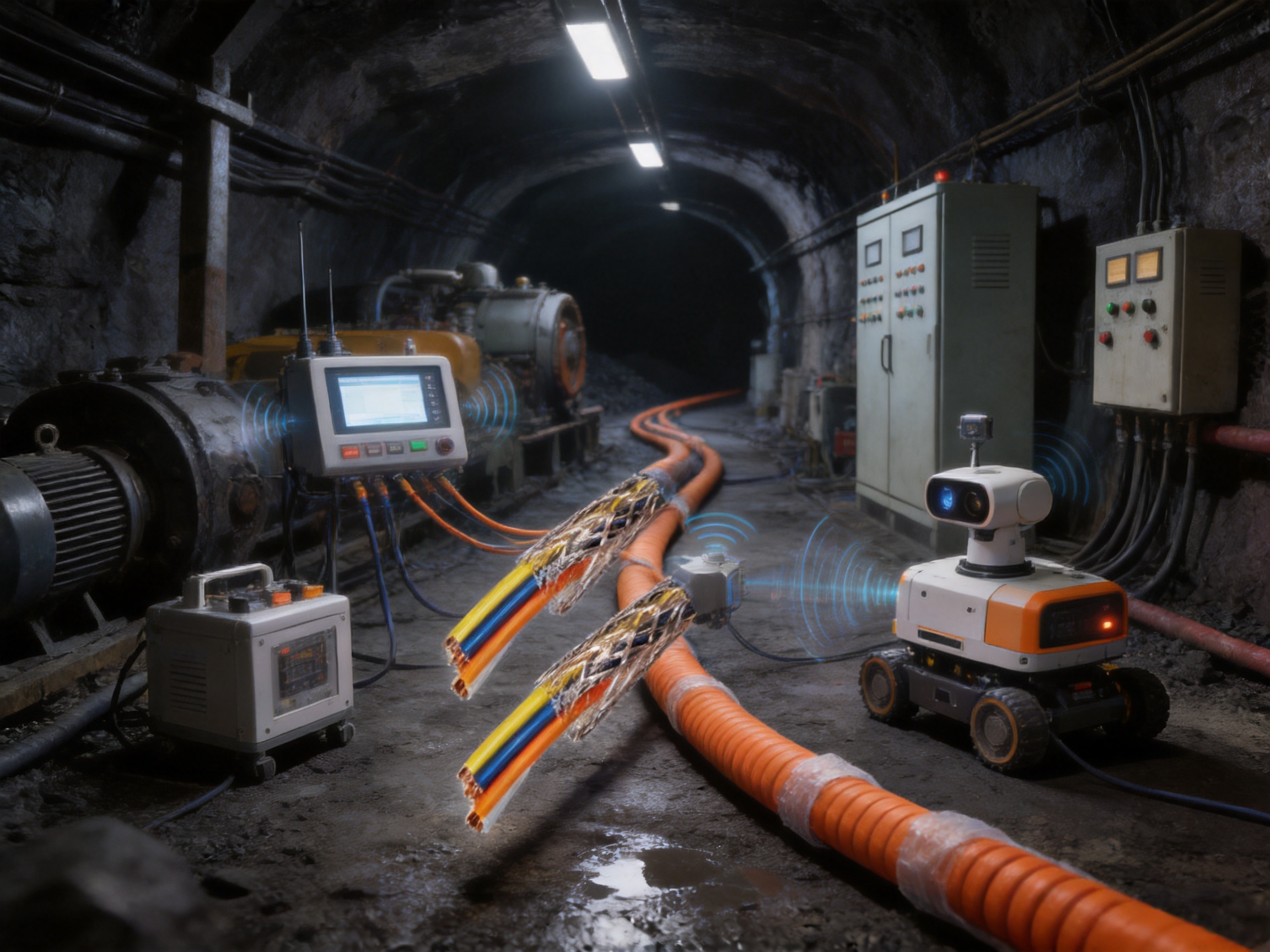
In mobile monitoring systems, the cable can transmit signals from sensors to control units while resisting interference from nearby electrical equipment. In portable communication devices, it helps maintain stable communication quality during movement. In inspection robot systems, the cable’s bending resistance supports repeated motion and routing through confined underground spaces. In movable sensor networks, it allows equipment to be repositioned while maintaining reliable signal transmission.
The cable may also be used in temporary underground wiring where stable communication is needed but installation is not permanent. Its flexible design makes it easier to deploy and retrieve than rigid shielded communication cables. For mining faces, where conditions change continuously, this flexibility is a practical advantage.
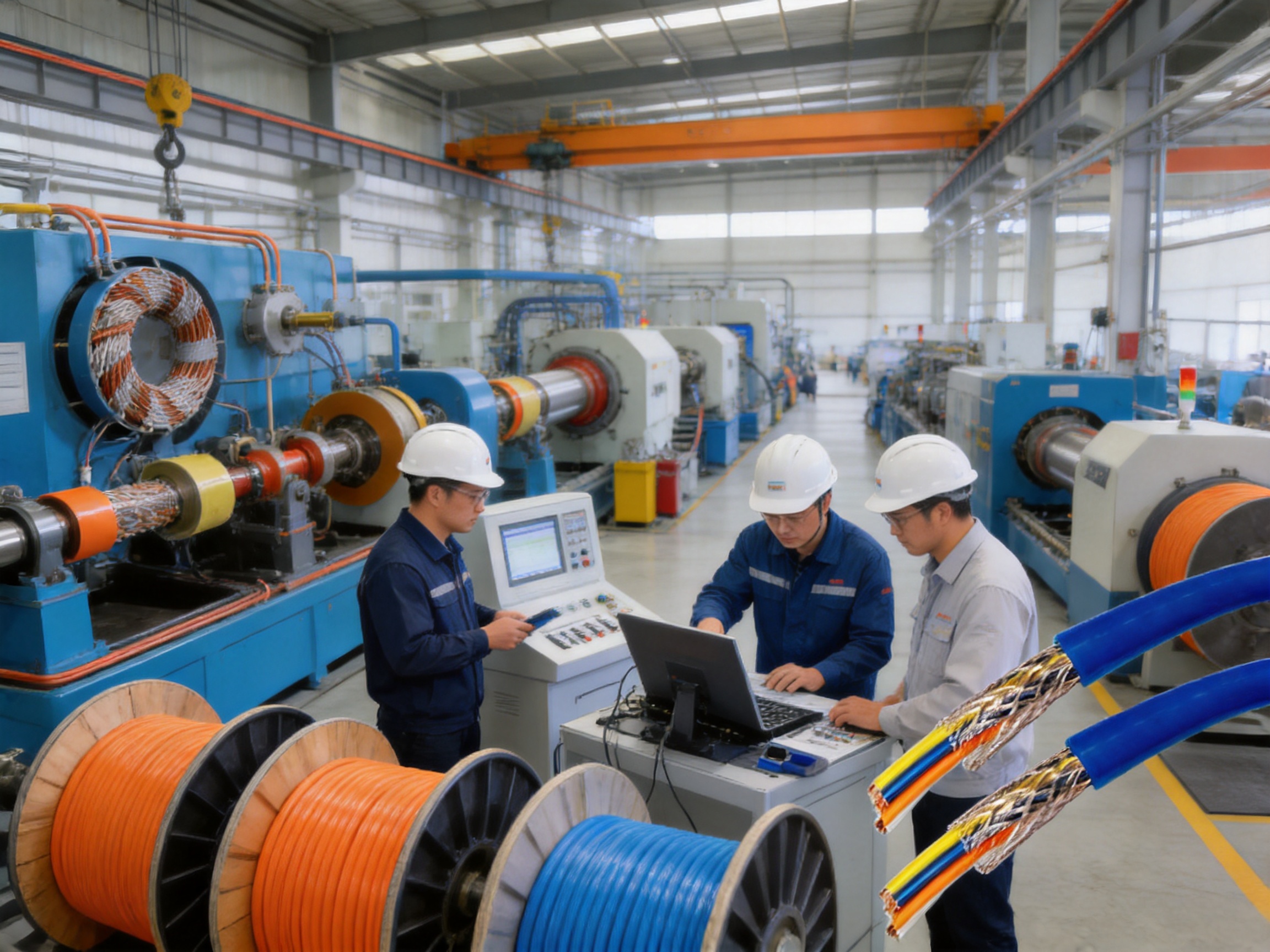
High-quality mining cable performance depends not only on material selection but also on manufacturing control. Anhui Zhishang Cable Technology Co., Ltd. integrates research and development, production, and sales of wires and cables. The company operates a modern production base of approximately 5,000 square meters and maintains a team of more than 50 employees, including quality engineers and R&D technicians with over 10 years of industry experience.
The company follows the philosophy of quality orientation, integrity foundation, and stability priority. This approach is especially important for mining cable production, where cable reliability directly affects field safety and operational continuity. The company provides integrated cable solutions for industrial automation, weak current engineering, intelligent manufacturing, appliance equipment, power engineering, and related sectors.
Manufacturing capacity is supported by 10 automated production lines and monthly output of up to 10 million meters. Automated production helps improve dimensional consistency, conductor processing stability, insulation uniformity, shielding accuracy, and sheath quality. For products such as MHYVRP, consistent production is essential because small variations in conductor stranding, insulation thickness, shield overlap, or sheath extrusion can affect flexibility, electrical performance, and durability.
The company supports OEM and ODM development based on customer drawings or samples. This is important for mining projects because different sites may require different core counts, lengths, termination methods, sheath colors, or shielding configurations. Technical engineers can provide product selection guidance and cable design recommendations according to project needs.
Standard cable models can be supplied with quality assurance including full-core, full-length, pure copper specifications, product test reports, and warranty support. Standard products are stocked for fast shipment, while customized products typically require 7 to 20 days of lead time. This combination of manufacturing capacity and customization capability helps project contractors manage procurement schedules and site requirements.
The production of MHYVRP begins with conductor preparation. Copper conductors must be drawn to the correct diameter, processed to meet flexibility requirements, and stranded into an ultra-fine multi-stranded structure. For Class 7 flexible conductors, the stranding process is critical. The conductor must be flexible enough for dynamic use while maintaining stable resistance and mechanical integrity.
Tinning is used to improve corrosion resistance. A uniform tin layer helps protect the copper surface and supports stable electrical performance in humid or chemically active environments. During conductor production, quality control checks may include strand diameter, conductor resistance, surface quality, and stranding tightness. Any inconsistency at this stage can influence the final cable’s flexibility and conductivity.
After conductor preparation, HDPE insulation is extruded over the conductors. Insulation thickness, concentricity, surface smoothness, and material consistency are important quality factors. Uneven insulation can increase capacitance imbalance, reduce dielectric strength, or create weak points under voltage stress.
Controlled extrusion helps ensure that the cable meets the required insulation resistance and test voltage performance. MHYVRP is rated at 300/300V and tested at 1500V AC for 1 minute. Proper insulation extrusion is essential for passing these tests and ensuring long-term reliability.
Depending on the selected configuration, MHYVRP can be produced with 1 to 24 cores, using twisted pair or star quad structures. Pair twisting and star quad formation help improve signal balance and reduce electromagnetic coupling between conductors. This is important for communication circuits where noise rejection and stable transmission are required.
The pitch of twisting must be controlled carefully. Too loose or too irregular a twist may reduce transmission stability. Too tight a twist may affect flexibility or increase material stress. Advanced manufacturing control ensures the cable achieves the intended balance between electrical performance and mechanical flexibility.
The aluminum-plastic composite tape shield is applied over the cable core with controlled overlap and coverage. The specified shielding coverage is not less than 90%. Inconsistent tape application may create shielding gaps, reducing anti-interference performance. Therefore, shield application requires stable tension, correct wrapping angle, and proper alignment.
The tinned copper drain wire is installed in contact with the shield to provide grounding continuity. Its placement must be reliable to ensure low grounding resistance. The specified drain wire ground resistance of not more than 0.1 Ω/m supports effective field grounding and stable shielding performance.
The flame-retardant flexible PVC sheath is extruded over the shielded core. Sheath extrusion must provide uniform thickness, smooth surface quality, and sufficient mechanical protection. The sheath material must remain flexible while meeting flame-retardant and environmental resistance requirements.
During extrusion, process parameters such as temperature, line speed, cooling conditions, and extrusion pressure influence the final sheath properties. Good manufacturing control helps prevent defects such as bubbles, cracks, uneven thickness, weak adhesion, or poor surface finish. For mining cables, sheath quality is crucial because it is the first defense against mechanical damage and environmental exposure.
After production, MHYVRP cables can be tested for electrical, mechanical, and safety performance. Tests may include conductor resistance, voltage withstand, insulation resistance, attenuation, capacitance balance, shielding continuity, sheath strength, bending performance, and flame retardancy. Product test reports provide documentation for quality assurance and project acceptance.
The company’s quality engineers and experienced technicians help maintain production stability and testing reliability. In cable manufacturing, repeatability is as important as design. A high-performance cable must not only meet specifications once; it must meet them consistently across production batches.
Mining projects vary widely in equipment configuration, installation space, communication protocol, environmental exposure, and maintenance requirements. MHYVRP supports customization to better fit specific applications. Core count can be selected from 1 to 24 cores. Conductors can be produced in cross-sections from 0.5 mm² to 1.0 mm². Twisted pair or star quad structures may be selected depending on signal requirements.
Shielding structure can also be customized. The standard structure uses aluminum-plastic composite tape and a tinned copper drain wire, while additional shielding designs may be considered according to project requirements. Waterproof termination treatment can be provided for applications exposed to moisture or water ingress risks. Sheath color can typically be orange or blue for identification and safety management.
Customization helps avoid the common problem of using an unsuitable standard cable for a specialized application. For example, an inspection robot may require superior bending endurance and a compact outer diameter, while a fixed monitoring line may prioritize shielding and transmission distance. By adjusting structure and specifications, engineers can select a cable that better matches the actual operating conditions.
Proper installation is necessary to achieve the full service life and performance of MHYVRP. Even a high-quality cable can fail early if it is bent below the recommended radius, pulled with excessive force, poorly grounded, or installed in areas with severe abrasion without protection.
For fixed installation, the minimum bending radius should be at least 8 times the cable outer diameter. For mobile installation, it should be at least 10 times the cable outer diameter. These limits help prevent conductor fatigue, insulation stress, and shield damage. During routing, sharp edges and crushing points should be avoided. If the cable must pass through metal structures or rough surfaces, protective sleeves or cable guides may be used.
The shield and drain wire should be grounded correctly according to system design. Poor grounding may reduce shielding effectiveness and allow interference to affect the signal. The drain wire should be connected reliably to the grounding point, and grounding continuity should be checked during commissioning.
When used in mobile equipment, the cable should be arranged to avoid twisting accumulation. Cable chains, rollers, or controlled routing systems may be used where repeated movement occurs. For temporary wiring, the cable should be inspected regularly for sheath damage, cuts, crushing, or exposed shield layers.
Maintenance of mining communication cables should include visual inspection, electrical testing, grounding verification, and review of installation conditions. The orange or blue sheath can make visual inspection easier. Field teams should look for abrasion marks, sheath cracks, flattening, cuts, oil swelling, or exposed conductors. Any damaged cable should be repaired or replaced according to site safety procedures.
Electrical checks may include insulation resistance testing and continuity testing. If signal quality declines, the shielding system and drain wire grounding should also be inspected. Interference problems are sometimes caused not by the cable itself but by poor grounding, improper routing near power cables, or damaged shield continuity.
Because MHYVRP has high flexural fatigue resistance, it is suitable for repeated movement. However, all flexible cables have limits. Excessive bending, torsion, pulling tension, and mechanical crushing can shorten service life. Following recommended bending radius and installation practices helps maximize durability.
Compared with unshielded mining communication cables, MHYVRP offers stronger anti-interference performance. In underground environments with high electromagnetic noise, this difference can significantly affect signal stability. Unshielded cables may be suitable for low-interference environments, but they are less reliable near motors, power lines, or frequency conversion equipment.
Compared with ordinary shielded cables that use less flexible conductors, MHYVRP provides better bending resistance. Many shielded cables become stiff because of their shielding structure or sheath design. MHYVRP is designed to maintain flexibility while providing shielding coverage. This makes it more suitable for mobile monitoring equipment and movable sensors.
Compared with general industrial flexible cables, MHYVRP provides mining-specific flame-retardant safety and environmental resistance. General cables may not meet underground coal mine requirements and may lack suitable sheath performance. MHYVRP is engineered for mining applications, including flame retardancy, moisture resistance, oil resistance, and corrosion resistance.
Compared with low-cost cables using ordinary copper or lower-grade insulation, MHYVRP uses tinned copper conductors and HDPE insulation. These materials support better environmental durability and signal performance. Although the initial purchase cost may be higher than low-grade alternatives, reduced downtime, longer bending life, and better signal stability can improve total cost performance.
A reliable cable supplier must provide more than product specifications. Manufacturing stability, testing capability, customization support, delivery capacity, and after-sales service all influence project success. Anhui Zhishang Cable Technology Co., Ltd. provides integrated wire and cable solutions backed by automated production lines, experienced technical personnel, and quality assurance practices.
The company emphasizes full-core, full-length, pure copper specifications for standard models, helping customers avoid common risks associated with material substitution or inconsistent production. Product test reports and warranty support provide additional confidence for procurement teams and project engineers. Standard products are available for fast shipment, while customized products generally require 7 to 20 days, depending on specification complexity and production scheduling.
The company’s production base of approximately 5,000 square meters and monthly output of up to 10 million meters support both routine orders and larger project requirements. Its products are used not only in China but also in international markets including the United States, Canada, Australia, Japan, and parts of Eurasia. This export experience reflects the company’s ability to meet diverse market expectations and project requirements.
The mining industry is moving toward intelligent monitoring, automation, remote control, and digital safety management. These systems depend on reliable communication infrastructure. Sensors, controllers, inspection robots, data acquisition devices, and portable terminals all require stable cable connections in many underground scenarios.
MHYVRP supports intelligent mining by providing reliable signal paths in dynamic environments. For example, movable sensors near a mining face may need to be repositioned as work progresses. Inspection robots may require flexible communication or control cables that can bend repeatedly. Portable communication devices may need cables that maintain signal clarity while being moved by personnel. In each case, flexibility and shielding are both necessary.
As mining sites adopt more electrical and electronic equipment, electromagnetic interference becomes increasingly serious. A cable that performed acceptably in older systems may no longer be sufficient in modern automated mines. MHYVRP’s shielding effectiveness helps address this challenge by improving electromagnetic compatibility and supporting stable data transmission.
When selecting MHYVRP cable, buyers should define several key requirements before ordering. These include core count, conductor cross-section, cable length, installation type, bending frequency, signal type, interference level, termination method, sheath color, and environmental exposure. Clear technical communication at the purchasing stage helps ensure the delivered cable matches the actual application.
For high-interference locations, grounding design should be discussed along with cable selection. Shielded cable performance depends on correct system grounding. For highly mobile applications, bending radius, cable routing, and mechanical protection should be reviewed. For wet environments, waterproof termination treatment may be necessary. For safety management, orange or blue sheath color can be selected for visibility and identification.
Buyers should also request relevant product test information when required by project specifications. Testing data can support engineering acceptance and quality traceability. For custom designs, drawings or samples can help the manufacturer produce a more accurate cable structure.
MHYVRP cable is used for underground coal mine communication and signal transmission applications that require both flexibility and shielding. Typical applications include mobile monitoring equipment, portable communication devices, inspection robots, movable sensors, and temporary underground communication wiring.
The cable uses an aluminum-plastic composite tape shield with at least 90% coverage and a tinned copper drain wire for grounding. This structure helps reduce electromagnetic interference from underground equipment such as motors, power cables, variable-frequency drives, and control systems.
Yes. The cable uses Class 7 ultra-fine multi-stranded tinned copper conductors and a flexible PVC sheath. It is specified for at least 800,000 bending cycles at a curvature radius of 100 mm, and its bending lifespan is approximately 40% higher than ordinary shielded cables.
Ordinary communication cables may not provide mining-specific flame retardancy, high flexibility, strong shielding, or environmental resistance. MHYVRP is designed for underground mining conditions, combining flame-retardant safety, flexible construction, HDPE insulation, and effective shielding.
The typical sheath colors are orange or blue. These colors support easy identification, cable management, and safety supervision in underground environments.
Yes. Customization can include core count, shielding structure, conductor cross-section, waterproof termination treatment, sheath color, and other project-specific requirements. OEM and ODM support may be provided based on customer drawings or samples.
The rated voltage is 300/300V, and the cable is tested at 1500V AC for 1 minute.
The cable uses high-density polyethylene insulation. HDPE provides excellent dielectric properties, low signal loss, high insulation resistance, and stable communication performance.
For fixed installation, the minimum bending radius should be at least 8 times the cable outer diameter. For mobile installation, it should be at least 10 times the cable outer diameter. The shield and drain wire should be grounded properly, and the cable should be protected from sharp edges, crushing, and excessive twisting.
Coal mine environments require strict fire safety. Flame-retardant cable sheaths help reduce flame spread risk and support underground safety requirements. MHYVRP is designed to pass the MT 818.1-1999 mining flame-retardant test.
MHYVRP shielded flexible mining communication cable is engineered for underground environments where signal stability, flexibility, flame retardancy, and anti-interference performance are all essential. Its ultra-fine multi-stranded tinned copper conductors provide excellent bending resistance. Its HDPE insulation supports stable transmission and low signal loss. Its aluminum-plastic composite tape shield and tinned copper drain wire improve electromagnetic compatibility. Its flame-retardant flexible PVC sheath offers safety, durability, and environmental resistance.
Compared with ordinary unshielded cables, MHYVRP provides much stronger interference protection. Compared with rigid shielded cables, it provides superior flexibility for mobile use. Compared with general industrial cables, it offers mining-specific flame-retardant safety and environmental adaptability. These advantages make it well suited for mobile monitoring equipment, portable communication systems, inspection robots, movable sensors, and dynamic underground wiring.
Behind the product is a manufacturing system supported by automated production lines, experienced technical personnel, OEM and ODM customization capability, quality assurance, product testing, and stable supply capacity. For mining projects seeking reliable cable solutions, MHYVRP offers a practical combination of technical performance, safety design, manufacturing consistency, and project adaptability.
1. MT 818.1-1999, Flame-Retardant Cables for Coal Mine Applications, General Requirements.
2. IEC 60228, Conductors of Insulated Cables.
3. IEC 60332, Tests on Electric and Optical Fibre Cables Under Fire Conditions.
4. IEC 60502, Power Cables with Extruded Insulation and Their Accessories.
5. Engineering Guidelines for Electromagnetic Compatibility in Industrial Communication Cable Systems.
6. Technical Literature on Polyethylene Insulation Materials for Communication Cable Applications.

We firmly believe that good cables are not only a competition of materials, but also a reflection of craftsmanship, quality, and responsibility.

Links
Product
Send Inquiry
No. 29 Sankeshu Road, Xuanzhou District, Xuancheng City, Anhui Province, China
+86-18621104555/+86-563-2622999
 Electrical Cable Manufacturer
OEM/ODM Wire and Cable Solutions
Electrical Cable Manufacturer
OEM/ODM Wire and Cable Solutions
 English
 Español
 عربى
عربى
 русский