
Get more content that can help you
Content
Reliable power transmission depends on more than conductor size alone. A cable must provide electrical stability, mechanical protection, environmental resistance, installation flexibility, and predictable service life. In projects where copper cost, moisture exposure, direct burial, and mechanical loading are important considerations, the YJLV23 high-voltage cable offers a balanced and economical solution.
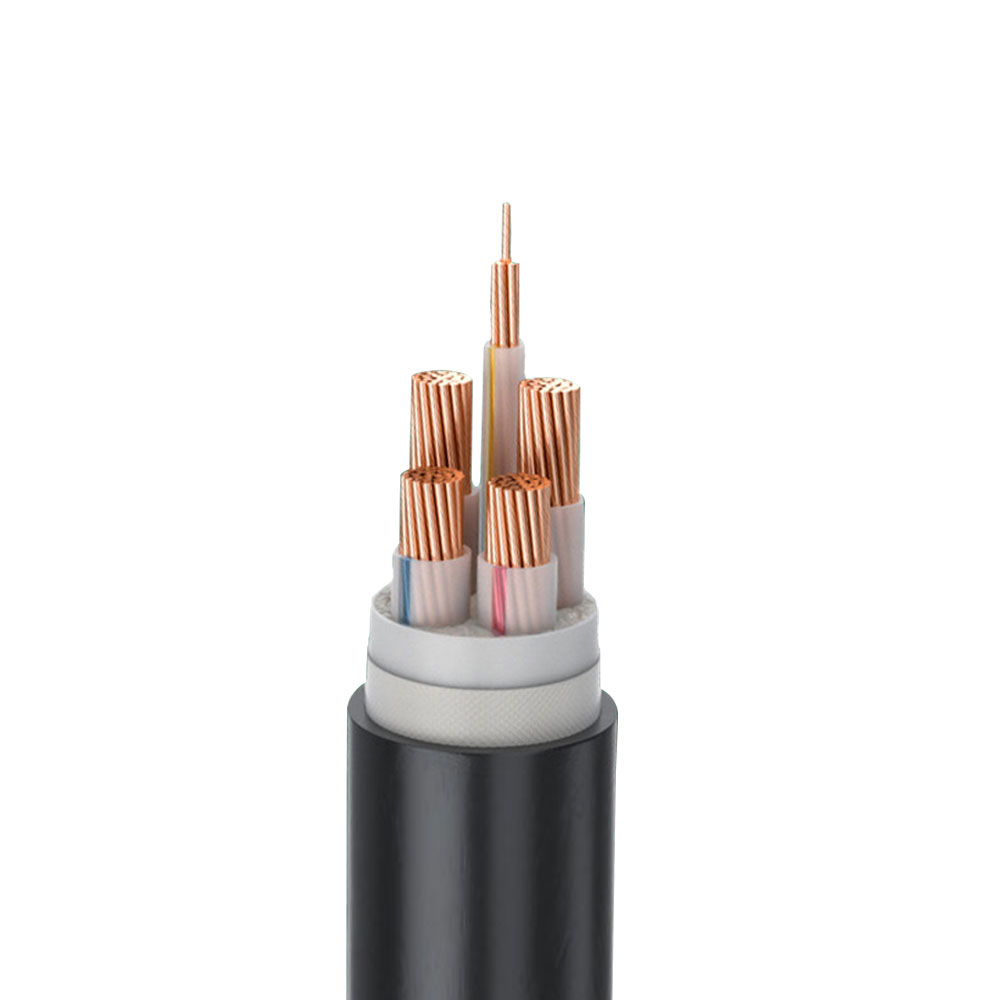
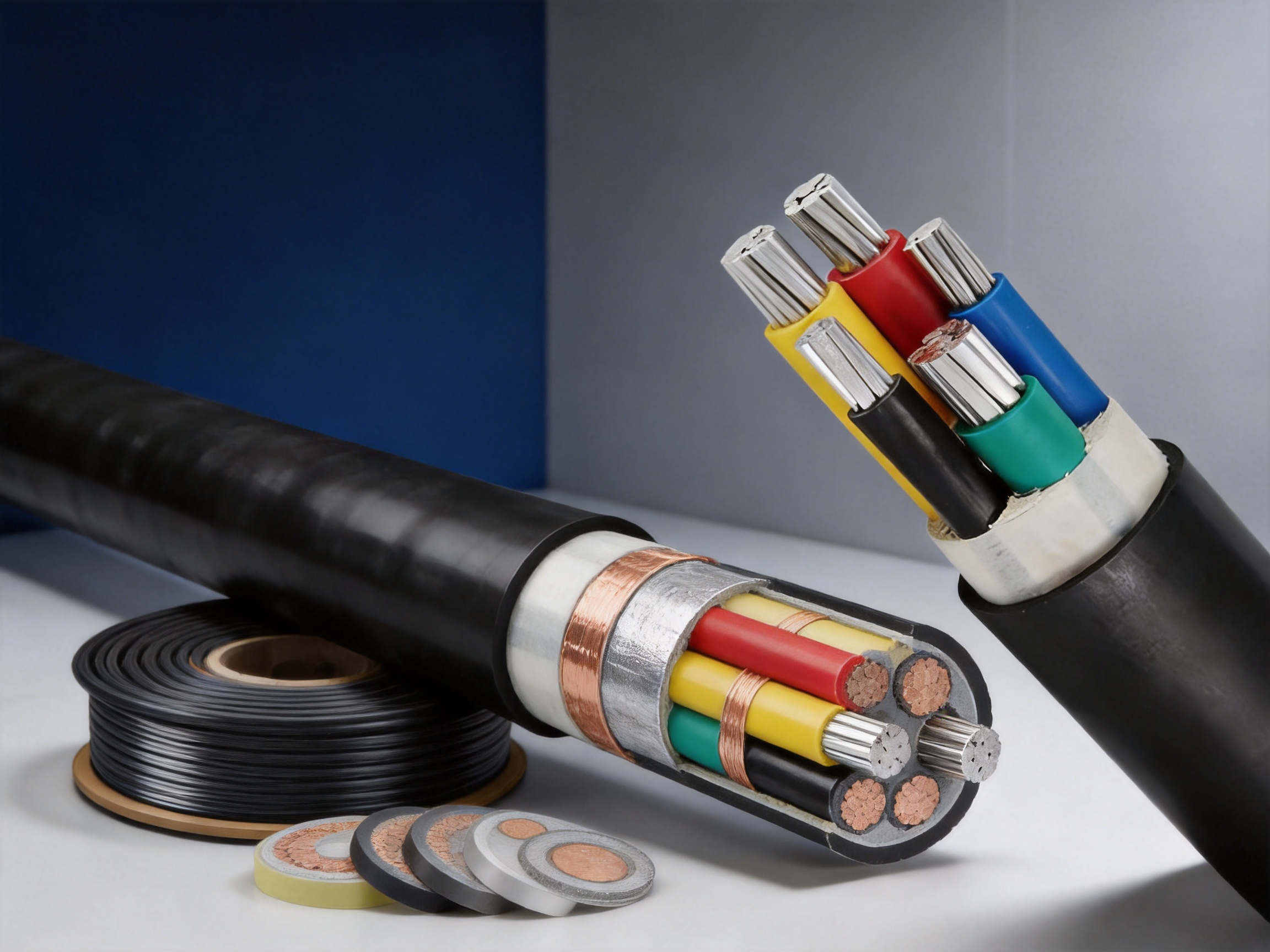
YJLV23 is an aluminum conductor, cross-linked polyethylene insulated, steel tape armored, polyethylene sheathed power cable. Its construction combines the lower material cost of aluminum with the electrical performance of XLPE insulation, the radial protection of galvanized steel tape, and the water and corrosion resistance of a polyethylene outer sheath. This combination allows the cable to serve as a practical alternative to copper-conductor armored cables in many power distribution applications.
The cable is designed for power transmission and distribution systems with rated voltages ranging from 0.6/1 kV to 12/20 kV, depending on the selected construction. Available conductor cross-sections range from 10 mm² to 1000 mm². This broad range enables the same basic cable family to support smaller distribution circuits, medium-capacity industrial feeders, agricultural networks, and larger infrastructure projects.
YJLV23 is especially suitable for direct burial, outdoor installation, tunnels, pipelines, agricultural irrigation systems, rural power grids, river regulation projects, coastal mudflats, and general industrial plants. Its PE sheath provides strong resistance to moisture and many chemical substances, while the single-layer steel tape armor offers useful protection against compression and ordinary impact during installation and service.
Although the cable is economical, it is not a compromise product in terms of its basic electrical structure. XLPE insulation supports continuous conductor operating temperatures up to 90°C, and the cable can withstand short-circuit conductor temperatures up to 250°C for a maximum duration of five seconds. Properly selected, installed, and terminated, YJLV23 can provide stable long-term performance in demanding distribution environments.
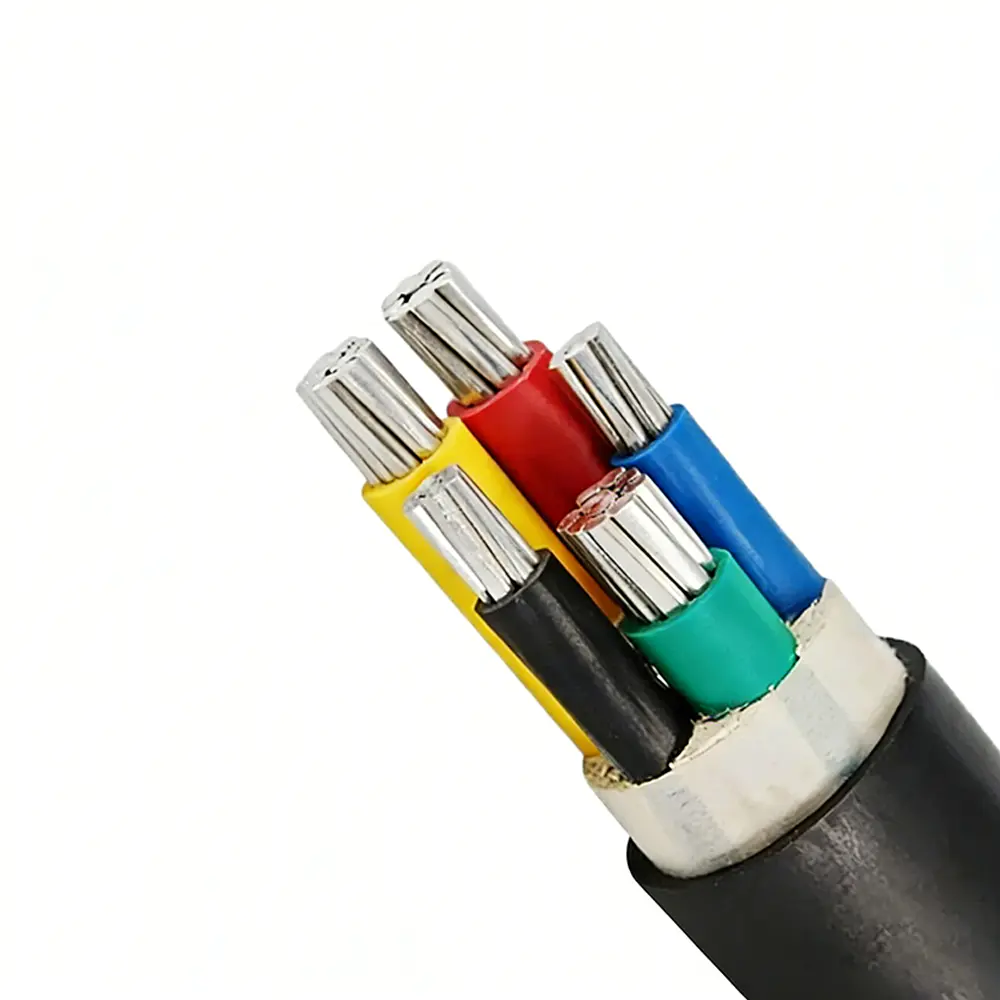
YJLV23 High-Voltage Cable
The designation YJLV23 identifies a cable construction built around an aluminum conductor and XLPE insulation, with armor and sheathing intended for protected outdoor or underground power distribution. The conductor is generally manufactured in a compacted round or sector-shaped configuration. Compaction reduces unnecessary voids between wires, improves dimensional consistency, and helps control the finished cable diameter.
The conductor cross-section can be selected according to current-carrying requirements, voltage drop, short-circuit conditions, installation method, ambient temperature, grouping, and local electrical regulations. With a range from 10 mm² to 1000 mm², the cable can be specified for both moderate and high-capacity transmission requirements.
Aluminum is the principal cost-saving feature of YJLV23. Aluminum conductors are significantly lighter and generally less expensive than equivalent copper conductors. For long cable routes, this difference can affect the total project budget, transportation requirements, handling procedures, support systems, and installation labor.
Aluminum also offers a useful balance between conductivity and weight. Although a larger aluminum cross-section may be required to achieve performance comparable to a copper conductor, the resulting cable can still offer important economic and logistical benefits. The lower weight is particularly valuable for long-distance transportation, large-diameter cable handling, and projects where installation equipment has limited lifting capacity.
Aluminum conductors require installation practices that differ from those used with copper. The connection system must be compatible with aluminum, and special lugs, terminals, jointing components, contact compounds, and torque procedures may be necessary. Correct preparation is essential because aluminum surfaces can form an oxide layer that affects contact quality if unsuitable connection methods are used.
Cross-linked polyethylene is used as the primary insulation material. XLPE is widely applied in power cables because it combines good dielectric performance with high thermal capability and strong resistance to moisture under properly designed conditions.
The insulation provides a stable electrical barrier between the conductor and the surrounding layers. It has low dielectric loss, good resistance to partial discharge when the cable is correctly manufactured, and suitable long-term aging characteristics. The insulation thickness is selected according to the rated voltage and conductor cross-section, with the construction designed to comply with the applicable GB/T 12706.1 requirements.
Compared with some older thermoplastic insulation systems, XLPE permits a higher normal operating temperature. The stated long-term conductor operating temperature for this cable is +90°C. This thermal capability can support higher current-carrying performance when installation conditions, ambient temperature, grouping, and heat dissipation are properly considered.
The cable construction includes a wrapped copper tape shield. The shield contributes to electric field control, provides a defined metallic layer around the insulation, and supports the grounding and fault-current arrangements required by the system design.
Shield continuity, grounding method, bonding arrangement, and permissible induced voltage must be evaluated by the project engineer. A cable shield is not simply an additional protective layer; it is part of the electrical design of a medium-voltage system. In single-point, both-end, or cross-bonded arrangements, the shield design must be coordinated with the length, voltage level, fault current, and installation configuration.
YJLV23 uses a single-layer galvanized steel tape armor applied in a non-gap wrap. This armor provides radial mechanical protection and improves resistance to compression, ordinary impact, and handling stress. It is particularly useful for direct-buried installations where the cable may be exposed to soil pressure, moderate external loading, or mechanical forces during backfilling.
Single-layer steel tape armor is an economical construction. It should not be confused with heavy-duty wire armor or double-layer armor designed for severe pulling tension, extreme impact, or highly aggressive mechanical conditions. The armor is best suited to applications where radial protection is important but the cable is not expected to carry substantial tensile loads.
The cable may be provided with a PVC or PE inner sheath, depending on the specified design. The outer sheath is made from polyethylene or flame-retardant polyethylene. Black is the standard sheath color, supporting resistance to outdoor exposure and helping the cable maintain a practical appearance in underground and external installations.
Polyethylene offers strong resistance to moisture and many chemical media, including commonly encountered acids and alkalis. This makes it appropriate for humid locations, outdoor routes, pipelines, agricultural installations, and certain industrial environments. The PE sheath also contributes to the cable’s low-temperature performance, which can benefit installation in northern or cold-weather regions.
In many power projects, the cable purchase price is only one part of the total cost. Transportation, trench dimensions, supports, pulling equipment, installation time, jointing, maintenance, and replacement risk all affect the life-cycle cost. YJLV23 addresses several of these factors through its aluminum conductor, compact construction, practical armor, and durable PE sheath.
The use of aluminum can substantially reduce the conductor portion of the cable cost compared with a similar copper-conductor design. This is especially meaningful in projects involving long feeder routes, multiple parallel circuits, large conductor sizes, or extensive regional distribution networks.
For agricultural irrigation systems and rural electrification, where the route length can be considerable and budgets are carefully controlled, aluminum conductors can make it possible to install greater network capacity within the available investment. The same advantage applies to outdoor industrial distribution, temporary infrastructure expansion, and utility projects where the cost of copper would limit the number or size of circuits.
Aluminum has a lower density than copper. As a result, a cable with a comparable electrical purpose may be easier to transport and handle, even when the aluminum conductor requires a larger cross-section. Reduced weight can simplify drum movement, lifting, loading, and placement along the installation route.
For projects located far from major logistics centers, transportation efficiency can become a significant advantage. Fewer handling resources may be needed at the construction site, and the risk of equipment overload can be reduced when cable drums are planned correctly.
The single-layer steel tape armor provides practical mechanical protection without the cost and added stiffness of a more heavily armored construction. It is suitable where the main concern is radial pressure from soil, moderate compression, or ordinary installation handling.
This makes YJLV23 a useful middle-ground solution. An unarmored cable may require a separate conduit or additional mechanical protection, while a heavy wire-armored cable may be unnecessarily expensive and difficult to install. YJLV23 can provide an integrated level of protection for many normal direct-burial and outdoor routes.
The PE outer sheath helps protect the cable from water, humidity, and a range of chemical substances. In environments where moisture is a persistent concern, the sheath can help preserve the integrity of the cable layers and reduce the risk associated with external exposure.
Its environmental resistance is particularly useful in irrigation fields, low-lying areas, drainage corridors, coastal locations, and industrial sites where soil or surface water may contain corrosive contaminants. The cable should still be installed according to applicable water-management and cable-laying requirements; a resistant sheath does not eliminate the need for proper trench preparation, drainage, and joint sealing.
YJLV23 is designed for stable power transmission across several voltage classes. The available rated voltages include 0.6/1 kV, 1.8/3 kV, 3.6/6 kV, 6/10 kV, 8.7/15 kV, and 12/20 kV. The correct selection depends on the network configuration, system voltage, insulation coordination, grounding method, fault level, and applicable national or international standards.
The rated voltage designation identifies the relationship between the conductor and earth as well as the relationship between conductors. Engineers should select the voltage class based on the actual system requirements rather than choosing a cable only by conductor size.
For low-voltage distribution, a 0.6/1 kV version may be appropriate. Medium-voltage feeder circuits may require 3.6/6 kV, 6/10 kV, 8.7/15 kV, or 12/20 kV constructions. The insulation system, shield arrangement, termination kit, jointing accessories, and testing procedure must all correspond to the selected voltage class.
The stated test voltage is 3.5U₀ AC for five minutes. This test is used within the applicable product and inspection framework to evaluate insulation withstand capability. Production testing and acceptance testing should be carried out using approved procedures, calibrated equipment, and the requirements specified in the purchase contract or governing standard.
Testing should not be treated as a substitute for correct design or installation. Excessive bending, damaged sheaths, contaminated terminations, poor jointing, incorrect grounding, and improper handling can all affect field performance even when a factory test has been passed.
The specified insulation resistance is at least 1000 MΩ·km at 20°C. This value indicates a high level of insulation resistance under the stated reference condition. Actual field measurements can vary with cable length, temperature, humidity, test voltage, equipment accuracy, and connection method.
When insulation resistance testing is performed, the measured value should be interpreted according to the cable length and temperature. A qualified electrical technician should ensure that all conductors, shields, and accessible metallic layers are correctly isolated or grounded during testing.
The normal long-term operating temperature is +90°C, and the short-circuit temperature is limited to 250°C for five seconds. These ratings support a wide range of distribution applications, but current-carrying capacity must be calculated rather than assumed.
Factors affecting ampacity include conductor cross-section, installation depth, soil thermal resistivity, ambient temperature, cable spacing, number of circuits, enclosure conditions, solar exposure, and load profile. Direct burial in wet soil may provide different heat dissipation from installation in dry sand, ducts, concrete channels, or compacted backfill.
During a short circuit, the cable may experience high thermal and electromagnetic stress. The stated short-circuit limit must be coordinated with the protection system’s clearing time and the calculated fault current. Protective devices should interrupt faults within the time assumed by the cable design.
One of the main strengths of YJLV23 is its suitability for environments where moisture, soil contact, and moderate corrosion are present. The aluminum conductor, XLPE insulation, steel tape armor, and PE sheath each contribute differently to environmental performance.
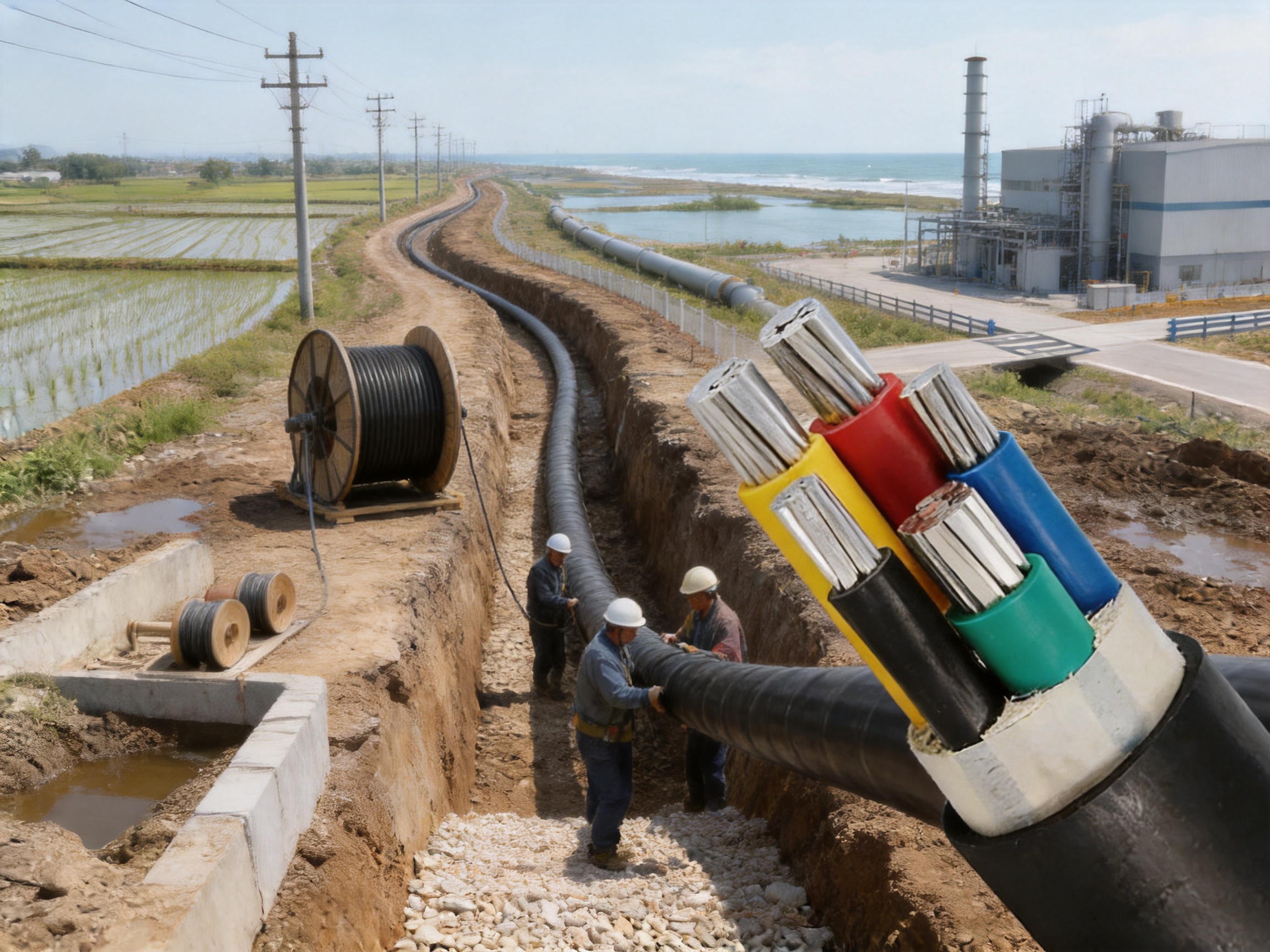
Direct burial is one of the intended applications for the cable. The armor provides resistance to compression, while the PE sheath forms an external barrier against moisture and soil contact. A properly designed trench should have a stable base, suitable bedding material, controlled backfill, and warning or protection measures appropriate to the site.
Although the cable is suitable for direct burial, the route should be surveyed for sharp stones, construction debris, standing water, future excavation, and heavy vehicle loading. Protective tiles, conduits, marker tape, or additional mechanical barriers may be necessary in areas where the risk of excavation or impact is high.
The polyethylene sheath gives the cable excellent resistance to water exposure in comparison with many general-purpose sheath materials. It can be used in humid areas, drainage corridors, irrigation systems, and outdoor routes when the overall cable system is correctly designed.
Water resistance depends on the complete installation. Cable ends should be sealed during storage and before termination. Joints must use compatible accessories with reliable moisture sealing. Any damaged sheath should be repaired using approved methods before the cable is placed into service.
PE has strong resistance to many acids, alkalis, salts, and industrial chemicals. This is useful in certain industrial plants, agricultural environments, coastal areas, and wastewater-related installations. However, chemical compatibility should be confirmed when the route is exposed to concentrated solvents, hydrocarbons, high-temperature chemicals, or unusual process media.
A site assessment should identify soil chemistry, spilled substances, cleaning agents, and long-term exposure conditions. If the environment includes substances outside the normal resistance range of polyethylene, a specialized sheath or additional conduit may be required.
The cable has good low-temperature resistance, and the recommended installation temperature is at least -10°C. Cold-weather construction requires attention to cable flexibility, drum storage, bending radius, termination materials, and handling speed.
Cables should not be forced into sharp bends when they are cold. If the cable has been stored at a low temperature, it may need to be brought into a suitable working environment before installation. The manufacturer’s handling guidance and the accessory supplier’s temperature limits should always be followed.
The single-layer galvanized steel tape armor can withstand a stated pressure of at least 2500 N/100 mm. This provides useful crush resistance for ordinary underground and outdoor conditions. The armor is especially helpful during backfilling and where the cable may experience moderate radial pressure.
The specified minimum bending radius for the multi-core cable is 15 times the cable outer diameter. This requirement should be respected during drum placement, cable pulling, route changes, termination, and final positioning.
Insufficient bending radius can place excessive stress on the conductor, insulation, shield, armor, and sheath. The damage may not be visible immediately, but it can reduce service life or affect partial-discharge performance in medium-voltage applications.
YJLV23 is not intended to be treated as a high-tension cable simply because it includes steel tape armor. The armor primarily provides radial protection. Pulling tension should be controlled according to the conductor material, cable construction, outer diameter, installation method, and manufacturer’s recommendations.
Where long routes require pulling, suitable rollers, bell mouths, winches, tension monitoring, and corner guides should be used. The cable should not drag over rough ground, sharp edges, or unprepared trench surfaces. Excessive pulling force can deform the cable and damage the sheath or internal layers.
Polyethylene provides good environmental resistance, but its abrasion resistance is average for this application. In gravelly ground, rocky trenches, areas with repeated movement, or locations subject to mechanical rubbing, a protective conduit or additional bedding layer is recommended.
Conduits can also be useful where future access is expected, where the cable crosses roads, or where replacement without excavation is desirable. The conduit internal diameter, bend radius, thermal behavior, water drainage, and pulling method must be selected to suit the cable dimensions.
Aluminum conductors require special connection fittings. Terminations and joints should be rated for aluminum conductors and for the applicable voltage class. Contact surfaces must be properly prepared, and the specified torque must be applied with calibrated tools.
Improper connections can lead to increased contact resistance, localized heating, oxidation, loosening, or premature failure. Installers should use approved bimetallic or aluminum-compatible lugs where required and follow the accessory manufacturer’s instructions for cleaning, compound application, crimping, and inspection.
Agricultural irrigation networks often extend across open land and may be exposed to soil moisture, seasonal flooding, farm machinery, and long route lengths. YJLV23 provides a cost-conscious option for supplying pumps, control stations, water-treatment equipment, and field distribution points.
The PE sheath helps address wet and chemically variable soil conditions, while the armor provides protection against ordinary underground pressure. In areas crossed by tractors or heavy vehicles, additional burial depth, conduit, concrete protection, or warning systems should be considered.
Rural electrification projects frequently require extensive distribution at controlled cost. Aluminum conductors can help extend network coverage while limiting conductor material expenditure. The cable’s wide cross-section range also allows planners to use different sizes for main feeders, branch circuits, and local substations.
Route planning should account for future agricultural activity, drainage, road crossings, pole or transformer locations, and maintenance access. The cable should be coordinated with switchgear, transformers, terminations, and protection systems suitable for the selected voltage level.
River regulation, drainage, pumping, and coastal engineering projects may involve saturated soil, salt exposure, changing water levels, and difficult access. The PE sheath offers useful resistance to moisture and many corrosive conditions, while the armored construction supports underground placement.
In tidal or flood-prone areas, designers should evaluate buoyancy, soil movement, erosion, scour, and the possibility of exposed cable sections. Additional anchoring, protective ducts, concrete encasement, or route relocation may be required where the ground is unstable.
General industrial plants can use YJLV23 for outdoor feeders, utility distribution, pump systems, auxiliary equipment, and connections between buildings. The cable is suitable where the route is exposed to moisture or moderate chemical contamination but does not require extreme mechanical protection.
Plant designers should assess electromagnetic compatibility, short-circuit levels, fire requirements, hazardous-area rules, oil or solvent exposure, and the need for flame-retardant sheath materials. Flame-retardant polyethylene can be selected where the project specification calls for improved flame behavior.
The cable can be applied in tunnels and pipeline corridors where its compact armored construction provides protection against ordinary external pressure. Installation must consider ventilation, drainage, emergency access, support spacing, fire strategy, and the possibility of water accumulation.
Where the cable is mounted rather than buried, support systems should prevent excessive sag and avoid sharp contact points. The cable should not be clamped in a way that damages the PE sheath or restricts thermal expansion.
The performance of an armored high-voltage cable depends on controlled production at every stage. A technically suitable raw material can still result in an unreliable product if conductor compaction, insulation extrusion, shielding, armor application, or sheath thickness is inconsistent. Anhui Zhishang Cable Technology Co., Ltd. integrates research and development, manufacturing, inspection, and sales to support consistent cable production.
The company operates a modern production base of approximately 5,000 square meters and has more than 50 employees, including quality engineers and research and development technicians with more than ten years of industry experience. This combination of production capacity and technical personnel supports both standard cable manufacturing and customer-specific development.
Conductor quality begins with suitable aluminum material, controlled stranding, dimensional monitoring, and compaction. The production process must maintain conductor continuity, cross-sectional accuracy, surface smoothness, and electrical resistance within the required limits.
Compacted conductors are formed to reduce unnecessary gaps and achieve a more controlled cable geometry. Consistent conductor geometry helps the insulation extrusion process remain stable and supports predictable finished dimensions.
XLPE insulation must be extruded with controlled temperature, pressure, concentricity, and surface quality. In high-voltage and medium-voltage cable production, the relationship between the conductor, insulation, and shield is particularly important.
A stable extrusion process helps prevent voids, contamination, uneven thickness, and eccentricity. Production controls should include dimensional inspection, material management, process parameter monitoring, and electrical testing. These measures support reliable dielectric performance and reduce the likelihood of localized electrical stress.
The wrapped copper tape shield must maintain continuity and suitable overlap. The galvanized steel tape armor must be applied with consistent tension and a non-gap structure. Irregular armor application can affect the cable diameter, bending characteristics, and mechanical performance.
By coordinating shielding, inner sheathing, armor, and outer sheathing operations, the production team can maintain a stable multilayer cable structure. This is important because each layer affects the next: an uneven inner sheath can influence armor placement, while inconsistent armor can affect outer sheath thickness and final cable dimensions.
The outer sheath is the cable’s primary external environmental barrier. Its thickness, surface quality, adhesion, color, and dimensional consistency must be monitored throughout production. A smooth, continuous sheath helps reduce the risk of water entry and protects the underlying armor from corrosion and handling damage.
For applications requiring additional fire performance, flame-retardant polyethylene can be specified. The selected sheath compound should correspond to the project’s environmental, mechanical, temperature, and fire requirements.
Quality assurance includes verification of conductor DC resistance, insulation performance, dimensional conformity, sheath integrity, and relevant electrical withstand characteristics. The conductor DC resistance is designed to comply with the requirements of GB/T 3956 for the corresponding cross-section.
The company provides product test reports for standard cable models and supports warranty arrangements for qualifying products. Test documentation assists project owners, contractors, consultants, and inspectors in confirming that the delivered cable corresponds to the approved specification.
Not every power project uses identical cable specifications. Voltage class, conductor size, sheath material, flame performance, shielding structure, armor requirements, drum length, marking, and packaging may vary by application. Zhishang supports OEM and ODM development based on customer drawings, samples, and defined technical requirements.
Technical engineers can help customers select a suitable conductor size, insulation class, sheath material, armor structure, and delivery configuration. This support is useful when a project requires a nonstandard combination or when the customer needs to adapt a cable to a particular installation environment.
Product selection should begin with the electrical load, network voltage, route length, fault current, installation method, environmental exposure, and expected service life. The technical team can use these inputs to recommend a cable structure rather than relying solely on a generic catalog description.
Design assistance may include conductor sizing, voltage-drop review, current-carrying assessment, installation guidance, sheath selection, and accessory coordination. Final approval should remain with the project’s responsible electrical engineer and comply with local regulations.
Standard products may be held in stock for fast shipment, while customized products typically require a lead time of approximately 7 to 20 days, depending on design complexity, material availability, production scheduling, inspection requirements, and order quantity.
Clear technical confirmation before production helps reduce delays. The purchase specification should identify rated voltage, conductor material, cross-section, core configuration, shield, armor, sheath, length tolerance, marking, drum requirements, tests, documentation, and delivery conditions.
The company operates ten automated production lines with a stated monthly output of up to 10 million meters across its cable product range. This production capacity supports routine orders, project-based supply, and repeat procurement programs.
For large projects, delivery planning should consider drum size, route sequence, storage conditions, unloading equipment, and installation dates. Cable drums should be protected from standing water, excessive heat, impact, and unauthorized movement during storage.
YJLV23 competes with several types of power cable, including copper-conductor armored cables, unarmored aluminum cables, PVC-insulated cables, and more heavily armored constructions. Its advantage is not that it is ideal for every installation, but that it offers a practical balance between electrical performance, price, environmental resistance, and mechanical protection.
Evaluation factor |
YJLV23 |
Typical copper armored cable |
Unarmored aluminum cable |
Conductor cost |
Lower due to aluminum conductor |
Generally higher due to copper conductor |
Lower due to aluminum conductor |
Electrical insulation |
XLPE with up to +90°C long-term operating temperature |
Often available with XLPE or other insulation systems |
Depends on selected construction |
Radial protection |
Single-layer galvanized steel tape armor |
Usually armored, depending on specification |
Limited unless installed in conduit |
Moisture resistance |
Strong PE outer sheath performance |
Depends on sheath material |
Depends on sheath and installation method |
Installation weight |
Beneficial aluminum weight characteristics |
Typically heavier for equivalent conductor function |
Generally lightweight |
Connection requirements |
Requires aluminum-compatible fittings and procedures |
Requires copper-compatible fittings |
Requires aluminum-compatible fittings |
Recommended use |
Direct burial, humid, outdoor, and general industrial routes |
Projects prioritizing copper conductivity or specific mechanical performance |
Protected routes where separate mechanical protection is available |
Compared with copper armored cable, YJLV23 can lower material and transportation costs while maintaining a robust XLPE-insulated, armored construction. Compared with unarmored aluminum cable, it provides integrated mechanical protection and is better suited to direct burial. Compared with heavily armored cable, it may be easier to handle and more economical where severe impact or high tensile loading is not expected.
Before installation, inspect the cable drum, end seals, markings, sheath surface, and delivery documentation. Confirm that the cable type, voltage rating, conductor size, length, and construction match the approved project specification.
During storage, keep cable drums upright on firm ground and protect them from flooding, direct impact, and unauthorized rolling. Cable ends should remain sealed. Drums should be moved only with appropriate lifting or rolling procedures and in the direction marked on the drum.
Before pulling, verify the route, trench dimensions, roller spacing, bend locations, pulling equipment, and communication method. Remove sharp stones and construction debris. Ensure that the pulling tension and sidewall pressure remain within acceptable limits.
During termination, use accessories suitable for the selected voltage class and aluminum conductor. Prepare the conductor according to the accessory instructions. Confirm crimping die selection, compression sequence, torque values, shield bonding, grounding, stress control, and sealing.
After installation, inspect the sheath for visible damage and verify that the cable has not exceeded its minimum bending radius. Carry out continuity, insulation resistance, shield continuity, and any specified withstand or diagnostic tests. Test results should be recorded as part of the commissioning documentation.
At the connection points, ensure that aluminum-compatible terminals are tight and protected from moisture. Periodic maintenance may include thermal inspection, termination checks, sheath inspection, grounding verification, and review of load conditions.
A responsible product evaluation must consider limitations as well as advantages. YJLV23 is not intended for every mechanical or environmental situation. The single-layer steel tape armor provides basic radial crush protection but is not a substitute for heavy wire armor in locations subject to strong impact, high tensile force, severe rock movement, or repeated dynamic loading.
The PE sheath has good water and chemical resistance, but its abrasion resistance is average. Protective conduits or additional mechanical barriers are recommended in gravel areas, rocky ground, construction zones, road crossings, and locations exposed to repeated rubbing or external impact.
Aluminum conductors provide economic advantages but require correct connection technology. A project that lacks trained installation personnel or compatible accessories should include those requirements in the procurement plan.
The cable’s actual ampacity, voltage drop, short-circuit withstand, and service life depend on the complete installation. The values provided for the cable should be used together with engineering calculations, applicable standards, and site conditions.
A cable manufacturer’s value extends beyond supplying a finished length of product. Technical capability, process control, documentation, customization, and after-sales support all influence project success.
Anhui Zhishang Cable Technology Co., Ltd. combines product development, production, inspection, and sales within one organization. Its engineering personnel support cable selection and customized design, while its production facilities and automated lines support repeatable manufacturing.
The company follows national standards, relevant international standards, and industry benchmarks when developing products. It provides OEM and ODM services based on drawings or samples, which is valuable for equipment manufacturers, contractors, distributors, and project owners seeking a defined cable configuration.
Its broader product portfolio includes power cables, control cables, communication cables, automotive cables, flat cables, computer cables, specialty cables, bus cables, aerial insulated cables, mining cables, fluoroplastic cables, wire harnesses, and battery boxes. This range enables customers to coordinate multiple cable requirements through one technical and supply partner.
The company emphasizes quality orientation, integrity, stable supply, and responsible production. Its products are supplied to markets including the United States, Canada, Australia, Japan, and parts of Eurasia. International supply experience can help customers address packaging, documentation, specification review, and export coordination requirements.
For customers purchasing YJLV23, the most important benefit is the combination of an economical cable design and access to technical assistance. The manufacturer can help determine whether the standard product is appropriate or whether changes are needed for voltage, sheath, armor, flame performance, length, or installation conditions.
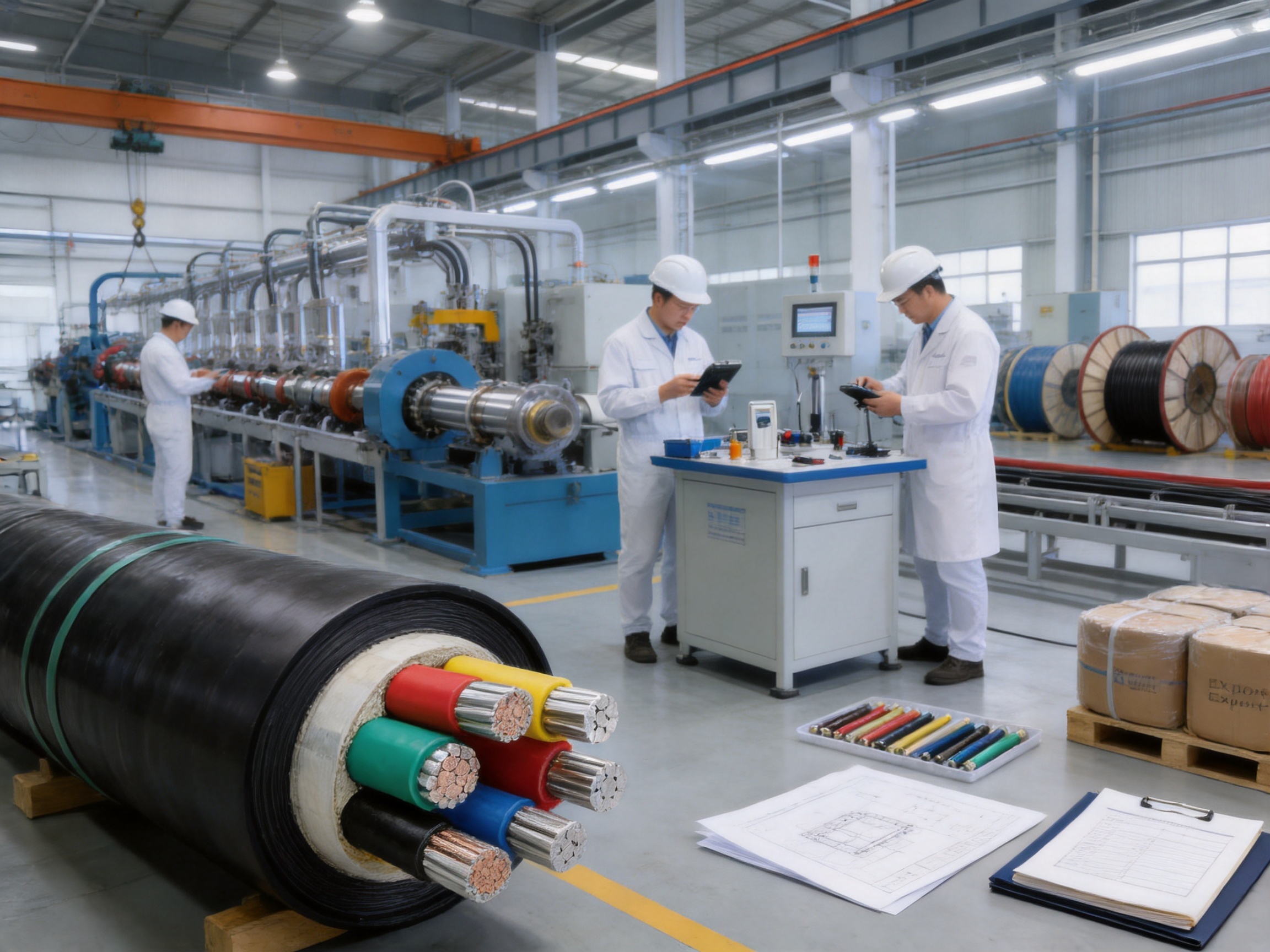
YJLV23 is an aluminum conductor, XLPE-insulated, copper-tape-shielded, single-layer galvanized steel tape armored, polyethylene-sheathed power cable. It is designed for power transmission and distribution in underground, outdoor, humid, and general industrial environments.
Aluminum conductors generally cost less and weigh less than comparable copper conductors. These characteristics can reduce project material costs, transportation demands, and handling requirements. The cable must be terminated with fittings and procedures specifically suitable for aluminum.
Yes. The armored construction and PE outer sheath make it suitable for direct-burial applications when the trench, bedding, backfill, burial depth, and mechanical protection are properly designed. Additional conduit or protection may be needed in rocky, high-traffic, or high-impact areas.
The stated voltage options include 0.6/1 kV, 1.8/3 kV, 3.6/6 kV, 6/10 kV, 8.7/15 kV, and 12/20 kV. The correct rating must be selected according to the power system and the applicable electrical design requirements.
The insulation is cross-linked polyethylene, commonly known as XLPE. It provides good dielectric performance, low dielectric loss, resistance to partial discharge when properly manufactured, and a long-term operating temperature rating of up to +90°C.
The stated short-circuit conductor temperature is no more than 250°C for five seconds. The protection system must clear faults within a time and current level compatible with the cable’s thermal short-circuit capability.
It can be suitable for many coastal, humid, and moderately corrosive environments because the PE outer sheath resists moisture and many acids and alkalis. The complete site conditions should be reviewed, especially where concentrated chemicals, severe abrasion, soil movement, or flooding are present.
The single-layer steel tape armor is mainly intended for radial mechanical protection. It is not designed to function as heavy tensile armor. Pulling tension and sidewall pressure should be controlled, and special installation methods should be used for long or difficult routes.
The stated minimum bending radius for the multi-core cable is 15 times the cable outer diameter. This limit should be observed during pulling, route changes, termination, and final installation.
The stated cross-section range is 10 mm² to 1000 mm². The appropriate size depends on load current, voltage drop, fault current, installation conditions, ambient temperature, grouping, and applicable standards.
Yes. Customization may include conductor size, voltage class, sheath material, flame-retardant performance, cable length, marking, packaging, and other defined construction requirements. Custom products typically require approximately 7 to 20 days, depending on the specification and order quantity.
Use aluminum-compatible or approved bimetallic terminals, lugs, joints, and accessories. Follow the specified surface preparation, contact-compound, crimping, and torque procedures. Incorrect connections can cause increased resistance and overheating.
Yes. The PE outer sheath provides excellent resistance to moisture and supports direct-burial and humid-environment applications. Cable ends, joints, and damaged sheath sections must still be properly sealed and protected.
The insulation and sheath thickness are stated to comply with GB/T 12706.1, and conductor DC resistance is stated to comply with GB/T 3956 for the corresponding cross-section. Project-specific standards, inspection requirements, and certification needs should be confirmed before ordering.
The final selection should be made by the responsible electrical engineer or qualified project designer. Manufacturer technical support can assist with product selection, but the design must consider the complete electrical system and local regulations.
YJLV23 high-voltage cable is designed for projects that require an economical, armored, and environmentally resistant power cable. Its aluminum conductor reduces material and handling costs, while XLPE insulation provides stable electrical performance and a high operating temperature capability. Copper tape shielding supports medium-voltage electrical design, single-layer galvanized steel tape armor provides practical radial protection, and the PE sheath resists water, corrosion, and many chemical substances.
The cable is especially valuable for direct-burial and outdoor applications such as agricultural irrigation, rural grids, river regulation, coastal mudflats, tunnels, pipelines, and general industrial power distribution. Its broad voltage and cross-section range allows engineers to specify an appropriate construction for many feeder and transmission requirements.
Its advantages are strengthened by controlled manufacturing, automated production capacity, experienced technical personnel, product testing, OEM/ODM support, and project-oriented engineering assistance. At the same time, proper cable selection remains essential. The single-layer armor is intended for moderate mechanical conditions, PE sheath protection does not eliminate the need for careful installation, and aluminum conductors require compatible connection technology.
When these considerations are addressed, YJLV23 offers an effective balance of price, electrical capability, mechanical protection, and environmental adaptability. It is a practical choice for customers seeking reliable power transmission while maintaining control over the total cost of an installation.
1. GB/T 12706.1, Power Cables with Extruded Insulation and Their Accessories for Rated Voltages from 1 kV to 35 kV.
2. GB/T 3956, Conductors of Insulated Cables.
3. International Electrotechnical Commission, Power Cable Construction, Testing, and Installation Practices.
4. International Electrotechnical Commission, Electrical Installations for Power Distribution Systems.
5. Cross-Linked Polyethylene Insulation: Electrical, Thermal, and Aging Performance in Power Cable Applications.
6. Engineering Guidance for Aluminum Conductor Termination, Jointing, and Installation.
7. Underground Power Cable Route Design: Burial, Bedding, Mechanical Protection, and Thermal Rating Principles.
8. Manufacturer Technical Information for YJLV23 Aluminum Conductor XLPE Insulated Steel Tape Armored PE Sheathed Power Cable.

We firmly believe that good cables are not only a competition of materials, but also a reflection of craftsmanship, quality, and responsibility.

Links
Product
Send Inquiry
No. 29 Sankeshu Road, Xuanzhou District, Xuancheng City, Anhui Province, China
+86-18621104555/+86-563-2622999
 Electrical Cable Manufacturer
OEM/ODM Wire and Cable Solutions
 English
 Español
 عربى
 русский