
Get more content that can help you
Content
Modern heavy industrial equipment demands more from a cable than basic electrical conductivity. Cables used on port cranes, bridge cranes, gantry cranes, tower cranes, mine hoisting systems, heavy engineering machinery, and other mobile installations must transmit power reliably while tolerating repeated bending, vibration, abrasion, oil exposure, temperature changes, ultraviolet radiation, moisture, and mechanical stress. A cable that performs well in a fixed indoor installation may fail prematurely when exposed to the combined movement and environmental pressure found at industrial worksites.
The YB enhanced environmental tolerance cable is designed for these demanding conditions. It combines a finely stranded annealed copper conductor, ethylene propylene rubber insulation, and a chloroprene rubber or chlorinated polyethylene sheath. This construction provides a balance of electrical stability, flexibility, mechanical strength, flame-retardant performance, weather resistance, oil resistance, and long service life. With a rated voltage of 450/750V, a broad configuration range, and a flexible structure suitable for repeated movement, the cable is positioned as a practical solution for industrial power distribution and mobile machinery.
Manufactured by Anhui Zhishang Cable Technology Co., Ltd., the product reflects an integrated approach that combines material selection, automated production, quality inspection, application engineering, and customized cable development. The company operates a modern production base of approximately 5,000 square meters, maintains more than 10 automated production lines, and has a monthly output capacity of up to 10 million meters. Its production and technical teams support both standard cable supply and OEM/ODM projects based on customer drawings, samples, technical specifications, or application requirements.
Heavy equipment often operates in environments where a cable is continuously exposed to dynamic and mechanical forces. A crane cable may travel through a cable carrier, move across a festoon system, or bend repeatedly as the boom or lifting mechanism changes position. A mine hoisting system may expose cables to vibration, dust, impact, and temperature variation. Outdoor engineering machinery may require stable operation despite sunlight, rain, salt spray, oil contamination, and contact with rough structures.
In these conditions, cable performance depends on much more than the nominal conductor size. The conductor must carry the required current without excessive heating. The insulation must prevent leakage and withstand electrical stress. The outer sheath must protect the internal structure from abrasion, oil, weather, and mechanical damage. At the same time, the cable must remain flexible enough to move without excessive bending force or fatigue.
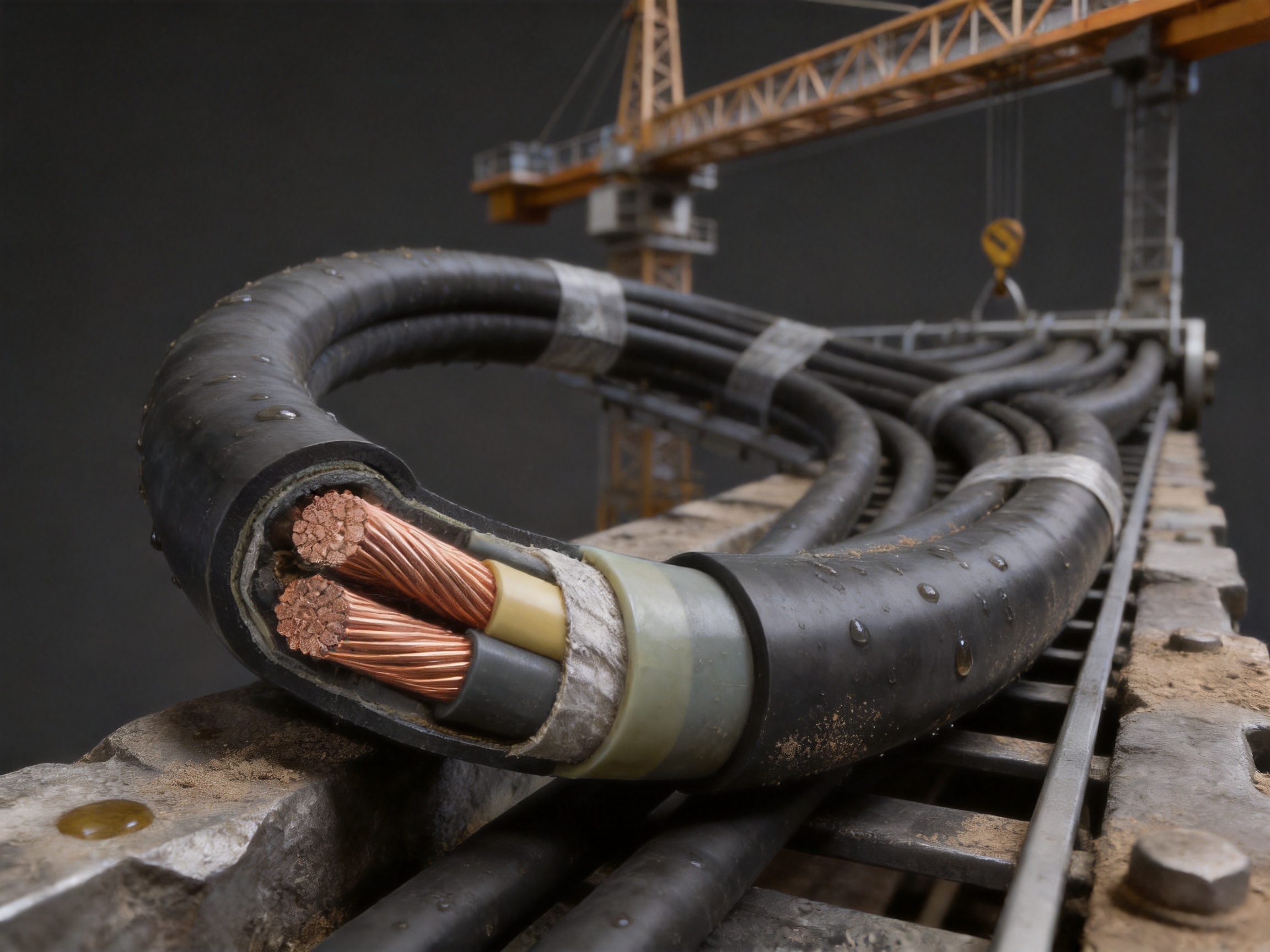
The YB cable addresses these requirements through a multi-layer design. The conductor provides a low-resistance electrical path. The EPR insulation offers heat resistance and electrical reliability. The outer CR or CPE sheath provides protection against oil, abrasion, ultraviolet exposure, and environmental aging. The fine-stranded construction improves flexibility compared with a solid or coarse-stranded conductor of the same cross-sectional area.
For equipment operators and project contractors, this combination can reduce the risk of unplanned cable replacement. A cable that remains flexible and mechanically stable for a longer period can support more predictable maintenance scheduling, reduce equipment downtime, and lower the total operating cost of a project.
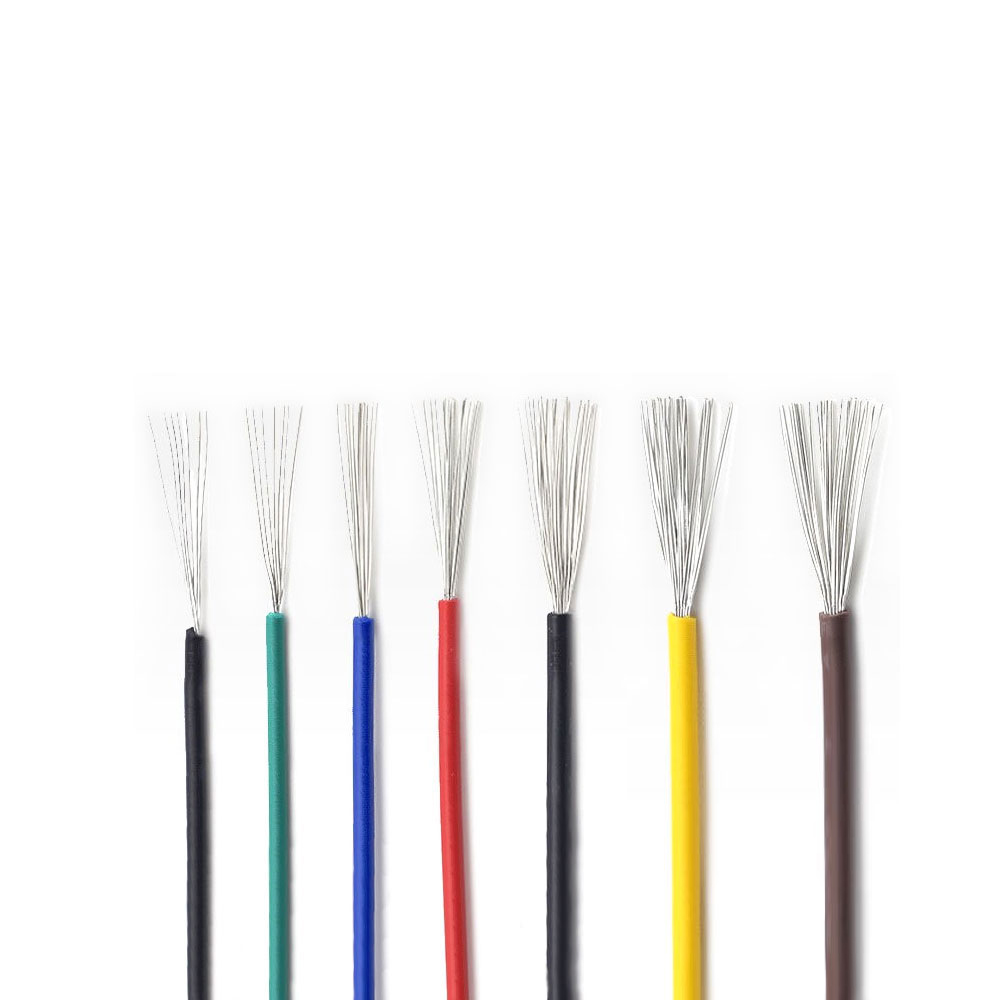
The conductor is made from stranded annealed copper. Copper is widely used in power cables because of its high electrical conductivity, good ductility, and compatibility with common terminals and electrical equipment. Annealing improves the softness and flexibility of the copper wires, while fine stranding allows the finished conductor to tolerate repeated bending more effectively than a rigid single-wire structure.
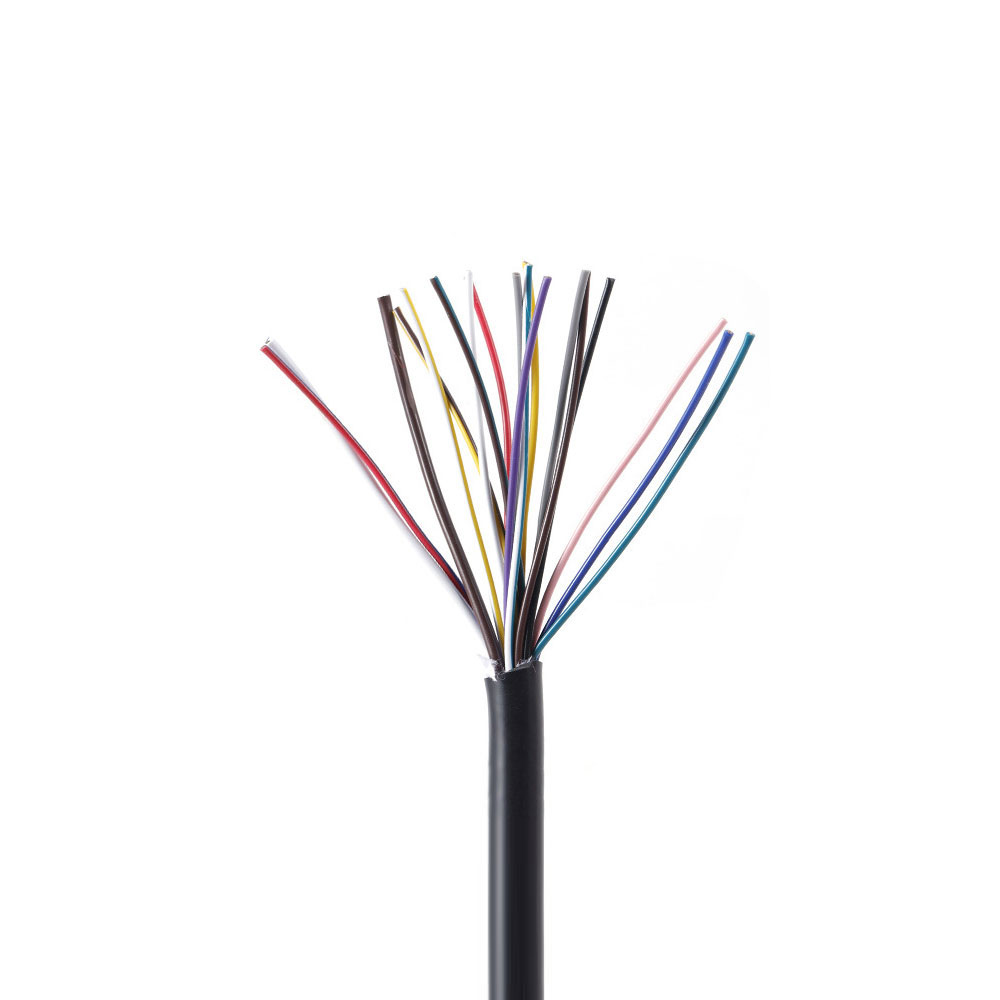
The available cross-sectional range extends from 1.5 mm² to 95 mm². This range allows the cable to be selected for different current requirements, control arrangements, equipment layouts, and installation distances. Depending on the project, the cable may be configured with three cores through 37 cores. Multi-core versions can accommodate power circuits, control circuits, signaling circuits, grounding arrangements, or other electrical functions within one organized cable assembly.
Fine stranding is especially valuable in mobile equipment. When a cable bends, each individual wire can move slightly within the conductor structure, distributing mechanical stress across many small elements. This helps reduce localized fatigue and supports a longer bending life. Proper conductor stranding also improves handling during installation, because the cable can be routed around equipment structures with less resistance.
Ethylene propylene rubber, commonly referred to as EPR, is used as the primary insulation material. EPR is valued for its electrical stability, heat resistance, flexibility, and resistance to environmental aging. In this product, the insulation is designed for a maximum operating temperature of 90°C under the stated application conditions.
Reliable insulation is critical in industrial equipment because cables may experience current fluctuations, ambient temperature changes, and repeated mechanical movement. The EPR layer helps maintain insulation integrity while the conductor carries power under the rated voltage. The specified insulation resistance is at least 50 MΩ·km at 20°C, supporting stable electrical separation between conductors and between the conductors and the outer sheath.
The insulation thickness is available within a range of approximately 0.8 mm to 2.0 mm, depending on the conductor size and cable design. This allows the construction to balance dielectric strength, dimensional control, flexibility, and material efficiency. A properly controlled insulation layer also helps ensure consistent stripping, termination, and connection during installation.
The outer sheath is manufactured from chloroprene rubber or chlorinated polyethylene, depending on the selected design. These materials are suitable for industrial environments where a cable may encounter oil, abrasion, ultraviolet radiation, weathering, and mechanical contact.
Chloroprene rubber is known for its flexibility and resistance to oil, outdoor exposure, and physical wear. Chlorinated polyethylene can also provide strong environmental resistance and mechanical protection. The sheath thickness ranges from approximately 1.5 mm to 3.5 mm, depending on the cable structure and required protection level.
The sheath is the first line of defense against the surrounding environment. It helps prevent the penetration of contaminants and protects the insulation from direct contact with rough surfaces. In outdoor applications, ultraviolet resistance is important because prolonged sunlight can cause some polymer materials to harden, crack, or lose mechanical strength. The stated weather-resistant design supports outdoor use in industrial settings.
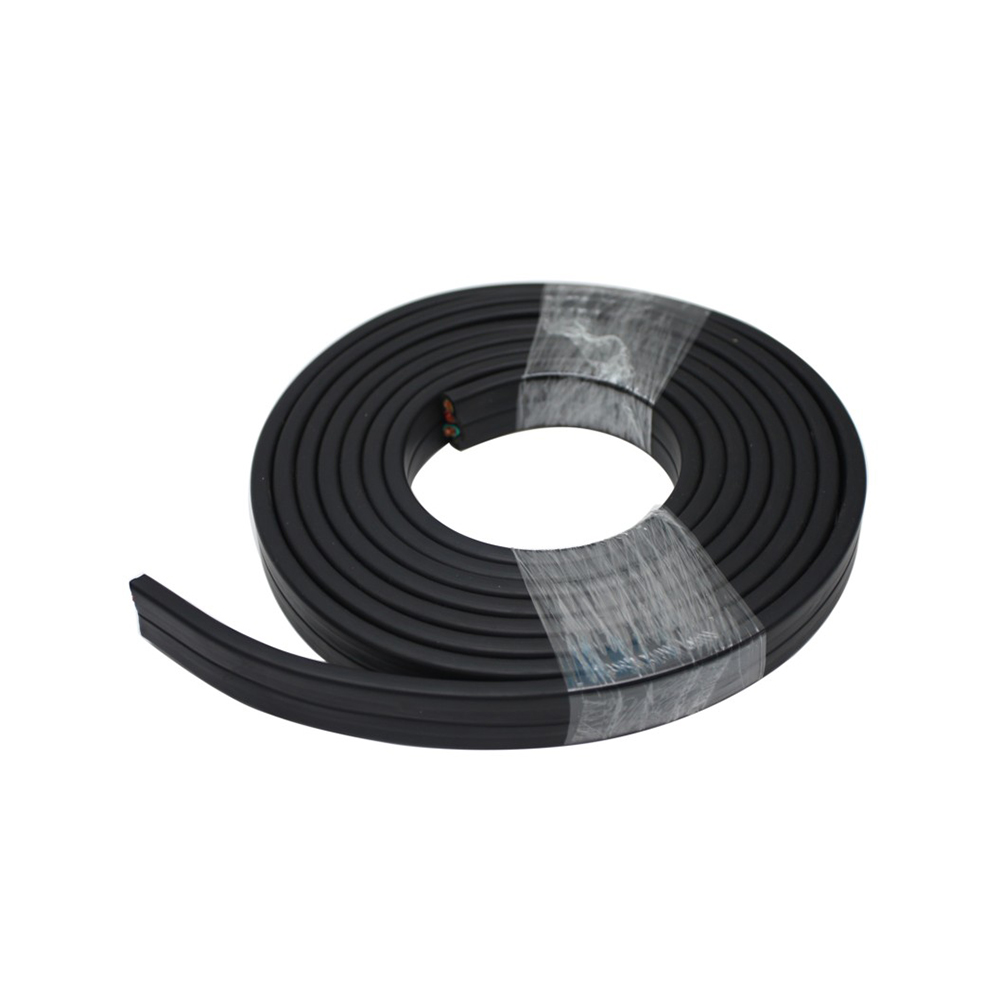
YB Enhanced environmental tolerance Locomotive Cable
Specification | Product Parameter |
Conductor | Stranded annealed copper conductor with fine stranding |
Cross-Section Range | 1.5 mm² to 95 mm² |
Number of Cores | 3 cores to 37 cores |
Rated Voltage | 450/750V |
Test Voltage | 3.0kV AC for one minute |
Insulation Material | Ethylene propylene rubber |
Sheath Material | Chloroprene rubber or chlorinated polyethylene |
Operating Temperature | -40°C to +90°C for fixed installation; -25°C to +90°C for flexible installation |
Minimum Bending Radius | At least 6 times the outer diameter for fixed installation; at least 8 times the outer diameter for flexible installation |
Insulation Resistance | At least 50 MΩ·km at 20°C |
Flame Performance | Complies with GB/T 19666 flame-retardant requirements |
Oil Resistance | Passes the stated GB/T 2951.5 oil immersion test |
Abrasion Resistance | Passes a one-million-cycle reciprocating abrasion test |
Tensile Strength | At least 15 N/mm² |
Bending Life | At least 200,000 cycles for flexible installation |
Ozone Resistance | Passes the stated IEC 60811-2-1 ozone test |
Corrosion Resistance | Resistant to acids, alkalis, and salt spray corrosion |
The technical parameters demonstrate that the cable is designed as an industrial-duty product rather than a basic general-purpose flexible wire. The broad conductor and core configuration range supports project-specific selection. The voltage and test-voltage ratings provide a defined electrical operating envelope, while the thermal, mechanical, and environmental specifications address the practical conditions found in mobile machinery.
Stable electrical performance begins with conductor quality. High-purity copper with controlled stranding helps limit resistance and supports efficient transmission. Lower conductor resistance can reduce energy losses and heat generation, provided that the cable is correctly sized for the application and installed according to the relevant electrical requirements.
The 450/750V rated voltage makes the cable suitable for many low-voltage industrial power and control applications. The 3.0kV AC test voltage for one minute provides a production and quality-control verification of the insulation system. This test is intended to identify weaknesses that could lead to electrical breakdown under specified test conditions.
The EPR insulation system is designed to maintain electrical separation during long-term operation. Its thermal rating of 90°C provides a useful margin for equipment that operates in warm industrial environments, subject to the actual current load, installation method, ambient temperature, and applicable regulations.
Multi-core construction can simplify the wiring of complex equipment. Instead of routing several separate cables, a suitable multi-core cable can consolidate circuits into one organized assembly. This may make cable management easier, reduce installation clutter, and support faster connection of motors, control cabinets, limit switches, sensors, and auxiliary equipment. The exact circuit arrangement should always be determined by the equipment designer and verified against current, voltage, shielding, grounding, and control requirements.
Flexibility is one of the product’s principal advantages. Heavy equipment frequently changes position, and its cable system must accommodate movement without transmitting excessive force to terminals or internal conductors. A flexible cable must therefore combine soft materials with a mechanically stable internal structure.
The fine-stranded conductor supports repeated bending, while the rubber insulation and outer sheath retain flexibility across the specified operating range. For flexible installation, the stated minimum temperature range is -25°C to +90°C. For fixed installation, the stated range extends from -40°C to +90°C. These values help users evaluate whether the cable is suitable for a particular climate and operating pattern.
The recommended minimum bending radius is at least eight times the cable outer diameter for flexible installation and at least six times the outer diameter for fixed installation. Respecting this requirement is essential. Bending a cable more tightly than recommended can increase conductor stress, deform the insulation, damage the sheath, and shorten the service life even when the cable itself has been correctly manufactured.
The stated flexible-installation bending life is at least 200,000 cycles. This performance is relevant to cranes, hoisting equipment, moving platforms, production machinery, and other systems where a cable follows a repetitive movement path. The actual service life will depend on travel length, bending radius, movement speed, acceleration, torsion, temperature, load, cable support, and installation quality.
Before installation, the cable should be inspected for transportation damage, cuts, compression marks, or contamination. The cable should be unwound carefully rather than pulled from a coil in a way that introduces twists. During routing, sharp edges should be removed or protected, and the cable should not be forced against corners or moving components.
Where the cable is used in a cable carrier or festoon system, the selected cable diameter should be compatible with the carrier dimensions. The cable should not be packed too tightly with unrelated cables, and sufficient space should be provided for natural movement. Clamps and supports should grip the cable without crushing the sheath. At connection points, strain relief should prevent bending forces from being transferred directly to terminals.
For long-travel applications, the installation designer should consider torsion and axial movement in addition to bending. A cable designed for flexible movement is not automatically suitable for unrestricted twisting. Proper routing and support remain necessary to achieve the expected performance.
Industrial sites often contain lubricants, hydraulic fluids, cutting oils, fuels, cleaning chemicals, and other substances that can attack ordinary cable jackets. The use of chloroprene rubber or chlorinated polyethylene provides improved protection for applications where oil contact is possible. The product information states that the cable passes the specified oil immersion test under GB/T 2951.5.
Abrasion is another common cause of cable failure. Repeated contact with metal structures, cable guides, machine frames, and equipment surfaces can gradually wear through an unprotected sheath. The stated one-million-cycle reciprocating abrasion test indicates that the cable has been evaluated for demanding mechanical wear conditions. It does not eliminate the need for correct routing, but it provides an additional level of protection for mobile installations.
Outdoor equipment must also tolerate sunlight, rain, humidity, temperature changes, and ozone. The product is specified as UV-resistant and suitable for outdoor use. Its ozone resistance is stated to comply with the relevant IEC 60811-2-1 test requirement. These characteristics are important for cables used at ports, construction sites, open industrial yards, power facilities, and mining areas.
Salt spray and chemical exposure can accelerate sheath degradation, particularly in coastal environments. The product is described as resistant to acids, alkalis, and salt spray corrosion. Such resistance can be valuable for port cranes, marine-adjacent industrial facilities, wastewater facilities, chemical plants, and outdoor machinery exposed to corrosive atmospheres.
Fire safety is an important consideration in cable selection, especially where many cables are installed together or where access for emergency response is limited. A flame-retardant cable is designed to slow the spread of flame along the cable under defined test conditions. The YB cable is stated to comply with the flame-retardant requirements of GB/T 19666.
Flame-retardant performance does not mean that a cable is non-combustible under every circumstance. The complete installation must also consider cable grouping, ventilation, fire barriers, equipment protection, circuit protection, installation spacing, and the applicable local electrical and fire codes. Nevertheless, a sheath and insulation system with verified flame-retardant behavior can help reduce the risk of rapid flame propagation in densely installed cable routes.
The specified 3.0kV AC test voltage, insulation resistance, tensile strength, and environmental tests form part of a broader quality and safety profile. These parameters help users evaluate the cable beyond appearance and price. For projects with formal acceptance procedures, test reports and product documentation can support procurement review, installation inspection, and maintenance records.
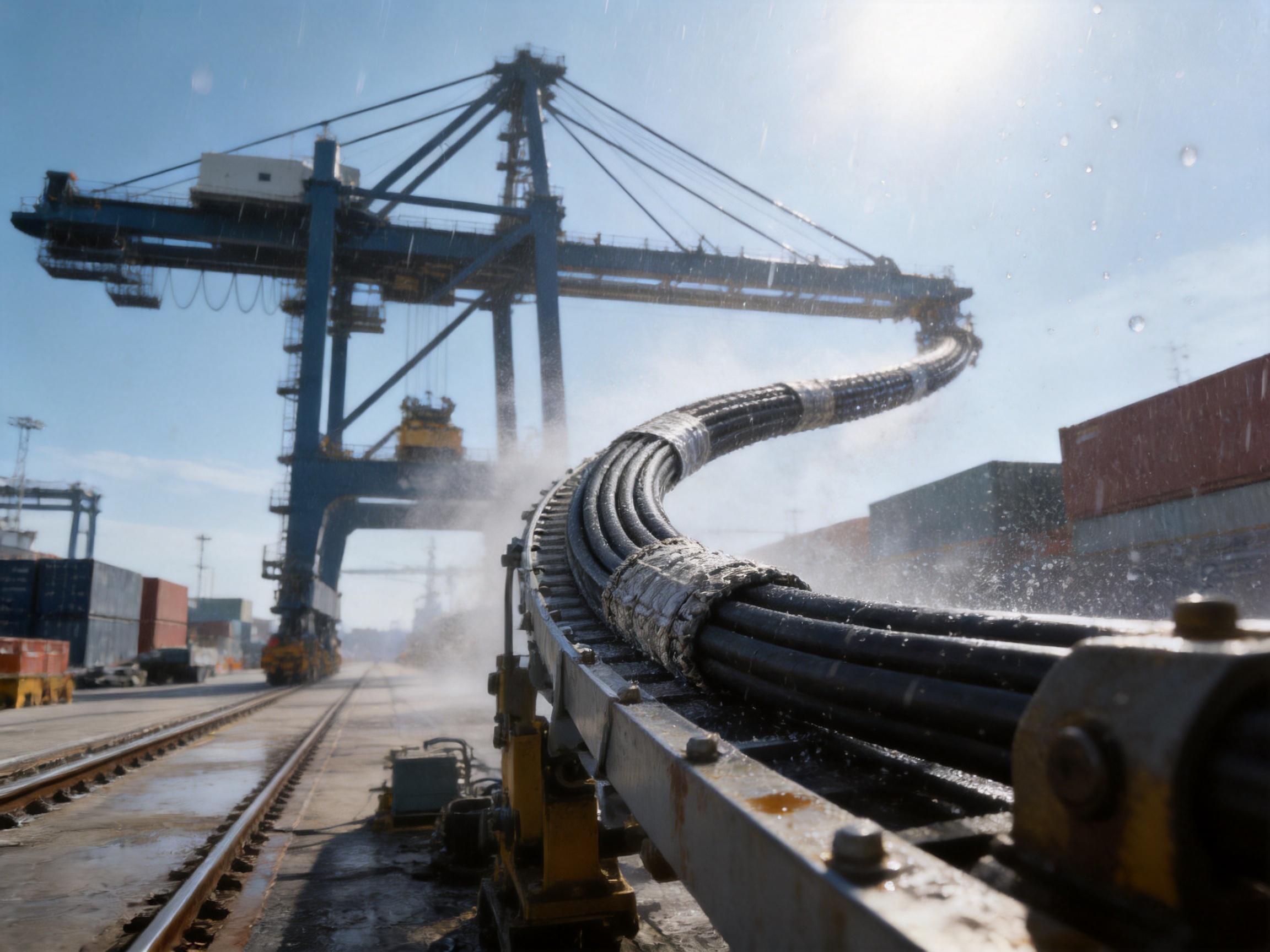
Port cranes operate in a combination of heavy mechanical movement, outdoor exposure, salt-laden air, and frequent lifting cycles. Their cables may be exposed to wind, rain, ultraviolet radiation, and abrasion from cable guidance systems. The YB cable’s weather resistance, corrosion resistance, oil resistance, and flexible construction make it suitable for evaluating in these conditions.
For port applications, the cable selection should consider the crane’s travel arrangement, cable reel or festoon system, movement frequency, bending radius, and exposure to marine conditions. Correct support and periodic inspection are especially important because salt and moisture can affect connectors and termination points even when the cable sheath remains in good condition.
Bridge cranes and gantry cranes often require power and control cables that move along rails or through cable carriers. These systems may operate in factories, warehouses, steel plants, logistics centers, and outdoor yards. The cable’s fine stranding and stated bending life support repeated movement, while the robust sheath helps protect against contact with structural components.
In a bridge-crane installation, separate consideration may be required for the main power supply, pendant controls, hoist equipment, travel motors, limit switches, and auxiliary circuits. The available core range allows engineers to select a configuration that matches the equipment architecture.
Tower cranes and heavy construction machinery are exposed to changing weather, vibration, dust, impacts, and temporary installation conditions. Cables may be routed across exposed structures or moved as equipment is assembled and relocated. A cable with a flexible rubber construction can be easier to handle during installation, while weather and abrasion resistance support use in outdoor work zones.
Construction sites may also contain oil, mud, sharp materials, and temporary power distribution systems. Cable routes should be protected from vehicle traffic and lifting operations. The cable should be selected according to the actual electrical load and protected with suitable upstream devices.
Mining equipment presents a particularly challenging operating environment. Cables may face dust, moisture, vibration, abrasion, impact, confined routing, and temperature variation. Hoisting equipment also requires careful attention to movement, mechanical loading, and safety procedures.
The cable’s abrasion resistance, environmental durability, and flexible design can make it a candidate for selected mining applications. However, mining installations may be subject to special regulations, explosion-protection requirements, flame standards, or equipment-specific cable classifications. The purchaser should confirm that the selected product meets all site-specific legal and technical requirements before use.
Heavy engineering machinery may include automated production lines, mobile platforms, welding equipment, material-handling systems, and large machine tools. These systems require cables that can withstand repeated movement while maintaining consistent power or control performance.
The YB cable can be considered for applications where a standard fixed cable is too rigid and a highly specialized data cable is not required. It may be used for power distribution, motor supply, control wiring, or auxiliary circuits, subject to the electrical design and any requirements for shielding or signal integrity.
One of the product’s key advantages over ordinary flexible cables is its balance of electrical and environmental performance. Many general-purpose cables are designed primarily for indoor use, light movement, or protected routing. They may not provide sufficient resistance to oil, ultraviolet exposure, abrasion, salt spray, or repeated mechanical action.
The YB construction uses EPR insulation and a CR or CPE outer sheath, giving it a more demanding environmental profile. Its stated test performance includes flame retardancy, oil resistance, abrasion resistance, tensile strength, ozone resistance, and corrosion resistance. This combination can reduce the need to install additional protective conduits or replace cables frequently in harsh locations.
A second advantage is configuration flexibility. With conductor sizes from 1.5 mm² to 95 mm² and core counts from three to 37, the product family can address small control or auxiliary circuits as well as larger power requirements. This makes it easier for project engineers to standardize cable selection across related equipment while maintaining the required electrical capacity.
A third advantage is the product’s suitability for both fixed and flexible installation. The temperature range and bending-radius guidance distinguish between these two conditions, helping users select and install the cable more accurately. A cable that can serve multiple installation scenarios can simplify inventory planning and project procurement.
A fourth advantage is potential total-cost efficiency. Imported products may offer strong performance, but they can involve higher purchase prices, longer delivery times, limited customization, and more complex after-sales coordination. A domestically manufactured product with comparable functional specifications can help reduce procurement and operating expenses. The final cost comparison should include service life, installation time, maintenance requirements, transport, and replacement availability rather than focusing only on the initial unit price.
Anhui Zhishang Cable Technology Co., Ltd. integrates research and development, production, sales, and technical support. Its location in Xuanzhou District, Xuancheng City, Anhui Province, places the company within the broader Yangtze River Delta industrial region. This location supports access to manufacturing resources, transportation networks, technical talent, and industrial customers.
The company operates a production base of approximately 5,000 square meters and has more than 50 employees. Its team includes quality engineers and research and development technicians with more than 10 years of industry experience. This combination of production personnel, quality specialists, and technical staff allows the company to manage cable development from material and structure selection through production and inspection.
More than 10 automated production lines support a stated monthly output of up to 10 million meters. Automation can improve production consistency by controlling conductor stranding, insulation extrusion, sheath extrusion, dimensional accuracy, and line speed. It can also increase manufacturing efficiency for standard products and support repeatability when customers reorder the same specification.
Production capacity is especially important for industrial projects because cable delivery can affect equipment assembly and commissioning schedules. Standard products are maintained in stock for fast shipment where available. Customized products generally require a lead time of approximately seven to 20 days, depending on the design, materials, quantity, testing, and production schedule.
A reliable cable manufacturing process begins with incoming material control. Copper, insulation compounds, sheath materials, fillers, binders, and packaging materials should be checked against defined specifications. Material consistency affects conductivity, flexibility, insulation performance, tensile strength, and long-term environmental resistance.
During conductor production, copper wires are drawn and annealed to achieve the required diameter and flexibility. Fine stranding then combines the individual wires into a conductor with controlled lay length and compactness. Consistent stranding helps maintain dimensional stability and improves performance during bending.
Insulation extrusion applies the EPR material evenly around the conductor. The extrusion process requires control of temperature, pressure, line speed, concentricity, and surface quality. A uniform insulation layer reduces weak points and supports predictable electrical performance. Online monitoring and dimensional checks can identify deviations during production.
Core assembly combines the insulated conductors into the required multi-core arrangement. Depending on the design, fillers, binders, or separators may be used to maintain geometry and improve handling. The assembly process must control tension so that the cores are not excessively stretched or compressed.
The outer sheath is then extruded over the assembled core structure. Sheath thickness, surface finish, diameter, concentricity, and bonding behavior are important quality characteristics. A well-controlled sheath provides mechanical protection without making the cable unnecessarily rigid.
After extrusion, the cable may undergo cooling, marking, length measurement, electrical testing, dimensional inspection, and final packaging. Quality records can link production batches to material information, process parameters, test results, and shipment documentation. This traceability supports customer acceptance and future technical service.
The product information identifies several performance tests and standards. Electrical inspection may include conductor resistance, insulation resistance, voltage withstand, and visual examination. Mechanical and environmental inspection may include tensile strength, elongation, oil immersion, abrasion, flame, ozone, and corrosion-related evaluations.
Testing is valuable because cable quality cannot be determined solely by looking at the finished surface. A cable may appear smooth while containing dimensional deviations, insufficient insulation thickness, conductor defects, or material inconsistencies. Systematic testing provides measurable evidence that the cable meets defined technical requirements.
The company’s stated commitment to full-core, full-length, pure copper specifications, product test reports, and warranty support for standard cable models provides additional assurance for buyers. For customized projects, the purchaser should define the required inspection plan in advance, including sampling frequency, routine tests, type tests, documentation, and acceptance criteria.
Industrial cable projects often require more than a standard catalog specification. Equipment manufacturers may need a particular core arrangement, color sequence, marking method, sheath color, conductor size, packaging length, or mechanical construction. Export customers may also require documentation, labeling, packaging, and testing aligned with their internal standards.
Anhui Zhishang Cable Technology Co., Ltd. supports OEM and ODM development based on customer drawings or samples. Its technical engineers can assist with product selection and tailor-made cable design according to the equipment’s voltage, current, movement, environment, installation method, and expected service life.
A successful customization process should begin with a detailed application review. Important information includes the working voltage, conductor current, number of cores, core identification, operating temperature, fixed or flexible installation, movement distance, bending radius, speed, acceleration, torsion, exposure to oil or chemicals, outdoor conditions, and applicable standards.
For customers who provide a sample, the technical team can evaluate the conductor arrangement, insulation and sheath materials, dimensions, markings, and electrical characteristics. For drawing-based projects, the manufacturer can review the required structure and identify possible improvements in flexibility, environmental resistance, production efficiency, or cost.
Customization can also involve packaging. Ready-to-use packaging and appropriate delivery lengths can reduce handling work at the construction site. Clear labeling helps installers identify cable type, length, voltage rating, and production information before routing and termination.
Even a high-performance cable requires correct installation and maintenance. The cable should be selected according to the actual electrical load, voltage, ambient temperature, installation method, and local regulations. The rated values provided for the product should not be treated as a substitute for a complete engineering review.
During installation, the cable should not be dragged over abrasive surfaces or pulled beyond its allowable tensile force. It should be unwound without introducing twists or kinks. The minimum bending radius should be maintained, particularly near cable glands, connectors, terminal boxes, and moving joints.
For moving systems, the cable path should be checked throughout the complete range of equipment travel. A cable that appears correctly positioned at one end of the travel may become trapped, stretched, or sharply bent at the opposite end. Cable carriers, reels, festoons, and guide systems should be aligned to prevent lateral pressure and uncontrolled torsion.
Routine inspection should examine the sheath for cuts, swelling, cracking, flattening, discoloration, excessive wear, and signs of chemical attack. Terminations should be checked for looseness, overheating, moisture entry, and strain-relief failure. Any abnormal heating, intermittent signal, insulation alarm, or visible damage should be investigated promptly.
Maintenance records should include installation date, cable specification, operating location, inspection findings, test results, and replacement history. These records help identify recurring problems, such as insufficient bending radius, unsuitable cable support, excessive movement speed, or environmental exposure beyond the original design assumptions.
When purchasing a heavy-duty flexible cable, project engineers should avoid selecting solely on conductor size or purchase price. The complete specification should be reviewed. Important questions include whether the cable is intended for fixed or flexible installation, whether it will be exposed to oil or sunlight, how many bending cycles are expected, and whether flame-retardant performance is required.
The number of cores should be selected according to the actual circuit design. Additional cores may be useful for spare circuits or future expansion, but excessive core count can increase cable diameter and weight. The conductor cross-section should be calculated based on current, voltage drop, installation conditions, ambient temperature, grouping, and permissible temperature rise.
The cable’s outside diameter and weight must be compatible with the equipment’s cable carrier, reel, gland, connector, and support system. A cable that is electrically suitable but mechanically incompatible may create installation problems or premature failure.
Buyers should also clarify the required delivery length, drum or coil packaging, identification marks, documentation, inspection reports, and warranty conditions. For export projects, the purchaser should specify any required national, international, customer-specific, or project-specific standards at the quotation stage.
Responsible cable manufacturing requires attention to material use, production efficiency, quality consistency, packaging, and product service life. A cable that lasts longer and requires fewer replacements can reduce material consumption and maintenance waste over the operating life of equipment.
The company emphasizes green manufacturing and responsible production practices. Continuous improvement in automated production can help reduce process variation and improve material utilization. Stable production planning also supports efficient use of labor, energy, testing resources, and packaging materials.
Domestic supply can offer practical benefits for customers operating in China or sourcing from Chinese manufacturers. Shorter communication channels can simplify technical clarification, sample approval, production scheduling, and after-sales service. Local availability may also reduce transportation time and improve the ability to respond to urgent replacement needs.
For international customers, the company states that its products have been supplied to markets including the United States, Canada, Australia, Japan, and parts of Eurasia. Export cooperation requires careful coordination of standards, documentation, labeling, packaging, shipping conditions, and destination-country requirements.
The primary competitive strength of the YB cable is its combination of properties. It is not limited to basic power transmission. Its design addresses the mechanical, thermal, electrical, and environmental demands of heavy mobile equipment.
Compared with ordinary PVC-sheathed cables, the rubber-based insulation and sheath system can provide better flexibility and improved resistance to demanding outdoor and industrial conditions. Compared with some imported heavy-duty cables, the product may provide a more cost-effective domestic alternative while offering customization, technical support, and faster communication.
The product also supports project standardization. A single cable family covering a wide range of conductor sizes and core counts can simplify engineering documentation, purchasing, inventory management, and maintenance. Standardized specifications are compatible with general electrical equipment interfaces, which can help reduce installation complexity.
Its rapid-deployment advantage is relevant to construction projects and equipment installation. Flexible handling, ready-to-use packaging, and stock availability for standard products can shorten site preparation and commissioning time. When customized construction is required, the manufacturer’s stated seven-to-20-day lead time can support project planning, subject to order quantity and technical confirmation.
Ultimately, the most important competitive benefit is reliability in the intended application. A cable’s value is measured by its ability to deliver stable performance throughout the equipment’s operating cycle, not simply by its appearance or initial price. Proper product selection, manufacturing quality, installation practice, and maintenance must work together to achieve that result.
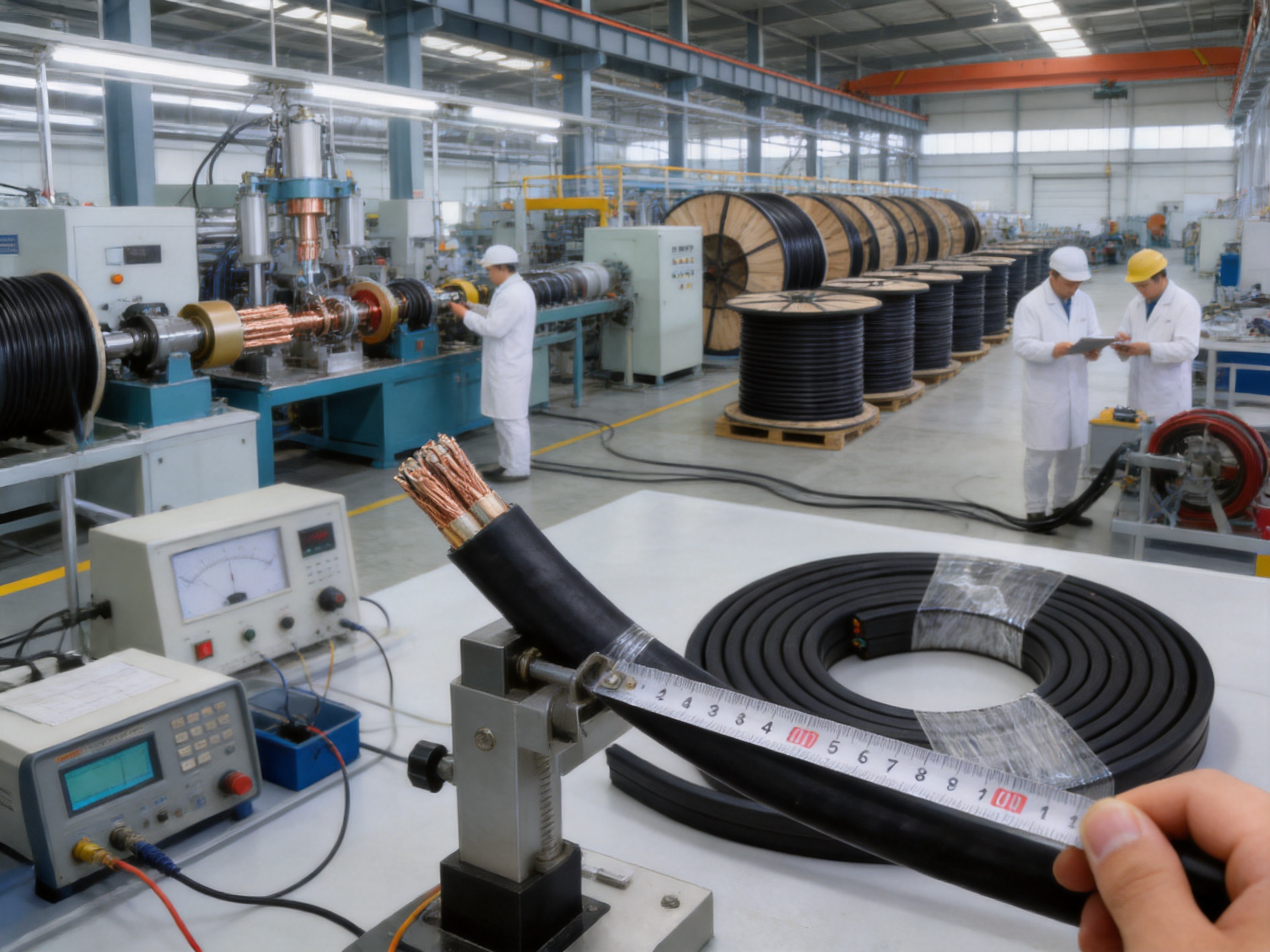
The cable is designed for heavy-duty power and control applications involving mobile or outdoor industrial equipment. Typical applications include port cranes, bridge cranes, gantry cranes, tower cranes, mine hoisting equipment, heavy engineering machinery, and other systems requiring flexibility, mechanical strength, weather resistance, and oil resistance.
The product is identified as a locomotive cable, but the stated application information primarily describes heavy mobile equipment such as cranes and hoisting machinery. Before using it on a locomotive or rail vehicle, the purchaser should confirm the required railway standards, fire and smoke performance, vibration requirements, electromagnetic compatibility requirements, voltage class, and vehicle-specific approvals.
The rated voltage is 450/750V. The stated test voltage is 3.0kV AC for one minute. The cable should be used only within the voltage and application conditions confirmed by the project’s electrical design and applicable standards.
The insulation is ethylene propylene rubber. The sheath is chloroprene rubber or chlorinated polyethylene, depending on the selected construction. EPR provides heat resistance and electrical stability, while CR or CPE provides protection against abrasion, oil, weather, ultraviolet exposure, and mechanical wear.
For fixed installation, the stated temperature range is -40°C to +90°C. For flexible installation, the stated range is -25°C to +90°C. The actual allowable current and service life also depend on ambient conditions, installation method, movement, cable grouping, and project requirements.
The stated minimum bending radius is at least six times the cable outer diameter for fixed installation and at least eight times the cable outer diameter for flexible installation. These values should be maintained throughout routing and equipment movement.
The cable is available from three cores to 37 cores, with cross-sectional areas from 1.5 mm² to 95 mm². The suitable specification should be selected according to current, voltage drop, circuit function, mechanical arrangement, and installation conditions.
Yes. The product information states that it passes the specified oil immersion test under GB/T 2951.5 and a one-million-cycle reciprocating abrasion test. These properties make it suitable for evaluation in industrial locations where oil contamination and repeated mechanical wear may occur.
The product is stated to comply with the flame-retardant requirements of GB/T 19666. Flame-retardant performance should be considered together with the complete installation design, cable grouping, fire protection system, and applicable local regulations.
Yes. Anhui Zhishang Cable Technology Co., Ltd. supports OEM and ODM development based on customer drawings or samples. Customization may include conductor size, core count, cable structure, sheath material, marking, packaging, and other defined requirements.
The stated typical lead time for customized products is approximately seven to 20 days. The actual schedule depends on product complexity, quantity, raw material availability, testing requirements, production planning, and order confirmation.
Customers should provide the rated voltage, conductor size, number of cores, core identification, operating environment, fixed or flexible installation method, movement frequency, bending radius, cable length, sheath requirements, applicable standards, packaging requirements, and expected delivery schedule. Drawings or samples are helpful for customized projects.
The company states that it provides product test reports for standard cable models and maintains quality assurance procedures. Customers should confirm the exact reports, test items, inspection frequency, and documentation package required for their project before placing an order.
Service life can be extended by maintaining the recommended bending radius, preventing twisting and crushing, using suitable cable carriers or supports, protecting the cable from sharp edges, avoiding excessive tensile loading, inspecting the sheath regularly, and selecting a specification suitable for the actual temperature, current, movement, and environmental conditions.
The YB enhanced environmental tolerance cable is engineered for industrial applications where ordinary flexible cables may not provide sufficient protection. Its fine-stranded annealed copper conductor supports reliable power transmission and repeated movement. EPR insulation provides thermal and electrical stability, while the CR or CPE sheath offers resistance to oil, abrasion, ultraviolet exposure, weathering, ozone, and corrosion.
With a 450/750V rating, 1.5 mm² to 95 mm² conductor range, three to 37 core configurations, flexible-installation bending performance, and stated flame-retardant and environmental test results, the product can serve a broad range of heavy equipment applications. Its value is further supported by Anhui Zhishang Cable Technology Co., Ltd.’s production capacity, automated manufacturing lines, technical personnel, OEM/ODM services, product documentation, and domestic supply advantages.
For project owners, equipment manufacturers, contractors, and distributors, the cable offers a practical balance of performance, flexibility, durability, customization, and cost control. The final selection should always be verified against the actual equipment design, installation method, national standards, environmental conditions, and required approvals. When properly specified and installed, this type of heavy-duty rubber-sheathed cable can contribute to safer operation, reduced maintenance interruption, and more dependable industrial power distribution.
1. GB/T 19666, General Rules for Flame Retardant and Fire Resistant Wires and Cables.
2. GB/T 2951.5, Common Test Methods for Insulating and Sheathing Materials of Electric and Optical Cables.
3. IEC 60811-2-1, Electric and Optical Fibre Cables — Test Methods for Non-Metallic Materials.
4. Product technical information for YB enhanced environmental tolerance cable, Anhui Zhishang Cable Technology Co., Ltd.
5. Industrial cable installation and maintenance principles for mobile equipment and heavy machinery.
6. General engineering practices for low-voltage power, control, and flexible cable systems.
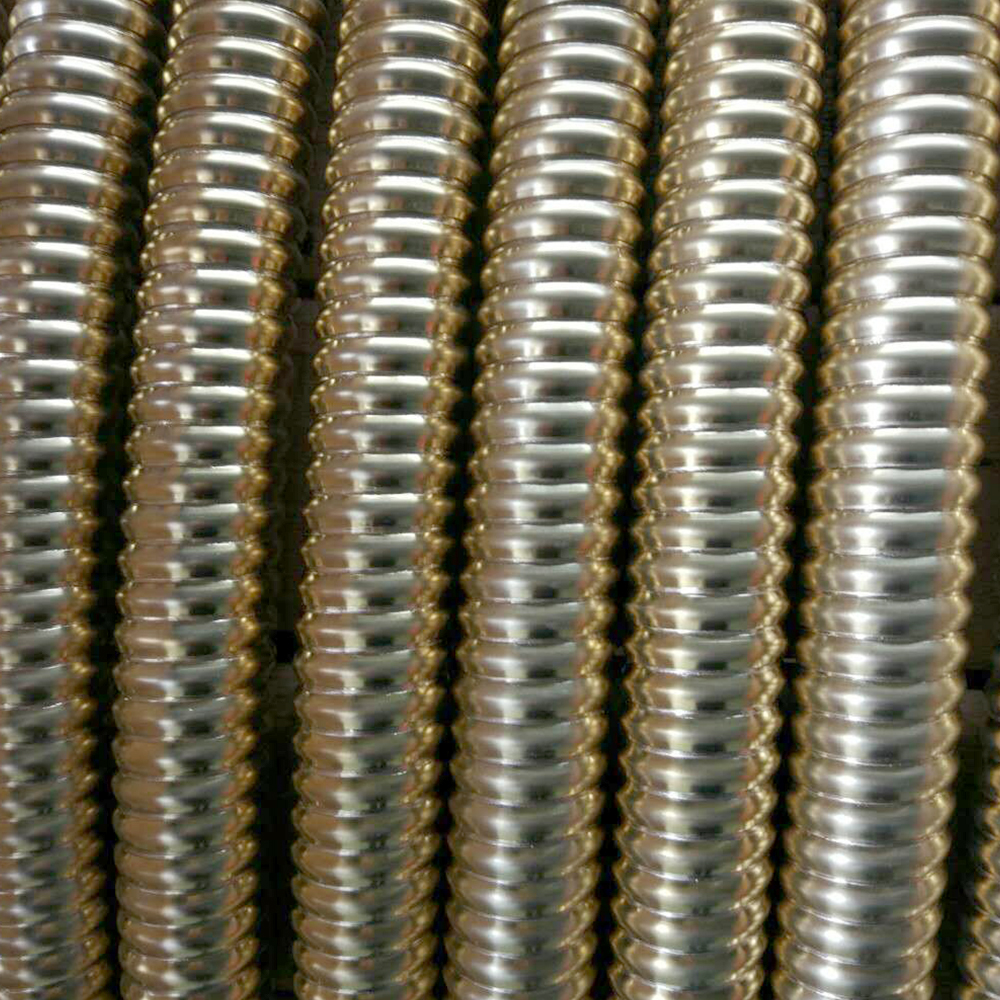
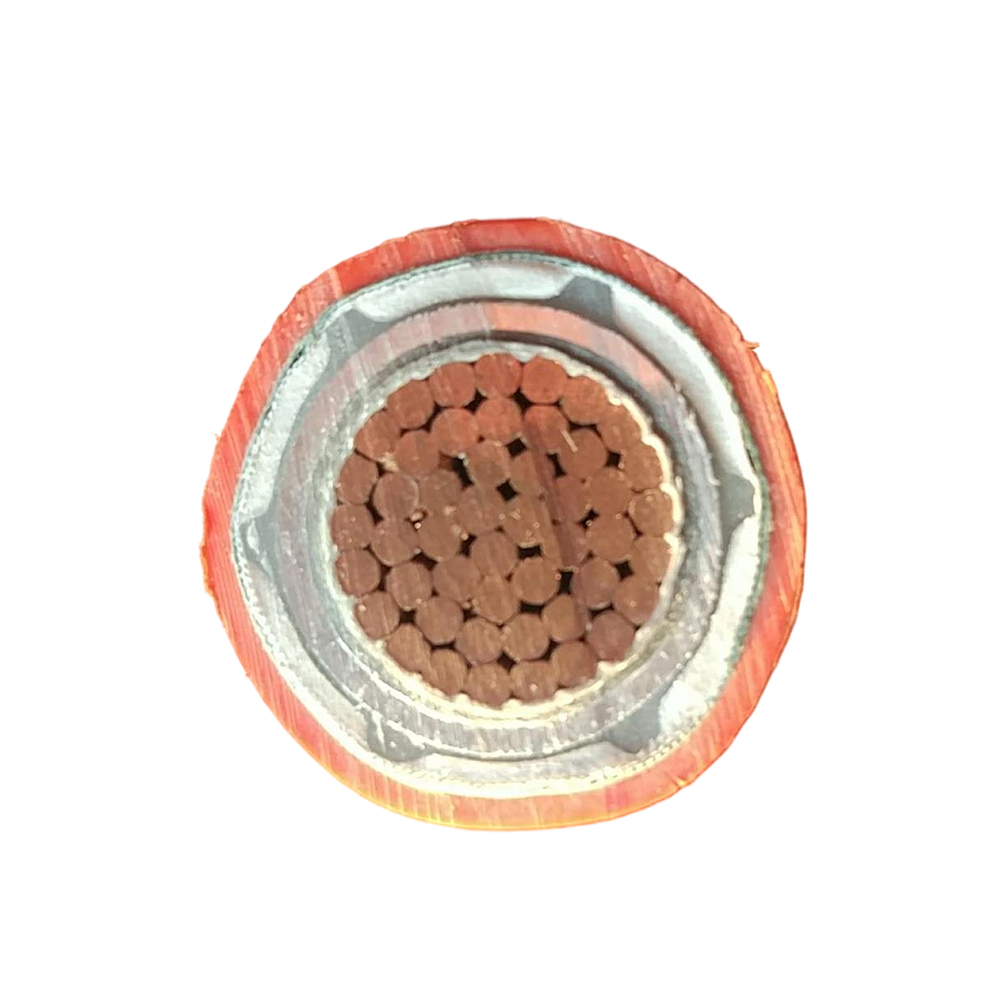
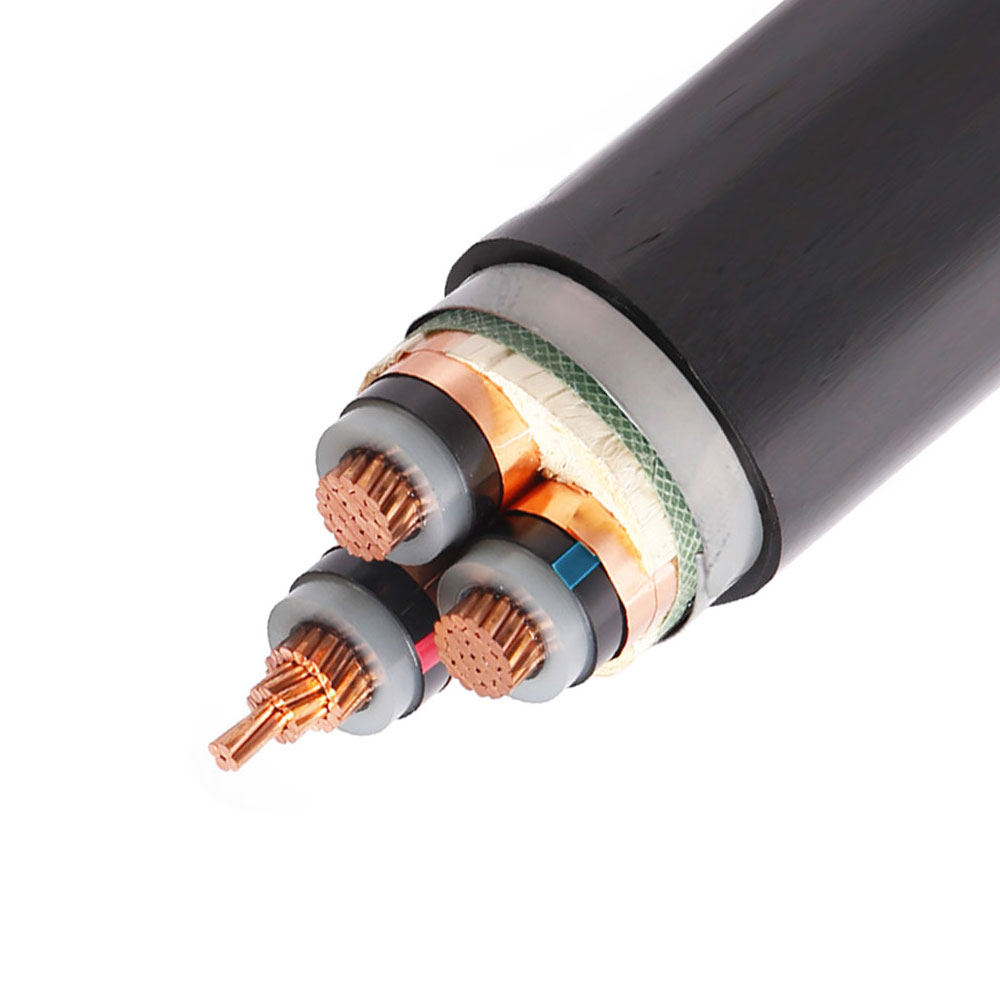

We firmly believe that good cables are not only a competition of materials, but also a reflection of craftsmanship, quality, and responsibility.

Links
Product
Send Inquiry
No. 29 Sankeshu Road, Xuanzhou District, Xuancheng City, Anhui Province, China
+86-18621104555/+86-563-2622999
 Electrical Cable Manufacturer
OEM/ODM Wire and Cable Solutions
Electrical Cable Manufacturer
OEM/ODM Wire and Cable Solutions
 English
 Español
 عربى
عربى
 русский