

Get more content that can help you
Content
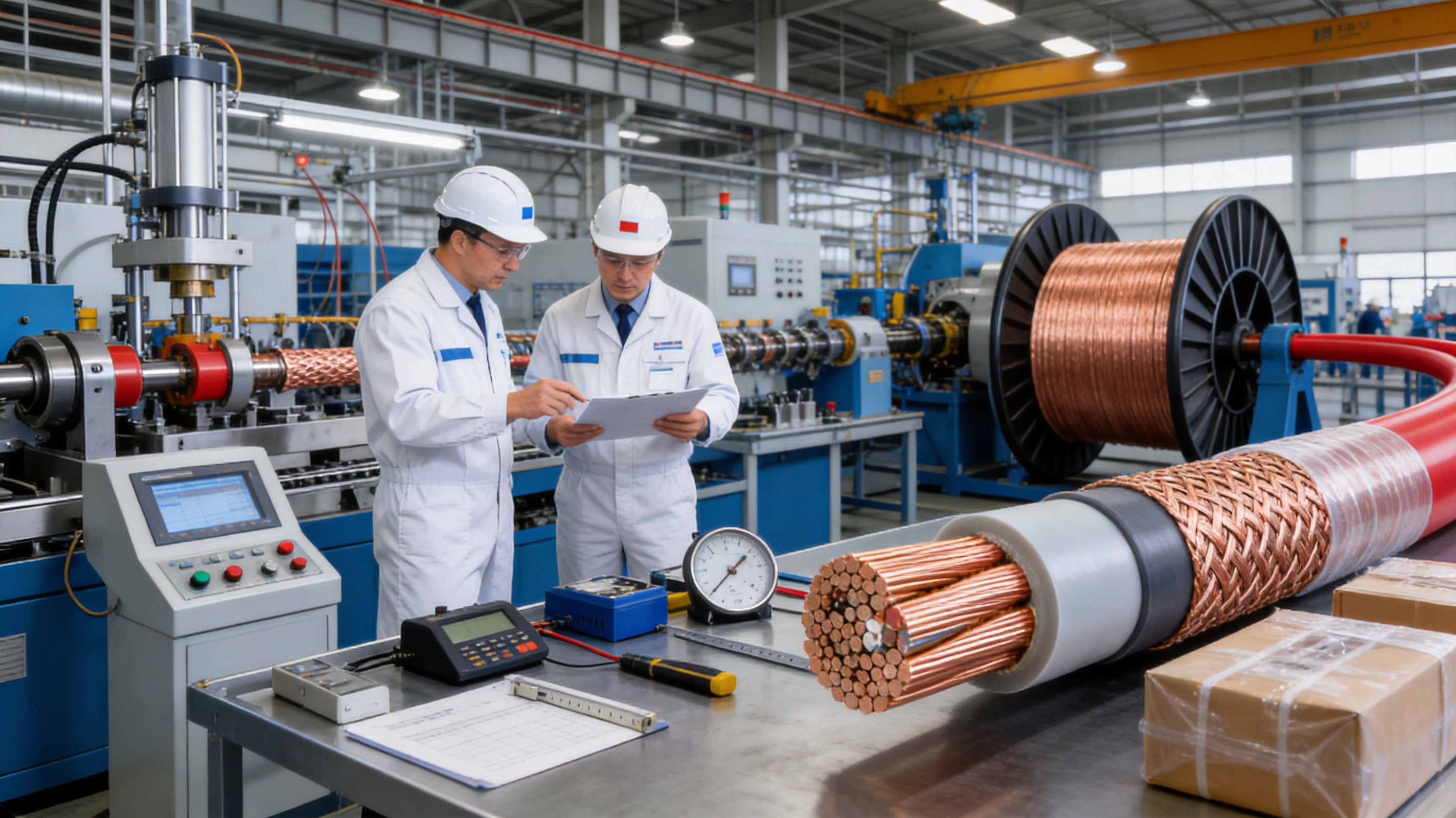
Modern industrial equipment increasingly operates in conditions where ordinary electrical cables are no longer sufficient. High temperatures, electromagnetic interference, continuous movement, mechanical stress, oils, moisture, ultraviolet radiation, and corrosive chemicals can occur at the same time. A cable that performs adequately in a clean indoor installation may experience premature aging, insulation damage, signal instability, or unexpected downtime when exposed to a furnace, motor, production line, engine compartment, automated machine, or outdoor industrial system.
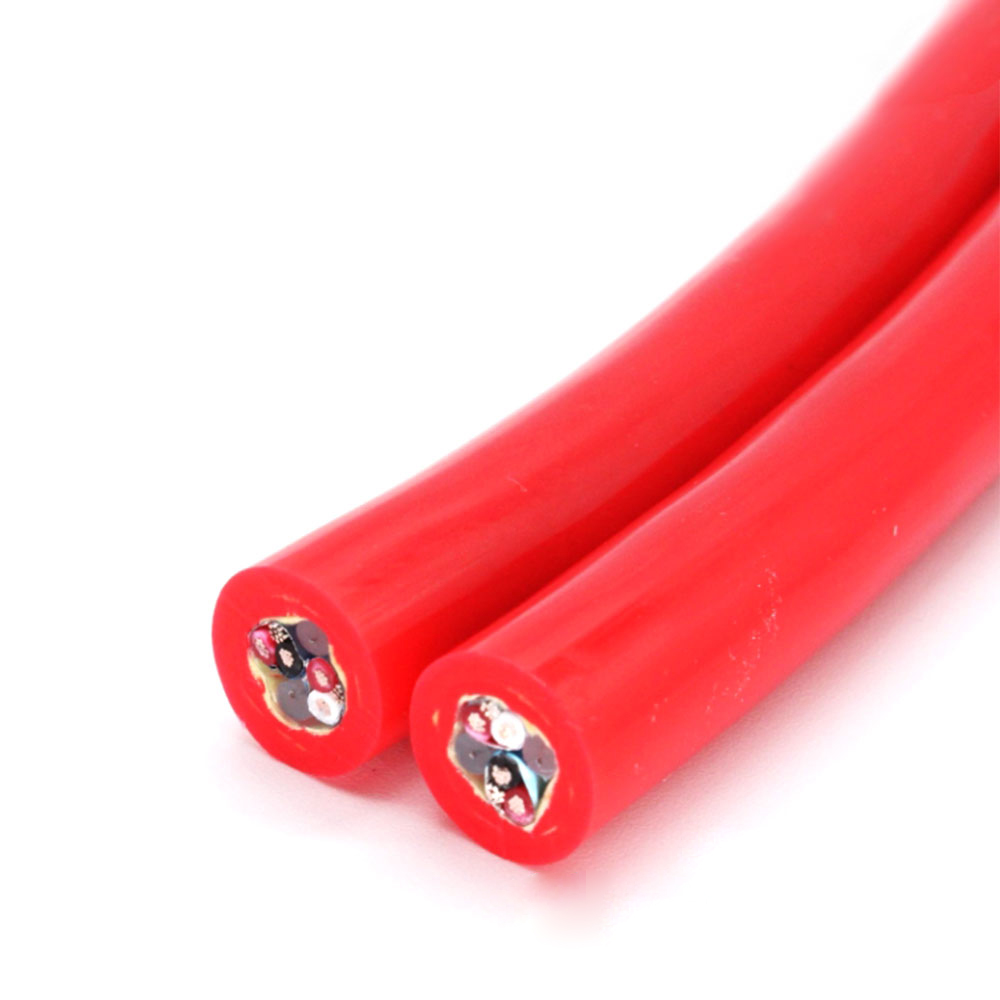
The GG22 Mechanical Protection Electrical Protection Silicone Rubber Cable is designed for applications that require more than basic electrical insulation. Its construction combines electrical protection, mechanical reinforcement, and environmental protection in one integrated cable design. This triple-protection concept allows the cable to provide stable power or signal transmission while resisting electromagnetic interference, abrasion, compression, stretching, moderate impact, thermal cycling, and chemical exposure.
Produced by Anhui Zhishang Cable Technology Co., Ltd., the cable is intended for demanding industrial applications in which reliability, flexibility, and service life are critical. The product can be configured for control, signal, or power duties, with conductor sizes ranging from small cross-sections for control circuits to larger sizes for power distribution. Depending on the project, it may be supplied as a single-core, two-core, three-core, four-core cable with grounding, or a multi-core control cable.
Cable failure rarely results from one single factor. In harsh installations, several stresses usually act together. A cable near a motor may be exposed to electromagnetic interference, vibration, oil mist, mechanical movement, and elevated temperature. A cable routed through an engine compartment may need to tolerate heat, fuel or lubricant contact, repeated bending, and limited installation space. A cable installed near a furnace may face radiant heat, thermal cycling, abrasion, and exposure to dust or chemicals.
Traditional PVC-insulated cables can be suitable for many standard installations, but their performance may become limited when temperature extremes, repeated flexing, or severe chemical exposure are present. Standard unshielded cables can also be vulnerable to interference in environments containing variable-frequency drives, servo motors, switching power supplies, welding equipment, and high-current conductors.
The GG22 cable addresses these combined challenges through three coordinated protection systems:
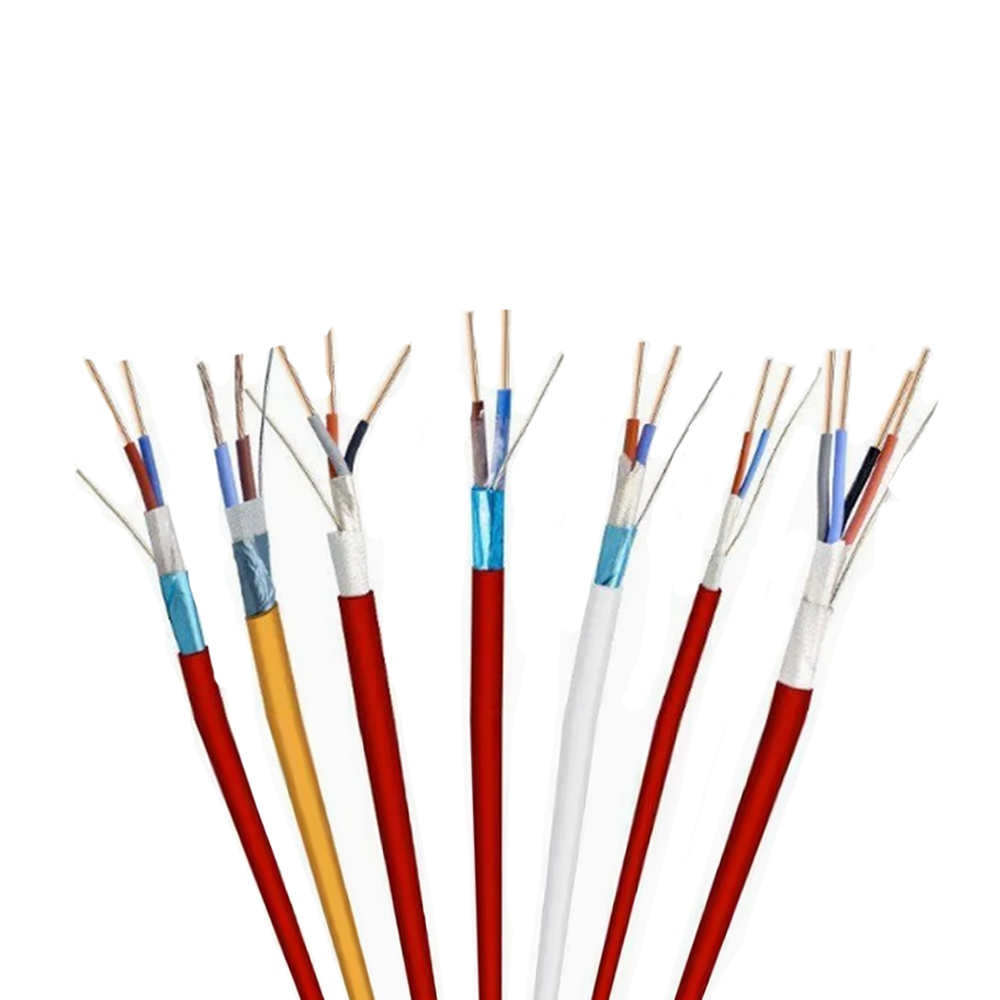
Electrical protection is provided by a tinned copper braided shield or, according to the specified construction, a copper tape shield with a drain wire. This layer helps reduce the influence of external electromagnetic interference and limits the leakage of internal electrical signals.
Mechanical protection is achieved through a reinforced outer structure. Depending on the selected design, this may include a flexible inner layer combined with glass-fiber braiding impregnated with silicone resin, or a high-strength silicone rubber sheath. This reinforcement improves resistance to abrasion, tension, compression, and minor impact.
Environmental protection comes from silicone rubber insulation and sheathing. Silicone rubber remains flexible over a wide temperature range and offers strong resistance to ozone, ultraviolet exposure, oils, acids, alkalis, and other industrial contaminants.
These layers are not independent features added without coordination. The cable is engineered as a complete system. The conductor, insulation, shield, reinforcement, and outer sheath work together to maintain electrical performance and physical integrity over a long operating period.
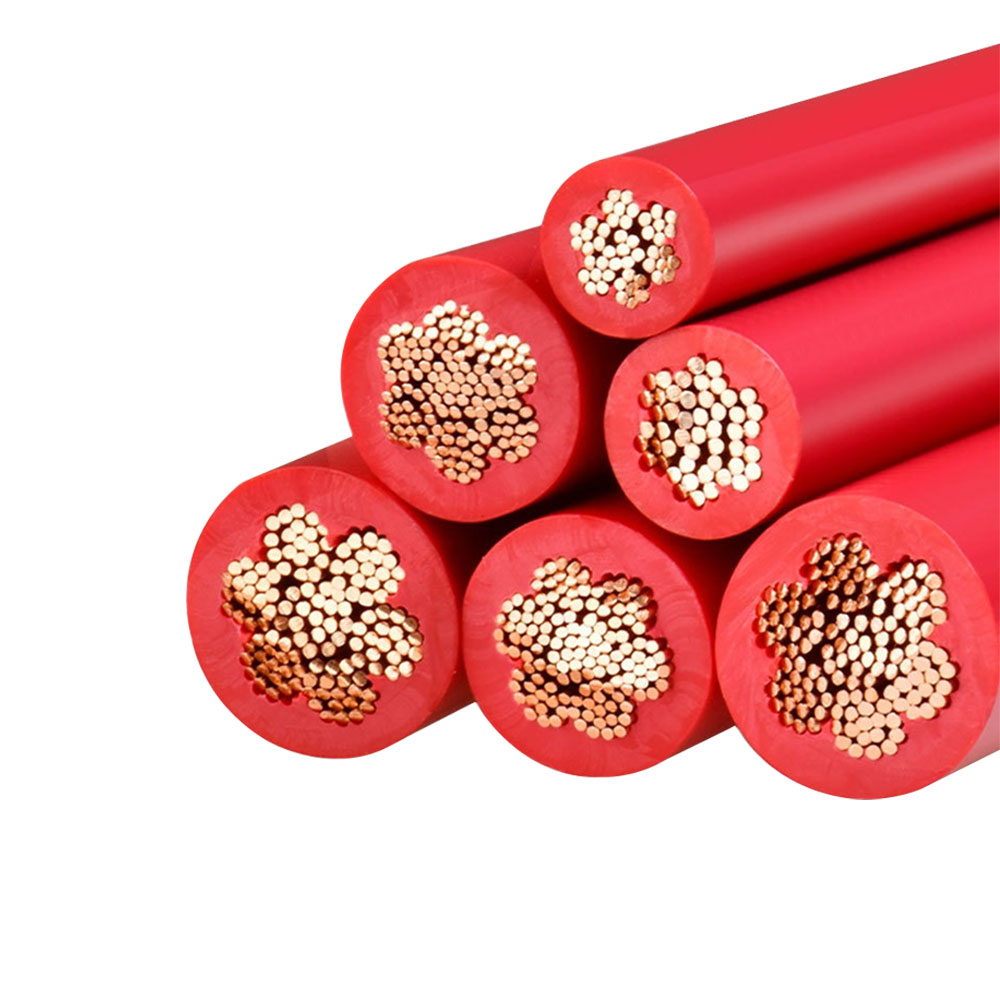
GG22 Mechanical protection Electrical protection Silicone Rubber Cable
The most important advantage of the GG22 design is the combination of electrical, mechanical, and environmental protection. Many competing cable products focus primarily on one area. A standard flexible cable may bend well but provide limited shielding. A shielded cable may control electromagnetic interference but have an ordinary sheath that is vulnerable to abrasion. A high-temperature cable may tolerate heat but lack sufficient mechanical reinforcement for moving equipment.
The GG22 cable is developed for situations where these requirements overlap. Its shielding helps maintain signal quality, its reinforced sheath protects the internal structure, and its silicone rubber material supports stable operation under severe thermal and chemical conditions.
For equipment designers, an integrated design can simplify cable selection. Instead of combining multiple protective components externally, the user can select a cable that already incorporates the required functions. This may reduce installation complexity, save space, and improve the consistency of the overall system.
Silicone rubber is valued for its ability to remain flexible at low temperatures while continuing to perform at elevated temperatures. The stated typical long-term operating range for this cable is approximately -60°C to +180°C, with a short-term overload temperature of up to +250°C for several hours under appropriate conditions.
This range makes the cable suitable for applications where ordinary thermoplastic materials may become brittle, soften, deform, or lose flexibility. Low-temperature flexibility is important in polar equipment, cold-storage machinery, outdoor installations, and equipment exposed to winter conditions. High-temperature performance is useful near furnaces, heating systems, engine compartments, industrial ovens, thermal processing machinery, and high-temperature automation equipment.
Actual operating performance depends on the cable configuration, installation method, current load, heat dissipation, movement, and duration of exposure. Nevertheless, the wide silicone rubber temperature range gives equipment manufacturers a strong material foundation for demanding designs.
Electrical noise is a major cause of control-system instability. Variable-frequency drives, motors, relays, switching power supplies, welding equipment, and high-current conductors can generate electromagnetic fields that interfere with sensitive control and communication circuits.
The GG22 cable can use a tinned copper braided shield with coverage of at least 80 percent, or a copper tape shield with a drain wire, depending on the required construction. The shield provides a conductive barrier around the insulated cores. When correctly terminated and grounded according to the application requirements, it can reduce the coupling of external interference into the circuit.
The shield also helps prevent internal high-frequency signals from radiating outward. This is useful when multiple cables are routed together or when sensitive electronic equipment is installed near power conversion systems.
Shielding is only one part of electromagnetic compatibility. Proper grounding, termination, cable routing, separation from high-power conductors, connector selection, and system design remain important. However, a well-constructed cable shield gives engineers a more reliable starting point than an unshielded cable in a noisy industrial environment.
Cables used in automated production equipment, robotics, machine tools, material-handling systems, and mobile machinery may experience repeated movement, pulling, bending, rubbing, and vibration. A cable sheath that is adequate for fixed installation may wear quickly under these conditions.
The GG22 structure includes enhanced mechanical protection through a reinforced layer. The design may use an inner silicone or cushioning layer and an outer glass-fiber braid impregnated with silicone resin, or an enhanced high-strength silicone rubber sheath. This structure helps protect the insulation and shield from external mechanical stress.
Resistance to abrasion is particularly valuable when cables pass through industrial guides, cable trays, machine frames, or areas where occasional contact with metal surfaces may occur. Resistance to tensile stress helps protect the conductor and insulation when the cable is pulled during installation or experiences moderate movement in service.
The cable is not intended to replace specialized drag-chain, robotic, or armoured cable designs where extreme continuous flexing or severe impact requires a dedicated standard. However, its reinforced construction provides a substantial advantage over ordinary silicone cables that use only a soft, unreinforced sheath.
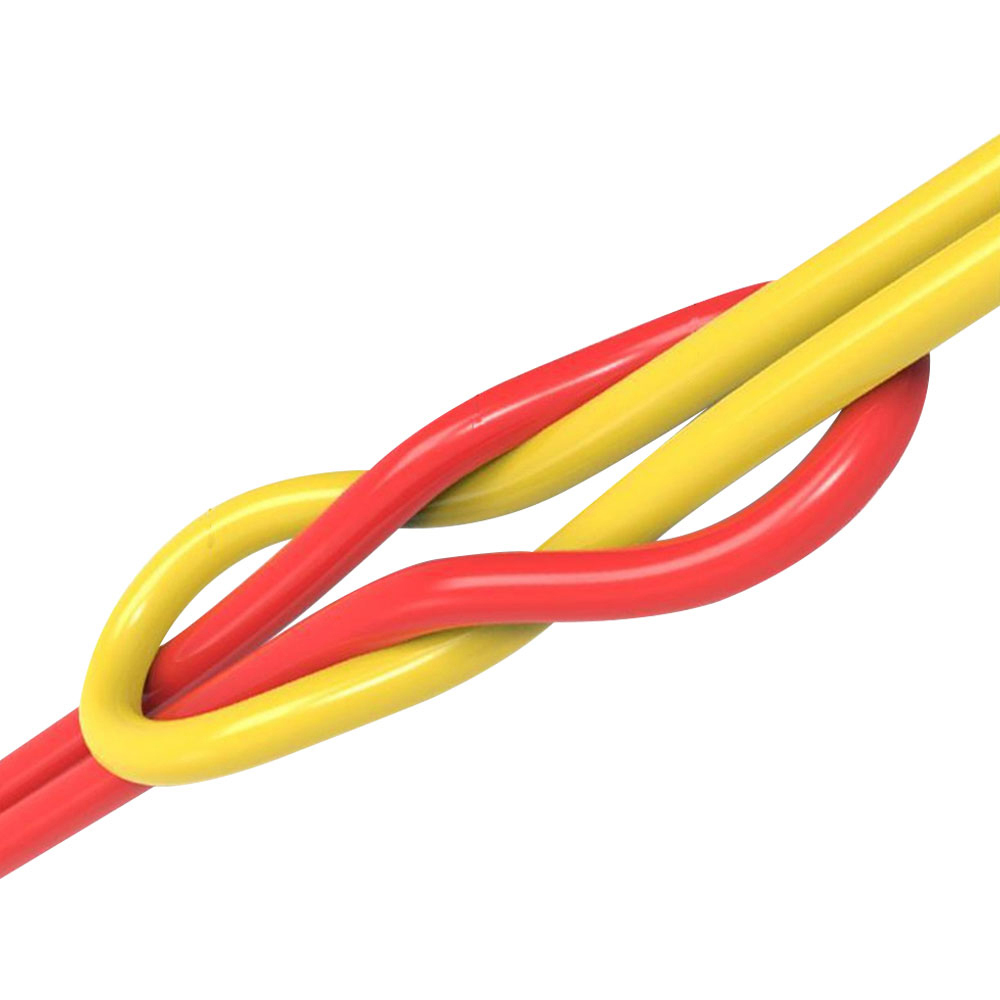
Flexibility is one of the main reasons silicone rubber cables are selected for industrial applications. The material can remain pliable across a wide temperature range, allowing installers to route the cable through tight spaces or around machine components without excessive handling difficulty.
The recommended minimum bending radius is approximately six times the cable outer diameter for fixed installation. For mobile use, a bending radius of approximately ten to twelve times the cable outer diameter is indicated. These values should be confirmed for the specific cable construction and installation conditions before production deployment.
Maintaining the correct bending radius helps prevent excessive stress on the conductor, insulation, shield, and outer sheath. Good routing practice also avoids sharp edges, uncontrolled twisting, crushing points, and unsupported hanging sections.
Industrial cables can be exposed to oil, lubricants, cleaning agents, acids, alkalis, ozone, sunlight, and moisture. Silicone rubber provides strong resistance to many of these environmental factors, helping the cable retain its flexibility and protective properties.
Resistance to ozone and ultraviolet radiation is valuable for outdoor equipment and installations exposed to sunlight. Chemical resistance is useful in factories, processing areas, workshops, transportation systems, and machinery where fluids or vapors may be present.
Chemical compatibility should always be verified for the exact substance, concentration, temperature, and exposure duration. Even materials known for broad chemical resistance may require special evaluation in aggressive or unusual environments. The cable’s silicone rubber construction nevertheless offers a strong advantage over less resistant materials in general industrial service.
The standard conductor is tinned copper wire manufactured from multiple strands. Class 5 or Class 6 constructions may be selected according to the required flexibility and application. Tinning improves resistance to oxidation and corrosion, which can be beneficial in humid, chemically active, or high-temperature environments.
For signal and control applications, cross-sectional areas may range from approximately 0.5 mm² to 10 mm². For power applications, larger sizes from approximately 16 mm² to 120 mm² may be available according to current-carrying requirements and project specifications.
Multi-strand conductors offer better flexibility than solid conductors. This is important when the cable must be routed around equipment, installed in confined spaces, or subjected to controlled movement. The conductor size must be selected according to operating current, voltage drop, ambient temperature, installation method, grouping, and applicable electrical regulations.
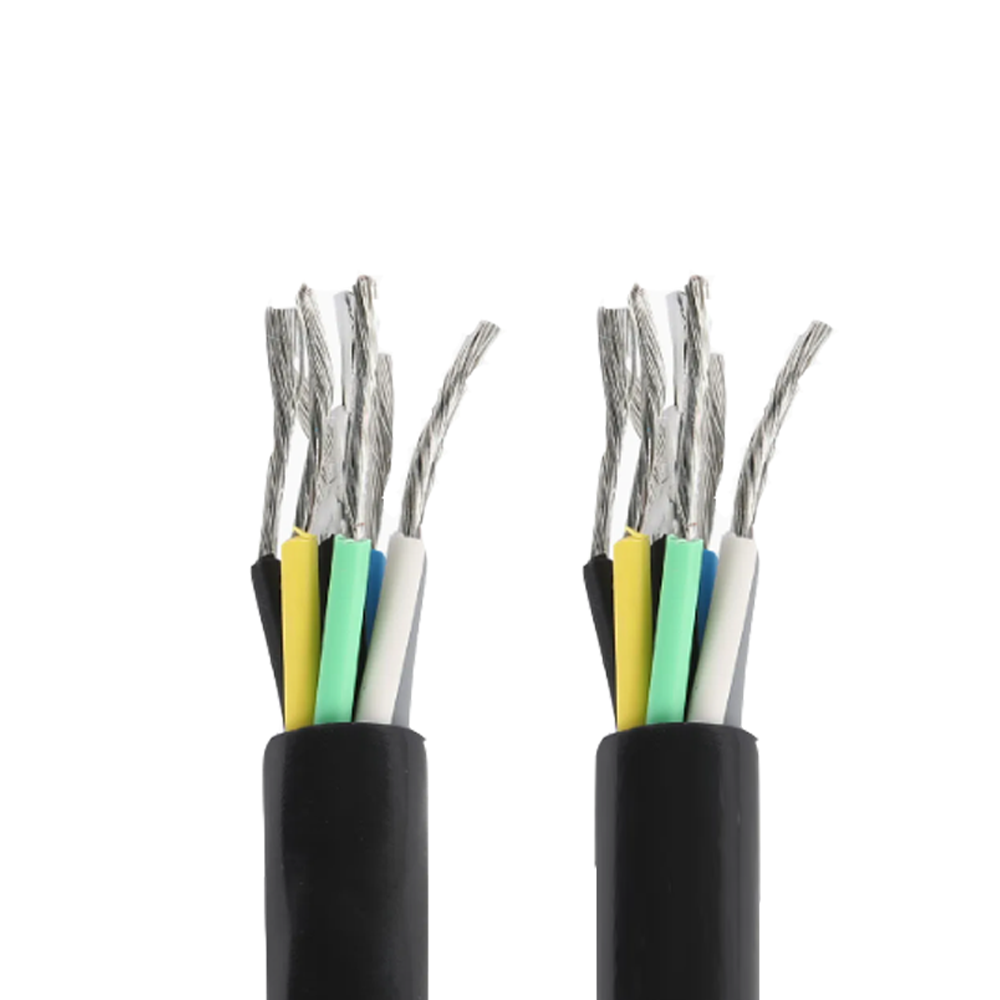
Each core is insulated with silicone rubber and can be color-coded for identification. Silicone rubber insulation provides electrical separation while supporting the wide temperature range associated with the product.
Clear core identification is essential in multi-core systems. Consistent color coding reduces installation errors, simplifies maintenance, and helps technicians identify power, control, grounding, and signal circuits. For customized projects, additional identification methods such as printing, numbering, or special color sequences may be considered according to customer requirements.
The cable can be configured for different circuit arrangements. Common options include single-core, two-core, three-core, four-core with ground, and multi-core control structures such as seven-core or twelve-core designs.
Single-core versions may be used for high-current connections or specialized power arrangements. Two-core and three-core constructions can serve basic power, signal, sensor, or control circuits. Four-core cables with a grounding core are useful for equipment requiring phase, neutral, and protective earth conductors. Multi-core versions help consolidate control wiring and can reduce the number of individual cables routed through an installation.
The electrical shielding system can be selected according to the required interference-control performance, flexibility, cost, and termination method. A tinned copper braided shield provides broad coverage and maintains useful flexibility. A copper tape shield with a drain wire can offer a different balance of shielding effectiveness, construction thickness, and production requirements.
Shield termination should be planned at the system-design stage. Inadequate termination can reduce the benefit of even a high-quality shield. The user should define whether the shield is grounded at one end, both ends, or through a specialized EMC termination arrangement based on the frequency range, system architecture, and applicable standards.
The outer structure is designed to provide protection beyond that of a normal silicone rubber cable. A flexible inner layer can cushion the shield and insulated cores, while the outer glass-fiber braid with silicone resin impregnation can improve resistance to heat, abrasion, and mechanical stress.
Where a high-strength silicone rubber sheath is more appropriate, the outer layer can be designed to provide enhanced flexibility and environmental protection. The final construction depends on cable size, core arrangement, operating conditions, installation method, and customer specifications.
| Item | Typical Product Information | Application Significance |
|---|---|---|
| Conductor | Multi-strand tinned copper, Class 5 or Class 6 | Improves flexibility and corrosion resistance |
| Signal/control cross-section | Approximately 0.5 mm² to 10 mm² | Suitable for control, instrumentation, and signal circuits |
| Power cross-section | Approximately 16 mm² to 120 mm² | Supports larger power transmission requirements |
| Insulation | Color-coded silicone rubber | Provides high-temperature electrical insulation |
| Shield | Tinned copper braid with at least 80% coverage, or copper tape with drain wire | Reduces electromagnetic interference and signal leakage |
| Rated voltage | 450/750 V or 0.6/1 kV | Supports common industrial control and power systems |
| Long-term operating temperature | Approximately -60°C to +180°C | Suitable for wide-temperature environments |
| Short-term overload temperature | Up to approximately +250°C for several hours | Provides additional thermal tolerance during temporary overloads |
| Flame performance | Designed to comply with IEC 60332-1-2 | Supports flame-retardant requirements for applicable installations |
| Withstand voltage | Approximately 3500 V AC for 5 minutes on 0.6/1 kV grade | Supports production and quality verification testing |
| Minimum bending radius | Approximately 6 × D fixed; 10 × D to 12 × D mobile | Helps guide installation and movement planning |
| Environmental resistance | Resistance to oil, acids, alkalis, ozone, and ultraviolet radiation | Improves suitability for harsh industrial environments |
The values in this table represent typical product information and should be confirmed against the final design, technical drawing, test report, and purchase specification. Cable performance can vary with conductor size, core number, shield type, sheath thickness, installation method, and operating conditions.
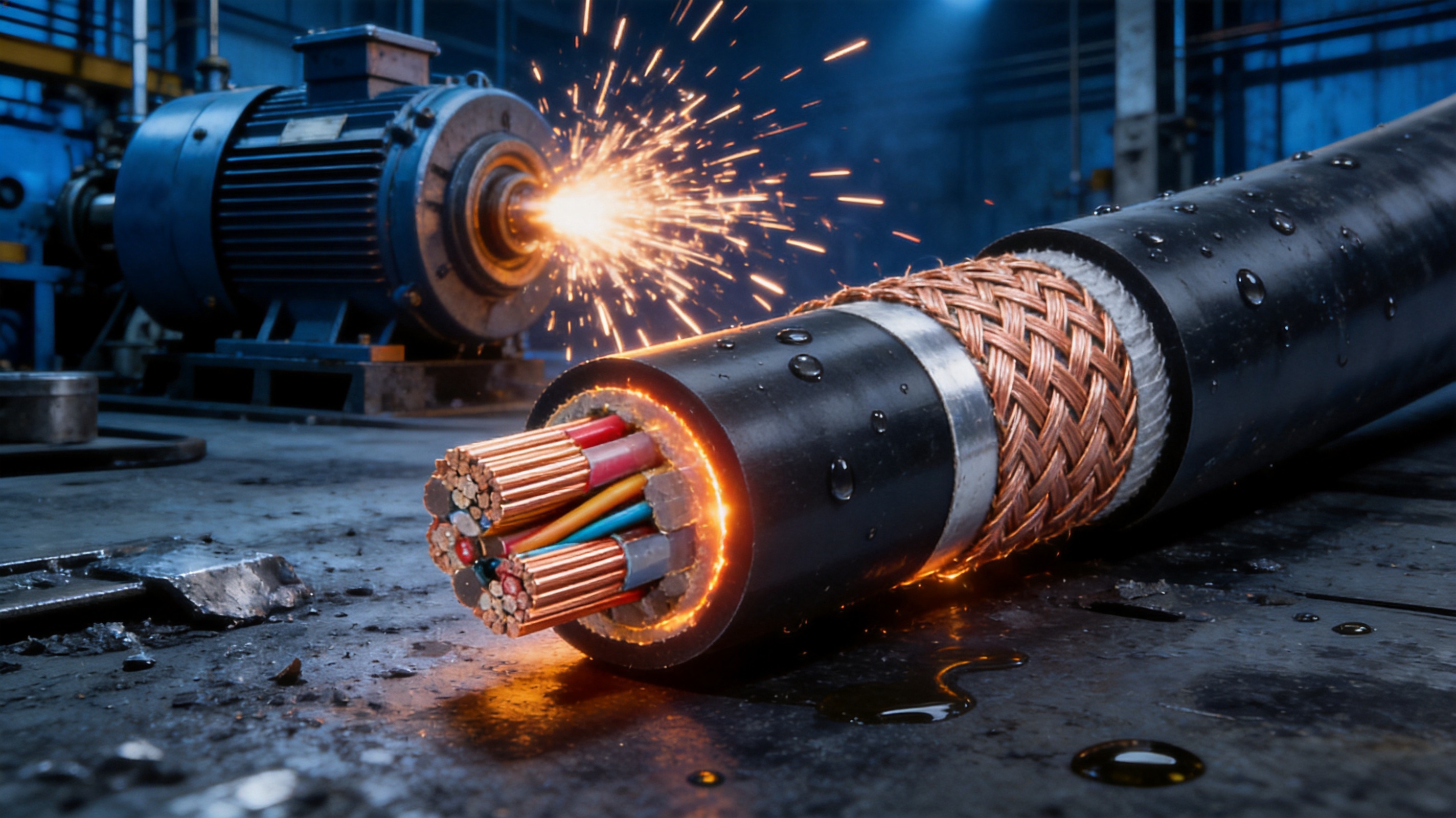
Standard PVC cables remain widely used because they are economical and effective in many general-purpose installations. However, their temperature range and flexibility may be more limited than those of silicone rubber designs. In low-temperature areas, PVC may become harder and less flexible. In high-temperature areas, it may soften or experience accelerated aging if the operating temperature exceeds its design capability.
The GG22 cable offers a silicone rubber insulation and sheath system designed for a wider temperature range. It is therefore better suited to applications where thermal cycling or extreme temperature is a regular part of operation.
An ordinary silicone cable may provide good flexibility and temperature performance but lack a shield or reinforced outer layer. Such a cable may be appropriate for clean, low-interference installations, but it may require additional protection when installed near motors, drives, moving machinery, or abrasive surfaces.
The GG22 design adds electrical shielding and mechanical reinforcement. This allows it to address problems that a simple flexible silicone cable may not solve without external conduit, braid, shielding, or protective sleeving.
Unshielded control cables can be affected by electromagnetic fields generated by nearby power conductors and switching devices. In sensitive automation systems, interference may result in false signals, unstable sensor readings, communication errors, or unexpected equipment behavior.
The GG22 cable’s copper shielding provides a protective barrier around the cores. When installed and grounded correctly, this can improve signal integrity and reduce the need for additional external shielding measures.
Armoured cables can provide strong mechanical protection, but some constructions are heavier, stiffer, and less convenient to route in equipment with tight bends or moving sections. The GG22 cable uses a reinforced silicone-based structure to balance protection with flexibility.
This balance is useful where the cable must tolerate moderate mechanical stress without becoming unnecessarily rigid. For severe impact, burial, or specialized mining conditions, a dedicated armoured or mining cable may still be required. Product selection should always reflect the actual mechanical hazard.
Some high-temperature cables are designed mainly to withstand heat. They may not include a shield for electromagnetic compatibility or a reinforced outer structure for abrasion and tensile stress. The GG22 cable is differentiated by its broader protection strategy.
It is intended for environments where high temperature exists together with interference, movement, abrasion, chemical exposure, or limited installation space. This multi-function approach can reduce the number of separate protective measures required in the final system.
Anhui Zhishang Cable Technology Co., Ltd. integrates research and development, manufacturing, and sales. This structure allows technical requirements to move directly between engineering and production teams. For customers, the benefit is a more coordinated process from cable selection and design review through manufacturing, inspection, and delivery.
The company is located in Xuanzhou District, Xuancheng City, Anhui Province, an important industrial location in the Yangtze River Delta region. Its production base covers approximately 5,000 square meters and is supported by more than 50 employees, including quality engineers and research and development technicians with more than ten years of industry experience.
The company operates more than ten automated production lines and reports a monthly production capacity of up to ten million meters. Automated production helps improve process consistency, production efficiency, and repeatability across standard cable orders.
For a product such as GG22, process control is important because cable performance depends on multiple coordinated layers. Conductor stranding, tinning, insulation extrusion, core identification, cabling, shielding, reinforcement, sheath extrusion, marking, and final testing must be performed with appropriate control of dimensions and materials.
A reliable cable begins with consistent raw materials. Tinned copper conductors must maintain suitable conductivity, strand uniformity, and corrosion resistance. Silicone compounds must be selected and processed for the required temperature, flexibility, insulation, and mechanical performance. Shielding materials must be applied evenly to achieve the intended coverage. Reinforcement must be securely integrated with the outer sheath without creating harmful stress points.
During production, extrusion temperature, line speed, concentricity, insulation thickness, sheath thickness, and surface quality require attention. Inadequate control may lead to uneven insulation, voids, dimensional variation, weak adhesion, or reduced bending performance. A modern production system combined with experienced technicians helps reduce these risks.
The company emphasizes full-core and full-length pure copper specifications, product test reports, and warranty support for standard cable models. Testing may include conductor resistance, insulation resistance, dimensional inspection, voltage withstand testing, visual inspection, shield continuity, and flame performance evaluation according to the applicable product specification.
For the 0.6/1 kV grade, a stated withstand voltage test value is 3500 V AC for five minutes. This type of test is used to verify the insulation system under controlled conditions. The actual test procedure, sampling plan, acceptance criteria, and report format should be agreed during technical confirmation.
Quality assurance is especially important for reinforced and shielded cables because the internal layers cannot be fully evaluated by visual inspection after the cable is completed. Process records, material traceability, dimensional checks, and electrical tests help confirm that the complete cable structure meets the defined requirements.
Customer requirements often vary by equipment type, installation space, voltage class, core count, conductor size, shielding method, sheath color, marking, packaging, and delivery length. Zhishang supports OEM and ODM development based on customer drawings or samples.
Technical engineers can assist with product selection and customized cable design. This is valuable for equipment manufacturers that need a cable with a specific outer diameter, bend performance, shield construction, identification method, or connector compatibility.
Instead of forcing a standard product into an unsuitable application, customers can discuss the operating environment and define a construction that better matches the equipment. The development process may include drawing review, material confirmation, sample production, performance testing, customer approval, and batch manufacturing.
Standard products may be stocked for fast shipment, while customized products typically require approximately seven to twenty days of lead time, depending on the design and order quantity. This combination of standard inventory and customization capability supports both urgent maintenance requirements and planned equipment production.
For international customers, delivery planning should consider cable length, drum size, packaging requirements, customs documentation, electrical standards, and project schedules. Early technical confirmation can reduce delays and prevent changes after production begins.
Industrial automation systems contain motors, drives, sensors, controllers, actuators, and communication equipment. These devices often generate or receive electromagnetic noise. The GG22 cable can be used for control, power, or signal circuits where shielding, flexibility, and thermal resistance are required.
Its multi-core configurations can simplify wiring between control cabinets and field equipment. The reinforced sheath also provides additional protection in areas where cables are exposed to movement or contact with machine structures.
Variable-frequency drives produce fast switching waveforms that can create electromagnetic interference. Motor cables may also be exposed to vibration, heat, oil, and mechanical movement. A shielded silicone rubber cable can help address these conditions when properly selected and terminated.
The cable may be suitable for connections near motors, drive units, pumps, fans, compressors, and other rotating equipment. Cable routing, grounding, motor insulation, and drive-filter arrangements should be evaluated as part of the complete system.
Industrial furnaces, heating systems, thermal processing equipment, and ovens often require cables that remain reliable near heat sources. Silicone rubber insulation and sheathing provide a strong solution where standard materials may age quickly.
The cable should not be placed closer to a heat source than its temperature rating allows. Radiant heat, ambient temperature, current-generated heat, and ventilation must all be considered. Where temperatures exceed the cable’s long-term rating, additional heat shielding or a specialized high-temperature construction may be necessary.
Engine compartments combine heat, vibration, oils, fuels, limited space, and electrical noise. The GG22 cable’s tinned copper conductors, silicone rubber materials, shielding, and mechanical reinforcement provide useful characteristics for such environments.
Final suitability depends on the particular fluid exposure, temperature profile, vibration level, installation arrangement, and vehicle or equipment standard. Customized constructions can be considered when a project requires special dimensions, color, markings, or connector integration.
Outdoor installations may encounter ultraviolet radiation, ozone, rain, temperature changes, and wind-induced movement. Polar equipment introduces additional low-temperature challenges. Silicone rubber’s low-temperature flexibility and resistance to ozone and ultraviolet exposure can support more reliable outdoor operation.
Even with a weather-resistant cable, correct sealing at connectors and junction boxes remains essential. Water ingress often occurs at terminations rather than through the cable sheath itself.
Some equipment cannot tolerate frequent cable replacement or unplanned downtime. Examples include production-line control systems, specialized test equipment, process machinery, energy systems, and safety-related auxiliary equipment.
In these applications, a cable with multiple protective features may reduce maintenance requirements and improve operational continuity. The cost of the cable should be considered together with installation labor, access difficulty, downtime, replacement frequency, and the consequences of electrical failure.
Before ordering, identify the rated voltage, continuous operating current, maximum inrush current, conductor cross-section, number of cores, grounding requirements, signal frequency, and allowable voltage drop. Power and control circuits may require different conductor sizes and shielding arrangements.
For signal systems, electromagnetic compatibility may be the primary concern. For power systems, current capacity, heat dissipation, voltage drop, and short-circuit conditions may be more important. A cable design should be selected based on the complete electrical duty rather than one isolated specification.
Record the minimum and maximum ambient temperature, expected duration of exposure, radiant heat, internal conductor heating, and thermal cycling. A cable exposed to +180°C continuously is subject to a different duty from one that experiences +250°C only during a brief abnormal event.
Do not assume that a short-term overload rating can be used as a continuous operating temperature. The cable’s final technical datasheet and the application’s thermal calculations should be used for approval.
Shielding effectiveness depends heavily on termination. The shield should be connected using a method appropriate to the equipment design and interference frequency. Long drain wires, poor contact surfaces, loose clamps, and incorrect grounding points can reduce performance.
Where possible, the cable layout should maintain separation from high-current conductors and switching equipment. Crossings should be arranged appropriately, and cable trays should avoid unnecessary parallel runs with noisy power circuits.
During installation, avoid bending below the recommended radius. Do not pull the cable by the cores, shield, or individual strands. Use suitable rollers, guides, and pulling methods for heavy cables. Prevent twisting, flattening, and sharp-edge contact.
For mobile use, the movement pattern should be evaluated. A cable that bends smoothly in one plane may fail sooner if forced to twist or move in multiple directions. Where continuous high-cycle motion is expected, the customer should request an application-specific flex-life evaluation.
Terminations should preserve the conductor, insulation, shield, and sheath. Cable glands, connectors, lugs, and strain-relief devices must match the cable diameter and construction. The shield should be terminated in a way that supports the intended EMC design.
After installation, check continuity, insulation resistance, phase identification, protective-earth continuity, and correct routing. A commissioning inspection can identify damage caused during handling before the equipment enters service.
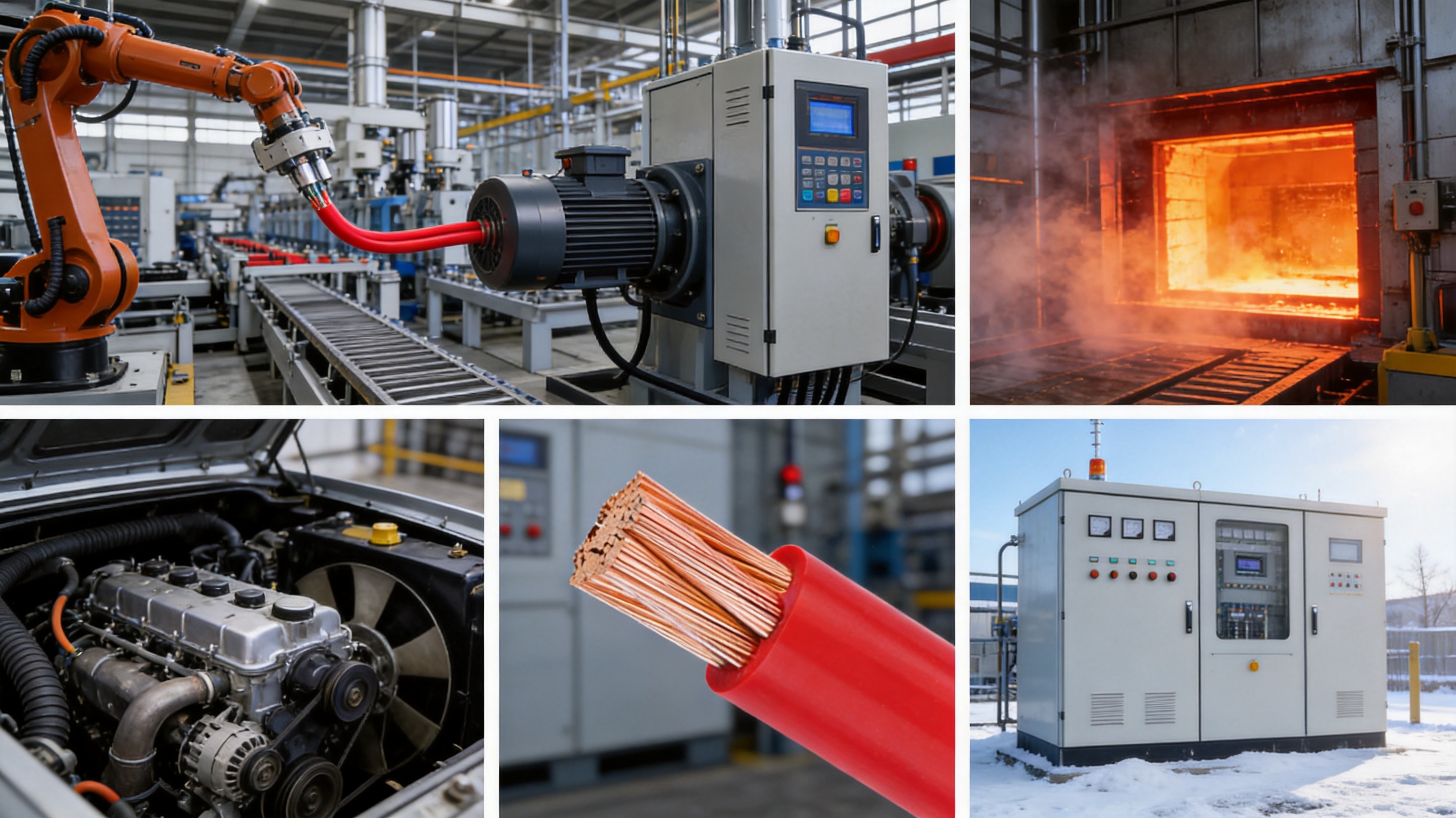
Equipment manufacturers often need cable assemblies that integrate directly into their machines. The GG22 cable can be considered for customized solutions involving conductor size, core count, shield type, sheath structure, overall diameter, color, marking, packaging, and cut length.
OEM and ODM cooperation may begin with a customer drawing, sample, wiring diagram, or environmental description. Important information includes rated voltage, current, operating temperature, movement pattern, bend radius, chemical exposure, expected service life, interference conditions, and applicable standards.
A technical review can then determine whether a standard cable is suitable or whether a modified design is more appropriate. Sample production allows the customer to evaluate routing, termination, flexibility, interference behavior, and mechanical fit before approving mass production.
Customized cable design is particularly useful when the cable must pass through a narrow machine channel, connect to a specialized terminal, fit a predefined harness, or meet a specific outer-diameter limit. It can also help equipment manufacturers standardize cable assemblies across different models.
Anhui Zhishang Cable Technology Co., Ltd. is a Chinese cable manufacturer focused on research, production, sales, and integrated cable solutions. Its product scope includes low-voltage wiring cable, flexible cable, power cable, automotive cable, communication cable, flat cable, control cable, computer cable, specialty cable, bus cable, aerial insulated cable, mining cable, fluoroplastic cable, wire harnesses, and battery box products.
This broad product range gives the company experience across multiple cable categories and application environments. The company serves industrial automation, weak-current engineering, intelligent manufacturing, appliance equipment, power engineering, and other fields.
Its business philosophy emphasizes quality orientation, integrity, and stability. The company follows national standards, relevant international standards, and industry benchmarks when developing cable products. It also supports customer-defined requirements for quality, technology, and service.
International customers can benefit from the company’s experience in supplying products to markets including the United States, Canada, Australia, Japan, and parts of Eurasia. Export projects still require careful confirmation of local regulations, labeling, testing, documentation, and installation standards.
The combination of production capacity, technical support, customization, standard inventory, and quality documentation makes the company suitable for both regular cable procurement and specialized industrial cable development.
The purchase price of a cable is only one part of its total cost. A lower-cost cable may become more expensive if it requires additional conduit, shielding, protective sleeving, frequent replacement, or extended troubleshooting. Downtime can be particularly costly in automated factories and critical equipment.
The GG22 cable can create lifecycle value by combining several protective functions in one product. Its electrical shield may reduce signal-related maintenance. Its reinforced sheath may reduce damage from abrasion and handling. Its silicone rubber construction may extend service life in hot, cold, outdoor, or chemically challenging conditions.
A longer service life can reduce labor costs associated with cable replacement. It can also reduce the need to disassemble equipment to access damaged wiring. For original equipment manufacturers, reliable cables can improve product reputation and reduce warranty claims related to wiring failures.
The economic benefit should be evaluated through a complete application analysis. Factors include installation length, replacement access, downtime cost, maintenance frequency, expected operating temperature, interference risk, and the cost of external protection if a simpler cable is selected.
When requesting a quotation or technical proposal, provide the rated voltage and current requirements first. Then identify whether the cable is intended for power, signal, control, communication, or a combined application.
Specify the required number of cores, conductor cross-section, grounding core, cable length, outer diameter limitations, color, printing, and packaging. If the cable will be used in motion, describe the movement frequency, travel distance, bend direction, and flexing cycle requirements.
Environmental information should include minimum and maximum temperature, contact with oils or chemicals, ultraviolet exposure, moisture, vibration, abrasion, compression, and installation location. Details about nearby drives, motors, welding systems, or communication equipment will help determine the shielding requirement.
Ask for the applicable technical datasheet, material information, test report, sample approval procedure, production lead time, inspection plan, and warranty terms. For customized cables, confirm the final drawing before batch production begins.
It means the cable combines electrical shielding, mechanical reinforcement, and silicone rubber environmental protection. The shield helps control electromagnetic interference, the reinforced sheath resists physical stress, and the silicone rubber materials support operation across a wide temperature and chemical-exposure range.
It is designed for applications where electromagnetic interference may be present near frequency converters, motors, and other industrial equipment. The copper braid or copper tape shield can reduce interference when correctly terminated and grounded. The complete installation should also follow appropriate EMC routing and grounding practices.
The typical stated long-term operating range is approximately -60°C to +180°C. A short-term overload temperature of approximately +250°C may be supported for several hours under appropriate conditions. The final temperature rating should be confirmed for the selected conductor size, insulation, sheath, and installation method.
Its flexible construction and reinforced sheath make it suitable for many mobile or moderately moving industrial applications. The suggested minimum bending radius is approximately ten to twelve times the cable outer diameter for mobile use. Continuous high-cycle applications should be reviewed with the manufacturer to confirm suitability.
The cable may use a tinned copper braided shield with coverage of at least 80 percent, or a copper tape shield with a drain wire. The preferred option depends on the required interference performance, flexibility, cable diameter, termination method, and project budget.
Typical signal and control cross-sections range from approximately 0.5 mm² to 10 mm². Power versions may range from approximately 16 mm² to 120 mm². Actual availability depends on the number of cores, rated voltage, construction, and customer requirements.
Yes. Customization can be considered for conductor size, core count, shield type, reinforcement, sheath, color, marking, outer diameter, cut length, packaging, and other defined requirements. Customers can provide drawings, samples, wiring diagrams, or application information for technical review.
The stated flame-retardant performance is designed to comply with IEC 60332-1-2, typically using a self-extinguishing construction. The exact test result and certification documentation should be confirmed for the final product specification.
Silicone rubber generally provides excellent resistance to many oils, acids, alkalis, ozone, and ultraviolet radiation. The exact chemical compatibility should be verified for the substance, concentration, temperature, and duration of exposure in the intended application.
Provide the required voltage, current, conductor size, core count, grounding arrangement, shield preference, operating temperature, movement conditions, cable length, installation environment, and applicable standards. Drawings, samples, equipment photographs, and routing information can further improve the accuracy of the technical recommendation.
A standard flexible cable may provide bending performance but lack shielding and reinforced mechanical protection. The GG22 cable is designed to combine flexibility with electromagnetic interference control, abrasion resistance, tensile resistance, and wide-temperature silicone rubber protection.
Standard products may be available from stock for fast shipment. Customized products typically require approximately seven to twenty days, depending on construction, order quantity, material availability, testing, and packaging requirements. The confirmed delivery schedule should be agreed before purchase.
The GG22 Mechanical Protection Electrical Protection Silicone Rubber Cable is designed for industrial environments where ordinary cable constructions may be exposed to too many simultaneous stresses. Its triple-protection structure combines tinned copper conductors, silicone rubber insulation, electromagnetic shielding, reinforced mechanical protection, and environmental resistance.
Its principal advantages include broad temperature adaptability, low-temperature flexibility, high-temperature stability, resistance to abrasion and moderate mechanical stress, improved electromagnetic interference control, and resistance to oil, acids, alkalis, ozone, and ultraviolet radiation. These features make it a strong candidate for furnaces, engine compartments, motors, frequency converters, automation systems, outdoor equipment, and other critical industrial applications.
Anhui Zhishang Cable Technology Co., Ltd. strengthens the product proposition through integrated research and development, automated manufacturing, experienced technical staff, quality engineering, OEM and ODM support, standard inventory, and international supply experience. Its production capacity and customization capabilities allow the cable to be adapted to different electrical, mechanical, and environmental requirements.
Successful application depends on proper product selection, correct installation, suitable shield termination, appropriate bending radius, and confirmation of the final technical specification. When these factors are addressed, a reinforced shielded silicone rubber cable can provide a dependable foundation for safer operation, fewer interruptions, and longer service life in demanding industrial systems.
International Electrotechnical Commission. IEC 60332-1-2, Tests on Electric and Optical Fibre Cables Under Fire Conditions.
International Electrotechnical Commission. General guidance for low-voltage cable insulation, conductor identification, and electrical testing.
Industry practices for electromagnetic compatibility in industrial automation and variable-frequency drive installations.
Technical information supplied for the GG22 Mechanical Protection Electrical Protection Silicone Rubber Cable.
Manufacturer information concerning silicone rubber cable construction, conductor options, shielding, reinforcement, testing, and customization.
Manufacturer information concerning production facilities, automated production lines, OEM/ODM services, quality assurance, and international supply capability.

We firmly believe that good cables are not only a competition of materials, but also a reflection of craftsmanship, quality, and responsibility.

Links
Product
Send Inquiry
No. 29 Sankeshu Road, Xuanzhou District, Xuancheng City, Anhui Province, China
+86-18621104555/+86-563-2622999
 Electrical Cable Manufacturer
OEM/ODM Wire and Cable Solutions
Electrical Cable Manufacturer
OEM/ODM Wire and Cable Solutions
 English
 Español
 عربى
عربى
 русский