
Get more content that can help you
Content
Modern buildings, transportation facilities, industrial plants, and public infrastructure increasingly depend on control circuits that must remain functional during abnormal conditions. Fire alarms, emergency lighting, smoke extraction, evacuation systems, emergency communication equipment, access-control systems, and safety monitoring installations all rely on cables that can transmit power or control signals when ordinary wiring may already be exposed to flames, heat, smoke, and mechanical stress. For these applications, cable selection is not simply a question of voltage rating or conductor size. It is a question of maintaining circuit integrity, reducing fire development, protecting people from toxic smoke, and supporting emergency response operations.
The WDZB1N-KYJ strong environmental adaptability control cable is designed for these demanding conditions. It combines halogen-free low-smoke construction, fire resistance, Class B1 flame-retardant performance, cross-linked polyethylene insulation, and a halogen-free polyolefin sheath. This combination addresses several risks simultaneously: fire propagation, smoke obscuration, corrosive gas release, insulation failure, and loss of signal continuity.
Unlike a conventional control cable designed primarily for normal operating conditions, this cable is developed for situations in which the wiring itself must contribute to the overall fire-safety strategy. Its structure supports long-term operation at temperatures up to 90°C, while its fire-resistant design is intended to maintain electrical functionality during a specified high-temperature test. At the same time, its low-smoke and halogen-free materials help improve visibility and reduce corrosive emissions during combustion.
Manufactured by Anhui Zhishang Cable Technology Co., Ltd., the product can be supplied in different conductor constructions, cross-sectional areas, and core counts. Its configuration range covers applications from compact control circuits to larger multi-core systems with up to 61 cores. This flexibility allows project engineers to select a suitable cable for fire safety systems, industrial controls, emergency facilities, transportation infrastructure, and other high-priority installations.
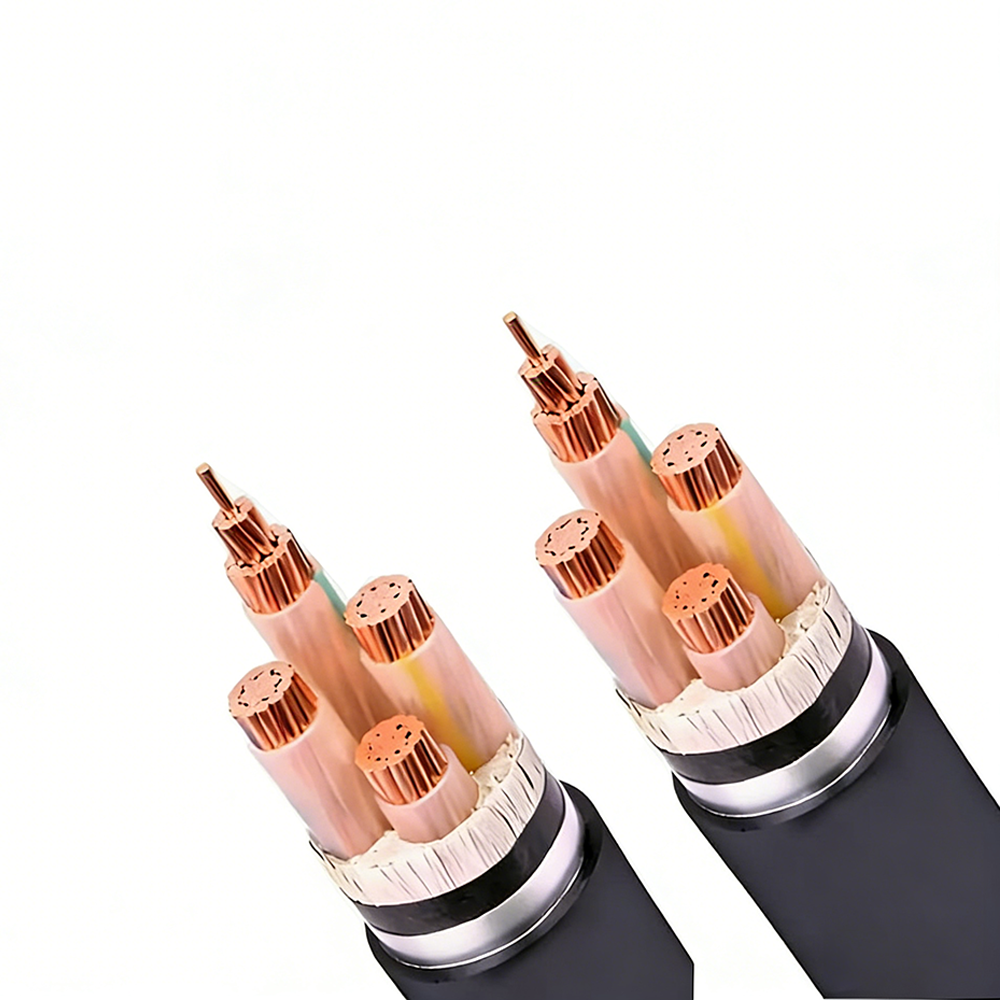
WDZB1N-KYJ Strong environmental adaptability Control Cable
Control cables are often associated with low-current commands, monitoring signals, and auxiliary equipment. However, the systems they serve may be essential to life safety. A fire alarm loop must continue communicating with detectors and control panels. An emergency lighting circuit must remain available long enough to support evacuation. A smoke-control system must receive commands when a fire is already developing. A hospital intensive-care facility may require uninterrupted monitoring and control of critical equipment. In each of these cases, cable failure can prevent the system from performing its intended function.
Ordinary cables may soften, melt, ignite, or experience insulation breakdown when exposed to severe heat. Even if the conductor remains physically intact, insulation deterioration can result in short circuits, earth faults, signal distortion, or unwanted activation of connected equipment. A cable that burns rapidly can also transfer flames from one compartment to another, increasing the speed of fire development.
Fire-resistant cables address the problem differently from cables that are merely flame retardant. Flame retardancy primarily limits ignition and flame spread. Fire resistance focuses on maintaining circuit continuity for a defined period under a specified fire exposure. A product that provides both characteristics offers a more complete form of protection. The WDZB1N-KYJ cable is designed around this dual approach, combining fire-resistant insulation with Class B1 flame-retardant materials.
Smoke and gas behavior is another important consideration. Halogen-containing cable materials can release acidic and corrosive gases during combustion. These gases may irritate the respiratory system, reduce the survivability of occupied spaces, and corrode electrical and electronic equipment. Dense smoke can also obstruct escape routes and make it harder for emergency personnel to locate people or operate equipment. A halogen-free low-smoke cable reduces these hazards by using materials engineered to release minimal smoke and avoid significant halogen acid gas emissions.
For critical installations, the ideal cable therefore needs to address four related objectives:
First, it should resist ignition and limit flame propagation. Second, it should preserve electrical continuity for the required fire-exposure period. Third, it should minimize smoke and corrosive gas emissions. Fourth, it should deliver stable electrical performance during normal operation and throughout its expected service life. The WDZB1N-KYJ product is designed to balance these requirements in one control-cable construction.
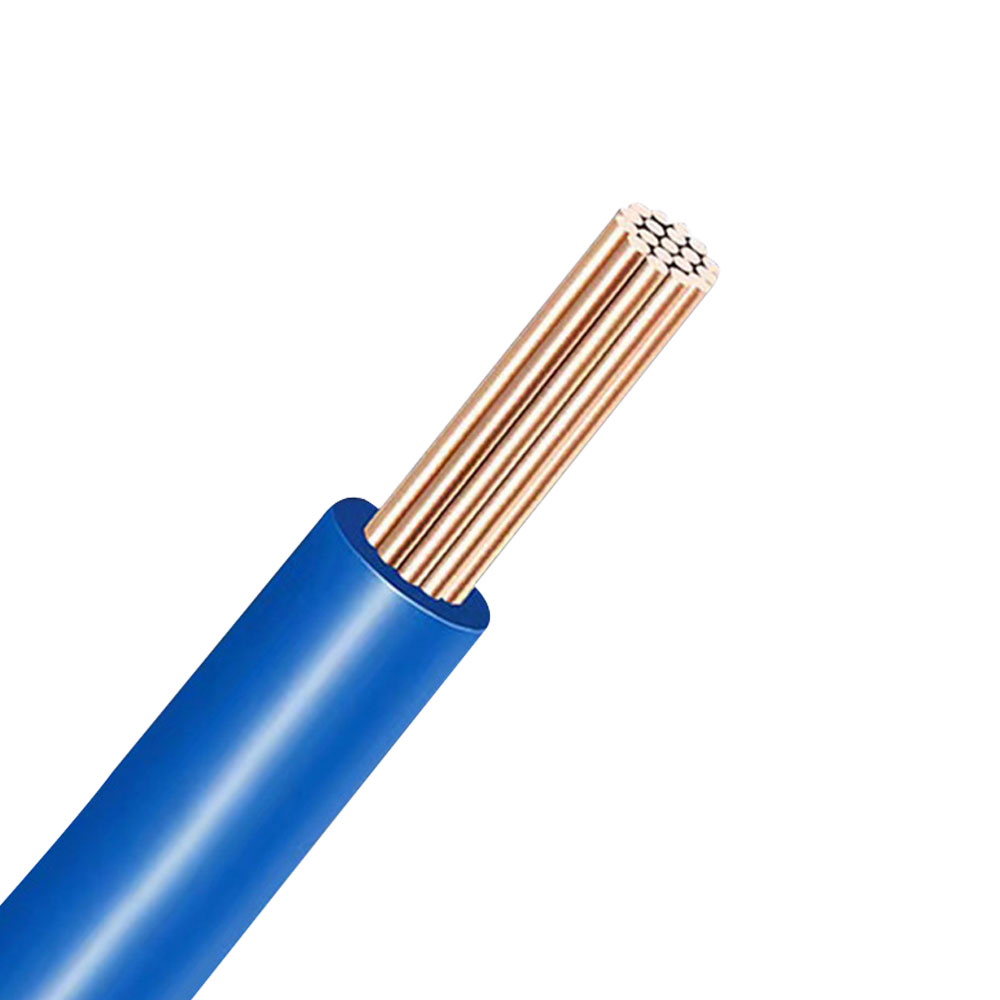
The cable uses a solid or stranded annealed copper conductor. Copper provides reliable electrical conductivity, mechanical workability, and compatibility with standard control-system termination methods. Depending on the cross-sectional area and project requirements, the conductor can be configured as solid or stranded. Stranded conductors are particularly useful where installation requires greater flexibility, while solid conductors may be suitable for fixed wiring arrangements with limited movement.
Over the conductor, the cable uses halogen-free low-smoke fire-resistant cross-linked polyethylene insulation identified as WDZB1N-XLPE. Cross-linking improves the thermal stability and mechanical performance of polyethylene compared with ordinary thermoplastic insulation. The insulation supports a long-term operating temperature of 90°C and is designed to retain electrical integrity more effectively under elevated-temperature conditions.
The insulation thickness range is approximately 0.6 mm to 1.4 mm, depending on the conductor size and cable configuration. Proper dimensional control is essential because insufficient insulation can reduce dielectric strength, while excessive insulation can make the cable unnecessarily large and difficult to install. A controlled insulation system helps maintain the required voltage performance while supporting practical cable dimensions.
The outer sheath is made from halogen-free low-smoke polyolefin, identified as WDZB1-PO. The sheath provides mechanical protection for the insulated cores and helps shield the cable from moisture, ultraviolet exposure, abrasion, and handling damage. Its nominal thickness ranges from approximately 1.2 mm to 2.5 mm, depending on the product design. The use of a halogen-free sheath ensures that the low-smoke and low-corrosivity performance is not compromised by the outer layer.
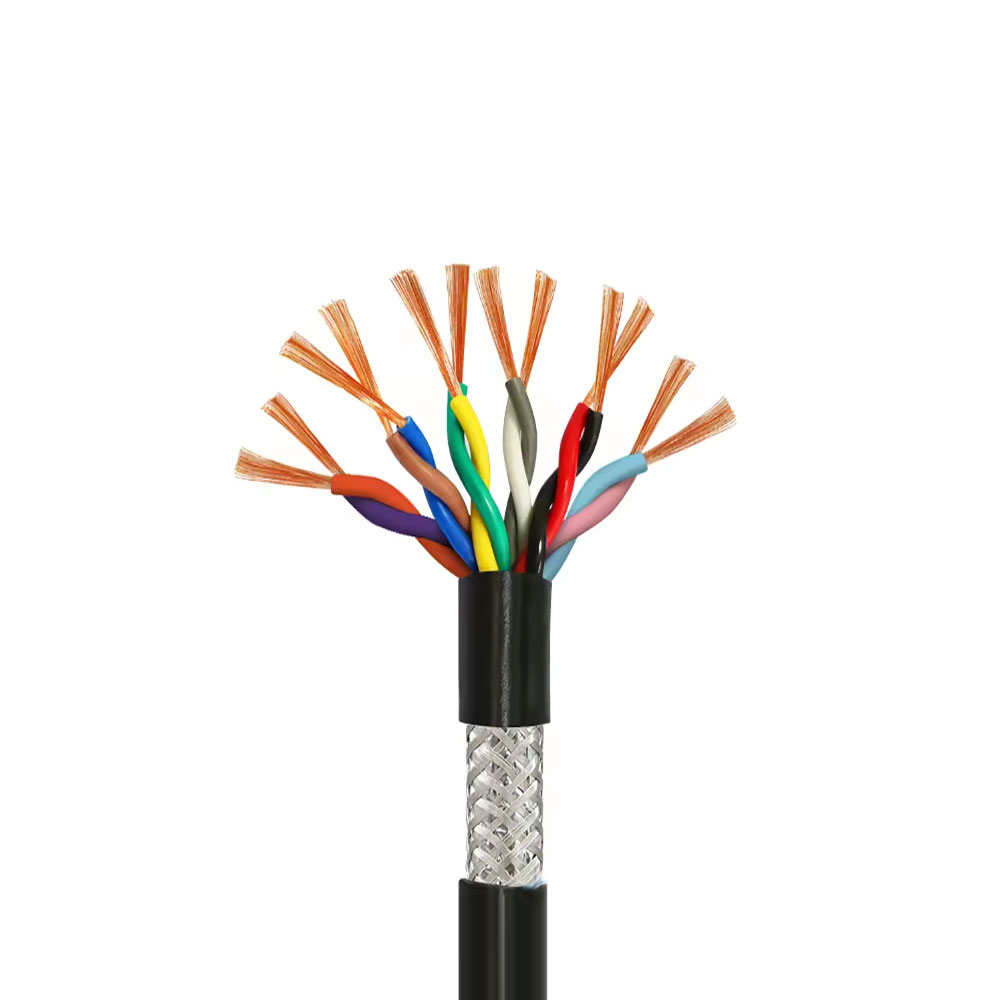
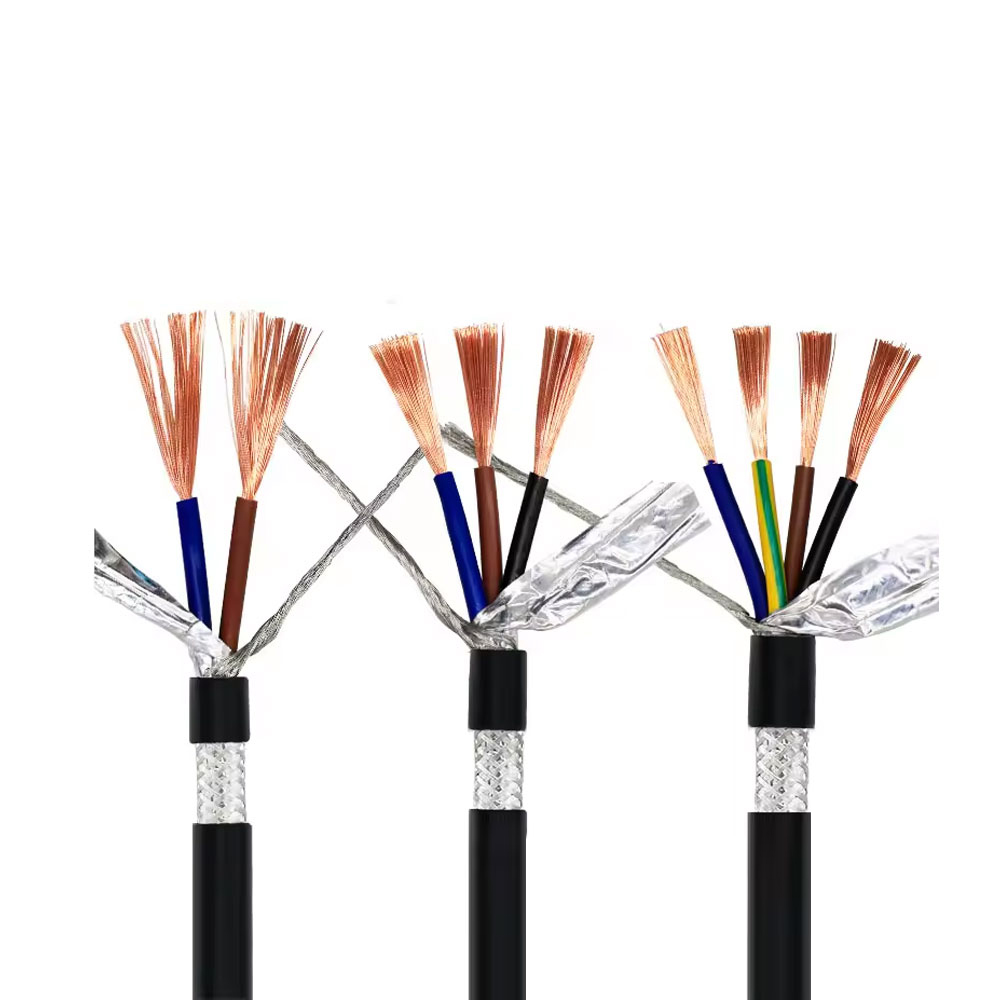
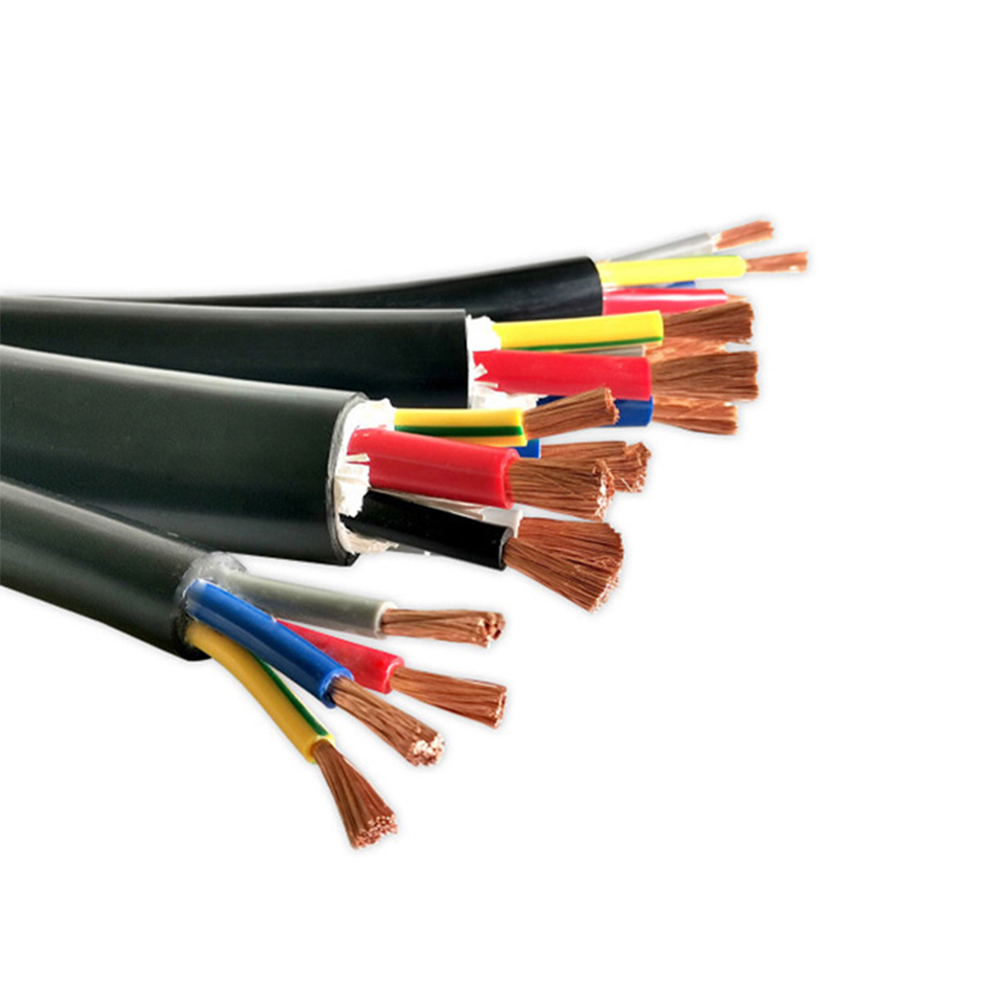
Depending on the order specification, the cable can contain from two to 61 cores. This broad range is important for control systems because different installations may require separate conductors for alarms, interlocks, feedback signals, power supplies, communication paths, and supervisory circuits. A multi-core configuration can reduce the need for multiple individual cables and simplify routing within control cabinets, risers, equipment rooms, and service corridors.
The rated voltage is 450/750V, which makes the cable suitable for a wide range of control, instrumentation, and auxiliary power applications within the relevant design limits. The specified test voltage is 3.0 kV AC for one minute. This test helps verify the dielectric strength of the finished cable and the reliability of the insulation system.
Product type | Fire-resistant, halogen-free low-smoke control cable |
Conductor | Solid or stranded annealed copper |
Cross-sectional area | 0.5 mm² to 10.0 mm² |
Number of cores | 2 to 61 cores |
Rated voltage | 450/750V |
Insulation | Halogen-free low-smoke fire-resistant cross-linked polyethylene |
Sheath | Halogen-free low-smoke polyolefin |
Long-term operating temperature | Up to 90°C |
Fire-resistance test | 750°C to 800°C for 90 minutes under the specified test standard |
Flame-retardant classification | Class B1 according to the stated national requirements |
One of the most significant advantages of the WDZB1N-KYJ is the combination of fire resistance and high-level flame retardancy. These functions are related but not identical. A cable can resist flame spread without maintaining circuit continuity, or it can maintain continuity in a fire while still requiring additional measures to prevent flame propagation. Integrating both functions gives designers a more comprehensive solution.
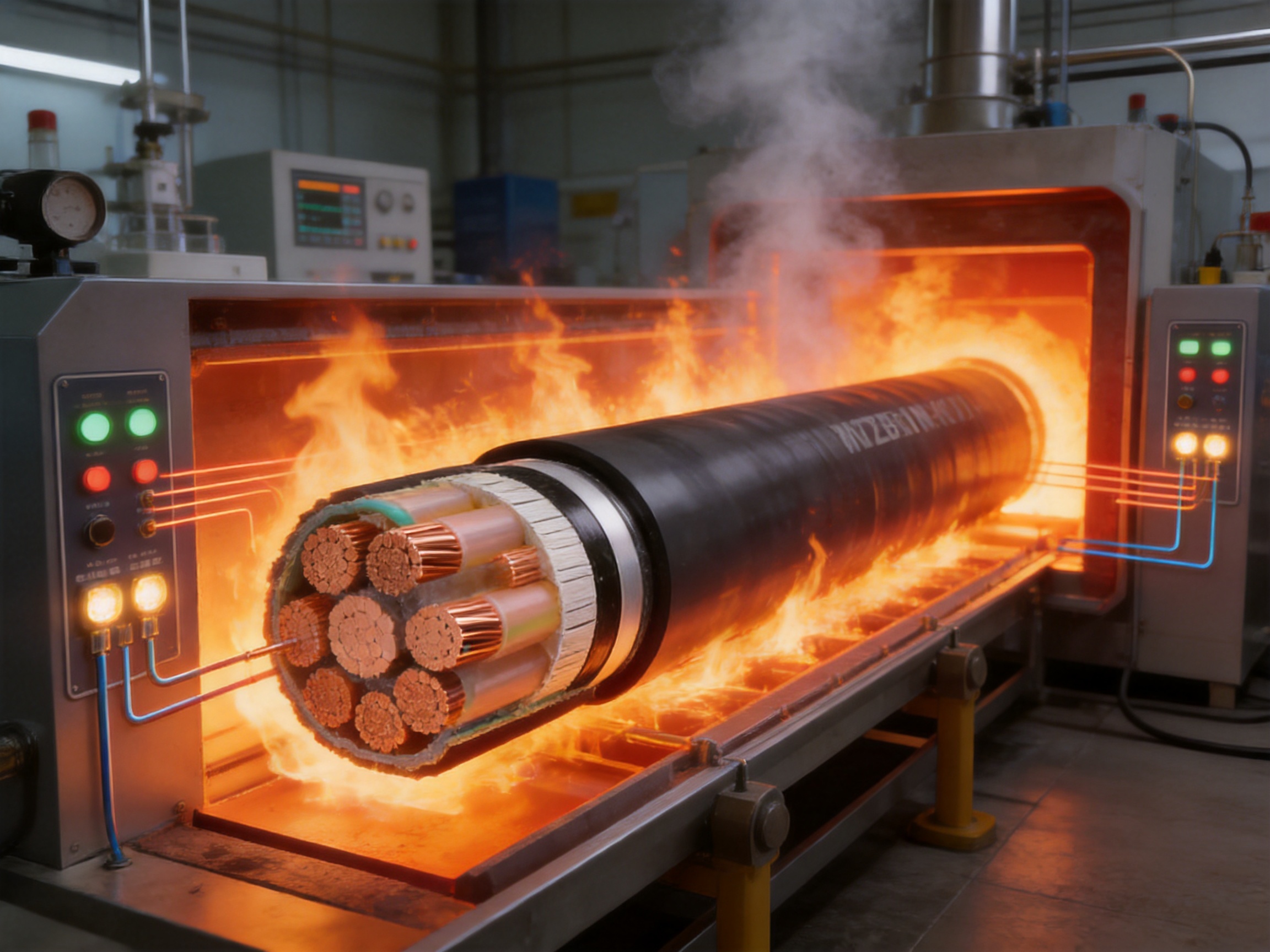
The cable is specified to pass the fire-resistance test associated with GB/T 19216.21-2003, involving exposure at approximately 750°C to 800°C for 90 minutes. Under this type of evaluation, the objective is to verify whether the cable can continue to perform its electrical function under severe fire conditions. The product information also states compliance with the relevant GB/T 19666 fire-resistance requirements and indicates that longer fire-resistance durations, such as 120 or 180 minutes, may be customized for selected applications.
In addition, the cable is designed to comply with Class B1 flame-retardant requirements under GB 31247. Class B1 is identified in the supplied product information as the highest civilian flame-retardant level in the applicable national classification system. The reported fire-growth performance includes a Fire Growth Rate Index, or FIGRA, of no more than 120 W/s and a total heat release within 600 seconds, or THR600s, of no more than 7.5 MJ.
The cable is also specified to achieve the d0 burning-droplet or burning-particle level, meaning that it is designed to produce no flaming droplets or particles during the relevant test. This is important in vertical cable routes, shafts, ceiling voids, and densely occupied buildings, where burning droplets could ignite materials below the original fire location or create additional hazards for people attempting to evacuate.
For system designers, this dual performance offers several practical benefits. It can help reduce the number of separate fire-protection measures required around the cable route. It can simplify the specification of safety-critical circuits. It can support project documentation where both circuit integrity and flame-spread control must be demonstrated. Most importantly, it helps ensure that the cable remains part of the fire-safety solution rather than becoming a source of additional risk.
Fire safety is not limited to the visible flame. In many building fires, smoke and toxic combustion products create dangerous conditions before flames reach occupants. Smoke can reduce visibility, cause panic, interfere with evacuation, and prevent emergency teams from identifying the source of a problem. Corrosive gases can damage control panels, sensors, switchgear, computers, communication equipment, and other valuable systems even after the fire has been extinguished.
The WDZB1N-KYJ uses halogen-free insulation and sheath materials. The stated chlorine and bromine content is no more than 0.5 percent. By avoiding conventional halogen-rich compounds, the cable is designed to limit the formation of corrosive halogen acid gases during combustion. This supports both personnel safety and equipment protection.
The cable is also specified with light-transmittance values of at least 60 percent under flaming and non-flaming smoke conditions. Higher light transmittance indicates lower smoke density in the relevant test environment. Although actual fire conditions vary, this characteristic is particularly valuable in enclosed public spaces, tunnels, stations, hospitals, airports, and high-rise buildings where clear visibility can influence evacuation speed.
Halogen-free low-smoke construction may also reduce the secondary damage caused by a fire. Sensitive electronic equipment can be affected by acidic deposits and corrosive gases even when it is not directly exposed to flames. By reducing these emissions, the cable helps protect the surrounding infrastructure and increases the possibility that emergency systems will remain serviceable after the incident.
Environmental performance also has a role during installation and normal operation. The low-smoke polyolefin sheath is suitable for applications where project owners want to reduce the use of halogen-containing materials. This is especially relevant to green buildings, public facilities, transportation projects, data-related environments, and locations with strict requirements for occupant safety or equipment cleanliness.
A fire-resistant cable must still function as a dependable control cable every day. The WDZB1N-KYJ is designed for stable electrical performance before, during, and after a fire event. Its insulation resistance is specified at not less than 1,500 MΩ·km at 20°C. This high insulation-resistance value supports reliable separation between conductors and helps reduce leakage-related problems in control systems.
The cable has a 450/750V rated voltage and a 3.0 kV AC, one-minute test voltage. These values provide a defined electrical framework for equipment selection, system design, and factory testing. A suitable voltage margin helps protect the circuit against transient stresses that may arise during switching, commissioning, or abnormal operating conditions.
The cable information states that there should be no breakdown under long-term working voltage. In practical terms, this means that the insulation system is intended to maintain its dielectric function over the expected operating period when the cable is installed and used within its specified conditions.
The conductor operating temperature is limited to 90°C during normal long-term operation. During a short circuit, the conductor temperature should not exceed 250°C for a maximum duration of five seconds. These limits are useful for engineers when calculating current-carrying capacity, selecting protective devices, and evaluating the thermal behavior of the complete circuit.
Reliable signal transmission is especially important for control cables with multiple cores. A poorly manufactured multi-core cable may suffer from inconsistent conductor resistance, dimensional variation, inadequate insulation, or excessive core-to-core interference. Consistent materials and controlled production processes help reduce these risks and support predictable performance throughout the cable length.
The WDZB1N-KYJ is intended to provide moderate environmental adaptability in addition to its fire-safety features. The halogen-free polyolefin sheath offers resistance to moisture and ultraviolet radiation, making the product suitable for many indoor installations and selected areas where the cable may encounter sunlight or humid conditions. The exact suitability of any installation should be confirmed against the project environment, including chemical exposure, water immersion, mechanical impact, and outdoor temperature variation.
The specified temperature range is -20°C to +90°C for fixed installation and -10°C to +90°C for flexible installation. These values help installers plan transportation, storage, cable pulling, and final positioning. Cable handling at low temperatures should be managed carefully, especially where bending or pulling forces are applied.
The minimum bending radius is at least eight times the cable outer diameter for fixed installation and at least 12 times the outer diameter for flexible installation. Respecting these values is essential. Excessive bending can damage insulation interfaces, deform the sheath, increase conductor stress, or reduce the long-term reliability of the cable. In multi-core cables, improper bending can also create internal displacement between cores.
For fixed installations, the cable can be routed through cable trays, conduits, shafts, equipment rooms, risers, control cabinets, and service corridors, subject to the project’s installation rules. In flexible installations, the larger bending-radius requirement should be incorporated into the layout from the beginning. Designers should also consider support spacing, pulling tension, thermal grouping, separation from high-interference circuits, and protection against sharp edges.
The cable’s combination of fire resistance and environmental adaptability makes it useful where safety circuits pass through complex building infrastructure. It can be selected for vertical routes in high-rise buildings, concealed routes in public facilities, and protected systems in industrial or transportation environments. However, fire-resistant performance should never be treated as a substitute for correct installation. Cable supports, joints, terminations, penetrations, and firestopping systems must also be selected and installed appropriately.
Before installation, the cable drum, sheath, and end seals should be inspected for transportation damage. The cable should be stored in a dry location and protected from prolonged exposure to direct sunlight, standing water, and mechanical impact. During pulling, installers should use equipment suitable for the cable diameter and weight and should avoid exceeding the manufacturer’s recommended pulling tension.
When cables pass through walls or floors, penetration systems should preserve the fire compartment rating. A fire-resistant cable installed through an unprotected opening may not provide the expected performance of the complete system. Similarly, terminations should use compatible glands, lugs, connectors, and accessories that do not compromise the cable’s fire or insulation characteristics.
After installation, testing should include continuity checks, conductor identification, insulation-resistance measurements, and any project-specific high-voltage or functional tests. Test results should be recorded as part of the commissioning documentation. Correct labeling is particularly important for multi-core control cables serving emergency systems.
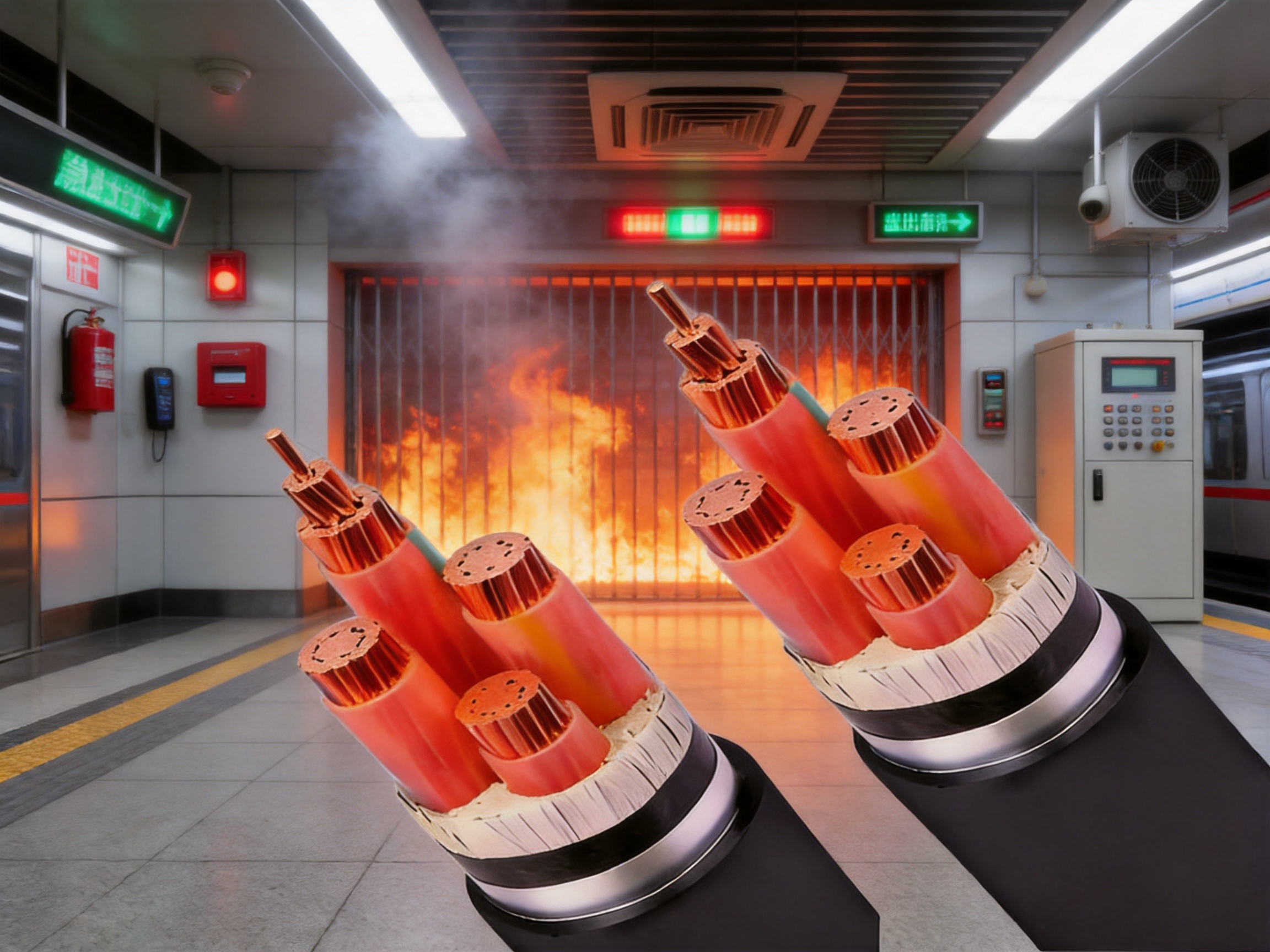
The WDZB1N-KYJ is intended for locations where the continuity of control or auxiliary circuits has a direct relationship with life safety. One important application is subway emergency infrastructure. Underground transportation systems may contain long cable routes, enclosed platforms, evacuation passages, ventilation systems, signaling equipment, and emergency communication networks. Low smoke and halogen-free performance are valuable in these confined environments, while fire resistance supports the continued operation of emergency systems.
Airport emergency command centers are another suitable application. Such facilities coordinate security, evacuation, communications, monitoring, and emergency response. A cable that combines electrical reliability with low-smoke fire behavior can support the resilience of these interconnected systems.
Hospitals, particularly intensive-care units, operating areas, emergency departments, and medical utility spaces, require careful control of fire risks. Patients may not be able to evacuate independently, and medical equipment can be sensitive to smoke and corrosive contamination. Fire alarms, emergency power controls, ventilation controls, medical-gas monitoring, and other safety-related circuits can benefit from a cable designed for circuit integrity and reduced smoke emissions.
Nuclear power plant safety control rooms and other high-security industrial facilities require stringent attention to cable performance, documentation, installation quality, and long-term reliability. The product’s fire-resistant and halogen-free characteristics may support selected control and safety-related applications when the full project specification and approval process are satisfied.
Government emergency command centers, high-rise buildings, transportation hubs, tunnels, data-related facilities, and large public venues may also use this type of cable in fire alarm, emergency lighting, evacuation guidance, smoke control, access control, and safety monitoring systems.
Application environment | Typical control or safety function | Relevant cable benefit |
Subway and rail facilities | Emergency lighting, ventilation, alarms, communications | Fire resistance, low smoke, halogen-free construction |
Hospitals | Life-safety monitoring and emergency equipment control | Reduced corrosive emissions and stable signal transmission |
Airports | Emergency command, evacuation, security, and monitoring | Class B1 flame retardancy and multi-core flexibility |
Tunnels | Fire alarms, lighting, ventilation, and traffic control | High-temperature circuit integrity and smoke control |
High-rise buildings | Fire alarms, emergency power, elevators, and smoke extraction | Flame-spread limitation and low-smoke performance |
Industrial safety facilities | Interlocks, shutdown systems, and supervisory signals | Thermal stability and dependable insulation resistance |
The first advantage over a conventional PVC-insulated control cable is reduced smoke and corrosive gas generation. Traditional materials may release dense smoke and acidic gases when exposed to fire. The WDZB1N-KYJ instead uses halogen-free low-smoke insulation and sheath materials. This distinction can be important in occupied buildings and enclosed infrastructure.
The second advantage is the integration of fire resistance and flame retardancy. Conventional flame-retardant cables may limit flame spread but may not be designed to maintain circuit continuity for 90 minutes under a severe fire test. The WDZB1N-KYJ is designed to provide both functions, allowing it to serve critical circuits that require continued operation during an emergency.
The third advantage is the use of cross-linked polyethylene insulation. Compared with many standard thermoplastic insulation systems, cross-linked polyethylene can provide improved thermal stability and resistance to deformation under elevated temperatures. Its 90°C long-term operating rating also provides a useful thermal margin for demanding installations.
The fourth advantage is configuration flexibility. With conductor areas from 0.5 mm² to 10.0 mm² and core counts from two to 61, the product can be adapted to different control-system architectures. Customers can select a smaller cable for compact alarm circuits or a larger multi-core design for centralized equipment and complex control panels.
The fifth advantage is the reported d0 performance for burning droplets or particles. The absence of flaming droplets helps reduce the risk of secondary ignition below a vertical or overhead cable route. This is a useful property in multi-level buildings and crowded service spaces.
The sixth advantage is the possibility of customizing fire-resistance duration. Certain facilities may require 90-minute performance, while high-rise buildings, transportation hubs, tunnels, and specialized industrial projects may request longer durations such as 120 or 180 minutes. Custom design should be reviewed technically because the final performance depends on the complete cable construction and the applicable test method.
These advantages do not mean that the cable is automatically suitable for every environment. Project engineers must still verify current capacity, voltage drop, installation method, compatibility with accessories, chemical exposure, mechanical protection, and local certification requirements. The principal benefit is that the cable begins with a stronger fire-safety platform than a standard control cable.
An advanced cable design requires disciplined manufacturing. Fire-resistant and halogen-free performance depends not only on the selection of raw materials but also on conductor uniformity, insulation extrusion, cross-linking control, sheath quality, dimensional accuracy, and testing. Small variations in any of these stages can affect electrical performance or fire behavior.
Anhui Zhishang Cable Technology Co., Ltd. integrates research and development, production, and sales. Its production base covers approximately 5,000 square meters and operates more than 10 automated production lines. The company states that its monthly output can reach up to 10 million meters. This production capacity supports both standard cable supply and project-based manufacturing.
Automation helps improve process consistency. In conductor production, controlled drawing and stranding can maintain conductor diameter, flexibility, and resistance. During insulation extrusion, automated line control can help regulate material temperature, extrusion pressure, concentricity, and surface finish. Sheath extrusion requires similar attention to thickness, bonding, color, and dimensional stability.
For fire-resistant cable, compound preparation is especially important. Halogen-free compounds often require carefully controlled processing because their physical and flame-retardant properties depend on the formulation and dispersion of additives. Materials must be handled consistently to avoid local defects or performance variation along the cable length.
Cross-linked polyethylene insulation also requires controlled processing. The cross-linking condition influences thermal performance, mechanical strength, and electrical reliability. Appropriate monitoring of temperature, line speed, curing conditions, and insulation dimensions helps ensure that the completed cable meets the intended design parameters.
Quality control should extend from incoming materials to final shipment. Copper conductors can be checked for resistance, dimensions, surface condition, and mechanical properties. Insulation and sheath materials can be evaluated for composition, thermal behavior, tensile performance, elongation, and aging resistance. Finished cables can be tested for conductor continuity, voltage withstand, insulation resistance, dimensions, bending characteristics, and fire performance where applicable.
The company describes its quality assurance approach as including full-core, full-length, and pure-copper specifications, product test reports, and warranty support for standard cable models. Full-core and full-length management is valuable for multi-core control cables because it helps verify that every core and the complete delivered length conform to the order requirements.
Production traceability is also important for safety-critical cable. Batch identification, material records, process parameters, test results, and packaging information help customers manage quality documentation. When a project involves multiple cable types or phased delivery, traceability supports installation control and future maintenance.
The manufacturing workflow generally begins with technical review. Customer drawings, core count, conductor size, voltage rating, sheath color, marking requirements, fire-resistance duration, packaging, and applicable standards are evaluated before production. For customized cables, this review helps identify potential conflicts between flexibility, outer diameter, current capacity, and fire-performance requirements.
The next stage is conductor preparation. Annealed copper is drawn to the required size and then formed as a solid conductor or stranded assembly. Resistance and dimensional checks help confirm that the conductor will support the required electrical performance.
Insulation extrusion follows conductor preparation. The WDZB1N-XLPE insulation is applied under controlled conditions, with attention to concentricity and thickness. The insulated cores are then inspected and tested before being assembled into the multi-core cable structure.
Core assembly may include grouping, laying, filling, wrapping, and identification. Correct core arrangement and color or marking systems are essential for installation efficiency and future troubleshooting. The assembly must also maintain the intended geometry without creating excessive internal stress.
The halogen-free low-smoke polyolefin sheath is then extruded over the assembled cores. Sheath thickness, surface quality, diameter, and adhesion are controlled during this operation. The finished cable is cooled, measured, tested, marked, wound onto drums or coils, and prepared for shipment.
Where the project requires special fire-resistance performance, additional design verification may be completed before mass production. This can include review of the insulation system, fire-barrier components, core arrangement, test configuration, and accessory compatibility. Such engineering review is one of the differences between ordinary catalog supply and a technically managed cable solution.
Different projects rarely use exactly the same control-cable configuration. One customer may need a small two-core cable for an emergency signal circuit. Another may require a 19-core cable for a control cabinet. A large transportation project may need dozens of cores, special marking, particular drum lengths, or a defined fire-resistance duration. The ability to modify the product while preserving its essential electrical and fire-safety properties is therefore important.
Zhishang reports that its R&D and technical personnel include quality engineers and technicians with more than ten years of industry experience. This experience can support cable selection, construction review, sample development, and OEM/ODM manufacturing based on customer drawings or samples.
Customization may involve conductor size, number of cores, conductor construction, insulation and sheath dimensions, marking, color, packaging, fire-resistance duration, and delivery format. Customers should provide the intended voltage, operating temperature, installation method, required current or signal type, route length, bending conditions, environmental exposure, and applicable standards. The more complete the technical information, the more accurately the cable can be designed.
For demanding applications, customization should be supported by a documented approval process. The proposed design should be reviewed for electrical characteristics, cable diameter, bending radius, weight, heat dissipation, installation accessories, and fire-performance requirements. Sample testing or third-party verification may be appropriate where required by the project owner or local authority.
The company indicates that standard cable models may be stocked for fast shipment, while customized products typically require seven to 20 days of lead time. Actual delivery depends on specification, quantity, production scheduling, testing, packaging, and export arrangements. This combination of stocked standard products and flexible custom production can help contractors manage both urgent requirements and specialized project orders.
When selecting the WDZB1N-KYJ for a project, the first step is to identify whether the circuit is safety-critical. Fire alarms, emergency lighting, smoke extraction, emergency communication, fire pumps, evacuation guidance, and safety interlocks generally deserve more rigorous cable evaluation than ordinary convenience circuits.
The second step is to define the required survival time. A 90-minute fire-resistance capability may satisfy one design, while another may require 120 or 180 minutes. The required duration should be based on the building fire strategy, evacuation plan, authority requirements, and system design rather than simply selecting the longest available option.
The third step is to calculate conductor size. The available range is 0.5 mm² to 10.0 mm², but the correct size depends on current, voltage drop, conductor length, ambient temperature, grouping, installation method, and permissible temperature. Control signals may have low current but still require adequate conductor size to prevent excessive voltage drop or signal loss.
The fourth step is to determine the appropriate core count. Unused cores may increase cable size and cost, while insufficient cores can complicate installation or require additional cables. A proper circuit schedule should identify power, control, feedback, alarm, communication, and spare conductors before the order is placed.
The fifth step is to assess the environment. The sheath is resistant to moisture and UV radiation for many indoor and selected semi-exposed conditions, but severe chemical exposure, oil contact, water immersion, high-impact areas, rodent risk, and direct burial may require additional protection or a different cable construction. The manufacturer should review any unusual environmental condition.
The sixth step is to coordinate cable installation with the fire-compartment design. Penetrations, trays, supports, clamps, joints, and terminations all influence system performance. A fire-resistant cable cannot compensate for unsuitable cable supports or an unsealed wall penetration.
Selection factor | Questions to confirm |
Electrical rating | What are the operating voltage, current, signal type, and allowable voltage drop? |
Fire requirement | Is 90, 120, or 180 minutes of circuit integrity required? |
Core arrangement | How many conductors, spare cores, shields, or separate control paths are needed? |
Installation method | Will the cable be fixed, flexible, vertical, horizontal, concealed, or installed in a tray? |
Environment | Will the cable experience moisture, ultraviolet radiation, chemicals, vibration, or mechanical impact? |
Accessories | Are glands, terminals, joints, supports, and firestopping materials compatible with the cable? |
Documentation | Are test reports, certificates, inspection records, and traceability documents required? |
A safety cable system should be inspected as part of the wider electrical maintenance program. The cable sheath should be checked for cuts, abrasion, crushing, discoloration, excessive heat, or chemical attack. Particular attention should be given to areas near cable trays, equipment entries, expansion joints, and building penetrations.
Control-cable terminations should be inspected for loose connections, overheating, corrosion, and incorrect identification. In a multi-core cable, clear labeling at both ends is essential. Maintenance personnel should be able to identify each circuit without unnecessary disconnection or testing of unrelated emergency systems.
Insulation-resistance testing may be performed according to the project maintenance schedule and applicable electrical rules. Test results should be compared with previous records rather than considered in isolation. A significant decline in insulation resistance may indicate moisture ingress, mechanical damage, contamination, aging, or an installation defect.
Fire-resistant performance is not normally restored by field repair after serious physical damage. If a cable has been crushed, deeply cut, exposed to prolonged overheating, or involved in a fire, it should be evaluated by qualified personnel. Replacement may be necessary even when continuity testing shows that the conductor is still electrically connected.
Proper maintenance also includes reviewing changes to the building or process. New equipment, additional cable grouping, changes in emergency power systems, and alterations to fire compartments can affect the suitability of an existing cable route. A cable that was appropriate for the original design may require reassessment after modification.
Halogen-free cable construction supports a more responsible approach to fire safety by reducing the release of corrosive gases during combustion. This can protect people, reduce damage to equipment, and decrease the contamination of surrounding spaces. For projects seeking lower-emission materials, halogen-free low-smoke cable can be an important part of the material-selection strategy.
Responsible cable manufacturing also depends on process efficiency, material control, product durability, and reduced waste. Automated production lines can help reduce dimensional variation and manufacturing scrap. Consistent production contributes to longer service life, fewer replacements, and more predictable project outcomes.
Durability has an environmental benefit as well. A cable that maintains reliable performance for a long service period reduces the need for premature replacement, additional transportation, and disposal. Selecting the correct cable at the design stage is therefore both a safety decision and a lifecycle decision.
Customers may also request documentation regarding material composition, quality management, product testing, and environmental compliance. The supplied company information states that Zhishang supports products aligned with national standards, relevant international standards, and industry benchmarks, and that its broader product portfolio can support CE and RoHS-related requirements where applicable. Specific compliance should always be confirmed for the exact cable model and order configuration.
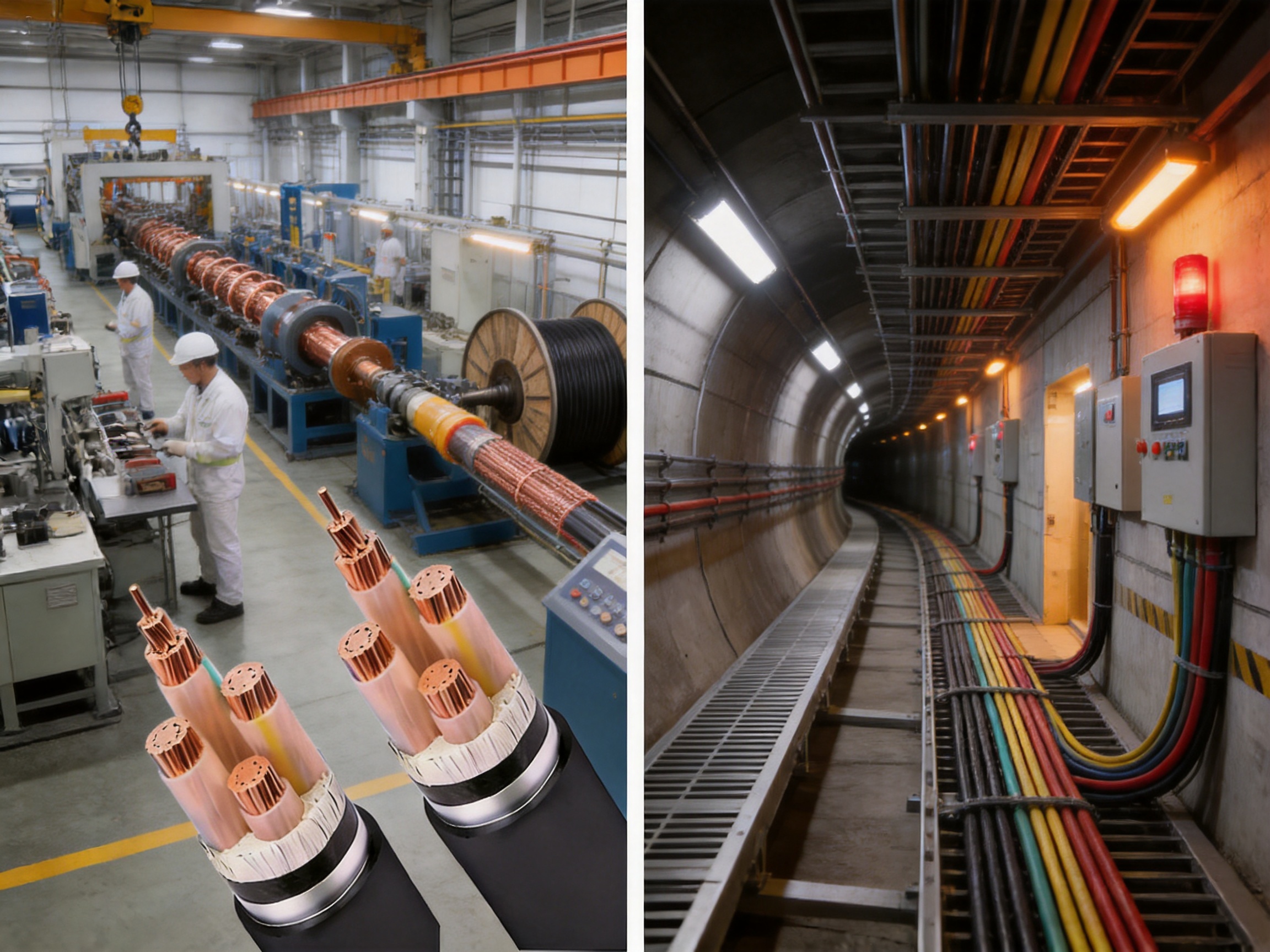
Purchasing a safety-critical cable from a specialized manufacturer offers advantages beyond the physical product. A specialized supplier can help interpret technical specifications, identify conflicts between requirements, recommend a suitable construction, and provide documentation for project approval.
Zhishang combines production, R&D, quality control, and sales within one organization. This integrated structure can shorten communication paths between the customer and technical teams. When a project requires changes to conductor size, core count, sheath dimensions, marking, or fire-resistance duration, direct access to manufacturing and engineering personnel can improve response time.
The company’s reported production capacity of up to 10 million meters per month also supports larger infrastructure orders. Its modern production base and automated lines are intended to provide consistent output for standard products and customized projects. A team of more than 50 employees, including experienced quality and R&D personnel, supports product development and manufacturing coordination.
Another strength is its experience serving different application sectors, including industrial automation, weak-current engineering, intelligent manufacturing, appliance equipment, power engineering, and related fields. Although the WDZB1N-KYJ is specifically aimed at high-safety control applications, experience across multiple cable sectors can help the manufacturer understand the practical requirements of installation, equipment interfaces, and system integration.
International project support is also relevant for customers outside China. The company reports that its products have been supplied to markets including the United States, Canada, Australia, Japan, and parts of Eurasia. Export projects often require careful packaging, technical files, inspection coordination, labeling, and delivery planning. A manufacturer familiar with these requirements can make procurement more efficient.
The cable is intended for control, monitoring, alarm, emergency, and auxiliary circuits that require fire resistance, high flame retardancy, low smoke, and halogen-free performance. It is especially suitable for life-safety systems and high-risk public or industrial facilities.
It is designed to provide both characteristics. The fire-resistant construction is intended to maintain circuit integrity during the specified high-temperature test, while the Class B1 flame-retardant construction helps limit flame spread, heat release, smoke development, and burning droplets.
Halogen-free means that the insulation and sheath are designed without significant halogen-containing materials such as chlorine- or bromine-based compounds. The stated chlorine plus bromine content is no more than 0.5 percent. During combustion, the cable is designed to produce less corrosive halogen acid gas than conventional halogen-containing cable materials.
The long-term allowable conductor operating temperature is 90°C. The stated installation temperature range is -20°C to +90°C for fixed installation and -10°C to +90°C for flexible installation. The cable should be selected and installed within the applicable temperature and environmental limits.
The available range is from two cores to 61 cores. The exact core count should be selected according to the control-system schematic, required spare conductors, installation method, and cable-size limitations.
The stated cross-sectional area range is 0.5 mm² to 10.0 mm². Both solid and stranded annealed copper conductor constructions can be considered, depending on the order specification and installation requirements.
It can be used in selected flexible installations within the stated temperature range, provided that the minimum bending radius of at least 12 times the cable outer diameter is respected. The product is not intended to be treated as a continuously flexing robotic cable unless a specific design has been developed and approved for that duty.
For fixed installation, the minimum bending radius is at least eight times the cable outer diameter. Larger radii may be advisable during pulling or in low-temperature conditions to reduce mechanical stress.
The stated standard performance includes a 90-minute test at approximately 750°C to 800°C. The supplied information also indicates that designs for 120-minute or 180-minute fire resistance may be customized. The required duration and applicable test method should be confirmed before ordering.
The sheath is described as resistant to moisture and ultraviolet radiation, making it suitable for many indoor and selected semi-exposed conditions. For direct burial, permanent water exposure, severe chemical environments, or extreme mechanical conditions, the project should receive a specific technical review.
Zhishang reports OEM/ODM support based on customer drawings or samples. Customization may include conductor structure, core count, cross-sectional area, dimensions, markings, packaging, and fire-resistance requirements, subject to technical evaluation.
Depending on the order and project requirements, documentation may include product specifications, test reports, inspection records, material information, conformity documents, packing lists, and warranty information. The required documentation should be agreed before production.
These environments may require continued operation of emergency systems while also demanding reduced smoke and corrosive gas emissions. The cable’s fire resistance, Class B1 flame retardancy, halogen-free low-smoke construction, and multi-core configuration address these needs when the product is correctly specified and installed.
No. Fire-resistant cable performance does not eliminate the need for properly rated cable supports, penetration seals, joints, terminations, and compartmentation measures. The entire installed system must be designed to meet the project’s fire-safety requirements.
Customers should provide the required cable model, conductor size, core count, conductor construction, rated voltage, length, fire-resistance duration, sheath color, marking, delivery location, installation environment, required standards, and documentation requirements. A circuit schedule or technical drawing is helpful for customized designs.
The WDZB1N-KYJ strong environmental adaptability control cable is designed for applications in which ordinary control-cable performance is not sufficient. Its main value comes from the integration of several protective functions: fire resistance, Class B1 flame retardancy, halogen-free low-smoke materials, cross-linked polyethylene insulation, and a protective polyolefin sheath.
With a 450/750V rating, 0.5 mm² to 10.0 mm² conductor range, two to 61 cores, 90°C long-term operating capability, high insulation resistance, and a specified 90-minute fire-resistance test, the cable can be adapted to a wide variety of control and emergency systems. Its reported low-smoke performance, d0 burning-droplet classification, and reduced halogen content further support its use in occupied or safety-sensitive environments.
The cable’s advantages over conventional control cables are most evident where circuit continuity, evacuation safety, equipment protection, and flame-spread control must be considered together. It is a strong candidate for subway emergency systems, hospitals, airports, tunnels, high-rise buildings, government command centers, industrial safety installations, and other lifeline projects.
Product performance, however, depends on correct selection, manufacturing quality, installation practice, compatible accessories, and proper maintenance. For this reason, the capabilities of the manufacturer are as important as the cable’s published specifications. Anhui Zhishang Cable Technology Co., Ltd. combines automated production, technical development, quality engineering, customization support, and international supply experience to provide cable solutions for both standard and demanding project requirements.
For customers seeking a control cable that combines reliable electrical operation with comprehensive fire-safety performance, the WDZB1N-KYJ offers a practical and technically focused solution. Its design supports the central objective of a critical safety circuit: remaining dependable when people, equipment, and emergency response systems need it most.
1. GB/T 19216.21-2003, Fire Resistance Test Methods for Electric Cables and Optical Fiber Cables Under Fire Conditions.
2. GB/T 19666, General Rules for Flame-Retardant and Fire-Resistant Wires and Cables.
3. GB 31247, Classification and Requirements for Combustion Performance of Cables and Optical Cables in Buildings.
4. BS 6387, Performance Requirements for Cables Required to Maintain Circuit Integrity Under Fire Conditions.
5. Product technical information for WDZB1N-KYJ halogen-free low-smoke fire-resistant control cable.
6. Manufacturer-provided information regarding cable construction, production capacity, customization, quality assurance, and application fields.

We firmly believe that good cables are not only a competition of materials, but also a reflection of craftsmanship, quality, and responsibility.

Links
Product
Send Inquiry
No. 29 Sankeshu Road, Xuanzhou District, Xuancheng City, Anhui Province, China
+86-18621104555/+86-563-2622999
 Electrical Cable Manufacturer
OEM/ODM Wire and Cable Solutions
Electrical Cable Manufacturer
OEM/ODM Wire and Cable Solutions
 English
 Español
 عربى
عربى
 русский