
Get more content that can help you
Content
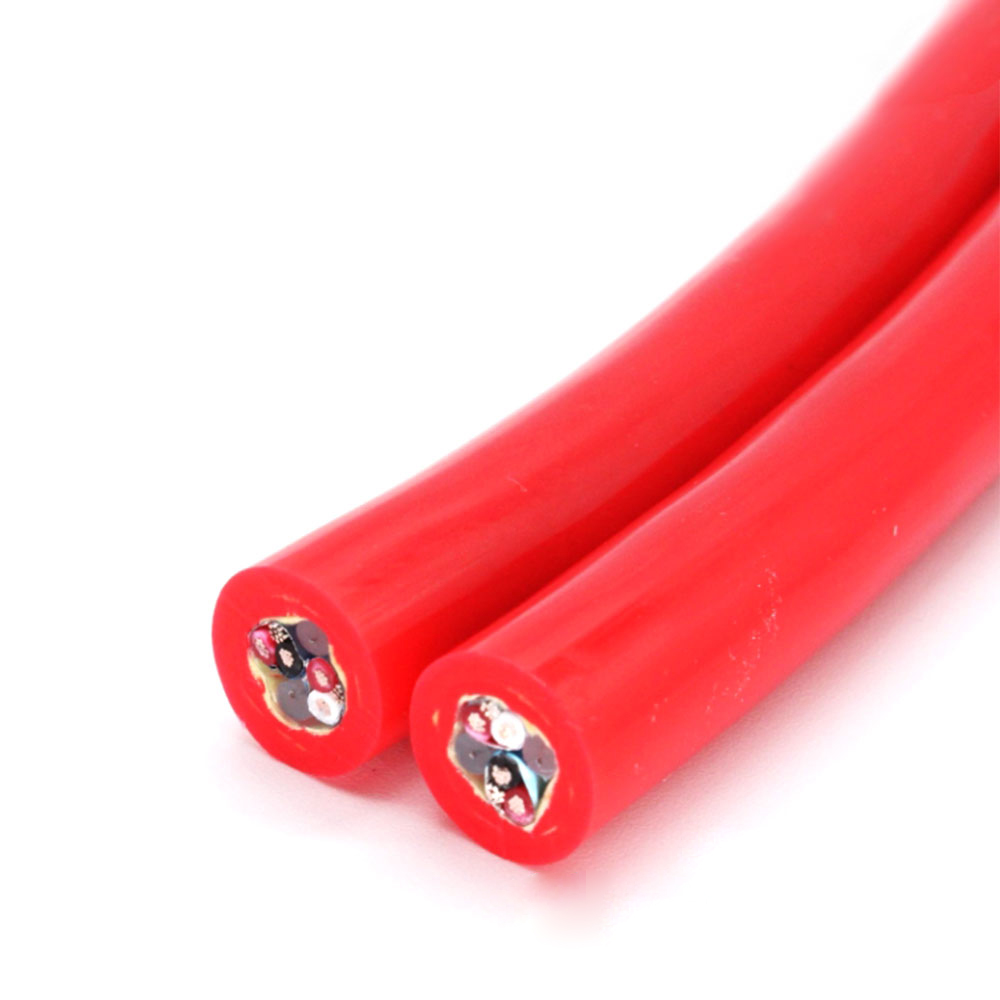
AF High reliability Fluoroplastic Cable
In advanced electrical systems, a cable is not simply a passive connection between two points. It is a critical transmission path that must preserve power integrity, signal stability, safety, and mechanical reliability under demanding conditions. The AF High Reliability Fluoroplastic Cable is designed for applications where ordinary PVC, rubber, or standard thermoplastic insulated cables cannot provide sufficient performance. Built with high-performance fluoropolymers such as FEP, PTFE, and ETFE, this cable series is engineered for high temperature, chemical exposure, vibration, bending stress, low-loss signal transmission, and long-term operational safety.
This product belongs to the fluoroplastic cable category and is suitable for aerospace equipment, military electronics, petrochemical systems, high-temperature industrial machinery, medical instruments, semiconductor equipment, high-frequency testing platforms, communication systems, and harsh industrial environments. Its key value lies in combining excellent electrical properties with outstanding resistance to heat, oil, fuels, acids, alkalis, solvents, moisture, mold, abrasion, and flame. For users who require stable signal or power transmission in severe conditions, the AF series provides a dependable solution that helps reduce downtime, maintenance cost, and system risk.
Compared with conventional cables, the AF High Reliability Fluoroplastic Cable offers a much broader operating temperature range, lower dielectric loss, stronger environmental resistance, and better long-term dimensional stability. Depending on the insulation or sheath material, the cable can operate from approximately -65°C up to +260°C. This makes it suitable for installations where freezing temperatures, intense heat, or rapid thermal cycling may occur. The cable’s low dielectric constant, approximately 2.1, supports stable signal propagation and low delay, making it valuable for precision instrumentation, onboard electronic systems, high-frequency signal transmission, and sensitive control circuits.
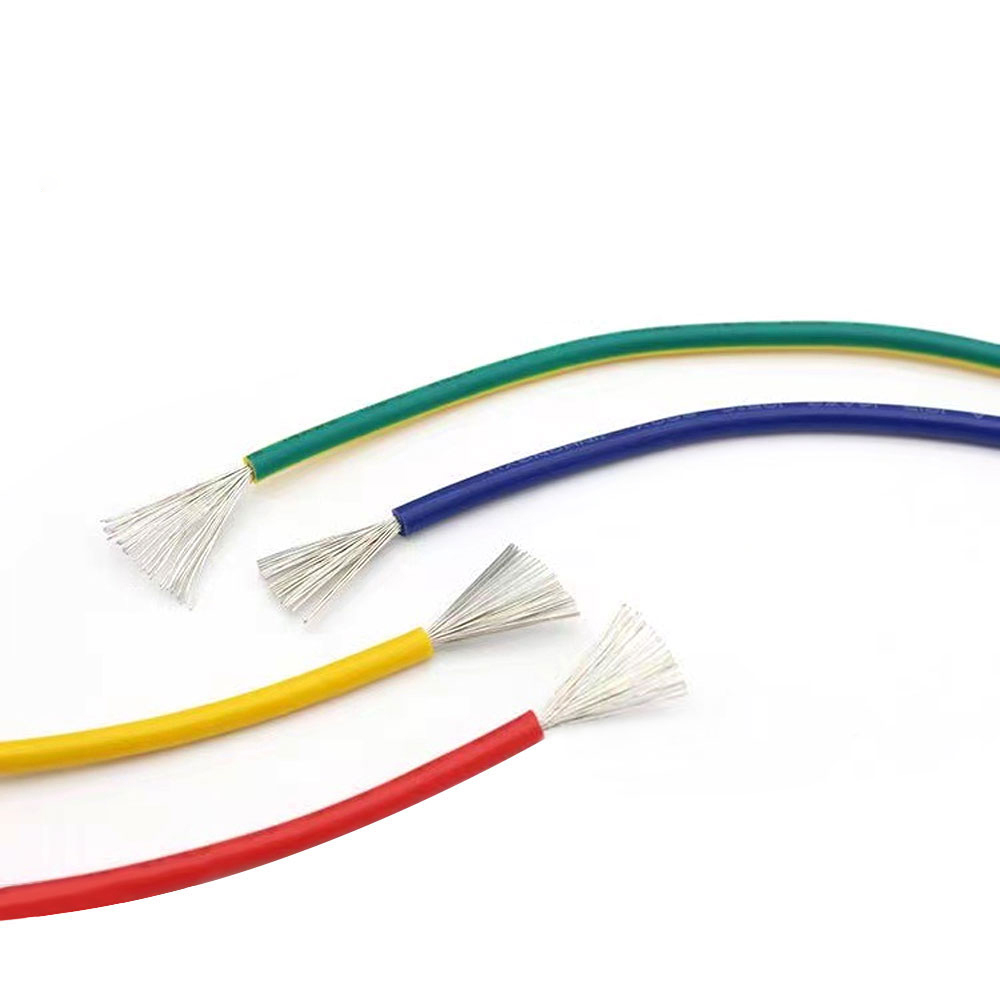
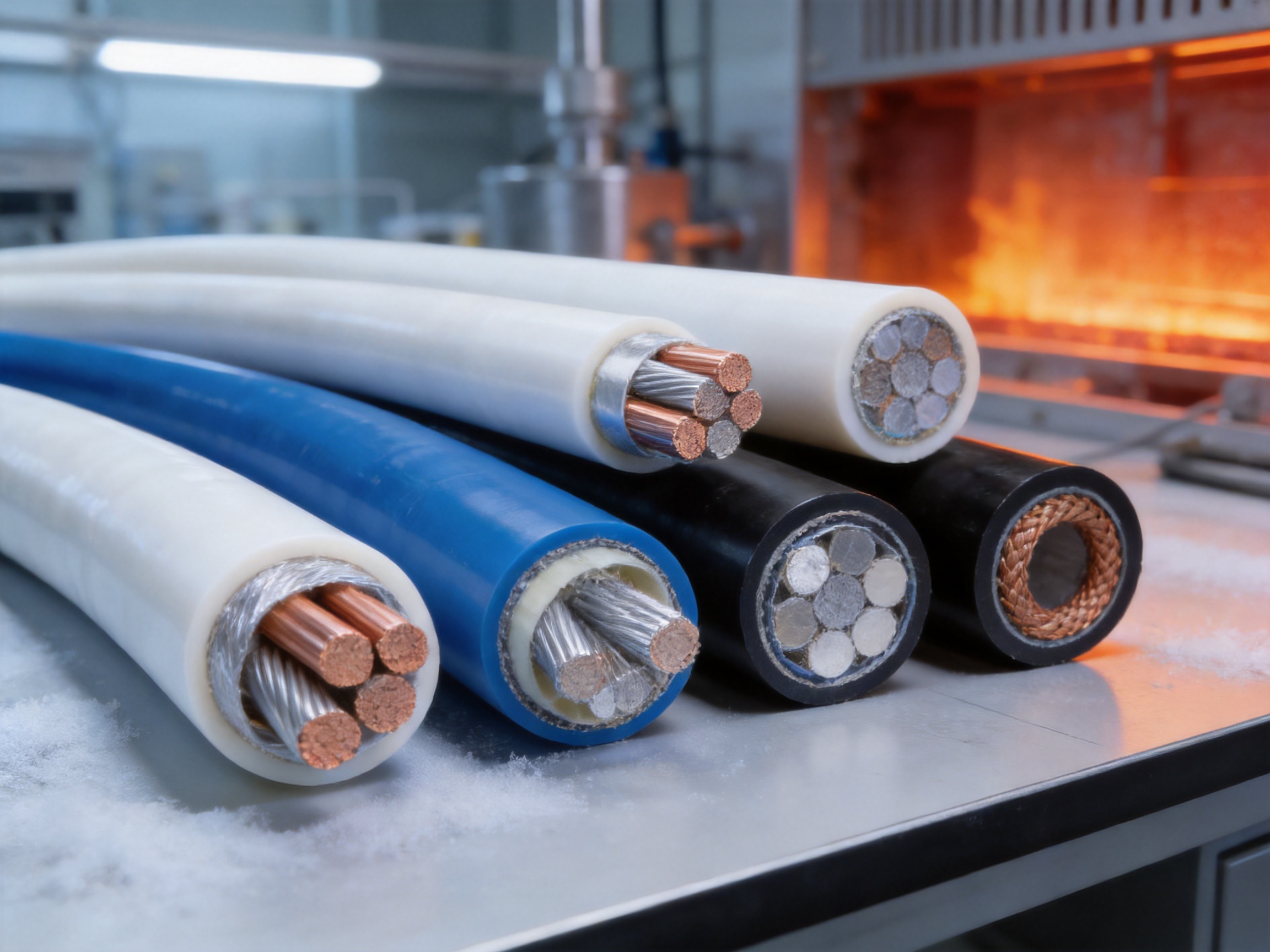
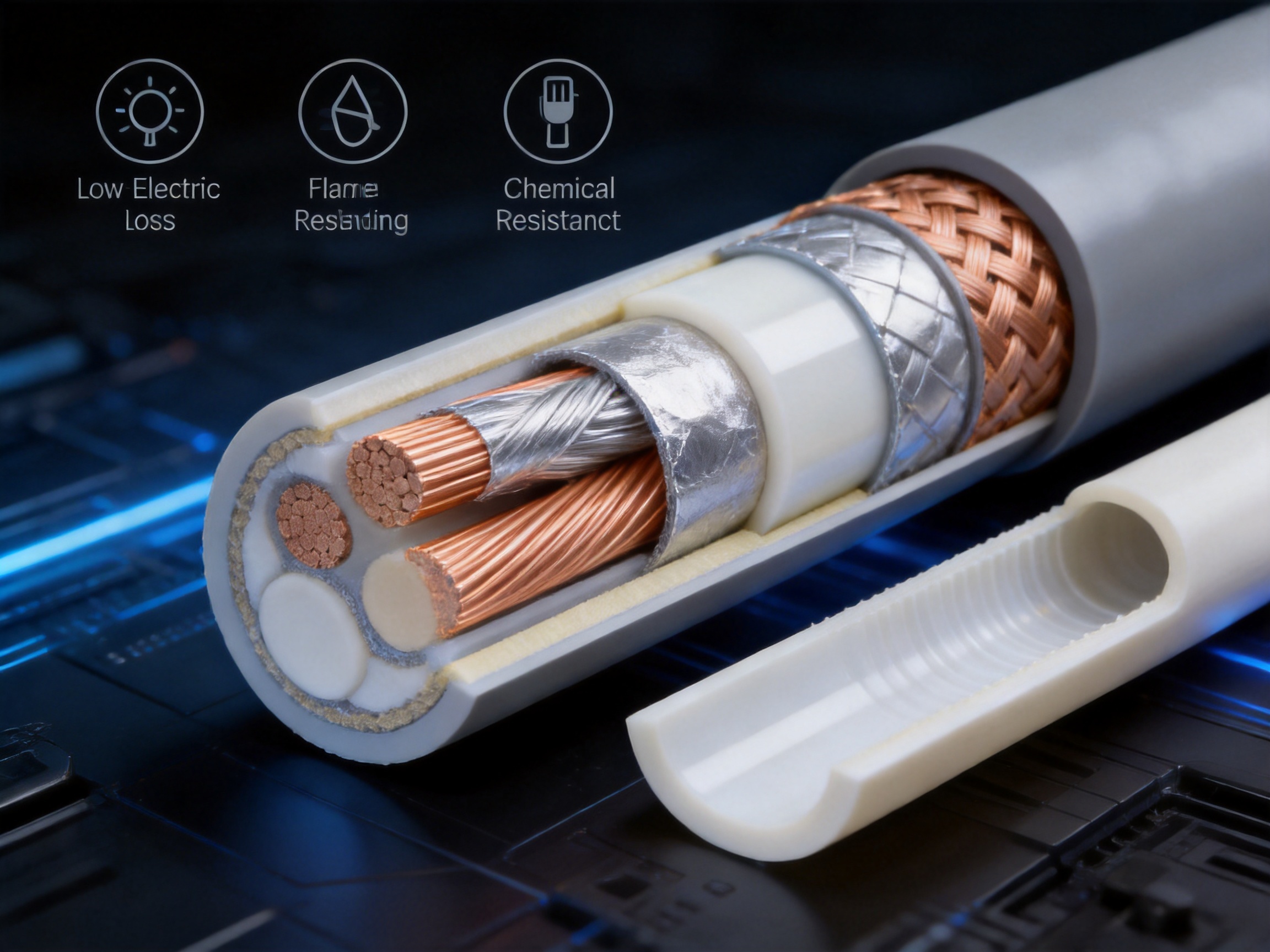
Another major advantage is the cable’s flexibility in customization. The AF series can be produced from single-core to multi-core configurations, from small cross-sections for signal transmission to larger cross-sections for medium-power transmission. Conductors may be tin-plated copper, silver-plated copper, nickel-plated copper, bare copper, multi-stranded, or single wire according to the project requirement. Shielding structures may include aluminum foil, copper braid, composite shielding, or unshielded construction. These options allow the cable to meet different requirements for electromagnetic compatibility, mechanical endurance, thermal resistance, and installation convenience.
Anhui Zhishang Cable Technology Co., Ltd. manufactures this cable with an emphasis on stable quality, material reliability, and application-specific engineering. The company integrates research and development, production, and sales, with a modern production base, automated production lines, experienced quality engineers, and technical personnel with many years of cable industry experience. Its manufacturing philosophy focuses on quality orientation, integrity, and long-term stability, helping customers obtain reliable cable solutions for industrial automation, intelligent manufacturing, weak current engineering, power engineering, appliance equipment, and other demanding fields.
The AF High Reliability Fluoroplastic Cable is a high-performance cable family using fluoropolymer insulation and sheathing materials. FEP, PTFE, and ETFE are selected because they deliver a rare combination of thermal endurance, chemical stability, electrical insulation strength, and flame resistance. These materials are widely used in environments where standard insulation materials age quickly, harden, crack, deform, absorb moisture, or lose electrical performance.
The cable is designed to support both signal and power transmission. In signal applications, its low dielectric constant and low dielectric loss help maintain waveform quality and reduce transmission delay. In power applications, its heat resistance, flame retardancy, mechanical strength, and insulation stability support reliable operation in compact systems and high-temperature locations. The cable is also suitable for both fixed installation and certain dynamic applications, depending on the selected model and bending radius requirement.
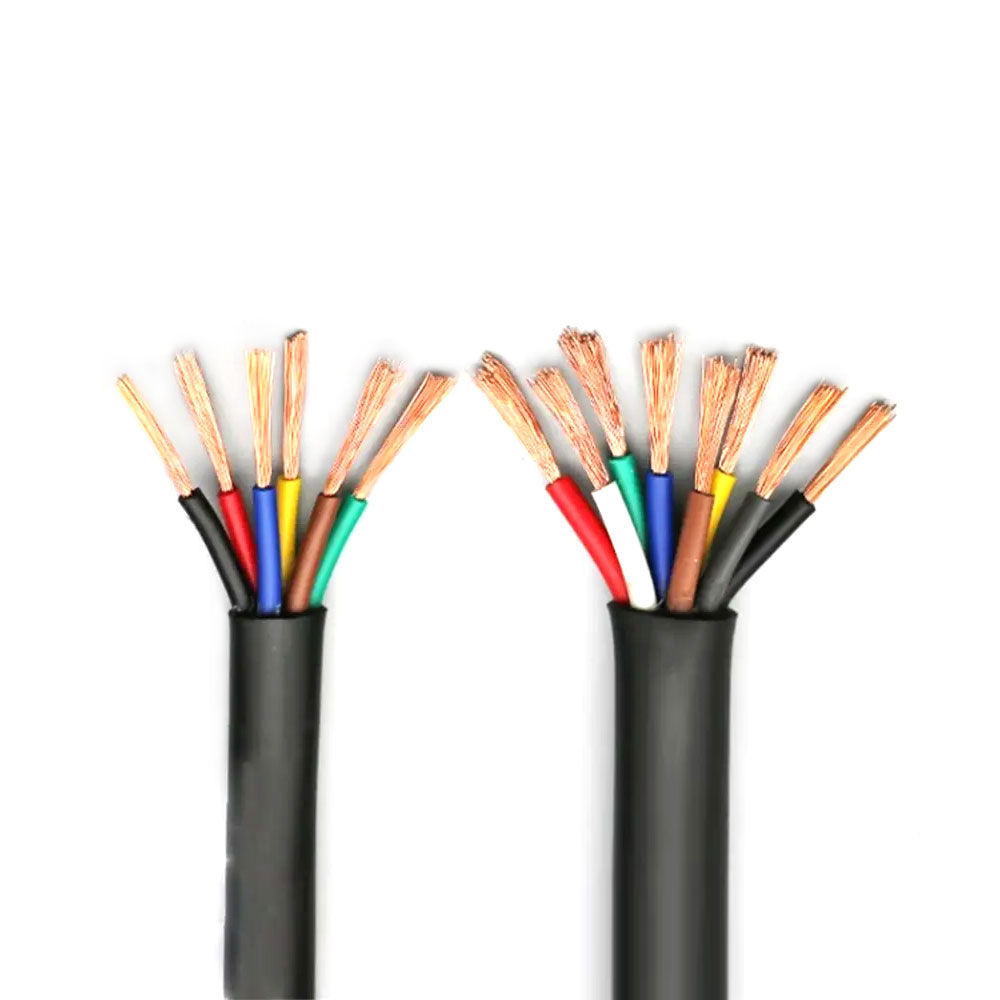
Core configurations can range from single-core designs to complex multi-core assemblies with up to 60 cores. This allows engineers to use the product in simple point-to-point wiring, instrument harnesses, control panels, robotic systems, aerospace harnesses, industrial sensors, communication modules, and integrated equipment wiring. Cross-section options range from 0.14 mm² to 400 mm², supporting everything from lightweight signal wiring to medium-power transmission.
Rated voltage options include 300V, 600V, and 1000V, with AC test voltage levels from 1500V to 4000V depending on voltage class. The cable can be manufactured with optional shielding effectiveness from above 60 dB to above 95 dB, depending on shielding construction. This is particularly important in strong electromagnetic interference scenarios, such as motor drives, aerospace electronics, military equipment, radar-associated systems, industrial automation cabinets, semiconductor tools, and high-frequency testing environments.
One of the most important advantages of the AF series is its wide operating temperature range. Ordinary PVC-insulated cables generally have limited heat resistance and may soften, deform, embrittle, or release harmful fumes under elevated temperature. Standard rubber or polyethylene cables may perform better in some temperature ranges, but they often cannot match fluoroplastic materials in long-term thermal endurance and chemical stability.
The AF series can be configured with FEP, PTFE, or ETFE insulation and sheath materials. FEP types can generally operate from -65°C to +200°C. PTFE types can operate from -65°C to +260°C. ETFE types can operate from -60°C to +150°C while offering strong mechanical toughness. This range allows the cable to function in extremely cold outdoor environments, aerospace systems at altitude, hot industrial equipment, engine-adjacent wiring, chemical processing zones, and thermal cycling conditions.
In competitive comparison, many standard high-temperature cables are designed for a narrower temperature window or sacrifice flexibility, processability, electrical stability, or chemical resistance. The AF series delivers a balanced design that remains reliable across a broad range of conditions, reducing the need for frequent replacement or over-engineering.
Electrical stability is crucial in modern equipment. As systems become faster, smaller, and more densely integrated, cable insulation quality has a direct effect on signal delay, impedance consistency, crosstalk, and overall reliability. Fluoroplastic insulation offers a very low dielectric constant, approximately 2.1, and minimal dielectric loss. This enables stable signal transmission with low delay and low attenuation.
For high-frequency testing, communication equipment, onboard electronics, instrumentation, and precision control systems, this property is especially valuable. A cable with unstable insulation characteristics may introduce signal distortion, timing error, or increased noise. In contrast, the AF series maintains consistent electrical behavior under temperature variation, moisture exposure, vibration, and chemical contact.
Compared with many general-purpose industrial cables, the AF series offers a stronger combination of insulation resistance, low capacitance potential, and reduced signal degradation. This makes it a practical choice where cable performance directly affects system accuracy and data integrity.
Industrial, aerospace, petrochemical, and medical equipment environments often expose cables to oils, fuels, solvents, acids, alkalis, cleaning agents, moisture, mold, and other aggressive substances. Conventional insulation materials can swell, crack, become sticky, lose flexibility, or degrade electrically when exposed to such media. Fluoropolymers are known for excellent chemical inertness, making the AF series suitable for severe operating conditions.
The cable resists most oils, acids, alkalis, and solvents. It also performs well in moist environments and resists mold growth. In petrochemical facilities, it can help maintain wiring reliability near processing equipment and instrumentation. In aerospace and automotive-related environments, it can withstand contact with fuels, lubricants, and hydraulic fluids. In medical and semiconductor equipment, it can support clean and stable operation where chemical cleaning or process gases may be present.
This chemical resistance gives the AF series a clear competitive advantage over PVC, ordinary rubber, and many low-cost industrial cable constructions. It helps reduce failure caused by chemical attack and extends service life in harsh locations.
Safety is a primary requirement for cables used in aerospace, public facilities, industrial systems, and enclosed equipment. The AF series is inherently flame-retardant and can comply with flame retardancy standards such as UL 94 V-0 and IEC 60332 series requirements, depending on configuration. Certain models may also comply with fire resistance standards such as IEC 60331 or BS 6387.
The low-smoke and halogen-free characteristics are especially important in fire scenarios. Traditional halogen-containing materials can release corrosive and toxic gases when burning, damaging equipment and increasing risk to personnel. The AF series is designed to emit no toxic or corrosive halogen gases under fire conditions, supporting safer use in aircraft, transportation systems, medical equipment, data and communication equipment, and other environments where safety standards are strict.
Compared with cheaper cable alternatives, the AF series offers a higher level of safety compliance and environmental responsibility. This is not only a matter of certification; it is a practical advantage for risk reduction and system protection.
Mechanical durability is another defining feature of the AF High Reliability Fluoroplastic Cable. In dynamic equipment, cables may be exposed to repeated bending, vibration, abrasion, and pulling stress. In industrial installations, cables may be routed through compact cabinets, conduits, drag chains, robot arms, and machinery frames. Weak insulation or poor conductor design can lead to conductor breakage, insulation cracking, or intermittent faults.
The AF series provides high mechanical strength, cut-through resistance, bending fatigue resistance, and a smooth insulation surface that is easy to strip during assembly. The minimum bending radius can be as low as 4 times the cable outer diameter for fixed installation and approximately 8 to 15 times the cable outer diameter for dynamic installation, depending on the model. These design values help installation teams route cables more efficiently while maintaining safe mechanical performance.
Compared with many competitive high-temperature cables that are stiff or difficult to process, the AF series is designed to maintain a practical balance between heat resistance and installation flexibility. This helps reduce labor time, assembly errors, and damage during installation.
The following table summarizes typical specification options for the AF High Reliability Fluoroplastic Cable. Actual values can be customized according to project requirements, application standards, installation environment, and customer drawings or samples.
Specification Item |
Typical Range or Option |
Practical Value |
Product Series |
AF Series Fluoroplastic Cable |
Designed for high-reliability signal and power transmission |
Number of Cores |
Single-core to multi-core, 1 to 60 cores |
Supports simple wiring and complex harness assemblies |
Conductor Options |
Tin-plated copper, silver-plated copper, bare copper, multi-stranded or single wire |
Allows optimization for conductivity, corrosion resistance, flexibility, and cost |
Cross-Section Range |
0.14 mm² to 400 mm² |
Suitable for lightweight signal lines and medium-power circuits |
Rated Voltage |
300V, 600V, or 1000V |
Meets different electrical system requirements |
Test Voltage |
1500V to 4000V AC for 1 minute, depending on voltage rating |
Verifies insulation integrity and production quality |
FEP Temperature Range |
-65°C to +200°C |
Balanced thermal performance and processability |
PTFE Temperature Range |
-65°C to +260°C |
Excellent choice for the highest-temperature applications |
ETFE Temperature Range |
-60°C to +150°C |
Strong mechanical toughness and environmental resistance |
Fixed Installation Bending Radius |
4 times cable outer diameter |
Supports compact routing in cabinets and equipment |
Dynamic Installation Bending Radius |
8 to 15 times cable outer diameter, model dependent |
Suitable for selected moving equipment applications |
Shielding Options |
Unshielded, aluminum foil, copper braid, or composite shield |
Controls electromagnetic interference and improves signal protection |
Shielding Effectiveness |
Above 60 dB to above 95 dB, depending on shielding type |
Supports use in high-EMI environments |
Flame Retardancy |
UL 94 V-0 and IEC 60332 series compliance options |
Improves system safety and regulatory compatibility |
Fire Resistance |
IEC 60331 or BS 6387 options, model dependent |
Supports critical circuits requiring function during fire exposure |
Certifications |
UL, CSA, CE, RoHS, MIL, and GB options |
Supports domestic and international project requirements |
FEP is valued for its thermal resistance, chemical inertness, electrical insulation, and relatively smooth processing characteristics. It can be extruded with a consistent wall thickness and smooth surface, making it suitable for many precision cable applications. In the AF series, FEP versions are appropriate when users need a high-temperature cable that remains practical for production, installation, and cost control.
FEP-insulated AF cables can operate up to approximately +200°C while maintaining strong dielectric performance. This makes them suitable for industrial sensors, electrical cabinets near heat sources, test instruments, communication devices, chemical equipment, and aerospace subassemblies where high reliability is required but the absolute maximum PTFE temperature rating may not be necessary.
PTFE is one of the most recognized fluoropolymers for extreme temperature resistance and chemical inertness. In AF cable configurations, PTFE can support operation up to approximately +260°C. This makes it the preferred option for severe high-temperature equipment, aerospace wiring, military electronics, furnace-related monitoring systems, high-temperature test platforms, and equipment where insulation must retain stability under continuous heat.
PTFE also offers excellent dielectric properties. It is widely used in demanding electrical and electronic systems because it maintains insulation performance across temperature and frequency variations. In comparison with many competitive insulation materials, PTFE provides outstanding long-term reliability when exposed to heat, chemicals, and electrical stress.
ETFE provides a different balance of properties. While its maximum temperature range is typically lower than PTFE and FEP, it offers excellent mechanical toughness, abrasion resistance, and environmental durability. ETFE is often selected for applications where compact wiring, mechanical wear, and handling strength are major concerns.
In AF series configurations, ETFE is suitable for equipment wiring, aerospace harnesses, industrial controls, and environments where the cable may encounter friction, vibration, or repeated movement. Its strong resistance to oils, fuels, and chemicals makes it a practical choice for applications requiring both durability and electrical reliability.
The conductor is the electrical core of the cable. The AF series can be manufactured with several conductor types to meet different requirements. Tin-plated copper provides good conductivity and improved oxidation resistance, making it a widely used option for general industrial and electronic applications. Silver-plated copper offers enhanced surface conductivity and improved performance in high-frequency or high-temperature environments. Nickel-plated copper can be selected for more severe high-temperature and corrosion-resistant applications. Bare copper may be used when cost efficiency and standard conductivity are the primary requirements.
Multi-stranded conductors improve flexibility and fatigue resistance, which is important for equipment harnesses, drag chains, robots, and vibration environments. Single-wire conductors may be selected for fixed wiring where dimensional stability and termination simplicity are valued. By offering both conductor material and structure choices, the AF series can be tuned to match electrical load, installation method, mechanical movement, service temperature, and budget.
Many competing cable products offer limited conductor options. This can force engineers to compromise between flexibility, temperature capability, conductivity, and corrosion resistance. The AF series reduces this compromise by supporting a wider selection of conductor configurations, helping customers achieve better system-level performance.
Electromagnetic interference is a growing challenge in modern systems. Industrial automation equipment, motors, drives, communication modules, radar equipment, power electronics, and high-frequency test devices can generate or receive unwanted electromagnetic noise. If cable shielding is inadequate, signals may be corrupted, control systems may experience instability, and equipment reliability may decline.
The AF series can be produced with aluminum foil shielding, copper braid shielding, composite shielding, or no shielding when EMI protection is not required. Aluminum foil shielding provides broad coverage and is useful for high-frequency interference control. Copper braid shielding provides mechanical robustness and low-resistance grounding performance. Composite shielding combines the advantages of foil and braid, offering higher shielding effectiveness that may exceed 95 dB depending on construction.
This flexibility allows the cable to be optimized for different environments. For compact instruments with moderate interference, foil shielding may be sufficient. For industrial environments with motors and variable frequency drives, braided or composite shielding may be preferred. For aerospace or military electronic systems, the shielding structure can be selected to meet more stringent electromagnetic compatibility requirements.
Aerospace systems demand lightweight, reliable, flame-retardant, and temperature-resistant cables. Wiring may be exposed to vibration, fuel, hydraulic fluids, low temperatures at altitude, and localized heat. The AF series is well suited for onboard electronic systems, control wiring, instrumentation, avionics support circuits, and specialized harnesses. Its lightweight design helps reduce overall system mass, an important advantage in aircraft and aerospace equipment.
The low-smoke, halogen-free, and flame-retardant characteristics support aviation safety requirements. Stable dielectric properties help preserve signal quality in sensitive electronic systems. Resistance to fuels, oils, moisture, and mold further improves long-term reliability in harsh service conditions.
Military equipment often operates under unpredictable and severe conditions, including temperature extremes, vibration, shock, electromagnetic interference, chemicals, and long storage periods. The AF series can be customized with conductor plating, shielding structures, sheath colors, and special fire or radiation resistance ratings. These options make it suitable for ruggedized communication equipment, field electronics, control systems, vehicle wiring, and specialized defense platforms.
In comparison with standard commercial cables, the AF series offers higher environmental resistance and better customization for mission-critical applications. Its optional compliance with MIL-related requirements can help projects meet demanding procurement and performance criteria.
Petrochemical environments expose cables to hydrocarbons, oils, solvents, corrosive chemicals, high temperatures, and outdoor weather. A cable failure in such environments can cause production interruption, safety hazards, and costly maintenance. The AF series provides strong resistance to oils, acids, alkalis, and solvents, making it suitable for instrumentation, monitoring circuits, control wiring, and power connections in chemical processing facilities.
Its flame retardancy and electrical insulation stability also support safer operation in areas where heat and chemical exposure coexist. Compared with many standard industrial cables, the AF series helps reduce degradation caused by chemical attack and thermal aging.
Industrial equipment such as furnaces, ovens, heating systems, drying equipment, plastic processing machinery, metallurgy equipment, and high-temperature test chambers requires wiring that can survive elevated temperatures. Standard cables may harden, melt, or fail electrically. The AF series, especially PTFE and FEP versions, provides a robust solution for these operating conditions.
The cable’s mechanical strength and smooth insulation also help during installation in crowded control cabinets or equipment interiors. Its ability to maintain electrical performance under heat makes it suitable for sensors, control circuits, heaters, actuators, and monitoring systems.
Medical and semiconductor equipment often requires clean, stable, precise, and chemically resistant cable materials. Cables may be exposed to cleaning agents, process chemicals, thermal cycling, compact routing, and precision signal requirements. The AF series provides low dielectric loss, strong insulation, chemical resistance, and smooth surfaces that support reliable operation in these sensitive environments.
In semiconductor manufacturing, cable reliability can affect equipment uptime and process consistency. In medical instruments, safety and signal stability are essential. The AF series provides a dependable wiring option where performance cannot be compromised.
Selected AF cable models can be used in mobile equipment, drag chains, and robots when designed with appropriate conductor stranding, shielding, sheath material, and bending radius. These applications require resistance to repeated bending, torsion, vibration, and abrasion. The cable’s bending fatigue resistance and mechanical durability help reduce intermittent faults caused by conductor fatigue or insulation damage.
When compared with ordinary high-temperature wires that are often too stiff for motion applications, properly designed AF fluoroplastic cables can provide better flexibility and longer service life. Engineers should choose the correct dynamic bending radius and construction based on motion frequency, travel length, speed, and environmental exposure.
The performance of a high-reliability cable depends not only on materials but also on manufacturing precision. Anhui Zhishang Cable Technology Co., Ltd. operates modern production facilities with automated production lines and experienced technical teams. The company’s production process emphasizes conductor preparation, insulation extrusion quality, concentricity control, shielding accuracy, sheath uniformity, electrical testing, dimensional inspection, and final quality verification.
For fluoroplastic cables, processing control is particularly important. Fluoropolymers require suitable extrusion equipment, stable temperature control, precise tooling, and experienced operators. Inconsistent extrusion may lead to uneven insulation thickness, weak points, air gaps, surface defects, or unstable electrical performance. A reliable manufacturer must control the entire process from raw material selection to finished cable testing.
High-performance fluoroplastic cable begins with qualified insulation, sheath, and conductor materials. The company selects appropriate FEP, PTFE, ETFE, copper, plated copper, shielding materials, tapes, and auxiliary materials according to product requirements. Material choice is matched to operating temperature, chemical exposure, voltage level, flexibility, flame retardancy, and application environment.
This material-driven approach gives the AF series an advantage over low-cost competitors that may use inconsistent compounds, thinner insulation, or simplified conductor structures. Stable raw materials are essential for stable finished cables.
Conductors are processed to achieve the required cross-section, flexibility, and electrical performance. Multi-stranded conductors require controlled stranding pitch and uniform tension to prevent loose strands, diameter variation, or reduced flexibility. Plated conductors require proper surface quality to enhance oxidation resistance, solderability, high-temperature behavior, or high-frequency performance.
Conductor consistency affects resistance, heating, bending life, and termination reliability. By controlling conductor preparation, the AF series supports stable electrical transmission and dependable mechanical performance.
Insulation extrusion is one of the most critical stages. Fluoroplastic materials must be processed under controlled conditions to obtain a uniform, smooth, and easy-to-strip insulation layer. Uniform insulation thickness improves voltage resistance and reduces weak points. Smooth surfaces improve installation handling and harness assembly. Easy stripping improves termination efficiency and reduces the risk of conductor damage during assembly.
Compared with poorly controlled cable production, precision insulation extrusion reduces the probability of pinholes, eccentricity, thickness variation, and premature failure. This is a major reason why the AF series can be used in high-reliability environments.
For multi-core or shielded versions, the cabling and shielding processes are carefully managed. Core arrangement must maintain flexibility, roundness, and consistent electrical characteristics. Shielding must provide adequate coverage and grounding performance. Foil overlap, braid density, and composite shield structure all influence shielding effectiveness.
A cable intended for high electromagnetic interference environments cannot rely on nominal shielding alone. It requires real structural quality. The AF series can be produced with shielding effectiveness from above 60 dB to above 95 dB depending on design, enabling engineers to select the right protection level.
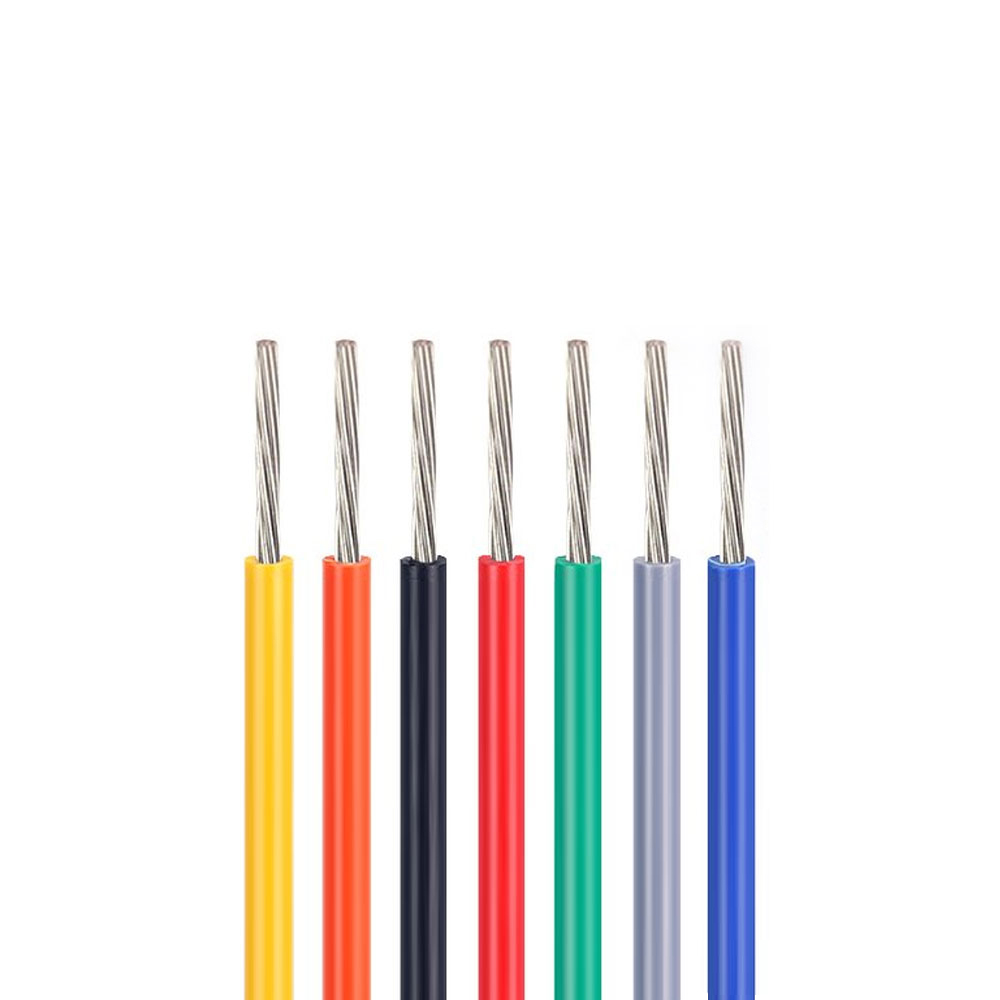
The sheath protects the internal cable structure from abrasion, chemicals, heat, moisture, and mechanical impact. In the AF series, fluoroplastic sheathing provides a smooth, durable, chemically resistant outer layer. Sheath color may be customized for identification, safety coding, or project requirements. Special fire or radiation resistance ratings may also be customized depending on application needs.
A uniform sheath improves installation quality and long-term protection. Poor sheath quality can lead to cracking, uneven wear, or reduced chemical resistance. The company’s attention to sheath processing helps the AF series perform reliably in real operating conditions.
Testing is essential for high-reliability cables. The AF series may undergo dimensional checks, conductor resistance testing, voltage withstand testing, insulation integrity verification, visual inspection, and other quality checks according to order and standard requirements. Test voltage can range from 1500V to 4000V AC for one minute depending on the rated voltage class.
The company provides product test reports and quality assurance support for standard cable models. This is important for customers in industrial automation, aerospace-related equipment, medical devices, power engineering, and specialized manufacturing, where documentation and traceability contribute to project confidence.
Not every project can be served by an off-the-shelf cable. Equipment designers may require a special conductor size, core count, shielding construction, sheath color, temperature rating, voltage rating, bending radius, outer diameter, certification, or fire resistance level. The AF series is designed with customization in mind.
Anhui Zhishang Cable Technology Co., Ltd. supports OEM and ODM development based on drawings, samples, and project specifications. Technical engineers can provide product selection guidance and tailored cable design solutions according to operating conditions. This capability is especially valuable for equipment manufacturers, system integrators, and engineering contractors who need a cable that matches precise mechanical, electrical, and environmental requirements.
Customization options may include silver-plated, nickel-plated, tin-plated, or bare copper conductors; single-wire or multi-stranded structures; aluminum foil, copper braid, or composite shielding; custom sheath colors; special radiation resistance; special fire resistance; lightweight construction; and multi-core arrangements. This helps customers reduce design compromise and improve total system performance.
Compared with competitors that provide only catalog-standard cables, the company’s customized approach can shorten engineering selection time and improve project fit. Instead of forcing the equipment to adapt to the cable, the cable can be engineered to support the equipment.
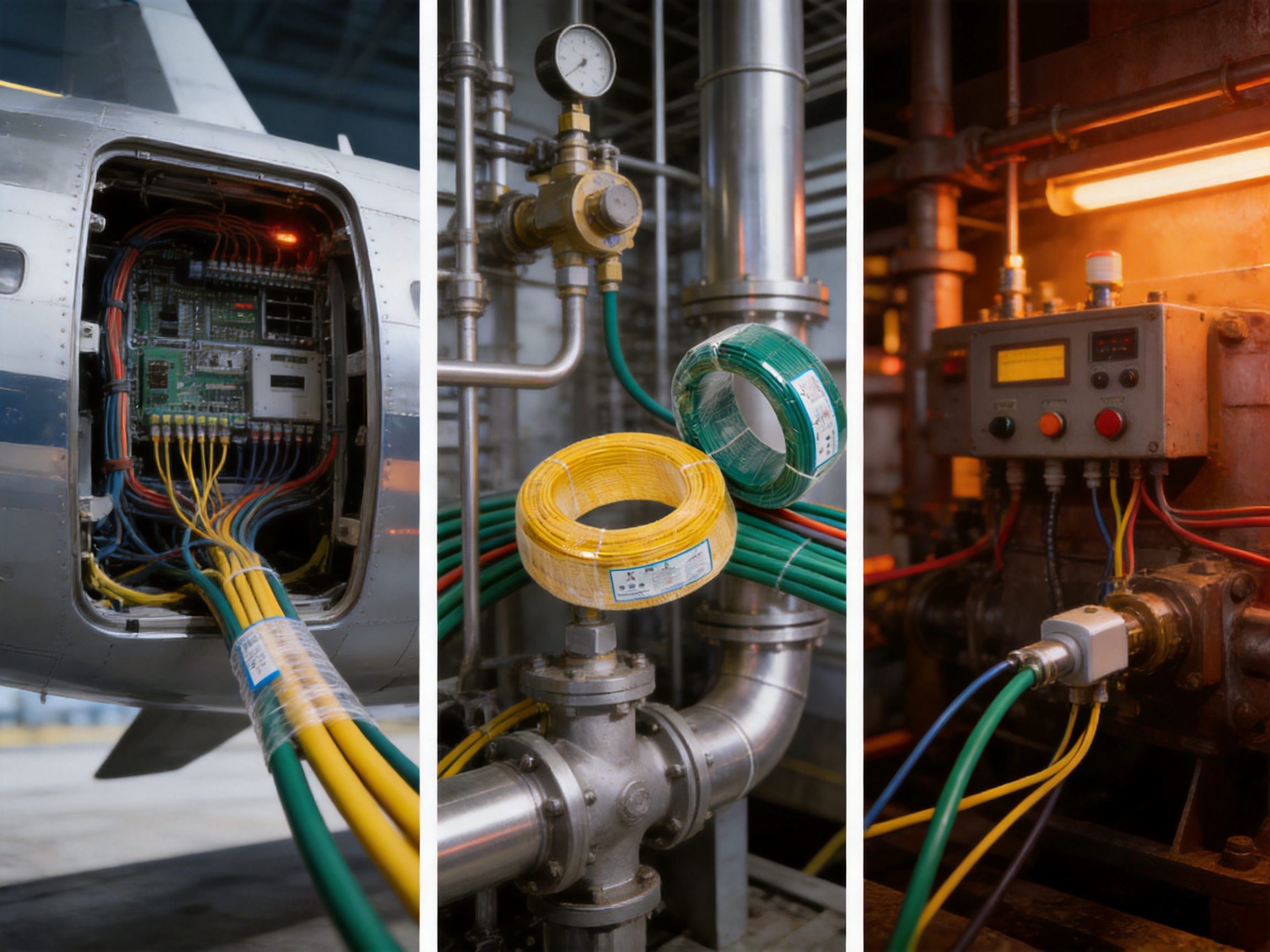
The AF High Reliability Fluoroplastic Cable stands out because it integrates thermal endurance, electrical stability, chemical resistance, flame safety, mechanical durability, and customization flexibility. These characteristics make it a superior alternative to ordinary industrial cables in harsh environments and a strong competitor among high-performance cable solutions.
From a user perspective, the value of this cable is not limited to specification numbers. It supports longer service life, more stable equipment operation, fewer maintenance interventions, and greater confidence in critical systems. In industries where downtime is expensive and safety is essential, these advantages can be more important than initial purchase cost.
The company’s manufacturing strengths further enhance product reliability. With automated production lines, experienced technical staff, quality engineers, and modern production facilities, Anhui Zhishang Cable Technology Co., Ltd. can provide stable production capacity and consistent quality. Monthly output capacity of up to 10 million meters supports both standard orders and larger project demands. Standard products can be shipped quickly, while customized products generally require a reasonable lead time depending on complexity.
Another important strength is the company’s integrated service model. It does not simply sell cable; it provides cable solutions. From material selection and design support to manufacturing, testing, documentation, and delivery, the company helps customers make suitable choices for practical operating conditions. This solution-oriented approach is valuable in complex projects where cable failure can affect an entire system.
To obtain the best performance from the AF series, engineers should consider several selection factors. First, the operating temperature must be evaluated. If the cable will experience continuous exposure above +200°C, a PTFE configuration may be appropriate. If the application requires a balance of high temperature resistance and processability, FEP may be suitable. If mechanical toughness is the priority and the temperature range is moderate, ETFE may be a strong choice.
Second, the electrical requirements should be clearly defined. Rated voltage, current, conductor resistance, insulation thickness, shielding, impedance expectations, and signal frequency all influence cable design. High-frequency signal circuits may benefit from silver-plated conductors and carefully selected shielding. Power circuits may require larger cross-sections and specific voltage ratings.
Third, the mechanical environment should be reviewed. Fixed installations may allow a smaller bending radius, while dynamic installations require larger bending radius and flexible conductor structures. Drag chain and robotic applications should be discussed with technical engineers to confirm bending life, motion speed, travel distance, and environmental exposure.
Fourth, the chemical environment must be considered. Although fluoropolymers resist many chemicals, specific chemical concentration, temperature, exposure duration, and mechanical stress should be reviewed for critical applications. This is especially important in petrochemical, laboratory, semiconductor, and medical cleaning environments.
Finally, safety and compliance requirements should be confirmed. Flame retardancy, low smoke, halogen-free characteristics, fire resistance, radiation resistance, RoHS compliance, CE marking, UL, CSA, MIL, or GB-related requirements may be relevant depending on the project. Selecting the correct configuration at the beginning helps avoid redesign, testing delays, and procurement complications.
When compared with PVC cable, the AF series offers far higher temperature resistance, stronger chemical resistance, better flame safety, and more stable electrical properties. PVC may be economical for ordinary indoor wiring, but it is not ideal for high-temperature, chemical, aerospace, or high-frequency signal environments.
When compared with silicone rubber cable, the AF series provides stronger chemical resistance, lower dielectric loss, better cut-through resistance, and often better performance in aggressive solvents and oils. Silicone rubber is flexible and heat resistant, but it may be less suitable for environments requiring strong abrasion resistance or resistance to certain oils and chemicals.
When compared with standard polyethylene or cross-linked polyethylene cables, the AF series provides better high-temperature performance and chemical inertness. Polyethylene materials can provide good electrical properties, but they generally cannot match fluoroplastic materials in extreme heat and chemical environments.
When compared with some competing fluoroplastic cables, the AF series distinguishes itself through broad customization, conductor options, shielding flexibility, modern manufacturing control, quality assurance, and solution-oriented technical support. This combination helps customers receive not just a high-performance material, but a complete cable design suitable for real applications.
It is mainly used for high-reliability signal and power transmission in harsh environments. Typical applications include aerospace electronics, military equipment, petrochemical systems, high-temperature industrial machinery, medical instruments, semiconductor manufacturing equipment, communication systems, high-frequency testing platforms, robots, drag chains, and instrumentation.
Fluoroplastic insulation offers a wider temperature range, excellent chemical resistance, low dielectric constant, low dielectric loss, flame retardancy, low smoke performance, and strong electrical insulation. These properties make it more suitable than ordinary PVC, rubber, or polyethylene insulation in severe environments.
The temperature range depends on the selected material. FEP types can generally operate from -65°C to +200°C, PTFE types from -65°C to +260°C, and ETFE types from -60°C to +150°C. The correct material should be selected according to actual operating conditions.
Yes. The cable has excellent electrical insulation, a low dielectric constant of approximately 2.1, and minimal dielectric loss. These characteristics support stable signal transmission with low delay and low attenuation, making it suitable for high-frequency testing, communications, instrumentation, and onboard electronic systems.
Yes. The cable can be manufactured as unshielded, aluminum foil shielded, copper braid shielded, or composite shielded. Shielding effectiveness can range from above 60 dB to above 95 dB depending on the shielding design. This allows the cable to be used in environments with strong electromagnetic interference.
Selected models can be suitable for moving equipment such as drag chains and robots when designed with the correct conductor stranding, sheath material, and bending radius. Dynamic installation typically requires a bending radius of approximately 8 to 15 times the cable outer diameter, depending on the model.
Available conductor options include tin-plated copper, silver-plated copper, bare copper, and other customized options such as nickel-plated copper when required. Conductors may be multi-stranded for flexibility or single wire for fixed installation requirements.
Yes. Customization may include conductor material, number of cores, cross-section, shielding structure, sheath color, rated voltage, flame resistance, radiation resistance, and certification requirements. OEM and ODM development can be supported based on drawings, samples, or project specifications.
Low smoke and halogen-free performance improves safety during fire events. It helps reduce smoke density and avoids toxic or corrosive halogen gas emissions. This is important in aerospace, medical, transportation, industrial, and enclosed equipment environments.
The manufacturer provides modern production facilities, automated production lines, experienced R&D and quality teams, controlled fluoroplastic processing, conductor preparation, shielding construction, electrical testing, product test reports, and OEM/ODM support. These strengths help ensure stable quality and reliable project performance.
The AF High Reliability Fluoroplastic Cable is a premium cable solution for environments where standard cables may fail due to temperature, chemicals, vibration, electromagnetic interference, fire risk, or signal degradation. By using FEP, PTFE, or ETFE insulation and sheathing materials, the cable achieves outstanding thermal stability, low dielectric loss, excellent chemical resistance, mechanical durability, and flame-retardant safety.
Its wide specification range, from single-core to 60-core configurations and from 0.14 mm² to 400 mm² cross-sections, allows it to serve diverse signal and power applications. Optional shielding, multiple conductor materials, voltage ratings, fire resistance, radiation resistance, and certification options make it highly adaptable to aerospace, military, petrochemical, industrial, medical, semiconductor, and communication systems.
Beyond the product itself, Anhui Zhishang Cable Technology Co., Ltd. provides manufacturing strength, technical support, customization capability, and quality assurance. With modern facilities, automated production lines, experienced engineers, and a commitment to stable cable solutions, the company is well positioned to support customers seeking reliable wiring for demanding applications.
For engineers, equipment manufacturers, system integrators, and procurement teams, the AF series offers a practical combination of performance, safety, durability, and customization. It is not merely a cable for connection; it is a cable designed to protect system reliability in the environments where reliability matters most.
International Electrotechnical Commission. IEC 60332 Series: Tests on Electric and Optical Fibre Cables under Fire Conditions.
International Electrotechnical Commission. IEC 60331: Tests for Electric Cables under Fire Conditions, Circuit Integrity.
British Standards Institution. BS 6387: Performance Requirements for Cables Required to Maintain Circuit Integrity under Fire Conditions.
Underwriters Laboratories. UL 94: Standard for Tests for Flammability of Plastic Materials for Parts in Devices and Appliances.
Society of Automotive Engineers. Aerospace and High-Temperature Wire and Cable Material Guidelines.
Fluoropolymer Materials Handbook. Technical Properties of PTFE, FEP, and ETFE for Electrical Insulation Applications.

We firmly believe that good cables are not only a competition of materials, but also a reflection of craftsmanship, quality, and responsibility.

Links
Product
Send Inquiry
No. 29 Sankeshu Road, Xuanzhou District, Xuancheng City, Anhui Province, China
+86-18621104555/+86-563-2622999
 Electrical Cable Manufacturer
OEM/ODM Wire and Cable Solutions
Electrical Cable Manufacturer
OEM/ODM Wire and Cable Solutions
 English
 Español
 عربى
عربى
 русский