
Get more content that can help you
Content
In modern buildings, transportation facilities, industrial plants, hospitals, laboratories, data-supported public spaces, and green construction projects, the role of a building wire is no longer limited to conducting electricity from one point to another. A cable must now support fire safety, human evacuation, low environmental impact, high installation efficiency, long service life, and stable performance under demanding operating conditions. WDZB1-RYJ and WDZB1N-RYJ high-reliability building wires are designed for these requirements, combining halogen-free low-smoke materials, Class B1 flame-retardant performance, flexible copper conductors, and irradiated cross-linked polyethylene insulation to provide a dependable wiring solution for high-risk and high-value projects.
This product family is especially suitable for applications where conventional PVC building wire may not provide sufficient safety margins. In a fire, ordinary materials can generate dense smoke, corrosive halogen gases, toxic combustion products, and burning droplets that increase secondary hazards. By contrast, WDZB1-RYJ and WDZB1N-RYJ wires emphasize reduced smoke release, lower toxicity, improved flame retardancy, and stronger thermal durability. The WDZB1N-RYJ version further provides fire-resistant performance for emergency circuits where continuity of power supply is essential.
Anhui Zhishang Cable Technology Co., Ltd. manufactures this product for projects that demand dependable cable quality, practical installation flexibility, and compliance-oriented performance. Located in Xuancheng City, Anhui Province, China, the company integrates research, production, testing, and sales of wire and cable solutions. Its production base covers approximately 5,000 square meters, operates automated production lines, and supports standard supply as well as OEM and ODM customization. For users seeking a safer building wire for complex wiring environments, this product offers a technically balanced solution with strong manufacturing backing.
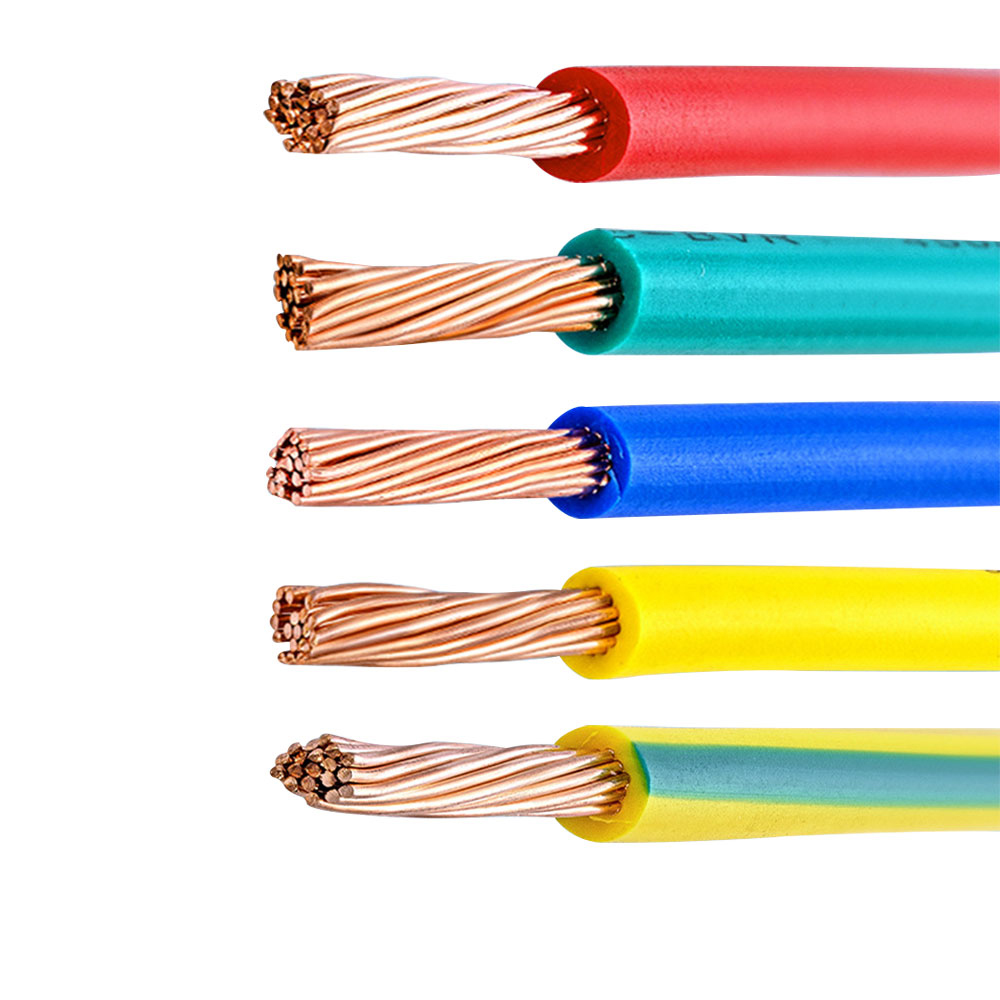
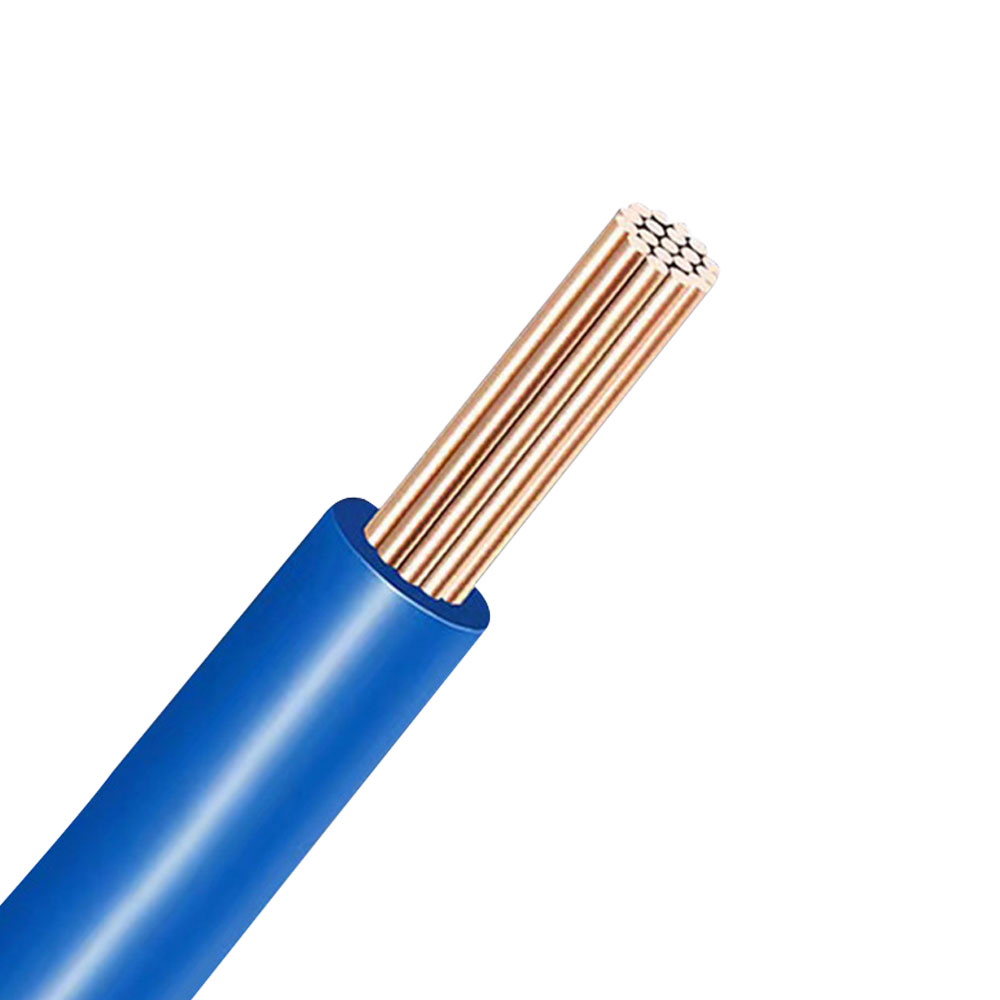
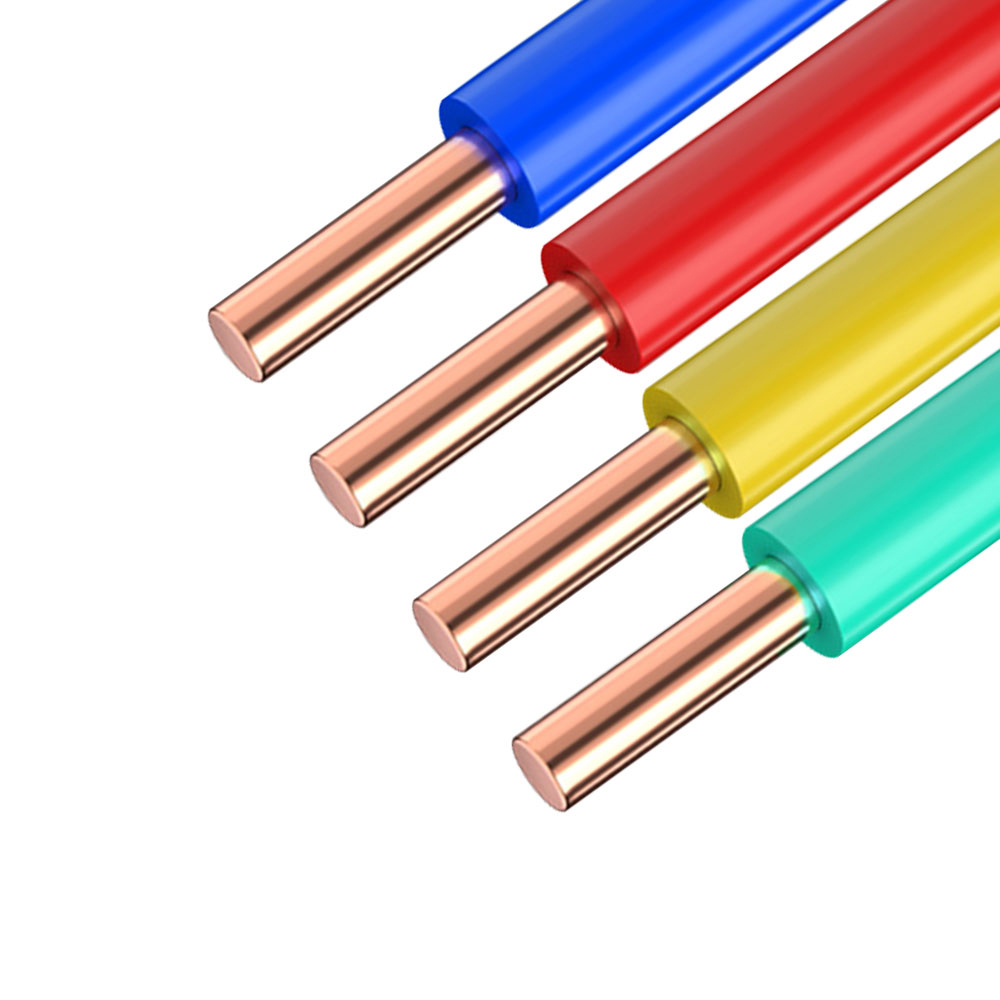
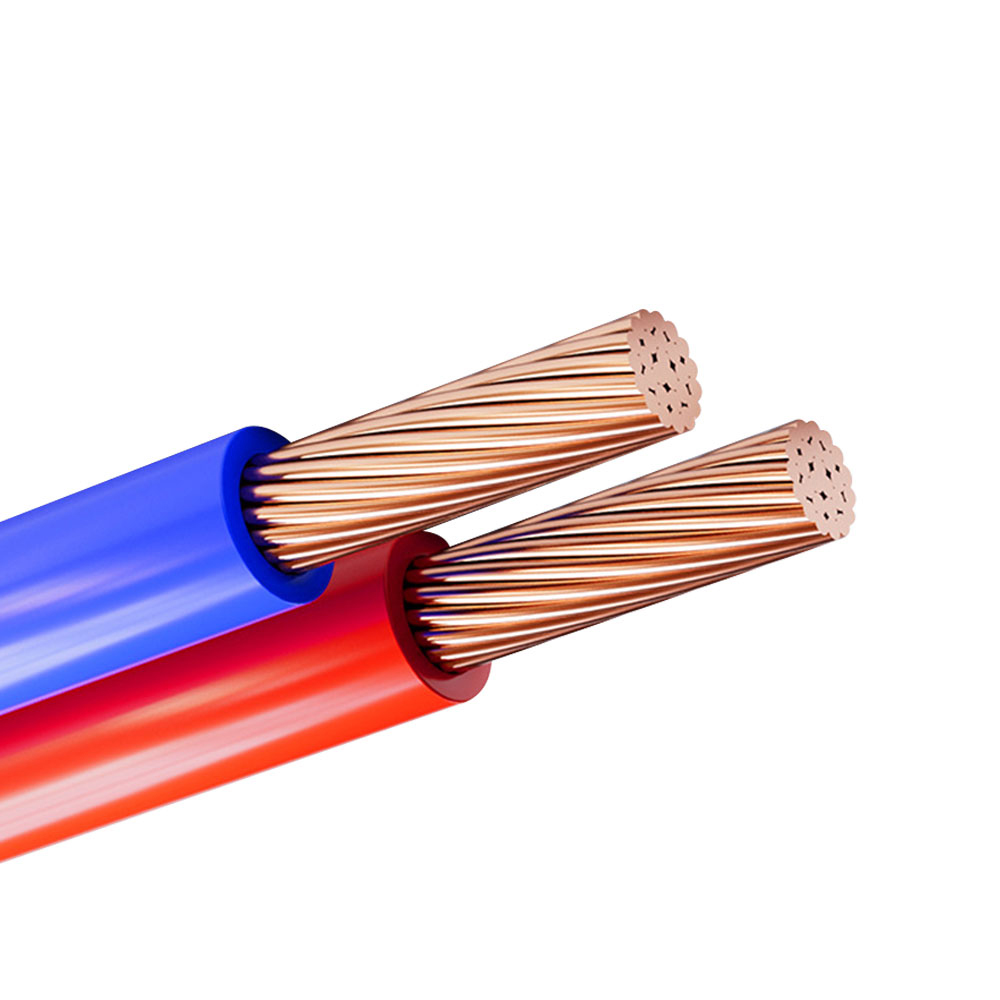
WDZB1-RYJ WDZB1N-RYJ High reliability Building Wire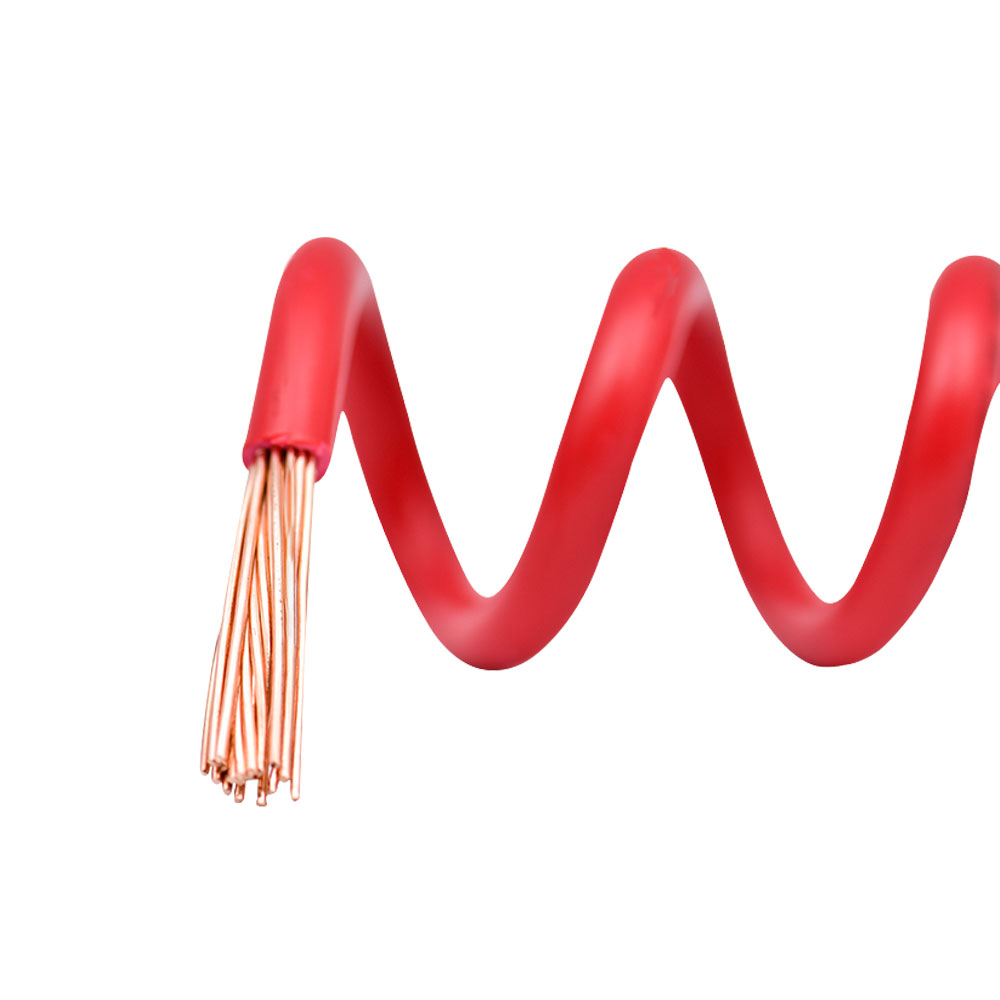
The model identification communicates the essential technical features of the wire. “WDZB1” indicates a halogen-free, low-smoke, flame-retardant cable with Class B1 combustion performance. “RYJ” indicates irradiated cross-linked polyethylene insulation and a flexible conductor structure. The additional letter “N” in WDZB1N-RYJ identifies the fire-resistant type, which is intended for circuits that must maintain integrity during fire conditions.
The rated voltage is typically 300/500V, making the product suitable for many low-voltage building wiring, control, connection, and distribution applications. The conductor is made from multi-strand fine soft copper, usually equivalent to a Class 5 annealed copper conductor. This conductor design improves flexibility and makes the wire easier to route through complex equipment spaces, narrow conduits, distribution cabinets, control panels, and areas with frequent bending during installation.
The insulation material is irradiated cross-linked polyethylene, commonly known as XLPE. Cross-linking changes the molecular structure of polyethylene, improving heat resistance, mechanical stability, aging resistance, and resistance to cracking. In this product family, the XLPE insulation is formulated to meet halogen-free, low-smoke, and flame-retardant requirements. This is a major advantage over many conventional building wires that use standard PVC or lower-grade compounds.
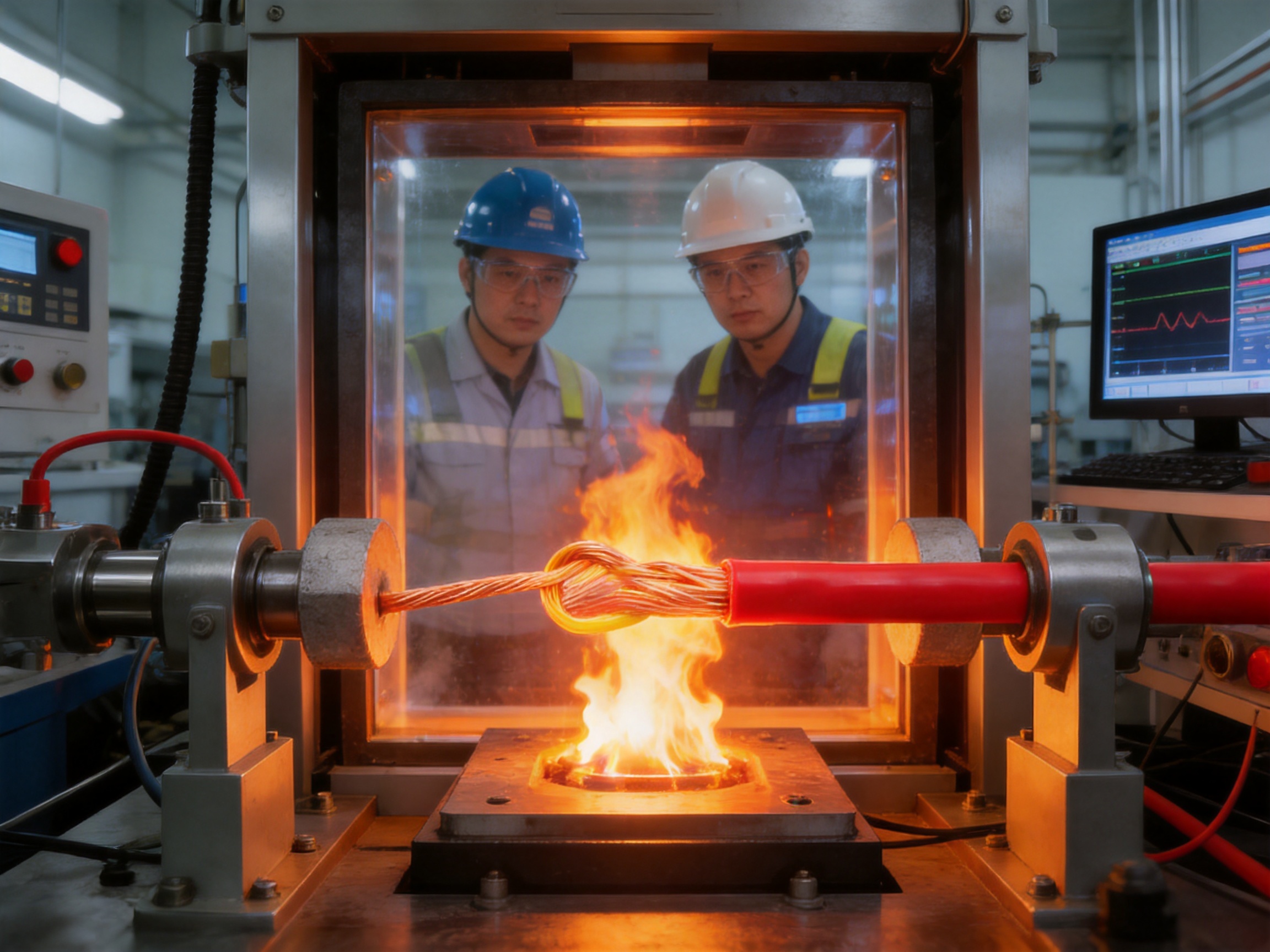
WDZB1-RYJ focuses on high-reliability halogen-free flame-retardant wiring, while WDZB1N-RYJ adds fire resistance. The fire-resistant type is designed to meet a 750°C for 90 minutes fire-resistance test according to GB/T 19666 requirements. This makes it suitable for emergency lighting, fire alarm, smoke exhaust, evacuation support, and other circuits where maintaining operation during a fire may be critical.
The defining features of this product include Class B1 flame retardancy, halogen-free and low-smoke behavior, low toxicity during combustion, flexible fine-stranded copper conductors, irradiated XLPE insulation, and stable thermal performance. Together, these characteristics support safer installation in public buildings, industrial facilities, transportation environments, and green building projects.
The flame-retardant grade is Class B1 according to GB 31247, a demanding Chinese standard for cable combustion performance that is comparable in intent to high-level European CPR fire performance classifications such as B1ca. Class B1 performance requires strict control of flame spread, heat release, smoke generation, burning droplets, and toxicity. For project owners and engineering consultants, this classification provides a measurable basis for selecting safer wire in high-occupancy or high-risk locations.
The fire-resistant WDZB1N-RYJ version is designed to maintain circuit integrity under fire exposure conditions. This does not mean that a cable is indestructible; rather, it means that the wire is engineered to continue functioning for a defined period under specified test conditions. This feature is valuable for emergency systems where electrical continuity can support evacuation, fire-fighting actions, alarm communication, and emergency ventilation.
Thermal durability is another important performance point. The product is designed for high-temperature flexible wiring, with long-term operating temperature performance that can reach 125°C for suitable specifications and short-term exposure up to 150°C depending on the project design and product confirmation. In some conventional Class B1 flexible cable references, a 90°C operating temperature may also appear as a typical base rating. Therefore, users should confirm the exact temperature class, conductor size, installation condition, and final datasheet before procurement. The key point is that irradiated XLPE insulation provides a higher thermal safety margin than many ordinary thermoplastic insulation materials.
| Item | WDZB1-RYJ | WDZB1N-RYJ |
|---|---|---|
| Product Type | Halogen-free low-smoke Class B1 flame-retardant flexible building wire | Halogen-free low-smoke Class B1 flame-retardant fire-resistant flexible building wire |
| Rated Voltage | 300/500V | 300/500V |
| Conductor | Multi-strand fine soft copper conductor, commonly Class 5 annealed copper | Multi-strand fine soft copper conductor, commonly Class 5 annealed copper |
| Insulation | Irradiated cross-linked polyethylene, halogen-free low-smoke flame-retardant formulation | Irradiated cross-linked polyethylene with fire-resistant design |
| Flame-Retardant Class | Class B1 according to GB 31247 | Class B1 according to GB 31247 |
| Fire Resistance | Flame-retardant type | Fire-resistant type, designed for 750°C for 90 minutes according to GB/T 19666 |
| Typical Cross-Section | 0.5 mm² to 6 mm² commonly used | 0.5 mm² to 6 mm² commonly used |
| Smoke and Toxicity | Low smoke, low toxicity, halogen-free combustion behavior | Low smoke, low toxicity, halogen-free combustion behavior |
| Typical Applications | Building wiring, control circuits, equipment wiring, green building projects | Emergency circuits, fire safety systems, critical public building wiring |
Fire performance is one of the most important selection criteria for modern building wire. In a crowded building, fire damage is not caused only by direct flame. Smoke inhalation, toxic gas exposure, corrosion of equipment, poor visibility, and panic caused by dense smoke can be equally dangerous. A cable that reduces smoke and toxic emissions contributes to a safer evacuation environment and helps protect sensitive electrical and electronic equipment.
Class B1 flame-retardant performance is significantly stricter than basic flame-retardant ratings. It requires control of multiple combustion indicators, including flame spread, total heat release, peak heat release rate, smoke density, acidity, conductivity of combustion gases, burning droplets, and smoke toxicity. Passing these requirements demonstrates that the cable material system and manufacturing process have been engineered for advanced fire safety rather than merely basic flame inhibition.
Compared with ordinary flame-retardant wires, WDZB1-RYJ and WDZB1N-RYJ provide a more complete fire-safety package. Some competing products may claim flame retardancy but still rely on halogenated materials, which can release corrosive hydrogen halide gases during combustion. Others may reduce halogen content but fail to achieve high-level flame-retardant classification. This product family addresses both concerns by combining halogen-free low-smoke behavior with Class B1 flame-retardant performance.
For architects, electrical engineers, and contractors, selecting Class B1 cable can help satisfy stricter project requirements for public buildings, rail transit facilities, hospitals, hotels, laboratories, and international-standard construction. It also supports green building objectives because safer combustion behavior reduces secondary pollution and improves overall building resilience.
Halogen-free low-smoke cable materials are designed to minimize the release of halogen acid gases and dense smoke in the event of fire. Traditional PVC-based insulation can perform adequately in many ordinary applications, but under fire conditions it may generate corrosive and toxic gases. These gases can irritate the respiratory system, damage evacuation visibility, and corrode metal equipment, circuit boards, instruments, and building infrastructure.
WDZB1-RYJ and WDZB1N-RYJ use insulation formulations that comply with halogen-free and low-smoke requirements. Halogen-free characteristics may be evaluated by standards such as GB/T 17650.2, where combustion gas acidity and conductivity are controlled. Low-smoke characteristics may be evaluated by standards such as GB/T 17651.2, where light transmittance through smoke must remain at a safer level. The product information indicates smoke light transmittance performance of at least 80% under relevant test conditions, helping preserve visibility during evacuation.
Low toxicity is also essential. Smoke toxicity during combustion is designed to comply with GA 306 safety requirements, and the product targets a safer toxicity level. This is especially important in hospitals, schools, airports, underground spaces, elderly care facilities, high-rise buildings, and industrial control rooms where occupants may need more time to evacuate or where critical systems must continue to function.
When compared with lower-cost conventional cable, the advantage is not only technical but also risk-based. The initial cable cost is a small portion of total building investment, yet cable combustion behavior can influence life safety and property loss in a fire. A halogen-free low-smoke Class B1 wire provides a better risk-control choice for responsible project owners.
Irradiated cross-linked polyethylene insulation is one of the product’s strongest technical advantages. Cross-linking transforms the polymer structure from a thermoplastic state into a more stable network. This improves heat resistance, deformation resistance, aging performance, and resistance to cracking. Irradiation cross-linking can deliver consistent results without relying only on chemical cross-linking reactions during extrusion, helping achieve a controlled insulation structure.
In practical use, this means the wire can better withstand high-temperature environments, mechanical stress during installation, and long-term electrical service. In places such as commercial kitchens, heating equipment rooms, industrial drying lines, battery pack areas, high-temperature control cabinets, and laboratory equipment zones, insulation aging is a real concern. Ordinary insulation can harden, crack, deform, or lose mechanical integrity over time. Irradiated XLPE helps reduce those risks.
The insulation also contributes to better overload tolerance. While every wire must be used within its rated current, voltage, and installation conditions, higher thermal stability provides more resilience under abnormal heat exposure or short-term temperature rise. This can improve the safety margin of the electrical system when properly designed and installed.
Compared with many competitor products using standard PVC or non-irradiated polyolefin compounds, this product offers a stronger balance of flexibility, heat resistance, flame retardancy, and environmental safety. The result is a wire suited not only for basic power distribution but also for higher-end building and equipment wiring where long service life matters.
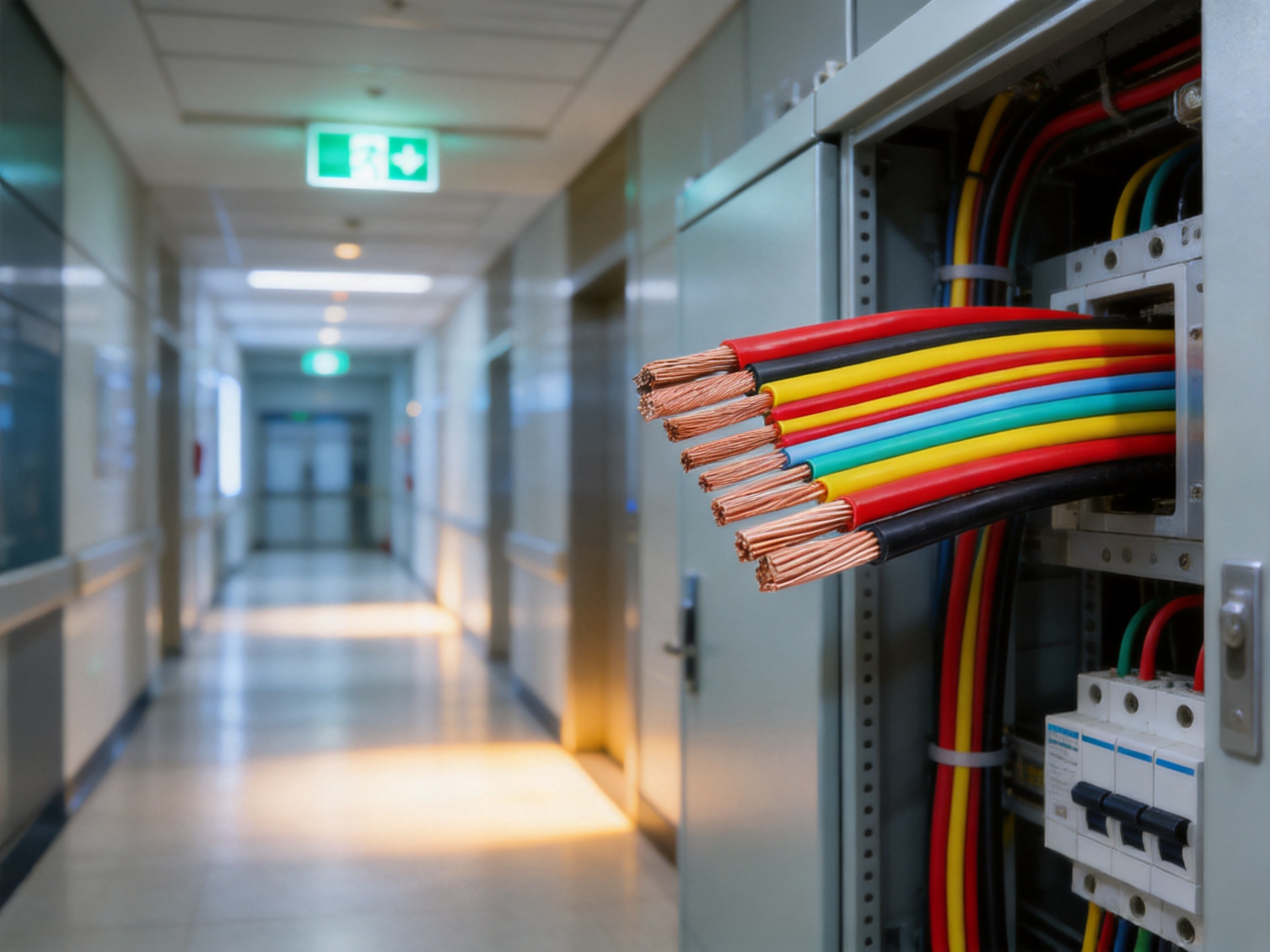
The conductor design uses multi-strand fine soft copper, commonly equivalent to Class 5 annealed copper. This structure is much more flexible than a single solid conductor or a lower-strand conductor. Flexibility is important because real construction sites rarely provide straight, spacious, and simple wiring paths. Electricians often need to route wire through cabinets, conduits, trays, bends, equipment enclosures, instrument panels, and compact spaces.
A flexible conductor reduces installation stress and helps prevent conductor breakage caused by repeated bending during wiring. It can also shorten installation time because the wire is easier to pull, bend, terminate, and arrange neatly. In control panels and distribution cabinets, flexible wire improves workability and helps maintain clean wiring layouts.
The product is especially useful for low-current control and signal-related applications, as well as equipment connection and low-voltage power wiring within the rated voltage range. Common cross-sections from 0.5 mm² to 6 mm² cover many practical wiring needs. Larger cross-sections may be possible for custom requirements but are less common due to process complexity and cost considerations.
Compared with competing building wires that use rigid conductors, WDZB1-RYJ and WDZB1N-RYJ can reduce labor difficulty and improve routing reliability. Compared with flexible wires that lack advanced flame-retardant and halogen-free properties, this product offers enhanced safety without sacrificing installation convenience.
The “N” version, WDZB1N-RYJ, is developed for fire-resistant applications. In many public buildings and industrial facilities, certain circuits must remain operational during a fire for a defined period. These can include emergency lighting, evacuation indication systems, fire pumps, smoke exhaust fans, fire alarm circuits, emergency communication, fire control equipment, and safety monitoring systems.
The product is designed to pass a 750°C for 90 minutes fire-resistance test according to GB/T 19666. This test condition helps verify that the wire can maintain circuit integrity under severe fire exposure. In practical engineering, this feature supports the reliability of emergency systems and can provide valuable time for evacuation and firefighting response.
Some competing fire-resistant wires may focus only on fire survival but have lower flexibility, higher smoke emissions, or less advanced flame-retardant behavior. WDZB1N-RYJ combines fire resistance with Class B1 flame retardancy and halogen-free low-smoke characteristics. This integrated approach is important because emergency cables should not only continue working but also avoid worsening smoke and toxicity conditions.
For high-standard projects, the advantage is clear. A cable that can support circuit continuity while reducing combustion hazards is a better match for modern fire-safety design principles. It aligns with the direction of safer, greener, and more resilient buildings.
WDZB1-RYJ and WDZB1N-RYJ are well suited for internal connections and control wiring in high-temperature industrial equipment. Drying production lines, heat treatment systems, industrial kilns, heating cabinets, hot-air circulation equipment, and similar machinery place greater thermal stress on wiring than ordinary room-temperature environments.
In these situations, a conventional building wire may suffer accelerated aging. Insulation can become brittle, lose flexibility, or crack, increasing the risk of leakage, short circuit, or maintenance interruption. Irradiated XLPE insulation provides improved heat resistance and aging resistance, making it more appropriate for such demanding equipment environments.
The flexible conductor also benefits industrial equipment manufacturers. During assembly, wires must often be routed through confined spaces or connected to components that require precise positioning. Fine-stranded copper helps reduce installation difficulty and supports cleaner internal wiring. For OEM equipment producers, this can improve production efficiency and reduce after-sales risks related to wire fatigue or insulation failure.
The halogen-free low-smoke characteristic is another advantage in industrial settings. Many factories contain expensive machinery, sensitive control systems, and electronic drives. Corrosive combustion gases can damage equipment far beyond the fire area. Using safer cable materials helps reduce the risk of secondary corrosion damage.
Transportation systems require cables that combine flexibility, reliability, flame retardancy, and resistance to demanding operating conditions. Rail transit vehicles, electric vehicles, battery pack areas, vehicle cabins, charging-related equipment spaces, and auxiliary systems can all benefit from safer wiring materials.
In electric vehicle battery pack connections and related low-voltage control or monitoring circuits, thermal stability and flame-retardant performance are highly valued. While the suitability of any cable must be confirmed according to the vehicle design, voltage, current, mechanical environment, and regulatory requirements, WDZB1-RYJ offers a useful material platform for high-temperature flexible wiring scenarios.
Rail transit vehicles and public transportation cabins place strong emphasis on low smoke and low toxicity. In confined transportation spaces, dense smoke can quickly reduce visibility and create evacuation hazards. Halogen-free low-smoke Class B1 cable behavior supports better passenger safety and helps meet high project standards.
Compared with ordinary flexible wires, this product offers stronger fire-safety credentials. Compared with some high-temperature wires that are not optimized for low smoke and halogen-free performance, it provides a more balanced solution for transportation applications where both heat resistance and human safety matter.
Commercial kitchens, hotel heating areas, laundry rooms, drying equipment spaces, and heating pipeline tracing systems often expose wiring to elevated temperatures, oil vapor, moisture, cleaning activities, and mechanical disturbance. In these environments, insulation durability and safety performance are essential.
WDZB1-RYJ provides a flexible high-temperature wiring option for kitchen equipment connections, heating systems, and auxiliary electrical installations. The wire can be routed more easily around equipment, inside cabinets, or through complex pathways. The irradiated XLPE insulation resists heat aging better than many ordinary insulation materials.
Hotels and commercial buildings also place importance on fire safety and evacuation conditions. A halogen-free low-smoke wire reduces the risk of dense smoke and toxic gas generation. In buildings with many occupants, this can be a decisive advantage over cheaper conventional wiring materials.
For premium hotels, commercial complexes, and public dining facilities, selecting a Class B1 halogen-free low-smoke building wire supports both code compliance and brand responsibility. It demonstrates that the electrical system has been designed with long-term safety and quality in mind.
Hospitals, laboratories, public service buildings, and institutional facilities demand a higher level of electrical reliability. These buildings may contain sterilization equipment, laboratory high-temperature instruments, medical devices, emergency systems, ventilation equipment, and sensitive control circuits. Wiring failure can interrupt important operations, and fire-related smoke can endanger vulnerable occupants.
WDZB1-RYJ and WDZB1N-RYJ are appropriate for many high-temperature flexible wiring areas in such facilities. The fire-resistant version can be selected for circuits where continuity during fire is required. The flame-retardant and low-smoke characteristics support safer evacuation and reduce secondary hazards.
Laboratories often contain specialized equipment and high-value instruments. Corrosive smoke from ordinary cable materials can damage electronics and measuring devices. Halogen-free cable helps reduce this risk. Hospitals require even stricter attention to smoke toxicity because patients may not be able to evacuate quickly. Low-toxicity cable behavior contributes to a safer emergency environment.
For public buildings, the cable’s Class B1 performance can support stricter engineering specifications and fire protection strategies. It is particularly suitable for high-rise buildings, underground spaces, schools, conference centers, airports, stations, and other crowded places.
Green buildings are evaluated not only by energy efficiency but also by material safety, indoor environmental quality, life-cycle impact, and responsible sourcing. Halogen-free low-smoke cables are increasingly selected for projects pursuing higher environmental and safety standards such as LEED and BREEAM-oriented construction.
WDZB1-RYJ and WDZB1N-RYJ support green building goals by reducing smoke, toxicity, and halogen acid gas release during fire. While no cable can eliminate fire risk, selecting safer materials can reduce the environmental and health consequences of a fire event. The product’s aging-resistant insulation also supports longer service life, reducing replacement frequency and associated material waste.
For developers and engineering consultants, this product provides a practical way to improve building material quality without radically changing installation methods. It remains a flexible low-voltage wire with familiar handling characteristics, but its material system is upgraded for modern safety expectations.
Compared with conventional cable choices made only on initial price, this solution supports a life-cycle value perspective. Better fire performance, longer insulation life, easier installation, and lower secondary hazard potential can provide meaningful value over the building’s operating life.
Conventional PVC building wire remains common because it is familiar, economical, and suitable for many basic applications. However, it is not always the best choice for high-occupancy public buildings, high-temperature areas, green buildings, or critical systems. WDZB1-RYJ and WDZB1N-RYJ offer several important advantages over standard PVC wire.
First, the halogen-free low-smoke characteristic reduces the release of corrosive gases and dense smoke. This improves life-safety conditions in a fire and helps protect equipment. Second, Class B1 flame-retardant performance provides a higher level of combustion control than basic flame-retardant products. Third, irradiated XLPE insulation provides stronger thermal stability and aging resistance than ordinary PVC insulation. Fourth, the fine-stranded conductor provides better flexibility for complex installation environments.
Another advantage is suitability for high-end project requirements. Many modern specifications now require halogen-free low-smoke flame-retardant cables, especially in public buildings, transportation facilities, hospitals, and green buildings. Using WDZB1-RYJ or WDZB1N-RYJ helps meet these stricter expectations while maintaining practical workability.
The fire-resistant WDZB1N-RYJ version adds another layer of value. Standard PVC wire cannot provide the same circuit integrity during a fire. For emergency systems, choosing a fire-resistant cable can be essential for compliance and life safety.
Not all halogen-free cables deliver the same performance. Some products are marketed as low-smoke or halogen-free but may not achieve Class B1 flame-retardant performance. Others may meet basic fire tests but have limited flexibility, lower thermal resistance, or inconsistent material quality. WDZB1-RYJ and WDZB1N-RYJ are designed to provide a stronger combination of features.
The Class B1 classification is a major differentiator. It requires comprehensive combustion performance rather than a single simple flame test. Heat release, smoke generation, burning droplets, and toxicity must be controlled. This gives engineers greater confidence when specifying the product for demanding applications.
The irradiated XLPE insulation is another differentiator. Some lower-grade halogen-free wires use thermoplastic compounds that may soften or deform under heat. Cross-linked insulation improves dimensional stability and long-term durability. This is especially important in high-temperature wiring applications where the product is expected to perform reliably over many years.
Manufacturing quality also matters. A halogen-free flame-retardant compound must be processed correctly to avoid defects, poor surface quality, inconsistent insulation thickness, or unstable electrical performance. Anhui Zhishang Cable Technology Co., Ltd. supports this through automated production, technical supervision, material control, and testing systems.
The performance of a wire depends not only on its design but also on manufacturing execution. Anhui Zhishang Cable Technology Co., Ltd. operates a modern production base of approximately 5,000 square meters in Xuancheng City, Anhui Province. The company integrates research and development, production, quality control, and sales service, enabling it to respond to both standard product requirements and customized engineering needs.
The company has more than 50 employees, including quality engineers and R&D technicians with over 10 years of industry experience. This technical background is important for products such as WDZB1-RYJ and WDZB1N-RYJ because halogen-free low-smoke Class B1 cable production requires careful formulation, precise extrusion, consistent conductor processing, and reliable testing.
The production facility is equipped with 10 automated production lines and can achieve monthly output up to 10 million meters. Automated production helps improve consistency, reduce human error, and maintain stable dimensional control. For customers, this means better batch reliability, faster delivery for common models, and stronger support for large projects.
The company’s philosophy emphasizes quality orientation, integrity foundation, and stability priority. In cable manufacturing, stability is especially important. A cable supplier must provide repeatable performance, accurate specifications, reliable documentation, and consistent delivery. These strengths make the company suitable for engineering contractors, equipment manufacturers, distributors, and project owners who need dependable cable supply.
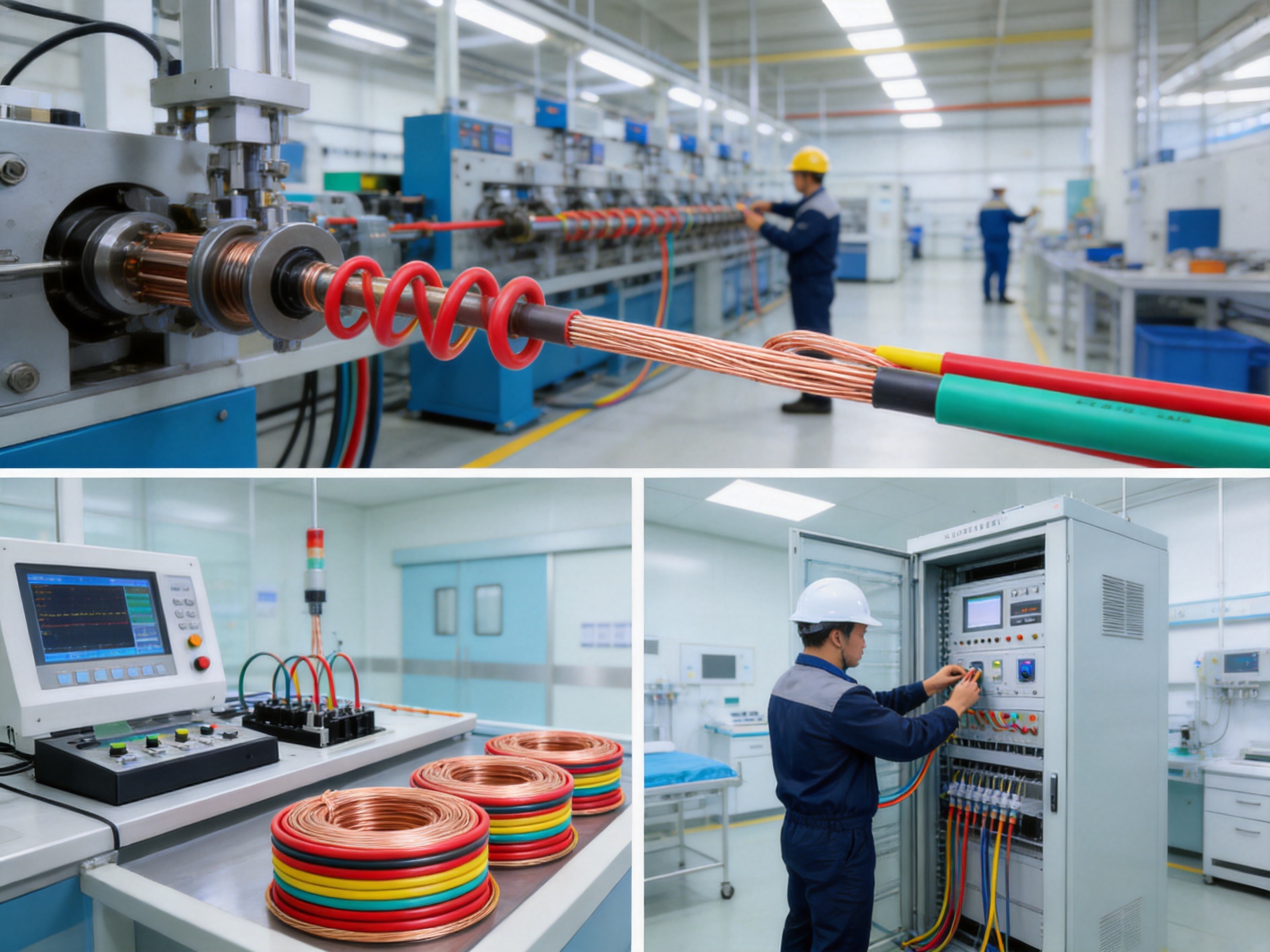
Producing a high-reliability Class B1 building wire requires multiple controlled process stages. The process begins with copper conductor preparation. High-quality copper is drawn to the required wire diameter, annealed to improve softness, and stranded into a fine multi-strand conductor. The conductor must maintain stable resistance, smooth surface quality, and appropriate flexibility.
Next comes insulation extrusion. The halogen-free low-smoke flame-retardant XLPE compound is extruded around the conductor with controlled thickness, concentricity, and surface finish. This stage is critical because uneven insulation can reduce electrical performance, mechanical strength, and fire behavior. Automated extrusion control helps maintain dimensional accuracy and production consistency.
The irradiated cross-linking stage gives the insulation its enhanced heat resistance and stability. Radiation modifies the molecular structure of the polymer, improving temperature resistance and aging performance. Proper cross-linking control helps ensure that the insulation achieves the intended balance of flexibility, strength, and thermal durability.
After insulation and cross-linking, the wire undergoes inspection and testing. Typical checks may include conductor resistance, insulation thickness, outer diameter, spark testing, voltage testing, appearance inspection, marking verification, bending performance, and relevant fire-performance testing according to project requirements. For Class B1 cable, combustion performance verification is especially important. For fire-resistant WDZB1N-RYJ, fire-resistance testing is required according to the applicable standard.
Quality control is essential for every meter of building wire. A visible cable defect can be detected before installation, but hidden defects such as conductor resistance deviation, insulation eccentricity, poor compound dispersion, or insufficient cross-linking may only appear after the cable is in service. Therefore, a responsible manufacturer must control quality from raw material selection through final inspection.
Anhui Zhishang Cable Technology Co., Ltd. emphasizes full-core, full-length, pure copper specifications for standard products. This is important because conductor quality directly affects electrical conductivity, heat generation, voltage drop, and long-term reliability. Using proper copper conductors rather than undersized or mixed-material conductors helps ensure that the cable performs according to its rated parameters.
For insulation, material formulation and processing consistency are equally important. Halogen-free flame-retardant compounds contain functional fillers and additives that must be dispersed and processed correctly. Poor processing can cause weak points, surface defects, or inconsistent fire performance. The company’s technical team supports process control and product development to reduce such risks.
Testing documentation is also valuable for project acceptance. The company can provide product test reports and certification support for standard cable models. Compliance with CCC and RoHS requirements further supports domestic and international project use. For customized products, test requirements can be discussed according to customer drawings, samples, or project specifications.
Many cable projects cannot rely only on standard catalog items. Equipment manufacturers may require specific colors, markings, conductor sizes, packaging, insulation characteristics, or documentation. Engineering contractors may need cable solutions matched to project drawings and installation conditions. Anhui Zhishang Cable Technology Co., Ltd. supports OEM and ODM development based on customer samples, drawings, or technical requirements.
The company’s R&D and engineering personnel can assist with product selection and cable design. This is useful when customers need to balance voltage rating, conductor cross-section, flexibility, flame-retardant grade, fire resistance, environmental requirements, bending radius, and installation method. Proper selection at the beginning of a project can prevent later problems such as overheating, difficult installation, non-compliance, or premature insulation aging.
Customization does not mean compromising quality. For high-performance cables such as WDZB1-RYJ and WDZB1N-RYJ, custom development must still respect electrical, mechanical, and fire-performance requirements. The company’s manufacturing base and technical experience allow it to provide practical solutions while maintaining production stability.
Standard products are stocked for fast shipment, while customized products typically require 7 to 20 days of lead time depending on specification complexity, material availability, order quantity, and testing requirements. This balance of stock supply and custom manufacturing helps customers manage project schedules more effectively.
Although WDZB1-RYJ and WDZB1N-RYJ provide enhanced flexibility and safety performance, correct installation remains essential. The wire should be selected according to rated voltage, current load, ambient temperature, installation method, grouping condition, and applicable electrical codes. Overloading any cable can cause overheating and reduce service life.
The minimum bending radius during installation is generally recommended to be at least six times the cable outer diameter. This helps prevent mechanical damage to the conductor and insulation. Installers should avoid excessive pulling force, sharp edges, repeated severe bending, and contact with incompatible chemicals unless suitability has been confirmed.
Terminations should be made with appropriate connectors, ferrules, terminals, or lugs suitable for fine-stranded copper conductors. Poor termination can increase contact resistance, generate heat, and reduce system reliability. In fire-resistant circuits, installation accessories should also be selected to maintain the intended fire-safety performance of the system.
For high-temperature environments, it is important to consider heat sources, ventilation, cable grouping, and derating. Even a heat-resistant cable must be used within its confirmed rating. Project engineers should verify the final technical datasheet, certification documents, and installation guidelines before large-scale deployment.
For contractors, the practical value of WDZB1-RYJ and WDZB1N-RYJ includes easier handling, reliable delivery, strong documentation support, and reduced installation difficulty. Fine-stranded conductors make wiring more efficient in complex areas. Stable product quality reduces rework and site complaints. Clear compliance with Class B1 fire performance supports project acceptance.
For project owners, the value lies in long-term safety and reliability. A building’s electrical wiring is often hidden inside walls, conduits, ceilings, cabinets, and equipment. Replacing poor-quality wiring after installation is costly and disruptive. Choosing a high-reliability wire at the construction stage helps protect the building throughout its service life.
For engineering consultants, this product provides a strong specification option when designing safer electrical systems. It supports high fire performance, low smoke emission, low toxicity, flexibility, and thermal durability. The fire-resistant version allows designers to specify emergency circuits with enhanced continuity under fire conditions.
For distributors and international buyers, the manufacturer’s production capacity, OEM/ODM support, and experience with international markets provide supply-chain advantages. Products from the company have been sold to the United States, Canada, Australia, Japan, and parts of Eurasia, demonstrating its ability to support diverse market needs.
In competitive cable procurement, buyers often compare price, specification, certification, delivery, and supplier reliability. WDZB1-RYJ and WDZB1N-RYJ stand out because they combine several high-value characteristics in one product platform. They are flexible, halogen-free, low-smoke, Class B1 flame-retardant, thermally durable, and available in a fire-resistant version.
Many competitors can provide one or two of these features. For example, a cable may be flexible but not Class B1. Another may be flame-retardant but not halogen-free. Another may be halogen-free but not fire-resistant. Another may have acceptable fire performance but be difficult to install due to rigid conductor construction. This product family addresses multiple project requirements at the same time.
The manufacturing support also strengthens its competitiveness. A well-designed cable must be produced consistently in large quantities. The company’s automated lines, technical personnel, test support, monthly production capacity, and customization ability provide confidence for engineering-scale procurement. This is especially important for contractors who need stable batches and timely delivery.
In summary, the product is not simply a premium wire; it is a risk-reduction component. It helps reduce fire hazards, supports safer evacuation, improves thermal reliability, simplifies installation, and contributes to long-term building performance.
WDZB1-RYJ is a halogen-free low-smoke Class B1 flame-retardant flexible building wire. WDZB1N-RYJ adds fire-resistant performance and is designed to maintain circuit integrity during a specified fire test, such as 750°C for 90 minutes according to GB/T 19666.
Class B1 indicates a high level of cable combustion performance according to GB 31247. It requires control of flame spread, heat release, smoke production, burning droplets, and toxicity. It is suitable for projects with stricter fire-safety requirements.
Yes. The product uses halogen-free low-smoke insulation materials designed to reduce corrosive gas, dense smoke, and toxic combustion hazards during fire conditions.
The typical rated voltage is 300/500V, suitable for many low-voltage building wiring, control wiring, and equipment connection applications.
The conductor is made from multi-strand fine soft copper, commonly Class 5 annealed copper. This structure provides flexibility and stable conductivity.
The insulation is irradiated cross-linked polyethylene, also known as irradiated XLPE. It provides improved heat resistance, aging resistance, and mechanical stability compared with many conventional thermoplastic insulation materials.
Yes, the product is designed for high-temperature flexible wiring applications. The exact temperature rating should be confirmed according to the final product specification, conductor size, and project requirements.
Common applications include public buildings, hospitals, laboratories, commercial kitchens, heating equipment, industrial machinery, transportation vehicles, green buildings, control cabinets, and emergency system circuits when the fire-resistant type is selected.
Yes. Its halogen-free low-smoke, low-toxicity, and high flame-retardant characteristics support safer and more environmentally responsible construction, including projects aligned with green building certification goals.
Yes. Anhui Zhishang Cable Technology Co., Ltd. supports OEM and ODM customization based on drawings, samples, project requirements, and technical specifications.
When selecting WDZB1-RYJ or WDZB1N-RYJ, buyers should define the application environment clearly. Important information includes voltage, current, conductor cross-section, installation method, ambient temperature, required flame-retardant grade, fire-resistance requirement, color, marking, packaging, certification documents, and expected delivery schedule.
If the cable is used for an emergency circuit, the WDZB1N-RYJ fire-resistant version should be considered. If the cable is used in a high-temperature but non-emergency flexible wiring area, WDZB1-RYJ may be suitable. For applications involving public safety, hospitals, underground spaces, transportation, or crowded buildings, Class B1 halogen-free low-smoke performance is especially valuable.
Buyers should also consider total project value rather than only unit price. A cheaper wire may increase risk through lower fire performance, shorter service life, more difficult installation, or uncertain compliance. A high-reliability wire can reduce hidden costs related to rework, maintenance, safety risk, and future replacement.
For technical confirmation, customers can contact the manufacturer’s engineering or sales team with project requirements. Standard models may be shipped quickly from stock, while customized items usually require production lead time. Early communication helps ensure the correct specification and avoids delays during installation.
WDZB1-RYJ and WDZB1N-RYJ high-reliability building wires are designed for the realities of modern electrical construction. They provide more than basic conductivity. They deliver Class B1 flame-retardant performance, halogen-free low-smoke safety, low-toxicity combustion behavior, flexible fine-stranded copper conductors, irradiated XLPE insulation, and optional fire-resistant circuit integrity.
These advantages make the product suitable for high-temperature equipment wiring, public buildings, hospitals, laboratories, commercial kitchens, transportation systems, green buildings, emergency circuits, and other demanding environments. Compared with conventional PVC wire and lower-grade halogen-free alternatives, this product offers a stronger combination of safety, durability, flexibility, and compliance support.
The manufacturing strength of Anhui Zhishang Cable Technology Co., Ltd. further enhances the product’s value. With an integrated R&D and production system, automated production lines, experienced technical staff, quality control discipline, OEM/ODM capability, and significant monthly output capacity, the company can support both standard supply and customized project needs.
For contractors, engineers, distributors, and project owners seeking a safer and more reliable building wire, WDZB1-RYJ and WDZB1N-RYJ represent a practical high-performance solution. They help protect people, equipment, buildings, and long-term project value through advanced materials and disciplined manufacturing.
GB 31247, Classification for Burning Behavior of Electric Wires and Cables.
GB/T 19666, General Rules for Flame-Retardant and Fire-Resistant Wires and Cables.
GB/T 17650.2, Test on Gases Evolved During Combustion of Materials from Cables: Determination of Acidity and Conductivity.
GB/T 17651.2, Measurement of Smoke Density of Cables Burning Under Defined Conditions.
GA 306, Test and Evaluation Requirements for Smoke Toxicity of Materials.
IEC 60332-3, Tests on Electric and Optical Fibre Cables Under Fire Conditions: Vertical Flame Spread of Vertically-Mounted Bunched Wires or Cables.
EN 50399, Common Test Methods for Cables Under Fire Conditions: Heat Release and Smoke Production Measurement.
China Compulsory Certification Requirements for Wire and Cable Products.
RoHS Directive Technical Guidance for Restricted Substances in Electrical and Electronic Products.

We firmly believe that good cables are not only a competition of materials, but also a reflection of craftsmanship, quality, and responsibility.

Links
Product
Send Inquiry
No. 29 Sankeshu Road, Xuanzhou District, Xuancheng City, Anhui Province, China
+86-18621104555/+86-563-2622999
 Electrical Cable Manufacturer
OEM/ODM Wire and Cable Solutions
Electrical Cable Manufacturer
OEM/ODM Wire and Cable Solutions
 English
 Español
 عربى
عربى
 русский