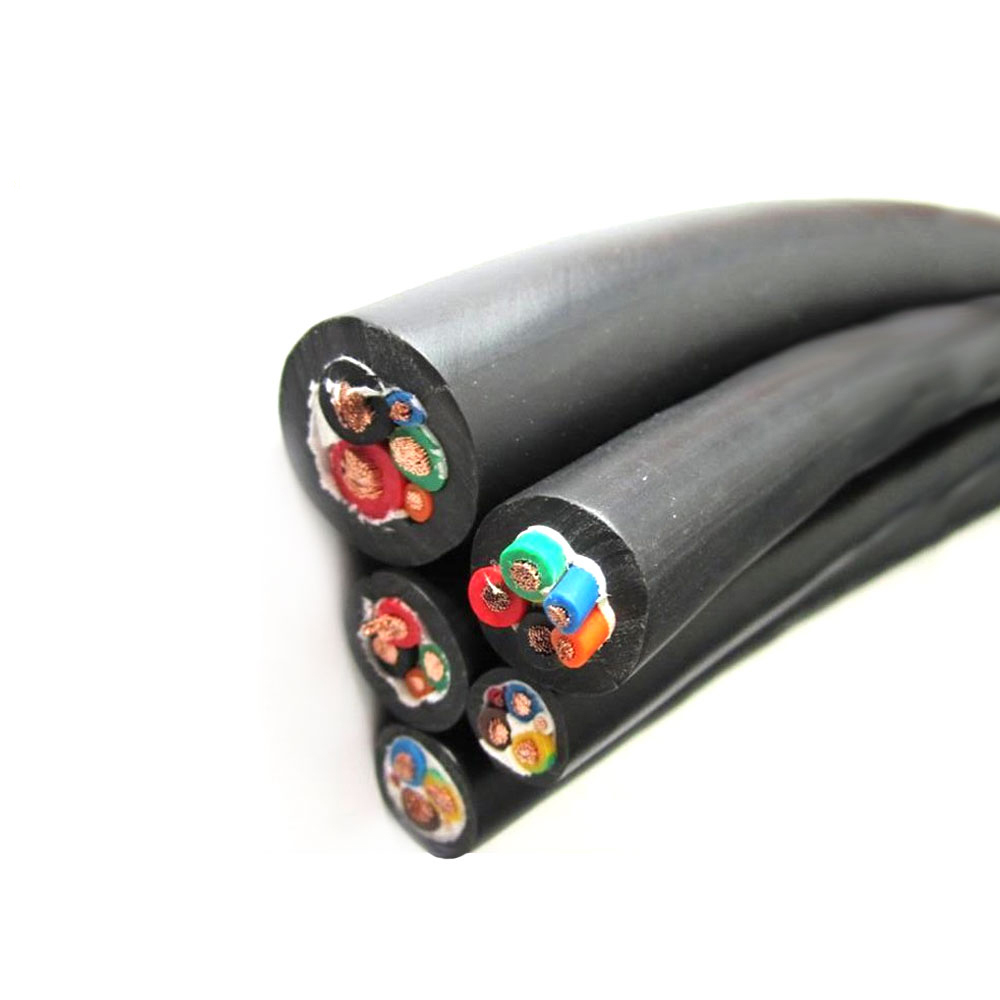
Get more content that can help you
Content
Elevator and lifting systems depend on a cable that can move thousands of times without losing electrical stability, mechanical balance, or installation reliability. The H05VVH6-F multi-scenario elevator traveling flat cable is designed for exactly this operating environment. It combines extra-flexible copper conductors, PVC insulation, a flat European-standard structure, and a durable outer sheath to support continuous movement in elevator shafts, escalators, stage machinery, cranes, and other mobile low-voltage applications.
This cable is built for rated voltage 300/500V applications and follows the H05VVH6 European cable concept, making it suitable for projects where standardized electrical performance, predictable flexibility, and internationally recognized safety behavior are essential. Unlike ordinary round flexible cables or basic flat wiring products, the H05VVH6-F elevator traveling flat cable is engineered to hang, bend, travel, and resist abrasion in repeated motion. Its flat geometry optimizes space, reduces twisting tendencies, and supports cleaner routing inside restricted installation areas.
The product is also valuable because elevator systems are no longer simple power transmission assemblies. Modern elevator installations may require power cores, control wiring, signal transmission, lighting circuits, intercom connections, and safety-related low-voltage circuits to operate in a shared moving environment. A well-designed traveling flat cable helps integrate these requirements while maintaining dependable insulation, sheath protection, conductor flexibility, and long service life.
Anhui Zhishang Cable Technology Co., Ltd. manufactures this type of cable with a practical focus on stable materials, controlled production processes, and project-oriented customization. With modern production facilities, automated production lines, experienced engineers, and OEM/ODM capabilities, the company supports customers that need standard models as well as special cable configurations based on drawings, samples, elevator specifications, or operating conditions.
HO5VVH6-F Multi-scenario applicability Elevator Traveling Flat Cable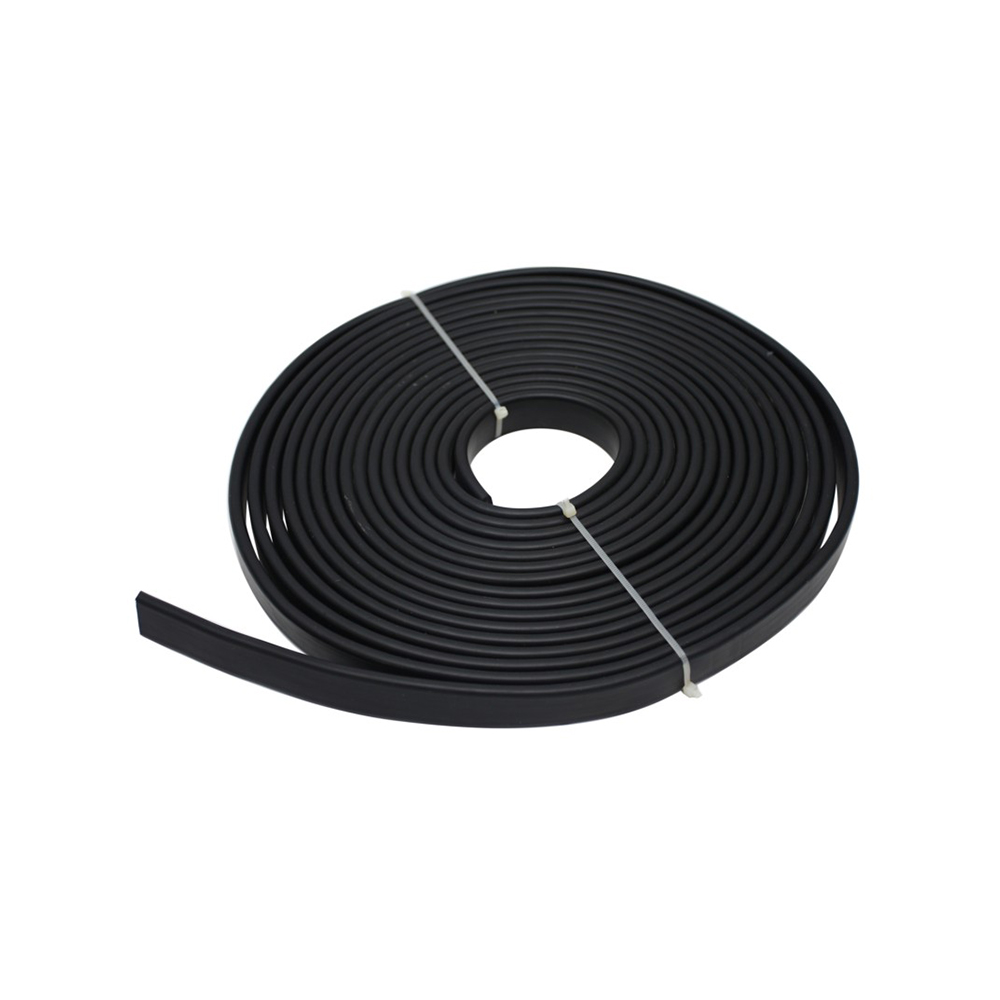
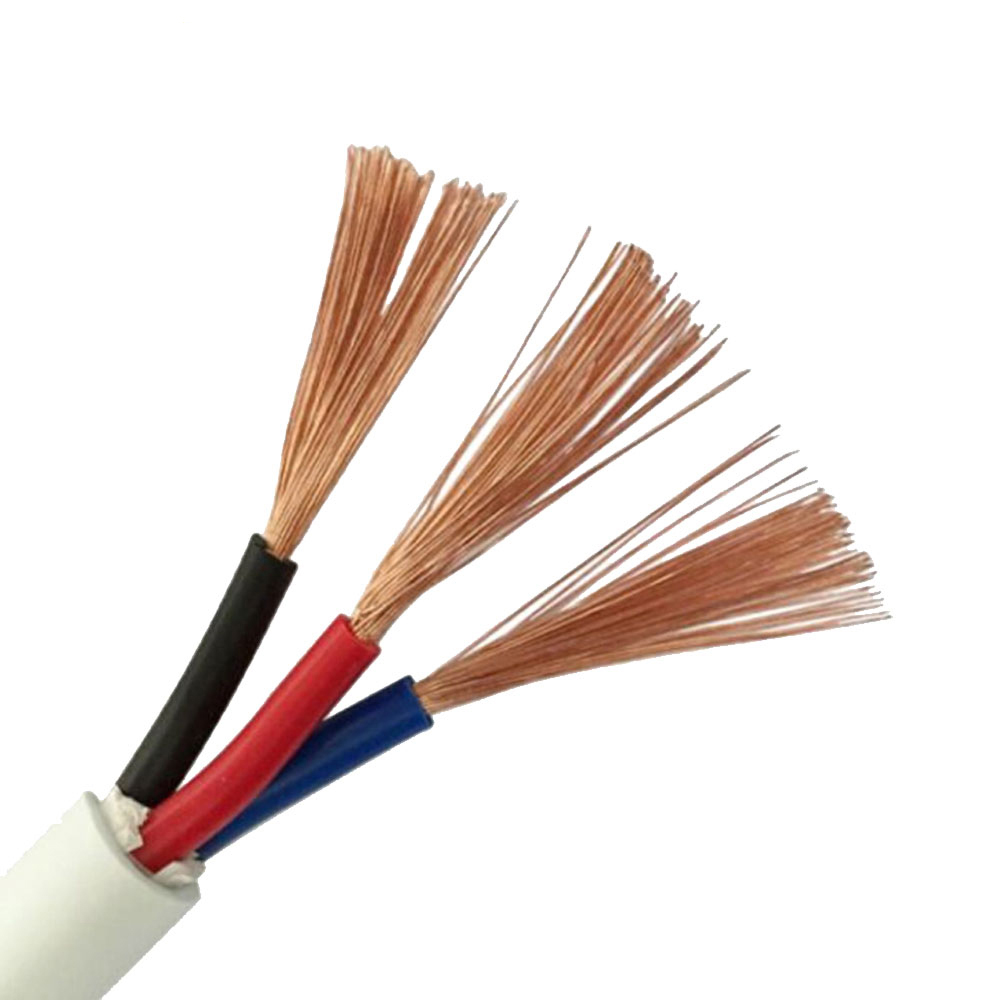
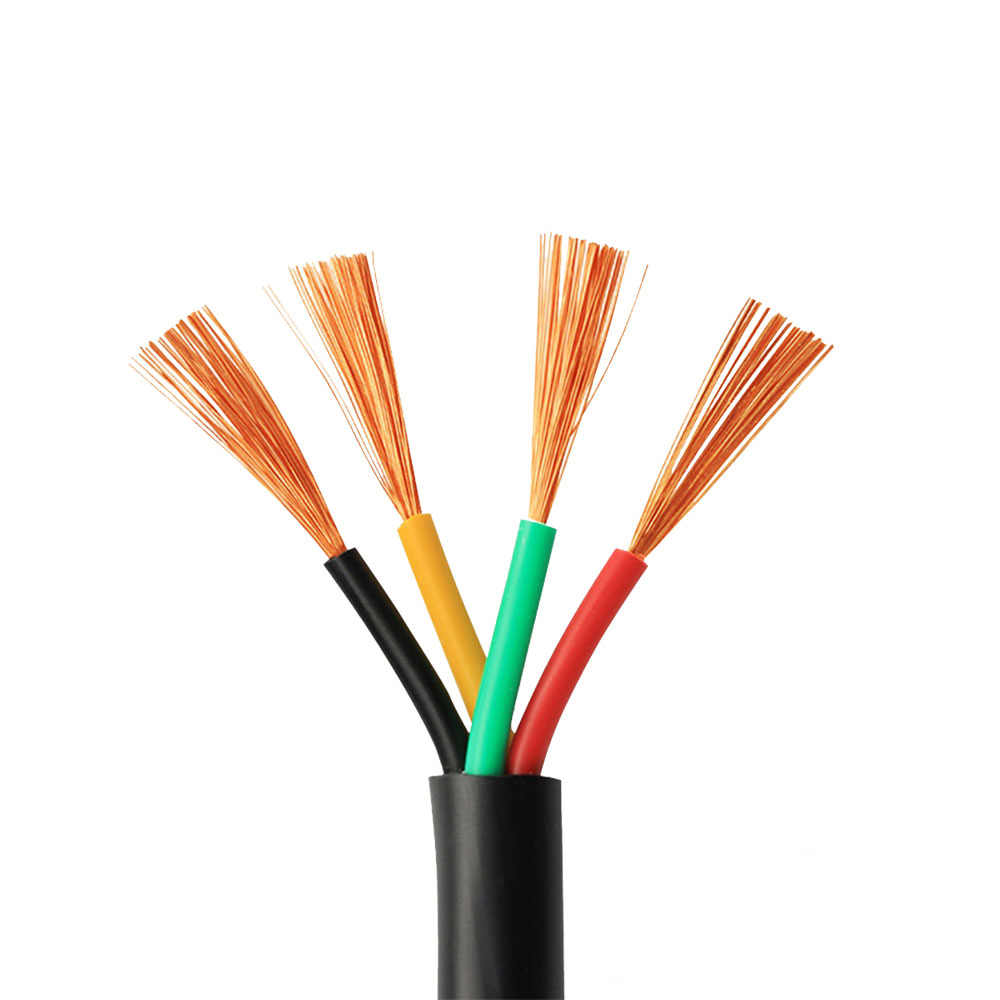
The H05VVH6-F elevator traveling flat cable is a European-standard extra-flexible cable designed for frequent bending and mobile installation. Its typical construction includes stranded annealed copper conductors with ultra-fine stranding, PVC insulation, and a PVC sheath arranged in a flat structure. The cable can be manufactured with a cross-section range from 0.5 mm² to 4.0 mm² and with core counts from 2 cores to 60 cores, depending on project requirements.
The flat design is especially important in elevator applications. A round cable may be suitable for many general power uses, but it can rotate, twist, occupy more shaft space, and create uneven stress when suspended in a traveling installation. By contrast, a flat cable naturally aligns with the moving direction, distributes bending stress more evenly across its width, and makes installation more organized. This helps reduce the risk of cable entanglement, conductor fatigue, and premature sheath damage.
The product is rated for 300/500V and tested at 2kV AC for one minute. It is designed with insulation resistance of at least 15 MΩ·km at 20°C and flame performance compliant with IEC 60332-1 requirements. The cable supports fixed installation temperatures from -40°C to +70°C and flexible installation temperatures from -5°C to +70°C. This combination makes it suitable for many indoor and semi-exposed industrial environments, including elevator shafts where temperature variation, dust, moisture, vibration, and mechanical contact may occur.
Its H05-level extra-flexible structure gives it a major advantage over standard low-flexibility wiring products. The multi-strand fine copper conductor structure improves bending endurance, while the high-elasticity PVC sheath provides abrasion resistance and protection against oil, moisture, and general industrial contamination. In elevator operating conditions, the cable is designed for high bending life, with the provided specification indicating performance of at least 8 million cycles under elevator-related conditions.
An elevator traveling cable is not simply a wire that carries electricity. It is a dynamic mechanical component that repeatedly bends, hangs, accelerates, decelerates, and moves with the elevator car. During operation, the cable must maintain electrical continuity while also resisting conductor breakage, sheath cracking, insulation wear, and torsional instability. If the cable fails, elevator control, lighting, power supply, communication, or safety circuits may be affected.
For this reason, elevator traveling cables must satisfy a combination of electrical and mechanical requirements. Electrically, the conductor must deliver stable current, the insulation must prevent leakage, and the cable must withstand rated and test voltages. Mechanically, the cable must remain flexible, maintain its shape, resist repeated bending, and avoid excessive stretching. Environmentally, it must tolerate oils, moisture, low temperatures, temperature cycling, and abrasion against installation components.
The H05VVH6-F flat cable addresses these requirements through material selection and structural design. Annealed copper conductors provide excellent conductivity and flexibility. Ultra-fine stranding reduces the bending stress carried by each individual copper wire. PVC insulation provides reliable dielectric separation between conductors. The PVC sheath protects the overall structure and gives the cable a stable external profile. The flat arrangement helps organize the cores and reduces twisting, which is one of the common causes of premature failure in moving cable systems.
Compared with many general-purpose flexible cables, this product is more suitable for repeated vertical travel. It is not only designed to be flexible at the time of installation, but also to remain flexible after long-term operation. That difference is critical. Some low-cost cables feel flexible when new but harden quickly, crack under low temperature, or suffer conductor fatigue after continuous bending. A purpose-built elevator traveling cable must maintain performance throughout its service life.
The following table summarizes the main technical characteristics of the H05VVH6-F multi-scenario elevator traveling flat cable.
Item |
Specification |
Conductor |
Stranded annealed copper conductor with ultra-fine stranding |
Cross-Section Range |
0.5 mm² to 4.0 mm² |
Number of Cores |
2 cores to 60 cores in flat arrangement |
Rated Voltage |
300/500V |
Test Voltage |
2kV AC for 1 minute |
Insulation Material |
Polyvinyl chloride, PVC |
Sheath Material |
Polyvinyl chloride, PVC |
Structure Type |
Flat structure, European standard design |
Temperature Range |
-40°C to +70°C fixed installation; -5°C to +70°C flexible installation |
Minimum Bending Radius |
Mobile installation at least 5 times cable thickness; fixed installation at least 3 times cable thickness |
Insulation Resistance |
At least 15 MΩ·km at 20°C |
Flame Performance |
Complies with IEC 60332-1 flame retardant requirements |
Bending Life |
At least 8 million cycles under elevator operating conditions |
Oil Resistance |
Passes EN 60811-2-1 oil immersion test |
Color Standard |
Complies with VDE color coding |
The most direct advantage of this cable is its balance of flexibility, mechanical durability, and standardized electrical safety. Many competing products can provide one of these characteristics, but not all at the same level. A standard power cable may provide stable voltage performance, but it is not designed for continuous bending. A simple flexible control cable may bend easily, but it may not offer the flat geometry, core organization, or traveling performance needed in an elevator shaft. A low-cost flat cable may reduce initial procurement cost, but it may use lower-grade conductors, inconsistent insulation thickness, or a sheath compound that cannot withstand long-term abrasion.
The H05VVH6-F elevator traveling flat cable is designed to solve these problems. Its ultra-fine stranded copper conductors provide better fatigue resistance than coarse-stranded alternatives. In repeated bending, each individual copper strand experiences less stress, which helps reduce conductor breakage over time. This is especially valuable for elevator systems that operate hundreds or thousands of times per day in commercial buildings, residential towers, hospitals, hotels, logistics facilities, and industrial plants.
The flat structure is another competitive advantage. In many elevator shafts, available space is limited, and cable behavior must be predictable. A flat cable can be routed more neatly and can help reduce unwanted rotation during vertical movement. This contributes to smoother travel and lower mechanical interference. For installers, the flat profile can also make fixing, positioning, and maintenance easier than with bulky round cable bundles.
The cable’s PVC insulation and sheath materials are selected for practical industrial performance. The sheath resists oil, moisture, abrasion, and temperature variation, which are common challenges in real installations. While highly specialized materials may be required for extreme chemical or high-temperature environments, a well-formulated PVC traveling cable offers a cost-effective, reliable solution for mainstream elevator and lifting applications. This is one reason the H05VVH6-F type remains widely relevant in European-standard low-voltage moving systems.
Another important advantage is standardized compatibility. Compliance with European H05VVH6 concepts, EN 50525-2-21 references, VDE color coding practices, CE expectations, RoHS material restrictions, and IEC flame behavior helps customers integrate the cable into international projects with less technical uncertainty. For contractors and equipment manufacturers, standardized cable design can reduce approval time, simplify documentation, and improve confidence in long-term maintenance.
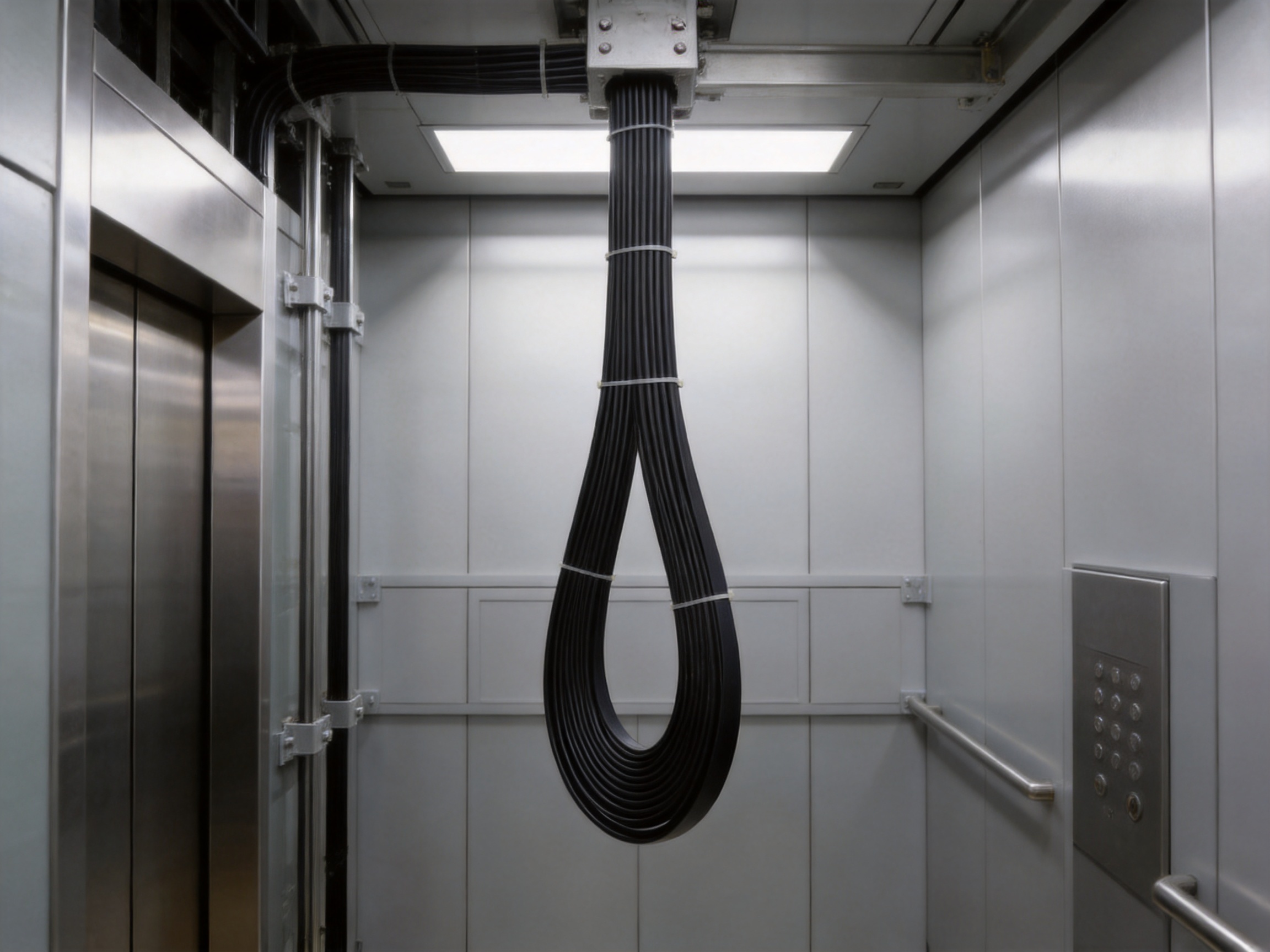
The primary application of this cable is elevator traveling installation. It can supply power and signals between the elevator car and fixed control systems. Depending on the cable configuration, it may support lighting, door control, intercom circuits, display systems, operating panels, safety switches, and auxiliary low-voltage power functions. The broad core range from 2 cores to 60 cores allows the cable to be adapted to different elevator designs, from simple systems to more complex control arrangements.
The cable is also suitable for escalators and moving walkway systems where flexible wiring must tolerate vibration and movement. In these applications, a stable sheath, flame-retardant behavior, and organized conductor arrangement are important because wiring may be installed close to mechanical assemblies and passenger areas.
Lifting equipment and crane systems can also benefit from this type of flexible flat cable. Cranes and hoists often require cables that can move repeatedly while carrying power or control signals. The torsion resistance and bending endurance of the H05VVH6-F construction help reduce downtime and maintenance risk. In stage machinery, the cable can be used for moving lighting frames, lifting platforms, and control systems where flexibility and reliable operation are important during repeated performance cycles.
Industrial automation is another relevant area. While the product is specifically optimized for elevator traveling applications, its low-voltage rating, flexible structure, and durable sheath make it useful for selected moving power and control tasks in production lines, mobile equipment, temporary power supply systems, and machinery connections. However, cable selection should always consider exact load, movement type, installation method, environmental exposure, and applicable standards.
Reliable power transmission begins with conductor quality. The H05VVH6-F elevator traveling flat cable uses stranded annealed copper conductors. Copper remains the preferred conductor material for demanding flexible cables because it offers high conductivity, stable electrical performance, and good mechanical ductility. Annealing improves flexibility by reducing internal stress in the copper, while ultra-fine stranding allows the conductor to bend repeatedly without concentrating fatigue in a few large wires.
The 300/500V rated voltage makes the cable appropriate for many low-voltage power and control applications. It is not intended to replace medium-voltage or high-voltage power cables, but within its designed voltage class it provides stable operation for elevator and machinery circuits. The 2kV AC test voltage demonstrates dielectric strength under controlled testing conditions and provides assurance that the insulation system can withstand a defined verification level.
Insulation resistance of at least 15 MΩ·km at 20°C helps reduce leakage current and supports safe operation over long cable lengths. In elevator systems, insulation reliability is especially important because the cable moves continuously, and any insulation weakness can become worse over time. Consistent insulation thickness and material quality help prevent localized weak points, partial damage, and early breakdown.
The cable’s electrical performance is strengthened by manufacturing control. Precise extrusion, conductor centering, insulation uniformity, and sheath thickness stability all affect final performance. Anhui Zhishang Cable Technology Co., Ltd. emphasizes production stability through automated production lines and quality inspection procedures. By controlling conductor preparation, insulation extrusion, flat cable forming, sheathing, marking, and testing, the company helps ensure that finished cables meet defined technical requirements instead of merely appearing acceptable from the outside.
The most important mechanical characteristic of an elevator traveling cable is bending endurance. In a moving installation, the cable bends at the loop as the elevator car travels. This bending is repeated continuously over years of service. If the conductor is too stiff, individual strands may break. If the insulation is too rigid, cracks may develop. If the sheath is poorly formulated, it may harden, abrade, or split. If the cable structure is unbalanced, twisting may occur and accelerate damage.
The H05VVH6-F cable uses a multi-strand fine copper conductor structure to reduce bending stress. Each small copper strand flexes more easily than a larger wire. When properly stranded, the conductor can distribute movement through many small elements. This makes the cable more suitable for mobile installation than solid conductor cable or coarse-stranded cable.
The specified minimum bending radius is practical for elevator installation. For mobile installation, the bending radius should be at least 5 times the cable thickness, while fixed installation should maintain at least 3 times the cable thickness. Following these limits is essential. Even the best flexible cable can fail prematurely if it is forced into a radius tighter than its design allows. Correct installation preserves the conductor geometry and reduces strain on insulation and sheath layers.
The stated bending life of at least 8 million cycles under elevator operating conditions provides a strong basis for long-term reliability. In competitive comparison, this level of endurance helps distinguish the cable from generic flexible products that may not be tested or designed for elevator cycle conditions. For building owners and maintenance companies, longer bending life means fewer replacements, less downtime, and lower total cost of ownership.
Elevator shafts and industrial moving systems are not always clean, stable environments. Cables may be exposed to oil traces, dust, humidity, vibration, friction, and temperature variation. In colder regions, low-temperature flexibility can become a critical requirement. The H05VVH6-F cable is designed with weather resistance and low-temperature adaptability, with fixed installation performance indicated from -40°C to +70°C and flexible installation performance from -5°C to +70°C. Special notes also emphasize excellent low-temperature performance.
Oil resistance is verified through EN 60811-2-1 oil immersion testing. This matters because lubricants and mechanical oils may be present in elevator and machinery environments. A sheath that swells, softens, or cracks after oil exposure can quickly compromise cable safety. Moisture resistance is also important because humidity can affect insulation reliability and accelerate material aging if the cable is poorly designed.
Abrasion resistance is another major safety factor. Traveling cables may contact guide components, supports, or other surfaces during movement. The provided specification indicates that the cable passes a 10,000 reciprocating abrasion test. This demonstrates practical resistance against surface wear and helps protect the internal conductors and insulation from mechanical exposure.
Flame-retardant behavior is especially important in buildings and passenger transportation systems. Compliance with IEC 60332-1 flame retardant requirements means the cable is designed to resist flame propagation under specified test conditions. While no cable should be considered fireproof unless specifically designed and certified for that purpose, flame-retardant performance helps improve overall installation safety and supports compliance with building and equipment requirements.
The flat cable structure provides several installation advantages. First, it saves space. Elevator shafts often contain guide rails, control components, mechanical parts, and other wiring systems. A flat cable can be arranged with a lower profile and less bulk than an equivalent round cable bundle. This makes installation cleaner and may reduce interference with moving components.
Second, the flat structure supports easier identification and organization of cores. With VDE color coding compliance, installers can connect circuits more confidently and reduce wiring errors. Standardized color identification is useful for international projects because technicians may come from different regions and need a common wiring reference.
Third, the cable’s flexibility reduces labor difficulty. A stiff cable is harder to route, harder to hang properly, and more likely to place stress on terminations. The H05VVH6-F design allows easier handling while maintaining mechanical strength. For contractors, this can shorten installation time and reduce the need for corrective adjustment.
Fourth, the cable is compatible with many mainstream connector interfaces due to its standard outer dimensional design and electrical characteristics. This reduces adaptation cost for equipment manufacturers and system integrators. In projects requiring quick delivery, standard cable models can support faster procurement, while customized models can be developed for special requirements.
A high-quality elevator traveling cable depends not only on design, but also on manufacturing discipline. Anhui Zhishang Cable Technology Co., Ltd. operates a modern production base of approximately 5,000 square meters in Xuancheng City, Anhui Province, China. The company integrates research, production, and sales of wire and cable products, serving industrial automation, weak current engineering, intelligent manufacturing, appliance equipment, power engineering, and other fields.
The company has more than 50 employees, including quality engineers and research and development technicians with more than 10 years of industry experience. This technical foundation allows the company to evaluate customer requirements, recommend suitable cable structures, and provide customized solutions based on drawings or samples. For elevator traveling cables, engineering judgment is particularly important because core count, cross-section, cable width, sheath thickness, flexibility, suspension length, movement frequency, and installation space all affect final performance.
The production facility is equipped with 10 automated production lines and can reach monthly output of up to 10 million meters. Automated production improves consistency in conductor processing, extrusion, cooling, dimensional control, and marking. In cable manufacturing, small deviations can create significant long-term effects. Uneven insulation thickness may reduce dielectric strength. Poor conductor centering may affect bending performance. Inconsistent sheath extrusion may create weak points. Automation helps reduce these risks by maintaining stable process parameters.
The company emphasizes full-core, full-length, pure copper specifications, product test reports, and warranty support for standard cable models. This is an important advantage over suppliers that compete only on low price. In the cable industry, apparent similarity can be misleading. Two cables may have the same number of cores and similar appearance, but differ greatly in copper quality, conductor cross-section accuracy, insulation compound, sheath formulation, flame performance, and flexibility. By focusing on verified materials and documented testing, the manufacturer supports buyers who need dependable performance rather than uncertain short-term savings.
Standard products are stocked for fast shipment, while customized products typically require 7 to 20 days of lead time. This combination of inventory and customization is valuable for elevator manufacturers, maintenance providers, and project contractors. Standard stock supports urgent replacement or routine procurement, while customized production supports project-specific conductor counts, dimensions, colors, markings, or application conditions.
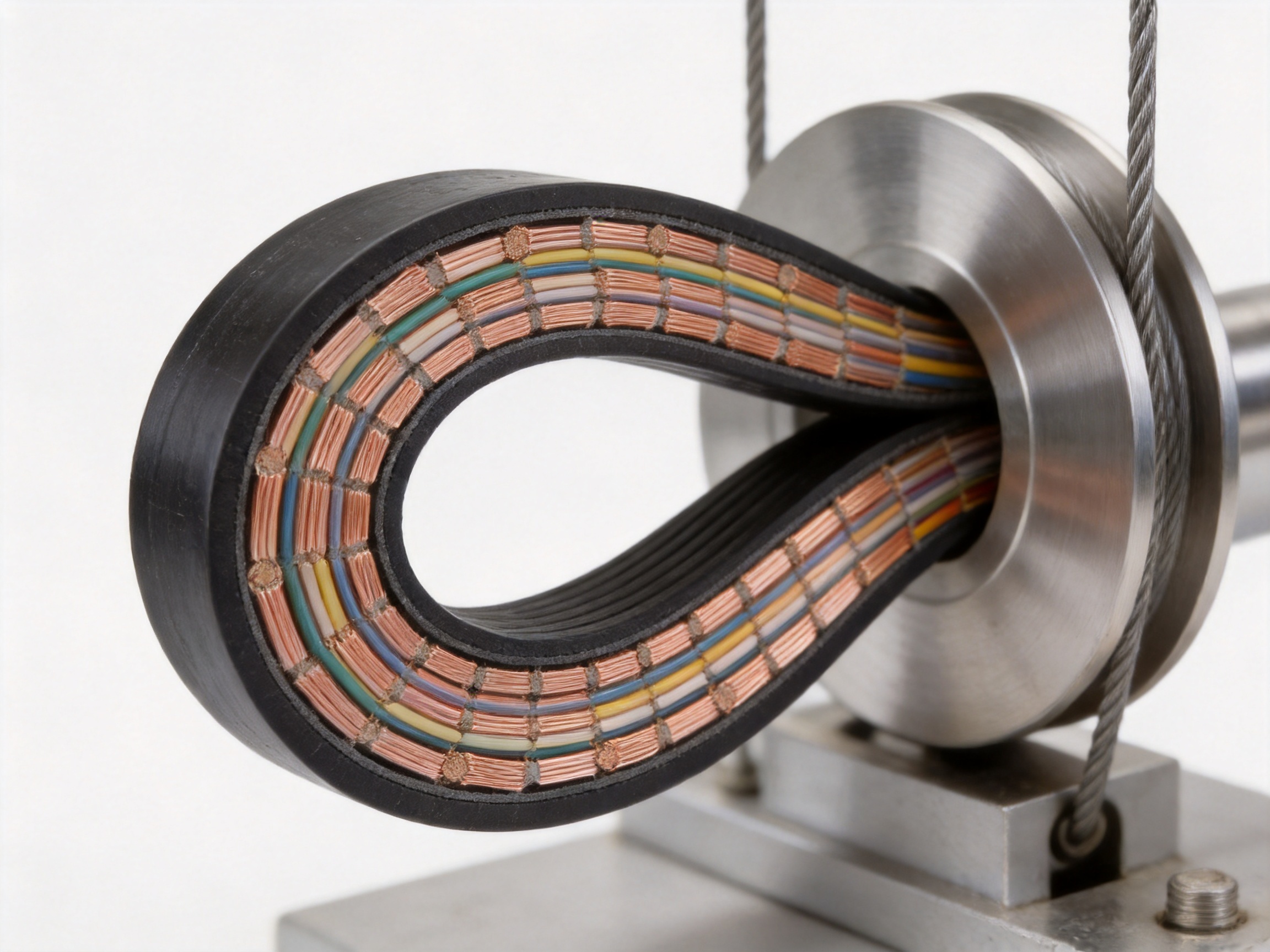
The production of an H05VVH6-F elevator traveling flat cable begins with conductor preparation. High-quality copper is drawn and stranded into flexible conductors. The stranding process must be carefully controlled because conductor geometry affects both electrical resistance and bending life. Ultra-fine stranding requires precision to ensure that individual wires are arranged consistently and that the conductor remains compact without becoming too rigid.
After conductor preparation, insulation is extruded over each conductor. PVC insulation must be applied with stable thickness and good surface quality. Temperature control, extrusion pressure, line speed, and cooling conditions all influence the final insulation layer. A well-controlled insulation process helps ensure dielectric strength, flexibility, and resistance to cracking.
The insulated cores are then arranged into the flat structure. Core arrangement is a critical step because the cable must maintain a stable flat profile during movement. The position of each core affects bending balance, width, thickness, and final mechanical behavior. In a poorly arranged flat cable, uneven stress can cause twisting, edge cracking, or conductor displacement. A properly manufactured cable maintains dimensional stability and predictable movement.
The sheath extrusion process forms the external protective layer. The sheath must bond and surround the core assembly properly while maintaining smooth external dimensions. Sheath thickness in the provided specification ranges from 0.8 mm to 1.6 mm, depending on cable size and design. This layer protects against abrasion, oil, moisture, and mechanical impact. It also contributes to the cable’s tensile strength and overall handling characteristics.
During and after production, quality checks may include conductor resistance, insulation thickness, sheath thickness, outer dimensions, voltage withstand testing, insulation resistance testing, visual inspection, flexibility evaluation, and marking verification. For elevator traveling cables, bending and abrasion performance are also important indicators. These inspections support product consistency and help identify issues before shipment.
The company follows the business philosophy of quality orientation, integrity foundation, and stability priority. In practical terms, this means developing cable products that focus on stable performance, responsible material selection, and long-term customer value. For customers buying elevator traveling cables, quality philosophy is not an abstract slogan. It affects whether the cable will maintain conductor continuity, whether the sheath will resist repeated movement, and whether the product will support safe building operation.
Quality assurance is especially important for OEM and ODM projects. When customers provide drawings, samples, or technical requirements, the manufacturer must translate those requirements into material selection, conductor design, insulation structure, sheath formulation, dimensional tolerances, and testing standards. Experienced engineers can identify whether a requested design is realistic, whether bending radius is suitable, and whether the selected cross-section can carry the expected current.
The company’s ability to provide selection guidance helps customers avoid common mistakes. For example, some buyers may choose a cable only by core count and voltage rating, ignoring movement frequency, suspension length, temperature, or abrasion exposure. Others may select a very low-cost cable for a high-cycle elevator environment, leading to premature replacement. Technical consultation can reduce these risks and help the buyer select the right cable from the beginning.
Product test reports provide further confidence. In international procurement, documentation is often essential for project approval, quality audits, and customer acceptance. CE and RoHS conformity expectations, flame retardant performance, oil resistance, and electrical testing all contribute to a more complete quality profile. A cable supplier that can provide technical data and testing support is generally more suitable for professional projects than one that provides only basic product pictures and price quotations.
Initial cable price is only one part of project cost. In elevator and lifting systems, cable failure can create much higher costs through downtime, emergency maintenance, passenger inconvenience, safety inspections, replacement labor, and equipment damage. A low-cost cable that must be replaced frequently is rarely economical. The H05VVH6-F elevator traveling flat cable provides cost-effectiveness by balancing European-standard performance, durable materials, and practical manufacturing efficiency.
Compared with premium specialty cables designed for extreme environments, PVC-based H05VVH6-F cable offers a practical solution for mainstream low-voltage elevator and machinery applications. It provides flexibility, flame performance, oil resistance, moisture resistance, low-temperature adaptability, and abrasion resistance without unnecessary over-specification. This makes it attractive for projects that require reliable performance and reasonable procurement cost.
Compared with cheaper non-standard cables, the product offers stronger assurance through defined voltage rating, test voltage, conductor design, bending radius guidance, flame behavior, and material performance. This reduces hidden risk. In many cases, the best purchasing decision is not the lowest price, but the lowest reliable life-cycle cost. A cable with longer bending life and more consistent quality can reduce maintenance frequency and improve system availability.
The manufacturer’s production capacity also contributes to cost-effectiveness. Automated lines, monthly output capability, standard stock, and controlled lead times help reduce delays and supply uncertainty. For contractors, delayed cable delivery can disrupt installation schedules and increase labor costs. A supplier with both manufacturing capacity and customization flexibility is better positioned to support project deadlines.
Elevator projects vary widely by region, building type, control system, and installation environment. Some projects require only a small number of power and control cores, while others need many signal and auxiliary cores. Some installations prioritize compact width, while others prioritize higher current capacity. Some markets require specific color coding, markings, or documentation. The H05VVH6-F elevator traveling flat cable can be adapted across a broad cross-section and core range to meet these needs.
The cross-section range from 0.5 mm² to 4.0 mm² allows designers to select suitable conductor sizes for control, signal, lighting, and power functions. The core range from 2 to 60 cores supports both simple and complex wiring systems. Cable thickness may range from 2.5 mm to 12 mm, while cable width may range from 8 mm to 60 mm, depending on the number of cores and cross-section. These dimensional options make the product suitable for different shaft spaces and mechanical arrangements.
OEM and ODM service is valuable for equipment manufacturers that need cable integrated into their own systems. The company’s engineers can support development based on samples or drawings, which helps customers match existing equipment interfaces. Customized marking and packaging may also help distributors and project contractors manage inventory and installation.
The product is especially suitable for global elevator projects, particularly those connected with European market requirements. Its European-standard design, H05-level extra flexibility, VDE color coding compliance, and recognized flame-retardant framework help support international acceptance. For buyers operating across multiple countries, using a standardized cable type can simplify procurement and reduce the need to qualify multiple local alternatives.
Ordinary flexible cables are often designed for portable tools, appliances, lighting equipment, or general machinery connection. They may perform well in applications where movement is occasional or where the cable is not suspended in a long traveling loop. However, elevator traveling cables face continuous bending and vertical motion. This difference makes specialized construction necessary.
An ordinary round flexible cable may twist under repeated motion. Twisting can create internal stress and uneven conductor loading. Over time, this can lead to strand breakage or insulation deformation. The flat H05VVH6-F structure is better suited for stable vertical travel because it naturally guides movement along a defined plane.
Ordinary flexible cables may also have fewer core arrangement options. Elevator systems frequently need many cores in one cable, and a flat structure can organize these cores efficiently. With up to 60 cores available, the H05VVH6-F cable can support complex elevator wiring while maintaining a manageable installation profile.
Generic cables may not provide comparable bending life data, abrasion test performance, oil resistance, or flame behavior. They may be suitable for low-risk temporary use but not for long-term elevator service. Choosing a purpose-built traveling cable is therefore a practical risk reduction measure.
Even a high-quality traveling cable should be installed and maintained correctly. During installation, technicians should avoid twisting the cable, exceeding the minimum bending radius, clamping the cable too tightly, or allowing the cable to rub continuously against sharp edges. The cable should hang freely within the designed travel path and should be supported according to elevator manufacturer instructions.
Terminations should be secure but not overly strained. Many cable failures begin at termination points where bending stress is concentrated. Proper strain relief helps protect conductors and insulation near connectors. The flat cable should not be forced into a round clamp unless the clamp is designed to support its shape without damaging the sheath.
Periodic inspection should include checking for sheath abrasion, cracking, deformation, oil contamination, abnormal twisting, and secure fixing. If visible damage appears, the cable should be evaluated promptly. Preventive replacement may be safer and more economical than waiting for electrical failure.
Because the cable uses standardized color coding and dimensions, maintenance teams can identify circuits more easily and replace or connect cables with lower risk of wiring error. This is an advantage in commercial buildings where service time must be minimized.
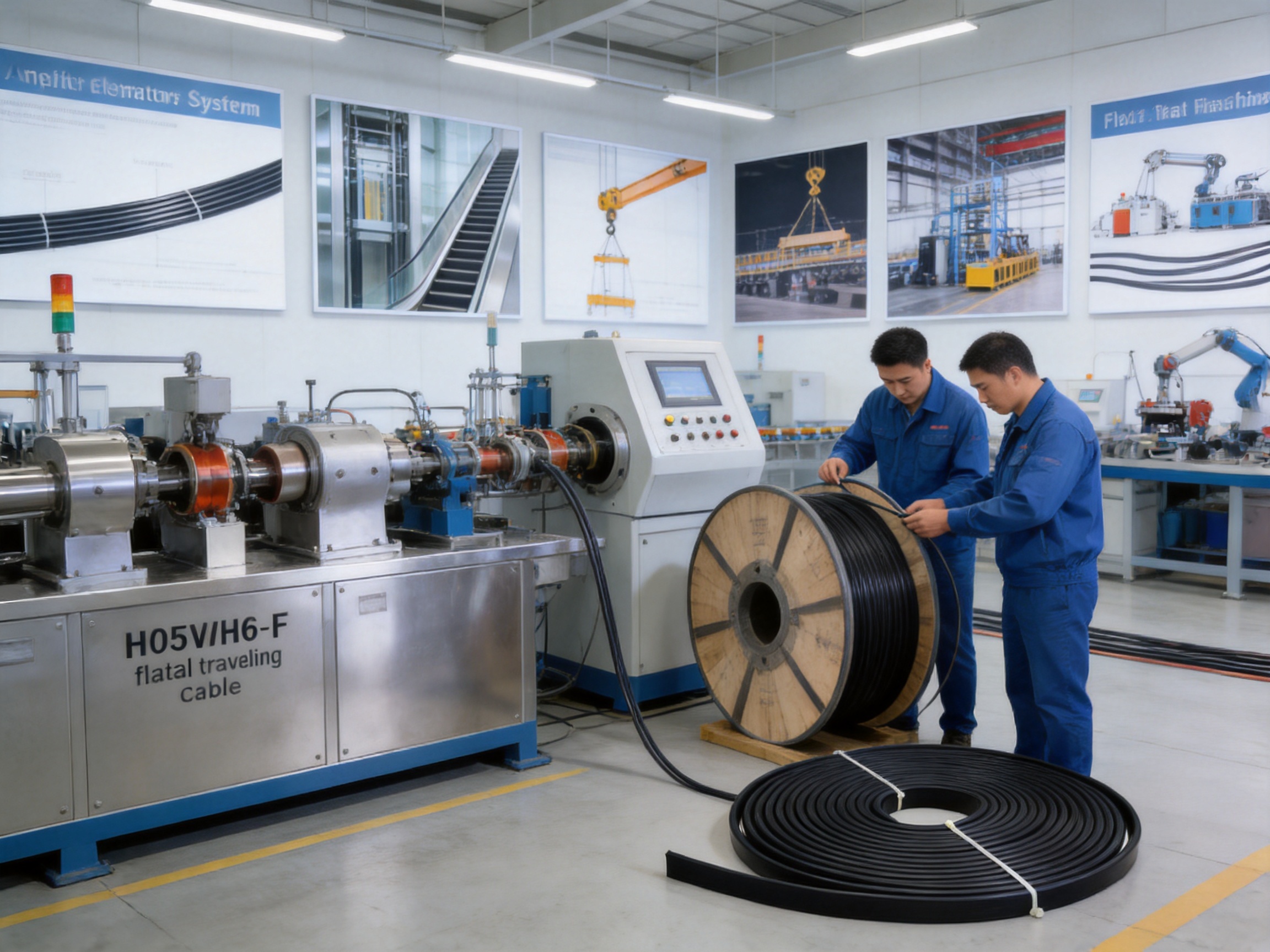
It is mainly used for elevator traveling systems, where a cable must move repeatedly between the elevator car and fixed control equipment. It can also be used in escalators, lifting equipment, stage machinery, crane equipment, and other low-voltage mobile applications requiring high flexibility and reliable performance.
The flat structure helps save installation space, reduces twisting, organizes multiple cores, and distributes bending stress more evenly. In elevator shafts, these benefits can improve movement stability and reduce premature mechanical wear.
Ordinary flexible cable may be suitable for appliances or portable equipment, but it is not necessarily designed for continuous elevator travel. The H05VVH6-F cable uses ultra-fine stranded copper conductors, a flat European-standard structure, durable PVC insulation and sheath, and performance characteristics aimed at repeated bending and mobile installation.
The cable is rated for 300/500V and is tested at 2kV AC for one minute. This makes it suitable for many low-voltage power and control applications within its designed rating.
The cable is designed for fixed installation from -40°C to +70°C and flexible installation from -5°C to +70°C. These ratings support many indoor and industrial environments, including applications where low-temperature performance is important.
Yes. It can be customized within the available cross-section range of 0.5 mm² to 4.0 mm² and core count range of 2 to 60 cores. The manufacturer also supports OEM and ODM development based on customer drawings, samples, and project specifications.
Ultra-fine stranded copper improves flexibility and bending fatigue resistance. Each small strand bends more easily than a large conductor wire, helping the cable withstand repeated movement over a longer service life.
Yes. The cable complies with IEC 60332-1 flame retardant requirements. This supports safer use in building and machinery environments where flame propagation control is important.
It balances reliable European-standard performance, durable materials, flexible construction, and reasonable manufacturing cost. Its long bending life and stable quality can reduce replacement frequency and lower total ownership cost compared with cheaper non-standard alternatives.
The manufacturer operates modern production facilities with automated production lines, experienced engineers, quality control procedures, OEM/ODM capabilities, product test reports, and significant monthly output capacity. These strengths help ensure consistent cable dimensions, material quality, electrical performance, and delivery reliability.
The H05VVH6-F multi-scenario elevator traveling flat cable is a specialized low-voltage cable designed for applications where continuous movement, reliable power transmission, flexible installation, and long-term safety are required. Its extra-flexible stranded copper conductors, PVC insulation and sheath, European-standard flat structure, flame-retardant behavior, oil resistance, abrasion resistance, and wide customization range make it a strong solution for elevator, escalator, lifting, crane, stage machinery, and selected industrial moving applications.
Its advantages over competitors are clear. Compared with ordinary round flexible cable, it provides better flat routing, reduced twisting, and stronger suitability for vertical travel. Compared with low-cost non-standard flat cables, it offers more dependable conductor quality, insulation performance, bending endurance, and standardized compatibility. Compared with over-specialized cable solutions, it provides practical performance at a cost-effective level for mainstream 300/500V systems.
Behind the product is a manufacturer with modern facilities, automated production lines, experienced technical staff, strong customization capability, and a quality-focused production philosophy. Anhui Zhishang Cable Technology Co., Ltd. supports customers with standard stock, customized lead times, product test documentation, and engineering guidance. For elevator manufacturers, contractors, distributors, and maintenance teams, this combination of product design and manufacturing strength helps deliver reliable cable solutions for demanding moving applications.
In modern vertical transportation and industrial motion systems, the cable is not a minor accessory. It is a working component that directly affects safety, uptime, and maintenance cost. Selecting a purpose-built H05VVH6-F elevator traveling flat cable is therefore a practical investment in stable operation, easier installation, and long-term system reliability.
International Electrotechnical Commission. IEC 60332-1, Tests on Electric and Optical Fibre Cables under Fire Conditions.
European Committee for Electrotechnical Standardization. EN 50525-2-21, Electric Cables, Low Voltage Energy Cables of Rated Voltages up to and Including 450/750V.
European Committee for Electrotechnical Standardization. EN 60811 Series, Electric and Optical Fibre Cables, Test Methods for Non-Metallic Materials.
VDE Standards Collection. Harmonized Cable Color Coding and Low-Voltage Cable Design Practices.
Cable Engineering Handbook. Flexible Cable Construction, Conductor Stranding, Insulation, Sheathing, and Dynamic Bending Performance.

We firmly believe that good cables are not only a competition of materials, but also a reflection of craftsmanship, quality, and responsibility.

Links
Product
Send Inquiry
No. 29 Sankeshu Road, Xuanzhou District, Xuancheng City, Anhui Province, China
+86-18621104555/+86-563-2622999
 Electrical Cable Manufacturer
OEM/ODM Wire and Cable Solutions
Electrical Cable Manufacturer
OEM/ODM Wire and Cable Solutions
 English
 Español
 عربى
عربى
 русский