
Get more content that can help you
Content
Industrial systems are increasingly expected to operate in environments where ordinary cables fail early: continuous high heat, aggressive chemical exposure, electromagnetic interference, mechanical abrasion, compact installation spaces, and strict fire-safety requirements. In these conditions, cable selection is not a minor component decision; it is a reliability decision that can determine whether an entire production line, monitoring system, control cabinet, or high-frequency transmission channel remains stable over time.
The AF250 Chemical Corrosion Resistance Fluoroplastic Cable is engineered for precisely these demanding conditions. Designed with modified PFA/PTFE composite insulation, it supports a long-term allowable operating temperature from minus 65 degrees Celsius to plus 250 degrees Celsius, with a short-term peak resistance up to plus 280 degrees Celsius for 48 hours. Its core value lies in three combined capabilities: ultra-high temperature tolerance, strong chemical corrosion resistance, and extremely low signal loss. This combination allows the cable to provide stable transmission and dependable electrical performance in severe industrial, aerospace, chemical, nuclear instrumentation, and high-frequency environments.
Unlike general-purpose high-temperature wires that may focus only on thermal endurance, the AF250 fluoroplastic cable is designed as a comprehensive solution. It offers stable dielectric properties, a dielectric constant as low as 2.0, improved insulation mechanical strength, excellent cut-through resistance, optional shielding structures, radiation resistance, flame retardancy, and fire-resistance performance. These properties make it suitable not only for fixed high-temperature wiring, but also for high-temperature mobile equipment and installations affected by strong electromagnetic interference.
For buyers, engineers, procurement teams, equipment manufacturers, and project contractors, the AF250 cable provides an effective balance between premium performance and practical cost control. It is positioned as a cost-effective 250 degrees Celsius rated cable, delivering high-temperature reliability without unnecessary overdesign. When combined with advanced manufacturing processes, quality assurance systems, and OEM/ODM customization capabilities, it becomes a strong choice for projects requiring safe, stable, and durable cable performance.
AF250 Chemical corrosion resistance Fluoroplastic Cable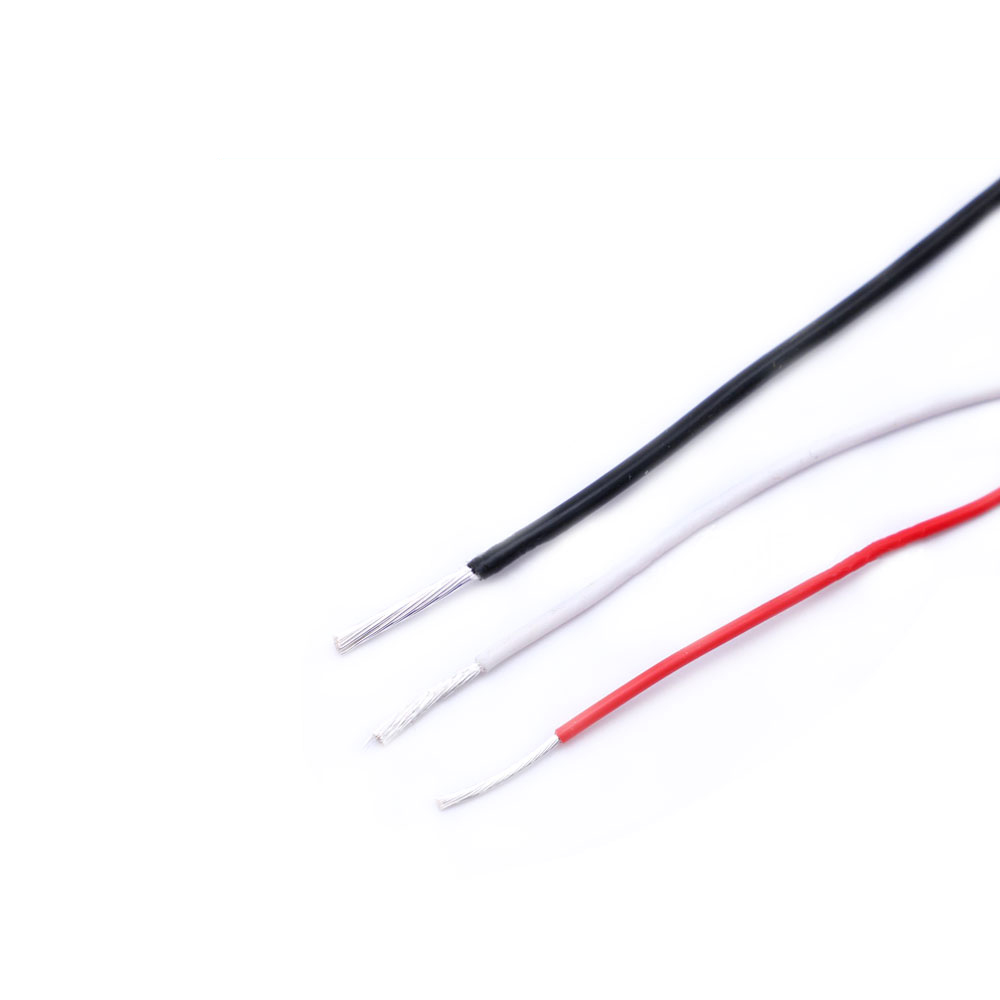
The AF250 Chemical Corrosion Resistance Fluoroplastic Cable belongs to the fluoroplastic cable category, a class of cables known for exceptional resistance to heat, chemicals, aging, and electrical stress. The AF250 model is especially designed for applications where continuous operation at up to 250 degrees Celsius is required. It uses modified PFA/PTFE composite material to create insulation that is heat-resistant, chemically stable, mechanically reliable, and easy to process during installation.
One of the defining features of AF250 is its temperature range. A long-term operating range from minus 65 degrees Celsius to plus 250 degrees Celsius means the cable can function in both extreme cold and extreme heat. This is critical in aerospace, outdoor industrial equipment, high-altitude systems, process plants, metallurgical operations, and high-temperature machinery where temperature swings can be severe. Many conventional PVC, PE, rubber, or ordinary heat-resistant cables cannot maintain stable insulation performance in such a wide temperature range.
Another important characteristic is its chemical corrosion resistance. The cable is resistant to oils, fuels, lubricants, solvents, acids, alkalis, and many organic chemical agents. In chemical reactors, refinery systems, laboratory equipment, coating lines, battery production lines, and industrial cleaning systems, cables may be exposed to corrosive vapors, splashes, and contaminated air. The AF250 cable is designed to reduce the risk of insulation swelling, cracking, embrittlement, or electrical leakage caused by these harsh chemical environments.
The cable also offers low dielectric loss and a dielectric constant as low as 2.0. This matters in high-frequency microwave transmission systems, precision instrumentation, sensor connections, and signal lines where signal distortion, attenuation, and instability can affect system performance. The uniform insulation thickness and stable electrical performance help maintain predictable transmission characteristics over time.
The AF250 cable also has practical installation advantages. The insulation layer is uniform, non-sticky, and easy to strip. This helps reduce labor time during equipment wiring, cabinet assembly, maintenance, and field installation. Good flexibility supports routing through compact spaces and around components, while the minimum bending radius guidelines help protect the cable from mechanical damage during installation.
Many competing cables claim high-temperature performance, but the difference becomes clear when heat resistance, chemical stability, electrical reliability, mechanical durability, installation convenience, and fire safety are evaluated together. AF250 provides a balanced structure that addresses multiple failure modes at the same time.
The AF250 cable is designed for long-term operation at plus 250 degrees Celsius. This is a decisive advantage over common PVC cables, which are generally unsuitable for high-temperature environments, and over many silicone rubber cables, which may offer flexibility but can be vulnerable to tearing, oil exposure, or mechanical damage. PTFE-based and PFA-based fluoroplastic insulation maintains stable molecular structure under sustained high temperature, allowing the cable to keep insulation integrity and electrical properties over long service periods.
The cable has passed a 2000-hour thermal aging test at 250 degrees Celsius, demonstrating its ability to withstand extended high-temperature stress. In industrial production, this matters because cables are often installed in areas where replacement is costly, difficult, or disruptive. For example, wiring near furnaces, sintering equipment, engine compartments, heating chambers, drying systems, or thermal processing units must endure continuous heat without frequent replacement.
In real applications, temperature is not always stable. Equipment startup, emergency overload, combustion processes, hot-air circulation, or proximity to radiant heat sources can create short-term thermal spikes. AF250 supports short-term peak exposure up to plus 280 degrees Celsius for 48 hours. This extra safety margin helps reduce the risk of insulation failure during temporary abnormal conditions.
Compared with cables that barely meet their rated temperature, AF250 provides stronger operating confidence. It is not only designed for nominal temperature conditions, but also for environments where heat fluctuations are expected. This makes it useful in steel smelting, glass manufacturing, ceramic sintering, thermal equipment manufacturing, and aerospace engine compartment wiring.
Industrial facilities often expose cables to chemical substances that are not immediately obvious during design. Oils, hydraulic fluids, cutting fluids, cleaning solvents, acid mist, alkali residue, fuel vapor, lubricants, and organic solvents can all attack insulation materials. Once insulation is chemically damaged, electrical leakage, signal noise, short circuits, and mechanical cracks may occur.
The AF250 cable is built with fluoroplastic insulation known for broad chemical resistance. It is suitable for environments involving fuels, lubricants, solvents, and most chemical agents. In chemical reactor sensor connections, process instrumentation, petrochemical equipment, and specialty machinery, this resistance can extend cable service life and reduce unplanned downtime.
Compared with standard thermoplastic or elastomeric cables, AF250 provides better resistance to chemical aging. This makes it especially suitable where the cost of cable failure is not simply the cost of replacement, but includes shutdowns, safety risks, production losses, and maintenance labor.
Electrical performance is another major advantage. The dielectric constant of the insulation can be as low as 2.0, and the cable has low dielectric loss. These characteristics are important for instrumentation, communication, sensing, microwave transmission, control signals, and precision equipment wiring. Stable dielectric behavior helps signals travel with less distortion and more predictable performance.
In high-temperature environments, many insulation materials experience changes in dielectric strength, capacitance, or insulation resistance. AF250 is designed to maintain stable electrical characteristics even under sustained heat. This makes it suitable for demanding electrical connections where failure or noise can interfere with control accuracy, safety monitoring, or data quality.
AF250 insulation mechanical strength is improved by 15 percent, and the cable offers excellent cut-through resistance. This matters in equipment interiors, industrial machines, cable trays, control cabinets, engine compartments, and production lines where cables may contact sharp edges, vibration points, fasteners, metal surfaces, or moving parts.
Ordinary high-temperature cables may resist heat but suffer from weak mechanical properties. For instance, some soft insulation materials can be easily nicked or torn during installation. A small cut can become a failure point after heat aging or chemical exposure. AF250 reduces this risk by combining high-temperature insulation with stronger mechanical endurance.
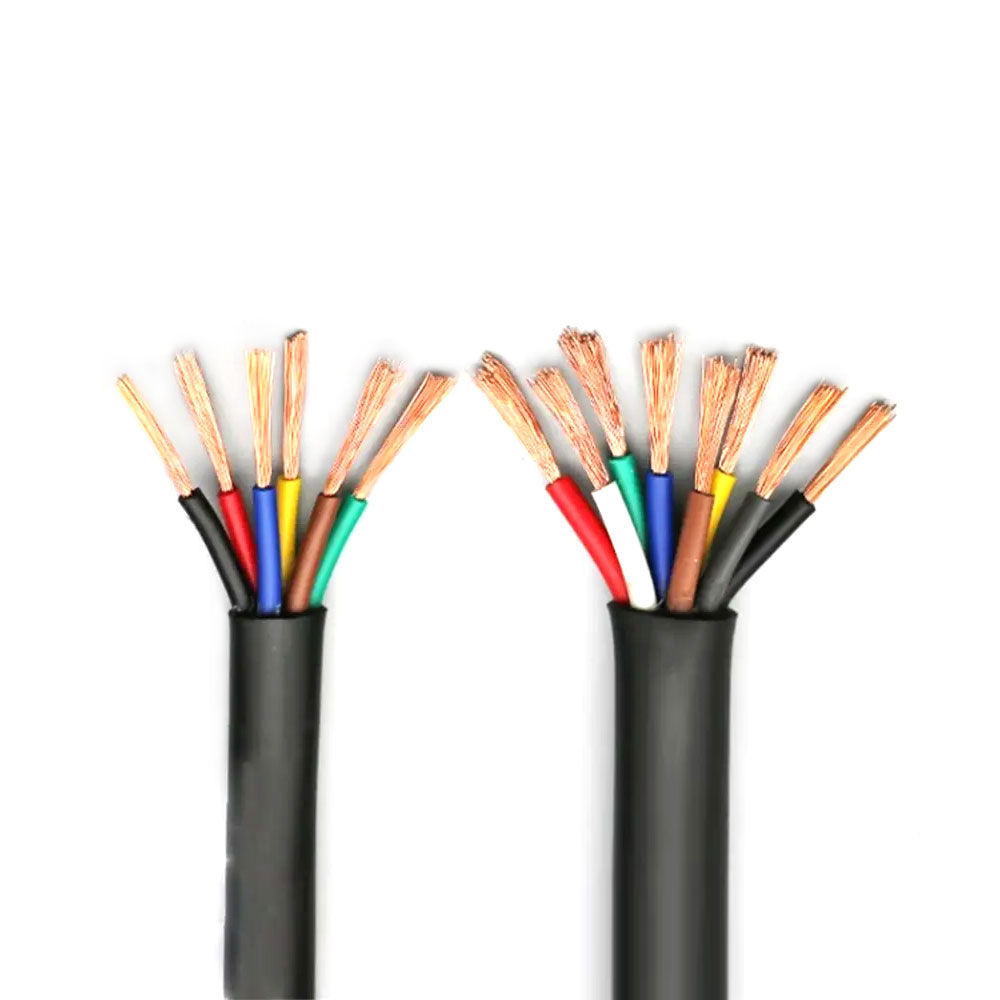
Color coding may appear simple, but it has practical importance in multi-core wiring, maintenance, troubleshooting, and inspection. AF250 uses high-temperature fade-resistant materials for color coding. In high-heat environments, ordinary pigments can discolor or fade, making it difficult to identify circuits during maintenance. Stable colors help technicians work faster and reduce wiring errors.
The AF250 cable is designed with a uniform insulation layer that is non-sticky and easy to strip. This provides a meaningful advantage during assembly and installation. In high-volume equipment manufacturing or complex control cabinet wiring, ease of stripping can reduce labor costs and improve termination consistency. For maintenance teams, it also makes field repairs and modifications more efficient.
Compared with insulation materials that gum up, adhere to conductors, or tear unevenly, AF250 supports cleaner preparation for connectors, terminals, soldering, and crimping. This contributes to better electrical contact quality and lower installation error rates.
The following table summarizes the main model specifications and performance parameters of the AF250 Chemical Corrosion Resistance Fluoroplastic Cable.
Item |
Specification |
Product Model |
AF250 |
Product Category |
Fluoroplastic Cable |
Number of Cores |
Single core or multi-core, 1 to 30 cores |
Conductor |
Tin-plated or silver-plated copper, multi-stranded fine wire, Class 6 |
Cross-Section Range |
0.2 square millimeters to 50 square millimeters |
Rated Voltage |
600 volts or 1000 volts |
Test Voltage |
3500 volts AC for 1 minute |
Minimum Bending Radius for Fixed Installation |
6 times cable outer diameter |
Minimum Bending Radius for Flexible Installation |
12 times cable outer diameter |
Long-Term Operating Temperature |
Minus 65 degrees Celsius to plus 250 degrees Celsius |
Short-Term Peak Temperature |
Plus 280 degrees Celsius for 48 hours |
Radiation Resistance |
At least 1.8 times 10 to the eighth cJ/kg |
Flame Retardancy |
UL 94 V-0 and IEC 60332-3 Category A bundle burn test |
Chemical Resistance |
Resistant to oils, acids, alkalis, and organic solvents |
Optional Shielding Structure |
Copper braid shield or aluminum foil with drain wire |
Shielding Effectiveness |
Greater than 80 dB at 1 GHz for shielded type |
Fire Resistance |
Complies with IEC 60331-2 at 850 degrees Celsius for 3 hours and BS 6387 CWA rating |
The AF250 fluoroplastic cable is not limited to one field. It is suitable for many industrial and technical environments where heat, chemicals, electrical performance, and safety must be considered together.
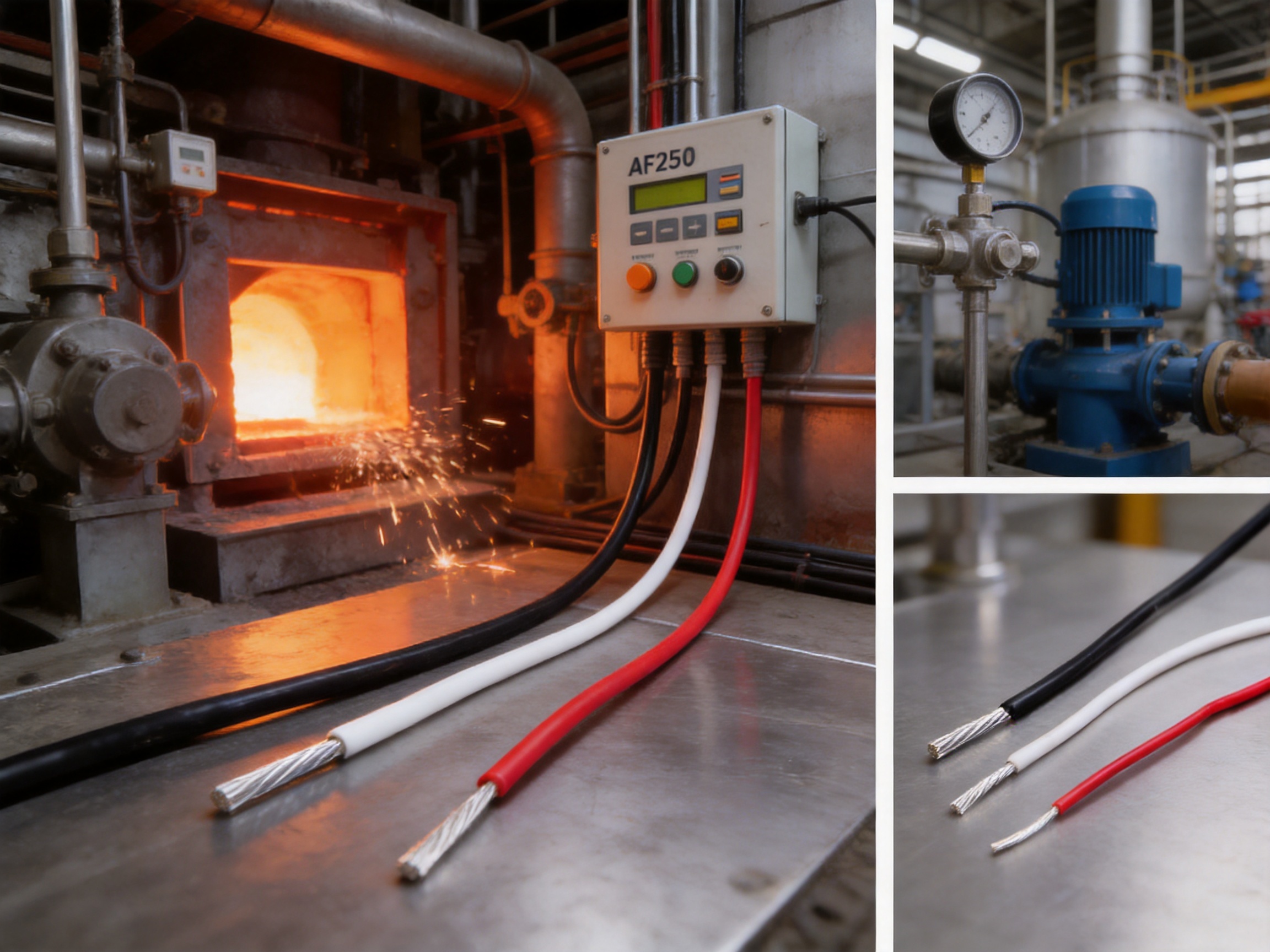
Steel plants and metallurgical facilities expose cables to radiant heat, dust, vibration, oil contamination, and frequent thermal cycling. Wiring near furnaces, continuous casting lines, rolling mills, heat-treatment equipment, and temperature sensors must survive high ambient temperatures and harsh mechanical conditions. AF250 provides the heat resistance and chemical durability needed in these areas.
Its high-temperature rating reduces premature insulation hardening, while its improved cut-through resistance helps protect wiring in rugged industrial installations. Optional shielding can also help protect control signals from electrical noise generated by large motors, drives, transformers, and welding equipment.
Glass and ceramic manufacturing involve high-temperature furnaces, kilns, preheating zones, cooling areas, and automated handling equipment. Cables may be routed near hot surfaces, heating elements, sensor ports, and control systems. Standard cables can degrade quickly due to thermal stress. AF250 is suitable for wiring temperature measurement devices, heating controls, inspection systems, and equipment interlocks.
Its ability to maintain stable performance at 250 degrees Celsius makes it a strong choice for continuous production settings where downtime is expensive. In addition, its non-sticky, easy-strip insulation supports efficient installation in machinery assemblies and control enclosures.
Aerospace engine compartments demand cables that can resist heat, fuels, lubricants, vibration, and compact routing conditions. AF250’s thermal endurance, fuel and solvent resistance, and optional silver-plated copper conductor structure make it suitable for demanding aerospace wiring requirements. Silver-plated copper conductors can enhance high-frequency performance and oxidation resistance in elevated-temperature conditions.
The wide temperature range from minus 65 degrees Celsius to plus 250 degrees Celsius is especially important in aerospace environments, where equipment may experience cold exposure at altitude and intense heat near engines or auxiliary systems. Stable insulation performance under both extremes contributes to operational safety and signal integrity.
Chemical reactors often require sensors for pressure, temperature, flow, level, composition, and safety monitoring. Sensor cables in these areas may be exposed to corrosive gases, solvents, acid or alkali vapors, and high temperatures. AF250 is specifically suitable for chemical reactor sensor connections because it combines corrosion resistance with low-loss electrical behavior.
In process control systems, signal accuracy is critical. Cable degradation can cause measurement drift, intermittent faults, or false alarms. AF250 helps maintain stable transmission in corrosive and high-temperature surroundings, improving system reliability and reducing maintenance intervention.
Nuclear power equipment requires instrumentation and control cables with excellent stability, safety, and resistance to radiation. AF250 offers radiation resistance up to at least 1.8 times 10 to the eighth cJ/kg, with special notes indicating radiation resistance up to 2 times 10 to the eighth cJ/kg. This makes it relevant for nuclear instrumentation and control systems where radiation exposure may affect conventional insulation materials.
Fire resistance and flame-retardant characteristics further support safety-critical installations. Compliance with fire-resistance standards such as IEC 60331-2 and BS 6387 CWA rating indicates the cable is suitable for demanding environments where circuit integrity and fire behavior are important design considerations.
High-frequency systems require cables with low dielectric loss, stable impedance behavior, and reliable shielding options. AF250’s dielectric constant as low as 2.0 and optional silver-plated copper conductors make it suitable for high-frequency microwave transmission systems. Optional copper braid shielding or aluminum foil with drain wire can provide shielding effectiveness above 80 dB at 1 GHz for shielded designs.
This is valuable in communication equipment, radar-related systems, test instruments, high-frequency sensors, and specialized industrial electronics. When heat is also present, AF250 provides a combined advantage that ordinary communication cables may not offer.
Some high-temperature installations are not fully static. Equipment may move, vibrate, rotate, or require periodic repositioning. AF250 supports flexible installation with a recommended minimum bending radius of 12 times the cable outer diameter. Its Class 6 multi-stranded fine wire conductor provides flexibility, helping the cable withstand routing stress better than rigid conductor designs.
This makes it useful for robotic high-temperature operations, mobile inspection devices, thermal processing equipment, heating carts, industrial manipulators, and machinery with moving cable paths. Proper installation practices remain important, but the cable’s structural flexibility gives it a practical advantage in real-world equipment design.
Fluoroplastic materials such as PTFE and PFA are widely respected in demanding cable applications because of their chemical stability, heat resistance, and electrical insulation properties. The AF250 cable uses modified PFA/PTFE composite material, allowing it to combine the strengths of fluoropolymer insulation with improved mechanical and processing characteristics.
PTFE is known for excellent high-temperature stability and chemical inertness. PFA offers similar chemical resistance while supporting improved processing behavior. By using a modified composite approach, AF250 is designed to provide a reliable insulation layer with uniform thickness, stable dielectric characteristics, and practical stripping performance.
The dielectric constant as low as 2.0 is a major benefit of fluoroplastic insulation. Lower dielectric constants can reduce capacitance and signal loss in certain cable structures, helping improve performance for high-frequency or precision signal applications. This is one reason AF250 can be applied in microwave transmission systems and demanding electrical connections.
Fluoroplastic insulation also performs well in low-smoke, zero-halogen, flame-retardant safety contexts. In the event of fire, low-smoke and zero-halogen performance can reduce smoke density and corrosive gas generation compared with halogenated conventional materials. This is important for enclosed equipment, transportation systems, industrial control rooms, aerospace applications, and critical infrastructure.
The conductor is the electrical foundation of the cable. AF250 is available with tin-plated or silver-plated copper conductors, using multi-stranded fine wire construction in Class 6 flexibility. This design supports excellent conductivity, flexibility, and resistance to installation stress.
Tin-plated copper is a practical choice for many industrial environments because the tin layer helps improve oxidation resistance and solderability. It is suitable for general high-temperature wiring, control circuits, and equipment connections where cost-effectiveness is important.
Silver-plated copper is optional for enhanced high-frequency performance. Silver has excellent electrical conductivity and is often preferred in high-frequency and high-temperature applications. In aerospace, microwave transmission, instrumentation, and precision electronic systems, silver-plated conductors can offer advantages in signal performance and long-term stability.
The multi-stranded fine wire construction improves flexibility compared with solid or coarse-stranded conductors. This is especially important when cables must be routed through compact equipment spaces, around corners, or in applications subject to vibration. Class 6 flexibility supports easier handling and reduces the likelihood of conductor fatigue under appropriate use conditions.
Modern industrial environments often contain strong electromagnetic interference. Variable frequency drives, servo systems, welding machines, power converters, motors, transformers, communication equipment, and switching power supplies can all create noise. If signal cables are not properly protected, interference may cause inaccurate readings, communication errors, unstable control signals, or equipment malfunction.
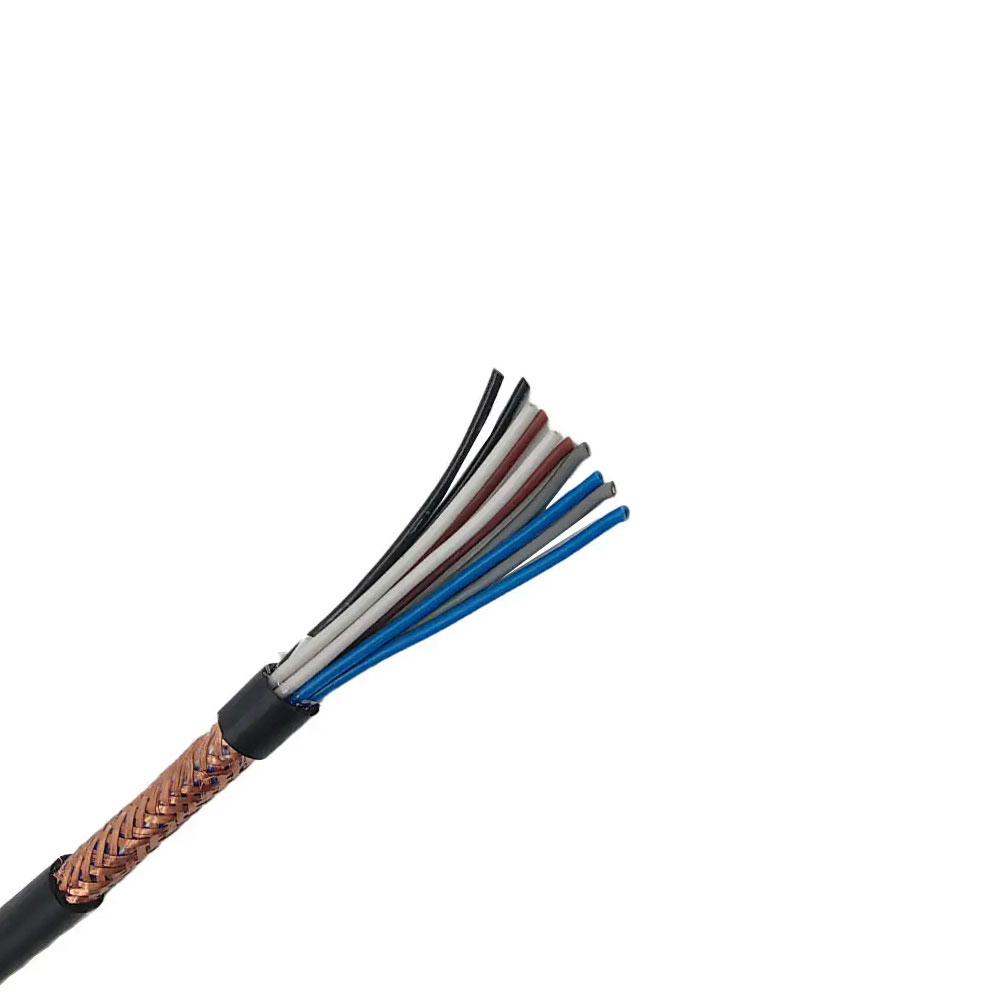
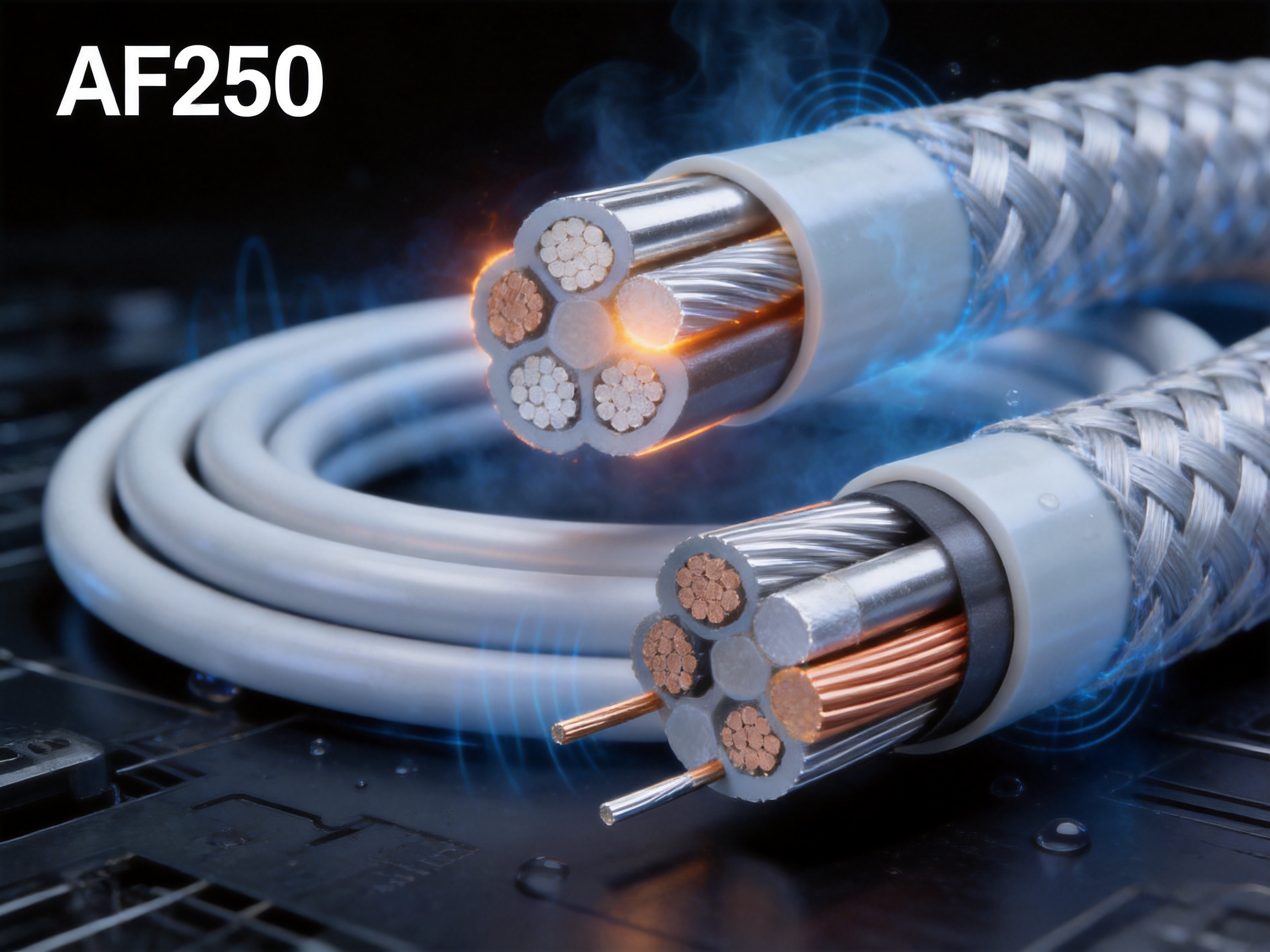
AF250 can be supplied with optional copper braid shielding or aluminum foil plus drain wire structure. The shielded type can achieve shielding effectiveness greater than 80 dB at 1 GHz. This makes it suitable for strong electromagnetic interference environments and high-frequency applications.
Copper braid shielding provides mechanical durability and effective coverage, especially where flexibility and repeated handling are considerations. Aluminum foil with drain wire can provide high coverage and efficient grounding in many signal and communication applications. The correct shielding option can be selected according to the installation environment, frequency range, bending requirements, grounding method, and cost target.
Compared with unshielded high-temperature wires, shielded AF250 cable can deliver a significant advantage in noise-sensitive environments. It enables engineers to combine high-temperature survival with signal protection in a single cable structure, reducing the need for additional protective routing or complex external shielding methods.
In high-temperature industrial environments, fire safety cannot be treated as optional. AF250 supports low-smoke, zero-halogen, flame-retardant requirements and minimizes safety risks in case of fire. It meets UL 94 V-0 flame-retardancy requirements and passes IEC 60332-3 Category A bundle burn testing. It also complies with IEC 60331-2 fire resistance at 850 degrees Celsius for 3 hours and BS 6387 CWA rating.
These fire performance properties are especially important in equipment rooms, control cabinets, transportation systems, power plants, aerospace applications, and industrial production lines where cable fire propagation can create severe consequences. Flame retardancy helps reduce the spread of fire, while fire resistance supports circuit function under defined fire conditions.
Low-smoke and zero-halogen behavior can reduce the release of dense smoke and corrosive halogen gases, improving evacuation conditions and protecting surrounding equipment from corrosive damage. In modern projects, these properties are increasingly specified by safety-conscious engineers and international buyers.
High-performance cable is not achieved by material selection alone. It requires precise manufacturing, process control, equipment capability, and quality assurance. Anhui Zhishang Cable Technology Co., Ltd. integrates research and development, production, and sales of wires and cables, operating a modern production base of approximately 5,000 square meters. The company has more than 50 employees, including quality engineers and R&D technicians with over 10 years of industry experience.
The company operates 10 automated production lines with monthly output of up to 10 million meters. This production capacity supports both standard product supply and customized cable manufacturing. Standard products can be stocked for fast shipment, while customized products typically require 7 to 20 days of lead time depending on design complexity and order requirements.
Reliable cable production begins with raw materials. For AF250, conductor quality, plating quality, fluoroplastic insulation material, color masterbatch, shielding material, and auxiliary compounds must all meet defined standards. The use of pure copper specifications helps ensure conductivity and stable electrical performance. Tin-plated or silver-plated conductors are selected according to application requirements.
Incoming material inspection can include checks for conductor diameter, plating uniformity, elongation, surface oxidation, insulation resin quality, and compliance with relevant safety or environmental requirements. This prevents material defects from entering the production process and supports consistent batch quality.
AF250 uses multi-stranded fine wire conductors, which require controlled stranding processes. Proper stranding ensures flexibility, roundness, conductor stability, and consistent resistance. If stranding tension is uneven, the conductor may become loose, deformed, or mechanically unstable. Advanced production control helps maintain conductor consistency across different cross-sections from 0.2 square millimeters to 50 square millimeters.
For Class 6 conductors, fine strands must be carefully managed to avoid broken wires, surface damage, or uneven lay length. Well-controlled conductor stranding contributes directly to cable flexibility, termination reliability, and long-term fatigue resistance.
Fluoroplastic cable manufacturing requires advanced extrusion capability. Materials such as PTFE and PFA demand careful temperature control, pressure control, tooling precision, and cooling management. The AF250 cable’s insulation layer is designed to be uniform in thickness, non-sticky, and easy to strip. Achieving this requires accurate extrusion processes and stable production parameters.
Uniform insulation thickness is crucial for voltage withstand performance and dielectric stability. If insulation thickness is uneven, thin points may become weak spots under voltage, heat, or mechanical stress. Precision extrusion helps ensure that each meter of cable maintains consistent insulation coverage and electrical reliability.
Color coding for high-temperature cable must be more durable than ordinary wire coloring. AF250 uses high-temperature fade-resistant materials so that identification remains stable after heat exposure. The production process must ensure that color materials are compatible with fluoroplastic insulation and do not compromise insulation performance.
Stable color coding is especially important for multi-core cables, where clear identification reduces installation errors and maintenance time. In complex systems with up to 30 cores, reliable color identification supports accurate wiring and safer troubleshooting.
For shielded AF250 cable, the manufacturing process may include copper braid shielding or aluminum foil with drain wire. Shield coverage, braid angle, wire diameter, foil overlap, and drain wire continuity all influence shielding performance. To achieve shielding effectiveness greater than 80 dB at 1 GHz, the structure must be carefully designed and manufactured.
Multi-core cable construction also requires proper core arrangement, lay length, filling, wrapping, and outer structure control. Good cabling geometry supports flexibility, roundness, electrical consistency, and mechanical stability. Poor cable formation can cause uneven stress, impedance variation, or difficulty during installation.
Quality assurance is essential for high-temperature fluoroplastic cable. AF250 is specified with a 3500 volts AC test for 1 minute. Electrical testing helps verify insulation integrity and manufacturing consistency. Other inspections may include conductor resistance, insulation resistance, dimensional checks, surface inspection, bending performance, flame-retardancy testing, aging evaluation, and shielding continuity.
The company provides product test reports and warranty support for standard cable models. Full-core, full-length, pure copper specifications are emphasized to support buyer confidence. This matters because cable failures often result from hidden quality problems such as insufficient conductor cross-section, poor insulation concentricity, weak shielding, or inconsistent material quality.
Anhui Zhishang Cable Technology Co., Ltd. is located in Xuanzhou District, Xuancheng City, Anhui Province, China, a key node city in the Yangtze River Delta region. The company’s location supports access to manufacturing resources, logistics networks, technical talent, and industrial customers. It integrates R&D, production, and sales, allowing it to respond quickly to customer requirements from cable design to delivery.
The company follows the business philosophy of quality orientation, integrity foundation, and stability priority. This philosophy aligns closely with the needs of industrial cable users, who require not only competitive pricing but also long-term performance and dependable supply. For a cable like AF250, stability is particularly important because it is often used in environments where failure consequences are serious.
The company’s R&D team supports OEM and ODM development based on customer drawings or samples. Technical engineers provide product selection guidance and tailor-made cable design solutions according to project requirements. This is valuable for international buyers and equipment manufacturers who need specific conductor sizes, voltage ratings, shielding structures, core counts, sheath designs, color codes, or performance requirements.
The company’s modern production facilities cover more than 5,000 square meters and include 10 automated production lines. Monthly production output can reach up to 10 million meters. This capacity allows the company to support both small customized orders and larger production demands. For buyers, capacity and lead-time stability are important because cable delays can affect equipment assembly, project commissioning, and export schedules.
The company also emphasizes green manufacturing and responsible production practices. In cable manufacturing, responsible production includes material compliance, process efficiency, waste reduction, and attention to environmental safety requirements such as low-smoke and zero-halogen designs. As global markets increasingly require compliance with CE, RoHS, and related standards, manufacturers with responsible production systems provide stronger procurement confidence.
Products are sold in the United States, Canada, Australia, Japan, and parts of Eurasia, demonstrating international market experience. For overseas buyers, this experience helps in communication, customization, packaging, documentation, and quality expectations. A manufacturer familiar with export requirements can support smoother procurement and technical coordination.
To understand the value of AF250, it is helpful to compare it with several common cable alternatives used in industrial environments.
PVC cable is cost-effective and widely used for general wiring, but it is not suitable for sustained operation at 250 degrees Celsius. PVC can soften, deform, age, or release smoke and corrosive gases under high heat. In chemically aggressive or high-temperature environments, PVC insulation may fail quickly. AF250 provides a much wider temperature range, superior chemical resistance, better high-frequency electrical performance, and stronger fire-safety characteristics.
Silicone rubber cable is flexible and heat resistant, but it may have weaker cut-through resistance and lower resistance to some oils, fuels, and chemicals. In environments where mechanical abrasion, sharp edges, or chemical exposure are present, silicone cables may require additional protection. AF250 offers improved mechanical strength, excellent chemical corrosion resistance, and low dielectric loss, making it more suitable for combined heat, chemical, and signal requirements.
Ordinary PTFE wire may offer high-temperature resistance, but not all PTFE cables are optimized for mechanical strength, easy stripping, shielding options, multi-core structures, or cost-effective 250 degrees Celsius performance. AF250 uses modified PFA/PTFE composite material and emphasizes improved insulation mechanical strength, cut-through resistance, stable color coding, and practical installation performance. It is designed as a complete industrial cable solution rather than a simple high-temperature wire.
Generic high-temperature cable often lacks verified details on dielectric performance, flame retardancy, fire resistance, radiation resistance, shielding effectiveness, or chemical compatibility. AF250 provides a clear specification range, including voltage rating, test voltage, bending radius, operating temperature, radiation resistance, flame retardancy, shielding options, and fire resistance. This gives engineers more confidence when selecting cable for demanding projects.
Correct cable selection and installation are essential to achieving expected performance. AF250 can be used in fixed installations with a minimum bending radius of 6 times the cable outer diameter. For flexible installation, the recommended minimum bending radius is 12 times the cable outer diameter. Respecting these limits helps prevent conductor fatigue, insulation stress, and premature mechanical damage.
When selecting conductor size, engineers should consider current load, voltage drop, ambient temperature, installation method, grouping, duty cycle, and safety margin. High ambient temperature may require derating depending on the application. For signal applications, conductor resistance, capacitance, shielding, grounding, and electromagnetic compatibility should also be reviewed.
For chemical environments, users should identify specific chemicals, concentration, temperature, exposure duration, and whether exposure is vapor, splash, immersion, or residue. Although AF250 is resistant to many oils, acids, alkalis, and organic solvents, every chemical environment should be evaluated according to actual operating conditions.
For shielded types, proper grounding is critical. A shield that is not correctly terminated may fail to provide effective electromagnetic protection. Grounding method may differ depending on whether the cable is used for low-frequency control signals, high-frequency communication, instrumentation, or power-related noise suppression. Engineers should coordinate cable shielding with system grounding design.
For fire-resistant applications, installation method should align with relevant project standards. Fire-resistance performance depends not only on the cable but also on routing, supports, junction boxes, terminations, and system design. AF250 provides strong fire-related performance, but complete system safety requires proper engineering implementation.
Many industrial projects cannot rely entirely on standard cable models. Equipment manufacturers often need customized cross-sections, conductor plating, insulation colors, core counts, shielding structures, voltage ratings, packaging methods, printing marks, or testing requirements. The manufacturer’s OEM and ODM support is therefore an important advantage.
With experienced R&D technicians and quality engineers, the company can develop cable products based on customer drawings or samples. Technical engineers can assist with product selection and tailor-made cable design. This helps customers avoid under-specification or over-specification. Under-specification can cause early failure, while over-specification can increase cost unnecessarily. A properly customized AF250 cable can balance safety, performance, installation convenience, and budget.
Customization is especially valuable for aerospace equipment, chemical processing systems, special machinery, instrumentation systems, high-frequency devices, and international projects with specific compliance requirements. Lead times for customized products typically range from 7 to 20 days, supporting project planning and production schedules.
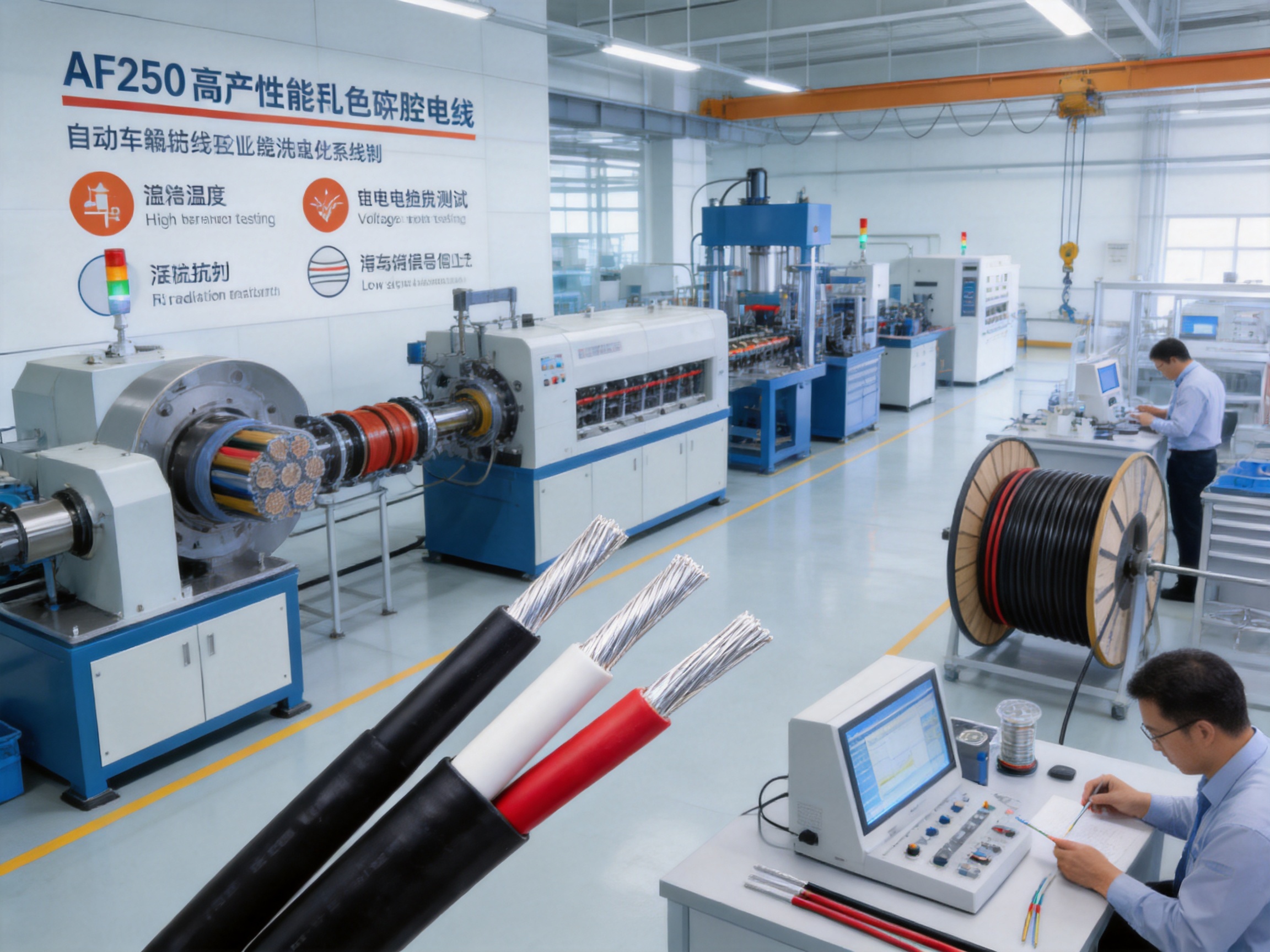
High-performance cable purchasing should not focus only on unit price. The total cost of ownership includes service life, downtime risk, installation labor, maintenance frequency, replacement difficulty, safety risk, and performance stability. AF250 is positioned as a cost-effective high-temperature cable among 250 degrees Celsius rated options. It balances performance and affordability, making it suitable for projects that require reliable high-temperature operation without excessive cost.
In harsh environments, low-cost cables often become expensive when they fail prematurely. A cable failure in a furnace area, reactor system, aerospace compartment, or nuclear instrumentation cabinet may require shutdown, disassembly, troubleshooting, and replacement. The indirect cost can be many times the price of the cable. AF250 reduces this risk by combining long-term heat resistance, chemical resistance, mechanical strength, and electrical reliability.
At the same time, AF250 avoids unnecessary overdesign for applications where 250 degrees Celsius capability is sufficient. This is important because some ultra-specialty cables may exceed project requirements and increase cost. AF250 provides a practical middle ground: robust enough for severe environments, yet cost-conscious for industrial adoption.
International buyers need more than product claims. They need consistent manufacturing, technical documentation, testing support, stable lead times, and clear communication. The manufacturer supports product test reports, warranty support for standard cable models, and quality assurance through full-core, full-length, pure copper specifications. These factors help reduce procurement risk.
Compliance with CE, RoHS, and relevant standards supports overseas purchasing requirements. While exact project certification requirements should be confirmed during quotation and technical review, the company’s experience in international markets helps support documentation and customization needs.
For buyers in the United States, Canada, Australia, Japan, and Eurasian markets, communication with an experienced cable manufacturer can improve technical matching and reduce costly specification errors. The company’s integrated R&D, production, and sales model enables faster response than trading-only suppliers or manufacturers without customization capability.
AF250 can be selected for temperature sensor wiring in furnaces, kilns, and thermal chambers. Its heat resistance allows it to operate near high-temperature equipment, while its electrical stability supports accurate sensor transmission.
It can be used for chemical reactor instrumentation, where exposure to solvents, acids, alkalis, and corrosive vapors may damage ordinary cables. Fluoroplastic insulation helps preserve insulation integrity and signal quality.
It is suitable for aerospace engine compartment connections, especially where fuel, lubricant, heat, vibration, and compact routing are present. Optional silver-plated copper conductors can support high-frequency performance and elevated-temperature stability.
It can serve in nuclear instrumentation and control systems where radiation resistance, flame retardancy, fire resistance, and long-term stability are required.
It can be used in high-frequency microwave transmission systems when low dielectric loss and shielding options are needed. Optional copper braid or aluminum foil shielding can reduce interference and improve signal reliability.
It is suitable for high-temperature mobile equipment requiring flexibility, strong insulation, and practical bending performance. Class 6 fine wire conductors support installation in more dynamic equipment designs.
The most important reason to choose AF250 is its ability to withstand combined stress. Many cables perform well under one type of stress but fail when multiple stresses occur together. For example, a cable may tolerate heat but not chemicals, resist chemicals but not mechanical abrasion, or provide signal performance but not flame retardancy. AF250 is designed to address these combined challenges.
In a real industrial setting, a cable may be exposed to heat from equipment, oil from machinery, electromagnetic interference from drives, vibration from motors, and tight bends during installation. The AF250 cable combines heat resistance, chemical resistance, mechanical strength, shielding options, and flexibility to support stable operation under such conditions.
This combined reliability is especially valuable for engineers responsible for safety-critical or production-critical systems. By selecting a cable designed for extreme environments, they can reduce maintenance frequency, improve system uptime, and support long-term operational safety.
The AF250 cable is designed for long-term operation from minus 65 degrees Celsius to plus 250 degrees Celsius. It can also withstand a short-term peak temperature of plus 280 degrees Celsius for 48 hours.
AF250 uses modified PFA/PTFE composite fluoroplastic insulation, which provides strong resistance to oils, fuels, lubricants, solvents, acids, alkalis, and many organic chemical agents. This helps protect the cable from corrosion-related aging and insulation failure.
Yes. AF250 offers stable electrical performance, low dielectric loss, and a dielectric constant as low as 2.0. It is suitable for demanding electrical connections, sensor wiring, instrumentation, and high-frequency microwave transmission systems.
Yes. Optional shielding structures include copper braid shielding or aluminum foil with drain wire. Shielded designs can provide shielding effectiveness greater than 80 dB at 1 GHz.
AF250 can be supplied with tin-plated or silver-plated copper conductors. The cable uses multi-stranded fine wire construction with Class 6 flexibility. Silver-plated copper is optional for enhanced high-frequency performance.
The rated voltage options are 600 volts and 1000 volts. The specified test voltage is 3500 volts AC for 1 minute.
AF250 is available as a single-core cable or as a multi-core cable with 1 to 30 cores, depending on project requirements.
The available cross-section range is from 0.2 square millimeters to 50 square millimeters.
Yes. AF250 supports low-smoke, zero-halogen, flame-retardant requirements. It meets UL 94 V-0, passes IEC 60332-3 Category A bundle burn testing, and complies with IEC 60331-2 and BS 6387 CWA fire-resistance performance requirements.
Yes. The manufacturer supports OEM and ODM customization based on customer drawings or samples. Custom options may include conductor size, core count, conductor plating, shielding structure, color coding, voltage rating, and other design requirements.
AF250 is commonly suitable for steel smelting, glass manufacturing, ceramic sintering, aerospace engine compartment wiring, chemical reactor sensor connections, nuclear power instrumentation and control systems, high-frequency microwave transmission systems, fixed high-temperature installations, and high-temperature mobile equipment.
AF250 combines long-term 250 degrees Celsius heat resistance, chemical corrosion resistance, low signal loss, improved mechanical strength, optional shielding, fire resistance, and practical installation performance. Many ordinary high-temperature cables do not provide this complete combination of properties.
The AF250 Chemical Corrosion Resistance Fluoroplastic Cable is a high-performance cable solution for environments where ordinary wiring cannot provide sufficient reliability. Its modified PFA/PTFE composite insulation enables long-term operation from minus 65 degrees Celsius to plus 250 degrees Celsius, with short-term peak resistance up to plus 280 degrees Celsius. It provides strong chemical corrosion resistance, low dielectric loss, improved mechanical strength, excellent cut-through resistance, stable color coding, optional shielding, radiation resistance, flame retardancy, and fire-resistance performance.
For industrial users, the cable delivers clear advantages over PVC, silicone rubber, generic high-temperature, and ordinary PTFE alternatives. It is especially valuable where heat, chemicals, electrical noise, mechanical stress, and safety requirements occur together. Its combination of performance and affordability makes it a cost-effective choice among 250 degrees Celsius rated cables.
The manufacturing strength behind the product further increases its value. With integrated R&D, production, and sales capabilities, a modern 5,000-square-meter production base, 10 automated production lines, monthly output up to 10 million meters, experienced engineers, OEM/ODM support, and international market experience, the manufacturer can provide not only cable products but also practical cable solutions.
For projects in high-temperature industry, aerospace, chemical processing, nuclear instrumentation, microwave transmission, and advanced equipment manufacturing, AF250 offers a reliable path toward safer operation, longer service life, cleaner installation, and stable electrical performance under severe conditions.
International Electrotechnical Commission. IEC 60332-3: Tests on Electric and Optical Fibre Cables Under Fire Conditions.
International Electrotechnical Commission. IEC 60331-2: Tests for Electric Cables Under Fire Conditions: Circuit Integrity.
British Standards Institution. BS 6387: Performance Requirements for Cables Required to Maintain Circuit Integrity Under Fire Conditions.
Underwriters Laboratories. UL 94: Standard for Tests for Flammability of Plastic Materials for Parts in Devices and Appliances.
Fluoropolymer Materials Handbook: Properties, Processing, and Applications of PTFE and PFA Insulation Materials.
Industrial Cable Engineering Guide: High-Temperature Cable Selection, Installation, and Testing Practices.

We firmly believe that good cables are not only a competition of materials, but also a reflection of craftsmanship, quality, and responsibility.

Links
Product
Send Inquiry
No. 29 Sankeshu Road, Xuanzhou District, Xuancheng City, Anhui Province, China
+86-18621104555/+86-563-2622999
 Electrical Cable Manufacturer
OEM/ODM Wire and Cable Solutions
Electrical Cable Manufacturer
OEM/ODM Wire and Cable Solutions
 English
 Español
 عربى
عربى
 русский