
Get more content that can help you
Content
In modern low-voltage power distribution, a cable does not need to be complicated to be valuable. For many building, factory, equipment, and general power transmission projects, the most important requirements are stable electrical performance, predictable installation behavior, broad specification availability, mature production quality, and a competitive purchase cost. VV PVC insulated and sheathed power cable is designed exactly for these practical requirements. It is a basic but highly useful power cable structure built with a conductor, PVC insulation, and PVC outer sheath, commonly supplied for 0.6/1 kV fixed installation systems.
This product is especially suitable for ordinary dry indoor installations, mildly humid indoor environments, outdoor fixed laying under suitable protection, cable trays, conduits, and general low-voltage distribution circuits where no special halogen-free, low-smoke, flame-retardant, or fire-resistant function is required. It is widely used in 380V and 220V power transmission scenarios, including building electrical systems, industrial power distribution, auxiliary power circuits, and general facility wiring.
The biggest advantage of VV cable is its cost-effectiveness. Compared with many specialty cables, it uses mature PVC materials and standardized production processes, allowing manufacturers to achieve stable output, controlled quality, and attractive pricing. For projects that require large cable volumes, this cost advantage can significantly reduce total procurement expenditure without sacrificing the basic reliability needed for conventional power supply.
At the same time, VV cable is not promoted as a universal solution for every environment. Its standard version is not flame-retardant, its conductor long-term operating temperature is normally limited to 70°C, and it is not a low-smoke halogen-free product. These limitations are important for responsible engineering selection. However, within its correct application scope, VV cable remains one of the most practical and economical choices for low-voltage power distribution.
Anhui Zhishang Cable Technology Co., Ltd. manufactures and supplies this cable as part of its broader wire and cable solution portfolio. With modern production facilities, automated production lines, experienced quality engineers, and OEM/ODM customization capability, the company focuses on providing stable, standards-oriented cable products for power engineering, industrial automation, weak current engineering, intelligent manufacturing, appliance equipment, and other fields.
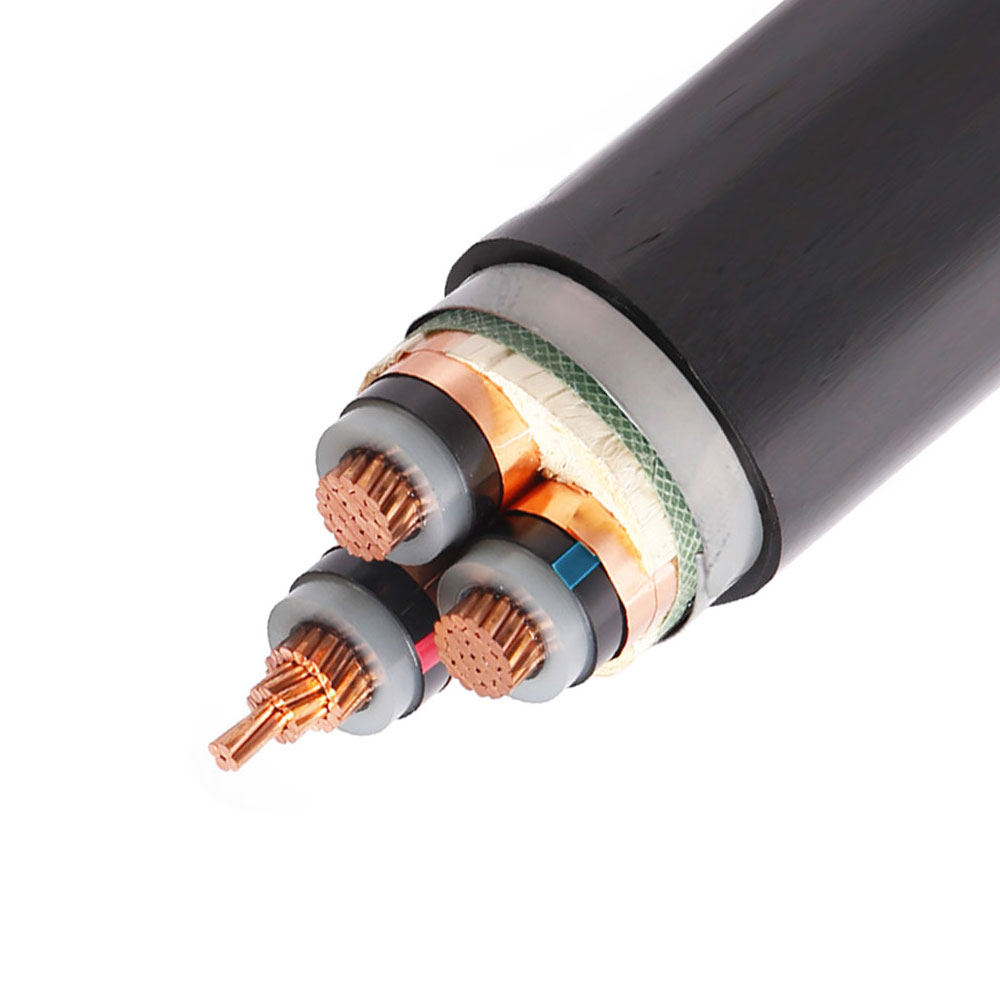
VV Easy to install and lay PVC Insulated and Sheathed Power Cable
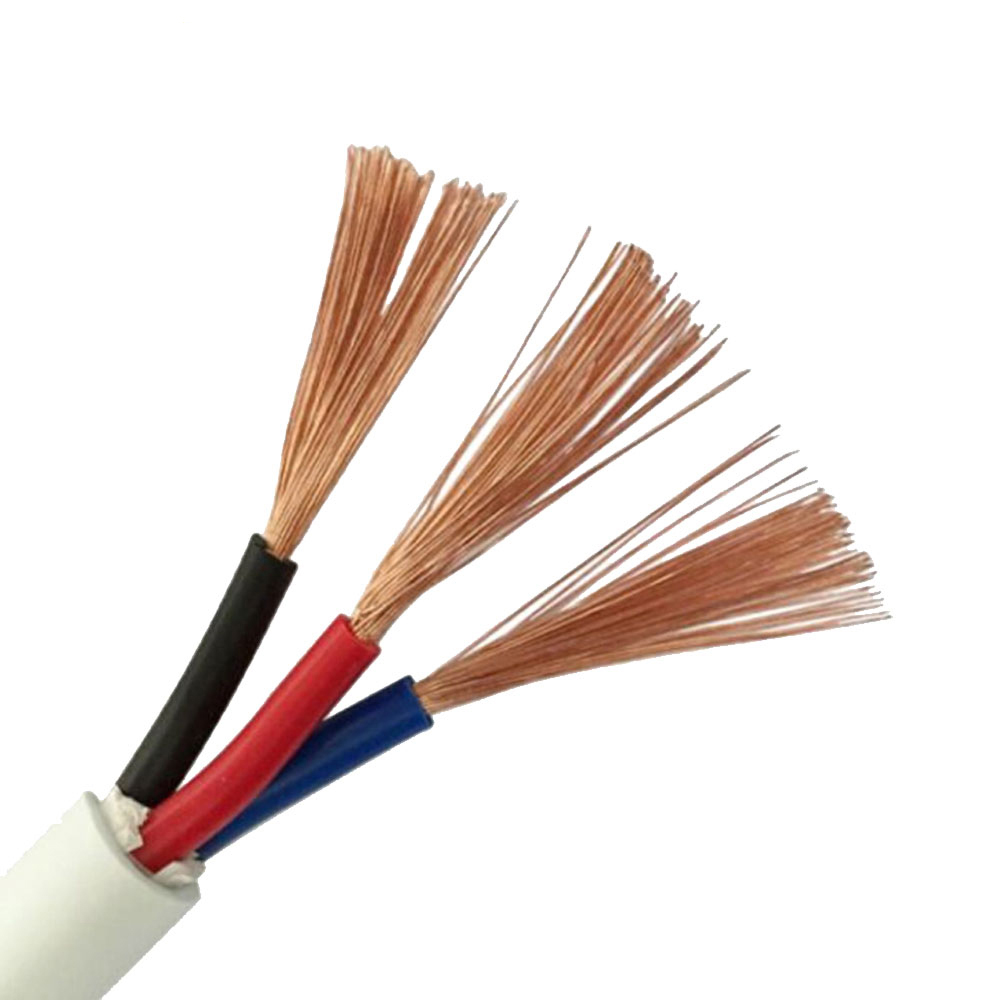
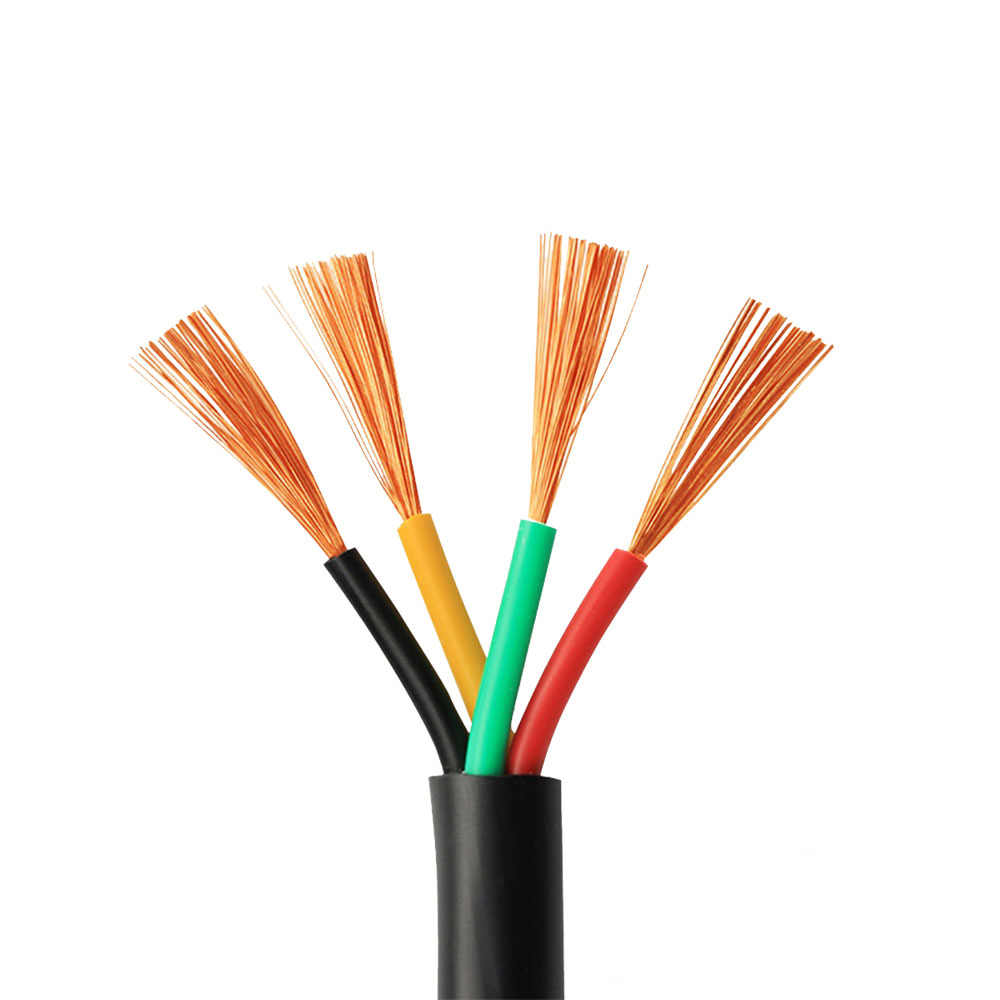
VV PVC insulated and sheathed power cable is a low-voltage power cable with a simple and reliable construction. The conductor may be copper or aluminum depending on project requirements, while both the insulation and sheath are made from polyvinyl chloride, commonly known as PVC. This structure offers good electrical insulation, basic mechanical protection, moisture resistance, and chemical stability in ordinary operating conditions.
The product is most commonly associated with a rated voltage of 0.6/1 kV, which makes it suitable for general low-voltage power transmission and distribution. It is used in fixed installations rather than repeated flexing applications. In practical terms, this means it is often laid in cable trays, cable ducts, conduits, trenches, shafts, and distribution rooms, or routed through fixed building and factory electrical infrastructure.
The term “VV” refers to the use of PVC insulation and PVC sheath. This is different from cables that use cross-linked polyethylene insulation, rubber insulation, fluoroplastic insulation, or halogen-free sheathing compounds. Because PVC is widely available and processing technology is mature, VV cable can be produced efficiently in a broad range of conductor sizes and core configurations.
For many buyers, the value of VV cable lies in its balance. It is not the highest-temperature cable, not the most fire-resistant cable, and not the most specialized cable. Instead, it is an economical, dependable, and easy-to-install solution for ordinary power supply systems. This makes it a strong choice for contractors, distributors, factory maintenance teams, panel builders, and project owners who need a cable that performs reliably in standard environments.
The primary advantage of VV cable is cost-effectiveness. PVC insulation and sheathing materials are economical, widely used, and supported by mature supply chains. Compared with low-smoke halogen-free cables, high-temperature fluoroplastic cables, fire-resistant mineral cables, or specialty industrial cables, VV cable generally has a much lower manufacturing cost. This price advantage is particularly important for large-scale power distribution projects where cable length may reach thousands or even millions of meters.
Cost-effectiveness does not mean poor performance. In normal indoor or protected outdoor environments, the cable provides stable electrical insulation, acceptable mechanical protection, and long service life when installed and operated correctly. For projects that do not require enhanced fire behavior or extreme environmental resistance, choosing an overly specialized cable can increase cost unnecessarily. VV cable helps buyers avoid overengineering while still meeting essential low-voltage power requirements.
PVC is one of the most widely used materials in the wire and cable industry. Its processing characteristics are well understood, and cable manufacturers can control extrusion, wall thickness, surface quality, and dimensional stability with high consistency. This mature technology reduces production uncertainty and supports stable batch quality.
PVC also provides good chemical stability in many conventional environments. It offers resistance to acids, alkalis, oils, and many solvents under normal conditions. For indoor distribution rooms, workshops, commercial buildings, and general facility wiring, this level of environmental adaptability is often sufficient. The mature nature of PVC technology also means that accessories, installation practices, and maintenance knowledge are widely available.
VV cable has moderate flexibility, which supports convenient laying and securing during construction. It can be routed through conduits, fixed on cable trays, installed in shafts, or arranged in other fixed cable management systems. Installers are familiar with PVC sheathed cable behavior, and the cable does not require highly specialized installation tools in ordinary projects.
Compared with very stiff cable types, VV cable is easier to handle in many standard installation conditions. Compared with highly flexible specialty cables, it maintains the structural robustness expected from a fixed power cable. This balance of handling convenience and fixed-installation durability contributes to lower labor complexity and smoother construction scheduling.
VV cable can be supplied in multiple cross-sectional sizes, from small control-related power circuits to larger low-voltage distribution feeders. Common conductor sizes may range from 1.5 mm² to 800 mm² depending on conductor material, design, and production capability. Multi-core and single-core configurations are available to match different circuit designs.
This broad specification range makes the product suitable for many layers of a power distribution system. Smaller sizes can support branch circuits and equipment power connections, while larger sizes can be used for main low-voltage feeders. Having one cable family cover many current load requirements simplifies procurement, inventory planning, and project standardization.
In ordinary dry or mildly humid environments, PVC insulation and sheath provide practical protection. VV cable has basic resistance to moisture, acids, and alkalis, allowing it to function reliably in many building and industrial settings. It is appropriate for common fixed installation spaces where the cable is not exposed to continuous high temperature, severe mechanical damage, corrosive chemicals, or fire-performance requirements beyond standard cable behavior.
This adaptability is one reason VV cable remains widely used. Many power distribution environments are not extreme; they simply require a cable that can transmit power safely and economically. VV cable addresses this broad middle ground effectively.
The following table summarizes typical technical characteristics of VV PVC insulated and sheathed power cable. Actual specifications should always be confirmed according to the selected model, conductor size, applicable standard, and project requirements.
Item |
Typical Description |
Product Type |
PVC insulated and PVC sheathed low-voltage power cable |
Common Model |
VV |
Conductor |
Copper or aluminum, single-core or multi-core |
Common Cross-Section Range |
Approximately 1.5 mm² to 800 mm² depending on design and production specification |
Insulation Material |
Polyvinyl chloride, PVC |
Sheath Material |
Polyvinyl chloride, PVC |
Rated Voltage |
0.6/1 kV, commonly used for low-voltage power distribution |
Maximum Long-Term Conductor Operating Temperature |
70°C |
Short-Circuit Temperature |
Maximum 160°C for up to 5 seconds |
Recommended Installation Temperature |
Not lower than 0°C because PVC becomes more brittle at low temperatures |
Minimum Bending Radius |
Typically 20 × D for single-core cable and 15 × D for multi-core cable, where D is cable outer diameter |
Test Voltage |
3.5 kV for 5 minutes for 0.6/1 kV rated cable |
Flame Retardancy |
Standard VV is not flame-retardant; ZR-VV or NH-VV should be considered where flame-retardant or fire-resistant properties are required |
Typical Applications |
General building power distribution, factory power supply, fixed low-voltage circuits, cable trays, conduits, and ordinary dry or protected environments |
XLPE insulated power cable is often selected when higher operating temperature or improved electrical performance is required. XLPE insulation typically supports a higher long-term conductor temperature than PVC insulation. However, in many ordinary low-voltage applications, the full performance of XLPE may not be necessary. VV cable offers a lower-cost alternative for circuits where the 70°C operating temperature limit is acceptable.
For budget-sensitive projects, this difference can be significant. If the environment is ordinary, the load is properly calculated, and there are no high-temperature conditions, VV cable can deliver a more economical solution. The decision should be based on engineering requirements rather than a simple assumption that higher-performance materials are always better.
Low-smoke halogen-free cable is preferred for modern green buildings, public transportation systems, data centers, hospitals, high-rise structures, and places where smoke toxicity and corrosive gas generation must be minimized during fire. Standard VV cable does not provide these properties. In a fire, ordinary PVC may burn and release dense smoke and hydrogen halide gases.
However, low-smoke halogen-free cables are usually more expensive. For non-public, non-critical, ordinary fixed installations where local regulations and project specifications do not require halogen-free materials, VV cable remains highly competitive. It provides the practical power transmission function at a lower cost, while buyers can select specialized alternatives only where the application truly requires them.
Standard VV cable does not meet flame-retardant requirements. If a project requires cables that resist flame propagation or maintain circuit integrity during fire, derived models such as ZR-VV or NH-VV should be considered. This distinction is important because fire-performance requirements are often defined by building codes, industry standards, insurance requirements, and safety design documents.
The advantage of standard VV cable is its economical practicality in locations without special fire requirements. The advantage of flame-retardant or fire-resistant versions is safety performance under fire conditions. Anhui Zhishang Cable Technology Co., Ltd. can support product selection guidance so customers can match the cable model to the actual project environment rather than selecting blindly.
Rubber flexible cable is designed for mobile equipment, repeated movement, temporary power supply, and environments requiring high flexibility. VV cable is designed for fixed installation. Therefore, it should not be used as a substitute for flexible cable in dynamic applications.
In fixed installation, however, VV cable provides a stable and economical option. Its moderate flexibility is sufficient for laying and securing, while its structure is optimized for permanent or semi-permanent power distribution routes. When used correctly, it avoids the higher cost of rubber flexible cable where repeated movement is not required.
Fluoroplastic cables and other specialty high-temperature cables are selected for harsh environments, high heat, chemical exposure, instrumentation, or special industrial equipment. These products provide excellent performance, but they are significantly more costly. VV cable is not intended for extreme heat or aggressive environments. Its strength is ordinary low-voltage power transmission at competitive cost.
This makes VV cable an ideal baseline product. If the environment is normal, VV cable can be selected. If the environment is severe, a specialty cable should be selected. This clear positioning helps engineers and procurement teams control project costs while still protecting system reliability.
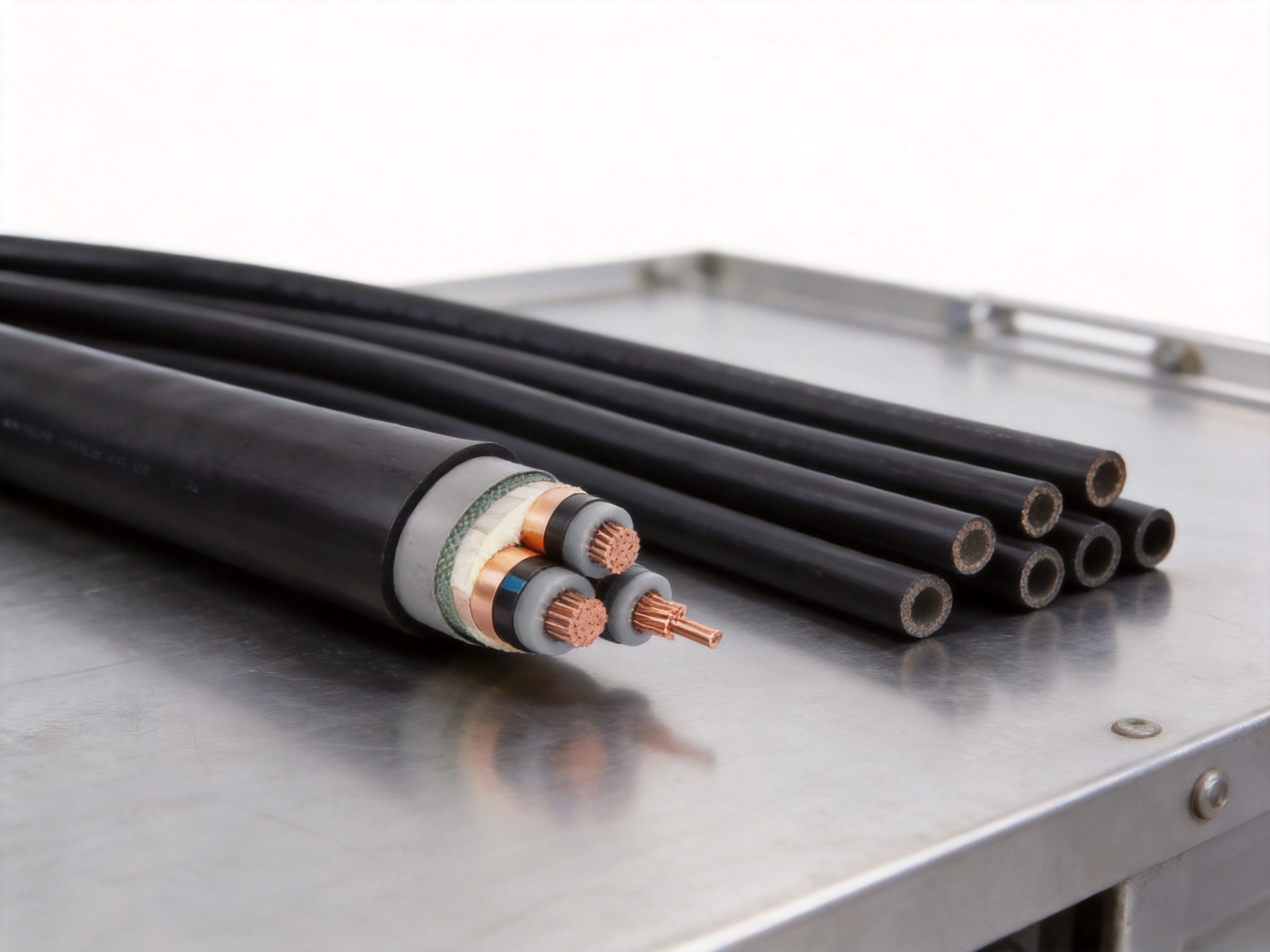
The value of a power cable depends not only on its material design but also on how consistently it is manufactured. A simple cable structure can still fail if conductor quality, insulation concentricity, extrusion temperature, sheath thickness, or testing procedures are poorly controlled. Anhui Zhishang Cable Technology Co., Ltd. focuses on controlled production, practical engineering support, and quality-oriented manufacturing to provide dependable cable solutions.
The company operates a modern production base of approximately 5,000 square meters in Xuanzhou District, Xuancheng City, Anhui Province, China. This location is in a key node city of the Yangtze River Delta region, giving the company access to developed industrial resources, transportation convenience, and supply chain support.
A dedicated production base is important because cable manufacturing requires organized material storage, conductor processing, extrusion lines, cooling systems, testing equipment, packaging areas, and quality inspection zones. Proper production layout helps improve efficiency, reduce handling errors, and maintain product consistency.
The company is equipped with 10 automated production lines and has a monthly output capacity of up to 10 million meters. Automation improves production stability by reducing unnecessary manual variation in processes such as extrusion, diameter control, insulation application, sheathing, and length measurement.
For VV cable, extrusion quality is especially important. PVC insulation must be applied evenly around the conductor, and the sheath must provide consistent coverage and mechanical protection. Automated process control helps maintain dimensional consistency and supports stable batch production for large orders.
The company has more than 50 employees, including quality engineers and R&D technicians with over 10 years of industry experience. Experienced personnel are essential in cable manufacturing because many production challenges require practical judgment. Material temperature, extrusion speed, conductor surface condition, insulation thickness, and final cable appearance all influence product performance.
In addition to standard production, the engineering team can provide product selection guidance and cable design support according to project needs. Customers who submit drawings, samples, technical parameters, or installation conditions can receive OEM/ODM development assistance. This capability is valuable for distributors, contractors, equipment manufacturers, and industrial users that need cable specifications matched to defined requirements.
The company follows the business philosophy of “Quality Orientation, Integrity Foundation, Stability Priority.” In the cable industry, this philosophy has practical meaning. Quality orientation means that the company pays attention to material selection, conductor accuracy, insulation quality, finished product testing, and customer requirements. Integrity foundation means that specifications should be communicated clearly and honestly. Stability priority means that products should perform consistently from batch to batch.
For standard cable models, the company can provide quality assurance through full-core, full-length, pure copper specifications, product test reports, and warranty support. These practices help customers verify that supplied products match stated requirements. In power engineering, such documentation is often important for project acceptance, technical review, and long-term maintenance records.
The company follows national standards, relevant international standards, and industry benchmarks to customize cable products that meet defined quality, technology, and service requirements. For VV cable, compliance with applicable low-voltage cable standards helps ensure electrical insulation strength, conductor resistance, voltage withstand capability, and structural suitability.
The product is associated with standard low-voltage power distribution applications and can be compatible with mainstream low-voltage electrical equipment when selected correctly. Standards-oriented production reduces risk for contractors and equipment users because the cable is manufactured according to known technical expectations rather than uncertain informal practices.
Standard products may be stocked for fast shipment, while customized products typically require 7 to 20 days of lead time depending on specification, order quantity, and production scheduling. This combination of stock availability and customization flexibility supports both urgent project needs and specialized procurement requirements.
For buyers, delivery reliability can be as important as product performance. Cable delays can affect construction schedules, factory commissioning, or equipment delivery. A manufacturer with automated production capacity and organized order handling can help reduce procurement uncertainty.
Electrical contractors need cable products that are available, installable, and compliant with project specifications. VV cable offers moderate flexibility for laying and securing, broad specification availability, and familiar installation behavior. This can reduce job-site difficulty and support efficient progress.
Because VV cable is a common low-voltage power cable, installation teams are typically familiar with handling, bending radius requirements, termination preparation, and cable tray arrangement. This familiarity reduces the learning curve and helps contractors maintain work quality.
Project owners want reliable power supply while controlling total investment. VV cable can help reduce upfront cable procurement cost in ordinary low-voltage distribution systems. When selected within its correct application scope, it provides the basic reliability needed for daily electrical operation.
The product is particularly valuable in facilities where special fire or environmental requirements are not specified. Instead of paying for premium cable functions that may never be needed, owners can allocate budget more efficiently across the entire electrical system.
Distributors benefit from products with broad market demand, standardized specifications, and stable supply. VV cable is a widely recognized product in low-voltage power distribution, making it a practical inventory item. Its cost competitiveness also supports price-sensitive market segments.
Working with a manufacturer that can supply standard products quickly and customize specifications when needed gives distributors greater flexibility. They can serve both routine orders and project-specific requests without changing supply partners frequently.
Equipment manufacturers often need cable solutions for power input, internal fixed wiring, or auxiliary electrical systems. While VV cable is not a flexible machine cable, it can be useful in fixed parts of equipment installations or supporting power distribution infrastructure.
OEM/ODM support allows equipment manufacturers to request conductor sizes, core arrangements, sheath colors, packaging lengths, or documentation according to their production requirements. This reduces procurement complexity and helps maintain consistency across equipment batches.
VV cable is widely used in ordinary building electrical systems for power supply circuits, distribution lines, and fixed wiring routes. It can serve 380V and 220V power transmission needs when selected according to load calculation and installation conditions.
In commercial and residential buildings where no special fire-performance requirement is imposed for a specific circuit, VV cable offers an economical option. However, in public evacuation routes, high-rise buildings, or areas governed by strict smoke and fire codes, flame-retardant, fire-resistant, or low-smoke halogen-free alternatives may be required.
Factories require extensive low-voltage distribution networks to supply machinery, lighting, control panels, pumps, fans, and auxiliary equipment. VV cable can be used in fixed power distribution routes where environmental conditions are ordinary and cables are protected from severe mechanical damage.
The product’s broad conductor size range helps serve different current levels within a factory. Smaller cables may supply branch circuits, while larger cables can connect distribution boards or equipment groups. Its cost advantage is especially meaningful in industrial facilities with large cable quantities.
In general low-voltage power engineering, VV cable can function as a basic cable for stable energy transmission. Contractors may use it in cable trays, conduit systems, equipment rooms, and other fixed installation paths.
Because power engineering projects often involve multiple cable types, clear selection is essential. VV cable should be used where its temperature, fire behavior, and environmental limits are suitable. Where higher performance is needed, the appropriate derived or specialty model should be chosen.
Maintenance teams often require replacement cable for existing low-voltage systems. VV cable can be a practical choice when replacing or extending ordinary PVC-insulated fixed distribution circuits. Its mature specification system and common installation behavior make it convenient for maintenance procurement.
For repair or expansion work, matching the correct conductor size, voltage rating, core count, and installation method is essential. The company’s technical team can support selection guidance to help customers avoid mismatches.
The maximum allowable long-term operating temperature of the conductor is typically 70°C. This means the cable must be selected with adequate current-carrying capacity for the installation environment. Overloading the cable can lead to excessive temperature rise, insulation aging, and safety risks.
During design, engineers should consider ambient temperature, grouping of cables, installation method, cable tray ventilation, conduit filling, and load characteristics. Correct derating factors should be applied where necessary. A cable is only reliable when it is properly sized and installed.
PVC becomes more brittle at low temperatures. The recommended installation temperature for VV cable is not lower than 0°C. If the cable must be installed in cold weather, it should be stored and handled carefully, and appropriate warming or installation controls may be required according to engineering practice.
Dragging, bending, or striking cold PVC cable can increase the risk of sheath damage. Proper handling protects the cable’s insulation system and extends service life.
Typical minimum bending radius values are 20 times the cable outer diameter for single-core cable and 15 times the cable outer diameter for multi-core cable. Maintaining the correct bending radius prevents damage to the conductor, insulation, and sheath.
Sharp bends can cause insulation stress, conductor deformation, or sheath cracking. Installers should plan cable routes with sufficient space at turns, terminations, tray transitions, and conduit entries.
Standard VV cable is not flame-retardant. If a project specification requires flame retardancy, a flame-retardant version such as ZR-VV should be considered. If circuit integrity during fire is required, a fire-resistant model such as NH-VV may be appropriate. If low smoke and halogen-free performance is required, another cable family should be selected.
This distinction is not a weakness but a matter of correct engineering selection. VV cable is excellent for ordinary power distribution, while specialized environments require specialized cable designs.
Although the PVC sheath provides basic mechanical protection, VV cable should still be protected from crushing, sharp edges, severe abrasion, and excessive pulling force. When installed in areas with possible mechanical impact, protective conduits, cable trays, covers, or armored cable alternatives may be necessary.
Good installation practice includes checking cable routes before laying, removing sharp burrs from trays or conduits, controlling pulling tension, and inspecting the sheath after installation.
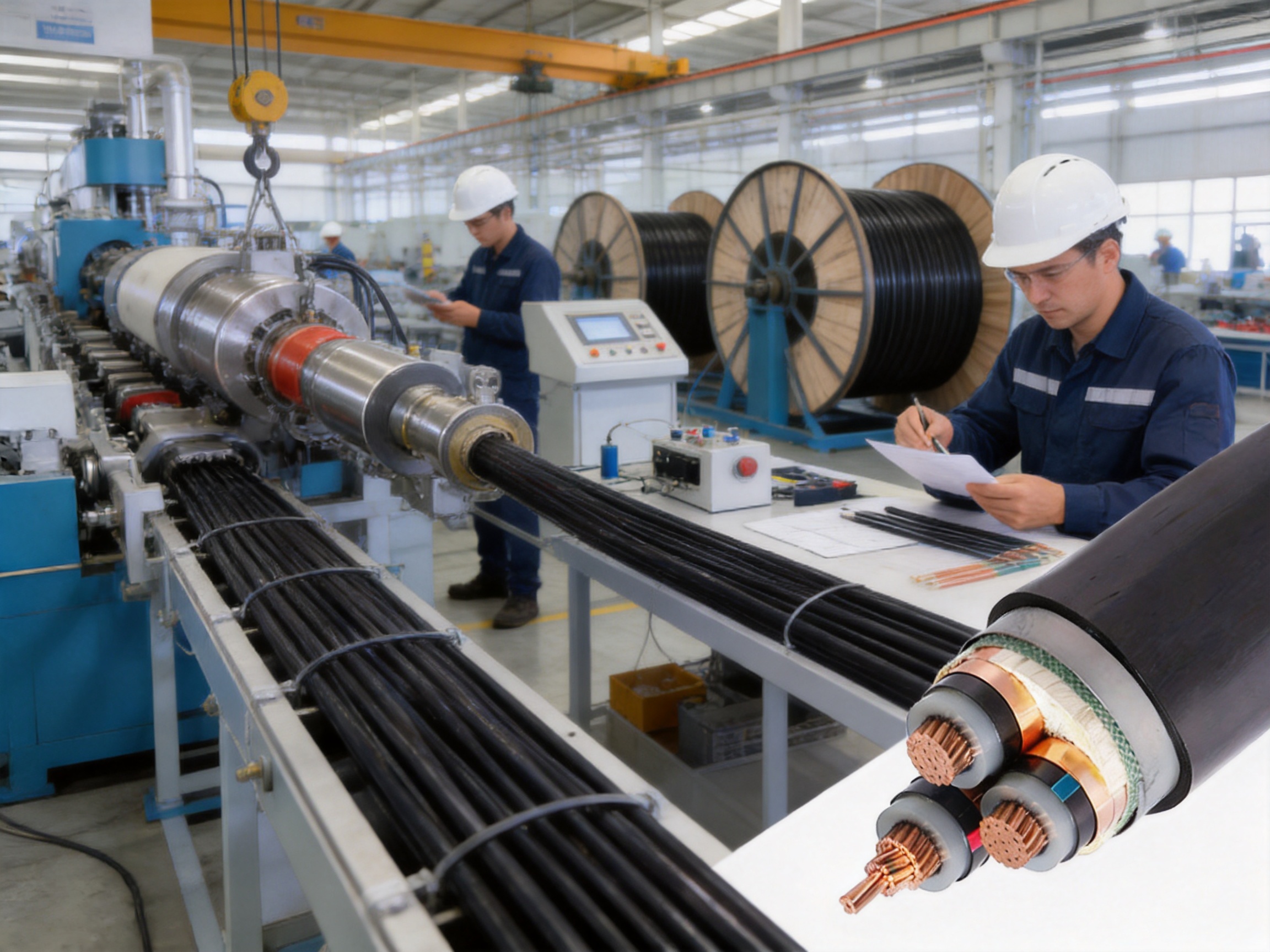
A high-quality cable supplier should not claim that one cable can solve every problem. VV cable has clear strengths and clear limitations. Its strengths are economy, mature technology, installation convenience, broad availability, and stable performance in ordinary environments. Its limitations are lower temperature rating compared with some alternatives, non-flame-retardant behavior in the standard version, smoke and halogen gas generation during fire, and limited suitability for modern green building requirements where low-smoke halogen-free materials are mandatory.
This honest positioning helps customers make correct decisions. When a standard low-voltage power cable is required for a normal environment, VV cable is a strong option. When fire safety, environmental friendliness, high temperature, chemical resistance, or dynamic flexibility is required, another cable type should be selected. The best cable is not always the most expensive one; it is the one that matches the actual engineering requirement.
Anhui Zhishang Cable Technology Co., Ltd. integrates R&D, production, and sales of wires and cables. This integrated structure allows the company to support customers from product inquiry to technical confirmation, production, inspection, packaging, shipment, and after-sales communication.
For customers purchasing VV cable, this means they can receive more than a commodity product. They can receive selection guidance, customized support, documentation assistance, and stable supply planning. This is particularly important for projects involving multiple cable models or repeated orders.
The company supports OEM/ODM development based on customer drawings or samples. This capability is useful when customers require special packaging, custom markings, defined conductor materials, specified sheath color, project documentation, or cable configurations aligned with equipment design.
OEM/ODM support also demonstrates technical flexibility. A manufacturer that can interpret drawings, samples, and project conditions is better positioned to solve real customer problems than a supplier limited to only standard catalog items.
With 10 automated production lines and a monthly output of up to 10 million meters, the company has the capacity to handle both standard supply and project-scale demand. Production capacity matters because cable orders often involve strict delivery schedules. Delayed cable supply can delay entire electrical installations.
Stable capacity also supports repeatability. Customers who need the same VV cable specification across multiple project stages can benefit from consistent manufacturing and supply continuity.
The company can provide product test reports and warranty support for standard cable models. Documentation is important in professional procurement because it helps verify that the cable supplied meets agreed specifications. Test reports can support quality review, customer acceptance, and internal project records.
Quality assurance also includes attention to full-core, full-length, pure copper specifications where applicable. This is especially important in a market where some low-quality cables may reduce conductor size, use inferior materials, or provide inaccurate length. Transparent manufacturing and documentation help protect customer interests.
The company has expanded into international markets, with products sold in the United States, Canada, Australia, Japan, and parts of Eurasia. International market activity requires attention to customer communication, packaging, documentation, product consistency, and varying technical expectations.
For overseas buyers, experience in international business can make cooperation smoother. It supports clearer quotation communication, better understanding of shipping requirements, and more practical coordination between technical and commercial teams.
The conductor is the electrical core of the cable. Its material, cross-sectional area, resistance, and surface quality directly affect current-carrying capacity and energy efficiency. Copper conductors are commonly selected for excellent conductivity, while aluminum may be selected for cost or weight considerations in suitable applications.
Quality control begins with conductor material verification and dimensional accuracy. A properly manufactured conductor should meet resistance requirements and provide a stable foundation for insulation extrusion. If the conductor is undersized or poorly processed, the entire cable performance will be compromised.
PVC insulation is extruded around the conductor to provide electrical separation and dielectric strength. During extrusion, process parameters such as temperature, pressure, line speed, cooling, and concentricity are critical. Uneven insulation thickness can reduce safety margins and affect voltage withstand performance.
Automated extrusion equipment helps maintain stable insulation geometry. Operators and quality engineers monitor the process to ensure the insulation surface is smooth, continuous, and properly bonded around the conductor without defects that could affect performance.
For multi-core VV cable, insulated cores are assembled into the required structure. Proper cabling ensures stable geometry, manageable flexibility, and consistent finished cable appearance. Core identification, lay length, and arrangement must correspond to the product specification.
Good core arrangement supports easier termination and installation. It also helps the cable maintain shape during laying and service. Poor assembly can lead to twisting, uneven stress, or dimensional inconsistency.
The PVC outer sheath provides external protection against moisture, abrasion, and ordinary mechanical stress. Sheath extrusion must produce a uniform outer layer with appropriate thickness and surface quality. The sheath also gives the cable its finished appearance and helps protect internal components during handling and installation.
For project supply, sheath marking may include product model, voltage rating, specification, manufacturer information, and length indication according to customer requirements and applicable standards. Clear marking helps with identification during installation and maintenance.
Finished cable should be tested to confirm electrical and structural compliance. Common testing may include conductor resistance, voltage withstand, insulation resistance, dimensional inspection, appearance inspection, and length verification. For 0.6/1 kV rated VV cable, a typical test voltage is 3.5 kV for 5 minutes.
Testing provides confidence that the cable can perform as intended in service. It also supports traceability and customer acceptance. A reliable manufacturer treats testing as an essential production stage rather than a formality.
VV cable is commonly used at 0.6/1 kV. Buyers should confirm that this voltage rating matches the system voltage and applicable standard. For general 380V and 220V power distribution, 0.6/1 kV rated cable is commonly suitable, but project specifications should always be checked.
Copper conductors provide excellent conductivity and are widely used in building and industrial power systems. Aluminum conductors may be selected where cost or weight savings are important and where design conditions allow. The choice should consider current capacity, voltage drop, termination method, installation environment, and project standards.
The conductor cross-section must be selected according to load current, allowable voltage drop, installation method, ambient temperature, cable grouping, and short-circuit requirements. Selecting a cable that is too small can cause overheating and voltage drop problems. Selecting a cable that is much larger than necessary can increase project cost.
VV cable is suitable for ordinary dry or mildly humid environments. It should not be used in high-temperature locations, severe chemical exposure, repeated flexing, or areas requiring special fire performance unless a suitable derived product is selected. Understanding the environment is essential for safe operation.
If the cable is used in public buildings, high-rise projects, tunnels, transportation systems, hospitals, data centers, or evacuation routes, fire-performance requirements may be strict. Standard VV cable may not be suitable in those areas. Buyers should consult project specifications and local regulations before purchase.
Before ordering, buyers should confirm required length, packaging method, drum size, marking, test reports, certificates, warranty terms, and lead time. For customized products, a 7 to 20 day lead time is typical depending on the order. Clear communication before production helps avoid delays and misunderstandings.
One of the most powerful reasons to choose VV cable is its economic value in large-scale procurement. Cable is often one of the major material categories in electrical construction. Even a modest price difference per meter can become significant when multiplied by long project lengths.
Because VV cable uses PVC materials and mature manufacturing processes, it can provide a lower unit cost than many specialty alternatives. For ordinary power distribution systems, this can reduce total project investment while maintaining reliable electrical function. The result is a practical balance between performance and budget.
This economic advantage also benefits distributors and contractors competing in price-sensitive markets. A reliable VV cable supplier allows them to offer competitive quotations without relying on poor-quality materials. The goal is not simply to buy the cheapest cable, but to buy a properly manufactured cable at a reasonable and competitive cost.
Standard VV cable is not halogen-free and does not meet modern green building requirements for low-smoke, halogen-free performance. This should be clearly understood. However, responsible manufacturing still matters. Anhui Zhishang Cable Technology Co., Ltd. emphasizes green manufacturing and responsible production practices through continuous innovation and process improvement.
In practical terms, responsible production can include better material control, reduced waste, stable process management, accurate length delivery, and quality consistency that reduces replacement waste. A cable that is properly manufactured and correctly selected can serve reliably for a long time, reducing unnecessary maintenance and material consumption.
For projects requiring green building compliance, the buyer should choose suitable low-smoke halogen-free cable families. For ordinary projects where such requirements are not imposed, VV cable remains a practical option. The manufacturer’s broader cable capability can support customers in selecting the right cable family for each application.
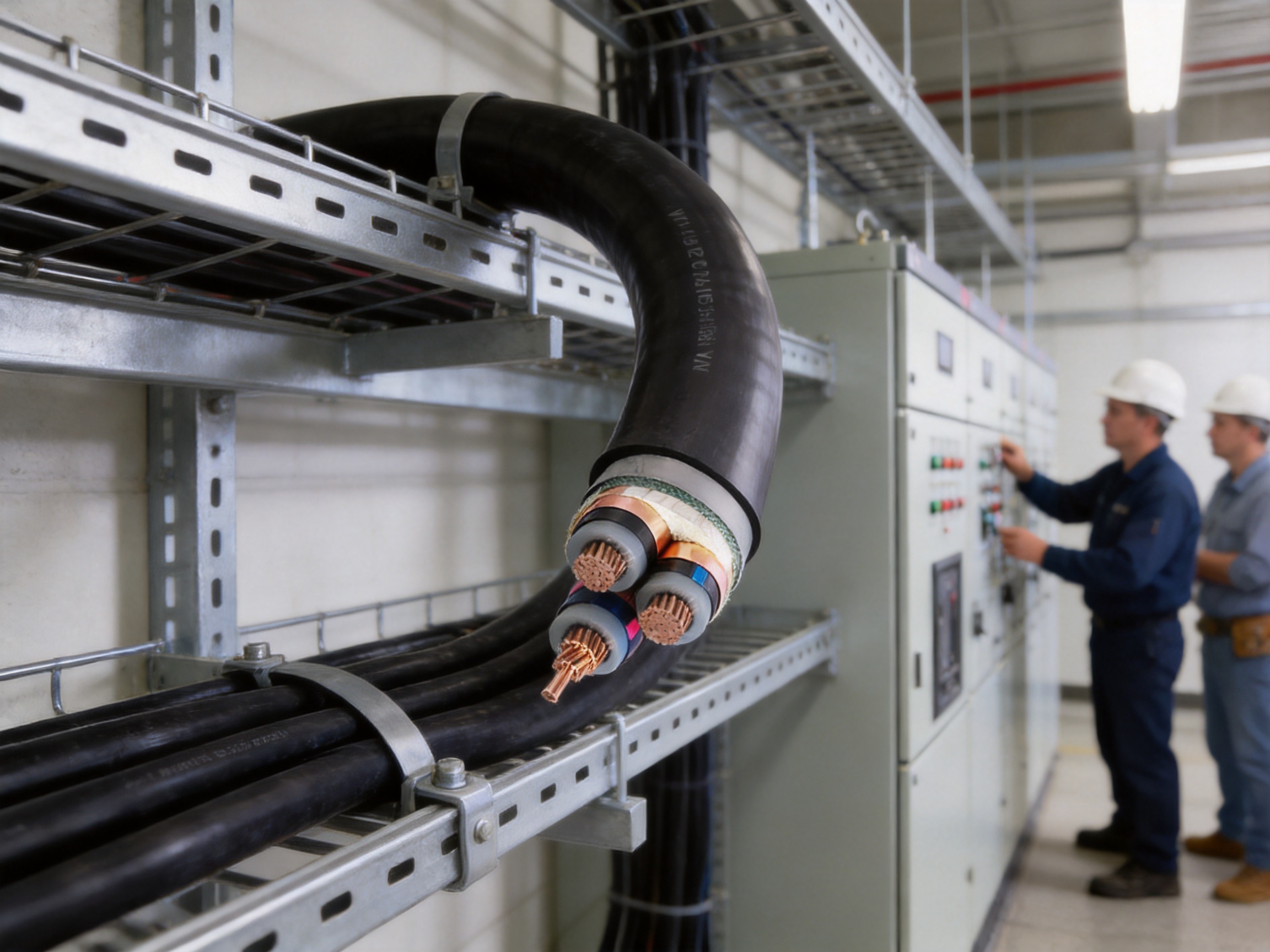
VV cable is a low-voltage power cable using PVC insulation and PVC outer sheath. It is commonly rated at 0.6/1 kV and is designed for fixed installation in ordinary power distribution systems.
The main advantage is cost-effectiveness. Because PVC materials and production processes are mature, VV cable provides a competitively priced solution for standard low-voltage power transmission while maintaining practical reliability in suitable environments.
It can be used in ordinary building electrical systems, factory power distribution, fixed low-voltage circuits, cable trays, conduits, and general dry or mildly humid environments where no special flame-retardant, fire-resistant, or halogen-free low-smoke requirement is imposed.
No. Standard VV cable is not flame-retardant. If flame retardancy is required, a derived model such as ZR-VV should be selected. If fire resistance is required, NH-VV or another suitable fire-resistant cable should be considered.
Standard VV cable is not a low-smoke halogen-free product, so it may not meet modern green building requirements in certain applications. For green buildings or public spaces requiring low smoke and halogen-free performance, a different cable type should be selected.
The maximum allowable long-term conductor operating temperature is typically 70°C. The cable should be sized and installed so that this temperature limit is not exceeded during operation.
The recommended installation temperature is not lower than 0°C because PVC becomes more brittle at low temperatures. If installation must occur in cold conditions, special handling precautions should be taken.
A typical minimum bending radius is 20 times the cable outer diameter for single-core cable and 15 times the cable outer diameter for multi-core cable. The actual requirement should be confirmed according to product specification and standard.
VV cable can be supplied with copper or aluminum conductors depending on application requirements. Copper is widely used for excellent conductivity, while aluminum can offer cost and weight advantages in suitable designs.
The company offers modern manufacturing facilities, 10 automated production lines, experienced engineers, OEM/ODM support, standards-oriented production, product test reports, warranty support for standard models, and stable supply capability. These strengths help customers obtain reliable VV cable for practical low-voltage distribution projects.
VV PVC insulated and sheathed power cable remains one of the most practical choices for conventional low-voltage power distribution. Its simple structure, mature PVC technology, broad specification range, easy installation behavior, and attractive cost make it highly suitable for ordinary fixed installation projects. It is especially valuable where the engineering requirement is stable power transmission rather than specialized fire, environmental, or high-temperature performance.
The product’s limitations should be respected. Standard VV cable is not flame-retardant, not fire-resistant, not low-smoke halogen-free, and not designed for high-temperature or dynamic flexible applications. Correct selection is essential. When the application matches its design scope, VV cable provides excellent economic value and dependable basic performance.
Behind the product, manufacturing quality plays a decisive role. Anhui Zhishang Cable Technology Co., Ltd. supports VV cable supply with a modern 5,000-square-meter production base, 10 automated production lines, monthly output capacity of up to 10 million meters, experienced quality and R&D personnel, OEM/ODM services, test reporting, and a quality-centered business philosophy. These strengths help transform a mature cable design into a reliable product for contractors, distributors, equipment manufacturers, and project owners.
For customers seeking an economical, stable, and easy-to-install low-voltage power cable for ordinary fixed installation, VV PVC insulated and sheathed power cable is a strong and proven solution. When paired with responsible technical selection and reliable manufacturing, it continues to deliver practical value across building electrical systems, factory distribution networks, and general power engineering projects.
GB/T 5023, Polyvinyl Chloride Insulated Cables of Rated Voltages up to and Including 450/750V.
IEC 60502, Power Cables with Extruded Insulation and Their Accessories for Rated Voltages from 1 kV up to 30 kV.
IEC 60228, Conductors of Insulated Cables.
IEC 60332, Tests on Electric and Optical Fibre Cables under Fire Conditions.
National and industry practices for low-voltage cable selection, installation, conductor sizing, voltage drop calculation, and fixed power distribution engineering.

We firmly believe that good cables are not only a competition of materials, but also a reflection of craftsmanship, quality, and responsibility.

Links
Product
Send Inquiry
No. 29 Sankeshu Road, Xuanzhou District, Xuancheng City, Anhui Province, China
+86-18621104555/+86-563-2622999
 Electrical Cable Manufacturer
OEM/ODM Wire and Cable Solutions
Electrical Cable Manufacturer
OEM/ODM Wire and Cable Solutions
 English
 Español
 عربى
عربى
 русский