
Get more content that can help you
Content
Medium-voltage overhead distribution networks are being asked to do more than ever before. Grid operators must deliver stable power across mountainous terrain, rural expansion zones, mining areas, industrial parks, and rapidly developing urban fringes, often under difficult weather and installation conditions. In this environment, a 10KV XLPE insulated aerial cable with an aluminum alloy conductor offers an effective balance of electrical performance, mechanical strength, outdoor durability, and installation efficiency.
The JKLHYJ 10KV aluminum alloy conductor cross-linked polyethylene insulated aerial cable is designed for overhead power transmission and distribution systems rated at 10kV and below. It combines a high-strength aluminum alloy conductor, dense XLPE insulation, semi-conductive shielding layers, and a black weather-resistant polyethylene sheath. This construction gives the cable excellent resistance to ultraviolet exposure, ozone, temperature variation, corona stress, mechanical tension, and long-term outdoor aging.
Compared with conventional pure aluminum overhead insulated cables, the aluminum alloy conductor provides higher tensile strength, better creep resistance, reduced sag, and improved long-span performance. Compared with copper conductor alternatives, it offers a much lighter structure and more economical installation while still maintaining reliable conductivity for medium-voltage distribution. These advantages make the cable especially suitable for large-span overhead lines, mountainous and hilly areas, mine surface power supply, urban and rural grid renovation, and projects requiring lightweight but mechanically strong cable solutions.
Anhui Zhishang Cable Technology Co., Ltd. manufactures this product with a focus on stable quality, precise material control, advanced cable processing, and project-oriented customization. With modern production facilities, automated production lines, experienced engineers, and OEM/ODM capabilities, the company provides not only cable products but also practical wire and cable solutions for power engineering, industrial systems, intelligent manufacturing, weak current engineering, and specialized applications.
JKLHYJ Outstanding weather resistance 10KV XLPE Insulated Aerial Cable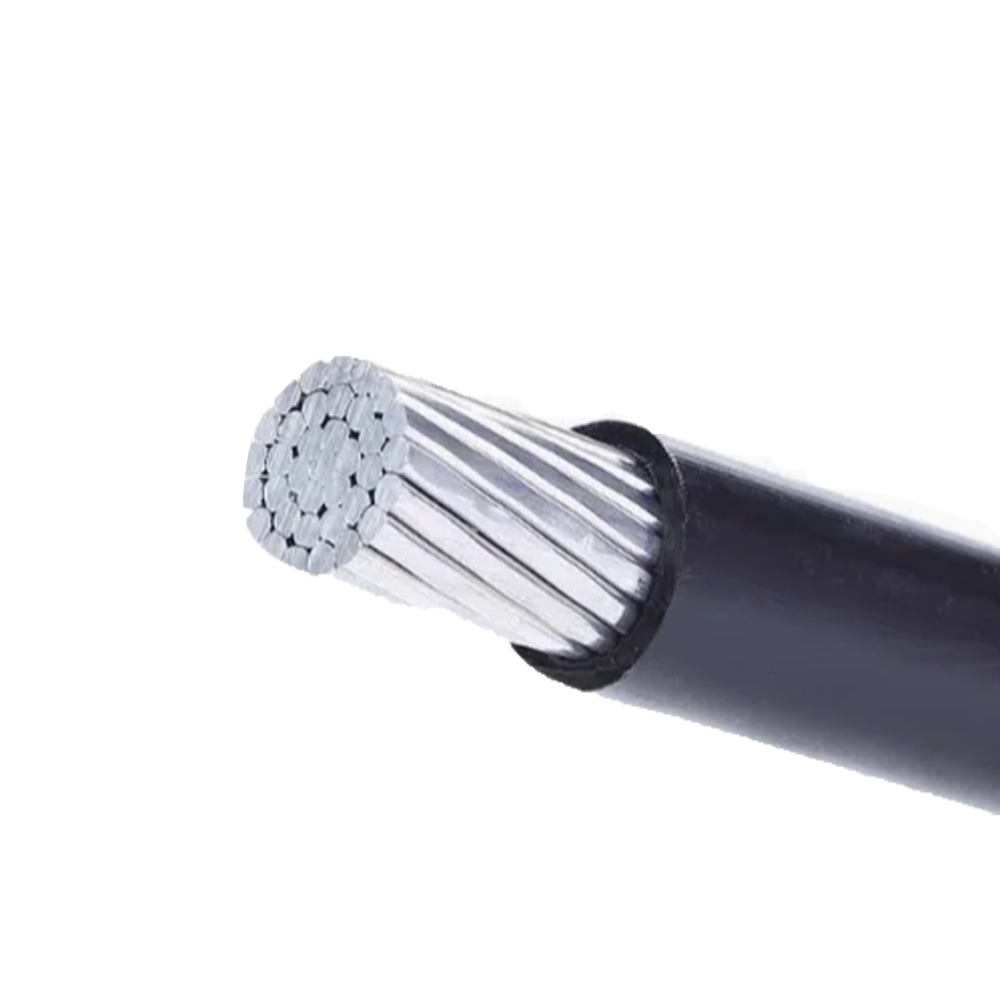
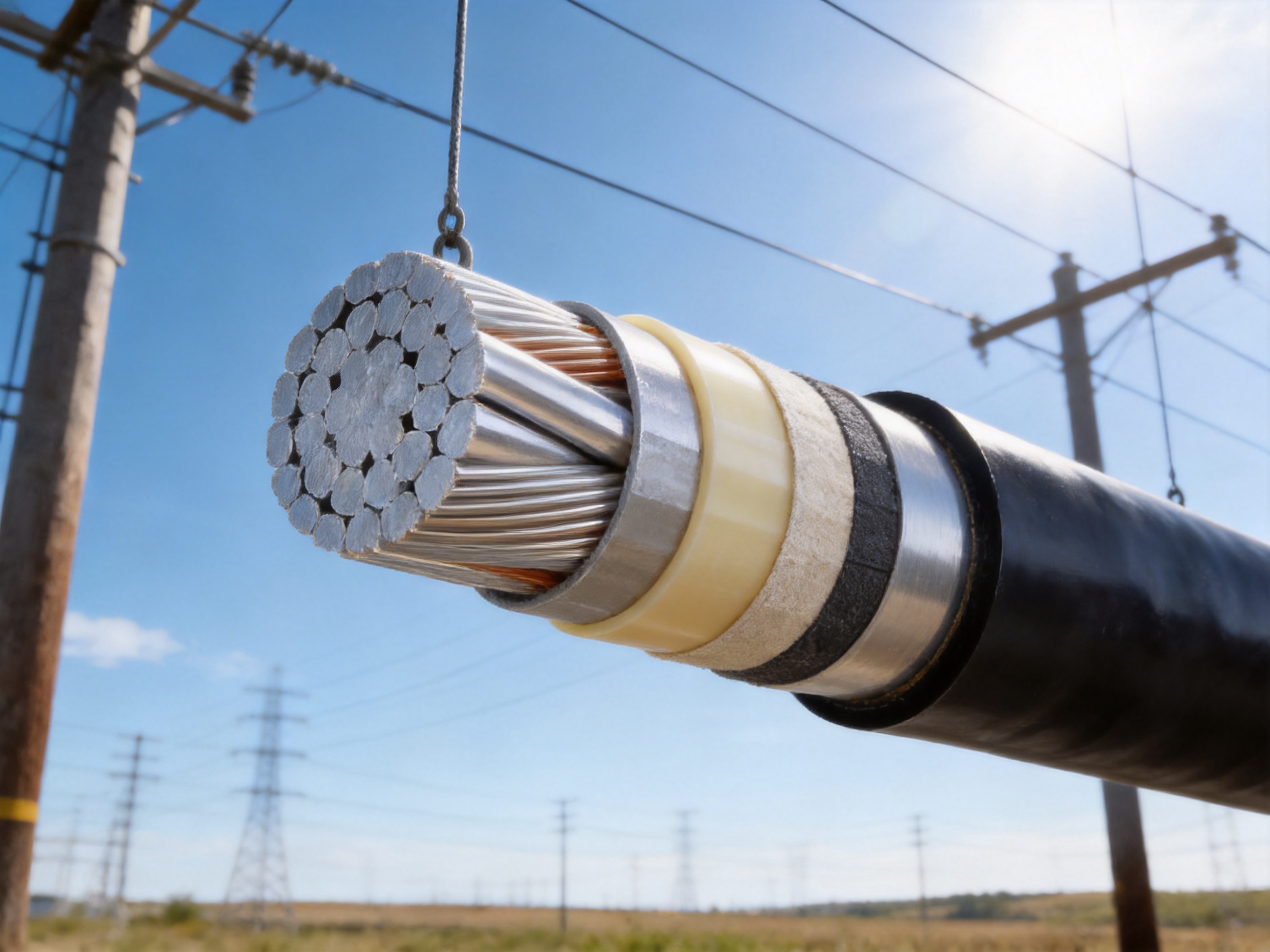
The JKLHYJ 10KV XLPE insulated aerial cable is a single-core medium-voltage overhead insulated cable developed for outdoor distribution lines. Its basic construction includes an aluminum alloy conductor, conductor shielding, XLPE insulation, insulation shielding, and a weather-resistant black polyethylene outer sheath. The cable is designed for a rated voltage of 8.7/10kV and can withstand strict electrical testing, including power frequency withstand voltage, impulse voltage, partial discharge control, and insulation resistance requirements.
The aluminum alloy conductor is available in compacted round or sector-shaped structures, with cross-sectional sizes from 35mm² to 500mm². This wide size range enables the cable to serve different load capacities, installation spans, and project specifications. The compacted conductor design improves dimensional stability, reduces voids, and helps create a smoother conductor surface for more uniform electric field distribution.
Cross-linked polyethylene insulation is one of the most important features of this cable. XLPE provides high dielectric strength, good thermal resistance, low dielectric loss, and excellent resistance to environmental aging. The nominal insulation thickness of 4.5mm is suitable for the 10kV class and helps maintain stable insulation performance during long-term service. The insulation layer is designed to be uniform and dense, reducing the risk of partial discharge and improving resistance to corona-related degradation.
The cable’s black weather-resistant polyethylene sheath provides an additional protective barrier for outdoor use. It resists UV radiation, ozone, atmospheric exposure, rain, and temperature fluctuations. This is especially important for aerial lines because they remain continuously exposed to sunlight, wind, humidity, and seasonal thermal cycling. The sheath’s UV resistance rating of Grade 8 or above contributes to longer service life and lower maintenance demand.
The long-term operating temperature of the cable is from -40°C to +90°C, while the short-circuit temperature can reach up to 220°C for 5 seconds. These thermal limits make the product suitable for cold regions, hot climates, and networks where occasional fault currents must be safely tolerated. The combination of thermal stability, high insulation resistance, and controlled dielectric loss supports reliable operation in demanding distribution systems.
Traditional overhead distribution systems commonly use aluminum or aluminum steel reinforced conductors. In insulated aerial cable systems, pure aluminum conductors are also widely used because they are lightweight and cost-effective. However, pure aluminum has limitations in tensile strength and creep resistance. Over time, thermal cycling and mechanical loading may lead to elongation, sag increase, and reduced clearance, particularly in long-span installations.
The aluminum alloy conductor used in the JKLHYJ 10KV cable is engineered to overcome many of these limitations. It provides more than 30% higher tensile strength compared with pure aluminum, giving the cable better resistance to stretching during installation and operation. This is valuable for overhead lines installed across valleys, hills, open fields, mining zones, and other areas where pole spacing may be larger than usual.
Another major benefit is improved creep resistance. Creep is the gradual deformation of a conductor under continuous mechanical stress and elevated temperature. In overhead lines, creep can cause increasing sag over time. Excessive sag reduces ground clearance and may create safety risks, especially near roads, buildings, vegetation, or industrial equipment. The aluminum alloy conductor in this cable passes a 1000-hour creep test at 90°C, demonstrating its ability to maintain mechanical stability during long-term service.
Weight reduction is also important. Aluminum alloy conductors are approximately 50% lighter than copper cables of comparable application class, which reduces tension on poles, fittings, and supporting structures. Lower weight can simplify transportation, handling, stringing, and installation. In many projects, lighter cables help reduce the total cost of line construction by lowering requirements for heavy lifting equipment and support infrastructure.
Although aluminum alloy does not have the same conductivity as copper, the product is designed to provide efficient current transmission for 10kV distribution networks. The conductor’s electrical conductivity exceeds 61% of pure aluminum, and its low-resistance design supports high transmission efficiency. When properly selected by cross-section, the cable provides a practical balance between load capacity, mechanical strength, and cost performance.
Cross-linked polyethylene, commonly known as XLPE, is widely used in modern power cables because of its strong thermal and electrical properties. In this product, XLPE insulation serves as the main dielectric barrier between the conductor and the outside environment. It must withstand operating voltage, transient overvoltage, temperature fluctuations, mechanical bending, and long-term aging.
The XLPE insulation in this 10KV aerial cable is designed to be dense, uniform, and resistant to corona and ultraviolet aging. Uniform insulation thickness helps prevent localized electric field concentration, while the conductor shield and insulation shield create a smoother electrical interface. Together, these layers reduce the possibility of partial discharge, which is one of the most common causes of medium-voltage cable insulation deterioration.
The cable’s partial discharge performance is rated at no more than 10pC at 1.73U₀, indicating careful control of insulation quality, interface smoothness, and internal cleanliness. In medium-voltage cable manufacturing, small defects such as contaminants, voids, protrusions, or uneven extrusion can cause partial discharge under electrical stress. A low partial discharge value reflects both suitable material selection and precise production control.
XLPE also offers excellent thermal endurance. The cable can operate continuously up to 90°C, allowing greater load flexibility than many older thermoplastic insulation materials. During short-circuit conditions, it can withstand up to 220°C for 5 seconds, providing fault tolerance when protection systems operate correctly. This thermal performance helps reduce insulation deformation and supports safer operation in demanding networks.
Resistance to environmental aging is another advantage. Aerial cables are exposed to sunlight, ozone, humidity, dust, and seasonal temperature changes. XLPE insulation, combined with a weather-resistant PE sheath, provides strong protection against these factors. The cable can operate from -40°C to +90°C, making it suitable for regions with severe winter conditions as well as hot summer climates.
The following table summarizes the major technical parameters of the JKLHYJ 10KV XLPE insulated aerial cable. Actual configurations can be customized according to project requirements, conductor size, installation conditions, and applicable standards.
Item |
Specification |
Product Model |
JKLHYJ-10KV |
Number of Cores |
Single-core |
Conductor Type |
Aluminum alloy conductor, compacted round or sector-shaped |
Cross-Section Range |
35mm² to 500mm² |
Rated Voltage |
8.7/10kV |
Test Voltage |
30kV AC for 5 minutes |
Minimum Bending Radius During Installation |
12 times cable outer diameter |
Minimum Bending Radius During Operation |
20 times cable outer diameter |
Long-Term Operating Temperature |
-40°C to +90°C |
Short-Circuit Temperature |
Up to 220°C for 5 seconds |
Insulation Material |
Cross-linked polyethylene, XLPE |
Nominal Insulation Thickness |
4.5mm |
Shielding Structure |
Conductor shield and insulation shield, semi-conductive layer |
Outer Sheath Material |
Black weather-resistant polyethylene, PE |
UV Resistance |
Weather-resistant sheath UV resistance rating Grade 8 or above |
Conductor Tensile Strength |
At least 150MPa |
Conductor Creep Performance |
Passes 1000-hour creep test at 90°C |
Insulation Resistance |
At least 1000MΩ·km at 20°C |
Capacitance |
No more than 0.40μF/km |
Dielectric Loss Factor |
No more than 0.008 at 90°C |
Partial Discharge |
No more than 10pC at 1.73U₀ |
Power Frequency Withstand Voltage |
30.5kV for 5 minutes, pass |
Impulse Withstand Voltage |
95kV, 10 shots each polarity |
Outer Sheath Color |
Black |
One of the most significant competitive advantages of this cable is its aluminum alloy conductor. Pure aluminum aerial insulated cables are economical and widely used, but their tensile strength may be insufficient for long spans or difficult terrain. The JKLHYJ aluminum alloy conductor provides at least 150MPa tensile strength and over 30% higher tensile performance than pure aluminum. This allows the cable to better withstand installation tension, wind load, ice load, and long-term mechanical stress.
For utility companies and engineering contractors, stronger conductors can reduce the risk of sagging, breakage, or line clearance issues. In long-span applications, the improved mechanical behavior may allow more flexible pole layout and better adaptation to terrain. This is particularly valuable in mountainous regions, hilly rural networks, and mining areas where constructing frequent supports may be difficult or expensive.
Copper cables offer excellent conductivity, but they are heavier and usually more expensive. In overhead distribution systems, weight directly affects pole design, fittings, installation labor, and transportation cost. The aluminum alloy conductor provides a lighter alternative while still delivering strong electrical and mechanical performance. It is approximately 50% lighter than copper cables in comparable use conditions, making installation easier and reducing structural load.
This lightweight advantage improves construction efficiency. Workers can handle longer lengths with less difficulty, stringing operations become easier, and transportation costs may decrease. For large grid renovation projects or remote-area installations, these savings can be substantial. The lower weight also reduces long-term stress on poles and accessories, supporting stable operation over time.
Creep resistance is often overlooked during cable selection, but it is critical for overhead lines. A conductor that gradually elongates under tension can create sag problems years after installation. The JKLHYJ cable’s aluminum alloy conductor is specifically noted for good high-temperature creep resistance and passes a 1000-hour creep test at 90°C. This performance helps maintain line geometry and safety clearance throughout the service life.
Compared with standard aluminum conductors, improved creep resistance reduces maintenance risks and helps preserve the designed span and sag values. This can be especially important in areas with strong sunlight, high summer temperatures, or frequent heavy electrical loads, where conductor temperature may rise repeatedly during operation.
Overhead cables must survive years of direct exposure. Ultraviolet radiation can embrittle ordinary polymer materials, ozone can cause surface cracking, and temperature cycling can weaken poorly designed insulation systems. This cable uses XLPE insulation and a black weather-resistant PE sheath with UV resistance rating Grade 8 or above. These materials are selected to resist sunlight, ozone, rain, and high/low temperature cycles.
Compared with ordinary insulated overhead cables using lower-grade materials, this product offers better long-term outdoor durability. Its operating temperature range from -40°C to +90°C allows use in both cold and hot climates. This broad environmental capability makes it suitable for grid projects in northern cold regions, inland high-temperature areas, and exposed rural routes.
The product’s shielding structure includes conductor shielding and insulation shielding made with semi-conductive layers. These layers help smooth the electric field, reduce electrical stress concentration, and improve partial discharge performance. With partial discharge limited to no more than 10pC at 1.73U₀, the cable demonstrates the electrical precision needed for medium-voltage service.
Its insulation resistance of at least 1000MΩ·km at 20°C, dielectric loss factor of no more than 0.008 at 90°C, and impulse withstand voltage of 95kV support reliable performance under normal operating conditions and transient events. Compared with cables that lack strict shielding control or have inconsistent insulation extrusion, this product provides better medium-voltage safety and long-term stability.
Because the cable is lightweight and relatively flexible, it improves construction efficiency in overhead installation. The minimum bending radius during installation is 12 times the cable outer diameter, and during operation it is 20 times the cable outer diameter. These requirements help guide proper handling and reduce mechanical damage during stringing, turning, and fixing.
The product can also support customization, including optional water-blocking structures, bird-damage resistant sheath options, and self-supporting structures with high-strength carrying strands. This allows project engineers to adapt the cable to specific environmental threats and line configurations instead of relying on a one-size-fits-all product.
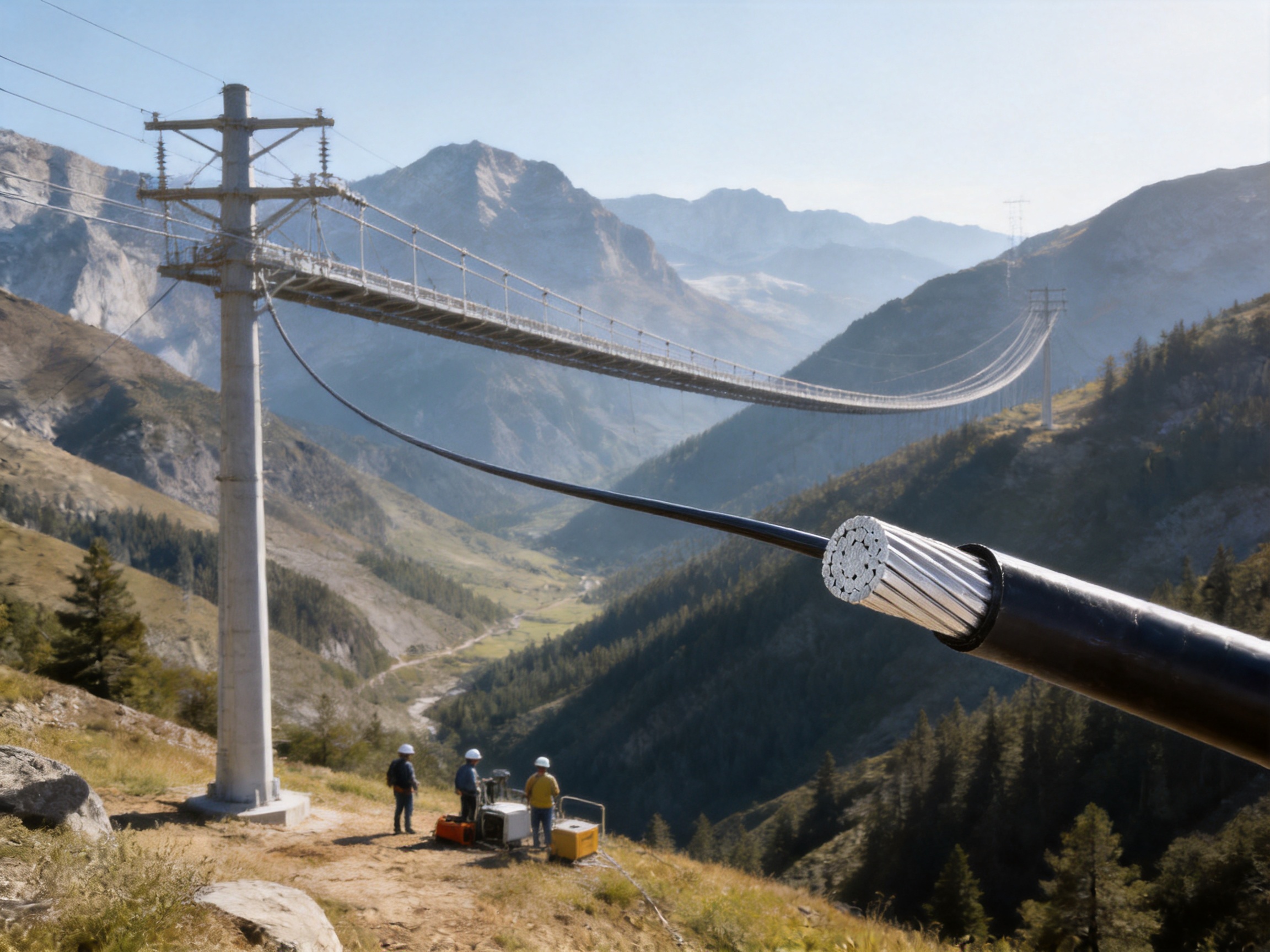
The JKLHYJ 10KV XLPE insulated aerial cable is particularly suitable for large-span overhead installations. Its aluminum alloy conductor offers high tensile strength and reduced sag, while its light weight reduces mechanical load on support structures. In routes where poles cannot be placed close together, such as across valleys, rivers, fields, or industrial areas, these features improve engineering feasibility.
Mountain and hill regions create complex installation challenges. Terrain may be uneven, access roads may be limited, and support structures may need to be placed at irregular intervals. A lightweight cable with good tensile performance is highly advantageous in these situations. The cable’s weather resistance also supports reliable performance in exposed elevated environments where wind, UV radiation, and temperature changes may be severe.
Mining areas often require long-distance surface power supply lines. These routes may pass through open terrain, temporary work areas, and mechanically demanding environments. The cable’s high strength, corrosion resistance, and optional protective features make it suitable for power distribution in mining zones. Its lightweight design can also help reduce installation difficulty in remote or changing work locations.
Many distribution networks require renovation to improve safety, reduce faults, and support increasing electricity demand. Insulated aerial cables are often preferred over bare conductors in populated or vegetation-rich areas because they reduce the risk of phase-to-phase contact, accidental contact, and short circuits caused by tree branches or animals. The JKLHYJ cable provides a durable medium-voltage solution for modernizing urban and rural overhead lines.
Some projects must balance electrical load, installation span, structural limits, and cost control. In these cases, the aluminum alloy conductor offers a strong advantage. It provides mechanical strength without the weight penalty of copper and improves creep behavior compared with pure aluminum. This makes it a practical choice for contractors seeking durable overhead distribution cables with efficient installation characteristics.
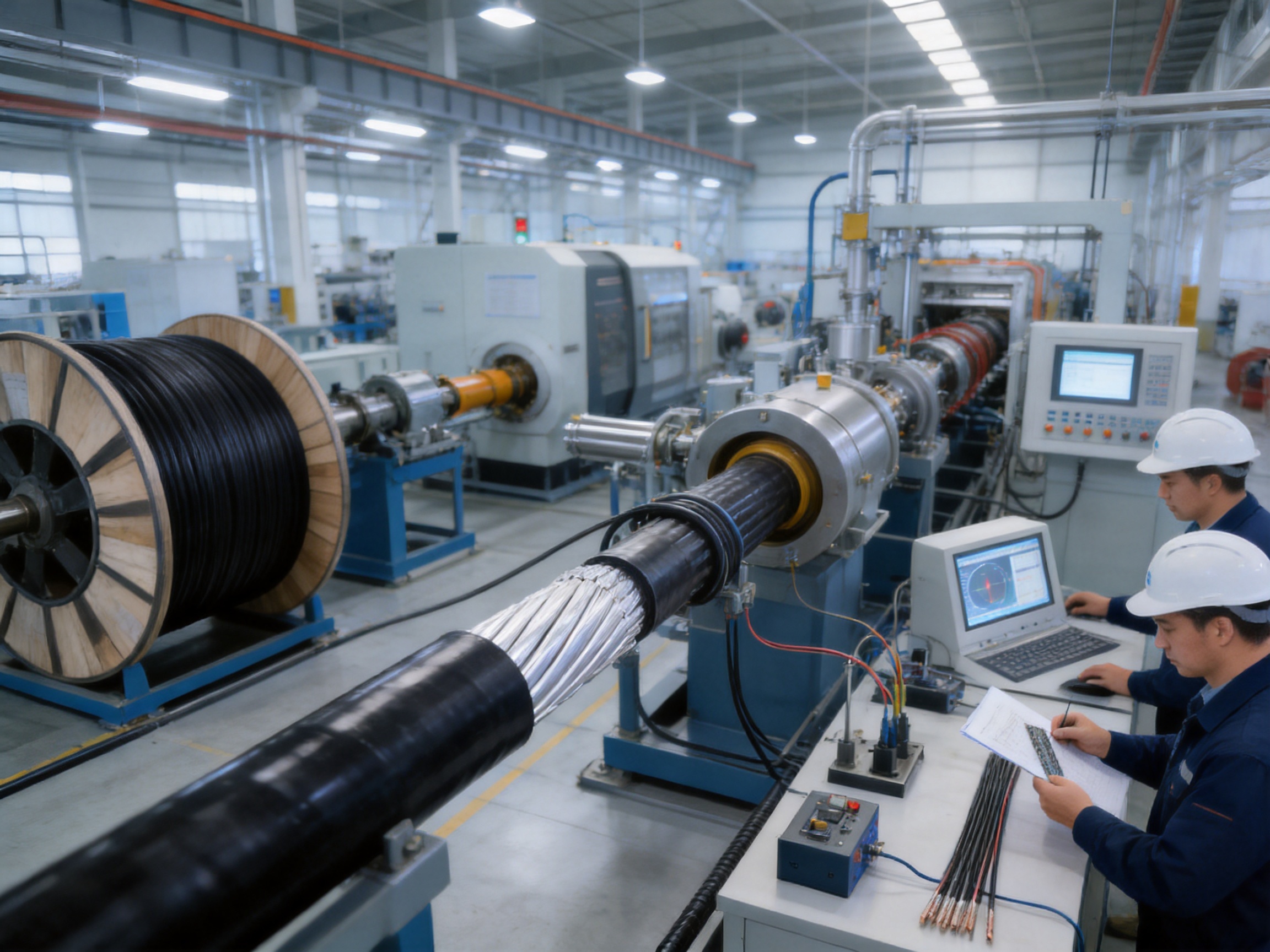
A high-performance aerial cable depends not only on design but also on manufacturing discipline. Medium-voltage cable production requires clean material handling, accurate conductor processing, controlled extrusion, reliable cross-linking, uniform shielding, and strict testing. Anhui Zhishang Cable Technology Co., Ltd. integrates research, production, and sales, providing a manufacturing foundation for stable cable quality and customized solutions.
The company operates a modern production base of approximately 5,000 square meters and is equipped with 10 automated production lines. Its monthly output can reach up to 10 million meters, enabling it to support both regular product supply and project-based delivery. Automation improves dimensional consistency, reduces human error, and supports efficient production scheduling.
The company’s technical team includes quality engineers and R&D technicians with more than 10 years of industry experience. This experience is important for cable design, material selection, process adjustment, and quality evaluation. Medium-voltage aerial cable production requires careful coordination between conductor preparation, insulation extrusion, shielding layer formation, sheath application, and finished cable testing. Experienced engineers help ensure that each process stage supports the final performance requirements.
The company follows national standards, relevant international standards, and industry benchmarks when developing and producing cable products. This standards-oriented approach helps customers obtain cables with defined technical performance, traceable quality expectations, and project compatibility. For standard cable models, the company can provide quality assurance through full-core, full-length, pure copper specifications where applicable, product test reports, and warranty support. Although this specific aerial cable uses aluminum alloy rather than copper, the same philosophy of material integrity and full-length quality control applies.
The aluminum alloy conductor must meet both electrical and mechanical requirements. Manufacturing begins with conductor material selection and strand processing. The conductor may be compacted into round or sector-shaped form to improve dimensional stability and reduce surface irregularities. A smoother conductor surface is especially important in medium-voltage cables because sharp points or uneven surfaces can increase electric field stress.
Compaction also contributes to a more uniform cable structure. It reduces gaps between strands, improves the conductor’s overall geometry, and supports better contact between the conductor and semi-conductive shielding layer. This improves electrical field control and helps reduce partial discharge risk.
Medium-voltage cable insulation must be applied with high precision. The conductor shield, XLPE insulation, and insulation shield must bond smoothly and consistently, with controlled thickness and clean interfaces. Any contamination, void, or uneven extrusion may compromise dielectric performance.
Automated extrusion processes allow better control over layer thickness, concentricity, temperature, and line speed. The nominal insulation thickness of 4.5mm must be maintained across the production length to ensure consistent voltage withstand capability. Uniform extrusion also improves mechanical flexibility and reduces weak points.
XLPE insulation gains its thermal and mechanical advantages through cross-linking. Proper cross-linking improves heat resistance, deformation resistance, and insulation stability. Process control is essential because insufficient cross-linking may reduce thermal performance, while poor temperature control can create defects.
The cable’s ability to operate continuously at 90°C and withstand short-circuit temperatures up to 220°C depends on correct material formulation and cross-linking quality. Manufacturers with experienced process technicians are better able to maintain consistent cross-linking performance across different conductor sizes and production batches.
The outer sheath is the cable’s first defense against sunlight, rain, dust, and atmospheric exposure. A black weather-resistant PE sheath is used to protect the insulation system and extend outdoor service life. The sheath must be extruded with stable thickness, smooth surface quality, and proper adhesion to the underlying structure.
For applications involving birds, severe sunlight, or damp environments, sheath and structural customization may be considered. Optional bird-damage resistant sheath and water-blocking structures can be provided according to project needs. This flexibility reflects the company’s ability to support engineered cable solutions rather than only standard catalog products.
Finished medium-voltage cables must pass strict electrical and mechanical testing. Important tests include AC voltage withstand testing, partial discharge testing, insulation resistance measurement, conductor tensile strength verification, dielectric loss evaluation, and impulse withstand testing. The listed power frequency withstand voltage of 30.5kV for 5 minutes and impulse withstand voltage of 95kV demonstrate the cable’s ability to handle medium-voltage network stresses.
Quality verification also includes dimensional inspection, conductor structure checking, sheath appearance assessment, and temperature-related performance evaluation. For customers, product test reports provide evidence that cables meet specified requirements before shipment and installation.
Anhui Zhishang Cable Technology Co., Ltd. is located in Xuanzhou District, Xuancheng City, Anhui Province, China, an important node city in the Yangtze River Delta region. This location supports efficient access to industrial supply chains, logistics resources, and skilled manufacturing talent. The company integrates research and development, production, and sales, allowing it to respond to both standard product demand and specialized project requirements.
The company’s business philosophy is based on quality orientation, integrity foundation, and stability priority. In the cable industry, stability is essential because cables are often installed in systems expected to operate safely for many years. A single cable failure can affect power supply reliability, maintenance costs, and customer confidence. Therefore, the company emphasizes material quality, production control, and responsible service.
The company supports OEM and ODM development based on customer drawings or samples. This is valuable for contractors, distributors, equipment manufacturers, and project owners who require special conductor sizes, sheath features, voltage ratings, marking, packaging, or structural modifications. Technical engineers can provide product selection guidance and tailor-made cable design solutions according to project conditions.
Standard products are stocked for fast shipment, while customized products generally require 7 to 20 days of lead time depending on complexity and production schedule. This combination of stock availability and customization helps customers manage project timelines more effectively. For urgent projects, fast response and clear communication can be just as important as product performance.
The company also emphasizes green manufacturing and responsible production practices. Cable manufacturing involves metals, polymers, energy consumption, and packaging materials, so efficient production and quality control help reduce waste. By improving production consistency and reducing defective output, responsible manufacturers contribute to better resource utilization.
Its products are sold to markets including the United States, Canada, Australia, Japan, and parts of Eurasia. International market experience helps the company understand varying customer expectations, documentation requirements, standards awareness, and packaging needs. This global orientation strengthens its ability to serve diverse power, automation, communication, and specialty cable applications.
Correct installation is essential for realizing the full performance of any medium-voltage aerial cable. Even a well-designed cable can be damaged by improper handling, excessive bending, unsuitable fittings, or inadequate sag-tension calculation. For the JKLHYJ 10KV cable, installers should observe the specified minimum bending radius: 12 times the cable outer diameter during installation and 20 times the cable outer diameter during operation.
Because the conductor is aluminum alloy, dedicated corrosion-resistant fittings are recommended. Proper fittings help ensure stable electrical contact, mechanical holding strength, and corrosion protection. Incompatible fittings may create galvanic corrosion, overheating, loosening, or premature failure. Engineering teams should select clamps, connectors, terminals, and suspension accessories suitable for aluminum alloy conductors.
Span design should consider conductor tensile strength, sag requirements, environmental load, wind, ice, temperature, pole height, ground clearance, and local installation standards. Although the cable has reduced sag compared with pure aluminum options, proper sag-tension calculations remain necessary. Long-span routes should be evaluated carefully, especially in mountainous areas or locations with strong wind.
For areas with bird damage risk, an optional bird-damage resistant sheath may improve service reliability. In wet environments or areas where water migration could become a concern, optional water-blocking structures can be considered. For routes requiring a self-supporting cable structure, customization with a high-strength carrying strand may be available.
The product is suitable for areas with altitude up to 2000m and ambient temperature from -40°C to +50°C. It is recommended for low-corrosion atmospheric environments. In highly corrosive areas, such as coastal zones, chemical plants, or regions with strong industrial pollution, additional corrosion evaluation and protective measures may be required.
When selecting cable, purchase price is only one part of total cost. A lower-cost cable may become expensive if it causes difficult installation, frequent maintenance, sag problems, insulation aging, or unplanned outages. The JKLHYJ 10KV XLPE insulated aerial cable is designed to deliver value across the full life cycle, from logistics and installation to long-term operation and maintenance.
During transportation and construction, its lightweight aluminum alloy conductor reduces handling burden. During installation, improved flexibility and lower weight support faster stringing and easier positioning. During operation, high tensile strength and creep resistance help maintain line stability. Over the years, XLPE insulation and weather-resistant PE sheath reduce aging risks under sunlight and temperature cycling.
Electrical reliability further contributes to life-cycle value. Low partial discharge, high insulation resistance, controlled dielectric loss, and strong voltage withstand performance reduce the possibility of insulation breakdown. For distribution operators, fewer failures mean lower repair costs, improved service continuity, and better customer satisfaction.
The ability to customize the cable also improves project economics. Instead of using a generic cable that may be overbuilt or underprotected, customers can request features matching their actual environment. For example, a mining area may prioritize mechanical strength and sheath durability, while a rural grid upgrade may prioritize long-span performance and weather resistance. Customization helps align cable investment with practical risk.
Compared with bare overhead conductors, insulated aerial cables provide better safety in areas with trees, wildlife, buildings, and human activity. Insulation reduces the likelihood of short circuits caused by accidental contact and can improve distribution reliability during storms or vegetation movement. For medium-voltage networks near populated areas, this safety advantage is important.
Compared with standard pure aluminum insulated aerial cables, the JKLHYJ aluminum alloy version offers higher tensile strength and better creep resistance. This makes it more suitable for long spans and challenging terrain. Pure aluminum may be acceptable for shorter spans or less demanding routes, but aluminum alloy provides stronger mechanical security where sag and tension are major concerns.
Compared with copper conductor aerial cables, this product offers lower weight and usually better overall cost efficiency. Copper remains excellent for conductivity, but overhead line construction often benefits more from a balance of conductivity, weight, strength, and cost. The aluminum alloy conductor achieves this balance effectively for many 10kV distribution projects.
Compared with lower-grade insulated overhead cables, this product’s XLPE insulation, semi-conductive shielding structure, UV-resistant sheath, and strict electrical performance provide better durability and reliability. In medium-voltage systems, insulation quality and field control cannot be compromised. The product’s technical parameters show a focus on safe and stable operation rather than minimum-cost construction only.
It is mainly used for 10kV and below overhead power transmission and distribution lines. Typical applications include large-span overhead routes, mountainous and hilly power lines, mining area surface power supply, urban and rural grid upgrades, and other projects requiring lightweight cable with high mechanical strength.
The aluminum alloy conductor provides higher tensile strength and better creep resistance than pure aluminum. This helps reduce sag, improve long-span performance, and maintain stable overhead line clearance over long-term operation. It is especially useful in difficult terrain or routes with larger pole spacing.
Copper has excellent conductivity, but it is heavier and often more expensive. This aluminum alloy conductor cable is much lighter, easier to install, and more economical for many overhead distribution projects while still providing reliable electrical performance when correctly sized.
The cable uses XLPE insulation and a black weather-resistant PE sheath. These materials resist ultraviolet radiation, ozone, high and low temperatures, and outdoor aging. The sheath has a UV resistance rating of Grade 8 or above, supporting long-term outdoor use.
The cable can operate long term from -40°C to +90°C. Under short-circuit conditions, it can withstand temperatures up to 220°C for 5 seconds, assuming protection systems operate correctly.
Yes. It includes conductor shielding and insulation shielding made with semi-conductive layers. This structure helps control the electric field, reduce electrical stress concentration, and improve partial discharge performance.
Dedicated corrosion-resistant fittings suitable for aluminum alloy conductors are recommended. Proper fittings help maintain mechanical strength, electrical contact stability, and corrosion resistance.
Yes. Customization may include conductor size, water-blocking features, bird-damage resistant sheath, self-supporting structures with high-strength carrying strands, and other project-specific requirements. Anhui Zhishang Cable Technology Co., Ltd. supports OEM and ODM development based on customer drawings or samples.
Important tests include AC voltage withstand testing, partial discharge testing, insulation resistance measurement, dielectric loss factor testing, impulse withstand testing, conductor tensile strength testing, creep performance testing, and dimensional inspection.
The cable is suitable for outdoor overhead applications in low-corrosion atmospheric environments, with altitude up to 2000m and ambient temperature from -40°C to +50°C. For highly corrosive environments, additional engineering evaluation is recommended.
The JKLHYJ 10KV XLPE insulated aerial cable provides a strong solution for modern medium-voltage overhead distribution networks. Its aluminum alloy conductor improves tensile strength, creep resistance, and long-span stability, while its lightweight structure reduces installation difficulty and support load. XLPE insulation and a weather-resistant PE sheath provide reliable protection against electrical stress, UV radiation, ozone, temperature variation, and outdoor aging.
Compared with pure aluminum cables, it offers better mechanical performance. Compared with copper alternatives, it provides a lighter and more economical overhead solution. Compared with ordinary insulated aerial cables, its shielding structure, weather-resistant materials, and strict electrical performance give it stronger long-term reliability for demanding distribution applications.
Behind the product is the manufacturing capability of Anhui Zhishang Cable Technology Co., Ltd., including automated production lines, experienced technical engineers, modern facilities, standards-based production, testing support, and OEM/ODM customization. The company’s focus on quality, integrity, and stable cable solutions helps customers obtain products suited to real engineering conditions rather than generic supply only.
For power utilities, contractors, distributors, and industrial project owners seeking a durable 10kV overhead cable, this product offers a practical combination of strength, weather resistance, electrical safety, installation efficiency, and life-cycle value.
International Electrotechnical Commission. IEC 60502, Power Cables with Extruded Insulation and Their Accessories for Rated Voltages from 1kV up to 30kV.
International Electrotechnical Commission. IEC 60228, Conductors of Insulated Cables.
International Electrotechnical Commission. IEC 60811, Electric and Optical Fibre Cables: Test Methods for Non-Metallic Materials.
Institute of Electrical and Electronics Engineers. IEEE Guide for the Design, Testing, and Application of Medium-Voltage Cable Systems.
National standards and industry practices for rated voltage 10kV overhead insulated cable design, testing, installation, and operation.
Technical data and product specifications provided for JKLHYJ 10KV aluminum alloy conductor XLPE insulated aerial cable.

We firmly believe that good cables are not only a competition of materials, but also a reflection of craftsmanship, quality, and responsibility.

Links
Product
Send Inquiry
No. 29 Sankeshu Road, Xuanzhou District, Xuancheng City, Anhui Province, China
+86-18621104555/+86-563-2622999
 Electrical Cable Manufacturer
OEM/ODM Wire and Cable Solutions
Electrical Cable Manufacturer
OEM/ODM Wire and Cable Solutions
 English
 Español
 عربى
عربى
 русский