
Get more content that can help you
Content
In modern motion-control environments, a cable is no longer a simple passive connection between two points. It is a mechanical component, an electrical transmission path, an electromagnetic compatibility barrier, and a reliability factor that influences the performance of an entire system. The TRVVSP Composite Shielding Drag Chain Cable is engineered for applications where continuous movement, stable data transmission, signal accuracy, and electromagnetic protection must work together without compromise. It is especially suitable for elevator traveling systems, drag chain installations, automated equipment, lift systems, and digital control networks that require dependable communication under harsh operating conditions.
This product combines ultra-flexible conductors, twisted-pair signal architecture, layered shielding, tensile reinforcement, and an abrasion-resistant outer sheath into one integrated cable design. Compared with ordinary flexible cables or basic control cables, the TRVVSP Composite Shielding Drag Chain Cable provides a stronger balance between mechanical endurance and communication reliability. Its structure is developed to reduce bit errors, suppress external interference, maintain signal integrity during repeated bending, and protect critical control or bus data in complex electromagnetic environments.
As industrial automation, smart elevators, intelligent buildings, and networked equipment continue to advance, the demand for high-performance dynamic cables is increasing rapidly. Systems using CAN bus, RS-485, encoder feedback, low-level analog signals, Ethernet-based communication, and digital control signals cannot rely on cables that are only designed for static installation. They require cables that remain electrically stable while moving thousands or even millions of times. This is precisely the role of TRVVSP Composite Shielding Drag Chain Cable: it is built not only to connect, but also to preserve communication quality while the connected equipment is in motion.
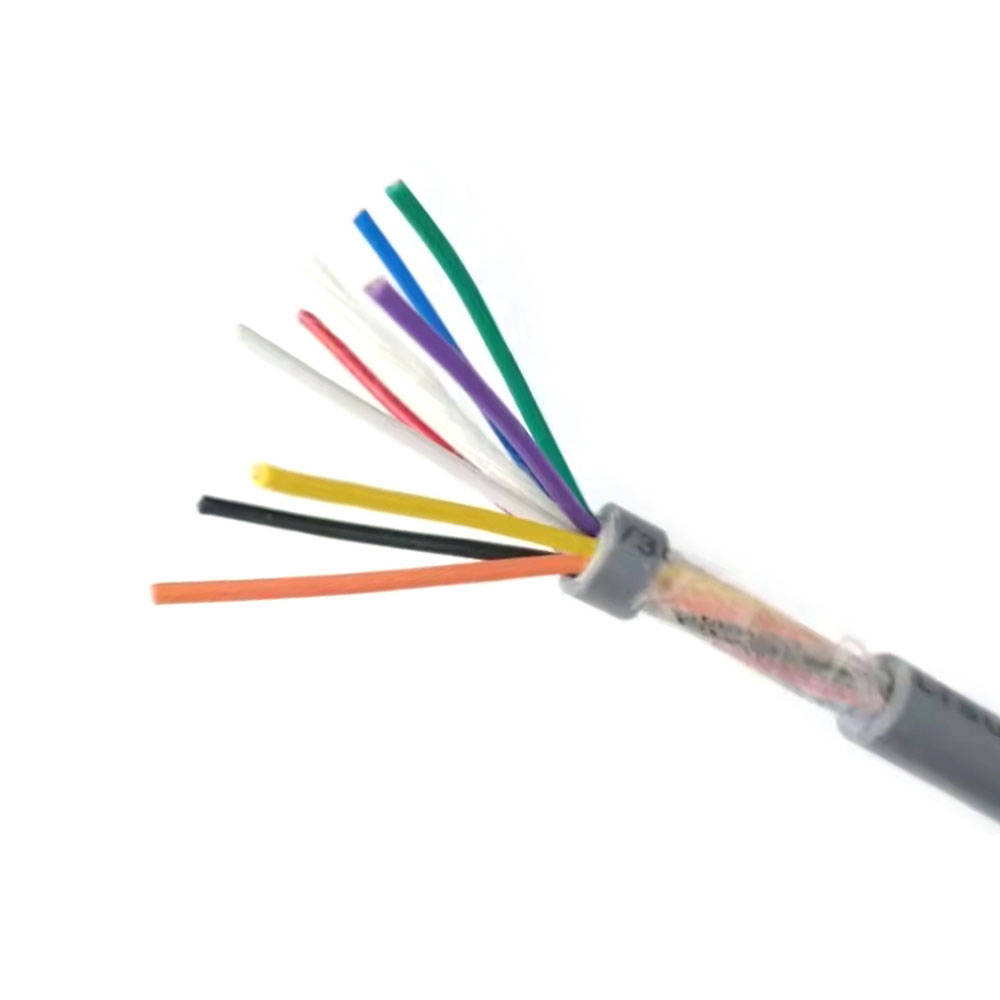
TRVVSP Composite shielding Drag Chain Cable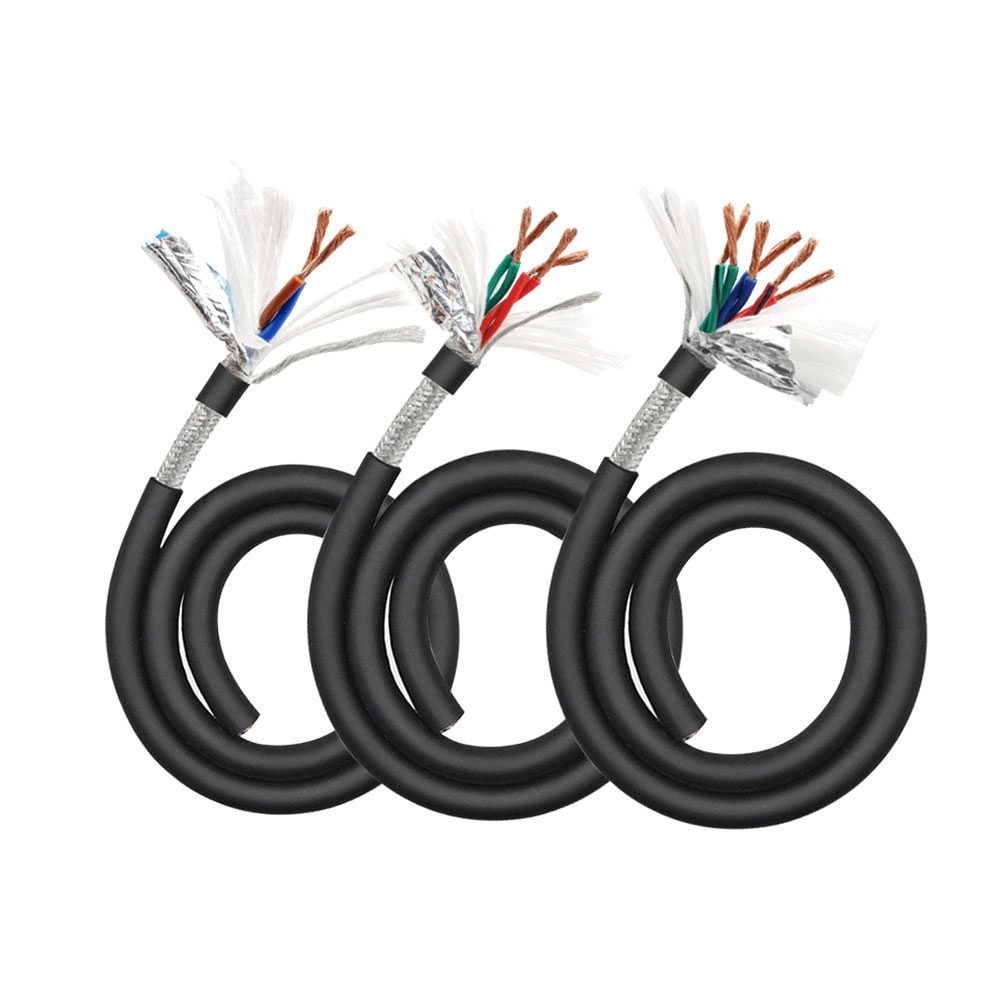
The TRVVSP Composite Shielding Drag Chain Cable is a specialized flexible cable developed for reciprocating motion and demanding communication environments. Its structure integrates power cores, control cores, signal cores, and twisted-pair communication groups according to project requirements. The cable is designed with a rated voltage of 300/500V and supports conductor cross-sectional ranges commonly used in signal, control, communication, and power transmission. Typical signal and control cores range from 0.5 mm² to 2.5 mm², while power cores may range from 4 mm² to 25 mm² depending on the customized configuration.
The core advantage of this cable lies in its combination of twisted-pair structure and composite shielding. Twisted pairs are widely recognized as an effective method for suppressing common-mode interference and reducing magnetic field coupling. When two conductors are twisted together, external electromagnetic noise tends to affect both conductors similarly, allowing differential signal systems to reject that noise more effectively. This makes twisted pairs especially suitable for RS-485, CAN bus, encoder signals, balanced audio, low-level analog signals, and other sensitive transmission lines.
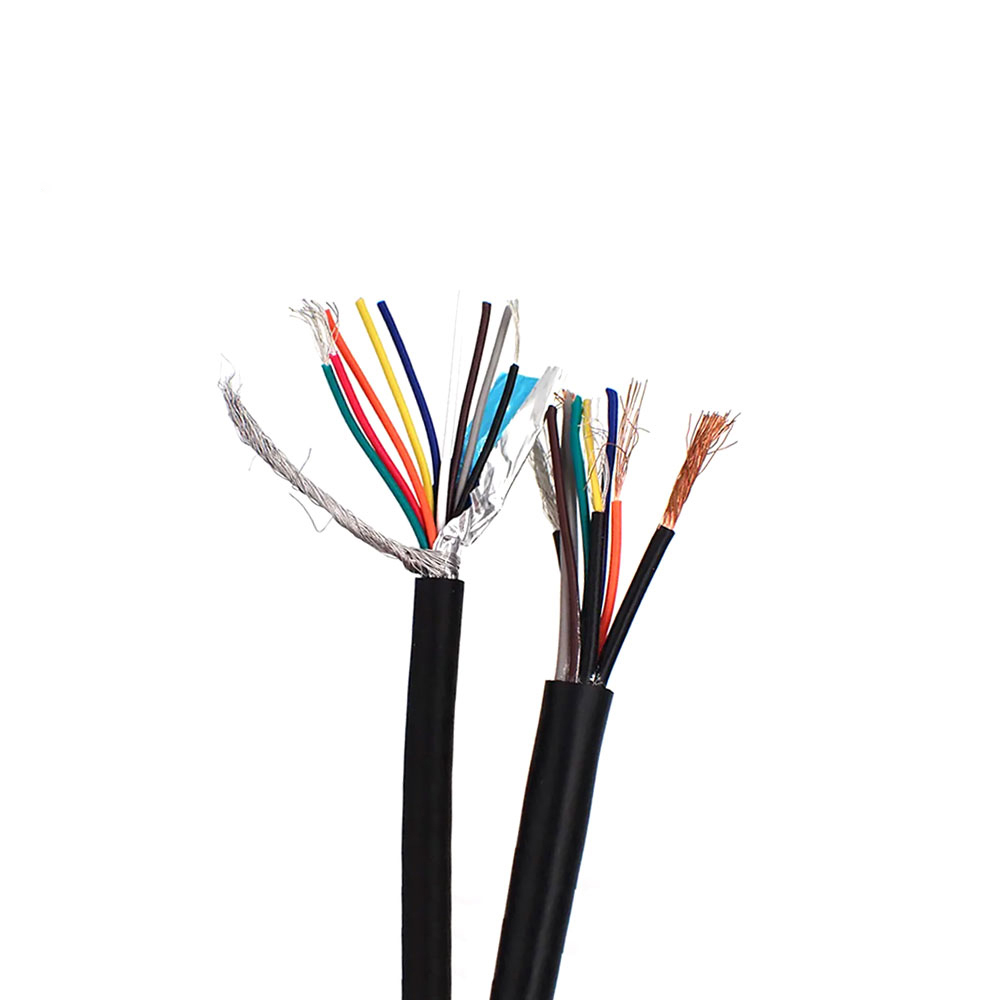
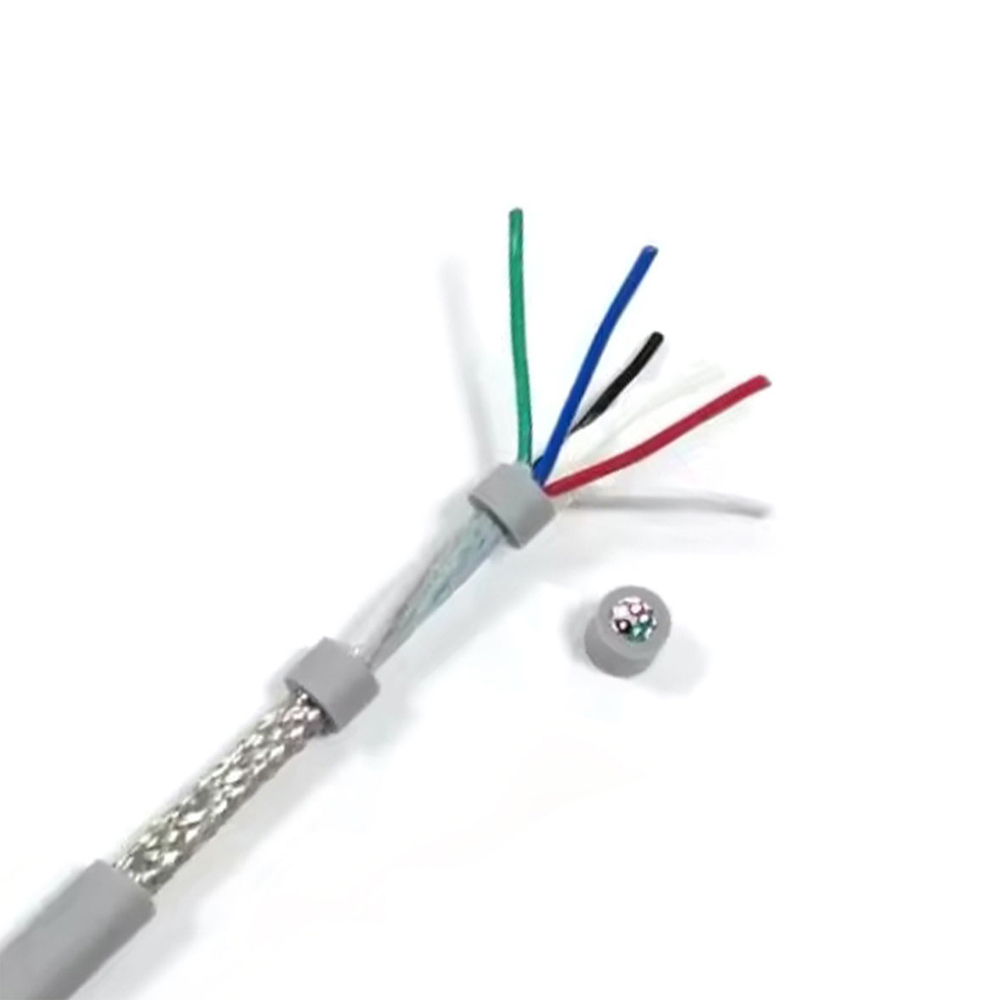
Composite shielding further enhances the cable’s ability to protect communication quality. Depending on the design, critical twisted pairs may use individual aluminum foil shielding, while the complete cable assembly may use tinned copper braided shielding or aluminum-plastic composite tape combined with braided mesh. With overall shielding coverage typically reaching 85% or higher, the cable provides broad electromagnetic compatibility protection from low-frequency interference to high-frequency noise. This is particularly valuable in elevator shafts, factory automation lines, motor-control cabinets, power distribution areas, and sites where variable frequency drives, contactors, relays, motors, and power cables generate electrical disturbance.
The cable also maintains the essential mechanical properties required for drag chain and elevator applications. Ultra-fine multi-strand class 6 annealed copper conductors improve flexibility and reduce conductor fatigue. A central or integrated tensile element, such as aramid yarn or fiber rope, helps bear longitudinal stress during vertical motion or repeated pulling. Non-hygroscopic filling material supports the internal structure, while the high-strength PVC outer sheath resists abrasion, bending stress, and typical industrial wear.
Elevator systems have become increasingly digital and networked. Traditional analog wiring has gradually been supplemented or replaced by communication protocols such as CAN bus, RS-485, Ethernet, encoder feedback systems, and intelligent control networks. A modern elevator traveling cable may carry power, control commands, door signals, safety loop signals, intercom audio, video, sensor data, and communication bus signals at the same time. This creates a difficult engineering challenge: the cable must transmit different types of signals reliably while moving vertically, bending repeatedly, and operating near motors, brakes, lighting circuits, and power supply lines.
Ordinary flexible cables may satisfy basic bending requirements, but they often fail to provide adequate signal protection. Standard control cables may be suitable for stationary wiring but may suffer conductor fatigue, insulation stress, shield cracking, or internal core displacement during continuous movement. Unshielded cables may allow external electromagnetic interference to enter sensitive signal paths, producing intermittent communication faults that are difficult to diagnose. In elevator applications, such faults may cause communication delays, false alarms, unstable door operation, display errors, or system shutdowns.
The TRVVSP Composite Shielding Drag Chain Cable addresses these risks through a comprehensive design approach. Its twisted-pair groups are physically optimized for differential communication. Its shielding structure reduces electric field and electromagnetic coupling. Its flexible conductor and sheath design allow movement without sacrificing electrical performance. Its tensile element helps protect the cores from excessive elongation, particularly in vertical traveling cable installations. This makes the product highly suitable for mid-to-high-end elevator and lift systems where real-time communication and long-term reliability are strict requirements.
In a drag chain, the cable is subjected to repeated bending along a controlled path. Every movement generates stress at the conductor, insulation, shield, filler, and sheath. If the cable is not designed for this motion, internal components may slide, twist, compress, or fracture. The TRVVSP design reduces these risks by using ultra-flexible copper conductors, appropriate core lay-up, stable filling, and a sheath material selected for dynamic performance. The recommended minimum bending radius for mobile installation is typically 10 times the cable outer diameter, helping ensure safe operation under repeated movement.
The most important advantage of the TRVVSP Composite Shielding Drag Chain Cable is its ability to deliver both mechanical flexibility and electromagnetic protection in one product. Many cables perform well in one area but are weak in another. A highly flexible cable may lack shielding. A shielded cable may be too stiff for drag chain use. A communication cable may offer good signal performance but lack tensile strength for elevator traveling movement. This product is engineered to combine these requirements into a balanced cable solution.
First, the use of class 6 annealed copper conductors provides excellent flexibility. The conductor is composed of multiple ultra-fine copper wires, allowing the conductor to bend repeatedly with lower stress concentration. Compared with rigid or lower-class conductors, class 6 construction improves fatigue resistance and supports dynamic operation. This is crucial for applications where the cable is constantly moving, such as elevator traveling systems and automated machinery.
Second, the twisted-pair design significantly improves signal integrity. For bus communication, signal symmetry and noise rejection are critical. Twisting reduces loop area and improves the balance of the pair, limiting induced noise from nearby electromagnetic fields. This is especially important for RS-485 and CAN bus systems, which rely on differential signal transmission. By reducing interference and maintaining more stable signal characteristics, the cable helps reduce bit error rates and improves communication reliability.
Third, composite shielding provides more complete protection than a single basic shield. Individual shielding may be applied to critical pairs when specific circuits require isolation. Overall shielding protects the entire cable bundle from external electric field interference and limits radiation from internal signals. A braided shield made from tinned copper offers flexibility, mechanical strength, and low resistance, while aluminum-plastic composite tape improves coverage. When combined, these shielding layers deliver enhanced electromagnetic compatibility performance across a wide range of interference conditions.
Fourth, the cable includes tensile reinforcement. In vertical installations such as elevator shafts, the cable may experience its own weight plus dynamic tension during operation. Without tensile support, conductors may be stretched, insulation may deform, and connection points may be stressed. Aramid yarn or fiber rope helps absorb mechanical load, reducing stress on the electrical cores and extending service life.
Fifth, the outer sheath is designed for industrial durability. High-strength abrasion-resistant PVC protects the internal structure from friction, handling damage, and mechanical wear. The sheath is typically black or gray and is formulated for flexibility in mobile installation conditions. With a long-term operating temperature range of approximately -15°C to +70°C for mobile installation, the cable is suitable for many indoor industrial and elevator environments.
| Item | Typical Configuration | Engineering Benefit |
|---|---|---|
| Product Type | TRVVSP Composite Shielding Drag Chain Cable | Designed for mobile control, signal, communication, and elevator traveling applications |
| Conductor | Class 6 annealed copper, multi-strand ultra-fine copper wires | Improves flexibility and bending fatigue resistance |
| Signal and Control Cross-Section | 0.5 mm² to 2.5 mm² | Suitable for bus, control, feedback, and low-level signal circuits |
| Power Cross-Section | 4 mm² to 25 mm² depending on design | Supports integrated power transmission where required |
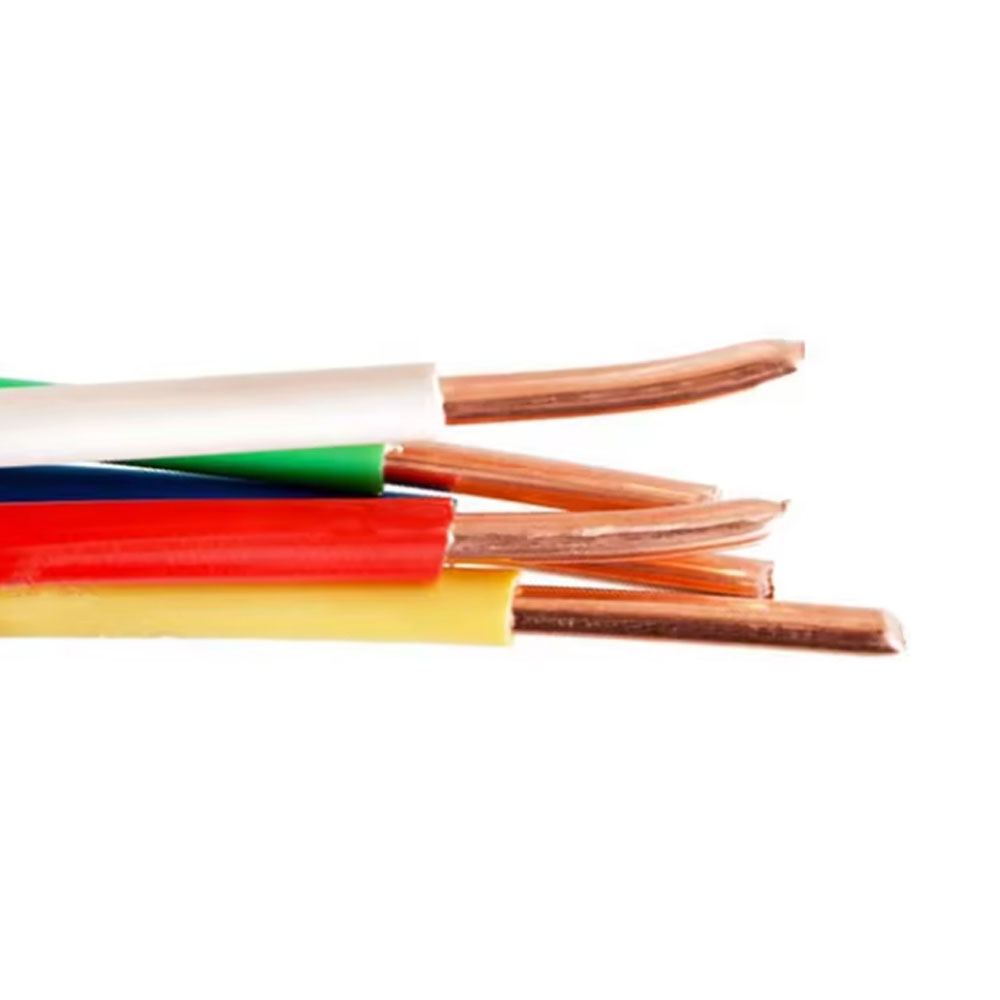
| Insulation | Special flexible PVC, color-coded | Supports easy identification and dynamic cable performance |
| Core Structure | Power cores, control cores, and twisted-pair communication groups | Allows multi-function cable integration |
| Shielding | Individual foil shielding and overall braided or composite shielding options | Enhances EMC protection and signal integrity |
| Shield Coverage | Typically 85% or higher for overall braided shield | Reduces interference in harsh electromagnetic environments |
| Tensile Element | Aramid yarn or fiber rope | Improves tensile strength in vertical or moving installations |
| Sheath | High-strength abrasion-resistant PVC | Protects against wear and supports repeated bending |
| Rated Voltage | 300/500V | Suitable for control and low-voltage power applications |
| Operating Temperature | -15°C to +70°C for mobile installation | Meets common elevator and industrial environmental conditions |
| Minimum Bending Radius | 10 × cable outer diameter for mobile installation | Provides safe guidance for drag chain and traveling cable design |
Electromagnetic interference is one of the most common causes of unreliable digital communication in industrial systems. The source of interference may include motors, variable frequency drives, power cables, contactors, relays, switching power supplies, radio-frequency equipment, lighting systems, and grounding potential differences. In elevator shafts, the cable may run near machine room equipment, drive systems, power wiring, control panels, and lighting circuits. In drag chain systems, the cable may move alongside servo motor cables, pneumatic lines, power supply cables, and other signal cables. Without proper shielding, sensitive communication signals may become unstable.
The TRVVSP Composite Shielding Drag Chain Cable uses a layered protection strategy. The first layer of protection is the twisted-pair structure itself. By twisting signal conductors together, the cable reduces the area through which magnetic interference can induce unwanted voltage. The second layer may be individual shielding around critical pairs. This is useful when different signal groups within the same cable must be isolated from one another, such as encoder feedback, analog signals, or bus lines. The third layer is overall shielding, which protects the entire cable core from external interference and helps control electromagnetic emission from the cable.
A braided shield offers important advantages in dynamic cable applications. Because it is made from many fine metal strands, it can bend more easily than a rigid foil-only shield. Tinned copper braid also provides excellent conductivity, corrosion resistance, and mechanical strength. When used with aluminum-plastic composite tape, the shielding system can achieve high coverage while maintaining flexibility. The result is a cable that supports electromagnetic compatibility without becoming excessively stiff or fragile.
In real-world systems, shielding quality can directly influence the stability of communication. For example, RS-485 networks may suffer from corrupted data frames if noise is induced on the differential pair. CAN bus systems may experience retransmissions, bus-off conditions, or communication delays when noise exceeds tolerance. Encoder signals may produce inaccurate position feedback if shield performance is poor. Low-level analog signals may show drift, noise, or unstable readings. By combining twisted pairs and composite shielding, the TRVVSP cable helps reduce these risks and improves system reliability.
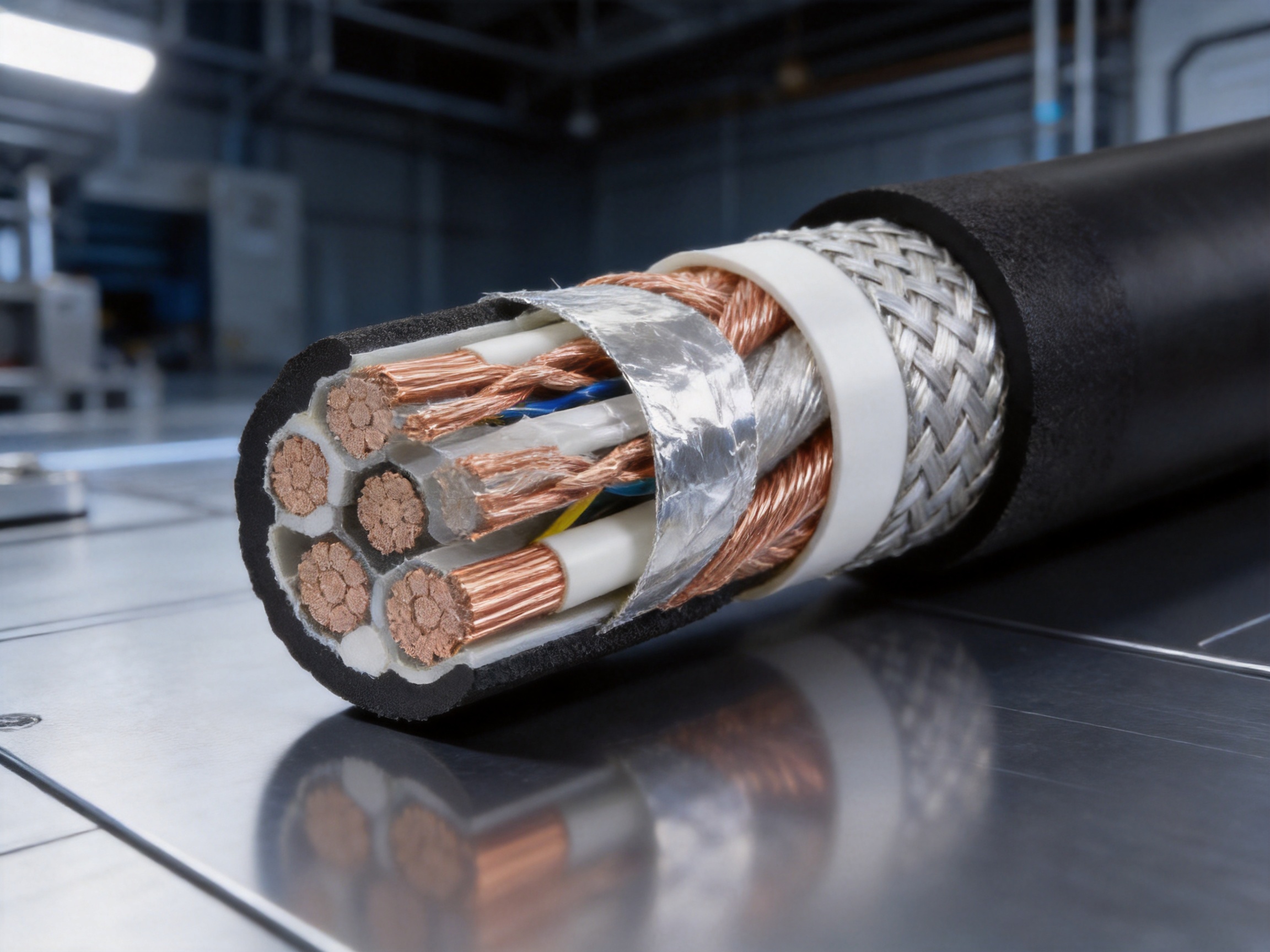
Twisted-pair design is a core feature of this cable because it directly supports the needs of modern control and communication systems. Differential signaling transmits information through the voltage difference between two conductors rather than through a single conductor referenced only to ground. This approach is widely used because it is more resistant to noise, especially over longer distances. However, the performance of differential signaling depends heavily on cable balance, pair consistency, and protection from external interference.
In the TRVVSP Composite Shielding Drag Chain Cable, twisted pairs are used for communication circuits such as RS-485, CAN bus, encoder feedback, Ethernet configurations requiring specific category design, and analog audio or intercom signals. The twisting process helps ensure that both conductors in a pair are exposed to similar interference along the cable length. When the receiving device calculates the difference between the two conductors, much of the common noise is rejected. This is why twisted pair is widely regarded as a standard structure for reliable signal transmission.
Compared with untwisted multi-core cable, twisted-pair cable provides better control of electromagnetic coupling. Untwisted cores may form larger loops, making them more vulnerable to induced voltage. They may also have less stable impedance and higher susceptibility to crosstalk. In contrast, a properly twisted pair reduces loop area and improves pair symmetry. This is particularly useful for long traveling cable lengths in elevator shafts, where the cable may act like an antenna if not properly designed.
The advantage becomes even more significant when twisted pairs are combined with shielding. Twisting primarily helps against magnetic coupling and common-mode interference, while shielding primarily reduces electric field interference and provides EMC protection. Together, they create a more complete defense. This dual protection is one of the strongest reasons to choose TRVVSP Composite Shielding Drag Chain Cable over standard control cable for advanced elevator and automation systems.
Dynamic cable failure often begins mechanically before it becomes electrically visible. A conductor strand may start to break due to repeated bending. A shield may loosen or crack. Insulation may wear against adjacent cores. The sheath may become flattened or damaged inside a drag chain. Internal cores may twist unevenly, creating stress concentrations. These problems may not immediately stop the system, but over time they can lead to intermittent faults, signal instability, heat generation, or complete circuit failure.
The TRVVSP Composite Shielding Drag Chain Cable is designed to reduce these risks. Its ultra-flexible conductor structure distributes bending stress across many fine copper strands. Its insulation is made from special flexible PVC to maintain performance during movement. Its core structure can be arranged to support balanced bending behavior. Non-hygroscopic filling material helps stabilize the cable core and prevent internal collapse. A tensile element provides longitudinal support, especially important for vertical movement in elevator traveling systems.
The outer sheath is also an important part of the mechanical design. In drag chains, the cable surface may rub against chain separators, adjacent cables, or guiding surfaces. A weak sheath can crack, wear through, or lose flexibility. The high-strength abrasion-resistant PVC sheath of the TRVVSP cable provides protection while maintaining the flexibility required for mobile installation. The recommended minimum bending radius of 10 times the cable outer diameter helps designers avoid excessive stress and supports longer service life.
In elevator systems, the cable must move smoothly with the cabin. It must tolerate repeated vertical motion, vibration, and gravitational load. The tensile element helps prevent the electrical cores from bearing the full load of the cable. This is important because copper conductors are intended for electrical transmission, not for carrying mechanical tension. By transferring part of the tensile stress to aramid yarn or fiber rope, the cable design improves stability and reduces the risk of conductor elongation or terminal stress.
The TRVVSP Composite Shielding Drag Chain Cable is particularly suitable for mid-to-high-end elevator and lift systems equipped with digital and networked control systems. In these environments, communication reliability and real-time performance are essential. A delay or error in control communication can affect ride comfort, safety monitoring, door operation, display information, intercom function, or diagnostic data transmission. Therefore, cable selection must be treated as a critical engineering decision rather than a minor accessory choice.
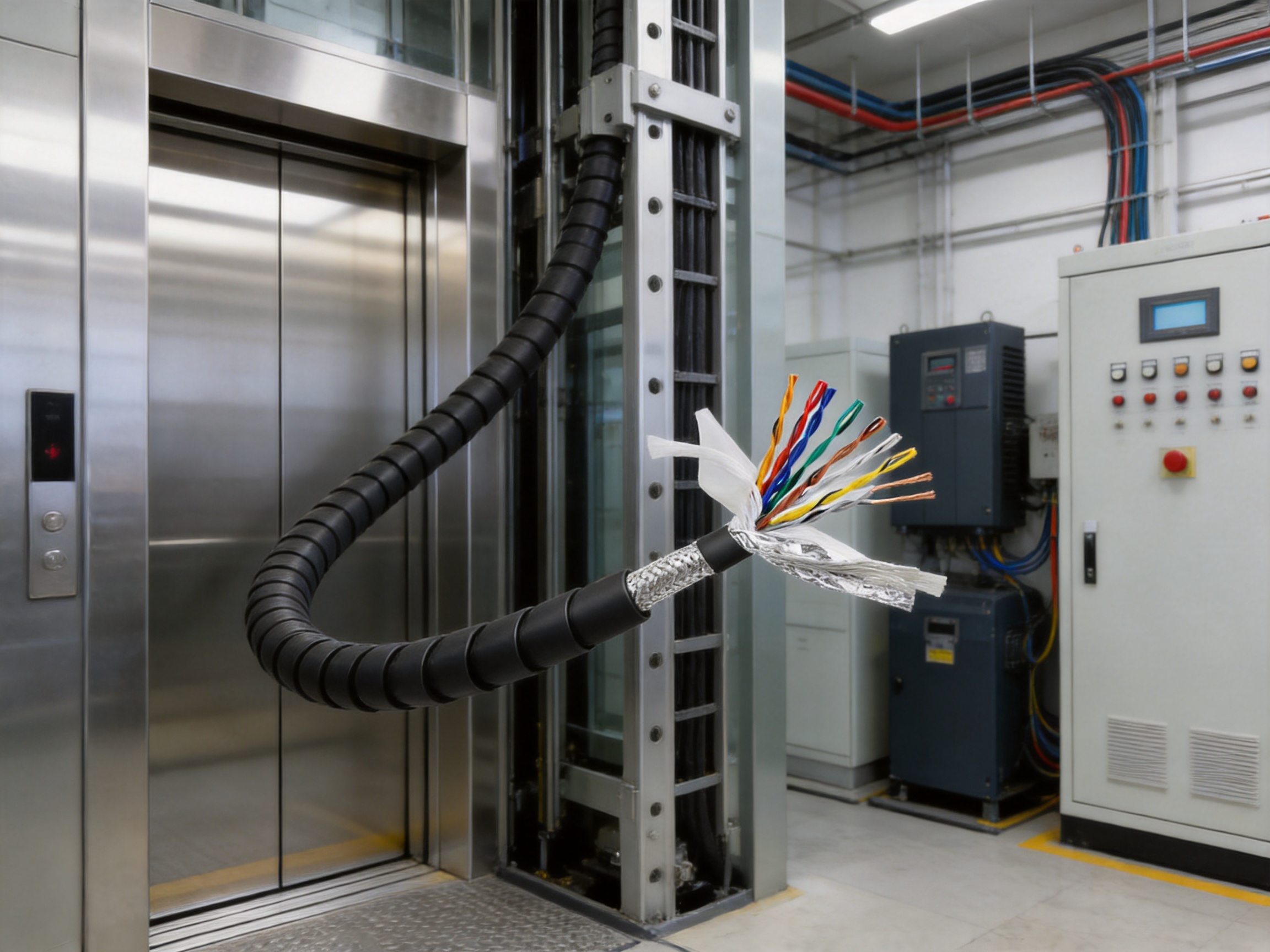
Typical elevator applications include traveling cable communication between the elevator car and the control cabinet, CAN bus or RS-485 networks for distributed control modules, encoder feedback lines for motion monitoring, intercom or audio circuits, display and command signal transmission, sensor and safety monitoring circuits, and integrated power plus control cable assemblies. The product can be customized to combine multiple functional cores into one cable, reducing installation complexity and improving cable management.
One of the main advantages of a composite cable design is simplified wiring. Instead of installing separate power cable, control cable, signal cable, and communication cable, engineers may integrate multiple functions into one properly designed cable. This can reduce installation time, improve appearance, simplify routing, and reduce the risk of wiring errors. It can also help maintain correct shielding and grounding practices when the cable is manufactured with a defined structure.
For elevator shafts, the electromagnetic environment may be more demanding than it appears. The traveling cable may be near motor power lines, lighting circuits, control wiring, and metallic shaft structures. The motion of the cable and cabin may also change cable position relative to interference sources. A cable with robust shielding and twisted-pair communication design provides a more stable solution than ordinary unshielded flexible cable.
Although the product is especially well suited for elevator communication systems, its advantages also apply to a wide range of industrial applications. Drag chain systems in automated equipment frequently require cables that carry control signals, sensor data, servo feedback, bus communication, and auxiliary power while moving continuously. Examples include robotic arms, CNC machines, gantry systems, packaging machinery, textile equipment, logistics conveyors, inspection systems, automatic doors, and precision positioning equipment.
In these applications, the cable may operate near servo drives, motors, high-speed switching devices, and industrial networks. Signal reliability is essential because communication errors can cause machine stops, inaccurate positioning, rejected products, or safety alarms. The TRVVSP Composite Shielding Drag Chain Cable is suitable for these environments because it combines dynamic mechanical performance with EMC-focused electrical design.
The cable can also be used in weak-current engineering and intelligent manufacturing projects where sensitive signals must be protected from power interference. Its flexible structure supports repeated movement, while its shielding helps maintain signal quality. When customized correctly, it can serve as a compact multi-function cable for systems requiring both power and data transmission.
For equipment manufacturers, the product offers the advantage of design flexibility. Different core combinations, conductor sizes, shielding arrangements, sheath colors, and cable dimensions can be developed according to customer drawings, samples, or project requirements. This makes the cable suitable not only for standard replacement use but also for OEM and ODM equipment development.
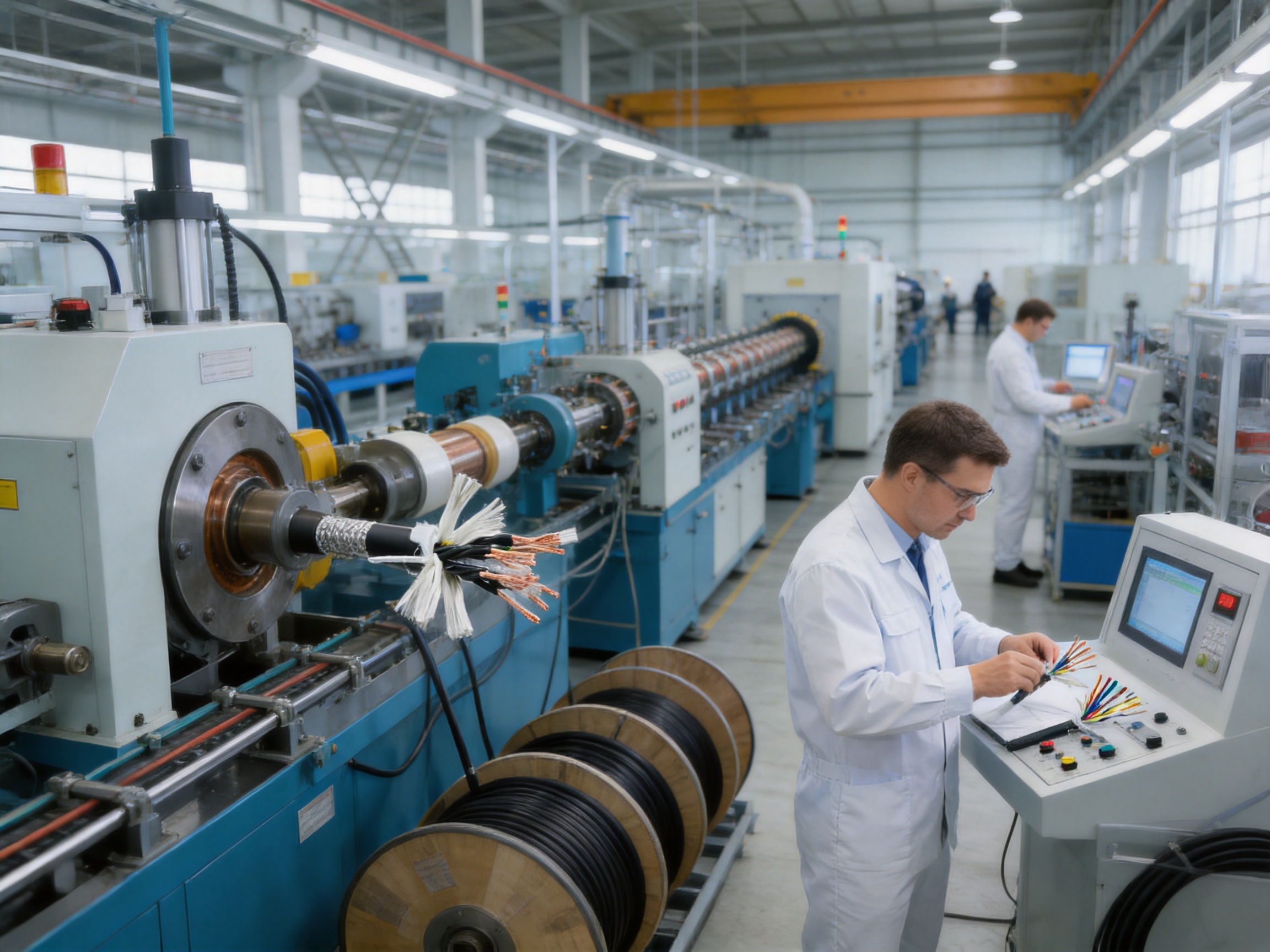
A high-performance drag chain cable cannot be achieved through material selection alone. It requires controlled manufacturing processes, experienced engineering, and consistent quality management. Anhui Zhishang Cable Technology Co., Ltd. integrates research and development, production, and sales of wire and cable products, providing a manufacturing foundation for customized and standard cable solutions. The company operates a modern production base of approximately 5,000 square meters and is equipped with 10 automated production lines, supporting monthly output of up to 10 million meters.
The company’s manufacturing approach emphasizes quality orientation, stable production, and responsible material selection. For a cable such as TRVVSP Composite Shielding Drag Chain Cable, production consistency is especially important. Even small variations in conductor stranding, insulation thickness, twisting pitch, shield coverage, or sheath extrusion can affect flexibility, electrical performance, and service life. Automated production lines help improve dimensional consistency and reduce process variation.
The manufacturing process begins with conductor preparation. Class 6 annealed copper conductors are produced from ultra-fine copper wires, which are stranded to achieve the flexibility required for dynamic applications. The quality of copper, strand diameter, lay direction, and conductor compactness all influence bending performance. Full-core, full-length, pure copper specifications provide a foundation for conductivity and mechanical stability.
After conductor preparation, insulation extrusion is performed using special flexible PVC. Color coding is applied to support installation and maintenance identification. Consistent insulation thickness is critical for dielectric performance, flexibility, and long-term durability. Poorly controlled insulation can create weak points, eccentricity, or inconsistent bending behavior. A precise extrusion process helps maintain cable performance across the full production length.
For communication groups, twisting is a critical process. The twist pitch must be controlled to achieve the intended electromagnetic performance and mechanical balance. Different pairs may require different designs depending on whether they are used for RS-485, CAN bus, encoder feedback, Ethernet-style transmission, audio, or other circuits. Skilled engineers can adjust pair construction to match project requirements.
Shielding is then applied according to the required structure. Critical pairs may receive individual foil shielding, while the entire cable receives overall shielding using tinned copper braid, aluminum-plastic composite tape, or a combined shielding system. Shield coverage, braid angle, wire diameter, and tension affect both EMC performance and flexibility. A poorly applied shield may open during bending or fail to provide proper coverage. A carefully manufactured shield supports both electrical and mechanical reliability.
The cable core is assembled with fillers and tensile elements. Non-hygroscopic filling material helps preserve cable roundness and internal stability. Aramid yarn or fiber rope is positioned to absorb tensile forces. The outer sheath is then extruded using high-strength abrasion-resistant PVC. Sheath quality affects the cable’s resistance to wear, bending, environmental exposure, and installation damage. Controlled extrusion ensures a smooth, uniform protective layer.
Quality assurance is essential for any cable used in dynamic, communication-critical systems. Anhui Zhishang Cable Technology Co., Ltd. follows national standards, relevant international standards, and industry benchmarks to support product reliability. The company provides product test reports and warranty support for standard cable models, and its technical team can assist with product selection and tailored cable design.
For TRVVSP Composite Shielding Drag Chain Cable, typical quality concerns include conductor resistance, insulation integrity, voltage withstand performance, shield continuity, dimensional accuracy, tensile structure placement, sheath quality, and bending suitability. In communication applications, additional attention may be given to pair structure, shielding effectiveness, signal consistency, and compatibility with specific protocols. While actual test requirements depend on the project and cable specification, a disciplined quality system helps ensure that the delivered cable matches the intended design.
Conductor resistance testing confirms that the copper conductor provides the expected electrical conductivity. Insulation testing verifies dielectric performance and detects defects. Voltage testing confirms that the cable can withstand its rated electrical stress. Visual and dimensional inspection ensures that the insulation, shielding, and sheath are uniform. Shield coverage and continuity checks help ensure electromagnetic protection. Mechanical evaluation may include flexibility assessment, bending radius verification, and tensile structure inspection.
In dynamic cable applications, consistency along the entire length is important. A cable may pass a short sample test but still fail if production quality varies across the reel. Full-length attention to conductor, insulation, shield, and sheath quality helps reduce this risk. The company’s emphasis on stable production and modern equipment supports consistent cable output for both standard and customized orders.
Many industrial and elevator projects cannot be served by a one-size-fits-all cable. Equipment designs vary in current requirements, communication protocols, installation space, bending path, shielding needs, tensile load, and environmental conditions. The TRVVSP Composite Shielding Drag Chain Cable can be customized to meet defined project requirements, making it suitable for OEM and ODM cooperation.
Customization may include conductor cross-section, number of cores, twisted-pair quantity, individual shielding design, overall shielding type, sheath color, cable diameter, tensile element design, marking requirements, and packaging. For example, one elevator system may require multiple twisted pairs for CAN bus and intercom signals plus several power cores. Another machine may require shielded encoder pairs, RS-485 communication, and low-voltage control cores in one cable. A networked system may require a specific Ethernet-compatible structure. Technical evaluation helps determine which design is most appropriate.
The company’s R&D and technical engineers have industry experience that supports customized cable design. Customers may provide drawings, samples, or application requirements, and the engineering team can assist with selection and structural design. This is important because cable performance depends on the relationship between application conditions and cable structure. A cable that works in one drag chain may not be ideal for another if travel length, speed, acceleration, bending radius, or interference level differs.
Standard products can be stocked for fast shipment, while customized products typically require a production lead time of approximately 7 to 20 days depending on complexity and order conditions. This combination of stocked availability and customization capability supports both urgent maintenance needs and planned equipment manufacturing projects.
For system designers, the TRVVSP Composite Shielding Drag Chain Cable offers a practical way to improve communication reliability while simplifying cable architecture. Instead of selecting multiple separate cables and trying to manage shielding, routing, and bending compatibility independently, designers can specify an integrated cable structure tailored to the application. This improves design clarity and reduces installation risk.
For installers, a well-designed composite cable can reduce labor time. Color-coded insulation supports core identification. Integrated structure reduces the number of cable runs. A flexible sheath improves handling during installation. Proper tensile reinforcement can make vertical routing safer and more stable. Shielding that is built into the cable reduces the need for improvised field solutions.
For maintenance teams, reliable communication reduces troubleshooting complexity. Intermittent signal faults are among the most difficult problems to diagnose because they may occur only during motion, under load, or near specific interference sources. By reducing bit error rates and protecting signal lines, the cable helps prevent faults before they occur. This can reduce downtime, service visits, and maintenance costs.
For end users, the benefit is system stability. In an elevator, this may mean smoother operation, more reliable displays, stable intercom communication, fewer control errors, and improved confidence in daily use. In industrial machinery, it may mean fewer unexpected stops, better production continuity, and more predictable equipment performance.
When compared with ordinary PVC flexible cable, the TRVVSP Composite Shielding Drag Chain Cable offers superior interference protection and communication suitability. Ordinary flexible cable may bend adequately, but it often lacks twisted-pair construction and comprehensive shielding. In communication-critical environments, this can result in signal noise and data errors.
When compared with standard shielded control cable, the TRVVSP cable offers better dynamic motion suitability. Many standard shielded control cables are designed primarily for fixed or occasional movement applications. Their conductors, shield, and sheath may not withstand repeated drag chain or elevator traveling motion. The TRVVSP design uses ultra-flexible conductors, tensile elements, and a mobile-installation structure to improve long-term durability.
When compared with separate power and communication cables, the composite design can reduce installation complexity. Separate cables may still be appropriate in certain high-power or high-frequency systems, but they require careful routing, spacing, grounding, and bending management. An engineered composite cable can integrate multiple functions while maintaining shielding and internal organization.
When compared with unshielded twisted-pair cable, the TRVVSP product provides stronger EMC protection. Twisting alone is effective against certain interference modes, but shielding is essential where electric field interference and broader electromagnetic compatibility concerns are present. The combination of twisted-pair and composite shielding gives this cable a more complete protection strategy.
Correct cable selection and installation are essential to achieving the intended performance. Engineers should consider the communication protocol, current load, voltage rating, bending radius, travel length, moving speed, acceleration, tensile load, electromagnetic environment, ambient temperature, and routing method. The minimum bending radius for mobile installation should generally be no less than 10 times the cable outer diameter. Exceeding this limit may shorten cable life.
In drag chain systems, cables should be installed without twisting and should have enough space to move freely inside the chain. They should not be forced tightly against separators or other cables. The cable should be guided smoothly and should not experience sharp edges, crushing, or excessive pulling. If multiple cables are used in the same drag chain, cable diameters, weights, and bending characteristics should be considered to prevent uneven wear.
In elevator traveling installations, the cable should be properly suspended and guided. The tensile element should be used according to the installation design, and connection points should not bear unnecessary mechanical load. Shield termination should follow the system grounding plan. Incorrect shield grounding can reduce EMC performance or introduce ground-loop problems, so electrical designers should define shield connection methods based on the control system architecture.
For communication lines such as RS-485 and CAN bus, correct termination resistance, grounding, shielding, and topology are also important. A high-quality cable cannot compensate for poor network design, but it provides the physical foundation required for stable communication. The best results come from combining proper cable selection with correct system engineering.
Anhui Zhishang Cable Technology Co., Ltd. is located in Xuanzhou District, Xuancheng City, Anhui Province, China, a key node city in the Yangtze River Delta region. The company integrates R&D, production, and sales and focuses on providing stable wire and cable solutions for industrial automation, weak-current engineering, intelligent manufacturing, appliance equipment, power engineering, and related fields.
The company’s production base covers approximately 5,000 square meters and includes 10 automated production lines. With a monthly production capacity of up to 10 million meters, it is able to support both regular orders and customized projects. The team includes quality engineers and R&D technicians with more than 10 years of industry experience, enabling technical support for cable selection, structure design, and OEM/ODM development.
The company follows the business philosophy of quality orientation, integrity foundation, and stability priority. This philosophy is reflected in its focus on pure copper specifications, full-length quality attention, product test reports, and warranty support for standard models. The company also emphasizes green manufacturing and responsible production practices, aligning cable production with modern expectations for sustainability and process discipline.
Its products have expanded into international markets, including the United States, Canada, Australia, Japan, and parts of Eurasia. This global supply experience supports the needs of customers who require stable quality, communication efficiency, and flexible production capability. For buyers seeking a cable manufacturer with both engineering capability and production scale, the company provides a practical supply partner.
In competitive engineering projects, cable selection is often evaluated by price, availability, performance, and long-term reliability. A low-cost cable may appear attractive at the purchasing stage, but if it causes communication errors, repeated maintenance, or premature failure, the total cost can become much higher. The TRVVSP Composite Shielding Drag Chain Cable is designed to reduce hidden costs by improving operational stability.
Its competitive strength comes from the combination of communication-focused design, dynamic mechanical performance, shielding protection, tensile reinforcement, and customization capability. The cable is not merely a generic flexible cable with a shield; it is a structured solution for moving systems that must transmit data reliably. This distinction is important for elevator manufacturers, automation equipment builders, and project contractors who need dependable performance rather than basic connectivity.
The product’s ability to integrate power, control, signal, and communication cores can also offer design advantages. In many systems, space is limited and cable routing must be clean. An integrated cable can simplify harness design, reduce installation time, and improve overall system organization. When manufactured with controlled processes and tested for quality, such a cable can provide reliable service in demanding environments.
The availability of OEM and ODM support adds another advantage. Instead of forcing a project to adapt to a standard cable, the cable can be adapted to the project. This supports better system performance and can help equipment manufacturers differentiate their products through improved wiring reliability and cleaner design.
Its main purpose is to provide reliable power, control, signal, and communication transmission in moving applications such as elevator traveling systems, drag chains, lift systems, automated equipment, and industrial communication networks. It is designed to maintain signal integrity while withstanding repeated bending and mechanical stress.
Twisted-pair structure reduces magnetic field coupling and common-mode interference. It is especially useful for differential communication systems such as RS-485, CAN bus, encoder feedback, and other digital or low-level signal circuits. It helps reduce bit errors and improves communication stability.
Composite shielding means that the cable may use multiple shielding methods, such as individual aluminum foil shielding for critical twisted pairs and overall tinned copper braided shielding or aluminum-plastic composite tape combined with braid. This layered structure improves electromagnetic compatibility and protects against interference.
Yes. The cable is especially suitable for modern elevator and lift systems that use digital control, bus communication, intercom, feedback, and sensitive data transmission. Its tensile element, flexible conductors, shielding, and mobile-installation design support elevator traveling cable requirements.
Yes. The cable is designed for repeated bending and mobile installation. It uses ultra-flexible class 6 copper conductors, flexible PVC insulation, stable core construction, and an abrasion-resistant sheath. The recommended minimum bending radius for mobile installation is generally 10 times the cable outer diameter.
The typical rated voltage is 300/500V, making it suitable for many control, communication, and low-voltage power applications.
For mobile installation, the long-term operating temperature range is typically from -15°C to +70°C. Actual suitability should be confirmed according to the final cable design and application environment.
Yes. The cable can be designed as a multi-core composite structure, including power lines, control lines, signal lines, and twisted-pair communication groups. Proper shielding and internal structure help maintain performance.
Ordinary flexible cable may bend but often lacks twisted-pair communication structure, composite shielding, tensile reinforcement, and optimized drag chain design. The TRVVSP cable provides a more complete solution for moving systems that require stable communication and interference resistance.
Yes. Customization can include conductor size, number of cores, twisted-pair quantity, shielding method, sheath color, tensile element structure, cable diameter, and other design details. OEM and ODM development can be supported based on drawings, samples, or project requirements.
The TRVVSP Composite Shielding Drag Chain Cable represents a modern approach to cable engineering. It recognizes that today’s elevator and automation systems require more than simple electrical continuity. They require reliable communication, electromagnetic protection, bending endurance, tensile strength, and customization flexibility. By combining twisted-pair signal transmission, composite shielding, ultra-flexible conductors, tensile reinforcement, and abrasion-resistant sheathing, this cable delivers a strong solution for demanding dynamic applications.
Its advantages are especially valuable in modern elevator systems where CAN bus, RS-485, Ethernet-related communication, encoder feedback, intercom signals, control circuits, and power lines may need to operate together in a moving cable environment. The product helps reduce bit error rates, improve communication stability, resist electromagnetic interference, and maintain mechanical reliability during repeated motion.
Supported by the manufacturing capabilities of Anhui Zhishang Cable Technology Co., Ltd., including automated production lines, experienced engineers, customization support, pure copper specifications, quality testing, and international supply experience, the cable provides both technical performance and dependable production backing. For engineers, contractors, elevator manufacturers, automation builders, and industrial users seeking a stable cable solution, the TRVVSP Composite Shielding Drag Chain Cable offers a practical and competitive choice.
In systems where communication failure can lead to downtime, maintenance cost, or user dissatisfaction, cable quality matters. Selecting a cable with the correct structure, shielding, flexibility, and manufacturing consistency is an investment in the reliability of the entire system. The TRVVSP Composite Shielding Drag Chain Cable is built for that purpose: to keep critical signals moving accurately, safely, and consistently in the demanding environments of modern intelligent equipment.
International Electrotechnical Commission. IEC 60228: Conductors of Insulated Cables.
International Electrotechnical Commission. IEC 60332 Series: Tests on Electric and Optical Fibre Cables Under Fire Conditions.
International Electrotechnical Commission. IEC 60502 Series: Power Cables with Extruded Insulation and Their Accessories.
International Organization for Standardization. ISO 11898 Series: Road Vehicles, Controller Area Network.
Telecommunications Industry Association. Balanced Twisted-Pair Telecommunications Cabling and Components Standards.
Electronic Industries Association. TIA/EIA-485 Electrical Characteristics of Generators and Receivers for Use in Balanced Digital Multipoint Systems.
EN 81 Series. Safety Rules for the Construction and Installation of Lifts.
VDE Cable Engineering Handbooks. Flexible Cable Design, Shielding Practice, and Dynamic Installation Guidance.

We firmly believe that good cables are not only a competition of materials, but also a reflection of craftsmanship, quality, and responsibility.

Links
Product
Send Inquiry
No. 29 Sankeshu Road, Xuanzhou District, Xuancheng City, Anhui Province, China
+86-18621104555/+86-563-2622999
 Electrical Cable Manufacturer
OEM/ODM Wire and Cable Solutions
Electrical Cable Manufacturer
OEM/ODM Wire and Cable Solutions
 English
 Español
 عربى
عربى
 русский