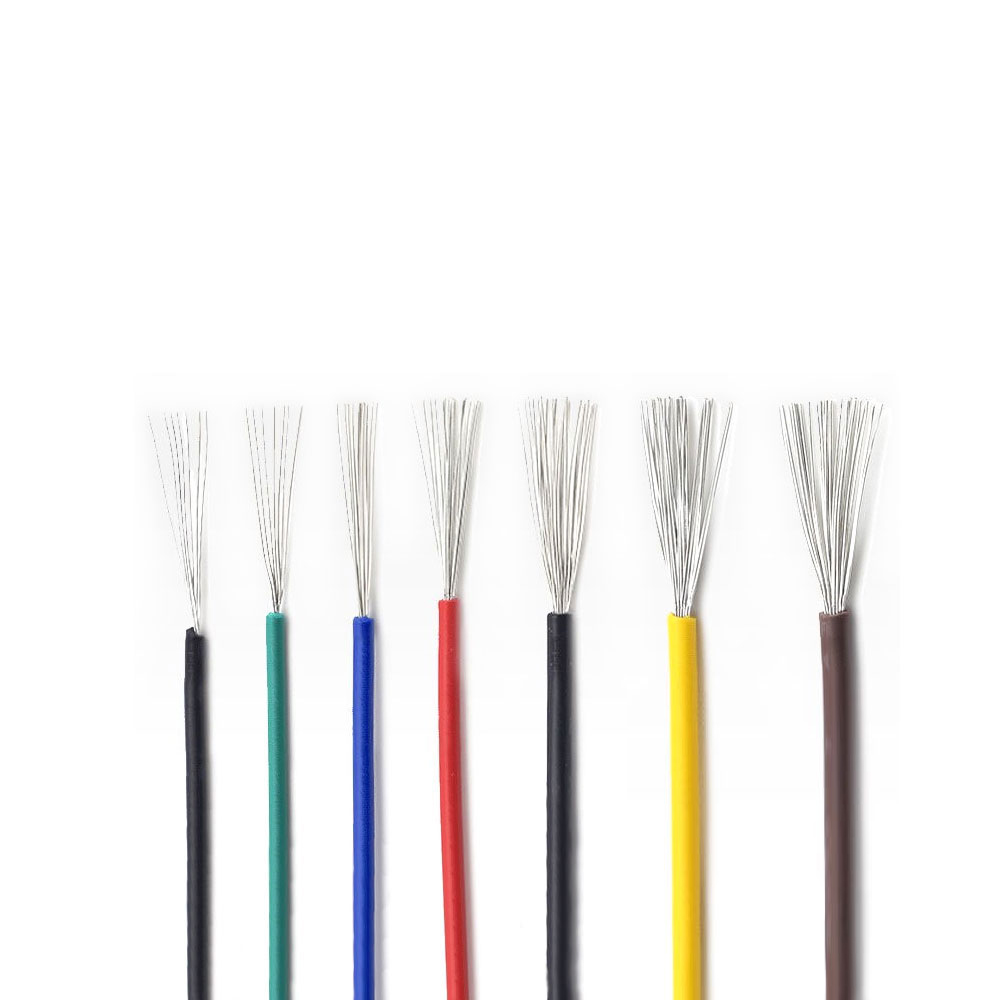

Get more content that can help you
Content
In modern industrial automation, reliable signal transmission is no longer a secondary requirement; it is a central condition for stable production, accurate measurement, and safe system operation. As factories become more intelligent, control equipment, data acquisition devices, precision instruments, sensors, process controllers, and computer-based monitoring systems must exchange information continuously in electrically noisy environments. Motors, frequency converters, switching power supplies, relays, high-current power lines, welding machines, and variable-speed drives can all introduce electromagnetic interference that weakens signal quality. For this reason, the choice of cable directly affects the dependability of the entire control system.
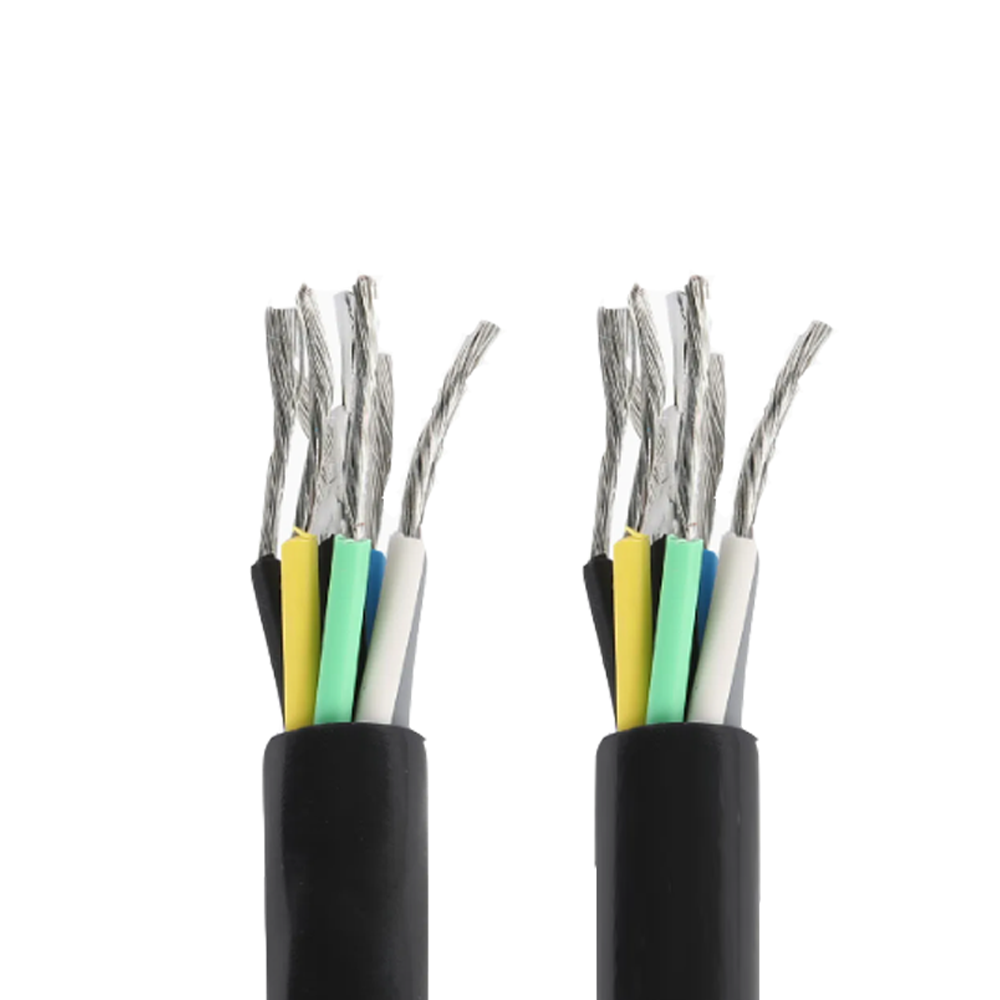
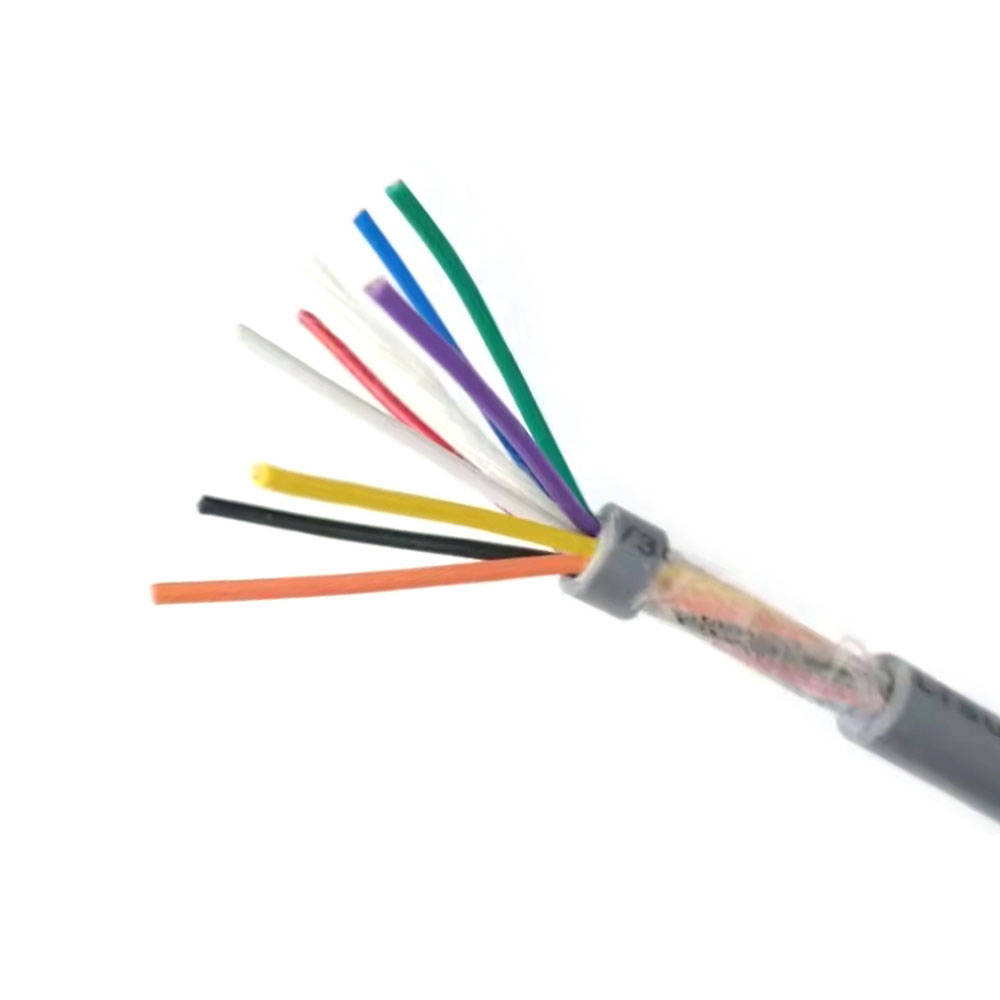
DJYP2VP2R Transmission Stability Electronic Computer Cable is designed for this demanding environment. It is a high-performance flexible twisted pair cable with double independent shielding for each pair. The cable combines a stranded tinned copper conductor, polyethylene or foam polyethylene insulation, individual aluminum foil shielding, tinned copper drain wire, and individual copper braid shielding. This structure provides strong resistance to electromagnetic interference and excellent protection against inter-pair crosstalk. For industrial users who require stable data exchange, accurate instrument signals, and durable wiring in complex installation routes, this cable offers a practical and highly cost-effective solution.
The product is especially suitable for industrial control systems, high-speed data acquisition systems, process automation instruments, precision measurement equipment, and communication links where stable signal integrity is essential. Compared with ordinary control cables or single-shielded signal cables, DJYP2VP2R delivers a higher level of anti-interference capability, better pair-to-pair isolation, improved flexibility, and a more reliable construction for long-term industrial use. It is a cable engineered not only to carry signals, but also to preserve the quality of those signals under challenging conditions.
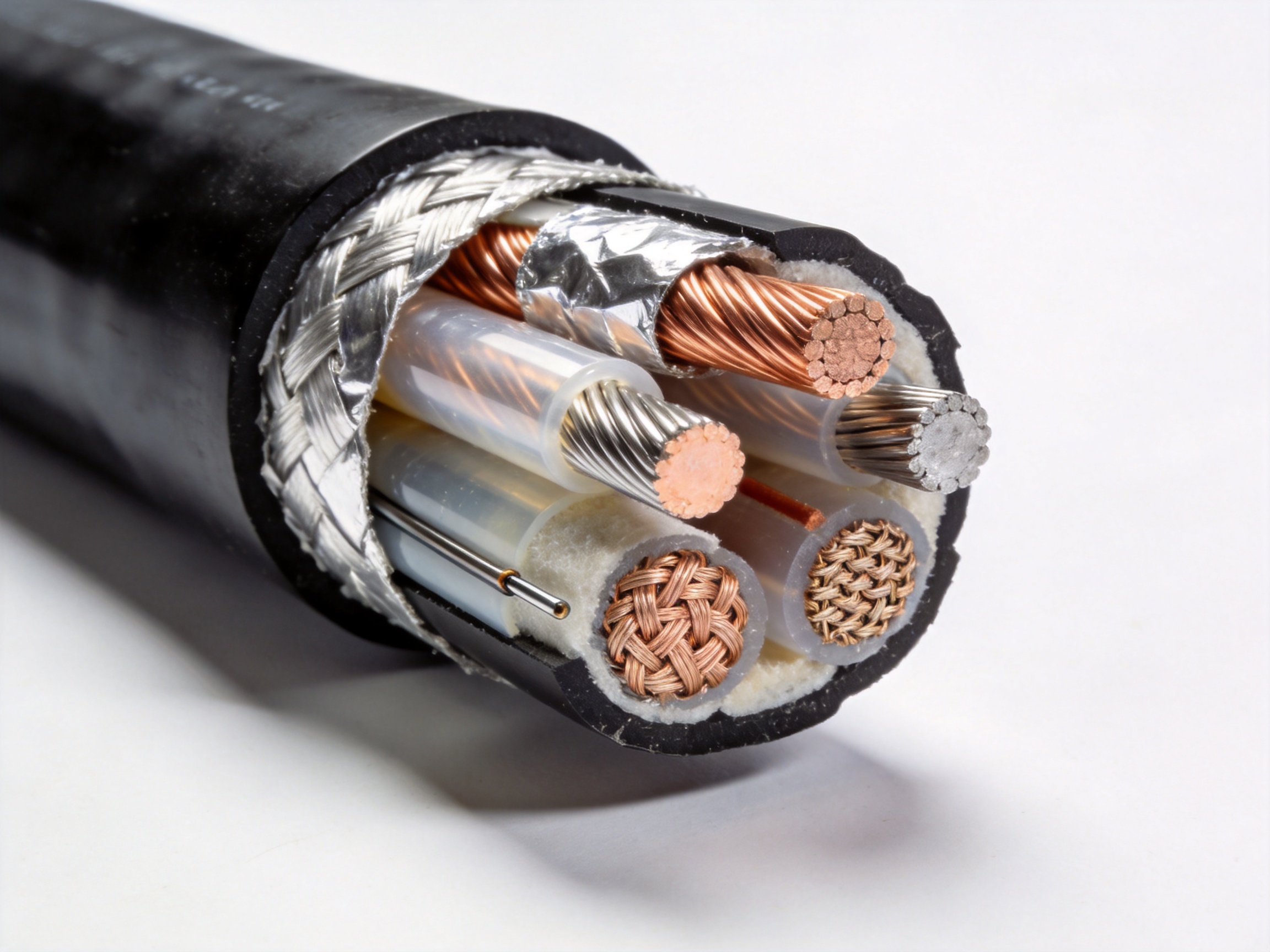
DJYP2VP2R is an electronic computer cable designed around a twisted pair structure. Each pair is independently shielded with an aluminum foil layer and a copper braid layer, making it highly suitable for transmission circuits that require strong electromagnetic compatibility. The independent shielding design means that each pair receives its own protective barrier rather than relying only on an overall shield. This helps prevent both external interference and internal crosstalk between pairs, which is especially important in multi-pair cables used for instrumentation and control networks.
The conductor is a stranded tinned copper conductor using Category 6 or Category 7 conductor structure. This fine-strand construction improves flexibility and bending resistance, allowing the cable to be routed through control cabinets, cable trays, machine frames, and curved installation paths with less difficulty. Tinned copper also improves oxidation resistance and supports stable electrical contact over time, particularly in environments where humidity or industrial atmosphere may be present.
The insulation material can be polyethylene or foam polyethylene. Polyethylene provides good dielectric performance, low capacitance, and stable transmission characteristics. Foam polyethylene can further reduce dielectric constant and signal attenuation, making it useful where improved high-frequency performance is desired. The sheath may be made from polyvinyl chloride or low smoke zero halogen material depending on project needs. PVC offers cost-effectiveness, mechanical durability, and general industrial suitability, while LSZH provides safer smoke and halogen performance for installations with stricter fire-safety requirements.
The rated voltage of the cable is 300/300V, and the test voltage is 2kV AC for one minute. The cross-section range is 0.5 mm² to 2.5 mm², and the number of pairs can range from 1 pair to 32 pairs. This wide specification range allows users to select a cable according to signal type, installation distance, terminal requirements, cabinet space, and system expansion plans. The product is therefore suitable for both small instrument loops and larger integrated control systems.
Item |
Specification |
Practical Value |
Conductor |
Stranded tinned copper conductor, Category 6 or 7 conductor structure |
Improves flexibility, conductivity, oxidation resistance, and installation reliability |
Cross-Section Range |
0.5 mm² to 2.5 mm² |
Supports different signal current levels, terminal sizes, and application distances |
Number of Pairs |
1 pair to 32 pairs |
Allows use in compact circuits and multi-channel control systems |
Rated Voltage |
300/300V |
Suitable for computer, control, instrumentation, and low-voltage signal applications |
Test Voltage |
2kV AC for 1 minute |
Confirms insulation integrity and safety margin before use |
Insulation Material |
PE or Foam-PE |
Provides stable dielectric performance and optional lower signal attenuation |
Shielding Structure |
Individual aluminum foil shield plus tinned copper drain wire per pair, and individual copper braid shield per pair |
Provides double-layer independent shielding and strong crosstalk suppression |
Filling Material |
Non-hygroscopic polypropylene or polyester fiber |
Maintains cable roundness, improves structure stability, and resists moisture absorption |
Sheath Material |
PVC or LSZH |
Allows selection between cost-effective industrial protection and low-smoke safety performance |
Capacitance Unbalance |
≤ 45 pF/100m at 1 kHz |
Supports balanced signal performance and reduces distortion |
Characteristic Impedance |
100 Ω ±5 Ω |
Supports stable transmission for data and instrumentation circuits |
Working Capacitance |
≤ 48 nF/km |
Helps control signal delay and attenuation over distance |
Propagation Velocity |
≥ 65% speed of light |
Indicates efficient signal propagation for responsive data transmission |
Attenuation |
≤ 0.9 dB/100m at 1 MHz |
Helps preserve signal strength in medium-distance transmission |
Pair-to-Pair Crosstalk Attenuation |
> 85 dB at 1 MHz |
Protects multi-pair systems from mutual interference |
The defining feature of DJYP2VP2R is its individual double-layer shielding structure. In many conventional signal cables, a single overall shield is placed around the cable core. While this can reduce external electromagnetic interference, it often provides limited protection against crosstalk between internal pairs. When many signal pairs are bundled together, one pair can become a source of interference for another, especially where analog signals, pulse signals, communication signals, and instrument signals are transmitted simultaneously. This can result in unstable readings, communication errors, noise in measurement loops, or unexpected control behavior.
DJYP2VP2R solves this problem by shielding each pair independently. First, each twisted pair is wrapped with an aluminum foil shield. This foil layer provides high coverage and is effective against high-frequency electromagnetic interference. A tinned copper drain wire improves grounding continuity and makes shield termination easier during installation. Second, each pair is protected by an individual copper braid shield. The braid layer provides mechanical robustness, low-resistance grounding, and improved protection against lower-frequency interference. Together, the foil and braid form a balanced double-layer defense system.
This construction is particularly valuable in environments where interference sources are unpredictable or intense. In a production line, a cable may pass near servo drives, contactors, solenoid valves, or motor power circuits. In a data acquisition system, low-level sensor signals may be transmitted beside digital control signals. In process automation, the same cable run may carry multiple analog or pulse channels that must remain isolated from each other. Independent double shielding helps maintain signal purity by limiting both incoming interference and outgoing radiation from each pair.
Compared with ordinary single-shielded computer cables, DJYP2VP2R offers stronger protection in three areas. It reduces external electromagnetic noise, it suppresses pair-to-pair crosstalk, and it provides more stable grounding performance. Compared with unshielded twisted pair cables, the advantage is even more significant in industrial settings. Unshielded cables may be acceptable in clean office communication environments, but industrial sites require more robust protection. DJYP2VP2R is built for that industrial reality.
Signal stability is not only a matter of shielding. It also depends on conductor quality, pair twisting, insulation uniformity, capacitance balance, impedance control, and manufacturing consistency. DJYP2VP2R addresses these factors through a carefully designed structure and controlled production process. Its characteristic impedance of 100 Ω ±5 Ω supports stable transmission behavior, while its capacitance unbalance of no more than 45 pF/100m helps maintain balanced electrical characteristics between conductors. The working capacitance of no more than 48 nF/km supports lower signal distortion and better performance over distance.
The attenuation value of no more than 0.9 dB/100m at 1 MHz indicates that the cable is capable of preserving signal strength effectively. In practical terms, lower attenuation means the receiving end obtains a clearer signal, reducing the possibility of data errors, unstable instrument readings, or communication interruptions. For applications such as high-speed data acquisition, precision measurement, and automated process monitoring, these transmission characteristics are essential.
The twisted pair structure also contributes to signal stability. Twisting two conductors together helps balance external electromagnetic effects, because interference induced in one conductor is similarly induced in the other. When used in differential signal systems, this helps the receiver reject common-mode noise. By combining twisting with individual double shielding, the cable offers a layered signal protection strategy: balanced geometry, dielectric stability, foil shielding, braid shielding, and controlled electrical parameters.
In industrial control systems, signal problems are often difficult to diagnose. A weak connection, noisy signal path, or poor shield grounding can cause intermittent faults that appear only when machines start, motors accelerate, or production loads change. Using a cable with stronger anti-interference capability from the beginning can reduce commissioning time and long-term maintenance cost. DJYP2VP2R helps engineers build more predictable systems by minimizing one of the most common sources of industrial communication instability: cable-related interference.
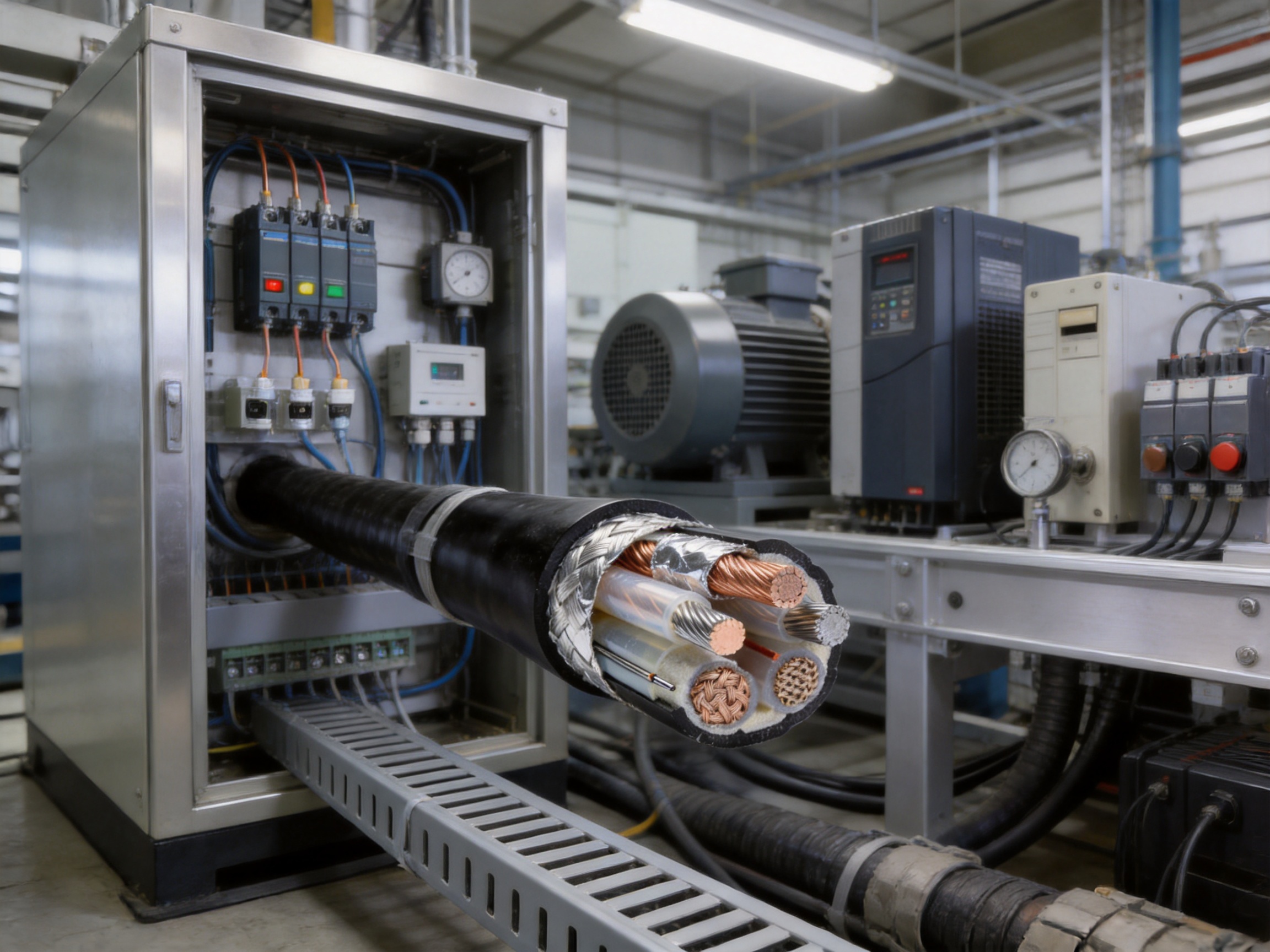
Industrial wiring is rarely simple. Cables may need to pass through control cabinets, conduits, cable chains, narrow machine spaces, corners, panels, and instrument racks. A cable that performs well electrically but is difficult to install can increase labor time, create mechanical stress, and raise the risk of insulation or shield damage during routing. DJYP2VP2R uses a multi-strand fine conductor structure to improve flexibility and bending resistance. This makes the cable easier to handle and more suitable for complex wiring paths.
The “R” feature in the model indicates a flexible construction. Flexible cables are especially useful when the installation requires repeated adjustment during commissioning or when space limitations require tighter routing. The stranded tinned copper conductor reduces the risk of conductor breakage compared with a solid conductor under bending stress. It also improves the cable’s ability to maintain stable electrical performance after being bent or routed through crowded cable paths.
The filling material, which may be non-hygroscopic polypropylene or polyester fiber, helps maintain the cable’s structure and roundness. Proper filling supports cable geometry, reduces internal movement, and improves mechanical balance. This is important because signal cables with inconsistent internal geometry may show variation in capacitance, impedance, and crosstalk performance. By stabilizing the internal arrangement, the cable maintains both mechanical durability and electrical consistency.
The sheath further contributes to mechanical protection. PVC sheath material provides resistance to wear, oil, moisture, and general industrial conditions. Where fire safety, smoke control, or halogen-free requirements are emphasized, LSZH sheath material can be selected. This flexibility in sheath selection allows the same cable design concept to be adapted to a wider range of installation environments, from general factory floors to public facilities, automation rooms, and equipment installations with stricter safety expectations.
DJYP2VP2R stands out from many competitor cables because it combines high signal protection, flexible installation, durable materials, and cost-conscious design. Many cables in the market emphasize one advantage while sacrificing another. For example, some cables offer shielding but have only an overall shield, which does not adequately prevent crosstalk between pairs. Some cables offer good flexibility but use insulation or shielding structures that are not optimized for stable transmission. Others use advanced materials but become too costly for large-scale industrial projects. DJYP2VP2R is designed to balance performance, durability, and cost.
The first competitive advantage is independent double shielding per pair. This is a stronger structure than single overall shielding, especially for multi-pair signal transmission. It is also more practical than relying only on twisting for noise reduction. The combination of aluminum foil and copper braid allows the cable to resist a broader range of interference frequencies. In applications where measurement accuracy and communication stability matter, this shielding structure provides a clear technical benefit.
The second advantage is excellent crosstalk performance. Pair-to-pair crosstalk attenuation of greater than 85 dB at 1 MHz supports stable multi-channel operation. This is important when many pairs are used in the same cable. In lower-grade cables, internal crosstalk can cause channel interference, leading to false readings or communication errors. By independently shielding each pair, DJYP2VP2R helps ensure that one signal path does not disturb another.
The third advantage is conductor quality. Tinned copper conductors offer reliable conductivity and improved resistance to oxidation. The stranded structure makes the cable easier to install and more resistant to bending fatigue. Some lower-cost competitor products may use inferior conductor materials, reduced copper content, or constructions that do not maintain stable performance over time. DJYP2VP2R is positioned as a product that supports long-term reliability rather than short-term savings at the expense of quality.
The fourth advantage is cost-effectiveness. PVC insulation and sheath options help control cost while maintaining adequate performance for most industrial environments. Foam-PE insulation is available where lower attenuation is needed. LSZH sheath is available where safety standards require it. This modular material approach allows customers to select the right balance between technical requirements and budget, instead of paying for unnecessary features or accepting inadequate performance.
The fifth advantage is ease of installation and maintenance. The lightweight, flexible structure reduces installation difficulty. The drain wire supports easier shield termination. The stable construction helps reduce failures caused by mechanical stress. In the long run, fewer signal problems, easier troubleshooting, and more durable wiring can reduce total project cost. A cable should not be evaluated only by purchase price; it should also be evaluated by its influence on installation labor, downtime risk, maintenance frequency, and system reliability.
DJYP2VP2R is suitable for industrial control systems operating in high electromagnetic interference environments. In such systems, programmable logic controllers, distributed I/O modules, operator interfaces, sensors, actuators, and industrial computers may need to communicate across long cable routes. The cable’s anti-interference design helps maintain stable control signals even when installed near power equipment or switching devices.
High-speed data acquisition systems also benefit from this cable. Data acquisition often involves collecting signals from multiple sensors or measuring points. These signals may be low voltage, high frequency, or sensitive to distortion. Independent shielding reduces the chance that one channel will interfere with another, while controlled impedance and low attenuation help preserve signal quality.
Process automation instruments are another important application. Chemical plants, water treatment systems, energy facilities, manufacturing lines, and material processing equipment often rely on accurate instrument feedback. Pressure transmitters, temperature sensors, flow meters, analyzers, and control valves all require stable wiring. A signal cable that resists moisture, oil, electromagnetic noise, and mechanical stress can improve the reliability of the entire automation system.
Precision measurement equipment requires particularly stable electrical behavior. Measurement errors caused by electromagnetic interference can lead to incorrect decisions, product quality issues, or process instability. The double independent shielded structure of DJYP2VP2R helps protect measurement signals from external noise and internal coupling. This makes it suitable for laboratories, inspection equipment, calibration systems, and industrial measurement platforms.
The cable is also suitable for signal transmission applications requiring strong anti-interference capability and high signal integrity. These may include computer monitoring systems, control cabinet wiring, industrial communication interfaces, test benches, intelligent manufacturing equipment, weak current engineering projects, and integrated equipment wiring. Its wide range of pair counts and cross-sections makes it adaptable to many project types.
Every material in DJYP2VP2R serves a specific engineering purpose. The conductor is made of stranded tinned copper to support electrical performance and mechanical flexibility. Copper provides excellent conductivity, while tin plating helps reduce surface oxidation and improves long-term reliability in humid or industrial conditions. Fine strands distribute bending stress more evenly, reducing the risk of breakage when the cable is routed through complex paths.
The insulation material is polyethylene or foam polyethylene. PE is widely used in communication and signal cables because of its favorable dielectric properties. It helps reduce capacitance and supports stable impedance. Foam-PE introduces microscopic air spaces into the insulation, lowering the dielectric constant and reducing signal attenuation. This option is especially useful when signal quality over distance is important.
The shielding layers are selected to combine coverage and conductivity. Aluminum foil provides full coverage and effective high-frequency protection. The tinned copper drain wire maintains electrical continuity and simplifies grounding. The copper braid provides mechanical durability, flexible shielding, and improved conductivity. By using both foil and braid per pair, the cable achieves a higher shielding effect than many conventional designs.
The filling materials are non-hygroscopic to prevent moisture absorption inside the cable. Moisture inside a cable can affect insulation performance, increase capacitance variation, and accelerate material degradation. Polypropylene or polyester fiber filling also supports cable roundness and structural consistency, making the cable easier to sheath and install.
The sheath protects the cable against the outside environment. PVC is economical, durable, and suitable for many industrial locations. It offers resistance to oil, moisture, and abrasion. LSZH is available when installations require reduced smoke and halogen emissions in the event of fire. This choice allows customers to meet project requirements without changing the fundamental cable structure.
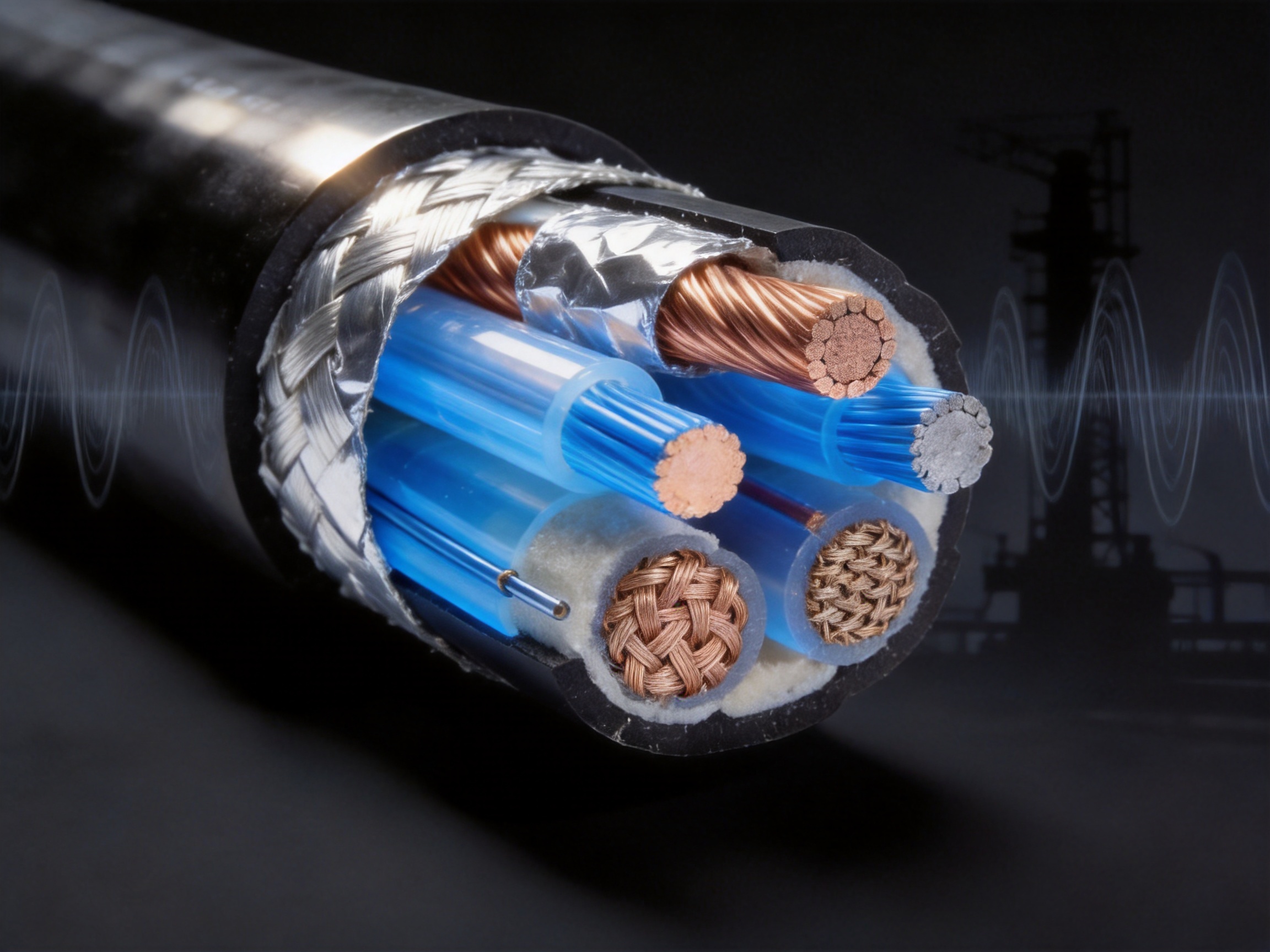
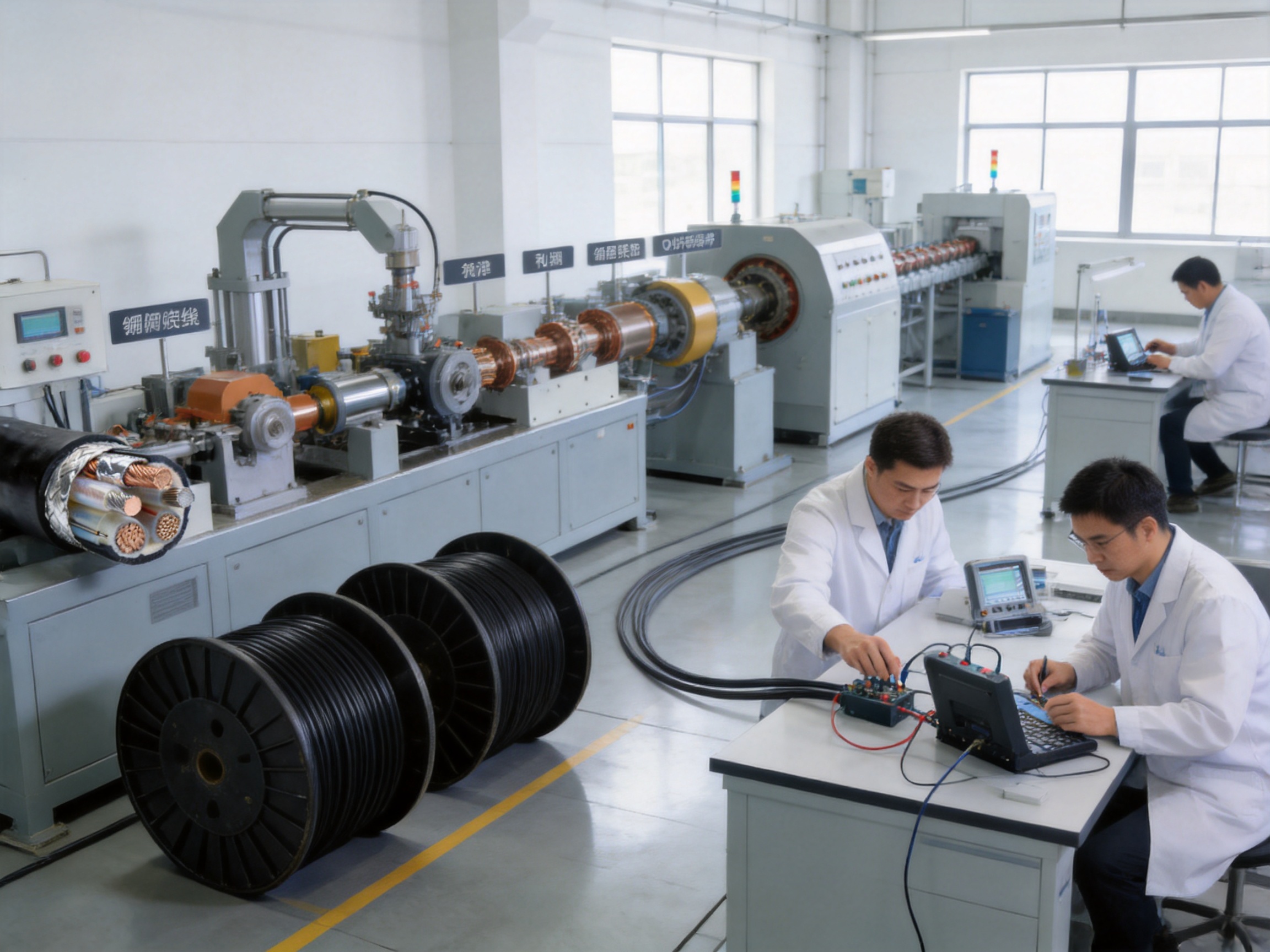
The performance of a shielded twisted pair cable depends not only on design but also on manufacturing precision. Anhui Zhishang Cable Technology Co., Ltd. operates modern production facilities with automated production lines and experienced technical personnel. The company integrates research and development, production, and sales, allowing technical feedback from customers and field applications to influence product improvement. This integrated approach is important for specialty cables because real-world performance depends on both material science and practical installation experience.
The manufacturing process begins with conductor preparation. Copper wire must be drawn, stranded, and tinned according to the required specification. Strand consistency affects conductor flexibility and resistance. A properly stranded conductor has uniform lay length, stable diameter, and good surface finish. Tinning quality is also important because uneven tin coating can affect corrosion resistance and termination quality.
Insulation extrusion is another key process. The insulation thickness for DJYP2VP2R ranges from 0.3 mm to 0.6 mm. Uniform insulation thickness helps maintain stable capacitance, impedance, and dielectric strength. If insulation is eccentric or inconsistent, the electrical balance of the pair may be affected. Automated extrusion equipment and process control help ensure dimensional stability.
Pair twisting must be controlled carefully. The lay length of each pair influences crosstalk, impedance, and mechanical behavior. In multi-pair cables, pair arrangement also matters because adjacent pairs can interact electrically. Consistent twisting supports predictable transmission performance and helps the cable meet requirements such as capacitance unbalance and crosstalk attenuation.
Shielding application is a central manufacturing step for DJYP2VP2R. The aluminum foil must be wrapped with appropriate overlap to provide effective coverage. The drain wire must maintain reliable contact with the foil. The copper braid must be applied evenly, with controlled density and tension. If braid coverage is inconsistent, shielding effectiveness may be reduced. If tension is too high, the cable may become stiff or internally stressed. If tension is too low, the shield may loosen during bending. Skilled process control is therefore essential.
After individual pair shielding, the cable core is assembled with suitable filling material. The filling supports the shape and stability of the cable. Proper core assembly reduces deformation during sheathing and maintains the relative position of each pair. The outer sheath is then extruded to the required thickness, typically from 1.0 mm to 1.8 mm. Sheath quality affects mechanical protection, oil resistance, moisture resistance, appearance, and service life.
Testing is performed to confirm that the finished cable meets electrical and mechanical requirements. Important tests may include conductor resistance, insulation resistance, voltage withstand, capacitance, impedance, attenuation, crosstalk, dimensional checks, and visual inspection. For standard cable models, product test reports and warranty support provide customers with confidence in quality consistency. By combining automated production with experienced quality engineering, the company supports stable batch manufacturing and custom cable development.
Anhui Zhishang Cable Technology Co., Ltd. is located in Xuanzhou District, Xuancheng City, Anhui Province, China, an important city within the Yangtze River Delta region. The company has developed as an integrated wire and cable manufacturer serving industrial automation, weak current engineering, intelligent manufacturing, appliance equipment, power engineering, and related fields. Its production base covers approximately 5,000 square meters and is equipped with 10 automated production lines. Monthly output can reach up to 10 million meters, supporting both standard product supply and customized project requirements.
The company’s team includes quality engineers and research and development technicians with more than 10 years of industry experience. This technical background is important because cable performance depends on many details that may not be visible from the outside. Material selection, conductor construction, shielding design, extrusion control, pair twisting, and testing standards all influence final quality. Experienced engineers can help customers select the right cable structure and can adjust specifications according to drawings, samples, or project requirements.
The company follows the business philosophy of quality orientation, integrity foundation, and stability priority. This philosophy aligns closely with the purpose of DJYP2VP2R, which is to provide stable transmission in environments where cable failure or signal instability can create serious operational problems. In industrial projects, reliability is a form of value. A cable that avoids downtime, reduces troubleshooting, and maintains accurate signals supports the productivity of the entire system.
OEM and ODM support is another company strength. Many industrial projects cannot rely only on standard products. Customers may require special pair counts, customized sheath materials, specific colors, printing, packaging, insulation options, or performance adjustments. With technical engineers available for product selection guidance and tailor-made cable design, the company can support project-based cable solutions. Customized products generally require 7 to 20 days of lead time, while standard stocked products can be shipped quickly.
The company also emphasizes full-core, full-length, pure copper specifications. This is important in a market where some low-cost cables may compromise conductor material or actual cross-section. Using reliable copper conductors helps ensure electrical performance, safety, and long-term durability. Combined with product test reports and warranty support for standard models, this approach reflects a quality-focused manufacturing culture.
Green manufacturing and responsible production practices are also part of the company’s development direction. As global customers pay increasing attention to environmental performance, safety, and supply chain responsibility, cable manufacturers must improve not only product quality but also production practices. The availability of LSZH sheath options and attention to controlled manufacturing support this broader trend.
For a cable such as DJYP2VP2R, quality control must address both visible and invisible characteristics. Visible characteristics include surface smoothness, printing clarity, sheath appearance, cable roundness, and packaging. Invisible characteristics include conductor resistance, insulation concentricity, dielectric strength, capacitance balance, attenuation, impedance, shield continuity, and crosstalk performance. A cable may look acceptable from the outside while failing to provide stable signal transmission if internal parameters are not properly controlled.
Quality assurance begins with raw materials. Copper, insulation compounds, shielding materials, filling fibers, and sheath compounds must meet defined requirements. Material consistency supports stable production and predictable electrical performance. During production, dimensional monitoring helps maintain conductor diameter, insulation thickness, shielding coverage, and sheath thickness within specification. Process stability is especially important for multi-pair shielded cables because small variations can accumulate across many pairs.
Electrical testing confirms whether the product performs as required. The 2kV AC one-minute voltage test checks insulation strength. Capacitance and capacitance unbalance tests help verify pair balance. Impedance and attenuation tests support transmission performance. Crosstalk testing confirms the effectiveness of the independent shielding design. These tests are critical for customers who use the cable in data acquisition, control, and instrumentation systems.
Mechanical and environmental considerations are also part of reliability. The cable must be flexible enough for installation, strong enough to withstand routing stress, and protected enough to resist oil, moisture, and abrasion. The sheath and internal filling help preserve structure. The tinned copper conductor and shield components help maintain conductivity over time. Together, these features support long service life in industrial settings.
Even the best shielded cable must be installed correctly to achieve its full performance. Shield termination is especially important. The individual aluminum foil and copper braid shields should be connected according to the grounding strategy of the equipment and system. In many industrial signal systems, proper grounding reduces noise and prevents shield loops. The tinned copper drain wire makes foil shield termination more convenient, while the copper braid can provide a robust shield connection where required.
Cables should be routed away from high-power lines when possible. Although DJYP2VP2R provides strong anti-interference capability, good wiring practice still improves system reliability. Signal cables should not be bundled tightly with motor power cables or high-current switching lines over long distances. If crossing is necessary, crossing at an angle is generally better than running parallel. Cable trays and conduits should be arranged to reduce exposure to strong interference sources.
Bending radius should be respected during installation. The flexible structure helps the cable adapt to complex paths, but excessive bending or sharp edges can still damage insulation, shielding, or sheath. Cable clamps should not crush the cable. Pulling tension should be controlled, especially for longer routes. Proper installation preserves the cable’s internal geometry and ensures that electrical performance remains stable after installation.
During termination, care should be taken to avoid short circuits between shield layers and signal conductors. The insulation should be stripped cleanly without damaging conductor strands. Tinned copper conductors are easier to terminate reliably, but correct terminal selection and crimping or soldering practice remain important. After installation, continuity and insulation checks can help confirm wiring integrity before system startup.
Cost-effectiveness should not be understood only as a low purchase price. In industrial systems, the true cost of a cable includes installation time, commissioning reliability, maintenance needs, downtime risk, and service life. A low-grade cable may reduce initial material cost but create expensive problems later. Signal instability can delay commissioning, cause intermittent system faults, require repeated troubleshooting, or lead to production stoppages. DJYP2VP2R is designed to reduce those hidden costs by providing stable transmission and strong interference protection.
The use of PVC insulation and sheath options helps maintain economical pricing for general industrial applications. At the same time, the cable includes a high-value shielding structure that improves performance where it matters most. Customers can also choose foam-PE insulation or LSZH sheath when project conditions require enhanced transmission or safety features. This flexibility allows users to avoid overengineering while still meeting technical requirements.
In multi-pair systems, independent shielding can also reduce the need for separate cable runs. If ordinary cables cannot provide adequate pair isolation, engineers may need to install multiple cables to prevent interference between channels. A multi-pair cable with strong internal crosstalk suppression can simplify wiring, reduce tray space, and improve cabinet organization. This contributes to overall project efficiency.
Maintenance value is another consideration. A cable with clear structure, stable shielding, reliable conductors, and suitable flexibility is easier to terminate, inspect, and replace if necessary. The drain wire helps identify and connect shield paths. The robust sheath protects against environmental wear. These practical features reduce the burden on installation and maintenance teams.
When selecting DJYP2VP2R, customers should first determine the required number of pairs. A small equipment link may require only one or two pairs, while an integrated control system may need multiple pairs for several signal channels. The available range of 1 pair to 32 pairs supports both simple and complex systems. Engineers should also consider future expansion and whether spare pairs are useful for maintenance or upgrades.
The conductor cross-section should be selected according to signal type, distance, terminal compatibility, and mechanical requirements. Smaller cross-sections may be suitable for low-current signals and compact wiring. Larger cross-sections may be preferred where voltage drop, mechanical strength, or terminal standards require them. The range of 0.5 mm² to 2.5 mm² provides flexibility for different industrial applications.
Insulation choice should reflect transmission needs. Standard PE insulation is appropriate for many signal and instrumentation applications. Foam-PE may be selected where lower attenuation, higher propagation quality, or improved high-frequency performance is desired. Sheath material should be selected according to environmental and safety requirements. PVC is practical and cost-effective for most industrial sites, while LSZH is suitable for locations requiring low smoke and halogen-free performance.
Customers should also consider installation environment. If the cable will pass through oily, humid, or mechanically demanding areas, sheath durability becomes important. If the cable will be installed near strong electromagnetic sources, correct shield grounding and routing practices should be planned. If many signal pairs will be used in one cable, the independent double shielding structure becomes especially valuable.
Intelligent manufacturing depends on data. Sensors collect production information, controllers process signals, drives execute motion commands, inspection systems verify quality, and computers monitor production conditions. The more connected the factory becomes, the more important stable signal infrastructure becomes. A signal cable is not simply an accessory; it is part of the nervous system of automated production.
DJYP2VP2R supports intelligent manufacturing by providing stable, shielded, flexible signal paths. Its double independent shielding helps protect data from electromagnetic noise. Its twisted pair design supports balanced transmission. Its controlled electrical parameters support signal integrity. Its flexible construction supports installation in complex equipment layouts. Its material options support both cost-effective and safety-focused projects.
For machine builders, the cable can improve equipment reliability and reduce after-sales service issues caused by wiring instability. For system integrators, it can simplify project implementation in noisy industrial environments. For end users, it can help maintain stable production and accurate monitoring. For engineers, it offers a practical combination of technical performance and installation convenience.
DJYP2VP2R is used for stable signal transmission in industrial computers, instruments, control systems, data acquisition systems, process automation equipment, precision measurement devices, and other applications that require strong anti-interference capability and high signal integrity.
The main difference is its double independent shielding for each twisted pair. Each pair has an aluminum foil shield with a tinned copper drain wire and an individual copper braid shield. This provides stronger electromagnetic interference protection and better pair-to-pair crosstalk resistance than many ordinary cables with only an overall shield.
Independent pair shielding prevents one signal pair from interfering with another inside the same cable. This is especially important in multi-pair cables used for instruments, data acquisition, and control systems where several signals are transmitted together.
Yes. The cable uses a stranded fine tinned copper conductor structure, which improves flexibility and bending resistance. This makes it easier to install in control cabinets, machine equipment, cable trays, and complex wiring paths.
The cable can use polyethylene or foam polyethylene insulation. PE provides stable dielectric performance, while Foam-PE can reduce signal attenuation and support improved transmission performance.
The cable can use PVC or LSZH sheath material. PVC is cost-effective and suitable for many industrial environments. LSZH is suitable for applications that require low smoke and zero halogen performance.
The rated voltage is 300/300V, making the cable suitable for low-voltage signal, computer, instrumentation, and control applications.
The cable can be manufactured with 1 pair to 32 pairs, allowing it to meet the needs of both simple signal loops and multi-channel industrial systems.
The cross-section range is 0.5 mm² to 2.5 mm². Selection depends on signal type, installation distance, terminal requirements, and project design.
Yes. The combination of twisted pair geometry, aluminum foil shielding, tinned copper drain wire, and copper braid shielding provides strong resistance to electromagnetic interference.
Yes. Anhui Zhishang Cable Technology Co., Ltd. supports OEM and ODM customization based on customer drawings, samples, and project requirements. Options may include pair count, conductor size, insulation material, sheath material, color, printing, and packaging.
Industrial automation environments often contain strong interference sources. DJYP2VP2R helps maintain stable data and instrument signals, reduces crosstalk, supports flexible installation, and improves long-term system reliability.
DJYP2VP2R Transmission Stability Electronic Computer Cable is a strong solution for industrial signal transmission where interference resistance, crosstalk suppression, flexibility, and cost-effectiveness are all important. Its individual aluminum foil shield and individual copper braid shield per pair create a robust double-layer protection system. This structure helps ensure stable transmission in environments affected by electromagnetic noise, complex wiring routes, and multi-channel signal demands.
The cable’s stranded tinned copper conductor, PE or Foam-PE insulation, non-hygroscopic filling, and PVC or LSZH sheath options provide a practical balance of electrical performance, mechanical durability, and project adaptability. With specifications covering 0.5 mm² to 2.5 mm² and 1 pair to 32 pairs, it can serve a wide range of industrial control, data acquisition, instrumentation, and precision measurement applications.
Behind the product is the manufacturing capability of Anhui Zhishang Cable Technology Co., Ltd., a company with modern production facilities, automated lines, experienced engineers, OEM and ODM support, and a quality-oriented operating philosophy. Its ability to combine stable production, technical customization, product testing, and rapid supply makes it a valuable partner for customers seeking reliable cable solutions.
For engineers and purchasing teams, the value of DJYP2VP2R lies in its ability to reduce signal instability, simplify wiring, improve anti-interference performance, and support long-term industrial reliability. In a world where intelligent manufacturing and precise data transmission are increasingly important, choosing the right cable is a strategic decision. DJYP2VP2R offers a dependable foundation for that decision.
International Electrotechnical Commission. Electrical Cables: General Requirements for Conductors, Insulation, Shielding, and Testing.
International Electrotechnical Commission. Electromagnetic Compatibility Principles for Industrial Electrical Installations.
International Organization for Standardization. Quality Management Systems and Manufacturing Process Control Guidelines.
National Electrical Manufacturers Association. Industrial Control and Instrumentation Cable Application Practices.
Institute of Electrical and Electronics Engineers. Signal Integrity and Shielding Practices for Data and Instrumentation Systems.
China National Standards for Wire and Cable Products. Requirements for Low-Voltage Signal, Control, and Computer Cables.

We firmly believe that good cables are not only a competition of materials, but also a reflection of craftsmanship, quality, and responsibility.

Links
Product
Send Inquiry
No. 29 Sankeshu Road, Xuanzhou District, Xuancheng City, Anhui Province, China
+86-18621104555/+86-563-2622999
 Electrical Cable Manufacturer
OEM/ODM Wire and Cable Solutions
Electrical Cable Manufacturer
OEM/ODM Wire and Cable Solutions
 English
 Español
 عربى
عربى
 русский