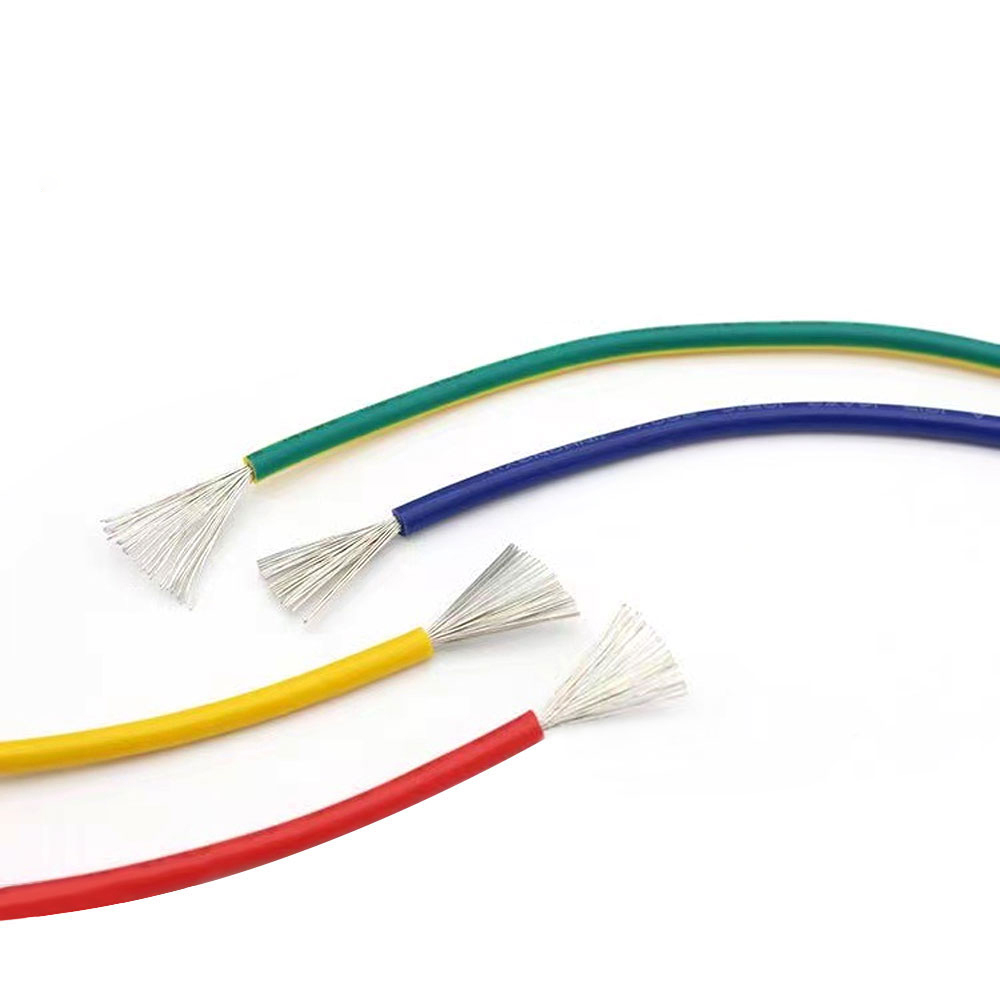

Get more content that can help you
Content
YJLY high-voltage cable is an aluminum conductor, cross-linked polyethylene insulated, polyethylene sheathed power cable designed for fixed power transmission in demanding outdoor, direct-burial, tunnel, distribution, and infrastructure environments.
For projects that require long-distance power delivery, large conductor cross-sections, reliable insulation performance, and controlled installation cost, YJLY cable provides a practical balance between electrical capability, environmental durability, and economic efficiency.
In modern power networks, cable selection is no longer based only on voltage rating or conductor size. Engineers, contractors, utilities, and project owners must evaluate conductor material, insulation stability, sheath protection, installation conditions, maintenance accessibility, operating temperature, environmental exposure, and total lifecycle cost.
YJLY cable directly addresses these requirements by combining lightweight aluminum conductors with XLPE insulation and a PE sheath. This construction makes it especially suitable for outdoor distribution lines, rural and urban grid upgrades, cost-sensitive power engineering, humid areas, direct-buried routes, and large-scale infrastructure where long cable runs can significantly influence project budgets.
Unlike conventional copper power cables, YJLY uses aluminum conductors to reduce material cost and weight. Unlike PVC-sheathed cables used in some general applications, YJLY uses polyethylene sheathing to provide excellent water resistance, moisture resistance, chemical resistance, and long-term outdoor performance.
When properly selected, installed, terminated, and protected, YJLY cable can deliver stable electrical performance under continuous operation up to 90℃, while tolerating short-circuit conductor temperatures up to 250℃ for 5 seconds. These characteristics make it a dependable option for modern medium-voltage and low-voltage power transmission networks.
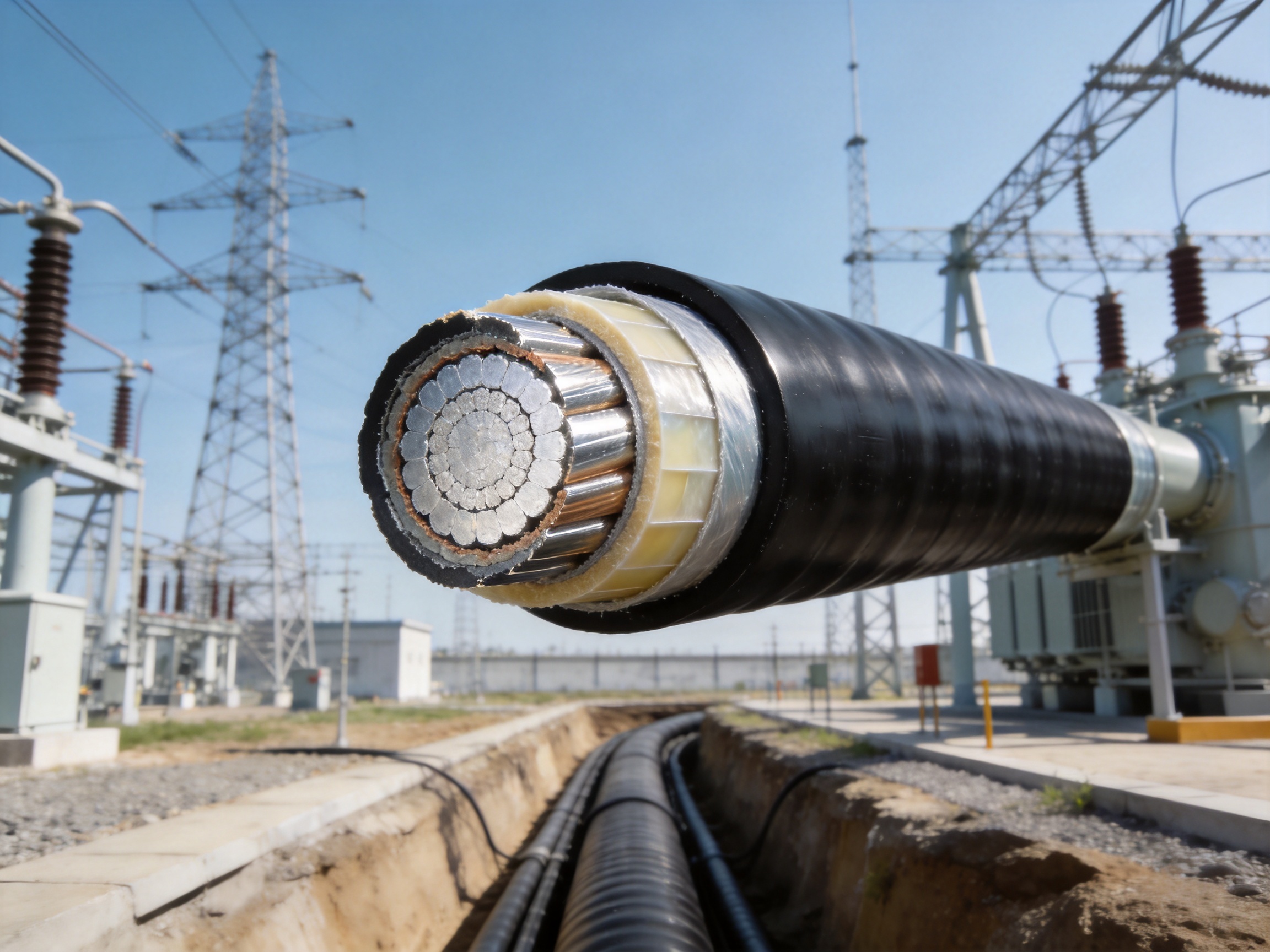
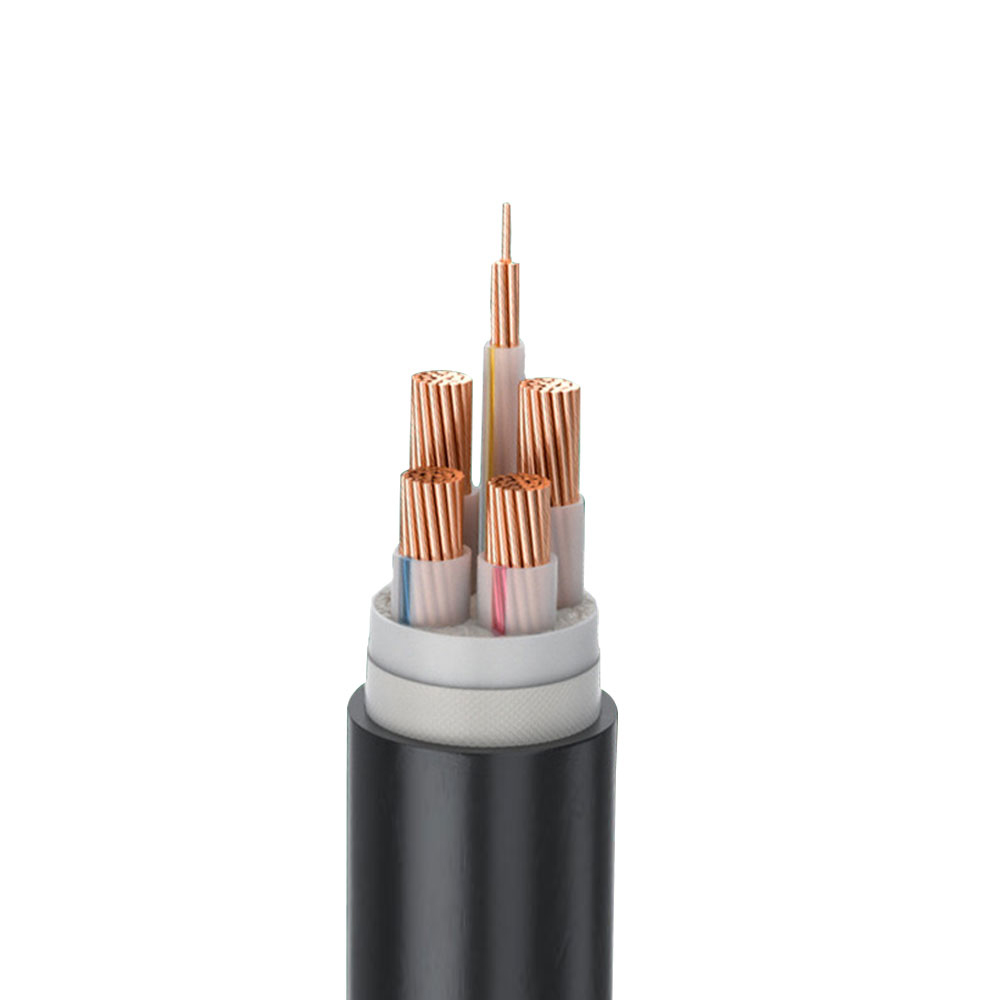
The YJLY cable structure is designed around three core performance elements: aluminum conductor, XLPE insulation, and PE sheath. Each layer contributes to the overall value of the cable and determines how it performs in service.
The aluminum conductor is typically compacted round or sector-shaped, depending on the cable design, core configuration, and cross-sectional area. Aluminum is widely used in power transmission because it offers a favorable conductivity-to-weight ratio. Although copper has higher electrical conductivity per unit area, aluminum is much lighter and more economical, making it attractive for long-distance power cable routes.
For projects involving large cable sizes, long feeder lines, or extensive distribution networks, the cost difference between copper and aluminum conductors can be substantial. YJLY therefore gives project owners a way to achieve reliable power transmission while controlling material expenditure.
The insulation layer is made of cross-linked polyethylene, commonly known as XLPE. XLPE is a thermoset insulation material with strong dielectric strength, excellent heat resistance, good aging resistance, and stable performance under long-term electrical stress. In comparison with many thermoplastic insulation materials, XLPE maintains its mechanical and electrical properties more effectively at elevated temperatures.
The PE sheath provides external protection against moisture, water ingress, corrosive soil conditions, ozone, UV exposure, and many chemical media. PE is also halogen-free, which means it does not release corrosive halogen acid gases during combustion. This characteristic supports safer environmental performance compared with traditional halogenated materials.
YJLY cable may be supplied in different voltage grades, including 0.6/1 kV, 1.8/3 kV, 3.6/6 kV, 6/10 kV, 8.7/15 kV, 12/20 kV, 18/30 kV, and 21/35 kV. The wide voltage range allows the cable to support diverse power distribution and transmission requirements.
Cross-section sizes can range from 10 mm² to 1600 mm², enabling the cable to serve small distribution circuits as well as large-capacity feeders. This flexibility is important for engineering projects where load current, voltage drop, short-circuit capacity, route length, and installation method must all be considered.
One of the main advantages of YJLY cable is its aluminum conductor design. Aluminum conductors are widely used in power transmission and distribution because they provide a practical combination of performance, cost, and handling convenience.
Compared with copper cable of equivalent current-carrying design, aluminum cable is lighter. This reduced weight makes transportation easier, decreases mechanical loading during installation, and can simplify handling on construction sites. In long cable routes, tunnels, trenches, and outdoor installations, lower weight can reduce labor intensity and improve installation efficiency.
Material cost is another major factor. Copper prices are often high and fluctuate significantly in global markets. Aluminum generally offers a lower and more stable cost profile, which helps contractors and utilities manage budgets more predictably. For large-scale infrastructure projects involving kilometers of cable, the economic advantage can be significant.
Aluminum conductors also perform well in fixed installations when proper connection technology is used. Because aluminum has different mechanical and electrochemical characteristics from copper, terminations and joints must use compatible fittings, anti-oxidation measures, and suitable installation torque. When these requirements are met, aluminum conductor systems can provide long service life and stable electrical contact.
YJLY cable is especially advantageous in applications where cable movement is limited after installation. It is suitable for fixed power transmission routes such as urban grid feeders, rural distribution lines, buried cables, tunnels, utility corridors, industrial power supply systems, and large engineering projects.
In comparison with competitors offering ordinary aluminum power cables with lower-grade sheathing or inconsistent conductor compaction, YJLY emphasizes stable electrical performance, reliable insulation, and strong environmental resistance. This gives the cable an advantage in environments where water, soil chemicals, outdoor exposure, and long-term aging are important concerns.
The XLPE insulation used in YJLY cable is one of the most important reasons for its strong performance in power transmission. Cross-linked polyethylene is created by forming chemical bonds between polymer chains, giving the material better heat resistance and mechanical stability than ordinary polyethylene.
XLPE insulation supports a long-term operating conductor temperature of 90℃. This is a key advantage over many traditional insulation materials that have lower temperature limits. Higher allowable operating temperature can improve cable current-carrying capacity and provide a stronger safety margin under load variations.
XLPE also provides high dielectric strength. This means the insulation can withstand electrical stress effectively, reducing the risk of breakdown when the cable is operated within its rated voltage and installed according to proper standards. For medium-voltage cables, insulation quality is crucial because partial discharge, moisture intrusion, contamination, or defects can gradually weaken the cable system.
YJLY cable is designed to meet test requirements such as 3.5U₀ AC test voltage for 5 minutes. Such testing helps verify insulation integrity and confirms that the cable can withstand specified voltage stress before installation or delivery.
Another advantage of XLPE is its resistance to thermal aging. In power networks, cables may operate for many years under continuous load. Repeated heating and cooling cycles can degrade inferior insulation materials. XLPE resists this degradation more effectively, contributing to long-term reliability.
XLPE also has good resistance to moisture-related electrical deterioration when combined with a suitable sheath and proper installation practices. In YJLY cable, the PE sheath further enhances moisture protection, making the cable suitable for humid and direct-burial environments.
Compared with competitor products that use lower-quality insulation compounds, unstable extrusion processes, or inadequate curing control, a well-manufactured YJLY cable offers more consistent insulation thickness, better concentricity, fewer defects, and stronger dielectric performance.
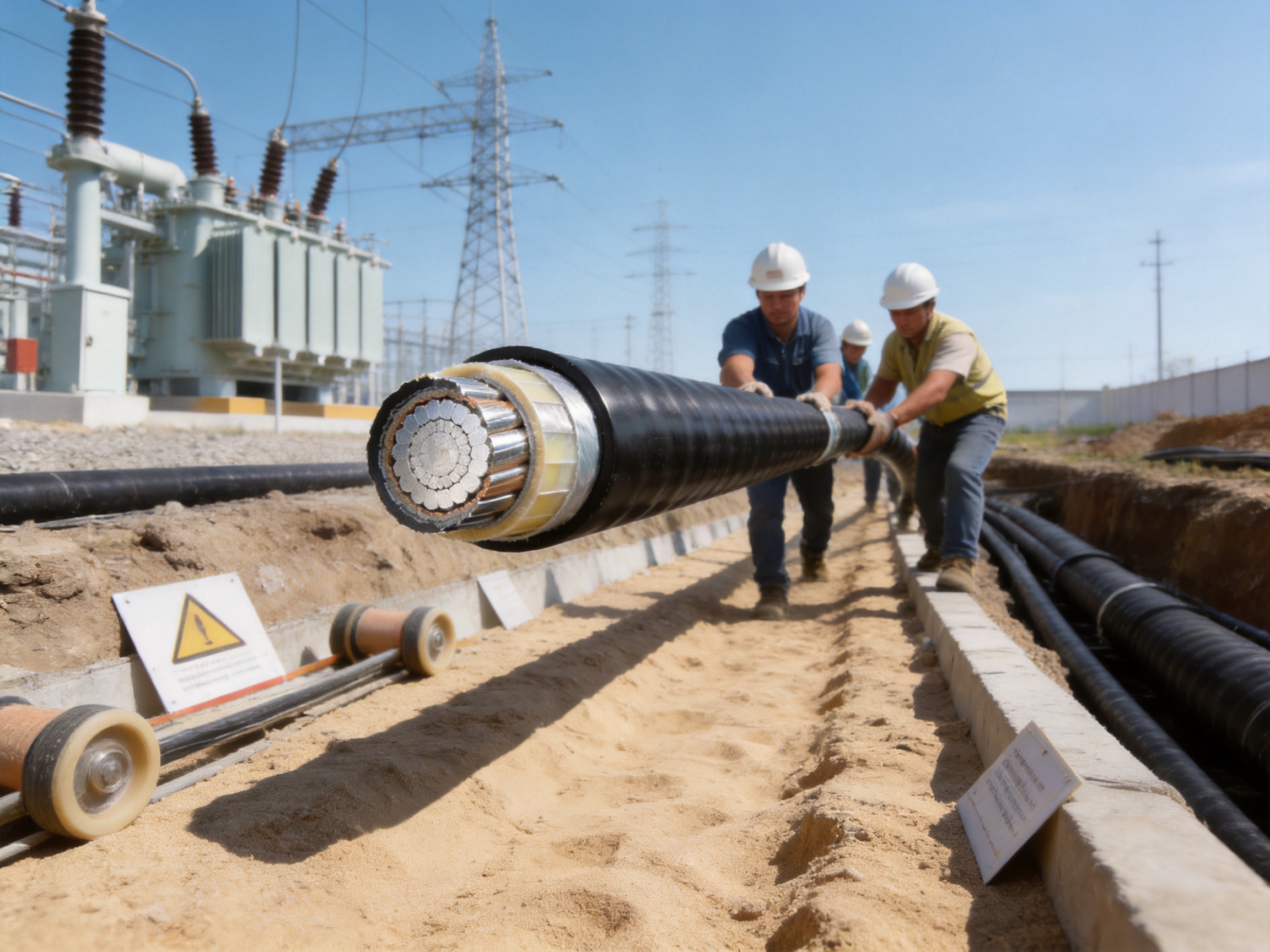
The polyethylene sheath is another essential feature of YJLY cable. In many outdoor and underground power cable projects, the sheath determines how well the cable resists environmental hazards.
PE has excellent water resistance. This makes YJLY cable suitable for humid soil, wet trenches, cable ducts, outdoor installations, and direct burial routes. Water ingress is one of the major threats to power cable reliability, especially for medium-voltage systems. A durable PE sheath helps prevent moisture from reaching internal cable layers.
The PE sheath also resists many chemical media, including acids, alkalis, and other corrosive substances commonly found in industrial or underground environments. This is important for cables installed in chemically aggressive soil, industrial zones, transportation corridors, and infrastructure projects where long-term corrosion resistance is required.
Weather resistance is another advantage. PE sheathing can resist ozone, moisture, and UV radiation, making it suitable for long-term outdoor exposure when formulated properly. For aerial or semi-exposed cable routes, this characteristic helps extend service life and reduce maintenance demands.
Compared with PVC sheathed cables, PE sheathed YJLY cable has superior moisture resistance and improved environmental durability in many outdoor settings. PVC may offer good flame-retardant behavior in some indoor applications, but it can be less suitable for long-term direct burial or wet environments when moisture resistance is the top priority.
Because PE provides relatively weaker mechanical protection than armored constructions, armored variants such as YJLY23 are recommended when the cable may be exposed to external impact, crushing force, rodent damage, or heavy mechanical stress. This practical distinction allows engineers to choose the right version based on installation risk.
For environments with strict flame-retardant requirements, especially dense indoor installations, special flame-retardant sheath options should be considered. Standard PE is excellent for water resistance and outdoor durability, but project specifications should always balance fire performance, mechanical protection, environmental exposure, and installation location.
The following table summarizes the key technical characteristics of YJLY high-voltage cable. Exact parameters may vary depending on voltage grade, number of cores, cross-section, installation conditions, and applicable project standards.
Item |
Specification |
Conductor |
Aluminum conductor, compacted round or sector-shaped |
Cross-Section Range |
10 mm² to 1600 mm² |
Rated Voltage |
0.6/1 kV, 1.8/3 kV, 3.6/6 kV, 6/10 kV, 8.7/15 kV, 12/20 kV, 18/30 kV, 21/35 kV |
Test Voltage |
3.5U₀ AC for 5 minutes |
Insulation Material |
Cross-linked polyethylene, XLPE |
Sheath Material |
Polyethylene or flame-retardant polyethylene by requirement |
Insulation Resistance |
At least 1000 MΩ·km at 20℃ |
Long-Term Operating Temperature |
90℃ |
Short-Circuit Temperature |
Up to 250℃ for 5 seconds |
Minimum Bending Radius |
Single-core: 20 times cable outer diameter; multi-core: 15 times cable outer diameter |
Recommended Installation Temperature |
Not lower than -10℃ |
Water Resistance |
Excellent, suitable for humid and direct-burial environments |
Standard Sheath Color |
Black, customizable according to project requirements |
YJLY cable has several practical advantages when compared with common competing cable solutions. These advantages are especially visible in long-distance, large-cross-section, and outdoor power transmission projects.
Copper conductor power cables remain widely used because of their high conductivity and compact current-carrying capability. However, copper cost can be a major burden in large power projects. YJLY cable uses aluminum conductors to reduce material cost while still providing reliable transmission performance when properly sized.
For many fixed installations, increasing aluminum conductor cross-section to meet current-carrying and voltage-drop requirements remains more economical than using copper. This makes YJLY a strong choice for utility networks, rural electrification, industrial distribution, and outdoor feeder systems.
The lower density of aluminum gives YJLY cable a clear handling advantage. Cable drums can be easier to transport, pulling tension may be reduced, and installation teams can work more efficiently in trenches, tunnels, and cable corridors.
In projects where access is limited or installation routes are complex, lighter cable can reduce equipment requirements and improve construction progress. This advantage is particularly valuable in remote sites, rural grids, temporary access roads, and large civil engineering projects.
YJLY uses a PE sheath, which offers excellent water resistance. In buried or humid environments, this can provide a meaningful advantage over general-purpose PVC sheathed cable. Moisture protection is critical because long-term water exposure can compromise cable performance, especially if installation damage or sheath defects occur.
The PE sheath also supports better resistance to many chemical substances found in soil or industrial environments. This makes YJLY suitable for underground cable routes where environmental conditions may be unpredictable.
YJLY cable uses XLPE insulation, allowing continuous operation at 90℃. This gives it a thermal advantage over cables with lower-temperature insulation materials. Higher temperature tolerance helps the cable remain stable during heavy load periods and improves overall network resilience.
The short-circuit temperature limit of 250℃ for 5 seconds also supports safety under fault conditions, provided that protection systems operate correctly and the cable is properly rated for the system.
With voltage ratings from low-voltage distribution levels up to 21/35 kV and cross-sections from 10 mm² to 1600 mm², YJLY cable can be adapted to many power system designs. This wide range reduces the need for multiple cable families across one project and simplifies procurement planning.
The polyethylene sheath is halogen-free. In the event of fire, halogen-free materials do not generate corrosive halogen acid gases. While fire behavior depends on the exact sheath formulation and flame-retardant requirements, this material profile is beneficial for projects that prioritize environmental safety and reduced corrosive gas emission.
YJLY cable is mainly used for fixed power transmission. Its combination of cost efficiency, electrical reliability, moisture resistance, and outdoor durability makes it suitable for a wide range of applications.
In urban power grids, YJLY can be used for distribution feeders, substation connections, and underground cable networks. Urban projects often involve long cable routes, high load density, and complex installation conditions. The cable’s lightweight aluminum conductor and stable XLPE insulation help support efficient installation and dependable service.
In rural power grids, YJLY is valuable because cost control and long-distance transmission are often major concerns. Rural lines may cover wide geographic areas, making aluminum conductor cable a practical choice. The PE sheath also provides protection for direct burial and outdoor exposure.
Outdoor distribution lines benefit from the weather resistance of the PE sheath. Where cables may be exposed to UV, ozone, moisture, or changing temperatures, durable sheath material helps protect the cable over time.
Direct burial installations are one of the most important application areas for YJLY cable. The excellent water resistance of the PE sheath makes the cable suitable for soil environments, especially when installation follows proper trench preparation, bedding, backfilling, warning tape placement, and mechanical protection practices.
Tunnel installations can also use YJLY cable, particularly where moisture resistance and stable operation are required. For tunnels with stricter fire safety requirements, flame-retardant sheath options or other specified fire-rated cable types should be evaluated according to engineering regulations.
Underwater or wet-area installations may require additional engineering assessment, but the water resistance of PE sheathing makes YJLY a candidate for moisture-prone power transmission environments when suitable protective measures and installation designs are applied.
Large-scale cost-sensitive projects, including industrial parks, infrastructure expansion, municipal development, renewable energy support facilities, and transportation systems, can benefit from the economic advantages of aluminum conductor cable.
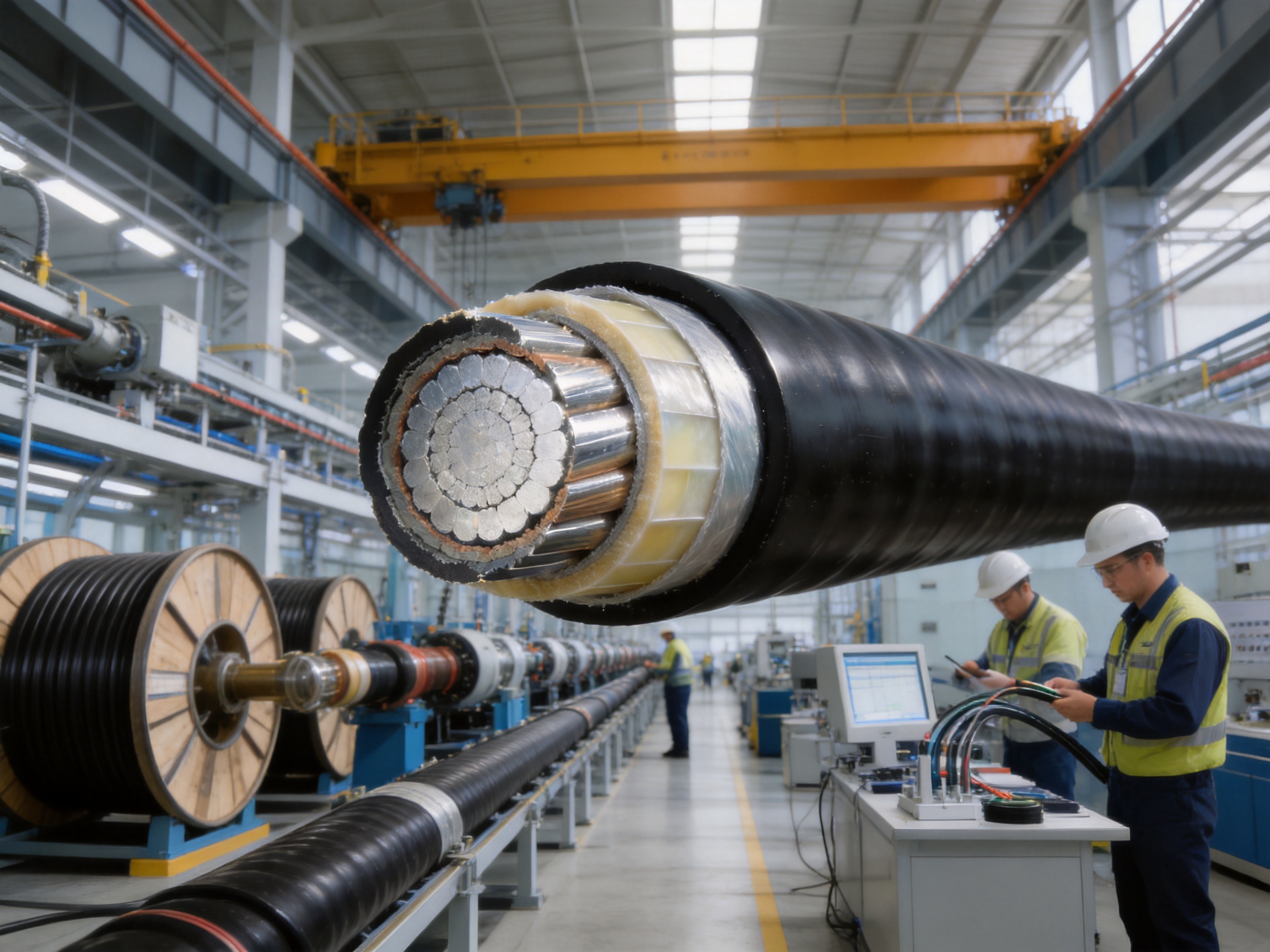
High-quality cable performance depends not only on materials but also on manufacturing discipline. Anhui Zhishang Cable Technology Co., Ltd. integrates research, production, and sales of wire and cable products, with a modern production base of approximately 5,000 square meters in Xuanzhou District, Xuancheng City, Anhui Province, China.
The company operates 10 automated production lines and has a monthly output capacity of up to 10 million meters. This production capability supports both standard product supply and customized cable projects, allowing customers to balance fast delivery with project-specific engineering needs.
The company’s team includes quality engineers and R&D technicians with more than 10 years of industry experience. This technical background is important because cable production requires careful control of conductor processing, insulation extrusion, cross-linking, sheath extrusion, dimensional inspection, electrical testing, packaging, and logistics.
The company follows the business philosophy of quality orientation, integrity foundation, and stability priority. For power cable customers, this philosophy is especially relevant because cable failure can cause serious operational disruption, safety risk, and financial loss. A reliable manufacturing partner must therefore focus on repeatable quality rather than only low upfront price.
YJLY cable production begins with conductor preparation. Aluminum rods or wires are processed into conductor structures according to the required cross-section and electrical resistance standards. Conductor compaction helps improve roundness, reduce cable diameter, and enhance mechanical consistency.
Insulation extrusion is a critical stage. XLPE insulation must be applied with consistent thickness and concentricity. Uneven insulation can create weak points under electrical stress. Advanced extrusion control helps maintain dimensional stability and supports long-term dielectric performance.
Cross-linking is another key process. XLPE must be properly cured to achieve its thermoset properties. Insufficient or inconsistent cross-linking can reduce heat resistance and aging performance. Proper process control ensures that the insulation can maintain stability at elevated operating temperatures.
Sheath extrusion must also be carefully managed. The PE sheath should be smooth, uniform, and free from defects such as holes, impurities, cracks, or uneven thickness. Because the sheath is the cable’s first defense against water, soil chemicals, and mechanical abrasion, sheath integrity directly affects service reliability.
Quality inspection is performed to verify conductor resistance, insulation resistance, dimensional compliance, voltage withstand performance, appearance, marking, and other requirements. Standard cable models may be supported by product test reports and warranty support, giving customers greater confidence in procurement.
The company can also support OEM and ODM development based on customer drawings or samples. This is valuable for contractors and equipment manufacturers that require special sheath colors, customized lengths, packaging preferences, voltage ratings, conductor configurations, or project-specific design adjustments.
Many cables may appear similar from the outside, but their true performance depends on process control. In power cable manufacturing, small deviations can lead to long-term problems. A minor insulation defect, conductor irregularity, or sheath weakness may not be obvious during installation, yet it can create failure risk during years of operation.
Advanced manufacturing processes reduce these risks. Automated production lines improve consistency by controlling extrusion speed, temperature, tension, cooling, diameter, and surface quality. Stable production equipment helps ensure that each cable batch meets defined technical requirements.
For YJLY cable, conductor quality is essential. Aluminum conductor resistance must comply with applicable standards for the corresponding cross-section. If resistance is too high, the cable may generate more heat, waste energy, and experience reduced efficiency. Proper conductor selection and processing help maintain electrical performance.
Insulation thickness must comply with relevant standards such as GB/T 12706.1, depending on voltage and cross-section. Insulation that is too thin may reduce electrical safety margin, while excessive unevenness may create stress concentration. Controlled extrusion supports consistent insulation geometry.
The PE sheath thickness must also comply with applicable standards. The sheath protects internal cable components from external environmental conditions. Consistent sheath thickness helps prevent weak points and supports long-term durability.
Testing is another major advantage. High-voltage testing, insulation resistance measurement, conductor resistance testing, dimensional checks, and visual inspection all contribute to product assurance. These procedures help identify potential defects before delivery.
Compared with suppliers that focus only on low price, a manufacturer with systematic process control can provide more stable cable quality, lower failure risk, and stronger support for engineering projects. This difference is especially important for high-voltage and medium-voltage power cables, where repair costs can be much higher than initial cable savings.
Correct installation is essential for achieving the expected performance of YJLY cable. Even a well-manufactured cable can be damaged if it is pulled incorrectly, bent beyond allowable radius, exposed to sharp objects, or terminated improperly.
The recommended installation temperature is not lower than -10℃. In cold environments, cables should be handled carefully because sheath and insulation materials can become less flexible at low temperatures. If installation must occur in colder conditions, pre-warming and special handling measures may be required according to project procedures.
The minimum bending radius should be observed. For single-core cable, the minimum bending radius is typically 20 times the cable outer diameter. For multi-core cable, it is typically 15 times the cable outer diameter. Excessive bending can damage insulation, deform conductors, or weaken the sheath.
Pulling tension should be controlled during installation. Cable rollers, guiding equipment, and suitable pulling heads can reduce friction and prevent sheath damage. Sharp stones, metal edges, and construction debris should be removed from trenches or ducts before cable placement.
For direct burial installation, proper bedding material should be used. Sand or fine soil can protect the cable from mechanical damage. Warning tape, protective plates, or conduits may be required depending on local practice and project risk.
Because the PE sheath provides limited mechanical protection against severe impact or crushing, armored variants should be considered where external damage is likely. YJLY23 or similar armored designs can provide better mechanical resistance for roads, industrial yards, rocky soil, and locations exposed to construction activity.
Aluminum conductor connections require special attention. Aluminum naturally forms an oxide layer that can increase contact resistance if not properly managed. Correct lugs, compatible terminals, anti-oxidation compound, proper crimping tools, and specified tightening torque should be used. Mixing aluminum and copper without suitable bimetallic fittings can create galvanic corrosion and connection failure.
After installation, testing should be performed according to project requirements. Insulation resistance testing, voltage withstand testing, phase identification, continuity checks, and sheath inspection can help confirm that the cable system is ready for operation.
Selecting the correct YJLY cable requires a complete understanding of the electrical system and installation environment. Engineers should evaluate voltage rating, load current, short-circuit current, voltage drop, ambient temperature, soil thermal resistivity, grouping conditions, installation method, mechanical exposure, and fire safety requirements.
Voltage rating must match or exceed the system requirement. Using an incorrect voltage grade can compromise safety and violate project standards. Medium-voltage systems require careful coordination between cable insulation level, grounding method, system fault characteristics, and accessories.
Conductor cross-section should be selected based on current-carrying capacity and voltage drop. Long cable routes may require larger conductors to maintain voltage quality. Aluminum conductors may require larger cross-section than copper conductors for equivalent resistance, but the economic and weight advantages often remain favorable.
Short-circuit capacity must also be checked. The conductor and metallic screen or armor, if present, must withstand fault current until protective devices clear the fault. The stated short-circuit temperature limit of 250℃ for 5 seconds provides a basis for engineering calculations.
Installation conditions strongly affect ampacity. Cable in free air, duct, direct burial, tunnel, or grouped arrangement may have different heat dissipation. Soil temperature, thermal resistivity, burial depth, and cable spacing can significantly influence current rating.
Environmental exposure should guide sheath and armor selection. For wet, corrosive, or outdoor environments, the PE sheath is a strong choice. For high mechanical risk, armored construction is recommended. For dense indoor locations with strict flame-retardant standards, special flame-retardant or alternative sheath designs should be considered.
Accessory compatibility is equally important. Terminations, joints, lugs, glands, and grounding components should match the cable voltage grade, conductor material, insulation diameter, and installation environment. A reliable cable system requires both high-quality cable and correctly selected accessories.
Reliable procurement requires more than simply buying a cable with the right printed marking. Customers need assurance that the product has been manufactured according to recognized standards and verified through appropriate testing.
Anhui Zhishang Cable Technology Co., Ltd. follows national standards, relevant international standards, and industry benchmarks to customize cable products according to defined requirements. This standards-based approach helps customers align product selection with engineering specifications.
The company provides product selection guidance and tailor-made cable design solutions according to project needs. This is valuable for customers who must compare conductor materials, voltage classes, sheath options, installation methods, and cost targets.
For standard cable models, the company supports quality assurance through product test reports, warranty support, and stable production management. Standard products may be stocked for fast shipment, while customized products typically require 7 to 20 days of lead time depending on complexity and order details.
The company’s ability to support OEM and ODM development gives customers flexibility. Drawings, samples, special markings, customized structures, and packaging requirements can be evaluated by technical engineers. This helps contractors, distributors, and equipment manufacturers obtain cable solutions that match specific market or project demands.
Green manufacturing and responsible production practices are also emphasized. In the cable industry, sustainability involves material selection, process efficiency, waste reduction, quality stability, and long service life. A durable cable that performs reliably for many years reduces replacement frequency and supports better lifecycle value.
The value of a power cable should be assessed over its entire lifecycle, not only by initial purchase cost. A low-price cable that fails early can create high repair costs, outage losses, safety risks, and reputational damage. YJLY cable is designed to provide a strong balance between initial economy and long-term performance.
The aluminum conductor reduces upfront material cost, especially for large cross-sections and long routes. This helps project owners manage budgets without sacrificing necessary electrical performance when proper engineering sizing is applied.
The XLPE insulation supports high operating temperature, stable dielectric strength, and long-term aging resistance. This improves reliability and helps the cable withstand normal load variations over many years.
The PE sheath reduces environmental risk in wet, corrosive, and outdoor environments. Its water resistance and chemical resistance can lower the likelihood of sheath-related deterioration.
The lightweight structure reduces transportation and installation difficulty. This can lower labor cost, reduce installation time, and simplify logistics. In large projects, installation efficiency can have a major financial impact.
When combined with quality manufacturing, proper testing, correct installation, and suitable accessories, YJLY cable can provide excellent lifecycle value for utilities, contractors, industrial users, and infrastructure developers.
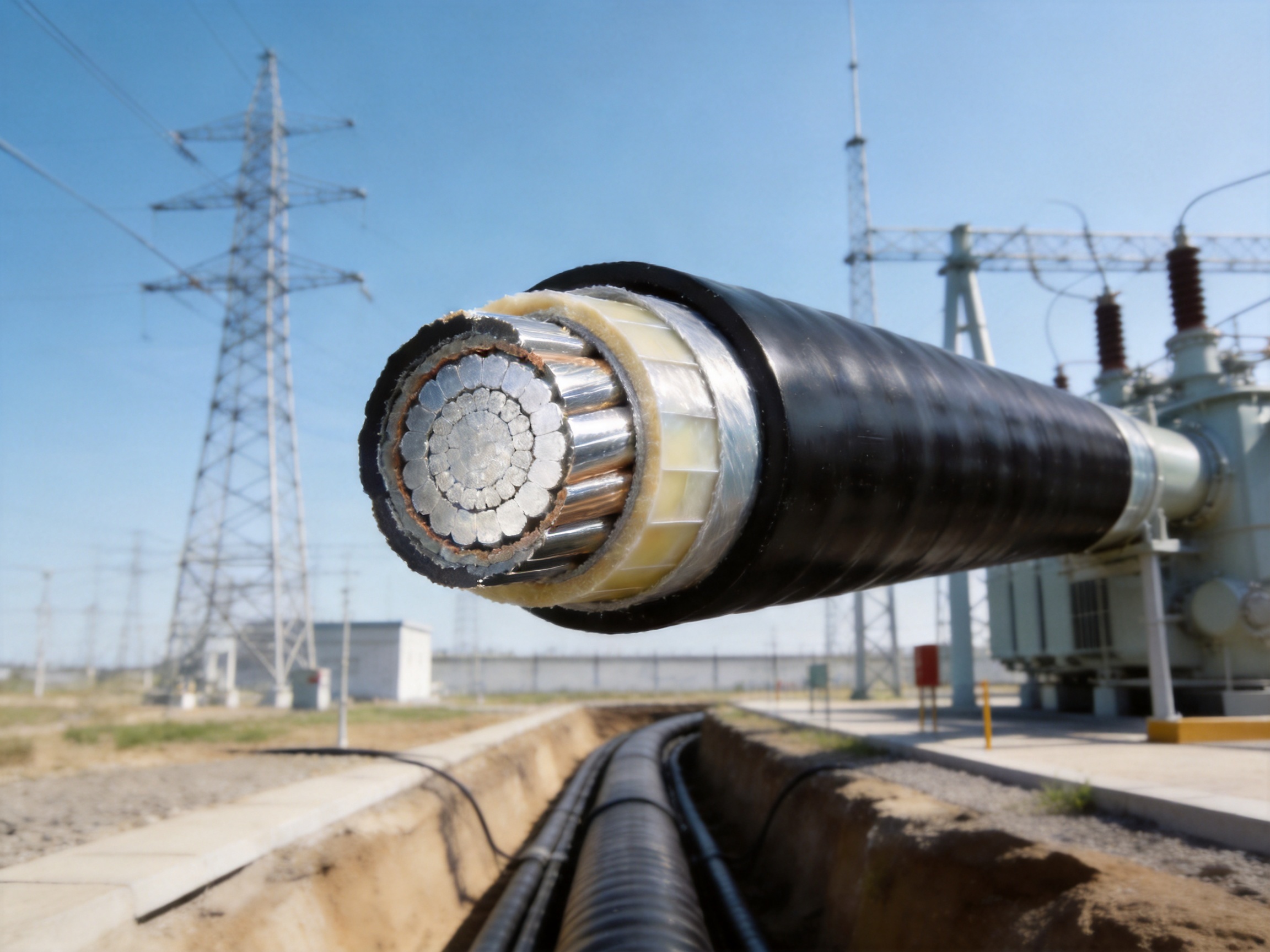
YJLY is an aluminum conductor, XLPE insulated, PE sheathed power cable. It is an economical aluminum conductor version of similar XLPE insulated polyethylene sheathed power cable designs.
The main advantage is the balance of cost efficiency, lightweight construction, reliable XLPE insulation, and excellent PE sheath water resistance. It is especially suitable for long-distance and large-cross-section fixed power transmission.
Yes. The PE sheath provides excellent water resistance, making YJLY cable suitable for humid and direct-burial environments. However, proper trench preparation and mechanical protection are important.
It can be used in some indoor fixed power applications, but standard PE sheath is not always the best choice for dense indoor areas with strict flame-retardant requirements. Flame-retardant sheath options or other cable types should be evaluated for such environments.
The long-term operating conductor temperature is 90℃. The short-circuit temperature can reach up to 250℃ for 5 seconds under specified fault conditions.
Aluminum is lighter and generally more economical than copper. For long cable routes and large conductor sizes, aluminum conductor cable can significantly reduce material cost and installation weight while still meeting performance requirements when correctly sized.
Yes. Aluminum conductor connections should use compatible fittings, correct crimping tools, anti-oxidation measures, and proper torque control. Bimetallic fittings may be required when connecting aluminum to copper equipment.
YJLY cable may be supplied in voltage ratings including 0.6/1 kV, 1.8/3 kV, 3.6/6 kV, 6/10 kV, 8.7/15 kV, 12/20 kV, 18/30 kV, and 21/35 kV.
The typical cross-section range is from 10 mm² to 1600 mm², depending on voltage grade, conductor design, and project requirements.
An armored version such as YJLY23 should be selected when the cable may face external mechanical damage, impact, crushing, rodent activity, rocky soil, road crossings, or other high-risk installation conditions.
PE generally provides better water resistance, moisture resistance, chemical resistance, and outdoor durability. PVC may provide different fire performance advantages in certain indoor applications, so the best choice depends on installation conditions.
Yes. Customization may include voltage grade, conductor cross-section, sheath color, flame-retardant sheath, packaging, marking, and OEM or ODM requirements based on drawings or samples.
YJLY high-voltage aluminum XLPE power cable is a practical and cost-effective solution for fixed power transmission in outdoor, direct-burial, humid, tunnel, rural grid, urban distribution, and large-scale infrastructure applications.
Its aluminum conductor reduces weight and material cost, making it especially attractive for long cable routes and large conductor sizes. Its XLPE insulation provides strong dielectric performance, thermal stability, and long-term operating reliability. Its PE sheath delivers excellent water resistance, chemical resistance, and weather durability, helping the cable perform well in challenging environments.
Compared with many competing options, YJLY cable offers a strong combination of economy, durability, and engineering flexibility. It is not simply a low-cost substitute for copper cable; it is a carefully structured power cable designed for real-world transmission needs where lifecycle value matters.
The manufacturing capabilities of Anhui Zhishang Cable Technology Co., Ltd. further strengthen the value of the product. With modern production facilities, automated production lines, experienced engineers, quality control procedures, customization capability, and strong output capacity, the company is positioned to support both standard power cable supply and specialized project requirements.
For utilities, contractors, industrial operators, and infrastructure developers seeking a dependable cable solution for cost-sensitive and environmentally demanding power transmission, YJLY cable provides a balanced answer: efficient aluminum conductor design, proven XLPE insulation, protective PE sheathing, and manufacturing support focused on quality, stability, and long-term performance.
GB/T 12706.1, Power Cables with Extruded Insulation and Their Accessories for Rated Voltages from 1 kV up to 35 kV.
GB/T 3956, Conductors of Insulated Cables.
IEC 60502, Power Cables with Extruded Insulation and Their Accessories for Rated Voltages from 1 kV up to 30 kV.
IEC 60228, Conductors of Insulated Cables.
IEC 60840, Power Cables with Extruded Insulation and Their Accessories for Rated Voltages Above 30 kV up to 150 kV.
Electrical Power Cable Engineering, third edition, edited by William A. Thue.
Underground Power Cable Installations: Standards, Testing, and Maintenance Practices, industry technical guidance materials.

We firmly believe that good cables are not only a competition of materials, but also a reflection of craftsmanship, quality, and responsibility.

Links
Product
Send Inquiry
No. 29 Sankeshu Road, Xuanzhou District, Xuancheng City, Anhui Province, China
+86-18621104555/+86-563-2622999
 Electrical Cable Manufacturer
OEM/ODM Wire and Cable Solutions
Electrical Cable Manufacturer
OEM/ODM Wire and Cable Solutions
 English
 Español
 عربى
عربى
 русский