Get more content that can help you
Content
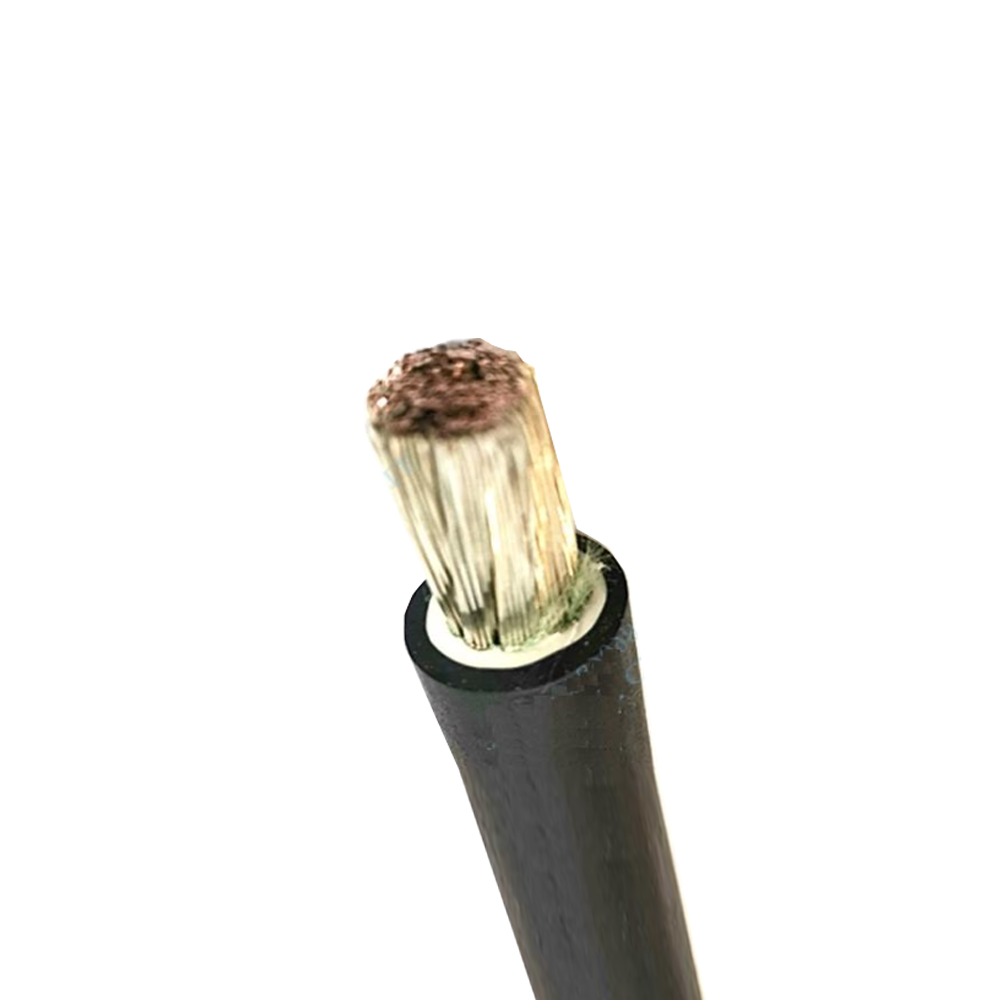
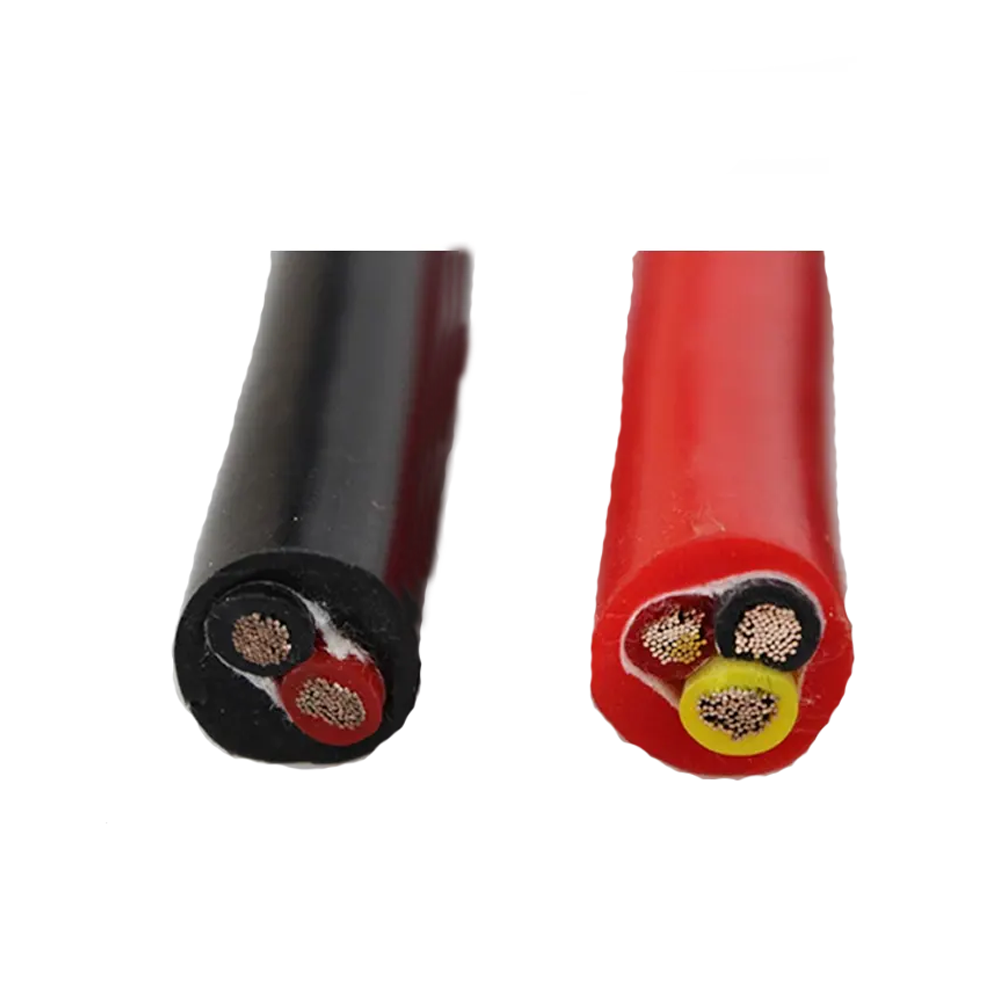
In demanding industrial environments, a cable is not merely a passive electrical component; it is a critical link between power, control, motion, safety, and production continuity. The JXF (JBHF) high-voltage cable is designed for applications where ordinary flexible cables cannot provide enough heat resistance, chemical resistance, dynamic bending performance, shielding stability, and long-term reliability. Built with silicone rubber or fluororubber insulation and sheath materials, this cable series supports stable operation in high-temperature, corrosive, and mechanically demanding conditions found in metallurgy, glass manufacturing, chemical processing, aerospace testing, nuclear power facilities, and advanced automation systems.
The product is especially valuable where equipment moves, vibrates, bends, twists, heats, cools, and operates near aggressive oils, acids, alkalis, solvents, or electromagnetic interference. Compared with conventional rubber cables, PVC cables, or basic industrial flexible cables, the JXF (JBHF) series provides a wider working temperature range, higher flexibility, improved resistance to bending fatigue, stronger chemical stability, and optional shielding for signal integrity. Its conductor structure uses multi-stranded ultra-fine flexible copper conductors, while the insulation and sheath can be configured with silicone rubber or fluororubber according to application requirements.
Anhui Zhishang Cable Technology Co., Ltd. manufactures this cable series with an integrated approach covering material selection, conductor processing, insulation extrusion, shielding, sheath production, testing, and OEM/ODM customization. Located in Xuancheng City, Anhui Province, China, the company operates a modern production base of approximately 5,000 square meters, with automated production lines, experienced engineers, and a production philosophy centered on quality, stability, and integrity. For customers seeking high-performance cable solutions in harsh industrial environments, the JXF (JBHF) cable represents a balance of engineering design, manufacturing discipline, and adaptable customization.
The JXF (JBHF) high-voltage cable is a special high-temperature mobile flexible cable designed with silicone rubber or fluororubber insulation and sheath. Its most important characteristics are ultra-high temperature tolerance, extreme flexibility, and excellent chemical corrosion resistance. These features make it suitable for environments where cable failure would lead to equipment shutdown, safety risks, production loss, or signal instability.
In many industrial sites, cable selection is often limited by one of three problems: temperature, movement, or chemical exposure. A cable that survives heat may become stiff and unsuitable for moving equipment. A highly flexible cable may not resist oil or solvents. A chemically resistant cable may lack the bending life required in cable carriers, robotic arms, sliding platforms, or dynamic test rigs. The JXF (JBHF) series is designed to solve these overlapping challenges by combining flexible conductor construction with high-performance elastomeric or fluorinated materials.
The cable can be manufactured in cross-sections from 0.5 mm² to 150 mm², covering small control and signal requirements as well as larger power transmission applications. Rated voltage options include 300/300V, 300/500V, 450/750V, and 0.6/1 kV. The product also supports test voltage levels such as 2 kV for 300/300V designs and 3.5 kV for 0.6/1 kV designs. This range allows customers to select a cable configuration suited to their system voltage, conductor size, installation method, and safety expectations.
Because the cable is intended for harsh service, its insulation resistance, flame retardancy, abrasion resistance, torsion resistance, oil resistance, and radiation resistance are also important performance factors. According to the provided specifications, insulation resistance reaches at least 1000 MΩ·km at 20℃, the cable can pass UL VW-1 and IEC 60332-1 flame retardancy tests, and selected designs pass oil immersion, abrasion, torsion, and radiation tests. These parameters reflect a design philosophy that prioritizes both electrical reliability and real-world durability.
Temperature is one of the most destructive forces affecting cable life. When cable materials are exposed to continuous heat beyond their design limits, insulation may harden, crack, shrink, soften, deform, or lose dielectric strength. In high-temperature zones such as furnaces, steel plants, glass production lines, heat treatment equipment, drying ovens, and chemical reactors, conventional PVC or standard rubber cables may age rapidly. The consequences can include leakage current, short circuits, signal loss, sheath damage, downtime, and even fire risks.
The JXF (JBHF) cable addresses this challenge through high-temperature insulation and sheath options. Silicone rubber designs provide long-term working capability from approximately -60℃ to +200℃, while fluororubber designs support operation from approximately -40℃ to +260℃. This gives engineers a wider safety margin when designing equipment that experiences thermal cycling, radiant heat, local hot spots, or cold-start conditions.
Silicone rubber has excellent flexibility and thermal endurance. It remains elastic at low temperatures and performs reliably in elevated heat. This makes it suitable for many dynamic applications where the cable must bend repeatedly while exposed to hot air, equipment heat, or intermittent thermal stress. Fluororubber, on the other hand, provides stronger chemical resistance and higher long-term temperature capability. It is often preferred in environments involving oils, fuels, solvents, acids, alkalis, and aggressive process media.
Compared with ordinary flexible cables, the benefit is not just the maximum temperature rating. The real advantage lies in maintaining stable electrical and mechanical properties over time. A cable may be able to survive a short high-temperature event, but industrial users need predictable performance across months or years of operation. By using high-quality insulation and sheath materials, the JXF (JBHF) series reduces the risk of premature aging and supports longer maintenance intervals.
The JXF (JBHF) high-voltage cable offers several practical advantages over common industrial cable types. First, it provides a broader temperature range. Many standard flexible cables are designed for moderate temperatures and lose performance in high-heat zones. This product supports extreme service from low-temperature environments to high-temperature operating conditions, giving it an advantage in equipment exposed to seasonal variation, process heat, or combined cold and hot cycling.
Second, the cable provides superior flexibility. The use of multi-stranded ultra-fine flexible copper conductors helps reduce bending stress and improves movement endurance. This is important in cable carriers, robotic systems, reciprocating machinery, moving sensors, traveling cranes, automated handling equipment, and testing devices. A cable that is too rigid can transfer stress to terminals, connectors, and insulation layers. High flexibility reduces mechanical fatigue and improves installation convenience.
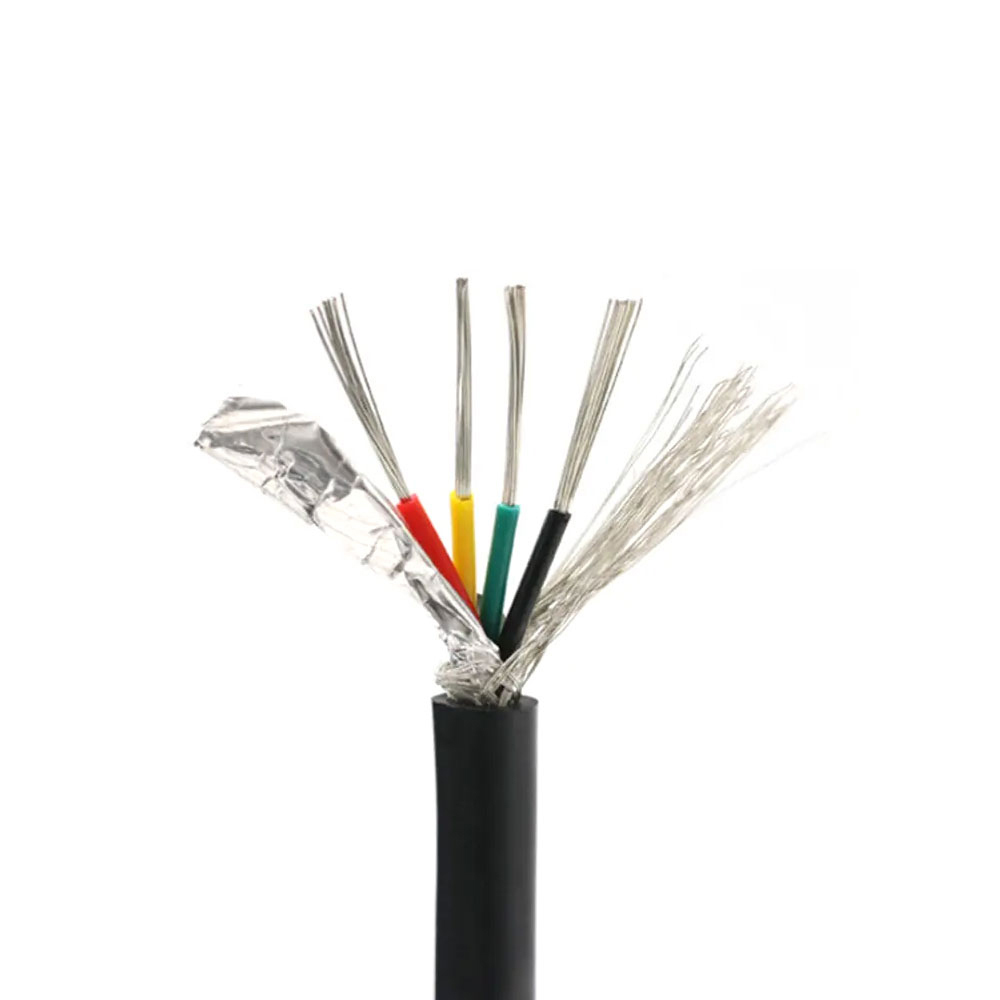
Third, the optional tinned copper wire braid shield with coverage of at least 90% improves anti-interference capability. In industrial environments, cables often operate near motors, variable frequency drives, welding machines, heating equipment, relays, inverters, and switching power supplies. Electromagnetic interference may disturb control signals, measurement data, or communication stability. Shielded JXF (JBHF) designs can help suppress interference and maintain system reliability.
Fourth, the cable offers excellent chemical resistance. Oil, solvents, acids, and alkalis can severely damage ordinary cable sheaths. In chemical plants, pharmaceutical equipment, petrochemical systems, cleaning lines, coating machinery, and laboratory testing facilities, cable surfaces may be exposed to corrosive agents. Silicone rubber and fluororubber materials provide improved resistance, and fluororubber is especially suitable for aggressive chemical environments.
Fifth, the cable supports safer fire behavior. Low-smoke, halogen-free, and flame-retardant design concepts can reduce smoke generation and avoid corrosive gas release in fire events, depending on selected material configuration. Passing flame-retardancy tests such as UL VW-1 and IEC 60332-1 gives additional assurance for applications where fire safety matters.
One of the strongest advantages of the JXF (JBHF) cable series is the ability to select insulation and sheath materials according to the specific operating environment. Silicone rubber and fluororubber are not interchangeable commodities; each material has a distinct performance profile. The right choice depends on heat level, chemical exposure, mechanical movement, cost target, and expected service life.
Silicone rubber is known for its excellent thermal stability, flexibility, and resistance to low-temperature brittleness. It is well suited for applications requiring frequent movement and stable operation under high heat. Its soft and elastic character helps the cable remain manageable during installation and service. For equipment such as high-temperature furnaces, glass machinery, hot-air systems, and mobile industrial tools, silicone rubber offers a strong combination of heat resistance and flexibility.
Fluororubber offers stronger resistance to oils, fuels, solvents, acids, alkalis, and many aggressive chemicals. It also provides long-term temperature performance up to approximately +260℃ according to the provided specifications. This makes it suitable for chemical reaction equipment, aerospace testing platforms, nuclear power auxiliary systems, pharmaceutical production lines, petrochemical equipment, and other applications where chemical exposure is a serious design concern.
The material decision should not be based only on maximum temperature. For example, a silicone rubber cable may be ideal in a dry high-temperature mechanical system, while a fluororubber cable may be more appropriate where the cable is exposed to oil spray, solvent vapor, acid cleaning, or corrosive process gases. Anhui Zhishang Cable Technology Co., Ltd. supports customers in selecting the correct material combination based on actual installation conditions, working temperature, movement pattern, shielding needs, flame-retardancy requirements, and project standards.
The following table summarizes key technical parameters of the JXF (JBHF) high-voltage cable. Actual final specifications may be adjusted according to conductor size, voltage grade, shielding structure, sheath material, customer drawings, and project requirements.
Parameter |
Specification |
Conductor |
Copper conductor, multi-stranded ultra-fine flexible conductor |
Cross-section range |
0.5 mm² to 150 mm² |
Rated voltage |
300/300V, 300/500V, 450/750V, 0.6/1 kV |
Test voltage |
2 kV for 300/300V designs, 3.5 kV for 0.6/1 kV designs |
Insulation material |
Silicone rubber or fluororubber |
Shielding structure |
Optional tinned copper wire braid shield with coverage of at least 90% |
Sheath material |
Silicone rubber or fluororubber |
Insulation resistance |
At least 1000 MΩ·km at 20℃ |
Long-term operating temperature |
-60℃ to +200℃ for silicone rubber, -40℃ to +260℃ for fluororubber |
Short-circuit temperature |
Up to 350℃ for 5 seconds |
Minimum bending radius |
4 times the cable outer diameter for mobile installation |
Installation temperature |
At least -40℃ |
Oil resistance |
Passes IRM 903 oil immersion test at 150℃ for 168 hours |
Abrasion resistance |
Passes reciprocating abrasion test of at least 20,000 cycles |
Torsion resistance |
Can withstand ±360° per meter torsion for at least 10,000 cycles |
Flame retardancy |
Passes UL VW-1 and IEC 60332-1 |
Sheath color |
White, gray, red, or customized colors |
This specification profile demonstrates that the cable is designed not only for electrical transmission, but also for environmental endurance and movement reliability. The combination of copper flexibility, high-temperature insulation, optional shielding, flame retardancy, and strong sheath performance makes it suitable for demanding industrial engineering.
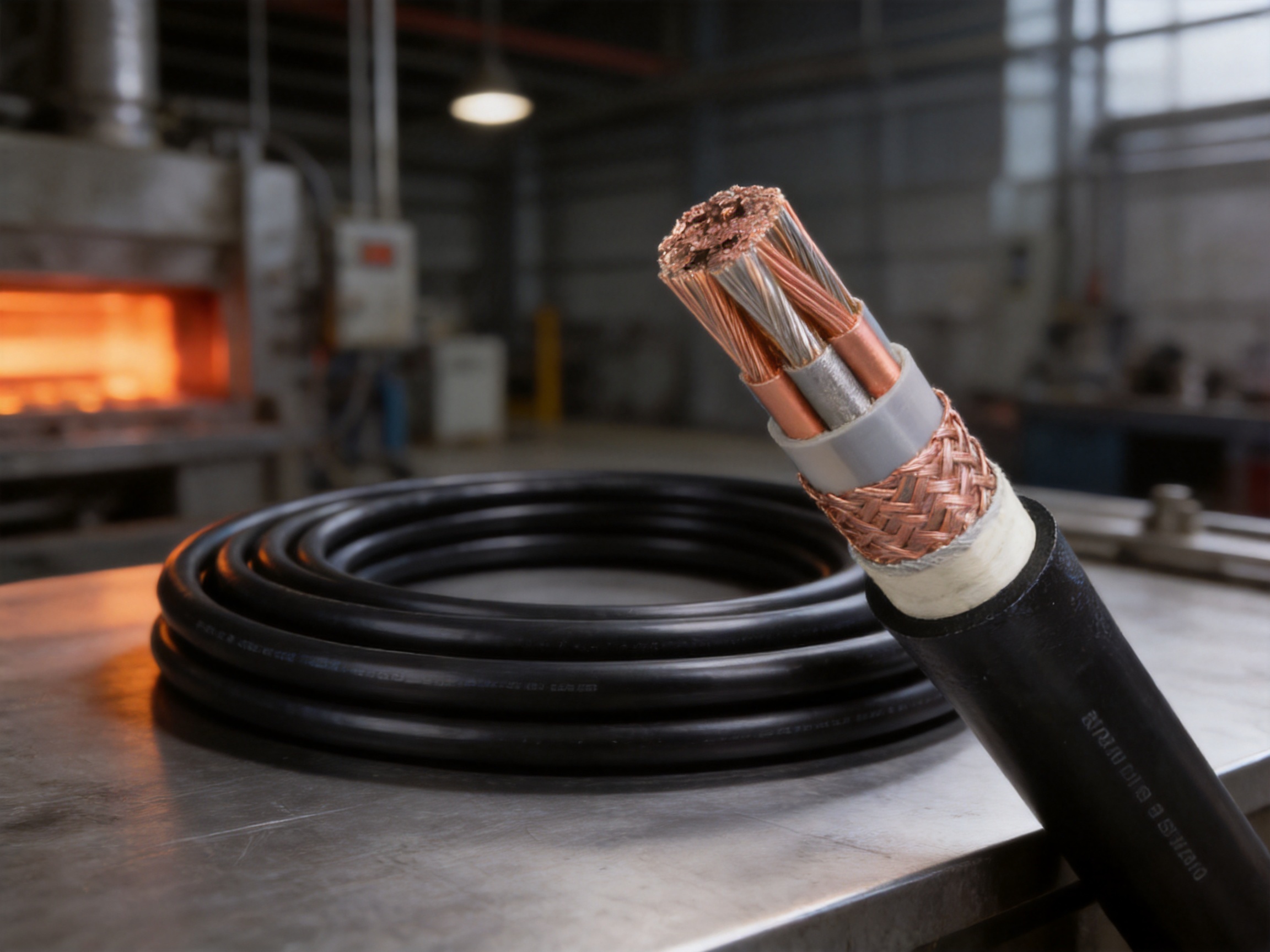
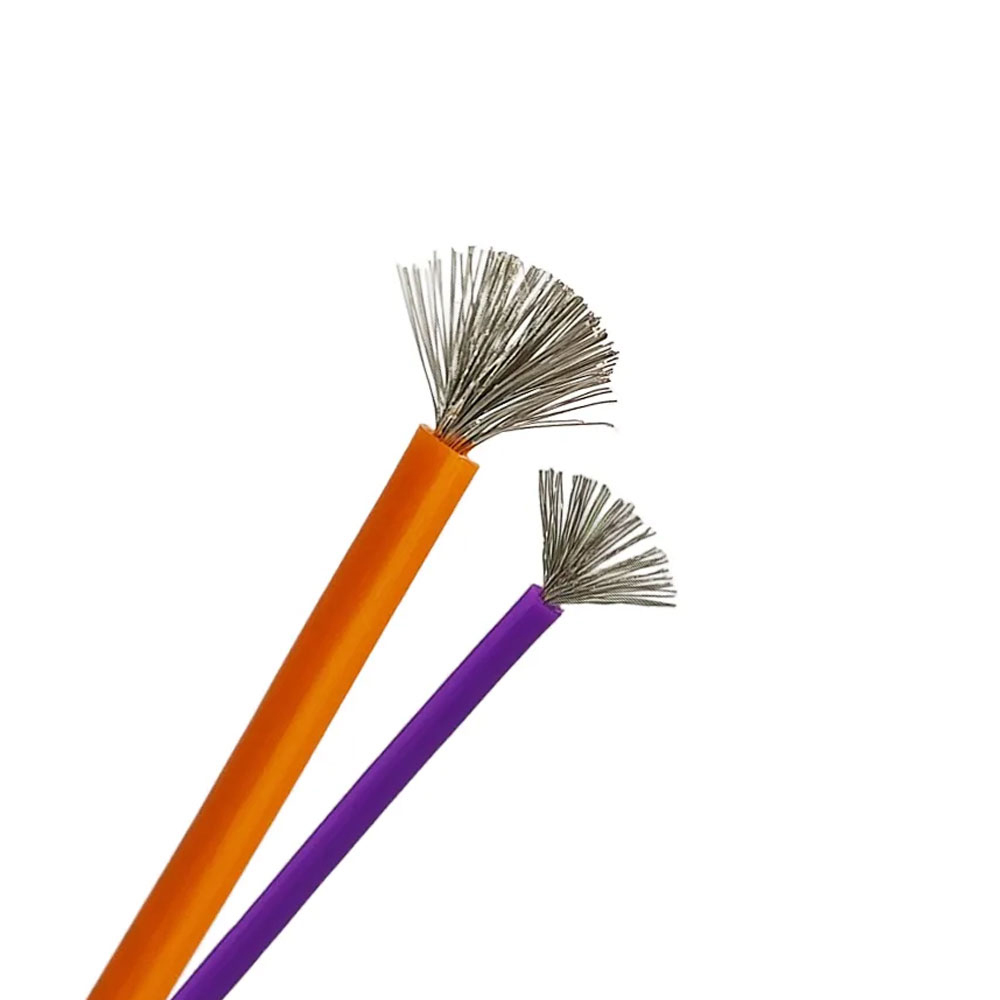
The conductor is the electrical core of the cable, but in a mobile high-temperature cable it is also a mechanical component. A conductor made from a few large wires may carry current effectively, but it will not tolerate repeated bending as well as a multi-stranded ultra-fine structure. The JXF (JBHF) cable uses copper conductors with multi-stranded ultra-fine flexible construction to improve bendability and fatigue resistance.
Flexibility is especially important in installations where the cable is not fixed permanently in one position. Cable carriers, drag chains, robotic arms, moving furnaces, lifting platforms, inspection equipment, and test benches impose continuous dynamic stress. If conductor strands are too thick or the lay design is unsuitable, repeated movement can cause strand breakage, resistance increase, heat generation, or intermittent faults. These failures may be difficult to detect before they interrupt production.
The cable’s minimum bending radius for mobile installation can reach 4 times the cable outer diameter, which is a practical advantage when space is limited. In compact industrial equipment, cable routing often requires tight bends. A cable with a large bending radius may create installation difficulties or be forced into improper routing, leading to long-term damage. A flexible cable with a smaller allowable bending radius helps engineers design cleaner, safer, and more reliable cable paths.
Compared with ordinary power cables that prioritize stationary installation, the JXF (JBHF) cable is better suited for high-dynamic scenarios. Its conductor structure, insulation elasticity, and sheath durability work together to reduce stress concentration. This is a key reason why the product is suitable for robotics, cable carriers, mobile industrial equipment, and complex motion trajectories.
Modern industrial equipment is increasingly controlled by sensors, servo drives, programmable logic controllers, communication modules, monitoring systems, and high-frequency power electronics. In such environments, electromagnetic interference can cause unstable signals, communication errors, inaccurate measurement, equipment alarms, or system downtime. A cable selected only for temperature and voltage may still fail to support reliable operation if shielding is ignored.
The JXF (JBHF) cable can be produced with a tinned copper wire braid shield with coverage of at least 90%. This shielding structure helps suppress electromagnetic interference and improves signal transmission stability. Tinned copper is also beneficial because the tin layer improves oxidation resistance and supports more stable long-term performance in harsh environments.
Shielding is particularly important in facilities where power cables and signal cables share cable trays, cabinets, or machine compartments. Motors, inverters, induction heaters, welding systems, switching devices, and high-current conductors can generate interference. A properly shielded cable can reduce coupling and help maintain clean signal paths. For control systems, this may mean fewer false alarms and more reliable feedback. For communication systems, it may mean fewer data errors. For precision testing systems, it may mean more stable measurements.
Compared with unshielded standard high-temperature cables, the shielded JXF (JBHF) design offers a stronger solution for integrated power and control environments. It can be used where electrical noise and harsh environmental conditions exist simultaneously. This dual capability is an important advantage for modern automated factories and advanced equipment manufacturers.
Chemical exposure is a frequent cause of cable degradation. Oils may swell or soften certain sheath materials. Solvents may extract plasticizers, weaken insulation, or cause cracking. Acids and alkalis may corrode surfaces and reduce mechanical strength. In many industrial plants, cable damage is not caused by electrical overload but by environmental chemicals that were not fully considered during design.
The JXF (JBHF) cable is designed to resist oil, solvents, acids, and alkalis, making it suitable for chemical and pharmaceutical industries, laboratories, process equipment, and manufacturing lines using cleaning agents or process fluids. The fluororubber version is especially strong in chemical resistance and should be considered where exposure is aggressive or continuous.
Oil resistance is supported by performance such as passing the IRM 903 oil immersion test at 150℃ for 168 hours. This indicates the cable can tolerate demanding oil exposure conditions better than many standard flexible cables. For industries such as metallurgy, machinery manufacturing, aerospace testing, chemical processing, and power generation, oil and chemical resistance directly affect service life and maintenance cost.
In corrosive environments, the cost of a cable failure can greatly exceed the price difference between ordinary cable and high-performance cable. A damaged cable may require shutdown, safety inspection, replacement labor, production delay, and possible equipment cleaning. By selecting a cable designed for chemical resistance from the beginning, users can reduce lifecycle risk and protect operational continuity.
Industrial cable safety must consider not only normal operation but also abnormal events. Fire, overload, short circuit, hot surfaces, mechanical damage, or process accidents may expose cables to dangerous conditions. The JXF (JBHF) cable supports flame-retardant performance and can pass UL VW-1 and IEC 60332-1 tests. These tests are important indicators of resistance to flame propagation.
The product also emphasizes safe and environmentally friendly design concepts, including low-smoke, halogen-free, and flame-retardant characteristics depending on the selected material and configuration. In a fire event, low-smoke behavior can improve visibility for evacuation and emergency response. Halogen-free materials help reduce corrosive gas release, protecting personnel and sensitive equipment from secondary damage.
Safety is particularly important in enclosed industrial spaces, tunnels, control rooms, power stations, testing laboratories, production workshops, and equipment cabinets. A cable that contributes less to flame spread and smoke generation supports safer system design. While cable safety must always be combined with proper circuit protection, installation practices, grounding, and maintenance, selecting a flame-retardant cable is an essential foundation.
Compared with ordinary cables that may only satisfy basic electrical requirements, the JXF (JBHF) cable provides a stronger safety profile for high-risk environments. Its heat resistance, flame retardancy, insulation resistance, and short-circuit temperature tolerance all contribute to more dependable operation under demanding conditions.
High-temperature furnaces and steel metallurgy equipment place severe demands on cables. Cables may be exposed to radiant heat, hot metal surfaces, dust, vibration, oil, mechanical shock, and frequent maintenance movement. Conventional cables often harden or crack under these conditions, especially near heating zones or moving furnace doors.
The JXF (JBHF) cable is suitable for furnace control systems, temperature monitoring circuits, mobile heating equipment, auxiliary power supply, sensor connections, and control wiring near high-temperature machinery. Its silicone rubber or fluororubber construction allows it to maintain flexibility and insulation performance under heat. Its conductor structure supports movement, while optional shielding improves stability for sensor and control signals.
In steel plants, cables may also encounter hydraulic oil, lubricants, cooling water, metal particles, and mechanical abrasion. The cable’s oil resistance and abrasion performance help improve service life. Passing reciprocating abrasion tests of at least 20,000 cycles demonstrates a design suitable for environments where cables may rub against guides, carriers, equipment frames, or protective sleeves.
For metallurgy customers, uptime is essential. Cable failure can interrupt production lines operating under high energy consumption and tight schedules. A durable high-temperature cable can reduce emergency replacement frequency and improve maintenance planning. This is where the JXF (JBHF) cable provides a strong competitive advantage: it is engineered for the combined reality of heat, movement, and industrial contamination.
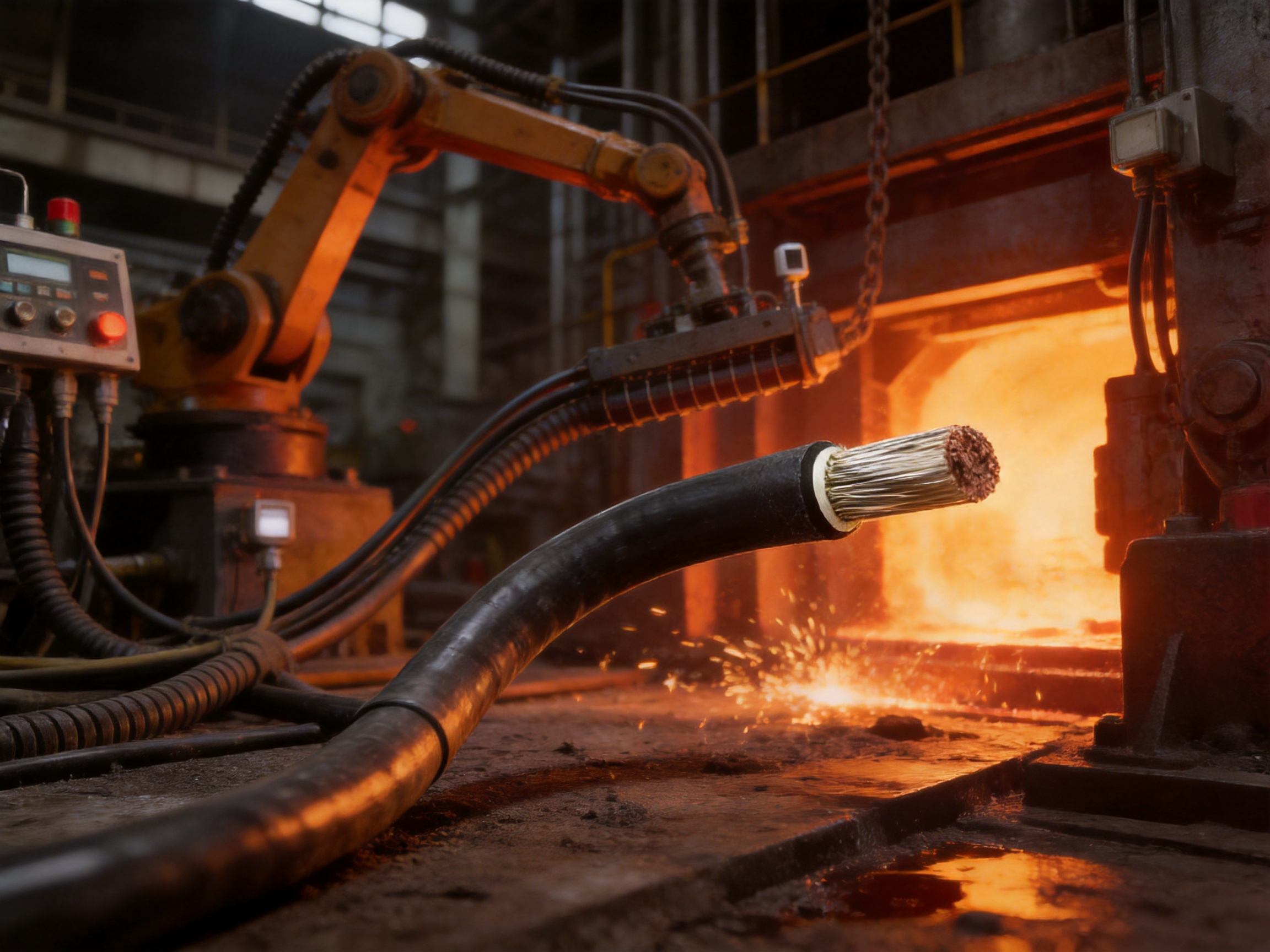
Glass manufacturing machinery often operates in continuous high-temperature environments. Equipment may include melting furnaces, forming machines, annealing lehrs, inspection systems, cutting equipment, and handling devices. Cables in these areas must resist heat while remaining flexible enough for installation around complex machinery. They may also be exposed to dust, vibration, and frequent maintenance adjustments.
The JXF (JBHF) cable can be used for power supply, control wiring, sensor connections, motion systems, and high-temperature auxiliary equipment in glass production. Its operating temperature range supports stable performance near heat-generating equipment. The cable’s low-temperature flexibility is also valuable in facilities where equipment may start under cold conditions before reaching high process temperatures.
Thermal processing equipment in other industries, such as ceramic production, heat treatment, drying systems, baking lines, and industrial ovens, presents similar cable challenges. Ordinary cables may become brittle and unsafe after repeated thermal cycling. Silicone rubber and fluororubber materials provide better resistance to heat aging, allowing the cable to retain insulation and mechanical performance for longer periods.
The product’s optional color customization can also support equipment identification and maintenance management. White, gray, red, or customized sheath colors may be selected according to project needs. In large facilities, clear cable identification helps technicians distinguish circuits and reduce maintenance errors.
Chemical and pharmaceutical industries require cables that can withstand corrosive environments while supporting safe and stable operation. Production systems may involve acids, alkalis, solvents, oils, vapors, cleaning fluids, and sterilization processes. Standard cable sheaths may deteriorate quickly under such exposure, creating safety and reliability problems.
The JXF (JBHF) cable is suitable for chemical reaction equipment, pharmaceutical production lines, process control cabinets, laboratory testing equipment, pumps, mixers, heating systems, and corrosion-prone instrumentation. The fluororubber version is especially useful where chemical resistance is a top priority. Its ability to resist oils, solvents, acids, and alkalis helps maintain cable integrity in aggressive environments.
In pharmaceutical and laboratory settings, reliability and cleanliness are critical. Cable surface degradation can create contamination risks, maintenance issues, and equipment downtime. A chemically resistant sheath helps protect the cable and supports stable performance over time. When combined with shielding, the cable can also protect sensitive control or measurement signals from electromagnetic interference in complex laboratory equipment.
For chemical plants, cable replacement is often difficult because systems may involve hazardous zones, confined spaces, or equipment requiring shutdown and cleaning before maintenance. A cable with better chemical durability can reduce replacement frequency and improve operational safety. The JXF (JBHF) cable provides this advantage through its material selection and robust construction.
Aerospace testing equipment requires cables that can operate under complex combinations of temperature, movement, vibration, and signal sensitivity. Test systems may include environmental chambers, engine testing platforms, vibration rigs, thermal cycling equipment, and precision measurement systems. Cable failure in these systems can interrupt expensive tests and compromise data quality.
The JXF (JBHF) cable provides a suitable solution for aerospace testing because it offers high-temperature resistance, flexibility, optional shielding, and resistance to chemicals and oils. The cable can support dynamic test setups where wiring must move with equipment while maintaining electrical stability. Its shielding capability is particularly useful for measurement and control systems where interference can distort data.
Nuclear power plants and related testing environments also require durable materials, stable insulation, and resistance to environmental stress. According to the provided information, the cable can pass a 10⁷ rad radiation test. Radiation resistance is an important factor in certain nuclear auxiliary systems, testing platforms, and specialized industrial environments. Cable selection in these fields must be guided by project standards, safety requirements, and engineering review.
In high-value technical facilities, cable performance must be predictable. The cost of uncertainty is high. By combining heat resistance, torsion resistance, chemical resistance, shielding, and radiation resistance, the JXF (JBHF) cable provides a strong foundation for specialized engineering applications where ordinary cable products are not sufficient.
Anhui Zhishang Cable Technology Co., Ltd. integrates research and development, production, and sales of wires and cables. The company is located in Xuanzhou District, Xuancheng City, Anhui Province, China, a key node city in the Yangtze River Delta region. Its modern production base covers approximately 5,000 square meters and is equipped with 10 automated production lines. Monthly output can reach up to 10 million meters, supporting both regular supply and customized project demand.
The company’s production philosophy is based on quality orientation, integrity foundation, and stability priority. This approach is important for high-performance cables because material selection, conductor processing, insulation thickness, shielding coverage, sheath consistency, and test control all affect final product reliability. A cable designed for high-temperature and mobile operation cannot depend on materials alone; it also requires disciplined manufacturing.
The company’s team includes quality engineers and R&D technicians with more than 10 years of industry experience. This technical background supports product selection guidance, OEM/ODM development, and custom cable design based on customer drawings or samples. For customers with special requirements, such as unusual cross-sections, color coding, shielding structures, sheath materials, temperature conditions, or movement requirements, engineering support can reduce selection errors and improve project fit.
Modern cable manufacturing involves conductor bunching or stranding, insulation extrusion or processing, cabling, shielding, sheath application, marking, testing, inspection, packaging, and documentation. Each step must be controlled to ensure stable electrical and mechanical performance. The company’s automated production lines help improve consistency, while quality assurance practices support full-core, full-length, pure copper specifications, product test reports, and warranty support for standard cable models.
The quality of a high-temperature flexible cable depends on the precision of several manufacturing stages. First, conductor production must ensure proper copper quality, strand diameter, lay length, flexibility, and electrical conductivity. Multi-stranded ultra-fine flexible conductors require careful processing to avoid uneven tension, strand damage, or inconsistent geometry. A stable conductor foundation supports both electrical current transmission and bending life.
Second, insulation processing must be consistent. Silicone rubber and fluororubber materials require appropriate processing conditions to achieve stable wall thickness, adhesion, elasticity, and dielectric performance. Uneven insulation thickness can create weak points, while poor material control may reduce temperature resistance or mechanical durability. Compliance with relevant standards such as JB/T 6213.2 for insulation and sheath thickness helps ensure dimensional reliability.
Third, shielding must be applied with adequate braid coverage and mechanical stability. A tinned copper wire braid shield with coverage of at least 90% must be manufactured with controlled braid angle, wire tension, and surface smoothness. Poor shielding may reduce anti-interference performance or create stress points under bending. Proper shielding improves electromagnetic compatibility and supports long-term operation in noisy industrial environments.
Fourth, sheath production must create a durable outer layer that resists heat, chemicals, abrasion, bending, and twisting. The sheath is the cable’s first defense against environmental damage. Silicone rubber or fluororubber sheath material must be selected and processed according to application requirements. Thickness control, surface quality, color consistency, and mechanical properties all matter.
Finally, testing and inspection confirm whether the cable meets required performance. Tests may include conductor resistance, voltage withstand, insulation resistance, dimensional checks, visual inspection, flame-retardancy testing, oil resistance evaluation, abrasion testing, torsion testing, and other project-specific assessments. By combining automated production capacity with experienced quality control, the manufacturer improves consistency and reduces the risk of field failures.
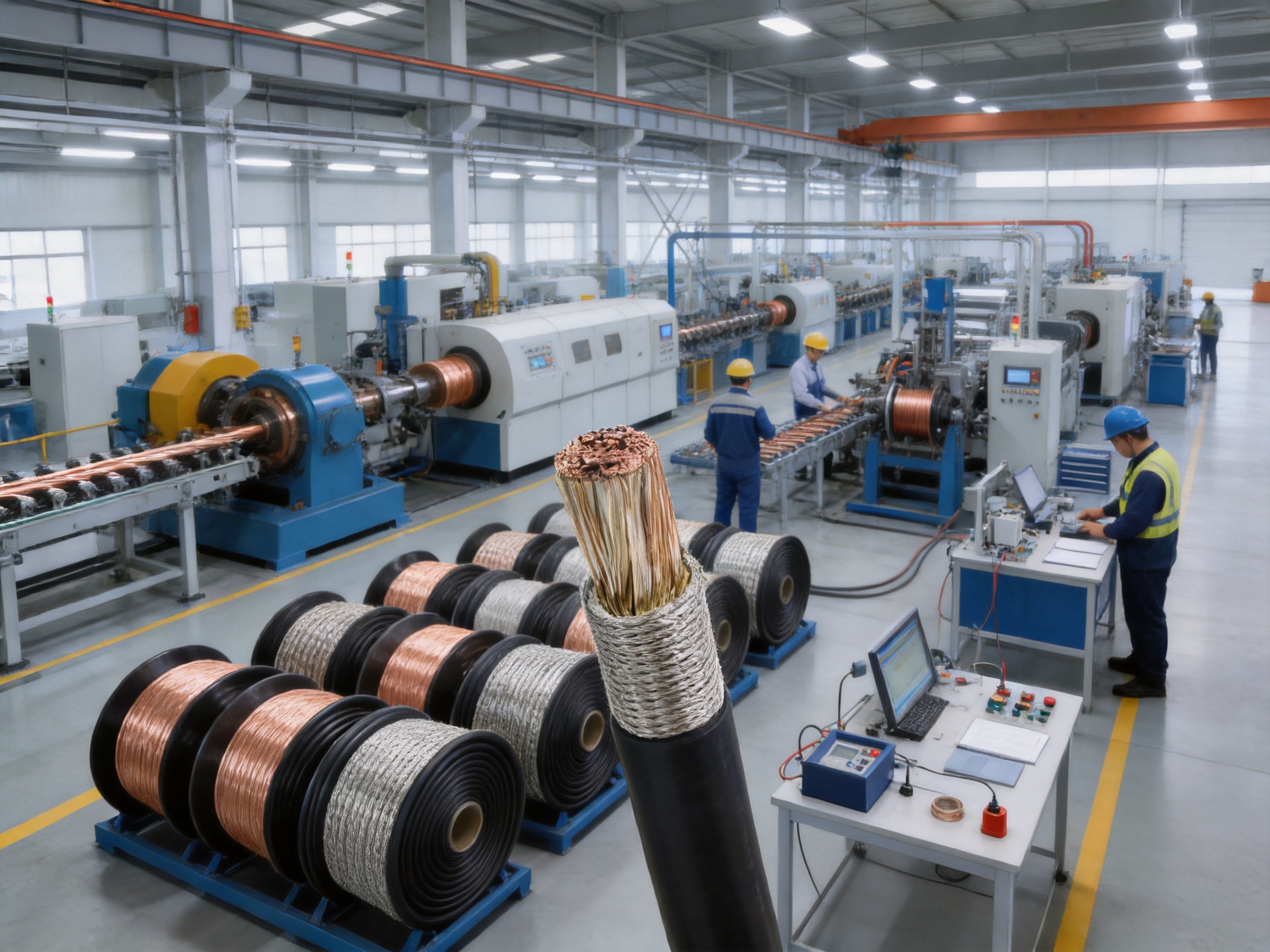
Industrial cable projects often require more than a standard catalog item. Equipment manufacturers may need a specific conductor size, voltage rating, insulation material, sheath color, shielding type, bending radius, marking method, packaging length, or compliance documentation. Anhui Zhishang Cable Technology Co., Ltd. supports OEM/ODM development based on customer drawings or samples, helping customers create cable solutions matched to their equipment and operating conditions.
Customization is especially important for high-temperature flexible cables because each application has different stress factors. A cable used near a furnace may prioritize thermal endurance and flexibility. A cable used in chemical equipment may prioritize fluororubber chemical resistance. A cable used in robotic motion may prioritize conductor flexibility, torsion resistance, and sheath abrasion resistance. A cable used for measurement may prioritize shielding and signal stability.
The company’s technical engineers can provide product selection guidance and tailor-made cable design solutions according to project needs. This support helps customers avoid common mistakes such as selecting a cable with insufficient temperature rating, inadequate shielding, poor chemical compatibility, excessive bending radius, or unsuitable sheath material. Proper selection at the design stage can reduce future maintenance cost and improve system reliability.
Standard products are stocked for fast shipment, while customized products typically require 7 to 20 days of lead time depending on complexity and order requirements. This balance of stock availability and customization capability is valuable for customers who need both rapid procurement and project-specific engineering.
The JXF (JBHF) high-voltage cable provides competitive value by reducing risk in harsh operating environments. When compared with ordinary flexible cables, its advantages include higher temperature resistance, better chemical durability, stronger movement performance, optional shielding, flame retardancy, and broader material selection. These benefits can translate into fewer cable failures, lower maintenance frequency, improved safety, and more stable equipment operation.
For equipment manufacturers, using a high-performance cable can improve the overall quality of the final machine. Cable failures are often blamed on the equipment brand, even when the root cause is a low-grade cable selected for cost savings. By integrating a more durable cable, manufacturers can enhance customer satisfaction, reduce after-sales service pressure, and support premium equipment positioning.
For industrial end users, the cable’s value is measured by lifecycle performance rather than initial purchase price alone. A cheaper cable may be acceptable in a clean, fixed, low-temperature environment, but it may fail rapidly in high-temperature, corrosive, or moving applications. The JXF (JBHF) cable is designed for the demanding cases where lifecycle reliability matters most.
The manufacturer’s strengths also add value. With modern production facilities, automated lines, experienced engineers, OEM/ODM capability, product test reports, pure copper assurance, and international market experience, the company can support customers from selection to delivery. Products are sold in markets including the United States, Canada, Australia, Japan, and parts of Eurasia, reflecting growing international recognition of its wire and cable solutions.
Correct cable selection and installation are essential to achieving expected performance. Engineers should consider rated voltage, conductor cross-section, current load, ambient temperature, installation temperature, bending radius, movement frequency, chemical exposure, shielding requirements, flame-retardancy needs, and compatibility with connectors or cable glands.
For mobile installation, the minimum bending radius of 4 times the cable outer diameter should be respected. Even a highly flexible cable can be damaged if it is forced into bends smaller than its recommended radius. Cable routing should avoid sharp edges, excessive tension, crushing, twisting beyond the design limit, and direct contact with surfaces hotter than the material rating unless suitable protection is provided.
When selecting between silicone rubber and fluororubber, engineers should evaluate both temperature and chemical exposure. Silicone rubber may be preferred for broad flexibility and high-temperature movement. Fluororubber may be preferred for stronger chemical resistance and higher long-term temperature capability. If electromagnetic interference is present, shielded construction should be considered. The shield should be properly grounded according to system design to achieve effective interference suppression.
For high-temperature environments, cable derating and heat accumulation should also be evaluated. Cables installed in bundles, enclosed trays, or poorly ventilated spaces may experience higher effective temperatures. Current-carrying capacity should be assessed according to installation conditions, ambient temperature, conductor size, and applicable standards. A qualified electrical engineer should review final system design for safety and compliance.
Reliability is built through design, materials, manufacturing, and verification. The JXF (JBHF) cable’s performance profile reflects attention to each of these areas. Its copper conductor supports conductivity and flexibility. Its silicone rubber or fluororubber insulation and sheath support thermal and chemical endurance. Its optional tinned copper braid shield improves electromagnetic compatibility. Its flame retardancy, oil resistance, abrasion resistance, torsion resistance, and radiation resistance provide confidence in harsh applications.
Anhui Zhishang Cable Technology Co., Ltd. supports quality assurance through full-core, full-length, pure copper specifications, product test reports, and warranty support for standard cable models. These practices are important because cable users need confidence that delivered products match declared specifications. In industrial procurement, documentation and traceability are often as important as the product itself.
The company also emphasizes green manufacturing and responsible production practices. As global customers increasingly evaluate suppliers based on quality, environmental responsibility, and stable delivery, these practices support long-term cooperation. The company’s ability to follow national standards, relevant international standards, and industry benchmarks further strengthens its position as a supplier for customized wire and cable solutions.
For demanding projects, customers can request technical confirmation before ordering. This may include conductor size, voltage grade, material type, shielding, sheath color, expected service temperature, movement conditions, chemical exposure, and test requirements. Early communication helps ensure that the delivered cable is suitable for the real operating environment.
The cable is designed for high-temperature, flexible, chemically resistant, and mechanically demanding industrial applications. It is suitable for furnaces, metallurgy equipment, glass machinery, chemical reaction systems, aerospace testing equipment, nuclear power facilities, robotics, cable carriers, and other harsh environments.
The cable can use silicone rubber or fluororubber for insulation and sheath. Silicone rubber provides excellent flexibility and high-temperature performance, while fluororubber offers stronger chemical resistance and higher long-term temperature capability.
According to the provided specifications, silicone rubber designs support long-term operation from approximately -60℃ to +200℃, while fluororubber designs support long-term operation from approximately -40℃ to +260℃.
Yes. The cable uses multi-stranded ultra-fine flexible copper conductors and a flexible sheath structure. It is suitable for high-frequency bending and movement, including cable carriers, robotics, and complex motion trajectories.
Yes. The cable provides excellent resistance to oil, solvents, acids, and alkalis. The fluororubber version is especially suitable for corrosive environments such as chemical and pharmaceutical industries.
Shielding is optional. The cable can be manufactured with a tinned copper wire braid shield with coverage of at least 90%, helping suppress electromagnetic interference and improve signal transmission stability.
Available rated voltage options include 300/300V, 300/500V, 450/750V, and 0.6/1 kV. The final choice depends on the electrical system and project requirements.
The cable can be produced in cross-sections from 0.5 mm² to 150 mm², covering a wide range of control, power, and specialized industrial applications.
Yes. Anhui Zhishang Cable Technology Co., Ltd. supports OEM/ODM customization based on customer drawings, samples, or project requirements, including material selection, shielding, color, size, and other design details.
Standard flexible cables may not withstand extreme heat, corrosive chemicals, repeated torsion, abrasion, or electromagnetic interference. The JXF (JBHF) cable is engineered for combined harsh conditions, providing better lifecycle reliability and reducing the risk of downtime.
The JXF (JBHF) high-voltage cable is a specialized cable solution for industrial environments where heat, movement, corrosion, shielding requirements, and safety concerns exist together. Its silicone rubber or fluororubber insulation and sheath materials provide strong temperature and chemical performance. Its multi-stranded ultra-fine flexible copper conductor supports repeated bending and dynamic installation. Its optional tinned copper braid shield improves anti-interference capability. Its flame retardancy, oil resistance, abrasion resistance, torsion resistance, and radiation resistance further strengthen its suitability for demanding engineering applications.
For high-temperature furnaces, steel metallurgy equipment, glass manufacturing machinery, chemical reaction systems, aerospace testing platforms, nuclear power facilities, robotics, and mobile industrial equipment, cable reliability directly affects operational stability. Selecting a cable that is properly engineered for these conditions can reduce maintenance frequency, prevent unexpected downtime, improve safety, and support long-term system performance.
Anhui Zhishang Cable Technology Co., Ltd. combines product engineering with modern manufacturing capabilities, experienced technical teams, automated production lines, quality assurance, and OEM/ODM customization support. This combination enables the company to provide stable and reliable cable solutions for customers in industrial automation, weak current engineering, intelligent manufacturing, appliance equipment, power engineering, and international markets. For projects requiring high-temperature flexibility and harsh-environment durability, the JXF (JBHF) cable is a strong and practical choice.
IEC 60332-1, Tests on Electric and Optical Fibre Cables Under Fire Conditions.
UL VW-1, Vertical Wire Flame Test Requirements.
JB/T 6213.2, Technical Requirements for Rubber Insulated Cables.
IEC 60228, Conductors of Insulated Cables.
IEC 60502, Power Cables with Extruded Insulation and Their Accessories.
IRM 903 Oil Immersion Test Method for Cable Material Evaluation.
Industrial Cable Engineering Handbook, High-Temperature and Flexible Cable Applications.
Polymer Materials for Electrical Insulation, Silicone Rubber and Fluoroelastomer Performance Studies.

We firmly believe that good cables are not only a competition of materials, but also a reflection of craftsmanship, quality, and responsibility.

Links
Product
Send Inquiry
No. 29 Sankeshu Road, Xuanzhou District, Xuancheng City, Anhui Province, China
+86-18621104555/+86-563-2622999
 Electrical Cable Manufacturer
OEM/ODM Wire and Cable Solutions
Electrical Cable Manufacturer
OEM/ODM Wire and Cable Solutions
 English
 Español
 عربى
عربى
 русский