
Get more content that can help you
Content
Modern industrial automation depends on reliable electrical connections. A control cable is not simply a group of copper conductors inside a sheath; it is the communication pathway between controllers, sensors, actuators, instruments, cabinets, machines, and mobile equipment. When this pathway fails, a production line may stop, a control signal may become unstable, or a machine may require costly maintenance. The KC 540 P PUR Control Cable is designed for these demanding industrial environments, combining fine-stranded copper conductors, PVC insulation, polyurethane outer sheathing, and optional tinned copper braided shielding to deliver a durable, flexible, and interference-resistant control cable solution.
This product belongs to the polyurethane specialty cable family and is especially suitable for industrial control circuits where oil resistance, abrasion resistance, flexible installation, and long-term service stability are important. It is intended for applications such as PLC control wiring, sensor and actuator connections, machine tool control systems, packaging equipment, printing machines, process control systems, engineering machinery, automated guided vehicles, outdoor control boxes, and humid or oily installation areas.
Compared with conventional PVC-sheathed control cables, the KC 540 P PUR Control Cable provides stronger resistance to mechanical wear, tearing, oils, coolants, hydraulic fluids, hydrolysis, aging, and many chemical influences. Compared with generic flexible cables, it offers a more balanced structure for industrial control signal transmission, with options for shielded or unshielded versions, single-layer or double-layer sheathing, and multi-core parallel or twisted construction. This makes it a practical solution for buyers who need performance, customization, and cost control in one cable.
Anhui Zhishang Cable Technology Co., Ltd. manufactures wire and cable products for industrial automation, weak current engineering, intelligent manufacturing, appliance equipment, power engineering, and other sectors. With a modern production base of approximately 5,000 square meters, automated production lines, experienced quality engineers, and R&D technicians with more than ten years of industry experience, the company supports both standard cable supply and OEM/ODM customization. The KC 540 P PUR Control Cable reflects this manufacturing capability: it is engineered not only with suitable materials, but also with attention to conductor flexibility, extrusion stability, shielding density, dimensional accuracy, and full-length quality control.
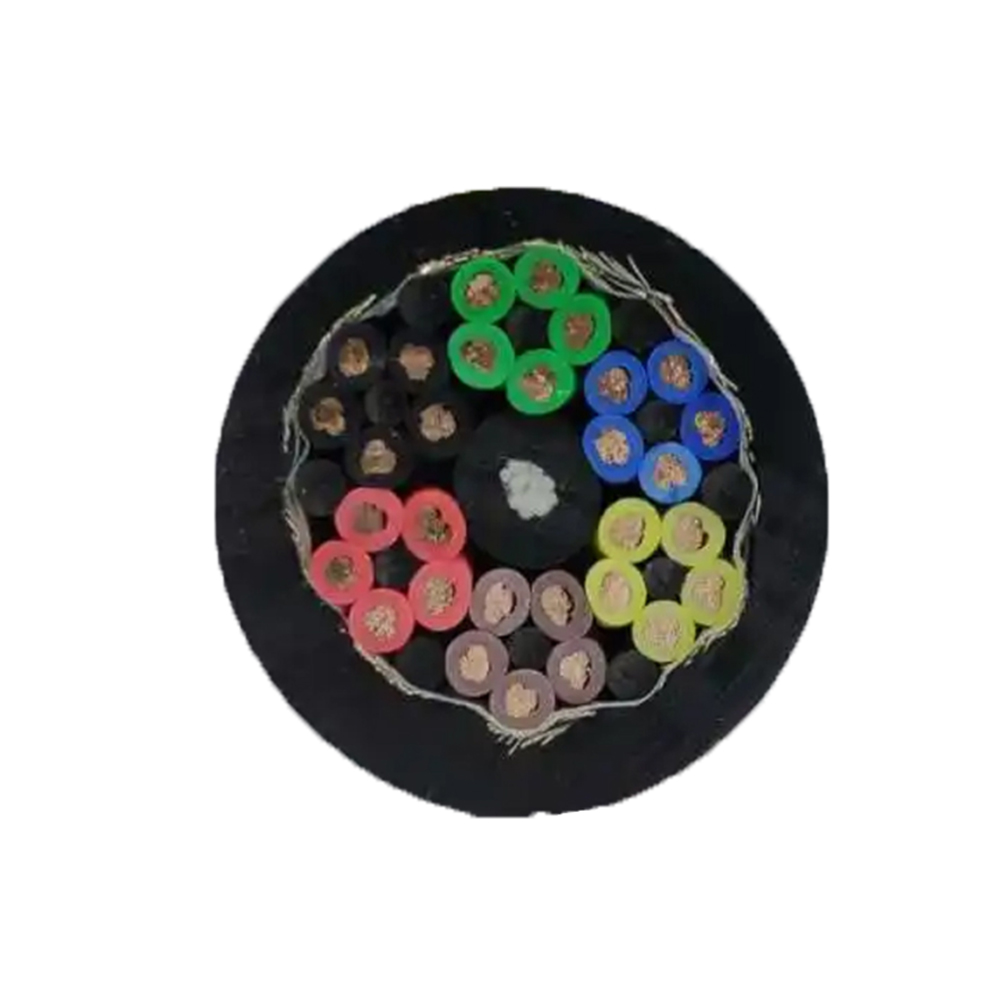
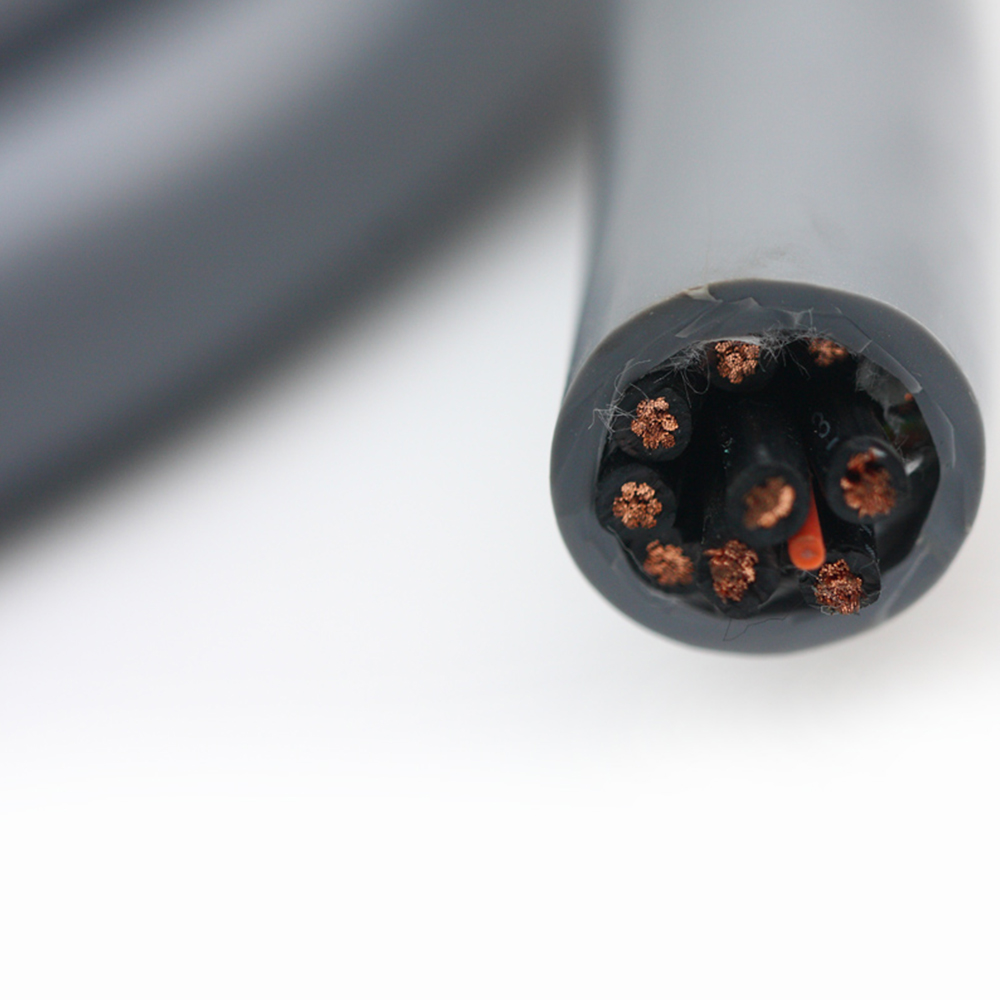
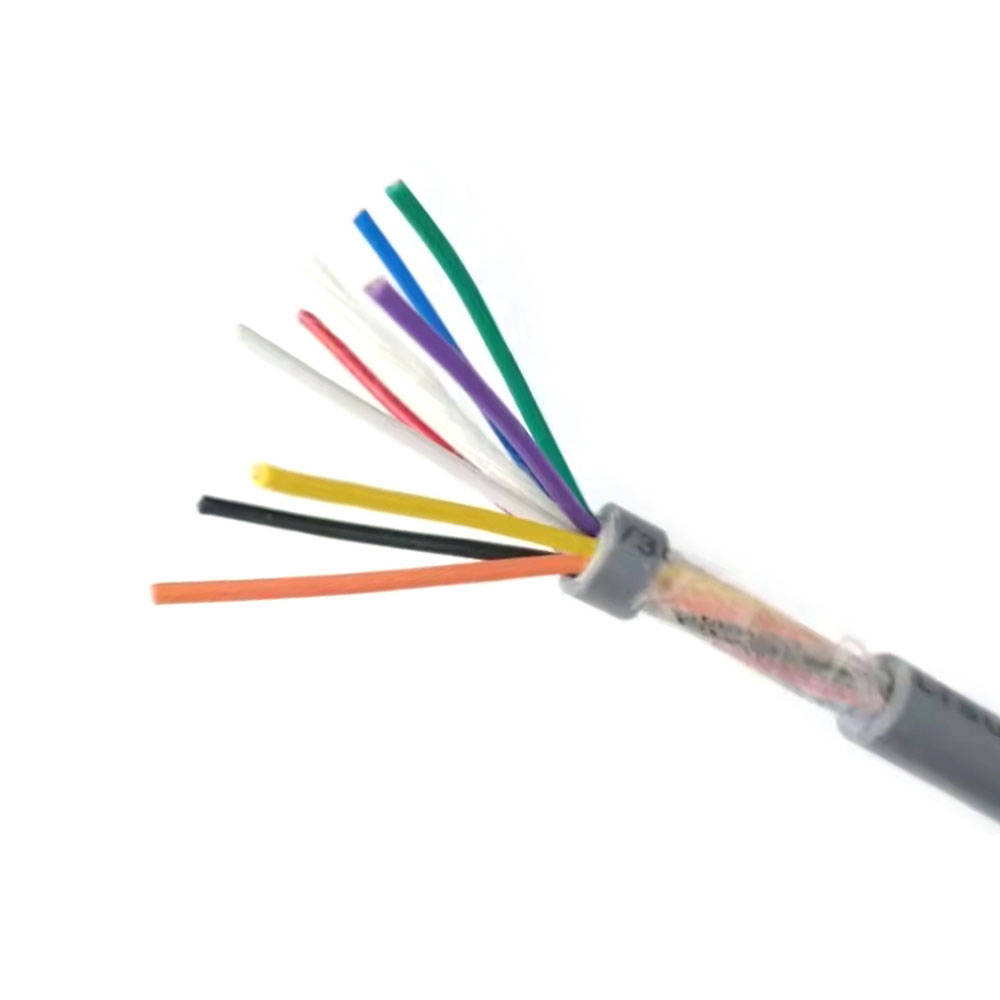
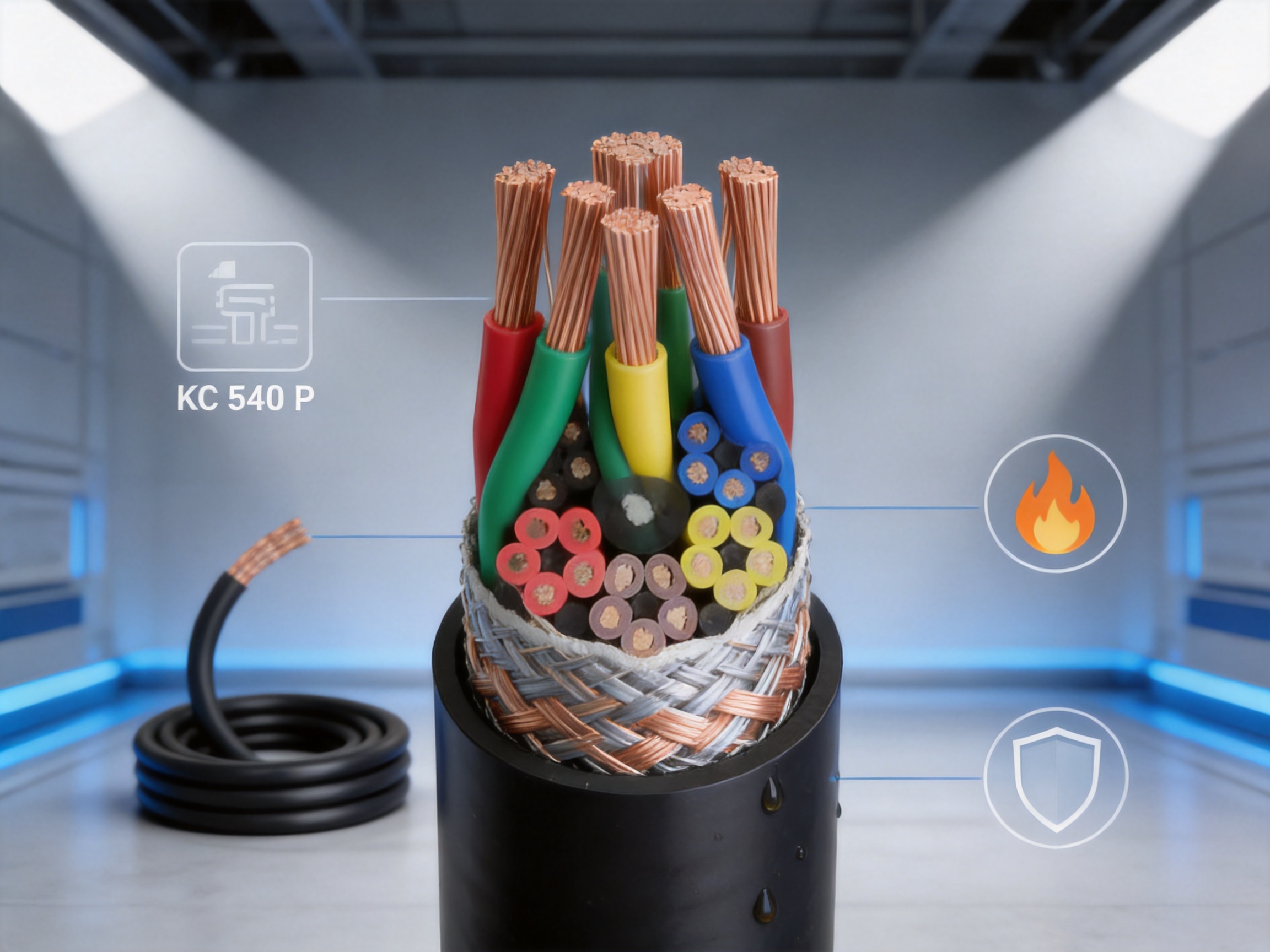
The KC 540 P PUR Control Cable is a PUR-sheathed multi-core control cable developed for industrial control wiring. Its typical structure includes a multi-strand fine copper conductor, optional tinned copper conductor, PVC insulation, optional tinned copper braided shielding, and a polyurethane sheath. The cable can be produced with multiple core configurations to match the circuit requirements of control cabinets, machines, equipment modules, and field devices.
The rated voltage depends on the conductor cross-section and design configuration. For smaller sizes such as 0.75 mm² to 1.0 mm², the typical rating is Uo/U 300/500 V. For larger sizes, such as 1.0 mm² to 16.0 mm² in suitable configurations, Uo/U 450/750 V can be available. A 3000 V test voltage, in accordance with relevant DIN VDE and HD requirements, supports insulation reliability and production quality verification.
The cable is suitable for a wide temperature range. In fixed installation, it can operate from approximately -40°C to +90°C. In flexible or moving installation, the operating range is approximately -30°C to +90°C. This allows the cable to work in cold workshops, outdoor control boxes, utility corridors, humid industrial spaces, and machinery environments where the cable may be exposed to temperature fluctuations.
One of the most important features is its polyurethane sheath. PUR is valued in industrial cables because it provides high abrasion resistance, good tear resistance, oil resistance, hydrolysis resistance, and mechanical durability. These properties make the KC 540 P PUR Control Cable more suitable than ordinary PVC control cables for locations where cables may rub against equipment surfaces, contact lubricants or coolants, or experience repeated handling during installation and maintenance.
The cable may also include optional tinned copper braided shielding. In industrial automation, electromagnetic interference can affect low-level control signals, sensor feedback, encoder pulses, and communication between devices. A braided shield helps reduce electromagnetic interference and improves signal stability, especially near motors, inverters, servo drives, welding equipment, high-current bus systems, and power distribution cabinets.
Item |
Typical Specification |
Practical Value |
Product type |
PUR-sheathed multi-core control cable |
Suitable for industrial control circuits and machine wiring |
Conductor |
Multi-strand fine copper conductor; tinned copper optional |
Improves flexibility and installation convenience |
Insulation |
Polyvinyl chloride insulation |
Provides stable electrical insulation for control circuits |
Sheath |
Polyurethane outer sheath |
Provides abrasion, oil, hydrolysis, and tear resistance |
Shielding |
Optional tinned copper braided shielding |
Reduces electromagnetic interference in signal circuits |
Rated voltage |
Uo/U 300/500 V for selected smaller sizes; Uo/U 450/750 V for selected larger sizes |
Supports common industrial control and power-control wiring requirements |
Test voltage |
3000 V |
Verifies insulation integrity and production consistency |
Minimum bending radius |
5 x D fixed installation; 10 x D flexible installation |
Allows practical routing in cabinets, conduits, cable trays, and cable carriers |
Operating temperature |
-40°C to +90°C fixed; -30°C to +90°C moving |
Suitable for cold, hot, indoor, outdoor, humid, and industrial environments |
Flame retardancy |
Flame-retardant and self-extinguishing, compliant with IEC 60332-1-2 and EN 60332-1-2 |
Improves safety in machinery and building-related industrial wiring |
Chemical resistance |
Excellent resistance to acids, alkalis, solvents, and hydraulic oils |
Suitable for contaminated and chemically exposed industrial areas |
The outer sheath is the cable’s first line of defense. In many industrial locations, cables are exposed to mechanical friction, oil splashes, dust, coolants, movement, moisture, and chemical residues. If the sheath cracks, swells, hardens, or tears, the internal insulation and conductor system become vulnerable. This can lead to signal faults, electrical leakage, short circuits, production downtime, or safety risks.
Polyurethane is widely used in high-performance industrial cables because it offers a strong combination of flexibility and toughness. It is more resistant to abrasion than many standard PVC compounds. It also performs well when exposed to mineral oil, lubricating oil, and coolant, which are common in machine tools, machining centers, robotics, and production lines. This makes the KC 540 P PUR Control Cable a better option for oily and humid environments than many ordinary control cables.
Hydrolysis resistance is also important. Some cable materials degrade when exposed to moisture, heat, and chemicals over time. In damp workshops, underground utility corridors, outdoor control boxes, food processing facilities, and chemical production areas, hydrolysis resistance helps maintain the mechanical integrity of the sheath. The KC 540 P PUR Control Cable is designed for these environments, supporting long-term use with reduced maintenance demands.
Another advantage of PUR is tear resistance. During installation, cables may be pulled through conduits, laid in trays, fixed with clamps, or routed around equipment edges. A weaker sheath may become damaged during installation before the equipment even begins operation. The PUR sheath of this control cable helps reduce installation damage and supports a longer working life.
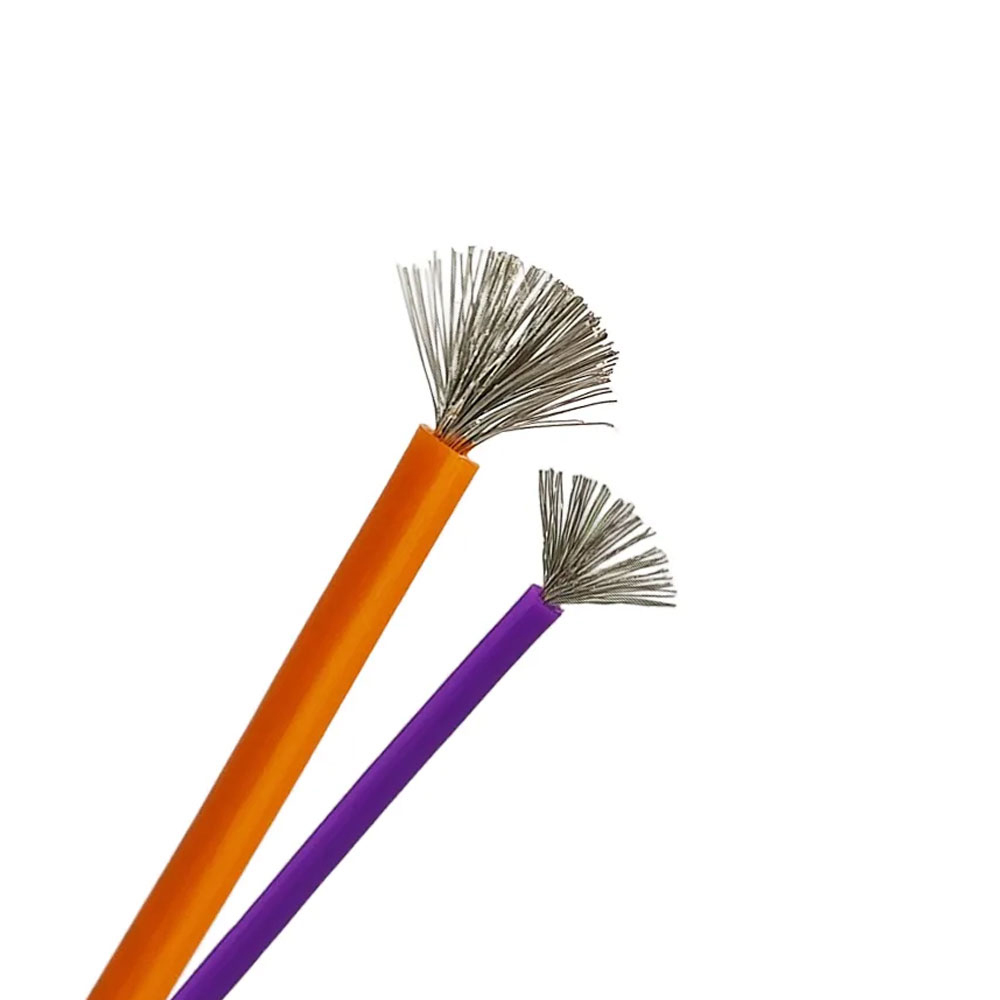
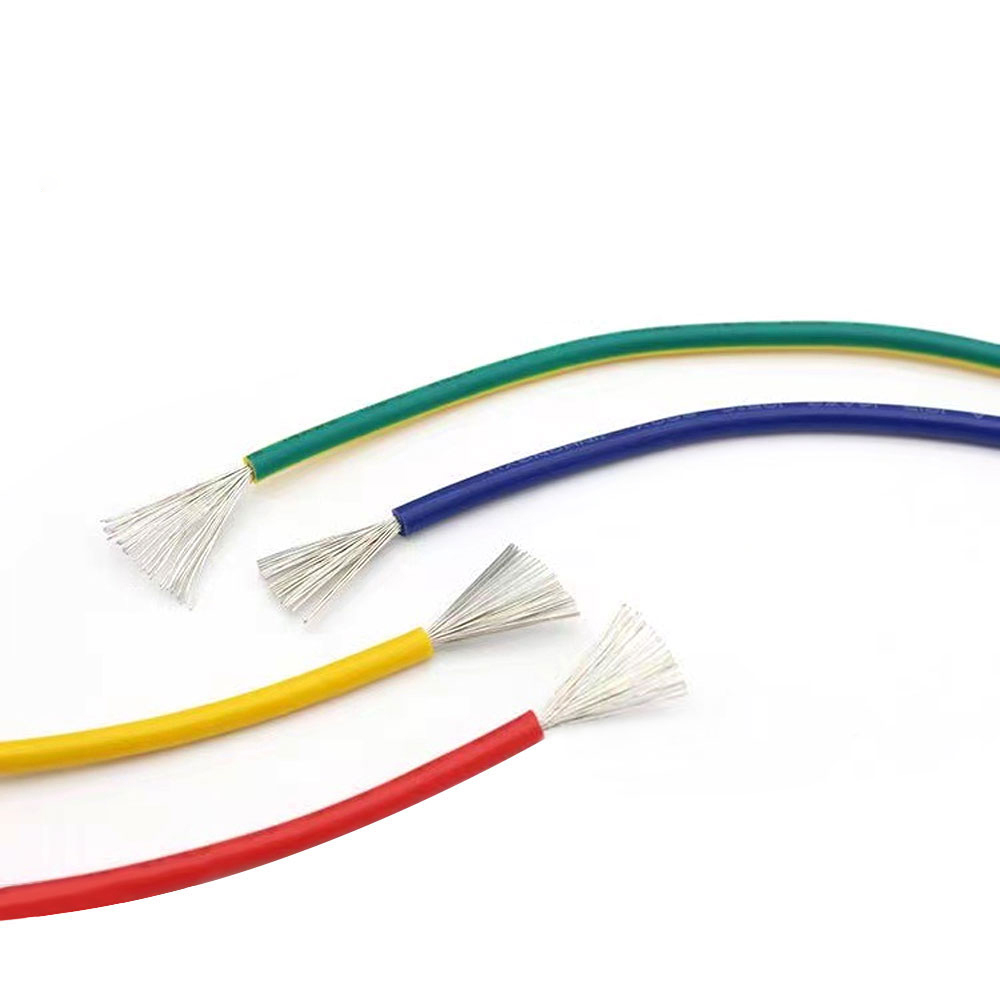
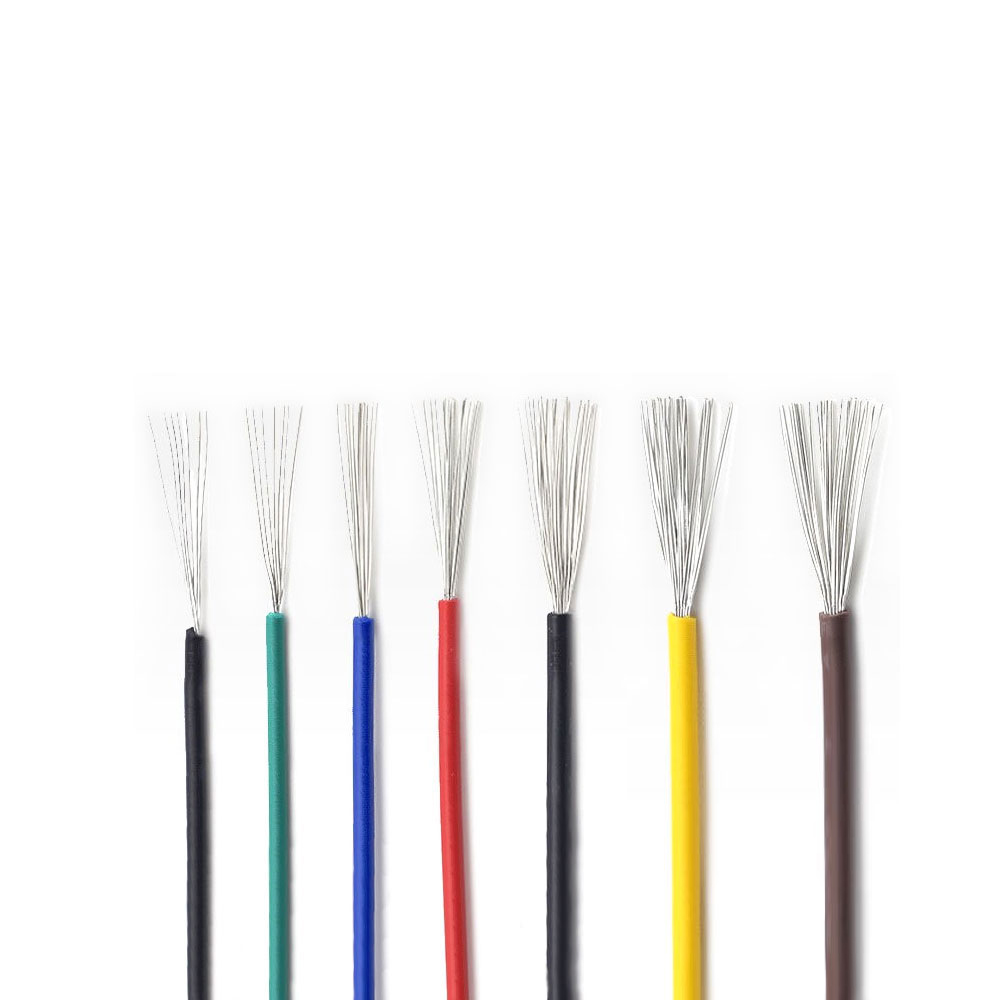
The conductor design plays a major role in cable flexibility. Solid conductors can be economical for fixed building wiring, but they are not ideal for machines or control systems requiring frequent bending, routing, or compact installation. The KC 540 P PUR Control Cable uses multi-strand fine copper conductors, creating a softer and more installation-friendly cable structure.
Fine-stranded conductors help installers route the cable through cable trays, conduits, control cabinets, cable carriers, and machinery interiors. This flexibility reduces installation labor and makes it easier to manage multiple connections in limited spaces. It also lowers stress on terminals and connectors when the cable must be bent near junction boxes or field devices.
Optional tinned copper conductors can be selected for environments requiring better oxidation resistance or improved soldering performance. Tinning provides a protective layer over the copper surface, helping maintain conductor condition in certain humid or chemically challenging conditions. This is particularly useful for marine-like humidity, outdoor control cabinets, or industrial locations where corrosion risk is higher.
Competitor cables may use conductors with fewer strands or less consistent stranding. Such designs may feel stiffer, be harder to install, and create higher stress at connection points. In contrast, the KC 540 P PUR Control Cable is designed with practical installation and long-term service in mind.
Industrial automation environments are electrically noisy. Motors, variable frequency drives, servo systems, switching power supplies, welding machines, transformers, relays, and high-current conductors can all generate electromagnetic interference. Sensitive control signals may be affected if the cable is not properly protected.
The KC 540 P PUR Control Cable can be produced with optional tinned copper braided shielding. A braided shield provides a conductive barrier around the cable cores. When properly grounded, it helps divert unwanted electromagnetic noise away from the internal conductors. This improves signal stability, reduces control errors, and supports reliable communication between control devices.
Shielding is especially important for PLC input and output circuits, sensor wiring, actuator feedback lines, encoder connections, analog signal circuits, and instrumentation wiring. In systems where signal integrity is critical, the shielded version of this cable can provide a meaningful advantage over unshielded or poorly shielded alternatives.
Tinned copper braiding also provides mechanical strength and oxidation resistance. A high-quality braid must have stable coverage, uniform tension, and good contact continuity. Manufacturing quality is essential because a shield with inconsistent coverage may not provide reliable interference suppression. Zhishang’s production process emphasizes shielding uniformity, dimensional control, and inspection to help ensure dependable performance.
Many industrial cables fail not because the electrical design is inadequate, but because the outer sheath cannot survive the environment. In CNC machines, lubricants and coolants can splash onto cable surfaces. In packaging lines, cleaning agents and oils may be present. In process industries, acids, alkalis, solvents, and hydraulic fluids may contact cable runs. In outdoor or underground installations, moisture and contaminants can accumulate over time.
The KC 540 P PUR Control Cable is designed to resist mineral oil, lubricating oil, coolant, hydraulic oil, acids, alkalis, and various solvents. This broad resistance helps maintain cable integrity in challenging surroundings. It also reduces the likelihood of sheath swelling, cracking, or softening after chemical exposure.
For customers, this means fewer cable replacements, less unexpected downtime, and lower maintenance cost. A cheaper cable may appear economical at the purchase stage, but if it fails early due to oil exposure or mechanical damage, the total cost becomes much higher. A durable PUR control cable provides value by extending service life and protecting the continuity of automated operations.
In competitor comparisons, the KC 540 P PUR Control Cable stands out because it combines environmental resistance with flexible construction and optional shielding. Some competitors may offer flexibility but weak oil resistance. Others may offer oil resistance but use a stiff sheath or limited configuration choices. This cable provides a practical balance for industrial buyers who need dependable performance across multiple operating conditions.
Industrial cables should not only transmit signals; they should also contribute to safer operation. Flame retardancy is important in control cabinets, machinery interiors, factory wiring channels, and equipment rooms. The KC 540 P PUR Control Cable is flame-retardant and self-extinguishing, with compliance to IEC 60332-1-2 and EN 60332-1-2 requirements.
Flame-retardant cable materials help limit flame spread when exposed to ignition sources. Although no cable should be considered fireproof, flame-retardant performance can reduce risk and provide more time for protective systems to operate. For manufacturers, system integrators, and facility owners, this is an important part of responsible cable selection.
The cable also offers radiation resistance of approximately 5 x 10⁷ cJ/kg, which can be relevant in specialized industrial environments. Combined with its mechanical, chemical, and temperature resistance, the product is suitable for a wide range of control wiring requirements where safety and durability are important.
The KC 540 P PUR Control Cable is especially suitable for industrial automation control cabinets. In a typical control cabinet, PLCs, input and output modules, relays, power supplies, terminal blocks, sensors, actuators, and field connections must be connected accurately and reliably. The cable’s fine-stranded conductors support easy routing and termination, while its optional shielding helps protect signal transmission in electrically noisy surroundings.
In machinery control circuits, the cable can be used for CNC machine tools, packaging machines, printing machines, textile equipment, cutting machines, assembly equipment, and other production machinery. These machines often contain moving parts, oils, coolants, vibration, and limited installation space. A flexible, oil-resistant PUR control cable offers better long-term suitability than general-purpose cable.
Process control systems are another important application. Chemical production lines, food processing lines, beverage systems, water treatment equipment, and material handling systems often require stable instrumentation and control signal transmission. The cable’s resistance to moisture and chemicals makes it well suited for these settings.
Mobile equipment can also benefit from this cable. Engineering machinery, automated guided vehicles, mobile control units, service robots, and modular equipment often require cables that can withstand movement, bending, vibration, and exposure to outdoor or workshop conditions. With a minimum bending radius of 10 x D for moving installation, the cable can be applied in dynamic wiring systems when properly selected and installed.
Outdoor control boxes, underground utility corridors, and damp industrial spaces create additional challenges. Moisture, low temperature, and contaminants can reduce the lifespan of ordinary cables. The KC 540 P PUR Control Cable is suitable for these environments because it combines temperature adaptability, hydrolysis resistance, and mechanical durability.
The first advantage is sheath performance. Ordinary PVC control cables may be adequate in clean, dry, fixed installations, but they are less suitable for oily, abrasive, or dynamic environments. The PUR sheath of the KC 540 P PUR Control Cable provides superior wear resistance and environmental protection, making it a stronger choice for demanding industrial sites.
The second advantage is flexibility. The fine-stranded conductor design provides a soft cable feel and reduces bending stress. Installers can route the cable more easily, especially in cabinets, cable trays, compact machines, and cable carriers. Better flexibility can reduce installation time and improve wiring quality.
The third advantage is optional electromagnetic shielding. Not every control circuit requires shielding, but many modern automation systems do. The availability of tinned copper braided shielding allows customers to select a configuration that matches their signal stability requirements. This helps avoid both under-specification and unnecessary cost.
The fourth advantage is wide temperature adaptability. A cable that performs from -40°C to +90°C in fixed installation can support a broad range of indoor, outdoor, cold, and warm environments. This reduces the need to source multiple cable types for different sections of a project.
The fifth advantage is cost-effectiveness. High-performance cables can be expensive, especially when customized. This product is positioned as a cost-effective PUR cable solution with stable performance. It helps customers obtain better durability than ordinary cable while maintaining practical cost control.
The sixth advantage is customization. Many competitors provide only standard configurations, forcing customers to adapt their designs to available cables. Zhishang supports OEM/ODM development based on drawings, samples, voltage requirements, conductor sizes, shielding needs, core counts, sheath structures, colors, markings, and application requirements. This capability can be decisive for equipment manufacturers and project contractors.
A reliable control cable depends on manufacturing process control from raw material selection to final inspection. Anhui Zhishang Cable Technology Co., Ltd. integrates R&D, production, and sales, allowing engineering feedback and customer requirements to be quickly reflected in product development. The company’s modern production base of approximately 5,000 square meters and automated production lines support stable output and consistent cable quality.
The production process begins with conductor preparation. Copper quality, strand diameter, stranding pitch, and conductor compactness influence flexibility, resistance, and long-term performance. Fine-stranded copper conductors are produced to meet the required electrical and mechanical characteristics. For optional tinned copper conductors, the surface quality and tin layer consistency are controlled to support corrosion resistance and reliable termination.
Insulation extrusion follows conductor preparation. PVC insulation must be applied with stable thickness, smooth surface quality, and proper concentricity. Uneven insulation can create weak points, affect voltage withstand performance, and reduce service reliability. Automated extrusion and quality checks help maintain dimensional accuracy.
Core identification and cabling are also important. Multi-core control cables must be easy to install and terminate correctly. Accurate core identification reduces wiring errors and supports maintenance efficiency. During cabling, the core arrangement, lay length, and internal balance influence flexibility and roundness. A well-designed cabling process helps prevent internal stress and improves the cable’s bending behavior.
If shielding is required, a tinned copper braid is applied around the cabled core assembly. Braid coverage, wire diameter, braid angle, and tension influence shielding effectiveness and mechanical stability. Poor shielding can lead to gaps, unstable grounding, and reduced interference protection. Proper braiding technology ensures that the shield performs as intended.
The PUR sheath is then extruded over the internal structure. This step requires strict temperature and pressure control because polyurethane compounds must be processed correctly to achieve the desired mechanical and chemical resistance. A smooth, uniform sheath supports abrasion resistance, sealing, identification marking, and installation quality.
Final testing includes conductor resistance checks, voltage tests, dimensional inspection, surface inspection, length verification, and other quality controls according to the product design and customer requirements. Standard cable models may be supported by product test reports and warranty support. This manufacturing discipline helps ensure that the cable received by the customer matches the intended specification.
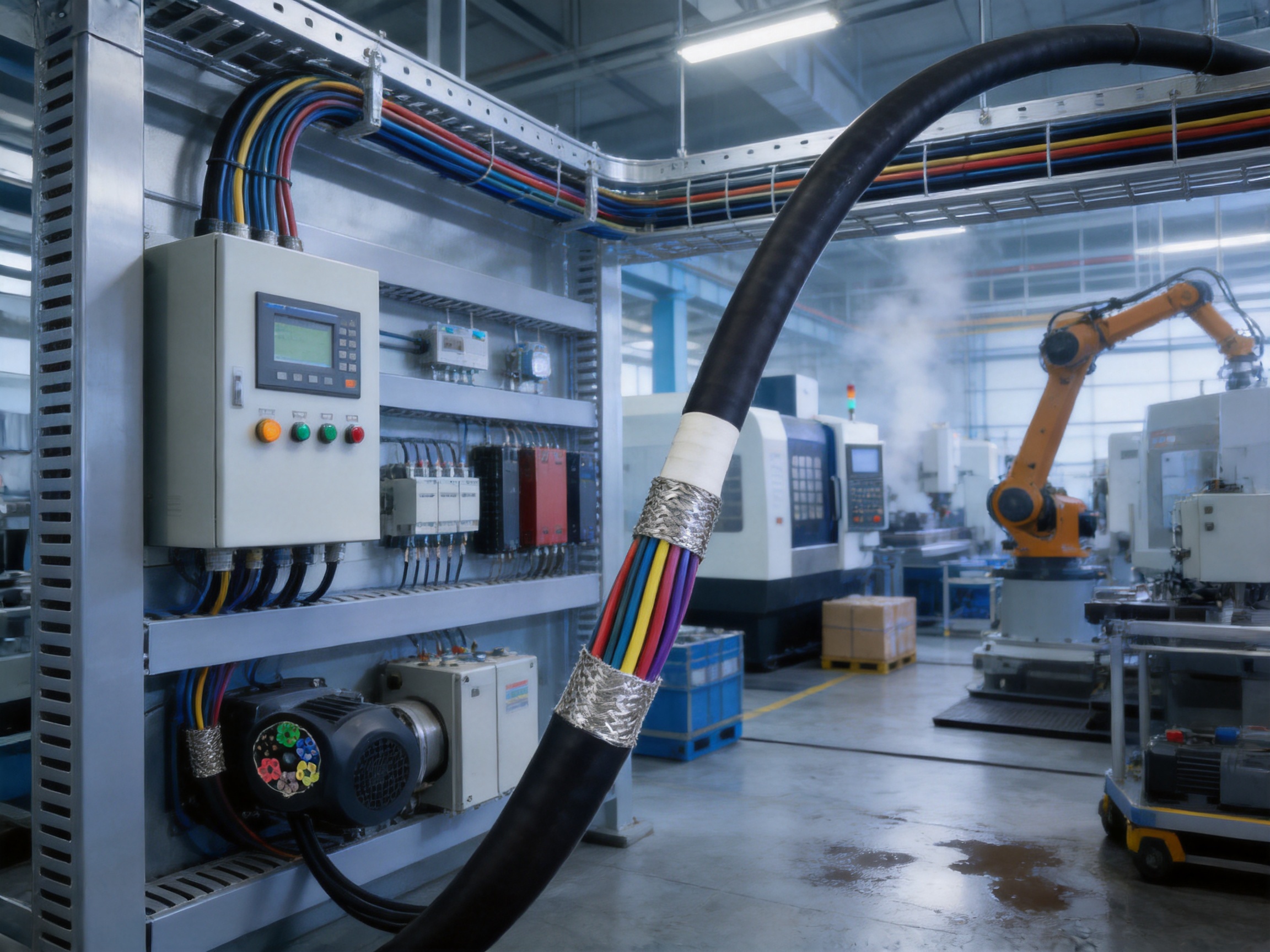
Quality assurance is not a single test at the end of production. It is a system of controlled materials, standardized processes, trained personnel, inspection records, and continuous improvement. Zhishang’s business philosophy emphasizes quality orientation, integrity foundation, and stability priority. This approach is reflected in the production of industrial cables such as the KC 540 P PUR Control Cable.
The company follows national standards, relevant international standards, and industry benchmarks to customize cable products according to defined technical requirements. For customers, this means that cable design can be aligned with project expectations rather than selected only from generic stock items. When a machine builder, automation integrator, or engineering contractor needs a specific conductor size, core count, shield, sheath color, or performance requirement, the company’s R&D and technical teams can provide selection guidance and design support.
Production capacity is also part of reliability. With automated production lines and monthly output capability of up to 10 million meters, the company can support both repeated standard orders and customized project needs. Standard products may be stocked for faster shipment, while customized products commonly require a lead time of approximately 7 to 20 days depending on complexity, quantity, and materials.
Full-core, full-length, and pure copper specifications support honest product quality. In cable purchasing, hidden compromises such as reduced conductor cross-section, inconsistent materials, or poor sheath thickness can create long-term risks. A manufacturer committed to specification integrity helps customers reduce uncertainty and avoid quality disputes.
Industrial equipment manufacturers often require cables that match their machine design exactly. The cable must fit clamps, conduits, connectors, drag chains, terminals, control cabinet layouts, and labeling systems. A standard cable may not always provide the required combination of flexibility, shielding, oil resistance, diameter, voltage rating, color, and marking. This is why OEM and ODM support is valuable.
The KC 540 P PUR Control Cable can be configured in shielded or unshielded versions. It can be designed with multi-core parallel or twisted structures. Single-layer or double-layer sheathing can be selected depending on mechanical requirements. Conductor sizes can be chosen according to current, voltage drop, installation length, and terminal compatibility. Tinned copper can be selected where oxidation resistance is desired.
For equipment manufacturers, this flexibility helps simplify procurement and improve product consistency. Instead of purchasing several cable types from different suppliers, a customer can work with one manufacturer to develop a cable family that fits the entire equipment line. This supports branding consistency, technical consistency, and after-sales service efficiency.
For engineering contractors, customization can reduce installation problems. Cable diameter, bending radius, flame retardancy, shielding, and oil resistance can be matched to the actual site environment. This reduces the risk of selecting a cable that performs well on paper but fails under real installation conditions.
Even the best cable must be installed correctly. The KC 540 P PUR Control Cable has a recommended minimum bending radius of 5 x D for fixed installation and 10 x D for flexible or moving installation, where D is the cable’s overall diameter. Respecting the bending radius helps protect conductor strands, insulation, shielding, and sheath structure.
When used in cable carriers or moving equipment, the cable should be installed without twisting. It should have sufficient free movement within the carrier and should not be clamped too tightly in moving sections. If multiple cables are installed together, the weight, diameter, and movement characteristics should be considered to prevent abrasion and uneven stress.
For shielded versions, grounding method is critical. A braided shield can only suppress interference effectively if it is connected correctly. Depending on the control system design, shielding may be grounded at one end or both ends. The decision should follow equipment manufacturer guidance, electromagnetic compatibility requirements, and site conditions.
When installed near power cables, motors, drives, or high-current circuits, separation distance should be considered. Shielding improves protection, but good routing practice further reduces interference risk. Control cables should be arranged neatly, protected from sharp edges, and fixed with suitable clamps that do not damage the sheath.
In oily or chemically exposed environments, cables should still be protected from unnecessary immersion or severe mechanical damage where possible. PUR provides strong resistance, but correct cable routing and mechanical protection will extend service life even further.
For machine builders, the KC 540 P PUR Control Cable provides a reliable wiring solution that can improve machine durability and reduce after-sales service issues. A cable failure inside a machine can be difficult to diagnose and expensive to repair. By using a durable, oil-resistant, flexible cable during equipment manufacturing, machine builders can improve customer satisfaction and reduce warranty risk.
For automation system integrators, the cable provides practical flexibility and optional shielding. Integrators often work in varied environments, from clean control rooms to harsh production lines. A cable that can support many installation conditions simplifies project planning and reduces the need to manage multiple cable models.
For industrial facility owners, the cable helps reduce maintenance downtime. When cables in control systems fail, the resulting downtime may cost far more than the cable itself. A higher-performance control cable is an investment in operational stability.
For distributors and wholesalers, the product offers a strong sales proposition. It covers industrial control, flexible wiring, oil-resistant environments, shielded signal applications, and customized configurations. The broad application range makes it suitable for customers in automation, machinery, manufacturing, construction, and maintenance sectors.
Anhui Zhishang Cable Technology Co., Ltd. is located in Xuanzhou District, Xuancheng City, Anhui Province, China, an important node area in the Yangtze River Delta region. The company’s location supports industrial supply chain access, logistics convenience, and market responsiveness. It manufactures wires and cables for domestic and international customers, with products sold in markets including the United States, Canada, Australia, Japan, and parts of Eurasia.
The company’s team includes quality engineers and R&D technicians with more than ten years of industry experience. This technical background supports product selection guidance, drawing-based development, sample-based customization, and project-specific cable design. For international buyers, technical communication is essential because cable requirements often involve standards, voltage ratings, materials, certifications, packaging, marking, and installation conditions.
The company also emphasizes green manufacturing and responsible production practices. In modern cable manufacturing, environmental responsibility is increasingly important. Efficient production lines, material control, quality stability, and reduced waste all contribute to sustainable manufacturing. A cable with longer service life also supports sustainability by reducing replacement frequency and material consumption.
Zhishang’s standard products can be stocked for fast shipment, while custom products are typically produced within reasonable lead times. This combination of stock availability and customization capability is especially useful for project-based buyers who need urgent samples, pilot orders, and later mass production.
When comparing the KC 540 P PUR Control Cable with ordinary PVC control cable, the most obvious difference is environmental durability. PVC cable is often suitable for indoor, dry, fixed wiring, but it may not resist oil, abrasion, and moisture as effectively as PUR. In environments such as CNC machining, mechanical automation, and outdoor control systems, the PUR sheath provides a performance advantage.
When compared with rubber-sheathed flexible cables, the KC 540 P PUR Control Cable may offer better abrasion resistance and a more compact control cable design. Rubber cables can be useful in certain heavy-duty applications, but they may be bulkier or less suitable for precise control cabinet wiring. PUR provides a strong combination of mechanical toughness and manageable diameter.
When compared with low-cost generic flexible cables, this product offers better specification transparency and stronger customization support. Low-cost alternatives may reduce copper content, use inconsistent insulation thickness, or provide limited quality documentation. For industrial systems, such compromises can create hidden risks. A properly manufactured PUR control cable provides more predictable performance.
When compared with high-end imported PUR control cables, the KC 540 P PUR Control Cable offers a cost-effective alternative. It delivers key features such as PUR sheathing, fine-stranded copper conductors, optional shielding, flame retardancy, oil resistance, and wide temperature operation while supporting flexible production and customization. This makes it attractive for buyers seeking performance without excessive procurement cost.
When selecting the KC 540 P PUR Control Cable, buyers should first define the electrical requirements. These include rated voltage, operating current, conductor cross-section, number of cores, voltage drop, and circuit type. Control circuits with low current may use smaller conductor sizes, while power-control circuits or longer runs may require larger cross-sections.
The second step is to define the installation environment. If the cable will be exposed to oil, coolant, hydraulic fluid, moisture, abrasion, or outdoor conditions, PUR sheathing is strongly recommended. If the environment is clean and fixed, a different cable may be sufficient, but PUR still provides additional durability.
The third step is to determine whether shielding is necessary. Shielding is recommended for analog signals, sensor feedback, encoder circuits, communication-related control lines, and installations near motors or drives. For simple relay control in low-noise environments, unshielded cable may be adequate.
The fourth step is to consider movement. If the cable will be fixed in a cabinet or tray, the 5 x D bending radius should be observed. If the cable will move or bend repeatedly, the 10 x D bending radius should be followed, and the dynamic installation conditions should be reviewed carefully.
The fifth step is to confirm standards, markings, packaging, and documentation. For export projects, customers may require specific labels, test reports, drum packaging, carton packaging, or special cable printing. These details should be confirmed before production.
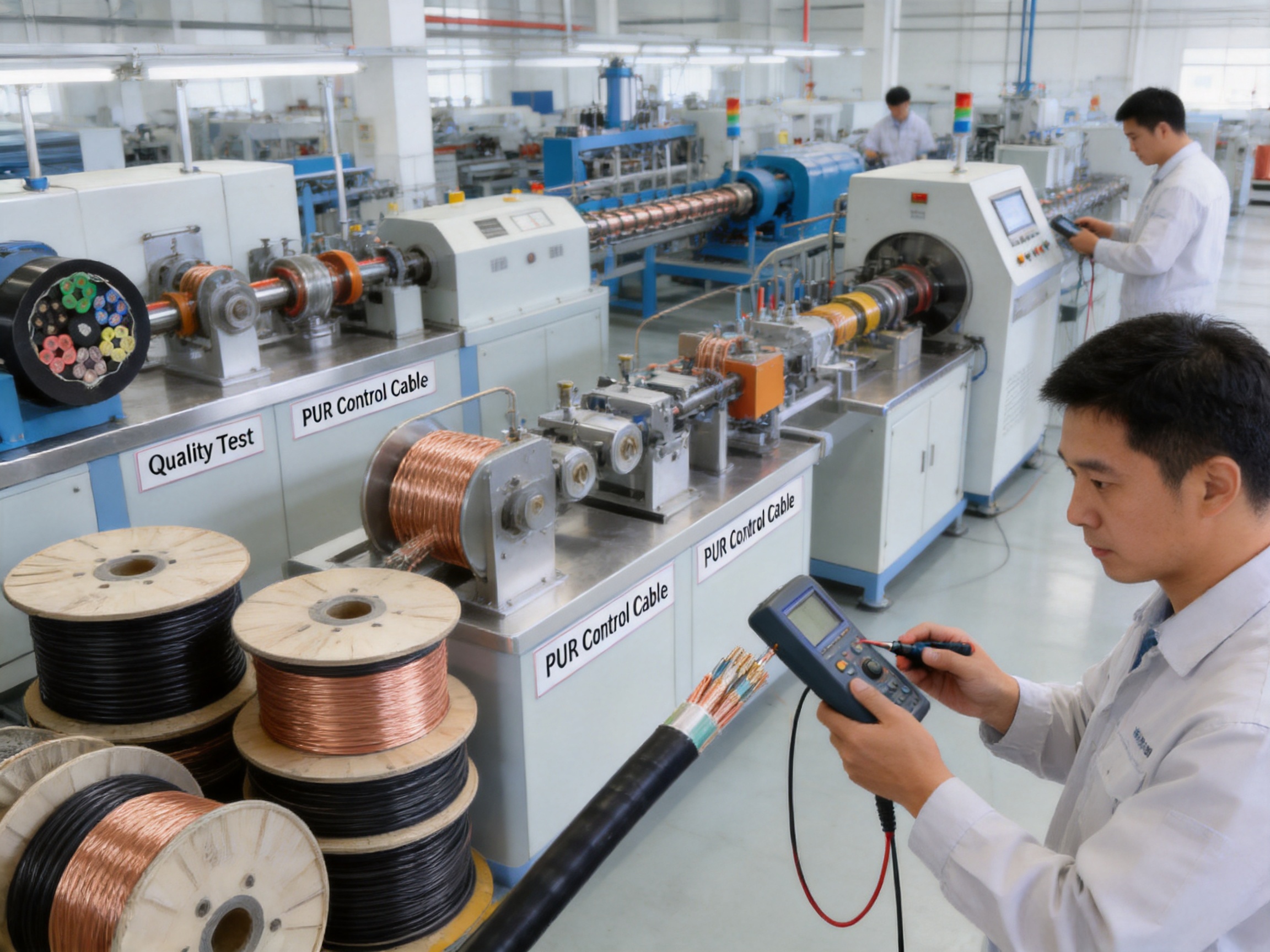
It is used for industrial control circuits, including PLC wiring, sensor and actuator connections, machinery control systems, process control equipment, mobile machinery control units, outdoor control boxes, and damp or oily installation areas.
PUR sheathing provides stronger abrasion resistance, oil resistance, tear resistance, hydrolysis resistance, and mechanical durability. This makes it more suitable for machine tools, automation lines, oily workshops, humid spaces, and dynamic wiring conditions.
Yes. The cable can be produced with optional tinned copper braided shielding. The shielded version helps reduce electromagnetic interference and improves signal stability in industrial automation systems.
For fixed installation, the cable can typically operate from -40°C to +90°C. For flexible or moving installation, the operating range is typically -30°C to +90°C.
The recommended minimum bending radius is 5 x D for fixed installation and 10 x D for flexible or moving installation, where D is the cable’s overall diameter.
Yes. The cable is designed to resist mineral oil, lubricating oil, coolant, hydraulic oil, and other industrial contaminants, making it suitable for oily machinery and production environments.
Yes. Customization can include conductor size, number of cores, shielded or unshielded structure, tinned copper option, sheath structure, color, printing, packaging, and design based on drawings or samples.
Cheaper generic cables may be acceptable for simple and clean installations, but they often lack strong oil resistance, abrasion resistance, shielding options, and customization support. The KC 540 P PUR Control Cable provides better durability and long-term value in demanding industrial applications.
Yes, it can be used in outdoor and humid environments when properly installed and protected. Its wide temperature range, PUR sheath, and hydrolysis resistance support stable outdoor control wiring.
OEM and ODM capability allows the cable to match real project requirements rather than forcing the project to adapt to standard cable limitations. This improves installation efficiency, performance consistency, and procurement flexibility.
The KC 540 P PUR Control Cable is a high-performance industrial control cable designed for environments where flexibility, durability, oil resistance, chemical resistance, flame retardancy, and signal stability are required. Its fine-stranded copper conductors support easy installation, its PVC insulation provides stable electrical performance, its optional tinned copper braided shielding improves electromagnetic compatibility, and its polyurethane sheath protects the cable against mechanical and environmental stress.
For customers comparing cable options, this product offers clear advantages over ordinary PVC control cables, low-cost generic flexible cables, and limited-configuration competitor products. It provides a practical balance of performance, customization, and cost-effectiveness. It is suitable for industrial automation, machinery control, process control, mobile equipment, outdoor control boxes, utility corridors, and damp or oily environments.
The manufacturing strength of Anhui Zhishang Cable Technology Co., Ltd. further increases the value of the product. With automated production lines, experienced technical personnel, quality assurance systems, OEM/ODM support, modern production facilities, and international supply experience, the company can support both standard cable requirements and customized industrial projects. In an era where reliable automation depends on reliable connections, choosing the right control cable is a strategic decision. The KC 540 P PUR Control Cable provides the durability and flexibility needed for stable industrial performance.
International Electrotechnical Commission. IEC 60332-1-2: Tests on Electric and Optical Fibre Cables Under Fire Conditions.
European Committee for Electrotechnical Standardization. EN 60332-1-2: Tests on Electric and Optical Fibre Cables Under Fire Conditions.
DIN VDE Standards. Requirements for Insulated Cables and Flexible Cords for Power Installations.
HD 21.2 Harmonization Document. Polyvinyl Chloride Insulated Cables of Rated Voltages up to and Including 450/750 V.
HD 22.10 Harmonization Document. Rubber Insulated Cables of Rated Voltages up to and Including 450/750 V.
Industrial Automation Cable Engineering Guidelines. Selection Principles for Control, Signal, and Flexible Machine Cables.

We firmly believe that good cables are not only a competition of materials, but also a reflection of craftsmanship, quality, and responsibility.

Links
Product
Send Inquiry
No. 29 Sankeshu Road, Xuanzhou District, Xuancheng City, Anhui Province, China
+86-18621104555/+86-563-2622999
 Electrical Cable Manufacturer
OEM/ODM Wire and Cable Solutions
Electrical Cable Manufacturer
OEM/ODM Wire and Cable Solutions
 English
 Español
 عربى
عربى
 русский